Tag: B2B Sourcing

  • Trampoline Park Connecticut: The Ultimate 2025 B2B Sourcing Guide

    Trampoline Park Connecticut: The Ultimate 2025 B2B Sourcing Guide

    Introduction: Navigating the Global Market for trampoline park connecticut

    In today’s competitive landscape, sourcing innovative entertainment solutions like trampoline parks in Connecticut presents both opportunities and challenges for international B2B buyers. As families worldwide seek engaging recreational experiences, trampoline parks have emerged as a thriving business model, especially in regions such as Africa, South America, the Middle East, and Europe. However, navigating the complexities of this market requires a comprehensive understanding of various factors, including types of facilities, target demographics, supplier vetting processes, and associated costs.

    This guide aims to equip international buyers with actionable insights into the trampoline park industry in Connecticut. We delve into the diverse offerings of trampoline parks, from adventure parks featuring ninja courses and climbing walls to family-friendly venues designed for birthday parties and corporate events. Additionally, we explore effective supplier evaluation criteria, ensuring that you partner with reputable operators who prioritize safety and customer satisfaction.

    By leveraging this guide, B2B buyers will be empowered to make informed purchasing decisions that align with their strategic goals. Whether you are looking to invest in a trampoline park franchise, partner with local operators, or understand market trends, this resource provides the clarity and direction needed to thrive in the global marketplace for trampoline parks. Together, we can jumpstart your journey into this exciting industry.

    Table Of Contents

    Understanding trampoline park connecticut Types and Variations

    Type Name Key Distinguishing Features Primary B2B Applications Brief Pros & Cons for Buyers
    Adventure Parks Combination of trampolines with various attractions like climbing walls, obstacle courses, and arcade games. Family entertainment centers, corporate events, team building activities. Pros: Diverse attractions draw larger crowds. Cons: Higher initial investment due to varied equipment.
    Traditional Trampoline Parks Focus primarily on trampoline courts, often including dodgeball and foam pits. Birthday parties, youth groups, school events. Pros: Simpler setup and lower operational costs. Cons: Limited attractions may not attract repeat visitors.
    Kids’ Zones Areas specifically designed for younger children, featuring smaller trampolines and soft play equipment. Daycares, family outings, children’s parties. Pros: Safe environment encourages family visits. Cons: Smaller revenue potential compared to larger attractions.
    Seasonal/Pop-Up Trampoline Parks Temporary installations that operate during peak seasons or events, often with unique themes. Festivals, fairs, and community events. Pros: Low overhead and flexible operation. Cons: Limited duration and potential for lower brand recognition.
    Fitness-Focused Trampoline Parks Emphasis on fitness classes and health-related activities, integrating trampolining with workout programs. Corporate wellness programs, fitness events, schools. Pros: Attracts health-conscious demographics. Cons: Requires specialized staff and marketing to promote fitness benefits.

    What are the Characteristics of Adventure Parks?

    Adventure parks combine trampolines with a variety of attractions, such as climbing walls, obstacle courses, and arcade games. These parks cater to a broad audience, offering something for all ages, which can enhance visitor numbers and engagement. B2B buyers should consider the initial investment required for diverse equipment and the potential for higher returns through increased foot traffic and event bookings.

    How do Traditional Trampoline Parks Stand Out?

    Traditional trampoline parks primarily focus on large trampoline courts, often supplemented with dodgeball and foam pits. They are particularly suited for birthday parties and youth group events, making them a popular choice for family entertainment. Buyers should evaluate the simplicity of setup and lower operational costs, but also recognize the risk of limited attractions that may hinder repeat visits.

    Why are Kids’ Zones Important for Family Entertainment?

    Kids’ zones are specifically designed for younger children, featuring smaller trampolines and soft play areas. These zones create a safe environment that encourages family visits, making them appealing to daycares and family-oriented events. While they provide a safe play option, buyers should be aware that revenue potential may be lower compared to larger attractions, necessitating a focus on volume rather than high-value offerings.

    What are the Benefits of Seasonal/Pop-Up Trampoline Parks?

    Seasonal or pop-up trampoline parks are temporary installations that capitalize on peak seasons or events, providing unique themes and experiences. These parks can be highly profitable during festivals and community events, with lower overhead costs and flexible operation. However, buyers must consider the challenges of brand recognition and the limited duration of operations, which can affect long-term viability.

    How do Fitness-Focused Trampoline Parks Appeal to Health-Conscious Consumers?

    Fitness-focused trampoline parks emphasize health and wellness by integrating trampolining with workout classes and fitness programs. These parks attract health-conscious demographics and can be a unique selling point for corporate wellness programs and fitness events. Buyers should consider the need for specialized staff and marketing efforts to promote fitness benefits, which can lead to a loyal customer base seeking healthier entertainment options.

    Key Industrial Applications of trampoline park connecticut

    Industry/Sector Specific Application of trampoline park connecticut Value/Benefit for the Business Key Sourcing Considerations for this Application
    Family Entertainment Centers Hosting birthday parties and special events Attracts families, boosts revenue through package sales Need for customizable event packages and safety compliance
    Schools and Educational Programs Organizing school trips and physical education activities Encourages physical activity, promotes teamwork among students Require group discounts and educational programs
    Corporate Team Building Utilizing trampoline parks for corporate retreats Enhances team cohesion, promotes employee wellness Look for tailored corporate packages and team-building activities
    Health and Fitness Offering fitness classes and recreational activities Provides a fun alternative to traditional workouts, attracts diverse clientele Need for certified trainers and class schedules
    Tourism and Hospitality Partnering with hotels for family-friendly packages Increases tourist attraction, enhances guest experience Consider proximity to attractions and package integration

    How Can Trampoline Parks Serve Family Entertainment Centers?

    Trampoline parks in Connecticut are ideal for family entertainment centers looking to diversify their offerings. By hosting birthday parties and special events, these parks can attract families seeking unique experiences. The ability to create customizable event packages, including food and entertainment options, enhances the appeal. For international buyers, understanding safety compliance and local regulations is crucial to ensure a family-friendly environment that meets diverse cultural expectations.

    What Role Do Trampoline Parks Play in Schools and Educational Programs?

    Schools and educational programs can leverage trampoline parks for organizing field trips and physical education activities. These parks provide a dynamic environment that encourages physical activity while promoting teamwork and social interaction among students. For B2B buyers in this sector, securing group discounts and educational programming tailored to school curriculums can be significant. It’s essential to ensure that the trampoline park can accommodate large groups and has trained staff for supervision.

    How Do Trampoline Parks Facilitate Corporate Team Building?

    Corporate team-building events at trampoline parks offer a fresh approach to enhancing team cohesion and promoting employee wellness. By engaging in fun activities, employees can bond outside of the traditional office setting, leading to improved morale and collaboration. For businesses considering this option, tailored corporate packages that include team-building exercises and catering services are vital. International buyers should evaluate the park’s ability to handle corporate groups and customize experiences based on team dynamics.

    In What Ways Can Trampoline Parks Support Health and Fitness Initiatives?

    Trampoline parks can serve as innovative venues for fitness classes and recreational activities, providing an enjoyable alternative to conventional workout routines. By offering classes that focus on fun while promoting physical health, these parks attract a diverse clientele, including families and fitness enthusiasts. B2B buyers in the health and fitness sector should seek trampoline parks that can provide certified trainers and a variety of class schedules to cater to different fitness levels.

    An application scenario or product detail of trampoline park connecticut - Image 3

    Illustrative image related to trampoline park connecticut

    How Can Trampoline Parks Enhance Tourism and Hospitality?

    Trampoline parks can significantly enhance the offerings of tourism and hospitality businesses by partnering with hotels to create family-friendly packages. These collaborations can increase tourist attraction and improve guest experiences by providing unique entertainment options for families. For international buyers in the tourism sector, it is essential to consider the proximity of trampoline parks to major attractions and the potential for package integration that can provide added value for guests.

    3 Common User Pain Points for ‘trampoline park connecticut’ & Their Solutions

    Scenario 1: Understanding the Diverse Needs of Family Entertainment Centers

    The Problem: B2B buyers seeking to invest in trampoline parks often struggle with understanding the diverse needs of their target audience, particularly families. Families with children of different age groups and interests look for a variety of activities that cater to their specific needs. A trampoline park that lacks diversity in its offerings may fail to attract a broad customer base, leading to lower revenue and decreased customer loyalty. Additionally, buyers may be uncertain about which attractions and amenities will provide the best return on investment.

    The Solution: To effectively cater to families, trampoline park buyers should conduct comprehensive market research to identify the most popular attractions within their target demographics. This includes analyzing local competitor offerings and understanding the specific preferences of families in the Connecticut area. Investing in a variety of attractions—such as dedicated toddler zones, challenging ninja courses, and interactive climbing walls—will help create an inclusive environment. Furthermore, consider developing packages that combine multiple activities to encourage longer visits and higher spending. By focusing on family-centric experiences, trampoline parks can enhance customer satisfaction and build a loyal clientele.

    Scenario 2: Navigating Seasonal Demand Fluctuations

    The Problem: Seasonal demand fluctuations pose a significant challenge for trampoline park operators. During peak seasons, such as summer or school holidays, trampoline parks often face overcrowding, leading to customer dissatisfaction. Conversely, during off-peak times, they may struggle with low attendance and revenue. B2B buyers must find effective strategies to manage these fluctuations to ensure consistent cash flow and operational efficiency.

    The Solution: Implementing dynamic pricing strategies can help manage attendance levels throughout the year. By offering discounts during off-peak hours or creating special promotions for school groups, parks can attract more visitors when demand is low. Additionally, hosting events, such as themed nights or family fun days, can draw in crowds during slower periods. Establishing partnerships with local schools and organizations for field trips or group outings can also provide a steady stream of visitors. By proactively addressing seasonal demand, trampoline parks can optimize their revenue and maintain a vibrant atmosphere year-round.

    Scenario 3: Ensuring Safety and Compliance in Trampoline Parks

    The Problem: Safety concerns are paramount in the trampoline park industry, as buyers must navigate complex regulations and ensure the well-being of their guests. Incidents of injury can lead to legal repercussions, damage to reputation, and decreased customer trust. B2B buyers must thoroughly understand safety standards and compliance requirements to create a secure environment for patrons.

    The Solution: It is crucial for trampoline park operators to implement rigorous safety protocols and invest in high-quality equipment that meets industry standards. This includes regular inspections and maintenance of all attractions, clear signage with safety guidelines, and comprehensive training programs for staff. Additionally, creating a transparent communication strategy to inform guests about safety measures can enhance their confidence in the facility. Collaborating with safety organizations to conduct workshops or audits can further ensure compliance and foster a culture of safety within the park. By prioritizing safety, trampoline parks can build a strong reputation and attract more families seeking a secure recreational environment.

    Strategic Material Selection Guide for trampoline park connecticut

    What Materials Are Commonly Used in Trampoline Parks?

    When selecting materials for trampoline parks in Connecticut, several factors come into play, including safety, durability, and cost-effectiveness. The following analysis covers four common materials used in trampoline park construction, focusing on their properties, advantages, disadvantages, and considerations for international buyers.

    An application scenario or product detail of trampoline park connecticut - Image 5

    Illustrative image related to trampoline park connecticut

    What Are the Key Properties of Steel in Trampoline Park Construction?

    Steel is a primary material used for the frames and structures of trampoline parks due to its high strength and durability. Key properties include a high tensile strength rating, which allows it to withstand significant loads and impacts. Steel is also resistant to deformation under pressure, making it suitable for the dynamic environment of a trampoline park.

    Pros: Steel is highly durable and can last for years with proper maintenance. It is also relatively cost-effective compared to other metals and can be easily sourced globally.

    Cons: Steel can be prone to corrosion if not properly treated, especially in humid environments. Additionally, it is heavier than alternative materials, which can complicate installation and transportation.

    Impact on Application: Steel structures can support the weight of trampolines and other attractions, ensuring safety during use. However, its corrosion resistance must be considered, particularly in regions with high humidity.

    An application scenario or product detail of trampoline park connecticut - Image 6

    Illustrative image related to trampoline park connecticut

    Considerations for International Buyers: Compliance with international standards, such as ASTM for steel quality, is crucial. Buyers from regions like Africa and South America should ensure that the steel meets local regulations regarding safety and environmental impact.

    How Does Foam Contribute to Safety in Trampoline Parks?

    Foam is commonly used in safety features, particularly in landing zones and padding around trampolines. Its key properties include excellent shock absorption and lightweight characteristics, which enhance safety without adding excessive weight to the structure.

    Pros: Foam is highly effective at reducing impact forces, making it ideal for protecting users during falls. It is also versatile and can be easily shaped to fit various applications.

    Cons: Foam can degrade over time, especially when exposed to moisture or UV light. Regular replacement may be necessary, which can increase long-term operational costs.

    Impact on Application: The use of foam significantly enhances user safety, reducing the likelihood of injuries. However, the choice of foam density and quality must align with specific safety standards.

    An application scenario or product detail of trampoline park connecticut - Image 7

    Illustrative image related to trampoline park connecticut

    Considerations for International Buyers: Ensure that the foam used complies with safety standards relevant to the region, such as EN or ASTM certifications. Buyers should also consider the availability of high-quality foam in their local markets.

    What Role Does PVC Play in Trampoline Park Equipment?

    PVC (polyvinyl chloride) is often used in the covering of trampolines and other inflatable attractions. Its key properties include excellent resistance to abrasion and UV light, making it suitable for high-traffic environments.

    Pros: PVC is durable, easy to clean, and resistant to various environmental factors. It is also cost-effective, making it a popular choice for many trampoline parks.

    Cons: While PVC is strong, it can become brittle over time if exposed to extreme temperatures. Additionally, it may not be as environmentally friendly as other materials.

    Impact on Application: PVC coverings provide a safe and robust surface for trampolines, ensuring longevity and user safety. However, its temperature sensitivity must be monitored, particularly in regions with extreme climates.

    Considerations for International Buyers: Buyers should verify that the PVC used complies with local safety and environmental regulations, such as REACH in Europe or similar standards in other regions.

    How Does Wood Factor into Trampoline Park Design?

    Wood is often used in the construction of platforms and support structures within trampoline parks. Its key properties include a natural aesthetic and good load-bearing capabilities.

    Pros: Wood is aesthetically pleasing and can be sourced sustainably. It is also relatively easy to work with, allowing for custom designs.

    Cons: Wood requires regular maintenance to prevent rot and insect damage. It is also more susceptible to wear and tear compared to metal or plastic options.

    Impact on Application: Wood can provide a warm and inviting atmosphere while supporting various structures. However, its longevity and safety must be carefully managed.

    Considerations for International Buyers: Buyers should ensure that the wood used is treated for durability and complies with local building codes. Sustainable sourcing is also a growing concern among international buyers.

    Summary Table of Material Selection for Trampoline Parks

    Material Typical Use Case for trampoline park connecticut Key Advantage Key Disadvantage/Limitation Relative Cost (Low/Med/High)
    Steel Structural frames and supports High strength and durability Prone to corrosion without treatment Medium
    Foam Safety padding and landing zones Excellent shock absorption Can degrade over time Medium
    PVC Trampoline coverings and inflatables Durable and easy to clean May become brittle in extreme temperatures Low
    Wood Platforms and support structures Aesthetic appeal and sustainability Requires maintenance to prevent damage Medium

    This guide provides a comprehensive overview of the materials used in trampoline parks, helping international B2B buyers make informed decisions that align with their operational needs and regional standards.

    In-depth Look: Manufacturing Processes and Quality Assurance for trampoline park connecticut

    What Are the Main Stages of Manufacturing Trampoline Parks in Connecticut?

    The manufacturing process for trampoline parks involves several critical stages to ensure both safety and enjoyment for users. These stages include material preparation, forming, assembly, and finishing.

    Material Preparation

    The first step in the manufacturing process involves sourcing high-quality materials. This typically includes heavy-duty steel for the frame, high-tensile strength polypropylene for the jumping mats, and foam for safety padding. Manufacturers often prioritize materials that meet international safety standards to minimize risks associated with trampoline use. For B2B buyers, understanding the sourcing of materials is crucial, as it directly influences the durability and safety of the trampoline equipment.

    How Is the Forming Process Conducted?

    Once the materials are prepared, the forming stage begins. This stage involves cutting, bending, and shaping the steel frames to create the park’s structural components. Advanced techniques such as CNC machining and laser cutting are often employed to ensure precision. For trampoline mats, the manufacturing process may involve weaving and stitching techniques that enhance elasticity and durability.

    What Does the Assembly Process Involve?

    The assembly stage includes joining all components together, ensuring that frames, mats, and safety features are securely attached. This process is critical for the overall safety and functionality of the trampoline park. Manufacturers often utilize robotic assembly lines to enhance efficiency while maintaining high-quality standards. For B2B buyers, understanding the assembly process can help identify potential suppliers capable of meeting rigorous safety requirements.

    Which Finishing Techniques Are Commonly Used?

    Finally, the finishing stage involves applying coatings or treatments to enhance the appearance and durability of the trampoline park equipment. This may include powder coating for metal components to prevent rust and wear. Manufacturers may also perform thorough cleaning and inspection to ensure that all products are free from defects before they are packaged for shipment.

    What Quality Control Standards Are Relevant for Trampoline Park Manufacturing?

    Quality control (QC) is vital in ensuring that trampoline parks are safe and reliable. Various international and industry-specific standards guide this process.

    Which International Standards Should Buyers Be Aware Of?

    One of the most recognized international standards is ISO 9001, which focuses on quality management systems. Compliance with this standard demonstrates that a manufacturer has established processes to ensure consistent product quality. Additionally, trampoline parks must often comply with specific safety standards, such as CE marking in Europe, which indicates that products meet safety and health requirements.

    What Are the Key QC Checkpoints in the Manufacturing Process?

    Quality control checkpoints are essential for maintaining product integrity. Common checkpoints include:

    An application scenario or product detail of trampoline park connecticut - Image 12

    Illustrative image related to trampoline park connecticut

    • Incoming Quality Control (IQC): This involves inspecting raw materials upon receipt to ensure they meet specified standards.
    • In-Process Quality Control (IPQC): This stage involves monitoring the manufacturing process, with inspections at various points to catch defects early.
    • Final Quality Control (FQC): At this stage, the finished products undergo comprehensive testing to ensure they meet all safety and quality standards before shipment.

    How Are Common Testing Methods Applied in Trampoline Park Manufacturing?

    Testing methods play a crucial role in the QC process for trampoline parks. Key testing methods include:

    • Load Testing: This involves applying weight to the trampoline to ensure it can withstand the expected user load without failure.
    • Fatigue Testing: This assesses the trampoline’s durability over repeated use, simulating the stresses that the equipment will face in a real-world environment.
    • Safety Inspections: Manufacturers conduct thorough safety inspections to identify any potential hazards before the equipment is released to the market.

    How Can B2B Buyers Verify Supplier Quality Control Practices?

    For international B2B buyers, particularly those from regions like Africa, South America, the Middle East, and Europe, verifying a supplier’s quality control practices is paramount.

    What Steps Can Buyers Take to Conduct Audits?

    Buyers can conduct audits of potential suppliers to assess their QC processes. This involves visiting manufacturing facilities to review their practices, equipment, and compliance with relevant standards. It is advisable to request documentation that outlines the supplier’s quality management system, including ISO certifications and any other relevant safety certifications.

    How Can Buyers Utilize Reports and Third-Party Inspections?

    Requesting detailed QC reports from suppliers can provide insights into their quality management practices. Additionally, employing third-party inspection services can offer an unbiased assessment of the supplier’s manufacturing capabilities and adherence to safety standards. This is particularly important for buyers in regions with different regulatory requirements, as it ensures that all products meet international safety benchmarks.

    What Are the Quality Control Nuances for International B2B Buyers?

    Understanding the nuances of quality control can help B2B buyers make informed decisions. For instance, differences in safety regulations and standards across countries can impact the types of certifications required. Buyers from Africa or South America may need to be particularly vigilant about ensuring that suppliers comply with both local and international safety standards.

    How Can Buyers Stay Informed About Industry Changes?

    Staying informed about changes in industry standards and best practices is essential for B2B buyers. This can be achieved by participating in industry trade shows, subscribing to relevant publications, and engaging with industry associations. Networking with other buyers can also provide valuable insights into supplier performance and quality assurance practices.

    Conclusion

    The manufacturing processes and quality assurance practices for trampoline parks in Connecticut involve meticulous attention to detail at every stage. By understanding these processes, B2B buyers can make informed decisions that ensure they partner with manufacturers committed to safety and quality. This knowledge not only aids in selecting the right suppliers but also contributes to creating enjoyable and safe experiences for trampoline park users worldwide.

    Practical Sourcing Guide: A Step-by-Step Checklist for ‘trampoline park connecticut’

    Introduction

    Navigating the procurement of a trampoline park in Connecticut requires a strategic approach tailored to your business needs. This guide offers a practical checklist that will help international B2B buyers streamline their sourcing process, ensuring they find the right trampoline park that meets their specifications and expectations.

    1. Identify Your Target Market and Audience

    Understanding who your primary customers will be is crucial in selecting a trampoline park. Are you targeting families, corporate clients, or youth groups? Knowing your audience will help you evaluate parks that offer tailored attractions and services, such as birthday party packages or corporate team-building events, ensuring you meet their needs effectively.

    2. Define Your Budget and Financial Parameters

    Establishing a clear budget is essential to avoid overspending and ensure a sustainable operation. Consider all costs, including facility rental, maintenance, staffing, and insurance. Be sure to explore pricing models, such as membership options or group discounts, which can significantly affect your overall expenses.

    3. Evaluate Facility Features and Attractions

    When selecting a trampoline park, assess the range of attractions available. Look for parks that offer diverse activities beyond trampolining, such as dodgeball, climbing walls, and obstacle courses. This variety not only enhances customer satisfaction but also increases the potential for repeat visits.

    4. Research Safety Standards and Certifications

    Safety should be a top priority when choosing a trampoline park. Verify that the facility adheres to local and national safety regulations, which may include staff training certifications and equipment inspections. Ensuring that the park prioritizes safety can significantly reduce liability risks and enhance your reputation as a reliable service provider.

    5. Assess Location and Accessibility

    The location of the trampoline park can greatly influence its success. Choose a site that is easily accessible to your target market, considering factors such as parking availability and proximity to public transport. A well-located park can attract higher foot traffic, making it a more viable investment.

    6. Request Supplier References and Testimonials

    Before making a final decision, seek out references and testimonials from previous clients or partners. This feedback can provide valuable insights into the park’s operational efficiency and customer service quality. Engaging with other businesses that have partnered with the trampoline park can also reveal potential challenges or advantages.

    7. Negotiate Terms and Conditions

    Once you’ve identified a suitable trampoline park, enter negotiations to finalize the terms of your partnership. Discuss aspects such as pricing, service level agreements, and any additional services that may be included. Clear communication and documented agreements are essential to ensure both parties have aligned expectations.

    By following this practical sourcing checklist, B2B buyers can make informed decisions when procuring trampoline parks in Connecticut, ultimately leading to successful partnerships and satisfied customers.

    Comprehensive Cost and Pricing Analysis for trampoline park connecticut Sourcing

    What Are the Key Cost Components for Sourcing Trampoline Parks in Connecticut?

    When assessing the cost structure of trampoline parks in Connecticut, several key components come into play:

    1. Materials: The primary materials include high-quality trampolines, padding, safety nets, and various equipment for attractions like climbing walls and obstacle courses. Investing in durable and safe materials is crucial, as this directly impacts the safety and experience of visitors.

    2. Labor: Staffing is a significant cost factor. This includes hiring trained personnel for supervision, maintenance, and customer service. Labor costs can vary based on local wage standards and the complexity of services offered, such as hosting events and managing safety protocols.

    3. Manufacturing Overhead: This encompasses costs related to the facilities, utilities, and maintenance of the trampoline park. A well-maintained environment is essential for safety and customer satisfaction, impacting ongoing operational costs.

    4. Tooling: Initial setup costs may involve specialized tools and equipment for installation and maintenance of attractions. This is a one-time cost but should be considered in the broader financial planning.

    5. Quality Control (QC): Continuous safety inspections and quality assessments are vital to ensure compliance with safety regulations. This may involve hiring external inspectors or employing dedicated staff, contributing to ongoing operational costs.

    6. Logistics: Importing equipment or materials from suppliers may involve significant logistics costs, especially for international transactions. Consideration of shipping methods, customs duties, and local transport is essential.

    7. Margin: Ultimately, the profit margin desired by the park operators will influence pricing. Understanding the competitive landscape and setting appropriate margins can impact pricing strategies.

    How Do Price Influencers Affect the Cost of Trampoline Parks?

    Several factors can influence the pricing of trampoline parks in Connecticut:

    • Volume/MOQ (Minimum Order Quantity): Bulk purchasing of materials can lead to significant cost savings. International buyers should consider negotiating for lower prices when ordering larger quantities.

    • Specifications/Customization: Unique designs or customized attractions can increase costs. It’s essential to balance between tailored offerings and budget constraints.

    • Materials Quality/Certifications: Higher quality materials often come at a premium. International buyers should verify certifications to ensure compliance with local safety standards, which can affect overall costs.

    • Supplier Factors: Building relationships with reliable suppliers can lead to better pricing and terms. Local suppliers may also offer advantages in logistics and service.

    • Incoterms: Understanding the International Commercial Terms (Incoterms) is crucial for international buyers. These terms define the responsibilities of buyers and sellers in shipping, which can impact overall costs and delivery timelines.

    What Buyer Tips Can Enhance Cost-Efficiency for Trampoline Park Sourcing?

    For international B2B buyers, especially from regions like Africa, South America, the Middle East, and Europe, several strategies can enhance cost-efficiency:

    • Negotiation: Engage suppliers in discussions to explore flexible pricing options, especially for long-term contracts or large orders. Leverage competition among suppliers to negotiate better terms.

    • Cost-Efficiency: Focus on the Total Cost of Ownership (TCO) rather than just initial purchase prices. This includes considering maintenance, operational costs, and potential downtime.

    • Pricing Nuances: Be aware of currency fluctuations and local economic conditions that may affect pricing. Understanding the local market can provide insights into fair pricing and potential discounts.

    • Logistics Planning: Assess logistics costs carefully, including shipping methods and customs fees. Consider local suppliers to minimize transport costs.

    Disclaimer

    Prices and cost structures mentioned are indicative and can vary based on specific project requirements, supplier negotiations, and market conditions. It is advisable to conduct thorough research and obtain multiple quotes to ensure competitive pricing.

    Alternatives Analysis: Comparing trampoline park connecticut With Other Solutions

    Understanding Alternative Solutions for Trampoline Park Connecticut

    As businesses explore options for entertainment and recreational facilities, it’s crucial to consider various alternatives that meet similar goals. Trampoline parks in Connecticut offer unique experiences tailored for family fun, events, and physical activity. However, other solutions, such as adventure parks and indoor play centers, can also provide engaging experiences. This analysis will compare “Trampoline Park Connecticut” with two viable alternatives: Adventure Parks and Indoor Play Centers.

    Comparison Aspect Trampoline Park Connecticut Adventure Park Indoor Play Center
    Performance High energy, diverse activities Varied attractions (e.g., climbing, zip lines) Safe play areas for younger kids
    Cost Moderate entry fees, membership options Typically higher due to diverse offerings Generally lower, more affordable
    Ease of Implementation Requires space, safety measures Complex setup, more infrastructure needed Easier to set up with minimal equipment
    Maintenance Regular upkeep of trampolines and safety equipment More extensive maintenance for diverse activities Low maintenance for soft play areas
    Best Use Case Family outings, birthday parties Adventure seekers, group events Young children, toddler playdates

    What Are the Benefits and Drawbacks of Adventure Parks as an Alternative?

    Adventure Parks, such as those that include zip lines and climbing walls, offer a wide range of activities beyond trampolining. These parks cater to thrill-seekers and provide an immersive experience that combines physical challenges with fun. The diverse attractions can accommodate various age groups, making it an ideal location for group events or corporate outings. However, the initial investment and maintenance costs can be significantly higher due to the complexity of the infrastructure. Additionally, safety measures and trained staff are essential to ensure a safe environment for all visitors.

    How Do Indoor Play Centers Compare to Trampoline Parks?

    Indoor Play Centers focus primarily on younger children, providing a safe, supervised environment filled with soft play areas, slides, and climbing structures. They are generally less expensive to establish and maintain, making them an attractive option for those targeting families with toddlers. While they provide a safe space for children to play, they may lack the high-energy atmosphere and diverse offerings of trampoline parks or adventure parks. This makes them less suitable for older children or adults seeking more vigorous physical activities.

    Making the Right Choice: Which Solution Fits Your Needs?

    When selecting the right recreational solution, B2B buyers should consider their target audience, budget, and the desired experience. Trampoline parks are excellent for families looking for high-energy fun and memorable events, while adventure parks appeal to those seeking thrilling outdoor activities. On the other hand, indoor play centers are ideal for businesses focused on younger children and affordability. By analyzing these alternatives, buyers can make informed decisions that align with their business goals and customer expectations.

    Essential Technical Properties and Trade Terminology for trampoline park connecticut

    What Are the Key Technical Properties of Trampoline Parks in Connecticut?

    When considering investments in trampoline parks, understanding the essential technical properties is crucial for ensuring safety, durability, and overall guest satisfaction. Here are several critical specifications:

    1. Material Grade of Trampoline Fabric
      Trampolines are primarily made of heavy-duty polypropylene or similar synthetic materials. The material grade influences both the elasticity and longevity of the trampolines. Higher grades provide better bounce and durability, which are essential for safety and performance, especially in high-traffic environments. For B2B buyers, selecting the right material grade ensures lower replacement costs and enhances customer experience.

    2. Safety Padding Thickness
      The safety padding around trampoline edges plays a significant role in accident prevention. A thickness of at least 1 inch is standard for cushioning against impacts. Adequate padding can significantly reduce injury risks, making it a vital aspect for trampoline park operators concerned about liability and customer safety.

    3. Weight Tolerance
      Each trampoline model has a specified weight tolerance, which is critical for operational safety. Most commercial trampolines can support weights ranging from 250 to 400 pounds. Understanding these specifications allows park owners to manage their clientele effectively, ensuring that they comply with safety regulations while maximizing usage.

    4. Bounce Height and Angle
      The design of trampoline frames, including the angle of the springs and the height of the bounce surface, determines the jump height and overall experience. Typically, commercial trampolines are engineered for a higher bounce, enhancing user satisfaction and encouraging repeat visits. This factor is essential for B2B buyers to consider when choosing equipment that meets customer expectations.

    5. Durability Ratings
      Durability ratings indicate how long the trampoline equipment can withstand regular use without significant wear. A high durability rating often correlates with lower maintenance costs and fewer disruptions in service, making it a crucial aspect for B2B buyers looking to optimize operational efficiency.

    What Are Common Trade Terminology and Jargon Used in the Trampoline Park Industry?

    Familiarizing oneself with industry-specific terminology can greatly enhance communication and decision-making processes in the trampoline park sector. Here are some key terms:

    An application scenario or product detail of trampoline park connecticut - Image 18

    Illustrative image related to trampoline park connecticut

    1. OEM (Original Equipment Manufacturer)
      OEM refers to companies that produce parts or equipment that may be marketed by another manufacturer. In the trampoline park industry, understanding OEM partnerships helps buyers identify reliable sources for quality equipment and parts, ensuring compatibility and performance.

    2. MOQ (Minimum Order Quantity)
      MOQ represents the minimum number of units a supplier is willing to sell. In the context of trampoline parks, knowing the MOQ can assist buyers in budgeting and planning inventory, especially when negotiating with manufacturers for bulk purchases.

    3. RFQ (Request for Quotation)
      An RFQ is a document issued by a buyer to solicit price quotes from suppliers. This is an essential tool for B2B transactions in the trampoline park industry, as it allows operators to compare costs and make informed purchasing decisions.

    4. Incoterms (International Commercial Terms)
      Incoterms define the responsibilities of buyers and sellers in international trade, including shipping, insurance, and tariffs. For trampoline park operators sourcing equipment globally, understanding Incoterms can mitigate risks and ensure smooth logistics.

    5. Turnkey Solutions
      Turnkey solutions refer to complete packages provided by suppliers that include all necessary equipment, installation, and support services. This term is particularly relevant for trampoline park buyers seeking a hassle-free setup process, allowing them to focus on operations rather than logistics.

    6. Safety Compliance Standards
      These are regulations that trampoline parks must meet to ensure safety for their users. Compliance with standards set by organizations such as ASTM International is essential for legal operation and can impact insurance rates, making it a critical area of focus for B2B buyers.

    By understanding these technical properties and industry terms, B2B buyers in the trampoline park sector can make informed decisions that enhance operational efficiency and customer satisfaction.

    What Are the Key Market Dynamics and Trends Influencing the Trampoline Park Sector in Connecticut?

    The trampoline park sector in Connecticut is experiencing significant growth, driven by a global trend toward experiential entertainment. As families increasingly seek out unique recreational activities, trampoline parks are positioned as ideal venues for birthday parties, team-building events, and family outings. This demand is further amplified by the rise of social media, where visually engaging experiences are shared, enticing a broader audience. International B2B buyers, particularly from Africa, South America, the Middle East, and Europe, should note that parks are investing in diverse attractions such as ninja courses, climbing walls, and arcade games to enhance the visitor experience and increase dwell time.

    In terms of technology, the integration of advanced booking systems and customer relationship management (CRM) software is becoming prevalent. These tools not only streamline operations but also improve customer engagement by offering personalized experiences. Additionally, data analytics is being utilized to track visitor preferences, enabling parks to tailor their offerings and marketing strategies effectively.

    Emerging trends include the incorporation of wellness programs and fitness classes within trampoline parks, appealing to health-conscious consumers. This diversification not only broadens the customer base but also positions trampoline parks as destinations for active lifestyles, which is particularly appealing to international buyers looking to invest in innovative leisure facilities.

    How Important Is Sustainability and Ethical Sourcing for Trampoline Parks in Connecticut?

    Sustainability is becoming a cornerstone of operational strategies within the trampoline park sector. International buyers should consider the environmental impact of their sourcing decisions, as consumers increasingly favor businesses that prioritize eco-friendly practices. This includes selecting materials that are sustainable and durable, such as recycled rubber for trampoline surfaces and non-toxic, biodegradable cleaning supplies.

    Moreover, ethical sourcing of equipment and furnishings is crucial. Buyers should look for suppliers who adhere to fair labor practices and have transparent supply chains. Certifications such as ISO 14001 (Environmental Management) can serve as indicators of a supplier’s commitment to sustainable practices. By prioritizing these ethical considerations, trampoline parks can enhance their brand reputation and appeal to a growing demographic of environmentally-conscious consumers.

    Incorporating green certifications into the park’s operations not only reduces ecological footprints but also attracts partnerships with organizations focused on sustainability. For B2B buyers, aligning with trampoline parks that prioritize these values can lead to mutually beneficial relationships in an increasingly competitive market.

    What Is the Historical Context of the Trampoline Park Industry in Connecticut?

    The trampoline park industry in Connecticut has evolved significantly since its inception in the early 2000s. Initially, trampoline parks emerged as niche entertainment venues primarily catering to children and families. However, as competition intensified, operators began diversifying their offerings to include a wider range of activities and experiences.

    By the late 2010s, the industry had shifted towards creating comprehensive adventure parks that incorporate elements such as climbing walls, obstacle courses, and arcade gaming. This evolution reflects broader trends in consumer preferences for multi-faceted entertainment options. For B2B buyers, understanding this historical context is crucial for recognizing the potential for growth and innovation within the sector. As the industry continues to adapt, there are ample opportunities for investment and collaboration, particularly in enhancing visitor experiences and expanding service offerings.

    Frequently Asked Questions (FAQs) for B2B Buyers of trampoline park connecticut

    1. How do I find reliable suppliers for trampoline parks in Connecticut?
      To find reliable suppliers for trampoline parks in Connecticut, start by researching industry associations and trade shows related to amusement parks and recreational facilities. Leverage platforms like LinkedIn to connect with industry professionals and gather recommendations. Request references from potential suppliers, and consider visiting their facilities to assess their capabilities. Additionally, check their online reviews and testimonials to gauge their reputation in the market.

    2. What are the essential features to look for in a trampoline park supplier?
      When sourcing a trampoline park supplier, prioritize safety certifications, the variety of attractions, and their experience in the industry. Look for suppliers who offer customizable packages that fit your specific needs, whether for family entertainment centers or larger commercial ventures. Evaluate their customer service, warranty policies, and post-installation support, as these factors can significantly impact your long-term satisfaction and operational success.

    3. What is the minimum order quantity (MOQ) for trampoline park equipment?
      The minimum order quantity (MOQ) for trampoline park equipment can vary significantly among suppliers. Typically, established manufacturers may have an MOQ that ranges from 1 to 10 units, depending on the type of equipment, such as trampolines, inflatable attractions, or safety gear. Always inquire about potential discounts for bulk orders and whether they can accommodate smaller orders for startups or pilot projects.

    4. What payment terms should I expect when sourcing trampoline park equipment?
      Payment terms can vary by supplier, but common practices include a 30% deposit upon order confirmation, with the remaining balance due before delivery or installation. Some suppliers may offer financing options or payment plans for larger orders. It’s crucial to clarify these terms upfront to avoid any misunderstandings and ensure smooth transactions, especially when dealing with international suppliers.

    5. How can I ensure quality assurance (QA) for trampoline park installations?
      To ensure quality assurance for trampoline park installations, select suppliers with established QA processes. Request documentation of safety standards, compliance certifications, and inspection procedures. Conduct regular site visits during installation to monitor progress and adherence to specifications. Additionally, consider engaging third-party inspectors to evaluate the installation’s safety and functionality before opening to the public.

    6. What logistics considerations should I keep in mind when importing trampoline park equipment?
      When importing trampoline park equipment, consider shipping methods, customs regulations, and potential tariffs. Work with logistics partners experienced in handling large, bulky items to ensure timely delivery. Understand the documentation required for customs clearance, and factor in lead times for production and shipping. Additionally, plan for local transportation from the port to your facility to avoid delays in installation.

    7. What customization options are available for trampoline park attractions?
      Most trampoline park suppliers offer a range of customization options, including size, color, and layout of attractions. You can often tailor features like branding elements, safety padding colors, and themed areas to enhance the customer experience. Collaborate closely with the supplier’s design team to create an attractive and functional layout that aligns with your business vision and target market.

    8. How can I assess the market demand for trampoline parks in my region?
      To assess market demand for trampoline parks, conduct thorough market research, including demographic analysis and competitor assessments. Utilize surveys and focus groups to gather insights from potential customers about their interests and spending habits. Analyze trends in family entertainment and leisure activities in your region, and consider collaborating with local businesses to gauge interest and potential partnerships.

    Top 3 Trampoline Park Connecticut Manufacturers & Suppliers List

    1. Fun City – Trampoline Park Activities

    Fun City - Trampoline Park Activities

    Domain: funcitynb.com

    Registered: 2020 (5 years)

    Introduction: Fun City Trampoline Park is located at 50 East Main St., New Britain, CT 06051. The park offers various activities for all ages, including trampoline areas, a kiddie court, foam pit, dodgeball, climbing wall, battle beam, and playground. Open jump hours are Monday to Wednesday from 10 am to 9 pm, Thursday from 10 am to 9 pm, Friday and Saturday from 10 am to 11 pm, and Sunday from 10 am to 9 pm. A…

    2. Sky Zone – Trampoline Park Activities

    Sky Zone - Trampoline Park Activities

    Domain: skyzone.com

    Registered: 2005 (20 years)

    Introduction: Sky Zone Trumbull offers a variety of activities including Freestyle Jump, Trapeze & Swing, Ultimate Dodgeball, SkyJoust, Drop Zone, Warped Wall, Ninja Warrior Course, Aerial Silks, and a Toddler Zone. They provide birthday party packages that include private party areas, invitations, supplies, and a party host. Membership options are available for unlimited jump time, exclusive discounts, and acc…

    3. Funz Trampoline Park – Trampoline & Adventure Activities

    Funz Trampoline Park - Trampoline & Adventure Activities

    Domain: funzhamden.com

    Registered: 2019 (6 years)

    Introduction: Funz Trampoline Park is located at 1245 Dixwell Ave, Hamden, CT, covering a 50,000 square foot facility. It offers a variety of activities for all ages including trampolines, a kiddie court, foam pit, dodgeball, slam ball, slackline, playground, battle beam, spider wall, basketball, bubble soccer, climbing wall, sky rider, ninja course, Lego arcade, and billiards. The park has open jump hours from…

    Strategic Sourcing Conclusion and Outlook for trampoline park connecticut

    In conclusion, the trampoline park industry in Connecticut presents a compelling opportunity for international B2B buyers seeking to invest in recreational ventures. The diverse offerings, from advanced trampoline courts to themed adventure zones, cater to a wide demographic, ensuring sustained customer engagement. Strategic sourcing in this sector involves not only understanding the unique attractions each park offers but also recognizing the value of membership programs and event hosting capabilities, which drive repeat business and customer loyalty.

    As global markets continue to evolve, the potential for trampoline parks to serve as community hubs for family entertainment is significant. Buyers from regions such as Africa, South America, the Middle East, and Europe can leverage the growing trend of health-conscious leisure activities to enhance their investment portfolios.

    Now is the time to explore the trampoline park landscape in Connecticut. By aligning with established brands and innovative concepts, international investors can contribute to and benefit from the thriving leisure market. Engage with local operators, analyze market trends, and consider how you can bring unique entertainment solutions to your regions. The future of fun is bouncing ahead—are you ready to jump in?

    Important Disclaimer & Terms of Use

    ⚠️ Important Disclaimer

    The information provided in this guide, including content regarding manufacturers, technical specifications, and market analysis, is for informational and educational purposes only. It does not constitute professional procurement advice, financial advice, or legal advice.

    While we have made every effort to ensure the accuracy and timeliness of the information, we are not responsible for any errors, omissions, or outdated information. Market conditions, company details, and technical standards are subject to change.

    B2B buyers must conduct their own independent and thorough due diligence before making any purchasing decisions. This includes contacting suppliers directly, verifying certifications, requesting samples, and seeking professional consultation. The risk of relying on any information in this guide is borne solely by the reader.

  • Children’S Play Place: The Ultimate B2B Sourcing Guide for Global Buyer

    Children’S Play Place: The Ultimate B2B Sourcing Guide for Global Buyer

    Introduction: Navigating the Global Market for children’s play place

    In an increasingly competitive landscape, sourcing children’s play places that meet the diverse needs of communities can be a daunting task for international B2B buyers. The challenge lies not only in finding safe and engaging environments for children but also in ensuring these spaces are economically viable and culturally relevant. This guide serves as a comprehensive resource for navigating the global market for children’s play places, providing insights into various types of facilities, their applications, and the latest trends.

    From indoor playgrounds to outdoor adventure parks, we will explore the myriad options available, helping buyers understand the unique features and benefits each type offers. Key considerations such as supplier vetting, regulatory compliance, and cost analysis will be addressed, equipping stakeholders with the knowledge necessary to make informed purchasing decisions.

    Particularly for buyers in regions like Africa, South America, the Middle East, and Europe—where the demand for quality recreational spaces is on the rise—this guide highlights effective strategies to identify reputable suppliers and negotiate favorable terms. By understanding the market dynamics and leveraging actionable insights, businesses can create play environments that foster growth, development, and joy for children while also ensuring profitability and sustainability in their operations.

    Table Of Contents

    Understanding children’s play place Types and Variations

    Type Name Key Distinguishing Features Primary B2B Applications Brief Pros & Cons for Buyers
    Indoor Playgrounds Climate-controlled, safe environments with various play zones Franchise opportunities, partnerships Pros: Year-round usage; Cons: Higher setup costs
    Outdoor Playgrounds Natural settings with equipment like slides, swings, and climbing structures Community parks, schools, and resorts Pros: Engages with nature; Cons: Weather-dependent
    Themed Play Areas Unique designs based on themes (e.g., safari, ocean) Branding and marketing opportunities Pros: Attracts specific demographics; Cons: Niche appeal
    Educational Play Spaces Focus on learning through play, often incorporating STEM elements Schools, daycare centers, educational programs Pros: Enhances learning; Cons: May require specialized training
    Mobile Play Units Transportable play equipment for events and gatherings Event organizers, festivals, and parties Pros: Flexibility and low investment; Cons: Limited space

    What Are the Characteristics of Indoor Playgrounds?

    Indoor playgrounds are designed to provide a safe and engaging environment for children, featuring various play structures, slides, and interactive zones. They are climate-controlled, allowing year-round operation, which makes them particularly attractive for B2B buyers looking to capitalize on consistent foot traffic. Buyers should consider the initial investment for equipment and space, as well as ongoing maintenance costs. Furthermore, franchise opportunities abound, enabling businesses to leverage established brand recognition.

    How Do Outdoor Playgrounds Differ from Indoor Playgrounds?

    Outdoor playgrounds utilize natural settings and are often equipped with traditional play equipment such as swings, slides, and climbing structures. They serve community parks, schools, and resorts, providing an engaging outdoor experience. The primary B2B application lies in community development and enhancing public spaces. However, buyers must be mindful of weather conditions and maintenance challenges, as outdoor equipment can be subject to wear and tear from the elements.

    What Makes Themed Play Areas Unique?

    Themed play areas are designed around specific concepts, such as safari or ocean themes, offering children an immersive experience. They are particularly effective for attracting families looking for unique entertainment options. For B2B buyers, these spaces provide branding opportunities and can be leveraged for marketing campaigns. However, the niche appeal may limit the target audience, making it essential for buyers to assess local demand before investing.

    How Do Educational Play Spaces Enhance Learning?

    Educational play spaces focus on promoting learning through interactive play, often incorporating STEM (Science, Technology, Engineering, and Mathematics) elements. They are ideal for schools, daycare centers, and educational programs seeking to enrich their curriculum. While they offer significant benefits in terms of cognitive development, B2B buyers should consider the need for specialized training for staff and the potential for higher operational costs due to specialized equipment.

    What Are the Benefits of Mobile Play Units?

    Mobile play units are transportable equipment designed for events and gatherings, providing flexibility for B2B buyers in various sectors. They are ideal for event organizers, festivals, and parties, allowing for a playful environment without the need for permanent installations. While they require a lower initial investment compared to fixed play areas, buyers must account for space limitations and the logistics of transportation and setup.

    Key Industrial Applications of children’s play place

    Industry/Sector Specific Application of children’s play place Value/Benefit for the Business Key Sourcing Considerations for this Application
    Hospitality Indoor play areas in family-friendly hotels Attracts families, increases guest satisfaction, and extends stay duration Safety standards, space optimization, and theme alignment with brand
    Education Playgrounds in schools and daycare centers Enhances child development, improves social skills, and promotes physical activity Age-appropriate equipment, compliance with educational standards
    Retail Play areas in shopping malls and stores Increases foot traffic, encourages longer shopping durations, and boosts sales Layout design, maintenance requirements, and cost-effectiveness
    Health & Wellness Therapeutic play spaces in clinics or hospitals Supports child recovery, reduces stress, and improves overall well-being Hygiene standards, space allocation, and specialized equipment
    Entertainment Indoor playgrounds in amusement centers Provides year-round entertainment, diversifies offerings, and attracts repeat customers Safety regulations, unique attractions, and marketing strategies

    How Are Children’s Play Places Utilized in the Hospitality Sector?

    In the hospitality industry, family-friendly hotels often incorporate indoor play areas to enhance guest experiences. These spaces not only attract families but also increase guest satisfaction by providing children with a safe environment to play while parents relax. For international buyers, it’s crucial to consider safety standards specific to each region, ensuring that play equipment meets local regulations. Additionally, optimizing space to create a welcoming atmosphere that aligns with the hotel’s theme can significantly enhance guest retention.

    What Role Do Children’s Play Places Play in Educational Settings?

    In educational environments, such as schools and daycare centers, children’s play places are essential for promoting child development. These areas are designed to foster social skills, physical activity, and cognitive development through interactive play. Buyers in this sector must prioritize age-appropriate equipment that adheres to educational standards and safety regulations. Furthermore, the layout should facilitate supervised play while allowing for easy monitoring by educators and caregivers, ensuring a safe learning environment.

    An application scenario or product detail of children's play place - Image 2

    Illustrative image related to children’s play place

    How Can Retailers Benefit from Children’s Play Areas?

    Retailers, particularly in shopping malls, benefit significantly from incorporating children’s play areas. These spaces attract families, encouraging longer visits and increasing foot traffic, which can lead to higher sales. When sourcing these play areas, businesses should consider the design layout to ensure it complements the store’s branding and enhances the shopping experience. Additionally, maintenance requirements and the cost-effectiveness of the equipment are vital factors for retailers aiming to maximize their investment.

    In What Ways Do Health and Wellness Facilities Utilize Play Spaces?

    Health and wellness facilities, including clinics and hospitals, are increasingly integrating therapeutic play spaces for children. These environments support recovery by providing a stress-relieving outlet, enhancing the overall well-being of young patients. For B2B buyers in this sector, hygiene standards are paramount, as is the need for specialized equipment that caters to the therapeutic needs of children. Space allocation must also consider accessibility for children with different health challenges, ensuring inclusivity.

    How Do Entertainment Venues Leverage Indoor Playgrounds?

    Entertainment venues, such as amusement centers, utilize indoor playgrounds to provide year-round fun for children and families. These play spaces diversify their offerings and attract repeat customers seeking engaging activities. When sourcing playground equipment, it’s essential for buyers to adhere to safety regulations and consider incorporating unique attractions that differentiate their venue from competitors. Additionally, effective marketing strategies can help promote these play areas, driving customer interest and engagement.

    3 Common User Pain Points for ‘children’s play place’ & Their Solutions

    Scenario 1: High Operational Costs for Indoor Playgrounds

    The Problem: B2B buyers managing children’s play places often grapple with escalating operational costs. These expenses can arise from various sources including maintenance of play equipment, staffing, utilities, and safety regulations. For example, in regions like Africa or South America, where budgets are tight, the financial burden can significantly limit the ability to enhance customer experience or expand facilities. This leads to difficulties in maintaining a competitive edge against emerging play centers that may have lower operational costs due to different business models or economies of scale.

    The Solution: To tackle high operational costs, buyers should consider investing in multifunctional play equipment that reduces maintenance needs while maximizing play value. Additionally, adopting energy-efficient systems for lighting and climate control can yield long-term savings. Exploring partnerships with local suppliers for routine maintenance can also cut costs, as localized services tend to be more affordable. Implementing a robust scheduling system for staff can optimize labor costs by ensuring that staffing levels are aligned with peak and off-peak hours, thus allowing for better resource management. Lastly, conducting regular financial reviews and customer satisfaction surveys can help identify areas for cost reduction and service improvement.

    Scenario 2: Safety Concerns and Regulatory Compliance

    The Problem: Ensuring the safety of children in play spaces is a critical concern for operators of children’s play places. In regions like the Middle East and Europe, stringent safety regulations necessitate compliance with health and safety standards. B2B buyers face the challenge of navigating these regulations while also ensuring that the play environment is fun and engaging for children. Failure to meet safety standards not only poses risks to children but can also lead to legal repercussions and a damaged reputation.

    The Solution: To address safety concerns, B2B buyers should prioritize the purchase of equipment that adheres to international safety standards. They can engage certified safety consultants to conduct regular audits of their facilities, ensuring compliance with local regulations. Training staff on emergency procedures and safety protocols can create a culture of safety within the play place. Additionally, incorporating transparent signage about safety rules and proper usage of equipment can educate both children and parents. Regularly updating play structures and replacing worn-out equipment will further enhance safety and instill confidence in parents, thus boosting customer retention.

    Scenario 3: Difficulty in Attracting and Retaining Customers

    The Problem: Attracting and retaining customers in a competitive market is a common challenge for children’s play place operators. In countries like Brazil and Nigeria, where entertainment options are expanding, play centers must differentiate themselves to capture the attention of families. B2B buyers often struggle to develop unique offerings that appeal to both children and parents, leading to reduced foot traffic and diminished revenues.

    The Solution: To enhance customer attraction and retention, B2B buyers should diversify their offerings by creating themed events and seasonal promotions that resonate with local cultures and holidays. Collaborating with schools and community organizations for field trips and group events can also increase visibility and traffic. Additionally, incorporating technology such as interactive play elements or loyalty programs can enhance the customer experience and encourage repeat visits. Utilizing social media and digital marketing strategies to promote events and engage with the community can further establish a brand presence and attract new customers. Lastly, gathering feedback through customer surveys can provide valuable insights into preferences, enabling continuous improvement of services and offerings.

    Strategic Material Selection Guide for children’s play place

    What Are the Key Materials for Building Children’s Play Places?

    When selecting materials for children’s play places, several factors must be considered, including safety, durability, cost, and compliance with international standards. The following analysis covers four common materials used in the construction of play areas, focusing on their properties, pros and cons, and considerations for international B2B buyers.

    What Are the Advantages and Disadvantages of Using Wood in Play Areas?

    Wood is a traditional choice for children’s play structures, offering a natural aesthetic and warmth. Key properties include its strength and versatility, making it suitable for various designs. However, wood can be susceptible to weathering, pests, and rot, necessitating regular maintenance.

    Pros: Wood is durable and can withstand significant wear and tear, making it ideal for high-traffic areas. It is also relatively easy to work with, allowing for custom designs. Additionally, wood is often perceived as a safer option for children, as it does not have sharp edges.

    Cons: The primary drawback is its maintenance requirements, as untreated wood can deteriorate quickly in adverse weather conditions. Costs can vary widely based on the type of wood used, with high-quality hardwoods being significantly more expensive.

    For international buyers, compliance with local safety standards is critical. For instance, in Europe, adherence to EN 1176 standards for playground equipment is essential, while in the U.S., ASTM standards apply.

    How Does Metal Compare as a Material for Play Structures?

    Metal, particularly galvanized steel and aluminum, is increasingly popular for its strength and durability. Key properties include high resistance to corrosion and the ability to withstand extreme temperatures.

    An application scenario or product detail of children's play place - Image 5

    Illustrative image related to children’s play place

    Pros: Metal structures are highly durable and can last for decades with minimal maintenance. They are also resistant to pests and rot, making them suitable for outdoor environments. Metal can be designed for various applications, from slides to climbing structures, and often has a lower long-term cost due to its longevity.

    Cons: The primary disadvantage is the potential for heat retention, which can make surfaces uncomfortable in hot climates. Metal can also be more complex to manufacture, requiring specialized welding and finishing processes.

    For international buyers, it is essential to consider local regulations regarding metal usage in children’s play areas. Compliance with standards such as ASTM or ISO can affect material selection and design.

    What Role Does Plastic Play in Modern Playgrounds?

    Plastic, particularly high-density polyethylene (HDPE) and polypropylene, is widely used in children’s play areas due to its lightweight nature and resistance to moisture.

    Pros: Plastic is easy to clean and maintain, making it ideal for environments where hygiene is a concern. It is also available in various colors and designs, allowing for creative play structures. Additionally, plastic is often less expensive than wood or metal.

    Cons: The main limitation is its susceptibility to UV degradation over time, which can affect its appearance and structural integrity. While plastic is durable, it may not withstand heavy impacts as well as metal or wood.

    International buyers should ensure that plastic materials comply with safety standards, such as EN 71 in Europe or ASTM F963 in the U.S. These standards ensure that the materials are non-toxic and safe for children.

    How Effective is Rubber as a Safety Surface Material?

    Rubber is commonly used as a safety surface material in play areas to reduce the risk of injury from falls. Its key properties include excellent shock absorption and slip resistance.

    Pros: Rubber surfaces are highly effective in minimizing injuries, making them a preferred choice for playgrounds. They are also durable and can withstand various weather conditions, providing a long-lasting solution.

    Cons: The primary drawback is the initial cost, as rubber surfacing can be more expensive than other options like grass or mulch. Additionally, installation can be complex, requiring professional expertise.

    For international buyers, it’s crucial to consider compliance with safety standards such as ASTM F1292, which governs the impact attenuation of surfacing materials. Understanding local preferences for safety surfaces can also influence material selection.

    Summary Table of Material Selections

    Material Typical Use Case for children’s play place Key Advantage Key Disadvantage/Limitation Relative Cost (Low/Med/High)
    Wood Climbing structures, benches Natural aesthetic, easy to customize Requires maintenance, weather susceptibility Medium
    Metal Slides, climbing frames High durability, low long-term cost Heat retention, complex manufacturing High
    Plastic Play panels, tunnels Easy to clean, colorful designs UV degradation, less impact resistance Low
    Rubber Safety surfacing Excellent shock absorption Higher initial cost, complex installation High

    This guide provides a comprehensive overview of material considerations for children’s play places, aiding international B2B buyers in making informed decisions that align with local standards and market preferences.

    In-depth Look: Manufacturing Processes and Quality Assurance for children’s play place

    What Are the Main Stages in the Manufacturing Process of Children’s Play Places?

    The manufacturing process for children’s play places involves several critical stages, each designed to ensure safety, durability, and fun. Understanding these stages is essential for B2B buyers looking to invest in high-quality play structures.

    Material Preparation

    The first step in manufacturing involves selecting the right materials. Common materials include high-density polyethylene (HDPE), fiberglass, metal, and treated wood. Each material is chosen based on its safety, durability, and suitability for children’s use. Suppliers often source materials that meet international safety standards, such as ASTM and EN standards, to ensure they are free from harmful substances and can withstand rigorous play.

    Once materials are sourced, they undergo a thorough inspection to check for defects or inconsistencies. This initial quality control (IQC) stage is crucial, as it sets the foundation for the entire manufacturing process.

    Forming Techniques: How Are Play Structures Shaped?

    After materials are approved, the next stage involves forming them into specific shapes. Techniques vary based on the material:

    • Plastic Parts: Typically produced through rotational molding or blow molding, which allows for the creation of hollow, durable structures.
    • Metal Components: Often fabricated using laser cutting or CNC machining, ensuring precision and strength.
    • Wood Components: Usually cut and shaped using saws and routers, followed by treatments to enhance durability and resistance to wear.

    These forming techniques are crucial in creating safe and engaging play environments, as they determine the structural integrity and aesthetic appeal of the final product.

    What Does the Assembly Process Look Like?

    Once individual components are formed, they move to the assembly stage. This process often involves the following steps:

    1. Component Assembly: Parts are connected using bolts, screws, and adhesives, ensuring they can withstand the stresses of active play.
    2. Safety Features Installation: Features such as padded edges, non-slip surfaces, and safety nets are installed to minimize injury risks.
    3. Quality Checks: Throughout assembly, regular inspections (IPQC) are conducted to ensure that every aspect of the structure meets safety and quality standards.

    This stage is vital, as it combines various elements into a cohesive unit that can support children’s play while maintaining safety.

    How Is the Finishing Process Completed?

    The finishing stage involves applying protective coatings or paints to enhance durability and aesthetics. Common techniques include:

    An application scenario or product detail of children's play place - Image 11

    Illustrative image related to children’s play place

    • Powder Coating: A popular choice for metal parts, providing a tough, weather-resistant finish.
    • UV Coatings: Used on plastics to prevent fading and deterioration from sunlight exposure.
    • Sealing Treatments: Applied to wooden components to protect against moisture and pests.

    Final inspections are conducted to ensure that all finishes are applied correctly, and any issues are rectified before the product is shipped.

    What Are the Key Quality Control Standards Relevant to Children’s Play Places?

    Quality assurance is paramount in the manufacturing of children’s play places. Compliance with international standards not only ensures safety but also builds trust with B2B buyers.

    Which International Standards Should B2B Buyers Consider?

    1. ISO 9001: This standard focuses on quality management systems and is applicable across industries. It ensures that manufacturers maintain consistent quality throughout their processes.
    2. EN 1176: This European standard specifically addresses the safety of playground equipment. Compliance ensures that the equipment is safe for children’s use, covering aspects from design to installation.
    3. ASTM F1487: This American standard provides guidelines for the safety of playground equipment for children aged 2 to 12, focusing on materials, design, and performance.

    These standards help ensure that products are not only compliant with safety regulations but also meet the expectations of buyers.

    What Are the QC Checkpoints Throughout the Manufacturing Process?

    Quality control is integrated at various checkpoints throughout the manufacturing process:

    • Incoming Quality Control (IQC): Verification of raw materials upon arrival.
    • In-Process Quality Control (IPQC): Ongoing inspections during the manufacturing and assembly stages to catch defects early.
    • Final Quality Control (FQC): Comprehensive checks before shipping to ensure the final product meets all specifications and safety standards.

    These checkpoints help maintain a high level of quality and safety throughout the production process.

    How Can B2B Buyers Verify Supplier Quality Control Practices?

    For international buyers, particularly from regions like Africa, South America, the Middle East, and Europe, verifying supplier quality control practices is critical. Here are some actionable steps:

    1. Supplier Audits: Conducting on-site audits of potential suppliers can provide insight into their manufacturing processes and quality control measures.
    2. Requesting Documentation: Buyers should ask for certificates of compliance with relevant standards (e.g., ISO, ASTM, EN) and quality assurance reports.
    3. Third-Party Inspections: Engaging independent third-party inspectors can provide an unbiased assessment of a supplier’s quality control practices.
    4. Reviewing Customer Feedback: Checking reviews and testimonials from other B2B buyers can offer valuable insights into the reliability and quality of a supplier’s products.

    What Are the QC and Certification Nuances for International B2B Buyers?

    Navigating the landscape of quality control and certifications can be complex for international buyers. Here are some important considerations:

    • Regional Standards: Different regions may have specific safety and quality standards. B2B buyers should be aware of these and ensure that their suppliers comply with both international and local regulations.
    • Documentation Language: Certifications and quality reports may be in different languages. Buyers should ensure they can access translations or summaries that clarify the information.
    • Shipping and Customs Compliance: Ensuring that products meet the importing country’s safety standards is crucial to avoid delays or rejections at customs.

    By being proactive and diligent in verifying quality control practices, B2B buyers can make informed decisions that ensure the safety and satisfaction of their customers.

    Practical Sourcing Guide: A Step-by-Step Checklist for ‘children’s play place’

    Introduction

    When sourcing children’s play places, B2B buyers must navigate a complex landscape of options, regulations, and supplier capabilities. This guide offers a step-by-step checklist to help you make informed decisions, ensuring that you procure a play area that meets safety standards, engages children, and provides a solid return on investment.

    Step 1: Define Your Market Needs

    Understanding your target market is crucial for successful procurement. Assess the demographic you aim to serve—consider factors such as age groups, local preferences, and cultural nuances. This will help you select a play place design that resonates with your audience and encourages repeat visits.

    An application scenario or product detail of children's play place - Image 13

    Illustrative image related to children’s play place

    • Research local trends: Analyze popular play activities in your region.
    • Consider seasonality: Determine if your business will be affected by seasonal variations in foot traffic.

    Step 2: Establish Budget Parameters

    Set a clear budget that encompasses not only the initial investment but also ongoing maintenance costs. This will guide your choices and prevent overspending.

    • Include all expenses: Factor in installation, staff training, and compliance with local regulations.
    • Plan for contingencies: Allocate funds for unexpected repairs or upgrades.

    Step 3: Identify Regulatory Requirements

    Compliance with safety standards is non-negotiable when it comes to children’s play areas. Research local regulations regarding safety, accessibility, and health codes to ensure your play place meets or exceeds these requirements.

    • Consult local authorities: Verify that your plans align with municipal guidelines.
    • Stay updated: Regulations can change, so keep abreast of any amendments that may affect your operations.

    Step 4: Evaluate Potential Suppliers

    Before committing to a supplier, conduct a thorough evaluation. Look for suppliers with a proven track record in the industry and those who can provide references from similar projects.

    • Request detailed proposals: Ask for case studies, testimonials, and examples of completed installations.
    • Visit existing installations: If possible, tour facilities that the supplier has previously outfitted to assess the quality of their work.

    Step 5: Assess Quality and Safety Standards

    Quality and safety should be paramount in your selection process. Ensure that potential suppliers adhere to recognized safety standards, such as ASTM or EN standards for playground equipment.

    • Request certifications: Ask suppliers for documentation proving compliance with safety regulations.
    • Inspect materials: Investigate the durability and safety features of the equipment offered.

    Step 6: Consider Customization Options

    Look for suppliers who offer customization to tailor the play area to your specific vision and market needs. Customization can enhance the uniqueness of your facility and improve customer satisfaction.

    An application scenario or product detail of children's play place - Image 14

    Illustrative image related to children’s play place

    • Evaluate design flexibility: Confirm that the supplier can accommodate specific themes or age-appropriate zones.
    • Discuss branding opportunities: Consider how the play area can incorporate your brand identity.

    Step 7: Plan for Ongoing Support and Maintenance

    A successful play area requires ongoing maintenance and support. Choose a supplier that offers comprehensive after-sales service to keep your equipment in top shape.

    • Inquire about warranties: Understand the terms of warranties and what they cover.
    • Establish a maintenance schedule: Work with your supplier to develop a routine maintenance plan that minimizes downtime and enhances safety.

    By following these steps, you can ensure a thoughtful and thorough procurement process for your children’s play place, setting the stage for a successful business venture.

    Comprehensive Cost and Pricing Analysis for children’s play place Sourcing

    What Are the Key Cost Components for Sourcing Children’s Play Places?

    When considering the sourcing of children’s play places, understanding the cost structure is vital for B2B buyers. The primary cost components include:

    An application scenario or product detail of children's play place - Image 15

    Illustrative image related to children’s play place

    1. Materials: The quality and type of materials used in constructing play equipment significantly impact costs. Common materials include high-density foam, commercial-grade plastics, and metal components, which must meet safety standards.

    2. Labor: Labor costs vary based on the region and the expertise required. Skilled labor is essential for both manufacturing and installation, especially to ensure safety compliance.

    3. Manufacturing Overhead: This encompasses costs associated with running the production facility, including utilities, maintenance, and administrative expenses. Efficient management of overhead can lead to more competitive pricing.

    4. Tooling: Initial tooling costs can be substantial, particularly for custom designs. Buyers should account for these in the total cost of ownership, especially if unique specifications are required.

    5. Quality Control (QC): Rigorous QC processes are crucial to ensure the safety and durability of play equipment. Investing in quality control can prevent costly recalls and enhance brand reputation.

    6. Logistics: Transportation costs can vary significantly based on distance and shipping methods. Understanding the logistics involved in international shipping, including customs clearance, is essential for accurate cost forecasting.

    7. Margin: Suppliers typically apply a margin to cover their risks and profit expectations. This can vary widely among suppliers, influenced by their brand reputation and market positioning.

    How Do Price Influencers Affect Children’s Play Place Sourcing?

    Several factors influence the pricing structure for children’s play places:

    1. Volume and Minimum Order Quantity (MOQ): Bulk purchases often lead to discounts. Buyers should negotiate MOQs to secure the best pricing, especially for large-scale installations.

    2. Specifications and Customization: Custom designs or specific safety features can increase costs. Buyers should evaluate whether these enhancements are necessary or if standard options suffice.

    3. Materials and Quality Certifications: Higher-quality materials and certifications (like EN1176 for playground safety) can drive up costs but are essential for compliance and customer trust.

    4. Supplier Factors: The supplier’s reputation, production capacity, and geographical location can all influence pricing. Engaging with multiple suppliers for quotes can provide leverage in negotiations.

    5. Incoterms: Understanding Incoterms is crucial for international transactions. They dictate the responsibilities and costs associated with shipping, insurance, and customs duties, affecting the overall price.

    What Buyer Tips Can Enhance Cost-Efficiency in Sourcing?

    B2B buyers, especially from regions like Africa, South America, the Middle East, and Europe, should consider the following tips to enhance cost-efficiency:

    1. Negotiation Strategies: Always negotiate pricing and terms. Suppliers may have flexibility, especially for larger orders or repeat business.

    2. Understanding Total Cost of Ownership (TCO): Beyond the initial purchase price, consider maintenance, operational costs, and potential downtime. A slightly higher upfront cost may lead to lower long-term expenses.

    3. Pricing Nuances for International Buyers: Currency fluctuations can impact pricing. It’s advisable to lock in exchange rates when negotiating contracts. Additionally, be aware of local regulations that might affect costs.

    4. Research and Due Diligence: Investigate supplier backgrounds, read reviews, and seek testimonials. A supplier with a solid reputation may offer better value in terms of quality and service.

    5. Leverage Technology: Use online platforms for sourcing and comparing prices. Many suppliers offer virtual consultations and product showcases, enabling buyers to make informed decisions without extensive travel.

    Disclaimer on Indicative Prices

    Prices for children’s play places can fluctuate based on various factors, including material costs and market demand. The figures discussed in this analysis are indicative and may not reflect actual market prices at the time of purchasing. Always request detailed quotes from suppliers to ensure accuracy.

    Alternatives Analysis: Comparing children’s play place With Other Solutions

    Exploring Viable Alternatives to Children’s Play Places

    In the competitive landscape of children’s entertainment, B2B buyers often seek alternatives to traditional children’s play places. Understanding these alternatives can help stakeholders make informed decisions that cater to the specific needs of their target markets. Below, we compare children’s play places with two viable alternatives: outdoor playgrounds and mobile play units.

    Comparison Aspect Children’s Play Place Outdoor Playground Mobile Play Units
    Performance Offers year-round access, safe, climate-controlled environments with numerous attractions and activities for various age groups. Provides natural play experiences and physical challenges, but performance may vary based on weather and maintenance. Flexible and can adapt to different environments; performance is contingent on the quality of equipment and setup.
    Cost Higher initial setup and operational costs; includes maintenance, staffing, and utilities. Pricing strategies can include admission fees and party packages. Generally lower setup costs but can require ongoing maintenance and safety inspections. Accessibility and location may impact operational costs. Initial investment can vary based on equipment; potential for lower ongoing costs if utilizing existing venues.
    Ease of Implementation Requires significant planning, regulatory compliance, and ongoing management; staff training is essential for safety. Easier to set up in existing public spaces but requires adherence to safety regulations and maintenance plans. Quick setup and teardown; however, logistical considerations such as transport and location permits can complicate implementation.
    Maintenance Regular maintenance is essential for safety and cleanliness; staffing is needed for supervision and operations. Requires periodic inspections and repairs, but less frequent than indoor facilities; potential for community involvement in upkeep. Maintenance depends on the frequency of use; equipment must be regularly checked and cleaned, especially after events.
    Best Use Case Ideal for urban settings with high population density, where families seek safe, indoor activities regardless of weather. Best suited for suburban or rural areas where space allows for extensive outdoor activities and community engagement. Effective for events, festivals, or temporary setups in various locations, providing flexibility and novelty for users.

    In-Depth Analysis of Alternatives

    Outdoor Playgrounds
    Outdoor playgrounds are a classic alternative to children’s play places, offering natural settings where children can engage in physical activities. They promote social interaction and physical fitness through climbing, sliding, and running. However, outdoor spaces are heavily reliant on weather conditions, which can limit their usability. Maintenance is also a concern, as playgrounds must be regularly inspected for safety hazards. Despite these drawbacks, outdoor playgrounds can be a cost-effective solution for municipalities and schools looking to foster community engagement.

    Mobile Play Units
    Mobile play units represent an innovative approach to children’s entertainment, bringing the fun directly to communities. These units can be set up in various locations, making them ideal for events, festivals, or even temporary installations in neighborhoods. They offer flexibility and can cater to specific themes or age groups, providing unique experiences. However, the effectiveness of mobile units can vary based on the quality of equipment and the logistics involved in transportation and setup. Additionally, ongoing maintenance and staff training are necessary to ensure safety and engagement.

    An application scenario or product detail of children's play place - Image 16

    Illustrative image related to children’s play place

    Making the Right Choice for Your Business Needs

    When selecting the best solution for children’s play and entertainment, B2B buyers must consider their target audience, budget, and operational capabilities. Children’s play places offer a controlled environment with year-round access and a broad range of activities, making them suitable for urban areas. In contrast, outdoor playgrounds provide a more cost-effective solution with community benefits, while mobile play units offer adaptability and novelty. Ultimately, the right choice will depend on the specific needs and preferences of the business and its customers, ensuring a successful and engaging play experience for children.

    Essential Technical Properties and Trade Terminology for children’s play place

    What Are the Key Technical Properties for Children’s Play Places?

    In the rapidly evolving sector of children’s play places, understanding the technical specifications is crucial for B2B buyers to ensure safety, durability, and compliance. Here are some essential properties to consider:

    1. Material Grade
      The choice of materials used in the construction of play equipment is critical. High-density polyethylene (HDPE) and powder-coated steel are commonly used due to their durability and resistance to wear. For example, HDPE is UV-resistant, ensuring that the equipment maintains its integrity in outdoor settings. Selecting high-grade materials not only ensures longevity but also minimizes maintenance costs and enhances safety for children.

    2. Load Tolerance
      Each component of a play structure must be designed to support specific weight limits. Understanding load tolerance is vital to prevent structural failures that could lead to injuries. For instance, a play area designed for toddlers may have a lower load tolerance compared to one meant for older children. Ensuring that your equipment meets or exceeds industry standards can significantly reduce liability risks.

    3. Safety Standards Compliance
      Compliance with local and international safety standards, such as ASTM F1487 or EN 1176, is non-negotiable. These standards dictate the design, materials, and installation of playground equipment to ensure child safety. Buyers should prioritize suppliers who provide certification and documentation proving compliance, as this can be a vital selling point in marketing.

    4. Impact Absorption Ratings
      The flooring material plays a significant role in child safety. Surfaces such as rubber mats or engineered wood fiber are designed to absorb impact and reduce the likelihood of injury during falls. Buyers should consider the ASTM F1292 standard, which tests the shock-absorbing properties of playground surfaces. Investing in quality impact-absorbing materials is essential for creating a safe play environment.

    5. Maintenance Requirements
      Understanding the maintenance needs of play equipment is crucial for long-term sustainability. Equipment should be designed for easy cleaning and inspection, with materials that resist corrosion and fading. Clear guidelines from manufacturers regarding maintenance schedules can help facility managers maintain safety and aesthetics over time.

    6. Age Appropriateness
      Equipment must be suitable for specific age groups, as developmental needs vary. Play structures should be categorized into zones (e.g., toddler, preschool, school-age) to ensure that children are playing in safe environments tailored to their physical and cognitive abilities. This specification aids in compliance with safety standards and enhances user experience.

    What Are Common Trade Terms in the Children’s Play Place Industry?

    Navigating the B2B landscape requires familiarity with industry terminology. Here are some common terms that buyers should understand:

    1. OEM (Original Equipment Manufacturer)
      An OEM is a company that produces parts or equipment that may be marketed by another manufacturer. In the context of children’s play places, buyers often source equipment from OEMs to ensure they receive high-quality components tailored to their specifications.

    2. MOQ (Minimum Order Quantity)
      MOQ refers to the smallest number of units a supplier is willing to sell. Understanding MOQ is crucial for budget planning and inventory management, as it can affect pricing and availability. Buyers should negotiate MOQs that align with their operational needs to ensure cost-effectiveness.

    3. RFQ (Request for Quotation)
      An RFQ is a document sent to suppliers to request pricing and other details about specific products or services. For B2B buyers, issuing an RFQ can streamline the procurement process by comparing offers from multiple suppliers, ensuring they receive the best possible value.

    4. Incoterms (International Commercial Terms)
      Incoterms are internationally recognized rules that define the responsibilities of buyers and sellers in international transactions. They clarify who is responsible for shipping costs, insurance, and risk during transit. Familiarity with Incoterms is essential for buyers engaged in cross-border purchasing to avoid misunderstandings.

    5. Lead Time
      Lead time refers to the time taken from placing an order to its delivery. Understanding lead times is vital for inventory management and planning, especially in the seasonal children’s play industry where demand can fluctuate.

    6. Warranty and Liability Clauses
      Warranty terms outline the responsibilities of manufacturers regarding defects or failures in their products. Buyers should carefully review warranty clauses to understand the coverage period and conditions, which can impact long-term maintenance costs and liability.

    By grasping these technical properties and trade terms, B2B buyers can make informed decisions that enhance safety, compliance, and overall customer satisfaction in the children’s play place market.

    What Are the Key Market Dynamics and Trends in the Children’s Play Place Sector?

    The children’s play place sector is undergoing significant transformation driven by several global factors. Rising urbanization, increasing disposable incomes, and a growing awareness of child development benefits associated with play are propelling the demand for indoor play facilities. Particularly in regions like Africa, South America, the Middle East, and Europe, the trend toward experiential entertainment is becoming more pronounced. Parents are increasingly seeking safe, engaging environments where their children can socialize and develop physical and cognitive skills.

    Emerging B2B technology trends, including the integration of digital ticketing systems, mobile applications for booking and payments, and interactive play experiences, are reshaping customer engagement. Additionally, the use of data analytics to understand customer preferences and optimize operations is gaining traction. This tech-forward approach is crucial for international B2B buyers, who can leverage these tools to enhance operational efficiency and customer satisfaction.

    Furthermore, the market is witnessing a shift towards multi-functional spaces that combine play with educational experiences. This trend is particularly relevant for regions like Brazil and Nigeria, where educational toys and STEM-based play are becoming popular. Establishing partnerships with local suppliers and manufacturers who understand these emerging trends will be essential for B2B buyers looking to capitalize on these opportunities.

    How Are Sustainability and Ethical Sourcing Impacting the Children’s Play Place Industry?

    Sustainability and ethical sourcing are becoming paramount in the children’s play place sector, particularly as consumers increasingly prioritize environmental considerations. The industry’s environmental impact, including waste generation and resource consumption, has prompted businesses to adopt sustainable practices. International B2B buyers are now seeking suppliers that provide eco-friendly materials, such as recycled plastics and sustainably sourced wood, to create playground equipment and facilities.

    The importance of ethical supply chains cannot be overstated. Companies that demonstrate a commitment to fair labor practices and responsible sourcing are likely to gain a competitive edge in the marketplace. Certifications such as FSC (Forest Stewardship Council) for wood products and ISO 14001 for environmental management systems are becoming essential for businesses aiming to prove their commitment to sustainability.

    For B2B buyers, engaging with manufacturers that prioritize green certifications and materials not only enhances brand reputation but also aligns with the growing consumer demand for responsible business practices. This alignment can translate into increased customer loyalty and a more robust market presence.

    What Is the Evolution of the Children’s Play Place Sector and Its Relevance for B2B Buyers?

    The children’s play place sector has evolved significantly over the last few decades. Initially dominated by outdoor playgrounds, the industry has shifted towards indoor play spaces that offer year-round access and a controlled environment. This shift has been largely influenced by urbanization, as families seek safe recreational options within densely populated areas.

    The emergence of themed indoor playgrounds and multi-functional entertainment centers represents a response to evolving consumer preferences. B2B buyers must recognize that investing in innovative play solutions—incorporating elements like virtual reality and interactive play zones—can meet the expectations of modern consumers.

    This evolution presents a unique opportunity for international buyers to differentiate their offerings and capture market share in a competitive landscape. Understanding the historical context and current trends can empower B2B stakeholders to make informed sourcing decisions that align with consumer demands and market dynamics.

    Frequently Asked Questions (FAQs) for B2B Buyers of children’s play place

    1. How do I choose the right supplier for a children’s play place?
      Selecting the right supplier involves assessing their experience, reputation, and product quality. Research potential suppliers through online reviews, industry forums, and trade shows. Request samples or visit their facilities to evaluate their manufacturing processes and safety standards. It’s also essential to verify their compliance with international safety regulations, particularly for children’s products, to ensure the play equipment is safe and durable. Establish clear communication about your specific needs and expectations to foster a successful partnership.

    2. What factors should I consider when evaluating play equipment quality?
      When evaluating play equipment quality, focus on materials used, safety features, and durability. Look for equipment made from non-toxic, high-quality materials that can withstand wear and tear. Ensure that safety features, such as padding, non-slip surfaces, and age-appropriate designs, are integrated into the equipment. Additionally, inquire about the manufacturer’s adherence to international safety standards and any quality assurance processes they have in place, such as regular inspections and testing.

    3. What are the typical minimum order quantities (MOQs) for children’s play equipment?
      Minimum order quantities (MOQs) can vary significantly based on the supplier and the type of play equipment. For large play structures, MOQs may start from 5 to 10 units, while smaller items might have lower MOQs. It’s essential to discuss your specific needs with suppliers, as they may be willing to negotiate MOQs based on your business’s projected growth or the potential for future orders. Understanding MOQs will help you plan your inventory and budget effectively.

    4. What payment terms are common when sourcing from international suppliers?
      Payment terms can vary widely depending on the supplier’s policies and your negotiation. Common terms include a deposit (often 30-50%) upon order confirmation, with the balance due before shipment or upon delivery. Some suppliers may offer letter of credit options or payment through escrow services for added security. Always clarify payment terms in the contract and consider the implications of currency exchange rates and international transaction fees when budgeting.

    5. How can I ensure timely delivery of my children’s play equipment?
      To ensure timely delivery, establish a clear timeline with your supplier that includes production schedules and shipping dates. Choose suppliers with a proven track record of meeting deadlines and inquire about their logistics partners. Consider using shipping insurance and tracking options to monitor your shipment’s progress. Additionally, plan for potential delays by factoring in customs clearance times and seasonal variations in shipping schedules, especially when sourcing from international locations.

    6. What customization options should I look for in children’s play equipment?
      Customization options can enhance the appeal of your children’s play place. Look for suppliers that offer a range of colors, themes, and designs to match your branding or target market preferences. Customization can also include age-appropriate features, such as different activity zones for various developmental stages. Discuss your specific requirements with suppliers, and inquire about their capabilities in producing bespoke equipment or integrating your designs into their offerings.

    7. What safety certifications should children’s play equipment have?
      When sourcing children’s play equipment, ensure it meets international safety standards such as ASTM F1487 (USA), EN 1176 (Europe), or ISO 8124 (International). These certifications indicate that the equipment has undergone rigorous testing for safety, durability, and performance. Ask suppliers for documentation proving compliance with these standards, as well as any additional safety measures they implement, such as regular maintenance checks and inspections.

    8. How can I effectively vet potential suppliers for my business?
      Vetting suppliers is crucial for establishing reliable partnerships. Start by checking their business credentials, including registration, certifications, and compliance with safety standards. Conduct background checks through industry associations and trade references. Request testimonials from previous clients and inquire about their experience with the supplier. Additionally, consider visiting the supplier’s facility if feasible, and assess their production capabilities, quality control measures, and overall professionalism.

    Top 1 Children’S Play Place Manufacturers & Suppliers List

    1. Mommy Poppins – Best Indoor Playgrounds in Manhattan

    Mommy Poppins - Best Indoor Playgrounds in Manhattan

    Domain: mommypoppins.com

    Registered: 2007 (18 years)

    Introduction: Best Indoor Playgrounds and Play Spaces in Manhattan for Kids, including Complete Playground with a custom designed, multi-floor climber.

    Strategic Sourcing Conclusion and Outlook for children’s play place

    In the evolving landscape of children’s play places, strategic sourcing emerges as a critical component for international B2B buyers. By investing in high-quality, safe, and engaging play environments, businesses can enhance customer satisfaction and foster loyalty among families. The insights gathered from successful indoor playground models emphasize the importance of tailoring experiences to diverse cultural preferences and regional safety standards.

    Key takeaways include the necessity of creating multi-functional spaces that cater to various age groups and the growing demand for unique party packages that appeal to parents. Additionally, offering amenities such as cafes and comfortable seating for adults can significantly enhance the overall visitor experience, making it a family-friendly destination.

    As markets in Africa, South America, the Middle East, and Europe continue to develop, the potential for growth in this sector is substantial. B2B buyers are encouraged to explore innovative partnerships and leverage local insights to refine their offerings. By prioritizing strategic sourcing, businesses can position themselves at the forefront of this dynamic industry, ensuring not only immediate success but also long-term sustainability. Embrace this opportunity to elevate children’s play experiences and drive your business forward.

    Important Disclaimer & Terms of Use

    ⚠️ Important Disclaimer

    The information provided in this guide, including content regarding manufacturers, technical specifications, and market analysis, is for informational and educational purposes only. It does not constitute professional procurement advice, financial advice, or legal advice.

    While we have made every effort to ensure the accuracy and timeliness of the information, we are not responsible for any errors, omissions, or outdated information. Market conditions, company details, and technical standards are subject to change.

    B2B buyers must conduct their own independent and thorough due diligence before making any purchasing decisions. This includes contacting suppliers directly, verifying certifications, requesting samples, and seeking professional consultation. The risk of relying on any information in this guide is borne solely by the reader.

  • How to Source Kids Indoor Play Effectively: A 2025 Checklist

    How to Source Kids Indoor Play Effectively: A 2025 Checklist

    Introduction: Navigating the Global Market for kids indoor play

    In today’s fast-paced world, sourcing engaging and safe indoor play solutions for children has become a pivotal challenge for businesses targeting the family entertainment sector. As international B2B buyers navigate the competitive landscape of kids’ indoor play, understanding the diverse types of attractions—from trampoline parks to interactive play zones—becomes crucial. This comprehensive guide delves into essential aspects of the kids’ indoor play market, including applications for various demographics, strategies for supplier vetting, and insights into cost management.

    By equipping businesses with in-depth knowledge about current trends, best practices, and potential pitfalls, this guide empowers decision-makers from regions such as Africa, South America, the Middle East, and Europe—countries like Vietnam and Brazil—to make informed purchasing decisions. Whether you’re looking to invest in a new indoor play facility or enhance existing offerings, our insights will help you identify high-quality suppliers and innovative products that meet the demands of modern families.

    Join us as we explore this dynamic market, providing actionable insights that will not only enhance customer experiences but also drive profitability in the ever-evolving landscape of kids’ indoor play.

    Table Of Contents

    Understanding kids indoor play Types and Variations

    Type Name Key Distinguishing Features Primary B2B Applications Brief Pros & Cons for Buyers
    Indoor Playgrounds Multi-level structures with slides, climbing walls, and soft play areas Family entertainment centers, schools, and daycare facilities Pros: Engaging for various age groups; promotes physical activity. Cons: Requires significant space and maintenance.
    Trampoline Parks Large areas filled with trampolines, foam pits, and obstacle courses Recreational facilities, sports complexes, and event spaces Pros: High energy and excitement; attracts larger crowds. Cons: Safety concerns and insurance costs can be higher.
    Arcade Centers Game zones featuring video games, ticket redemption games, and skill challenges Amusement parks, family entertainment centers, and entertainment districts Pros: Additional revenue through ticket sales; appeals to diverse demographics. Cons: High initial investment and ongoing maintenance required.
    Themed Play Areas Immersive environments based on themes (e.g., pirate ships, castles) Shopping malls, family entertainment venues, and community centers Pros: Unique experiences that encourage repeat visits. Cons: Themed decor can be costly to design and update.
    Educational Play Spaces Facilities incorporating educational elements like STEM activities and interactive learning Schools, educational institutions, and community programs Pros: Supports child development and learning; attracts parents looking for educational value. Cons: May require specialized staff and training.

    What Are the Key Characteristics of Indoor Playgrounds?

    Indoor playgrounds are designed to provide a safe and stimulating environment for children, featuring multi-level structures, slides, climbing walls, and soft play areas. They are suitable for children of various ages, promoting physical activity and social interaction. For B2B buyers, considerations include space requirements, maintenance costs, and safety regulations. Indoor playgrounds can serve as major attractions for family entertainment centers, schools, and daycare facilities, making them a versatile investment.

    How Do Trampoline Parks Stand Out in the Kids Indoor Play Market?

    Trampoline parks offer an exhilarating experience with expansive areas filled with interconnected trampolines, foam pits, and obstacle courses. They cater to older children and teens, making them ideal for recreational facilities and event spaces that seek to draw larger crowds. B2B buyers should consider safety protocols, insurance liabilities, and potential noise issues. While trampoline parks can generate substantial foot traffic and revenue, they also entail higher operational costs and safety concerns.

    What Are the Business Opportunities in Arcade Centers?

    Arcade centers provide a mix of entertainment through video games, ticket redemption games, and skill challenges. They are particularly appealing to family entertainment centers and amusement parks, as they can attract diverse demographics, including families and teenagers. B2B buyers should evaluate the initial investment costs, ongoing maintenance, and the need for regular game updates. While arcade centers can enhance customer engagement and provide additional revenue streams, they require careful management to maintain profitability.

    Why Are Themed Play Areas Beneficial for B2B Buyers?

    Themed play areas create immersive environments that engage children’s imaginations, featuring decor and activities based on popular themes like pirate adventures or fairy tale castles. These spaces are ideal for shopping malls and family entertainment venues aiming to differentiate themselves in a competitive market. Buyers must consider the costs of designing and maintaining themed environments, as well as the potential for attracting repeat visitors. The unique experience offered can lead to increased foot traffic and customer loyalty.

    What Role Do Educational Play Spaces Play in Child Development?

    Educational play spaces integrate learning with play, featuring activities focused on STEM education and interactive learning opportunities. These spaces are increasingly popular among schools and community programs that prioritize child development. B2B buyers should assess the need for specialized staff, training, and curriculum integration. While educational play spaces can appeal to parents seeking developmental benefits for their children, they may require a more substantial investment in staff and resources compared to traditional play areas.

    Key Industrial Applications of kids indoor play

    Industry/Sector Specific Application of kids indoor play Value/Benefit for the Business Key Sourcing Considerations for this Application
    Family Entertainment Centers Indoor amusement parks with diverse attractions Attracts families, increases foot traffic, and boosts revenue Quality of attractions, safety certifications, and maintenance support
    Educational Institutions Indoor play areas for preschool and daycare facilities Supports child development and learning through play Compliance with educational standards, safety features, and durability
    Retail Environments Play areas in shopping malls or stores Enhances customer experience, increases dwell time, and drives sales Space optimization, design aesthetics, and ease of maintenance
    Corporate Event Venues Team-building activities with indoor play options Fosters employee engagement and collaboration Versatility of attractions, capacity, and catering options
    Hospitality Industry Indoor play zones in hotels and resorts Attracts families, enhances guest satisfaction, and increases occupancy Integration with existing facilities, safety, and entertainment options

    How Can Family Entertainment Centers Utilize Kids Indoor Play?

    Family entertainment centers can leverage indoor play facilities by incorporating a variety of attractions such as trampolines, climbing walls, and arcade games. These centers aim to create a fun and engaging environment that appeals to families, thus driving foot traffic and boosting revenue. For international B2B buyers, sourcing equipment that meets safety standards and offers maintenance support is crucial, especially in regions like Africa and South America, where infrastructure may vary.

    What Role Do Educational Institutions Play in Kids Indoor Play?

    Educational institutions, particularly preschools and daycares, can integrate indoor play areas to support child development. These spaces allow children to engage in imaginative play, which is essential for cognitive and social skills. Buyers in this sector should focus on compliance with educational standards and the durability of play equipment, ensuring it can withstand frequent use. In regions like the Middle East and Europe, understanding local regulations regarding safety and child development can enhance purchasing decisions.

    How Can Retail Environments Benefit from Kids Indoor Play?

    In retail environments, including shopping malls, the addition of indoor play areas can significantly enhance the customer experience. By providing a safe space for children to play, retailers can increase dwell time and encourage parents to shop longer. For B2B buyers in South America and Europe, considerations such as space optimization and the aesthetic appeal of play areas are vital, as these factors directly influence customer engagement and satisfaction.

    What Are the Benefits of Kids Indoor Play in Corporate Event Venues?

    Corporate event venues can incorporate kids indoor play options to facilitate team-building activities that engage employees and their families. This approach fosters collaboration and strengthens workplace relationships. Buyers should consider the versatility of attractions and the venue’s capacity to accommodate large groups, especially in regions like Africa and the Middle East, where corporate social responsibility is increasingly valued.

    How Does the Hospitality Industry Leverage Kids Indoor Play?

    Hotels and resorts can enhance their appeal to families by integrating indoor play zones within their facilities. This addition not only attracts more guests but also increases overall guest satisfaction and occupancy rates. For B2B buyers in the hospitality sector, factors such as integration with existing amenities, safety protocols, and the variety of entertainment options available are crucial for making informed purchasing decisions.

    An application scenario or product detail of kids indoor play - Image 3

    Illustrative image related to kids indoor play

    3 Common User Pain Points for ‘kids indoor play’ & Their Solutions

    Scenario 1: Understanding Diverse Market Needs in Kids Indoor Play

    The Problem: B2B buyers often grapple with the challenge of catering to diverse cultural and demographic needs when sourcing kids indoor play solutions. For instance, a buyer in Brazil may face distinct preferences compared to a buyer in Europe. Local customs, safety standards, and children’s interests vary widely, making it essential to understand the unique demands of each market. This complexity can lead to misaligned investments, resulting in indoor play solutions that do not resonate with the target audience.

    The Solution: To effectively address this issue, B2B buyers should conduct thorough market research tailored to their specific region. This includes analyzing local trends, safety regulations, and customer preferences. Engaging with local stakeholders, such as schools, parents, and community leaders, can provide invaluable insights into what children in that region are looking for in indoor play experiences. Additionally, sourcing modular or customizable indoor play equipment allows for flexibility in addressing varying needs. By investing in equipment that can be adjusted or expanded according to market demands, businesses can remain agile and responsive to changing preferences.

    Scenario 2: Ensuring Safety and Compliance in Kids Indoor Play Environments

    The Problem: Safety is a paramount concern in kids indoor play facilities, especially for B2B buyers responsible for creating environments that comply with local regulations. The fear of accidents or injuries not only poses a risk to children but can also lead to legal repercussions and damage to a brand’s reputation. Buyers may struggle to navigate the myriad of safety standards and guidelines that differ significantly across regions.

    An application scenario or product detail of kids indoor play - Image 4

    Illustrative image related to kids indoor play

    The Solution: Buyers should prioritize partnering with manufacturers and suppliers who are well-versed in local safety regulations and compliance. This includes seeking certifications from recognized bodies that validate the safety of the equipment. Additionally, conducting regular safety audits and staff training sessions can reinforce a culture of safety within the facility. Implementing a robust incident reporting and response plan is also crucial for addressing any issues that arise promptly. By establishing a proactive approach to safety, businesses can build trust with parents and caregivers, ultimately enhancing customer loyalty.

    Scenario 3: Balancing Cost with Quality in Kids Indoor Play Equipment

    The Problem: Many B2B buyers face the dilemma of balancing budget constraints with the need for high-quality indoor play equipment. While lower-cost options may seem attractive, they often compromise safety, durability, and the overall play experience, which can lead to higher long-term costs due to maintenance or replacement. This creates a tough decision for buyers who must deliver value while managing operational expenses.

    The Solution: To navigate this challenge, buyers should conduct a total cost of ownership analysis before making purchasing decisions. This involves evaluating not just the upfront costs of equipment, but also considering factors such as expected lifespan, maintenance costs, and potential revenue generation from increased customer visits. Investing in high-quality, durable equipment may require a larger initial outlay but can lead to significant savings and higher customer satisfaction over time. Additionally, exploring financing options or partnerships with vendors can provide more flexibility in managing cash flow while still acquiring quality products. By adopting a long-term perspective on investments, buyers can ensure they are making financially sound decisions that enhance their indoor play offerings.

    Strategic Material Selection Guide for kids indoor play

    What Are the Key Materials for Kids Indoor Play Areas?

    In the realm of kids’ indoor play, selecting the right materials is critical for ensuring safety, durability, and overall user satisfaction. Below, we analyze four common materials used in this sector: plastic, wood, metal, and foam. Each material presents unique properties, advantages, and challenges that international B2B buyers must consider.

    How Does Plastic Perform in Kids Indoor Play Applications?

    Plastic is a widely used material in kids’ play areas due to its versatility and safety features. Key properties include high impact resistance and lightweight characteristics, making it suitable for various structures like slides, climbing walls, and play equipment.

    An application scenario or product detail of kids indoor play - Image 5

    Illustrative image related to kids indoor play

    Pros: Plastic is durable, resistant to moisture, and easy to clean, which is essential for maintaining hygiene in play areas. It is also relatively inexpensive, making it a cost-effective choice for large-scale installations.

    Cons: However, plastic can be prone to fading and cracking over time, especially when exposed to UV light. Additionally, it may not support heavy loads as effectively as other materials.

    Impact on Application: Plastic is compatible with a variety of media, including water and cleaning agents, but its performance can degrade in extreme temperatures.

    An application scenario or product detail of kids indoor play - Image 6

    Illustrative image related to kids indoor play

    Considerations for International Buyers: Compliance with international standards like ASTM F1487 for playground equipment is crucial. Buyers should also consider the availability of recyclable plastics in their regions, as sustainability is becoming increasingly important.

    What Role Does Wood Play in Indoor Play Structures?

    Wood is often favored for its aesthetic appeal and structural integrity. It provides a natural look that can enhance the overall atmosphere of a play area. Key properties include excellent strength-to-weight ratios and good thermal insulation.

    Pros: Wood is durable and can withstand significant wear and tear. It can be treated to resist moisture and pests, making it suitable for various climates.

    An application scenario or product detail of kids indoor play - Image 7

    Illustrative image related to kids indoor play

    Cons: The main drawbacks include higher costs and the need for regular maintenance to prevent rot and splintering. Additionally, wood may not be as safe as other materials if not properly treated.

    Impact on Application: Wood is compatible with various finishes and coatings, allowing for customization. However, its susceptibility to moisture can limit its use in humid environments.

    Considerations for International Buyers: Buyers should ensure that the wood used complies with local regulations regarding sustainability and safety, such as the European EN 1176 standard for playground equipment.

    Why Choose Metal for Kids Indoor Play Equipment?

    Metal, particularly steel and aluminum, is often used in the construction of play structures due to its strength and durability. Key properties include high tensile strength and resistance to corrosion when properly coated.

    An application scenario or product detail of kids indoor play - Image 8

    Illustrative image related to kids indoor play

    Pros: Metal structures can support heavy loads and are less likely to warp or break under stress. They are also resistant to pests and moisture.

    Cons: However, metal can be heavy and may require complex manufacturing processes. It can also become hot to the touch in direct sunlight, posing a risk to children.

    Impact on Application: Metal is ideal for outdoor applications but may require additional safety features, such as protective coatings, to ensure child safety.

    Considerations for International Buyers: Compliance with standards such as ASTM A123 for hot-dip galvanized coatings is essential, especially in regions with high humidity or corrosive environments.

    How Does Foam Enhance Safety in Indoor Play Areas?

    Foam is increasingly used in play areas for its safety features. It is often found in soft play equipment and flooring. Key properties include shock absorption and lightweight nature.

    Pros: Foam provides a safe landing surface, reducing the risk of injuries. It is also easy to clean and maintain, making it suitable for high-traffic areas.

    Cons: The main limitation is that foam can wear out over time and may require replacement more frequently than other materials. It is also not suitable for heavy structures.

    Impact on Application: Foam is compatible with various cleaning agents and can be easily shaped to fit specific designs.

    Considerations for International Buyers: Buyers should ensure that the foam meets fire safety standards, such as those set by the International Organization for Standardization (ISO), to ensure compliance in different markets.

    Summary Table of Material Selection for Kids Indoor Play

    Material Typical Use Case for kids indoor play Key Advantage Key Disadvantage/Limitation Relative Cost (Low/Med/High)
    Plastic Slides, climbing walls, play structures Durable and easy to clean Prone to fading and cracking Low
    Wood Play structures, climbing frames Aesthetic appeal and strength Higher cost and maintenance required Medium
    Metal Frameworks, climbing structures High strength and durability Heavy and can get hot in sunlight High
    Foam Soft play areas, flooring Excellent shock absorption Wears out quickly and needs replacement Medium

    This strategic material selection guide provides valuable insights for B2B buyers looking to invest in kids’ indoor play areas, ensuring they choose the right materials that align with safety, durability, and compliance standards.

    In-depth Look: Manufacturing Processes and Quality Assurance for kids indoor play

    What Are the Key Stages in the Manufacturing Process for Kids Indoor Play Equipment?

    The manufacturing of kids indoor play equipment involves several critical stages designed to ensure safety, durability, and engagement. These stages include material preparation, forming, assembly, and finishing.

    1. Material Preparation:
      The first step involves selecting high-quality materials that meet safety standards. Common materials include high-density polyethylene (HDPE), foam, and steel. These materials are prepped by cutting them to specific dimensions and treating them to enhance their durability and safety, such as using non-toxic finishes.

    2. Forming:
      This stage involves shaping the prepared materials into components for the play structures. Techniques such as injection molding for plastic parts and metal stamping for structural components are commonly used. Advanced technologies like CNC machining may also be employed to ensure precision in the components that will withstand heavy use.

    3. Assembly:
      After forming, components are assembled into the final product. This can involve welding metal parts, joining plastic components using adhesives or fasteners, and integrating safety features such as soft edges and protective barriers. The assembly process must be conducted in a controlled environment to maintain quality and prevent contamination.

    4. Finishing:
      The finishing process includes applying protective coatings, painting, and adding any necessary branding. This stage is crucial for ensuring the aesthetic appeal of the play equipment while also providing an additional layer of protection against wear and tear. Finishing touches may also include safety labels and instructions for use.

    What Quality Control Measures Are Essential for Kids Indoor Play Equipment?

    Quality control (QC) is paramount in the manufacturing of kids indoor play equipment to ensure compliance with safety standards and enhance customer satisfaction. The following are vital QC measures:

    1. International Standards:
      B2B buyers should look for compliance with international quality management standards such as ISO 9001, which outlines criteria for a quality management system. Additionally, industry-specific certifications such as CE marking (for European markets) indicate that the equipment meets health, safety, and environmental protection standards.

    2. Quality Control Checkpoints:
      – Incoming Quality Control (IQC): This involves inspecting raw materials upon receipt to ensure they meet specified standards. Any non-compliance can lead to rejections, thus ensuring only quality materials are used in production.
      – In-Process Quality Control (IPQC): During the manufacturing process, regular inspections are conducted to ensure that the assembly and forming processes adhere to the required specifications. This helps in identifying defects early on.
      – Final Quality Control (FQC): Once the product is assembled, a thorough inspection is conducted to verify that the final product meets all safety and quality standards. This may include stress testing, safety checks, and aesthetic evaluations.

    3. Common Testing Methods:
      Various testing methods are employed to ensure safety and durability, including:
      – Load Testing: To assess the structural integrity under various weight conditions.
      – Impact Testing: To evaluate how the equipment holds up against sudden forces.
      – Chemical Testing: To ensure that materials used are free from harmful substances.

    How Can B2B Buyers Verify Supplier Quality Control Processes?

    B2B buyers must implement effective strategies to verify the quality control processes of potential suppliers. Here are some actionable steps:

    1. Supplier Audits:
      Conducting on-site audits allows buyers to directly assess a supplier’s manufacturing practices, quality control measures, and compliance with safety standards. This can provide insights into the supplier’s capabilities and commitment to quality.

    2. Reviewing Quality Control Reports:
      Requesting access to quality control reports and documentation can help buyers understand the supplier’s QC processes. Look for records of IQC, IPQC, and FQC, along with any non-conformance reports that indicate how issues are managed.

    3. Third-Party Inspections:
      Engaging third-party inspection services can provide an unbiased evaluation of a supplier’s quality control processes. These inspections can verify compliance with international standards and assess the overall quality of the products.

    What Are the Specific Quality Control and Certification Nuances for International B2B Buyers?

    International B2B buyers, especially from regions like Africa, South America, the Middle East, and Europe, should be aware of specific nuances regarding quality control and certifications:

    1. Regional Compliance Requirements:
      Different regions have varying safety standards and certification requirements. For instance, while CE marking is essential in Europe, buyers in other regions may need to ensure compliance with local safety regulations, such as ASTM standards in the United States.

    2. Documentation for Imports:
      When importing play equipment, buyers should ensure that all necessary documentation is in place, including certificates of conformity, safety test reports, and customs paperwork. This documentation is crucial for smooth customs clearance and regulatory compliance.

    3. Language and Cultural Considerations:
      Effective communication is vital when dealing with international suppliers. Ensure that language barriers do not hinder the understanding of quality standards and specifications. It may also be beneficial to understand cultural nuances that could impact business practices and quality expectations.

    Conclusion: Ensuring Quality in Kids Indoor Play Equipment Manufacturing

    For B2B buyers in the kids indoor play industry, understanding the manufacturing processes and quality assurance measures is essential for making informed purchasing decisions. By focusing on robust manufacturing stages, rigorous quality control, and thorough verification processes, buyers can ensure they source safe, durable, and engaging play equipment that meets the needs of children and parents alike. Establishing strong partnerships with reliable suppliers will ultimately lead to successful business outcomes in this competitive market.

    Practical Sourcing Guide: A Step-by-Step Checklist for ‘kids indoor play’

    When it comes to procuring equipment and services for kids’ indoor play areas, B2B buyers must navigate a complex landscape of options and requirements. This guide provides a structured checklist to streamline the sourcing process, ensuring that you secure quality products and services that meet the needs of your business and your customers.

    Step 1: Identify Your Target Market and Needs

    Understanding your target demographic is crucial. Are you catering to toddlers, school-aged children, or a mix? Tailor your offerings to the age group you intend to serve, considering their preferences for play types—be it physical activity, imaginative play, or technology-based games. This clarity will guide your procurement choices effectively.

    Step 2: Define Your Space and Layout Requirements

    Before sourcing, assess the physical space available for your indoor play area. Consider the total square footage and the layout, including safety regulations and flow of movement for both children and supervising adults. Proper planning can enhance the play experience and ensure compliance with local regulations.

    • Safety Standards: Ensure that the layout adheres to safety standards relevant to your region, including appropriate cushioning and space between play structures.
    • Accessibility: Consider how to make the space inclusive for children of all abilities.

    Step 3: Research and Shortlist Potential Suppliers

    Thoroughly vet potential suppliers to ensure they meet your standards for quality and reliability. Compile a list of vendors who specialize in kids’ indoor play equipment and services, focusing on those with a proven track record.

    • Case Studies: Request case studies or references from existing clients, particularly those in similar regions or markets.
    • Product Range: Ensure that suppliers offer a diverse range of products suitable for your intended age group and space.

    Step 4: Evaluate Product Safety and Compliance

    Product safety is non-negotiable in the kids’ play industry. Verify that all equipment meets international safety standards and regulations. This includes certifications from recognized bodies that ensure the materials and construction methods are child-safe.

    • Documentation: Ask for documentation of safety tests and compliance certifications.
    • Durability: Assess the durability of the materials used, as high-quality equipment will withstand wear and tear from active play.

    Step 5: Assess Pricing and Value for Money

    Compare pricing structures among shortlisted suppliers to ensure you’re getting competitive rates. However, remember that the lowest price doesn’t always equate to the best value. Look for suppliers that offer warranties and post-installation support.

    • Bulk Discounts: Inquire about discounts for bulk purchases or long-term contracts to maximize your budget.
    • Total Cost of Ownership: Consider installation, maintenance, and potential future upgrades as part of the total cost.

    Step 6: Plan for Installation and Maintenance

    Installation can significantly impact the overall performance of your play area. Choose suppliers who provide professional installation services to ensure that all equipment is set up according to safety guidelines.

    An application scenario or product detail of kids indoor play - Image 14

    Illustrative image related to kids indoor play

    • Training: Ensure that staff are trained on the correct use and maintenance of equipment to extend its lifespan.
    • Maintenance Plans: Discuss ongoing maintenance options with suppliers to keep your play area safe and engaging over time.

    Step 7: Establish a Feedback Mechanism

    Once your indoor play area is operational, establish a system for collecting feedback from parents and children. This will help you gauge the popularity of different attractions and identify areas for improvement.

    • Surveys and Suggestions: Use surveys or suggestion boxes to gather insights on customer experiences.
    • Continuous Improvement: Adapt your offerings based on feedback to enhance customer satisfaction and engagement.

    By following this practical checklist, B2B buyers can navigate the complexities of sourcing kids’ indoor play equipment and services effectively, ensuring a successful and safe play environment that delights children and parents alike.

    Comprehensive Cost and Pricing Analysis for kids indoor play Sourcing

    What Are the Key Cost Components for Kids Indoor Play Facilities?

    When sourcing products and services for kids indoor play facilities, understanding the cost structure is essential for accurate budgeting and pricing strategy development. The primary cost components include:

    • Materials: The quality and type of materials used in play structures, safety equipment, and furnishings can significantly affect costs. For instance, high-quality, durable materials that comply with safety standards will typically command a higher price but ensure longevity and safety.

    • Labor: This encompasses wages for skilled labor involved in the design, manufacturing, and installation of play structures. Additionally, ongoing staff costs for maintenance and operations should be factored into the overall cost analysis.

    • Manufacturing Overhead: Costs related to factory operations, such as utilities, rent, and equipment maintenance, contribute to the overall manufacturing overhead. This can vary significantly based on the location of production facilities.

    • Tooling: Custom tooling for unique play equipment can be a substantial upfront cost. Understanding the tooling requirements for specialized designs is crucial for accurate budgeting.

    • Quality Control (QC): Implementing stringent QC measures ensures that all products meet safety and quality standards. This may increase costs but is vital to mitigate risks associated with defective products.

    • Logistics: Transportation and handling costs, especially for international shipments, can vary widely based on distance, mode of transport, and logistics partners. Consideration of Incoterms is essential to determine who bears these costs.

    • Margin: The desired profit margin on products or services will influence pricing strategies. Understanding the competitive landscape will help in setting appropriate margins without sacrificing market share.

    How Do Price Influencers Affect Kids Indoor Play Sourcing?

    Several factors can influence pricing strategies in the kids indoor play sector:

    • Volume/MOQ: Minimum order quantities (MOQ) can significantly impact pricing. Suppliers often offer better rates for larger orders, which can be an important consideration for businesses planning to scale.

    • Specifications and Customization: Customized designs tailored to specific market needs can increase costs but may also allow for premium pricing. Understanding the balance between customization and standard offerings is crucial.

    • Materials and Quality Certifications: The choice of materials not only affects the cost but also the ability to meet local safety and quality certifications, which can vary by region. Buyers should ensure that suppliers can provide necessary documentation and certifications.

    • Supplier Factors: The reputation and reliability of suppliers can affect pricing. Established suppliers with a proven track record may charge a premium, while newer entrants might offer lower prices to gain market share.

    • Incoterms: Understanding Incoterms is vital for international buyers to clarify responsibilities related to shipping, insurance, and tariffs, ultimately affecting the total cost.

    What Are the Best Buyer Tips for Negotiating Costs in Kids Indoor Play Sourcing?

    For international B2B buyers, particularly those in Africa, South America, the Middle East, and Europe, strategic negotiation and cost management are essential:

    • Negotiate Terms: Always negotiate payment terms, delivery schedules, and bulk discounts. Building a long-term relationship with suppliers may also yield better pricing and service.

    • Focus on Cost-Efficiency: Analyze the total cost of ownership rather than just upfront costs. This includes maintenance, logistics, and potential downtime costs.

    • Consider Local Regulations: Familiarize yourself with local regulations regarding safety and quality standards in your region. This knowledge can be a strong negotiating point with suppliers.

    • Be Aware of Pricing Nuances: Prices can fluctuate based on regional economic conditions, currency exchange rates, and geopolitical factors. Stay informed about market trends to make well-timed purchasing decisions.

    Disclaimer on Indicative Prices

    The pricing discussed in this analysis is indicative and may vary based on several factors, including market conditions, supplier negotiations, and specific project requirements. Buyers should conduct thorough market research and consult with multiple suppliers to obtain the best possible pricing tailored to their needs.

    Alternatives Analysis: Comparing kids indoor play With Other Solutions

    Exploring Alternatives to Kids Indoor Play Solutions

    In the competitive landscape of children’s entertainment, businesses must carefully evaluate various options to meet the needs of families. While kids indoor play facilities provide a vibrant environment for children to engage in physical activity and social interaction, alternative solutions also exist that can fulfill similar objectives. This section compares kids indoor play against two viable alternatives: outdoor play parks and digital play platforms, providing actionable insights for B2B buyers.

    Comparison Aspect Kids Indoor Play Outdoor Play Parks Digital Play Platforms
    Performance High engagement and physical activity Seasonal and weather-dependent Flexible, but less physical engagement
    Cost Variable (entry fees, membership options) Generally lower (free access) Subscription-based or one-time purchase
    Ease of Implementation Requires dedicated space and equipment Minimal setup; relies on natural space Easy to set up; requires digital access
    Maintenance Regular cleaning and equipment upkeep Seasonal maintenance (landscaping) Minimal maintenance (software updates)
    Best Use Case Year-round entertainment, parties, and events Community gatherings, family outings Remote play, educational engagement

    What Are the Benefits and Drawbacks of Outdoor Play Parks?

    Outdoor play parks offer an engaging environment where children can explore nature, climb, and socialize. They are often cost-effective since many parks are publicly funded and free to access. However, their reliance on weather conditions can limit usability, particularly in regions with extreme climates. Additionally, safety concerns may arise in poorly maintained parks, making it essential for B2B buyers to ensure that outdoor facilities adhere to safety standards.

    How Do Digital Play Platforms Compare to Kids Indoor Play?

    Digital play platforms, such as educational games and interactive apps, provide a flexible alternative for children’s entertainment. They can be accessed from home, which is particularly beneficial for families seeking convenience. However, the lack of physical engagement can lead to concerns about sedentary behavior. Moreover, while many platforms offer educational value, they may not provide the same social interaction that kids indoor play facilities foster. B2B buyers should consider the target demographic’s preferences for physical activity versus digital engagement when evaluating this option.

    How Can B2B Buyers Choose the Right Solution?

    Selecting the right solution for children’s entertainment requires a thorough understanding of the target market and the specific needs of families. B2B buyers should assess their local demographics, climate, and community preferences. For those aiming to create a vibrant community hub, kids indoor play facilities may offer the best mix of engagement and social interaction. Conversely, if budget constraints or space limitations are a concern, outdoor play parks or digital platforms could present viable alternatives. Ultimately, aligning the chosen solution with the expectations and preferences of families in the region will be crucial for success.

    Essential Technical Properties and Trade Terminology for kids indoor play

    What Are the Key Technical Properties in Kids Indoor Play Equipment?

    When sourcing equipment for kids’ indoor play areas, understanding technical properties is crucial for ensuring safety, durability, and user satisfaction. Here are several critical specifications to consider:

    1. Material Grade
      The material used in playground equipment must be robust and safe. Common materials include high-density polyethylene (HDPE) for play structures, which offers durability and resistance to impact, and galvanized steel for frameworks, ensuring longevity and stability. Choosing the right material grade is essential to meet safety regulations and withstand the wear and tear of active play.

    2. Safety Standards Compliance
      Equipment must adhere to local and international safety standards, such as ASTM (American Society for Testing and Materials) or EN (European Norms). Compliance ensures that the equipment is tested for potential hazards, providing peace of mind for operators and parents alike. Understanding these standards is vital for B2B buyers to minimize liability and ensure a safe environment for children.

    3. Weight Tolerance
      Each piece of equipment comes with a specified weight tolerance, indicating the maximum load it can safely support. This specification is crucial when designing play areas, as it informs the selection of equipment suitable for various age groups and ensures that it can accommodate multiple children simultaneously without risk.

    4. UV Resistance
      For indoor play areas with windows or other light sources, UV resistance is a key property. Materials that resist UV degradation maintain their color and structural integrity over time, which is essential for aesthetics and safety. This property is particularly important in regions with high sunlight exposure, ensuring the longevity of the equipment.

    5. Maintenance Requirements
      Understanding the maintenance needs of play equipment is essential for long-term operation. Some materials may require regular inspections or treatments to prevent rust, fading, or wear. Clear guidelines on maintenance can help B2B buyers plan for operational costs and ensure that facilities remain safe and appealing.

    What Are Common Trade Terms in the Kids Indoor Play Industry?

    Familiarizing oneself with industry jargon can streamline communication and enhance negotiation processes. Below are common terms that B2B buyers should know:

    1. OEM (Original Equipment Manufacturer)
      An OEM refers to a company that produces parts or equipment that may be marketed by another manufacturer. Understanding this term is crucial for buyers seeking custom or branded play equipment, as it affects sourcing, pricing, and quality control.

    2. MOQ (Minimum Order Quantity)
      MOQ indicates the smallest number of units a supplier is willing to sell. Knowing the MOQ helps buyers assess their budget and inventory needs, ensuring they can meet demand without overcommitting financially.

    3. RFQ (Request for Quotation)
      An RFQ is a standard business process in which a buyer requests price quotes from suppliers for specific products or services. This process is essential for comparing costs and making informed purchasing decisions, especially in a competitive market.

    4. Incoterms (International Commercial Terms)
      Incoterms are internationally recognized rules that define the responsibilities of buyers and sellers in shipping goods. Understanding these terms is vital for B2B transactions, as they clarify who is responsible for costs, risks, and responsibilities during transportation.

    5. Lead Time
      Lead time refers to the amount of time it takes from placing an order until it is received. This term is critical for B2B buyers planning events or launches, as it impacts scheduling and inventory management.

    6. Warranty Period
      The warranty period defines the duration for which a manufacturer guarantees their product against defects or failures. Understanding warranty terms is essential for buyers, as it affects long-term cost considerations and customer satisfaction.

    By grasping these technical properties and trade terms, B2B buyers can make informed decisions when investing in kids’ indoor play equipment, ensuring both operational success and a safe, enjoyable environment for children.

    What are the Global Drivers and Key Trends Shaping the Kids Indoor Play Market?

    The kids indoor play sector is experiencing a significant transformation driven by several global factors. With urbanization on the rise, particularly in regions like Africa, South America, and parts of Europe, there is an increasing demand for indoor recreational spaces that can cater to families seeking safe, weather-proof entertainment options. This trend is amplified by a growing awareness of the importance of physical activity for children, leading to investments in facilities that promote active play.

    Emerging technologies are also reshaping the industry. The integration of digital play elements, such as augmented reality (AR) and virtual reality (VR), is becoming a common feature in indoor play parks, enhancing the engagement level for children. Additionally, data analytics is being utilized to better understand customer preferences and optimize facility operations, including pricing strategies and attraction management. For B2B buyers, staying ahead of these technological trends can provide a competitive edge in a rapidly evolving market.

    Furthermore, the rise of experiential retail is influencing the design and functionality of indoor play areas. Facilities are now being designed to offer not just play but a comprehensive experience that includes dining, event hosting, and family-friendly services. This multifaceted approach is appealing to international buyers looking to invest in diverse offerings that cater to a wide range of customer needs.

    How Can Sustainability and Ethical Sourcing Impact the Kids Indoor Play Sector?

    In today’s market, sustainability and ethical sourcing are not just buzzwords; they have become crucial factors in the decision-making processes of B2B buyers in the kids indoor play sector. Environmental impact considerations are paramount, as consumers increasingly prefer brands that demonstrate a commitment to sustainable practices. Indoor play facilities can significantly reduce their carbon footprint by sourcing eco-friendly materials and implementing energy-efficient systems.

    Moreover, the importance of ethical supply chains cannot be overstated. Buyers are now scrutinizing the origins of materials used in play equipment and furnishings, seeking suppliers that prioritize fair labor practices and transparency. This shift is particularly relevant for international buyers who may be dealing with diverse supply chains across different regions, including Africa and South America.

    Additionally, certifications for “green” materials and practices are becoming essential. Products that are certified as eco-friendly, non-toxic, and recyclable not only appeal to environmentally conscious parents but also enhance the brand image of indoor play facilities. B2B buyers can leverage these certifications as a unique selling proposition to attract a growing demographic of eco-aware consumers.

    What is the Historical Context of the Kids Indoor Play Sector?

    The evolution of the kids indoor play sector can be traced back to the late 20th century when the first dedicated indoor play spaces began to emerge. Initially, these facilities focused primarily on soft play structures and basic attractions. However, as consumer expectations evolved, so did the offerings. The introduction of themed play areas, interactive elements, and diverse attractions marked a significant shift towards creating immersive experiences for children.

    An application scenario or product detail of kids indoor play - Image 19

    Illustrative image related to kids indoor play

    Over the years, the market has expanded to include a variety of play options, from trampoline parks to virtual reality zones. This diversification has allowed indoor play facilities to cater to a wider age range and provide more comprehensive family experiences. As the sector continues to grow, B2B buyers are encouraged to consider the historical context to better understand current trends and future opportunities in the marketplace.

    Frequently Asked Questions (FAQs) for B2B Buyers of kids indoor play

    1. How do I ensure the safety of kids indoor play equipment?
      To ensure safety, start by sourcing equipment that meets international safety standards, such as ASTM and EN standards. Conduct thorough due diligence on suppliers, including reviewing their certifications and safety records. Regular inspections and maintenance of the equipment are essential post-installation. Additionally, consider implementing a safety training program for staff to manage the play areas effectively, ensuring all safety protocols are followed.

    2. What is the best type of indoor play structure for different age groups?
      The best indoor play structures vary based on the target age group. For toddlers, soft play areas with padded surfaces and interactive elements are ideal. For preschoolers, multi-level climbing structures and obstacle courses that encourage physical activity and imaginative play work well. School-age children benefit from more challenging equipment, such as zip lines and trampoline areas. Always consider the developmental needs and safety of each age group when selecting equipment.

    3. What customization options are available for kids indoor play areas?
      Customization options can include tailored themes, colors, and sizes to fit specific spaces and branding needs. Many suppliers offer bespoke designs that can incorporate local cultural elements to resonate with the community. It’s advisable to discuss your specific requirements with manufacturers, as they can often provide options for unique play features, branding, and safety measures that align with your vision.

    4. What are the minimum order quantities (MOQs) for kids indoor play equipment?
      Minimum order quantities can vary significantly between suppliers and regions. Typically, manufacturers may require an MOQ ranging from a few units to larger bulk orders, depending on the type of equipment. It’s important to communicate your needs clearly to suppliers and negotiate MOQs that align with your business model, especially if you are a smaller startup or entering a new market.

    5. What payment terms should I expect when sourcing kids indoor play equipment?
      Payment terms can vary based on the supplier’s policies and your negotiating power. Common terms include a deposit upfront (often 30-50%) with the balance due upon delivery or installation. Be sure to clarify any additional costs such as shipping, taxes, and customs duties. For international transactions, consider using secure payment methods like letters of credit or escrow services to mitigate risks.

    6. How can I vet suppliers for kids indoor play equipment?
      To vet suppliers, start by researching their reputation through online reviews and industry references. Request samples of their products to assess quality firsthand. Check for certifications and compliance with safety standards. Additionally, consider visiting their manufacturing facility if possible, or ask for virtual tours. Building relationships with other B2B buyers in your region can also provide valuable insights into reliable suppliers.

    7. What logistics considerations should I keep in mind when importing play equipment?
      Logistics considerations include understanding shipping routes, customs regulations, and import duties for your specific country. Engage with freight forwarders who specialize in international shipments to navigate these complexities. Ensure that the supplier provides all necessary documentation, such as commercial invoices and packing lists. Proper planning can help avoid delays and additional costs, ensuring timely delivery of your play equipment.

    8. What quality assurance measures should I implement for kids indoor play areas?
      Implementing quality assurance measures involves regular inspections of the equipment before and after installation. Establish a checklist that includes safety checks, equipment durability assessments, and compliance with local regulations. Training staff to recognize wear and tear can help in timely maintenance. Consider also obtaining warranties or guarantees from suppliers to ensure accountability for product quality and performance.

    Top 1 Kids Indoor Play Manufacturers & Suppliers List

    1. Kids Empire – Indoor Playground & Birthday Parties

    Kids Empire - Indoor Playground & Birthday Parties

    Domain: kidsempire.com

    Registered: 2011 (14 years)

    Introduction: Indoor Playground: 100+ locations, active play features including climbing, sliding, and bouncing. Prices: All-day access $17.90-$24.90 (children 1-17), $5 for additional adults, infants free with sibling. Birthday Parties: Packages for 10+ kids, $29.90-$49.90 per child, includes reserved seating, snacks, meals, cake, drinks, goodie bags, and a return pass for the celebrant. Field Trips: Options f…

    Strategic Sourcing Conclusion and Outlook for kids indoor play

    In the rapidly evolving landscape of kids’ indoor play, strategic sourcing emerges as a crucial driver of success for B2B buyers. By leveraging insights from successful indoor play parks, businesses can capitalize on trends that prioritize safety, engagement, and immersive experiences. Notable examples include diverse attractions that cater to varied age groups and interests, alongside robust membership models that enhance customer loyalty.

    Investing in high-quality equipment and innovative designs is essential to create engaging environments that resonate with families. Furthermore, understanding regional preferences and cultural nuances can help tailor offerings to specific markets in Africa, South America, the Middle East, and Europe, ensuring relevance and appeal.

    As you look to the future, consider the potential of forming strategic partnerships with local suppliers and manufacturers to optimize costs while ensuring quality. Embrace technology to streamline operations and enhance customer experiences, positioning your business for sustainable growth in this dynamic sector.

    We encourage international buyers to act now—explore new sourcing opportunities that align with market trends and consumer demands. Together, let’s create vibrant, safe, and enjoyable indoor play spaces that foster joy and community for families worldwide.

    Important Disclaimer & Terms of Use

    ⚠️ Important Disclaimer

    The information provided in this guide, including content regarding manufacturers, technical specifications, and market analysis, is for informational and educational purposes only. It does not constitute professional procurement advice, financial advice, or legal advice.

    While we have made every effort to ensure the accuracy and timeliness of the information, we are not responsible for any errors, omissions, or outdated information. Market conditions, company details, and technical standards are subject to change.

    An application scenario or product detail of kids indoor play - Image 21

    Illustrative image related to kids indoor play

    B2B buyers must conduct their own independent and thorough due diligence before making any purchasing decisions. This includes contacting suppliers directly, verifying certifications, requesting samples, and seeking professional consultation. The risk of relying on any information in this guide is borne solely by the reader.

  • The Definitive Guide to Trampoline Park St Louis: Cost, Materials & Top Vendors

    The Definitive Guide to Trampoline Park St Louis: Cost, Materials & Top Vendors

    Introduction: Navigating the Global Market for trampoline park st louis

    The trampoline park industry in St. Louis offers a vibrant opportunity for international B2B buyers seeking to invest in recreational facilities. However, navigating this dynamic market can be challenging, particularly when it comes to sourcing high-quality equipment and understanding the unique consumer preferences in various regions. This guide serves as a comprehensive resource, exploring diverse trampoline park offerings, applications for entertainment and fitness, and crucial insights into supplier vetting processes.

    International buyers from Africa, South America, the Middle East, and Europe—including emerging markets like Vietnam and Nigeria—will find actionable strategies for making informed purchasing decisions. The guide delves into cost considerations, operational best practices, and trends shaping the industry, allowing businesses to maximize their investment while ensuring customer satisfaction.

    By equipping stakeholders with in-depth knowledge and practical tools, this guide aims to simplify the complexities of establishing or expanding trampoline parks in St. Louis and beyond. Buyers will be empowered to select the right partners and products that align with their business goals, ultimately driving growth in this exciting sector. Whether you are a seasoned operator or a newcomer, understanding the nuances of the trampoline park market is crucial for success in today’s competitive landscape.

    Table Of Contents

    Understanding trampoline park st louis Types and Variations

    Type Name Key Distinguishing Features Primary B2B Applications Brief Pros & Cons for Buyers
    Traditional Trampoline Park Multiple interconnected trampolines for free jumping. Family entertainment centers, birthday parties. Pros: Broad appeal, high foot traffic. Cons: High competition, maintenance costs.
    Adventure Trampoline Park Additional attractions like obstacle courses and climbing. Team-building events, corporate outings. Pros: Diverse activities attract larger groups. Cons: Higher initial investment.
    Ninja Warrior Park Specialized courses mimicking obstacle challenges. Fitness programs, youth training camps. Pros: Unique offering, appeals to fitness enthusiasts. Cons: Niche market, may require specialized staff.
    Dodgeball and Sports Focused Designated areas for dodgeball and sports activities. School events, sports leagues. Pros: Engages competitive groups, fosters teamwork. Cons: Limited appeal for non-sporty customers.
    Membership-Based Model Subscription-based access for unlimited jumping. Long-term engagement strategies. Pros: Predictable revenue stream, customer loyalty. Cons: Initial drop in visitor numbers if poorly marketed.

    What Are the Characteristics of Traditional Trampoline Parks?

    Traditional trampoline parks are designed primarily for recreational jumping, featuring large areas of interconnected trampolines. They typically cater to families and individuals looking for leisure activities. B2B buyers should consider the park’s location and target demographic, as these factors influence foot traffic and revenue potential. While they can attract a broad audience, competition is fierce, necessitating effective marketing strategies.

    How Do Adventure Trampoline Parks Enhance Customer Experience?

    Adventure trampoline parks expand beyond basic jumping experiences by incorporating additional attractions such as obstacle courses, climbing walls, and interactive games. This diversification appeals to a wider audience, making them suitable for corporate events and team-building activities. B2B buyers should evaluate the park’s layout and the variety of attractions offered, as these elements can significantly impact customer satisfaction and repeat visits.

    What Makes Ninja Warrior Parks a Unique Offering?

    Ninja Warrior parks focus on obstacle courses that challenge participants’ agility and strength, reminiscent of popular television shows. These parks are particularly appealing to fitness enthusiasts and youth training programs. B2B buyers should assess the training and staffing requirements, as specialized knowledge is necessary to operate these facilities effectively. While they cater to a niche market, their uniqueness can drive brand differentiation.

    Why Are Dodgeball and Sports-Focused Parks Beneficial?

    Dodgeball and sports-focused trampoline parks feature dedicated areas for competitive games, fostering teamwork and engagement among participants. They are ideal for schools and sports leagues seeking unique venues for events. B2B buyers should consider the target audience’s interests and the potential for partnerships with local sports organizations. While these parks can attract competitive groups, they may not appeal to those seeking casual entertainment.

    How Do Membership-Based Models Drive Revenue?

    Membership-based trampoline parks offer unlimited access for a subscription fee, promoting customer loyalty and steady revenue streams. This model encourages frequent visits, which can enhance customer retention and satisfaction. B2B buyers should evaluate the pricing structure and marketing strategies, as initial visitor numbers may decline if not effectively promoted. The long-term benefits of a loyal customer base can outweigh the initial challenges.

    Key Industrial Applications of trampoline park st louis

    Industry/Sector Specific Application of trampoline park st louis Value/Benefit for the Business Key Sourcing Considerations for this Application
    Event Management Hosting corporate events and team-building activities Enhances employee engagement and morale through fun, interactive experiences Venue capacity, catering options, and safety measures
    Education and Training Utilizing trampoline parks for physical education programs Promotes physical fitness and teamwork among students, fostering a healthier lifestyle Compliance with safety regulations and educational partnerships
    Tourism and Hospitality Incorporating trampoline parks into family-friendly travel packages Attracts families seeking unique experiences, boosting local tourism Proximity to hotels, package deals, and marketing collaboration
    Fitness and Wellness Offering fitness classes and wellness programs in trampoline settings Provides innovative workout options that can attract health-conscious individuals Instructor qualifications, class variety, and safety protocols
    Entertainment and Leisure Partnering with trampoline parks for promotional events and campaigns Increases brand visibility and customer engagement through experiential marketing Marketing strategies, event logistics, and audience demographics

    How Can Trampoline Parks Enhance Corporate Event Management?

    Trampoline parks in St. Louis serve as unique venues for corporate events and team-building activities. Businesses can leverage these spaces to foster employee engagement and enhance morale through fun, interactive experiences. The value lies in creating memorable experiences that strengthen team dynamics, ultimately leading to improved productivity. When sourcing these venues, businesses should consider venue capacity, catering options, and robust safety measures to ensure a seamless event.

    What Role Do Trampoline Parks Play in Education and Training?

    Trampoline parks can be incorporated into educational programs, particularly in physical education, to promote fitness and teamwork among students. These parks provide a dynamic environment that encourages physical activity, helping to instill healthy habits early in life. For international buyers, particularly in regions like Africa and South America, ensuring compliance with safety regulations and establishing partnerships with local educational institutions is crucial for successful program implementation.

    How Do Trampoline Parks Attract Family Tourism?

    Trampoline parks are increasingly becoming a staple in family-friendly travel packages, offering unique experiences that cater to children and adults alike. This can significantly boost local tourism by attracting families looking for fun activities during their stay. For businesses in the tourism sector, key considerations include the park’s proximity to hotels, potential package deals, and opportunities for marketing collaboration to maximize visibility and attract visitors.

    In What Ways Can Trampoline Parks Support Fitness and Wellness Initiatives?

    Trampoline parks can innovate fitness and wellness programs by offering classes that combine fun with physical activity. This attracts health-conscious individuals looking for engaging workout options, thereby expanding the customer base for fitness-related businesses. When sourcing trampoline parks for such initiatives, it is essential to verify instructor qualifications, the variety of classes offered, and adherence to safety protocols to ensure a positive experience for participants.

    How Can Trampoline Parks Enhance Entertainment and Leisure Experiences?

    Trampoline parks offer excellent opportunities for businesses in the entertainment sector to partner for promotional events and campaigns. By collaborating with these parks, brands can increase visibility and engage customers through experiential marketing, creating memorable interactions with their products or services. Key sourcing considerations include developing effective marketing strategies, managing event logistics, and understanding audience demographics to tailor experiences that resonate with potential customers.

    3 Common User Pain Points for ‘trampoline park st louis’ & Their Solutions

    Scenario 1: Unpredictable Customer Traffic During Peak Seasons

    The Problem: B2B buyers, such as event planners or corporate clients, often struggle with managing customer traffic during peak seasons at trampoline parks in St. Louis. High demand periods, such as summer vacations and holiday seasons, can lead to overcrowding, longer wait times, and diminished customer satisfaction. This unpredictability can make it challenging for businesses to plan events, ensuring they provide a seamless experience for their clients.

    The Solution: To navigate this challenge effectively, B2B buyers should prioritize establishing partnerships with trampoline parks that offer robust reservation systems and pre-booking options. By negotiating exclusive time slots or group packages during peak periods, businesses can ensure their clients enjoy a dedicated experience without the chaos of overcrowding. Additionally, leveraging data analytics can help identify peak times and customer trends, allowing buyers to plan events during off-peak hours. This proactive approach not only enhances customer satisfaction but also maximizes the park’s capacity utilization, benefiting both parties involved.

    Scenario 2: Diverse Audience Needs and Safety Concerns

    The Problem: Event organizers often face difficulties catering to a diverse audience with varying age groups and physical abilities. Parents may have concerns about safety and whether the trampoline park can accommodate younger children alongside older participants. This apprehension can deter clients from selecting trampoline parks as venues for birthday parties or corporate events.

    The Solution: B2B buyers can alleviate these concerns by thoroughly researching trampoline parks that prioritize safety and inclusivity. Look for facilities that provide detailed information about safety measures, trained staff supervision, and age-appropriate zones for different activities. Additionally, consider parks that offer specialized programs or packages for younger children or those with disabilities. By choosing venues that emphasize safety and inclusivity, businesses can confidently promote trampoline parks as viable options for events, ensuring all participants feel welcome and secure.

    Scenario 3: Budget Constraints and Value Perception

    The Problem: Many B2B buyers are constrained by tight budgets, making it challenging to justify the costs associated with hosting events at trampoline parks. Potential clients may perceive these venues as premium options, leading to hesitation in making a commitment, especially when comparing them to more traditional event spaces.

    The Solution: To address budget concerns effectively, B2B buyers should seek out trampoline parks that offer customizable packages and transparent pricing structures. Negotiating group discounts or all-inclusive packages can enhance perceived value and make the financial commitment more palatable. Additionally, highlighting the unique experiences and entertainment value that trampoline parks provide can help justify the costs. Offering testimonials or case studies from previous corporate clients who successfully hosted events can further reinforce the value proposition. By focusing on the overall experience and potential ROI, B2B buyers can make a compelling case for choosing trampoline parks over more conventional venues.

    Strategic Material Selection Guide for trampoline park st louis

    What Are the Common Materials Used in Trampoline Parks?

    When establishing a trampoline park in St. Louis, selecting the right materials is crucial for ensuring safety, durability, and overall user experience. Here, we analyze several common materials used in trampoline parks, focusing on their properties, advantages, disadvantages, and considerations for international B2B buyers.

    What Are the Key Properties of Steel in Trampoline Parks?

    Steel is a primary material used in the structural framework of trampoline parks. Its key properties include high tensile strength, excellent durability, and resistance to deformation under stress. Steel can withstand significant loads and impacts, making it ideal for supporting trampolines and other structures.

    Pros and Cons: The advantages of steel include its long lifespan and ability to handle heavy usage. However, it can be susceptible to corrosion if not properly treated, which may require additional maintenance. The manufacturing complexity is moderate, as steel components often need to be custom-fabricated.

    Impact on Application: Steel is compatible with various environmental conditions, but its performance can be affected by humidity and temperature variations.

    Considerations for International Buyers: Buyers from regions like Africa and South America should ensure compliance with local building codes and standards such as ASTM or DIN. Corrosion-resistant coatings may be necessary in humid climates to prolong the material’s lifespan.

    How Does Foam Contribute to Safety in Trampoline Parks?

    Foam is commonly used in landing zones and safety pits. Its key properties include excellent shock absorption and lightweight characteristics, which help reduce the risk of injury during falls.

    Pros and Cons: The primary advantage of foam is its ability to absorb impact effectively, enhancing safety. However, it can degrade over time and may require replacement, adding to long-term costs. Manufacturing foam can be complex, depending on the desired density and performance characteristics.

    Impact on Application: Foam is specifically designed to provide cushioning and is compatible with various trampoline surfaces, ensuring user safety.

    Considerations for International Buyers: Compliance with safety standards is essential, especially in regions like Europe, where regulations may be stricter. Buyers should also consider the sourcing of foam to ensure it meets environmental standards.

    What Role Does PVC Play in Trampoline Park Construction?

    Polyvinyl Chloride (PVC) is often used for trampoline mats and safety covers. Its key properties include high tensile strength, flexibility, and resistance to UV light and moisture.

    Pros and Cons: PVC is durable and easy to clean, making it suitable for high-traffic areas. However, it can become brittle over time if exposed to extreme temperatures. The manufacturing process for PVC is relatively straightforward, contributing to lower costs.

    Impact on Application: PVC is well-suited for outdoor applications due to its weather resistance, but care must be taken to ensure it is not exposed to extreme conditions for prolonged periods.

    Considerations for International Buyers: Buyers should verify that the PVC used complies with local safety and environmental regulations, particularly in regions with strict plastic use laws.

    An application scenario or product detail of trampoline park st louis - Image 8

    Illustrative image related to trampoline park st louis

    How Important Is Rubber in Trampoline Park Design?

    Rubber is primarily used in the construction of trampoline surfaces and safety mats. Its key properties include excellent elasticity, durability, and resistance to wear and tear.

    Pros and Cons: Rubber provides superior grip and bounce, enhancing the user experience. However, it can be more expensive than other materials, and its manufacturing process can be complex due to the need for high-quality compounds.

    Impact on Application: Rubber is compatible with various trampoline designs and is particularly effective in high-impact areas.

    Considerations for International Buyers: It is crucial for buyers to ensure that the rubber used meets international safety standards, particularly in regions like the Middle East, where temperature fluctuations can affect material performance.

    Summary Table of Material Selection

    Material Typical Use Case for trampoline park st louis Key Advantage Key Disadvantage/Limitation Relative Cost (Low/Med/High)
    Steel Structural framework and support High tensile strength and durability Susceptible to corrosion High
    Foam Landing zones and safety pits Excellent shock absorption Degrades over time Medium
    PVC Trampoline mats and safety covers Durable and easy to clean Can become brittle in extreme temperatures Medium
    Rubber Trampoline surfaces and safety mats Superior grip and bounce Higher cost and complex manufacturing High

    This guide provides a comprehensive overview of the materials commonly used in trampoline parks, highlighting their properties and considerations for international B2B buyers. Understanding these factors is essential for making informed purchasing decisions that align with safety, performance, and regulatory compliance.

    In-depth Look: Manufacturing Processes and Quality Assurance for trampoline park st louis

    What Are the Main Stages of the Manufacturing Process for Trampoline Parks in St. Louis?

    The manufacturing process for trampoline parks, particularly in St. Louis, involves several critical stages that ensure both safety and quality in the final product. The primary stages include material preparation, forming, assembly, and finishing.

    1. Material Preparation: The first step involves selecting high-quality materials, primarily steel for frames, polypropylene for jumping surfaces, and foam for safety padding. Manufacturers often source these materials from certified suppliers who adhere to international standards. In addition, materials undergo rigorous testing to ensure they meet safety and durability requirements.

    2. Forming: In this stage, the raw materials are shaped into their final forms. This includes cutting steel into specific lengths for the frame and sewing fabric for the jumping surfaces. Advanced techniques such as laser cutting and CNC machining are commonly employed to achieve precision in forming components, which is essential for safety and performance.

    3. Assembly: Once the components are formed, they are assembled into complete structures. This stage may involve welding, bolting, or using specialized fasteners to ensure that the trampoline frames are robust and can withstand significant stress. Quality control is pivotal at this stage, with strict adherence to assembly protocols to mitigate risks.

    4. Finishing: The final stage includes applying protective coatings to metal parts and ensuring that all surfaces are safe for use. This might involve powder coating to prevent rust and adding padding to sharp edges. Each trampoline park must also undergo a final inspection to ensure that all components meet the required safety standards.

    What Quality Control Measures Are Essential for Trampoline Parks?

    Quality control (QC) is crucial in the manufacturing process of trampoline parks to ensure safety and compliance with international standards. Various QC measures can be categorized into international standards and industry-specific regulations.

    1. International Standards: Compliance with ISO 9001 is a baseline for many manufacturers, as it outlines quality management principles that can help improve operational efficiency. Additionally, trampoline parks must adhere to safety standards such as ASTM F2970, which specifically addresses trampoline park safety.

    2. Industry-Specific Certifications: In Europe, CE marking is essential, indicating that products meet EU safety, health, and environmental protection standards. In regions like Africa and South America, manufacturers may need to comply with local regulations that can vary significantly.

    3. QC Checkpoints: The QC process typically involves several checkpoints:
      – Incoming Quality Control (IQC): This initial inspection ensures that all materials received meet specified standards.
      – In-Process Quality Control (IPQC): This involves monitoring the manufacturing process to detect any issues as they arise.
      – Final Quality Control (FQC): After assembly, a comprehensive inspection ensures that all components function correctly and safely.

    How Can B2B Buyers Verify Supplier Quality Control?

    B2B buyers, especially from diverse regions such as Africa, South America, the Middle East, and Europe, need robust methods to verify the quality control processes of trampoline park suppliers.

    1. Supplier Audits: Conducting audits of potential suppliers is a critical step. Buyers should review the manufacturing facilities, quality control processes, and certifications. This firsthand assessment provides insights into the supplier’s adherence to international standards.

    2. Quality Reports: Suppliers should provide detailed quality reports, including results from both internal and external audits. These documents should outline the QC processes in place and the outcomes of various testing methods.

    3. Third-Party Inspections: Engaging third-party inspection services can provide an unbiased assessment of a supplier’s manufacturing capabilities and QC practices. These inspections often include random sampling and testing of products, ensuring compliance with specified standards.

    What Testing Methods Are Commonly Used in Trampoline Park Manufacturing?

    Testing methods play a vital role in ensuring that trampoline parks are safe and durable. Here are some commonly employed testing techniques:

    1. Load Testing: This involves applying weights to the trampoline surfaces to ensure they can withstand the anticipated loads during use. Load testing is critical to verify the structural integrity of the trampoline system.

    2. Tensile Testing: Conducted on materials like fabric and springs, tensile testing measures the material’s strength and elasticity. This testing ensures that jumping surfaces can handle repeated stress without failure.

    3. Fatigue Testing: This method assesses how materials perform under repeated use over time. It simulates actual usage conditions to identify potential failure points.

    4. Safety Inspections: Regular safety inspections are essential, focusing on aspects like padding, netting, and overall structural integrity. These inspections should align with established safety standards to ensure compliance.

    What Are the Quality Control and Certification Nuances for International B2B Buyers?

    International B2B buyers must navigate various nuances in quality control and certification when sourcing trampoline parks.

    1. Understanding Local Regulations: Different regions have unique safety regulations and certifications. Buyers should familiarize themselves with local standards in their target markets to ensure compliance.

    2. Supplier Certification Validity: It’s essential to verify that the certifications provided by suppliers are current and relevant. Certifications can change, and outdated documentation may not reflect a supplier’s current practices.

    3. Cultural and Communication Barriers: Engaging with suppliers across different regions may present language and cultural barriers. Establishing clear communication channels and expectations can help mitigate these issues.

    4. Post-Purchase Support: Buyers should also consider the support offered post-purchase, including warranty and maintenance services. A reliable supplier will provide comprehensive after-sales support, ensuring the trampoline park operates safely and efficiently over time.

    By understanding the manufacturing processes and quality assurance measures specific to trampoline parks, B2B buyers can make informed decisions, ensuring they partner with reliable suppliers who prioritize safety and quality.

    Practical Sourcing Guide: A Step-by-Step Checklist for ‘trampoline park st louis’

    This guide aims to provide international B2B buyers with a structured approach to sourcing trampoline parks in St. Louis. Whether you are looking to invest in a trampoline park or explore partnership opportunities, following these steps will help you navigate the procurement process effectively.

    Step 1: Define Your Objectives and Budget

    Before initiating the sourcing process, clearly outline your business goals and budget. Are you looking to establish a new trampoline park, or are you seeking to partner with an existing one? Understanding your financial constraints will help you narrow down options and ensure that you are looking at feasible opportunities that align with your financial strategy.

    • Consider potential revenue models: Will you focus on birthday parties, memberships, or group events?
    • Evaluate operational costs: Include expenses such as maintenance, staffing, and insurance in your budget.

    Step 2: Research Market Trends

    Conduct thorough research on the trampoline park industry, focusing on trends specific to St. Louis. This includes understanding customer preferences, seasonal fluctuations, and competition.

    • Analyze customer demographics: Identify target markets such as families, schools, or corporate groups.
    • Monitor competitor offerings: What unique features do other parks provide? This can inform your value proposition.

    Step 3: Identify and Evaluate Potential Suppliers

    Compile a list of trampoline park suppliers or operators in the St. Louis area. Assess their reputation and track record in the industry.

    • Request references and case studies: Speak with other businesses that have worked with these suppliers to gauge their reliability.
    • Check online reviews and ratings: Platforms like Google and Yelp can provide insights into customer satisfaction.

    Step 4: Verify Compliance and Safety Standards

    Safety is paramount in the trampoline park industry. Ensure that your selected partners comply with local regulations and safety standards.

    • Request documentation: Ask for safety certifications, insurance policies, and compliance reports.
    • Inspect facilities if possible: A site visit can help you assess the quality of equipment and safety measures in place.

    Step 5: Negotiate Terms and Conditions

    Once you have shortlisted suppliers, engage in negotiations to establish favorable terms. Clear agreements on pricing, service levels, and responsibilities are essential.

    • Discuss pricing structures: Understand if there are additional costs for maintenance, staffing, or seasonal promotions.
    • Set clear performance metrics: Define success criteria and service expectations to avoid potential disputes later.

    Step 6: Plan for Marketing and Launch

    Once you have secured a partnership or a trampoline park, develop a comprehensive marketing strategy to promote your offerings.

    • Utilize digital marketing: Leverage social media, SEO, and local advertising to reach your target audience.
    • Consider promotional events: Host a grand opening or special events to attract customers and build community engagement.

    Step 7: Monitor Performance and Gather Feedback

    After launching, continually monitor the performance of your trampoline park. Gather customer feedback to improve services and adapt to changing market demands.

    • Implement feedback mechanisms: Use surveys or direct communication to understand customer experiences.
    • Analyze financial performance: Regularly review financial metrics to ensure the business meets profitability goals.

    By following this practical sourcing guide, you can make informed decisions when procuring trampoline parks in St. Louis, ensuring a successful venture in this exciting industry.

    Comprehensive Cost and Pricing Analysis for trampoline park st louis Sourcing

    What Are the Key Cost Components for Sourcing Trampoline Parks in St. Louis?

    When considering the establishment of a trampoline park in St. Louis, understanding the cost structure is vital for B2B buyers. The primary cost components include materials, labor, manufacturing overhead, tooling, quality control (QC), logistics, and profit margin.

    1. Materials: The backbone of any trampoline park is its equipment, including trampolines, safety mats, and foam pits. Sourcing high-quality materials, such as durable steel for frames and high-resilience jump surfaces, can significantly impact initial costs. Buyers should prioritize suppliers who can provide certified safety materials that meet industry standards.

    2. Labor: Skilled labor is essential for the installation and maintenance of trampoline parks. Labor costs can vary based on local wage standards and the complexity of the setup. Employing experienced technicians ensures that installations comply with safety regulations, which is crucial for operational longevity.

    3. Manufacturing Overhead: This includes the costs associated with factory operations, such as utilities and equipment depreciation. Buyers should assess whether suppliers have efficient manufacturing processes to keep overhead costs low, which can translate to better pricing.

    4. Tooling: The cost of specialized tools for installation and maintenance should also be factored in. Effective tooling can reduce labor time and enhance safety during the assembly of trampoline parks.

    5. Quality Control: Investing in rigorous QC processes is non-negotiable. Suppliers with strong QC measures may have higher upfront costs, but they reduce the risk of future liabilities and increase customer satisfaction.

    6. Logistics: Shipping and handling costs can vary significantly based on the distance from the supplier to the installation site. Buyers should consider local suppliers to minimize logistics costs and potential delays.

    7. Margin: Suppliers typically build in a profit margin that reflects their operational costs and market conditions. Understanding the average margins in the trampoline park industry can aid buyers in negotiating better deals.

    What Price Influencers Should Buyers Consider When Sourcing?

    Several factors influence pricing when sourcing trampoline parks:

    • Volume/MOQ: Bulk purchasing can lead to discounts. Buyers should consider the minimum order quantities (MOQ) that suppliers require and assess the cost benefits of ordering larger volumes.

    • Specifications and Customization: Custom-designed parks with unique features can incur higher costs. Buyers should clearly define their needs to avoid unexpected expenses and ensure that suppliers can meet specific requirements.

    • Materials and Quality Certifications: The choice of materials significantly affects pricing. Suppliers who offer certified, high-quality materials may charge more but provide better long-term value through durability and safety.

    • Supplier Factors: The reputation and reliability of suppliers can influence pricing. Established suppliers with a proven track record may have higher costs due to their investment in quality and service.

    • Incoterms: Understanding shipping terms is critical for international buyers. Different Incoterms can affect the overall cost, including who bears the responsibility for shipping, insurance, and duties.

    What Tips Can Help Buyers Negotiate Better Prices and Ensure Cost-Efficiency?

    To optimize sourcing decisions, international B2B buyers should consider the following strategies:

    • Negotiate Effectively: Build a relationship with suppliers and be transparent about your budget and requirements. This openness can lead to better pricing options and potential discounts.

    • Evaluate Total Cost of Ownership (TCO): Consider not just the initial purchase price but also maintenance, operational costs, and potential liabilities. A lower upfront cost may not be advantageous if it leads to higher long-term expenses.

    • Be Aware of Pricing Nuances: International buyers, especially from regions like Africa, South America, the Middle East, and Europe, should be mindful of currency fluctuations and import tariffs that could impact final costs.

    • Conduct Market Research: Understanding the competitive landscape in St. Louis can provide insights into standard pricing and help buyers make informed decisions.

    In conclusion, effectively navigating the cost and pricing landscape for trampoline parks in St. Louis requires a comprehensive understanding of various cost components, pricing influencers, and strategic negotiation techniques. International buyers should approach sourcing with a clear strategy to maximize their investment and ensure a successful venture.

    Alternatives Analysis: Comparing trampoline park st louis With Other Solutions

    Exploring Alternatives to Trampoline Parks in St. Louis

    When considering entertainment solutions for family-oriented businesses, trampoline parks, such as those in St. Louis, represent a significant investment. However, there are alternative solutions that can provide similar benefits in terms of customer engagement and revenue generation. This analysis compares trampoline parks with indoor adventure parks and outdoor recreational facilities, evaluating their performance, costs, implementation ease, maintenance needs, and best use cases.

    Comparison Aspect Trampoline Park St. Louis Indoor Adventure Park Outdoor Recreational Facility
    Performance High energy, diverse attractions Variety of activities, including climbing and ziplining Seasonal variability, limited activities
    Cost Moderate to high entry fees; additional costs for events Higher initial setup cost; competitive pricing Lower operating costs; seasonal pricing variations
    Ease of Implementation Established brand recognition; straightforward setup Requires broader infrastructure and safety measures Requires land and weather considerations
    Maintenance High maintenance due to wear and tear on trampolines Moderate; upkeep of diverse equipment Lower maintenance but seasonal upkeep required
    Best Use Case Family entertainment, birthday parties, youth groups Adventure seekers, corporate events, family outings Community recreation, sports, and events

    Understanding Indoor Adventure Parks as an Alternative

    Indoor adventure parks, like Urban Air, offer a diverse range of activities beyond trampolining, including climbing walls, zip lines, and obstacle courses. The primary advantage of this alternative is its ability to cater to a broader audience, including adults and corporate groups. However, the initial setup cost is typically higher due to the need for varied infrastructure and safety measures. Additionally, while these parks provide year-round fun, they require significant maintenance to ensure safety across multiple attractions.

    Assessing Outdoor Recreational Facilities

    Outdoor recreational facilities, such as parks with playgrounds, sports fields, and picnic areas, present a cost-effective alternative. They typically have lower operating costs and can attract community events, sports leagues, and families looking for affordable leisure activities. However, their performance can be affected by seasonal weather conditions, which may limit usability. While outdoor facilities may not offer the same adrenaline rush as trampoline parks, they can serve as a versatile option for community engagement and public recreation.

    Conclusion: Choosing the Right Entertainment Solution for Your Business

    For B2B buyers considering entertainment solutions, the choice between trampoline parks, indoor adventure parks, and outdoor recreational facilities depends on various factors, including target demographics, budget constraints, and desired experiences. Trampoline parks excel in providing high-energy, engaging experiences for families and children, making them ideal for birthday parties and group events. In contrast, indoor adventure parks offer a broader range of activities appealing to diverse audiences, while outdoor facilities provide a cost-effective option for community engagement. Assessing the specific needs and goals of your business will guide you in selecting the most suitable entertainment solution.

    Essential Technical Properties and Trade Terminology for trampoline park st louis

    What Are the Essential Technical Properties of Trampoline Park Equipment?

    In the trampoline park industry, understanding the technical properties of the equipment used is crucial for ensuring safety, durability, and customer satisfaction. Below are some critical specifications that B2B buyers should consider:

    1. Material Grade
      The primary materials used in trampoline construction typically include high-quality steel for the frame and heavy-duty polypropylene for the jumping surface. The material grade affects the strength and longevity of the equipment. Higher grades ensure that the trampoline can withstand repeated use without compromising safety.

    2. Load Capacity
      Each trampoline has a specified load capacity, which indicates the maximum weight it can safely support. This specification is vital for compliance with safety standards and for informing operators about the number of users allowed on the trampoline at one time. A trampoline park should have equipment that accommodates varying weights to cater to diverse customer demographics.

    3. Spring Tension
      The tension of the springs used in trampolines significantly impacts the bounce experience. Different spring tensions can provide various jumping experiences, from soft landings to high rebounds. Understanding the spring specifications allows park operators to tailor their offerings to meet customer preferences and enhance user enjoyment.

    4. Safety Padding
      Safety padding covers the edges of the trampoline and is crucial for minimizing injury risk. The thickness and quality of this padding can vary, impacting both safety and durability. B2B buyers should ensure that the equipment meets industry safety standards to protect users and reduce liability.

    5. Tolerances
      Tolerances refer to the permissible limits of variation in a physical dimension of the trampoline components. These specifications are essential in manufacturing to ensure that all parts fit together correctly and perform as intended. Proper tolerances contribute to the overall safety and reliability of the trampoline park equipment.

    Which Trade Terms Are Commonly Used in the Trampoline Park Industry?

    Understanding trade terminology is essential for effective communication and negotiation in the trampoline park business. Here are several key terms:

    1. OEM (Original Equipment Manufacturer)
      OEM refers to companies that produce parts or equipment that may be marketed by another manufacturer. For trampoline parks, working with OEMs can provide access to high-quality components that meet specific safety and performance standards.

    2. MOQ (Minimum Order Quantity)
      MOQ is the minimum quantity of a product that a supplier is willing to sell. Understanding MOQ helps buyers manage inventory and budget effectively. For trampoline parks, this can influence decisions on purchasing equipment or replacement parts.

    3. RFQ (Request for Quotation)
      An RFQ is a document issued by a buyer to solicit price quotes from suppliers for specific products or services. For trampoline parks, issuing an RFQ can help in comparing suppliers and ensuring competitive pricing for equipment purchases.

    4. Incoterms (International Commercial Terms)
      Incoterms are a series of pre-defined commercial terms published by the International Chamber of Commerce (ICC) related to international commercial law. Familiarity with Incoterms helps trampoline park operators understand shipping responsibilities, costs, and risks involved in international purchases.

    5. Lead Time
      Lead time refers to the amount of time it takes from placing an order until the product is received. For trampoline parks, understanding lead times is essential for planning expansions or upgrades to ensure that operations run smoothly without delays.

    6. Warranty Period
      The warranty period is the duration during which a manufacturer or supplier will repair or replace faulty equipment. This term is particularly relevant for trampoline parks, as it provides assurance regarding the longevity and quality of the equipment purchased.

    By understanding these technical properties and trade terms, B2B buyers in the trampoline park industry can make informed decisions, ensuring they invest in quality equipment that meets safety standards and customer expectations.

    What Are the Key Market Dynamics and Trends in the Trampoline Park Sector?

    The trampoline park industry, particularly in St. Louis, is experiencing significant growth, driven by a rising demand for family entertainment and recreational activities. Global drivers include an increasing focus on health and wellness, as families seek active leisure options that promote fitness while being fun. The incorporation of technology, such as virtual reality (VR) experiences and mobile booking systems, is also transforming the customer experience, making it easier for international buyers to engage with trampoline park operations.

    Emerging B2B tech trends include the adoption of advanced data analytics for customer insights and operational efficiencies. This trend is vital for international buyers looking to optimize their investments in the trampoline park sector. There is a growing emphasis on customizable experiences, with parks offering tailored packages for corporate events, birthday parties, and group bookings. This trend is particularly appealing to markets in Africa, South America, and the Middle East, where the demand for unique entertainment options is on the rise.

    Moreover, collaboration with local businesses for cross-promotions and partnerships is becoming a strategic move. For instance, trampoline parks are partnering with local schools and community centers to offer special discounts, which helps to drive foot traffic and enhance brand visibility. International B2B buyers from regions like Vietnam and Nigeria should consider these dynamics when evaluating potential investments or partnerships in the St. Louis trampoline park market.

    How Important Is Sustainability and Ethical Sourcing in the Trampoline Park Industry?

    Sustainability is increasingly becoming a cornerstone of the trampoline park sector, with buyers and operators alike prioritizing eco-friendly practices. This shift is driven by a growing awareness of environmental impact among consumers and regulatory pressures to adopt greener operations. For trampoline parks in St. Louis, this includes using sustainable materials for construction and equipment, such as recycled plastics and sustainably sourced wood.

    Ethical sourcing is equally important, as buyers are more inclined to engage with suppliers who demonstrate responsible labor practices and environmental stewardship. Certifications such as ISO 14001 for environmental management systems or LEED for green building can enhance the credibility of trampoline parks, making them more attractive to international partners.

    Furthermore, incorporating ‘green’ initiatives such as energy-efficient lighting and water conservation systems not only reduces operational costs but also aligns with the values of eco-conscious consumers. For B2B buyers from diverse markets, showcasing a commitment to sustainability can serve as a competitive advantage, fostering brand loyalty and attracting a broader customer base.

    How Has the Trampoline Park Industry Evolved Over Time?

    The trampoline park industry has evolved significantly since its inception in the early 2000s, transitioning from simple recreational spaces to multifaceted entertainment complexes. Initially, trampoline parks focused primarily on free jumping; however, they have since diversified their offerings to include a variety of attractions such as obstacle courses, dodgeball arenas, and virtual reality experiences.

    This evolution reflects a broader shift in consumer preferences towards immersive and interactive experiences. As parks began incorporating advanced safety measures and innovative designs, they became more appealing to families and corporate groups alike. Today, trampoline parks not only serve as venues for physical activity but also as social hubs for community engagement and events.

    For international B2B buyers, understanding this evolution is crucial for identifying successful investment opportunities. The continuous innovation in the sector suggests a trend towards greater specialization and enhanced customer experiences, underscoring the importance of adaptability in business strategies.

    Frequently Asked Questions (FAQs) for B2B Buyers of trampoline park st louis

    1. How do I evaluate potential trampoline park suppliers in St. Louis?
      To effectively evaluate trampoline park suppliers in St. Louis, begin by assessing their experience and reputation in the industry. Look for customer reviews, case studies, and testimonials from other B2B partners. Verify their compliance with safety standards and certifications relevant to trampoline parks. It’s also crucial to request detailed product catalogs and pricing information. Conducting site visits can provide insights into their operational capabilities, ensuring they can meet your specific requirements.

    2. What are the key features to consider when selecting a trampoline park for partnership?
      When selecting a trampoline park for partnership, consider factors such as safety protocols, available attractions, and capacity to accommodate large groups. Evaluate their pricing structures, including group discounts and membership options. Additionally, assess the flexibility of their event hosting capabilities, such as birthday parties and corporate events. Lastly, inquire about their marketing support and promotional strategies to help drive traffic to your venue.

    3. What customization options are available for trampoline park designs?
      Many trampoline parks offer customization options to fit specific themes or branding requirements. This can include tailored attraction layouts, unique color schemes, and branding elements throughout the park. Discuss your vision with the supplier to explore possibilities for specialized zones, such as ninja warrior courses or themed areas. Be sure to inquire about their design process, timelines, and any additional costs associated with custom features.

    4. What is the minimum order quantity (MOQ) for trampoline park equipment?
      The minimum order quantity (MOQ) for trampoline park equipment can vary significantly among suppliers. Typically, manufacturers may require a MOQ for bulk orders to ensure cost-effectiveness. It’s advisable to communicate your needs upfront and request specific MOQ details for the equipment you are interested in. Some suppliers may offer flexibility in MOQs for first-time buyers or long-term partnerships, so it’s worth negotiating terms that work for both parties.

    5. What payment terms are commonly offered for international B2B transactions?
      Payment terms for international B2B transactions often include options such as advance payment, letter of credit, or payment upon delivery. Suppliers may also offer installment plans for larger orders. It’s essential to clarify these terms before finalizing any agreements to avoid misunderstandings. Consider discussing currency exchange rates, transaction fees, and the potential for discounts on early payments to optimize your financial arrangements.

    6. How can I ensure quality assurance (QA) for trampoline park equipment?
      To ensure quality assurance (QA) for trampoline park equipment, request certifications that demonstrate compliance with industry safety standards. Establish a clear QA process with your supplier, including specifications for materials, construction, and testing procedures. Conduct regular audits and inspections during production to verify adherence to quality standards. Additionally, consider implementing a warranty program that covers defects and maintenance support for peace of mind.

    7. What are the logistics involved in importing trampoline park equipment to my country?
      Importing trampoline park equipment involves several logistics steps, including selecting a reliable freight forwarder, understanding import regulations, and managing customs clearance. Ensure that you have the necessary documentation, such as invoices, packing lists, and import permits, to facilitate smooth customs processing. Additionally, consider shipping options that balance cost and delivery speed, and factor in potential tariffs or taxes that may apply upon arrival in your country.

    8. How do I build a successful marketing strategy for my trampoline park?
      Building a successful marketing strategy for your trampoline park involves identifying your target audience and understanding their preferences. Utilize digital marketing channels like social media, email campaigns, and online advertising to reach potential customers. Collaborate with local businesses, schools, and community organizations to host events or promotions that attract families. Collect customer feedback to refine your offerings and continuously engage with your audience through loyalty programs and special events to foster repeat visits.

    Top 4 Trampoline Park St Louis Manufacturers & Suppliers List

    1. Sky Zone – Trampoline Park Attractions

    Sky Zone - Trampoline Park Attractions

    Domain: skyzone.com

    Registered: 2005 (20 years)

    Introduction: Sky Zone St. Louis – Shrewsbury offers various activities and attractions including Freestyle Jump, iWall, Ultimate Dodgeball, Stunt Bag, SkyJoust, Drop Zone, Warped Wall, FreeClimb, Ninja Warrior Course, Aerial Silks, and ValoJump. They provide jump tickets, memberships, birthday party packages, group events, fundraising options, and facility rentals. Special promotions include a $100 discount on…

    2. City Jump – Family Entertainment Complex

    City Jump - Family Entertainment Complex

    Domain: cityjumpstl.com

    Registered: 2024 (1 years)

    Introduction: City Jump Family Entertainment Complex offers a variety of attractions including virtual reality adventures, classic arcade games, and jump zones. They provide birthday packages that include catering from a full café, corporate event options with team-building activities, and group packages for church and school outings. The venue is located in St. Louis, MO, and features daily weekday deals. Busi…

    3. Altitude Trampoline Park – Trampoline Experiences & Events

    Altitude Trampoline Park - Trampoline Experiences & Events

    Domain: altitudetrampolinepark.com

    Registered: 2012 (13 years)

    Introduction: Altitude Trampoline Park offers gravity-defying trampolines, air bags, dodgeball, battle beam, and digital experiences. They provide birthday party packages, including options to book the entire park for private events. Safety is a priority, with a quick video orientation and a waiver to sign. They also have featured events and programs that vary by location.

    4. Rockin’ Jump – Trampoline Park

    Rockin' Jump - Trampoline Park

    Domain: angelplayground.com

    Registered: 2011 (14 years)

    Introduction: 1. Rockin’ Jump Trampoline Park – Address: 7375 Watson Rd, St. Louis, MO 63119, Phone: +1 314-384-4075, Online: https://rockinjump.com/shrewsbury/
    2. Urban Air Trampoline and Adventure Park – Address: 2825 Glenstone Ave, Springfield, MO 65804, Phone: +1 417-210-7889, Online: https://www.urbanairtrampolinepark.com/locations/missouri/springfield-mo
    3. Sky Zone Trampoline Park – Address: 1201 America…

    Strategic Sourcing Conclusion and Outlook for trampoline park st louis

    In navigating the vibrant landscape of trampoline parks in St. Louis, international B2B buyers can uncover a wealth of opportunities. The strategic sourcing of partnerships, whether for equipment, technology, or unique attractions, is crucial for enhancing customer experiences and operational efficiency. Notably, parks like Sky Zone and Urban Air demonstrate the importance of diverse offerings, from birthday party packages to all-day group passes, which can attract a broader clientele and foster repeat visits.

    As buyers consider investments, understanding the local market dynamics and consumer preferences is essential. This knowledge allows for tailored marketing strategies and the potential for lucrative collaborations with established brands. Moreover, emphasizing safety and innovative attractions can differentiate a trampoline park in a competitive market.

    Looking ahead, the global interest in recreational activities continues to rise, making now an opportune moment for international buyers to explore the trampoline park sector. By leveraging strategic sourcing, businesses can position themselves to capitalize on emerging trends, ensuring sustained growth and success in the family entertainment industry. Engage with local stakeholders, assess market needs, and seize the chance to create memorable experiences that resonate with families worldwide.

    Important Disclaimer & Terms of Use

    ⚠️ Important Disclaimer

    The information provided in this guide, including content regarding manufacturers, technical specifications, and market analysis, is for informational and educational purposes only. It does not constitute professional procurement advice, financial advice, or legal advice.

    While we have made every effort to ensure the accuracy and timeliness of the information, we are not responsible for any errors, omissions, or outdated information. Market conditions, company details, and technical standards are subject to change.

    B2B buyers must conduct their own independent and thorough due diligence before making any purchasing decisions. This includes contacting suppliers directly, verifying certifications, requesting samples, and seeking professional consultation. The risk of relying on any information in this guide is borne solely by the reader.

  • How to Source Playroom Near Me Effectively: A 2025 Checklist

    How to Source Playroom Near Me Effectively: A 2025 Checklist

    Introduction: Navigating the Global Market for playroom near me

    In the dynamic landscape of the global market, sourcing the right playroom solutions can pose significant challenges for B2B buyers. As businesses seek to create engaging environments for children and families, the demand for innovative and safe playroom experiences continues to rise. This guide, focused on “playroom near me,” offers a comprehensive overview of the types of playroom options available, including indoor and outdoor facilities, multi-purpose venues, and specialized attractions. We will delve into various applications, from family entertainment centers to educational institutions, ensuring that you understand the diverse needs of your target market.

    Additionally, we will provide actionable insights into supplier vetting processes, cost considerations, and industry trends, empowering international buyers from Africa, South America, the Middle East, and Europe—such as those in Saudi Arabia and Vietnam—to make informed purchasing decisions. As you navigate this guide, you’ll discover strategies to evaluate potential partners, assess quality standards, and identify unique selling propositions that can enhance your offerings. With this knowledge, you can confidently select playroom solutions that not only meet market demands but also align with your business objectives, ensuring a successful investment in this vibrant sector.

    Table Of Contents

    Understanding playroom near me Types and Variations

    Type Name Key Distinguishing Features Primary B2B Applications Brief Pros & Cons for Buyers
    Indoor Playgrounds Large, enclosed spaces with climbing structures, slides, and soft play areas. Family entertainment centers, franchising, and event planning. Pros: Engaging for children, versatile usage. Cons: High maintenance costs, safety regulations.
    Themed Play Areas Areas designed around specific themes (e.g., jungle, space) with immersive decor. Branding opportunities, corporate sponsorships, and marketing. Pros: Unique experiences can attract customers. Cons: Higher initial investment for design and setup.
    Educational Play Spaces Focus on learning through play, incorporating educational toys and activities. Schools, daycare centers, and educational programs. Pros: Promotes cognitive development, appealing to parents. Cons: Requires ongoing educational content updates.
    Outdoor Adventure Zones Outdoor facilities featuring zip lines, obstacle courses, and nature trails. Corporate retreats, team-building events, and outdoor education. Pros: Attracts adventure-seeking families, promotes physical activity. Cons: Weather-dependent, potentially higher insurance costs.
    Virtual Reality Playrooms Spaces equipped with VR technology for immersive gaming experiences. Tech companies, gaming centers, and corporate events. Pros: Innovative and engaging, appeals to tech-savvy audiences. Cons: Requires significant tech investment, ongoing maintenance.

    What Are the Characteristics of Indoor Playgrounds?

    Indoor playgrounds are expansive, enclosed spaces designed to provide safe and engaging environments for children. They typically feature climbing structures, slides, ball pits, and soft play areas, catering primarily to families seeking entertainment options. For B2B buyers, these facilities are ideal for family entertainment centers, franchising opportunities, and event planning, as they can host birthday parties and group events. While they offer engaging experiences for children, buyers must consider the high maintenance costs and strict safety regulations associated with these environments.

    How Do Themed Play Areas Enhance Customer Experience?

    Themed play areas create immersive experiences by integrating specific themes—such as jungles or outer space—into the play environment. These areas are designed to captivate children’s imaginations and enhance their play experience. For B2B buyers, themed play areas present unique branding opportunities and can attract sponsorships from relevant companies. However, the initial investment for design and setup can be substantial, and maintaining the theme over time may require additional resources.

    Why Are Educational Play Spaces Important for Development?

    Educational play spaces are designed to promote learning through interactive play. They incorporate educational toys and activities that encourage cognitive and social development in children. B2B applications for these spaces include schools, daycare centers, and educational programs, where they can serve as effective teaching tools. While they appeal to parents looking for enriching experiences for their children, buyers need to consider the need for ongoing content updates to keep the educational offerings relevant and engaging.

    What Benefits Do Outdoor Adventure Zones Provide?

    Outdoor adventure zones feature facilities like zip lines, obstacle courses, and nature trails, promoting physical activity and adventure. These spaces are ideal for corporate retreats, team-building events, and outdoor education programs, appealing to families looking for active entertainment options. They can attract adventure-seeking customers, but buyers must be aware of the weather dependency of outdoor facilities and the potentially higher insurance costs associated with outdoor activities.

    How Do Virtual Reality Playrooms Appeal to Modern Audiences?

    Virtual reality playrooms provide immersive gaming experiences, utilizing advanced VR technology to engage users in interactive play. These spaces are particularly appealing to tech-savvy audiences and can be used by tech companies, gaming centers, and for corporate events. While they offer innovative and engaging experiences, B2B buyers should consider the significant investment required for technology and the ongoing maintenance needs to ensure a seamless user experience.

    Key Industrial Applications of playroom near me

    Industry/Sector Specific Application of playroom near me Value/Benefit for the Business Key Sourcing Considerations for this Application
    Family Entertainment Indoor play areas for children in entertainment centers Attracts families, increasing foot traffic and revenue Safety standards, age-appropriate equipment, local regulations
    Education Play-based learning environments in schools Enhances cognitive and social skills in children Curriculum alignment, space requirements, educational outcomes
    Hospitality Child-friendly zones in hotels and resorts Improves guest satisfaction and attracts families Space design, safety measures, maintenance services
    Event Planning Venue rentals for children’s parties and events Provides a unique selling point, boosting bookings Customization options, capacity limits, catering services
    Healthcare Therapeutic playrooms in pediatric clinics Supports child development and reduces anxiety Compliance with health regulations, equipment safety, staff training

    How are Playrooms Used in Family Entertainment Centers?

    In family entertainment centers, playrooms serve as dedicated spaces for children, offering a safe and engaging environment where families can enjoy leisure time together. These areas typically include various attractions such as climbing structures, ball pits, and interactive games that cater to different age groups. For international B2B buyers, understanding local safety standards and ensuring the equipment is age-appropriate are critical when sourcing playroom installations. The ability to attract families can significantly enhance revenue streams and customer loyalty.

    What Role do Playrooms Play in Educational Settings?

    In educational institutions, playrooms are increasingly recognized as vital components of early childhood education. They facilitate play-based learning, which is essential for cognitive and social development. B2B buyers from educational sectors must consider how these play environments align with their curriculum and educational outcomes. Additionally, the design must accommodate various learning styles and physical abilities, ensuring inclusivity. Proper sourcing of educational play equipment that meets local educational standards is crucial for successful implementation.

    How Can Hotels Benefit from Child-Friendly Play Areas?

    Hotels and resorts can greatly enhance their appeal to families by incorporating child-friendly play areas. These spaces not only keep children entertained but also allow parents to relax, thus improving overall guest satisfaction. For B2B buyers in the hospitality sector, sourcing playroom equipment that meets safety regulations while also being aesthetically pleasing is vital. Additionally, considerations for maintenance and cleanliness are essential to ensure a positive experience for guests.

    What are the Advantages of Playrooms for Event Planning?

    Event planners can leverage playrooms as unique venues for children’s parties and events, providing an engaging and memorable experience for young guests. By offering customized party packages that include access to play areas, planners can differentiate their services in a competitive market. International B2B buyers should focus on understanding local cultural preferences for children’s events and ensuring that the facilities can accommodate varying group sizes. Flexibility in customization options can also enhance the attractiveness of these venues.

    How are Playrooms Used in Healthcare for Child Development?

    In healthcare settings, especially pediatric clinics, playrooms are designed to support therapeutic play, which can alleviate anxiety and promote development in children. These environments allow young patients to engage in play while waiting for appointments, making the healthcare experience less intimidating. B2B buyers in the healthcare sector must prioritize compliance with health regulations and ensure that the play equipment is safe and hygienic. Additionally, training for staff on how to effectively use these spaces to support child development is crucial for maximizing their benefits.

    3 Common User Pain Points for ‘playroom near me’ & Their Solutions

    Scenario 1: Managing Diverse Client Needs in Playroom Design

    The Problem: B2B buyers, such as event planners or family entertainment center owners, often face the challenge of catering to a wide range of client preferences when designing playrooms. Different target audiences—from toddlers to teenagers—have unique requirements and expectations. The difficulty lies in creating a space that is engaging for all age groups, ensuring safety while also being visually appealing and functional. This can lead to frustration, as buyers may struggle to find a playroom solution that balances these diverse needs effectively.

    The Solution: To address this challenge, B2B buyers should consider modular playroom designs that allow for flexibility and customization. Sourcing equipment and play structures that can be easily rearranged or adapted will help meet varying client demands. For example, investing in inflatable structures or movable soft play equipment can provide a versatile solution that can be tailored for different events or age groups. Additionally, collaborating with experienced designers who specialize in family entertainment can ensure that the layout maximizes engagement while maintaining safety standards. Regular feedback from clients should also be solicited to continuously improve the offerings based on their experiences and preferences.

    An application scenario or product detail of playroom near me - Image 3

    Illustrative image related to playroom near me

    Scenario 2: Ensuring Safety and Compliance in Playroom Facilities

    The Problem: Safety is a paramount concern for B2B buyers managing playroom facilities, particularly in regions with strict regulatory standards. Buyers often find it challenging to stay updated with the latest safety regulations and to ensure that their playroom equipment meets these standards. Non-compliance not only poses risks to children but can also lead to legal repercussions and damage to a brand’s reputation.

    The Solution: To mitigate safety concerns, B2B buyers should prioritize sourcing playroom equipment from reputable manufacturers who provide comprehensive safety certifications. Regular training for staff on safety protocols and emergency procedures is essential, as well as implementing routine inspections of the equipment to ensure it remains in good condition. Additionally, integrating technology such as automated monitoring systems can help track usage and detect potential hazards in real-time. Buyers can also benefit from joining industry associations that provide resources and updates on compliance standards, which will keep them informed and proactive in maintaining a safe environment.

    Scenario 3: Navigating Seasonal Demand Fluctuations in Playroom Business

    The Problem: Many B2B buyers in the playroom industry experience significant fluctuations in demand based on seasons or local events. For instance, during school holidays or festive seasons, there may be a surge in bookings, while other times may see a drastic decline. This unpredictability can lead to challenges in staffing, inventory management, and overall financial planning.

    The Solution: To effectively manage these fluctuations, B2B buyers should implement a dynamic pricing strategy that adjusts rates based on demand. Utilizing data analytics to forecast busy periods can help in planning staffing levels and inventory needs accordingly. Additionally, creating promotional packages or themed events during off-peak times can attract more visitors and stabilize income. Collaborating with local businesses for cross-promotions can also enhance visibility and draw in families looking for entertainment options. Establishing a loyalty program can encourage repeat visits, helping to maintain a steady flow of customers throughout the year, regardless of seasonal variations.

    Strategic Material Selection Guide for playroom near me

    What Are the Best Materials for Playroom Construction?

    When selecting materials for playrooms, especially in diverse international markets, it’s essential to consider their properties, advantages, and limitations. The right choice not only ensures safety and durability but also aligns with regional standards and preferences. Here, we analyze four common materials used in playroom construction: wood, rubber, plastic, and metal.

    How Does Wood Perform in Playroom Environments?

    Wood is a traditional choice for playroom construction, often used for furniture, flooring, and play structures. Key properties include its natural aesthetic appeal and excellent strength-to-weight ratio. However, wood can be susceptible to moisture, leading to warping or decay if not properly treated.

    Pros: Wood is durable, offers a warm feel, and can be easily customized. It is also biodegradable, making it an environmentally friendly option.

    Cons: The cost of high-quality wood can be significant, and it may require regular maintenance to prevent damage from pests or moisture.

    For international buyers, compliance with standards such as ASTM for structural integrity and fire safety is crucial. Additionally, sourcing sustainably harvested wood can enhance a company’s reputation in markets like Europe and North America.

    What Are the Advantages of Rubber in Playroom Applications?

    Rubber is increasingly popular in playroom flooring and play equipment due to its shock-absorbing properties. It is resistant to wear and tear, making it ideal for high-traffic areas. Rubber can also withstand a range of temperatures without degrading.

    Pros: Its non-slip surface provides safety for children, and it is easy to clean and maintain.

    Cons: The initial investment can be higher than other materials, and some rubber products may emit odors that could deter customers.

    International buyers should consider compliance with local safety standards, such as EN 1177 in Europe, which governs impact-absorbing playground surfacing. Rubber’s durability makes it a preferred choice in regions with high foot traffic, such as urban centers in South America and the Middle East.

    How Does Plastic Compare for Playroom Use?

    Plastic is widely used for toys, furniture, and play structures due to its versatility and low maintenance requirements. Key properties include resistance to moisture and chemicals, making it suitable for various environments.

    Pros: Plastic is lightweight, easy to mold into different shapes, and available in a wide range of colors. It is also cost-effective compared to wood and metal.

    Cons: While durable, plastic can become brittle over time, especially when exposed to UV light. It is also less environmentally friendly unless sourced from recycled materials.

    An application scenario or product detail of playroom near me - Image 7

    Illustrative image related to playroom near me

    For international B2B buyers, it’s essential to ensure that plastic products meet safety standards such as ASTM F963 for toys. In regions like Africa, where plastic waste is a growing concern, opting for recycled plastic can enhance brand image and compliance with local regulations.

    What Role Does Metal Play in Playroom Equipment?

    Metal is often used in play structures and equipment due to its strength and durability. Stainless steel, in particular, offers excellent corrosion resistance, making it suitable for both indoor and outdoor play areas.

    Pros: Metal structures can withstand heavy use and extreme weather conditions, ensuring longevity.

    Cons: Metal can become hot in direct sunlight and may require additional safety measures to prevent injuries.

    For international buyers, understanding compliance with standards such as ISO for safety and durability is essential. In markets like Saudi Arabia and Vietnam, where outdoor play areas are prevalent, metal’s durability can be a significant selling point.

    Summary of Material Selection for Playrooms

    Material Typical Use Case for playroom near me Key Advantage Key Disadvantage/Limitation Relative Cost (Low/Med/High)
    Wood Furniture, flooring, play structures Aesthetic appeal and strength Susceptible to moisture and pests Medium
    Rubber Flooring, play equipment Shock absorption and safety Higher initial investment High
    Plastic Toys, furniture, play structures Versatile and low maintenance Can become brittle over time Low
    Metal Play structures, equipment Strength and durability Can heat up in sunlight Medium

    Selecting the right material for playrooms involves balancing safety, durability, and cost while adhering to local standards and preferences. Understanding these factors can help B2B buyers make informed decisions that cater to their specific market needs.

    In-depth Look: Manufacturing Processes and Quality Assurance for playroom near me

    What Are the Key Stages in the Manufacturing Process for Playroom Equipment?

    Manufacturing playroom equipment involves several critical stages designed to ensure durability, safety, and attractiveness. The main stages include material preparation, forming, assembly, and finishing.

    1. Material Preparation: This is the initial phase where raw materials such as plastics, wood, and metals are sourced and processed. Suppliers must ensure that materials meet safety standards, particularly those relevant to children’s play equipment. For example, non-toxic paints and coatings are essential to prevent harmful exposure.

    2. Forming: The forming stage involves shaping the raw materials into desired components. Techniques such as injection molding for plastic parts and CNC machining for wood and metal components are commonly employed. These methods allow for precise specifications, ensuring that parts fit together seamlessly and can withstand the rigors of play.

    3. Assembly: During assembly, the various components are put together. This stage often includes the integration of safety features such as rounded edges, secure fastening systems, and non-slip surfaces. Automated assembly lines can enhance efficiency, but manual assembly is often used for more complex structures to ensure quality control.

    4. Finishing: The final stage of manufacturing involves surface treatments and inspections. This may include painting, applying protective coatings, or adding branding elements. Quality assurance checks are crucial here to ensure that all products meet the required aesthetic and safety standards.

    How Do Quality Assurance Processes Ensure the Safety of Playroom Equipment?

    Quality assurance (QA) is vital in maintaining the safety and reliability of playroom equipment. International standards such as ISO 9001 and industry-specific certifications like CE and ASTM play a significant role in this process.

    1. International Standards: ISO 9001 focuses on quality management systems, ensuring that manufacturers consistently provide products that meet customer and regulatory requirements. Compliance with CE marking indicates that products meet European safety, health, and environmental protection standards, which is crucial for B2B buyers in Europe.

    2. Quality Control Checkpoints: Effective QA processes incorporate various checkpoints throughout the manufacturing lifecycle:
      – Incoming Quality Control (IQC): This initial checkpoint ensures that all incoming materials meet predefined specifications.
      – In-Process Quality Control (IPQC): Conducted during the manufacturing process, IPQC verifies that production methods are followed correctly and that products are on track to meet quality standards.
      – Final Quality Control (FQC): At this stage, completed products undergo rigorous testing to ensure they meet safety and quality standards before shipment.

    3. Common Testing Methods: Playroom equipment undergoes various tests, including stress tests, impact tests, and chemical analysis for hazardous substances. These assessments help identify any potential safety risks, ensuring that only compliant products reach the market.

    What Steps Can B2B Buyers Take to Verify Supplier Quality Control?

    B2B buyers must ensure that suppliers adhere to rigorous quality control processes. Here are actionable steps to verify supplier quality:

    An application scenario or product detail of playroom near me - Image 9

    Illustrative image related to playroom near me

    1. Conduct Supplier Audits: Regular audits allow buyers to assess the supplier’s manufacturing processes, quality control measures, and compliance with international standards. Audits should be comprehensive, covering both documentation and physical inspections of the production facilities.

    2. Request Quality Reports: Suppliers should provide detailed quality assurance reports that outline their QC processes, testing results, and compliance with relevant standards. This documentation is essential for buyers to evaluate the supplier’s commitment to quality.

    3. Engage Third-Party Inspections: Utilizing third-party inspection services can provide an unbiased assessment of the supplier’s quality control practices. These inspections can be scheduled at various stages of production, offering additional reassurance that products meet required standards.

    What Are the QC and Certification Nuances for International B2B Buyers?

    International buyers, particularly those from regions such as Africa, South America, the Middle East, and Europe, face unique challenges in navigating quality control and certification nuances.

    1. Understanding Local Regulations: Each region has its own set of safety standards and regulations. For instance, the Middle East may have specific requirements for materials used in children’s products, while European markets often require CE certification. Buyers should familiarize themselves with local regulations to ensure compliance.

    2. Cultural Considerations: Cultural differences can impact perceptions of quality and safety. For instance, buyers from certain regions may prioritize different safety features or aesthetic elements. Understanding these preferences can guide buyers in selecting the right products for their markets.

    3. Language Barriers: Communication can be challenging due to language differences. Buyers should ensure that suppliers can provide documentation and support in a language that is easily understood to avoid misunderstandings regarding quality standards.

    How Can B2B Buyers Foster Strong Relationships with Manufacturers?

    Building strong relationships with manufacturers is essential for ensuring a smooth supply chain and maintaining high-quality standards. Here are strategies for fostering these relationships:

    1. Regular Communication: Establish open lines of communication to discuss quality expectations, production timelines, and any potential issues. Regular updates help to keep all parties informed and aligned.

    2. Collaborative Development: Engage manufacturers in the product development process. This collaboration can lead to innovative solutions that enhance product quality while meeting specific market needs.

    3. Long-Term Partnerships: Building long-term partnerships with manufacturers can lead to improved quality and reliability over time. Long-standing relationships often result in better pricing, preferential treatment during production, and a deeper understanding of each other’s quality expectations.

    In conclusion, understanding the manufacturing processes and quality assurance measures for playroom equipment is crucial for B2B buyers. By following the outlined steps and fostering strong relationships with suppliers, buyers can ensure they provide safe, high-quality products that meet the demands of their markets.

    Practical Sourcing Guide: A Step-by-Step Checklist for ‘playroom near me’

    This guide serves as a comprehensive checklist for B2B buyers seeking to procure playroom facilities or services for children’s entertainment and activities. Whether you are looking to invest in a playroom setup or partner with an established venue, this step-by-step approach will help you make informed decisions that align with your business objectives.

    Step 1: Identify Your Target Market

    Understanding your target demographic is essential for successful sourcing. Analyze the age group, preferences, and specific needs of the children and families you aim to serve. This helps in determining the types of attractions, safety features, and amenities that should be prioritized in your sourcing strategy.

    • Market Research: Conduct surveys or focus groups to gather insights.
    • Competitive Analysis: Study successful playroom facilities in your region or similar markets.

    Step 2: Define Your Budget

    Establishing a clear budget is critical before engaging with suppliers or venues. This should encompass initial setup costs, ongoing operational expenses, and potential marketing expenditures. A well-defined budget helps in negotiating better terms and selecting appropriate suppliers without overspending.

    • Cost Breakdown: Itemize costs for equipment, space rental, staffing, and maintenance.
    • Contingency Planning: Allocate funds for unforeseen expenses to avoid financial strain.

    Step 3: Evaluate Potential Suppliers

    Before committing to any suppliers, it’s crucial to conduct a thorough evaluation. Request detailed company profiles, product catalogs, and client references. This ensures that you are partnering with reputable entities that can deliver quality services and products.

    • Request Documentation: Ask for certifications, safety compliance records, and previous project case studies.
    • Site Visits: If possible, visit existing installations to assess the quality of their offerings firsthand.

    Step 4: Assess Safety Standards

    Safety is paramount in any playroom setting. Ensure that potential suppliers adhere to local and international safety regulations. This not only protects children but also mitigates liability risks for your business.

    • Safety Certifications: Verify that equipment meets recognized safety standards (e.g., ASTM, EN).
    • Insurance Coverage: Confirm that suppliers have adequate liability insurance to cover any incidents.

    Step 5: Consider Facility Location and Accessibility

    The location of the playroom is a significant factor influencing customer footfall. Ensure that the site is easily accessible for families, with ample parking and proximity to schools or residential areas.

    • Demographic Suitability: Analyze the surrounding area for family density and competition.
    • Transport Links: Evaluate public transport options and ease of access for parents.

    Step 6: Review Marketing Strategies

    A strong marketing strategy is vital to attract customers to your playroom. Collaborate with suppliers who can provide promotional materials or support in designing marketing campaigns that resonate with your target audience.

    An application scenario or product detail of playroom near me - Image 12

    Illustrative image related to playroom near me

    • Brand Alignment: Ensure that the supplier’s branding aligns with your vision and values.
    • Digital Presence: Leverage social media and online marketing to reach a broader audience.

    Step 7: Plan for Scalability

    Finally, consider future growth and scalability when sourcing playroom facilities. Choose suppliers who can accommodate your business’s expansion needs, whether that means adding new attractions or upgrading existing ones.

    • Flexible Contracts: Look for suppliers that offer scalable solutions without significant penalties.
    • Technology Integration: Explore options that incorporate the latest technologies to enhance the playroom experience as trends evolve.

    By following this checklist, B2B buyers can ensure a systematic approach to sourcing playroom facilities that align with their business goals and meet the needs of their target market effectively.

    Comprehensive Cost and Pricing Analysis for playroom near me Sourcing

    What Are the Key Cost Components for Sourcing Playrooms?

    When analyzing the cost structure for sourcing playrooms, several key components must be considered. These include materials, labor, manufacturing overhead, tooling, quality control (QC), logistics, and profit margins.

    • Materials: The choice of materials significantly impacts the overall cost. High-quality, durable materials are essential for ensuring safety and longevity, particularly in environments frequented by children. The cost of materials can vary widely based on specifications and sourcing locations.

    • Labor: Labor costs include wages for skilled workers involved in manufacturing and assembly, as well as administrative and management personnel. Regions with lower labor costs can significantly affect the final price.

    • Manufacturing Overhead: This encompasses all indirect costs related to the production process, including utilities, rent, and equipment maintenance. Efficient management of these overheads can lead to cost savings.

    • Tooling: Investment in specialized tools and machinery for production can be substantial, especially for customized playroom solutions. The amortization of tooling costs is a critical factor in the pricing strategy.

    • Quality Control: Ensuring safety and compliance with international standards involves costs associated with testing and certification. This is particularly vital for products aimed at children, where safety standards are stringent.

    • Logistics: Shipping costs, including freight, customs duties, and insurance, should be factored into the total cost. Logistics can be a significant expense, especially for international buyers.

    • Margin: The profit margin varies by supplier and is influenced by market demand, competition, and the perceived value of the product.

    How Do Price Influencers Affect Sourcing for Playrooms?

    Several factors influence the pricing of playroom sourcing, particularly for international B2B buyers.

    • Volume/MOQ: Suppliers often have minimum order quantities (MOQs) that can affect pricing. Higher order volumes typically lead to lower per-unit costs due to economies of scale.

    • Specifications and Customization: Customized solutions may incur higher costs due to the need for specialized materials or unique design features. It’s essential to balance customization with budget constraints.

    • Materials and Quality Certifications: The choice of materials not only influences cost but also impacts safety certifications. Suppliers with recognized quality certifications may charge a premium.

    • Supplier Factors: The reputation and reliability of suppliers can affect pricing. Established suppliers may offer better quality assurance but at higher costs.

    • Incoterms: Understanding the Incoterms used in contracts can significantly impact the total cost of ownership. Different terms dictate who is responsible for shipping, insurance, and tariffs, thus affecting the final price.

    What Are the Best Negotiation Strategies for B2B Buyers?

    To maximize value when sourcing playrooms, international buyers should consider the following strategies:

    • Negotiate Based on Total Cost of Ownership: Focus not only on the initial purchase price but also on long-term costs associated with maintenance, durability, and safety compliance. This approach can lead to better overall savings.

    • Leverage Volume Discounts: If feasible, consolidate orders to meet MOQs and negotiate bulk pricing, which can yield substantial savings.

    • Explore Multiple Suppliers: Comparing quotes from different suppliers can provide leverage in negotiations. It also offers insight into market pricing, helping to identify competitive offers.

    • Understand Local Market Dynamics: For buyers from Africa, South America, the Middle East, and Europe, being aware of local market conditions, currency fluctuations, and economic factors can aid in making informed purchasing decisions.

    • Be Aware of Pricing Nuances: Certain regions may have specific pricing trends or seasonal fluctuations. Understanding these nuances can help in timing purchases effectively.

    Disclaimer on Indicative Prices

    It is essential to recognize that the prices associated with sourcing playrooms can vary widely based on the factors mentioned above. This analysis serves as a guideline, and actual costs may differ based on market conditions and specific supplier agreements. Always seek detailed quotes and conduct thorough due diligence when planning your sourcing strategy.

    Alternatives Analysis: Comparing playroom near me With Other Solutions

    Introduction to Alternatives for Playroom Solutions

    In the competitive landscape of children’s entertainment, businesses must explore various solutions to provide engaging and safe environments for kids. “Playroom near me” serves as a popular option, offering localized, accessible play spaces. However, several alternative solutions can also cater to the diverse needs of families and organizations. This analysis will compare the traditional playroom model with two viable alternatives: indoor playgrounds and multipurpose entertainment centers.

    Comparison Table

    Comparison Aspect Playroom Near Me Indoor Playground Multipurpose Entertainment Center
    Performance Engaging, localized High engagement, varied activities Diverse attractions for all ages
    Cost Moderate to high Moderate (entry fees, food) Higher (entry fees, food, events)
    Ease of Implementation Low (simple setup) Moderate (space and design) High (complex infrastructure)
    Maintenance Low (basic upkeep) Moderate (cleaning, repairs) High (extensive maintenance)
    Best Use Case Local community events Birthday parties, playdates Corporate events, family outings

    Detailed Breakdown of Alternatives

    Indoor Playground

    Indoor playgrounds provide a dedicated space filled with climbing structures, slides, and soft play areas designed for children. These facilities are often equipped with safety features, making them suitable for young kids.

    Pros:
    – High engagement levels due to a variety of play equipment.
    – Typically designed for children of different age groups, ensuring inclusivity.

    Cons:
    – Moderate cost associated with entry fees and food services.
    – Requires more space and specific design considerations, which may complicate setup for new businesses.

    Multipurpose Entertainment Center

    Multipurpose entertainment centers, such as FunDimension, combine a variety of attractions, including laser tag, bowling, and arcade games. These centers are designed to appeal to both children and adults, making them ideal for family outings and corporate events.

    Pros:
    – Wide range of activities ensures engagement for all age groups.
    – Potential for hosting large events, such as corporate outings or birthday parties, which can drive revenue.

    Cons:
    – Higher operational costs due to extensive facilities and maintenance requirements.
    – Complexity in management, as it involves coordinating multiple attractions and services.

    Conclusion: Choosing the Right Solution for Your Needs

    When deciding between “playroom near me” and its alternatives, B2B buyers must consider their target audience, budget, and operational capabilities. A localized playroom can effectively serve community needs with lower overhead, while indoor playgrounds offer engaging environments tailored for children’s play. Conversely, multipurpose entertainment centers provide a versatile solution for larger gatherings but come with higher costs and maintenance demands. Ultimately, the right choice hinges on aligning the business model with the specific needs and expectations of the clientele, ensuring both profitability and customer satisfaction.

    Essential Technical Properties and Trade Terminology for playroom near me

    What Are the Essential Technical Properties for a Playroom Near Me?

    When evaluating playroom facilities, several technical properties are crucial for ensuring safety, durability, and a positive experience for children and their families. Here are some key specifications:

    1. Material Grade
      The materials used in playroom equipment (e.g., slides, climbing structures) must meet specific safety standards. Common materials include high-density polyethylene (HDPE) for durability and safety, as it is impact-resistant and easy to clean. The grade of material directly influences the longevity of the equipment and its ability to withstand frequent use.

    2. Safety Tolerance Levels
      This specification refers to the allowable limits for equipment, such as fall heights or load-bearing capacities. For instance, a climbing structure must adhere to standards that limit the height of falls to reduce injury risks. Compliance with these tolerance levels is critical for insurance purposes and ensuring a safe environment for children.

    3. Impact Absorption
      The flooring and padding in a playroom should be designed to absorb impacts effectively. Materials like foam or rubberized surfaces are often used to minimize injuries in the event of falls. The impact absorption rating is vital for meeting safety regulations and enhancing user experience, making it an important consideration for buyers.

    4. Accessibility Compliance
      Ensuring that playrooms are accessible to children of all abilities is essential. This includes features like ramps, tactile surfaces, and appropriately designed play equipment. Compliance with local and international accessibility standards not only broadens your customer base but also demonstrates a commitment to inclusivity.

    5. Hygiene Standards
      Given the high usage of play areas, materials must be easy to clean and maintain. Non-porous surfaces and antimicrobial coatings are often specified to reduce the spread of germs. Ensuring that hygiene standards are met is critical for customer satisfaction and regulatory compliance.

    6. Age Appropriateness
      Equipment and activities must be designed to cater to specific age groups, ensuring that they are neither too challenging nor too easy. Age-appropriate design influences user engagement and safety, making it a key consideration for B2B buyers.

    What Are Common Trade Terms Related to Playroom Facilities?

    Understanding industry jargon can significantly enhance communication between buyers and suppliers. Here are some common terms:

    1. OEM (Original Equipment Manufacturer)
      An OEM is a company that produces parts or equipment that may be marketed by another manufacturer. In the context of playrooms, buyers often source equipment from OEMs to ensure they receive high-quality, compliant products that meet safety standards.

    2. MOQ (Minimum Order Quantity)
      MOQ refers to the smallest number of units a supplier is willing to sell. This is crucial for B2B buyers to understand as it affects inventory management and cost efficiency. Knowing the MOQ helps in budgeting and planning for future purchases.

    3. RFQ (Request for Quotation)
      An RFQ is a document sent to suppliers requesting a quote for specific products or services. This term is vital for negotiating prices and understanding the cost structure of various equipment, allowing buyers to make informed decisions.

    4. Incoterms (International Commercial Terms)
      These are internationally recognized rules that define the responsibilities of buyers and sellers in international transactions. Familiarity with Incoterms is essential for B2B buyers to understand shipping responsibilities, risks, and costs involved in procurement.

    5. Lead Time
      Lead time refers to the amount of time it takes from placing an order to receiving the goods. Understanding lead times is crucial for planning and ensuring that the playroom is equipped on schedule for seasonal peaks or special events.

    6. Warranty Period
      This term indicates the duration during which the manufacturer guarantees the quality of the product. A comprehensive warranty period is essential for B2B buyers, as it reflects the manufacturer’s confidence in their product and provides assurance against defects.

    By grasping these technical properties and trade terms, B2B buyers can make more informed decisions when sourcing equipment and services for playrooms. This understanding not only enhances operational efficiency but also contributes to creating safe and enjoyable environments for children.

    What Are the Current Market Dynamics and Key Trends in the Playroom Near Me Sector?

    The playroom sector is currently experiencing a robust transformation influenced by various global drivers. Increasing urbanization, a growing middle class, and heightened consumer spending on entertainment and leisure activities are pivotal in shaping this market. In regions such as Africa, South America, the Middle East, and Europe, particularly in countries like Saudi Arabia and Vietnam, there is a rising demand for family-friendly entertainment venues that cater to diverse age groups. This trend is prompting a surge in investments in indoor play areas, arcade facilities, and integrated entertainment centers that combine dining, gaming, and social activities.

    Emerging B2B technology trends are also reshaping the playroom landscape. The adoption of advanced technologies such as augmented reality (AR) and virtual reality (VR) is enhancing customer experiences, providing immersive environments that attract tech-savvy families. Furthermore, the integration of mobile applications for booking, loyalty programs, and cashless transactions is becoming essential for operational efficiency and customer engagement. International buyers should be aware of these innovations to remain competitive in the evolving marketplace.

    Market dynamics are further influenced by the increasing focus on safety and hygiene, especially in the wake of global health concerns. Businesses are prioritizing clean, safe environments, implementing rigorous cleaning protocols, and promoting features like outdoor spaces to attract families looking for safe recreational options.

    How Is Sustainability and Ethical Sourcing Impacting the Playroom Near Me Sector?

    Sustainability is no longer just a trend but a critical requirement for businesses in the playroom sector. The environmental impact of sourcing materials and the overall operation of play facilities is under scrutiny. International B2B buyers are increasingly seeking suppliers who prioritize eco-friendly practices, such as using recycled materials for play equipment and sustainable construction methods for venues.

    Ethical sourcing is also gaining traction, with a focus on ensuring fair labor practices and responsible supply chain management. Companies that obtain certifications for sustainability, such as ISO 14001 or Forest Stewardship Council (FSC), can enhance their market appeal and build trust with consumers. Implementing these practices not only mitigates environmental impact but also aligns with the values of an increasingly conscious consumer base, particularly in the markets of Europe and the Middle East.

    Moreover, the incorporation of ‘green’ certifications and materials can serve as a unique selling proposition. Businesses that can effectively communicate their commitment to sustainability are likely to attract both consumers and B2B partners who prioritize ethical considerations in their purchasing decisions.

    What Is the Evolution of the Playroom Near Me Sector?

    The evolution of the playroom sector reflects broader changes in consumer behavior and technological advancements. Initially, playrooms primarily focused on basic recreational activities, often limited to playgrounds and simple indoor facilities. However, as leisure time has become more valuable, the sector has expanded to include diverse offerings such as themed attractions, immersive environments, and multi-functional entertainment spaces.

    The introduction of advanced technology has further revolutionized the sector, enabling interactive experiences that were previously unimaginable. Today, playrooms often blend physical and digital experiences, engaging children and families in new and exciting ways. This evolution underscores the importance of innovation in maintaining relevance in a competitive market and highlights the necessity for international B2B buyers to stay abreast of industry trends and consumer preferences.

    By understanding these dynamics, businesses can strategically position themselves to meet the demands of a rapidly changing landscape, ensuring sustained growth and success in the playroom sector.

    Frequently Asked Questions (FAQs) for B2B Buyers of playroom near me

    1. How do I find a reliable supplier for playroom equipment?
      To find a reliable supplier for playroom equipment, start by researching manufacturers with a proven track record in your target market. Look for suppliers who have certifications and positive reviews from previous clients. Utilize platforms like Alibaba or Global Sources to connect with verified suppliers, and don’t hesitate to request samples or visit their facilities if possible. Establish clear communication about your requirements, including safety standards and customization options, to ensure they can meet your expectations.

    2. What is the best way to negotiate pricing with playroom suppliers?
      Negotiating pricing with playroom suppliers requires a strategic approach. Start by conducting market research to understand standard pricing for the equipment you need. Be clear about your budget and discuss volume discounts for bulk purchases. Highlight your potential for future orders to incentivize suppliers to offer better rates. Building a rapport and being transparent about your needs can also lead to more favorable terms.

    3. What customization options should I consider when sourcing playroom equipment?
      When sourcing playroom equipment, consider customization options such as size, color, and branding. Tailoring equipment to fit specific age groups or themes can enhance the playroom’s appeal. Additionally, inquire about safety features and materials used, as these can significantly impact the equipment’s suitability for your target market. Collaborating with suppliers who offer flexible customization options can help differentiate your playroom in a competitive landscape.

    4. What are the typical minimum order quantities (MOQs) for playroom equipment?
      Minimum order quantities (MOQs) for playroom equipment can vary widely depending on the supplier and the type of equipment. Generally, MOQs range from 10 to 100 units for larger items like climbing structures, while smaller items may have lower MOQs. It’s essential to discuss these terms upfront with suppliers to align your purchasing plans with their capabilities. Some suppliers may be open to negotiating MOQs based on your order’s total value or potential for repeat business.

    5. What payment terms should I expect when sourcing playroom equipment?
      Payment terms for sourcing playroom equipment typically vary by supplier and region. Common arrangements include a 30% deposit upfront with the balance due upon shipment or delivery. Some suppliers may offer credit terms for established buyers. It’s crucial to clarify these terms before finalizing your order, and consider using secure payment methods such as letters of credit or escrow services to mitigate risks, especially in international transactions.

    6. How can I ensure quality assurance (QA) for playroom equipment?
      Ensuring quality assurance (QA) for playroom equipment involves several steps. First, verify that the supplier adheres to international safety standards and certifications relevant to your market. Request product samples for inspection and testing before placing larger orders. Additionally, consider implementing a quality control process during production and upon delivery, which can include third-party inspections to ensure that the equipment meets your specifications and safety requirements.

    7. What logistics considerations should I keep in mind when importing playroom equipment?
      When importing playroom equipment, logistics considerations include shipping methods, lead times, and customs regulations. Choose a reliable freight forwarder familiar with the regulations in your destination country to avoid delays. Understand the potential tariffs and taxes associated with importing goods, as these can affect your overall cost. Additionally, plan for adequate storage and handling upon arrival to ensure smooth distribution within your market.

    8. How do I effectively market a playroom in my region?
      To effectively market a playroom in your region, focus on understanding your target audience and their preferences. Utilize local advertising channels, such as social media, community events, and partnerships with schools or childcare centers. Offer promotions or loyalty programs to attract repeat customers. Highlight unique features of your playroom, such as safety standards, educational benefits, and themed events, to differentiate your business from competitors and enhance visibility in the market.

    Top 1 Playroom Near Me Manufacturers & Suppliers List

    1. KidTopia – Indoor Soft Play & Event Center

    KidTopia - Indoor Soft Play & Event Center

    Domain: kidtopia.zone

    Introduction: KidTopia is the Bay Area’s largest indoor soft play recreation and party event center for kids, designed for ages 0-12. It features a Creative Zone with attractions like an ice cream truck, salon, mini market, kitchen, doll house, and train table, encouraging imaginative play and social interaction. The Main Play Zone promotes physical development, motor skills, and problem-solving. Pricing is $16…

    Strategic Sourcing Conclusion and Outlook for playroom near me

    How Can Strategic Sourcing Enhance Your Playroom Business?

    In the competitive landscape of playroom facilities, strategic sourcing emerges as a crucial component for success. By leveraging partnerships with suppliers and service providers, businesses can optimize costs, enhance product offerings, and improve overall customer experience. Establishing strong relationships with vendors allows for better negotiation terms and exclusive access to innovative attractions and technologies that resonate with today’s families.

    Furthermore, understanding regional market dynamics—particularly in Africa, South America, the Middle East, and Europe—enables businesses to tailor their offerings to local preferences and cultural nuances. For instance, integrating local themes or attractions can significantly enhance customer engagement and satisfaction.

    As the demand for unique family entertainment experiences grows, international B2B buyers should actively seek out strategic partnerships that align with their business goals. By prioritizing strategic sourcing, companies can not only improve their operational efficiency but also position themselves as leaders in the playroom market.

    Now is the time to explore these opportunities and invest in relationships that will drive future growth and success in your playroom ventures. Engage with local suppliers and embrace innovation to stay ahead in this evolving industry landscape.

    Important Disclaimer & Terms of Use

    ⚠️ Important Disclaimer

    The information provided in this guide, including content regarding manufacturers, technical specifications, and market analysis, is for informational and educational purposes only. It does not constitute professional procurement advice, financial advice, or legal advice.

    While we have made every effort to ensure the accuracy and timeliness of the information, we are not responsible for any errors, omissions, or outdated information. Market conditions, company details, and technical standards are subject to change.

    B2B buyers must conduct their own independent and thorough due diligence before making any purchasing decisions. This includes contacting suppliers directly, verifying certifications, requesting samples, and seeking professional consultation. The risk of relying on any information in this guide is borne solely by the reader.

  • How to Source Trampoline Park Columbus Effectively: A 2025 Checklist

    How to Source Trampoline Park Columbus Effectively: A 2025 Checklist

    Introduction: Navigating the Global Market for trampoline park columbus

    In an increasingly competitive landscape, sourcing trampoline parks in Columbus represents a unique challenge for international B2B buyers looking to tap into the booming entertainment sector. With the rise of family entertainment centers and active leisure activities, trampoline parks have emerged as lucrative investment opportunities, particularly in regions like Africa, South America, the Middle East, and Europe, including countries like Nigeria and Saudi Arabia. This comprehensive guide is designed to equip you with the insights needed to make informed purchasing decisions in this dynamic market.

    We will explore the diverse types of trampoline parks, their applications in family entertainment, and the various attractions that appeal to a broad audience. Additionally, we will cover essential aspects such as supplier vetting processes, cost considerations, and innovative party and membership offerings that enhance customer experiences. By understanding these critical factors, B2B buyers can confidently navigate the complexities of the trampoline park market in Columbus, ensuring they select partners that align with their business goals and customer expectations.

    Ultimately, this guide serves as a valuable resource, empowering you to identify high-quality trampoline park solutions that not only meet the demands of your target market but also foster sustainable growth and profitability in your ventures.

    Table Of Contents

    Understanding trampoline park columbus Types and Variations

    Type Name Key Distinguishing Features Primary B2B Applications Brief Pros & Cons for Buyers
    Family Entertainment Park Diverse attractions including trampolines, obstacle courses, and dining options Birthday parties, family events, corporate outings Pros: Attracts families, versatile event space. Cons: Higher operational costs due to varied attractions.
    Fitness Trampoline Park Focus on fitness classes and active play, often with specialized equipment Corporate wellness programs, fitness events Pros: Appeals to health-conscious consumers, potential for memberships. Cons: Requires specialized staff and marketing.
    Competitive Trampoline Park Features competitive activities like dodgeball and parkour courses Team-building events, competitive leagues Pros: Engages competitive players, fosters community. Cons: May require more safety measures and insurance.
    Adventure Park Combines trampoline activities with extreme sports elements like zip lines Corporate retreats, team-building exercises Pros: Unique experience, attracts thrill-seekers. Cons: High setup and maintenance costs.
    Seasonal/Pop-up Parks Temporary setups that operate during peak seasons or events Festivals, fairs, and holiday events Pros: Lower investment, flexibility in operations. Cons: Limited operational lifespan, potential for inconsistent revenue.

    What Are the Characteristics of Family Entertainment Parks?

    Family entertainment parks are designed to cater to a wide demographic, offering a blend of activities such as trampolining, obstacle courses, and dining facilities. These parks typically host birthday parties, family gatherings, and corporate events, making them versatile venues for various occasions. For B2B buyers, the key consideration is the park’s ability to attract families and provide a comprehensive experience, but they should also be aware of higher operational costs associated with maintaining diverse attractions.

    How Do Fitness Trampoline Parks Stand Out?

    Fitness trampoline parks focus on promoting physical activity through specialized classes and fitness challenges. They often feature equipment designed for workouts, making them ideal for corporate wellness programs and fitness events. Buyers should consider the growing trend towards health and wellness, as these parks can attract health-conscious consumers. However, they must also account for the need for trained staff and effective marketing strategies to maximize membership and participation.

    What Makes Competitive Trampoline Parks Unique?

    Competitive trampoline parks emphasize activities that foster competition, such as dodgeball and parkour courses. These parks are suitable for team-building events and competitive leagues, attracting a niche audience of thrill-seekers and sports enthusiasts. Buyers should evaluate the potential for community engagement and repeat visits, but must also consider the implications of increased safety measures and insurance costs associated with competitive activities.

    Why Choose an Adventure Park?

    Adventure parks combine trampoline activities with extreme sports elements, such as zip lines and climbing walls. This unique blend attracts thrill-seekers and can serve as an exciting venue for corporate retreats and team-building exercises. For B2B buyers, the appeal lies in offering a distinctive experience that stands out in the entertainment market. However, they should be prepared for the higher setup and maintenance costs that come with such attractions.

    What Are the Benefits and Challenges of Seasonal/Pop-up Parks?

    Seasonal or pop-up parks operate during peak times, such as festivals or holidays, providing a flexible business model with lower investment requirements. These parks can be an excellent option for buyers looking to capitalize on temporary high foot traffic. However, the limited operational lifespan and potential for inconsistent revenue streams are crucial factors to consider when evaluating this business model.

    Key Industrial Applications of trampoline park columbus

    Industry/Sector Specific Application of trampoline park columbus Value/Benefit for the Business Key Sourcing Considerations for this Application
    Entertainment & Leisure Hosting birthday parties and corporate events Attracts large groups, enhancing revenue through package deals Consider local regulations, capacity limits, and safety standards.
    Fitness & Wellness Offering unique fitness classes and activities Engages clients in physical activity, promoting health benefits Look for qualified trainers and equipment compliance.
    Education & Youth Programs Providing physical education programs and school trips Enhances student engagement and physical fitness Ensure alignment with educational goals and safety protocols.
    Corporate Team Building Organizing team-building exercises and retreats Fosters teamwork and collaboration among employees Evaluate group size accommodations and available amenities.
    Tourism & Hospitality Creating packages for tourists and travel groups Increases local tourism appeal and provides unique experiences Assess transportation logistics and partnerships with local hotels.

    How Can Trampoline Parks Enhance the Entertainment and Leisure Industry?

    Trampoline parks like those in Columbus serve as premier venues for birthday parties and corporate events, drawing in large groups eager for entertainment. By offering tailored packages that include food and exclusive access, these parks create memorable experiences that enhance customer loyalty and boost revenue. For international buyers, understanding local regulations, capacity limits, and safety standards is crucial to ensure compliance and a successful operation.

    What Role Do Trampoline Parks Play in Fitness and Wellness Initiatives?

    Trampoline parks provide an innovative approach to fitness by incorporating jumping and aerial activities into workout routines. This attracts fitness enthusiasts looking for engaging ways to stay active while enjoying the health benefits of cardiovascular exercise. International buyers should prioritize sourcing qualified trainers and ensuring that equipment meets safety compliance standards to deliver a secure and effective fitness environment.

    How Can Trampoline Parks Support Educational Institutions?

    Trampoline parks offer valuable programs for schools, including physical education classes and field trips that promote physical activity among students. These experiences can significantly enhance student engagement and contribute to overall health and wellness. Buyers from educational sectors must ensure that programs align with educational goals and adhere to strict safety protocols to protect participants.

    Why Are Trampoline Parks Ideal for Corporate Team Building?

    Corporate organizations increasingly seek unique venues for team-building exercises, and trampoline parks provide an exhilarating environment for fostering collaboration and teamwork. Engaging in fun activities helps break down barriers and encourages communication among employees. When sourcing for such applications, businesses should evaluate group size accommodations and available amenities to ensure a seamless experience.

    How Do Trampoline Parks Attract Tourists and Enhance Hospitality?

    Trampoline parks can be key attractions for tourists, offering unique experiences that complement local hospitality offerings. By creating special packages for travel groups, parks can significantly boost local tourism and provide visitors with memorable activities. International buyers should assess transportation logistics and potential partnerships with local hotels to facilitate a comprehensive tourism experience.

    3 Common User Pain Points for ‘trampoline park columbus’ & Their Solutions

    Scenario 1: Difficulty in Planning Corporate Events at Trampoline Parks

    The Problem: Corporate event planners often encounter challenges when trying to organize unique team-building activities or company celebrations at trampoline parks. They may struggle with logistics, such as securing enough space for large groups, ensuring safety protocols are in place, and accommodating diverse age groups and preferences. Additionally, there might be concerns about the overall experience, from catering options to entertainment, which can lead to significant stress in planning.

    The Solution: To effectively source trampoline parks in Columbus for corporate events, buyers should first conduct thorough research on available venues, focusing on their capacity and amenities. It is essential to inquire about group packages that include reserved areas, catering services, and potential team-building activities. Establishing a direct line of communication with the park’s event coordinator can also help clarify any logistical concerns. For a seamless experience, consider scheduling a pre-event site visit to assess the layout, safety measures, and available attractions. Leveraging early booking discounts or seasonal promotions can also provide significant cost savings for larger groups.

    Scenario 2: Managing Diverse Customer Needs and Safety Concerns

    The Problem: B2B buyers looking to partner with trampoline parks must address the diverse needs of their clientele, which can include families with young children, groups of teenagers, and adults seeking fitness opportunities. Each demographic has unique expectations and safety concerns, making it challenging for buyers to ensure that everyone enjoys a safe and enjoyable experience. For instance, parents may worry about the safety of their children on trampolines, while adults might seek rigorous activities that align with their fitness goals.

    The Solution: Buyers should prioritize trampoline parks that offer tailored programs and safety measures for different age groups and activity levels. Look for parks that provide structured sessions, such as toddler time for younger children and adult fitness classes, ensuring a range of activities that cater to everyone. It is crucial to review the park’s safety protocols, including staff training, equipment maintenance, and emergency procedures. Additionally, partnering with parks that emphasize customer education on safety rules and offer parental supervision options can enhance trust and satisfaction among diverse clientele.

    Scenario 3: Uncertainty in Marketing and Promotional Strategies

    The Problem: Many B2B buyers may struggle with effectively marketing trampoline park services to attract a steady flow of customers. The competitive landscape requires innovative promotional strategies that resonate with target audiences. Buyers may find it difficult to determine which marketing channels to utilize, how to leverage seasonal promotions, or how to create engaging content that highlights the unique attractions of their trampoline parks.

    The Solution: To optimize marketing efforts, buyers should focus on creating a comprehensive digital marketing strategy that includes social media, email campaigns, and local partnerships. Engaging content showcasing customer testimonials, videos of park activities, and special promotions can help attract potential visitors. Utilizing search engine optimization (SEO) techniques can also enhance visibility in search results, particularly for long-tail keywords related to trampoline parks in Columbus. Additionally, buyers should consider collaborating with local businesses, schools, and community organizations to create joint promotional efforts that drive traffic and foster community goodwill. Regularly analyzing customer feedback and market trends will enable continuous improvement in marketing strategies, ensuring long-term success.

    Strategic Material Selection Guide for trampoline park columbus

    What Are the Key Materials for Trampoline Parks in Columbus?

    When selecting materials for trampoline parks, several factors must be considered, including safety, durability, and compliance with international standards. Below, we analyze four common materials used in trampoline parks, focusing on their properties, advantages, disadvantages, and specific considerations for international B2B buyers.

    What Is the Role of Steel in Trampoline Park Construction?

    Key Properties: Steel is known for its high tensile strength and durability, making it an ideal choice for the framework of trampoline parks. It can withstand significant stress and is resistant to deformation under load.

    Pros & Cons: The primary advantage of steel is its strength-to-weight ratio, which allows for lightweight structures that can support heavy loads. However, steel is susceptible to corrosion if not properly treated, which can lead to safety issues over time. Additionally, the cost of high-quality steel can be significant, impacting overall project budgets.

    An application scenario or product detail of trampoline park columbus - Image 5

    Illustrative image related to trampoline park columbus

    Impact on Application: Steel is crucial for the structural integrity of trampolines and safety nets. It ensures that the equipment can handle the dynamic forces generated during use.

    Considerations for International Buyers: Buyers from regions like Africa and the Middle East should ensure compliance with local building codes and standards, such as ASTM or DIN. Corrosion resistance is particularly important in humid or coastal environments, necessitating the use of galvanized or stainless steel.

    How Does Polypropylene Enhance Trampoline Performance?

    Key Properties: Polypropylene (PP) is a thermoplastic polymer known for its elasticity and resistance to impact. It has a high melting point and excellent fatigue resistance, making it suitable for repeated stress applications.

    Pros & Cons: The main advantage of polypropylene is its lightweight nature, which reduces overall costs in shipping and installation. However, it can be less durable than other materials when exposed to UV radiation, potentially leading to degradation over time.

    Impact on Application: Polypropylene is commonly used for the trampoline mats and safety pads, providing a balance of flexibility and strength.

    Considerations for International Buyers: Compliance with safety standards is essential, especially in regions with stringent regulations. Buyers should also consider UV-resistant formulations to enhance longevity in sunny climates, common in parts of South America and the Middle East.

    Why Is Foam Important for Safety in Trampoline Parks?

    Key Properties: Foam materials, particularly closed-cell foam, are lightweight and provide excellent shock absorption. They are designed to compress under impact, reducing the risk of injury.

    Pros & Cons: The primary advantage of foam is its ability to enhance safety by minimizing injury risks. However, foam can degrade over time and may require replacement, which adds to maintenance costs.

    Impact on Application: Foam is typically used in safety padding around trampolines and in landing zones, ensuring a safe environment for users.

    Considerations for International Buyers: Buyers must ensure that the foam meets safety standards such as ASTM F1292 for impact attenuation. Additionally, sourcing from reputable manufacturers can help ensure quality and compliance with local regulations.

    How Does PVC Contribute to Durability in Trampoline Park Equipment?

    Key Properties: Polyvinyl Chloride (PVC) is a durable plastic known for its resistance to moisture, chemicals, and UV light. It maintains its integrity under various environmental conditions.

    Pros & Cons: PVC is highly durable and easy to clean, making it suitable for high-traffic areas in trampoline parks. However, it can be more expensive than other synthetic materials and may require specific manufacturing processes to achieve desired properties.

    Impact on Application: PVC is often used for trampoline covers and safety nets, providing a robust barrier against wear and tear.

    Considerations for International Buyers: Compliance with international standards for material safety and environmental impact is crucial. Buyers should also be aware of the potential for varying quality in PVC products, emphasizing the need to source from reliable suppliers.

    Summary Table of Material Selection

    Material Typical Use Case for trampoline park columbus Key Advantage Key Disadvantage/Limitation Relative Cost (Low/Med/High)
    Steel Structural framework High strength-to-weight ratio Susceptible to corrosion High
    Polypropylene Trampoline mats and safety pads Lightweight and elastic UV degradation over time Medium
    Foam Safety padding and landing zones Excellent shock absorption Degrades over time Medium
    PVC Covers and safety nets Durable and moisture-resistant Higher cost and manufacturing complexity High

    This strategic material selection guide provides actionable insights for B2B buyers looking to invest in trampoline parks in Columbus, ensuring that they make informed decisions based on performance, safety, and compliance with international standards.

    In-depth Look: Manufacturing Processes and Quality Assurance for trampoline park columbus

    What Are the Main Stages of Manufacturing Processes for Trampoline Parks in Columbus?

    The manufacturing process for trampoline parks in Columbus typically involves several critical stages: material preparation, forming, assembly, and finishing. Each stage is designed to ensure that the final products meet safety standards and provide an exhilarating experience for users.

    1. Material Preparation: This initial stage involves sourcing high-quality materials that meet international safety standards. Common materials include heavy-duty steel for frames, durable fabric for trampolines, and specialized foam for safety padding. Suppliers should provide certification for materials, ensuring they are free from harmful substances and meet the necessary durability requirements.

    2. Forming: The forming process includes cutting and shaping materials into specified designs. For trampoline frames, this often involves welding and bending steel components to create the desired structural integrity. Advanced techniques such as CNC machining may be employed to ensure precision and consistency in manufacturing.

    3. Assembly: Once components are formed, they move to the assembly stage. This is where trampolines are constructed, with attention paid to safety features such as reinforced stitching on the jump mats and secure fastening of safety pads. This stage also includes the installation of additional attractions like foam pits or climbing walls, which require careful alignment and secure connections.

    4. Finishing: The final stage involves surface treatments, including powder coating for metal parts to prevent rust and enhance aesthetic appeal. Quality assurance checks are conducted throughout this stage to ensure that all components meet the required standards before being shipped to the trampoline park.

    How Is Quality Assurance Managed in Trampoline Park Manufacturing?

    Quality assurance (QA) is paramount in the manufacturing of trampoline parks, given the potential risks associated with their use. Adhering to international standards, such as ISO 9001, and industry-specific certifications, like CE marking, ensures that products are manufactured to the highest quality.

    1. International Standards Compliance: ISO 9001 sets the framework for an effective quality management system (QMS), focusing on customer satisfaction and continuous improvement. Compliance with these standards is critical for manufacturers targeting international markets, including buyers from Africa, South America, the Middle East, and Europe.

    2. Industry-Specific Certifications: In addition to ISO standards, trampoline manufacturers should comply with specific safety regulations, such as the American Society for Testing and Materials (ASTM) standards for recreational equipment. The CE marking is particularly relevant for European markets, indicating compliance with health, safety, and environmental protection standards.

    3. Quality Control Checkpoints: Implementing a robust QA process involves several checkpoints:
      – Incoming Quality Control (IQC): Raw materials are inspected upon arrival to ensure they meet specifications before production begins.
      – In-Process Quality Control (IPQC): Continuous monitoring during the manufacturing process ensures that all parts are being produced correctly and safely.
      – Final Quality Control (FQC): A thorough inspection of the finished products verifies that all components meet the required safety and quality standards before shipment.

    What Testing Methods Are Commonly Used in Trampoline Park Manufacturing?

    Testing methods are crucial for ensuring that trampoline park equipment can withstand rigorous use while maintaining safety standards. Common testing methods include:

    1. Mechanical Testing: This includes tensile strength tests, fatigue testing, and impact tests to evaluate the durability and performance of materials under stress. For trampolines, this means assessing how well the jump surface and frame hold up under repeated use.

    2. Safety Testing: Manufacturers conduct safety tests to ensure that all components meet regulatory requirements. This includes assessing the strength of safety nets, pads, and other protective features to prevent injuries during use.

    3. Load Testing: This method assesses how equipment responds to various weight loads, which is essential for ensuring the safety of users, especially in high-traffic environments like trampoline parks. Load testing helps to simulate real-world usage scenarios.

    How Can B2B Buyers Verify Supplier Quality Control Processes?

    B2B buyers, especially those from diverse regions, can take several steps to verify the quality control processes of trampoline park manufacturers:

    1. Supplier Audits: Conducting thorough audits of potential suppliers is essential. This includes visiting manufacturing facilities to assess their quality management systems and production capabilities. Buyers should look for certifications and documentation that confirm compliance with international standards.

    2. Requesting Quality Assurance Reports: Suppliers should provide detailed QA reports that outline their testing methods, results, and compliance with relevant standards. This transparency is crucial for building trust and ensuring that the products meet safety requirements.

    3. Third-Party Inspections: Engaging third-party inspection services can provide an unbiased assessment of a supplier’s quality control processes. These inspections can help verify that the manufacturing processes adhere to industry standards and that the final products are safe for use.

    What Are the Quality Control Nuances for International B2B Buyers?

    International buyers must navigate various quality control nuances, particularly when sourcing trampoline parks from manufacturers in different regions:

    1. Cultural Differences in Quality Standards: Quality expectations may vary significantly across regions. Buyers from Africa, South America, the Middle East, and Europe should familiarize themselves with local safety regulations and standards to ensure compliance with both their home country and the manufacturer’s country.

    2. Documentation and Certification Requirements: Different regions may have specific documentation requirements for importing recreational equipment. Buyers should ensure that all necessary certifications, testing reports, and compliance documentation are provided by the supplier.

    3. Logistical Considerations: International shipping can introduce risks that may affect product quality. Buyers should consider how products are packaged and transported, as well as the potential for damage during transit. Effective communication with suppliers about these logistics can help mitigate risks.

    In summary, the manufacturing processes and quality assurance for trampoline parks in Columbus involve meticulous stages designed to ensure safety and durability. B2B buyers must engage proactively with suppliers, leveraging audits, inspections, and rigorous testing methods to verify quality and compliance, ultimately leading to successful procurement and safe, enjoyable experiences for trampoline park users.

    Practical Sourcing Guide: A Step-by-Step Checklist for ‘trampoline park columbus’

    To assist international B2B buyers interested in establishing or sourcing trampoline parks in Columbus, this guide outlines a practical checklist for effective procurement. This checklist aims to streamline the decision-making process by focusing on critical factors that influence successful partnerships with suppliers in the trampoline park industry.

    Step 1: Identify Your Business Objectives

    Before initiating the sourcing process, clearly define your business goals. Are you looking to create a family-friendly entertainment venue, a fitness-focused trampoline park, or a mixed-use facility? Understanding your objectives will guide your selection criteria, ensuring you choose suppliers that align with your vision and operational needs.

    Step 2: Research Market Trends

    Stay informed about current trends in the trampoline park industry, especially those relevant to your target regions, such as Africa, South America, the Middle East, and Europe. Analyze customer preferences, emerging technologies, and competitive offerings. This information will help you identify innovative features or attractions that can differentiate your park and enhance customer satisfaction.

    Step 3: Evaluate Potential Suppliers

    Thoroughly vet potential suppliers before making a commitment. Request detailed company profiles, case studies, and references from previous clients, particularly those in similar markets. Ensure they have experience in the trampoline park sector and can demonstrate a successful track record of installations that meet safety and quality standards.

    • Key Considerations:
    • Supplier reputation and experience in the trampoline park industry.
    • Compliance with local safety regulations and standards.

    Step 4: Assess Product Quality and Safety Standards

    Quality and safety are paramount in the trampoline park industry. Inspect the materials and equipment offered by suppliers to ensure they adhere to international safety standards. Look for certifications from recognized organizations that verify the safety features of trampolines and related installations.

    • Key Considerations:
    • Materials used (e.g., durable, non-toxic).
    • Safety features such as padding and netting.

    Step 5: Review Financial Stability and Pricing Structures

    Analyze the financial health of your potential suppliers. A stable supplier is less likely to face disruptions in service or product delivery. Additionally, review their pricing structures to ensure they align with your budget while providing value for money.

    • Key Considerations:
    • Total cost of ownership, including installation, maintenance, and warranties.
    • Flexible financing options or payment plans.

    Step 6: Request Demonstrations or Site Visits

    Whenever possible, request demonstrations of the equipment or arrange site visits to existing trampoline parks using the supplier’s products. This firsthand experience can provide valuable insights into the performance and customer appeal of the equipment, allowing you to make a more informed decision.

    Step 7: Negotiate Terms and Finalize Contracts

    Once you’ve selected a supplier, enter negotiations to finalize terms that are favorable to your business. Pay attention to contract details, including delivery timelines, warranty conditions, and support services. Clear agreements can prevent misunderstandings and ensure a smooth operational partnership.

    By following this checklist, B2B buyers can effectively navigate the sourcing process for trampoline parks in Columbus, ensuring that they establish successful and profitable partnerships.

    Comprehensive Cost and Pricing Analysis for trampoline park columbus Sourcing

    What Are the Key Cost Components for Trampoline Park Operations in Columbus?

    When analyzing the cost structure for sourcing trampoline parks in Columbus, several key components must be considered. Materials include trampolines, safety gear, and other recreational equipment, which can vary in price based on quality and certification standards. Labor costs encompass wages for staff, including trainers, maintenance personnel, and administrative roles. Manufacturing overhead includes the costs associated with equipment and facility maintenance, utilities, and insurance.

    In addition, tooling costs may be incurred if custom trampoline designs or features are requested. Quality control (QC) is crucial in this industry, as safety is paramount; thus, investing in regular inspections and certifications can add to the overall cost. Logistics also plays a significant role, particularly in terms of shipping materials and equipment to the site. Finally, a margin needs to be factored in for profitability, which can vary widely depending on the park’s operational strategy and market position.

    How Do Price Influencers Affect Trampoline Park Sourcing?

    Several factors influence the pricing of trampoline park sourcing. Volume and minimum order quantities (MOQ) can significantly affect pricing; larger orders typically attract discounts, which can be beneficial for bulk purchases. Specifications and customization requests will also impact costs; tailored solutions often come at a premium, but can enhance customer experience and satisfaction.

    The choice of materials is another critical influencer—high-quality, durable materials may have a higher upfront cost but can lead to lower maintenance and replacement expenses over time. Supplier factors, including reputation, reliability, and service levels, will also affect pricing. Finally, understanding the Incoterms applicable to international shipping can help buyers mitigate additional costs related to duties, taxes, and insurance during transit.

    An application scenario or product detail of trampoline park columbus - Image 13

    Illustrative image related to trampoline park columbus

    What Are the Best Buyer Tips for Negotiating Prices in the Trampoline Park Sector?

    For B2B buyers, especially those from regions like Africa, South America, the Middle East, and Europe, there are several strategies to consider for negotiating better prices. Firstly, understanding the Total Cost of Ownership (TCO) is essential. This includes not only the initial purchase price but also ongoing operational costs such as maintenance, staff training, and insurance.

    Buyers should also leverage negotiation tactics by preparing to discuss bulk purchases, long-term partnerships, or exclusive contracts that can lead to price reductions. Researching and comparing multiple suppliers is crucial to ensure competitive pricing and terms. Additionally, understanding the pricing nuances in different regions can help buyers make informed decisions—factors like currency fluctuations and local market conditions can impact overall costs.

    What Should International Buyers Keep in Mind When Sourcing?

    International buyers should be aware of potential challenges, including varying regulations and standards for trampoline safety and operations across different countries. It is advisable to ensure that suppliers have the necessary certifications and compliance with local safety standards.

    Additionally, buyers should account for shipping and customs fees, which can vary significantly depending on the supplier’s location and the destination. Establishing a clear communication channel with suppliers about delivery timelines and logistics can prevent unexpected delays.

    Disclaimer on Pricing

    The prices discussed in this analysis are indicative and may vary based on the specifics of each transaction, including supplier negotiations, customization requirements, and market conditions. Buyers should conduct thorough research and obtain multiple quotes to ensure they are getting the best value for their investment in trampoline park sourcing.

    Alternatives Analysis: Comparing trampoline park columbus With Other Solutions

    When considering the investment in a trampoline park in Columbus, it’s essential to evaluate various alternatives that can provide similar entertainment and engagement experiences. Each option has its unique advantages and drawbacks, which can significantly influence decision-making for B2B buyers, especially in international markets.

    Comparison Aspect Trampoline Park Columbus Indoor Adventure Park Inflatable Park
    Performance High engagement with diverse activities like dodgeball and parkour Offers a variety of activities including climbing walls and obstacle courses Provides bouncing and sliding experiences focused on inflatable structures
    Cost Moderate initial investment with variable operating costs Similar investment but may require more space Generally lower initial setup costs but can incur higher maintenance
    Ease of Implementation Requires significant planning, permits, and safety measures Moderate complexity in setup with varied attraction options Easier to set up with fewer regulations but limited scope of activities
    Maintenance Ongoing costs for safety inspections and equipment upkeep Higher maintenance due to varied attractions and equipment Lower maintenance needs but requires regular inspection of inflatables
    Best Use Case Ideal for family entertainment centers and birthday parties Great for multi-age engagement with varied interests Best for younger children and casual events

    What Are the Advantages and Disadvantages of Indoor Adventure Parks?

    Indoor adventure parks, such as those similar to Big Air Columbus, offer a wide range of activities beyond trampolining, including climbing walls and obstacle courses. This diversity can attract a broader audience and keep visitors engaged for longer periods. However, the complexity of setup and maintenance can be significant, often requiring more extensive planning and higher operational costs. These parks are best suited for locations targeting families and groups looking for a variety of physical activities.

    Why Consider Inflatable Parks as an Alternative?

    Inflatable parks provide a fun and engaging environment primarily focused on bouncing and sliding experiences. They are generally easier to set up than trampoline parks and can be more cost-effective, making them an attractive option for businesses with limited budgets. However, they typically cater to younger children and may not offer the same level of excitement for older age groups. This limitation can affect the overall visitor demographic, making it crucial for B2B buyers to assess their target market when considering this option.

    An application scenario or product detail of trampoline park columbus - Image 15

    Illustrative image related to trampoline park columbus

    How Should B2B Buyers Choose the Right Solution?

    When selecting the best entertainment solution, B2B buyers should assess their target demographic, budget constraints, and the type of experiences they want to offer. A trampoline park may be ideal for attracting families and hosting events, while an indoor adventure park can provide a broader range of activities for diverse age groups. Inflatable parks may serve well in regions with younger populations or where space and budget are limited. Ultimately, the decision should align with the business’s strategic goals and the preferences of the local market.

    Essential Technical Properties and Trade Terminology for trampoline park columbus

    What Are the Key Technical Properties of Trampoline Parks in Columbus?

    When considering investments in trampoline parks, understanding critical technical properties is essential. These specifications not only impact the safety and enjoyment of the park but also influence operational efficiency and long-term viability.

    1. Material Grade

    The material grade of trampolines is crucial for ensuring durability and safety. High-quality steel frames and heavy-duty trampoline mats, typically made from polypropylene or nylon, are standard. The grade of these materials should meet or exceed ASTM standards to withstand regular use and provide a safe experience for jumpers. B2B buyers must prioritize parks that utilize materials with high tensile strength to minimize wear and tear.

    2. Spring Tension and Tolerance

    Spring tension refers to the amount of force exerted by the trampoline’s springs, which affects bounce quality. A balanced tolerance in spring tension is vital to accommodate various jumpers’ weights and skills, enhancing user experience. For B2B buyers, understanding spring specifications can lead to better safety standards and more enjoyable visitor experiences, ultimately driving repeat business.

    3. Jump Surface Area

    The total jump surface area is a key technical property that determines how many jumpers can safely use the park simultaneously. A larger surface area allows for more attractions and activities, leading to higher customer satisfaction and increased capacity. For international buyers, knowing the jump surface area is critical for assessing potential return on investment and operational efficiency.

    4. Safety Features

    Safety features such as padding, netting, and impact-absorbing surfaces are essential in trampoline parks. These features help prevent injuries and provide peace of mind to both operators and customers. B2B buyers should evaluate the quality and effectiveness of safety installations, as they can significantly influence insurance costs and liability.

    5. Energy Consumption and Sustainability

    The energy efficiency of trampoline parks, including lighting and air conditioning systems, is increasingly important. Sustainable practices not only reduce operational costs but also appeal to environmentally conscious consumers. For B2B buyers, investing in energy-efficient systems can lead to long-term savings and enhance brand reputation.

    What Are Common Trade Terms Used in the Trampoline Park Industry?

    Familiarity with industry jargon can streamline negotiations and enhance communication with suppliers and partners. Here are some essential terms to know:

    1. OEM (Original Equipment Manufacturer)

    OEM refers to companies that produce parts or equipment that may be marketed by another manufacturer. In the trampoline park industry, B2B buyers often engage with OEMs to source high-quality trampolines and safety equipment, ensuring that they receive products that meet industry standards.

    2. MOQ (Minimum Order Quantity)

    MOQ is the smallest quantity of a product that a supplier is willing to sell. Understanding MOQs is vital for international buyers as it affects initial investment and inventory management. Suppliers may have different MOQs for trampoline parts and safety equipment, impacting procurement strategies.

    3. RFQ (Request for Quotation)

    An RFQ is a document sent to suppliers to request pricing for specific products or services. In the trampoline park industry, issuing an RFQ can help B2B buyers compare costs and terms from multiple suppliers, ensuring they get the best deal for their investments.

    4. Incoterms (International Commercial Terms)

    Incoterms are internationally recognized rules that define the responsibilities of buyers and sellers in international transactions. For trampoline park operators sourcing equipment globally, understanding Incoterms is crucial for clarifying shipping responsibilities, costs, and risks.

    5. Lead Time

    Lead time refers to the time between placing an order and receiving it. In the trampoline park industry, understanding lead times for equipment can help B2B buyers plan their openings or expansions more effectively, ensuring they meet customer demand promptly.

    By grasping these technical properties and trade terms, international B2B buyers can make informed decisions that enhance their trampoline park investments in Columbus and beyond.

    What Are the Current Market Dynamics and Key Trends in the Trampoline Park Sector?

    The trampoline park sector is experiencing robust growth driven by a global shift towards experiential entertainment. Factors such as increased urbanization, a rising middle class, and a focus on family-oriented recreational activities are fueling demand. International B2B buyers from regions like Africa, South America, the Middle East, and Europe (e.g., Nigeria, Saudi Arabia) are particularly interested in capitalizing on these trends, given the growing appetite for unique leisure activities.

    Emerging technologies are reshaping how trampoline parks operate. Advanced ticketing systems, mobile apps for reservations, and real-time analytics are becoming commonplace, enhancing customer experience and operational efficiency. Additionally, the integration of virtual reality (VR) and augmented reality (AR) is on the rise, offering immersive experiences that attract younger demographics. For B2B buyers, understanding these technological advancements can inform their sourcing decisions, ensuring they invest in parks that leverage modern innovations for competitive advantage.

    Market dynamics are also influenced by changing consumer preferences. There is a noticeable shift towards health and wellness, with trampoline parks positioning themselves as fun alternatives to traditional fitness centers. As such, parks are increasingly offering fitness classes and health-focused events, appealing to a broader audience. For international buyers, this means sourcing equipment and materials that align with these evolving customer expectations, ensuring their investments are both relevant and profitable.

    An application scenario or product detail of trampoline park columbus - Image 20

    Illustrative image related to trampoline park columbus

    How Is Sustainability and Ethical Sourcing Important in the Trampoline Park Sector?

    Sustainability is becoming a critical consideration in the trampoline park industry. With growing awareness of environmental issues, both consumers and businesses are prioritizing eco-friendly practices. For B2B buyers, sourcing sustainable materials for trampoline construction and park facilities is not only a responsible choice but also a market differentiator.

    Ethical sourcing practices are increasingly important. This encompasses ensuring that all suppliers adhere to fair labor practices and environmentally responsible manufacturing processes. Buyers should seek out suppliers with certifications that demonstrate a commitment to sustainability, such as ISO 14001 for environmental management or FSC certification for wood products. By prioritizing suppliers who engage in ethical practices, buyers can enhance their brand reputation and appeal to a conscientious customer base.

    In terms of environmental impact, the use of recycled materials in trampoline manufacturing and energy-efficient systems in park operations can significantly reduce the carbon footprint. Buyers should actively inquire about the sourcing of materials, energy consumption, and waste management practices when evaluating potential partners, as these factors will become increasingly relevant in consumer purchasing decisions.

    What Is the Brief Evolution and History of the Trampoline Park Sector?

    The trampoline park industry has evolved significantly since its inception in the late 20th century. Initially, trampolines were primarily used for competitive sports and gymnastics. However, the concept of trampoline parks emerged in the early 2000s, transforming the recreational landscape. Parks began to pop up, featuring interconnected trampolines and various attractions, appealing to families and individuals seeking fun and fitness.

    Today, trampoline parks are a multi-billion dollar industry, with facilities offering diverse attractions, from dodgeball and obstacle courses to foam pits and climbing walls. The evolution has been marked by innovation in design and technology, making these parks not only entertainment venues but also fitness centers that promote active lifestyles. This transformation presents significant opportunities for B2B buyers looking to invest in or expand their operations within the trampoline park sector, particularly as the global demand for unique and engaging leisure activities continues to rise.

    Frequently Asked Questions (FAQs) for B2B Buyers of trampoline park columbus

    1. How do I ensure quality when sourcing trampoline parks in Columbus?
      To ensure quality, start by thoroughly vetting potential suppliers. Request references from other clients, and visit their facilities if possible. Evaluate their safety standards, certifications, and maintenance practices for equipment. Additionally, inquire about their staff training programs and customer feedback mechanisms. Establishing a checklist based on international safety regulations and industry standards will also help in assessing the quality of the trampoline parks you are considering.

    2. What are the most important features to look for in a trampoline park for B2B partnerships?
      When considering trampoline parks for B2B partnerships, focus on attractions, safety measures, and amenities. Look for diverse attractions such as dodgeball courts, foam pits, and ninja courses that appeal to various demographics. Ensure the park has robust safety protocols, including staff training and regular equipment inspections. Also, consider facilities for events, such as party areas and catering options, which can enhance the overall customer experience and drive more business.

    3. What customization options are available when sourcing trampoline parks?
      Many trampoline parks offer customization options tailored to corporate events or special occasions. These can include exclusive use of certain areas, customized branding opportunities, and tailored event packages that include catering and entertainment. Discuss your specific needs with the park management to explore how they can accommodate your requests, ensuring a unique experience for your clients or employees.

    4. What are the typical minimum order quantities (MOQ) for trampoline park services?
      MOQs can vary depending on the trampoline park and the type of services or packages you are interested in. For corporate events or group bookings, parks may require a minimum number of jumpers or a specific event package. It’s essential to communicate your requirements clearly during initial discussions to understand any restrictions and negotiate accordingly, ensuring you can meet your business goals without exceeding your budget.

    5. What payment terms should I expect when sourcing trampoline parks?
      Payment terms can differ significantly between trampoline parks. Typically, parks may require a deposit upon booking, with the remaining balance due shortly before the event. It’s advisable to discuss payment options early in negotiations, including accepted methods (credit card, bank transfer, etc.) and cancellation policies. Understanding these terms will help you manage your budget effectively and avoid any unexpected costs.

    6. How do I handle logistics when organizing events at a trampoline park?
      Logistics planning is crucial for a successful event at a trampoline park. Coordinate with the park’s event management team for details on guest access, parking, and timing. Consider transportation arrangements for guests, especially if they are coming from international locations. Additionally, confirm details regarding setup times for any additional services or equipment you may be bringing in, ensuring that everything runs smoothly on the day of the event.

    7. What are the safety protocols in place at trampoline parks?
      Safety is paramount in trampoline parks. Most parks adhere to strict safety protocols, including regular inspections of equipment, staff training in emergency procedures, and enforcement of safety rules for guests. Ask potential partners about their safety certifications, incident reports, and how they handle injuries. Understanding their commitment to safety will help you make informed decisions and reassure clients about the safety of their experience.

    8. How can I assess the market demand for trampoline parks in my region?
      To assess market demand, conduct thorough market research that includes analyzing demographics, local competition, and consumer behavior. Utilize surveys, focus groups, and industry reports to gauge interest levels in trampoline parks. Networking with local businesses and community organizations can also provide insights into potential partnerships and demand trends. This data will be invaluable in making strategic decisions about entering the trampoline park market in your region.

    A Look at Trampoline Park Columbus Manufacturers & Suppliers

    Could not verify enough suppliers for trampoline park columbus to create a list at this time.

    Strategic Sourcing Conclusion and Outlook for trampoline park columbus

    In summary, the trampoline park industry in Columbus presents a wealth of opportunities for international B2B buyers, particularly those from emerging markets in Africa, South America, the Middle East, and Europe. Key takeaways from this guide highlight the importance of strategic sourcing in identifying reliable partners, understanding market dynamics, and leveraging innovative attractions to enhance customer engagement. Collaborating with established brands like Big Air and Sky Zone can offer unique advantages, including proven business models and extensive marketing support.

    Investing in trampoline parks not only taps into a growing trend in family entertainment but also aligns with global wellness initiatives, promoting active lifestyles among diverse demographics. As the industry continues to evolve, forward-thinking buyers should consider how local adaptations and cultural preferences can be integrated into their offerings to maximize appeal.

    Looking ahead, now is the perfect time for international buyers to explore investment opportunities in Columbus’s trampoline park sector. By strategically sourcing partnerships and aligning with local market trends, you can position your business for success in this exciting and dynamic industry. Engage with potential partners and explore how you can contribute to the thriving landscape of active entertainment.

    Important Disclaimer & Terms of Use

    ⚠️ Important Disclaimer

    The information provided in this guide, including content regarding manufacturers, technical specifications, and market analysis, is for informational and educational purposes only. It does not constitute professional procurement advice, financial advice, or legal advice.

    While we have made every effort to ensure the accuracy and timeliness of the information, we are not responsible for any errors, omissions, or outdated information. Market conditions, company details, and technical standards are subject to change.

    B2B buyers must conduct their own independent and thorough due diligence before making any purchasing decisions. This includes contacting suppliers directly, verifying certifications, requesting samples, and seeking professional consultation. The risk of relying on any information in this guide is borne solely by the reader.

  • Unlocking Value: A Strategic Analysis of the Indoor Play Areas Mn Market

    Unlocking Value: A Strategic Analysis of the Indoor Play Areas Mn Market

    Introduction: Navigating the Global Market for indoor play areas mn

    In an increasingly competitive global market, sourcing indoor play areas in Minnesota presents unique challenges for international B2B buyers. From understanding regional preferences to evaluating safety standards and design elements, businesses must navigate a complex landscape to ensure they meet the needs of children and parents alike. This guide delves into the diverse types of indoor play areas available, including climbing structures, interactive play zones, and themed environments, while also addressing their various applications in community centers, commercial spaces, and private venues.

    With a focus on empowering buyers from Africa, South America, the Middle East, and Europe—particularly countries like Germany and Vietnam—this comprehensive resource equips stakeholders with the knowledge necessary to make informed purchasing decisions. Key considerations such as supplier vetting, cost analysis, and regulatory compliance are examined in detail. By exploring these critical factors, buyers can not only enhance their offerings but also ensure the safety and enjoyment of children in their facilities.

    Whether you are looking to expand your existing play area portfolio or establish a new venture, this guide serves as a valuable tool to streamline the sourcing process. By leveraging actionable insights and expert recommendations, you can confidently navigate the global market for indoor play areas in Minnesota, ultimately driving success in your business endeavors.

    Table Of Contents

    Understanding indoor play areas mn Types and Variations

    Type Name Key Distinguishing Features Primary B2B Applications Brief Pros & Cons for Buyers
    Community Center Playgrounds Often located within community centers; multi-use facilities; diverse age ranges Local government partnerships; community engagement Pros: Affordable, versatile; Cons: Limited branding opportunities
    Themed Play Areas Unique themes (e.g., space, trains); immersive environments; interactive elements Franchise opportunities; themed events Pros: High engagement; Cons: Higher initial investment
    Montessori-Inspired Spaces Focus on educational play; sensory tables; structured environments Educational institutions; childcare centers Pros: Promotes learning; Cons: Niche market appeal
    Self-Supervised Playgrounds Minimal staffing; entry via pre-purchased tickets; large play areas Cost-effective operation; reduced overhead Pros: Low operational costs; Cons: Safety concerns without supervision
    Family Entertainment Centers Combination of play areas, arcade games, food services; suitable for all ages Entertainment venues; corporate events Pros: Diverse revenue streams; Cons: High competition in entertainment sector

    What Are the Characteristics of Community Center Playgrounds?

    Community center playgrounds are typically integrated within larger facilities that offer various recreational activities. They cater to a broad age range, making them suitable for families with children of different ages. B2B buyers should consider partnerships with local governments or community organizations to enhance visibility and community engagement. The affordability and versatility of these playgrounds make them attractive, but branding opportunities may be limited due to the shared nature of the space.

    How Do Themed Play Areas Enhance Customer Experience?

    Themed play areas provide a unique and immersive experience that captivates children and encourages repeat visits. With designs based on popular themes such as outer space or trains, these facilities often feature interactive elements that enhance engagement. For B2B buyers, franchising opportunities can be lucrative, particularly in regions with a high demand for family entertainment. However, the higher initial investment required for themed construction and maintenance is a crucial consideration.

    Why Choose Montessori-Inspired Spaces for Educational Environments?

    Montessori-inspired play spaces emphasize educational play and sensory experiences, making them ideal for childcare centers and educational institutions. These environments promote independent learning and social interaction among children. B2B buyers should evaluate the demand for educational play spaces in their target markets, as they cater to a niche audience. While they foster learning, the specialized nature of these spaces may limit broader market appeal.

    What Are the Benefits of Self-Supervised Playgrounds?

    Self-supervised playgrounds offer a cost-effective solution for operators by minimizing staffing needs and allowing for flexible entry through pre-purchased tickets. These facilities often feature expansive play areas that can accommodate a high volume of visitors. For B2B buyers, the low operational costs present an attractive business model; however, safety concerns arise from the lack of on-site supervision, which must be addressed to ensure child safety.

    How Do Family Entertainment Centers Cater to Diverse Audiences?

    Family entertainment centers combine play areas with additional attractions such as arcade games and dining options, appealing to a wide demographic. This diversity allows for multiple revenue streams, including food sales and event hosting. B2B buyers should consider the competitive landscape in the entertainment sector, as these centers face significant competition. While they offer a comprehensive experience, the operational complexity and higher costs may deter some investors.

    An application scenario or product detail of indoor play areas mn - Image 2

    Illustrative image related to indoor play areas mn

    Key Industrial Applications of indoor play areas mn

    Industry/Sector Specific Application of indoor play areas mn Value/Benefit for the Business Key Sourcing Considerations for this Application
    Family Entertainment Centers Integration of indoor play areas as attractions Attracts families, increases foot traffic, and boosts revenue Safety standards, space requirements, and design appeal
    Educational Institutions Use of indoor play areas for preschool and daycare settings Enhances learning through play, promotes social skills Age-appropriate equipment, safety compliance, and maintenance
    Retail Spaces Incorporation of play areas in shopping malls Encourages longer visits, increases customer satisfaction Space optimization, visibility, and child-friendly design
    Hospitality Sector Indoor play areas in hotels and resorts Enhances family appeal, increases booking rates Space planning, multi-use functionality, and safety features
    Health and Wellness Play areas in fitness centers and community health clubs Promotes active play, attracts families to health facilities Equipment durability, safety measures, and maintenance support

    How Can Family Entertainment Centers Benefit from Indoor Play Areas in MN?

    Family entertainment centers (FECs) can significantly enhance their offerings by integrating indoor play areas. These spaces serve as major attractions for families, drawing in visitors during off-peak seasons and boosting overall revenue. FECs must prioritize safety standards and create visually appealing designs that engage children and their parents alike. Additionally, understanding local regulations and cultural preferences is crucial for international buyers looking to establish FECs in regions such as Africa or South America.

    What Role Do Educational Institutions Play in Utilizing Indoor Play Areas?

    Educational institutions, particularly preschools and daycare centers, benefit immensely from incorporating indoor play areas into their environments. These areas facilitate learning through play, which is essential for developing social skills and cognitive abilities in young children. For international buyers, it’s vital to source age-appropriate equipment that complies with safety regulations specific to their region. Regular maintenance and safety checks are also critical to ensure a secure environment for children.

    How Do Retail Spaces Leverage Indoor Play Areas to Enhance Customer Experience?

    Retail spaces, especially shopping malls, can leverage indoor play areas to improve customer experience and increase dwell time. By providing a safe and engaging environment for children, parents are more likely to spend longer periods shopping. When sourcing play area equipment, retailers should consider space optimization and visibility to create a seamless shopping experience. Understanding the demographics of the local market is essential for international buyers to ensure the play area meets cultural expectations.

    An application scenario or product detail of indoor play areas mn - Image 3

    Illustrative image related to indoor play areas mn

    What Are the Benefits of Indoor Play Areas in the Hospitality Sector?

    In the hospitality sector, hotels and resorts can greatly benefit from the inclusion of indoor play areas. These spaces make hotels more appealing to families, ultimately increasing booking rates and customer satisfaction. Buyers in this sector should focus on space planning and multi-use functionality to maximize the utility of play areas. Safety features must also be prioritized to ensure a worry-free environment for guests, especially in regions with varying safety standards.

    How Can Health and Wellness Facilities Utilize Indoor Play Areas Effectively?

    Health and wellness facilities, including fitness centers and community health clubs, can enhance their appeal by incorporating indoor play areas. These areas encourage active play and attract families, promoting a healthy lifestyle from an early age. Buyers should focus on sourcing durable equipment that can withstand heavy use and ensure safety measures are in place to avoid injuries. Additionally, maintaining a clean and welcoming environment is vital for attracting families, especially in competitive markets.

    3 Common User Pain Points for ‘indoor play areas mn’ & Their Solutions

    Scenario 1: Navigating Seasonal Demand Fluctuations in Indoor Play Areas

    The Problem: B2B buyers, such as operators of indoor play areas in Minnesota, often face the challenge of fluctuating demand during seasonal changes. For instance, during winter months, there is typically a surge in visitors seeking indoor activities for their children. Conversely, demand may decline during warmer months when families prefer outdoor activities. This inconsistency can lead to challenges in staffing, resource allocation, and maintaining financial stability throughout the year.

    The Solution: To effectively manage these seasonal fluctuations, B2B buyers should implement a flexible pricing strategy that accommodates peak and off-peak periods. For example, offering family packages or discounted rates during the winter can attract more visitors when demand is high. Conversely, implementing promotional activities during summer months, such as free entry days or community events, can help maintain foot traffic. Additionally, investing in market analysis tools can assist in predicting visitor trends, allowing businesses to adjust staffing levels and operational hours accordingly. Collaborating with local schools and community organizations to host events can also create a steady flow of visitors year-round, thus reducing the impact of seasonal demand changes.

    Scenario 2: Ensuring Safety and Compliance in Indoor Play Areas

    The Problem: Safety regulations are paramount in the operation of indoor play areas, particularly given the diverse age groups that use these facilities. B2B buyers often grapple with ensuring compliance with local safety standards and regulations while also maintaining a fun and engaging environment for children. Failure to adhere to these regulations can lead to serious legal repercussions, damage to reputation, and financial losses.

    The Solution: A proactive approach to safety compliance is essential. Buyers should invest in comprehensive training programs for staff that cover safety protocols, emergency procedures, and equipment maintenance. Regular audits of play structures and equipment are crucial to identify potential hazards before they result in incidents. Partnering with safety consultants who specialize in children’s recreational facilities can provide valuable insights into compliance with state regulations. Furthermore, incorporating an open line of communication with parents regarding safety measures can build trust and enhance customer satisfaction. By prioritizing safety, indoor play areas not only protect their patrons but also foster a positive reputation that encourages repeat business.

    Scenario 3: Maximizing Space Utilization in Indoor Play Areas

    The Problem: Indoor play areas often face the challenge of optimizing their space to accommodate various activities while ensuring a pleasant experience for visitors. B2B buyers may struggle with the layout and design of their facilities, which can lead to overcrowding in popular areas and underutilization of others. This imbalance can negatively impact customer satisfaction and operational efficiency.

    The Solution: To maximize space utilization, buyers should consider a multi-functional design approach. This involves creating versatile areas that can be easily adapted for different activities. For example, using movable partitions can transform a large space from a play area to a party venue when needed. Investing in modular play structures that can be reconfigured based on visitor demographics or peak times is also beneficial. Conducting customer feedback surveys can provide insights into how visitors use the space, guiding layout adjustments to improve flow and accessibility. Additionally, regular assessment of usage patterns will help identify areas that require enhancement or expansion, ensuring that the indoor play area remains a favorite destination for families.

    By addressing these common pain points with strategic solutions, B2B buyers can enhance their indoor play areas’ operational effectiveness and customer satisfaction, ultimately leading to a more successful business model.

    Strategic Material Selection Guide for indoor play areas mn

    What Are the Key Materials for Indoor Play Areas in Minnesota?

    When selecting materials for indoor play areas, several factors must be considered, including safety, durability, and compliance with international standards. Below, we analyze four common materials used in indoor play areas, focusing on their properties, advantages, disadvantages, and considerations for international B2B buyers.

    Which Plastics Are Suitable for Indoor Play Areas?

    Key Properties: Plastics such as polyethylene and polypropylene are commonly used due to their excellent impact resistance and low moisture absorption. They can withstand a wide range of temperatures, making them suitable for various indoor environments.

    Pros & Cons: Plastics are lightweight and easy to mold into various shapes, allowing for creative designs. However, they can be less durable than other materials when exposed to UV light over time, leading to fading and brittleness. The cost of high-quality plastics can be moderate, but cheaper alternatives may not meet safety standards.

    Impact on Application: These plastics are often used for slides, climbing structures, and play panels. Their smooth surfaces are easy to clean, which is crucial for maintaining hygiene in play areas.

    Considerations for International Buyers: Compliance with ASTM standards is essential, especially regarding safety and toxicity. Buyers from regions like Europe and the Middle East may have stricter regulations, so sourcing materials that meet these standards is crucial.

    How Do Metal Components Enhance Indoor Play Areas?

    Key Properties: Metals such as stainless steel and aluminum are known for their strength and corrosion resistance. They can handle high loads and are less likely to warp or bend under pressure.

    Pros & Cons: The durability of metal components makes them ideal for structural supports and heavy-duty play equipment. However, they can be more expensive than plastic and may require additional coatings to prevent rusting. Manufacturing complexity can also increase due to welding and finishing processes.

    Impact on Application: Metal is often used in frameworks, climbing structures, and safety railings. Its robustness ensures long-term use, making it a preferred choice for high-traffic areas.

    Considerations for International Buyers: Buyers should ensure that the metal components comply with local standards such as DIN in Germany or JIS in Japan. Proper certification can enhance marketability in various regions.

    What Role Do Foam Materials Play in Indoor Play Areas?

    Key Properties: Foam materials, particularly EVA (ethylene-vinyl acetate) and polyurethane, offer excellent shock absorption and cushioning. They are lightweight and can be easily cut into various shapes.

    Pros & Cons: The primary advantage of foam is its ability to reduce injury risks during play. However, lower-quality foams may degrade quickly and lose their protective properties. The cost can vary significantly based on density and quality.

    An application scenario or product detail of indoor play areas mn - Image 8

    Illustrative image related to indoor play areas mn

    Impact on Application: Foam is commonly used in soft play areas, mats, and protective barriers. Its versatility allows for creative designs and configurations, enhancing the play experience.

    Considerations for International Buyers: Compliance with safety standards, such as those set by ASTM, is critical. Buyers should also consider the foam’s fire resistance and toxicity levels, especially in regions with stringent safety regulations.

    How Do Wood and Composite Materials Fit into Indoor Play Areas?

    Key Properties: Wood and composite materials provide a natural aesthetic and structural integrity. They are often treated to resist moisture and pests, enhancing their durability.

    Pros & Cons: Wood offers a warm, inviting look and can be very durable when properly maintained. However, it may require regular upkeep to prevent warping or splintering. The cost can be high, especially for sustainably sourced hardwoods.

    Impact on Application: Wood is frequently used for play structures, benches, and decorative elements. Its natural properties can create a more engaging environment for children.

    Considerations for International Buyers: Buyers should ensure that wood products are sourced from sustainable forests and comply with relevant environmental standards. This is particularly important in regions where eco-friendly practices are prioritized.

    Summary Table of Material Selection for Indoor Play Areas

    Material Typical Use Case for Indoor Play Areas mn Key Advantage Key Disadvantage/Limitation Relative Cost (Low/Med/High)
    Plastics Slides, climbing structures, play panels Lightweight, easy to mold Less durable under UV exposure Medium
    Metals Structural supports, climbing structures High strength, corrosion resistant Higher cost, complex manufacturing High
    Foam Soft play areas, mats, protective barriers Excellent shock absorption Degradation over time Medium
    Wood/Composite Play structures, benches, decorative elements Natural aesthetic, durable Requires maintenance High

    This guide provides a comprehensive overview of material selection for indoor play areas, enabling B2B buyers to make informed decisions based on performance, cost, and compliance considerations.

    In-depth Look: Manufacturing Processes and Quality Assurance for indoor play areas mn

    What Are the Key Stages in the Manufacturing Process of Indoor Play Areas?

    The manufacturing process for indoor play areas involves several critical stages, including material preparation, forming, assembly, and finishing. Each stage is designed to ensure the final product meets safety, durability, and aesthetic standards essential for child-friendly environments.

    How is Material Prepared for Indoor Play Area Manufacturing?

    Material preparation is the first step in the manufacturing process. This typically involves sourcing high-quality materials such as high-density foam, durable plastics, and metal components. The materials are selected based on their safety profiles, compliance with international regulations, and suitability for heavy use by children.

    Once the materials are sourced, they undergo rigorous quality checks to ensure they meet specified standards. This may include testing for toxicity, durability, and resistance to wear and tear. The use of certified suppliers can be a significant factor for international buyers, ensuring that materials comply with regional safety standards.

    What Techniques Are Used in Forming Indoor Play Structures?

    The forming stage involves shaping the prepared materials into various components of the play area, such as slides, climbing structures, and tunnels. Techniques such as injection molding, CNC machining, and thermal forming are commonly employed.

    • Injection Molding: This technique is often used for creating complex plastic parts that are lightweight yet durable. It allows for high precision and can produce parts in large volumes, which is beneficial for scaling operations.

    • CNC Machining: This method is ideal for shaping metal components and ensuring they fit together seamlessly. It allows for intricate designs and ensures that all pieces meet precise specifications.

    • Thermal Forming: This technique is used for softer materials like foam, allowing them to be molded into shapes that are safe for children. This is particularly important for surfaces that will be in contact with children during play.

    How Are Indoor Play Areas Assembled and Finished?

    The assembly stage combines all the formed components into a cohesive play area. This process often involves using bolts, screws, and adhesives that are specifically selected for their strength and safety.

    During assembly, special attention is paid to the structural integrity of the play area. Components must be securely attached to prevent any accidents during use. Following assembly, the finishing stage includes painting, applying protective coatings, and adding safety features such as padding or soft edges.

    Finishing techniques are crucial for not only aesthetics but also for ensuring the longevity of the play area. Non-toxic paints and finishes are commonly used to adhere to safety standards, particularly in regions with stringent regulations.

    What Quality Assurance Standards Are Relevant for Indoor Play Areas?

    Quality assurance (QA) is vital in the manufacturing of indoor play areas to ensure that products meet safety and quality standards. International standards such as ISO 9001 provide a framework for quality management systems, ensuring consistent quality in production processes.

    In addition to ISO standards, specific certifications related to the industry include:

    • CE Marking: This is essential for products sold in the European Economic Area, indicating conformity with health, safety, and environmental protection standards.

    • American Society for Testing and Materials (ASTM): Compliance with ASTM standards is crucial in the U.S. for ensuring that playground equipment is safe for children.

    • API Standards: While primarily known for their application in the oil and gas industry, some API standards may apply to materials used in playground equipment, particularly regarding their structural integrity.

    What Are the Key Quality Control Checkpoints in the Manufacturing Process?

    Quality Control (QC) checkpoints are integrated throughout the manufacturing process to ensure that each component meets the required standards before proceeding to the next stage. Key QC checkpoints include:

    • Incoming Quality Control (IQC): This step involves inspecting materials upon delivery to ensure they meet specifications before they are used in production.

    • In-Process Quality Control (IPQC): Continuous monitoring during the manufacturing process ensures that any deviations from quality standards are addressed promptly.

    • Final Quality Control (FQC): Before the product leaves the manufacturing facility, it undergoes a comprehensive inspection to verify that it meets all safety and quality standards.

    How Can B2B Buyers Verify Supplier Quality Control Processes?

    For international B2B buyers, particularly from regions such as Africa, South America, the Middle East, and Europe, verifying a supplier’s quality control processes is crucial. Buyers can employ several strategies:

    1. Conduct Supplier Audits: Regular audits can provide insights into the manufacturing processes and QC measures implemented by suppliers. This includes examining the documentation of quality standards, inspection processes, and compliance records.

    2. Request Quality Reports: Suppliers should be willing to provide documentation of their quality assurance processes, including results from IQC, IPQC, and FQC.

    3. Engage Third-Party Inspectors: Utilizing independent third-party inspection services can help verify compliance with international standards and provide an unbiased assessment of the supplier’s quality control measures.

    What QC and Certification Nuances Should International Buyers Consider?

    International buyers must navigate various certification and quality control nuances that can differ significantly by region.

    • Regulatory Compliance: Understanding the local regulations in the target market is crucial. For example, the CE marking is required for products sold in Europe, while other regions may have different compliance requirements.

    • Cultural Expectations: Buyers should be aware of cultural differences that may influence safety perceptions and quality expectations. For instance, regions may have varying attitudes toward risk, which can impact the design and manufacturing requirements for play areas.

    • Supply Chain Transparency: A transparent supply chain can enhance trust between buyers and suppliers. Buyers should seek suppliers who are willing to disclose their manufacturing processes, sourcing practices, and quality control measures.

    By understanding these manufacturing processes and quality assurance standards, B2B buyers can make informed decisions when sourcing indoor play areas, ensuring they choose suppliers who prioritize safety and quality in their products.

    Practical Sourcing Guide: A Step-by-Step Checklist for ‘indoor play areas mn’

    In the competitive landscape of indoor play areas, particularly in Minnesota, B2B buyers must navigate a range of options to ensure they procure the best facilities for their target markets. This guide provides a step-by-step checklist to help international buyers make informed decisions when sourcing indoor play areas.

    Step 1: Identify Your Target Market Needs

    Understanding the specific needs of your target market is paramount. Conduct market research to determine the age group, preferences, and cultural considerations of potential users. Consider factors such as:
    – Safety Standards: Ensure the facilities comply with local and international safety regulations.
    – Activity Preferences: Identify popular activities that resonate with children and parents in your target demographic.

    Step 2: Define Your Technical Specifications

    Clearly outline the technical specifications and features required for the indoor play area. This includes the types of equipment, space requirements, and design elements. Key considerations include:
    – Age Appropriateness: Ensure the play structures cater to various age groups (e.g., toddlers vs. older children).
    – Accessibility: Consider features that make the space accessible for children with disabilities.

    Step 3: Evaluate Potential Suppliers

    Before making commitments, thoroughly vet potential suppliers to ensure they meet your requirements. Request comprehensive information, such as:
    – Company Profiles: Assess the supplier’s history, experience, and reputation in the industry.
    – Client References: Reach out to previous clients to understand their experiences and satisfaction levels.

    Step 4: Review Safety Certifications and Compliance

    Safety is a top priority in indoor play areas. Verify that suppliers have the necessary safety certifications and comply with local regulations. Important documents to request include:
    – Product Safety Certifications: Ensure equipment meets industry standards, such as ASTM or EN standards.
    – Insurance Coverage: Confirm that the supplier holds adequate liability insurance to protect against potential risks.

    Step 5: Assess the Quality of Equipment

    Quality plays a critical role in the longevity and safety of indoor play areas. Inspect the materials and construction of the play equipment. Look for:
    – Durability: Choose equipment made from high-quality, weather-resistant materials.
    – Maintenance Requirements: Evaluate how easy it is to maintain and clean the equipment to ensure a safe environment.

    An application scenario or product detail of indoor play areas mn - Image 14

    Illustrative image related to indoor play areas mn

    Step 6: Understand Pricing and Payment Terms

    Gather detailed pricing information and understand the payment terms offered by suppliers. This includes:
    – Cost Breakdown: Request a detailed quotation that outlines costs for equipment, installation, and any additional services.
    – Payment Flexibility: Look for suppliers that offer flexible payment options, which can be beneficial for budgeting.

    Step 7: Negotiate Contractual Terms

    Once you have selected a supplier, carefully negotiate the terms of the contract. Key points to consider include:
    – Warranties and Guarantees: Ensure that the contract includes warranties for the equipment and services provided.
    – Delivery and Installation Timelines: Set clear expectations regarding delivery dates and installation processes to avoid potential delays.

    By following this checklist, B2B buyers can effectively navigate the procurement process for indoor play areas in Minnesota, ensuring they select the best options that meet their market needs and safety standards.

    Comprehensive Cost and Pricing Analysis for indoor play areas mn Sourcing

    What Are the Key Cost Components for Sourcing Indoor Play Areas in Minnesota?

    When sourcing indoor play areas, understanding the cost structure is crucial for B2B buyers. The primary cost components include:

    • Materials: This encompasses the raw materials used in constructing play equipment, such as high-density foam, plastic, wood, and metal. Quality certifications for materials can significantly affect costs.

    • Labor: Labor costs involve both skilled and unskilled labor for the manufacturing and installation of play structures. Depending on the region, labor costs can vary significantly, impacting the overall budget.

    • Manufacturing Overhead: This includes indirect costs associated with production, such as utilities, rent, and administrative expenses. Efficient manufacturing processes can help mitigate these costs.

    • Tooling: The costs associated with creating molds and tools for manufacturing specific play structures can be substantial, especially for custom designs. Tooling costs are often amortized over production runs, making them a critical factor in pricing.

    • Quality Control (QC): Ensuring safety and compliance with international standards necessitates rigorous quality control measures, which can add to overall costs but are essential for market acceptance.

    • Logistics: Shipping and handling costs can vary based on the distance from the supplier to the buyer’s location. Logistics costs are influenced by factors such as shipping method, customs duties, and transportation rates.

    • Margin: Finally, suppliers typically include a profit margin in their pricing. Understanding industry norms for margin can assist buyers in identifying fair pricing.

    How Do Price Influencers Affect Indoor Play Area Sourcing?

    Several factors can influence pricing when sourcing indoor play areas:

    • Volume and Minimum Order Quantity (MOQ): Suppliers often provide discounts for bulk orders. Understanding the MOQ can help buyers negotiate better pricing, especially when planning to supply multiple locations.

    • Specifications and Customization: Custom designs or specific safety features can increase costs. Buyers should clearly define their requirements to avoid unexpected expenses.

    • Materials and Quality Certifications: The choice of materials not only affects durability but also influences safety certifications. Higher-quality materials may come at a premium but can reduce long-term maintenance costs.

    • Supplier Factors: Supplier reliability, reputation, and location can significantly impact pricing. Engaging with established suppliers can mitigate risks and ensure better service.

    • Incoterms: Understanding the terms of shipping and delivery can help buyers manage costs effectively. For instance, choosing Ex Works (EXW) may lower initial costs but could lead to higher logistics expenses.

    What Are the Best Buyer Tips for Negotiating Indoor Play Area Costs?

    For international B2B buyers, especially from diverse regions such as Africa, South America, the Middle East, and Europe, effective negotiation and cost management strategies can yield significant savings:

    • Conduct Comprehensive Market Research: Understanding the market landscape, including competitor pricing and common practices, can empower buyers during negotiations.

    • Evaluate Total Cost of Ownership (TCO): Rather than focusing solely on upfront costs, consider the TCO, which includes maintenance, operational costs, and potential downtime. This holistic approach can uncover hidden costs.

    • Leverage Relationships and Volume: Building long-term relationships with suppliers can lead to better pricing structures and favorable terms. Bulk purchasing can also result in significant discounts.

    • Be Aware of Pricing Nuances: Different regions may have varying expectations regarding pricing and quality. Familiarity with local customs and business practices can enhance negotiation effectiveness.

    • Request Detailed Quotes: Always ask for itemized quotes to understand what each component of the price entails. This transparency can aid in identifying areas for potential cost reductions.

    Disclaimer on Pricing

    Prices for indoor play areas can vary widely based on the factors mentioned above. It is advisable for buyers to conduct thorough due diligence and consult multiple suppliers to ensure competitive pricing tailored to their specific needs. Always seek updated quotes, as market conditions can change rapidly.

    Alternatives Analysis: Comparing indoor play areas mn With Other Solutions

    Exploring Alternatives to Indoor Play Areas in Minnesota

    When evaluating solutions for children’s entertainment and engagement, it’s essential to consider various alternatives to traditional indoor play areas. Each option presents unique benefits and challenges that can impact the decision-making process for B2B buyers. This section compares indoor play areas in Minnesota with alternative solutions, providing insights into their respective performance, cost, ease of implementation, maintenance, and best use cases.

    Comparison Aspect Indoor Play Areas Mn Mobile Play Units Outdoor Play Parks
    Performance High engagement with diverse activities for various ages Flexible and can reach different locations; ideal for events Good for physical play but limited in adverse weather
    Cost Moderate to high operational costs; varies by location and amenities Lower initial costs but may incur transportation fees Generally low maintenance costs but can require land acquisition
    Ease of Implementation Requires space and infrastructure; can be complex to set up Quick to deploy; minimal setup needed Requires planning permissions and land preparation
    Maintenance Requires regular upkeep and safety checks Lower maintenance; can be serviced on the go Seasonal maintenance; ongoing monitoring for safety
    Best Use Case Ideal for year-round play and special events Best for temporary engagements, parties, and festivals Suitable for community parks and outdoor events

    What Are the Benefits and Drawbacks of Mobile Play Units?

    Mobile play units offer a flexible alternative to fixed indoor play areas. They can easily be transported to various locations, making them ideal for events, festivals, and parties. This adaptability allows businesses to cater to different audiences without the need for permanent infrastructure. However, they may not provide the same level of engagement or variety of activities found in established indoor playgrounds. Additionally, costs can accumulate over time with transportation and setup.

    How Do Outdoor Play Parks Compare?

    Outdoor play parks serve as a popular alternative, especially in regions with favorable climates. They typically have lower maintenance costs and can accommodate a larger number of children at once. Outdoor parks can foster community engagement and provide natural play environments. However, they are highly dependent on weather conditions, which can restrict usage during rainy or cold seasons. Furthermore, establishing an outdoor park often requires significant planning permissions, land acquisition, and ongoing safety monitoring.

    Conclusion: Which Solution Is Best for Your Business?

    Choosing the right solution for children’s entertainment depends on various factors, including target demographics, budget constraints, and operational capabilities. B2B buyers should assess their specific needs, considering whether they prioritize year-round engagement, flexibility for events, or community-focused outdoor play. By carefully analyzing the strengths and weaknesses of each alternative, businesses can make informed decisions that align with their strategic goals and customer expectations.

    Essential Technical Properties and Trade Terminology for indoor play areas mn

    What Are the Essential Technical Properties of Indoor Play Areas?

    When considering the design and construction of indoor play areas, several critical technical properties must be taken into account to ensure safety, durability, and overall user satisfaction. Here are some essential specifications:

    1. Material Grade

    The material grade refers to the quality and type of materials used in the construction of play structures. Common materials include high-density polyethylene (HDPE) for slides and climbing structures, and steel for frames. The grade affects not only durability but also safety standards, as higher-grade materials tend to withstand wear and tear better, ensuring a longer lifespan and reduced maintenance costs. For B2B buyers, understanding material grade is vital for compliance with safety regulations and for the overall cost-effectiveness of their investments.

    2. Tolerance Levels

    Tolerance levels indicate the allowable deviation from specified dimensions in the fabrication of play equipment. This is critical in ensuring that components fit together properly and function as intended. For instance, a tolerance level that is too high might result in loose or unstable structures, posing safety risks. In B2B transactions, specifying tolerance levels can help ensure that manufacturers deliver products that meet rigorous safety and quality standards.

    3. Weight Capacity

    Weight capacity refers to the maximum load a play structure can safely support. This is particularly important in indoor playgrounds, where multiple children may use the equipment simultaneously. Understanding weight capacity helps in designing spaces that cater to various age groups and ensures compliance with safety regulations. For buyers, assessing weight capacity is crucial for planning and ensuring that the equipment can handle expected usage levels without compromising safety.

    4. Impact Absorption

    Impact absorption refers to the ability of materials used in flooring and equipment to minimize injury in case of falls. Common materials include foam padding, rubber flooring, and other shock-absorbent materials. This property is essential for child safety and is often mandated by safety standards. Buyers must prioritize impact absorption characteristics to mitigate liability risks and enhance user experience in their indoor play areas.

    5. UV Resistance

    UV resistance is particularly relevant for indoor play areas with windows or those that use materials exposed to sunlight. Materials with UV resistance prevent fading and degradation over time, ensuring that the playground remains visually appealing and functional. For B2B buyers, selecting UV-resistant materials is essential for maintaining the longevity of their investment and minimizing future costs.

    Which Trade Terms Are Important in the Indoor Play Area Industry?

    Understanding the terminology used in the indoor play area industry is crucial for B2B buyers to navigate contracts and negotiations effectively. Here are some common trade terms:

    1. OEM (Original Equipment Manufacturer)

    OEM refers to a company that produces parts or equipment that may be marketed by another manufacturer. In the context of indoor play areas, buyers may engage with OEMs to source custom-designed play structures or components. Knowing about OEM relationships can help buyers ensure they receive high-quality products that meet their specifications.

    2. MOQ (Minimum Order Quantity)

    MOQ is the minimum number of units a supplier is willing to sell in a single order. This term is significant for buyers as it impacts inventory costs and supply chain management. Understanding MOQ helps businesses plan their purchases strategically and avoid overstock situations.

    3. RFQ (Request for Quotation)

    An RFQ is a document issued by a buyer to request pricing information from suppliers. It typically outlines specifications and quantities desired. For B2B buyers, issuing an RFQ is a crucial step in the procurement process, allowing them to compare prices and terms from various vendors efficiently.

    4. Incoterms (International Commercial Terms)

    Incoterms are a set of international rules that define the responsibilities of sellers and buyers for the delivery of goods. These terms clarify who is responsible for shipping, insurance, and tariffs, which is essential for international transactions. Familiarity with Incoterms helps buyers mitigate risks associated with cross-border purchases.

    5. Lead Time

    Lead time refers to the amount of time from placing an order to receiving the product. In the indoor play area industry, understanding lead times is critical for project planning and scheduling. Buyers should factor in lead times to align their inventory and installation timelines with business needs.

    By grasping these technical properties and trade terms, B2B buyers can make informed decisions that enhance the quality and safety of indoor play areas, ultimately leading to greater customer satisfaction and business success.

    What Are the Key Market Trends Influencing Indoor Play Areas in MN?

    The indoor play area sector is experiencing significant transformations driven by various global factors. Increasing urbanization, particularly in regions like Africa and South America, is leading to a surge in demand for recreational facilities that cater to families seeking safe, engaging environments for their children. Additionally, the rise of experiential retail—where customers seek unique, interactive experiences—has made indoor playgrounds a viable investment for businesses aiming to attract foot traffic.

    Emerging technologies are also reshaping the landscape of indoor play areas. Incorporating virtual reality (VR) and augmented reality (AR) into play experiences is becoming a trend, as it offers an innovative twist that can enhance engagement and attract tech-savvy families. Furthermore, the integration of mobile applications for booking and real-time updates on playground conditions is gaining traction among operators, enhancing customer experience while streamlining operations.

    International B2B buyers are advised to pay attention to market dynamics that reflect local preferences and cultural nuances. For example, the Middle Eastern market may prioritize luxury and themed experiences, while European buyers might focus on safety certifications and educational play. Understanding these regional differences is crucial for sourcing equipment and materials that meet specific market demands.

    How Important Is Sustainability and Ethical Sourcing in Indoor Play Areas?

    As environmental awareness grows, sustainability and ethical sourcing have become paramount considerations for businesses in the indoor play area sector. The impact of manufacturing processes on the environment cannot be overlooked, especially in regions with stringent regulations. Indoor playgrounds constructed from sustainable materials, such as recycled plastics and sustainably sourced wood, not only reduce ecological footprints but also appeal to eco-conscious consumers.

    Implementing ethical supply chains is essential for maintaining brand integrity and customer trust. Businesses should prioritize suppliers that adhere to fair labor practices and have transparent sourcing processes. This not only ensures compliance with international standards but also fosters a positive corporate image, which can be a significant differentiator in competitive markets.

    Certifications such as Forest Stewardship Council (FSC) for wood products and Greenguard for low-emission materials can enhance credibility and appeal to discerning buyers. As consumers increasingly seek out environmentally friendly options, incorporating these certifications into product offerings can provide a competitive edge while contributing to a more sustainable future.

    What Is the Evolution of Indoor Play Areas and Its Relevance Today?

    The concept of indoor play areas has evolved significantly over the past few decades. Initially, these spaces were simple playgrounds with limited equipment. However, as societal needs changed, so did the design and functionality of these facilities. The introduction of innovative play structures and safety features has transformed indoor playgrounds into multifunctional spaces that cater to various age groups and interests.

    Today, the focus is not only on physical play but also on cognitive development and social interaction. Facilities are now designed to provide diverse experiences, from climbing walls and obstacle courses to interactive learning zones. This evolution is particularly relevant for B2B buyers who seek to invest in play areas that meet modern educational standards and promote holistic child development.

    Understanding this historical context helps international buyers appreciate the current market dynamics and the ongoing demand for innovative, engaging indoor play solutions. As the sector continues to grow, staying abreast of trends and customer expectations will be crucial for success.

    Frequently Asked Questions (FAQs) for B2B Buyers of indoor play areas mn

    1. How do I evaluate the quality of indoor play areas for my business?
      When sourcing indoor play areas, focus on the materials used, safety certifications, and the overall design. Request samples or visit existing installations to assess durability and functionality. Look for suppliers with a proven track record in manufacturing playground equipment, and check for compliance with international safety standards, such as ASTM or EN. It’s also beneficial to read customer reviews and testimonials to gauge the experiences of other businesses.

    2. What is the best type of indoor play area for family entertainment centers?
      The ideal indoor play area for family entertainment centers typically includes a diverse range of activities to cater to various age groups. A combination of climbing structures, interactive games, and soft play areas is recommended. Additionally, incorporating themed zones can enhance the experience. Consider factors such as space availability, target demographics, and the latest trends in play equipment to make an informed decision that aligns with your business model.

    3. How can I customize indoor play area equipment to fit my brand?
      Most manufacturers offer customization options for indoor play equipment, allowing you to incorporate your brand colors, logos, and themes. Discuss your specific needs with potential suppliers to understand their customization capabilities. Some may provide design services to create a unique layout that aligns with your brand identity. Ensure that any customization adheres to safety standards and does not compromise the functionality of the play area.

    4. What are the minimum order quantities (MOQs) for indoor play area equipment?
      Minimum order quantities can vary significantly between suppliers, depending on the type of equipment and customization options. Generally, larger manufacturers may have higher MOQs, while smaller or specialized companies might be more flexible. It’s advisable to communicate your needs upfront and inquire about bulk order discounts or package deals, especially if you plan to source multiple items for your indoor play area.

    5. What payment terms should I expect when sourcing from international suppliers?
      Payment terms can differ based on the supplier’s policies and the nature of your order. Common terms include upfront deposits (usually 30-50%) with the balance due upon delivery or before shipping. Some suppliers may offer letters of credit or payment through secure platforms like PayPal. It’s essential to negotiate terms that ensure protection for both parties and consider using escrow services for large transactions to mitigate risks.

    6. How do I ensure compliance with safety regulations for indoor play areas?
      To ensure compliance, familiarize yourself with local and international safety standards relevant to indoor play areas, such as ASTM, EN1176, or ISO 8124. Work closely with your supplier to obtain documentation proving that their products meet these standards. Additionally, consider conducting regular safety audits and inspections once the equipment is installed to maintain compliance and ensure a safe environment for children.

    7. What logistics considerations should I keep in mind when importing indoor play areas?
      When importing indoor play areas, consider shipping costs, customs duties, and local regulations that may affect the delivery timeline. Choose a reliable freight forwarder experienced in handling large equipment shipments. Ensure all necessary documentation, including invoices and certificates of compliance, is prepared to avoid delays at customs. It’s also wise to account for potential logistical challenges, such as local transportation and installation requirements.

    8. How can I vet potential suppliers of indoor play areas effectively?
      To vet suppliers, start by researching their reputation in the industry. Look for established companies with positive reviews and a solid portfolio of past projects. Request references from other businesses that have worked with them. Conduct background checks on their manufacturing processes, safety standards, and customer service responsiveness. Attending trade shows or industry events can also provide valuable insights and opportunities to meet potential suppliers face-to-face.

    Top 1 Indoor Play Areas Mn Manufacturers & Suppliers List

    1. Mall of America – Toddler Events

    Mall of America - Toddler Events

    Domain: reddit.com

    Registered: 2005 (20 years)

    Introduction: 1. Toddler Tuesdays at Mall of America – Special events for toddlers. 2. Edinborough Park in Edina – Indoor playground. 3. The KUBE at Plymouth Community Center – Free for kids under 3. 4. Golden Valley Community Center – Indoor playground free for under 2. 5. Eagle’s Nest in New Brighton – Indoor playground, costs $7/kid. 6. Children’s Museum of MN – Free the first Sunday of every month. 7. Walke…

    Strategic Sourcing Conclusion and Outlook for indoor play areas mn

    In the rapidly evolving market of indoor play areas, strategic sourcing emerges as a critical component for international B2B buyers looking to capitalize on this dynamic sector. The diverse offerings in Minneapolis and St. Paul, from multi-level climbing structures to engaging thematic play environments, highlight the importance of understanding local preferences and operational models. Buyers should prioritize partnerships with suppliers who demonstrate flexibility in design and operations, ensuring that their indoor playgrounds not only meet safety standards but also cater to varied age groups and interests.

    As the global demand for family-friendly attractions continues to rise, especially in regions like Africa, South America, the Middle East, and Europe, there is a unique opportunity to innovate and expand. By leveraging insights from successful indoor play areas in Minnesota, international buyers can make informed decisions that align with regional trends and consumer expectations.

    Looking ahead, the focus should be on fostering relationships with manufacturers and service providers that are committed to quality and creativity. Embrace the potential of this sector by exploring partnerships that will enhance your market presence and drive customer satisfaction. Together, let’s create engaging, safe, and memorable play experiences for children around the world.

    Important Disclaimer & Terms of Use

    ⚠️ Important Disclaimer

    The information provided in this guide, including content regarding manufacturers, technical specifications, and market analysis, is for informational and educational purposes only. It does not constitute professional procurement advice, financial advice, or legal advice.

    While we have made every effort to ensure the accuracy and timeliness of the information, we are not responsible for any errors, omissions, or outdated information. Market conditions, company details, and technical standards are subject to change.

    B2B buyers must conduct their own independent and thorough due diligence before making any purchasing decisions. This includes contacting suppliers directly, verifying certifications, requesting samples, and seeking professional consultation. The risk of relying on any information in this guide is borne solely by the reader.

  • Trampoline Park Winston Salem: The Ultimate B2B Sourcing Guide for Global Buyer

    Trampoline Park Winston Salem: The Ultimate B2B Sourcing Guide for Global Buyer

    Introduction: Navigating the Global Market for trampoline park winston salem

    In the ever-evolving landscape of family entertainment, sourcing a trampoline park in Winston-Salem presents unique challenges for international B2B buyers. With the increasing demand for engaging recreational spaces that cater to diverse age groups and interests, understanding the nuances of trampoline park offerings is essential. This guide delves into the multifaceted world of trampoline parks, exploring various types, applications, and features that make these venues appealing to families and organizations alike.

    From attractions like dodgeball courts and ninja courses to specialized event hosting capabilities, the guide provides a comprehensive overview of what to expect when considering a trampoline park investment. Buyers will gain insights into supplier vetting processes, pricing structures, and the importance of safety measures, ensuring they make informed decisions tailored to their markets in Africa, South America, the Middle East, and Europe, including regions such as Brazil and Germany.

    By equipping B2B buyers with essential information and actionable strategies, this guide empowers them to navigate the complexities of sourcing trampoline parks effectively. Understanding the global market dynamics will ultimately enhance their ability to capitalize on the growing trend of family entertainment, ensuring a successful venture into the trampoline park industry in Winston-Salem and beyond.

    Table Of Contents

    Understanding trampoline park winston salem Types and Variations

    Type Name Key Distinguishing Features Primary B2B Applications Brief Pros & Cons for Buyers
    Family Entertainment Park Diverse attractions for all ages; includes trampolines, arcade games, and party areas Family-focused entertainment centers Pros: Broad appeal; Cons: High operational costs
    Competitive Trampoline Park Features competitive sports like dodgeball and ninja courses; often hosts tournaments Sports leagues and corporate team-building Pros: Engages community; Cons: Requires skilled staff
    Event Venue Trampoline Park Dedicated spaces for parties and corporate events; customizable packages Corporate events, birthday parties Pros: Unique experience; Cons: Seasonal demand
    Fitness Trampoline Park Focus on fitness classes and health-oriented activities; combines fun with exercise Health clubs and wellness programs Pros: Attracts health-conscious clientele; Cons: Niche market
    Specialty Themed Park Unique themes (e.g., glow-in-the-dark, seasonal events); immersive experiences Themed events and promotions Pros: Differentiates from competitors; Cons: Higher marketing costs

    What Are the Key Characteristics of Family Entertainment Parks?

    Family Entertainment Parks are designed to cater to a wide range of age groups, offering attractions such as open jump areas, dodgeball courts, and arcade games. These parks are ideal for B2B buyers looking to invest in family-oriented entertainment centers. Key considerations include the need for diverse attractions to appeal to both children and adults, as well as the importance of safety protocols. While these parks can attract a broad audience, they often face high operational costs and competition from similar venues.

    How Do Competitive Trampoline Parks Operate?

    Competitive Trampoline Parks focus on sports-oriented activities, such as dodgeball and ninja courses, often hosting tournaments and leagues. These parks are suitable for B2B buyers interested in establishing community engagement through sports events. Key purchasing considerations include infrastructure for competitive play and the ability to attract local sports teams. While they can effectively engage the community and foster teamwork, operational demands require skilled staff to ensure safety and manage events.

    What Benefits Do Event Venue Trampoline Parks Offer?

    Event Venue Trampoline Parks are tailored for hosting parties and corporate events, providing customizable packages that include access to various attractions. They are ideal for B2B buyers seeking unique venues for celebrations and team-building activities. Important factors to consider include the versatility of event spaces and the ability to cater to different group sizes. Although they can create memorable experiences, these parks may experience seasonal demand fluctuations, impacting revenue.

    How Can Fitness Trampoline Parks Attract Health-Conscious Clients?

    Fitness Trampoline Parks emphasize health and wellness through fitness classes and activities that promote physical health while ensuring fun. These parks appeal to B2B buyers looking to tap into the growing health-conscious market. Key considerations include the design of fitness programs and partnerships with local health organizations. While they can attract a dedicated clientele focused on wellness, they may also face challenges in reaching a broader audience beyond fitness enthusiasts.

    What Unique Experiences Do Specialty Themed Parks Provide?

    Specialty Themed Parks offer immersive experiences based on unique themes, such as glow-in-the-dark jumping or seasonal events. These parks are particularly appealing for B2B buyers aiming to differentiate their offerings in a crowded market. Important purchasing considerations include the creativity of themes and effective marketing strategies to attract visitors. While they can stand out from competitors, the costs associated with theme development and marketing may be higher.

    Key Industrial Applications of trampoline park winston salem

    Industry/Sector Specific Application of trampoline park winston salem Value/Benefit for the Business Key Sourcing Considerations for this Application
    Entertainment & Leisure Venue for corporate team-building events Enhances team bonding and morale through fun, engaging activities. Safety standards, group package deals, and event customization.
    Event Management Hosting birthday parties and special events Provides a unique venue that attracts more clients and increases revenue. Flexibility in scheduling, catering options, and guest capacity.
    Sports & Recreation Training facility for athletic programs Offers diverse training opportunities for agility, coordination, and fitness. Equipment quality, safety protocols, and professional staff.
    Education & Youth Programs Field trips and educational events for schools Engages students in physical activity and promotes teamwork and fitness. Group rates, educational programming, and safety measures.
    Health & Wellness Community wellness initiatives and fitness programs Promotes active lifestyles and community engagement through fun activities. Membership options, health-focused events, and safety protocols.

    How Can Trampoline Parks Serve the Entertainment and Leisure Industry?

    Trampoline parks like Airbound in Winston-Salem are increasingly being utilized as venues for corporate team-building events. These parks provide an exhilarating atmosphere that fosters camaraderie among employees through engaging activities such as dodgeball and obstacle courses. For international buyers, especially from regions like Africa and South America, it’s essential to consider safety standards, group package deals, and the ability to customize events to align with corporate culture.

    What Role Do Trampoline Parks Play in Event Management?

    Trampoline parks serve as unique venues for birthday parties and special events, attracting clients looking for memorable experiences. The combination of exciting attractions and dedicated event spaces allows hosts to create unforgettable celebrations. Buyers in Europe and the Middle East should focus on flexibility in scheduling, available catering options, and the venue’s capacity to accommodate large groups, ensuring a seamless event experience.

    How Can Trampoline Parks Enhance Sports and Recreation Programs?

    Athletic programs can leverage trampoline parks as training facilities, utilizing their diverse attractions to enhance agility, coordination, and overall fitness. This application is particularly valuable for organizations seeking innovative training methods. International buyers should prioritize equipment quality, adherence to safety protocols, and the availability of trained staff to ensure effective training sessions.

    In What Ways Can Trampoline Parks Support Education and Youth Programs?

    Trampoline parks are increasingly being adopted for field trips and educational events aimed at engaging students in physical activity. These experiences promote teamwork and fitness while providing a fun learning environment. For schools and educational organizations from various regions, it is crucial to consider group rates, the integration of educational programming, and comprehensive safety measures to ensure a secure and beneficial outing.

    How Do Trampoline Parks Contribute to Health and Wellness Initiatives?

    Community wellness initiatives can greatly benefit from partnerships with trampoline parks, which promote active lifestyles through engaging activities. Parks like Airbound can host fitness programs that encourage community participation and foster a sense of belonging. Buyers interested in these collaborations should evaluate membership options, health-focused events, and the implementation of safety protocols to maximize participant engagement and ensure a safe environment.

    3 Common User Pain Points for ‘trampoline park winston salem’ & Their Solutions

    Scenario 1: Organizing Memorable Corporate Events at Trampoline Parks

    The Problem: B2B buyers often struggle to find unique venues for corporate events that encourage team bonding while providing a fun atmosphere. Traditional venues may lack the engaging environment that fosters collaboration and creativity. Additionally, the logistics of organizing activities that cater to diverse age groups and interests can be overwhelming. Buyers are concerned about ensuring a successful event that leaves a lasting impression on employees and clients alike.
    The Solution: To effectively utilize Airbound Trampoline Park in Winston-Salem for corporate events, buyers should consider tailored event packages that focus on team-building activities. Engage with the park’s event coordinators to customize experiences, such as dodgeball tournaments or ninja course challenges, which can enhance team dynamics. Additionally, emphasize the importance of safety protocols and well-trained staff, as these factors contribute to a stress-free experience. Incorporate feedback from participants post-event to refine future corporate gatherings, ensuring continuous improvement and engagement.

    Scenario 2: Addressing Safety Concerns in Family-Friendly Entertainment

    The Problem: Family entertainment venues, especially trampoline parks, often face scrutiny over safety measures. Parents and guardians are increasingly concerned about the risks associated with jumping and other activities. B2B buyers representing family-oriented organizations must navigate these concerns when planning outings or recommending venues to clients. They need to ensure that the trampoline park adheres to the highest safety standards to gain trust and approval from families.
    The Solution: Buyers should prioritize trampoline parks that have transparent safety policies and procedures. Engage with Airbound Trampoline Park to understand their safety measures, such as trained staff supervision, regular equipment maintenance, and adherence to industry standards. Consider organizing a guided tour of the facility for potential clients or stakeholders to showcase the park’s commitment to safety. Additionally, incorporating safety training sessions or workshops as part of family events can provide peace of mind and reinforce the park’s dedication to a secure environment.

    Scenario 3: Maximizing ROI on Group Visits and Memberships

    The Problem: Organizations often seek to optimize their budget when planning group visits to entertainment venues like trampoline parks. B2B buyers need to ensure that they are receiving value for their investment, which includes not just admission costs but also the overall experience and engagement levels of participants. The challenge lies in selecting the right membership plans and understanding the benefits that align with their group’s needs.
    The Solution: Buyers should conduct a thorough analysis of Airbound Trampoline Park’s membership options and group discounts to maximize ROI. Engage in discussions with the park’s sales team to customize packages that suit specific group sizes and activities. For example, opting for membership plans that offer unlimited access during peak times can significantly reduce per-visit costs for organizations planning multiple outings throughout the year. Furthermore, tracking participation and gathering feedback can help assess the effectiveness of the visits and adjust future planning accordingly, ensuring ongoing satisfaction and engagement with the trampoline park.

    Strategic Material Selection Guide for trampoline park winston salem

    What Are the Key Materials for Trampoline Parks in Winston-Salem?

    When considering the construction and operation of trampoline parks like Airbound in Winston-Salem, selecting the right materials is crucial for ensuring safety, durability, and performance. Below is an analysis of four common materials used in trampoline parks, focusing on their properties, advantages, disadvantages, and specific considerations for international B2B buyers.

    How Does Steel Perform as a Material for Trampoline Parks?

    Key Properties: Steel is known for its high tensile strength and durability. It can withstand significant stress and is resistant to deformation under load, making it suitable for trampoline frames and support structures.

    Pros & Cons: Steel is highly durable and can last for many years with proper maintenance. However, it is susceptible to corrosion if not treated, which can lead to structural failures. The cost of steel can vary based on market conditions, and its manufacturing complexity can increase if custom fabrication is required.

    Impact on Application: Steel is ideal for high-load applications such as trampoline frames and safety enclosures. However, it requires regular inspections to ensure integrity, especially in humid environments.

    Considerations for International Buyers: Compliance with international standards such as ASTM for structural steel is essential. Buyers from regions like Africa and South America should consider local availability and potential tariffs when importing steel.

    What Role Does Foam Play in Trampoline Park Safety?

    Key Properties: Foam is lightweight and provides excellent shock absorption, making it ideal for landing areas and safety pits. It typically comes in various densities, allowing for tailored cushioning.

    Pros & Cons: The primary advantage of foam is its ability to reduce impact forces, enhancing safety for users. However, it may degrade over time, especially with heavy use, necessitating regular replacement. The cost of high-quality foam can be significant, but it is often worth the investment for safety.

    Impact on Application: Foam is critical in areas such as landing pits and around trampolines, where it minimizes injury risk. Its compatibility with various media (e.g., sweat, moisture) is also a consideration for maintenance.

    Considerations for International Buyers: Compliance with safety standards such as EN 1177 in Europe is crucial for foam products. Buyers should also consider local sourcing options to reduce costs and ensure compliance with regional safety regulations.

    Why is PVC Important for Trampoline Park Equipment?

    Key Properties: Polyvinyl Chloride (PVC) is a versatile plastic known for its durability and resistance to moisture, chemicals, and UV light. It is commonly used for trampoline mats and safety enclosures.

    An application scenario or product detail of trampoline park winston salem - Image 6

    Illustrative image related to trampoline park winston salem

    Pros & Cons: PVC is lightweight and easy to clean, making it suitable for high-traffic areas. However, it can become brittle over time, especially if exposed to extreme temperatures. The initial cost is moderate, but long-term durability can offset replacement costs.

    Impact on Application: PVC is essential for components that require flexibility and resilience, such as trampoline surfaces. Its compatibility with various environmental conditions makes it a preferred choice.

    Considerations for International Buyers: PVC products must meet specific regulations, such as REACH in Europe, which governs chemical safety. Buyers should verify that their suppliers adhere to these standards to avoid legal issues.

    How Does Wood Contribute to Trampoline Park Aesthetics and Functionality?

    Key Properties: Wood is a natural material known for its aesthetic appeal and structural integrity. It is often used in flooring and decorative elements within trampoline parks.

    An application scenario or product detail of trampoline park winston salem - Image 7

    Illustrative image related to trampoline park winston salem

    Pros & Cons: Wood provides a warm, inviting atmosphere and can be very durable when properly treated. However, it requires regular maintenance to prevent warping and damage from moisture. The cost can vary widely based on the type of wood selected.

    Impact on Application: Wood is ideal for flooring and decorative features, enhancing the overall experience for visitors. Its compatibility with various finishes allows for customization.

    Considerations for International Buyers: Buyers should consider local wood sourcing to ensure compliance with sustainability standards. Regulations such as the Lacey Act in the U.S. and EU Timber Regulation may also apply.

    Summary Table of Material Selection for Trampoline Parks

    Material Typical Use Case for trampoline park winston salem Key Advantage Key Disadvantage/Limitation Relative Cost (Low/Med/High)
    Steel Trampoline frames and support structures High tensile strength and durability Susceptible to corrosion Medium
    Foam Landing areas and safety pits Excellent shock absorption Degrades over time with heavy use High
    PVC Trampoline mats and safety enclosures Lightweight and moisture-resistant Can become brittle over time Medium
    Wood Flooring and decorative elements Aesthetic appeal and structural integrity Requires regular maintenance Medium

    This analysis provides a comprehensive overview of the materials that are crucial for trampoline parks like Airbound in Winston-Salem. Understanding these materials will assist international B2B buyers in making informed decisions tailored to their specific market needs and compliance requirements.

    In-depth Look: Manufacturing Processes and Quality Assurance for trampoline park winston salem

    What Are the Key Stages in the Manufacturing Process for Trampoline Parks?

    The manufacturing process for trampoline parks like Airbound in Winston-Salem involves several essential stages, each critical to ensuring the final product meets safety and quality standards. Here’s a breakdown of the main stages:

    Material Preparation: How Are Materials Selected and Prepared?

    The first stage of manufacturing involves the careful selection and preparation of materials. High-quality steel is typically used for the frame due to its strength and durability, while specialized jumping mats are made from heavy-duty fabrics designed to withstand repeated impact. These materials must be sourced from reputable suppliers to ensure compliance with safety standards.

    During material preparation, components are cut and shaped according to specifications. This stage may also include pre-treatment processes like galvanizing steel to prevent rust and corrosion, which is essential for longevity, especially in varying climates.

    What Techniques Are Used in the Forming Stage?

    Once materials are prepared, the forming stage begins. This often involves processes such as bending, welding, and machining. For trampoline frames, precision is crucial; parts must fit together seamlessly to ensure structural integrity. Advanced CNC (Computer Numerical Control) machines may be employed to achieve high accuracy in cutting and shaping components.

    In this stage, trampoline springs are also manufactured. The springs must be engineered to provide the right tension and elasticity, which is vital for performance and safety. Quality assurance begins even here, as each component is checked for defects before moving on to assembly.

    How Is the Assembly Process Conducted?

    Assembly is where all components come together. Skilled workers or automated systems assemble the trampoline frames, attach the jumping mats, and integrate safety features like padding and netting. The assembly area should be organized and clean to prevent contamination and ensure efficient workflow.

    During assembly, various QC checkpoints are instituted. Initial checks (IQC) occur to confirm that all materials meet specifications. As assembly progresses, in-process quality checks (IPQC) ensure that the assembly is proceeding correctly and that any issues are addressed immediately.

    An application scenario or product detail of trampoline park winston salem - Image 10

    Illustrative image related to trampoline park winston salem

    What Finishing Techniques Are Applied to Ensure Quality?

    The finishing stage involves applying protective coatings and conducting final inspections. This may include powder coating the metal parts to enhance durability and aesthetics. The finishing process also includes cleaning and preparing the trampolines for packaging.

    Quality checks (FQC) are crucial at this stage to ensure the trampolines are free from defects and meet international safety standards. Each trampoline is thoroughly inspected for structural integrity, elasticity, and safety features before it is deemed ready for shipping.

    What International Standards Should B2B Buyers Be Aware Of?

    For international B2B buyers, understanding the relevant standards is critical for ensuring quality and safety. The ISO 9001 standard is particularly important, as it outlines the criteria for a quality management system. Compliance with this standard indicates that the manufacturer has established consistent processes for quality assurance.

    Additionally, trampoline parks must meet specific industry standards, such as CE marking in Europe, which signifies compliance with health and safety regulations. In the United States, the ASTM F2970 standard outlines safety requirements specifically for trampoline parks.

    How Are Quality Control Checkpoints Established?

    Quality control (QC) checkpoints are established throughout the manufacturing process to ensure that each product meets the required specifications. These checkpoints include:

    • Incoming Quality Control (IQC): Inspecting raw materials upon arrival to ensure they meet quality standards.
    • In-Process Quality Control (IPQC): Monitoring the assembly process, which includes checking for proper assembly techniques and adherence to safety protocols.
    • Final Quality Control (FQC): Conducting a thorough inspection of the finished products before shipment.

    Using these checkpoints, manufacturers can identify and rectify issues early in the production process, reducing the risk of defects in the final product.

    What Common Testing Methods Are Employed?

    Various testing methods are employed to ensure trampoline safety and performance. Common tests include:

    An application scenario or product detail of trampoline park winston salem - Image 12

    Illustrative image related to trampoline park winston salem

    • Load Testing: Assessing the trampoline’s ability to withstand weight and pressure.
    • Fatigue Testing: Evaluating how the trampoline holds up after repeated use.
    • Safety Feature Testing: Ensuring that safety features, such as padding and netting, function correctly.

    These tests help verify that the trampoline meets or exceeds the required safety standards and can provide a safe experience for users.

    How Can B2B Buyers Verify Supplier Quality Control?

    For international B2B buyers, verifying the quality control processes of suppliers is essential. Here are some effective strategies:

    • Audits: Conducting on-site audits can provide insight into the manufacturing processes and quality assurance measures in place.
    • Quality Reports: Requesting detailed quality reports can help assess the supplier’s commitment to maintaining high standards.
    • Third-Party Inspections: Engaging third-party inspection services to assess the manufacturer’s compliance with international standards can provide an additional layer of assurance.

    By employing these strategies, buyers can mitigate risks and ensure they partner with manufacturers committed to quality and safety.

    What Are the Quality Control Nuances for International B2B Buyers?

    When sourcing trampoline parks internationally, particularly from regions like Africa, South America, the Middle East, and Europe, buyers should be aware of several nuances:

    • Regulatory Compliance: Different countries have varying regulations regarding safety standards. Buyers should familiarize themselves with the specific requirements in their region.
    • Cultural Considerations: Understanding cultural attitudes towards safety and quality can help in selecting suppliers who align with local expectations.
    • Logistics and Supply Chain: Assessing the supplier’s logistics capabilities is crucial, as delays or issues in the supply chain can affect delivery timelines and overall project success.

    By being aware of these nuances, international B2B buyers can make informed decisions and establish successful partnerships with trampoline park manufacturers.

    Practical Sourcing Guide: A Step-by-Step Checklist for ‘trampoline park winston salem’

    This practical sourcing guide aims to assist B2B buyers in making informed decisions when procuring services and products related to trampoline parks, specifically in Winston-Salem. The checklist will focus on essential steps to ensure that the chosen trampoline park meets business needs, offers quality services, and adheres to safety standards.

    Step 1: Identify Your Target Audience

    Understanding who will use the trampoline park is crucial for tailoring services and experiences. Consider whether your audience consists of families, corporate groups, or schools, as each segment may have distinct needs and expectations. This clarity will guide your decisions on park features, marketing strategies, and pricing structures.

    Step 2: Evaluate Facility Offerings

    Assess the range of attractions and amenities the trampoline park provides. Look for features such as dodgeball courts, slam dunk zones, ninja courses, and foam pits. The diversity of activities can significantly enhance customer satisfaction and drive repeat visits, making it vital to choose a park that aligns with your audience’s interests.

    Step 3: Check Safety Standards and Certifications

    Safety is paramount in any recreational facility, especially in trampoline parks. Verify that the park complies with local safety regulations and has appropriate certifications. Look for evidence of regular safety audits, staff training on safety protocols, and maintenance records for equipment. A focus on safety not only protects guests but also bolsters your reputation as a responsible business partner.

    Step 4: Assess Pricing Structures

    Understanding the pricing model is essential for budgeting and profitability. Inquire about admission fees, group discounts, and membership options. Evaluate whether the park offers packages for events such as birthday parties or corporate outings, as these can provide additional revenue opportunities and cater to larger groups.

    Step 5: Request Customer Testimonials and Case Studies

    Gather feedback from previous clients to gauge the park’s reputation and service quality. Look for testimonials that highlight the experiences of similar organizations or demographics. Case studies can provide insight into how the trampoline park has successfully hosted events or engaged specific audiences, which can help you predict potential outcomes for your own needs.

    Step 6: Analyze Marketing and Promotional Strategies

    Evaluate the trampoline park’s marketing efforts to understand how they attract and retain customers. Review their online presence, including social media engagement and website functionality. A strong marketing strategy can indicate a park’s commitment to customer satisfaction and its ability to adapt to market trends.

    Step 7: Establish Communication Channels

    Effective communication is key to a successful partnership. Ensure that the trampoline park is responsive and open to discussing your specific needs and expectations. Establish clear lines of communication for inquiries, feedback, and potential issues to foster a collaborative relationship.

    By following this checklist, B2B buyers can strategically approach sourcing trampoline park services in Winston-Salem, ensuring they select a venue that aligns with their business objectives and meets the needs of their target audience.

    Comprehensive Cost and Pricing Analysis for trampoline park winston salem Sourcing

    What Are the Key Cost Components for Sourcing a Trampoline Park in Winston-Salem?

    When considering the establishment or sourcing of a trampoline park like Airbound in Winston-Salem, it’s essential to break down the cost structure into key components. The primary cost factors include materials, labor, manufacturing overhead, tooling, quality control (QC), logistics, and desired profit margin.

    1. Materials: The materials needed for a trampoline park primarily include high-quality trampolines, safety padding, flooring, and various attractions like dodgeball courts and ninja courses. The quality of materials directly impacts safety and durability, which are critical in this industry.

    2. Labor: Labor costs encompass the hiring of staff for maintenance, safety monitoring, event hosting, and customer service. Ensuring that staff are well-trained in safety protocols is paramount, which can also influence labor costs.

    3. Manufacturing Overhead: This includes costs related to utilities, maintenance of equipment, insurance, and administrative expenses. Understanding these costs helps in predicting the total operational expenses of the park.

    4. Tooling: Initial setup costs may require specialized tools for installation and maintenance of the equipment. Depending on the complexity of the attractions, these costs can vary significantly.

    5. Quality Control: Regular inspections and certifications for safety standards are crucial. Allocating budget for QC ensures compliance with local regulations and enhances customer trust.

    6. Logistics: Transportation and installation of equipment can add significant costs, particularly for international buyers. Factors such as shipping distances, customs duties, and local regulations must be considered.

    7. Margin: The desired profit margin will vary based on the market strategy but typically ranges from 15-30% in the entertainment industry. This margin should be factored into the final pricing model to ensure profitability.

    How Do Price Influencers Affect Sourcing for Trampoline Parks?

    Several factors can influence the pricing structure for trampoline park sourcing. These include volume or minimum order quantities (MOQ), specifications or customization of equipment, material quality and certifications, supplier factors, and Incoterms.

    • Volume/MOQ: Larger orders may qualify for discounts, reducing the per-unit cost. Buyers should assess their projected attendance and capacity needs to negotiate better pricing.

    • Specs/Customization: Customized features, such as themed attractions or specific safety certifications, can drive up costs. Buyers should balance customization needs with budget constraints.

    • Materials: High-quality materials may have a higher upfront cost but can lead to lower maintenance and replacement costs in the long run. Prioritizing quality can enhance safety and customer satisfaction.

    • Quality/Certifications: Equipment meeting international safety standards may be priced higher but can prevent future liabilities and enhance brand reputation. Ensure that suppliers provide necessary certifications.

    • Supplier Factors: Building a strong relationship with suppliers can lead to better pricing and support. Consider local suppliers for reduced shipping costs and faster turnaround times.

    • Incoterms: Understanding shipping terms can significantly impact total costs. Buyers should clarify responsibilities for shipping, insurance, and tariffs to avoid unexpected expenses.

    What Are the Best Buyer Tips for Cost-Efficiency in Trampoline Park Sourcing?

    For international B2B buyers, particularly from regions such as Africa, South America, the Middle East, and Europe, negotiating effectively can lead to substantial savings. Here are some actionable tips:

    • Negotiate: Don’t hesitate to negotiate terms, especially for bulk orders. Suppliers often have room to adjust pricing or offer additional perks.

    • Total Cost of Ownership (TCO): Consider the TCO beyond initial purchase prices. This includes maintenance, operational costs, and potential downtime. A cheaper initial investment may result in higher long-term costs.

    • Pricing Nuances for International Buyers: Be aware of currency fluctuations and economic conditions in the supplier’s country, as these can affect final pricing. Additionally, ensure compliance with local laws and standards to avoid penalties.

    • Evaluate Multiple Suppliers: Request quotes from various suppliers to compare pricing and services. This practice can also provide leverage in negotiations.

    Disclaimer

    The prices and costs mentioned in this analysis are indicative and may vary based on market conditions, specific supplier negotiations, and individual buyer requirements. Always conduct thorough market research and supplier evaluations to obtain accurate pricing.

    Alternatives Analysis: Comparing trampoline park winston salem With Other Solutions

    Understanding Alternatives to Trampoline Parks for Family Entertainment

    When evaluating options for family entertainment, particularly in the context of a trampoline park like Airbound in Winston-Salem, it is important to consider various alternatives that can provide similar experiences. These alternatives can cater to diverse needs, preferences, and budget constraints, allowing B2B buyers to make informed decisions. Below, we compare Airbound Trampoline Park with two viable alternatives: indoor climbing gyms and outdoor adventure parks.

    Comparison Aspect Trampoline Park Winston Salem Indoor Climbing Gym Outdoor Adventure Park
    Performance High-energy, interactive fun for all ages; various attractions Focused on physical fitness and skill development Offers diverse outdoor activities; can include climbing, zip-lining, etc.
    Cost Moderate entry fees; membership options available Generally higher due to specialized equipment and classes Variable; can be cost-effective for group events but may include additional travel costs
    Ease of Implementation Simple setup for events and parties; minimal logistics required Requires trained staff and safety measures More complex logistics; may require permits and staff for outdoor activities
    Maintenance Regular upkeep of trampolines and safety equipment needed Maintenance of climbing walls and gear essential Seasonal maintenance for outdoor facilities; weather-dependent
    Best Use Case Ideal for birthday parties and corporate events seeking fun and engagement Best for fitness enthusiasts and skill-building sessions Great for team-building exercises and adventurous outings

    Exploring Indoor Climbing Gyms as an Alternative

    Indoor climbing gyms present a strong alternative to trampoline parks, offering a unique focus on physical fitness and skill development. They cater to individuals seeking a more fitness-oriented experience while still providing a fun environment. The pros of this option include a strong emphasis on safety and physical health, with trained staff available to assist climbers. However, the cons include higher costs associated with specialized equipment and potential barriers for beginners who may require more guidance.

    Outdoor Adventure Parks: A Broader Experience

    Outdoor adventure parks offer a diverse range of activities, including climbing, zip-lining, and obstacle courses. They can provide a thrilling experience for groups looking to engage in nature-based activities. The primary advantages of outdoor parks are their capacity to accommodate larger groups and the opportunity for various activities that promote teamwork. However, these parks often come with logistical challenges, such as requiring permits and dealing with weather conditions, which can complicate event planning.

    How to Choose the Right Entertainment Solution

    When selecting the best entertainment solution for a B2B buyer, it is crucial to consider specific needs and objectives. If the goal is to create a fun and dynamic environment for celebrations or corporate bonding, a trampoline park like Airbound in Winston-Salem may be the most suitable choice. For buyers focused on fitness and skill enhancement, an indoor climbing gym could be the ideal fit. Conversely, if the preference leans towards outdoor activities that foster teamwork and adventure, an outdoor adventure park should be considered.

    Ultimately, understanding the unique offerings and limitations of each option will empower B2B buyers to make informed decisions that align with their organizational goals and the interests of their target audience.

    Essential Technical Properties and Trade Terminology for trampoline park winston salem

    What Are the Essential Technical Properties for Trampoline Parks?

    When considering a trampoline park, especially one like Airbound in Winston-Salem, it’s crucial to understand the technical properties that ensure safety, durability, and a quality experience. Here are some key specifications:

    1. Material Grade

    Trampoline parks typically utilize high-grade steel for frames and premium quality polypropylene for jumping surfaces. The material grade affects the overall strength, flexibility, and longevity of the equipment. Steel frames must be rust-resistant and able to withstand heavy usage, while the jumping surface should be durable enough to endure daily wear and tear without losing elasticity.

    2. Weight Tolerance

    Each trampoline within the park has a specific weight tolerance, typically ranging from 250 to 500 pounds. This specification is vital for ensuring safety, as exceeding these limits can lead to equipment failure or injury. Understanding weight tolerance helps B2B buyers assess whether the equipment is suitable for diverse customer demographics, including adults and children.

    3. Safety Standards Compliance

    Trampoline parks must adhere to specific safety standards, such as those set by the ASTM (American Society for Testing and Materials) or similar organizations in different regions. Compliance ensures that the equipment is designed to minimize risks, providing peace of mind to park owners and their clients. Buyers should verify certifications when sourcing equipment to ensure they meet local regulations.

    4. Impact Absorption Rate

    The impact absorption rate is a measure of how well the trampoline surface can absorb shock from jumps. A high absorption rate reduces the risk of injuries by minimizing the stress on joints and muscles during landings. This property is particularly important for family-oriented parks, where safety is a primary concern for parents.

    5. Warranty Period

    A warranty period often reflects the manufacturer’s confidence in their product. For trampoline parks, warranties typically range from 1 to 5 years, covering parts and sometimes labor. Understanding warranty terms is crucial for B2B buyers to assess long-term maintenance costs and the reliability of their investment.

    What Are the Common Trade Terms Used in the Trampoline Park Industry?

    Engaging in B2B transactions requires familiarity with industry-specific jargon. Here are some common terms that buyers should understand:

    1. OEM (Original Equipment Manufacturer)

    An OEM is a company that produces parts or equipment that may be marketed by another manufacturer. In the trampoline park industry, buyers may work directly with OEMs to customize equipment according to their specific needs, ensuring they meet local safety standards and customer preferences.

    2. MOQ (Minimum Order Quantity)

    MOQ refers to the smallest quantity of a product that a supplier is willing to sell. Understanding MOQ is critical for trampoline park operators, as it affects inventory management and initial investment costs. Buyers should negotiate these terms to ensure they can meet customer demand without overcommitting financially.

    3. RFQ (Request for Quotation)

    An RFQ is a standard business process where a buyer requests pricing and terms from potential suppliers. For trampoline parks, issuing an RFQ can help in comparing costs and services from different manufacturers, facilitating informed purchasing decisions.

    4. Incoterms (International Commercial Terms)

    Incoterms define the responsibilities of buyers and sellers in international transactions. They clarify who is responsible for shipping, insurance, and tariffs. Understanding these terms is vital for B2B buyers to avoid misunderstandings and ensure smooth logistics when importing trampoline park equipment.

    5. Lead Time

    Lead time is the period between placing an order and receiving the goods. In the trampoline park industry, understanding lead times is essential for planning operations and ensuring that parks are equipped and ready for peak seasons or grand openings.

    By grasping these technical properties and trade terms, B2B buyers can make more informed decisions when investing in trampoline park equipment and services, ultimately enhancing their operational efficiency and customer satisfaction.

    An application scenario or product detail of trampoline park winston salem - Image 22

    Illustrative image related to trampoline park winston salem

    What Are the Current Market Dynamics and Key Trends Impacting Trampoline Parks?

    The trampoline park sector, particularly in Winston-Salem, is experiencing a significant transformation driven by a combination of evolving consumer preferences and technological advancements. As families increasingly seek engaging recreational activities, trampoline parks are capitalizing on this demand by diversifying their offerings. Attractions such as dodgeball arenas, ninja courses, and foam pits are becoming staples, catering to various age groups and preferences. Moreover, the rise of experiential entertainment is reshaping the market, pushing trampoline parks to enhance visitor experiences through themed events and interactive activities.

    For international B2B buyers, especially from regions like Africa, South America, the Middle East, and Europe, understanding these trends is crucial. The integration of technology in operations—such as advanced booking systems and customer engagement platforms—has become a priority, improving operational efficiency and enhancing visitor satisfaction. Additionally, the trend toward hosting corporate events and group activities is growing, as businesses recognize the value of team-building experiences in dynamic settings like trampoline parks.

    Sourcing trends are also shifting towards sustainability and ethical practices. As buyers seek to align with environmentally conscious suppliers, the demand for sustainable materials and practices in constructing trampoline parks is on the rise. This shift not only appeals to eco-conscious consumers but also meets regulatory standards in various markets.

    How Does Sustainability and Ethical Sourcing Impact the Trampoline Park Sector?

    The environmental impact of trampoline parks is an increasingly important consideration for B2B buyers. As awareness of climate change and resource depletion rises, companies in the trampoline park industry are pressured to adopt sustainable practices. This includes utilizing eco-friendly materials in construction and maintenance, such as recycled rubber for trampolines and energy-efficient lighting systems.

    Moreover, ethical sourcing is becoming a focal point for international buyers. Ensuring that suppliers adhere to fair labor practices and environmentally sustainable methods is paramount. Buyers from regions like Europe and North America often require suppliers to have certifications that reflect these commitments, such as ISO 14001 for environmental management or FSC certification for sustainable wood products.

    An application scenario or product detail of trampoline park winston salem - Image 23

    Illustrative image related to trampoline park winston salem

    Implementing these practices not only helps trampoline parks reduce their carbon footprint but also enhances their brand reputation. Consumers are increasingly inclined to support businesses that demonstrate a commitment to sustainability, making ethical sourcing a key differentiator in the competitive landscape.

    What Is the Historical Context of Trampoline Parks That Influences Current B2B Trends?

    Trampoline parks have evolved significantly since their inception in the early 2000s, initially emerging as niche entertainment options primarily in the United States. The concept quickly gained traction, leading to a proliferation of facilities across North America and beyond. As the industry matured, trampoline parks began to diversify their offerings to include a variety of attractions and services, such as birthday party packages and corporate event hosting.

    This evolution has been influenced by changing consumer preferences for experiential entertainment over traditional amusement parks. The growth of social media has also played a pivotal role, as parks leverage digital marketing to showcase their unique attractions and customer experiences, thus driving foot traffic and engagement. Understanding this historical context is vital for B2B buyers, as it sheds light on the competitive landscape and the importance of innovation in this sector.

    In summary, the trampoline park industry in Winston-Salem presents a dynamic opportunity for international B2B buyers. By navigating current market trends, focusing on sustainability, and recognizing the historical evolution of trampoline parks, stakeholders can make informed decisions that align with their strategic goals and consumer expectations.

    An application scenario or product detail of trampoline park winston salem - Image 24

    Illustrative image related to trampoline park winston salem

    Frequently Asked Questions (FAQs) for B2B Buyers of trampoline park winston salem

    1. How do I evaluate the quality of trampoline park equipment?
      When assessing trampoline park equipment, prioritize safety certifications, materials used, and the manufacturer’s reputation. Look for compliance with international safety standards such as ASTM or EN. Request references from other businesses that have purchased similar equipment and consider visiting existing parks to observe the equipment in use. Additionally, inquire about warranties and maintenance support, as these can be indicators of quality and reliability.

    2. What is the best way to find reliable suppliers for trampoline park equipment?
      To find trustworthy suppliers, start by researching industry-specific trade shows and exhibitions where manufacturers showcase their products. Utilize online B2B platforms such as Alibaba or Global Sources, and consider joining industry associations for networking opportunities. Always perform due diligence by checking supplier reviews, certifications, and financial stability. It’s also beneficial to request samples or visit the supplier’s facility to assess their production capabilities.

    3. What customization options are available for trampoline park setups?
      Most suppliers offer a range of customization options, including size, color, and design of the trampolines and other attractions. You can also tailor features such as branding, safety padding, and specific activity zones (like foam pits or ninja courses) to suit your target market. Discuss your vision with potential suppliers to explore what can be achieved within your budget and ensure that the designs comply with safety regulations.

    4. What are the minimum order quantities (MOQ) for trampoline park equipment?
      Minimum order quantities can vary significantly between suppliers. Generally, manufacturers may have MOQs ranging from a few units for smaller equipment to larger quantities for comprehensive setups. It is essential to clarify MOQs during initial negotiations to ensure that your purchase aligns with your budget and operational needs. Some suppliers may be flexible, especially for first-time buyers, so it’s worth discussing your requirements.

    5. What payment terms should I expect when sourcing trampoline park equipment?
      Payment terms can vary widely depending on the supplier’s policies and your negotiation skills. Common practices include a deposit (often 30-50%) upon order confirmation, with the balance due before shipment. Some suppliers may offer credit terms for established businesses. Always ensure that payment terms are clearly outlined in the contract and consider using secure payment methods to protect your investment.

    6. How can I ensure quality assurance during the procurement process?
      To maintain quality assurance, establish clear specifications and standards before placing an order. Request detailed product documentation and certifications from suppliers. It is advisable to conduct pre-shipment inspections, either independently or through third-party services, to verify that the equipment meets agreed-upon standards. Continuous communication with the supplier throughout the production process can also help address any issues promptly.

    7. What logistics considerations should I keep in mind when importing trampoline park equipment?
      When importing equipment, factor in shipping methods, customs regulations, and potential tariffs. Choose a reliable freight forwarder who understands the logistics of transporting large, bulky items. Ensure that all necessary documentation, such as commercial invoices and bills of lading, are prepared to avoid delays at customs. Additionally, consider insurance options for your shipment to protect against loss or damage during transit.

    8. How do I navigate international trade regulations when sourcing trampoline park equipment?
      Understanding international trade regulations is crucial for successful sourcing. Start by researching export regulations in the supplier’s country and import regulations in your own. Familiarize yourself with any necessary permits, tariffs, and taxes that may apply. Consulting with a trade attorney or customs broker can provide valuable insights and help ensure compliance with all legal requirements, minimizing the risk of penalties or shipment delays.

    A Look at Trampoline Park Winston Salem Manufacturers & Suppliers

    Could not verify enough suppliers for trampoline park winston salem to create a list at this time.

    Strategic Sourcing Conclusion and Outlook for trampoline park winston salem

    As the trampoline park industry continues to evolve, Airbound Trampoline Park in Winston-Salem stands out as a prime example of strategic sourcing excellence. By offering a diverse range of attractions—from open jump arenas to ninja courses and arcade games—it provides a compelling value proposition for B2B buyers looking to invest in family entertainment centers. The park’s commitment to safety, customer engagement, and event versatility positions it as an attractive venue for corporate events, birthday parties, and group gatherings.

    International buyers from regions such as Africa, South America, the Middle East, and Europe can leverage the insights gained from Airbound’s operational model to inform their own sourcing strategies. Key takeaways include the importance of creating unique experiences that cater to various demographics, ensuring safety and cleanliness, and utilizing memberships and seasonal passes to boost customer loyalty.

    Looking ahead, the potential for growth in the trampoline park sector remains robust. B2B buyers are encouraged to explore partnerships that embrace innovation and customer-centric offerings, ultimately enhancing their market presence. Engage with local suppliers and stakeholders to capitalize on emerging trends and drive sustainable success in the family entertainment industry.

    Important Disclaimer & Terms of Use

    ⚠️ Important Disclaimer

    The information provided in this guide, including content regarding manufacturers, technical specifications, and market analysis, is for informational and educational purposes only. It does not constitute professional procurement advice, financial advice, or legal advice.

    While we have made every effort to ensure the accuracy and timeliness of the information, we are not responsible for any errors, omissions, or outdated information. Market conditions, company details, and technical standards are subject to change.

    B2B buyers must conduct their own independent and thorough due diligence before making any purchasing decisions. This includes contacting suppliers directly, verifying certifications, requesting samples, and seeking professional consultation. The risk of relying on any information in this guide is borne solely by the reader.

  • Play Areas For Infants Near Me: The Ultimate 2025 B2B Sourcing Guide

    Play Areas For Infants Near Me: The Ultimate 2025 B2B Sourcing Guide

    Introduction: Navigating the Global Market for play areas for infants near me

    In today’s global marketplace, sourcing suitable play areas for infants near me presents a unique challenge for B2B buyers. As demand rises for safe, engaging environments where young children can play and develop, it becomes crucial for businesses to identify reliable suppliers who can deliver high-quality solutions tailored to diverse cultural and regional needs. This guide serves as a comprehensive resource, covering various types of play areas, their applications, and essential criteria for vetting suppliers effectively.

    From understanding the latest safety standards to exploring innovative designs that cater to different age groups, this guide equips international buyers—particularly from Africa, South America, the Middle East, and Europe (including Brazil and Vietnam)—with the insights necessary for making informed purchasing decisions.

    We delve into critical factors such as cost analysis, market trends, and the importance of aligning with manufacturers who prioritize quality and sustainability. By the end of this guide, you will have a clear roadmap to navigate the complexities of sourcing play areas for infants, ensuring that your business not only meets customer expectations but also fosters a safe and stimulating environment for young children.

    Table Of Contents

    Understanding play areas for infants near me Types and Variations

    Type Name Key Distinguishing Features Primary B2B Applications Brief Pros & Cons for Buyers
    Indoor Playgrounds Large, climate-controlled spaces with various play structures for infants and toddlers. Family entertainment centers, child care facilities, community centers. Pros: Engaging for children; year-round use. Cons: Higher initial investment; maintenance costs.
    Soft Play Areas Focus on soft, padded equipment designed for safety, catering specifically to younger infants. Pediatric clinics, family restaurants, play cafes. Pros: Safety-focused; promotes physical development. Cons: Limited activities for older children.
    Themed Play Areas Unique environments based on popular themes (e.g., animals, space) to stimulate imagination. Museums, educational centers, amusement parks. Pros: Enhances creativity; attracts diverse clientele. Cons: Potentially higher setup costs; seasonal fluctuations in interest.
    Outdoor Play Spaces Natural settings with equipment like slides and swings, often integrated into parks. Parks and recreation departments, schools. Pros: Encourages outdoor activity; lower operational costs. Cons: Weather-dependent; may require regular maintenance.
    Mobile Play Units Portable play structures that can be set up at various locations for events and gatherings. Event planners, corporate gatherings, festivals. Pros: Flexible; can reach different markets. Cons: Limited space; setup and takedown logistics.

    What Are the Key Characteristics of Indoor Playgrounds?

    Indoor playgrounds are expansive, climate-controlled facilities designed to provide a safe and engaging environment for infants and toddlers. They feature a variety of play structures, such as climbing walls, slides, and obstacle courses, catering to different age groups. These spaces are ideal for family entertainment centers and child care facilities, offering year-round play opportunities. For B2B buyers, the investment can be significant, but the potential for consistent revenue generation through admissions and memberships makes them appealing.

    How Do Soft Play Areas Enhance Safety for Infants?

    Soft play areas prioritize safety by incorporating padded equipment and soft surfaces, making them ideal for infants and toddlers. These spaces often include ball pits, small slides, and sensory play items that encourage physical development. Commonly found in pediatric clinics and family restaurants, they provide a secure environment for young children. B2B buyers should consider the ongoing maintenance and potential need for regular updates to ensure safety standards are met.

    What Benefits Do Themed Play Areas Offer?

    Themed play areas are designed to create immersive experiences based on popular themes, such as animals or space. These areas stimulate children’s creativity and imagination, making them a popular choice in museums and educational centers. For B2B buyers, the ability to attract diverse clientele through unique experiences can lead to increased foot traffic and engagement. However, it is essential to consider the higher initial setup costs and the potential for seasonal fluctuations in interest.

    Why Choose Outdoor Play Spaces for Community Engagement?

    Outdoor play spaces are integrated into natural settings, featuring equipment like slides and swings. They promote outdoor activity and are often more cost-effective in terms of maintenance compared to indoor facilities. Parks and recreation departments frequently invest in these spaces to enhance community engagement. B2B buyers must keep in mind that outdoor play areas are weather-dependent, which can affect usage and require regular upkeep to maintain safety and aesthetics.

    How Do Mobile Play Units Provide Flexibility for Events?

    Mobile play units are portable structures that can be set up at various locations for events, gatherings, and festivals. Their flexibility allows businesses to reach different markets and cater to specific events, making them a valuable investment for event planners and corporate gatherings. However, B2B buyers should consider the logistical challenges of setup and takedown, as well as the limited space available for play, which may restrict the types of activities offered.

    Key Industrial Applications of play areas for infants near me

    Industry/Sector Specific Application of play areas for infants near me Value/Benefit for the Business Key Sourcing Considerations for this Application
    Childcare Facilities Indoor play areas for infants to enhance early development Attracts more families, improving occupancy rates Safety standards, space requirements, and age-appropriate equipment
    Hospitality & Entertainment Family-friendly venues with dedicated infant play zones Increases customer retention and satisfaction Location accessibility, design aesthetics, and maintenance needs
    Retail Play areas in shopping malls or stores to engage families Enhances shopping experience, encourages longer visits Space allocation, safety measures, and integration with retail layout
    Education Interactive learning areas in schools or community centers Supports early childhood education initiatives Educational value, safety compliance, and staff training requirements
    Healthcare Pediatric clinics with play areas for waiting rooms Reduces anxiety for children, improves patient flow Hygiene standards, size constraints, and child-friendly design

    How Can Childcare Facilities Benefit from Play Areas for Infants?

    Childcare facilities can significantly enhance their offerings by incorporating play areas designed for infants. These spaces not only provide a safe environment for babies to explore but also promote developmental skills through interactive play. For international buyers, understanding local safety regulations and cultural preferences is crucial. Facilities must invest in age-appropriate equipment that complies with safety standards to attract more families and increase occupancy rates.

    What Role Do Play Areas Play in the Hospitality & Entertainment Sector?

    In the hospitality and entertainment sectors, integrating play areas for infants can transform venues into family-friendly destinations. Such spaces keep children engaged, allowing parents to relax and enjoy their experience. This strategy can lead to increased customer retention and satisfaction. Businesses must consider location accessibility and the aesthetic design of play areas to ensure they complement the overall ambiance while meeting safety and maintenance requirements.

    How Do Retail Spaces Benefit from Incorporating Play Areas?

    Retailers can create a competitive edge by adding play areas for infants within their stores or shopping malls. These areas encourage families to spend more time shopping, enhancing the overall shopping experience. For B2B buyers, it’s essential to evaluate space allocation and safety measures when designing these play zones. Integration with the retail layout should be seamless, ensuring that the play area does not disrupt the shopping flow but rather enhances it.

    Why Are Play Areas Essential in Educational Settings?

    Educational institutions can leverage play areas to support early childhood education initiatives. These interactive spaces facilitate learning through play, helping children develop essential social and motor skills. Buyers in this sector should prioritize educational value and safety compliance when sourcing equipment. Additionally, staff training on supervising these areas is crucial to ensure a safe and enriching environment for young learners.

    How Can Healthcare Facilities Improve Patient Experience with Play Areas?

    Pediatric clinics can greatly benefit from incorporating play areas in their waiting rooms. These spaces help reduce anxiety in children, making visits less stressful for families. It’s vital for healthcare providers to adhere to hygiene standards and space constraints while designing these areas. A child-friendly design that caters to the needs of infants can streamline patient flow and enhance the overall experience for families visiting the clinic.

    3 Common User Pain Points for ‘play areas for infants near me’ & Their Solutions

    Scenario 1: Difficulty in Finding Safe and Age-Appropriate Play Areas

    The Problem: B2B buyers, particularly those managing family-oriented businesses or community centers, often struggle to find play areas that cater specifically to infants and toddlers. This challenge is compounded by the need for these spaces to be safe, clean, and designed to meet developmental milestones. Buyers may encounter facilities that either lack age-appropriate equipment or do not comply with safety standards, leading to concerns over liability and customer satisfaction.

    The Solution: To effectively source suitable play areas for infants, B2B buyers should conduct thorough research on local facilities and their compliance with safety regulations. Start by visiting potential venues to evaluate the play equipment and safety measures in place. Look for play areas that offer designated zones for different age groups, ensuring that infants have a secure space free from larger children. Additionally, request documentation on safety protocols, maintenance schedules, and any relevant certifications. Engaging with facility managers about their experience and adherence to safety practices can provide valuable insights. Consider forming partnerships with established indoor playground brands that prioritize infant safety and development to enhance your offerings.

    Scenario 2: High Operational Costs for Play Areas

    The Problem: Many B2B buyers face the challenge of high operational costs when setting up or maintaining play areas for infants. Expenses can quickly add up due to equipment purchases, space rental, staffing, and ongoing maintenance. This financial strain can deter businesses from investing in quality play facilities, ultimately limiting their ability to attract families seeking safe recreational options for their young children.

    The Solution: To mitigate operational costs, buyers should explore collaborative models, such as co-hosting play areas within existing family-centric businesses like cafes or community centers. This approach allows for shared expenses while providing a unique experience for families. Additionally, consider investing in versatile, modular play equipment that can be easily assembled, disassembled, and reconfigured as needed. This flexibility not only reduces costs but also enables the space to adapt to different age groups or activities. Implementing a membership or loyalty program can also generate a steady revenue stream, making it easier to manage cash flow while providing families with affordable access to quality play areas.

    Scenario 3: Limited Marketing and Visibility for Play Areas

    The Problem: Another common pain point for B2B buyers is the lack of visibility and effective marketing strategies for play areas designed for infants. Many potential customers may not be aware of their options, leading to underutilization of facilities and missed revenue opportunities. Without a robust marketing plan, even the best play areas can struggle to attract families looking for safe and engaging environments for their young children.

    The Solution: To enhance visibility, B2B buyers should leverage digital marketing strategies tailored to their target audience. Creating an engaging online presence through social media platforms and community forums can significantly increase awareness. Highlight unique features of the play area, such as safety measures, age-specific zones, and special events, to draw attention. Collaborating with local influencers or parenting bloggers can also help spread the word effectively. Additionally, consider hosting community events or open houses to allow families to experience the play area firsthand, fostering a connection that can lead to repeat visits. Utilizing SEO strategies to optimize online listings and attract organic traffic is essential, particularly in regions where parents frequently search for “play areas for infants near me.”

    Strategic Material Selection Guide for play areas for infants near me

    What Are the Most Common Materials Used in Play Areas for Infants?

    When selecting materials for play areas designed specifically for infants, it is crucial to consider safety, durability, and compliance with international standards. Below, we analyze four common materials used in these environments, highlighting their key properties, advantages, disadvantages, and specific considerations for international B2B buyers.

    How Does Foam Contribute to Infant Play Area Safety?

    Foam is a widely used material in play areas for infants due to its soft, cushioned properties. It typically has a low density, which allows it to absorb impact effectively, reducing the risk of injury during falls. Foam is also lightweight, making it easier to install and rearrange.

    Pros: Foam is highly durable and resistant to moisture, which helps maintain hygiene. It is also relatively inexpensive compared to other materials.

    Cons: However, foam can degrade over time, especially in high-traffic areas, and may require replacement more frequently. Additionally, it can be susceptible to mold if not properly maintained.

    Impact on Application: Foam is particularly suitable for soft play areas and is often used in conjunction with other materials to create a safe environment for infants.

    International Considerations: Buyers should ensure that the foam meets safety standards such as ASTM F963 for toy safety and EN 1176 for playground equipment. Compliance with local regulations regarding fire safety is also essential.

    What Role Does Plastic Play in Infant Play Areas?

    Plastic is another common material used in play areas for infants. It is versatile and can be molded into various shapes, making it ideal for slides, climbing structures, and other play equipment.

    Pros: Plastic is resistant to weathering, corrosion, and UV damage, which enhances its longevity. It is also easy to clean and maintain, making it suitable for environments where hygiene is paramount.

    Cons: On the downside, plastic can become slippery when wet, posing a potential safety hazard. Additionally, the initial manufacturing cost can be higher than other materials.

    Impact on Application: Plastic is often used for outdoor play structures, where exposure to the elements is a concern.

    International Considerations: B2B buyers should verify that the plastic used complies with regulations such as the European Union’s REACH and RoHS directives, which restrict hazardous substances.

    Why Is Wood a Preferred Material for Play Areas?

    Wood is a traditional choice for play areas, offering a natural aesthetic that appeals to many parents. It is sturdy and can withstand significant wear and tear.

    Pros: Wood is biodegradable and can be sourced sustainably, making it an environmentally friendly option. It also provides a warm, inviting feel that can enhance the overall play experience.

    Cons: However, wood requires regular maintenance to prevent rot and splintering, which can be a drawback in high-humidity environments. Its initial cost can also be higher than synthetic materials.

    Impact on Application: Wood is commonly used in larger play structures and can be treated to enhance durability.

    International Considerations: Compliance with standards such as ASTM D198 for structural wood and EN 71 for toy safety is crucial. Buyers should also consider local sourcing to minimize transportation costs and environmental impact.

    How Does Metal Enhance the Durability of Play Areas?

    Metal, particularly galvanized steel, is often used in the framework of play structures due to its strength and durability.

    Pros: Metal is incredibly robust and resistant to vandalism, making it suitable for public play areas. It also requires minimal maintenance compared to wood.

    Cons: The main disadvantage of metal is its susceptibility to corrosion if not properly treated. It can also become hot in direct sunlight, which may pose a risk to infants.

    Impact on Application: Metal is commonly used in the construction of climbing frames and other structures that require high strength.

    International Considerations: B2B buyers should ensure that metal components comply with standards such as ASTM A123 for zinc coatings and EN 1461 for hot-dip galvanized coatings.

    Summary Table of Material Selection for Infant Play Areas

    Material Typical Use Case for play areas for infants near me Key Advantage Key Disadvantage/Limitation Relative Cost (Low/Med/High)
    Foam Soft play areas and padding Excellent impact absorption Can degrade and requires replacement Low
    Plastic Outdoor play structures Weather-resistant and easy to clean Can be slippery when wet Medium
    Wood Large play structures Environmentally friendly and aesthetic Requires regular maintenance High
    Metal Climbing frames and robust structures High durability and low maintenance Susceptible to corrosion Medium

    This strategic material selection guide provides B2B buyers with essential insights into the properties and considerations for materials used in infant play areas, ensuring informed decisions that prioritize safety and compliance.

    In-depth Look: Manufacturing Processes and Quality Assurance for play areas for infants near me

    What Are the Key Stages in the Manufacturing Process for Play Areas for Infants?

    The manufacturing of play areas for infants involves several critical stages that ensure the final product is safe, durable, and enjoyable for young children. The main stages of the manufacturing process include material preparation, forming, assembly, and finishing.

    1. Material Preparation: This initial phase involves sourcing high-quality materials that meet safety standards. Common materials include soft plastics, metal, and wood, which should be non-toxic and free from sharp edges. Suppliers often conduct material tests to ensure compliance with safety regulations.

    2. Forming: In this stage, the prepared materials are shaped into specific components of the play area. Techniques such as injection molding for plastics and CNC machining for wood or metal are frequently used. The choice of forming technique can significantly impact the durability and safety of the final product.

    3. Assembly: Following forming, components are assembled into the final structure. This stage requires skilled labor to ensure that all parts fit together correctly and securely. Fastening methods, such as bolts, screws, and adhesive bonding, are used to enhance stability and safety.

    4. Finishing: The final stage includes applying protective coatings, paints, or finishes that not only improve aesthetics but also provide additional safety features. Non-toxic, water-resistant, and UV-resistant finishes are commonly applied to ensure longevity and maintain appearance over time.

    How Is Quality Assurance Implemented in the Manufacturing of Infant Play Areas?

    Quality assurance (QA) is paramount in the manufacturing of infant play areas, as it ensures that products meet international and industry-specific safety standards.

    1. What International Standards Should B2B Buyers Be Aware Of?
      International standards such as ISO 9001 (Quality Management Systems) provide a framework for consistent quality across manufacturing processes. Additionally, specific industry certifications like CE marking (indicating compliance with European health, safety, and environmental protection standards) and ASTM F1487 (standard consumer safety performance specification for playground equipment for public use) are crucial for safety assurance.

    2. What Are the Key Quality Control Checkpoints?
      Quality control (QC) typically involves several checkpoints throughout the manufacturing process:
      – Incoming Quality Control (IQC): This initial checkpoint assesses raw materials and components before production begins, ensuring they meet specified standards.
      – In-Process Quality Control (IPQC): During manufacturing, ongoing checks are conducted to monitor the production process, identifying defects or deviations from specifications in real-time.
      – Final Quality Control (FQC): Once assembly is complete, final inspections ensure that the play area meets all design specifications and safety standards before shipping.

    3. What Common Testing Methods Are Used?
      Common testing methods include load testing, impact testing, and material composition analysis. Load testing verifies that structures can support the intended weight, while impact testing assesses the safety of surfaces and edges. Compliance testing against established safety standards ensures that products are suitable for young children.

    How Can B2B Buyers Verify Supplier Quality Control Processes?

    Verification of a supplier’s quality control processes is essential for B2B buyers, particularly when sourcing from international markets.

    1. What Should Buyers Look for in Supplier Audits?
      Conducting audits of potential suppliers can reveal critical insights into their manufacturing practices and quality assurance processes. Buyers should assess whether suppliers are ISO certified and how often they undergo third-party audits. A thorough audit can include reviews of documentation, manufacturing practices, and compliance with safety standards.

    2. How Important Are Quality Reports?
      Quality reports provide a detailed account of a supplier’s compliance with safety standards and quality metrics. These documents should be regularly updated and easily accessible. Buyers should request these reports to evaluate the supplier’s ongoing commitment to quality.

    3. Why Consider Third-Party Inspections?
      Engaging third-party inspection services can provide an unbiased evaluation of the supplier’s quality assurance processes. These inspections can be particularly beneficial for buyers unfamiliar with local regulations or standards, as they ensure an additional layer of scrutiny.

    What Are the Quality Control Nuances for International B2B Buyers?

    For international B2B buyers, particularly from Africa, South America, the Middle East, and Europe, understanding the nuances of quality control is essential for successful procurement.

    1. How Do Regional Standards Impact Procurement?
      Different regions may have varying safety and quality standards. For instance, products manufactured for the European market must comply with CE marking requirements, while those for the U.S. market might need to adhere to ASTM standards. Buyers should be familiar with these differences to avoid costly compliance issues.

    2. What Challenges Might Buyers Face in Quality Assurance?
      Language barriers, varying regulatory environments, and cultural differences can complicate communication regarding quality expectations. Buyers should seek suppliers who are responsive and capable of providing documentation in a language that the buyer understands.

    3. How Can Buyers Foster Strong Supplier Relationships?
      Establishing strong relationships with suppliers can facilitate better communication and improve quality assurance outcomes. Regular visits to manufacturing sites, ongoing dialogue regarding quality expectations, and collaborative problem-solving can enhance trust and lead to higher quality products.

    Conclusion: Ensuring Quality in the Manufacturing of Play Areas for Infants

    For B2B buyers, understanding the manufacturing processes and quality assurance measures in place for play areas designed for infants is crucial. By focusing on supplier verification, understanding international standards, and maintaining open lines of communication, buyers can ensure they procure safe and high-quality products that meet the needs of their markets. This diligence not only fosters safety for infants but also builds a strong reputation for businesses in the competitive landscape of children’s play products.

    Practical Sourcing Guide: A Step-by-Step Checklist for ‘play areas for infants near me’

    This guide provides a structured approach for B2B buyers looking to source play areas specifically designed for infants. Whether you are a retailer, distributor, or facility manager, understanding the nuances of this market can help you make informed decisions that ensure safety, engagement, and value for your investment.

    Step 1: Identify Your Target Demographic

    Understanding who will use the play area is crucial. Assess the age range of infants and toddlers that your facility will accommodate, as well as the preferences of parents and caregivers. This knowledge will guide you in selecting age-appropriate equipment and features that cater to safety and developmental needs.

    Step 2: Define Space Requirements

    Measure the available space for the play area to ensure that the design and equipment fit comfortably. Consider the layout, including areas for play, supervision, and parental seating. An efficient design maximizes safety and engagement, allowing for smooth flow and easy supervision.

    Step 3: Evaluate Safety Standards

    Safety is non-negotiable when it comes to play areas for infants. Research the regulatory safety standards applicable in your region, such as ASTM or EN standards. Ensure that any suppliers you consider provide equipment that meets these standards, as well as certifications that validate their safety claims.

    • Sub-bullets:
    • Check for age-appropriate safety features like soft edges and non-toxic materials.
    • Verify that the equipment is designed to minimize risks associated with falls and collisions.

    Step 4: Assess Equipment Variety

    Look for suppliers that offer a diverse range of play equipment tailored for infants. This may include soft play structures, sensory panels, and interactive elements that stimulate cognitive and physical development. A variety of options allows for customization and can cater to different play styles and preferences.

    Step 5: Request References and Case Studies

    Before making a decision, gather insights from other businesses that have used the supplier’s products. Request case studies or references to understand their experiences. This step provides real-world validation of the supplier’s claims and helps assess their reliability and customer service.

    Step 6: Consider Additional Services

    Explore whether suppliers offer additional services such as installation, maintenance, and staff training. These services can add significant value, ensuring that the play area remains safe and engaging over time. A good supplier should be a partner in your success, providing support beyond just equipment sales.

    Step 7: Evaluate Pricing and Payment Terms

    Finally, analyze the pricing structure and payment terms of your shortlisted suppliers. Look for transparency in costs, including shipping, installation, and ongoing maintenance. Understanding the total cost of ownership will help you budget effectively and avoid unexpected expenses down the line.

    By following this checklist, you can make informed decisions that not only enhance the play experience for infants but also ensure a safe, engaging environment that parents will appreciate.

    Comprehensive Cost and Pricing Analysis for play areas for infants near me Sourcing

    What Are the Key Cost Components for Sourcing Play Areas for Infants?

    When analyzing the cost structure for sourcing play areas for infants, several components come into play. The primary cost drivers include materials, labor, manufacturing overhead, tooling, quality control (QC), logistics, and margin.

    1. Materials: The choice of materials significantly influences costs. High-quality, durable materials that meet safety certifications are crucial for infant play areas. Common materials include soft plastics, rubber, and treated wood, which can vary in price based on sourcing and quality.

    2. Labor: Labor costs can fluctuate based on geographical location and the skill level required for assembly and installation. In regions with lower labor costs, such as parts of South America or Africa, the overall expense might be reduced, but it is essential to ensure that the workforce is trained in safety protocols.

    3. Manufacturing Overhead: This encompasses the indirect costs of production, including utilities, rent, and administrative expenses. Efficient manufacturing processes can mitigate overhead costs, making it vital to choose suppliers with streamlined operations.

    4. Tooling: Initial tooling costs can be substantial, particularly for custom designs. However, these costs can be amortized over larger production runs, leading to lower unit costs when ordering in bulk.

    5. Quality Control (QC): Investing in QC ensures that all products meet safety standards, which is critical in the infant play area sector. This can include testing materials for toxicity and ensuring structural integrity, which may add to upfront costs but reduces liability in the long run.

    6. Logistics: Transportation costs vary widely based on distance, mode of transport, and shipping terms (Incoterms). Understanding these factors is essential for budgeting, especially for international shipments.

    7. Margin: Supplier margins can vary, influenced by market demand, competitive landscape, and the uniqueness of the product. Negotiating favorable terms can help improve profitability.

    How Do Price Influencers Affect Sourcing Decisions for Play Areas?

    Several factors influence pricing, particularly for international B2B buyers. Understanding these can help in making informed purchasing decisions.

    1. Volume/MOQ: Minimum order quantities (MOQ) can significantly affect pricing. Suppliers often offer better rates for larger orders, which can be a crucial consideration for businesses planning to install multiple play areas.

    2. Specs/Customization: Custom-designed play areas may incur additional costs. Standardized products typically have lower prices due to economies of scale, whereas bespoke designs will require more resources, leading to higher costs.

    3. Materials: The choice between premium and standard materials can greatly impact pricing. Buyers should evaluate the long-term benefits of investing in higher-quality materials that offer enhanced safety and durability.

    4. Quality/Certifications: Products that meet international safety standards may come with higher upfront costs but can prevent future liabilities and ensure customer trust. Certifications can act as a selling point in competitive markets.

    5. Supplier Factors: Supplier reputation, reliability, and history in the market can influence pricing. Established suppliers may charge more due to their track record, while newer entrants may offer competitive pricing to gain market share.

    6. Incoterms: Understanding shipping terms can help in calculating total landed costs. Different Incoterms dictate the responsibilities for shipping costs, customs clearance, and risks, affecting overall pricing.

    What Buyer Tips Can Help Achieve Cost Efficiency in Sourcing?

    For international B2B buyers, particularly in regions like Africa, South America, the Middle East, and Europe, several strategies can enhance cost efficiency in sourcing play areas for infants.

    1. Negotiation: Engage in thorough negotiations with suppliers. Leveraging factors such as order volume, long-term contracts, or prompt payment can often yield better pricing.

    2. Cost-Efficiency: Consider the Total Cost of Ownership (TCO), which includes not just the purchase price but also installation, maintenance, and potential liabilities. Investing in high-quality products can reduce long-term costs.

    3. Pricing Nuances: Be aware of currency fluctuations and local economic conditions that may affect pricing. Establishing payment terms that account for these variables can protect against sudden price changes.

    4. Supplier Relationships: Building long-term relationships with reliable suppliers can lead to better pricing, priority service, and improved product offerings over time.

    5. Market Research: Conducting thorough market research can unveil various pricing strategies and supplier options, allowing buyers to make well-informed decisions.

    In summary, understanding the intricate cost components and pricing influencers can empower B2B buyers to make strategic sourcing decisions for play areas for infants, ultimately leading to enhanced value and safety in their offerings.

    Alternatives Analysis: Comparing play areas for infants near me With Other Solutions

    Exploring Alternatives to Play Areas for Infants Near Me

    When considering solutions for infant play environments, it is essential to explore various alternatives that can effectively meet the developmental and recreational needs of young children. This analysis will compare traditional play areas designed for infants with other viable options, such as home-based play setups and mobile play units. Each option presents unique benefits and challenges that can influence decision-making for B2B buyers.

    Comparison Aspect Play Areas For Infants Near Me Home-Based Play Setup Mobile Play Units
    Performance Designed for safety and engagement, offering structured play environments. Can be tailored to specific needs but may lack variety. Offers versatility and can adapt to various locations.
    Cost Generally involves admission fees and maintenance costs; memberships may be available. Initial setup can be costly; ongoing costs for toys and safety features. Rental fees can vary; potentially lower setup costs than permanent installations.
    Ease of Implementation Requires space, safety measures, and staff for supervision. Can be set up quickly in homes; requires minimal planning. Needs logistics for transportation and setup but can be deployed rapidly.
    Maintenance Regular cleaning and safety checks needed; staff required. Maintenance depends on personal management; may require periodic updates. Maintenance includes ensuring equipment is safe and functional; logistics for transportation.
    Best Use Case Ideal for social play and structured activities in a community setting. Suitable for families who prefer at-home play; may limit social interaction. Great for events, festivals, or temporary setups where space is limited.

    What are the Advantages and Disadvantages of a Home-Based Play Setup?

    A home-based play setup offers the advantage of convenience, allowing parents to create a tailored environment suited to their child’s specific interests and needs. The flexibility to modify the space can enhance engagement and safety. However, this option may lack the variety and social interaction found in dedicated play areas. Additionally, the initial investment in quality toys and safety features can be significant, and ongoing maintenance relies heavily on the parents’ commitment.

    How Do Mobile Play Units Compare to Traditional Play Areas?

    Mobile play units provide a dynamic alternative to fixed play areas, offering the flexibility to set up in various locations such as parks, events, or community centers. This adaptability can be particularly advantageous for reaching underserved areas or during special occasions. However, logistical considerations for transportation and setup can complicate planning. While mobile units may have lower initial costs compared to building a permanent structure, ongoing rental fees can accumulate quickly, affecting overall budget considerations.

    Conclusion: How Should B2B Buyers Choose the Right Play Solution?

    In selecting the right solution for infant play environments, B2B buyers should carefully evaluate their specific needs, budget constraints, and the target demographic’s preferences. Each alternative presents distinct advantages and challenges that can align differently with organizational goals. By considering factors such as performance, cost, and ease of implementation, buyers can make informed decisions that best serve their objectives while ensuring a safe, engaging play experience for infants.

    Essential Technical Properties and Trade Terminology for play areas for infants near me

    What Are the Essential Technical Properties of Play Areas for Infants?

    When considering the procurement of play areas for infants, several key technical properties are essential to ensure safety, durability, and compliance with local regulations. Understanding these specifications can help B2B buyers make informed decisions.

    1. Material Grade

    The grade of materials used in play area construction is critical for safety and longevity. Common materials include high-density polyethylene (HDPE) for structures and synthetic turf for flooring. High-grade materials are resistant to wear and tear, UV rays, and weather conditions, which is particularly important for outdoor installations. Selecting high-grade materials ensures a longer lifespan and reduced maintenance costs, offering better ROI for businesses.

    An application scenario or product detail of play areas for infants near me - Image 15

    Illustrative image related to play areas for infants near me

    2. Safety Standards Compliance

    Play areas must adhere to international safety standards, such as ASTM (American Society for Testing and Materials) and EN (European Norms). Compliance with these standards ensures that the equipment is safe for infants, minimizing risks of injuries. B2B buyers should verify certification documents to ensure that the products meet these essential requirements, thereby protecting their investment and ensuring customer satisfaction.

    3. Tolerance Levels

    Tolerance levels refer to the permissible limits of variation in dimensions and physical properties of play area components. For example, the gap between climbing structures should be within a specific tolerance to prevent entrapment hazards. Understanding tolerance specifications is crucial for installation and safety, ensuring that all elements fit together correctly without compromising structural integrity.

    4. Impact Absorption

    The ability of flooring materials to absorb impact is vital for protecting infants from falls. Materials such as rubber tiles or soft foam mats are often used to cushion falls effectively. The critical specification here is the fall height rating, which indicates how far a child can fall without sustaining serious injuries. B2B buyers should prioritize products with adequate impact absorption ratings to enhance safety.

    5. Maintenance Requirements

    Understanding the maintenance needs of play areas is essential for ongoing operations. Some materials may require regular cleaning, while others are more resistant to stains and damage. Specifying low-maintenance materials can reduce operational costs and labor. Buyers should inquire about the long-term upkeep associated with different play area configurations to ensure they can meet their service commitments.

    What Are Common Trade Terms in the Play Area Industry?

    Familiarity with industry terminology can streamline negotiations and facilitate better communication between buyers and suppliers. Here are several common trade terms relevant to play areas for infants.

    1. OEM (Original Equipment Manufacturer)

    An OEM refers to a company that produces parts or equipment that may be marketed by another company. In the context of play areas, an OEM may manufacture playground equipment that is then branded by a retailer. Understanding OEM relationships can help buyers identify quality suppliers and establish reliable partnerships.

    2. MOQ (Minimum Order Quantity)

    MOQ denotes the smallest quantity of a product that a supplier is willing to sell. This term is crucial for B2B buyers to understand, as it impacts inventory and cash flow. Suppliers often set MOQs to ensure profitability, so buyers should negotiate these terms based on their business needs.

    3. RFQ (Request for Quotation)

    An RFQ is a document used to solicit price proposals from suppliers. It typically includes specifications, quantities, and terms of service. Crafting a detailed RFQ can help buyers receive accurate quotes, facilitating better comparison between suppliers and ensuring they receive the best value.

    4. Incoterms (International Commercial Terms)

    Incoterms are standardized terms used in international trade to clarify the responsibilities of buyers and sellers regarding shipping, insurance, and tariffs. Understanding Incoterms is crucial for B2B transactions, as they define who is responsible for various costs and risks during the shipping process, ensuring smooth logistics and legal compliance.

    5. Warranty Period

    The warranty period is the time frame during which a manufacturer guarantees the performance and quality of their product. Buyers should carefully review warranty terms to understand what is covered and for how long, as this can significantly affect long-term costs and product support.

    By grasping these essential technical properties and industry terms, B2B buyers can navigate the market for play areas for infants more effectively, ensuring they make informed purchasing decisions that meet their business objectives.

    What Are the Key Market Drivers and Trends in the Play Areas for Infants Sector?

    The global market for play areas designed for infants is experiencing significant growth, driven by increasing urbanization and the demand for family-oriented entertainment spaces. In regions such as Africa and South America, rapid urban development and a growing middle class are creating opportunities for businesses to invest in indoor play areas that cater to young children. Additionally, in Europe and the Middle East, a heightened awareness of child development and safety standards is propelling the demand for well-designed, safe play environments.

    Emerging technologies are reshaping the landscape of B2B sourcing in this sector. Virtual reality (VR) and augmented reality (AR) experiences are being integrated into play areas, enhancing engagement for children and providing additional revenue streams for operators. Furthermore, the rise of online platforms for booking and managing play sessions is streamlining operations and improving customer service. International buyers should focus on suppliers that are adopting these technologies to stay competitive.

    Market dynamics are also influenced by shifting consumer preferences towards interactive and educational play experiences. Play areas that incorporate STEM (science, technology, engineering, and mathematics) concepts into their design are becoming increasingly popular. This trend is particularly relevant for B2B buyers looking to invest in innovative solutions that appeal to modern families.

    How Is Sustainability Shaping Sourcing Practices for Play Areas for Infants?

    Sustainability is becoming a critical factor in the sourcing of materials and equipment for play areas aimed at infants. The environmental impact of traditional play structures, often made from non-recyclable plastics and treated woods, has prompted a shift towards eco-friendly alternatives. International buyers should prioritize suppliers that offer sustainable materials, such as recycled plastics and responsibly sourced wood, which not only reduce environmental footprints but also appeal to eco-conscious consumers.

    Ethical supply chains are equally important in this sector. Ensuring that manufacturers comply with international labor standards and environmental regulations is essential for building trust and brand loyalty. B2B buyers should seek certifications such as FSC (Forest Stewardship Council) for wood products and ISO 14001 for environmental management, as these can serve as indicators of a supplier’s commitment to sustainability.

    In addition, the growing trend of incorporating ‘green’ certifications into play area designs is gaining traction. Not only does this attract environmentally conscious customers, but it also aligns with global sustainability goals, making it an attractive proposition for B2B partnerships.

    What Has Been the Evolution of Play Areas for Infants?

    The evolution of play areas for infants has been marked by a transition from simple outdoor playgrounds to complex, multi-functional indoor spaces. Historically, play areas were primarily designed for physical activity, focusing on swings and slides. However, as research has illuminated the importance of early childhood development, these spaces have evolved to incorporate cognitive and social development elements.

    Today, play areas are designed with various age-appropriate zones, enabling infants, toddlers, and older children to engage safely and effectively. This evolution reflects a broader understanding of child development, emphasizing the role of play in learning and social interaction. For B2B buyers, recognizing this trend is crucial when sourcing products and solutions that meet the diverse needs of modern families.

    In summary, the play areas for infants sector is rapidly evolving, driven by market dynamics, sustainability trends, and an increasing focus on child development. B2B buyers must stay informed about these changes to make strategic sourcing decisions that align with consumer preferences and global standards.

    An application scenario or product detail of play areas for infants near me - Image 20

    Illustrative image related to play areas for infants near me

    Frequently Asked Questions (FAQs) for B2B Buyers of play areas for infants near me

    1. How do I source safe play areas for infants in my region?
      To source safe play areas for infants, begin by researching local suppliers and manufacturers that specialize in infant playground equipment. Check online directories and trade platforms to find reputable companies. Look for certifications that indicate compliance with safety standards, such as EN 1176 or ASTM. Additionally, consider visiting trade shows or industry expos where you can meet suppliers and see their products firsthand. Engaging with local business networks can also provide referrals to trusted vendors.

    2. What are the essential safety standards for infant play areas?
      The essential safety standards for infant play areas typically include guidelines set by organizations such as ASTM International and the European Committee for Standardization (CEN). Key aspects include proper material selection, equipment design, and installation procedures to minimize injury risks. Ensure that the play area features soft surfaces, rounded edges, and appropriate spacing between equipment. Regular safety audits and maintenance checks are crucial to uphold these standards and ensure a safe environment for infants.

    3. What customization options are available for infant play areas?
      Customization options for infant play areas can vary widely depending on the supplier. Common modifications include tailored designs to fit specific space dimensions, color schemes to match branding, and the inclusion of themed play structures. Suppliers may also offer personalized features like interactive panels, sensory play elements, and age-appropriate equipment. It’s essential to communicate your specific requirements and budget to potential suppliers to explore the best customization options.

    4. What is the minimum order quantity (MOQ) for play areas?
      The minimum order quantity (MOQ) for play areas can depend on various factors, including the supplier’s production capabilities and the complexity of the equipment. Generally, MOQs can range from a single unit for customized installations to larger quantities for standard models. When approaching suppliers, inquire about their MOQ policies and whether they can accommodate smaller orders or provide flexible options for new businesses testing the market.

    5. What payment terms should I expect when sourcing play areas internationally?
      Payment terms for international sourcing of play areas can vary significantly between suppliers. Common practices include a deposit upfront (typically 30-50%) with the balance due upon delivery or before shipment. Some suppliers may offer credit terms based on established relationships. It’s crucial to discuss and negotiate payment terms upfront to avoid misunderstandings. Additionally, consider using secure payment methods and international trade finance options to protect your investment.

    6. How do I verify the credibility of suppliers for infant play areas?
      To verify the credibility of suppliers, conduct thorough due diligence. Start by checking their business licenses, certifications, and industry reputation through online reviews and testimonials. Request references from previous clients and inspect their product quality by asking for samples or visiting their facilities if possible. Engaging a third-party inspection service can also provide an unbiased assessment of the supplier’s capabilities and product compliance with safety standards.

    7. What logistics considerations should I keep in mind when importing play areas?
      Logistics considerations for importing play areas include shipping methods, customs regulations, and delivery timelines. Choose between air freight for speed or sea freight for cost-effectiveness based on your urgency and budget. Familiarize yourself with import duties and tariffs in your country to avoid unexpected costs. Collaborating with a reliable logistics partner can streamline the shipping process, ensuring that your equipment arrives safely and on time.

    8. How can I ensure quality assurance (QA) for my play area purchases?
      To ensure quality assurance for play area purchases, establish a clear QA process with your suppliers. This should include setting specific quality standards and conducting pre-shipment inspections to verify compliance. Request documentation, such as test reports and safety certifications, to confirm the quality of materials used. Regular communication with suppliers during the manufacturing process can also help address any concerns early, ensuring the final product meets your expectations.

    Top 2 Play Areas For Infants Near Me Manufacturers & Suppliers List

    1. Let’s Play Party – All-Day Family Fun

    Let's Play Party - All-Day Family Fun

    Domain: letsplayparty.com

    Registered: 2014 (11 years)

    Introduction: Hoover – Let’s Play Party offers an all-day admission for families to enjoy various attractions including Soft Play, Kiddie Towne, and Kiddie Island. Party packages are available for up to 10 kids starting at $279 + tax on weekdays and $329 + tax on weekends/holidays, with additional children costing $17.99 + tax each. All party packages include free admission for guests, unlimited playtime, a pri…

    2. Fun4FirstCoastKids – Indoor Play Areas

    Fun4FirstCoastKids - Indoor Play Areas

    Domain: fun4firstcoastkids.com

    Registered: 2013 (12 years)

    Introduction: Indoor Play Areas in Jacksonville include various venues such as indoor playgrounds, bounce houses, trampoline centers, and make-believe play areas. Featured listings include: 1. Bravoz Entertainment Center – Located at 14985 Old St. Augustine Rd., Jacksonville, FL, 32258, phone: (904) 300-0070. 2. Flight Adventure Park – 40,000 sq. ft. facility at 7022 AC Skinner Parkway Suite 200, Jacksonville, …

    Strategic Sourcing Conclusion and Outlook for play areas for infants near me

    In the competitive landscape of play areas for infants, strategic sourcing emerges as a critical component for success. By understanding regional preferences and operational best practices, international B2B buyers can enhance their offerings, ensuring that play spaces are not only safe and engaging but also tailored to local cultural contexts. Key takeaways include the importance of age-specific zones, diverse play options, and amenities that cater to both children and accompanying adults, such as comfortable seating and café services.

    Moreover, leveraging partnerships with local suppliers and manufacturers can streamline the sourcing process, reduce costs, and foster community goodwill. As the demand for high-quality play areas continues to rise across Africa, South America, the Middle East, and Europe, there is a significant opportunity for businesses to capitalize on this trend.

    Looking ahead, international buyers are encouraged to explore innovative designs and technology-enhanced play experiences that can set their offerings apart. By investing in strategic sourcing today, you position your business to thrive in a growing market, ensuring that you meet the evolving needs of families seeking safe and enriching environments for their infants.

    Important Disclaimer & Terms of Use

    ⚠️ Important Disclaimer

    The information provided in this guide, including content regarding manufacturers, technical specifications, and market analysis, is for informational and educational purposes only. It does not constitute professional procurement advice, financial advice, or legal advice.

    While we have made every effort to ensure the accuracy and timeliness of the information, we are not responsible for any errors, omissions, or outdated information. Market conditions, company details, and technical standards are subject to change.

    B2B buyers must conduct their own independent and thorough due diligence before making any purchasing decisions. This includes contacting suppliers directly, verifying certifications, requesting samples, and seeking professional consultation. The risk of relying on any information in this guide is borne solely by the reader.

  • Jump Park Chattanooga: The Ultimate B2B Sourcing Guide for Global Buyer

    Jump Park Chattanooga: The Ultimate B2B Sourcing Guide for Global Buyer

    Introduction: Navigating the Global Market for jump park chattanooga

    In the fast-evolving landscape of recreational entertainment, sourcing a reliable jump park in Chattanooga can present a unique challenge for international B2B buyers. As the popularity of trampoline parks continues to surge, stakeholders from regions like Africa, South America, the Middle East, and Europe seek to capitalize on this trend by understanding the market intricacies and potential returns on investment. This comprehensive guide delves into the multifaceted world of jump parks in Chattanooga, providing essential insights into various types of facilities, their applications, and how they cater to diverse demographic needs.

    From thrilling attractions like foam pits and dodgeball arenas to the intricacies of event hosting and membership options, this guide covers the full spectrum of offerings available in the Chattanooga market. Additionally, it equips buyers with crucial information on supplier vetting processes, cost analysis, and the logistical considerations for establishing a successful venture. By leveraging this guide, international B2B buyers will be empowered to make informed purchasing decisions, ensuring that they not only meet local demand but also enhance their competitive edge in the global market. Whether you’re looking to invest in a new venture or expand an existing business, understanding the dynamics of the jump park industry in Chattanooga is your gateway to unlocking new opportunities.

    Table Of Contents

    Understanding jump park chattanooga Types and Variations

    Type Name Key Distinguishing Features Primary B2B Applications Brief Pros & Cons for Buyers
    Trampoline Parks Focus on trampoline-based activities, including freestyle jumps and dodgeball. Family entertainment centers, leisure complexes Pros: High foot traffic; versatile for various events. Cons: Seasonal fluctuations in attendance.
    Adventure Parks Combine trampolines with additional attractions like climbing walls and zip lines. Corporate team-building, youth camps Pros: Diverse offerings attract varied demographics. Cons: Higher initial investment and maintenance costs.
    Indoor Sports Facilities Feature sports courts integrated with trampolines for basketball and volleyball. Schools, sports organizations Pros: Multi-use space; promotes active lifestyle. Cons: Requires specialized equipment and space planning.
    Birthday Party Venues Tailored packages for birthday celebrations, including private areas and party hosts. Event planners, parents organizing parties Pros: Steady revenue from party bookings; customizable experiences. Cons: High competition in local markets.
    Fitness and Training Centers Focus on fitness programs utilizing trampolines for cardio and strength training. Gyms, personal trainers Pros: Growing trend in fitness; attracts health-conscious clientele. Cons: Requires trained staff and safety measures.

    What Are the Characteristics of Trampoline Parks and Their B2B Suitability?

    Trampoline parks are primarily designed for recreational jumping activities, featuring various zones for freestyle jumps, dodgeball, and foam pits. They are ideal for family entertainment centers and leisure complexes that seek to attract a broad audience. B2B buyers should consider factors such as location, potential foot traffic, and seasonal variations in attendance when investing in a trampoline park. The versatility of these parks allows for hosting events like corporate outings and community gatherings, making them a lucrative option for business owners.

    How Do Adventure Parks Differ and What Are Their Business Applications?

    Adventure parks blend trampoline activities with additional attractions such as climbing walls, zip lines, and obstacle courses, creating a comprehensive entertainment experience. This type of park is well-suited for corporate team-building events and youth camps, attracting a diverse clientele. B2B purchasers should evaluate the initial investment and ongoing maintenance costs against the potential for higher revenue streams due to the variety of activities offered. The unique combination of attractions can significantly enhance customer retention and satisfaction.

    What Are the Benefits of Indoor Sports Facilities Featuring Trampolines?

    Indoor sports facilities that incorporate trampolines offer a dynamic environment for various sports, including basketball and volleyball. These facilities appeal to schools and sports organizations looking to provide multi-use spaces that promote an active lifestyle. Buyers should assess the specialized equipment needs and space planning requirements essential for such facilities. The ability to host leagues and tournaments can generate consistent revenue, making this option appealing for B2B buyers focused on long-term profitability.

    Why Are Birthday Party Venues Popular and What Should Buyers Consider?

    Birthday party venues specializing in trampoline activities provide tailored packages, including private party areas and dedicated hosts. This model is particularly appealing to event planners and parents, as it simplifies the planning process while ensuring an enjoyable experience for children. B2B buyers should consider local competition and the effectiveness of marketing strategies to attract bookings. The potential for steady revenue from parties can offset initial setup costs, making this an attractive investment.

    How Are Fitness and Training Centers Utilizing Trampolines?

    Fitness and training centers are increasingly incorporating trampolines into their programs for cardio and strength training. This trend appeals to gyms and personal trainers aiming to attract health-conscious clientele seeking innovative workout options. B2B buyers must consider the necessary safety measures and trained staff required to implement such programs effectively. The growing focus on fitness offers significant opportunities for revenue generation, making trampoline-based fitness initiatives a strategic addition to any training facility.

    Key Industrial Applications of jump park chattanooga

    Industry/Sector Specific Application of jump park chattanooga Value/Benefit for the Business Key Sourcing Considerations for this Application
    Family Entertainment Centers Hosting birthday parties and group events Increases foot traffic and revenue through event bookings Capacity management, safety standards, and package options
    Sports and Recreation Training facilities for athletes and teams Enhances physical conditioning and team bonding Equipment quality, safety compliance, and training programs
    Education and Schools Physical education and team-building activities Promotes fitness and teamwork among students Scheduling flexibility, educational programs, and safety protocols
    Corporate Team Building Employee engagement and team-building retreats Fosters collaboration and improves workplace morale Customizable packages, catering options, and group discounts
    Tourism and Travel Attractions for tourists and local visitors Diversifies offerings and enhances local tourism appeal Marketing strategies, seasonal promotions, and partnerships with local businesses

    How Can Family Entertainment Centers Leverage Jump Park Chattanooga for Events?

    Family entertainment centers can utilize Jump Park Chattanooga to host vibrant birthday parties and group events. This application not only attracts families looking for unique celebration options but also boosts the venue’s revenue through event bookings. Key considerations for international buyers include understanding capacity management to ensure a safe environment, compliance with safety standards, and the variety of party package options available to cater to different budgets and preferences.

    What Benefits Do Sports and Recreation Facilities Gain from Jump Park Chattanooga?

    Sports and recreation facilities can integrate Jump Park Chattanooga as a training venue for athletes and teams. The park’s unique environment enhances physical conditioning, agility, and team bonding. Buyers from regions like Africa and South America should focus on the quality of equipment, adherence to safety compliance, and the availability of structured training programs that can be tailored to different sports disciplines.

    How Can Educational Institutions Use Jump Park Chattanooga for Student Engagement?

    Educational institutions can implement Jump Park Chattanooga as a venue for physical education classes and team-building exercises. This initiative promotes fitness and teamwork among students, addressing the growing concern of childhood obesity and lack of physical activity. Buyers in Europe and the Middle East should prioritize scheduling flexibility, the availability of educational programs, and stringent safety protocols to ensure a beneficial experience for students.

    Why Should Corporations Consider Jump Park Chattanooga for Team Building?

    Corporations can leverage Jump Park Chattanooga for employee engagement through team-building retreats. Such activities foster collaboration and improve workplace morale, crucial for maintaining a motivated workforce. Key sourcing considerations include customizable packages that can accommodate varying group sizes, catering options for meals, and available group discounts that enhance the overall experience for corporate clients.

    How Can Tourism and Travel Businesses Enhance Their Offerings with Jump Park Chattanooga?

    Tourism and travel businesses can enhance their offerings by promoting Jump Park Chattanooga as a key attraction for tourists and local visitors. This diversification can significantly improve the local tourism appeal, attracting families and adventure seekers. Buyers should focus on effective marketing strategies, seasonal promotions that attract visitors during peak times, and potential partnerships with local businesses to create comprehensive travel packages.

    3 Common User Pain Points for ‘jump park chattanooga’ & Their Solutions

    Scenario 1: Difficulty in Planning Large Group Events

    The Problem: B2B buyers often seek venues for corporate outings, team-building exercises, or large-scale events. However, organizing such events can be daunting, especially when coordinating logistics for a large group. Factors such as availability, group discounts, and tailored experiences can complicate the process. Buyers may also face challenges in ensuring that the venue can accommodate various age groups and preferences, which is essential for a successful event.

    The Solution: To effectively utilize ‘Jump Park Chattanooga’ for large group events, buyers should begin by directly engaging with the park’s event coordination team. They can inquire about exclusive group packages that offer significant discounts and customizable experiences. It is advisable to book well in advance, particularly during peak seasons, to secure the desired date and time. Buyers can also request a site visit to assess the space and discuss specific needs, such as catering options or special activities like team competitions. Leveraging the park’s unique attractions, such as dodgeball tournaments or trampoline-based team-building exercises, can enhance the overall experience and foster camaraderie among participants.

    Scenario 2: Uncertainty About Safety and Insurance Requirements

    The Problem: Safety is a paramount concern for B2B buyers when selecting recreational facilities for their employees or clients. Jump parks, while fun, can raise questions regarding liability, safety protocols, and insurance coverage. Buyers may worry about the risk of injuries or accidents during high-energy activities, potentially leading to costly claims and reputational damage.

    The Solution: To address safety concerns, buyers should proactively request detailed information about the safety measures implemented at ‘Jump Park Chattanooga.’ This includes understanding their staff training programs, maintenance protocols for equipment, and emergency response plans. Additionally, buyers should inquire about the park’s insurance coverage and liability waivers required for participants. Establishing a clear communication channel with the park’s management can also help in clarifying these concerns. By ensuring that all safety protocols are in place and communicated effectively, buyers can confidently book events, knowing that they are prioritizing participant safety while minimizing their risk exposure.

    Scenario 3: Navigating Pricing and Packages for Budget-Conscious Decisions

    The Problem: For many B2B buyers, budget constraints are a significant factor when planning events or outings. With various entertainment options available, it can be challenging to determine which jump park offers the best value for money without compromising on the experience. Buyers may find it difficult to navigate the pricing structures and available packages, leading to potential overspending or missed opportunities for cost savings.

    The Solution: Buyers should conduct thorough research on the pricing and package options available at ‘Jump Park Chattanooga’ to identify the best fit for their budget. It is recommended to compare different packages, considering elements such as group sizes, duration of activities, and included amenities. Engaging in direct discussions with the park’s sales team can uncover potential promotional offers or off-peak discounts. Additionally, buyers should consider bundling services—such as catering or party supplies—to maximize savings. Using online tools to book in advance can also lead to significant discounts, ensuring that buyers stay within budget while providing an exciting experience for attendees. By being proactive and strategic in their approach, B2B buyers can make informed decisions that align with their financial constraints.

    Strategic Material Selection Guide for jump park chattanooga

    What Are the Key Materials Used in Jump Parks and Their Properties?

    In the construction and operation of trampoline parks like Jump Park Chattanooga, selecting the right materials is crucial for safety, durability, and overall user experience. Below, we analyze four common materials used in jump parks, focusing on their properties, advantages, disadvantages, and considerations for international B2B buyers.

    What Are the Key Properties of Steel in Jump Parks?

    Steel is a fundamental material in the construction of trampoline frames, support structures, and safety equipment. Its key properties include:

    An application scenario or product detail of jump park chattanooga - Image 4

    Illustrative image related to jump park chattanooga

    • High tensile strength: Capable of withstanding significant loads and impacts.
    • Corrosion resistance: When galvanized or coated, steel can resist rust, which is essential in humid environments.
    • Temperature tolerance: Performs well in a wide range of temperatures, making it suitable for various climates.

    Pros:
    – Durability: Steel structures can last for decades with proper maintenance.
    – Cost-effective: Generally lower initial costs compared to other metals.
    – Manufacturing versatility: Easily fabricated into various shapes and sizes.

    Cons:
    – Weight: Heavier than alternative materials, which can increase transportation costs.
    – Corrosion risk: Requires protective coatings to prevent rust, especially in outdoor settings.

    Impact on Application:
    Steel is ideal for load-bearing applications, such as trampoline frames and safety barriers. However, it may require regular inspections and maintenance to ensure safety and compliance with standards.

    International Considerations:
    B2B buyers from regions like Africa and South America should ensure compliance with local standards (e.g., ASTM, EN) for steel quality and safety. Additionally, understanding the availability of corrosion-resistant coatings is essential for regions with high humidity.

    How Does Foam Play a Role in Safety Features?

    Foam is commonly used in landing zones, safety pits, and protective padding around trampolines. Its properties include:

    • Shock absorption: Effectively reduces impact forces during falls.
    • Lightweight: Easy to handle and install.
    • Versatile density: Available in various densities to suit different safety requirements.

    Pros:
    – Safety enhancement: Significantly reduces the risk of injury.
    – Customizable: Can be tailored to different areas of the park for specific safety needs.

    Cons:
    – Degradation over time: Foam can compress and lose its effectiveness.
    – Maintenance: Requires regular inspection and replacement to ensure ongoing safety.

    Impact on Application:
    Foam is critical for enhancing user safety in jump parks, providing cushioning in high-impact areas. Its effectiveness is directly related to its density and quality.

    International Considerations:
    Buyers should look for foam that meets international safety standards (e.g., EN 1176) and is suitable for varying climate conditions. Understanding local regulations regarding materials used in children’s play areas is also crucial.

    What Are the Benefits of High-Density Polyethylene (HDPE)?

    High-Density Polyethylene (HDPE) is often used for safety barriers, flooring, and equipment covers. Its properties include:

    • Chemical resistance: Resistant to a wide range of chemicals and UV radiation.
    • Durability: High impact resistance and low moisture absorption.
    • Temperature stability: Performs well in both hot and cold conditions.

    Pros:
    – Lightweight: Easy to transport and install.
    – Low maintenance: Requires minimal upkeep compared to other materials.

    Cons:
    – Cost: Higher initial costs compared to traditional materials like wood or untreated plastics.
    – Limited structural strength: Not suitable for load-bearing applications without reinforcement.

    Impact on Application:
    HDPE is ideal for non-structural applications, such as protective barriers and flooring, where safety and durability are paramount.

    International Considerations:
    B2B buyers should ensure that HDPE products comply with international safety standards (e.g., ASTM D4976) and are suitable for local environmental conditions.

    Why Is Rubber Important in Jump Parks?

    Rubber is primarily used for flooring and safety mats in trampoline parks. Its properties include:

    • Excellent shock absorption: Provides cushioning and reduces impact forces.
    • Durability: Resistant to wear and tear, making it suitable for high-traffic areas.
    • Water resistance: Effective in wet environments, preventing slippage.

    Pros:
    – Safety: Enhances user safety by minimizing injuries from falls.
    – Sustainability: Often made from recycled materials, appealing to environmentally conscious buyers.

    Cons:
    – Higher cost: More expensive than some alternative flooring materials.
    – Installation complexity: Requires skilled labor for proper installation.

    Impact on Application:
    Rubber flooring is essential for user safety and comfort in jump parks, providing a non-slip surface that absorbs impact.

    International Considerations:
    Buyers should verify that rubber products meet local and international safety standards (e.g., ASTM F1292) and are suitable for the specific climatic conditions of their region.

    Summary Table of Material Selection for Jump Park Chattanooga

    Material Typical Use Case for jump park chattanooga Key Advantage Key Disadvantage/Limitation Relative Cost (Low/Med/High)
    Steel Trampoline frames and support structures High tensile strength and durability Heavy and requires corrosion protection Medium
    Foam Landing zones and safety padding Excellent shock absorption Degrades over time and needs replacement Medium
    HDPE Safety barriers and flooring Chemical and UV resistance Higher initial cost High
    Rubber Flooring and safety mats Superior shock absorption and durability More expensive and installation complexity High

    This analysis provides B2B buyers with a clear understanding of the materials used in jump parks, helping them make informed decisions that align with their operational needs and local regulations.

    In-depth Look: Manufacturing Processes and Quality Assurance for jump park chattanooga

    What Are the Key Manufacturing Processes for Jump Park Chattanooga?

    The manufacturing processes for trampoline parks like Jump Park Chattanooga involve several critical stages that ensure safety, durability, and fun. These stages can be broken down into material preparation, forming, assembly, and finishing.

    How Are Materials Prepared for Trampoline Park Manufacturing?

    The first step in manufacturing trampoline parks involves selecting high-quality materials. Typically, materials include heavy-duty steel for frames, high-performance textiles for trampolines, and durable foam for safety zones. Suppliers often provide detailed specifications to ensure materials meet international safety standards.

    Once materials are sourced, they undergo preparation which includes cutting and pre-treatment processes such as galvanizing or powder coating steel components to prevent rust and ensure longevity. This preparation phase is crucial as it directly affects the structural integrity and safety of the trampolines.

    What Forming Techniques Are Used in Manufacturing Trampolines?

    After materials are prepared, forming techniques come into play. For trampoline frames, techniques such as bending, welding, and machining are utilized to create robust structures that can withstand significant stress and impact. The trampoline bed, typically made from a woven fabric, undergoes a specific weaving process to ensure elasticity and strength.

    An application scenario or product detail of jump park chattanooga - Image 10

    Illustrative image related to jump park chattanooga

    Advanced technologies such as CNC machining may be employed for precision in metal parts, while automated sewing machines are used for fabric components. This combination of techniques ensures that each component fits perfectly into the overall design of the park.

    How Is Assembly Conducted in Trampoline Park Manufacturing?

    Assembly is a critical phase where all the pre-manufactured components come together. This process often occurs in a controlled environment to ensure that quality is maintained at every step. Skilled technicians are responsible for assembling the frames, attaching trampoline beds, and installing safety features like netting and foam padding.

    Quality control checkpoints are integrated into the assembly line. For instance, as parts are assembled, they are inspected for alignment, fit, and overall quality. This step is essential for guaranteeing that the final product meets safety and performance standards.

    What Finishing Processes Are Applied to Enhance Safety and Aesthetics?

    The finishing stage includes painting, coating, and applying safety features to the trampoline park. For example, frames may receive a powder coating to enhance aesthetics while providing a protective layer against wear and tear. Additionally, surfaces are often treated to reduce friction and enhance the user experience.
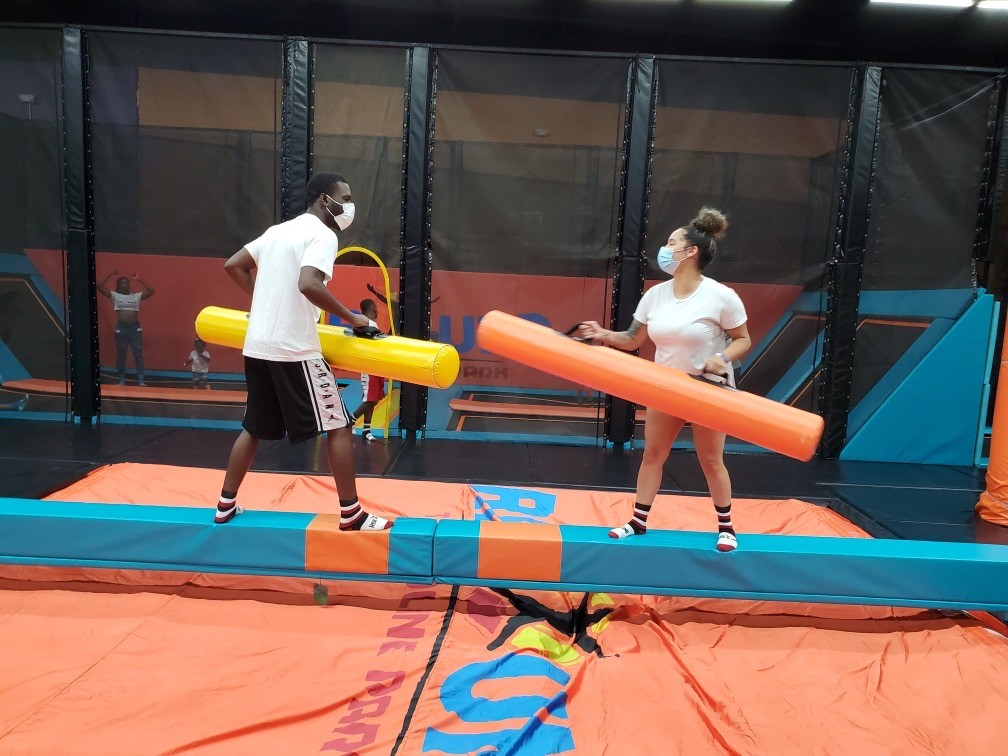
    An application scenario or product detail of jump park chattanooga - Image 11

    Illustrative image related to jump park chattanooga

    Safety features, such as padding around springs and foam pits, are also installed during this stage. These additions are critical for minimizing injury risks and ensuring compliance with safety regulations.

    How Is Quality Assurance Implemented in Jump Park Manufacturing?

    Quality assurance (QA) is paramount in the manufacturing of trampoline parks. International standards like ISO 9001 are commonly adopted to ensure consistent quality in production processes. Additionally, industry-specific certifications, such as CE marking for safety and performance, are crucial for compliance with European market standards.

    What Are the Key QC Checkpoints in Manufacturing?

    Quality control checkpoints are integrated throughout the manufacturing process:

    • Incoming Quality Control (IQC): This initial step involves inspecting raw materials and components upon arrival. Materials must meet specified criteria before they can be used in production.

    • In-Process Quality Control (IPQC): During assembly, ongoing inspections are conducted to ensure components are assembled correctly and adhere to safety standards. This includes checking welds, alignments, and safety feature installations.

    • Final Quality Control (FQC): Once the trampoline park is fully assembled, a comprehensive inspection is conducted. This involves testing the park for structural integrity, safety features, and overall performance.

    What Testing Methods Are Commonly Used in Quality Assurance?

    Common testing methods include:

    • Load Testing: This assesses the trampoline’s ability to withstand weight and stress, ensuring it can handle the expected use without failure.

    • Safety Inspections: Regular inspections are conducted to check for wear and tear on materials, ensuring that all safety features are intact.

    • Performance Testing: This involves evaluating how trampolines respond to jumps, flips, and other movements to ensure a safe and enjoyable user experience.

    How Can B2B Buyers Verify Supplier Quality Control?

    For international B2B buyers, verifying a supplier’s quality control processes is essential to ensure compliance and safety standards. Here are several approaches:

    • Conduct Audits: Engage third-party auditors to assess the manufacturing facility and its quality control processes. This can provide insights into the supplier’s adherence to international standards.

    • Request Quality Reports: Suppliers should provide documentation of their quality control processes, including test results, compliance certificates, and any relevant quality management system certifications.

    • Third-Party Inspections: Utilize third-party inspection services to conduct random checks during production. This ensures that products meet specified quality standards before shipment.

    What Nuances Should International Buyers Consider in Quality Control?

    International buyers, particularly from regions like Africa, South America, the Middle East, and Europe, must be aware of the nuances in quality control specific to their markets.

    • Regulatory Compliance: Different countries have varying regulations regarding safety and quality. Understanding these regulations is crucial for ensuring that the trampoline parks comply with local laws.

    • Cultural Expectations: Buyers should consider cultural differences in safety standards and consumer expectations, which may influence the design and quality requirements.

    • Communication: Clear communication with suppliers about quality expectations is vital. Language barriers and differing business practices can lead to misunderstandings that affect product quality.

    By understanding these manufacturing processes and quality assurance practices, B2B buyers can make informed decisions when sourcing trampoline park solutions, ensuring they receive high-quality products that meet international standards.

    Practical Sourcing Guide: A Step-by-Step Checklist for ‘jump park chattanooga’

    Introduction:
    This practical sourcing guide is designed to assist international B2B buyers in procuring the best trampoline park experiences in Chattanooga, specifically focusing on Sky Zone and Urban Air Adventure & Trampoline Park. By following this step-by-step checklist, businesses can ensure they choose the right partner to meet their entertainment and event needs effectively.

    Step 1: Identify Your Target Market

    Understanding your audience is critical. Are you targeting families, corporate groups, or schools? By identifying your target market, you can tailor your offerings, such as group discounts or special event packages, to meet their specific needs and preferences.

    Step 2: Research Available Attractions

    What unique attractions do the parks offer?
    Each trampoline park has its unique set of attractions. Evaluate what activities are available, such as dodgeball, foam pits, ninja courses, and climbing walls. This will help you determine which park aligns best with the interests of your target audience and can provide a comprehensive entertainment experience.

    Step 3: Evaluate Potential Suppliers

    How do you assess the credibility of the parks?
    Conduct thorough evaluations of potential suppliers. Request company profiles, case studies, and customer testimonials to gauge their reliability and quality of service. It’s beneficial to consult with other businesses in your region or industry that have previously partnered with these parks.

    Step 4: Compare Pricing and Packages

    What are the financial implications of your choices?
    Pricing structures can vary significantly between parks. Analyze the available packages for group events, birthday parties, and memberships. Look for transparency in pricing and any additional costs that may arise, ensuring that your budget aligns with the offerings.

    Step 5: Verify Safety Standards and Compliance

    Why is safety a top priority?
    Safety is paramount in any entertainment venue. Inquire about the safety measures each park has in place, including equipment maintenance, staff training, and emergency procedures. Ensure that the parks comply with local regulations and industry standards to minimize risks for your customers.

    Step 6: Assess Location and Accessibility

    How does location impact your decision?
    The location of the trampoline park can significantly affect attendance and convenience for your clients. Evaluate the park’s proximity to major transport links and assess parking facilities. A well-located park will enhance the overall experience for your customers and can influence their decision to choose your services.

    Step 7: Negotiate Terms and Agreements

    What should you consider in your contracts?
    Once you have narrowed down your options, engage in discussions to negotiate terms. Review contracts carefully, paying attention to cancellation policies, liability waivers, and any exclusivity agreements. Clear, mutually beneficial terms can help establish a strong partnership moving forward.

    By following this checklist, B2B buyers can make informed decisions when sourcing trampoline park experiences in Chattanooga, ensuring that they partner with the right facilities to meet their business objectives.

    Comprehensive Cost and Pricing Analysis for jump park chattanooga Sourcing

    What Are the Key Cost Components for Sourcing at Jump Park Chattanooga?

    When assessing the cost structure for sourcing at Jump Park Chattanooga, several key components emerge. These include materials, labor, manufacturing overhead, tooling, quality control (QC), logistics, and profit margins.

    1. Materials: The primary materials include trampolines, safety equipment, and park features such as foam pits and climbing walls. Sourcing high-quality materials is crucial, as they directly impact safety and customer satisfaction. The cost of these materials can vary significantly based on specifications and supplier relationships.

    2. Labor: Labor costs encompass both skilled and unskilled workers involved in the installation and maintenance of park attractions. This includes wages, benefits, and training programs for staff to ensure compliance with safety standards.

    3. Manufacturing Overhead: This includes costs associated with the operation of the facility, such as utilities, equipment depreciation, and administrative expenses. Efficient management of overhead can substantially influence overall pricing.

    4. Tooling: Initial setup costs for specialized tools and equipment required for park construction and maintenance should be considered. This can be a significant upfront investment but is essential for ensuring that installations meet safety and performance standards.

    5. Quality Control (QC): Implementing stringent QC measures is vital to maintain safety and reliability. These costs are often overlooked but are crucial for ensuring that all park components meet regulatory requirements and customer expectations.

    6. Logistics: Transportation costs for sourcing materials and delivering finished products to the park are critical. This includes freight charges and potential tariffs, especially for international buyers.

    7. Margin: The profit margin will depend on the overall cost structure and competitive landscape. Establishing a reasonable margin is essential for sustainability while remaining competitive in the market.

    What Influences Pricing for Jump Park Attractions?

    Several factors influence the pricing strategy for attractions at Jump Park Chattanooga, particularly for international B2B buyers:

    1. Volume/MOQ: Bulk purchasing often leads to discounts. Buyers should negotiate for minimum order quantities (MOQs) that align with their operational needs to optimize costs.

    2. Specifications and Customization: Customized attractions tailored to specific market demands may incur additional costs. Understanding the balance between customization and standard offerings can help in making informed purchasing decisions.

    3. Materials: The choice of materials can significantly impact pricing. Higher-quality materials may lead to better durability and safety but will also increase initial costs.

    4. Quality and Certifications: Compliance with international safety standards can influence costs. Buyers should consider the implications of certifications on pricing and long-term operational safety.

    5. Supplier Factors: Supplier reliability and reputation can affect pricing. Building strong relationships with reputable suppliers may lead to better terms and pricing flexibility.

    6. Incoterms: Understanding Incoterms is essential for international buyers to clarify responsibilities and costs associated with shipping, insurance, and risk management.

    How Can International Buyers Negotiate Effectively for Jump Park Sourcing?

    For international buyers, effective negotiation strategies can lead to significant cost savings and enhanced value:

    1. Understand Total Cost of Ownership: It’s essential to consider not just the purchase price but also maintenance, operational costs, and potential liabilities. This comprehensive view aids in making more informed decisions.

    2. Leverage Local Market Insights: Buyers from regions such as Africa, South America, the Middle East, and Europe should leverage local market insights to negotiate terms that reflect regional economic conditions and consumer preferences.

    3. Negotiate Payment Terms: Flexible payment terms can enhance cash flow. Discussing installment plans or delayed payment options may yield favorable conditions for both parties.

    4. Explore Long-term Partnerships: Establishing long-term relationships with suppliers can lead to better pricing, priority service, and collaboration on new projects.

    5. Be Aware of Pricing Nuances: International buyers should be vigilant about currency fluctuations, import tariffs, and local taxes that can affect the final cost of sourcing park attractions.

    In conclusion, a comprehensive understanding of the cost structure and pricing influencers is critical for B2B buyers in the jump park industry. By leveraging negotiation tactics and understanding their unique market dynamics, international buyers can optimize their sourcing strategies effectively.

    Alternatives Analysis: Comparing jump park chattanooga With Other Solutions

    When considering the options for entertainment and recreational venues, it is essential for B2B buyers to evaluate various alternatives to a popular choice like Jump Park Chattanooga. This analysis will facilitate informed decisions by comparing the features, costs, and overall value of different solutions available in the market.

    Comparison Aspect Jump Park Chattanooga Urban Air Adventure Park Local Outdoor Adventure Parks
    Performance High-energy trampoline activities, diverse attractions Multiple attractions including trampolines, climbing walls, and go-karts Nature-based activities, hiking, and obstacle courses
    Cost Moderate pricing for admission and memberships Competitive pricing with all-day passes Generally lower costs, but variable based on location and activities
    Ease of Implementation Established brand with operational support Established brand with operational support Varies widely; may require more planning and logistics
    Maintenance Regular upkeep needed for equipment and facilities Regular maintenance for diverse attractions Seasonal maintenance; less frequent but requires significant oversight
    Best Use Case Ideal for indoor events, birthday parties, and team-building activities Suitable for groups looking for a mix of indoor and outdoor fun Best for outdoor team-building and adventure experiences

    What Are the Key Benefits of Urban Air Adventure Park Compared to Jump Park Chattanooga?

    Urban Air Adventure Park stands out with its extensive range of attractions beyond trampolines, including climbing walls, a ropes course, and go-karting options. This versatility makes it a compelling choice for groups seeking a multifaceted experience. However, the higher operational complexity and the need for extensive staff training can be a drawback for some businesses.

    How Do Local Outdoor Adventure Parks Compare to Jump Park Chattanooga?

    Local outdoor adventure parks offer a different experience focused on nature and physical challenges, such as hiking trails, zip-lining, and obstacle courses. These venues often have lower operational costs and can attract groups looking for team-building activities in a natural setting. However, they might not provide the same level of controlled environment and year-round availability as indoor options like Jump Park Chattanooga, which is a crucial consideration for businesses in regions with varying weather conditions.

    Conclusion: Which Entertainment Solution Should B2B Buyers Choose?

    Choosing the right entertainment solution depends on various factors, including target audience, budget, and desired experience. Jump Park Chattanooga is ideal for those seeking a vibrant indoor environment focused on active fun, while Urban Air offers a diverse range of attractions for a more varied experience. In contrast, local outdoor adventure parks may appeal to those looking for cost-effective, nature-based activities. B2B buyers should carefully assess their specific needs and preferences to select the option that best aligns with their objectives and customer expectations.

    Essential Technical Properties and Trade Terminology for jump park chattanooga

    What Are the Essential Technical Properties of Jump Parks in Chattanooga?

    When considering investments in trampoline parks like Jump Park Chattanooga, understanding the technical specifications is crucial. Here are several critical properties that play a significant role in the operational and safety aspects of these facilities:

    1. Material Specifications for Trampolines
      – Definition: Trampolines are typically constructed from high-grade steel frames and durable, UV-resistant jumping mats made from polypropylene or similar materials.
      – Importance: The choice of materials affects both the safety and longevity of the equipment. High-quality materials reduce maintenance costs and enhance user safety, which is a top priority for B2B buyers looking to minimize liability.

    2. Safety Standards Compliance
      – Definition: Compliance with ASTM (American Society for Testing and Materials) standards for trampoline parks ensures that all equipment meets specific safety criteria.
      – Importance: Adhering to these standards is essential for regulatory compliance and helps in reducing the risk of accidents, ultimately protecting the business from legal repercussions and insurance claims.

    3. Jump Surface Tolerance
      – Definition: Tolerance refers to the acceptable limits of variation in the jumping surface’s elasticity and firmness.
      – Importance: Consistent jump surface performance is critical for customer satisfaction and safety. B2B buyers need to ensure that the trampolines provide a uniform experience to all users, especially in high-traffic areas.

    4. Load Capacity
      – Definition: This refers to the maximum weight each trampoline can support without compromising safety or performance.
      – Importance: Understanding load capacities is vital for planning park layout and customer flow. It ensures that the equipment can accommodate diverse groups, which can influence pricing strategies for large events or group bookings.

    5. Impact Absorption Systems
      – Definition: These systems include foam pits, padded barriers, and other materials designed to absorb shocks and reduce injury risk.
      – Importance: A well-designed impact absorption system enhances user safety and can be a significant selling point for B2B partnerships and marketing campaigns.

    What Are Common Trade Terms in the Jump Park Industry?

    Familiarity with industry jargon can significantly streamline B2B transactions. Here are some essential terms to know:

    1. OEM (Original Equipment Manufacturer)
      – Definition: A company that produces parts and equipment that may be marketed by another manufacturer.
      – Importance: Understanding OEM relationships helps buyers identify trusted suppliers and manufacturers, ensuring quality and reliability in equipment sourcing.

    2. MOQ (Minimum Order Quantity)
      – Definition: The smallest amount of a product that a supplier is willing to sell.
      – Importance: Knowing the MOQ can assist in budgeting and inventory management, particularly for large-scale park operations that require significant equipment investments.

    3. RFQ (Request for Quotation)
      – Definition: A document that a buyer sends to suppliers to solicit price quotes for specific products or services.
      – Importance: An RFQ is crucial for comparing costs and features, allowing buyers to make informed decisions based on comprehensive market analysis.

    4. Incoterms (International Commercial Terms)
      – Definition: A set of predefined international trade terms that clarify the responsibilities of buyers and sellers.
      – Importance: Familiarity with Incoterms is vital for international buyers to understand shipping responsibilities, risk management, and cost allocation.

    5. Lead Time
      – Definition: The time between the initiation of a process and its completion, often referring to the time required to manufacture and deliver equipment.
      – Importance: Understanding lead times aids in effective project planning and ensures that park openings or expansions are executed on schedule.

    By grasping these technical properties and trade terminologies, international B2B buyers can make more informed decisions when investing in trampoline parks like Jump Park Chattanooga, ultimately leading to successful partnerships and enhanced operational efficiency.

    What Are the Key Trends and Dynamics in the Jump Park Chattanooga Market?

    The jump park sector, particularly in Chattanooga, is experiencing a surge driven by increasing consumer demand for unique entertainment experiences. Global trends indicate a growing preference for indoor recreational activities, influenced by urbanization and changing lifestyles, especially in regions like Africa, South America, the Middle East, and Europe. International B2B buyers are increasingly interested in sourcing innovative attractions that appeal to a diverse demographic, including families and young adults.

    Emerging technologies, such as augmented reality (AR) and virtual reality (VR), are being integrated into jump parks to enhance visitor engagement and create immersive experiences. Moreover, the rise of social media has transformed how parks market themselves, encouraging the use of influencer partnerships and interactive online promotions to attract visitors. Sustainability is also becoming a critical factor, with many buyers seeking suppliers who prioritize eco-friendly materials and practices.

    The market dynamics reveal a competitive landscape where differentiation is crucial. Buyers should focus on sourcing unique attractions and services that set their parks apart. For instance, parks offering exclusive memberships, themed events, or fitness programs can capture a larger market share. Additionally, understanding local regulations and cultural preferences will be vital for successful market entry and sustainability in various regions.

    How Can Sustainability and Ethical Sourcing Shape the Jump Park Industry?

    Sustainability is increasingly influencing purchasing decisions in the jump park sector. The environmental impact of operations, from energy consumption to waste management, is under scrutiny, compelling park operators to adopt greener practices. For B2B buyers, sourcing materials and equipment that align with sustainability goals is essential. This includes investing in energy-efficient technologies, such as LED lighting and solar power systems, which can significantly reduce operational costs over time.

    Ethical sourcing is equally important. Buyers should prioritize suppliers that adhere to fair labor practices and have transparent supply chains. Certifications such as ISO 14001 for environmental management and FSC (Forest Stewardship Council) for wood products can serve as indicators of a supplier’s commitment to sustainability.

    Incorporating ‘green’ certifications and materials not only enhances a park’s reputation but also appeals to a growing segment of eco-conscious consumers. Furthermore, by aligning with sustainability initiatives, jump parks can improve customer loyalty and attract a broader audience, including schools and organizations focused on responsible recreation.

    What Is the Evolution of the Jump Park Industry in Chattanooga?

    The jump park industry in Chattanooga has evolved significantly since its inception, reflecting broader trends in leisure and entertainment. Initially, these parks were simple trampoline arenas designed primarily for recreational bouncing. Over the years, they have transformed into comprehensive adventure destinations featuring a variety of attractions, such as climbing walls, obstacle courses, and themed events.

    As the industry matured, operators began to focus on creating multi-functional spaces that cater to diverse customer needs, including birthday parties, corporate events, and fitness programs. This evolution has been driven by consumer expectations for unique experiences and the desire for healthy, active entertainment options.

    Today, the jump park sector in Chattanooga is positioned as a vital player in the local economy, attracting both residents and tourists. This evolution presents significant opportunities for international B2B buyers looking to invest in or collaborate with established brands in this dynamic market. As the industry continues to innovate, staying attuned to emerging trends and consumer preferences will be crucial for sustained growth and success.

    Frequently Asked Questions (FAQs) for B2B Buyers of jump park chattanooga

    • 1. How do I solve sourcing challenges for trampoline parks in Chattanooga?
      To effectively address sourcing challenges for trampoline parks like Jump Park Chattanooga, conduct thorough market research to identify reputable suppliers. Utilize platforms such as trade shows, industry forums, and online directories to connect with potential partners. Engage in direct communication to discuss specific needs, including product offerings and pricing structures. Additionally, consider visiting the park to evaluate the quality of their facilities and services firsthand, which can provide insights into their operational standards and reliability.

    • 2. What is the best approach for negotiating contracts with trampoline park suppliers?
      When negotiating contracts with trampoline park suppliers, prioritize clarity and transparency. Start by outlining your requirements, including product specifications, delivery timelines, and payment terms. Conduct a comparative analysis of multiple suppliers to leverage competitive pricing. Be open to discussing flexible terms such as bulk discounts or extended payment periods. Establishing a strong rapport with the supplier can also facilitate better negotiation outcomes, ensuring both parties are satisfied with the agreement.

    • 3. What customization options are available for trampoline park equipment?
      Customization options for trampoline park equipment can vary significantly among suppliers. Many manufacturers offer tailored solutions, including specific designs, colors, and branding elements to align with your business identity. It’s essential to communicate your vision and requirements clearly during initial discussions. Request samples or prototypes to assess the quality and functionality of the customized equipment. Be aware that customization may affect lead times, so plan accordingly to ensure timely delivery.

    • 4. What is the minimum order quantity (MOQ) for trampoline park equipment?
      Minimum order quantities (MOQs) for trampoline park equipment often depend on the supplier and the specific products. Generally, MOQs can range from a few units for smaller items to larger quantities for major equipment. It’s advisable to inquire about MOQs during your initial conversations with suppliers to ensure they align with your budget and operational needs. If your order falls below the MOQ, some suppliers may be open to negotiating terms or combining orders with other clients.

    • 5. What payment terms should I expect when sourcing trampoline park equipment?
      Payment terms for trampoline park equipment can vary widely depending on the supplier’s policies and your negotiation. Common terms include a deposit upfront (usually 30-50%) with the balance due upon delivery or installation. Some suppliers may offer financing options or extended payment plans for larger orders. It’s crucial to review these terms carefully and ensure they align with your financial capabilities. Establishing a clear payment schedule can help prevent misunderstandings and facilitate smoother transactions.

    • 6. How can I ensure quality assurance for trampoline park equipment?
      To ensure quality assurance for trampoline park equipment, begin by requesting certifications and compliance documents from suppliers. Conducting factory visits or requesting third-party inspections can provide additional assurance of product quality. Establish clear quality standards and specifications in your contract, including acceptable tolerances and testing protocols. After delivery, implement a thorough inspection process to verify that all equipment meets your expectations before installation and operation.

    • 7. What logistics considerations should I keep in mind when importing trampoline park equipment?
      When importing trampoline park equipment, consider logistics factors such as shipping methods, customs regulations, and lead times. Choose a reliable freight forwarder experienced in handling similar products to navigate international shipping complexities. Research customs duties and taxes applicable in your country to factor these costs into your budget. Additionally, ensure that all shipping documents are accurate and complete to avoid delays at customs. Planning for storage and installation logistics upon arrival is also essential for a seamless operation.

    • 8. How do I vet potential suppliers for trampoline park equipment?
      Vetting potential suppliers for trampoline park equipment involves several key steps. Start by researching their reputation through online reviews, industry ratings, and testimonials from previous clients. Request references and contact them to gather insights into the supplier’s reliability and product quality. Evaluate their manufacturing processes, certifications, and adherence to safety standards. Additionally, consider visiting their facilities if possible, to assess their operations and capabilities firsthand, ensuring they align with your business requirements.

    Top 1 Jump Park Chattanooga Manufacturers & Suppliers List

    1. Sky Zone – Trampoline Park Activities

    Sky Zone - Trampoline Park Activities

    Domain: skyzone.com

    Registered: 2005 (20 years)

    Introduction: Sky Zone Trampoline Park in Chattanooga offers a variety of activities and services including:
    – Jump Tickets for general admission to enjoy jumping, spinning, and flipping.
    – Memberships that provide exclusive discounts and access to member-only events, allowing unlimited jump time.
    – Birthday Party Packages that include private party areas, invitations, supplies, and a party host, with a current…

    Strategic Sourcing Conclusion and Outlook for jump park chattanooga

    What Are the Key Insights for B2B Buyers in the Jump Park Industry?

    In conclusion, the jump park sector in Chattanooga presents a robust opportunity for international B2B buyers. With a variety of attractions ranging from trampoline zones to adventure courses, parks like Sky Zone and Urban Air are capitalizing on the growing demand for recreational activities. Strategic sourcing in this industry involves identifying reliable suppliers for equipment, safety gear, and innovative attractions that enhance customer experience while optimizing operational efficiency.

    The value of strategic sourcing cannot be overstated; it enables businesses to reduce costs, improve service delivery, and stay competitive in a rapidly evolving market. As you consider entering or expanding in this sector, leveraging partnerships with established brands and local suppliers will be crucial in creating a unique offering that resonates with diverse customer demographics.

    Looking ahead, the potential for growth in the jump park industry is significant, particularly in emerging markets across Africa, South America, the Middle East, and Europe. By staying attuned to consumer trends and investing in high-quality attractions, B2B buyers can establish a strong foothold in this dynamic market. Engage with local partners today to explore the endless possibilities that await in the jump park landscape.

    Important Disclaimer & Terms of Use

    ⚠️ Important Disclaimer

    The information provided in this guide, including content regarding manufacturers, technical specifications, and market analysis, is for informational and educational purposes only. It does not constitute professional procurement advice, financial advice, or legal advice.

    While we have made every effort to ensure the accuracy and timeliness of the information, we are not responsible for any errors, omissions, or outdated information. Market conditions, company details, and technical standards are subject to change.

    B2B buyers must conduct their own independent and thorough due diligence before making any purchasing decisions. This includes contacting suppliers directly, verifying certifications, requesting samples, and seeking professional consultation. The risk of relying on any information in this guide is borne solely by the reader.