Tag: B2B Sourcing

  • How to Source Kids Indoor Game Zone For Sale Effectively: A 2025 Checklist

    How to Source Kids Indoor Game Zone For Sale Effectively: A 2025 Checklist

    Introduction: Navigating the Global Market for kids indoor game zone for sale

    In an increasingly competitive landscape, sourcing the right kids indoor game zone for sale presents a unique challenge for international B2B buyers. With diverse market dynamics across regions such as Africa, South America, the Middle East, and Europe—including key players like Saudi Arabia and Brazil—understanding the nuances of this sector is crucial for making informed purchasing decisions. This guide serves as a comprehensive resource for navigating the complexities of the indoor playground market, detailing various types of play zones, their applications, and essential considerations for supplier vetting.

    From the latest trends in design and safety standards to cost analysis and installation processes, this guide empowers buyers with the insights needed to select the best products for their specific market needs. Whether you are looking to invest in a commercial indoor playground, a trampoline park, or a themed play center, our detailed sections will help you evaluate options and suppliers effectively. By addressing common challenges and providing actionable strategies, this guide is tailored to facilitate successful transactions and foster long-term partnerships, ensuring that your investment in kids’ indoor play zones translates into profitable business outcomes.

    As the demand for engaging, safe, and educational play environments continues to grow, leveraging this knowledge will position you to capitalize on emerging opportunities within this vibrant market.

    Table Of Contents

    Understanding kids indoor game zone for sale Types and Variations

    Type Name Key Distinguishing Features Primary B2B Applications Brief Pros & Cons for Buyers
    Indoor Playground Themed play structures, soft play areas, climbing walls Family entertainment centers, daycare facilities Pros: Engaging for children, diverse activities. Cons: Requires space and maintenance.
    Trampoline Park Multiple trampolines, foam pits, and obstacle courses Recreational facilities, sports centers Pros: High energy activity, popular among older kids. Cons: Safety regulations and insurance can be complex.
    Soft Play Equipment Soft, padded structures for younger children Preschools, indoor play zones Pros: Safe for toddlers, promotes physical activity. Cons: Limited appeal for older children.
    Interactive Game Zones High-tech gaming setups, virtual reality experiences Entertainment centers, arcades Pros: Attracts tech-savvy youth, innovative engagement. Cons: Higher initial investment, ongoing tech updates needed.
    Ninja Warrior Course Obstacle courses inspired by popular TV shows Fitness centers, adventure parks Pros: Unique offering, promotes physical fitness. Cons: Requires significant space and maintenance.

    What Are the Key Characteristics of Indoor Playgrounds?

    Indoor playgrounds are designed with various themed play structures that cater to children of different ages. They often include soft play areas, climbing walls, slides, and ball pits, creating an engaging environment that promotes physical activity and social interaction. B2B buyers should consider the layout and design options that align with their target audience, as well as the safety features that are critical for young children. The versatility in themes allows for customization based on regional preferences, making them suitable for family entertainment centers and daycare facilities.

    How Do Trampoline Parks Differ from Other Indoor Game Zones?

    Trampoline parks offer a unique blend of physical activity and fun, featuring multiple trampolines, foam pits, and obstacle courses. They cater primarily to older children and teenagers, making them a popular choice for recreational facilities and sports centers. When purchasing trampoline park equipment, B2B buyers should assess the space requirements, safety regulations, and potential insurance implications. The high-energy environment attracts a broad audience, but the need for stringent safety measures and maintenance should be carefully evaluated.

    What Makes Soft Play Equipment Ideal for Younger Children?

    Soft play equipment is specifically designed for toddlers and younger children, featuring padded structures that ensure safety during play. Ideal for preschools and indoor play zones, this type of equipment encourages physical activity in a safe environment. B2B buyers should focus on the age-appropriate design and the ease of maintenance when selecting soft play solutions. Although they may lack the appeal for older children, their safety features make them a staple in facilities catering to younger demographics.

    Why Are Interactive Game Zones Gaining Popularity?

    Interactive game zones combine technology with physical play, offering features like virtual reality experiences and high-tech gaming setups. These zones are particularly appealing to tech-savvy youth and can be found in entertainment centers and arcades. B2B buyers must consider the initial investment and ongoing technology updates when investing in this type of equipment. While they can attract a younger audience, the complexity of the technology and the need for regular maintenance can be challenging.

    What Are the Benefits of Incorporating Ninja Warrior Courses?

    Ninja warrior courses provide a unique, fitness-oriented experience that challenges children through various obstacle courses. These setups are increasingly popular in fitness centers and adventure parks, appealing to those looking for active play. B2B buyers should evaluate space requirements and design flexibility when considering this option. While they promote physical fitness and can draw in a dedicated clientele, the significant space and maintenance needs can be a barrier for some facilities.

    Key Industrial Applications of kids indoor game zone for sale

    Industry/Sector Specific Application of kids indoor game zone for sale Value/Benefit for the Business Key Sourcing Considerations for this Application
    Family Entertainment Indoor playgrounds in amusement parks Attract families, increase foot traffic, and enhance customer experience Safety standards, theme customization, space requirements
    Education Indoor play zones in schools and daycare centers Promote physical activity and cognitive development in children Age-appropriate design, educational themes, durability
    Hospitality Kids’ play areas in hotels and resorts Provide entertainment for children, allowing parents to relax Space optimization, aesthetic appeal, safety certifications
    Retail Play zones in shopping malls or stores Increase dwell time and boost sales through enhanced customer experience Size adaptability, maintenance requirements, branding options
    Healthcare Therapeutic play areas in pediatric clinics Support child development and provide a calming environment Hygiene standards, accessibility features, safety materials

    How Are Kids Indoor Game Zones Utilized in Family Entertainment?

    In the family entertainment sector, indoor playgrounds are integral to amusement parks and recreation centers. They serve as a magnet for families, enhancing foot traffic and increasing overall revenue. These zones not only entertain children but also provide parents with a space to relax, making it a win-win situation. Buyers in this sector must consider safety standards, as well as the ability to customize themes to align with their brand identity and attract their target audience.

    What Role Do Indoor Play Zones Play in Education?

    In educational settings such as schools and daycare centers, kids indoor game zones are designed to promote physical activity and cognitive development. By integrating playful learning environments, these zones help children develop motor skills, social interactions, and problem-solving abilities. Buyers in this sector should focus on age-appropriate designs and educational themes that meet curriculum standards, as well as durability to withstand frequent use by active children.

    Why Are Indoor Play Areas Important for Hospitality?

    Hotels and resorts increasingly incorporate kids’ play areas to enhance guest experiences. These dedicated spaces provide entertainment for children, allowing parents to enjoy leisure time or engage in hotel amenities. To effectively cater to this market, buyers must prioritize aesthetic appeal and space optimization, ensuring that the play area complements the hotel’s design while adhering to safety certifications to protect young guests.

    How Do Retail Environments Benefit from Kids Play Zones?

    In retail, play zones are strategically positioned in shopping malls and stores to increase customer dwell time. By providing a fun distraction for children, retailers can enhance the shopping experience for families, potentially boosting sales. Key considerations for buyers in this industry include adaptability in size to fit various retail environments, maintenance requirements to ensure cleanliness, and options for branding to create a cohesive shopping atmosphere.

    What Are the Benefits of Indoor Play Areas in Healthcare Settings?

    Indoor play areas in pediatric clinics offer therapeutic benefits, creating a calming environment that supports child development. These spaces can help alleviate anxiety in young patients and provide engaging activities while they wait for appointments. Healthcare buyers should focus on hygiene standards, accessibility features for children with disabilities, and the use of safe, non-toxic materials to ensure a healthy play environment.

    3 Common User Pain Points for ‘kids indoor game zone for sale’ & Their Solutions

    Scenario 1: Difficulty in Assessing Quality and Safety Standards for Indoor Play Equipment

    The Problem: B2B buyers, particularly those operating in regions with stringent safety regulations like Europe and the Middle East, often struggle to ascertain the quality and safety compliance of indoor play equipment. This challenge can lead to significant risks, including potential injuries to children, costly legal liabilities, and damage to the buyer’s reputation. Additionally, navigating the myriad of safety certifications and material specifications can be overwhelming, especially for those new to the indoor playground industry.

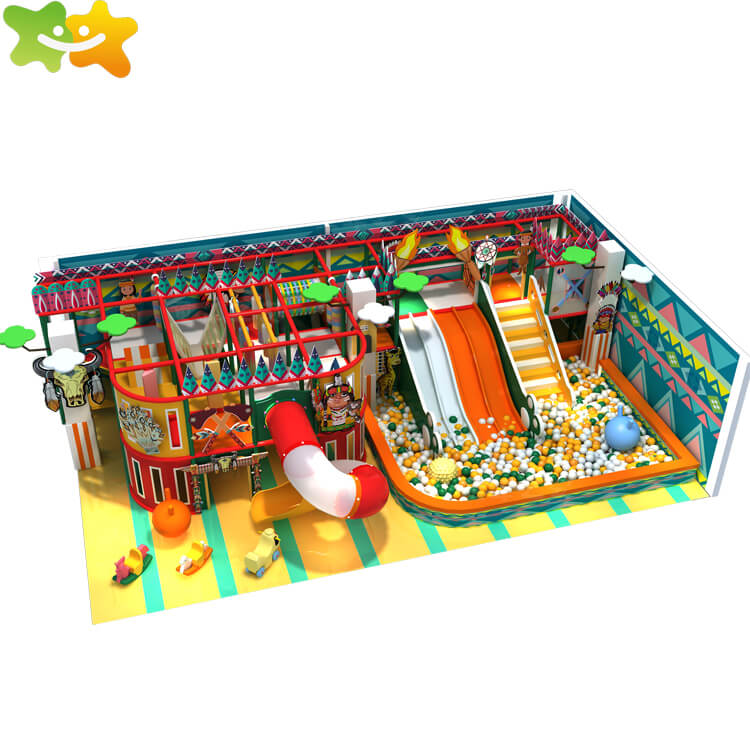
    An application scenario or product detail of kids indoor game zone for sale - Image 3

    Illustrative image related to kids indoor game zone for sale

    The Solution: To overcome this issue, buyers should prioritize sourcing from reputable manufacturers who provide detailed documentation regarding safety standards and material quality. When considering suppliers, ask for certifications such as ASTM (American Society for Testing and Materials) or EN (European Norm) standards, which are critical in ensuring that the equipment meets safety requirements. Establish a checklist of safety features, such as rounded edges, non-toxic materials, and secure installation methods. Furthermore, consider visiting existing installations of the equipment to observe its safety in action, which can provide invaluable insight into its performance and durability.

    Scenario 2: Navigating Diverse Cultural Preferences and Trends in Play Equipment

    The Problem: B2B buyers from diverse regions, such as Africa and South America, often face the challenge of aligning indoor play equipment offerings with local cultural preferences and trends. Failing to do so can result in underwhelming customer engagement and poor return on investment. Different markets may have unique preferences for themes, colors, and types of play equipment, which complicates inventory selection and marketing strategies.

    The Solution: Conducting thorough market research is essential for understanding regional preferences. Engage with local stakeholders, including parents, children, and educators, to gather insights on their expectations and preferences. Additionally, consider collaborating with local designers to create custom themes that resonate with the community. This approach not only enhances customer satisfaction but also promotes a sense of ownership and pride in the facility. Utilize social media and community feedback to test different concepts before making significant investments in equipment.

    Scenario 3: High Initial Investment and Operational Costs for Setting Up Indoor Play Zones

    The Problem: One of the most significant barriers for B2B buyers in the indoor play sector is the high initial investment required to set up a kids’ indoor game zone. This includes costs for purchasing equipment, leasing space, and ensuring compliance with safety regulations. Moreover, ongoing operational costs such as maintenance, staff training, and insurance can further strain budgets, particularly for new entrants in the market.

    The Solution: To mitigate these financial challenges, buyers should explore financing options such as leasing equipment instead of purchasing it outright. This approach allows for lower upfront costs while still providing access to high-quality play equipment. Additionally, consider phased implementations; start with essential play structures and gradually expand the offerings based on customer demand and cash flow. Implementing a strong marketing strategy that highlights unique selling propositions, such as safety, educational value, and community engagement, can also help attract a steady stream of customers, ensuring sustainable revenue growth. Finally, maintain a detailed budget that accounts for all potential expenses to avoid unexpected financial shortfalls.

    Strategic Material Selection Guide for kids indoor game zone for sale

    When selecting materials for kids’ indoor game zones, B2B buyers must consider various factors that influence performance, safety, and compliance with international standards. Below is an analysis of four common materials used in the construction of indoor play equipment, focusing on their properties, advantages, disadvantages, and specific considerations for international buyers.

    What Are the Key Properties of Plastic in Kids Indoor Play Equipment?

    Plastic is a popular choice for indoor playgrounds due to its versatility and safety features. Key properties of plastic include its lightweight nature, which allows for easy installation and rearrangement, and its resistance to corrosion and moisture, making it ideal for humid environments. Additionally, plastics can be molded into various shapes, enhancing design creativity.

    Pros and Cons:
    The primary advantage of plastic is its durability and ease of maintenance; it does not rust or corrode. However, some plastics can be less impact-resistant than other materials, which may lead to wear over time. The cost of plastic varies widely based on type, with high-density polyethylene (HDPE) being on the higher end due to its superior properties.

    Impact on Application:
    Plastic is compatible with various media, including water and sand, making it suitable for interactive play areas. However, buyers should ensure the selected plastic meets safety standards, especially regarding toxicity and flammability.

    Considerations for International Buyers:
    International buyers must verify that the plastic complies with local regulations and standards, such as ASTM in the U.S. or EN in Europe. In regions like Africa and the Middle East, where high temperatures are common, selecting UV-stabilized plastics is crucial to prevent degradation.

    How Does Metal Contribute to the Durability of Indoor Play Equipment?

    Metal, particularly galvanized steel, is frequently used for structural components in indoor playgrounds due to its strength and longevity. Key properties include high tensile strength and excellent corrosion resistance when properly coated.

    Pros and Cons:
    The main advantage of metal is its durability; it can withstand significant wear and tear. However, metal components can be heavier and may require more complex manufacturing processes. The cost of metal is generally higher than plastic, which may affect overall project budgets.

    Impact on Application:
    Metal is essential for supporting heavy structures and equipment, ensuring stability and safety. However, it can conduct heat, which is a consideration in warmer climates.

    Considerations for International Buyers:
    B2B buyers should ensure that metal components comply with international standards such as ISO or local regulations. In regions like Brazil and Saudi Arabia, corrosion-resistant coatings are essential due to humidity and salt exposure.

    What Role Does Foam Play in Ensuring Safety in Indoor Play Areas?

    Foam is widely used in soft play equipment, providing cushioning and safety for children. Key properties of foam include its shock-absorbing capabilities and lightweight nature, making it easy to handle and install.

    Pros and Cons:
    Foam’s primary advantage is its ability to reduce impact injuries, making it ideal for play areas. However, foam can degrade over time and may require replacement. While relatively inexpensive, high-quality foam can be costly.

    Impact on Application:
    Foam is compatible with various surfaces and can be used in ball pits, climbing structures, and soft play areas. Its safety features are crucial for compliance with health and safety standards.

    Considerations for International Buyers:
    Buyers should ensure that foam materials meet fire safety standards and are non-toxic. In Europe, for instance, compliance with EN 71 standards for toy safety is critical.

    How Does Wood Enhance Aesthetic Appeal in Indoor Play Zones?

    Wood is often used for aesthetic elements in indoor playgrounds, providing a natural look and feel. Key properties include strength, versatility, and a pleasing aesthetic.

    Pros and Cons:
    Wood’s main advantage is its visual appeal and structural integrity. However, wood can be susceptible to moisture and pests, requiring treatment and maintenance. Costs can vary significantly based on the type of wood used.

    Impact on Application:
    Wood is suitable for various play structures, including climbing frames and decorative elements. It must be treated to withstand wear and environmental factors.

    Considerations for International Buyers:
    International buyers should ensure that wood materials comply with local regulations regarding sustainability and safety. Certifications like FSC (Forest Stewardship Council) can be important in regions focused on environmental responsibility.

    Summary Table of Material Selection for Kids Indoor Game Zones

    Material Typical Use Case for kids indoor game zone for sale Key Advantage Key Disadvantage/Limitation Relative Cost (Low/Med/High)
    Plastic Slides, climbing structures, and interactive panels Lightweight, corrosion-resistant Less impact-resistant Medium
    Metal Structural supports and frames High durability and strength Heavier, complex manufacturing High
    Foam Soft play areas and ball pits Excellent shock absorption Degrades over time Medium
    Wood Climbing frames and aesthetic elements Natural appearance and strength Susceptible to moisture and pests Medium to High

    This analysis provides B2B buyers with valuable insights into material selection for kids’ indoor game zones, ensuring they make informed decisions that align with safety, durability, and compliance requirements.

    In-depth Look: Manufacturing Processes and Quality Assurance for kids indoor game zone for sale

    What Are the Key Stages in the Manufacturing Process for Kids Indoor Game Zones?

    The manufacturing of kids’ indoor game zones involves several critical stages, each aimed at ensuring the final product is safe, durable, and enjoyable for children. The main stages include material preparation, forming, assembly, and finishing.

    1. Material Preparation: This initial phase involves sourcing high-quality materials that comply with safety standards. Common materials include high-density polyethylene (HDPE), steel, and soft play foam. Suppliers typically ensure that materials are non-toxic, durable, and suitable for children. The preparation may also involve cutting raw materials into specific sizes to streamline the subsequent forming process.

    2. Forming: During this stage, raw materials are shaped into components that will make up the indoor playground. Techniques such as injection molding for plastic parts and metal fabrication for frames are common. Advanced technology, such as CNC machining, may also be employed to enhance precision in creating intricate designs and ensuring uniformity across all components.

    3. Assembly: The assembly process brings together various components into a cohesive structure. Skilled workers or automated systems assemble parts according to design specifications, ensuring that each element fits correctly and securely. Safety features, such as soft edges and secure attachments, are integrated during this phase to minimize injury risks for children.

    4. Finishing: The final stage involves applying protective coatings, painting, or adding decals to enhance aesthetics and durability. This step not only improves the visual appeal of the play zone but also adds an extra layer of protection against wear and tear. Quality checks are conducted at this stage to ensure that all components meet the required safety and design standards.

    How Is Quality Assurance Implemented in Kids Indoor Game Zone Manufacturing?

    Quality assurance (QA) is a crucial aspect of the manufacturing process, especially when creating environments intended for children. Various international standards and industry-specific regulations govern the quality assurance protocols in this sector.

    1. International Standards: Compliance with standards such as ISO 9001 is essential for manufacturers. ISO 9001 outlines requirements for a quality management system, ensuring that processes are efficient and continuously improved. This certification demonstrates a manufacturer’s commitment to quality and customer satisfaction, which is vital for B2B buyers assessing potential suppliers.

    2. Industry-Specific Certifications: In addition to ISO standards, manufacturers often seek certifications relevant to children’s products, such as CE marking in Europe, which indicates compliance with health, safety, and environmental protection standards. For buyers in regions like the Middle East or Africa, understanding these certifications can be critical in verifying product safety and quality.

    3. Quality Control Checkpoints: Quality control (QC) checkpoints are established throughout the manufacturing process, including:
      – Incoming Quality Control (IQC): This involves inspecting raw materials upon delivery to ensure they meet specifications.
      – In-Process Quality Control (IPQC): Continuous checks are performed during manufacturing to catch defects early.
      – Final Quality Control (FQC): The final products are thoroughly inspected before shipment to ensure they adhere to all quality standards.

    4. Common Testing Methods: Various testing methods are employed to verify the safety and durability of playground equipment. These include impact testing, tensile strength testing, and chemical composition analysis to ensure materials are non-toxic. Manufacturers may also conduct user testing to assess the play value and safety of the equipment.

    How Can B2B Buyers Verify Supplier Quality Control Processes?

    For international B2B buyers, particularly in regions such as Africa, South America, the Middle East, and Europe, verifying a supplier’s quality control processes is essential to ensure product safety and compliance.

    1. Supplier Audits: Conducting audits of potential suppliers allows buyers to assess their manufacturing processes and quality control systems firsthand. This can include reviewing documentation, inspecting facilities, and evaluating staff training programs related to safety and quality.

    2. Quality Assurance Reports: Requesting detailed quality assurance reports from suppliers can provide insights into their QC processes and the results of recent inspections. These reports often include information on defect rates, compliance with safety standards, and corrective actions taken for any issues identified.

    3. Third-Party Inspections: Engaging third-party inspection services can offer an unbiased assessment of a supplier’s quality control measures. These inspectors can verify compliance with international standards and provide certifications that can enhance buyer confidence in the supplier’s products.

    4. Understanding Regional Nuances: Buyers should be aware of regional nuances in quality control requirements. For instance, different countries may have specific regulations regarding materials used in children’s products. Understanding these can help buyers ensure compliance and avoid potential legal issues.

    What Are the Challenges in Ensuring Quality Assurance for International B2B Buyers?

    International B2B buyers face several challenges when ensuring quality assurance in kids’ indoor game zones:

    1. Regulatory Variations: Different countries have varying safety standards and regulations for children’s products, which can complicate compliance for manufacturers. Buyers must be knowledgeable about these regulations to ensure that the products meet local safety requirements.

    2. Logistical Issues: Shipping products internationally can lead to additional complications, such as potential damage during transit or delays in delivery. Buyers should work with suppliers who have robust logistics processes in place to mitigate these risks.

    3. Cultural Differences: Understanding cultural differences in play and safety perceptions can influence purchasing decisions. Buyers should communicate effectively with suppliers to ensure that products align with local expectations and preferences.

    4. Supplier Reliability: The reliability of suppliers can vary significantly, particularly in emerging markets. Buyers must conduct thorough due diligence to select reputable manufacturers with proven track records in quality assurance.

    In conclusion, understanding the manufacturing processes and quality assurance practices for kids’ indoor game zones is essential for B2B buyers looking to invest in this sector. By focusing on material quality, compliance with international standards, and effective verification strategies, buyers can make informed decisions that prioritize safety and enjoyment for children.

    Practical Sourcing Guide: A Step-by-Step Checklist for ‘kids indoor game zone for sale’

    Introduction

    Navigating the procurement of a kids’ indoor game zone can be a complex process, especially for international B2B buyers. This checklist serves as a practical guide to ensure that you make informed decisions when sourcing equipment and facilities that meet safety standards, appeal to your target market, and provide a positive play experience for children.

    Step 1: Define Your Target Market

    Understanding your target demographic is essential for tailoring your indoor game zone. Consider factors such as age range, cultural preferences, and local trends in play experiences. This information will guide your decisions on the types of equipment and themes to include, ensuring that your offerings resonate with your audience.

    Step 2: Set a Budget

    Establishing a budget is crucial for effective sourcing. Determine your overall investment capacity, including costs for equipment, installation, maintenance, and potential operational expenses. Be sure to allocate funds for unforeseen expenses, as unexpected costs can arise during the setup and initial operation phases.

    Step 3: Research and Shortlist Suppliers

    Conduct thorough research to identify potential suppliers. Look for manufacturers with a proven track record in the industry, especially those that have successfully supplied equipment to businesses in your target regions. Utilize trade shows, online directories, and industry publications to create a shortlist of reputable suppliers.

    Step 4: Evaluate Product Quality and Safety Standards

    Safety is paramount in children’s play environments. Ensure that all equipment complies with local safety regulations and international standards. Request certifications and documentation that demonstrate the durability and safety features of the products. Consider the materials used, as high-quality, non-toxic materials contribute to a safer play environment.

    Step 5: Request Samples and Prototypes

    Before making a bulk purchase, ask suppliers for samples or prototypes of the equipment. This allows you to assess the quality, design, and functionality firsthand. Testing the equipment can also provide insights into how well it engages children and meets your aesthetic preferences.

    Step 6: Negotiate Terms and Conditions

    Once you have selected a supplier, negotiate the terms of purchase carefully. Discuss pricing, payment terms, delivery schedules, and warranty options. A clear agreement will protect your interests and help to prevent misunderstandings later in the procurement process.

    Step 7: Plan for Installation and Maintenance

    Consider the logistics of installation and long-term maintenance of the equipment. Discuss with your supplier about installation support and the availability of spare parts. A solid maintenance plan is crucial for ensuring the longevity of your indoor game zone and providing a safe environment for children.

    By following this checklist, you can streamline your procurement process, mitigate risks, and create a successful kids’ indoor game zone that not only attracts customers but also ensures a safe and enjoyable play experience for children.

    Comprehensive Cost and Pricing Analysis for kids indoor game zone for sale Sourcing

    What Are the Key Cost Components in Sourcing Kids Indoor Game Zones?

    When considering the procurement of kids indoor game zones, understanding the cost structure is crucial for making informed purchasing decisions. The primary cost components include:

    1. Materials: The materials used in the construction of playgrounds, such as high-quality plastics, metals, and soft play materials, significantly impact pricing. Sourcing durable and safe materials often entails higher initial costs but can lead to long-term savings due to reduced maintenance and replacement needs.

    2. Labor: Labor costs encompass both assembly and installation. Depending on the complexity of the design and the local labor market, these costs can vary widely. It’s essential to assess whether the supplier includes installation in their pricing or if it will be an additional expense.

    3. Manufacturing Overhead: This includes all indirect costs associated with production, such as utilities, rent, and administrative expenses. Suppliers with efficient manufacturing processes may offer more competitive pricing.

    4. Tooling: Custom designs may require specialized tooling, which can increase upfront costs. Understanding the tooling requirements is essential, especially for unique or themed playgrounds.

    5. Quality Control (QC): Ensuring that products meet safety and quality standards often involves additional QC processes, which can affect overall costs. Suppliers with rigorous QC measures might charge more but can provide greater assurance of product safety and longevity.

    6. Logistics: Shipping costs can vary significantly based on the size and weight of the equipment, as well as the distance from the manufacturer to the buyer. International shipping may involve customs duties and tariffs, impacting the total cost.

    7. Margin: Suppliers typically add a margin to cover their costs and profit. This margin can vary based on the supplier’s positioning in the market and their perceived value.

    How Do Price Influencers Affect the Cost of Kids Indoor Game Zones?

    Several factors can influence pricing, including:

    • Volume and Minimum Order Quantity (MOQ): Purchasing in larger volumes can often lead to discounts. Understanding the MOQ can help in negotiating better deals.

    • Specifications and Customization: Highly customized playgrounds with unique features may come with premium pricing. Buyers should assess the necessity of customization versus standard options.

    • Material Quality and Certifications: Products certified for safety and durability may carry higher costs. It’s crucial for buyers to weigh the benefits of certified products against their budget constraints.

    • Supplier Factors: The reputation and reliability of the supplier can affect pricing. Established manufacturers may charge more due to their proven track record and customer service.

    • Incoterms: The chosen Incoterms (International Commercial Terms) determine the responsibilities of buyers and sellers in shipping. Understanding these terms can help avoid unexpected costs.

    What Tips Should Buyers Consider for Cost-Efficiency in Sourcing?

    For international B2B buyers, particularly from regions like Africa, South America, the Middle East, and Europe, several strategies can enhance cost-efficiency:

    An application scenario or product detail of kids indoor game zone for sale - Image 13

    Illustrative image related to kids indoor game zone for sale

    • Negotiation: Engaging in open discussions with suppliers about pricing and potential discounts for bulk orders can yield significant savings. Always be prepared to discuss your budget and explore flexible payment terms.

    • Total Cost of Ownership: Evaluate the total cost over the lifespan of the equipment, including maintenance, potential repairs, and operational costs. A lower initial purchase price might not always be the best value if ongoing costs are high.

    • Pricing Nuances: Be aware of currency fluctuations and international trade dynamics that can affect pricing. Local economic conditions can also impact supplier pricing strategies.

    • Market Research: Conduct thorough research on suppliers and compare quotes. This not only helps in finding competitive prices but also in identifying reputable manufacturers.

    Disclaimer on Indicative Prices

    Pricing for kids indoor game zones can vary widely based on numerous factors, including location, supplier, and specific project requirements. The figures mentioned in reference materials are indicative and should be verified with suppliers for accurate quotes tailored to specific needs and circumstances.

    Alternatives Analysis: Comparing kids indoor game zone for sale With Other Solutions

    Understanding Alternatives to Kids Indoor Game Zones

    When considering investment in children’s recreational facilities, it’s essential to explore various options beyond traditional kids indoor game zones. Each solution offers distinct benefits and challenges, influencing your decision based on your target market, budget, and operational capabilities. This analysis compares kids indoor game zones for sale with two viable alternatives: outdoor playgrounds and mobile play units.

    Comparison Table

    Comparison Aspect Kids Indoor Game Zone For Sale Outdoor Playgrounds Mobile Play Units
    Performance High engagement and safety Natural play environment Flexible and portable
    Cost Moderate to high initial cost Generally lower initial cost Variable, often lower cost
    Ease of Implementation Requires space and planning Easier to set up in open areas Quick setup, minimal space required
    Maintenance Regular upkeep needed Seasonal maintenance Low maintenance
    Best Use Case Year-round play, urban settings Suburban or rural areas Events, temporary setups

    What Are the Pros and Cons of Outdoor Playgrounds?

    Outdoor playgrounds provide a natural play environment that encourages physical activity and social interaction among children. They are generally more cost-effective compared to indoor setups and can be installed relatively easily in parks or schoolyards. However, they are subject to weather conditions, which can limit usage, especially in regions with harsh climates. Additionally, safety concerns related to outdoor elements and the necessity for regular maintenance can pose challenges for operators.

    How Do Mobile Play Units Compare?

    Mobile play units represent a flexible alternative to fixed installations. They can be transported to various locations, making them ideal for events, festivals, or temporary setups. Their lower initial investment makes them accessible for small businesses or community organizations. However, they may lack the engagement levels of larger indoor facilities, and their size limits the variety of play options. Maintenance is typically minimal, but the potential for wear and tear during transport can affect longevity.

    Conclusion: How to Choose the Right Solution for Your Needs

    When selecting the right recreational solution for children, B2B buyers should consider their specific market dynamics, budget constraints, and long-term operational goals. Kids indoor game zones are ideal for urban environments with year-round demand, while outdoor playgrounds suit areas with favorable weather and community space. Mobile play units offer versatility for those looking to cater to events or transient populations. Ultimately, the decision should align with the target audience’s preferences, ensuring a profitable investment that meets the community’s needs.

    Essential Technical Properties and Trade Terminology for kids indoor game zone for sale

    What Are the Key Technical Properties of Kids Indoor Game Zones?

    When considering the purchase of a kids indoor game zone, several technical properties are critical for ensuring safety, durability, and functionality. Understanding these specifications can aid B2B buyers in making informed decisions.

    1. Material Grade and Safety Standards

    The materials used in the construction of indoor play equipment are paramount. High-grade materials such as hot-galvanized steel for structural components ensure durability and resistance to wear and tear. Additionally, soft play elements should comply with international safety standards, such as ASTM or EN1176, which dictate minimum safety requirements to prevent injuries. This is especially crucial in regions with stringent regulations, as non-compliance can result in legal issues and financial loss.

    2. Tolerance Levels

    Tolerance levels refer to the permissible variations in dimensions and weights of the equipment. For instance, a tolerance of ±1 mm for structural components ensures that parts fit together seamlessly during assembly. This precision is vital for safety, as poorly fitting components can lead to structural failures. Buyers should seek manufacturers who provide detailed specifications on tolerances to ensure product quality.

    3. Load Capacity

    Each piece of equipment has a specified load capacity, which indicates the maximum weight it can safely support. This is essential for preventing accidents and ensuring that the equipment can accommodate the intended number of children. It is important for B2B buyers to verify load capacities against local regulations and the expected user demographics to avoid overloading scenarios.

    4. Age Appropriateness

    Different play structures are designed for varying age groups, typically categorized into toddler (0-3 years), preschool (3-5 years), and school-age (5-12 years) groups. Understanding the age appropriateness of the equipment helps in selecting the right type of play zone for specific markets, ensuring that children can safely enjoy the facilities tailored to their developmental stages.

    5. Installation Requirements

    The complexity of installation can vary significantly based on the design and size of the indoor game zone. Some installations may require specialized knowledge or tools, while others can be assembled with basic equipment. Knowing the installation requirements upfront allows buyers to plan for labor costs and timelines effectively.

    What Are the Common Trade Terms in the Kids Indoor Game Zone Industry?

    Navigating the B2B landscape of kids indoor game zones requires familiarity with industry jargon. Here are some common terms that can enhance understanding and communication:

    An application scenario or product detail of kids indoor game zone for sale - Image 16

    Illustrative image related to kids indoor game zone for sale

    1. OEM (Original Equipment Manufacturer)

    An OEM refers to a company that produces parts or equipment that may be marketed by another manufacturer. In the context of indoor playgrounds, buyers may engage with OEMs to customize specific components while leveraging the supplier’s expertise. This can lead to cost savings and tailored solutions.

    2. MOQ (Minimum Order Quantity)

    MOQ is the smallest quantity of a product that a supplier is willing to sell. Understanding MOQs is crucial for buyers, as it affects budgeting and inventory management. Suppliers typically set MOQs based on production costs, and negotiating these terms can significantly impact the overall investment.

    3. RFQ (Request for Quotation)

    An RFQ is a document sent to suppliers requesting pricing and terms for specific products or services. For B2B buyers, issuing an RFQ can facilitate competitive pricing and ensure that they receive comprehensive offers from various suppliers, aiding in informed decision-making.

    4. Incoterms (International Commercial Terms)

    Incoterms are a set of predefined commercial terms published by the International Chamber of Commerce, which clarify the responsibilities of buyers and sellers in international transactions. Familiarity with Incoterms helps in understanding shipping costs, risks, and obligations, which is essential for global buyers in regions like Africa and South America.

    5. Warranty and After-Sales Support

    Warranties cover the manufacturer’s responsibility for defects and failures within a specified period. Understanding warranty terms and the availability of after-sales support is crucial for maintaining equipment longevity and addressing any issues that arise post-purchase, ensuring a satisfactory investment.

    By grasping these technical properties and trade terms, international B2B buyers can make informed decisions that align with their operational needs and market demands in the indoor playground industry.

    Market Overview & Key Trends in the Kids Indoor Game Zone Sector

    The global market for kids’ indoor game zones is witnessing robust growth, driven by urbanization, rising disposable incomes, and increasing consumer awareness about child development. Particularly in regions such as Africa, South America, the Middle East, and Europe, there is a growing demand for safe, engaging play environments that foster physical and social skills. This trend is further fueled by the expanding middle class in these regions, which is eager to invest in recreational facilities that cater to children.

    Emerging technologies are reshaping the sourcing landscape within this sector. B2B buyers are increasingly leveraging data analytics and AI to assess market trends, consumer preferences, and operational efficiencies. For instance, interactive and digital play components are gaining traction, appealing to tech-savvy parents and children alike. Furthermore, the integration of augmented reality (AR) and virtual reality (VR) into play zones is beginning to emerge, enhancing the play experience and providing unique selling propositions for operators.

    Market dynamics also reflect a competitive landscape where international suppliers must adapt to local regulations and preferences. Buyers should prioritize partnerships with manufacturers that understand these nuances and can offer tailored solutions. Understanding regional safety standards and compliance requirements is essential for ensuring that play equipment meets the expectations of both parents and regulatory bodies.

    An application scenario or product detail of kids indoor game zone for sale - Image 18

    Illustrative image related to kids indoor game zone for sale

    How Does Sustainability & Ethical Sourcing Impact the Kids Indoor Game Zone Market?

    Sustainability has become a cornerstone of purchasing decisions in the kids’ indoor game zone sector. As consumers become more environmentally conscious, B2B buyers are increasingly seeking suppliers that prioritize ethical sourcing and sustainability. The environmental impact of materials used in play equipment is under scrutiny, leading to a demand for products made from recycled or sustainably sourced materials.

    Ethical supply chains are not only important for environmental reasons but also for building brand reputation and customer loyalty. Suppliers that can demonstrate their commitment to sustainability through certifications, such as Forest Stewardship Council (FSC) or Global Organic Textile Standard (GOTS), often gain a competitive edge in the market. Additionally, incorporating “green” materials in product offerings can appeal to parents who are willing to invest in healthier play environments for their children.

    The push for sustainability is also reflected in design choices, with a growing emphasis on modular and easily recyclable products. B2B buyers should actively seek manufacturers that prioritize these aspects, as they contribute to lower long-term operational costs and align with consumer values.

    What is the Evolution of the Kids Indoor Game Zone Sector?

    The kids’ indoor game zone sector has evolved significantly over the past few decades. Initially, indoor play areas were simple structures with basic equipment, primarily focusing on physical play. However, with advancements in technology and a deeper understanding of child development, the sector has transformed into a vibrant industry offering diverse experiences.

    In the early 2000s, the introduction of themed playgrounds and soft play areas marked a turning point, appealing to children’s imaginations and enhancing their play experiences. Over the years, the incorporation of interactive elements and technology has further enriched these environments, making them not only fun but also educational.

    Today, the sector is characterized by a blend of traditional play components and innovative technologies, reflecting changing consumer preferences and the need for engaging, safe play environments. As the market continues to grow, B2B buyers must remain agile and informed about the latest trends to successfully navigate this dynamic landscape.

    Frequently Asked Questions (FAQs) for B2B Buyers of kids indoor game zone for sale

    1. How do I choose the right indoor playground equipment for my business?
    Choosing the right indoor playground equipment involves assessing your target market, available space, and budget. Consider the age range of children you want to cater to and select equipment that promotes safe and engaging play. It’s also vital to evaluate the quality and safety standards of the equipment. Partnering with reputable suppliers can provide you with customized solutions tailored to your specific needs, ensuring that your playground stands out in the competitive market.

    2. What are the key factors to consider when sourcing a supplier for indoor playgrounds?
    When sourcing a supplier, consider their experience in the industry, product quality, and compliance with international safety standards. Request references and reviews from previous clients to gauge their reliability. Additionally, ensure they offer comprehensive support, including installation and maintenance services. Evaluating their ability to customize designs to fit your specific requirements is crucial for creating a unique play environment that resonates with your target audience.

    3. What is the minimum order quantity (MOQ) for indoor playground equipment?
    The minimum order quantity (MOQ) for indoor playground equipment varies by supplier and the specific products you choose. Typically, MOQs can range from one complete unit to multiple sets depending on the complexity of the installation and the customization involved. It’s advisable to discuss your needs directly with potential suppliers to understand their MOQ policies and explore options for smaller initial orders if you’re just starting.

    4. What payment terms should I expect when purchasing indoor playground equipment?
    Payment terms can vary significantly among suppliers. Common practices include a deposit (usually 30-50%) upfront, with the balance due before shipment. Some suppliers may offer flexible payment options, such as letters of credit or installment payments, especially for larger orders. Always clarify the payment structure, including any additional fees related to shipping or customs, to avoid surprises during the transaction.

    5. How can I ensure the quality and safety of the indoor playground equipment?
    To ensure quality and safety, request certifications from suppliers that demonstrate compliance with international safety standards, such as ASTM or EN standards. Conduct a thorough inspection of the equipment upon delivery, checking for any damages or defects. It’s also beneficial to inquire about the materials used in manufacturing the equipment, as high-quality, non-toxic materials are essential for children’s safety and longevity of the playground.

    6. What are the logistics involved in importing indoor playground equipment?
    Importing indoor playground equipment involves several logistical steps, including selecting a reliable freight forwarder, managing customs clearance, and ensuring compliance with local regulations. Coordinate closely with your supplier to understand shipping timelines and necessary documentation. Factor in potential tariffs and duties that may apply to your import, which can vary by region. Planning for these logistics can help streamline the process and avoid delays.

    7. Can I customize the design of my indoor playground?
    Yes, many suppliers offer customization options for indoor playground designs. You can work with their design team to create a layout that aligns with your vision, incorporating specific themes, colors, and equipment types that cater to your target demographic. Providing detailed specifications and understanding the supplier’s design capabilities can lead to a unique and engaging environment for children, enhancing the appeal of your business.

    8. What are the common trends in the indoor playground industry?
    Current trends in the indoor playground industry include the integration of technology, such as interactive games and virtual reality experiences, to enhance play. Eco-friendly materials and sustainable designs are also gaining traction as consumers become more environmentally conscious. Additionally, themed playgrounds that offer immersive experiences are increasingly popular, helping businesses differentiate themselves and attract more customers. Staying updated on these trends can provide competitive advantages in your market.

    Top 2 Kids Indoor Game Zone For Sale Manufacturers & Suppliers List

    1. Dreamland Playground – Themed Indoor Playground Equipment

    Dreamland Playground - Themed Indoor Playground Equipment

    Domain: dreamlandplayground.com

    Registered: 2014 (11 years)

    Introduction: Themed Indoor Playground Equipment includes various themes such as Candy, Circus, Jungle, Ocean, Pirate Ship, Space, City Town, Macaron, Mini City, and Sports. Each theme features specific colors and recommended equipment:

    1. **Candy Theme**: Bright and colorful; recommended equipment includes colorful slides, ball pools, trampolines, climbing walls, carousels, and adventure tunnels.
    2. **Circus …

    2. Idaho Youth Running Clubs – Youth Sports Development

    Idaho Youth Running Clubs - Youth Sports Development

    Domain: us.businessesforsale.com

    Registered: 1995 (30 years)

    Introduction: Children’s Play Businesses For Sale in the US include various types of businesses such as local play centers, party venues, entertainment studios, and online toy stores. Specific listings include: 1. Idaho Youth Running Clubs – Asking Price: $25,000, Revenue: $16,000, Cash Flow: $6,000. 2. Engino – Classroom Solutions Franchise in Dallas – Franchise Fee: £35,000, Investment: On request, Capital: £…

    Strategic Sourcing Conclusion and Outlook for kids indoor game zone for sale

    In the evolving landscape of children’s entertainment, strategic sourcing remains a pivotal element for international buyers looking to invest in kids’ indoor game zones. By prioritizing quality, safety, and innovative designs, businesses can create engaging environments that not only attract families but also foster children’s developmental skills. Key takeaways include the importance of selecting reliable manufacturers who offer customizable solutions, understanding regional market dynamics, and leveraging technological advancements to enhance play experiences.

    As the demand for indoor play areas continues to rise, particularly in regions like Africa, South America, the Middle East, and Europe, there lies a significant opportunity for stakeholders to capitalize on this trend. Investing in high-quality indoor playground equipment can ensure a sustainable and profitable venture that caters to the needs of both children and parents alike.

    Looking ahead, now is the time for B2B buyers to explore partnerships with leading manufacturers and suppliers to elevate their offerings. By taking proactive steps in sourcing, you position your business at the forefront of a lucrative market, ensuring not only growth but also the joy and development of countless children. Embrace this opportunity to create lasting memories and experiences in your community.

    Important Disclaimer & Terms of Use

    ⚠️ Important Disclaimer

    The information provided in this guide, including content regarding manufacturers, technical specifications, and market analysis, is for informational and educational purposes only. It does not constitute professional procurement advice, financial advice, or legal advice.

    While we have made every effort to ensure the accuracy and timeliness of the information, we are not responsible for any errors, omissions, or outdated information. Market conditions, company details, and technical standards are subject to change.

    B2B buyers must conduct their own independent and thorough due diligence before making any purchasing decisions. This includes contacting suppliers directly, verifying certifications, requesting samples, and seeking professional consultation. The risk of relying on any information in this guide is borne solely by the reader.

  • Is Your Trampoline Sports Ny Sourcing Strategy Flawed? Read This 2025 Report

    Is Your Trampoline Sports Ny Sourcing Strategy Flawed? Read This 2025 Report

    Introduction: Navigating the Global Market for trampoline sports ny

    In the rapidly evolving landscape of trampoline sports in New York, B2B buyers face the challenge of sourcing innovative and engaging entertainment solutions that resonate with diverse markets. As the demand for unique recreational experiences grows, understanding the global market for trampoline sports NY becomes crucial. This comprehensive guide delves into the various types of trampoline offerings, their applications in entertainment centers, and effective supplier vetting strategies.

    International buyers, particularly those from Africa, South America, the Middle East, and Europe, will benefit from insights into pricing structures, key industry players, and emerging trends in trampoline sports. By equipping yourself with this knowledge, you can make informed purchasing decisions that align with your business objectives and customer expectations.

    Explore the guide to discover actionable strategies for enhancing your trampoline sports offerings, ensuring not only customer satisfaction but also a competitive edge in the marketplace. Whether you’re looking to invest in trampoline parks, enhance existing facilities, or expand your entertainment portfolio, this resource will empower you to navigate the complexities of the trampoline sports sector effectively.

    Join us as we unlock the potential of trampoline sports in NY and beyond, transforming challenges into opportunities for growth and success.

    Table Of Contents

    Understanding trampoline sports ny Types and Variations

    Type Name Key Distinguishing Features Primary B2B Applications Brief Pros & Cons for Buyers
    Freestyle Jump Open jump areas with varied trampoline sizes and shapes Indoor entertainment centers, gyms Pros: High engagement, versatile; Cons: Safety concerns, requires trained staff.
    Trampoline Dodgeball Competitive game played on trampolines with soft balls Team-building events, sports leagues Pros: Encourages teamwork, fun atmosphere; Cons: Space-intensive, injury risk.
    Slam Dunk Basketball Trampolines designed for jumping and dunking Youth sports programs, events Pros: Attracts youth, promotes fitness; Cons: Equipment cost, potential maintenance.
    Ninja Warrior Course Obstacle course combining trampolining with agility challenges Adventure parks, fitness facilities Pros: Unique offering, appeals to fitness enthusiasts; Cons: High setup costs, requires space.
    Glow-in-the-Dark Events Trampoline activities in a dark environment with neon effects Night events, themed parties Pros: Captivating experience, high participation; Cons: Requires special lighting, may limit age range.

    What Are the Characteristics of Freestyle Jump Areas in Trampoline Sports?

    Freestyle jump areas are characterized by their open layout, featuring various trampoline sizes and configurations that allow for creative jumping styles. These spaces cater to a broad audience, from casual jumpers to skilled athletes. For B2B buyers, investing in freestyle jump facilities can enhance customer engagement and attract diverse clientele. However, it’s crucial to consider safety measures, as these areas can lead to injuries if not properly supervised.

    How Does Trampoline Dodgeball Function as a Team-Building Activity?

    Trampoline dodgeball combines the thrill of jumping with competitive gameplay, making it an attractive option for team-building events and sports leagues. Participants engage in a dynamic environment that fosters camaraderie and teamwork. B2B buyers should assess the required space and safety protocols when incorporating this activity into their offerings, as it can be space-intensive and carries a risk of injuries.

    What Makes Slam Dunk Basketball a Popular Attraction?

    Slam dunk basketball areas utilize trampolines designed specifically for jumping and dunking, appealing particularly to the youth demographic. These setups not only promote physical fitness but also create an engaging atmosphere for sports programs and events. Buyers should weigh the initial investment against the potential for high participation rates and revenue generation, while also considering the costs associated with equipment maintenance.

    Why Are Ninja Warrior Courses Gaining Popularity in Trampoline Parks?

    Ninja Warrior courses blend trampolining with agility challenges, offering a unique experience that attracts fitness enthusiasts and adventure seekers. These courses can significantly enhance the appeal of indoor entertainment centers and adventure parks. B2B buyers should be prepared for higher setup costs and the need for ample space, but the potential for increased foot traffic and customer loyalty can justify the investment.

    How Do Glow-in-the-Dark Events Enhance the Trampoline Experience?

    Glow-in-the-dark trampoline events create an immersive experience that captivates participants, especially during nighttime activities. The combination of neon lighting and upbeat music attracts large crowds and can be marketed for themed parties or special events. When considering this option, buyers must account for the costs of specialized lighting and the potential limitations on age demographics, ensuring a safe and enjoyable environment for all participants.

    Key Industrial Applications of trampoline sports ny

    Industry/Sector Specific Application of trampoline sports ny Value/Benefit for the Business Key Sourcing Considerations for this Application
    Event Management Hosting corporate events and team-building activities Enhances employee engagement and morale, promotes teamwork Facilities must meet safety standards; consider capacity and amenities for large groups
    Education and Childcare Physical education programs in schools and daycare facilities Promotes physical fitness and motor skills among children Equipment durability and safety features are critical; compliance with educational standards is essential
    Entertainment and Leisure Family entertainment centers and birthday party venues Attracts diverse demographics, boosts foot traffic and revenue Location accessibility, unique offerings, and safety regulations should be prioritized
    Health and Wellness Fitness programs and rehabilitation therapy Provides a fun way to exercise, improving overall health and wellness Certification of trainers, quality of equipment, and safety measures are vital for effective programs
    Tourism and Hospitality Trampoline parks as tourist attractions Increases local tourism, providing unique experiences for visitors Marketing strategies to target tourists, seasonal promotions, and partnerships with local hotels can enhance visibility

    How Can Trampoline Sports Be Applied in Event Management?

    Trampoline sports venues are increasingly being utilized for corporate events and team-building activities. By providing a unique environment for employees to engage in physical activity, companies can enhance morale and foster teamwork. The ability to accommodate large groups and offer tailored packages for corporate clients is essential. International buyers must consider safety regulations, facility capacity, and additional amenities that can enhance the overall experience for participants.

    What Role Does Trampoline Sports Play in Education and Childcare?

    In educational settings and childcare facilities, trampoline sports programs can significantly contribute to physical education curriculums. They help promote physical fitness and develop motor skills among children, making exercise enjoyable. Buyers from international markets should focus on the durability of the equipment and its compliance with safety standards, ensuring a safe and engaging environment for children. Additionally, understanding local regulations regarding children’s activities is crucial for successful implementation.

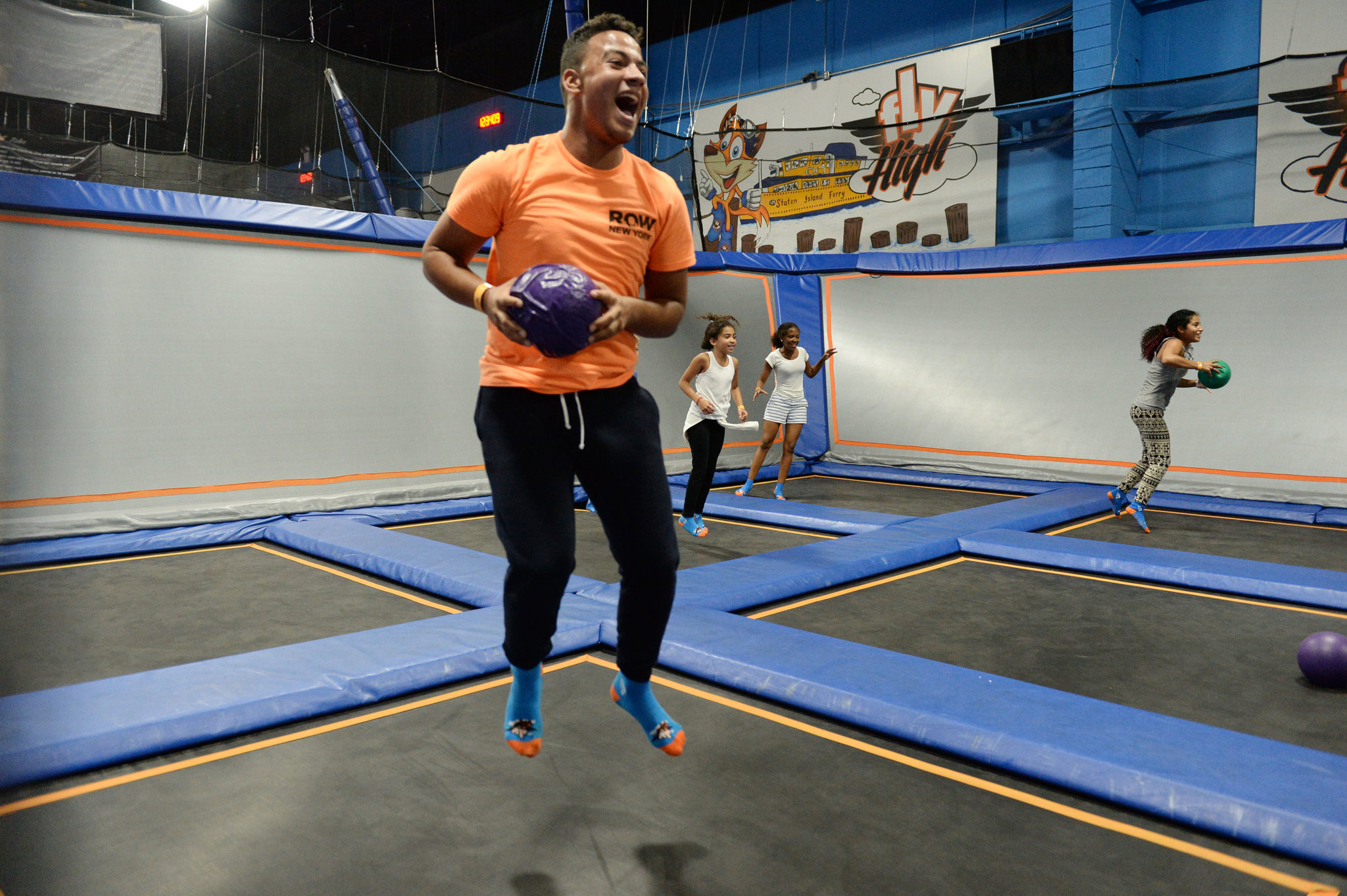
    An application scenario or product detail of trampoline sports ny - Image 2

    Illustrative image related to trampoline sports ny

    How Do Trampoline Sports Enhance the Entertainment and Leisure Sector?

    Trampoline parks are becoming popular attractions within family entertainment centers and birthday party venues. They draw diverse demographics, thus boosting foot traffic and revenue. B2B buyers should prioritize factors such as location accessibility, unique offerings, and compliance with safety regulations when considering investments in trampoline sports facilities. Developing targeted marketing strategies can also help to attract families looking for fun, active experiences.

    In What Ways Can Trampoline Sports Contribute to Health and Wellness Initiatives?

    The health and wellness sector benefits from trampoline sports through fitness programs and rehabilitation therapies. These activities provide a fun and engaging way for individuals to exercise, improving overall health. Buyers need to ensure that trainers are certified and that the equipment meets high safety standards. Additionally, developing programs that cater to various fitness levels can enhance participation and effectiveness, making trampoline sports an attractive option for health-focused organizations.

    How Can Trampoline Parks Impact Tourism and Hospitality?

    In the tourism and hospitality industry, trampoline parks can serve as unique attractions that enhance the local tourism experience. They offer visitors an engaging activity that can be marketed alongside other local attractions. B2B buyers should focus on effective marketing strategies to target tourists, seasonal promotions, and partnerships with local hotels to increase visibility. Understanding the local tourism landscape can also aid in tailoring offerings to meet visitor expectations, making trampoline parks a valuable addition to the hospitality sector.

    3 Common User Pain Points for ‘trampoline sports ny’ & Their Solutions

    Scenario 1: Difficulty in Securing Safe and Compliant Facilities for Events

    The Problem: B2B buyers, particularly event planners and corporate organizers, often face significant challenges in ensuring that trampoline sports venues meet safety standards and legal compliance. The liability associated with hosting events at trampoline parks can be daunting, especially when considering participant waivers, facility conditions, and insurance coverage. International buyers from regions such as Africa or South America may also be unfamiliar with local regulations, compounding the challenge.

    The Solution: To navigate these complexities, it is crucial for buyers to conduct thorough due diligence before selecting a trampoline venue. Start by requesting detailed documentation of safety certifications and compliance with local laws from trampoline parks in New York. Look for parks that provide comprehensive safety training for staff and have robust emergency protocols in place. Establish clear communication with the venue about waiver processes, ensuring that all participants complete the necessary paperwork. It can also be beneficial to consult with local legal experts who understand the nuances of venue liability in the U.S. By taking these steps, buyers can mitigate risks and enhance the safety of their events.

    An application scenario or product detail of trampoline sports ny - Image 3

    Illustrative image related to trampoline sports ny

    Scenario 2: Challenges in Customizing Group Events and Experiences

    The Problem: Many B2B buyers are tasked with organizing unique experiences for groups, such as corporate team-building events or large family gatherings. However, trampoline parks often have standardized packages that may not cater to specific needs or preferences. This can lead to frustration as buyers attempt to balance group dynamics with available activities, especially when trying to accommodate diverse age groups and interests.

    The Solution: To overcome this challenge, buyers should engage directly with trampoline park management to discuss customization options. Propose tailored packages that combine various activities, such as trampoline dodgeball, slam dunk basketball, or even private use of certain facilities. Inquire about the possibility of adding unique elements like themed events or special guest appearances, which can enhance the overall experience. Additionally, consider scheduling a pre-event visit to visualize how the space can be configured to suit your group’s needs. Building a strong relationship with venue staff can facilitate more personalized service and flexibility in event planning.

    Scenario 3: Navigating Seasonal and Capacity Constraints

    The Problem: B2B buyers often struggle with capacity management and availability when planning events at trampoline parks. High-demand periods, such as holidays or weekends, can lead to sold-out sessions, forcing buyers to compromise on their preferred dates or activities. This is particularly pressing for international buyers who may be traveling long distances and have limited scheduling options.

    The Solution: To effectively navigate these challenges, proactive planning and early bookings are essential. Buyers should reach out to trampoline parks well in advance to reserve dates and secure optimal time slots. Utilize online booking tools that many parks offer to check real-time availability and make reservations. Additionally, inquire about off-peak discounts or special group rates, which can provide more flexibility and cost savings. Consider organizing events during weekday afternoons or early mornings to avoid peak traffic. Lastly, having a backup plan, such as alternative activities or venues, can help ensure that the event remains a success, regardless of capacity limitations.

    Strategic Material Selection Guide for trampoline sports ny

    What Are the Key Materials Used in Trampoline Sports Facilities?

    When selecting materials for trampoline sports facilities, several key options are commonly utilized. Each material has distinct properties, advantages, and limitations that can significantly affect performance, safety, and overall user experience. Below, we explore four materials frequently used in trampoline sports, focusing on their characteristics and considerations for international B2B buyers.

    What Are the Properties and Applications of Steel in Trampoline Sports?

    Key Properties: Steel is known for its high tensile strength, durability, and resistance to deformation under load. It typically withstands high temperatures and pressures, making it suitable for the structural framework of trampoline parks.

    Pros & Cons: The primary advantage of steel is its strength, which allows for the construction of robust frames and supports. However, it can be prone to corrosion if not properly treated, requiring additional coatings or galvanization. The manufacturing complexity is moderate, as steel requires specialized equipment for cutting and welding.

    Impact on Application: Steel is essential for the structural integrity of trampolines, ensuring they can handle the dynamic forces exerted during use. Its compatibility with various coatings can enhance corrosion resistance, particularly in humid environments.

    Considerations for International Buyers: Compliance with international standards such as ASTM A500 for structural steel is crucial. Buyers from regions with high humidity, like parts of Africa and South America, should prioritize galvanized steel to prevent corrosion.

    How Does Polypropylene Contribute to Trampoline Performance?

    Key Properties: Polypropylene is a lightweight, flexible thermoplastic known for its excellent fatigue resistance and UV stability. It can withstand a wide range of temperatures, making it suitable for various climates.

    Pros & Cons: The key advantage of polypropylene is its resilience and ability to return to its original shape after deformation, which is critical for trampoline mats. However, it may not be as durable as other materials in extreme conditions and can degrade under prolonged UV exposure without proper treatment.

    Impact on Application: Polypropylene is often used for the jumping surface of trampolines, providing a good balance of flexibility and strength. Its lightweight nature facilitates easier installation and maintenance.

    Considerations for International Buyers: Buyers should look for polypropylene that meets international standards such as ISO 9001 for quality management. In regions with high UV exposure, selecting UV-stabilized polypropylene is recommended to prolong the lifespan of the mats.

    An application scenario or product detail of trampoline sports ny - Image 6

    Illustrative image related to trampoline sports ny

    What Role Does Foam Play in Trampoline Safety?

    Key Properties: Foam is characterized by its shock-absorbing capabilities and lightweight nature. It is commonly used in safety pits and padding around trampoline frames.

    Pros & Cons: The primary advantage of foam is its ability to absorb impact, significantly enhancing safety for users. However, it can compress over time and may require replacement, leading to ongoing maintenance costs.

    Impact on Application: Foam is crucial for safety applications, providing cushioning in landing areas and reducing the risk of injury. The specific density and firmness of the foam can be tailored to different age groups and activity levels.

    Considerations for International Buyers: Compliance with safety standards such as ASTM F2970 for foam impact attenuation is essential. Buyers should also consider local regulations regarding flammability and material safety, especially in regions with stringent safety codes.

    How Does PVC Influence Trampoline Durability and Maintenance?

    Key Properties: Polyvinyl Chloride (PVC) is a synthetic plastic polymer known for its durability, chemical resistance, and ease of maintenance. It is often used for trampoline covers and safety pads.

    Pros & Cons: PVC’s primary advantage is its resistance to moisture and chemicals, making it suitable for various environmental conditions. However, it can become brittle over time, especially when exposed to extreme temperatures, leading to potential cracking.

    Impact on Application: PVC is commonly used in the outer layers of trampoline safety pads and covers, providing protection against wear and tear. Its waterproof nature helps maintain the integrity of underlying materials.

    Considerations for International Buyers: Buyers should ensure that the PVC used meets international standards such as REACH for chemical safety. In regions with extreme temperatures, selecting high-quality, flexible PVC can mitigate issues related to brittleness.

    Summary Table of Material Selection for Trampoline Sports

    Material Typical Use Case for trampoline sports ny Key Advantage Key Disadvantage/Limitation Relative Cost (Low/Med/High)
    Steel Structural framework High tensile strength Prone to corrosion without treatment High
    Polypropylene Jumping surface Excellent fatigue resistance Can degrade under UV exposure Medium
    Foam Safety pits and padding Shock absorption for safety Compresses over time Medium
    PVC Covers and safety pads Moisture and chemical resistance Can become brittle in extreme temps Medium

    This analysis provides a comprehensive overview of the materials commonly used in trampoline sports facilities, addressing their properties, advantages, and considerations for international buyers. Understanding these factors is essential for making informed purchasing decisions that align with safety, performance, and regulatory compliance.

    In-depth Look: Manufacturing Processes and Quality Assurance for trampoline sports ny

    What Are the Main Stages in the Manufacturing Process of Trampolines for Sports?

    The manufacturing process of trampolines, particularly for trampoline sports facilities, involves several critical stages: material preparation, forming, assembly, and finishing. Understanding these stages is essential for B2B buyers looking to source high-quality trampoline products.

    1. Material Preparation

    The first step in the trampoline manufacturing process is material preparation. High-quality materials, such as durable steel for the frame and resilient polypropylene for the jumping surface, are essential. The steel is often treated for rust resistance and strength, while the fabric used for the mat must be UV-resistant and capable of withstanding heavy use. Suppliers should provide certificates verifying the quality and origin of materials, ensuring compliance with international standards.

    2. Forming

    Once materials are prepared, the next stage is forming. This involves cutting and shaping the materials to fit design specifications. The steel frame is usually welded or bent into shape, while the jumping mat is cut to size and reinforced at the edges. Advanced techniques such as computer numerical control (CNC) machining may be employed for precision, ensuring all components fit together seamlessly.

    3. Assembly

    The assembly stage is where the trampoline components come together. This involves attaching the jumping mat to the frame using springs, which are crucial for the trampoline’s bounce. Quality control measures during this stage include ensuring that springs are evenly spaced and securely attached, as improper assembly can lead to safety hazards. Trampoline manufacturers often utilize automated assembly lines to enhance efficiency and consistency.

    4. Finishing

    The final stage, finishing, includes surface treatments, painting, and packaging. Trampolines are often powder-coated to protect against corrosion and enhance aesthetic appeal. Quality assurance at this stage involves thorough inspections for any defects or inconsistencies in the paint job. Once finished, trampolines are packaged securely to prevent damage during transportation.

    How Is Quality Assurance Implemented in Trampoline Manufacturing?

    Quality assurance (QA) is a critical component of trampoline manufacturing, ensuring that products meet safety and performance standards. For B2B buyers, understanding QA processes can help assess supplier reliability.

    Relevant International Standards for Trampoline Manufacturing

    Manufacturers must comply with various international standards to ensure quality and safety. For example, ISO 9001 is a widely recognized standard for quality management systems, guiding manufacturers in maintaining consistent quality. Additionally, CE marking is crucial for products sold in the European market, indicating compliance with health, safety, and environmental protection standards. In the U.S., adherence to ASTM standards for trampoline safety is also essential.

    What Are the Key Quality Control Checkpoints in Manufacturing?

    Quality control checkpoints are integrated throughout the manufacturing process to ensure product integrity. The following checkpoints are commonly implemented:

    • Incoming Quality Control (IQC): This initial checkpoint involves inspecting raw materials and components upon arrival at the manufacturing facility. Any materials not meeting specified standards are rejected.

    • In-Process Quality Control (IPQC): During the manufacturing stages, IPQC involves regular inspections to ensure that processes are being followed correctly. This includes verifying the accuracy of cuts, welds, and assembly.

    • Final Quality Control (FQC): After assembly, trampolines undergo a final inspection to assess overall quality, safety features, and functionality. This includes testing the bounce and checking for any defects in the finished product.

    What Testing Methods Are Commonly Used in Trampoline Quality Assurance?

    Various testing methods are employed to validate the quality and safety of trampolines. These include:

    • Load Testing: Trampolines are subjected to weight tests to ensure they can safely accommodate users. This involves applying significant weight to verify the integrity of the frame and jumping mat.

    • Durability Testing: This tests how well trampolines withstand repeated use over time. Manufacturers may simulate years of use in a short time frame to identify any potential failures.

    • Safety Testing: Compliance with safety standards requires trampolines to undergo rigorous safety testing, including checks for sharp edges, stability, and overall design safety.

    How Can B2B Buyers Verify Supplier Quality Control Processes?

    For B2B buyers, verifying the quality control processes of suppliers is crucial to ensure product reliability. Here are several methods to consider:

    • Supplier Audits: Conducting onsite audits allows buyers to assess the manufacturing processes and quality control measures firsthand. This provides insight into the supplier’s commitment to quality.

    • Quality Reports: Requesting detailed quality reports from suppliers can help buyers understand the results of IQC, IPQC, and FQC processes. These reports should include data on testing methods and outcomes.

    • Third-Party Inspections: Engaging third-party inspection services can provide an unbiased evaluation of the manufacturing facility and its adherence to quality standards. This is particularly important for buyers from regions with specific safety regulations.

    What Are the Quality Control Nuances for International B2B Buyers?

    International buyers, especially from regions such as Africa, South America, the Middle East, and Europe, must navigate several nuances in quality control:

    • Regulatory Compliance: Different countries have varying regulations regarding safety and quality. Buyers should familiarize themselves with local requirements to ensure compliance.

    • Documentation: Proper documentation is essential for international shipments. Certificates of conformity, quality assurance documentation, and inspection reports should accompany products to facilitate customs clearance.

    • Cultural Considerations: Understanding cultural differences in business practices can impact negotiations and expectations regarding quality. Building strong relationships with suppliers can help mitigate misunderstandings.

    Conclusion

    The manufacturing processes and quality assurance measures for trampoline sports products are complex yet vital for ensuring safety and reliability. By understanding these processes, B2B buyers can make informed decisions when selecting suppliers, ultimately leading to successful business partnerships and satisfied customers.

    Practical Sourcing Guide: A Step-by-Step Checklist for ‘trampoline sports ny’

    Creating a successful trampoline sports facility in New York requires careful planning and strategic sourcing. This guide provides a practical checklist for B2B buyers looking to procure trampoline sports equipment and services effectively.

    1. Identify Your Market Needs

    Understanding your target audience is crucial. Research the demographics and preferences of potential customers in the trampoline sports sector, such as families, schools, or corporate clients. This insight will guide your decisions on the types of equipment and services to procure, ensuring they align with customer expectations.

    2. Establish Your Budget

    Set a clear budget that covers all aspects of your trampoline sports facility, including equipment, safety measures, staffing, and marketing. A well-defined budget helps prioritize spending and prevents overspending on unnecessary items. Consider the long-term operational costs as well, such as maintenance and utilities.

    3. Evaluate Potential Suppliers

    Before committing, it’s crucial to vet suppliers thoroughly. Request company profiles, case studies, and references from buyers in a similar industry or region. Don’t just rely on their website; inquire about their experience with trampoline sports facilities specifically.

    • Check Product Quality: Ensure the equipment meets safety standards and is made from durable materials.
    • Assess After-Sales Support: Look for suppliers that offer comprehensive support, including maintenance and warranty options.

    4. Verify Safety Compliance

    Safety is paramount in trampoline sports. Ensure that all equipment complies with local and international safety regulations. This includes checking for certifications from recognized bodies and ensuring that the products have passed rigorous safety testing.

    • Request Documentation: Ask suppliers for proof of compliance, including safety certifications and inspection reports.
    • Review Safety Features: Look for features like safety nets, padding, and non-slip surfaces that enhance user safety.

    5. Explore Customization Options

    Consider suppliers that offer customization to meet your facility’s unique needs. Customized equipment can enhance the user experience and differentiate your facility from competitors.

    An application scenario or product detail of trampoline sports ny - Image 12

    Illustrative image related to trampoline sports ny

    • Inquire About Design Flexibility: Ask suppliers how they can tailor equipment to fit your space and theme.
    • Evaluate Branding Opportunities: Custom colors and logos can help promote your brand within the facility.

    6. Assess Logistics and Delivery

    Timely delivery and setup of equipment are crucial for operational readiness. Confirm the logistics capabilities of your supplier, including delivery times and installation services.

    • Check Delivery Timelines: Ensure the supplier can meet your project deadlines.
    • Understand Installation Procedures: Inquire if the supplier provides on-site installation and training for your staff.

    7. Negotiate Terms and Conditions

    Before finalizing any agreements, negotiate terms that protect your interests. This includes payment terms, delivery schedules, and warranty conditions.

    • Review Contract Details: Pay close attention to cancellation policies and liability clauses.
    • Establish Clear Communication Channels: Ensure that you have a dedicated point of contact for any issues that may arise during the procurement process.

    By following these steps, B2B buyers can effectively navigate the procurement process for trampoline sports equipment and services in New York, setting the stage for a successful facility that meets customer demands and safety standards.

    Comprehensive Cost and Pricing Analysis for trampoline sports ny Sourcing

    What Are the Key Cost Components for Sourcing Trampoline Sports Equipment in NY?

    When evaluating the cost structure for trampoline sports equipment, several critical components come into play:

    1. Materials: The primary materials for trampoline parks include high-quality steel for frames, durable fabrics for jumping surfaces, and safety padding. The choice of materials significantly impacts cost, with premium materials offering better durability and safety but at a higher price.

    2. Labor: Labor costs encompass both the workforce required for manufacturing and installation. Skilled labor may be necessary for safety installations and quality checks, which can drive up costs. Understanding local labor rates in the NY area is essential for accurate budgeting.

    3. Manufacturing Overhead: This includes utilities, rent, and administrative expenses associated with the production facility. Overhead can vary widely based on the location and operational efficiency of the manufacturing plant.

    4. Tooling: Initial investment in tooling for manufacturing specific trampoline designs can be substantial. This cost is often amortized over the production volume, making it crucial to consider order quantities when negotiating prices.

    5. Quality Control (QC): Ensuring that all equipment meets safety regulations and quality standards incurs additional costs. This includes testing materials and finished products, which is essential for maintaining compliance and customer trust.

    6. Logistics: Shipping costs can be significant, particularly for international buyers. Factors such as distance, shipping methods, and customs duties play a vital role in the total logistics cost.

    7. Margin: Suppliers will add their profit margin, which varies based on competition, demand, and perceived value. Understanding the market landscape can help buyers gauge if they are receiving a fair price.

    How Do Price Influencers Affect Trampoline Sports Equipment Sourcing?

    Several factors influence the pricing of trampoline sports equipment, particularly for international B2B buyers:

    • Volume and Minimum Order Quantity (MOQ): Bulk orders typically lead to lower per-unit costs. Suppliers may offer discounts for larger orders, making it advantageous for buyers to consolidate their purchases.

    • Specifications and Customization: Custom designs or specific features can increase costs. Buyers should weigh the benefits of customization against their budget and market needs.

    • Materials and Quality Certifications: Higher-quality materials and certifications (e.g., safety standards) can justify higher prices. Buyers should ensure that the equipment meets both local and international safety standards to avoid liability issues.

    • Supplier Factors: The reputation and reliability of suppliers can impact pricing. Established brands may charge a premium but often offer better warranties and customer service.

    • Incoterms: Understanding the Incoterms (International Commercial Terms) used in contracts is crucial. They dictate responsibilities for shipping, insurance, and tariffs, directly affecting the total cost of ownership.

    What Tips Can Help International B2B Buyers Optimize Costs in Trampoline Sports Equipment Sourcing?

    International buyers, especially from regions like Africa, South America, the Middle East, and Europe, can benefit from several strategies:

    • Negotiation: Always negotiate pricing, especially for larger orders. Suppliers often have room to adjust prices, particularly when they see potential for ongoing business.

    • Cost-Efficiency: Consider the Total Cost of Ownership (TCO), which includes not just the purchase price but also maintenance, logistics, and potential replacement costs. Opting for higher-quality materials can result in lower long-term costs.

    • Pricing Nuances: Be aware of currency fluctuations and import tariffs that can affect pricing. When sourcing from NY, buyers should also consider potential delays in shipping and customs clearance that could impact project timelines.

    • Research and Due Diligence: Conduct thorough market research to identify reputable suppliers. Engaging in forums or trade shows can provide insights into pricing trends and supplier reliability.

    In conclusion, understanding the cost structure and pricing dynamics of trampoline sports equipment sourcing in NY is crucial for B2B buyers. By carefully considering each component and leveraging negotiation strategies, buyers can optimize their purchasing decisions and ensure a successful procurement process.

    Alternatives Analysis: Comparing trampoline sports ny With Other Solutions

    Exploring Alternative Solutions to Trampoline Sports in NY

    In the realm of recreational and entertainment solutions, trampoline parks like “Trampoline Sports NY” offer unique experiences that combine fitness with fun. However, businesses may also consider other alternatives that provide similar engagement and physical activity benefits. This analysis compares trampoline sports against two viable alternatives: indoor rock climbing and laser tag arenas.

    Comparison Aspect Trampoline Sports NY Indoor Rock Climbing Laser Tag Arena
    Performance High energy, promotes cardiovascular fitness and agility Builds strength, coordination, and problem-solving skills Enhances teamwork, agility, and strategic thinking
    Cost Moderate initial investment; ongoing operational costs High initial setup costs; maintenance of climbing walls Moderate initial investment; equipment maintenance
    Ease of Implementation Requires a large space with specific safety regulations Requires specialized equipment and safety measures Easy to implement; simpler setup with minimal space requirements
    Maintenance Regular inspection of trampolines and safety gear Regular maintenance of climbing walls and safety harnesses Routine maintenance of equipment and arena
    Best Use Case Family entertainment, group events, fitness activities Team-building events, fitness enthusiasts, adventure seekers Corporate events, birthday parties, competitive play

    What Are the Pros and Cons of Indoor Rock Climbing as an Alternative to Trampoline Sports?

    Indoor rock climbing provides an engaging alternative for businesses looking to attract active audiences. On the positive side, it focuses on building physical strength, coordination, and mental problem-solving skills, making it suitable for a diverse age range. Additionally, rock climbing can foster community through classes and events. However, the initial investment is typically higher due to the need for specialized equipment and safety measures, which can be a barrier for some businesses. Moreover, maintenance is crucial to ensure safety, requiring ongoing investment.

    How Does Laser Tag Compare to Trampoline Sports in Terms of Engagement and Cost?

    Laser tag arenas present an exciting alternative that emphasizes teamwork and strategic gameplay. One of the key advantages of laser tag is its lower setup complexity compared to trampoline parks. The initial investment can be moderate, and the maintenance is generally simpler, focusing mainly on electronic equipment and arena upkeep. However, while laser tag may provide high-energy engagement, it does not offer the same physical fitness benefits as trampoline sports or rock climbing. Additionally, the target demographic may differ, as laser tag often appeals more to corporate groups and birthday parties rather than fitness-oriented customers.

    How Should B2B Buyers Choose the Right Recreational Solution for Their Needs?

    When selecting a recreational solution, B2B buyers should evaluate their target audience, budget, and long-term business goals. If the objective is to foster fitness and active participation among families and individuals, trampoline parks or indoor rock climbing facilities may be more suitable. Conversely, if the focus is on team-building or corporate events, laser tag arenas could provide a compelling alternative. Ultimately, understanding the unique benefits and challenges of each option will empower businesses to make informed decisions that align with their operational strategy and customer expectations.

    Essential Technical Properties and Trade Terminology for trampoline sports ny

    What Are the Essential Technical Properties of Trampoline Sports Equipment?

    When considering trampoline sports equipment, several technical properties are vital for ensuring quality, safety, and performance. Understanding these specifications is crucial for B2B buyers who aim to invest in durable and efficient products.

    1. Material Grade: The materials used in trampoline construction typically include high-tensile steel for frames and durable polypropylene for the jumping surface. High-grade materials ensure longevity and the ability to withstand repeated use, which is essential for commercial applications like trampoline parks. The choice of material directly impacts the trampoline’s safety, weight capacity, and overall resilience.

    2. Tolerance Levels: Tolerance refers to the allowable variation in dimensions during manufacturing. In trampoline sports, maintaining tight tolerances is critical for safety and performance. For instance, the height and spacing of springs must be precise to ensure proper bounce dynamics. Deviations can lead to uneven surfaces and increased risk of injury, making this a crucial factor for B2B buyers concerned about compliance with safety standards.

    3. Weight Capacity: This specification indicates the maximum load a trampoline can safely support. For commercial trampoline parks, weight capacity is essential for attracting diverse clientele, including adults and children. Understanding weight limits helps businesses avoid overloading their equipment, which could lead to damage or injury. Buyers should look for trampolines with a higher weight capacity to accommodate various user demographics.

    4. Spring Count and Type: The number and type of springs used in a trampoline affect its bounce and responsiveness. More springs generally provide a higher level of performance, allowing for better jumps and tricks. For trampoline parks, selecting the appropriate spring configuration is vital for creating an enjoyable experience that meets user expectations.

    5. Safety Features: Safety is paramount in trampoline sports. Key safety features include padded edges, netting, and foam pit landings. These features help prevent injuries and comply with safety regulations. B2B buyers should prioritize equipment with comprehensive safety measures to protect users and minimize liability.

    6. Bounce Surface Material: The quality of the bounce surface, often made from synthetic materials, affects both the user experience and durability. A high-quality bounce surface should provide good grip while allowing for sufficient bounce. This is essential for competitive environments where performance is critical.

    What Are Common Trade Terms in the Trampoline Sports Industry?

    Understanding industry jargon is crucial for effective communication and negotiation in the trampoline sports market. Here are some essential terms that B2B buyers should be familiar with:

    1. OEM (Original Equipment Manufacturer): This term refers to companies that produce parts or equipment that may be marketed by another manufacturer. In trampoline sports, OEM relationships can be advantageous for sourcing high-quality components that meet specific design requirements.

    2. MOQ (Minimum Order Quantity): MOQ is the smallest quantity of a product that a supplier is willing to sell. For trampoline parks, understanding MOQ is vital for inventory management and cost control. It can also affect negotiation strategies when placing orders with manufacturers.

    3. RFQ (Request for Quotation): An RFQ is a document sent to suppliers to request pricing and terms for specific products. This is essential for B2B buyers who need to compare costs and services from multiple suppliers to make informed purchasing decisions.

    4. Incoterms (International Commercial Terms): These are standardized trade terms that define the responsibilities of buyers and sellers in international transactions. Understanding Incoterms is crucial for B2B buyers involved in cross-border purchases, as they clarify shipping, insurance, and delivery obligations.

    5. Lead Time: This term indicates the time required to fulfill an order, from placement to delivery. In the trampoline industry, understanding lead time helps businesses plan their inventory and operational schedules effectively.

    6. Warranty: A warranty is a guarantee provided by the manufacturer regarding the condition and longevity of the product. In trampoline sports, a robust warranty can indicate quality and reliability, providing peace of mind for buyers investing in significant equipment.

    By understanding these technical properties and trade terms, B2B buyers can make informed decisions, ensuring they invest in high-quality trampoline sports equipment that meets their operational needs.

    What Are the Key Trends Shaping the Trampoline Sports Industry in New York?

    The trampoline sports sector in New York is witnessing robust growth driven by increasing consumer interest in fitness and recreational activities. Global drivers such as the rising popularity of experiential entertainment, coupled with an uptick in health-conscious lifestyles, are pushing the demand for trampoline parks. Notably, the COVID-19 pandemic has accelerated trends towards family-oriented and outdoor recreational activities, with trampoline parks emerging as attractive venues for birthday parties and group events.

    Emerging B2B technology trends include the integration of advanced booking systems and customer relationship management (CRM) software, which streamline operations and enhance the customer experience. International B2B buyers should consider these technological innovations when sourcing trampoline park equipment or services. Additionally, there is a growing focus on enhancing visitor safety through improved safety protocols and equipment, which could be a decisive factor for buyers prioritizing risk management.

    As buyers from regions such as Africa, South America, the Middle East, and Europe seek to invest in trampoline sports facilities, understanding local market dynamics is crucial. For example, African markets may prioritize affordability and accessibility, while European buyers might emphasize high-quality, unique experiences that appeal to a diverse demographic. Collaborating with local partners can facilitate market entry and help navigate regulatory landscapes.

    How Is Sustainability Influencing Sourcing Decisions in the Trampoline Sports Sector?

    Sustainability and ethical sourcing are becoming paramount in the trampoline sports industry. Environmental concerns are compelling businesses to assess their supply chains critically. The production of trampolines and related equipment often involves materials that can have significant environmental impacts, such as synthetic fabrics and foams. Consequently, buyers are increasingly seeking suppliers that prioritize eco-friendly materials and practices.

    The importance of ethical supply chains cannot be overstated. B2B buyers are urged to look for suppliers who are transparent about their sourcing practices and who demonstrate a commitment to fair labor standards. Certifications such as ISO 14001 for environmental management and the Global Recycled Standard can serve as indicators of a supplier’s commitment to sustainability.

    Moreover, the incorporation of ‘green’ materials, such as recycled plastics and natural rubber, is gaining traction among manufacturers. This shift not only meets consumer demand for sustainable products but also aligns with global sustainability goals, making it a significant consideration for international buyers.

    What Is the Historical Context of the Trampoline Sports Industry in New York?

    The trampoline sports industry in New York has evolved significantly since the opening of the first indoor trampoline parks in the early 2000s. Initially focused on recreational use, these facilities have transformed into multifaceted entertainment centers that offer a wide range of activities, including fitness classes, birthday parties, and corporate events.

    The introduction of themed events, such as ‘Jump N’ Glow,’ has further diversified offerings and attracted varied customer segments. As the industry continues to mature, operators are increasingly investing in technology and customer experience enhancements to stay competitive. Understanding this evolution is essential for B2B buyers looking to enter or expand in this dynamic market, as it provides insight into consumer preferences and emerging opportunities.

    Frequently Asked Questions (FAQs) for B2B Buyers of trampoline sports ny

    1. How do I evaluate the quality of trampoline suppliers in New York?
      To assess trampoline suppliers in New York, start by reviewing their certifications, safety standards, and customer testimonials. Check if they comply with local and international safety regulations, such as ASTM or EN standards, which ensure the products are safe for use. Request samples or visit their facilities to observe the manufacturing process firsthand. Additionally, engage with current or past clients to gain insights into their experiences regarding product quality, reliability, and customer service.

    2. What are the key features to look for in trampoline sports equipment?
      When sourcing trampoline sports equipment, prioritize safety features such as reinforced edges, non-slip surfaces, and adequate padding. Look for trampolines designed for specific activities like slam dunk basketball or dodgeball, which enhance the user experience. Durability is also crucial; consider materials that withstand heavy use and harsh weather conditions if outdoor installations are planned. Finally, ensure that the equipment meets international safety standards to minimize liability risks.

    3. What are the common payment terms for B2B trampoline suppliers?
      Payment terms can vary widely among suppliers, but common arrangements include net 30 or net 60 days, requiring full payment upon delivery. Some suppliers may offer a deposit option, typically 30-50% upfront, with the balance due before shipment. Consider negotiating terms that suit your cash flow, and ensure that you clearly outline penalties for late payments. Using secure payment methods and including terms in a formal contract can also safeguard your interests.

    4. What is the minimum order quantity (MOQ) for trampoline sports products?
      MOQs for trampoline sports products can differ significantly based on the supplier and the type of equipment. Typically, MOQs range from 10 to 50 units for commercial-grade trampolines. Suppliers may set higher MOQs for customized products due to increased production costs. When negotiating, express your long-term purchasing intentions to potentially lower the MOQ or explore flexible terms that accommodate your initial order size.

    5. How can I ensure compliance with international shipping regulations for trampoline products?
      To ensure compliance with international shipping regulations, familiarize yourself with the import/export laws of your destination country. Work with suppliers who have experience in international logistics and can provide necessary documentation, such as certificates of origin and safety compliance. Consider partnering with a freight forwarder who specializes in your industry to navigate customs and ensure that all products meet local safety and regulatory standards.

    6. What are the best practices for supplier vetting in the trampoline industry?
      Effective supplier vetting involves conducting thorough research, including reviewing their business history, financial stability, and reputation in the industry. Request references from other clients and check for any past legal issues or recalls related to safety. Additionally, consider visiting the supplier’s facility to assess their production capabilities and quality control processes. Establishing a good rapport and understanding their operational practices can also provide insight into their reliability.

    7. How do I customize trampoline products to fit my market’s needs?
      To customize trampoline products, start by identifying the specific preferences and requirements of your target market. Collaborate with suppliers to discuss available customization options such as size, color, and branding features. Consider conducting market research or surveys to gather feedback on desired features. Ensure that the supplier has the necessary capabilities and experience to deliver high-quality customized products that meet your specifications.

    8. What logistics considerations should I keep in mind when sourcing trampolines?
      When sourcing trampolines, consider logistics factors such as shipping costs, lead times, and delivery methods. Analyze the supplier’s location and its impact on shipping efficiency, especially for international orders. Ensure that your supplier can meet your timeline for delivery to avoid disruptions. Additionally, assess the packaging used to protect the trampolines during transit and consider potential duties and tariffs that may apply when importing goods into your country.

    Top 1 Trampoline Sports Ny Manufacturers & Suppliers List

    1. Sky Zone – Trampoline Park Activities

    Sky Zone - Trampoline Park Activities

    Domain: skyzone.com

    Registered: 2005 (20 years)

    Introduction: Sky Zone Vestal – Binghamton, NY offers a variety of activities including Freestyle Jump, SkyJoust, The Wall, Drop Zone, Ninja Warrior Course, Parkour Blox, and Air Court. They provide jump tickets for general admission, party packages for birthdays and special occasions, and group event options with discounts for larger parties. Memberships are available for unlimited jump time and exclusive disc…

    Strategic Sourcing Conclusion and Outlook for trampoline sports ny

    The trampoline sports industry in New York presents a wealth of opportunities for international B2B buyers, particularly those from regions such as Africa, South America, the Middle East, and Europe. Key takeaways from this guide emphasize the importance of strategic sourcing in identifying reliable partners, innovative entertainment solutions, and unique offerings that cater to diverse customer needs. Establishing partnerships with established trampoline parks can facilitate access to best practices in customer engagement, operational efficiency, and enhanced safety protocols.

    An application scenario or product detail of trampoline sports ny - Image 18

    Illustrative image related to trampoline sports ny

    Investing in trampoline sports not only appeals to a broad demographic but also capitalizes on the growing trend of indoor recreational activities. As global interest in health and wellness rises, trampoline parks are positioned as attractive venues for family entertainment, fitness programs, and event hosting. This strategic sourcing approach can enhance your business portfolio and meet the increasing demand for engaging leisure activities.

    Looking ahead, the trampoline sports sector is poised for growth, driven by technological advancements and evolving consumer preferences. International B2B buyers are encouraged to explore these opportunities and leverage partnerships that foster innovation and sustainability. Engage with trampoline parks today to capitalize on this dynamic market and elevate your business potential.

    Important Disclaimer & Terms of Use

    ⚠️ Important Disclaimer

    The information provided in this guide, including content regarding manufacturers, technical specifications, and market analysis, is for informational and educational purposes only. It does not constitute professional procurement advice, financial advice, or legal advice.

    While we have made every effort to ensure the accuracy and timeliness of the information, we are not responsible for any errors, omissions, or outdated information. Market conditions, company details, and technical standards are subject to change.

    B2B buyers must conduct their own independent and thorough due diligence before making any purchasing decisions. This includes contacting suppliers directly, verifying certifications, requesting samples, and seeking professional consultation. The risk of relying on any information in this guide is borne solely by the reader.

  • A Deep Dive into Toddler Play Area Solution

    A Deep Dive into Toddler Play Area Solution

    Introduction: Navigating the Global Market for toddler play area

    Navigating the global market for toddler play areas presents unique challenges for international B2B buyers. As demand for safe, engaging environments for children rises, sourcing high-quality, durable play equipment becomes a critical concern. This guide offers a comprehensive exploration of the toddler play area landscape, covering diverse types of play structures, their applications in various settings, and essential criteria for supplier vetting. Additionally, we delve into cost considerations and emerging trends that influence purchasing decisions.

    By equipping buyers from regions such as Africa, South America, the Middle East, and Europe—including key markets like Brazil and Germany—with actionable insights, this guide empowers informed purchasing decisions. Understanding the nuances of local regulations, cultural preferences, and safety standards is vital in selecting the right products for your target market.

    Moreover, we highlight best practices for integrating play areas into community spaces, schools, and recreational facilities, ensuring they not only meet safety standards but also foster social interaction and developmental growth. With a focus on delivering value, this guide aims to streamline the procurement process, enabling businesses to create enriching environments for toddlers while maximizing return on investment. As you navigate this dynamic market, leverage our insights to make strategic choices that resonate with your clientele and enhance your brand’s reputation.

    Table Of Contents

    Understanding toddler play area Types and Variations

    Type Name Key Distinguishing Features Primary B2B Applications Brief Pros & Cons for Buyers
    Indoor Playgrounds Enclosed spaces with soft play equipment, slides, and climbing areas Family entertainment centers, daycare facilities Pros: Year-round use, safe environment. Cons: Higher maintenance costs.
    Outdoor Play Areas Natural or synthetic surfaces, equipment like swings and slides Parks, schools, community centers Pros: Promotes physical activity, cost-effective. Cons: Weather-dependent.
    Themed Play Zones Specific themes (e.g., jungle, space) with interactive elements Amusement parks, educational facilities Pros: Engaging for children, unique experience. Cons: Higher initial investment.
    Sensory Play Areas Equipment designed to stimulate senses (textures, lights, sounds) Special needs facilities, early childhood education centers Pros: Supports developmental needs, inclusive. Cons: Limited target audience.
    Mobile Play Units Portable play equipment for temporary setups Events, festivals, community outreach Pros: Flexibility, lower upfront costs. Cons: Limited space and equipment.

    What are the Key Features of Indoor Playgrounds for Toddlers?

    Indoor playgrounds are characterized by their enclosed, climate-controlled environments designed for children aged 1 to 10. They typically feature soft play zones, slides, climbing structures, and interactive games that promote physical activity and social interaction. For B2B buyers, these spaces are ideal for family entertainment centers and daycare facilities, offering year-round engagement. However, potential buyers should consider the higher maintenance costs associated with indoor facilities.

    How Do Outdoor Play Areas Benefit Toddlers?

    Outdoor play areas utilize natural or synthetic surfaces and often include swings, slides, and climbing structures. They are commonly found in parks, schools, and community centers, promoting physical activity and social interaction among children. The cost-effectiveness of outdoor installations is a significant advantage, but buyers must account for weather dependency, which can limit usage.

    What Makes Themed Play Zones Attractive for Business?

    Themed play zones offer unique, immersive experiences by incorporating specific themes such as jungles or space, complete with interactive elements that engage children. These zones are particularly popular in amusement parks and educational facilities. While they provide a captivating experience that can draw families, the initial investment can be substantial, making financial planning crucial for B2B buyers.

    Why are Sensory Play Areas Important for Development?

    Sensory play areas are specifically designed to stimulate children’s senses through various textures, lights, and sounds. They are particularly beneficial in special needs facilities and early childhood education centers, as they support developmental needs and inclusivity. While they cater to a niche audience, the growing emphasis on inclusive play makes them a valuable investment for B2B buyers focused on developmental support.

    What are the Advantages of Mobile Play Units?

    Mobile play units provide flexibility and are ideal for temporary setups at events, festivals, and community outreach programs. Their portability allows businesses to reach a broader audience without the commitment of permanent installations. While they generally have lower upfront costs, buyers should be aware of the limitations in space and equipment, which can affect the variety of activities offered.

    Key Industrial Applications of toddler play area

    Industry/Sector Specific Application of toddler play area Value/Benefit for the Business Key Sourcing Considerations for this Application
    Childcare Facilities Indoor play areas for daycare centers Enhances child engagement and development, attracting more enrollments Safety standards, space optimization, and age-appropriate design
    Retail Environments Play zones in shopping malls or stores Increases foot traffic, encourages longer shopping durations Modular designs, visibility from retail space, and maintenance ease
    Hospitality Family-friendly play areas in hotels Differentiates the hotel experience, appealing to families Safety certifications, aesthetic integration, and space requirements
    Community Centers Public play areas for community engagement Fosters social interaction among families, promoting community well-being Durability, ease of maintenance, and compliance with local regulations
    Events and Entertainment Temporary toddler play areas at events or festivals Attracts families, enhancing overall event appeal Portability, setup time, and safety features for transient use

    How Are Toddler Play Areas Utilized in Childcare Facilities?

    In childcare facilities, toddler play areas serve as essential spaces for physical and social development. These environments are designed to stimulate young minds with safe, engaging play equipment that promotes exploration and creativity. By incorporating toddler play areas, daycare centers can increase enrollment, as parents seek facilities that provide enriching experiences for their children. Buyers in this sector must prioritize safety standards, ensuring that all equipment meets international regulations and is suitable for various age groups.

    What Role Do Toddler Play Areas Play in Retail Environments?

    Retail environments, particularly shopping malls and stores, increasingly integrate toddler play areas to enhance customer experience. These designated spaces allow parents to shop while their children engage in safe, supervised play, ultimately increasing foot traffic and encouraging longer visits. For international buyers, sourcing considerations should include modular designs that can easily fit within existing layouts, visibility from retail spaces to attract families, and ease of maintenance to ensure cleanliness and safety.

    How Can Hospitality Businesses Benefit from Toddler Play Areas?

    In the hospitality sector, hotels that offer toddler play areas create a family-friendly atmosphere that can set them apart from competitors. These spaces not only entertain children but also provide parents with a much-needed respite, enhancing the overall guest experience. When sourcing play equipment, hoteliers must consider safety certifications, aesthetic integration with the hotel’s theme, and the spatial requirements to ensure that play areas do not disrupt other guest services.

    Why Are Toddler Play Areas Important for Community Centers?

    Community centers benefit from toddler play areas as they foster social interaction among families, enhancing community engagement. These spaces can host various activities that promote physical health and social skills in a safe environment. For B2B buyers in this sector, durability and ease of maintenance are key considerations, alongside compliance with local regulations to ensure that the play area remains a safe and welcoming space for all families.

    How Do Temporary Toddler Play Areas Enhance Events and Entertainment?

    Temporary toddler play areas at events or festivals attract families, making the event more appealing to a broader audience. These setups provide a safe environment for children to play, allowing parents to enjoy the event without worry. Buyers looking to incorporate these areas should focus on portability, quick setup times, and safety features tailored for transient use, ensuring that the play area can be easily transported and assembled while meeting all necessary safety standards.

    3 Common User Pain Points for ‘toddler play area’ & Their Solutions

    Scenario 1: Limited Space and Layout Challenges in Toddler Play Areas

    The Problem: Many B2B buyers, especially those operating in urban environments or smaller facilities, face significant challenges when it comes to space constraints. The limited square footage can make it difficult to design a toddler play area that is both safe and engaging. Buyers may struggle to fit essential equipment like climbing structures, slides, and soft play zones while ensuring sufficient room for movement and supervision. Additionally, a poorly planned layout can lead to traffic congestion, creating a frustrating experience for both children and caregivers.

    The Solution: To effectively address space limitations, B2B buyers should focus on modular and multi-functional play equipment. These options allow for a variety of play experiences without requiring a large footprint. For instance, selecting play structures that incorporate climbing, sliding, and interactive elements into a single unit can maximize the use of vertical space. Additionally, employing a flexible layout design can help create designated zones for different activities, promoting better flow and minimizing congestion. It is also advisable to work with a playground consultant who can provide tailored recommendations based on specific spatial constraints and safety regulations.

    Scenario 2: Safety Compliance and Risk Management Concerns

    The Problem: Safety is a top priority for any toddler play area, yet many buyers find it daunting to navigate the myriad of safety regulations and standards that vary by region. Compliance with these regulations is essential to prevent accidents and liabilities, but the complexity can be overwhelming. Buyers may worry about the materials used, the design of play equipment, and whether adequate safety measures—like impact-absorbing surfaces—are in place.

    The Solution: To ensure safety compliance, B2B buyers should invest in equipment that meets or exceeds local and international safety standards, such as those set by the ASTM (American Society for Testing and Materials) or EN1176 (European standards for playground equipment). It’s beneficial to partner with reputable suppliers who provide clear documentation of compliance and have a history of adhering to safety protocols. Conducting regular safety audits and staff training on supervision and emergency procedures can further mitigate risks. Additionally, creating a maintenance schedule for regular inspections of the equipment and surfaces will help identify and address potential hazards before they become issues.

    Scenario 3: Engaging Toddlers While Addressing Diverse Developmental Needs

    The Problem: A common concern among B2B buyers is the challenge of creating a play area that caters to the diverse developmental needs of toddlers. Children aged 1 to 5 years have varying abilities and interests, making it difficult to design a space that is engaging for all. This challenge can lead to dissatisfaction among parents and caregivers, who may feel that the play area does not adequately support their children’s development.

    The Solution: To address this issue, buyers should focus on incorporating a diverse range of play options that promote various developmental skills, such as gross motor skills, sensory exploration, and imaginative play. This can be achieved by integrating equipment that encourages different types of play, like climbing structures for physical development, sensory play zones with varied textures, and role-play areas that stimulate creativity. Additionally, consider incorporating flexible programming, such as classes or guided play sessions, that can cater to different age groups and developmental stages. Engaging with child development specialists during the planning phase can provide valuable insights into creating a well-rounded play environment that supports all children’s needs.

    Strategic Material Selection Guide for toddler play area

    What Are the Key Materials for Building a Toddler Play Area?

    When selecting materials for a toddler play area, it is crucial to consider their properties, advantages, disadvantages, and compliance with international standards. The following analysis focuses on four common materials used in toddler play areas: plastic, wood, metal, and rubber.

    How Does Plastic Perform in Toddler Play Areas?

    Plastic is a widely used material in toddler play areas due to its lightweight, durable, and versatile nature. Common types include high-density polyethylene (HDPE) and polyvinyl chloride (PVC). These plastics are resistant to moisture and corrosion, making them suitable for both indoor and outdoor environments.

    Pros: Plastic is generally cost-effective and easy to mold into various shapes, allowing for creative designs. It is also low-maintenance, requiring minimal cleaning and upkeep.

    Cons: While durable, plastic can become brittle over time when exposed to extreme temperatures. Additionally, it may not have the same aesthetic appeal as natural materials.

    Impact on Application: Plastic’s non-porous surface is easy to clean, which is essential in maintaining hygiene in play areas. However, it may not be suitable for high-temperature environments without proper UV stabilization.

    Considerations for International Buyers: Compliance with ASTM standards for playground equipment is essential. Buyers should ensure that the plastic used is free from harmful chemicals, particularly in regions with strict regulations like Europe.

    What Are the Benefits of Using Wood in Play Areas?

    Wood is a traditional choice for play structures, offering a natural look and feel that appeals to many parents and caregivers. Common types include treated pine, cedar, and redwood, each providing varying levels of durability and resistance to decay.

    Pros: Wood is strong and can withstand significant weight, making it ideal for climbing structures. It also has a natural aesthetic that blends well with outdoor environments.

    Cons: Wood requires regular maintenance, including sealing and staining, to prevent rot and insect damage. It can also be more expensive than synthetic materials.

    An application scenario or product detail of toddler play area - Image 7

    Illustrative image related to toddler play area

    Impact on Application: The natural properties of wood can contribute to a warm and inviting play environment, but it may not perform well in humid or wet climates without proper treatment.

    Considerations for International Buyers: Buyers should be aware of local regulations regarding treated wood, particularly in regions like Europe, where certain chemicals are restricted. Compliance with safety standards is also critical.

    Why Choose Metal for Toddler Play Areas?

    Metal, particularly galvanized steel and aluminum, is often used for structural components in play areas due to its strength and durability. These materials can withstand significant wear and tear, making them suitable for high-traffic areas.

    Pros: Metal is highly durable and resistant to weather conditions, making it ideal for outdoor applications. It can also be recycled, which appeals to environmentally conscious buyers.

    Cons: Metal can become hot in direct sunlight and may require additional safety features, such as padding, to prevent injuries. It is also generally more expensive than plastic.

    Impact on Application: Metal’s strength allows for the construction of larger and more complex structures. However, its thermal conductivity can pose safety risks in hot climates.

    Considerations for International Buyers: Compliance with international safety standards, such as DIN in Germany, is crucial. Buyers should also consider the availability of corrosion-resistant coatings to enhance longevity.

    How Does Rubber Contribute to Safety in Play Areas?

    Rubber is primarily used for surfacing in toddler play areas due to its shock-absorbing properties. It can be found in the form of mats, tiles, or poured-in-place surfaces.

    Pros: Rubber provides excellent cushioning, reducing the risk of injuries from falls. It is also weather-resistant and can be installed in various environments.

    Cons: Rubber surfaces can be more expensive than other options, and installation may require specialized skills. Additionally, they can retain heat, making them uncomfortable in hot climates.

    Impact on Application: The use of rubber significantly enhances safety, making it a preferred choice for areas where toddlers will be climbing and playing.

    Considerations for International Buyers: Buyers should ensure that the rubber used meets ASTM standards for impact attenuation. Additionally, they should consider the environmental impact of sourcing rubber materials.

    Summary of Material Selection for Toddler Play Areas

    Material Typical Use Case for toddler play area Key Advantage Key Disadvantage/Limitation Relative Cost (Low/Med/High)
    Plastic Climbing structures, slides, and play panels Lightweight and low-maintenance Can become brittle in extreme temperatures Low
    Wood Climbing frames and natural play structures Aesthetic appeal and strength Requires regular maintenance Medium
    Metal Structural components and frames High durability and strength Can become hot and requires safety padding High
    Rubber Safety surfacing Excellent shock absorption Higher cost and specialized installation needed Medium

    This strategic guide provides B2B buyers with essential insights into material selection for toddler play areas, emphasizing the importance of durability, safety, and compliance with international standards.

    In-depth Look: Manufacturing Processes and Quality Assurance for toddler play area

    What Are the Key Stages in the Manufacturing Process for Toddler Play Areas?

    The manufacturing of toddler play areas involves several critical stages, each designed to ensure safety, durability, and engagement for young children. Understanding these stages can help B2B buyers make informed decisions when sourcing play equipment.

    Material Preparation: What Materials Are Used?

    The process begins with material selection, focusing on non-toxic, durable materials that can withstand heavy use. Common materials include high-density polyethylene (HDPE), which is resistant to UV rays and impact, and foam for safety padding. Metals, such as stainless steel, may be used for structural components due to their strength and longevity.

    Preparation involves cutting and shaping these materials according to design specifications. This stage is crucial, as the quality of raw materials directly impacts the final product’s safety and performance. B2B buyers should inquire about the origin of materials and any certifications to ensure compliance with safety standards.

    How Is the Forming Process Conducted?

    After materials are prepared, they undergo forming processes tailored to their type. For plastic components, techniques such as rotational molding or blow molding are often employed. These methods ensure uniform thickness and durability.

    For metal parts, processes like stamping or welding are utilized. These techniques not only create precise shapes but also enhance the structural integrity of the playground equipment. B2B buyers should evaluate the manufacturer’s capabilities in these processes to ensure they can produce high-quality components.

    What Does the Assembly Process Involve?

    Once individual components are formed, the next stage is assembly. This typically occurs in a controlled environment to minimize contamination and ensure quality. Skilled workers or automated systems assemble the parts according to strict guidelines.

    During assembly, manufacturers often use fasteners, adhesives, or welding techniques to ensure that components are securely attached. Effective assembly is vital for the overall safety of the play area, as any loose parts can pose a risk to children. Buyers should assess the assembly protocols and the experience of the workforce involved in this stage.

    What Finishing Techniques Are Commonly Used?

    The final stage in the manufacturing process is finishing, which not only enhances aesthetics but also adds protective coatings. Finishing techniques may include painting, powder coating, or applying anti-microbial treatments to surfaces, which are particularly important in areas frequented by young children.

    This stage is essential for ensuring that the play area can withstand the elements if installed outdoors. B2B buyers should inquire about the types of finishes used and any warranties associated with them, as these can impact the longevity and maintenance of the equipment.

    How Is Quality Assurance Implemented in Toddler Play Area Manufacturing?

    Quality assurance (QA) is a critical aspect of the manufacturing process, ensuring that products meet specific standards and customer expectations. For B2B buyers, understanding QA protocols can help in selecting reliable suppliers.

    What Are the International Standards for Quality Assurance?

    Manufacturers of toddler play areas often adhere to international quality standards such as ISO 9001, which focuses on quality management systems. Compliance with these standards indicates that a manufacturer has established processes for continual improvement and customer satisfaction.

    Additionally, industry-specific certifications such as CE marking in Europe or ASTM standards in the United States are crucial. These certifications ensure that products meet safety and performance criteria, which is especially important for equipment designed for young children. Buyers should confirm that suppliers possess these certifications and understand the implications for their markets.

    What Are the Key Quality Control Checkpoints?

    Quality control (QC) is integrated into various stages of the manufacturing process through established checkpoints. Common QC checkpoints include:

    • Incoming Quality Control (IQC): This phase involves inspecting raw materials upon arrival to ensure they meet specified standards. Materials that do not meet quality criteria are rejected.

    • In-Process Quality Control (IPQC): During production, regular inspections are conducted to monitor processes and ensure adherence to specifications. This includes checking dimensions, assembly quality, and other critical parameters.

    • Final Quality Control (FQC): Once the product is assembled, a comprehensive final inspection is performed. This includes testing for safety, durability, and functionality before the product is packaged and shipped.

    How Can B2B Buyers Verify Supplier Quality Control?

    To ensure that suppliers maintain high-quality standards, B2B buyers should consider implementing several verification methods:

    1. Supplier Audits: Conducting regular audits of suppliers can provide insights into their manufacturing processes and quality control measures. This can include checking documentation, procedures, and compliance with international standards.

    2. Quality Reports: Requesting detailed quality reports can help buyers understand the effectiveness of a supplier’s quality assurance processes. These reports should outline the results of inspections and any corrective actions taken.

    3. Third-Party Inspections: Engaging third-party inspection services can provide an unbiased assessment of the manufacturer’s capabilities. These inspections can focus on specific aspects of production or overall compliance with safety standards.

    What Nuances Should International B2B Buyers Consider in Quality Assurance?

    For international buyers, particularly those from regions like Africa, South America, the Middle East, and Europe, understanding the nuances of quality assurance is crucial. Different regions may have varying safety standards, and navigating these can be complex.

    • Regulatory Compliance: Buyers should familiarize themselves with local regulations and standards. For example, European buyers must adhere to EN standards, while those in the Middle East may need to comply with GCC standards.

    • Cultural Considerations: Understanding cultural differences in business practices can impact the effectiveness of communication and negotiations with suppliers. Establishing clear expectations regarding quality and delivery timelines is essential.

    • Logistical Challenges: International shipping can pose risks to product quality. Buyers should ensure that suppliers have robust packaging and handling procedures to mitigate damage during transit.

    In conclusion, a thorough understanding of the manufacturing processes and quality assurance measures for toddler play areas empowers B2B buyers to make informed sourcing decisions. By focusing on these aspects, buyers can ensure that the products they procure are safe, durable, and compliant with relevant standards, ultimately leading to a successful business partnership.

    Practical Sourcing Guide: A Step-by-Step Checklist for ‘toddler play area’

    Introduction

    In the competitive landscape of children’s entertainment and care, establishing a safe and engaging toddler play area is essential for attracting families and fostering community relationships. This guide provides a structured approach for B2B buyers aiming to procure a toddler play area, ensuring that you make informed decisions that align with your business goals and customer expectations.

    1. Identify Your Target Market

    Understanding your audience is the foundation of a successful play area. Consider the demographics and preferences of families in your location. This includes age groups, cultural considerations, and specific needs that might influence the design and features of your play area.

    • Conduct Surveys: Gather feedback from potential customers to identify desired features and safety concerns.
    • Analyze Competitors: Review what similar businesses are offering to ensure your play area stands out.

    2. Define Your Space Requirements

    Assess the physical space available for the play area to determine layout and design. A well-planned space can enhance safety and engagement.

    • Space Measurement: Consider the total square footage and how it can be optimally utilized for different play structures.
    • Zoning: Designate areas for active play, quiet zones, and parental supervision to create a balanced environment.

    3. Determine Budget and Funding Options

    Establishing a budget is crucial for effective procurement. Outline all potential costs, including equipment, installation, and ongoing maintenance.

    • Breakdown Costs: Include initial setup costs, operational expenses, and contingency funds for unexpected expenses.
    • Explore Financing: Look into grants, loans, or partnerships that could help finance the project, particularly in regions with funding initiatives for family-friendly businesses.

    4. Research and Select Equipment Suppliers

    Not all suppliers are created equal; choosing the right one is vital for safety and quality.

    • Supplier Vetting: Evaluate potential suppliers based on their experience, product range, and client reviews.
    • Safety Standards: Ensure that all equipment meets international safety regulations, particularly in your region.

    5. Evaluate Design and Safety Features

    The design should not only be appealing but also prioritize safety. Children’s play areas require specific features to mitigate risks.

    • Material Selection: Choose non-toxic, durable materials that are easy to clean and maintain.
    • Safety Certifications: Verify that all equipment has necessary safety certifications to minimize liability and ensure compliance.

    6. Plan for Maintenance and Staffing

    A successful toddler play area requires ongoing maintenance and adequate staffing to ensure safety and engagement.

    • Maintenance Schedule: Develop a plan for regular inspections and repairs of play equipment.
    • Staff Training: Invest in training programs for staff to manage the play area effectively, emphasizing safety protocols and customer service.

    7. Market Your Play Area Effectively

    Once your play area is established, a solid marketing strategy is essential to attract families.

    • Utilize Social Media: Engage with local communities through targeted social media campaigns highlighting your play area’s features and benefits.
    • Partnerships: Collaborate with local businesses, schools, and childcare centers to promote your offerings.

    By following these steps, B2B buyers can ensure they create a toddler play area that is not only enjoyable for children but also a valuable asset for their business.

    Comprehensive Cost and Pricing Analysis for toddler play area Sourcing

    What Are the Key Cost Components for Sourcing a Toddler Play Area?

    When sourcing a toddler play area, understanding the cost structure is essential for making informed purchasing decisions. The primary cost components include materials, labor, manufacturing overhead, tooling, quality control (QC), logistics, and profit margin.

    1. Materials: The choice of materials directly influences the overall cost. High-quality, durable materials such as plastic, wood, and soft foam are essential for safety and longevity. Ensure that materials comply with safety standards and certifications, especially in international markets.

    2. Labor: Labor costs can vary significantly based on geographic location and the complexity of the play area design. In regions with higher labor costs, such as parts of Europe, manufacturers may charge more. Conversely, sourcing from countries with lower labor costs may offer savings but could impact quality and compliance.

    3. Manufacturing Overhead: This includes costs associated with factory operations, utilities, and administrative expenses. Manufacturers often pass these costs onto buyers, so it’s crucial to understand the overhead structure of potential suppliers.

    4. Tooling: Custom designs may require specialized tooling, which can add to upfront costs. Be prepared to discuss tooling costs with suppliers, especially if you’re looking for unique features or custom branding.

    5. Quality Control (QC): Investing in quality control ensures that the products meet safety standards and specifications. While this may increase upfront costs, it reduces the risk of recalls or safety incidents, which can be more expensive in the long run.

    6. Logistics: Shipping and handling costs can vary widely based on the Incoterms agreed upon and the distance between the manufacturer and the buyer. International shipping can introduce additional complexities, such as customs duties and tariffs.

    7. Margin: Suppliers will typically include a profit margin in their pricing. Understanding the market rates for similar products can help buyers negotiate better deals.

    What Price Influencers Should International Buyers Consider?

    Several factors can influence the price of toddler play areas, particularly for international buyers from regions like Africa, South America, the Middle East, and Europe:

    • Volume/MOQ (Minimum Order Quantity): Larger orders often lead to lower per-unit costs. If you’re considering multiple locations, consolidating orders may yield significant savings.

    • Specifications and Customization: Customization can increase costs. Determine if standard designs can meet your needs to avoid unnecessary expenses.

    • Materials and Quality Certifications: Opting for certified materials may raise costs but ensures safety and compliance with local regulations, which is crucial in many markets.

    • Supplier Factors: The supplier’s reputation, location, and production capabilities can impact pricing. Established suppliers with a track record may charge more but offer reliability.

    • Incoterms: Understanding the agreed-upon Incoterms is essential for calculating total landed costs, which include shipping, duties, and insurance.

    What Buyer Tips Can Help Ensure Cost Efficiency?

    To maximize cost efficiency when sourcing toddler play areas, consider the following tips:

    • Negotiate Wisely: Engage in negotiations with a clear understanding of your budget and the market value of the products. Building a strong relationship with suppliers can also lead to better terms.

    • Evaluate Total Cost of Ownership (TCO): Look beyond the initial purchase price. Consider maintenance, durability, and potential warranty costs to assess the true value of your investment.

    • Understand Pricing Nuances for Different Regions: Familiarize yourself with regional pricing trends and economic conditions. For instance, suppliers in developing markets may offer lower prices but could lack the certifications or quality assurance found in developed regions.

    • Seek Multiple Quotes: Always request quotes from several suppliers to compare pricing and terms. This can provide leverage during negotiations and help identify the best overall value.

    Disclaimer

    The prices mentioned herein are indicative and can vary widely based on market conditions, supplier negotiations, and specific project requirements. Always conduct thorough research and engage with suppliers for the most accurate and current pricing.

    Alternatives Analysis: Comparing toddler play area With Other Solutions

    Exploring Alternatives to Toddler Play Areas: A Comparative Analysis

    In the landscape of children’s play solutions, the ‘toddler play area’ is a popular choice among parents and businesses alike. However, as the market evolves, several alternative solutions are emerging that offer varying benefits and drawbacks. This analysis aims to compare the traditional toddler play area with two viable alternatives: outdoor play structures and digital play solutions.

    Comparison Table

    Comparison Aspect Toddler Play Area Outdoor Play Structures Digital Play Solutions
    Performance High engagement, promotes physical activity and social skills Excellent for physical play and outdoor exploration Engaging, fosters creativity and problem-solving skills
    Cost Moderate to high (setup and maintenance) Varies (can be lower long-term) Low to moderate (subscription models)
    Ease of Implementation Requires space, design, and safety compliance Easier installation, but site-dependent Quick to deploy, requires minimal hardware
    Maintenance Regular upkeep needed (cleaning, safety checks) Seasonal maintenance, weather-dependent Low maintenance, software updates only
    Best Use Case Ideal for indoor environments (e.g., daycare centers) Best for schools and parks, encouraging outdoor play Suitable for tech-savvy environments, enhancing learning and creativity

    Detailed Breakdown of Alternatives

    Outdoor Play Structures
    Outdoor play structures provide a versatile solution for promoting physical activity among toddlers. They can include swings, slides, and climbing frames, offering numerous opportunities for active play. The cost can be lower in the long term, as these structures often require less frequent maintenance compared to indoor facilities. However, they are subject to weather conditions and may not be usable year-round. Their effectiveness is maximized in communal settings like parks or schools where children can explore and socialize freely.

    An application scenario or product detail of toddler play area - Image 17

    Illustrative image related to toddler play area

    Digital Play Solutions
    Digital play solutions, such as educational apps and interactive games, have gained traction as alternatives to physical play areas. These solutions are engaging and can foster critical thinking and creativity through problem-solving tasks. They are often easier to implement, requiring only a device with internet access. The cost can range from free apps to subscription-based models, making them accessible for various budgets. However, reliance on screens can limit physical activity, and the social interaction aspect may be less pronounced compared to traditional play areas.

    Making the Right Choice: Considerations for B2B Buyers

    When selecting the appropriate play solution for a business environment, buyers should consider several factors. Assessing the target demographic, available space, and budget constraints will guide decision-making. For example, a daycare center in an urban area may benefit more from a well-designed indoor toddler play area, whereas a community park might find outdoor play structures to be a more suitable investment.

    Ultimately, a balanced approach that combines different play solutions may provide the most comprehensive benefits, catering to various needs and preferences. Engaging with stakeholders, including parents and educators, can also yield valuable insights into the most effective play environments for children.

    Essential Technical Properties and Trade Terminology for toddler play area

    What Are the Essential Technical Properties for a Toddler Play Area?

    When considering the development or procurement of toddler play areas, understanding specific technical properties is crucial. These properties ensure safety, durability, and playability, which are vital for both customer satisfaction and compliance with regulations.

    1. Material Grade

    The material grade refers to the quality and type of materials used in constructing play equipment. Common materials include high-density polyethylene (HDPE) for slides and frames, and foam for soft play areas. In a B2B context, selecting the right material grade is essential for ensuring safety, longevity, and ease of maintenance. High-quality materials can also enhance the aesthetic appeal of the play area, attracting more customers.

    2. Safety Standards Compliance

    Safety standards, such as ASTM F1487 or EN 1176, dictate the design and performance of playground equipment. Compliance with these standards is not just a legal requirement; it also builds trust with customers. B2B buyers should verify that suppliers can provide documentation proving adherence to these standards, ensuring that the play areas are safe for toddlers.

    3. Tolerance Levels

    Tolerance levels indicate the permissible variations in the dimensions of play equipment. For instance, the gap between climbing structures should not exceed certain limits to prevent entrapment. Understanding tolerance levels is vital for manufacturers and suppliers, as it directly affects safety and usability. A well-engineered play area minimizes risks and maximizes enjoyment for children.

    4. Impact Attenuation

    Impact attenuation measures the ability of a surface to absorb energy when a child falls. Materials such as rubber mulch, foam mats, or synthetic turf are often used to provide adequate cushioning. For B2B buyers, investing in high-impact attenuation surfaces can reduce liability and improve customer satisfaction by enhancing safety during play.

    5. UV Resistance

    UV resistance is critical for outdoor play areas, where exposure to sunlight can degrade materials over time. Selecting UV-stabilized materials helps maintain the integrity and appearance of the play equipment. B2B buyers should prioritize suppliers who offer materials with proven UV resistance, extending the lifespan of their investment.

    What Are Common Trade Terms Used in the Toddler Play Area Industry?

    Familiarizing yourself with industry jargon is essential for effective communication and negotiation in the B2B space. Here are some commonly used terms:

    1. OEM (Original Equipment Manufacturer)

    An OEM is a company that produces parts or equipment that may be marketed by another manufacturer. In the toddler play area context, working with an OEM can provide opportunities for customized solutions, enhancing the uniqueness of your offerings.

    2. MOQ (Minimum Order Quantity)

    MOQ refers to the smallest quantity of a product that a supplier is willing to sell. Understanding MOQ is vital for inventory management and cost control. B2B buyers should negotiate MOQs that align with their market demand to avoid excess inventory.

    3. RFQ (Request for Quotation)

    An RFQ is a document used to solicit price offers from suppliers. For B2B buyers in the toddler play area sector, issuing an RFQ helps ensure competitive pricing and enables comparison across different suppliers, leading to better purchasing decisions.

    4. Incoterms (International Commercial Terms)

    Incoterms are a set of rules that define the responsibilities of buyers and sellers in international trade. Understanding these terms helps B2B buyers clarify shipping costs, insurance, and delivery responsibilities, minimizing risks associated with international transactions.

    5. Lead Time

    Lead time refers to the duration between placing an order and receiving the product. In the context of toddler play areas, understanding lead times is essential for planning installations and meeting customer demands. Buyers should communicate their timelines clearly to suppliers to ensure timely delivery.

    By grasping these essential technical properties and trade terminologies, B2B buyers can make informed decisions, ensuring the successful development and operation of toddler play areas that prioritize safety, quality, and customer satisfaction.

    What Are the Key Market Dynamics and Trends Influencing the Toddler Play Area Sector?

    The toddler play area sector is experiencing significant growth driven by various global factors. Key drivers include an increasing focus on child development, rising disposable incomes, and a growing recognition of the importance of physical activity in early childhood. As urbanization continues, the demand for indoor play spaces, particularly in densely populated regions of Africa, South America, the Middle East, and Europe, is surging. This trend is evident in countries like Brazil and Germany, where families seek safe environments for their children to play and socialize.

    Emerging B2B technologies are reshaping the sourcing landscape. Innovations such as interactive play equipment, augmented reality (AR) experiences, and smart play solutions that track children’s activities are gaining traction. These technologies not only enhance the play experience but also provide valuable data for operators to optimize their offerings. Additionally, the rise of e-commerce platforms has facilitated easier access to a diverse range of suppliers, allowing international buyers to source high-quality equipment from various markets.

    Another significant dynamic is the emphasis on creating multifunctional spaces. B2B buyers are increasingly looking for play areas that can be adapted for various uses, such as birthday parties, educational classes, and community events. This shift is leading to a demand for versatile equipment that can accommodate different age groups and activities, further enhancing the value proposition for operators.

    How Can Sustainability and Ethical Sourcing Impact the Toddler Play Area Sector?

    Sustainability is becoming a critical consideration in the toddler play area sector, with an emphasis on reducing environmental impact. B2B buyers are increasingly prioritizing suppliers who adhere to sustainable practices, such as using eco-friendly materials and minimizing waste. This shift is not just a trend; it reflects a growing awareness of the long-term benefits of sustainability for both businesses and the environment.

    Ethical sourcing plays a vital role in this landscape. Suppliers that can demonstrate responsible sourcing practices—such as fair labor conditions and transparency in their supply chains—are more likely to gain the trust of international buyers. Certifications like FSC (Forest Stewardship Council) for wood products and ISO 14001 for environmental management systems are becoming essential for companies seeking to differentiate themselves in a competitive market.

    Moreover, the demand for ‘green’ materials is on the rise. Buyers are increasingly seeking products made from recycled or sustainably sourced materials that comply with safety standards. This not only appeals to environmentally conscious consumers but also aligns with regulatory trends that favor sustainable practices. By prioritizing sustainability and ethical sourcing, businesses can enhance their brand reputation and foster customer loyalty in the toddler play area market.

    How Has the Toddler Play Area Sector Evolved Over Time?

    The evolution of the toddler play area sector reflects broader societal changes in attitudes toward child development and recreation. Historically, play areas were simple outdoor structures with limited equipment. However, as understanding of child psychology and physical development grew, so did the complexity and variety of play environments.

    In the late 20th century, the introduction of indoor play areas marked a significant shift, allowing children to engage in safe, structured play regardless of weather conditions. This evolution was further accelerated by technological advancements, introducing interactive and sensory-rich experiences that cater to diverse developmental needs. Today, the toddler play area sector is characterized by a focus on creating engaging, multifunctional spaces that prioritize safety, inclusivity, and sustainability, reflecting the needs and values of modern families.

    Frequently Asked Questions (FAQs) for B2B Buyers of toddler play area

    1. How do I ensure the safety standards of toddler play areas?
      To ensure safety standards in toddler play areas, first verify that the supplier adheres to international safety regulations, such as ASTM or EN standards. Request documentation of compliance and certifications from the supplier. Additionally, consider conducting site visits to inspect the manufacturing facilities. Look for features such as non-toxic materials, soft play areas, and proper cushioning. Finally, inquire about the supplier’s quality assurance processes and how they handle product recalls or safety concerns.

    2. What is the best type of toddler play area for indoor use?
      The best type of toddler play area for indoor use typically includes soft play zones, climbing structures, and interactive games designed for ages 1 to 8. Look for equipment that promotes physical activity while ensuring safety, such as padded surfaces and age-appropriate challenges. Modular designs can also be advantageous, allowing for customization based on space availability. Suppliers offering a variety of themes can enhance engagement and make the play area more appealing to children and parents alike.

    3. What should I consider when vetting suppliers for toddler play areas?
      When vetting suppliers for toddler play areas, consider their experience and reputation in the industry, as well as their production capabilities. Verify their compliance with safety standards and quality certifications. Request references from previous clients to gauge satisfaction levels. Additionally, evaluate their communication and responsiveness, as these factors are crucial for ongoing support. It’s beneficial to assess their logistical capabilities, especially if you require international shipping.

    4. What are the typical minimum order quantities (MOQ) for toddler play area equipment?
      Minimum order quantities (MOQ) for toddler play area equipment can vary significantly by supplier and region. Generally, MOQs may range from a few units for smaller suppliers to larger quantities for established manufacturers. Discuss your specific needs with potential suppliers to see if they can accommodate smaller orders, especially if you are a new business. Some suppliers may offer flexibility for first-time buyers or smaller companies, making it essential to negotiate terms that suit your business model.

    5. How can I customize toddler play areas to fit my business needs?
      Customization options for toddler play areas are often available through most suppliers. You can request tailored designs that align with your branding, space constraints, and target audience. Discuss your preferences regarding colors, themes, and specific equipment types. Additionally, inquire about creating unique features such as sensory play areas or interactive zones. Ensure that the supplier can provide visual mock-ups or prototypes to help you visualize the final product before production.

    6. What payment terms are common for international orders of toddler play equipment?
      Common payment terms for international orders of toddler play equipment typically include a deposit upfront (often 30-50%) with the balance due before shipment or upon delivery. Some suppliers may offer payment through letters of credit or escrow services for larger orders, providing additional security. Always clarify payment methods accepted by the supplier, as options may include wire transfers, credit cards, or PayPal. Establishing clear terms in your purchase agreement can prevent misunderstandings later.

    7. How do I handle logistics for importing toddler play area equipment?
      Handling logistics for importing toddler play area equipment involves several key steps. First, choose a reliable freight forwarder who can manage shipping, customs clearance, and delivery. Ensure that you understand the import regulations in your country, including tariffs and safety certifications required for children’s products. Additionally, coordinate with your supplier regarding packaging and labeling to comply with local regulations. Tracking shipments and maintaining communication with your logistics provider can help mitigate delays.

    8. What quality assurance measures should I expect from a toddler play area supplier?
      Expect suppliers of toddler play areas to implement rigorous quality assurance measures, including regular inspections during the manufacturing process and final product testing. Ask about their quality control protocols and whether they conduct third-party testing for safety standards. Suppliers should also have a process for addressing defects and handling customer complaints. A good supplier will provide transparency regarding their quality assurance practices, ensuring that the products you receive meet your expectations for safety and durability.

    Top 3 Toddler Play Area Manufacturers & Suppliers List

    1. Target – Toddler Playground Sets

    Target - Toddler Playground Sets

    Domain: target.com

    Registered: 1997 (28 years)

    Introduction: This company, Target – Toddler Playground Sets, is a notable entity in the market. For specific product details, it is recommended to visit their website directly.

    2. Playground Abode – Indoor Play Space for Kids

    Playground Abode - Indoor Play Space for Kids

    Domain: playgroundabode.com

    Registered: 2022 (3 years)

    Introduction: Indoor playground for children ages 1 to 8 years in Louisville, KY. Open play hours: Monday, Wednesday, Friday 9 AM – 7 PM; Tuesday CLOSED; Thursday 9 AM – 3 PM; Saturday – Sunday 9 AM – 1 PM (walk-in playtime available after 1 PM unless a party is scheduled). Socks required for kids and adults. Reservations recommended due to capacity restrictions. Party packages available. Location: 9904 Linn St…

    3. Reddit – Family-Friendly Parks

    Reddit - Family-Friendly Parks

    Domain: reddit.com

    Registered: 2005 (20 years)

    Introduction: 1. Jacobson Park – Climbing structures suitable for toddlers, but may have larger kids present.
    2. Veterans Park – Playground next to Shelter 1 is good for ages 2-3.
    3. Shillito Park – Multiple age-appropriate play areas, recently renovated.
    4. Central Library – Indoor play area for toddlers.
    5. Legacy Gymnastics – Offers classes for newborns to 4-year-olds, with age-specific groupings.

    Strategic Sourcing Conclusion and Outlook for toddler play area

    What Are the Key Takeaways for B2B Buyers in the Toddler Play Area Market?

    Strategic sourcing in the toddler play area sector is pivotal for enhancing customer satisfaction and driving profitability. By focusing on quality materials, innovative designs, and safety standards, businesses can create engaging environments that not only attract families but also foster developmental benefits for children. Collaborating with reliable suppliers ensures consistent product availability and quality, which is essential for maintaining a competitive edge.

    How Can International Buyers Capitalize on Emerging Trends?

    International buyers, particularly from Africa, South America, the Middle East, and Europe, should be attuned to the growing demand for indoor play solutions, especially in urban settings where outdoor space is limited. Investing in versatile, modular play structures can cater to diverse market needs and cultural preferences. Furthermore, incorporating digital engagement through apps or interactive features can enhance the play experience, setting your offerings apart in a crowded marketplace.

    What Is the Future Outlook for the Toddler Play Area Industry?

    As the global market for toddler play areas continues to evolve, the emphasis on safety, sustainability, and educational value will only intensify. Now is the time for B2B buyers to leverage strategic sourcing partnerships to ensure they are equipped to meet these demands. By staying ahead of trends and fostering relationships with innovative suppliers, businesses can position themselves for long-term success and growth in this vibrant sector.

    Important Disclaimer & Terms of Use

    ⚠️ Important Disclaimer

    The information provided in this guide, including content regarding manufacturers, technical specifications, and market analysis, is for informational and educational purposes only. It does not constitute professional procurement advice, financial advice, or legal advice.

    While we have made every effort to ensure the accuracy and timeliness of the information, we are not responsible for any errors, omissions, or outdated information. Market conditions, company details, and technical standards are subject to change.

    An application scenario or product detail of toddler play area - Image 23

    Illustrative image related to toddler play area

    B2B buyers must conduct their own independent and thorough due diligence before making any purchasing decisions. This includes contacting suppliers directly, verifying certifications, requesting samples, and seeking professional consultation. The risk of relying on any information in this guide is borne solely by the reader.

  • How to Source Play Area At Mcdonalds Effectively: A 2025 Checklist

    How to Source Play Area At Mcdonalds Effectively: A 2025 Checklist

    Introduction: Navigating the Global Market for play area at mcdonalds

    As international B2B buyers look to enhance their offerings, sourcing play areas at McDonald’s presents a unique opportunity to attract families and boost customer loyalty. However, navigating the complexities of this market can be challenging. This guide is designed to provide you with comprehensive insights into the various types of play areas available at McDonald’s, their applications in different cultural contexts, and the key considerations for supplier vetting. Whether you are exploring options in Africa, South America, the Middle East, or Europe, understanding the nuances of these play areas can significantly impact your purchasing decisions.

    In this guide, you will find detailed information on the different styles and configurations of McDonald’s play areas, along with insights into the costs associated with installation and maintenance. We will also discuss how to evaluate potential suppliers, ensuring that you partner with those who adhere to safety standards and can deliver quality products. By leveraging the information provided, you can make informed decisions that not only enhance customer experiences but also drive growth in your business.

    As families increasingly seek dining experiences that cater to children, investing in play areas at McDonald’s can set your establishment apart in a competitive market. Prepare to navigate this global market with confidence, equipped with the knowledge to make strategic purchasing choices that resonate with your target audience.

    Table Of Contents

    Understanding play area at mcdonalds Types and Variations

    Type Name Key Distinguishing Features Primary B2B Applications Brief Pros & Cons for Buyers
    Indoor PlayPlace Enclosed, climate-controlled environment with slides, ball pits, and climbing structures. Suitable for urban locations with space constraints. Pros: Year-round usability; safe environment. Cons: Higher maintenance costs.
    Outdoor Play Area Open-air space featuring climbing structures, swings, and slides, often integrated with landscaping. Ideal for suburban or rural locations with ample space. Pros: Natural play experience; less maintenance. Cons: Weather-dependent usage.
    Mini Play Area Smaller scale play features designed for limited spaces, often with basic equipment. Effective for locations with restricted space, e.g., kiosks. Pros: Lower investment; easy installation. Cons: Limited play options for children.
    Themed Play Area Play structures designed around a specific theme (e.g., jungle, space) to enhance engagement. Attracts families and encourages repeat visits. Pros: Unique experience; enhances brand image. Cons: Higher initial design costs.
    Interactive Digital Play Incorporates digital screens and interactive games alongside traditional play equipment. Appeals to tech-savvy families; enhances customer engagement. Pros: Modern appeal; encourages longer visits. Cons: Higher technology maintenance costs.

    What are the Characteristics of Indoor PlayPlaces at McDonald’s?

    Indoor PlayPlaces at McDonald’s provide a safe, climate-controlled environment for children to play, featuring slides, ball pits, and climbing structures. These areas cater to urban locations where outdoor space is limited, ensuring that children have access to play regardless of weather conditions. For B2B buyers, investing in indoor facilities can enhance customer satisfaction and encourage longer visits, though they come with higher maintenance costs due to cleaning and safety checks.

    How Do Outdoor Play Areas Differ from Indoor Options?

    Outdoor Play Areas are designed for open-air enjoyment, featuring climbing structures, swings, and slides often surrounded by landscaping. These spaces are ideal for suburban or rural McDonald’s locations with ample outdoor space. While they provide a natural play experience that can attract families, they are also subject to weather conditions, which can limit usage during inclement weather. B2B buyers should consider the long-term maintenance and seasonal usability when evaluating this option.

    What is the Purpose of Mini Play Areas?

    Mini Play Areas are compact installations designed for locations with limited space, such as smaller McDonald’s outlets or kiosks. These areas typically include basic play equipment, making them a cost-effective solution for attracting families without requiring extensive space. While they offer a lower investment and easier installation, the limited play options may not engage children as effectively as larger installations. Buyers must assess the target market’s needs to determine suitability.

    Why Choose Themed Play Areas?

    Themed Play Areas are designed around specific concepts, such as jungles or space adventures, to create an engaging and memorable experience for children. These areas can significantly enhance a McDonald’s brand image and attract families looking for unique dining experiences. However, the initial design and construction costs can be higher than standard play areas. B2B buyers should weigh the potential for increased foot traffic against the investment required for theme development.

    What is the Appeal of Interactive Digital Play?

    Interactive Digital Play incorporates technology, such as digital screens and interactive games, alongside traditional play equipment. This modern approach caters to tech-savvy families and enhances customer engagement by offering varied entertainment options. While it can encourage longer visits and repeat customers, the integration of technology also raises maintenance costs and requires ongoing updates. B2B buyers should consider the technological infrastructure and support needed to maintain this innovative offering.

    Key Industrial Applications of play area at mcdonalds

    Industry/Sector Specific Application of play area at mcdonalds Value/Benefit for the Business Key Sourcing Considerations for this Application
    Hospitality Family dining experience enhancement Attracts families, leading to increased foot traffic and sales Safety features, maintenance standards, space requirements
    Event Planning Venue for children’s birthday parties and celebrations Generates additional revenue from party packages Customization options, catering services, availability
    Childcare Services Safe recreational space for children during meal times Provides a secure environment, enhancing customer satisfaction Age-appropriate equipment, cleanliness, supervision needs
    Retail & Franchise Operations Differentiation in a competitive fast-food market Enhances brand loyalty and customer retention Compliance with local regulations, design aesthetics
    Tourism Family-friendly attractions in high-traffic tourist areas Increases dwell time and encourages repeat visits Location accessibility, integration with local tourism

    How Do Play Areas at McDonald’s Enhance the Hospitality Industry?

    In the hospitality sector, McDonald’s play areas serve as a pivotal enhancement to the family dining experience. By providing a dedicated space for children to play, these areas help attract families, thereby increasing foot traffic and sales. For international B2B buyers, it is essential to consider safety features, maintenance standards, and space requirements to ensure that these play areas meet local regulations and customer expectations.

    What Role Do Play Areas Play in Event Planning?

    For event planners, McDonald’s play areas offer a unique venue for children’s birthday parties and celebrations. The availability of party packages that include Happy Meals, decorations, and cake can generate significant additional revenue. Buyers in this sector should focus on customization options, catering services, and availability to create memorable experiences for families while ensuring that the venue meets their specific needs.

    How Do Play Areas Benefit Childcare Services?

    Childcare services can leverage McDonald’s play areas as safe recreational spaces for children during meal times. This not only provides a secure environment for kids but also enhances overall customer satisfaction for parents looking for a stress-free dining experience. Buyers in this sector must prioritize age-appropriate equipment, cleanliness, and supervision needs to ensure a safe and enjoyable atmosphere for children.

    In What Ways Do Play Areas Differentiate Retail and Franchise Operations?

    In a competitive fast-food market, McDonald’s play areas serve as a critical differentiator for retail and franchise operations. These spaces enhance brand loyalty and customer retention by creating a family-friendly atmosphere. For B2B buyers, it is crucial to ensure compliance with local regulations and to consider design aesthetics that align with the brand’s image and customer preferences.

    How Do Play Areas Contribute to the Tourism Sector?

    For the tourism industry, McDonald’s play areas can act as family-friendly attractions in high-traffic tourist areas. By increasing dwell time and encouraging repeat visits, these play areas can significantly boost overall sales. Buyers should consider location accessibility and the integration of play areas with local tourism initiatives to maximize their effectiveness and appeal to families traveling with children.

    3 Common User Pain Points for ‘play area at mcdonalds’ & Their Solutions

    Scenario 1: Limited Availability of Play Areas Across Locations

    The Problem: Many B2B buyers, especially franchise owners or operators in regions like Africa and South America, face challenges with the inconsistent availability of play areas in McDonald’s locations. This inconsistency can lead to difficulty in marketing family-friendly services and can limit customer attraction, especially in areas where parents are looking for dining options that cater to children. When a franchise location does not have a play area, it can result in lost business opportunities, as families often prefer restaurants where their children can play safely while they enjoy a meal.

    The Solution: To address this issue, franchisees should utilize McDonald’s restaurant locator tool to identify which locations have play areas before making strategic decisions about marketing and promotions. Additionally, B2B buyers can engage directly with McDonald’s corporate representatives to discuss the possibility of installing play areas in selected locations. Conducting market research to identify demand for play areas in specific communities can support the business case for such installations. Furthermore, franchisees should consider integrating outdoor play options where space allows, which can be more cost-effective and appealing in certain climates.

    Scenario 2: Maintenance and Safety Concerns of Play Areas

    The Problem: Operators frequently encounter challenges related to the maintenance and safety of play areas. Ensuring that play structures are clean, safe, and compliant with local health regulations is crucial for customer satisfaction and liability management. Concerns about injuries or accidents can lead to parents avoiding these locations, thereby impacting foot traffic and overall sales.

    The Solution: Establishing a robust maintenance schedule is essential. B2B buyers should develop partnerships with local maintenance service providers who specialize in playground safety inspections and repairs. Regular training for staff on safety protocols can also be beneficial. Implementing a systematic approach to cleanliness, such as daily inspections and prompt repairs of any damages, will reassure parents about their children’s safety. Additionally, investing in durable, easy-to-clean materials for play structures can reduce long-term maintenance costs and ensure that the area remains inviting.

    Scenario 3: Customer Perception and Marketing Challenges

    The Problem: Another significant challenge B2B buyers face is effectively marketing McDonald’s play areas to enhance customer perception. In regions where competition for family dining is fierce, highlighting the presence of play areas can be a key differentiator. However, many franchises struggle with how to communicate the benefits of these facilities to attract families, particularly in diverse markets where cultural perceptions of dining out with children can vary.

    The Solution: To overcome this barrier, B2B buyers should invest in targeted marketing strategies that resonate with local demographics. This includes creating family-centric promotions that highlight play areas as a key feature, such as special events or themed days. Utilizing social media platforms to showcase real families enjoying the play areas can create relatable content that enhances community engagement. Collaborating with local influencers or family-oriented community groups can also amplify outreach efforts. Additionally, collecting feedback from parents about their experiences in play areas can provide valuable insights for improving services and marketing efforts, making the play area a focal point of the customer experience.

    An application scenario or product detail of play area at mcdonalds - Image 4

    Illustrative image related to play area at mcdonalds

    Strategic Material Selection Guide for play area at mcdonalds

    When selecting materials for play areas at McDonald’s, it is essential to consider factors such as safety, durability, ease of maintenance, and compliance with international standards. The following analysis highlights four common materials used in these environments, providing insights for B2B buyers across diverse regions, including Africa, South America, the Middle East, and Europe.

    What Are the Key Properties of Plastic in Play Areas?

    Plastic is a widely used material in play areas due to its lightweight nature and versatility. Key properties include high impact resistance, a wide temperature tolerance, and corrosion resistance, making it suitable for both indoor and outdoor applications.

    Pros: Plastic is durable and easy to clean, which is crucial for maintaining hygiene in high-traffic areas. It is also cost-effective, allowing for budget-friendly installations.

    Cons: While plastic can withstand various weather conditions, it may become brittle over time when exposed to UV radiation, leading to potential safety hazards. Additionally, the manufacturing process can generate significant waste, raising environmental concerns.

    Impact on Application: Plastic components can be molded into various shapes, enhancing the play experience. However, international buyers should ensure compliance with local safety standards, such as ASTM F1487 in the U.S. or EN 1176 in Europe, to guarantee child safety.

    How Does Metal Compare as a Material for Play Areas?

    Metal, particularly galvanized steel and aluminum, is another common choice for play structures. These materials boast high strength and resistance to wear and tear, making them ideal for high-use environments.

    Pros: Metal structures are highly durable and can withstand extreme weather conditions. They also provide a modern aesthetic that appeals to many franchise owners.

    Cons: The primary drawback is the potential for corrosion, especially in humid or coastal environments, unless adequately treated. Metal can also become hot in direct sunlight, posing a risk of burns to children.

    Impact on Application: Metal components must be coated with non-toxic finishes to ensure safety. Buyers in regions with high humidity, such as parts of South America and Africa, should prioritize corrosion-resistant treatments.

    What Role Does Wood Play in Play Area Design?

    Wood is often favored for its natural appearance and environmental friendliness. Common types include treated pine and cedar, which offer natural resistance to decay.

    Pros: Wood provides a warm, inviting look and can be easily customized. It is also biodegradable, aligning with sustainability goals.

    Cons: The maintenance of wood can be labor-intensive, requiring regular treatments to prevent rot and insect damage. Additionally, wood is susceptible to splintering, which can pose safety risks.

    Impact on Application: Wood structures should comply with local regulations regarding chemical treatments. Buyers should consider sourcing wood from certified sustainable forests to meet environmental standards.

    How Does Rubber Contribute to Safety in Play Areas?

    Rubber is frequently used as a surfacing material in play areas to provide cushioning and reduce the risk of injury from falls.

    Pros: Rubber surfaces are highly durable and can absorb impact effectively, making them ideal for playgrounds. They are also slip-resistant and easy to maintain.

    Cons: The initial installation cost can be high compared to other materials. Additionally, rubber can degrade over time if not properly maintained, especially in harsh climates.

    Impact on Application: Buyers should ensure that rubber materials meet safety standards such as ASTM F1292 for impact attenuation. In regions with extreme temperatures, selecting high-quality rubber that can withstand these conditions is crucial.

    Summary Table of Material Selection for Play Areas

    Material Typical Use Case for play area at mcdonalds Key Advantage Key Disadvantage/Limitation Relative Cost (Low/Med/High)
    Plastic Play structures, slides, and climbing frames Lightweight and easy to clean Can become brittle with UV exposure Medium
    Metal Framework for climbing structures and slides High durability and modern aesthetic Prone to corrosion without treatment High
    Wood Natural play structures and benches Biodegradable and customizable Requires regular maintenance to prevent damage Medium
    Rubber Safety surfacing beneath play equipment Excellent impact absorption Higher initial installation cost High

    In summary, selecting the right materials for play areas at McDonald’s involves balancing safety, durability, and compliance with international standards. By considering the properties and implications of each material, B2B buyers can make informed decisions that align with both operational needs and regional requirements.

    In-depth Look: Manufacturing Processes and Quality Assurance for play area at mcdonalds

    What Are the Key Stages in the Manufacturing Process for McDonald’s Play Areas?

    The manufacturing process for play areas at McDonald’s involves several critical stages: material preparation, forming, assembly, and finishing. Each stage requires careful attention to detail to ensure the final product meets safety, durability, and aesthetic standards.

    1. Material Preparation:
      The process begins with sourcing high-quality materials that comply with safety regulations. Common materials include high-density polyethylene (HDPE) for slides and climbing structures, treated wood for outdoor installations, and metal frameworks for stability. Suppliers must provide certifications proving that materials are free from harmful substances, particularly for children’s products.

    2. Forming:
      During the forming stage, materials are shaped into the desired components using advanced manufacturing techniques. For instance, rotational molding is often used for plastic parts, allowing for seamless and robust designs. Metal components may be manufactured through processes like laser cutting and bending, ensuring precision in every piece.

    3. Assembly:
      After forming, components are assembled in a controlled environment. This stage may involve both manual labor and automated systems to ensure efficiency and quality. Assemblers must follow strict guidelines to ensure that all parts fit together correctly, creating safe and enjoyable environments for children.

    4. Finishing:
      The final stage involves applying protective coatings and finishes. This can include UV-resistant treatments for outdoor installations to prevent fading and weathering. Quality checks during this phase ensure that all surfaces are smooth and safe for children, with no sharp edges or rough spots.

    How Is Quality Control Implemented in Play Area Manufacturing?

    Quality control (QC) is a fundamental aspect of the manufacturing process for play areas, ensuring that products meet international standards and are safe for children. Several QC checkpoints and testing methods are implemented throughout the manufacturing process.

    1. International Standards Compliance:
      Manufacturers are typically required to comply with international standards such as ISO 9001, which outlines criteria for quality management systems. Additionally, play areas must meet specific safety standards like the European EN 1176 or the American ASTM F1487, which focus on playground equipment safety.

    2. Quality Checkpoints:
      QC checkpoints are integrated into various stages of the manufacturing process:
      – Incoming Quality Control (IQC): Raw materials and components are inspected upon arrival to ensure compliance with specifications.
      – In-Process Quality Control (IPQC): Ongoing inspections occur during manufacturing to catch defects early.
      – Final Quality Control (FQC): Before shipment, finished products undergo a comprehensive evaluation to ensure they meet all safety and quality standards.

    3. Common Testing Methods:
      Testing methods for play areas include stress tests, impact tests, and stability assessments. For instance, equipment may be subjected to weight tests to ensure it can withstand the impact from children playing. These tests are crucial for verifying that the play structures can endure regular use without compromising safety.

    How Can B2B Buyers Verify Supplier Quality Control Practices?

    For B2B buyers, especially those operating in diverse markets like Africa, South America, the Middle East, and Europe, verifying a supplier’s QC practices is essential to ensure product safety and compliance.

    1. Supplier Audits:
      Conducting regular audits of suppliers can help buyers assess their manufacturing processes and QC measures. These audits should cover material sourcing, manufacturing techniques, and adherence to safety standards. Buyers can request a checklist or a detailed report of the audit findings.

    2. Documentation and Certifications:
      Buyers should request documentation proving compliance with relevant international standards and certifications. This includes ISO certifications, safety compliance certificates (e.g., CE marking), and reports from third-party testing agencies that validate the safety and quality of the products.

    3. Third-Party Inspections:
      Engaging third-party inspection agencies can provide an unbiased assessment of the supplier’s QC processes. These agencies can perform random checks on production batches and provide detailed reports on compliance with safety standards.

    What Are the Unique QC and Certification Nuances for International B2B Buyers?

    International B2B buyers must navigate several nuances when it comes to QC and certification in the manufacturing of play areas.

    1. Regional Standards Variation:
      Different regions may have varying standards for playground equipment. For instance, European standards may differ from those in South America or Africa. Buyers should be well-versed in the specific regulations that apply to their market to avoid compliance issues.

    2. Cultural Considerations:
      Understanding cultural attitudes towards play and safety can influence design and material choices. Buyers in different regions may prioritize certain features based on local preferences and safety perceptions.

    3. Supply Chain Management:
      The global supply chain can introduce complexities in QC. Buyers should ensure that suppliers maintain consistent quality across different manufacturing locations. This may involve implementing standardized QC protocols across all sites.

    Conclusion

    The manufacturing processes and quality assurance measures for McDonald’s play areas are vital in ensuring the safety and enjoyment of children. For B2B buyers, understanding these processes and implementing thorough verification methods is essential in making informed purchasing decisions. By focusing on quality control and compliance with international standards, buyers can secure play area products that meet the highest safety and quality benchmarks.

    Practical Sourcing Guide: A Step-by-Step Checklist for ‘play area at mcdonalds’

    Introduction

    This guide serves as a comprehensive checklist for B2B buyers interested in procuring play areas for McDonald’s locations. Given the unique demands of the fast-food industry and the importance of creating an engaging environment for families, this step-by-step approach will help you make informed decisions while ensuring compliance with safety standards and operational efficiency.

    Step 1: Identify Your Target Market

    Understanding the demographics and preferences of your target audience is crucial. Consider the age range of children who will utilize the play area and the cultural preferences that may influence design and functionality. This insight will guide you in selecting play equipment that appeals to local families and enhances customer retention.

    Step 2: Define Your Technical Specifications

    Establish clear technical specifications for the play area, including size, materials, and safety features. This step is essential to ensure that the design aligns with both brand standards and local regulations. Pay attention to:
    – Safety standards: Ensure compliance with ASTM or EN standards relevant to the region.
    – Accessibility features: Incorporate elements that accommodate children with disabilities.

    Step 3: Evaluate Potential Suppliers

    Before committing to a supplier, it is crucial to conduct thorough evaluations. Request company profiles, case studies, and references from buyers in similar industries or regions. Look for suppliers with a proven track record of delivering quality play equipment that meets safety standards. Key considerations include:
    – Experience in the fast-food sector: Suppliers familiar with McDonald’s requirements are more likely to meet your needs efficiently.
    – Product warranty and service support: Understand the terms of warranty and the availability of maintenance support.

    Step 4: Assess Design and Customization Options

    Explore various design options and customization capabilities of potential suppliers. A play area should reflect McDonald’s branding while being engaging for children. Consider:
    – Thematic elements: Incorporate McDonald’s characters or colors to create a cohesive brand experience.
    – Modular designs: Look for adaptable play structures that can grow with your business needs or seasonal promotions.

    Step 5: Verify Supplier Certifications

    Ensure that your chosen supplier has the necessary certifications for quality and safety compliance. This step is vital to mitigate risks associated with liability and operational interruptions. Verify:
    – Safety certifications: Check for compliance with international safety standards.
    – Manufacturing quality: Look for ISO certifications or similar standards that indicate high production quality.

    Step 6: Plan for Installation and Maintenance

    Develop a clear plan for the installation and ongoing maintenance of the play area. This includes scheduling installations during off-peak hours to minimize disruptions. Additionally, establish a maintenance routine to ensure the play area remains safe and functional. Consider:
    – Training staff: Ensure your team is trained on safety protocols and maintenance procedures.
    – Regular inspections: Implement a schedule for periodic safety checks to comply with local regulations.

    Step 7: Monitor Customer Feedback and Engagement

    After the play area is installed, continuously monitor customer feedback and engagement. This will help you assess the effectiveness of the play area in attracting families and encouraging repeat visits. Use surveys or informal feedback mechanisms to gather insights and make necessary adjustments. Consider:
    – Usage statistics: Track peak times and customer interactions to optimize staffing and operational efficiency.
    – Engagement initiatives: Create promotional events or activities that enhance the play experience and draw in families.

    By following this checklist, B2B buyers can ensure a successful procurement process for McDonald’s play areas, ultimately enhancing the customer experience and driving brand loyalty.

    Comprehensive Cost and Pricing Analysis for play area at mcdonalds Sourcing

    What Are the Key Cost Components for Sourcing a Play Area at McDonald’s?

    When assessing the cost structure for sourcing play areas at McDonald’s, several critical components come into play. These include:

    1. Materials: The primary materials used in constructing play areas typically consist of durable plastics, metals, and safety flooring. The choice of materials can significantly influence the overall cost. High-quality, weather-resistant materials are essential for outdoor installations, while indoor units may require softer materials for safety.

    2. Labor: Labor costs encompass both the installation of the play areas and the ongoing maintenance. Skilled labor may be necessary for the installation of complex structures, which can increase costs. Additionally, routine maintenance and cleaning labor should be factored into the total cost, as these are essential for safety and compliance.

    3. Manufacturing Overhead: This includes indirect costs associated with the production of play equipment, such as utilities, rent, and administrative expenses. Understanding these overheads is crucial for determining the overall pricing strategy.

    4. Tooling: For customized play areas, tooling costs can be substantial. If unique designs or configurations are requested, the upfront investment in molds or specialized equipment may be necessary.

    5. Quality Control (QC): Ensuring safety and compliance with local regulations involves rigorous quality control measures. These costs can vary depending on the certifications required in different regions, adding another layer to the overall expense.

    6. Logistics: Shipping and transportation costs can significantly impact pricing, particularly for international orders. Factors such as distance, the mode of transport, and packaging can all contribute to the logistics cost.

    7. Margin: Suppliers typically build a profit margin into their pricing, which can vary based on market competition and demand. Understanding this margin is essential for buyers aiming to negotiate effectively.

    What Influences Pricing for Play Areas in Different Markets?

    Several factors can influence pricing for play areas, particularly for international B2B buyers:

    1. Volume/MOQ (Minimum Order Quantity): Larger orders may attract discounts, making it essential for buyers to assess their needs and leverage volume pricing effectively.

    2. Specifications and Customization: Customized play areas can lead to higher costs. Buyers should clearly communicate their requirements to ensure accurate pricing and avoid unexpected charges.

    3. Material Quality and Certifications: The quality of materials and the presence of safety certifications can significantly affect pricing. Buyers should prioritize suppliers that meet international safety standards to mitigate liability risks.

    4. Supplier Factors: The reputation and reliability of suppliers can influence pricing. Established suppliers may charge a premium for their experience and quality assurance.

    5. Incoterms: Understanding the Incoterms (International Commercial Terms) is crucial for international transactions. They define the responsibilities of buyers and sellers, impacting shipping costs and risk management.

    What Are the Best Negotiation Strategies for International Buyers?

    International buyers, particularly from regions such as Africa, South America, the Middle East, and Europe, should consider the following tips for effective negotiation:

    1. Research and Benchmarking: Conduct thorough market research to understand standard pricing. Benchmarking against competitors can provide leverage during negotiations.

    2. Total Cost of Ownership (TCO): Evaluate the TCO, including installation, maintenance, and potential downtime costs. This holistic approach can justify higher initial costs if long-term savings are evident.

    3. Flexibility in Specifications: Offering flexibility in design and specifications can help negotiate better pricing. Suppliers may be willing to reduce costs if they can use existing designs or materials.

    4. Long-Term Partnerships: Building a long-term relationship with suppliers can lead to favorable pricing terms and priority service, which is particularly beneficial for repeat orders.

    5. Cultural Sensitivity: Be aware of cultural differences in negotiation styles. Building rapport and understanding local business practices can lead to more successful negotiations.

    Conclusion

    Understanding the comprehensive cost structure and pricing influences when sourcing play areas for McDonald’s is essential for international B2B buyers. By considering these insights and employing strategic negotiation techniques, buyers can optimize their procurement processes and ensure a successful partnership with suppliers. Always remember that prices can vary significantly based on region, supplier capabilities, and specific project requirements, so thorough due diligence is crucial.

    Alternatives Analysis: Comparing play area at mcdonalds With Other Solutions

    Introduction: Exploring Alternatives to McDonald’s Play Areas

    When considering play areas for restaurants and family-friendly venues, the McDonald’s play area presents a well-known option. However, various alternatives exist that can fulfill similar objectives while catering to different business needs and customer preferences. This analysis provides a comparative overview of McDonald’s play area against other viable solutions, helping B2B buyers make informed decisions.

    Comparison Table

    Comparison Aspect Play Area at McDonald’s Indoor Soft Play Center Outdoor Adventure Playground
    Performance Engages children, promotes social interaction and physical activity High engagement, often includes diverse play structures Encourages outdoor activity, promotes physical fitness
    Cost Variable; may require lease or franchise fees, maintenance costs Moderate to high initial investment, ongoing operational costs High initial investment, lower ongoing maintenance
    Ease of Implementation Simple; typically managed by McDonald’s staff Requires dedicated space, staffing, and safety considerations Requires significant planning, construction, and safety compliance
    Maintenance Regular maintenance by McDonald’s, dependent on location High; needs constant oversight for safety and cleanliness Moderate; seasonal maintenance may be needed
    Best Use Case Quick dining experiences, family-oriented restaurants Specialty play venues, birthday parties, family entertainment centers Parks, resorts, or large restaurants with outdoor space

    Detailed Breakdown of Alternatives

    Indoor Soft Play Center
    Indoor soft play centers provide a safe, engaging environment for children, featuring padded structures, slides, and climbing walls. These centers excel in high engagement levels, often attracting families looking for dedicated playtime. However, they come with moderate to high initial investments for setup and ongoing operational costs, which can be a barrier for some businesses. Additionally, these facilities require staffing to ensure safety and manage the space effectively.

    Outdoor Adventure Playground
    Outdoor adventure playgrounds are expansive, nature-based play areas that encourage children to explore and engage with their environment. They promote physical fitness and social interaction, making them suitable for family-friendly restaurants with available outdoor space. While they require a significant initial investment for construction, they generally incur lower ongoing maintenance costs compared to indoor options. The challenges include ensuring safety compliance and managing seasonal weather effects, which may impact usability.

    Conclusion: How to Choose the Right Solution for Your Needs

    Selecting the right play area solution for a B2B venue involves understanding the specific goals of your establishment, target audience, and available resources. The McDonald’s play area is ideal for quick-service environments where brand recognition and ease of implementation are priorities. In contrast, indoor soft play centers and outdoor adventure playgrounds cater to businesses aiming for a more immersive play experience, albeit with higher costs and management requirements. By assessing the performance, costs, and maintenance needs of each option, B2B buyers can make informed decisions that align with their strategic objectives and enhance customer satisfaction.

    Essential Technical Properties and Trade Terminology for play area at mcdonalds

    What Are the Key Technical Properties of McDonald’s Play Areas?

    When considering the installation and maintenance of play areas in McDonald’s restaurants, several technical properties are essential for B2B buyers to understand. These properties not only ensure safety and durability but also enhance the customer experience.

    1. Material Grade

    The materials used in play areas, such as plastics, metals, and fabrics, are critical in determining their longevity and safety. High-density polyethylene (HDPE) is commonly used for slides and climbing structures due to its durability and resistance to UV rays. Understanding material grade helps in evaluating the life cycle and maintenance needs of the play equipment.

    2. Safety Compliance Standards

    Play areas must adhere to specific safety standards, such as ASTM (American Society for Testing and Materials) and EN (European Norms) regulations. These standards dictate the design and construction of play equipment to minimize injury risks. Compliance with these regulations is crucial for liability management and customer trust.

    3. Weight Capacity

    Each component of a play area has a designated weight capacity to ensure safety during use. This is particularly important in high-traffic locations like McDonald’s, where children of varying sizes will utilize the equipment. Knowing the weight capacities allows for proper planning and helps avoid potential accidents.

    An application scenario or product detail of play area at mcdonalds - Image 15

    Illustrative image related to play area at mcdonalds

    4. Tolerance Levels

    Tolerance refers to the allowable variation in dimensions during the manufacturing process. For play equipment, tighter tolerances can improve safety and usability, ensuring that components fit together correctly and function as intended. Understanding these tolerances is vital for B2B buyers to ensure quality control during procurement.

    5. Maintenance Requirements

    Regular maintenance is essential for the longevity of play areas. Buyers should be aware of the maintenance schedule and the materials used, as some may require specialized cleaning solutions or periodic inspections. This knowledge helps in budgeting and planning for operational costs.

    6. Installation Specifications

    Proper installation is critical for the safety and effectiveness of play areas. This includes understanding the required space, anchoring methods, and surface material (e.g., rubber mats, grass). Knowledge of installation specifications ensures that the play area is set up correctly to meet safety standards.

    An application scenario or product detail of play area at mcdonalds - Image 16

    Illustrative image related to play area at mcdonalds

    What Are Common Trade Terms in the Play Area Industry?

    Understanding industry terminology is essential for effective communication and negotiation in B2B transactions. Here are some common terms relevant to play areas at McDonald’s.

    1. OEM (Original Equipment Manufacturer)

    OEM refers to companies that produce parts and equipment that may be marketed by another manufacturer. In the context of play areas, an OEM may supply the components used in the construction of play structures. B2B buyers should consider OEM relationships for quality assurance and warranty support.

    2. MOQ (Minimum Order Quantity)

    MOQ is the smallest number of units that a supplier is willing to sell. Knowing the MOQ is crucial for buyers to plan their inventory and budget accordingly, especially when sourcing play equipment from international suppliers.

    3. RFQ (Request for Quotation)

    An RFQ is a document sent to suppliers requesting pricing and terms for specific products or services. In the context of play areas, an RFQ can help buyers compare costs and features from different manufacturers, facilitating informed purchasing decisions.

    4. Incoterms (International Commercial Terms)

    Incoterms define the responsibilities of buyers and sellers in international transactions, including who pays for shipping and where the risk transfers. Familiarity with Incoterms is essential for buyers sourcing play area equipment from overseas suppliers to avoid unexpected costs.

    5. Lead Time

    Lead time refers to the amount of time it takes from placing an order to receiving the goods. Understanding lead times is critical for inventory management, especially for seasonal promotions or events at McDonald’s.

    6. Warranty Period

    The warranty period is the time frame during which a manufacturer is liable for defects in materials or workmanship. Buyers should pay attention to warranty terms when purchasing play equipment, as this can significantly impact long-term costs and service support.

    By grasping these technical properties and trade terms, B2B buyers can make more informed decisions regarding the procurement and management of play areas in McDonald’s locations, ensuring a safe and enjoyable environment for children.

    What Are the Key Market Dynamics and Trends Influencing McDonald’s Play Areas?

    The play area segment within McDonald’s restaurants is significantly influenced by shifting consumer preferences and market dynamics. Globally, the increasing emphasis on family-friendly dining experiences is driving the demand for play areas. This trend is particularly pronounced in regions such as Africa, South America, the Middle East, and Europe, where families seek venues that accommodate both dining and entertainment. As urbanization continues to rise in these regions, the need for safe, engaging spaces for children becomes more critical.

    Emerging technologies are reshaping the sourcing landscape for play areas. Digital platforms enable international B2B buyers to efficiently connect with suppliers of play equipment, materials, and maintenance services. Virtual reality and augmented reality solutions are also starting to play a role in enhancing the customer experience within these spaces, offering interactive play options that engage children in innovative ways. Furthermore, safety regulations and standards are evolving, necessitating that suppliers provide equipment that meets stringent safety criteria, which is a key consideration for B2B buyers.

    Another notable trend is the customization of play areas to reflect local cultures and preferences, allowing for a more tailored approach that resonates with the community. As McDonald’s aims to enhance its brand loyalty among families, the integration of unique local elements into play areas can significantly impact customer retention and satisfaction.

    How Can Sustainability and Ethical Sourcing Impact the Play Area Supply Chain?

    Sustainability is becoming a cornerstone of business operations, particularly in the hospitality sector. For B2B buyers involved in sourcing materials and equipment for McDonald’s play areas, understanding the environmental impact of their purchases is essential. This includes evaluating the lifecycle of play equipment, from production through to disposal. Sustainable sourcing practices not only mitigate environmental harm but also enhance brand reputation among increasingly eco-conscious consumers.

    Ethical supply chains are also gaining importance, as buyers seek out suppliers who adhere to fair labor practices and responsible sourcing of materials. Certifications such as FSC (Forest Stewardship Council) for wood products and ISO 14001 for environmental management can serve as indicators of a supplier’s commitment to sustainability. Furthermore, the incorporation of recycled materials into play area designs is becoming more prevalent, presenting B2B buyers with opportunities to align their sourcing strategies with sustainability goals.

    Investing in “green” certified materials can also lead to cost savings in the long run, as energy-efficient equipment and sustainable practices reduce operational costs. As McDonald’s continues to emphasize its commitment to sustainability, suppliers that prioritize ethical sourcing and environmental stewardship will be better positioned to meet the evolving expectations of both the brand and its customers.

    How Has the Evolution of Play Areas at McDonald’s Shaped the Current Market?

    The evolution of play areas at McDonald’s has been shaped by a combination of changing consumer expectations and operational challenges. Initially introduced as a way to attract families, these play areas have transformed from simple structures into sophisticated, themed environments that offer interactive experiences. Over the years, McDonald’s has adapted its play areas to include more engaging and educational elements, reflecting broader trends in child development and play.

    As safety concerns emerged, particularly regarding maintenance and liability, many locations began to scale back or remove play areas altogether. However, recent years have seen a resurgence in the demand for these spaces, driven by a renewed focus on family-friendly dining. Today, the design and functionality of play areas are critical components of the overall dining experience, influencing customer loyalty and brand perception.

    This historical context provides valuable insights for B2B buyers, as understanding the trajectory of play areas can inform sourcing decisions and strategies. Recognizing the importance of play areas in enhancing customer satisfaction and engagement will be essential for suppliers looking to align their offerings with McDonald’s evolving brand identity.

    Frequently Asked Questions (FAQs) for B2B Buyers of play area at mcdonalds

    1. How do I determine if a McDonald’s location has a play area?
      To find out if a specific McDonald’s location has a play area, utilize the restaurant locator tool available on the McDonald’s website. This tool allows you to filter locations based on available amenities, including play areas. It’s essential for B2B buyers to confirm the presence of a play area at the desired locations, especially when planning events or promotional activities centered around children’s experiences.

    2. What are the benefits of sourcing play areas from McDonald’s for family-oriented events?
      Sourcing play areas from McDonald’s can enhance family-oriented events by providing a safe, engaging environment for children. This promotes longer visits and higher customer satisfaction, ultimately leading to increased sales. Additionally, the iconic branding of McDonald’s can attract families, making it a compelling choice for businesses looking to host events that appeal to both parents and children.

    3. What customization options are available for play areas at McDonald’s?
      Customization options for play areas may vary by region and specific location. Generally, B2B buyers can discuss potential enhancements with local McDonald’s management, such as themed decorations for events or specific play equipment suited to target demographics. Engaging directly with management can lead to tailored solutions that fit the needs of your event or promotion.

    4. What are the minimum order quantities (MOQs) for organizing events with McDonald’s play areas?
      Minimum order quantities can vary based on the type of event and the specific services requested, such as catering or party packages. It’s advisable to consult directly with the local McDonald’s management or event coordinator to understand the specific requirements and any MOQs that may apply. This ensures clarity in planning and budgeting for your event.

    5. What payment terms should I expect when booking an event with McDonald’s?
      Payment terms for events at McDonald’s can differ by location and the scale of the event. Typically, a deposit may be required upon booking, with the remaining balance due closer to the event date. Always verify payment policies with the local management to ensure a smooth transaction process and avoid any last-minute complications.

    6. How does quality assurance (QA) work for play areas at McDonald’s?
      Quality assurance for McDonald’s play areas involves regular maintenance and safety inspections to ensure compliance with health and safety regulations. B2B buyers can inquire about the specific QA processes in place at their chosen locations, including cleaning schedules and equipment checks, to ensure a safe environment for children during events.

    7. What logistics should I consider when planning an event around a McDonald’s play area?
      When planning an event, consider logistics such as the location’s capacity, access to parking, and availability of staff to assist with the event. Additionally, ensure that there are clear communication channels with McDonald’s management regarding event details, timing, and any special requests. Coordinating these aspects ahead of time can help ensure a successful event experience.

    8. How can I vet suppliers for hosting events in McDonald’s play areas internationally?
      To vet suppliers for hosting events in McDonald’s play areas, consider their experience with similar events, reputation in the industry, and understanding of local regulations. Request references and case studies showcasing previous successful events. Additionally, ensure they have a clear understanding of the McDonald’s brand and the expectations that come with hosting events at their locations. This thorough vetting process will help ensure a seamless collaboration.

    Top 2 Play Area At Mcdonalds Manufacturers & Suppliers List

    1. Yelp – McDonald’s Playground Reviews in San Jose

    Yelp - McDonald's Playground Reviews in San Jose

    Domain: yelp.com

    Registered: 2003 (22 years)

    Introduction: This company, Yelp – McDonald’s Playground Reviews in San Jose, is a notable entity in the market. For specific product details, it is recommended to visit their website directly.

    2. Today – Viral McDonald’s PlayPlace

    Today - Viral McDonald's PlayPlace

    Domain: today.com

    Registered: 1998 (27 years)

    Introduction: This company, Today – Viral McDonald’s PlayPlace, is a notable entity in the market. For specific product details, it is recommended to visit their website directly.

    Strategic Sourcing Conclusion and Outlook for play area at mcdonalds

    As the landscape of family dining evolves, McDonald’s play areas continue to present significant opportunities for strategic sourcing and investment. The integration of play spaces not only enhances the dining experience for families but also serves as a powerful marketing tool to attract and retain customers. By leveraging insights from locations that feature these play areas, international B2B buyers can understand the importance of maintaining safety, cleanliness, and engagement in child-friendly environments.

    Investing in play areas can yield substantial returns, fostering brand loyalty and increasing foot traffic. Buyers should prioritize partnerships with reliable suppliers who can provide high-quality, durable play equipment that meets safety regulations across diverse regions, including Africa, South America, the Middle East, and Europe. Furthermore, adapting designs to local cultural preferences can enhance the appeal of play areas, making them an integral part of the community.

    Looking ahead, the demand for innovative and engaging play solutions will only grow. B2B buyers are encouraged to explore new sourcing strategies that emphasize quality, safety, and cultural relevance, ensuring that their offerings remain competitive in a dynamic market. By doing so, they can position themselves as leaders in creating memorable family dining experiences that resonate across borders.

    Important Disclaimer & Terms of Use

    ⚠️ Important Disclaimer

    The information provided in this guide, including content regarding manufacturers, technical specifications, and market analysis, is for informational and educational purposes only. It does not constitute professional procurement advice, financial advice, or legal advice.

    While we have made every effort to ensure the accuracy and timeliness of the information, we are not responsible for any errors, omissions, or outdated information. Market conditions, company details, and technical standards are subject to change.

    B2B buyers must conduct their own independent and thorough due diligence before making any purchasing decisions. This includes contacting suppliers directly, verifying certifications, requesting samples, and seeking professional consultation. The risk of relying on any information in this guide is borne solely by the reader.

  • Is Your Trampoline Park For Toddlers Sourcing Strategy Flawed? Read This 2025 Report

    Is Your Trampoline Park For Toddlers Sourcing Strategy Flawed? Read This 2025 Report

    Introduction: Navigating the Global Market for trampoline park for toddlers

    In today’s competitive landscape, sourcing trampoline parks for toddlers presents a unique challenge for international B2B buyers, especially those from diverse regions such as Africa, South America, the Middle East, and Europe. As families increasingly seek safe and engaging recreational spaces for their young children, the demand for specialized toddler trampoline parks is on the rise. This guide offers a comprehensive exploration of the market, detailing various types of trampoline park designs, their applications, and essential factors to consider when selecting suppliers.

    Buyers will find actionable insights on vetting suppliers, evaluating safety standards, understanding cost structures, and maximizing customer satisfaction through tailored offerings. By addressing critical aspects such as play environments, cleanliness, and age-appropriate activities, this guide empowers decision-makers to make informed purchasing choices that align with local market demands and cultural preferences.

    Moreover, as the global market evolves, understanding regional trends and consumer behavior becomes vital. This guide aims to equip B2B buyers with the knowledge necessary to navigate the complexities of establishing toddler trampoline parks, ensuring they can create safe, fun, and profitable spaces that cater to the needs of families and contribute to community engagement.

    Table Of Contents

    Understanding trampoline park for toddlers Types and Variations

    Type Name Key Distinguishing Features Primary B2B Applications Brief Pros & Cons for Buyers
    Little Leapers Zone Dedicated area for toddlers, interactive play structures, safe environment Family entertainment centers, indoor playgrounds Pros: Engages young children, promotes social skills. Cons: Limited age range may restrict customer base.
    Toddler Exclusive Zone Safety-focused design, separate from older children, facilitated play Trampoline parks, amusement centers Pros: Reduces injury risk, tailored activities. Cons: Requires strict supervision and maintenance.
    Open Toddler Play Area Flexible play space, allows free exploration and climbing Community centers, family entertainment venues Pros: Encourages creativity and movement. Cons: Potential for overcrowding without management.
    Sensory-Friendly Zone Designed for sensory-sensitive toddlers, calming environments Specialized therapy centers, inclusive parks Pros: Attracts diverse clientele, promotes inclusivity. Cons: May require specialized training for staff.
    Mixed-Age Trampoline Areas Areas catering to various age groups, including toddlers Multi-age family entertainment centers Pros: Broad appeal, maximizes space utility. Cons: Risk of toddler injury from older participants.

    What are the Key Characteristics of a Little Leapers Zone?

    The Little Leapers Zone is specifically designed for toddlers, featuring interactive play structures that promote physical activity and social interaction. This area typically includes soft surfaces and age-appropriate equipment to ensure safety. For B2B buyers, investing in such a zone can enhance the attractiveness of family entertainment centers by providing a safe, engaging environment that encourages repeat visits from families with young children.

    How Does a Toddler Exclusive Zone Benefit Trampoline Parks?

    A Toddler Exclusive Zone focuses on safety and engagement, separating younger children from older kids. This setup minimizes the risk of injury while allowing toddlers to enjoy jumping and playing in a secure area. B2B buyers should consider this type of zone for trampoline parks aiming to attract families, as it fosters a sense of safety and encourages parents to choose their facility for playdates and birthday parties.

    What Are the Advantages of an Open Toddler Play Area?

    Open Toddler Play Areas offer flexibility, allowing children to explore and climb freely. This type of environment encourages creativity and physical movement, catering to toddlers who thrive on exploration. When considering this option, B2B buyers should weigh the benefits of promoting active play against the potential for overcrowding, which can affect the overall experience if not properly managed.

    Why Consider a Sensory-Friendly Zone for Toddlers?

    Sensory-Friendly Zones are tailored for toddlers with sensory sensitivities, providing calming environments that promote comfort and exploration. These zones can attract a wider range of clientele, including families with special needs children. B2B buyers should assess the demand for such spaces in their target market, as they can significantly enhance the inclusivity of a trampoline park.

    How Do Mixed-Age Trampoline Areas Function?

    Mixed-Age Trampoline Areas cater to various age groups, including toddlers, allowing for family participation in one space. This versatility can maximize the utility of available space and attract a broader audience. However, B2B buyers must consider the safety implications, as there is a risk of injury for younger children if not properly monitored. Balancing age-specific activities with mixed-age fun can create a dynamic environment that appeals to families.

    Key Industrial Applications of trampoline park for toddlers

    Industry/Sector Specific Application of trampoline park for toddlers Value/Benefit for the Business Key Sourcing Considerations for this Application
    Family Entertainment Centers Dedicated toddler zones within trampoline parks Attracts families, increases foot traffic and revenue Safety standards, age-appropriate equipment, supervision
    Early Childhood Education Interactive play areas for physical development Enhances learning through play, supports child development Educational alignment, safety certifications, design for toddlers
    Event Planning Birthday parties and special events for toddlers Provides a unique venue, simplifies logistics for planners Package offerings, catering options, space requirements
    Health and Wellness Parent-child fitness activities in trampoline parks Promotes physical health, builds community engagement Program diversity, safety measures, instructor training
    Tourism and Hospitality Family-friendly attractions in resorts or hotels Enhances guest experience, attracts family visitors Location accessibility, partnership opportunities, safety protocols

    How Can Family Entertainment Centers Benefit from Trampoline Parks for Toddlers?

    Family entertainment centers can incorporate dedicated toddler zones within trampoline parks to create a safe space for young children. This application attracts families, boosting foot traffic and overall revenue. For international buyers, understanding local safety standards and ensuring that the equipment is age-appropriate and supervised is crucial. The design should facilitate free play while ensuring safety, making it an appealing option for parents looking for engaging activities for their toddlers.

    What Role Do Trampoline Parks Play in Early Childhood Education?

    Trampoline parks can serve as interactive play areas that promote physical development for toddlers. By integrating trampolines and soft play structures, these parks enhance learning through play, supporting essential developmental milestones. Buyers from educational sectors must consider how the park’s offerings align with early childhood education objectives, focusing on safety certifications and designs tailored for young children. This approach not only fosters development but also creates partnerships with local schools and educational programs.

    How Can Event Planning Companies Utilize Toddler-Friendly Trampoline Parks?

    Event planning companies can leverage trampoline parks to host birthday parties and special events tailored for toddlers. This unique venue simplifies logistics for planners, offering all-inclusive packages that include food, activities, and supervision. For B2B buyers, it’s essential to evaluate package offerings, catering options, and space requirements to ensure they meet client expectations. The ability to provide a memorable experience for families can significantly enhance an event planner’s portfolio.

    In What Ways Do Trampoline Parks Support Health and Wellness Initiatives?

    Trampoline parks can offer parent-child fitness activities that promote physical health and community engagement. By hosting classes that combine fun with fitness, these parks can attract health-conscious families. Buyers interested in this application should prioritize program diversity, safety measures, and instructor training to ensure a quality experience. This initiative not only benefits the families involved but also positions the park as a community health resource.

    How Can Tourism and Hospitality Businesses Enhance Guest Experiences with Trampoline Parks?

    Integrating trampoline parks into resorts or hotels creates family-friendly attractions that enhance guest experiences. This application can attract family visitors, providing a unique entertainment option that differentiates the property from competitors. For international buyers in the tourism sector, considerations should include location accessibility, partnership opportunities with local trampoline parks, and adherence to safety protocols to ensure a seamless guest experience.

    3 Common User Pain Points for ‘trampoline park for toddlers’ & Their Solutions

    Scenario 1: Ensuring Safety in Toddler Play Areas

    The Problem: B2B buyers often face the challenge of ensuring safety in trampoline parks designed for toddlers. The risk of injuries is a significant concern, particularly with young children who may not yet have fully developed motor skills. Buyers must navigate safety regulations and best practices while also meeting the expectations of parents who prioritize their children’s safety above all else. With diverse regulations across countries, it can be difficult to know what safety measures to implement effectively.

    The Solution: To address these concerns, B2B buyers should invest in trampoline equipment specifically designed for toddlers, which features lower heights and softer landing surfaces. Additionally, implementing designated toddler zones with proper supervision can mitigate risks. Establishing clear safety protocols, including mandatory adult supervision and age restrictions, will further enhance safety. Regular training for staff on child safety and emergency procedures is essential. It’s also beneficial to conduct frequent safety audits and gather feedback from parents to continuously improve safety measures. By prioritizing safety and transparency, trampoline parks can build trust with parents, ensuring repeat visits.

    An application scenario or product detail of trampoline park for toddlers - Image 4

    Illustrative image related to trampoline park for toddlers

    Scenario 2: Catering to Diverse Cultural Expectations

    The Problem: When operating a trampoline park for toddlers in international markets, B2B buyers encounter the challenge of catering to diverse cultural expectations and parental preferences. In regions like Africa, South America, the Middle East, and Europe, differing views on child play, safety, and facility cleanliness can affect customer satisfaction. This variability can lead to difficulties in creating an inclusive environment that appeals to a broad audience.

    The Solution: To overcome this challenge, B2B buyers should conduct thorough market research to understand the cultural nuances and expectations in each target region. This includes engaging with local parents to gather insights about their preferences regarding play activities and safety standards. Additionally, implementing flexible programming that can be adapted to local cultural contexts—such as incorporating local themes or language into the park’s branding—can enhance customer engagement. Offering varied play options that align with local customs will attract a wider audience. Lastly, maintaining high cleanliness standards and providing transparent communication about safety measures will reassure parents and foster a positive reputation.

    Scenario 3: Creating Engaging Play Experiences for Toddlers

    The Problem: A common pain point for trampoline park operators is the challenge of creating engaging and stimulating play experiences for toddlers. Many buyers struggle with the perception that trampoline parks primarily cater to older children, leading to underutilization of toddler-specific areas. This can result in lower revenue and insufficient engagement from young visitors, impacting the overall success of the business.

    The Solution: To address this issue, B2B buyers should consider designing toddler areas that are not only safe but also interactive and educational. Incorporating age-appropriate equipment, such as soft play structures, climbing walls, and sensory activities, can keep toddlers engaged while allowing them to develop essential motor skills. Additionally, creating themed events or classes tailored for toddlers, such as parent-child yoga sessions or storytelling bounce times, can attract more visitors. Marketing these unique offerings through social media and local community outreach will help raise awareness and draw in families looking for enriching experiences. Regularly updating the play offerings based on feedback and trends will keep the attraction fresh and exciting, ensuring that toddlers—and their parents—keep coming back.

    Strategic Material Selection Guide for trampoline park for toddlers

    What are the Common Materials Used in Trampoline Parks for Toddlers?

    When selecting materials for trampoline parks designed for toddlers, it is crucial to consider safety, durability, and compliance with international standards. The following analysis examines four common materials used in trampoline parks, focusing on their properties, advantages, disadvantages, and specific considerations for international buyers.

    How Does Steel Perform as a Material in Trampoline Parks?

    Key Properties: Steel is known for its high tensile strength and durability. It can withstand significant weight and pressure, making it ideal for trampoline frames and support structures. Steel is also resistant to deformation under stress, ensuring the longevity of the equipment.

    Pros & Cons: The primary advantage of steel is its strength and durability, which translates to a longer lifespan for trampoline structures. However, it is susceptible to corrosion if not properly treated or coated, which can be a concern in humid or coastal environments. The manufacturing complexity is moderate, requiring specialized welding and fabrication.

    Impact on Application: Steel is compatible with various media, including high-impact loads from jumping toddlers. However, it must be coated or treated to prevent rust, especially in regions with high humidity, such as parts of Africa and South America.

    Specific Considerations: International buyers should ensure that the steel used meets ASTM or DIN standards for safety and corrosion resistance. In regions like the Middle East, where temperatures can soar, selecting heat-resistant coatings is essential.

    Why is Foam a Popular Choice for Padding in Toddler Areas?

    Key Properties: Foam provides excellent shock absorption, which is crucial for minimizing injuries during falls. It is lightweight and can be easily shaped to fit various designs, making it versatile for different trampoline park layouts.

    Pros & Cons: The main advantage of foam is its ability to absorb impact, significantly enhancing safety for toddlers. However, foam can degrade over time, especially if exposed to moisture or UV light, which can limit its lifespan. The cost is generally moderate, but high-quality foam can be more expensive.

    An application scenario or product detail of trampoline park for toddlers - Image 7

    Illustrative image related to trampoline park for toddlers

    Impact on Application: Foam is particularly effective in areas where toddlers may fall, such as landing zones or around trampolines. Its compatibility with various environments makes it suitable for both indoor and outdoor applications.

    Specific Considerations: Buyers should look for foam that meets international safety standards such as EN71 or ASTM F963, which govern flammability and toxicity. In regions like Europe, compliance with these standards is crucial for market acceptance.

    How Does PVC Fabric Contribute to Safety and Durability?

    Key Properties: PVC (polyvinyl chloride) fabric is known for its durability and resistance to wear and tear. It is waterproof and can withstand various environmental conditions, making it suitable for both indoor and outdoor trampoline parks.

    Pros & Cons: The key advantage of PVC is its resistance to moisture and UV rays, which helps maintain its integrity over time. However, it can be less breathable than other fabrics, potentially causing discomfort in hot climates. The manufacturing process can be complex, requiring specialized techniques for stitching and sealing.

    Impact on Application: PVC is ideal for covering trampolines and padding, providing a safe surface for toddlers. Its durability ensures that it can withstand the rigors of frequent use.

    Specific Considerations: Buyers should ensure that the PVC used complies with international safety standards, including phthalate-free certifications, especially in regions like the EU where regulations are stringent.

    What Role Does Rubber Play in Trampoline Park Surfaces?

    Key Properties: Rubber is highly durable and offers excellent traction, making it ideal for flooring in trampoline parks. It is resistant to wear and provides a non-slip surface, which is essential for safety.

    Pros & Cons: The primary advantage of rubber flooring is its ability to absorb shock and reduce the risk of injuries. However, the initial cost can be high compared to other flooring options. Additionally, rubber can be heavy, which may complicate installation.

    Impact on Application: Rubber surfaces are particularly effective in high-traffic areas where toddlers will be jumping and playing. Its compatibility with various environmental conditions makes it suitable for both indoor and outdoor applications.

    Specific Considerations: International buyers should consider sourcing rubber that meets ASTM or ISO standards for safety and performance. In regions like Brazil, where environmental conditions can vary, selecting rubber that is resistant to moisture and UV degradation is crucial.

    Summary Table of Material Selection for Trampoline Parks

    Material Typical Use Case for trampoline park for toddlers Key Advantage Key Disadvantage/Limitation Relative Cost (Low/Med/High)
    Steel Frames and support structures High tensile strength and durability Susceptible to corrosion without treatment High
    Foam Padding and landing zones Excellent shock absorption Can degrade over time Medium
    PVC Fabric Trampoline covers and padding Waterproof and UV resistant Less breathable, can be uncomfortable Medium
    Rubber Flooring surfaces Shock absorption and non-slip High initial cost, heavy High

    This strategic material selection guide provides valuable insights for B2B buyers looking to establish or upgrade trampoline parks for toddlers, ensuring safety, compliance, and durability across various international markets.

    In-depth Look: Manufacturing Processes and Quality Assurance for trampoline park for toddlers

    What Are the Key Stages in Manufacturing Trampoline Parks for Toddlers?

    The manufacturing process for trampoline parks designed specifically for toddlers involves several critical stages, each ensuring that the final product is safe, durable, and enjoyable for young children. These stages typically include material preparation, forming, assembly, and finishing.

    Material Preparation

    The first step in the manufacturing process is sourcing high-quality materials that meet safety standards. Common materials include high-strength steel for the frames, durable polypropylene for the jumping surfaces, and foam for safety padding. Manufacturers often prioritize materials that are non-toxic and hypoallergenic to ensure the safety of toddlers. During this stage, suppliers should provide Material Safety Data Sheets (MSDS) to verify the safety and compliance of materials used.

    How Is the Forming Process Conducted?

    Once materials are prepared, they undergo the forming process, which involves cutting, bending, and shaping them into the required components. Advanced techniques such as laser cutting and CNC machining are commonly employed to achieve precision in manufacturing. For trampoline parks, the springs and frames are crucial elements that require exact specifications to ensure safety and performance. Manufacturers should adhere to industry standards, such as the ASTM F2970 for trampoline parks, which outline the necessary design and performance criteria.

    What Does the Assembly Process Look Like?

    Following forming, the assembly process brings together all components to create the trampoline park structure. This stage involves welding the steel frames, attaching the jumping surfaces, and installing safety padding and nets. Quality control is vital during assembly to ensure that all parts fit correctly and that there are no structural weaknesses. Skilled technicians are essential in this stage to ensure that assembly meets the design specifications.

    What Finishing Techniques Are Commonly Used?

    The finishing stage enhances the aesthetic appeal and functionality of the trampoline park. This may include powder coating the metal parts to prevent rust and corrosion, applying UV-resistant coatings to the jumping surfaces, and adding branding elements. The finishing process not only contributes to the park’s visual appeal but also plays a role in the overall safety and longevity of the equipment.

    How Is Quality Control Managed in Trampoline Park Manufacturing?

    Quality control (QC) is a crucial aspect of the manufacturing process, especially for products intended for young children. It ensures that the final product meets both safety standards and customer expectations.

    What International Standards Are Relevant for Trampoline Parks?

    B2B buyers should be familiar with international quality standards such as ISO 9001, which sets the criteria for a quality management system. Additionally, trampoline parks must comply with specific industry standards such as the CE marking in Europe, which indicates conformity with health, safety, and environmental protection standards. Compliance with these standards not only ensures product safety but also enhances marketability in various regions, including Africa, South America, the Middle East, and Europe.

    What Are the Key QC Checkpoints During Manufacturing?

    Quality control is implemented at various checkpoints throughout the manufacturing process:

    1. Incoming Quality Control (IQC): This initial stage involves inspecting raw materials and components upon arrival at the manufacturing facility to ensure they meet required specifications.

    2. In-Process Quality Control (IPQC): Ongoing inspections during the manufacturing process help identify and correct issues in real time. This may involve checking the accuracy of cuts, the integrity of welds, and the assembly of components.

    3. Final Quality Control (FQC): Before the trampoline park is delivered, a final inspection is performed. This includes testing for structural integrity, safety features, and compliance with relevant standards.

    What Testing Methods Are Commonly Used for Quality Assurance?

    Manufacturers utilize various testing methods to ensure the safety and reliability of trampoline parks for toddlers:

    • Load Testing: Assessing the trampoline’s ability to withstand weight and impact without failure.
    • Durability Testing: Evaluating the materials and structures under prolonged use to ensure they maintain integrity over time.
    • Safety Testing: Checking for sharp edges, pinch points, and ensuring that safety padding meets required thickness and softness.

    How Can B2B Buyers Verify Supplier Quality Control?

    B2B buyers should take proactive steps to verify the quality control measures employed by suppliers. Here are several actionable strategies:

    1. Conduct Audits: Regular audits of the manufacturing facility can provide insights into the operational processes and adherence to quality standards.

    2. Request Quality Reports: Suppliers should be able to provide detailed reports on quality inspections, testing outcomes, and compliance with international standards.

    3. Third-Party Inspections: Engaging third-party inspection services can offer an unbiased evaluation of the supplier’s quality control practices, ensuring that they meet industry standards.

    What Are the QC and Certification Nuances for International B2B Buyers?

    For international buyers, understanding the nuances of quality control and certification is essential. Different regions may have varying regulations and standards that must be met. For example, while CE certification is crucial in Europe, other regions may have their own requirements, such as the GCC certification in the Middle East.

    Buyers should also consider the implications of local regulations in their target markets, which may affect the types of materials used and the safety features required in trampoline parks for toddlers. It’s advisable to engage with local experts or consultants familiar with the market landscape to navigate these complexities effectively.

    Conclusion

    The manufacturing processes and quality assurance measures for trampoline parks designed for toddlers are critical in ensuring safety and durability. B2B buyers should prioritize suppliers who adhere to international standards and employ rigorous quality control practices. By understanding the manufacturing stages and quality checkpoints, buyers can make informed decisions that enhance their business offerings in the competitive market of family entertainment.

    Practical Sourcing Guide: A Step-by-Step Checklist for ‘trampoline park for toddlers’

    To assist B2B buyers in the procurement of trampoline parks specifically designed for toddlers, this practical sourcing guide offers a detailed checklist. Each step emphasizes critical aspects to ensure a safe, engaging, and profitable investment for your business.

    Step 1: Identify Your Target Market

    Understanding your target demographic is crucial for success. Analyze the age range, preferences, and safety requirements of toddlers in your area. Consider cultural factors and local regulations that may influence the design and offerings of your trampoline park.

    • Demographic Research: Conduct surveys or focus groups with parents to gather insights on what features they value most in a toddler-friendly facility.
    • Regulatory Compliance: Familiarize yourself with local safety standards for children’s play areas to ensure compliance.

    Step 2: Define Your Technical Specifications

    Establish clear technical requirements for your trampoline park. This includes deciding on the types of trampolines, safety features, and play structures that will cater specifically to toddlers.

    • Safety Features: Look for trampolines with safety nets and padded edges to minimize injury risks.
    • Play Structures: Incorporate age-appropriate climbing structures and foam pits that encourage exploration while ensuring safety.

    Step 3: Evaluate Potential Suppliers

    Thoroughly vet suppliers to ensure they can meet your specific needs. Request company profiles, product catalogs, and references from other businesses that have purchased similar equipment.

    • Supplier Experience: Look for suppliers with a proven track record in providing toddler-specific equipment and facilities.
    • Quality Assurance: Ask about certifications and safety standards that their products comply with, ensuring they meet industry benchmarks.

    Step 4: Assess Installation and Maintenance Services

    Consider suppliers who offer comprehensive installation and ongoing maintenance services. Proper setup and regular upkeep are vital for safety and operational efficiency.

    • Installation Expertise: Ensure that the supplier’s team is experienced in installing toddler play areas, as proper setup is crucial for safety.
    • Maintenance Plans: Inquire about regular maintenance services to keep the equipment in optimal condition, ensuring a safe play environment.

    Step 5: Review Pricing and Payment Terms

    Analyze pricing structures and payment terms from different suppliers to find a deal that fits your budget while ensuring quality.

    An application scenario or product detail of trampoline park for toddlers - Image 14

    Illustrative image related to trampoline park for toddlers

    • Total Cost of Ownership: Look beyond initial purchase costs; factor in installation, maintenance, and potential upgrades in your budgeting.
    • Flexible Payment Options: Negotiate terms that allow for phased payments or financing options, which can help manage cash flow effectively.

    Step 6: Conduct Site Visits

    If possible, visit existing trampoline parks that cater to toddlers. Observing operations in real time can provide valuable insights into layout, safety practices, and customer engagement.

    • Benchmarking: Take notes on what works well and areas for improvement, which can inform your design and operational strategies.
    • Customer Interaction: Speak with parents and staff to gauge satisfaction levels and gather feedback on their experiences.

    Step 7: Finalize Contracts and Agreements

    Once you’ve selected your supplier, ensure that all agreements are clearly documented. This includes delivery timelines, warranty details, and service level expectations.

    • Legal Review: Have a legal professional review the contract to safeguard your interests and clarify any ambiguous terms.
    • Contingency Plans: Discuss and include clauses for unforeseen circumstances, such as delays in delivery or equipment malfunctions.

    By following this checklist, B2B buyers can confidently navigate the sourcing process for toddler trampoline parks, ensuring a safe and enjoyable experience for young visitors while maximizing business potential.

    Comprehensive Cost and Pricing Analysis for trampoline park for toddlers Sourcing

    What Are the Key Cost Components for Sourcing Trampoline Parks for Toddlers?

    When analyzing the cost structure for sourcing trampoline parks designed for toddlers, several components come into play. These include:

    1. Materials: The primary materials involved in trampoline park construction include high-quality, durable fabrics for trampolines, padding for safety, and various play structures designed for toddlers. The choice of materials significantly impacts the overall quality and safety of the park.

    2. Labor: Labor costs encompass skilled workers for installation, maintenance, and supervision. Given that toddler zones require extra attention to safety, labor costs may be higher due to the need for trained staff who can ensure a safe environment.

    3. Manufacturing Overhead: This includes expenses related to utilities, equipment maintenance, and administrative costs associated with the manufacturing process. Efficient overhead management can help suppliers offer more competitive pricing.

    4. Tooling: This cost relates to the equipment needed to manufacture the trampoline components and safety structures. Custom tooling can increase initial costs but may lead to better quality and design flexibility.

    5. Quality Control (QC): Rigorous QC processes are essential in ensuring safety standards are met. This involves testing materials and finished products, which adds to the overall cost but is crucial for minimizing liability and ensuring customer satisfaction.

    6. Logistics: Shipping costs can vary significantly based on distance and the mode of transportation. For international buyers, understanding Incoterms is vital to manage these costs effectively.

    7. Margin: Supplier margins can vary widely. A typical margin for trampoline park suppliers may range from 15% to 30%, depending on brand reputation, product quality, and market demand.

    How Do Price Influencers Affect the Sourcing of Trampoline Parks for Toddlers?

    Several factors influence pricing in the trampoline park sector:

    1. Volume/MOQ: Larger orders can lead to volume discounts. Establishing a Minimum Order Quantity (MOQ) with suppliers can lower unit costs significantly.

    2. Specifications and Customization: Custom designs tailored to specific themes or safety features can increase costs. However, offering unique experiences can justify a higher price point in competitive markets.

    3. Material Quality and Certifications: High-quality materials and certifications (e.g., ASTM, ISO) can enhance safety and durability, influencing pricing. Buyers should prioritize suppliers who comply with relevant safety standards.

    4. Supplier Factors: Supplier reputation and reliability play a critical role in pricing. Established suppliers with proven track records may command higher prices, but they often provide better support and product reliability.

    5. Incoterms: Understanding the chosen Incoterm (e.g., FOB, CIF) is crucial for cost management. It determines the responsibility for shipping costs, insurance, and risk, which can significantly affect the total landed cost.

    What Buyer Tips Can Enhance Cost Efficiency When Sourcing Trampoline Parks for Toddlers?

    1. Negotiation: Effective negotiation can yield better pricing and terms. Prepare to discuss volume commitments, payment terms, and potential for long-term partnerships to leverage better deals.

    2. Total Cost of Ownership (TCO): Evaluate the long-term costs associated with maintenance, safety compliance, and operational expenses. A lower upfront cost may not always be the best option if it leads to higher ongoing costs.

    3. Pricing Nuances for International Buyers: Understand the local market dynamics in regions like Africa, South America, the Middle East, and Europe. Currency fluctuations, import tariffs, and local competition can influence the overall pricing strategy.

    4. Research and Compare Suppliers: Don’t settle for the first supplier. Conduct thorough research and compare multiple suppliers based on quality, price, and service offerings. This can lead to better deals and improved product options.

    5. Leverage Local Partnerships: In regions like Brazil or Saudi Arabia, working with local distributors can reduce logistics costs and simplify compliance with local regulations, resulting in more cost-effective sourcing.

    Conclusion

    Sourcing trampoline parks for toddlers involves a multifaceted cost structure and various pricing influencers. By understanding these components and employing strategic purchasing tactics, B2B buyers can make informed decisions that optimize their investments while ensuring the safety and enjoyment of young patrons. Always remember that indicative prices may vary, and it’s essential to conduct detailed due diligence before finalizing any agreements.

    An application scenario or product detail of trampoline park for toddlers - Image 15

    Illustrative image related to trampoline park for toddlers

    Alternatives Analysis: Comparing trampoline park for toddlers With Other Solutions

    Exploring Alternatives for Toddler Entertainment Solutions

    In the growing market of entertainment options for toddlers, trampoline parks have emerged as a popular choice due to their engaging and physical nature. However, several alternatives exist that can also cater to the developmental and recreational needs of young children. Understanding these alternatives is crucial for B2B buyers looking to invest in toddler-friendly facilities. Below, we compare trampoline parks against other viable solutions to help guide decision-making.

    Comparison Aspect Trampoline Park For Toddlers Indoor Play Centers Outdoor Playgrounds
    Performance High energy, promotes physical activity and social skills Engaging, varied activities foster creativity and social interaction Encourages exploration and physical activity in a natural setting
    Cost Moderate to high (varies by location and amenities) Moderate (often includes entry fees and maintenance) Low (typically free, but maintenance costs for public parks)
    Ease of Implementation Requires significant space and safety measures Easier to set up in smaller spaces, but requires safety oversight Minimal setup needed; relies on existing natural spaces
    Maintenance Ongoing safety inspections and cleaning required Regular cleaning and maintenance of equipment needed Seasonal maintenance for landscaping and safety inspections
    Best Use Case Ideal for energetic toddlers needing structured physical activity Suitable for varied age groups, including toddlers, for social and imaginative play Best for communities with access to safe, well-maintained outdoor spaces

    What Are the Advantages and Disadvantages of Indoor Play Centers?

    Indoor play centers provide a controlled environment filled with climbing structures, ball pits, and soft play areas. They offer a safe and engaging space for toddlers to explore and socialize. The pros include a wide variety of activities that cater to different interests, making them suitable for mixed-age groups. However, these centers can incur moderate costs related to entry fees, maintenance, and staffing. Moreover, the lack of outdoor elements may limit sensory experiences compared to trampoline parks.

    How Do Outdoor Playgrounds Compare to Trampoline Parks?

    Outdoor playgrounds offer an inexpensive option for toddler play, utilizing natural elements to encourage exploration and physical activity. They provide ample space for running, climbing, and imaginative play in a natural setting, which is beneficial for a child’s development. While the costs are generally lower, B2B buyers need to consider the ongoing maintenance of the grounds and equipment, especially in areas prone to weather-related damage. Additionally, safety concerns may arise if the playground is not well-supervised or maintained, making it less ideal for active toddlers compared to the structured environment of a trampoline park.

    Conclusion: Choosing the Right Toddler Entertainment Solution

    When selecting the ideal entertainment solution for toddlers, B2B buyers must consider various factors, including performance, cost, ease of implementation, maintenance, and the specific needs of their target audience. Trampoline parks provide a dynamic, engaging environment that supports physical activity and social skills, making them a strong choice for energetic toddlers. Conversely, indoor play centers and outdoor playgrounds offer alternative benefits that may align better with budget constraints or specific community needs. Ultimately, the choice should be guided by an assessment of the local market demand, safety considerations, and the desired experience for both children and their guardians.

    Essential Technical Properties and Trade Terminology for trampoline park for toddlers

    What Are the Key Technical Properties of Trampoline Parks for Toddlers?

    When investing in trampoline parks aimed at toddlers, understanding the essential technical properties is crucial for ensuring safety and durability. Below are several critical specifications to consider:

    1. Material Grade of Trampoline Fabric
      The fabric used in trampolines should be of high tensile strength, typically made from polypropylene or nylon. This ensures that the trampoline can withstand repeated use without tearing. For B2B buyers, selecting the right material grade is vital for safety and longevity, as it directly affects the product’s durability and maintenance costs.

    2. Weight Tolerance and Bounce Factor
      Each trampoline model should specify its weight tolerance, usually measured in pounds. For toddler zones, trampolines should support lower weight limits, generally around 100-150 lbs, to accommodate young jumpers safely. This specification is essential for ensuring that the trampolines are appropriate for their target audience, thereby minimizing the risk of injuries.

    3. Safety Padding Thickness
      Safety pads cover the edges of trampolines and should have a thickness of at least 1.5 inches. This padding helps prevent injuries during falls. B2B buyers must prioritize thicker padding to enhance safety features, as this can significantly reduce liability and improve the park’s reputation.

    4. Foam Pit Depth and Material
      Foam pits should be at least 3-4 feet deep and filled with high-density foam blocks. This depth provides a safe landing zone for toddlers who may jump or fall from the trampoline. The quality and density of the foam are critical for shock absorption, making it a significant consideration for ensuring the safety of young jumpers.

    5. Cleaning and Maintenance Standards
      Regular cleaning protocols and materials used for maintenance should be outlined. Non-toxic, hypoallergenic cleaning agents should be prioritized to ensure the safety of toddlers. For B2B buyers, understanding the maintenance requirements can help in budgeting and operational planning.

    What Are Common Trade Terms in the Trampoline Park Industry?

    Navigating the trampoline park industry involves familiarity with specific jargon and trade terms. Here are some essential terms that B2B buyers should know:

    1. OEM (Original Equipment Manufacturer)
      An OEM produces parts or equipment that may be marketed by another manufacturer under their brand name. In the trampoline park industry, selecting an OEM that specializes in toddler-safe equipment can ensure compliance with safety standards.

    2. MOQ (Minimum Order Quantity)
      This term refers to the smallest quantity of a product that a supplier is willing to sell. Understanding MOQ is crucial for budgeting and inventory management, particularly for B2B buyers looking to establish a trampoline park.

    3. RFQ (Request for Quotation)
      An RFQ is a document sent to suppliers requesting a price quote for specific products. It is an essential step in procurement, allowing buyers to compare prices and negotiate better terms.

    4. Incoterms (International Commercial Terms)
      These are standardized terms used in international trade to define the responsibilities of buyers and sellers. Familiarity with Incoterms is important for B2B transactions, particularly when importing equipment from different countries.

    5. Warranty and Liability Terms
      Understanding the warranty offered on equipment and the liability clauses in contracts is critical. These terms outline the responsibilities of the manufacturer in case of defects or injuries, which is particularly important in a safety-sensitive industry like trampoline parks.

    6. Product Certification Standards
      Many countries require specific certifications for playground and trampoline equipment to ensure safety. Familiarizing yourself with these standards is vital for compliance and can impact your ability to operate in various regions.

    By understanding these technical properties and trade terms, B2B buyers can make informed decisions that enhance safety, compliance, and operational efficiency in trampoline parks for toddlers.

    What Are the Current Trends Driving the Trampoline Park for Toddlers Market?

    The trampoline park sector for toddlers has seen significant growth globally, fueled by an increasing demand for safe, engaging indoor activities for young children. Key drivers include the rising awareness among parents about the importance of physical activity in early childhood development, alongside the growing trend of experiential entertainment. As urbanization continues, particularly in regions like Africa and South America, the need for indoor recreational facilities has surged, creating ample opportunities for B2B buyers.

    Emerging technologies are transforming the trampoline park landscape. For instance, the integration of augmented reality (AR) in play areas enhances the interactive experience for toddlers, making it more appealing to both children and parents. Additionally, digital ticketing and membership management systems are streamlining operations, allowing parks to manage attendance and enhance customer experience efficiently. International buyers are increasingly looking for suppliers who can provide equipment that meets safety standards while offering engaging play experiences tailored to toddlers.

    Regional dynamics also play a crucial role. In markets like Saudi Arabia, where family entertainment centers are gaining popularity, there is a noticeable shift towards facilities that cater specifically to younger children. B2B buyers should prioritize sourcing partners that are attuned to local cultural preferences and safety regulations, ensuring a competitive edge in their offerings.

    How Is Sustainability and Ethical Sourcing Impacting the Trampoline Park for Toddlers Sector?

    Sustainability has become a paramount concern in the trampoline park industry, particularly as consumers demand more environmentally responsible options. For B2B buyers, understanding the environmental impact of sourcing materials is critical. Many trampoline parks are now opting for eco-friendly materials, such as recycled rubber and sustainably sourced wood, to construct play areas. This not only reduces the carbon footprint but also appeals to environmentally conscious parents.

    Ethical sourcing is equally important. Buyers should look for suppliers who prioritize transparent supply chains and adhere to fair labor practices. Certifications such as FSC (Forest Stewardship Council) for wood products or ISO 14001 for environmental management can help buyers identify suppliers committed to sustainability. Moreover, parks that adopt ‘green’ certifications can enhance their marketability, attracting families that value eco-friendly entertainment options.

    As the demand for sustainable practices grows, B2B buyers can leverage this trend by promoting their commitment to environmental stewardship in marketing materials. This approach not only meets consumer expectations but also fosters brand loyalty in a competitive market.

    What Is the Evolution of the Trampoline Park for Toddlers Sector?

    The trampoline park industry has evolved significantly over the past two decades. Initially, trampoline parks were primarily focused on older children and adults, offering high-energy activities like dodgeball and aerial gymnastics. However, recognizing the potential for engaging younger audiences, many parks have begun to develop dedicated toddler zones, designed specifically for children aged six and under.

    This shift reflects a broader understanding of the importance of play in early childhood development. Facilities now offer structured programs that emphasize not just physical activity but also social skills, such as sharing and teamwork. As this market segment continues to grow, B2B buyers have an opportunity to invest in specialized equipment and facilities tailored to meet the unique needs of toddlers, ensuring a safe and enjoyable environment for families.

    Frequently Asked Questions (FAQs) for B2B Buyers of trampoline park for toddlers

    1. How do I ensure the safety of toddlers in a trampoline park?
      To ensure toddler safety in a trampoline park, prioritize facilities that feature dedicated toddler zones with age-appropriate equipment. These areas should have soft, cushioned surfaces and be free from larger jumpers. Regular safety audits, staff supervision, and strict adherence to safety protocols are essential. Additionally, consider implementing parental supervision policies and training staff on emergency procedures to ensure a safe environment for young children.

    2. What are the key features to look for in a trampoline park for toddlers?
      When sourcing a trampoline park for toddlers, look for dedicated play areas specifically designed for young children. Essential features include soft, low trampolines, climbing structures, interactive play zones, and safety barriers. Cleanliness is also vital; ensure that the facility maintains rigorous hygiene practices. Furthermore, consider amenities such as food services, comfortable seating for parents, and engaging programs that promote social interaction and physical development.

    3. What customization options are available for trampoline parks targeting toddlers?
      Customization options for toddler trampoline parks often include themed play areas, color schemes, and interactive elements tailored to local cultural preferences. You can also incorporate unique features like sensory play zones or educational activities that focus on motor skills. Collaborating with suppliers who understand your vision will help in creating an engaging environment that appeals to both toddlers and their parents, enhancing customer satisfaction.

    4. What is the minimum order quantity (MOQ) for trampoline park equipment?
      The minimum order quantity for trampoline park equipment varies by supplier and can depend on the type of equipment being sourced. Typically, suppliers may have an MOQ ranging from a few units for smaller items to larger quantities for major installations. It’s advisable to discuss your specific needs with potential suppliers to negotiate favorable terms and ensure you are getting the best value for your investment.

    5. What payment terms should I expect when sourcing trampoline park equipment internationally?
      Payment terms for international orders can vary widely depending on the supplier and the relationship established. Common practices include a deposit upfront (often 30-50%) with the balance due upon shipment or delivery. Some suppliers may offer financing options or extended payment terms for larger orders. It is crucial to clarify these terms before finalizing any agreements to avoid misunderstandings and ensure smooth transactions.

    6. How can I vet suppliers for trampoline park equipment?
      Vetting suppliers involves conducting thorough research to assess their reputation, experience, and product quality. Request references from previous clients and check online reviews or industry forums. Additionally, consider visiting their facilities or factories if possible, to evaluate their manufacturing processes and quality control measures. Certifications and compliance with international safety standards are also critical indicators of reliability.

    7. What are the logistics considerations when importing trampoline park equipment?
      Logistics for importing trampoline park equipment include understanding shipping methods, customs regulations, and potential tariffs. Collaborate with experienced freight forwarders who specialize in handling large equipment to streamline the import process. Ensure you have clear documentation, such as invoices and packing lists, to facilitate customs clearance. Also, plan for storage and installation upon arrival to minimize delays.

    8. How do I ensure quality assurance for trampoline park installations?
      To ensure quality assurance in trampoline park installations, implement a detailed inspection process upon delivery and before setup. Work with suppliers who offer warranties and after-sales support. Additionally, consider hiring third-party inspectors to evaluate equipment compliance with safety standards. Regular maintenance checks post-installation are also vital to uphold safety and performance, ensuring a consistently high-quality experience for users.

    Top 3 Trampoline Park For Toddlers Manufacturers & Suppliers List

    1. Sky Zone – Little Leapers

    Sky Zone - Little Leapers

    Domain: skyzone.com

    Registered: 2005 (20 years)

    Introduction: Little Leapers is an indoor playground program designed for toddlers, featuring interactive play structures and games. It promotes bonding between parents and children while encouraging social skills such as sharing and teamwork. Socks are required for jumping, and SkySocks can be purchased at the park. Children under 13 must be supervised by an adult. Food and drinks are available for purchase. T…

    2. Yelp – Fun Park for Kids and Skaters

    Yelp - Fun Park for Kids and Skaters

    Domain: yelp.com

    Registered: 2003 (22 years)

    Introduction: This company, Yelp – Fun Park for Kids and Skaters, is a notable entity in the market. For specific product details, it is recommended to visit their website directly.

    3. Altitude Trampoline Park – Attractions & Birthday Packages

    Altitude Trampoline Park - Attractions & Birthday Packages

    Domain: altitudetrampolinepark.com

    Registered: 2012 (13 years)

    Introduction: Altitude Trampoline Park offers a variety of attractions including trampolines, air bags, dodgeball, battle beam, and digital experiences. They provide birthday party packages, including the option to book the entire park for private events. Safety is emphasized with a quick video orientation and a waiver for guests. The park also promotes franchising opportunities for potential business owners.

    Strategic Sourcing Conclusion and Outlook for trampoline park for toddlers

    In the rapidly evolving landscape of family entertainment, trampoline parks catering to toddlers present a unique business opportunity. As parents increasingly seek safe, engaging environments for their children, the demand for specialized play areas is on the rise. Strategic sourcing in this niche involves identifying reliable suppliers of trampoline equipment and safety materials, as well as ensuring compliance with local regulations across diverse markets in Africa, South America, the Middle East, and Europe.

    Investing in toddler-focused attractions not only enhances customer satisfaction but also fosters loyalty among families. Facilities that prioritize safety, cleanliness, and interactive play experiences will stand out in a competitive market. By leveraging data-driven insights and understanding regional preferences, B2B buyers can make informed decisions that align with their business goals.

    Looking ahead, the potential for growth in this sector is significant. International buyers are encouraged to explore partnerships with established trampoline park brands and local suppliers to capitalize on this trend. By doing so, they can create vibrant spaces that nurture children’s development while driving profitability. Now is the time to leap into action and position your business at the forefront of this exciting market.

    Important Disclaimer & Terms of Use

    ⚠️ Important Disclaimer

    The information provided in this guide, including content regarding manufacturers, technical specifications, and market analysis, is for informational and educational purposes only. It does not constitute professional procurement advice, financial advice, or legal advice.

    While we have made every effort to ensure the accuracy and timeliness of the information, we are not responsible for any errors, omissions, or outdated information. Market conditions, company details, and technical standards are subject to change.

    B2B buyers must conduct their own independent and thorough due diligence before making any purchasing decisions. This includes contacting suppliers directly, verifying certifications, requesting samples, and seeking professional consultation. The risk of relying on any information in this guide is borne solely by the reader.

  • Is Your Playplace Las Vegas Sourcing Strategy Flawed? Read This 2025 Report

    Is Your Playplace Las Vegas Sourcing Strategy Flawed? Read This 2025 Report

    Introduction: Navigating the Global Market for playplace las vegas

    In the dynamic landscape of entertainment and leisure, sourcing innovative experiences like those offered at Playplace Las Vegas presents both exciting opportunities and significant challenges for international B2B buyers. As the demand for unique entertainment venues rises, particularly in regions such as Africa, South America, the Middle East, and Europe, understanding the intricacies of the market becomes essential. This comprehensive guide delves into the diverse offerings of Playplace Las Vegas, highlighting its array of immersive games, food and beverage options, and social experiences designed for adults.

    Buyers will find valuable insights into various types of offerings, potential applications for different markets, and strategic considerations for supplier vetting. Additionally, we explore cost structures and pricing models that can impact purchasing decisions. By equipping decision-makers with the knowledge needed to navigate this vibrant market, this guide aims to empower B2B buyers to make informed choices that enhance their portfolios and engage their target audiences. Whether seeking to capitalize on the latest trends or to establish long-term partnerships, understanding the Playplace Las Vegas experience will enable businesses to stand out in an increasingly competitive landscape.

    Table Of Contents

    Understanding playplace las vegas Types and Variations

    Type Name Key Distinguishing Features Primary B2B Applications Brief Pros & Cons for Buyers
    Immersive Game Experiences Large-scale, interactive games in vibrant settings Team-building events, corporate outings Pros: High engagement, unique experience; Cons: Higher costs for setup.
    Adult Entertainment Venues Play spaces designed specifically for adults with themed drinks Corporate parties, networking events Pros: Attracts diverse clientele; Cons: Age restrictions may limit access.
    Family-Friendly Playgrounds Spaces catering to families with children and adults together Family days, community events Pros: Appeals to a broad audience; Cons: May require additional safety measures.
    Themed Event Spaces Customizable venues for themed parties and corporate events Product launches, brand activations Pros: Enhances brand experience; Cons: Requires extensive planning.
    Competitive Play Venues Focus on competitive games with scoring and leaderboards Team-building, competitive corporate events Pros: Promotes teamwork and camaraderie; Cons: Potentially limited appeal for non-competitive groups.

    What Are the Key Characteristics of Immersive Game Experiences?

    Immersive game experiences in Las Vegas are characterized by their large-scale, tactile games that promote engagement and interaction. These venues often feature vibrant, neon-lit environments that enhance the overall experience. They are particularly suitable for team-building events or corporate outings, providing a unique way for companies to foster collaboration among employees. B2B buyers should consider the cost of setup and the potential for high engagement, making it a worthwhile investment for memorable corporate events.

    How Do Adult Entertainment Venues Differ from Traditional Playplaces?

    Adult entertainment venues focus on providing a playful atmosphere specifically designed for adults, often integrating themed cocktails and upscale dining options. These spaces cater to corporate parties and networking events, offering a sophisticated alternative to traditional venues. Buyers should weigh the benefits of attracting a diverse clientele against the potential restrictions due to age, which may limit accessibility for some events.

    Why Choose Family-Friendly Playgrounds for Corporate Events?

    Family-friendly playgrounds offer an inclusive environment that caters to both children and adults, making them ideal for family days or community events. These venues typically provide a variety of games and activities that engage all ages. When purchasing for such venues, B2B buyers should consider the appeal to a broad audience, although they may need to implement additional safety measures to accommodate younger visitors.

    What Are the Advantages of Themed Event Spaces?

    Themed event spaces allow for customization, making them perfect for product launches and brand activations. These venues can be tailored to reflect the brand’s identity, enhancing the overall customer experience. B2B buyers should factor in the extensive planning required to create a cohesive theme, but the payoff can be significant in terms of brand engagement and memorability.

    How Do Competitive Play Venues Foster Team Spirit?

    Competitive play venues emphasize teamwork through games that include scoring and leaderboards, making them suitable for team-building and corporate competitions. These spaces encourage camaraderie and a fun atmosphere, which can enhance employee morale. B2B buyers should consider the appeal of competitive elements, though they may find that not all employees enjoy competitive environments, which could limit participation.

    Key Industrial Applications of playplace las vegas

    Industry/Sector Specific Application of playplace las vegas Value/Benefit for the Business Key Sourcing Considerations for this Application
    Hospitality & Entertainment Team-building events and corporate outings Enhances employee engagement and morale through fun activities Venue capacity, catering options, and booking flexibility
    Event Management Private parties and large-scale events Offers a unique venue that attracts diverse clientele and boosts event success Accessibility, pricing packages, and entertainment options
    Tourism & Travel Tourist attractions and experiential packages Provides a memorable experience that enhances visitor satisfaction and repeat business Location, partnerships with local hotels, and promotional deals
    Sports & Recreation Sports team bonding and fan engagement activities Strengthens team dynamics and fosters community relations Customizable packages, safety standards, and group discounts
    Food & Beverage Themed dining experiences and cocktail events Combines dining with entertainment, driving higher sales and customer retention Menu offerings, drink pairings, and seasonal promotions

    How Can the Hospitality & Entertainment Sector Leverage Playplace Las Vegas for Team-Building?

    In the hospitality and entertainment industry, Playplace Las Vegas serves as an innovative venue for team-building events and corporate outings. Companies can utilize the space to engage employees in interactive games and challenges, fostering teamwork and collaboration. The vibrant environment alleviates workplace stress and enhances morale, making it an attractive choice for businesses aiming to improve employee satisfaction. International buyers should consider venue capacity, catering options, and booking flexibility when sourcing for such events.

    What Role Does Playplace Las Vegas Play in Event Management?

    Event management professionals can host private parties and large-scale events at Playplace Las Vegas, capitalizing on its unique offerings. The venue provides a distinctive backdrop that attracts diverse clientele, ensuring a memorable experience for attendees. By integrating oversized games and immersive activities, event planners can enhance guest engagement and satisfaction. Key sourcing considerations include accessibility, pricing packages, and the variety of entertainment options available to create a tailored event experience.

    How Does Playplace Las Vegas Enhance the Tourism & Travel Experience?

    For tourism and travel operators, Playplace Las Vegas presents a compelling attraction that enriches visitor experiences. By incorporating visits to this playful venue into travel packages, operators can provide tourists with unforgettable memories that encourage repeat business. The combination of entertainment and social interaction is particularly appealing to international travelers seeking unique experiences. When sourcing, it is essential to consider the venue’s location, partnerships with local hotels, and any promotional deals that can enhance package offerings.

    How Can Sports Teams Benefit from Playplace Las Vegas?

    Sports teams can utilize Playplace Las Vegas for bonding activities and fan engagement initiatives. The playful environment encourages camaraderie among team members while also attracting fans to participate in events, strengthening community ties. By offering customized packages that include team-building games and challenges, the venue can enhance team dynamics and improve overall performance. Buyers should prioritize customizable options, safety standards, and group discounts to maximize their investment.

    What Opportunities Exist for Food & Beverage Businesses at Playplace Las Vegas?

    Food and beverage businesses can explore themed dining experiences and cocktail events at Playplace Las Vegas. This venue merges dining with entertainment, driving higher sales and customer retention through unique experiences. By crafting specialized menus and drink pairings that complement the playful atmosphere, businesses can entice patrons to return. When sourcing, consider menu offerings, drink pairings, and seasonal promotions that align with the venue’s vibrant brand.

    3 Common User Pain Points for ‘playplace las vegas’ & Their Solutions

    Scenario 1: Uncertainty in Event Planning and Venue Selection

    The Problem: B2B buyers often face challenges when planning corporate events, particularly when selecting a venue that aligns with their brand image and objectives. The dynamic environment of Las Vegas, combined with the plethora of entertainment options, can create confusion. Buyers may struggle to identify venues that provide a unique experience while accommodating their specific requirements, such as guest capacity, amenities, and overall atmosphere. This uncertainty can lead to wasted time, misaligned expectations, and ultimately, dissatisfaction among attendees.

    The Solution: To effectively navigate the event planning process at Playplace Las Vegas, buyers should start by clearly defining their event objectives and guest demographics. Utilize the venue’s online resources to explore available packages, including detailed descriptions of games, food, and beverage options. It’s beneficial to schedule a consultation with the venue’s event coordinator, who can provide tailored recommendations based on your specific needs. Additionally, consider leveraging testimonials and case studies from past corporate events held at Playplace to gauge success and fit. By prioritizing open communication and thorough research, buyers can confidently select Playplace as a venue that enhances their event’s overall experience.

    Scenario 2: Managing Budget Constraints While Maximizing Value

    The Problem: Many B2B buyers operate under strict budget constraints, making it difficult to find high-value entertainment options that don’t compromise on quality. In an environment like Las Vegas, where costs can escalate quickly, buyers may worry about hidden fees or unexpected expenses that could impact their bottom line. This challenge is particularly acute for companies looking to impress clients or employees without overspending, leading to stress and hesitation in decision-making.

    The Solution: To maximize value while staying within budget at Playplace Las Vegas, buyers should take advantage of the various pricing tiers and group packages available. For instance, consider opting for the Very Important Player (VIP) package, which offers added benefits such as expedited entry and complimentary drinks, making it a worthwhile investment for larger groups. Additionally, buyers should inquire about off-peak times and any promotional offers that could provide substantial savings. By creating a detailed budget and aligning it with the offerings at Playplace, buyers can ensure they deliver an engaging experience while remaining financially responsible. Collaboration with the venue’s sales team can also yield customized solutions to fit specific budgetary requirements.

    An application scenario or product detail of playplace las vegas - Image 4

    Illustrative image related to playplace las vegas

    Scenario 3: Catering to Diverse Interests and Age Groups

    The Problem: When organizing events that include a diverse group of attendees, ranging from young professionals to seasoned executives, it can be challenging to find activities that appeal to everyone. Playplace Las Vegas, with its interactive games and vibrant atmosphere, must cater to varied preferences and age restrictions, particularly with its age policy that changes after 7 PM. This can lead to concerns about inclusivity and ensuring that all participants feel engaged and entertained.

    The Solution: To successfully cater to a diverse audience at Playplace, buyers should consider scheduling their event during the appropriate hours to accommodate all age groups. Planning events earlier in the day can allow for a mixed-age crowd, while later events can target an adult audience. Additionally, selecting games that encourage teamwork and interaction—such as group challenges and trivia—can foster a sense of community and ensure that everyone feels included. When communicating with attendees, provide a brief overview of the planned activities to set expectations and encourage participation. By thoughtfully considering the interests of all attendees and leveraging Playplace’s unique offerings, buyers can create a memorable experience that resonates with everyone involved.

    Strategic Material Selection Guide for playplace las vegas

    What Are the Key Materials for Playplace Las Vegas?

    In the design and construction of Playplace Las Vegas, selecting the right materials is crucial for ensuring durability, safety, and an engaging experience. Below, we analyze four common materials used in such environments, focusing on their properties, advantages, disadvantages, and considerations for international B2B buyers.

    What Are the Key Properties of Polyethylene for Playgrounds?

    Polyethylene is a versatile plastic widely used in playground equipment due to its excellent impact resistance and weatherability. It performs well in a range of temperatures, making it suitable for both indoor and outdoor applications. Its non-toxic nature ensures safety for users, particularly children and young adults.

    Pros: Polyethylene is lightweight, cost-effective, and resistant to corrosion and UV degradation. It is easy to mold into various shapes, allowing for creative designs in play structures.

    Cons: While durable, polyethylene may not withstand extreme temperatures as well as some other materials. It can also be prone to scratching and may not have the same aesthetic appeal as more premium materials.

    Impact on Application: Polyethylene is compatible with various media, including water and sand, making it ideal for interactive games and play areas.

    Considerations for International Buyers: Compliance with international safety standards such as ASTM F1487 is essential. Buyers from regions like Africa and South America should ensure that the material meets local regulations regarding safety and environmental impact.

    How Does Steel Contribute to the Durability of Play Structures?

    Steel is a critical material for the structural framework of playgrounds, providing strength and stability. Its high tensile strength allows it to endure heavy loads and resist deformation under stress.

    Pros: Steel is incredibly durable and can withstand harsh weather conditions, making it ideal for outdoor applications. It also allows for a sleek, modern aesthetic that can enhance the visual appeal of a play area.

    Cons: The initial cost of steel can be high, and it requires protective coatings to prevent corrosion. Additionally, it is heavier than other materials, which can complicate installation.

    Impact on Application: Steel is suitable for high-traffic areas and can support large interactive structures, ensuring safety and longevity.

    Considerations for International Buyers: Buyers should be aware of different steel grades and their compliance with standards such as EN 10025 (Europe) or ASTM A36 (USA). Buyers from the Middle East may also need to consider the effects of high humidity on steel structures.

    What Role Does Rubber Play in Safety and Comfort?

    Rubber is commonly used in flooring and safety surfaces in play areas, providing cushioning and reducing the risk of injury from falls. It is available in various forms, including tiles and poured surfaces.

    Pros: Rubber is excellent for shock absorption and is slip-resistant, making it ideal for high-activity areas. It is also easy to maintain and can be recycled, contributing to sustainability efforts.

    An application scenario or product detail of playplace las vegas - Image 8

    Illustrative image related to playplace las vegas

    Cons: While durable, rubber can be expensive and may require a more complex installation process. It can also degrade over time if exposed to harsh chemicals.

    Impact on Application: Rubber surfaces are compatible with various environmental conditions and are particularly effective in areas with high foot traffic.

    Considerations for International Buyers: Buyers should ensure that the rubber complies with relevant safety standards, such as ASTM F1292. In regions like Europe, adherence to REACH regulations is critical for material safety.

    How Does Wood Enhance Aesthetic Appeal in Play Areas?

    Wood is often used for aesthetic elements and certain structures within playgrounds, providing a natural look that appeals to many users. It can be treated to resist decay and pests.

    Pros: Wood is aesthetically pleasing and can be sourced sustainably, appealing to environmentally-conscious buyers. It also offers good insulation properties.

    Cons: Wood requires regular maintenance to prevent rot and insect damage. It can also be more expensive than synthetic alternatives.

    Impact on Application: Wood is suitable for structures that require a natural appearance, such as climbing frames or decorative elements.

    Considerations for International Buyers: Buyers should ensure that the wood meets local sustainability certifications and complies with standards like FSC (Forest Stewardship Council) to guarantee responsible sourcing.

    Summary Table of Material Selection

    Material Typical Use Case for playplace las vegas Key Advantage Key Disadvantage/Limitation Relative Cost (Low/Med/High)
    Polyethylene Play structures and interactive games Lightweight and weather-resistant Scratches easily Low
    Steel Structural framework High durability and strength High initial cost and corrosion risk High
    Rubber Safety flooring Excellent shock absorption Expensive and installation complexity Medium
    Wood Aesthetic structures Natural look and sustainable sourcing Requires maintenance Medium

    This strategic material selection guide provides valuable insights for international B2B buyers, ensuring they make informed decisions that align with safety standards and market preferences.

    In-depth Look: Manufacturing Processes and Quality Assurance for playplace las vegas

    What Are the Key Manufacturing Processes for Playplace Las Vegas?

    The manufacturing processes for Playplace Las Vegas involve several critical stages that ensure the creation of high-quality, engaging play environments. These stages include material preparation, forming, assembly, and finishing. Each step is designed to not only meet aesthetic and functional requirements but also to adhere to safety and quality standards.

    How Are Materials Prepared for Playplace Equipment?

    Material preparation is the initial stage where raw materials are sourced and processed to meet specific criteria. For Playplace, this typically involves selecting durable, non-toxic materials suitable for heavy use, such as high-density polyethylene (HDPE) for play structures and impact-absorbing foam for safety surfaces.

    Once selected, materials undergo a thorough inspection to ensure they meet required specifications. This may involve testing for strength, flexibility, and resistance to wear and tear. Suppliers should provide Material Safety Data Sheets (MSDS) to confirm compliance with safety regulations, which is particularly vital for international buyers looking to meet their local standards.

    An application scenario or product detail of playplace las vegas - Image 11

    Illustrative image related to playplace las vegas

    What Techniques Are Used in the Forming Stage?

    The forming stage involves shaping the prepared materials into components that will make up the play structures. Various techniques can be employed, including:

    • Injection Molding: This is commonly used for creating intricate plastic parts, such as game components or play structure elements. It allows for high precision and repeatability, ensuring that each piece fits seamlessly into the overall design.

    • CNC Machining: For metal components or custom designs, CNC (Computer Numerical Control) machining is utilized. This technique allows for precise cutting and shaping of materials, ensuring that even the most complex designs can be realized accurately.

    • Rotational Molding: This technique is often used for larger plastic parts, such as slides or tunnels, allowing for uniform thickness and structural integrity.

    How Are Components Assembled in Playplace Las Vegas?

    The assembly stage is where all the formed components come together. Skilled labor is essential in this phase to ensure that each piece is correctly fitted and securely fastened. This may involve the use of various joining techniques, including:

    • Bolting and Screwing: For modular structures, bolting provides a strong, easily adjustable connection. It also allows for future disassembly if modifications are needed.

    • Welding: For metal components, welding is a common method to ensure a solid bond that can withstand significant stress.

    • Adhesives: In some cases, high-strength adhesives are used to bond materials that cannot be welded or bolted.

    Quality control is paramount during assembly, with frequent checks to ensure that every component meets safety and structural integrity standards.

    What Finishing Techniques Are Applied to Enhance Durability and Aesthetics?

    The finishing stage is essential for enhancing both the durability and visual appeal of the play structures. This may include:

    An application scenario or product detail of playplace las vegas - Image 12

    Illustrative image related to playplace las vegas

    • Surface Coating: Applying protective coatings that resist UV damage, scratches, and chemical wear is crucial for outdoor installations. Powder coating is a popular choice for metal parts due to its durability and vibrant finish.

    • Painting: Non-toxic paints are often applied to create visually engaging surfaces that attract users while ensuring safety.

    • Texturing: Adding texture to surfaces can improve grip and reduce the risk of slips and falls, particularly in high-traffic areas.

    These finishing techniques not only improve the longevity of the equipment but also enhance the overall experience for users.

    How Is Quality Assurance Implemented in the Manufacturing of Playplace Equipment?

    Quality assurance (QA) is a critical aspect of the manufacturing process, ensuring that all products meet international and industry-specific standards. For Playplace Las Vegas, adherence to standards such as ISO 9001 for quality management systems is essential.

    What International and Industry-Specific Standards Are Relevant?

    International buyers should be aware of various standards relevant to play equipment. ISO 9001 is a widely recognized quality standard that ensures manufacturers have effective processes in place. Additionally, certifications such as CE marking (for the European market) indicate compliance with safety directives. In the U.S., ASTM International provides standards specific to playground equipment, ensuring safety and performance.

    What Are the QC Checkpoints in the Manufacturing Process?

    Quality control checkpoints are implemented at various stages of the manufacturing process to ensure that products meet established standards. Common checkpoints include:

    • Incoming Quality Control (IQC): At this stage, raw materials are inspected for compliance with specifications before they enter the production process.

    • In-Process Quality Control (IPQC): During manufacturing, regular inspections are conducted to monitor the production processes and ensure that they are within the defined parameters.

    • Final Quality Control (FQC): Once production is complete, finished products undergo a thorough inspection to ensure they meet all safety and quality standards before being shipped.

    How Can B2B Buyers Verify Supplier Quality Control?

    International B2B buyers can take several steps to verify the quality control processes of potential suppliers:

    An application scenario or product detail of playplace las vegas - Image 13

    Illustrative image related to playplace las vegas

    • Audits: Conducting on-site audits allows buyers to assess the manufacturing processes, quality control measures, and adherence to standards firsthand.

    • Quality Reports: Requesting detailed quality reports, including testing results and compliance certifications, can provide insights into a supplier’s commitment to quality.

    • Third-Party Inspections: Engaging independent third-party inspection services can offer an unbiased evaluation of a supplier’s quality assurance processes and product safety.

    What Are the QC and Certification Nuances for International Buyers?

    For buyers from Africa, South America, the Middle East, and Europe, understanding the nuances of quality control and certification is vital. Different regions may have specific regulations or standards that must be met.

    • Regulatory Compliance: Ensure that the supplier is familiar with local regulations in your region, such as safety standards or import regulations, to avoid any compliance issues.

    • Cultural Differences: Be aware that expectations regarding quality and safety can vary by region. Establishing clear communication with suppliers regarding these expectations can help bridge any gaps.

    • Documentation: Ensure that all certifications and quality assurance documentation are available in a language you understand, as this will facilitate smoother transactions and compliance checks.

    By understanding these manufacturing processes and quality assurance measures, international B2B buyers can make informed decisions when selecting suppliers for Playplace Las Vegas. This knowledge not only helps ensure product safety and quality but also enhances the overall success of their business ventures in the competitive entertainment industry.

    Practical Sourcing Guide: A Step-by-Step Checklist for ‘playplace las vegas’

    In the dynamic landscape of entertainment venues, particularly in a vibrant location like Las Vegas, the sourcing process for a ‘playplace’ can be intricate. This guide serves as a step-by-step checklist for B2B buyers seeking to procure or collaborate with a playplace in Las Vegas. By following these steps, buyers can ensure a well-informed and strategic approach to their investments.

    Step 1: Identify Your Target Audience

    Understanding the demographics of your intended clientele is crucial. Analyze factors such as age groups, interests, and spending behaviors to tailor the play experience effectively. For instance, a venue targeting adults may focus on immersive, competitive games paired with a sophisticated drink menu, while a family-friendly venue should prioritize safety and child-centric activities.

    Step 2: Define Your Concept and Offerings

    Clarify what type of play experience you aim to create. Will it include interactive games, food, and beverage services? Consider the unique selling propositions that will set your venue apart from competitors. Evaluate concepts like oversized puzzles, bounce houses, and immersive themed experiences, ensuring they align with market trends and consumer expectations.

    Step 3: Evaluate Potential Suppliers

    Before making any commitments, it’s essential to vet potential suppliers thoroughly. Request company profiles, case studies, and references from buyers in similar industries or regions. Look for suppliers who demonstrate innovation in game design and customer engagement strategies. Assess their ability to provide customizable solutions that cater to your specific venue needs.

    Step 4: Assess Location and Venue Design

    Location is a key factor in attracting visitors. Evaluate potential sites based on foot traffic, accessibility, and proximity to other attractions. Additionally, consider the venue’s layout to maximize guest experience; ensure that it accommodates various game stations, dining areas, and social spaces. A well-thought-out design enhances customer flow and engagement.

    Step 5: Review Compliance and Safety Standards

    Ensure that all suppliers adhere to local regulations and safety standards. This includes checking for necessary permits, insurance, and compliance with health and safety guidelines. A focus on safety not only protects guests but also builds trust and enhances the venue’s reputation.

    Step 6: Examine Marketing and Promotional Strategies

    A robust marketing plan is vital for the success of your playplace. Investigate how potential partners plan to promote your venue. Look for innovative strategies that leverage social media, partnerships with local businesses, and influencer collaborations to increase visibility. Engaging marketing campaigns can drive initial traffic and establish a loyal customer base.

    Step 7: Establish a Partnership Framework

    Once you’ve selected suppliers and partners, outline clear terms of engagement. Define roles, responsibilities, and performance metrics to ensure accountability. This framework will facilitate a collaborative environment where both parties can thrive, fostering long-term success for the playplace.

    By following these steps, B2B buyers can navigate the complexities of sourcing for a playplace in Las Vegas effectively, ensuring a compelling and profitable venture in this competitive entertainment market.

    Comprehensive Cost and Pricing Analysis for playplace las vegas Sourcing

    What Are the Key Cost Components for Sourcing at Playplace Las Vegas?

    Understanding the cost structure of sourcing products and services from Playplace Las Vegas is crucial for international B2B buyers looking to invest in this immersive entertainment experience. The primary cost components can be broken down into several categories:

    1. Materials: The sourcing of durable, high-quality materials is essential for the construction of the interactive games and attractions offered at Playplace. This includes everything from the physical game components to the raw materials used in food and beverage offerings. Buyers should consider sourcing locally to minimize costs.

    2. Labor: Labor costs encompass not only the staffing required for day-to-day operations but also the skilled labor needed for maintenance and innovation in game design. Given the unique nature of the attractions, specialized training may be necessary, which can increase costs.

    3. Manufacturing Overhead: This includes all indirect costs associated with the production of the attractions, such as utilities, rent, and administrative expenses. Understanding these costs can help buyers gauge the overall pricing strategy of the venue.

    4. Tooling: Investment in specialized equipment for creating the large-scale games can be significant. Buyers should inquire about the lifespan and maintenance of such tools, as these factors can impact long-term costs.

    5. Quality Control (QC): Ensuring that all attractions meet safety and quality standards is paramount. This necessitates an investment in QC processes, which can affect pricing structures. Buyers should seek clarity on how these processes are integrated into the cost.

    6. Logistics: The distribution and setup of games and attractions involve logistics that can vary based on location and shipping methods. Buyers need to factor in transportation costs, especially when sourcing from international suppliers.

    7. Margin: The profit margin set by Playplace will also influence the final pricing. Understanding the competitive landscape can help buyers negotiate better terms.

    What Price Influencers Should International Buyers Consider?

    Several factors can influence pricing for international buyers looking to engage with Playplace Las Vegas:

    • Volume and Minimum Order Quantity (MOQ): Larger orders typically result in lower per-unit costs. Buyers should assess their capacity to meet MOQs for better pricing negotiations.

    • Specifications and Customization: Customized attractions or food offerings can lead to higher costs. Buyers should weigh the benefits of customization against potential price increases.

    • Materials and Quality Certifications: The quality of materials used will directly impact pricing. Certifications for safety and sustainability can also influence buyer decisions and costs.

    • Supplier Factors: The reputation and reliability of the supplier play a significant role in pricing. Established suppliers may command higher prices due to perceived quality and service.

    • Incoterms: Understanding the terms of delivery can help buyers manage costs effectively. Variants such as FOB (Free On Board) or CIF (Cost, Insurance, and Freight) can significantly affect the total landed cost.

    What Buyer Tips Can Enhance Cost-Efficiency in Sourcing?

    For international B2B buyers, particularly from regions such as Africa, South America, the Middle East, and Europe, there are several strategies to enhance cost-efficiency:

    • Negotiation Tactics: Building strong relationships with suppliers can lead to better pricing and terms. Open communication about expectations and needs can facilitate favorable negotiations.

    • Total Cost of Ownership (TCO): Consider not just the initial costs but also the long-term costs associated with maintenance, operational expenses, and potential downtime. This holistic view can lead to better investment decisions.

    • Pricing Nuances: Be aware of regional pricing differences, particularly for international transactions. Currency fluctuations, tariffs, and import duties can all impact the final cost.

    • Research Local Market Conditions: Understanding the local economic landscape and consumer preferences can inform pricing strategies and enhance negotiation leverage.

    In summary, international B2B buyers should conduct thorough due diligence to navigate the complexities of sourcing from Playplace Las Vegas. By considering the detailed cost components, price influencers, and strategic buyer tips, companies can make informed decisions that align with their business objectives while optimizing their investments.

    Alternatives Analysis: Comparing playplace las vegas With Other Solutions

    Understanding Alternatives in the Play Experience Market

    When exploring entertainment venues like Playplace Las Vegas, it is essential for international B2B buyers to consider alternative solutions that offer similar engagement and enjoyment. These alternatives can vary significantly in terms of performance, cost, and suitability for different audiences. Below, we analyze Playplace Las Vegas against two viable alternatives: Interactive Escape Rooms and Immersive Virtual Reality Experiences.

    Comparison Table

    Comparison Aspect Playplace Las Vegas Interactive Escape Rooms Immersive Virtual Reality Experiences
    Performance High engagement with physical games and social interaction Moderate engagement; relies on puzzles and teamwork High engagement; fully immersive but can be solitary
    Cost $37 – $95 per person for all-day access $25 – $50 per person $20 – $40 per session
    Ease of Implementation Simple booking and access Requires setup and design Requires VR equipment and technical support
    Maintenance Low maintenance; primarily staff management Moderate maintenance; requires room upkeep High maintenance; hardware and software updates necessary
    Best Use Case Group outings, corporate events, team-building activities Team-building, problem-solving training Individual entertainment, gaming events, tech-savvy audiences

    Detailed Breakdown of Alternatives

    Interactive Escape Rooms

    Interactive escape rooms present a unique alternative to Playplace Las Vegas by providing an engaging environment where teams solve puzzles to “escape” from a themed room. These experiences encourage teamwork and strategic thinking, making them ideal for corporate team-building exercises. However, the reliance on puzzles may limit the physical engagement compared to Playplace, and the setup can be time-consuming and costly, especially for custom themes.

    Pros:
    – Promotes teamwork and problem-solving.
    – Customizable themes for different audiences.
    – Suitable for corporate training.

    Cons:
    – Limited physical activity compared to Playplace.
    – Higher initial investment in setup and design.
    – May require more maintenance and room management.

    Immersive Virtual Reality Experiences

    Immersive virtual reality (VR) experiences offer a high-tech alternative that transports users into a fully interactive digital environment. These experiences can be thrilling and engaging, appealing to tech-savvy audiences looking for cutting-edge entertainment. However, they can be solitary in nature, reducing the social aspect that is a hallmark of venues like Playplace. Additionally, the requirement for specialized equipment can complicate implementation and maintenance.

    An application scenario or product detail of playplace las vegas - Image 18

    Illustrative image related to playplace las vegas

    Pros:
    – High engagement and excitement.
    – Suitable for a variety of themes and experiences.
    – Appeals to younger, tech-savvy demographics.

    Cons:
    – Can be isolating; less focus on group interaction.
    – Requires significant investment in technology and maintenance.
    – Potential for technical difficulties during use.

    How to Choose the Right Solution for Your Business Needs

    When evaluating entertainment options, B2B buyers should consider their target audience, budget, and the desired level of interaction. Playplace Las Vegas excels in providing a vibrant social atmosphere with physical engagement, making it ideal for group outings and team-building events. Conversely, if the goal is to enhance teamwork through problem-solving, interactive escape rooms may be more suitable. For organizations targeting tech-savvy consumers, immersive VR experiences could provide the cutting-edge appeal necessary to attract this demographic. Ultimately, aligning the choice with your business objectives and audience preferences will yield the best results.

    Essential Technical Properties and Trade Terminology for playplace las vegas

    What Are the Key Technical Properties Relevant to Playplace Las Vegas?

    When considering the establishment and operation of a playplace such as the one in Las Vegas, several technical properties are essential to ensure safety, durability, and an engaging customer experience. Here are some critical specifications:

    1. Material Grade
      The choice of materials for games and structures is vital. High-grade, durable materials such as reinforced plastics, heavy-duty fabrics for inflatables, and commercial-grade metals are preferred. These materials are not only essential for safety but also for ensuring the longevity of the equipment, which ultimately affects maintenance costs and customer satisfaction.

    2. Load Capacity
      Each game or play structure must have a defined load capacity that dictates how many participants can safely engage simultaneously. This specification is crucial for avoiding accidents and ensuring compliance with safety regulations. Understanding load capacity helps B2B buyers assess the scalability of their offerings based on the expected footfall.

    3. Safety Standards Compliance
      All equipment should meet relevant local and international safety standards (e.g., ASTM, CPSC). Compliance with these standards is critical for liability management and instilling customer trust. B2B buyers must ensure that any equipment purchased is certified to prevent legal issues and enhance the venue’s reputation.

    4. Maintenance Requirements
      Understanding the maintenance needs of equipment is essential for operational efficiency. Different games and structures will require varying levels of upkeep, affecting staffing decisions and operational costs. Buyers should assess the ease of maintenance and availability of replacement parts to minimize downtime.

    5. Dimensions and Spatial Requirements
      The physical dimensions of each game and the overall layout of the play area must be carefully planned. This includes understanding clearance heights, space for movement, and accessibility for all guests. Proper spatial planning helps maximize the use of available space while ensuring a comfortable and engaging environment.

    What Are the Common Trade Terms Used in the Playplace Industry?

    In the B2B landscape of playplaces, understanding industry jargon is crucial for effective communication and decision-making. Here are some key terms:

    1. OEM (Original Equipment Manufacturer)
      This term refers to a company that produces parts or equipment that may be marketed by another manufacturer. In the context of playplaces, knowing the OEM can help buyers ensure they are sourcing quality products that meet industry standards.

    2. MOQ (Minimum Order Quantity)
      MOQ is the smallest number of units a supplier is willing to sell. For B2B buyers, understanding MOQ is essential for inventory management and budgeting, as it directly impacts initial investment costs and supply chain planning.

    3. RFQ (Request for Quotation)
      An RFQ is a document sent to suppliers requesting pricing information for specific products or services. B2B buyers should utilize RFQs to compare costs and features from different vendors, ensuring they receive the best value for their investment.

    4. Incoterms (International Commercial Terms)
      These are internationally recognized rules that define the responsibilities of buyers and sellers in international transactions. For buyers from regions such as Africa or South America, understanding Incoterms can help clarify shipping costs, risk transfer, and delivery responsibilities, which are crucial in international trade.

    5. Lead Time
      Lead time refers to the amount of time from placing an order until it is fulfilled. Knowing the lead time helps B2B buyers plan their operations and marketing strategies effectively, ensuring they can meet customer demand without delays.

    By grasping these technical properties and trade terminologies, B2B buyers can make informed decisions that enhance their playplace offerings and ensure a successful venture in the competitive Las Vegas market.

    What Are the Current Market Dynamics and Key Trends in the Playplace Las Vegas Sector?

    The playplace sector in Las Vegas is experiencing a surge fueled by several global drivers. The rise in experiential entertainment, particularly in urban centers, is attracting international B2B buyers looking to invest in innovative leisure spaces. For regions like Africa, South America, the Middle East, and Europe, including Germany and Vietnam, the demand for unique social experiences is reshaping the entertainment landscape.

    Current trends indicate a shift towards integrating advanced technologies and interactive experiences, such as large-scale tactile games and immersive environments that appeal to both younger audiences and adults. The concept of “play” is evolving; venues like Play Playground are not just places to socialize, but are becoming multifunctional spaces that combine dining, drinking, and gaming. This creates a unique selling proposition (USP) for B2B buyers considering investments in similar ventures.

    Emerging B2B tech trends include the adoption of advanced ticketing systems and customer engagement tools that enhance the visitor experience. International buyers should pay attention to these technological advancements, as they can significantly improve operational efficiencies and customer satisfaction. Additionally, the growth of social media has made experiential marketing crucial; venues that encourage social sharing and engagement often see higher foot traffic and brand loyalty.

    How Is Sustainability and Ethical Sourcing Impacting the Playplace Las Vegas Market?

    Sustainability is becoming an essential consideration for B2B buyers in the playplace sector, particularly in Las Vegas, where environmental impact is under scrutiny. The push for sustainable practices is not merely a trend but a necessity, driven by both consumer demand and regulatory pressures. For instance, playplaces are increasingly sourcing materials that are environmentally friendly and ensuring that their operations minimize waste and energy consumption.

    An application scenario or product detail of playplace las vegas - Image 20

    Illustrative image related to playplace las vegas

    Ethical supply chains are also gaining importance. Buyers from regions like Africa and South America are particularly sensitive to the sourcing practices of their suppliers, favoring those that prioritize fair labor practices and community engagement. This trend is pushing playplaces to seek certifications that demonstrate their commitment to sustainability, such as LEED (Leadership in Energy and Environmental Design) and other green certifications.

    Moreover, the incorporation of eco-friendly materials in design and construction, as well as sourcing local products for food and beverage services, can enhance a venue’s appeal to environmentally-conscious consumers. For B2B buyers, aligning with suppliers who prioritize sustainability can not only mitigate risks but also enhance brand reputation and customer loyalty.

    What Is the Brief Evolution and History of the Playplace Concept in Las Vegas?

    The evolution of the playplace concept in Las Vegas can be traced back to the city’s long-standing tradition of entertainment and leisure. Initially focused on traditional attractions, the market began to shift in the late 2000s towards more interactive and immersive experiences. This transformation was propelled by changing consumer preferences for social and experiential activities rather than passive entertainment.

    The introduction of venues like Play Playground marked a significant milestone, merging gaming, dining, and social interaction in a vibrant environment. This innovation not only attracted local patrons but also drew international visitors, reinforcing Las Vegas as a premier destination for unique entertainment experiences. As the playplace sector continues to evolve, it reflects broader trends in global leisure and hospitality, emphasizing the need for adaptability and creativity in a competitive market.

    By staying attuned to these dynamics, international B2B buyers can make informed decisions that align with current trends and consumer expectations, positioning themselves for success in the vibrant Las Vegas market.

    Frequently Asked Questions (FAQs) for B2B Buyers of playplace las vegas

    1. How can I ensure my event at Playplace Las Vegas meets international standards?
      To guarantee that your event aligns with international standards, it’s crucial to communicate your specific requirements with the Playplace management team. They are experienced in hosting diverse corporate events and can assist with venue customization, catering options, and technological needs. Additionally, reviewing their compliance with health and safety regulations, as well as their commitment to sustainability, will help ensure a successful event that meets your expectations.

    2. What types of corporate events are suitable for Playplace Las Vegas?
      Playplace Las Vegas is ideal for a variety of corporate events, including team-building activities, product launches, networking events, and company celebrations. Its unique blend of interactive games and vibrant atmosphere encourages engagement and collaboration among participants. The venue can accommodate both small and large groups, making it a flexible option for different event sizes and formats.

    3. What are the payment terms for booking events at Playplace Las Vegas?
      Typically, Playplace Las Vegas requires a deposit at the time of booking, with the remaining balance due prior to the event. Payment methods may include credit cards, bank transfers, or other arrangements. It’s advisable to confirm specific payment terms during the booking process, especially for international transactions, to avoid any unexpected fees or delays.

    4. What is the minimum order quantity (MOQ) for corporate packages at Playplace?
      While there may not be a strict minimum order quantity for general admission tickets, corporate packages often have specific MOQs based on the services required. For events that include catering, team-building games, or VIP experiences, it is best to inquire directly with the Playplace sales team to understand the minimum requirements for your desired package.

    5. How can I customize my event experience at Playplace Las Vegas?
      Customization options for your event at Playplace Las Vegas are extensive. You can tailor the gaming experiences to suit your group’s preferences, select specific menu items for catering, and even design unique team-building activities. Collaborating closely with the venue’s event coordinators will help you create a bespoke experience that aligns with your corporate objectives and enhances participant engagement.

    6. What logistics should I consider when planning an event at Playplace Las Vegas?
      When planning an event at Playplace, consider logistics such as transportation, accommodation, and timing. Ensure that your attendees have easy access to the venue, especially if they are traveling from international locations. Additionally, confirm the venue’s capacity, scheduling for games and activities, and any audiovisual requirements. Effective logistical planning will enhance the overall experience for your guests.

    7. What quality assurance measures does Playplace Las Vegas implement?
      Playplace Las Vegas adheres to strict quality assurance protocols to ensure a safe and enjoyable experience for all guests. This includes regular inspections of games and equipment, staff training in customer service and safety procedures, and adherence to health regulations. It’s advisable to discuss these measures with the management team during your planning process to ensure your event meets the highest standards.

    8. How can I verify the credibility of Playplace Las Vegas as a corporate event venue?
      To verify the credibility of Playplace Las Vegas, consider checking online reviews, testimonials from previous corporate clients, and industry certifications. Additionally, reaching out to the venue for references or case studies of past events can provide insights into their operational standards and customer service. Engaging with local business networks or trade associations can also offer valuable feedback on the venue’s reputation within the industry.

    A Look at Playplace Las Vegas Manufacturers & Suppliers

    Could not verify enough suppliers for playplace las vegas to create a list at this time.

    Strategic Sourcing Conclusion and Outlook for playplace las vegas

    In the dynamic landscape of entertainment, Playplace Las Vegas stands out as a premier destination for businesses seeking innovative experiences. The integration of oversized games, immersive environments, and a vibrant atmosphere makes it a unique venue for corporate events, team-building activities, and social gatherings. By leveraging strategic sourcing, B2B buyers can capitalize on the growing trend of experiential entertainment, which not only enhances employee engagement but also fosters stronger client relationships.

    What Are the Key Benefits of Engaging with Playplace Las Vegas?
    Investing in experiences at Playplace allows companies to create memorable interactions that can lead to increased loyalty and brand recognition. The venue’s emphasis on social media-worthy moments further amplifies marketing opportunities, making it an attractive option for businesses aiming to enhance their visibility in competitive markets.

    How Can International B2B Buyers Benefit from This Trend?
    As the demand for unique entertainment solutions rises across regions, particularly in Africa, South America, the Middle East, and Europe, seizing these opportunities will be crucial. Companies that prioritize engaging experiences will not only differentiate themselves but also drive significant ROI.

    Looking Ahead
    International buyers are encouraged to explore partnerships with Playplace Las Vegas to harness the power of play in their business strategies. Embrace this shift towards experiential engagement and unlock new avenues for growth and connection in your markets.

    Important Disclaimer & Terms of Use

    ⚠️ Important Disclaimer

    The information provided in this guide, including content regarding manufacturers, technical specifications, and market analysis, is for informational and educational purposes only. It does not constitute professional procurement advice, financial advice, or legal advice.

    While we have made every effort to ensure the accuracy and timeliness of the information, we are not responsible for any errors, omissions, or outdated information. Market conditions, company details, and technical standards are subject to change.

    B2B buyers must conduct their own independent and thorough due diligence before making any purchasing decisions. This includes contacting suppliers directly, verifying certifications, requesting samples, and seeking professional consultation. The risk of relying on any information in this guide is borne solely by the reader.

  • A B2B Buyer’s Guide to Kiddies Jungle Gym: Price, Quality, and Suppliers

    A B2B Buyer’s Guide to Kiddies Jungle Gym: Price, Quality, and Suppliers

    Introduction: Navigating the Global Market for kiddies jungle gym

    In the increasingly competitive landscape of children’s play equipment, sourcing a kiddies jungle gym that meets quality, safety, and budgetary requirements can pose significant challenges for international B2B buyers. With a growing demand for engaging outdoor play solutions across diverse markets in Africa, South America, the Middle East, and Europe—including key countries like Germany and Vietnam—understanding the nuances of this market is essential. This comprehensive guide provides valuable insights into the various types of kiddies jungle gyms available, their applications in different settings, and the critical factors to consider when vetting suppliers.

    From robust wooden structures to innovative metal designs, the options for kiddies jungle gyms are vast and varied. This guide explores essential considerations, including material quality, safety standards, and warranty offerings, which are crucial for making informed purchasing decisions. Additionally, it addresses cost structures and logistics, ensuring that buyers are equipped with the knowledge to navigate pricing strategies and shipping requirements effectively.

    By leveraging the information presented in this guide, international B2B buyers can confidently select the right kiddies jungle gym that aligns with their business needs and customer expectations. Empowered with actionable insights and best practices, buyers will be well-positioned to enhance their product offerings and meet the growing demand for safe, durable, and enjoyable play experiences for children.

    Table Of Contents

    Understanding kiddies jungle gym Types and Variations

    Type Name Key Distinguishing Features Primary B2B Applications Brief Pros & Cons for Buyers
    Wooden Jungle Gym Made from natural wood, often includes slides and swings Schools, daycare centers, parks Pros: Durable, aesthetic appeal; Cons: Requires maintenance, potential for rot in wet climates.
    Metal Jungle Gym Constructed from steel or aluminum, often modular Urban playgrounds, community centers Pros: Low maintenance, weather-resistant; Cons: Can be less visually appealing, may get hot in the sun.
    Fitness Jungle Gym Combines play equipment with fitness features for older kids Gyms, schools, recreational facilities Pros: Promotes physical fitness, multifunctional; Cons: Higher cost, may require more space.
    Thematic Playsets Designed around specific themes (e.g., pirate ships, castles) Amusement parks, themed resorts Pros: Engaging for children, unique experience; Cons: Higher initial investment, may require specialized installation.
    Portable Jungle Gym Lightweight, easy to assemble and disassemble Temporary events, festivals Pros: Versatile, easy to transport; Cons: Less sturdy, may not withstand harsh weather conditions.

    What are the characteristics of Wooden Jungle Gyms for B2B Buyers?

    Wooden jungle gyms are popular for their natural aesthetic and durability. Typically made from treated timber, they often feature swings, slides, and climbing structures. B2B buyers should consider the local climate, as wooden structures may require regular maintenance to prevent rot and insect damage. Their appeal to schools and daycare centers stems from their ability to blend into natural environments, promoting outdoor play and interaction.

    How do Metal Jungle Gyms compare in terms of durability and application?

    Metal jungle gyms, constructed from steel or aluminum, are favored for their resilience and low maintenance needs. They often come in modular designs, allowing for customization based on space and budget constraints. B2B buyers in urban areas or community centers will find these structures particularly appealing due to their durability against vandalism and weather. However, the aesthetic may be less inviting compared to wooden options, which could influence purchasing decisions.

    An application scenario or product detail of kiddies jungle gym - Image 1

    Illustrative image related to kiddies jungle gym

    What advantages do Fitness Jungle Gyms offer for educational facilities?

    Fitness jungle gyms integrate play with physical exercise, catering to older children and promoting a healthy lifestyle. These structures can be particularly beneficial for schools and recreational facilities aiming to enhance their physical education offerings. While they provide multifunctional use, B2B buyers must consider the higher costs and space requirements associated with these installations. The investment can lead to long-term benefits, such as increased student engagement in fitness activities.

    Why are Thematic Playsets important for creating unique play experiences?

    Thematic playsets captivate children’s imaginations by incorporating specific themes, such as castles or pirate ships. These structures are ideal for amusement parks and themed resorts, where creating memorable experiences is paramount. While they offer a unique selling proposition, B2B buyers should weigh the higher initial investment and potential installation challenges against the long-term marketing benefits of attracting families and children.

    What makes Portable Jungle Gyms a flexible option for various events?

    Portable jungle gyms provide versatility for B2B buyers looking to accommodate temporary events such as festivals or community gatherings. Their lightweight design allows for easy transport and setup, making them an attractive option for event planners. However, these structures may lack the sturdiness of permanent installations and might not withstand severe weather conditions. Buyers should assess the trade-off between convenience and durability when considering portable options.

    Key Industrial Applications of kiddies jungle gym

    Industry/Sector Specific Application of kiddies jungle gym Value/Benefit for the Business Key Sourcing Considerations for this Application
    Education Outdoor Play Areas for Schools Enhances child development, physical fitness, and social skills Safety standards compliance, durability, and ease of maintenance
    Hospitality Family-Friendly Attractions in Resorts Attracts families, increases customer satisfaction, and promotes longer stays Customization options, safety certifications, and aesthetic appeal
    Urban Development Community Parks and Recreation Centers Encourages community engagement, promotes healthy lifestyles Space optimization, weather resistance, and accessibility features
    Retail Play Areas in Shopping Malls Increases foot traffic, enhances shopping experience for families Integration with existing infrastructure and safety measures
    Childcare Services Play Facilities in Daycare Centers Supports developmental milestones and provides safe play environments Age-appropriate design, supervision requirements, and warranty options

    How Can Schools Benefit from Installing Outdoor Play Areas with Kiddies Jungle Gyms?

    In educational settings, kiddies jungle gyms serve as essential components of outdoor play areas, promoting physical activity and social interaction among children. These installations help schools meet educational standards related to child development, addressing both physical fitness and cognitive growth. For international buyers, particularly in regions like Africa and South America, sourcing jungle gyms that comply with local safety regulations and are durable enough to withstand various weather conditions is crucial.

    What Role Do Kiddies Jungle Gyms Play in Enhancing Family-Friendly Attractions in Resorts?

    In the hospitality industry, kiddies jungle gyms are invaluable for resorts aiming to attract families. By providing safe and engaging play areas, resorts can enhance customer satisfaction and encourage longer stays. International buyers in the Middle East and Europe should consider sourcing customizable options that align with their brand aesthetics while ensuring that safety certifications are met to protect young guests.

    How Can Community Parks Leverage Kiddies Jungle Gyms to Foster Engagement?

    Community parks and recreation centers can utilize kiddies jungle gyms to create inviting spaces that promote active lifestyles among families. These installations not only provide recreational opportunities but also foster community engagement and social interaction. Buyers in urban development should prioritize sourcing jungle gyms that are weather-resistant and designed for easy maintenance to ensure long-term usability.

    What Benefits Do Play Areas in Shopping Malls Offer to Retailers?

    In retail environments, kiddies jungle gyms can significantly increase foot traffic by creating family-friendly spaces that enhance the shopping experience. These play areas allow parents to shop comfortably while their children engage in safe play. Retailers in regions like Europe and South America should focus on sourcing jungle gyms that can be seamlessly integrated into existing layouts, with attention to safety measures and aesthetic considerations.

    How Do Daycare Centers Utilize Kiddies Jungle Gyms for Child Development?

    Childcare services benefit from incorporating kiddies jungle gyms into their facilities, as these play structures support developmental milestones in young children. By providing a safe and engaging environment, daycare centers can enhance physical, social, and emotional growth. Buyers in this sector must consider age-appropriate designs, supervision requirements, and warranty options to ensure the safety and longevity of their investments.

    3 Common User Pain Points for ‘kiddies jungle gym’ & Their Solutions

    Scenario 1: Navigating Quality Concerns in Sourcing Jungle Gyms

    The Problem: B2B buyers often grapple with quality assurance when sourcing kiddies jungle gyms, especially when ordering from international suppliers. Concerns about materials, safety standards, and durability can lead to anxiety over potential liabilities. In regions with varying safety regulations, such as Africa and South America, ensuring that the equipment meets local standards while also being robust enough to withstand weather conditions can be particularly challenging.

    The Solution: To mitigate these quality concerns, B2B buyers should prioritize suppliers who provide comprehensive product specifications and certifications that align with international safety standards. Conduct thorough due diligence by requesting samples and conducting quality audits or visits to manufacturing facilities. Partnering with suppliers who have a proven track record in your target market can also foster trust. Lastly, consider engaging third-party inspection services to evaluate the products before shipment, ensuring that they meet the necessary safety and durability requirements.

    An application scenario or product detail of kiddies jungle gym - Image 3

    Illustrative image related to kiddies jungle gym

    Scenario 2: Overcoming Logistical Challenges in Delivery

    The Problem: Logistics can pose a significant hurdle for B2B buyers, particularly when dealing with large items like kiddies jungle gyms. Issues such as shipping delays, damage during transit, and the complexities of customs clearance can lead to frustration and unsatisfied customers. These challenges are especially pronounced in regions with less developed infrastructure, where delivery timelines can be unpredictable.

    The Solution: To streamline the logistics process, establish clear communication with suppliers about shipping options and timelines. Consider using freight forwarders who specialize in delivering playground equipment, as they can offer insights into the best shipping routes and methods. Prioritize suppliers who provide detailed shipping information and tracking capabilities to keep you informed throughout the process. Additionally, factor in local conditions and work with suppliers who have experience navigating your specific region’s logistical challenges. This proactive approach can minimize delays and enhance customer satisfaction.

    Scenario 3: Ensuring Adequate Installation Support and Maintenance

    The Problem: After purchasing kiddies jungle gyms, buyers often face challenges with installation and ongoing maintenance. Insufficient installation support can lead to safety issues, while a lack of maintenance guidance can result in equipment deterioration over time. This is particularly concerning for B2B buyers in educational institutions or parks, where safety is paramount.

    The Solution: To address these installation and maintenance challenges, seek suppliers who offer comprehensive installation services or detailed guides for self-installation. Ensure that your supplier provides training or resources for your staff on proper maintenance routines, including seasonal checks and repairs. Additionally, consider negotiating service contracts that include regular maintenance inspections and support. This ongoing relationship can help ensure that the kiddies jungle gym remains safe and functional, ultimately protecting your investment and the well-being of children who use the equipment.

    Strategic Material Selection Guide for kiddies jungle gym

    What Are the Key Materials Used in Kiddies Jungle Gyms?

    When selecting materials for kiddies jungle gyms, it is essential to consider the properties, advantages, and disadvantages of each option. This analysis focuses on four common materials: wood, metal, plastic, and composite materials. Each material has unique characteristics that can influence performance, durability, and safety.

    How Does Wood Perform as a Material for Kiddies Jungle Gyms?

    Wood is a traditional choice for kiddies jungle gyms, particularly in residential and commercial settings. Its natural aesthetic appeal and structural strength make it a popular option. Key properties include good load-bearing capabilities and resistance to impact. However, wood can be susceptible to rot, insect infestation, and environmental degradation, particularly in humid or wet climates.

    Pros: Wood is durable and can withstand significant weight when properly treated. It offers a classic look that appeals to many consumers. Additionally, wooden structures can be customized easily.

    Cons: The initial cost can be high, especially for high-quality hardwoods. Maintenance is essential to prolong its lifespan, and it may require regular treatments to prevent decay. Compliance with local regulations regarding treated wood is also crucial.

    For international buyers, particularly in regions like Africa and South America, sourcing sustainably harvested wood can be a concern. Compliance with international standards such as FSC (Forest Stewardship Council) certification is vital for ensuring responsible sourcing.

    What Advantages Does Metal Offer for Kiddies Jungle Gyms?

    Metal, particularly galvanized steel or aluminum, is increasingly used in kiddies jungle gyms due to its strength and longevity. Key properties include high corrosion resistance and the ability to withstand extreme weather conditions. Metal structures can also be designed to be lightweight yet robust.

    Pros: Metal is highly durable and requires minimal maintenance. It is resistant to pests and can be manufactured to meet stringent safety standards. Additionally, metal structures can be easily assembled and disassembled, making them suitable for temporary installations.

    Cons: The initial cost can be higher than wood, and exposure to extreme temperatures can make metal surfaces hot or cold to the touch. Metal can also be prone to dents and scratches, which may affect aesthetics.

    An application scenario or product detail of kiddies jungle gym - Image 6

    Illustrative image related to kiddies jungle gym

    International buyers should consider compliance with safety standards such as ASTM and EN 1176, which govern playground equipment. In regions like Europe and the Middle East, these standards are particularly stringent.

    How Does Plastic Compare as a Material for Kiddies Jungle Gyms?

    Plastic is often used in components like slides, swings, and climbing structures. Key properties include lightweight construction and resistance to weathering and fading. Plastic can also be molded into various shapes, allowing for creative designs.

    Pros: Plastic is generally less expensive than wood or metal and is easy to clean and maintain. It is resistant to rot and corrosion, making it suitable for various climates.

    Cons: While durable, plastic may not support as much weight as wood or metal. Over time, it can become brittle and may require replacement sooner than other materials.

    For international buyers, ensuring that plastic components meet safety standards like CPSIA (Consumer Product Safety Improvement Act) is essential, especially in markets like Europe, where regulations are strict.

    What Role Do Composite Materials Play in Kiddies Jungle Gyms?

    Composite materials, which combine wood fibers with plastic, offer a blend of the advantages of both materials. Key properties include enhanced durability and resistance to environmental factors. They are designed to mimic the appearance of wood while providing the longevity of plastic.

    Pros: Composites are low-maintenance and resistant to rot, insects, and fading. They are also lighter than solid wood and can be manufactured to meet various safety standards.

    Cons: The initial cost can be higher than traditional wood or plastic. Additionally, composites may not be as strong as solid wood, which could limit their use in certain applications.

    International buyers should verify that composite materials comply with local and international safety standards, particularly in regions like Germany and Vietnam, where environmental regulations can be stringent.

    Summary of Material Selection for Kiddies Jungle Gyms

    Material Typical Use Case for kiddies jungle gym Key Advantage Key Disadvantage/Limitation Relative Cost (Low/Med/High)
    Wood Main structure and climbing frames Aesthetic appeal and strength Susceptible to rot and insect damage High
    Metal Framework and structural components Durability and low maintenance Can be hot/cold; initial cost higher High
    Plastic Slides, swings, and smaller components Lightweight and weather-resistant May not support heavy loads Medium
    Composite Decking and climbing structures Low maintenance and durability Higher initial cost than wood High

    This table provides a concise overview of the materials’ performance characteristics, helping international B2B buyers make informed decisions when sourcing kiddies jungle gyms.

    In-depth Look: Manufacturing Processes and Quality Assurance for kiddies jungle gym

    What Are the Main Stages in the Manufacturing Process of Kiddies Jungle Gyms?

    The manufacturing process of kiddies jungle gyms involves several key stages, each crucial for ensuring a high-quality end product that meets safety and performance standards. Understanding these stages can help B2B buyers make informed purchasing decisions.

    An application scenario or product detail of kiddies jungle gym - Image 9

    Illustrative image related to kiddies jungle gym

    Material Preparation: What Materials Are Used?

    The first stage of manufacturing involves the selection and preparation of materials. Common materials include:

    • Wood: Often sourced from sustainable forests, wood is treated for durability and resistance to decay and insect infestation.
    • Metal: Steel and aluminum are frequently used for structural components. They are typically coated to prevent rust and enhance longevity.
    • Plastic: Used for swings, slides, and other accessories, plastic components should be made from high-density polyethylene (HDPE) or other durable materials that can withstand UV exposure.

    Quality assurance begins even at this stage, as the raw materials must meet specific standards to ensure they can withstand the rigors of outdoor use.

    How Are Kiddies Jungle Gyms Formed?

    In the forming stage, the prepared materials are shaped into the required components. Techniques include:

    • Cutting: Precision cutting tools are used to create specific shapes and sizes for wooden beams and metal parts.
    • Molding: Plastic components are often produced through injection molding processes that ensure uniformity and strength.
    • Welding and Assembly: Metal components are welded or bolted together, ensuring a sturdy frame that can handle the weight and activity of children.

    Attention to detail during this phase is critical, as improper forming can lead to structural weaknesses.

    What Does the Assembly Process Involve?

    Once the components are formed, they proceed to assembly. This stage may involve:

    • Joining Components: Using screws, bolts, or adhesives to securely attach parts.
    • Quality Checks: Inspecting each assembly for fit and structural integrity. This can include load testing to ensure the jungle gym can safely support the intended weight.

    Quality control during assembly is vital, as any oversight can compromise the safety of the final product.

    What Finishing Techniques Are Applied?

    The finishing stage involves applying protective coatings and aesthetic elements to the jungle gym. Techniques used include:

    • Staining and Sealing: Wooden parts are often stained and sealed to enhance appearance and protect against moisture and UV damage.
    • Powder Coating: Metal components are coated with a powder finish that is baked on to create a tough, weather-resistant surface.
    • Quality Assurance: A final inspection ensures that all finishes are applied correctly and that there are no defects.

    Finishing not only contributes to the visual appeal but also plays a critical role in the longevity of the jungle gym.

    What Quality Assurance Standards Should B2B Buyers Consider?

    For international B2B buyers, understanding the quality assurance standards applicable to kiddies jungle gyms is essential for ensuring compliance and safety.

    Which International Standards Apply?

    Key international standards include:

    • ISO 9001: This standard focuses on quality management systems and is applicable to manufacturers aiming for consistent quality in production.
    • EN 1176: This European standard covers safety requirements for playground equipment, including jungle gyms. Compliance ensures that the equipment is safe for children.
    • ASTM F1487: In the United States, this standard sets safety requirements for playground equipment, ensuring it is suitable for use by children.

    Buyers should verify that suppliers adhere to these standards, as they provide a framework for safety and quality.

    What Are the Key Quality Control Checkpoints?

    Quality control (QC) is typically divided into several checkpoints throughout the manufacturing process:

    • Incoming Quality Control (IQC): Raw materials are inspected upon arrival to ensure they meet specified quality criteria.
    • In-Process Quality Control (IPQC): Ongoing inspections during the manufacturing process help catch defects early.
    • Final Quality Control (FQC): A comprehensive inspection is conducted on the finished product to ensure it meets all safety and quality standards before shipping.

    Establishing these checkpoints is essential for maintaining high-quality production standards.

    What Testing Methods Are Commonly Used in Quality Assurance?

    To ensure that kiddies jungle gyms meet safety standards, various testing methods are applied, including:

    • Load Testing: Simulating the weight of multiple children to ensure the structure can support expected loads without failure.
    • Impact Testing: Assessing the resilience of materials against impacts, particularly for plastic components.
    • Weather Resistance Testing: Exposing materials to UV light, moisture, and temperature variations to evaluate long-term durability.

    These tests help to validate that products are safe and reliable for end-users.

    How Can B2B Buyers Verify Supplier Quality Control?

    When sourcing kiddies jungle gyms, B2B buyers should take proactive steps to verify the quality control practices of suppliers:

    • Audits: Conducting audits of manufacturing facilities can provide insight into their quality management systems and adherence to international standards.
    • Quality Reports: Requesting detailed quality reports, including test results and compliance certificates, can help assess the reliability of a supplier.
    • Third-Party Inspections: Engaging third-party inspection services can provide an unbiased evaluation of the manufacturer’s quality control processes and product integrity.

    What Are the Quality Control Nuances for International Buyers?

    B2B buyers from diverse regions, including Africa, South America, the Middle East, and Europe, should be aware of specific nuances related to quality control:

    • Regulatory Compliance: Different regions may have varying regulatory requirements. It’s crucial for buyers to understand local regulations and ensure that suppliers comply with them.
    • Cultural Considerations: Communication styles and business practices can vary significantly between regions. Building strong relationships with suppliers can enhance trust and facilitate better quality assurance.
    • Logistical Considerations: International shipping can pose risks to product integrity. Ensuring that suppliers have robust packaging and handling processes is vital to prevent damage during transit.

    By considering these factors, B2B buyers can make more informed decisions when sourcing kiddies jungle gyms, ensuring that they receive high-quality products that meet safety and performance standards.

    Practical Sourcing Guide: A Step-by-Step Checklist for ‘kiddies jungle gym’

    The following is a practical checklist for B2B buyers looking to procure kiddies jungle gyms, ensuring a smooth and informed sourcing process.

    Step 1: Define Your Technical Specifications

    Clearly outline the specifications you require for the kiddies jungle gym. This includes dimensions, materials (e.g., wood, metal, plastic), safety features, and age-appropriateness. Knowing your specifications upfront helps streamline the selection process and ensures compliance with local safety regulations.

    • Safety Standards: Ensure that the products meet international safety standards, such as ASTM or EN standards, which are crucial for children’s play equipment.
    • Space Requirements: Measure the installation area to determine the appropriate size and design for the jungle gym.

    Step 2: Research Potential Suppliers

    Conduct thorough research to identify potential suppliers who specialize in kiddies jungle gyms. Look for manufacturers with a strong reputation and experience in producing high-quality playground equipment.

    • Industry Experience: Focus on suppliers who have a proven track record in your region, as they may better understand local market dynamics and regulations.
    • Product Range: Evaluate their offerings to ensure they have various models and customization options that align with your specifications.

    Step 3: Evaluate Supplier Certifications

    Before proceeding, verify that your selected suppliers hold relevant certifications. This step is essential to ensure the safety and quality of the products.

    • Safety Certifications: Check for certifications from recognized bodies that validate the safety and durability of the jungle gym materials.
    • Quality Management: Look for ISO certifications that indicate adherence to international quality management standards.

    Step 4: Request Samples or Demonstrations

    Request product samples or arrange demonstrations to assess the quality and functionality of the kiddies jungle gyms. Hands-on evaluation can reveal important details that may not be apparent from catalogs or online descriptions.

    • Material Quality: Inspect the materials for durability, safety, and aesthetic appeal.
    • Assembly and Installation: Understand the complexity of assembly and any required tools or additional resources.

    Step 5: Review Warranty and After-Sales Support

    Examine the warranty terms and after-sales support provided by the supplier. A comprehensive warranty can protect your investment and ensure that you have access to necessary support post-purchase.

    • Warranty Duration: Look for warranties that cover significant periods, particularly for structural components.
    • Support Services: Inquire about customer support services, including installation assistance and maintenance recommendations.

    Step 6: Compare Pricing and Payment Terms

    Collect quotes from multiple suppliers and compare their pricing structures. Be mindful of the payment terms and any hidden costs associated with shipping, installation, and after-sales support.

    • Bulk Discounts: Ask about discounts for larger orders, which can significantly reduce overall costs.
    • Payment Flexibility: Understand the payment terms offered, including options for upfront payments versus installments.

    Step 7: Finalize Purchase Agreements

    Once you have selected a supplier, finalize the purchase agreements. Ensure all terms, including delivery timelines, installation services, and payment terms, are clearly outlined in the contract.

    • Delivery Expectations: Specify delivery timelines to ensure that the jungle gym is installed in time for your planned use.
    • Contract Clauses: Include clauses for dispute resolution, warranty claims, and penalties for non-compliance to safeguard your interests.

    By following this checklist, B2B buyers can make informed decisions when sourcing kiddies jungle gyms, ensuring both safety and satisfaction in their procurement process.

    Comprehensive Cost and Pricing Analysis for kiddies jungle gym Sourcing

    What Are the Key Cost Components in Sourcing a Kiddies Jungle Gym?

    When sourcing kiddies jungle gyms, understanding the cost structure is crucial for B2B buyers. The primary cost components include:

    • Materials: The choice of materials significantly impacts costs. High-quality wood, durable plastics, and rust-resistant metals are common, but prices can vary widely based on local availability and quality standards.

    • Labor: Manufacturing labor costs differ based on geographic location. In regions with higher labor costs, such as parts of Europe, the overall production cost will increase. Conversely, sourcing from regions with lower labor costs can provide savings.

    • Manufacturing Overhead: This includes expenses related to factory operations, such as utilities, maintenance, and equipment depreciation. Buyers should factor in these indirect costs when evaluating supplier pricing.

    • Tooling: Custom designs may require specialized tooling, which can add to initial costs. Buyers should assess the necessity of custom tooling against potential long-term benefits.

    • Quality Control (QC): Implementing quality control processes ensures the safety and durability of playground equipment, particularly important for kiddies jungle gyms. However, robust QC measures can add to the overall cost.

    • Logistics: Shipping costs can be substantial, especially for bulky items like jungle gyms. Factors such as distance, shipping method, and freight terms (Incoterms) will influence logistics costs.

    • Margin: Suppliers will typically include a profit margin in their pricing. Understanding market rates can help buyers negotiate more effectively.

    How Do Price Influencers Affect Sourcing Decisions for Kiddies Jungle Gyms?

    Several factors influence pricing in the kiddies jungle gym market:

    • Volume and Minimum Order Quantity (MOQ): Larger orders often yield lower per-unit costs. Buyers should evaluate their needs against potential cost savings from bulk purchasing.

    • Specifications and Customization: Custom designs or special features can increase costs. Buyers should consider whether the added features justify the price increase.

    • Material Choices: Premium materials can enhance durability but also drive up costs. Buyers need to balance quality with budget constraints.

    • Supplier Factors: The reputation and reliability of suppliers can affect pricing. Established suppliers may command higher prices due to their proven track record and quality assurance.

    • Incoterms: Understanding shipping terms is vital. Terms like FOB (Free on Board) or CIF (Cost, Insurance, and Freight) can significantly impact overall costs, influencing the final price paid by the buyer.

    What Are the Best Negotiation Tips for B2B Buyers Sourcing Kiddies Jungle Gyms?

    Effective negotiation strategies can help B2B buyers secure better pricing:

    • Leverage Volume Discounts: If possible, consolidate orders to maximize volume discounts. Suppliers are often more willing to negotiate on price for larger orders.

    • Conduct Market Research: Understand the market landscape and competitive pricing. Knowledge of alternative suppliers can strengthen your negotiating position.

    • Assess Total Cost of Ownership (TCO): Consider not just the purchase price but also long-term costs such as maintenance, installation, and logistics. Highlighting TCO can be a persuasive negotiation tool.

    • Build Relationships: Establishing a rapport with suppliers can lead to better pricing and terms. Long-term partnerships often result in more favorable conditions.

    What Pricing Nuances Should International B2B Buyers Consider?

    International buyers, particularly from Africa, South America, the Middle East, and Europe, should be aware of specific nuances:

    • Currency Fluctuations: Exchange rate volatility can affect costs. Buyers should consider locking in prices or using contracts that mitigate currency risk.

    • Import Duties and Taxes: Be mindful of additional costs associated with import tariffs and taxes, which can significantly affect the final cost of goods.

    • Cultural Differences: Understanding local business practices and negotiation styles can lead to more successful interactions with suppliers.

    Disclaimer on Indicative Prices

    Prices for kiddies jungle gyms can vary widely based on the factors outlined above. The figures mentioned in various sources are indicative and may not reflect the final cost for every buyer. Always obtain detailed quotes from multiple suppliers and consider all cost components when making sourcing decisions.

    Alternatives Analysis: Comparing kiddies jungle gym With Other Solutions

    Exploring Alternatives to Kiddies Jungle Gym Solutions

    In the competitive landscape of children’s playground equipment, understanding viable alternatives to the kiddies jungle gym can empower B2B buyers to make informed decisions. Various solutions cater to different needs, budget constraints, and space limitations. Below, we compare the kiddies jungle gym with two alternative options: modular play systems and inflatable play structures.

    Comparison Table

    Comparison Aspect Kiddies Jungle Gym Modular Play Systems Inflatable Play Structures
    Performance High durability and safety features; encourages physical activity. Versatile design; customizable for various activities. Provides fun and excitement; can accommodate many children at once.
    Cost $7,200 – $9,050 for high-quality sets. Ranges from $3,000 to $15,000 depending on customization. Generally lower initial cost, ranging from $1,000 to $5,000.
    Ease of Implementation Requires professional installation; significant space needed. Can be installed by the buyer but may require professional help for complex designs. Easy to set up and take down; often requires only inflation.
    Maintenance Moderate; periodic checks and wood treatment necessary. Low to moderate; less upkeep if made from durable materials. High; needs regular checks for leaks and punctures.
    Best Use Case Ideal for permanent installations in schools and parks. Suitable for community centers, schools, and events needing flexibility. Best for temporary events, parties, or seasonal operations.

    Detailed Breakdown of Alternatives

    Modular Play Systems

    Modular play systems offer a customizable approach, allowing buyers to design their playground to fit specific needs and space requirements. They can include various components such as slides, climbing walls, and swings, making them adaptable for different age groups. The flexibility in design can cater to diverse play styles and preferences. However, their cost can be significant depending on the level of customization, and they may require professional installation for larger setups.

    Inflatable Play Structures

    Inflatable play structures are a cost-effective solution that provides a fun, engaging environment for children. These structures are easy to transport, set up, and dismantle, making them ideal for events or locations with limited space. They typically have lower upfront costs compared to more permanent solutions. However, maintenance can be challenging due to the need for regular inspections for punctures and leaks, and they may not provide the same durability or safety features as a kiddies jungle gym. Additionally, their use is often limited to specific weather conditions.

    Conclusion: How to Choose the Right Solution for Your Needs

    When selecting the best playground equipment, B2B buyers should consider their specific requirements, including budget, space, and intended usage. The kiddies jungle gym is an excellent choice for permanent installations that prioritize safety and durability. In contrast, modular play systems offer flexibility and customization, while inflatable structures provide a fun, temporary solution. Assessing these factors will help buyers make the right decision to meet their operational goals and enhance children’s play experiences.

    Essential Technical Properties and Trade Terminology for kiddies jungle gym

    What Are the Key Technical Properties of a Kiddies Jungle Gym?

    When evaluating kiddies jungle gyms for purchase, several essential technical properties should be considered to ensure safety, durability, and compliance with industry standards. Below are the critical specifications that B2B buyers must understand:

    An application scenario or product detail of kiddies jungle gym - Image 17

    Illustrative image related to kiddies jungle gym

    1. Material Grade

    The material used in the construction of a kiddies jungle gym is paramount. Common materials include high-grade wood (like cedar or redwood), metal (such as galvanized steel), and high-density polyethylene (HDPE) for plastic components. Each material has unique properties that affect longevity, maintenance, and safety. For example, wood offers aesthetic appeal but requires regular treatment to resist rot, while metal provides strength and is often treated to prevent rust.

    2. Load Capacity

    The load capacity indicates the maximum weight the jungle gym can safely support. This metric is crucial for ensuring that the playset can accommodate multiple children simultaneously without compromising safety. Load capacities typically range from 200 to 800 pounds, depending on the design and materials. Buyers should verify that the load capacity meets the intended use, especially for commercial installations.

    3. Safety Standards Compliance

    Many countries have specific safety standards for playground equipment, such as ASTM in the United States and EN 1176 in Europe. Compliance with these standards ensures that the jungle gym is tested for structural integrity, safety features, and materials that are non-toxic. Buyers should request documentation proving compliance to mitigate liability and enhance customer trust.

    4. Warranty Terms

    A robust warranty is a strong indicator of the manufacturer’s confidence in their product. Typical warranties for wooden components range from 10 to 15 years, while other materials may have shorter coverage. Understanding warranty terms, including what is covered and the process for claims, is essential for maintaining the equipment over time and minimizing future costs.

    5. Footprint and Space Requirements

    The footprint refers to the total area that the jungle gym occupies once installed. It’s important for buyers to assess available space and ensure that the installation meets any local zoning regulations. Additionally, adequate space is necessary for safe usage, allowing for movement around the structure.

    What Are Common Trade Terms in the Kiddies Jungle Gym Industry?

    Understanding industry jargon is crucial for effective communication and negotiation in the kiddies jungle gym market. Here are some common terms that buyers should familiarize themselves with:

    1. OEM (Original Equipment Manufacturer)

    OEM refers to companies that manufacture products that are sold under another company’s brand. In the context of kiddies jungle gyms, buyers may source components from OEMs to enhance customization options. Understanding OEM relationships can help buyers negotiate better prices and ensure product quality.

    2. MOQ (Minimum Order Quantity)

    MOQ is the smallest quantity of a product that a supplier is willing to sell. This term is particularly important for B2B buyers looking to optimize their inventory and budget. Knowing the MOQ helps businesses plan their purchases and manage cash flow effectively.

    3. RFQ (Request for Quotation)

    An RFQ is a formal document that buyers send to suppliers to request pricing and terms for specific products. When procuring kiddies jungle gyms, an RFQ can streamline the buying process and ensure that all suppliers provide comparable quotes, facilitating informed decision-making.

    4. Incoterms (International Commercial Terms)

    Incoterms are a set of predefined commercial terms that clarify the responsibilities of buyers and sellers in international transactions. Understanding these terms helps buyers anticipate shipping costs, risks, and responsibilities, ultimately leading to smoother cross-border transactions.

    5. Lead Time

    Lead time refers to the amount of time it takes from placing an order to delivery. For B2B buyers, understanding lead times is vital for project planning and meeting customer demands. Longer lead times can affect the overall timeline for playground installation, which should be communicated clearly with stakeholders.

    By familiarizing themselves with these technical properties and trade terms, B2B buyers can make informed decisions, ensuring they procure safe, durable, and compliant kiddies jungle gyms tailored to their market needs.

    What are the Key Market Dynamics and Trends Influencing the Kiddies Jungle Gym Sector?

    The global kiddies jungle gym market is experiencing notable growth driven by several factors, including increasing urbanization, the rise in disposable income, and a growing emphasis on children’s physical fitness and outdoor play. In regions such as Africa, South America, and the Middle East, there is a burgeoning middle class that prioritizes quality recreational spaces for children. In Europe, particularly in countries like Germany and the UK, there is a strong trend towards multifunctional play structures that combine fitness and play, catering to parents’ desires for holistic development in their children.

    Technological advancements are also reshaping the sourcing landscape. Digital platforms are enabling international B2B buyers to access a wider array of suppliers, facilitating easier comparisons of products and prices. The rise of e-commerce has streamlined procurement processes, allowing buyers to make informed decisions quickly. Additionally, smart technologies are being integrated into play equipment, enhancing safety features and providing data on usage patterns, which can be attractive selling points for B2B buyers looking to differentiate their offerings.

    How Can Sustainability and Ethical Sourcing Influence Purchasing Decisions in the Kiddies Jungle Gym Sector?

    Sustainability is becoming a pivotal consideration in the kiddies jungle gym sector. The environmental impact of manufacturing processes and materials used in jungle gyms is under scrutiny, prompting B2B buyers to seek suppliers that prioritize eco-friendly practices. This shift is particularly pronounced in Europe, where consumers and businesses are increasingly leaning toward products that demonstrate a commitment to sustainability.

    Ethical sourcing is also critical, with buyers increasingly demanding transparency in supply chains. This includes verifying that materials are sourced responsibly and that production processes adhere to fair labor standards. Certifications such as Forest Stewardship Council (FSC) for wood and other eco-labels can serve as crucial differentiators for suppliers aiming to appeal to conscientious buyers. By aligning with suppliers that prioritize sustainability and ethical practices, B2B buyers not only contribute to environmental preservation but also enhance their brand image in a competitive marketplace.

    What is the Historical Evolution of the Kiddies Jungle Gym Sector?

    The kiddies jungle gym sector has evolved significantly over the past few decades. Initially, playground equipment was simple and utilitarian, primarily focusing on swings and slides. However, as societal attitudes towards child development shifted, the design and functionality of jungle gyms have transformed. The 1990s saw a rise in modular play systems that encouraged imaginative play and physical activity.

    Today, the focus is on creating safe, durable, and engaging environments that promote physical fitness and cognitive development. Innovations in materials and design have led to the introduction of weather-resistant and recyclable options, aligning with the increasing demand for sustainability in the sector. This evolution reflects a broader understanding of the role that play has in childhood development, making the kiddies jungle gym not just a play structure but a vital component of a child’s growth and well-being.

    This historical perspective is essential for B2B buyers, as it highlights the importance of investing in quality products that meet modern safety and developmental standards, ensuring long-term satisfaction for their customers.

    Frequently Asked Questions (FAQs) for B2B Buyers of kiddies jungle gym

    1. How do I ensure the quality of kiddies jungle gyms from suppliers?
    To ensure quality, start by vetting suppliers through industry certifications and customer reviews. Request samples to assess material quality and safety features. Additionally, inquire about their quality assurance processes, including testing for durability and compliance with international safety standards such as ASTM and EN. Establish communication about their manufacturing practices, including sourcing of materials and adherence to safety regulations. Regular audits and visits to their manufacturing facilities can further assure you of their commitment to quality.

    An application scenario or product detail of kiddies jungle gym - Image 22

    Illustrative image related to kiddies jungle gym

    2. What is the best way to customize kiddies jungle gyms for my market?
    The best approach to customization is to engage with your target audience to understand their preferences. This may include varying colors, themes, or additional features like slides or climbing walls. Collaborate with suppliers who offer modular designs that allow for flexible configurations. Discuss customization options early in the procurement process, and ensure that your supplier can accommodate these changes without significantly increasing lead times or costs.

    3. How can I determine the minimum order quantity (MOQ) for kiddies jungle gyms?
    Minimum order quantities can vary significantly among suppliers, typically based on production costs and material availability. It’s essential to discuss your requirements directly with potential suppliers. Some may have flexible MOQs for first-time buyers or bulk orders, while others may set higher thresholds. Always negotiate to find a balance that meets your budget constraints while ensuring the supplier can fulfill your needs efficiently.

    4. What payment terms should I expect when sourcing kiddies jungle gyms internationally?
    Payment terms can vary based on supplier policies, but common options include a deposit upon order confirmation followed by the balance before shipment. Some suppliers may offer credit terms or letter of credit for larger orders. Always clarify payment methods accepted (e.g., bank transfer, credit card) and any associated fees. It’s advisable to negotiate favorable terms that protect your cash flow while ensuring the supplier has sufficient security.

    5. How do I handle logistics and shipping for international orders of kiddies jungle gyms?
    When managing logistics, partner with experienced freight forwarders who specialize in international shipping. Discuss shipping options, including air versus sea freight, to determine the most cost-effective and timely solution. Be aware of customs regulations in your destination country, and ensure all necessary documentation (commercial invoices, packing lists) is prepared accurately to avoid delays. Also, consider insurance options to protect your investment during transit.

    An application scenario or product detail of kiddies jungle gym - Image 23

    Illustrative image related to kiddies jungle gym

    6. What safety standards should kiddies jungle gyms comply with?
    Kiddies jungle gyms should comply with recognized safety standards such as ASTM F1487 in the United States or EN 1176 in Europe. These standards cover various aspects, including material quality, structural integrity, and design safety features. Ensure that your supplier provides certifications or test reports confirming compliance. Regularly review updates to safety regulations to maintain compliance and ensure the safety of children using the equipment.

    7. How can I assess the reputation of a supplier for kiddies jungle gyms?
    Assessing a supplier’s reputation involves researching their history in the industry, reading customer testimonials, and checking for any complaints. Utilize platforms like Trustpilot or industry-specific forums to gather insights. It’s also beneficial to request references from previous clients, particularly those in your region. Engage in direct conversations with the supplier to gauge their professionalism, responsiveness, and willingness to address your concerns.

    8. What are the benefits of sourcing kiddies jungle gyms from international suppliers?
    Sourcing from international suppliers can offer numerous benefits, including access to a wider variety of designs, materials, and price points. International suppliers may also have advanced manufacturing techniques that enhance product durability and safety. Additionally, competitive pricing can lead to better profit margins. However, it’s essential to weigh these benefits against potential challenges such as longer lead times and complex logistics, ensuring that your supply chain remains efficient.

    Top 1 Kiddies Jungle Gym Manufacturers & Suppliers List

    1. Walmart – Free 90-Day Returns

    Walmart - Free 90-Day Returns

    Domain: walmart.com

    Registered: 1995 (30 years)

    Introduction: This company, Walmart – Free 90-Day Returns, is a notable entity in the market. For specific product details, it is recommended to visit their website directly.

    Strategic Sourcing Conclusion and Outlook for kiddies jungle gym

    As the demand for kiddies jungle gyms continues to rise globally, strategic sourcing emerges as a crucial factor for B2B buyers in ensuring quality, affordability, and sustainability. By leveraging insights into supplier capabilities, market trends, and regional preferences, businesses can make informed decisions that enhance customer satisfaction and brand loyalty.

    Key takeaways include the importance of evaluating suppliers not only based on price but also on their warranty offerings, material quality, and shipping logistics. For instance, some manufacturers provide extensive warranties on wooden components, which can significantly reduce long-term maintenance costs. Additionally, understanding regional compliance and safety standards is vital for successful market entry in diverse areas such as Africa, South America, the Middle East, and Europe.

    Looking ahead, the kiddies jungle gym market presents abundant opportunities for growth. International buyers are encouraged to establish strong partnerships with reputable suppliers to navigate this evolving landscape. By prioritizing strategic sourcing, you can ensure that your offerings meet the demands of a diverse clientele while fostering an environment of play and development for children. Embrace this opportunity to elevate your business and respond to the growing need for quality recreational products.

    Important Disclaimer & Terms of Use

    ⚠️ Important Disclaimer

    The information provided in this guide, including content regarding manufacturers, technical specifications, and market analysis, is for informational and educational purposes only. It does not constitute professional procurement advice, financial advice, or legal advice.

    While we have made every effort to ensure the accuracy and timeliness of the information, we are not responsible for any errors, omissions, or outdated information. Market conditions, company details, and technical standards are subject to change.

    B2B buyers must conduct their own independent and thorough due diligence before making any purchasing decisions. This includes contacting suppliers directly, verifying certifications, requesting samples, and seeking professional consultation. The risk of relying on any information in this guide is borne solely by the reader.

  • Unlocking Value: A Strategic Analysis of the Indoor Play Areas San Diego Market

    Unlocking Value: A Strategic Analysis of the Indoor Play Areas San Diego Market

    Introduction: Navigating the Global Market for indoor play areas san diego

    In the vibrant landscape of San Diego, sourcing indoor play areas presents unique challenges for international B2B buyers seeking to capitalize on the growing demand for family-friendly entertainment. As urbanization and a burgeoning middle class in regions such as Africa, South America, the Middle East, and Europe drive the need for innovative recreational spaces, understanding the intricate dynamics of the indoor play area market is essential. This guide offers a comprehensive overview of the types of indoor play areas available in San Diego, including imaginative play structures, soft play zones, and multi-functional spaces that cater to various age groups and interests.

    By examining key factors such as supplier vetting processes, cost analysis, and market trends, this resource equips buyers with the insights needed to make informed purchasing decisions. The guide delves into the operational nuances of successful play areas, highlighting best practices and innovative designs that enhance customer engagement. For B2B buyers from countries like Nigeria and Germany, understanding these intricacies will facilitate effective partnerships and enable the establishment of play facilities that resonate with local families.

    As the demand for indoor play spaces continues to rise globally, this guide serves as a vital tool for navigating the complexities of the San Diego indoor play area market, ensuring that buyers can confidently invest in spaces that will delight children and parents alike.

    Table Of Contents

    Understanding indoor play areas san diego Types and Variations

    Type Name Key Distinguishing Features Primary B2B Applications Brief Pros & Cons for Buyers
    Soft Play Areas Climbing structures, ball pits, toddler-friendly zones Family entertainment centers, daycare facilities Pros: Safe for younger children; Cons: Limited appeal for older kids
    Activity-Based Playgrounds Sports arenas, obstacle courses, climbing walls Recreational facilities, schools, team-building Pros: Engaging for older kids; Cons: Higher operational costs
    Educational Play Centers Hands-on learning exhibits, STEM activities, arts & crafts Museums, educational institutions Pros: Promotes learning; Cons: May require specialized staff
    Trampoline Parks Large trampolines, foam pits, high-energy activities Fitness centers, recreational leagues Pros: Attracts older demographics; Cons: Safety regulations can be complex
    Multi-Activity Venues Combination of play zones, arcade games, and dining options Entertainment complexes, family-friendly venues Pros: Diverse offerings attract various age groups; Cons: Higher maintenance costs

    What Are the Characteristics of Soft Play Areas?

    Soft play areas are designed primarily for younger children, featuring climbing structures, slides, and ball pits. These spaces prioritize safety with soft materials and toddler-friendly zones, making them ideal for children aged 1-7. B2B buyers, such as family entertainment centers and daycare facilities, can leverage these spaces to create safe environments for play. When considering this type, buyers should evaluate the space’s design to ensure it accommodates various age groups while maintaining safety standards.

    How Do Activity-Based Playgrounds Differ?

    Activity-based playgrounds offer a more dynamic environment, incorporating sports arenas, obstacle courses, and climbing walls. These venues cater to older children and teens, providing opportunities for physical activity and skill development. B2B applications include recreational facilities and schools looking to enhance their physical education offerings. Buyers should assess the equipment’s durability and safety features, as these venues often experience higher traffic and wear.

    An application scenario or product detail of indoor play areas san diego - Image 1

    Illustrative image related to indoor play areas san diego

    What Makes Educational Play Centers Valuable?

    Educational play centers focus on learning through play, incorporating hands-on exhibits, STEM activities, and arts and crafts. These centers are particularly suited for museums and educational institutions aiming to foster curiosity and creativity among children. For B2B buyers, investing in such centers can enhance community engagement and educational outcomes. Key purchasing considerations include the need for specialized staff and the relevance of programs to current educational standards.

    What Are the Advantages of Trampoline Parks?

    Trampoline parks are high-energy venues that attract older children and teens with expansive trampolines and foam pits. These parks are popular for birthday parties and group events, offering a unique experience that promotes physical fitness. B2B buyers in the fitness and recreational sectors should consider the potential for high foot traffic and revenue generation. However, safety regulations and staff training are critical factors that must be addressed to mitigate risks.

    Why Choose Multi-Activity Venues?

    Multi-activity venues combine various entertainment options, such as play zones, arcade games, and dining facilities. This diversity appeals to families seeking a full day of fun, making it an attractive investment for entertainment complexes. B2B buyers should focus on the venue’s layout and operational efficiency, as well as the marketing strategies needed to attract diverse age groups. However, the initial investment and ongoing maintenance costs can be significant, necessitating careful financial planning.

    Key Industrial Applications of indoor play areas san diego

    Industry/Sector Specific Application of Indoor Play Areas San Diego Value/Benefit for the Business Key Sourcing Considerations for this Application
    Family Entertainment Establishing indoor play centers for families Attracts families seeking safe, engaging environments Location, safety standards, equipment quality
    Childcare Providers Integrating play areas into daycare facilities Enhances child development and engagement Age-appropriate design, multi-functional equipment
    Event Management Hosting birthday parties and events Increases revenue through event bookings Capacity, catering options, flexible space arrangements
    Retail & Shopping Malls Creating children’s zones in retail spaces Boosts foot traffic and customer dwell time Visibility, accessibility, safety features
    Hospitality & Tourism Incorporating play areas in hotels and resorts Enhances family-friendly offerings, improving guest satisfaction Design aesthetics, maintenance, and safety compliance

    How Are Indoor Play Areas Used in Family Entertainment?

    Indoor play areas in San Diego serve as vibrant family entertainment hubs, offering diverse activities that cater to children of various ages. These centers typically feature climbing structures, slides, and imaginative play zones, which provide an engaging environment for families, especially during inclement weather. For B2B buyers in this sector, the primary concern is ensuring that the facility meets safety standards while being accessible and appealing to families. The integration of cafes or lounges can also enhance the overall experience for adults accompanying children.

    What Role Do Indoor Play Areas Play in Childcare Providers?

    Childcare providers are increasingly integrating indoor play areas into their facilities to foster child development through active play. These spaces are designed with age-appropriate equipment that encourages physical activity and social interaction among young children. For international buyers, particularly from regions like Africa or South America, sourcing durable and safe play equipment that meets international safety standards is crucial. Additionally, understanding local cultural preferences for play styles can help tailor the offerings to better fit the community’s needs.

    How Can Indoor Play Areas Support Event Management?

    Event management companies can leverage indoor play areas to host birthday parties and other celebrations, providing a unique venue that attracts families. These venues often offer packages that include playtime, food, and decorations, simplifying the planning process for parents. For B2B buyers in this industry, key considerations include the venue’s capacity, available amenities, and the flexibility of booking arrangements. Ensuring that the space is well-maintained and can accommodate various events will enhance customer satisfaction and drive repeat business.

    What Benefits Do Retail and Shopping Malls Gain from Indoor Play Areas?

    Retailers and shopping malls can significantly benefit from incorporating indoor play areas, as they attract families and increase customer dwell time. By creating a dedicated space for children, malls can enhance the shopping experience for parents, potentially leading to higher sales. For international buyers, factors such as visibility, accessibility, and safety features are vital when selecting a play area setup. Additionally, the design should align with the overall aesthetics of the retail space to create a seamless customer experience.

    An application scenario or product detail of indoor play areas san diego - Image 3

    Illustrative image related to indoor play areas san diego

    How Do Hospitality and Tourism Industries Utilize Indoor Play Areas?

    Hotels and resorts that feature indoor play areas can enhance their family-friendly offerings, making them more appealing to guests traveling with children. Such amenities can improve guest satisfaction and encourage longer stays, ultimately boosting revenue. B2B buyers in the hospitality sector must consider design aesthetics, maintenance requirements, and compliance with safety regulations when sourcing play equipment. Understanding the preferences of international travelers can also help in curating engaging and culturally relevant play experiences for children.

    3 Common User Pain Points for ‘indoor play areas san diego’ & Their Solutions

    Scenario 1: Difficulty in Sourcing Reliable Indoor Play Areas

    The Problem: B2B buyers often struggle to find trustworthy indoor play areas in San Diego that meet specific safety and quality standards. This challenge is particularly pronounced for businesses in the hospitality or child care sectors, where the reputation is paramount. Buyers may encounter facilities with inadequate safety measures, poor hygiene practices, or insufficient engagement options for children. Such issues can lead to negative experiences for families, which in turn can impact the business’s credibility and customer retention.

    The Solution: To effectively source reliable indoor play areas, B2B buyers should prioritize facilities that are fully compliant with local safety regulations and have a proven track record. Start by compiling a list of potential venues and evaluating them based on customer reviews, safety certifications, and facility maintenance records. Engaging with local business networks or attending industry expos in San Diego can also provide valuable insights into reputable play areas. Additionally, establishing partnerships with play area operators who offer transparent operational practices and a commitment to child safety can enhance the quality of your offerings. Consider conducting site visits to assess facilities firsthand, ensuring they align with your standards and customer expectations.

    Scenario 2: Limited Engagement and Educational Opportunities for Children

    The Problem: Another common pain point is the lack of engaging and educational activities within indoor play areas. B2B buyers seeking to provide enriching experiences for children may find that many venues focus solely on physical play without integrating educational components. This can be particularly frustrating for those looking to create a holistic environment that fosters learning and development, as parents increasingly seek out venues that offer more than just entertainment.

    The Solution: To address this concern, buyers should seek out indoor play areas that incorporate educational programming alongside play. Look for facilities that offer structured activities such as STEM workshops, arts and crafts sessions, or interactive learning exhibits. Collaborating with indoor play area operators who prioritize developmental psychology in their programming can also yield significant benefits. Additionally, consider negotiating exclusive packages that include access to these educational programs, enhancing the value proposition for your clientele. Providing parents with a comprehensive experience that combines fun and learning will not only meet their expectations but also differentiate your offerings in a competitive market.

    Scenario 3: High Operational Costs and Space Limitations

    The Problem: Many businesses face the challenge of high operational costs and limited space when integrating indoor play areas into their facilities. This is particularly relevant for businesses in the hospitality sector, where floor space is at a premium, and overhead costs can quickly escalate. Buyers may be hesitant to invest in indoor play areas that require extensive renovations or ongoing maintenance, fearing that the return on investment will not justify the initial expenditure.

    The Solution: To mitigate these challenges, B2B buyers should explore modular or pop-up indoor play solutions that require less space and lower upfront investment. These options can be designed to fit into existing spaces without the need for extensive renovations. Additionally, consider partnering with vendors who offer flexible leasing agreements for play equipment, allowing for a trial period without committing to a long-term purchase. This approach enables businesses to assess the popularity and profitability of the indoor play area before making a significant financial commitment. By leveraging innovative designs and flexible operational models, businesses can create engaging play spaces that enhance customer experience without incurring prohibitive costs.

    Strategic Material Selection Guide for indoor play areas san diego

    What Are the Key Materials for Indoor Play Areas in San Diego?

    When designing indoor play areas in San Diego, selecting the right materials is crucial for ensuring safety, durability, and a positive user experience. Here, we analyze four common materials used in indoor play areas, focusing on their properties, advantages, disadvantages, and considerations for international B2B buyers.

    How Does Foam Play a Role in Indoor Play Areas?

    Foam is widely used in indoor play areas for padding and safety surfaces. Its key properties include excellent shock absorption, lightweight nature, and flexibility, making it ideal for areas where children play. Foam can typically withstand a range of temperatures, though it should be protected from direct sunlight to prevent degradation.

    Pros: Foam is durable and cost-effective, providing a safe environment for children. It is easy to manufacture and can be customized in various shapes and colors, enhancing the aesthetic appeal of play areas.

    An application scenario or product detail of indoor play areas san diego - Image 5

    Illustrative image related to indoor play areas san diego

    Cons: While foam is generally long-lasting, it can wear down over time, especially in high-traffic areas. Additionally, it may require regular cleaning and maintenance to prevent odors and bacteria buildup.

    Impact on Application: Foam is compatible with various play structures and can be used for flooring, wall padding, and play equipment.

    International Considerations: Buyers from regions like Africa and South America should ensure compliance with local safety standards, such as ASTM for the U.S. or EN standards in Europe. Understanding the environmental conditions in these regions is also important, as excessive humidity can affect foam performance.

    An application scenario or product detail of indoor play areas san diego - Image 6

    Illustrative image related to indoor play areas san diego

    What Are the Benefits of Using Plastic in Play Structures?

    Plastic is another common material in indoor play areas, especially for slides, climbing structures, and play equipment. Its properties include high corrosion resistance, lightweight nature, and versatility in design.

    Pros: Plastic is highly durable and resistant to weathering, making it suitable for long-term use. It is also easy to clean and maintain, which is crucial in environments frequented by children.

    Cons: The initial cost of high-quality plastic can be higher compared to other materials. Additionally, lower-grade plastics may become brittle over time, leading to safety concerns.

    Impact on Application: Plastic is well-suited for various play structures, ensuring safety and durability. Its resistance to moisture and chemicals makes it ideal for indoor environments.

    International Considerations: B2B buyers should be aware of compliance with regulations such as DIN in Germany or JIS in Japan. The choice of plastic should also consider local temperature variations, as some plastics may not perform well in extreme heat.

    Why Choose Metal for Indoor Play Areas?

    Metal, particularly steel, is often used for structural components in indoor play areas. Key properties include high tensile strength, durability, and resistance to corrosion when properly treated.

    Pros: Metal structures provide robust support for large play installations and can withstand significant wear and tear. They also offer design flexibility, allowing for creative play structures.

    Cons: Metal can be more expensive than other materials and may require additional treatments to prevent rust and corrosion. It can also become hot to the touch in warm environments, posing a safety risk.

    An application scenario or product detail of indoor play areas san diego - Image 8

    Illustrative image related to indoor play areas san diego

    Impact on Application: Metal is ideal for frames and supports in play structures, ensuring stability and safety. However, it should be combined with softer materials to enhance safety for children.

    International Considerations: Buyers from the Middle East should consider the impact of high temperatures on metal components. Compliance with international standards for safety and corrosion resistance is essential.

    How Does Wood Fit into Indoor Play Area Design?

    Wood is a traditional material used in indoor play areas, especially for play structures and furniture. Its properties include natural aesthetics, strength, and the ability to be treated for durability.

    Pros: Wood offers a warm, inviting look and can be sustainably sourced, appealing to eco-conscious buyers. It is also highly customizable and can be shaped into various designs.

    Cons: Wood requires regular maintenance to prevent decay and damage from moisture. It can also be more expensive than synthetic materials.

    Impact on Application: Wood is suitable for play structures, furniture, and decorative elements, providing a natural feel to play areas.

    International Considerations: Compliance with international standards for wood treatment and sustainability is crucial for buyers in Europe and beyond. Understanding local pest and moisture conditions is also essential to ensure longevity.

    Summary Table of Material Selection

    Material Typical Use Case for Indoor Play Areas San Diego Key Advantage Key Disadvantage/Limitation Relative Cost (Low/Med/High)
    Foam Padding and safety surfaces Excellent shock absorption Can wear down over time Medium
    Plastic Slides and climbing structures Highly durable and easy to clean Lower-grade plastics may become brittle High
    Metal Structural components Provides robust support Can become hot and requires treatment High
    Wood Play structures and furniture Natural aesthetics and customizable Requires regular maintenance Medium

    Selecting the right materials for indoor play areas in San Diego is vital for creating safe, durable, and engaging environments for children. By understanding the properties, advantages, and international considerations of these materials, B2B buyers can make informed decisions that align with their business needs and local regulations.

    In-depth Look: Manufacturing Processes and Quality Assurance for indoor play areas san diego

    What Are the Key Stages in Manufacturing Indoor Play Areas in San Diego?

    The manufacturing process for indoor play areas involves several distinct stages, each critical to ensuring the final product is safe, durable, and engaging for children. The main stages include material preparation, forming, assembly, and finishing.

    How is Material Prepared for Indoor Play Equipment?

    The first stage in manufacturing indoor play areas is material preparation. This involves selecting high-quality, non-toxic materials that can withstand heavy use and environmental factors. Common materials used include high-density polyethylene (HDPE), foam, and metal. Suppliers should ensure that materials comply with safety standards relevant to children’s products, such as ASTM F1487 for playground equipment.

    What Forming Techniques Are Used in Indoor Play Equipment Manufacturing?

    After material preparation, the next stage is forming. This process shapes the materials into components suitable for play structures. Techniques may include:

    • Injection Molding: Used for creating complex shapes, such as slides and climbing structures.
    • Rotational Molding: Ideal for producing hollow parts like soft play structures.
    • CNC Machining: Employed for precision cutting and shaping of metal components for durability.

    These methods ensure that the components are not only functional but also aesthetically appealing to attract both children and parents.

    How is Assembly Carried Out in Indoor Play Area Manufacturing?

    The assembly stage involves putting together the various components to create a cohesive play area. This includes the installation of safety features, such as padded edges and secure fastenings. Skilled labor is essential at this stage to guarantee that all pieces fit together correctly and meet safety regulations.

    It’s also crucial to have a standardized assembly process to reduce errors and improve efficiency. Many manufacturers adopt lean manufacturing principles to streamline this phase, ensuring that waste is minimized while maintaining high-quality output.

    What Finishing Techniques Are Applied to Indoor Play Equipment?

    The finishing stage enhances both the appearance and safety of the play structures. This may include:

    • Surface Treatment: Applying anti-slip coatings or UV-resistant finishes to protect against wear and tear.
    • Painting: Using non-toxic paints that are vibrant and visually appealing while ensuring they adhere to safety standards.

    Finishing not only improves the aesthetic appeal but also increases the longevity of the equipment, making it more cost-effective for B2B buyers.

    What Quality Assurance Processes Are Relevant for Indoor Play Areas?

    Quality assurance (QA) is a critical aspect of manufacturing indoor play areas. It ensures that the final products meet international safety standards and client expectations.

    Which International Standards Should B2B Buyers Be Aware Of?

    B2B buyers should familiarize themselves with several international standards when sourcing indoor play equipment:

    • ISO 9001: This standard outlines requirements for a quality management system, helping ensure consistent quality in manufacturing processes.
    • ASTM F1487: A standard specifically for playground equipment, focusing on safety and performance requirements.
    • EN 1176 (European Standard): This covers safety requirements for playground equipment and surfacing, relevant for buyers in Europe.

    Understanding these standards can help buyers ensure that the equipment they purchase is safe and compliant with local regulations.

    What Are the Key Quality Control Checkpoints in Manufacturing?

    Quality control (QC) is integral to the manufacturing process, with several checkpoints to monitor quality:

    An application scenario or product detail of indoor play areas san diego - Image 13

    Illustrative image related to indoor play areas san diego

    • Incoming Quality Control (IQC): Materials are inspected upon arrival to ensure they meet specified standards.
    • In-Process Quality Control (IPQC): This involves monitoring production processes to catch defects early on.
    • Final Quality Control (FQC): The completed product is tested against safety standards and specifications before shipping.

    Implementing a robust QC system helps manufacturers detect and address issues before they escalate, ensuring a high-quality product for B2B buyers.

    How Can B2B Buyers Verify Supplier Quality Control Practices?

    B2B buyers must conduct due diligence to verify the quality control practices of potential suppliers. Here are several actionable steps:

    1. Request Documentation: Ask suppliers for their quality assurance documents, including ISO certifications and testing reports.
    2. Conduct Audits: Perform on-site audits to assess the manufacturing processes and QC practices firsthand.
    3. Engage Third-Party Inspectors: Consider hiring third-party inspectors to evaluate the supplier’s production and quality control measures objectively.

    These actions help buyers ensure that they partner with reputable manufacturers who prioritize quality and safety.

    An application scenario or product detail of indoor play areas san diego - Image 14

    Illustrative image related to indoor play areas san diego

    What Testing Methods Are Commonly Used in Indoor Play Equipment Manufacturing?

    Testing methods are crucial in verifying that indoor play equipment meets safety and performance standards. Common testing methods include:

    • Load Testing: Assessing the structural integrity of play equipment by applying weight to ensure it can withstand expected use.
    • Impact Testing: Evaluating how equipment responds to impacts, crucial for ensuring safety during play.
    • Material Testing: Analyzing materials for toxicity and durability, ensuring they are safe for children.

    These testing methods provide assurance that the equipment will perform as intended and remain safe for users.

    What Are the QC and Certification Nuances for International B2B Buyers?

    International B2B buyers, especially from regions like Africa and South America, should consider several nuances when dealing with QC and certifications:

    • Local Regulations: Be aware of local safety regulations and standards that may differ from international ones.
    • Certification Recognition: Not all certifications are recognized globally. Buyers should ensure that the certifications held by suppliers are valid in their target markets.
    • Cultural Considerations: Understanding regional preferences for safety standards can influence purchasing decisions and supplier selection.

    By navigating these nuances, buyers can make informed decisions and select manufacturers that align with their quality expectations and regulatory requirements.

    In conclusion, a comprehensive understanding of the manufacturing processes and quality assurance practices is essential for B2B buyers in the indoor play area sector. By focusing on quality, safety, and compliance, buyers can ensure they invest in products that meet their needs and the expectations of their customers.

    Practical Sourcing Guide: A Step-by-Step Checklist for ‘indoor play areas san diego’

    This guide serves as a comprehensive checklist for B2B buyers interested in procuring indoor play areas in San Diego. It outlines essential steps to ensure that the chosen facility meets both quality and safety standards while providing a fun environment for children.

    Step 1: Identify Your Target Audience

    Understanding your target demographic is crucial for selecting the right indoor play area. Consider the age range of children you want to cater to, as different facilities may specialize in various age groups. For example, some play areas focus on toddlers (ages 0-5), while others provide attractions for older children (ages 6-12).

    An application scenario or product detail of indoor play areas san diego - Image 16

    Illustrative image related to indoor play areas san diego

    Step 2: Research Available Facilities

    Conduct thorough research on existing indoor play areas in San Diego. Look for facilities that offer unique features or amenities, such as sensory zones, interactive play structures, and designated toddler areas. Utilizing online resources, such as local family blogs and review sites, can help identify popular venues and their offerings.

    Step 3: Evaluate Safety and Compliance Standards

    Safety should be a top priority when selecting an indoor play area. Verify that the facility adheres to local regulations and safety standards. Look for:
    – Certification: Ensure the facility is certified by relevant authorities.
    – Safety Features: Check for soft play areas, padded surfaces, and regular maintenance checks.

    Step 4: Assess Facility Amenities

    Evaluate the amenities available to both children and accompanying adults. Facilities that offer cafes, Wi-Fi, and comfortable seating can enhance the overall experience. This is particularly important for B2B buyers looking to create partnerships or host events, as an inviting atmosphere can attract more visitors.

    Step 5: Check for Variety of Activities

    Diverse activities can significantly increase the appeal of an indoor play area. Look for facilities that offer a range of play experiences, such as climbing structures, bouncers, and creative zones. The more varied the activities, the more likely you are to attract repeat customers.

    An application scenario or product detail of indoor play areas san diego - Image 17

    Illustrative image related to indoor play areas san diego

    Step 6: Understand Pricing and Packages

    Investigate the pricing structure of each facility, including entry fees, membership options, and any special packages for group events or parties. This information is vital for determining the financial feasibility of partnerships or collaborations. Ensure that the pricing aligns with your budget and expected ROI.

    Step 7: Visit the Facilities

    Before making a decision, visit the shortlisted facilities. This allows you to experience the atmosphere firsthand, assess cleanliness, and observe staff interactions with children. Pay attention to how the facility handles peak times and the general flow of visitors.

    By following these steps, B2B buyers can ensure they select an indoor play area in San Diego that not only meets their needs but also provides a safe and enjoyable environment for children.

    Comprehensive Cost and Pricing Analysis for indoor play areas san diego Sourcing

    What Are the Key Cost Components in Indoor Play Areas in San Diego?

    When analyzing the cost structure for indoor play areas in San Diego, several key components emerge. Materials are a significant part of the budget, encompassing soft play equipment, climbing structures, and sensory elements. The choice of materials can vary widely in quality and durability, impacting both upfront costs and long-term maintenance. Labor costs, which include hiring skilled staff for operations, maintenance, and customer service, are also crucial. This is particularly relevant in a service-oriented sector where customer experience directly influences repeat business.

    Manufacturing overhead costs must be factored in as well, which can include utilities, rent, and insurance for the facility. Tooling costs, especially for custom equipment, can inflate initial investments. Furthermore, quality control (QC) processes are essential to ensure safety standards are met, adding another layer to the cost structure. Finally, logistics expenses, including shipping and installation of play equipment, can vary depending on the supplier’s location and shipping terms.

    An application scenario or product detail of indoor play areas san diego - Image 18

    Illustrative image related to indoor play areas san diego

    How Do Pricing Influencers Affect Indoor Play Area Costs?

    Several pricing influencers significantly affect the cost of establishing and running indoor play areas. Volume and Minimum Order Quantity (MOQ) often dictate pricing tiers; larger orders typically lead to reduced per-unit costs. Specifications and customization can lead to higher prices, particularly if bespoke elements are required to meet specific market demands or safety standards.

    The quality of materials and the presence of certifications (such as ASTM or EN standards) are also vital pricing factors. Buyers should be aware that higher-quality materials can result in lower long-term operational costs due to reduced maintenance and longer lifespan. Supplier factors, including their reputation and reliability, can also influence pricing. Lastly, understanding Incoterms is essential for international buyers, as they dictate the responsibilities of buyers and sellers in shipping and handling costs.

    What Are Effective Buyer Tips for Sourcing Indoor Play Areas?

    For international B2B buyers, particularly from regions like Africa, South America, the Middle East, and Europe, effective negotiation strategies are critical. Buyers should seek to understand the Total Cost of Ownership (TCO) rather than just the initial purchase price. This includes considering long-term maintenance, operational costs, and potential revenue generation from the play area.

    When negotiating, consider leveraging bulk purchasing to secure better rates or exploring alternative materials that meet safety standards without compromising quality. Be aware of pricing nuances, such as potential additional costs for import duties, taxes, or compliance with local regulations, which can vary widely across regions.

    It’s also advisable to ask for sample materials or visit existing facilities to evaluate the quality firsthand. Building relationships with suppliers can lead to better pricing and terms, particularly for repeat purchases. Finally, always remain cautious of indicative prices, as they can fluctuate based on market conditions and supply chain dynamics.

    An application scenario or product detail of indoor play areas san diego - Image 19

    Illustrative image related to indoor play areas san diego

    Disclaimer on Pricing Information

    The information provided herein is intended for general guidance and may vary based on specific circumstances, market conditions, and individual supplier agreements. Always conduct thorough research and consult directly with suppliers for the most accurate and current pricing information tailored to your specific needs.

    Alternatives Analysis: Comparing indoor play areas san diego With Other Solutions

    Introduction to Alternatives in Indoor Play Solutions

    When considering solutions for children’s indoor play, various alternatives exist beyond traditional indoor play areas in San Diego. These options can cater to different needs, budgets, and preferences of families and businesses. This analysis will compare indoor play areas with alternative solutions such as mobile play units and outdoor activity centers, providing B2B buyers with insights into the best fit for their specific requirements.

    Comparison Table

    Comparison Aspect Indoor Play Areas San Diego Mobile Play Units Outdoor Activity Centers
    Performance High engagement with diverse play equipment Moderate engagement; depends on setup High engagement with natural elements
    Cost Moderate to high operational costs Variable; generally lower initial investment Moderate to high, depending on location and amenities
    Ease of Implementation Requires physical space and setup Quick setup and teardown; flexible Requires land and ongoing maintenance
    Maintenance Regular cleaning and equipment checks Low maintenance, dependent on equipment condition High maintenance, seasonal considerations
    Best Use Case Ideal for year-round, weather-proof play Great for temporary events, parties, or festivals Best for organized activities and community events

    Detailed Breakdown of Alternatives

    Mobile Play Units
    Mobile play units offer a flexible alternative to traditional indoor play areas. These units can be transported to various locations, making them suitable for events, parties, or temporary setups in different communities. The initial investment is generally lower than establishing a permanent facility, which can be appealing for startups or businesses testing the market. However, the engagement level may vary significantly based on the quality of the equipment and the setup. Additionally, while maintenance is minimal, the units require regular checks to ensure safety and cleanliness.

    Outdoor Activity Centers
    Outdoor activity centers leverage natural environments to provide children with engaging play experiences. These centers often incorporate elements like climbing structures, obstacle courses, and sports facilities, which can be highly engaging for kids. While the initial investment and maintenance costs can be substantial, they provide a unique experience that indoor facilities may lack. However, their effectiveness can be limited by weather conditions, making them less reliable for year-round use. B2B buyers considering this option should weigh the benefits of natural play against the constraints of outdoor environments.

    An application scenario or product detail of indoor play areas san diego - Image 20

    Illustrative image related to indoor play areas san diego

    Conclusion: How to Choose the Right Indoor Play Solution

    Choosing the right indoor play solution requires a thorough understanding of the specific needs and objectives of your target audience. For businesses focusing on consistent, year-round engagement in a controlled environment, indoor play areas in San Diego may be the best option. Conversely, if flexibility and cost-effectiveness are priorities, mobile play units could provide a viable alternative. For organizations looking to integrate physical activity with natural exploration, outdoor activity centers might be the ideal choice. Ultimately, B2B buyers should evaluate factors such as budget, target demographics, and logistical considerations to select the most suitable solution for their needs.

    Essential Technical Properties and Trade Terminology for indoor play areas san diego

    What Are the Key Technical Properties Relevant to Indoor Play Areas in San Diego?

    When assessing indoor play areas, several critical technical properties need to be considered to ensure safety, durability, and overall quality. Here are some essential specifications:

    1. Material Grade
      The quality of materials used in play equipment is paramount. Common materials include high-density polyethylene (HDPE) for slides and climbing structures due to its durability and resistance to UV radiation. B2B buyers must prioritize materials that comply with safety standards, ensuring they can withstand rigorous use while providing a safe environment for children.

    2. Impact Absorption Rating
      This property measures how well surfaces can absorb shocks from falls. Soft play areas and flooring should have a high impact absorption rating, typically tested using the ASTM F1292 standard. Understanding this rating helps in selecting equipment that minimizes injury risk, a vital consideration for liability and customer satisfaction.

    3. Load Tolerance
      Load tolerance indicates the maximum weight that structures can safely support. For indoor play areas, this includes understanding the weight capacity of climbing frames, slides, and soft play equipment. Ensuring that the equipment can handle the expected number of users is critical for operational efficiency and safety.

    4. Fire Resistance Rating
      Indoor play areas must adhere to fire safety regulations. Materials used in construction and play equipment should have appropriate fire resistance ratings, often tested under ASTM E84 standards. For B2B buyers, ensuring compliance with these ratings is essential to protect investments and meet legal requirements.

    5. Cleaning and Maintenance Specifications
      The ease of cleaning and maintaining play equipment affects its longevity and hygiene. B2B buyers should look for materials that are resistant to stains and easy to sanitize. This is particularly important in regions like San Diego, where climate factors can affect maintenance routines.

    6. Age Group Suitability
      Equipment should be designed with specific age groups in mind, typically categorized into toddler (0-5 years) and older children (6-12 years) sections. Understanding the intended age range for each type of play equipment helps in creating a safe and enjoyable environment tailored to the developmental needs of children.

    What Trade Terms Are Commonly Used in the Indoor Play Area Industry?

    Understanding industry jargon can enhance communication and facilitate smoother transactions. Here are some key terms:

    An application scenario or product detail of indoor play areas san diego - Image 21

    Illustrative image related to indoor play areas san diego

    1. OEM (Original Equipment Manufacturer)
      This refers to companies that produce parts or equipment that may be marketed by another manufacturer. In the context of indoor play areas, understanding OEM relationships helps buyers identify quality sources for play equipment.

    2. MOQ (Minimum Order Quantity)
      MOQ indicates the smallest number of units a supplier is willing to sell. For B2B buyers, knowing the MOQ is crucial for budget planning and inventory management, particularly when establishing partnerships with manufacturers.

    3. RFQ (Request for Quotation)
      An RFQ is a document sent to suppliers requesting pricing information for specific products or services. Utilizing RFQs allows buyers to compare costs and ensure they are getting the best value for their investment in play equipment.

    4. Incoterms (International Commercial Terms)
      These are pre-defined commercial terms published by the International Chamber of Commerce. They clarify the responsibilities of buyers and sellers in international transactions. Understanding Incoterms is essential for B2B buyers to navigate shipping logistics and costs effectively.

    5. Safety Standards Compliance
      This term refers to adherence to established safety regulations, such as ASTM or EN standards, which govern the design and manufacturing of play equipment. Compliance ensures that products are safe for use and reduces liability risks for operators.

    6. Warranty and Service Agreements
      These documents outline the terms of product warranties and the scope of post-sale support provided by manufacturers. Understanding warranty terms is vital for B2B buyers to ensure they are protected against defects and can maintain operational continuity.

    By familiarizing themselves with these properties and terms, B2B buyers can make informed decisions that enhance the quality, safety, and operational efficiency of indoor play areas in San Diego.

    What Are the Key Market Dynamics and Trends in the Indoor Play Areas Sector in San Diego?

    The indoor play area sector in San Diego is experiencing robust growth, driven by several global and local factors. First, there is an increasing demand for family-friendly entertainment options, particularly in urban areas where outdoor play may be limited due to weather or safety concerns. This trend is amplified by the rise of dual-purpose spaces that cater to both children and adults, such as cafes and lounges in venues like Kids & Coffee. Additionally, technological advancements are reshaping the landscape, with interactive play structures and digital engagement tools enhancing the customer experience.

    From a B2B perspective, international buyers from regions like Africa, South America, the Middle East, and Europe can capitalize on these trends by sourcing innovative play equipment and services that align with local preferences. For instance, markets in Nigeria and Germany may favor eco-friendly, durable materials that withstand heavy use while providing safe play environments. Collaborations with local manufacturers and tech startups can help businesses tap into emerging technologies, such as augmented reality in play spaces, which are becoming increasingly popular.

    How Is Sustainability and Ethical Sourcing Shaping Indoor Play Areas in San Diego?

    Sustainability is becoming a cornerstone of the indoor play area industry, as consumers increasingly prioritize environmentally responsible practices. For B2B buyers, understanding the environmental impact of materials used in play structures is essential. Many indoor play areas are now opting for recycled, non-toxic, and sustainably sourced materials, which not only reduce ecological footprints but also appeal to health-conscious parents.

    Additionally, ethical sourcing is critical for maintaining brand integrity and consumer trust. Buyers should look for suppliers that demonstrate transparency in their supply chains, adhere to fair labor practices, and hold certifications for green materials. The use of certifications like Greenguard or LEED can provide reassurance to clients regarding the safety and sustainability of the products being used. By aligning with suppliers who prioritize sustainability, international B2B buyers can enhance their market position and attract environmentally conscious consumers.

    An application scenario or product detail of indoor play areas san diego - Image 22

    Illustrative image related to indoor play areas san diego

    What Is the Evolution of Indoor Play Areas in San Diego?

    The evolution of indoor play areas in San Diego reflects broader societal changes in family entertainment. Initially, these spaces were simple playgrounds with minimal amenities. However, as urban lifestyles evolved, so did consumer expectations. The introduction of multifaceted venues that combine play with dining, educational programs, and technology has transformed indoor play areas into comprehensive family destinations.

    Today’s indoor play facilities not only focus on physical activity but also on providing educational experiences through interactive exhibits and STEM-related activities. This evolution presents a unique opportunity for B2B buyers to source diverse offerings that cater to the modern family’s needs, thus positioning themselves competitively in the growing market of indoor family entertainment.

    Frequently Asked Questions (FAQs) for B2B Buyers of indoor play areas san diego

    • 1. How do I evaluate the quality of indoor play areas before purchasing?
      To evaluate the quality of indoor play areas, first consider the safety standards adhered to by the manufacturer. Look for certifications and compliance with international safety regulations such as ASTM or EN standards. It’s crucial to examine materials used, ensuring they are non-toxic and durable. Additionally, request samples or visit existing installations to assess construction quality and design functionality. Lastly, obtaining customer reviews and testimonials can provide insights into user satisfaction and the longevity of the play equipment.

    • 2. What is the best type of indoor play equipment for young children?
      When sourcing indoor play equipment for young children (ages 1-7), prioritize soft play areas and interactive structures that promote imaginative play. Equipment such as mini jungle gyms, ball pits, and climbing frames are excellent choices, as they encourage physical activity while ensuring safety. Look for features that cater to sensory experiences and developmental milestones. Brands that offer customizable options can also help tailor the equipment to fit specific age ranges and safety needs, making it suitable for diverse markets.

    • 3. What are the typical payment terms for B2B purchases of indoor play areas?
      Payment terms can vary significantly among suppliers, but common practices include a 30% deposit upon order confirmation, with the balance due before shipment. Some suppliers may offer net-30 or net-60 terms based on established relationships. It’s advisable to negotiate terms that accommodate your cash flow while ensuring timely delivery. Always request clear documentation outlining payment conditions and consider using escrow services for larger transactions to mitigate risk.

    • 4. How do I ensure compliance with international shipping regulations for play equipment?
      To ensure compliance with international shipping regulations, begin by familiarizing yourself with the import/export laws of your target market. Ensure that the play equipment meets local safety and quality standards, which may include obtaining specific certifications. Collaborate with a logistics provider experienced in handling such goods, as they can assist with customs documentation and tariffs. Lastly, consider insurance options for your shipment to protect against potential damages or losses during transit.

    • 5. What is the minimum order quantity (MOQ) for indoor play equipment?
      Minimum order quantities (MOQ) for indoor play equipment can vary based on the manufacturer and the type of equipment. Typically, MOQs can range from a few units for smaller items to several dozen for larger installations. It’s essential to discuss your specific needs with the supplier to determine flexibility in their MOQ policies. Some suppliers may offer lower MOQs for first-time buyers or allow mix-and-match options across different products to meet your requirements.

    • 6. How can I customize indoor play areas to fit my brand?
      Customizing indoor play areas to align with your brand can involve several strategies. Start by discussing design options with your manufacturer, including color schemes, branding elements, and specific themes that resonate with your target audience. Many suppliers offer modular designs that can be tailored to your specifications. Additionally, consider incorporating branded signage or interactive elements that reflect your brand’s identity, enhancing the overall experience for users.

    • 7. What are the best practices for supplier vetting in the indoor play equipment industry?
      When vetting suppliers in the indoor play equipment industry, focus on their experience and reputation. Review their portfolio and request references from previous clients to gauge reliability and quality. Verify certifications related to safety and compliance standards. Additionally, assess their customer service responsiveness and willingness to provide support post-purchase. Conducting factory visits or audits, if feasible, can also provide valuable insights into their manufacturing processes and quality control measures.

    • 8. What logistics considerations should I keep in mind when sourcing indoor play areas?
      Logistics considerations are crucial when sourcing indoor play areas. Evaluate shipping options, including costs, transit times, and the reliability of carriers. Ensure that the supplier can handle packaging that protects equipment during transit. Consider warehousing needs if you anticipate delays in installation. Finally, keep an eye on potential customs delays or tariffs that may impact your timeline and budget. Establishing a clear communication channel with your supplier and logistics provider can help mitigate challenges and ensure a smooth delivery process.

    Top 2 Indoor Play Areas San Diego Manufacturers & Suppliers List

    1. Play City – Kids Fun Zone

    Play City - Kids Fun Zone

    Domain: playcityeastlake.com

    Registered: 2017 (8 years)

    Introduction: Play City – Eastlake is a kids fun zone located in San Diego, catering to children ages 0-12. The facility features inflatable bouncy houses, slides, a three-level play structure, and a toddler zone for ages 1-5. There is also a carpeted playpen for crawlers aged 0-18 months. Open daily from 10:00 AM to 8:00 PM, with extended hours until 9:00 PM on Fridays and Sundays. No reservations are needed f…

    2. Fandory Factory – Indoor Play Town

    Fandory Factory - Indoor Play Town

    Domain: tinybeans.com

    Registered: 2006 (19 years)

    Introduction: 1. Fandory Factory: Indoor play town with a workspace for parents, features include a market house, kitchen, and treehouse slides. Location: 16787 Bernardo Center Dr. Ste 7, San Diego. Website: fandory.com.

    2. KidWonder: Kinetic learning academy and indoor playground, first American ninja warrior gym in San Diego, offers gymnastics classes, birthday parties, and activities for all ages. Location:…

    Strategic Sourcing Conclusion and Outlook for indoor play areas san diego

    In the evolving landscape of indoor play areas in San Diego, strategic sourcing presents a pivotal opportunity for international B2B buyers. Key takeaways include the increasing demand for innovative and engaging play environments that cater not only to children but also to parents and caregivers. Facilities like Kids & Coffee and Tiny Tiger exemplify this trend, offering unique experiences that blend play with relaxation and social interaction.

    As the market continues to grow, sourcing high-quality equipment and services will be crucial for establishing competitive indoor play areas. Buyers should consider partnerships with established suppliers who can provide both durable play structures and engaging programming to enhance customer satisfaction.

    Looking ahead, the potential for expansion into emerging markets in Africa, South America, the Middle East, and Europe is substantial. By investing in the right partnerships and understanding local consumer preferences, international buyers can tap into a lucrative market poised for growth. Embrace this opportunity to redefine family entertainment and create memorable experiences that resonate across cultures. The future of indoor play is bright—join the movement today.

    Important Disclaimer & Terms of Use

    ⚠️ Important Disclaimer

    The information provided in this guide, including content regarding manufacturers, technical specifications, and market analysis, is for informational and educational purposes only. It does not constitute professional procurement advice, financial advice, or legal advice.

    While we have made every effort to ensure the accuracy and timeliness of the information, we are not responsible for any errors, omissions, or outdated information. Market conditions, company details, and technical standards are subject to change.

    B2B buyers must conduct their own independent and thorough due diligence before making any purchasing decisions. This includes contacting suppliers directly, verifying certifications, requesting samples, and seeking professional consultation. The risk of relying on any information in this guide is borne solely by the reader.

  • Choosing Your Jump Places For Kids: Key Specs to Compare in 2025

    Choosing Your Jump Places For Kids: Key Specs to Compare in 2025

    Introduction: Navigating the Global Market for jump places for kids

    As the demand for engaging recreational spaces for children surges globally, navigating the market for jump places for kids presents both opportunities and challenges for B2B buyers. Key stakeholders in regions such as Africa, South America, the Middle East, and Europe are tasked with sourcing not only innovative play solutions but also ensuring safety and compliance with local regulations. This guide serves as a comprehensive resource, detailing various types of jump facilities, from trampoline parks to inflatable arenas, and their specific applications in enhancing children’s physical activity and social interaction.

    Buyers will benefit from insights on supplier vetting processes, helping them identify reputable manufacturers and service providers that adhere to international safety standards. Additionally, we will cover cost considerations, enabling you to make budget-conscious decisions without compromising quality. By exploring the latest trends and technologies in the jump place market, this guide empowers international B2B buyers to make informed purchasing decisions that cater to the evolving needs of families seeking fun, safe, and memorable experiences for their children.

    Ultimately, understanding the nuances of this burgeoning industry will facilitate successful investments and partnerships, ensuring that your offerings resonate with diverse markets and contribute to the well-being of children around the world.

    Table Of Contents

    Understanding jump places for kids Types and Variations

    Type Name Key Distinguishing Features Primary B2B Applications Brief Pros & Cons for Buyers
    Indoor Trampoline Parks Large trampoline courts, foam pits, and various attractions Family entertainment centers, franchises Pros: High foot traffic, diverse attractions. Cons: High initial investment, maintenance costs.
    Adventure Parks Combination of trampolines, zip lines, and obstacle courses Multi-use entertainment venues Pros: Broad appeal, multiple revenue streams. Cons: Requires extensive space and planning.
    Inflatable Playgrounds Soft, inflatable structures designed for jumping and climbing Children’s entertainment centers, event rentals Pros: Lower setup costs, safe for younger kids. Cons: Limited lifespan, potential for wear and tear.
    Outdoor Jump Parks Outdoor trampoline setups, often with natural surroundings Seasonal attractions, community parks Pros: Unique experiences, lower operational costs. Cons: Weather-dependent, limited operating season.
    Mobile Jump Units Portable trampoline setups for events and festivals Event organizers, schools, and community events Pros: Flexibility and low overhead. Cons: Limited capacity, potential logistical challenges.

    What Are the Characteristics of Indoor Trampoline Parks?

    Indoor trampoline parks are characterized by their large, interconnected trampoline surfaces, foam pits, and various activity zones such as dodgeball courts and climbing walls. These venues provide a safe environment for children to engage in physical activity while having fun. B2B buyers looking to invest in such facilities should consider the potential for high foot traffic and diverse attractions that appeal to various age groups, making them ideal for family entertainment centers and franchise opportunities. However, the initial investment and ongoing maintenance costs can be significant.

    How Do Adventure Parks Differ from Other Jump Places?

    Adventure parks combine trampolines with other attractions like zip lines, climbing walls, and inflatable obstacle courses. This variety caters to a wider audience, appealing to both children and adults. B2B applications include multi-use entertainment venues that can host events, parties, and team-building activities. The broad appeal and multiple revenue streams are significant advantages, but buyers must also account for the extensive space and planning required to create a safe and engaging environment.

    What Makes Inflatable Playgrounds Attractive to B2B Buyers?

    Inflatable playgrounds consist of soft, inflatable structures designed for jumping, climbing, and sliding. They are particularly suitable for younger children, offering a safe and engaging play environment. B2B applications include children’s entertainment centers and event rentals. Buyers benefit from lower setup costs compared to permanent structures, but they should be aware of the limited lifespan of inflatable equipment and the potential for wear and tear, which could affect long-term profitability.

    Why Choose Outdoor Jump Parks?

    Outdoor jump parks feature trampoline setups in natural surroundings, providing a unique experience for visitors. They are often seasonal attractions, making them suitable for community parks or temporary events. The advantages include lower operational costs and the ability to create a distinctive experience that attracts families. However, buyers must consider the weather-dependent nature of these parks, which can limit their operating season and revenue potential.

    What Are the Benefits of Mobile Jump Units?

    Mobile jump units are portable trampoline setups designed for events and festivals. Their flexibility allows for easy transportation and setup at various locations, making them ideal for event organizers and schools. The low overhead costs and ability to cater to different audiences are significant benefits. However, potential logistical challenges and limited capacity compared to fixed locations may pose drawbacks for B2B buyers considering this option.

    Key Industrial Applications of jump places for kids

    Industry/Sector Specific Application of jump places for kids Value/Benefit for the Business Key Sourcing Considerations for this Application
    Family Entertainment Centers Indoor trampoline parks Attracts families seeking safe, engaging activities for children Safety certifications, space requirements, and maintenance needs
    Educational Institutions Physical education and recreational activities Enhances physical fitness and social skills among students Compliance with educational standards and age-appropriate designs
    Event Planning and Party Services Birthday parties and special events Provides a unique venue for celebrations, boosting customer loyalty Customizable packages, catering options, and staff training
    Sports and Recreation Facilities Team-building exercises and youth sports training Promotes teamwork and physical fitness in a fun environment Equipment durability, safety features, and insurance requirements
    Tourism and Hospitality Attractions for family-oriented travel destinations Increases foot traffic and enhances guest experience Location accessibility, local regulations, and partnership opportunities

    How Are Jump Places for Kids Used in Family Entertainment Centers?

    Indoor trampoline parks serve as a cornerstone for family entertainment centers, providing a safe and engaging environment for children to play. These venues attract families looking for recreational activities, thus driving foot traffic and revenue. For international buyers, particularly from regions like Africa and South America, it is crucial to ensure that the park adheres to local safety regulations and offers diverse attractions that can cater to varying age groups.

    What Role Do Jump Places for Kids Play in Educational Institutions?

    Educational institutions leverage jump places as part of their physical education programs to promote fitness and social interaction among students. These facilities can host structured activities that encourage teamwork and physical health, addressing the growing concern of childhood obesity. Buyers in this sector must consider compliance with educational standards and the necessity for age-appropriate designs that align with curriculum objectives.

    How Do Event Planning and Party Services Benefit from Jump Places?

    Jump places are increasingly popular as venues for birthday parties and special events, offering a unique experience that enhances customer satisfaction and loyalty. Event planners can customize packages that include food, decorations, and activities, making it a hassle-free option for parents. When sourcing for this application, providers should focus on customizable options, catering capabilities, and staff training to ensure a seamless event experience.

    In What Ways Are Jump Places Used in Sports and Recreation Facilities?

    Sports and recreation facilities utilize jump places to facilitate team-building exercises and youth sports training programs. These environments promote physical fitness and foster camaraderie among participants in a fun setting. Buyers in this sector should prioritize the durability of equipment, safety features, and insurance requirements to mitigate risks associated with high-energy activities.

    An application scenario or product detail of jump places for kids - Image 3

    Illustrative image related to jump places for kids

    How Can Tourism and Hospitality Leverage Jump Places for Kids?

    In the tourism and hospitality industry, jump places can serve as key attractions for family-oriented travel destinations, enhancing the overall guest experience. By incorporating these facilities, hotels and resorts can draw in families looking for activities that cater to children, ultimately increasing foot traffic and revenue. Buyers should consider location accessibility, local regulations, and potential partnerships with nearby attractions to maximize the benefits of this investment.

    3 Common User Pain Points for ‘jump places for kids’ & Their Solutions

    Scenario 1: High Operational Costs in Running Jump Facilities

    The Problem: Many B2B buyers, such as entrepreneurs looking to establish jump places for kids, often face significant operational costs that can inhibit profitability. These costs include rent, utilities, staffing, and maintenance of equipment. Additionally, the initial investment for trampoline systems, safety gear, and other attractions can be daunting. Buyers may find themselves in a position where they are unable to cover these costs without a steady stream of customers, which can be unpredictable in the leisure industry.

    The Solution: To tackle high operational costs, B2B buyers should consider conducting a thorough market analysis to identify the most lucrative locations for their jump places. This analysis should include demographic studies, competition assessments, and an evaluation of local demand for recreational activities. Furthermore, establishing strategic partnerships with schools, sports leagues, and community organizations can create a consistent customer base. Offering membership programs or loyalty discounts can also encourage repeat visits, helping to stabilize income streams. Finally, investing in energy-efficient utilities and regularly maintaining equipment can reduce long-term expenses.

    Scenario 2: Ensuring Safety and Compliance for Kids’ Jump Places

    The Problem: Safety is paramount in jump places for kids, yet B2B buyers often struggle to meet safety regulations and provide a secure environment for children. The challenge lies in navigating complex local regulations, implementing effective training for staff, and maintaining equipment to prevent accidents. Failing to comply with safety standards can lead to legal ramifications, financial losses, and damage to reputation, making it a crucial area of concern for any jump place operator.

    The Solution: Buyers should prioritize safety by investing in comprehensive training programs for staff that cover emergency procedures, equipment usage, and child supervision techniques. Collaborating with safety experts to conduct regular audits of the facility can ensure compliance with local regulations and identify potential hazards. Additionally, creating a clear safety protocol for customers, including waivers and safety briefings before jump sessions, can significantly mitigate risk. Incorporating technology, such as automated attendance systems and real-time monitoring of jump areas, can also enhance safety measures while providing peace of mind to parents.

    Scenario 3: Attracting and Retaining Customers in a Competitive Market

    The Problem: The leisure industry, particularly jump places for kids, is highly competitive. B2B buyers often find it challenging to differentiate their facilities and attract families amidst numerous options available in the market. Furthermore, retaining customers after their initial visit can be difficult, especially when families have varied interests and tight schedules. Buyers may struggle to create unique selling propositions that resonate with their target audience.

    The Solution: To stand out in a crowded market, B2B buyers should focus on creating unique experiences that go beyond traditional jump activities. This can include themed events, special holiday promotions, or partnerships with local businesses for cross-promotions. Regularly updating the facility with new attractions and activities can also keep the experience fresh and engaging. Additionally, leveraging social media and community events to promote the jump place can enhance visibility and attract new visitors. Implementing feedback mechanisms, such as surveys and suggestion boxes, allows buyers to understand customer preferences better and tailor their offerings accordingly, fostering loyalty and repeat visits.

    Strategic Material Selection Guide for jump places for kids

    What Are the Key Materials Used in Jump Places for Kids?

    When selecting materials for jump places designed for children, it is crucial to consider various factors such as safety, durability, and compliance with international standards. Here, we analyze four common materials used in the construction of trampoline parks and indoor play areas, focusing on their properties, advantages, disadvantages, and specific considerations for international buyers.

    How Does Foam Contribute to Safety in Jump Places?

    Foam is a widely used material in jump places, particularly for padding and safety barriers. Its key properties include excellent shock absorption and impact resistance, which are vital for minimizing injuries during jumps and falls. Foam comes in various densities, allowing for customization based on specific safety needs.

    Pros: Foam is lightweight, easy to install, and cost-effective. It can be cut into various shapes and sizes, making it versatile for different applications within a park.

    Cons: While foam is durable, it can degrade over time, especially when exposed to moisture and UV light. This may necessitate more frequent replacements compared to other materials.

    Impact on Application: Foam is particularly effective in areas where children may fall, such as around trampolines and climbing structures. However, it must be regularly inspected for wear and tear.

    Considerations for International Buyers: Compliance with safety standards such as ASTM F1292 for impact attenuation is essential. Buyers should also consider local climate conditions that may affect foam longevity.

    What Role Does Steel Play in Structural Integrity?

    Steel is often used in the framework of trampoline parks due to its high strength and durability. Key properties include excellent tensile strength and resistance to deformation under load.

    Pros: Steel structures can support heavy loads and are resistant to corrosion when properly treated. They provide a long-lasting solution that can withstand the rigors of a high-traffic environment.

    Cons: The initial cost of steel can be high, and its weight may complicate installation. Additionally, it requires regular maintenance to prevent rust, especially in humid environments.

    Impact on Application: Steel is critical in supporting trampolines and other heavy equipment, ensuring safety during use. Its strength allows for the construction of multi-level jump areas.

    Considerations for International Buyers: Buyers should ensure compliance with local building codes and standards, such as DIN 18800 in Europe. Corrosion resistance treatments may be necessary in coastal or humid regions.

    How Do PVC and Vinyl Enhance Durability and Aesthetics?

    PVC (Polyvinyl Chloride) and vinyl are commonly used for trampoline surfaces and inflatable structures. Their key properties include water resistance, UV stability, and flexibility.

    Pros: PVC and vinyl are durable and easy to clean, making them ideal for high-traffic areas. They are also available in various colors and designs, enhancing the visual appeal of jump places.

    Cons: While these materials are generally durable, they can be punctured or damaged, requiring repairs or replacements. They may also be less environmentally friendly compared to other options.

    Impact on Application: PVC and vinyl are suitable for surfaces that require frequent cleaning and maintenance, such as inflatable bounce houses and trampoline mats.

    Considerations for International Buyers: Compliance with standards such as ASTM D4634 for inflatable play equipment is important. Buyers should also consider the environmental impact and potential regulations regarding PVC use.

    What Advantages Does Wood Offer for Aesthetic Appeal?

    Wood is sometimes used in jump places for aesthetic features, such as decorative elements or climbing structures. Its key properties include natural strength and a pleasing appearance.

    Pros: Wood offers a unique aesthetic that can enhance the overall theme of a jump place. It is also a renewable resource, making it an environmentally friendly option.

    Cons: Wood requires significant maintenance to prevent rot and insect damage. It may not be suitable for high-impact areas due to its lower durability compared to steel or foam.

    Impact on Application: Wood can be used for decorative features or in areas where safety concerns are minimal. It is less common in high-impact zones.

    Considerations for International Buyers: Buyers should ensure that the wood is sourced sustainably and meets local regulations regarding environmental impact.

    Summary Table of Material Selection for Jump Places

    Material Typical Use Case for jump places for kids Key Advantage Key Disadvantage/Limitation Relative Cost (Low/Med/High)
    Foam Padding and safety barriers Excellent shock absorption Can degrade over time Low
    Steel Structural framework High strength and durability High initial cost High
    PVC/Vinyl Trampoline surfaces and inflatables Water and UV resistant Susceptible to punctures Medium
    Wood Decorative elements and climbing structures Aesthetic appeal Requires significant maintenance Medium

    This strategic material selection guide provides essential insights for B2B buyers looking to invest in jump places for kids, ensuring they make informed decisions that prioritize safety, durability, and compliance with international standards.

    In-depth Look: Manufacturing Processes and Quality Assurance for jump places for kids

    What Are the Main Stages of Manufacturing Jump Places for Kids?

    The manufacturing of jump places for kids, such as trampoline parks and inflatable play areas, involves several critical stages that ensure safety, durability, and entertainment value. The main stages include material preparation, forming, assembly, and finishing.

    Material Preparation: What Materials Are Used?

    The first stage involves selecting and preparing the right materials. Common materials used in the construction of jump places include high-quality PVC fabric for inflatables, steel or aluminum for frames, and specialized foam for padding. Each material is chosen for its strength, elasticity, and safety features. Suppliers often conduct tests on raw materials to ensure compliance with international safety standards.

    How Are Jump Places Formed?

    The forming stage involves shaping the prepared materials into the desired structures. For inflatables, high-frequency welding is commonly used to bond PVC panels together, creating airtight seams. In the case of trampoline frames, precision cutting and bending techniques are employed to ensure structural integrity. Advanced computer-aided design (CAD) software is often utilized to create accurate designs before the manufacturing process begins.

    What Is the Assembly Process for Jump Places?

    Once the components are formed, they move to the assembly stage. This process typically involves the following steps:

    1. Frame Assembly: For trampoline parks, the steel or aluminum frame is constructed, ensuring that all joints are secure and can withstand heavy usage.
    2. Attachment of Jump Surfaces: The trampoline mats, made from heavy-duty mesh or other durable materials, are securely attached to the frame.
    3. Installation of Safety Features: Safety nets, padding, and barriers are installed to protect users. This step is crucial for compliance with safety standards.

    What Finishing Techniques Are Used in Jump Place Manufacturing?

    The finishing stage includes applying protective coatings and conducting final inspections. Coatings may include UV-resistant treatments to prevent fading and wear from sun exposure. Additionally, any branding elements, such as logos or designs, are applied at this stage. Quality checks are performed to ensure that all components meet safety and aesthetic standards.

    What Quality Assurance Standards Are Relevant for Jump Places?

    Quality assurance (QA) is a vital aspect of the manufacturing process. International standards such as ISO 9001 provide a framework for quality management systems, ensuring that manufacturers consistently produce high-quality products. Additionally, industry-specific certifications like CE marking (Conformité Européenne) for safety and compliance in the European market, and ASTM (American Society for Testing and Materials) standards for performance, are crucial for jump places.

    How Are Quality Control Checkpoints Established?

    Quality control (QC) checkpoints are established throughout the manufacturing process to ensure compliance with safety and quality standards. Key checkpoints include:

    • Incoming Quality Control (IQC): Raw materials are inspected upon arrival to verify their quality and compliance with specifications.
    • In-Process Quality Control (IPQC): Ongoing inspections are conducted during manufacturing to catch any defects early in the process.
    • Final Quality Control (FQC): A thorough inspection is performed on the completed products to ensure they meet all safety and quality standards before they are shipped.

    What Common Testing Methods Are Used for Jump Places?

    Manufacturers utilize various testing methods to ensure the safety and durability of jump places. Common tests include:

    • Load Testing: Assessing the structural integrity of trampolines and inflatables under maximum load conditions.
    • Tensile Strength Testing: Evaluating the strength of materials used in jump surfaces and frames.
    • Flame Resistance Testing: Ensuring materials are flame-retardant, which is particularly important for indoor facilities.

    How Can B2B Buyers Verify Supplier Quality Control?

    B2B buyers can take several steps to verify the quality control processes of their suppliers:

    1. Supplier Audits: Conducting on-site audits allows buyers to assess manufacturing practices, quality control processes, and adherence to safety standards.
    2. Requesting Quality Reports: Buyers should ask for documentation related to quality control processes, including test results and compliance certifications.
    3. Third-Party Inspections: Engaging third-party inspection services can provide an unbiased assessment of product quality and compliance with international standards.

    What Are the Quality Control Nuances for International B2B Buyers?

    For international B2B buyers, particularly those in Africa, South America, the Middle East, and Europe, navigating quality control can present unique challenges. Factors to consider include:

    • Local Regulations: Understanding local safety and compliance regulations is crucial, as they may vary significantly between regions.
    • Cultural Differences in Quality Standards: Awareness of differing expectations regarding quality and safety can help in establishing better supplier relationships.
    • Logistical Considerations: Shipping and transportation can affect product integrity, making it essential to assess how suppliers manage packaging and delivery.

    By understanding these manufacturing processes and quality assurance practices, B2B buyers can make informed decisions when sourcing jump places for kids, ensuring they meet both safety and entertainment standards for their target markets.

    Practical Sourcing Guide: A Step-by-Step Checklist for ‘jump places for kids’

    Introduction

    This guide serves as a practical checklist for B2B buyers looking to procure jump places for kids, such as trampoline parks and indoor play areas. The growing demand for family-friendly entertainment venues underscores the importance of making informed purchasing decisions. By following this structured approach, buyers can ensure they select the right partners for their ventures.

    Step 1: Identify Your Target Market

    Understanding your target demographic is the foundation of your procurement strategy. Determine the age group and preferences of the children who will use the facilities. This information will guide your choices in terms of attractions and safety features, ensuring that your investment aligns with market needs.

    • Consider regional preferences: Different cultures may have varying interests in activities like zip lines, obstacle courses, or trampoline zones.
    • Assess local competition: Evaluate existing jump places to identify gaps in the market that your offerings can fill.

    Step 2: Define Your Technical Specifications

    Establish clear technical requirements for the jump places you wish to procure. This includes the types of attractions, safety standards, and facility layouts that meet both local regulations and customer expectations.

    • Prioritize safety features: Ensure compliance with international safety standards to protect children and reduce liability.
    • Plan for scalability: Consider how the facility can adapt to future trends or expansions, such as adding new attractions or increasing capacity.

    Step 3: Evaluate Potential Suppliers

    Before committing, it’s crucial to thoroughly vet potential suppliers. Request detailed company profiles, case studies, and references from buyers in similar industries or regions. This step helps ensure that you partner with reputable and capable vendors.

    • Check for relevant experience: Look for suppliers with a proven track record in designing and building jump places or amusement parks.
    • Review customer feedback: Analyze testimonials and reviews to gauge customer satisfaction and service reliability.

    Step 4: Request Detailed Proposals

    Once you have shortlisted suppliers, request comprehensive proposals that detail their offerings. This should include pricing, timelines, and descriptions of the attractions they can provide.

    • Compare proposals: Evaluate each proposal based on value for money, quality of offerings, and alignment with your project goals.
    • Seek customization options: Ensure that suppliers can tailor their solutions to meet your specific needs and preferences.

    Step 5: Verify Supplier Certifications

    Confirm that your selected suppliers hold all necessary certifications and licenses. This is essential for ensuring compliance with safety regulations and industry standards.

    • Look for industry certifications: Check for certifications from recognized bodies in the amusement and recreation industry.
    • Request documentation: Ask for proof of compliance with local and international safety standards to mitigate risks.

    Step 6: Conduct Site Visits

    If possible, conduct site visits to existing installations by potential suppliers. This allows you to assess the quality of their work and observe their attractions in operation.

    • Evaluate maintenance and cleanliness: Pay attention to how well the facilities are maintained, as this reflects the supplier’s commitment to quality.
    • Engage with staff: Observe interactions between staff and visitors to gauge customer service levels and operational efficiency.

    Step 7: Finalize Contracts and Agreements

    Once you’ve selected a supplier, ensure that all contractual agreements are clear and comprehensive. This should include timelines, payment schedules, warranties, and maintenance responsibilities.

    • Negotiate terms: Be prepared to negotiate terms that protect your interests while fostering a collaborative relationship.
    • Establish performance metrics: Define key performance indicators (KPIs) to assess the supplier’s performance throughout the project lifecycle.

    By following this structured checklist, B2B buyers can navigate the procurement process for jump places for kids with confidence, ensuring that their investments yield positive returns and meet market demands.

    Comprehensive Cost and Pricing Analysis for jump places for kids Sourcing

    What Are the Key Cost Components for Jump Places for Kids?

    Understanding the cost structure of jump places for kids is crucial for B2B buyers looking to invest in this sector. The primary cost components include materials, labor, manufacturing overhead, tooling, quality control (QC), logistics, and profit margin.

    • Materials: This encompasses the cost of trampolines, inflatables, safety equipment, flooring, and other play structures. High-quality, durable materials can increase initial costs but may result in lower maintenance and replacement expenses over time.

    • Labor: Labor costs include the salaries of staff, trainers, and maintenance personnel. It’s essential to consider both direct labor (those directly involved in operations) and indirect labor (support staff).

    • Manufacturing Overhead: This refers to costs associated with facility maintenance, utilities, and administrative expenses. Efficient management of these overheads can significantly impact overall profitability.

    • Tooling: Investment in specialized tools and equipment for the assembly and maintenance of jump facilities can be substantial. Buyers should evaluate the tooling costs against expected longevity and performance.

    • Quality Control (QC): Ensuring safety and compliance with local regulations requires investments in QC processes. This may include routine inspections, safety certifications, and employee training programs.

    • Logistics: The transportation of materials and finished products to the facility can add significant costs, especially for international buyers. Understanding local logistics can help optimize expenses.

    • Margin: The profit margin is influenced by all the above factors. A well-structured pricing strategy should account for both fixed and variable costs to ensure sustainable profitability.

    How Do Price Influencers Affect Sourcing Decisions?

    Several price influencers can impact sourcing decisions for jump places for kids, particularly for international B2B buyers.

    • Volume/MOQ: Suppliers often offer discounts based on minimum order quantities (MOQs). Buyers should negotiate terms that align with their projected demand to optimize costs.

    • Specifications/Customization: Custom-designed equipment tailored to specific needs can incur higher costs. However, investing in unique features can differentiate a business in competitive markets.

    • Materials and Quality/Certifications: The choice of materials significantly affects pricing. Higher-quality materials may have a higher upfront cost but provide long-term savings through durability and reduced maintenance.

    • Supplier Factors: Supplier reliability, reputation, and relationship history can influence pricing. Establishing long-term partnerships may provide leverage for better pricing and terms.

    • Incoterms: Understanding Incoterms is essential for international buyers. These terms define the responsibilities of buyers and sellers regarding shipping, insurance, and tariffs, which can impact total landed costs.

    What Are the Best Buyer Tips for Cost-Efficiency in Jump Place Sourcing?

    B2B buyers should consider several strategic approaches to enhance cost-efficiency when sourcing jump places for kids.

    • Negotiation Strategies: Engage in transparent negotiations with suppliers to explore bulk discounts, favorable payment terms, or bundled services that can reduce overall costs.

    • Total Cost of Ownership (TCO): Evaluate the TCO rather than just the initial purchase price. Consider maintenance, operational costs, and the lifespan of equipment to make informed decisions.

    • Pricing Nuances for International Buyers: When sourcing from different regions, be aware of currency fluctuations, import duties, and local market conditions. Conduct thorough market research to understand pricing trends in your target regions, such as Africa, South America, the Middle East, and Europe.

    • Quality vs. Price: While lower prices can be appealing, they may lead to higher long-term costs due to maintenance or safety issues. Prioritize suppliers who provide a balance of quality and competitive pricing.

    Disclaimer on Indicative Prices

    Prices for jump places for kids can vary significantly based on the aforementioned factors, and any figures should be treated as indicative. It is advisable for buyers to conduct comprehensive market analysis and obtain quotes from multiple suppliers to ensure the best value for their investment.

    Alternatives Analysis: Comparing jump places for kids With Other Solutions

    Exploring Alternatives to Jump Places for Kids: A Comparative Analysis

    In today’s dynamic entertainment landscape, businesses catering to children are increasingly exploring various solutions to engage their young audiences. While jump places for kids, such as trampoline parks, are a popular choice, there are several alternative options available. This section evaluates these alternatives, focusing on their performance, cost, ease of implementation, maintenance requirements, and best use cases.

    Comparison Table

    Comparison Aspect Jump Places For Kids Adventure Playgrounds Inflatable Bounce Houses
    Performance High energy, physical activity, and social interaction. Encourages creative play and motor skills development. Provides fun and safe bouncing experience, often portable.
    Cost Moderate to high setup and operational costs. Variable costs based on installation and maintenance. Generally lower costs, especially for rental options.
    Ease of Implementation Requires significant space and initial investment. Can be customized to fit various spaces, but may need professional installation. Easy to set up and take down, suitable for various venues.
    Maintenance Regular maintenance needed for safety and cleanliness. Moderate maintenance for equipment and safety checks. Low maintenance; easy to clean and store.
    Best Use Case Ideal for large groups, birthday parties, and family entertainment centers. Suited for community parks, schools, and family-friendly venues. Great for events, parties, and temporary installations.

    Detailed Breakdown of Alternatives

    Adventure Playgrounds

    Adventure playgrounds are designed to promote imaginative play, allowing children to explore and interact with their environment. They often include climbing structures, slides, and natural elements like sand and water. The primary advantage of adventure playgrounds is their ability to foster creativity and social skills among children. However, they may require more land and initial investment to create an engaging environment. Furthermore, they can be less appealing in inclement weather compared to indoor jump facilities.

    Inflatable Bounce Houses

    Inflatable bounce houses are a cost-effective alternative that provides children with the joy of jumping and playing in a safe environment. They can be easily transported and set up for events, making them versatile for parties and community gatherings. The primary benefit of bounce houses is their affordability and ease of use, often requiring minimal maintenance. However, they may not provide the same level of physical activity or diverse experiences as trampoline parks, limiting their appeal for larger groups seeking a more varied entertainment experience.

    Conclusion: How Can B2B Buyers Choose the Right Solution?

    When selecting the best entertainment solution for children, B2B buyers should consider their target audience, budget, and operational capacity. Jump places for kids offer an engaging, high-energy experience that is ideal for larger groups and dedicated entertainment venues. However, adventure playgrounds and inflatable bounce houses provide valuable alternatives that may better suit specific needs, such as limited space or budget constraints. By carefully evaluating the performance, cost, ease of implementation, and maintenance of each option, businesses can make informed decisions that align with their strategic goals and customer expectations.

    Essential Technical Properties and Trade Terminology for jump places for kids

    What Are the Key Technical Properties Relevant to Jump Places for Kids?

    When investing in jump places for kids, understanding specific technical properties is essential for ensuring safety, durability, and overall performance. Here are some critical specifications:

    1. Material Grade
      The quality of materials used in construction directly impacts safety and longevity. Common materials include high-density polyethylene (HDPE) for safety barriers, commercial-grade foam for landing zones, and galvanized steel for frames. Selecting the right material grade ensures that the equipment can withstand rigorous use while maintaining safety standards.

    2. Load Tolerance
      Load tolerance refers to the maximum weight that a piece of equipment can safely support. This is crucial for trampoline parks where multiple users may jump simultaneously. Equipment should be rated for diverse weight ranges, accounting for children of various ages and sizes. Proper load tolerance helps prevent accidents and equipment failure.

    3. Fall Height
      This specification indicates the height from which a child might fall onto a surface. For safety, jump zones must adhere to established guidelines regarding fall heights, particularly in areas with hard surfaces. Understanding fall height is vital for designing safe environments that minimize injury risks.

    4. Impact Absorption Rate
      This property measures how well a surface can absorb shocks from jumps. High-quality foam pits or landing pads should have specific absorption rates to reduce the impact on a child’s body. This feature is essential for preventing injuries and ensuring a comfortable experience during play.

    5. Fire Rating
      The fire rating of materials used in jump places is critical, particularly in commercial environments. Materials should be flame-retardant to enhance safety during emergency situations. Understanding fire ratings can help B2B buyers comply with local safety regulations.

    6. UV Resistance
      Given that many jump places may have outdoor components, UV resistance is a key property to consider. Materials that can withstand sun exposure without degrading will ensure longevity and reduce the need for frequent replacements. This consideration is particularly important in regions with high sun exposure.

    What Are Common Trade Terms in the Jump Place Industry?

    Familiarity with industry-specific jargon is essential for effective communication and negotiation in the B2B landscape. Here are some key terms:

    1. OEM (Original Equipment Manufacturer)
      An OEM refers to a company that produces parts or equipment that may be marketed by another company. In the jump place industry, understanding OEM relationships helps buyers identify reliable manufacturers and assess product quality.

    2. MOQ (Minimum Order Quantity)
      MOQ is the smallest quantity of a product that a supplier is willing to sell. This term is significant for B2B buyers as it affects inventory management and cost efficiency. Negotiating MOQs can lead to better pricing and reduced waste.

    3. RFQ (Request for Quotation)
      An RFQ is a document sent to suppliers requesting pricing information and terms for a specific quantity of goods. This process is vital for comparing suppliers and ensuring competitive pricing, which can significantly impact the overall budget for jump place projects.

    4. Incoterms (International Commercial Terms)
      These are standardized trade terms that define the responsibilities of buyers and sellers in international transactions. Understanding Incoterms is crucial for managing shipping costs, delivery responsibilities, and risk allocation, especially for international buyers.

    5. Lead Time
      Lead time refers to the amount of time it takes from placing an order to receiving the products. This term is essential for project planning and inventory management, as longer lead times can affect operational timelines.

    6. Warranty Period
      This term refers to the duration that a manufacturer guarantees the product against defects. A clear understanding of warranty terms is important for B2B buyers to ensure they are protected against potential product failures and can plan for maintenance or replacements.

    By grasping these technical properties and trade terms, B2B buyers can make informed decisions, ensuring that their investments in jump places for kids are safe, efficient, and aligned with market standards.

    What are the Current Market Dynamics and Key Trends in the Jump Places for Kids Sector?

    The global market for jump places for kids, encompassing trampoline parks and indoor adventure centers, is experiencing robust growth driven by several factors. Increased awareness around the importance of physical activity for children, coupled with the rise of experiential entertainment, has led to a surge in demand. Parents are increasingly seeking engaging environments where children can socialize and be active, especially in urban areas with limited outdoor play options.

    Emerging technologies are reshaping the landscape of this sector. The integration of virtual reality (VR) and augmented reality (AR) into trampoline parks is becoming more prevalent, offering unique experiences that can attract tech-savvy families. Additionally, the use of mobile applications for booking, promotions, and loyalty programs is enhancing customer engagement, enabling parks to maintain a competitive edge.

    For international B2B buyers, particularly in regions like Africa, South America, the Middle East, and Europe, understanding local market preferences is crucial. Countries like Nigeria and Vietnam are witnessing a growing middle class with disposable income, making them ripe for investment in family entertainment options. Furthermore, seasonal trends significantly influence demand; businesses should consider local holidays and school schedules when planning their offerings and marketing strategies.

    How Can Sustainability and Ethical Sourcing Be Integrated into Jump Places for Kids?

    Sustainability is becoming a central concern in the jump places for kids sector. Environmental impacts from construction, energy consumption, and waste generation are prompting businesses to adopt greener practices. B2B buyers should prioritize suppliers who utilize sustainable materials, such as recycled rubber for trampolines and energy-efficient lighting systems.

    Moreover, ethical sourcing is critical for building a brand that resonates with modern consumers. Implementing transparent supply chains and ensuring that materials are sourced responsibly not only reduces environmental footprints but also enhances brand loyalty. Certifications like ISO 14001 for environmental management and LEED for green building can serve as benchmarks for evaluating potential partners.

    Investing in ‘green’ innovations, such as solar panels or energy-efficient heating systems, can also lead to significant long-term cost savings. As consumers increasingly prefer brands that demonstrate a commitment to sustainability, integrating these practices will be essential for establishing a competitive advantage in the market.

    What is the Brief Evolution and History of Jump Places for Kids?

    The concept of jump places for kids has evolved significantly over the past few decades. Initially, trampoline parks were simple facilities offering basic jumping experiences. However, as consumer expectations shifted towards more immersive and engaging environments, operators began introducing a variety of attractions, including obstacle courses, foam pits, and themed events.

    The growth of the indoor entertainment sector can be traced back to the early 2000s, with early pioneers like Sky Zone opening the first trampoline park in the United States in 2004. This innovation sparked a global trend, leading to the establishment of similar facilities worldwide. Today, jump places for kids are not only venues for physical activity but also social hubs where families celebrate birthdays and special occasions, marking a significant shift in how children engage in recreational activities.

    As the sector continues to grow, understanding these historical trends will be vital for B2B buyers looking to capitalize on new opportunities while meeting the evolving demands of families across diverse markets.

    Frequently Asked Questions (FAQs) for B2B Buyers of jump places for kids

    1. How do I choose the right supplier for jump places for kids?
      Selecting the right supplier involves thorough research and evaluation. Start by reviewing their product offerings, ensuring they meet safety standards and include a variety of attractions suitable for different age groups. Check customer reviews and testimonials to gauge reliability and service quality. Additionally, request samples or visit existing facilities to assess the quality firsthand. Establish clear communication regarding your specific needs, including customization options, to ensure the supplier can deliver a product that aligns with your vision.

    2. What are the key factors to consider when sourcing jump places for kids?
      When sourcing jump places, consider factors such as safety certifications, product durability, and compliance with local regulations. Evaluate the variety of attractions offered, including trampolines, inflatable areas, and interactive games, to cater to a diverse audience. Assess the supplier’s production capacity and lead times to meet your project timelines. Additionally, inquire about after-sales support, warranty options, and the availability of spare parts to ensure long-term operational success.

    3. What is the typical minimum order quantity (MOQ) for jump places for kids?
      Minimum order quantities can vary significantly based on the supplier and the specific products requested. Generally, MOQs for jump places might range from a few units for smaller inflatable attractions to larger quantities for comprehensive trampoline parks. It’s important to discuss your project scope with potential suppliers, as some may offer flexibility based on the overall investment or long-term partnership potential. Always clarify MOQ terms early in the negotiation process to align expectations.

    4. How can I ensure the quality of jump places for kids?
      Quality assurance is crucial in the sourcing process. Request detailed product specifications and safety certifications from suppliers to verify compliance with international standards. Consider visiting the manufacturing facility or requesting third-party quality inspections before shipment. Additionally, ask for a warranty that covers defects and guarantees the longevity of the products. Establishing a clear quality control process, including regular inspections upon delivery, will help maintain high standards throughout your operations.

    5. What payment terms should I expect when sourcing jump places?
      Payment terms can vary widely among suppliers. Common arrangements include a deposit upfront (typically 30-50%) with the balance due upon delivery or installation. Some suppliers may offer credit terms based on your business relationship or order size. It’s important to negotiate terms that align with your cash flow and budget while ensuring the supplier’s confidence in your ability to fulfill payment obligations. Always formalize payment terms in a written agreement to avoid misunderstandings.

    6. How do logistics and shipping work for importing jump places for kids?
      Logistics for importing jump places involve several steps, including selecting the right shipping method (air or sea freight), understanding customs clearance requirements, and managing delivery timelines. Work closely with your supplier to coordinate shipping schedules and ensure all necessary documentation is prepared for customs. Factor in potential tariffs and taxes that may apply upon import. Collaborating with a logistics provider experienced in international shipping can streamline the process and mitigate risks associated with delays.

    7. What customization options are available for jump places for kids?
      Customization options can vary by supplier but often include branding elements, specific color schemes, and unique attractions tailored to your target market. Discuss your vision with potential suppliers and inquire about their capabilities for bespoke designs. Some manufacturers may offer modular systems that allow for easy expansion or reconfiguration of your jump place as your business grows. Ensure that any customization aligns with safety regulations and does not compromise the integrity of the equipment.

    8. What safety standards should jump places for kids adhere to?
      Safety standards for jump places are critical for ensuring a safe environment for children. Look for products that comply with international safety regulations, such as ASTM F2970 for trampoline parks and EN 1176 for playground equipment in Europe. Suppliers should provide documentation confirming compliance with these standards. Regular safety inspections and maintenance protocols should also be established to uphold safety throughout the lifespan of the equipment, protecting both users and your investment.

    Top 1 Jump Places For Kids Manufacturers & Suppliers List

    1. Sky Zone – Indoor Trampoline Park Attractions

    Sky Zone - Indoor Trampoline Park Attractions

    Domain: skyzone.com

    Registered: 2005 (20 years)

    Introduction: Sky Zone Trampoline Park offers a variety of indoor entertainment options including trampoline jumping, birthday parties, and group events. Key attractions include Freestyle Jump, SkySlam, Ultimate Dodgeball, Foam Zone, SkyHoops, SkyJoust, SkyLadder, SkyLine Family Slide, Drop Zone, Warped Wall, FreeClimb, Warrior Course, Zip Line, Challenge Zone, Toddler Zone, and Air Court. Memberships are avail…

    Strategic Sourcing Conclusion and Outlook for jump places for kids

    In the evolving landscape of children’s entertainment, strategic sourcing remains crucial for international B2B buyers looking to invest in jump places for kids. By leveraging partnerships with established brands like Sky Zone and AirCity 360, businesses can access innovative attractions that enhance customer experiences and drive foot traffic. Key takeaways include the importance of diversifying offerings—ranging from trampoline zones to unique party packages—and maintaining a focus on safety and cleanliness, which are top priorities for parents.

    Additionally, exploring membership programs and seasonal promotions can provide significant competitive advantages. As markets in Africa, South America, the Middle East, and Europe continue to expand, the demand for engaging and safe recreational spaces for children is set to rise.

    Looking ahead, businesses are encouraged to stay attuned to emerging trends in the entertainment sector, such as immersive experiences and technology integration, to capture the attention of families seeking memorable outings. Now is the time to act—invest in strategic sourcing to position your business at the forefront of this dynamic industry and create fun-filled environments that resonate with today’s families.

    Important Disclaimer & Terms of Use

    ⚠️ Important Disclaimer

    The information provided in this guide, including content regarding manufacturers, technical specifications, and market analysis, is for informational and educational purposes only. It does not constitute professional procurement advice, financial advice, or legal advice.

    While we have made every effort to ensure the accuracy and timeliness of the information, we are not responsible for any errors, omissions, or outdated information. Market conditions, company details, and technical standards are subject to change.

    B2B buyers must conduct their own independent and thorough due diligence before making any purchasing decisions. This includes contacting suppliers directly, verifying certifications, requesting samples, and seeking professional consultation. The risk of relying on any information in this guide is borne solely by the reader.
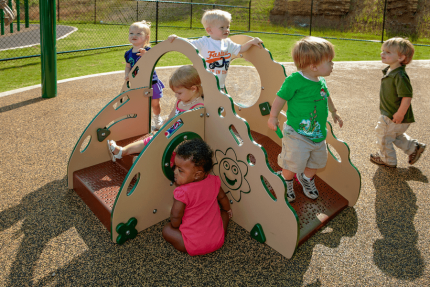
  • Indoor Play Places: The Ultimate 2025 B2B Sourcing Guide

    Indoor Play Places: The Ultimate 2025 B2B Sourcing Guide

    Introduction: Navigating the Global Market for indoor play places

    In an era where family entertainment is increasingly sought after, sourcing the right indoor play places can be a formidable challenge for international B2B buyers. With diverse cultural preferences and varying market demands across regions like Africa, South America, the Middle East, and Europe—including key markets such as Saudi Arabia and Germany—understanding the nuances of this sector is crucial. This guide serves as a comprehensive resource, meticulously covering various types of indoor play places, their applications, and essential considerations for supplier vetting and cost analysis.

    As buyers navigate this dynamic marketplace, they face the pressing need to make informed purchasing decisions that align with local expectations while also maximizing profitability. This guide empowers decision-makers by providing insights into current trends, safety standards, and innovative designs that enhance customer experience. By equipping you with actionable strategies and critical data, this resource ensures that you can confidently select the best indoor play solutions for your business needs.

    Whether you are looking to establish a new franchise, expand existing facilities, or simply enhance the customer experience, this guide offers the tools necessary to thrive in the competitive landscape of indoor play places. Prepare to transform your understanding of this vibrant industry and unlock new opportunities for growth and success.

    Table Of Contents

    Understanding indoor play places Types and Variations

    Type Name Key Distinguishing Features Primary B2B Applications Brief Pros & Cons for Buyers
    Soft Play Areas Designed for younger children; includes climbing structures, slides, and activity boards. Family entertainment centers, child care facilities Pros: Safe for young children; promotes physical activity. Cons: Limited appeal for older kids; requires regular maintenance.
    Adventure Parks Large spaces with high-energy attractions like zip lines, climbing walls, and obstacle courses. Amusement parks, resorts, and event venues Pros: Attracts a wide age range; high potential for repeat visits. Cons: Higher initial investment; requires extensive safety measures.
    Educational Play Spaces Interactive exhibits focused on learning through play, often themed around science or art. Museums, schools, educational institutions Pros: Enhances learning; attracts school groups. Cons: May require specialized staffing; potential for higher operational costs.
    Trampoline Parks Large areas filled with trampolines, foam pits, and dodgeball courts. Fitness centers, entertainment complexes Pros: Appeals to teens and adults; promotes fitness. Cons: High liability risks; requires strict safety protocols.
    Themed Play Cafes Combines play areas with dining options, often featuring unique themes (e.g., jungle, space). Family restaurants, community centers Pros: Encourages longer visits; multiple revenue streams. Cons: Complexity in operations; need for themed decor and maintenance.

    What are the Key Characteristics of Soft Play Areas?

    Soft play areas are tailored for younger children, typically under the age of eight. These spaces feature cushioned surfaces and various structures that allow for safe, active play. Key elements often include climbing frames, slides, and interactive activity boards. For B2B buyers, soft play areas are ideal for family entertainment centers and childcare facilities seeking to provide a safe and engaging environment for children. However, they may not attract older kids, requiring additional attractions to maintain visitor interest.

    How Do Adventure Parks Differ from Traditional Indoor Play Places?

    Adventure parks are expansive facilities that feature high-energy attractions such as zip lines, climbing walls, and obstacle courses. These parks cater to a broader age range, making them appealing for families, teens, and adults. B2B applications include amusement parks and resort developments that aim to attract diverse audiences. While they offer high potential for repeat visits, the initial investment is significant, and rigorous safety measures are essential to mitigate liability risks.

    What Makes Educational Play Spaces Valuable for Institutions?

    Educational play spaces are designed to promote learning through interactive exhibits and thematic play. Often found in museums or schools, these areas focus on subjects like science, technology, engineering, and art. For B2B buyers, these spaces can enhance educational offerings and attract school field trips, providing a unique selling point for institutions. However, they may require specialized staff and resources to operate effectively, leading to higher operational costs.

    What Are the Benefits of Trampoline Parks for Fitness and Recreation?

    Trampoline parks are designed with interconnected trampolines, foam pits, and dodgeball courts, attracting a wide audience, including teens and adults. They serve as both recreational and fitness facilities, promoting physical activity in a fun environment. B2B applications include fitness centers and entertainment complexes. However, trampoline parks come with high liability risks and necessitate strict safety protocols, which can complicate operations and increase costs.

    How Do Themed Play Cafes Enhance Family Dining Experiences?

    Themed play cafes combine play areas with dining options, creating an immersive experience for families. These venues often feature unique themes that captivate children’s imaginations while parents enjoy meals. For B2B buyers, themed play cafes can drive longer visits and multiple revenue streams through food and beverage sales. However, the complexity of operations and the need for ongoing maintenance of themed decor can present challenges.

    Key Industrial Applications of indoor play places

    Industry/Sector Specific Application of Indoor Play Places Value/Benefit for the Business Key Sourcing Considerations for this Application
    Family Entertainment Centers Multi-purpose indoor play areas for children and families Increases foot traffic and revenue through play and party bookings Safety certifications, diverse play equipment, maintenance support
    Education and Childcare Indoor play spaces in schools and daycare centers Enhances child development and social interaction Compliance with educational standards, age-appropriate design
    Hospitality and Tourism Play areas in hotels and resorts for family guests Attracts families, leading to longer stays and higher satisfaction Design flexibility, integration with existing facilities
    Retail and Shopping Malls Family-friendly play zones in retail environments Boosts customer dwell time and encourages purchases Space optimization, visibility, and accessibility
    Community Centers Indoor play areas as part of community engagement programs Fosters community bonds and increases local participation Local regulations, community needs assessment, sustainable design

    How Do Family Entertainment Centers Benefit from Indoor Play Places?

    Family entertainment centers (FECs) leverage indoor play places to create engaging environments for children and families. These spaces not only provide entertainment but also serve as venues for birthday parties and special events, driving additional revenue. For international B2B buyers, it’s essential to ensure that play equipment meets safety standards and is designed for diverse age groups. Additionally, maintenance support is crucial for sustaining the play areas and ensuring a safe environment.

    What Role Do Indoor Play Places Play in Education and Childcare?

    In educational settings, indoor play places facilitate active learning and socialization among children. Daycare centers and schools can incorporate these play areas to enhance physical development and cognitive skills through interactive play. Buyers in this sector should prioritize compliance with educational standards and select age-appropriate designs that cater to various developmental stages. This ensures a holistic approach to childhood education and fosters a nurturing environment.

    How Can Hospitality and Tourism Industries Leverage Indoor Play Areas?

    Hotels and resorts can significantly enhance their appeal to family travelers by incorporating dedicated indoor play areas. These spaces not only attract families but also encourage longer stays and repeat visits due to the added value they provide. For B2B buyers in this sector, sourcing play equipment that blends seamlessly with the hotel’s aesthetic and provides safety and accessibility for children of all ages is vital. Furthermore, flexibility in design allows for seasonal changes and diverse activities.

    Why Are Indoor Play Zones Important for Retail and Shopping Malls?

    In retail environments, indoor play zones serve as strategic assets that increase customer dwell time and encourage purchases. Families are more likely to spend extended periods in a shopping mall that offers engaging activities for their children. Buyers should consider the optimization of space, ensuring visibility from retail areas while maintaining safety and accessibility. This strategic placement can lead to increased foot traffic and higher sales conversions.

    How Do Community Centers Utilize Indoor Play Places for Engagement?

    Community centers often incorporate indoor play areas as part of their programs to foster local engagement and social interaction. These spaces provide safe environments for children to play while families connect, enhancing community bonds. For buyers in this sector, understanding local regulations and conducting community needs assessments is crucial. Additionally, sustainable design elements can enhance the appeal and functionality of these play areas, aligning with community values and expectations.

    3 Common User Pain Points for ‘indoor play places’ & Their Solutions

    Scenario 1: Difficulty in Ensuring Safety and Compliance Standards

    The Problem: B2B buyers, such as franchise owners or managers of indoor play places, often struggle with maintaining safety and compliance in their facilities. This challenge is heightened in regions like Africa or the Middle East, where regulatory standards may vary significantly. Concerns about injuries, inadequate facilities, or non-compliance can lead to lawsuits, financial losses, and damage to reputation. Additionally, buyers may lack clarity on the specific safety equipment and certifications required for their play areas, leading to confusion and potential liability.

    The Solution: To effectively tackle safety and compliance challenges, B2B buyers should invest in thorough research and training. Start by consulting local and international safety standards, such as ASTM and EN standards for playground equipment. Partner with certified manufacturers who can provide compliant equipment and necessary documentation. Regularly conduct safety audits and employee training sessions to ensure staff are knowledgeable about safety protocols. Implement a routine maintenance schedule for play equipment to identify wear and tear early. Furthermore, engaging a local legal consultant familiar with regional regulations can provide tailored insights and ensure compliance, ultimately safeguarding the facility against potential legal issues.

    Scenario 2: Attracting and Retaining Customers in a Competitive Market

    The Problem: As the indoor play area market becomes increasingly saturated, B2B buyers often face the dilemma of how to differentiate their offerings to attract and retain customers. With many options available, customers may choose facilities based on unique experiences, amenities, or pricing, leaving businesses struggling to maintain a loyal customer base. This issue is particularly pressing in diverse markets such as Europe and South America, where cultural preferences can significantly influence customer expectations.

    The Solution: To stand out in a competitive environment, B2B buyers should focus on creating a unique value proposition that resonates with their target audience. Conduct market research to understand local preferences, such as popular themes or activities, and incorporate these into the design and marketing of the play area. Consider offering specialized events, such as themed birthday parties or educational workshops, to enhance the customer experience. Additionally, establishing partnerships with local businesses or community organizations can foster goodwill and attract new customers. Utilize social media and digital marketing strategies to engage with parents and families, showcasing your facility’s unique features and upcoming events. Loyalty programs or membership discounts can also incentivize repeat visits and build a community around the play area.

    Scenario 3: Managing Operational Costs Effectively

    The Problem: Managing operational costs is a significant concern for B2B buyers in the indoor play space industry, particularly in regions with fluctuating economic conditions. High overhead costs, including rent, utilities, maintenance, and staffing, can quickly erode profit margins. Additionally, unexpected expenses, such as equipment repairs or compliance upgrades, can strain financial resources, leading to tough decisions about scaling back services or raising prices.

    The Solution: To manage operational costs effectively, B2B buyers should adopt a strategic approach to budgeting and resource allocation. Start by conducting a detailed analysis of all operating expenses and identify areas for potential savings. For instance, consider energy-efficient lighting and equipment to reduce utility bills. Implementing a scheduled maintenance plan for all play equipment can prevent costly repairs and extend the lifespan of assets. Embrace technology by utilizing software solutions for scheduling, customer management, and financial tracking to streamline operations and reduce administrative costs. Additionally, explore various pricing strategies, such as tiered admission fees based on peak and off-peak hours, to optimize revenue without alienating customers. By taking a proactive approach to cost management, buyers can enhance profitability while maintaining a high-quality customer experience.

    Strategic Material Selection Guide for indoor play places

    What Are the Key Materials Used in Indoor Play Places?

    When selecting materials for indoor play places, it’s essential to consider factors such as safety, durability, maintenance, and compliance with international standards. Here, we analyze four common materials used in the construction of indoor play areas, highlighting their properties, advantages, disadvantages, and considerations for international buyers.

    How Does Foam Play a Role in Indoor Play Areas?

    Foam is a widely used material in indoor play structures, particularly for soft play areas. It is lightweight, flexible, and can be easily molded into various shapes, making it ideal for creating safe play environments for young children. Key properties include high impact absorption and a temperature rating that allows for comfortable play regardless of the climate.

    Pros: Foam is durable and resistant to wear, making it suitable for high-traffic areas. It is also cost-effective and easy to clean, which is crucial for maintaining hygiene in play spaces.

    Cons: However, foam can degrade over time, especially if exposed to moisture or extreme temperatures. Its manufacturing complexity can vary depending on the desired shape and density, which may affect production costs.

    Impact on Application: Foam is particularly compatible with children’s play equipment, providing cushioning that minimizes injury risks.

    International Considerations: Buyers should ensure that the foam used complies with international safety standards such as ASTM F963 (USA) or EN 1176 (Europe). In regions like Africa and the Middle East, sourcing locally compliant materials can help meet regional safety regulations.

    What Are the Benefits of Using Plastic in Play Structures?

    Plastic is another common material, especially for slides, climbing structures, and play panels. Its key properties include corrosion resistance and a high degree of versatility in design, allowing for vibrant colors and shapes.

    An application scenario or product detail of indoor play places - Image 6

    Illustrative image related to indoor play places

    Pros: Plastic is lightweight, making installation easier and reducing shipping costs. It is also resistant to moisture, which is beneficial in humid climates.

    Cons: On the downside, plastic can become brittle over time, particularly under UV exposure, leading to potential safety hazards. Additionally, while generally cost-effective, high-quality plastics can be more expensive than other materials.

    Impact on Application: Plastic is suitable for various play equipment and is compatible with other materials like metal and wood, enhancing design flexibility.

    International Considerations: Compliance with standards such as ISO 8124 for safety and EN 71 for toy safety is crucial. Buyers in Europe and the Middle East should prioritize materials that meet these regulations.

    Why Is Metal a Popular Choice for Structural Elements?

    Metal, particularly steel and aluminum, is often used for the structural framework of indoor play areas. Key properties include high strength-to-weight ratios and excellent durability, making it suitable for supporting heavy loads.

    Pros: Metal structures are long-lasting and can withstand significant wear and tear. They are also fire-resistant, adding an extra layer of safety.

    Cons: However, metal can be prone to corrosion if not properly treated, especially in humid environments. Its higher manufacturing complexity can also lead to increased costs.

    Impact on Application: Metal is ideal for larger structures and can be combined with other materials for enhanced safety and aesthetics.

    International Considerations: Compliance with structural standards such as DIN 18800 (Germany) or ASTM A36 (USA) is essential. Buyers should also consider local climatic conditions that may affect metal performance.

    How Does Wood Fit into the Indoor Play Place Material Selection?

    Wood is often used for play structures and furniture due to its natural aesthetic and strength. Key properties include good load-bearing capacity and thermal insulation, which can enhance the comfort of play areas.

    Pros: Wood is durable and can be treated to resist pests and moisture. It also offers a warm, inviting look that appeals to families.

    An application scenario or product detail of indoor play places - Image 9

    Illustrative image related to indoor play places

    Cons: However, wood requires regular maintenance to prevent decay and damage. Its cost can vary significantly based on the type of wood, which may affect budget considerations.

    Impact on Application: Wood is particularly suitable for climbing structures and playhouses, providing a natural feel that enhances the play experience.

    International Considerations: Buyers should ensure that the wood complies with standards such as EN 350 for durability and EN 71 for safety. In regions with high humidity, selecting treated wood can prevent moisture-related issues.

    Summary of Material Selection for Indoor Play Places

    Material Typical Use Case for indoor play places Key Advantage Key Disadvantage/Limitation Relative Cost (Low/Med/High)
    Foam Soft play areas High impact absorption Degrades over time Low
    Plastic Slides and climbing structures Lightweight and corrosion-resistant Can become brittle Medium
    Metal Structural framework High durability and fire-resistant Prone to corrosion High
    Wood Climbing structures and furniture Natural aesthetic and strength Requires regular maintenance Medium

    In conclusion, selecting the right materials for indoor play places involves balancing safety, durability, and cost while ensuring compliance with international standards. By understanding the properties and implications of each material, B2B buyers can make informed decisions that enhance the play experience for children while meeting regulatory requirements.

    In-depth Look: Manufacturing Processes and Quality Assurance for indoor play places

    What Are the Key Stages in the Manufacturing Process for Indoor Play Places?

    The manufacturing process for indoor play places involves several critical stages that ensure the final product is safe, durable, and engaging for children. The main stages include material preparation, forming, assembly, and finishing.

    1. Material Preparation: This initial phase involves sourcing high-quality, non-toxic materials suitable for children. Common materials include reinforced plastics, soft foam, and metal structures. Suppliers often provide certifications to confirm the safety and quality of these materials, which is crucial for B2B buyers concerned about compliance with international safety standards.

    2. Forming: In this stage, raw materials are shaped into specific components of the play structures. Techniques such as rotational molding for plastics and CNC machining for metal parts are commonly used. These methods ensure precision and consistency in the components, which is vital for both safety and performance.

    3. Assembly: Following the forming stage, components are assembled into larger structures. This phase may involve both manual and automated processes, depending on the complexity of the design. Skilled labor is essential here, as the assembly must meet specific safety requirements and ensure the structural integrity of the play equipment.

    4. Finishing: Finally, the finishing stage includes painting, coating, and applying any additional safety features, such as padding or soft edges. This not only enhances the aesthetic appeal but also provides protection against wear and tear. Quality control checks during this stage are crucial to ensure that all finishes are non-toxic and suitable for children’s use.

    How Is Quality Assurance Implemented in Indoor Play Place Manufacturing?

    Quality assurance (QA) is a critical component of the manufacturing process for indoor play places. It ensures that products meet both international and industry-specific standards, providing peace of mind to B2B buyers.

    1. International Standards: Compliance with international standards like ISO 9001 is essential. This standard focuses on quality management systems, ensuring that manufacturers consistently provide products that meet customer and regulatory requirements. Additionally, CE marking is important for products sold in Europe, indicating compliance with health, safety, and environmental protection standards.

    2. Industry-Specific Standards: Manufacturers may also adhere to specific standards relevant to children’s play equipment, such as those set by the American Society for Testing and Materials (ASTM) and the International Play Equipment Manufacturers Association (IPEMA). These standards provide guidelines for safety, performance, and durability.

    What Are the Quality Control Checkpoints in the Manufacturing Process?

    Quality control (QC) checkpoints are integral to ensuring that every product meets safety and quality standards. Key checkpoints include:

    1. Incoming Quality Control (IQC): This initial checkpoint involves inspecting raw materials upon arrival at the manufacturing facility. Tests may include visual inspections and material property tests to ensure compliance with safety standards.

    2. In-Process Quality Control (IPQC): During the manufacturing process, continuous monitoring is crucial. This may involve regular checks on machinery calibration, production tolerances, and the quality of assembly. Any deviations from expected standards can be identified and rectified immediately.

    3. Final Quality Control (FQC): Before products are shipped, a final inspection is performed. This includes comprehensive testing of the finished product to ensure it meets all design specifications and safety standards. Common tests may include load testing, fall height analysis, and material durability assessments.

    How Can B2B Buyers Verify Supplier Quality Control Processes?

    For B2B buyers, especially those sourcing from international markets, verifying a supplier’s quality control processes is vital to ensure product reliability and safety. Here are several strategies:

    1. Conduct Supplier Audits: Regular audits of suppliers can provide insight into their manufacturing processes and quality assurance practices. Buyers should request access to audit reports and any certifications that demonstrate compliance with international standards.

    2. Request Quality Control Reports: Suppliers should be able to provide documentation detailing their QC processes, including test results and compliance certificates. This transparency is essential for building trust and ensuring quality.

    3. Engage Third-Party Inspectors: Employing third-party inspection services can provide an unbiased assessment of a supplier’s manufacturing and quality control practices. These inspectors can conduct on-site evaluations and provide detailed reports on compliance with relevant standards.

    What Are the Common Testing Methods Used in Quality Assurance for Indoor Play Places?

    Various testing methods are employed to ensure that indoor play structures meet safety and quality standards. Some common methods include:

    1. Load Testing: This method assesses the structural integrity of play equipment by applying weight to ensure it can withstand the intended loads without failure.

    2. Impact Testing: Simulating falls from various heights helps to evaluate the safety of surfaces and equipment. This is crucial for ensuring that children are protected from injuries.

    3. Material Testing: Analyzing the composition and durability of materials used in play structures ensures they are non-toxic and can withstand wear and tear.

    What Are the Quality Control Nuances for International B2B Buyers?

    B2B buyers from regions such as Africa, South America, the Middle East, and Europe may encounter unique challenges when it comes to quality control in manufacturing. Considerations include:

    1. Regulatory Variations: Different countries have varying regulations regarding safety standards for children’s products. Buyers must ensure that suppliers are compliant with local regulations in their target markets.

    2. Cultural Expectations: Understanding regional preferences for play equipment design and safety features is essential. This may affect the selection of materials and manufacturing techniques.

    3. Logistical Considerations: International shipping and logistics can complicate quality assurance. Ensuring that products remain compliant during transport requires careful planning and may necessitate additional testing upon arrival.

    By understanding these manufacturing processes and quality assurance practices, B2B buyers can make informed decisions when sourcing indoor play places, ensuring they receive safe, high-quality products that meet their specific needs.

    Practical Sourcing Guide: A Step-by-Step Checklist for ‘indoor play places’

    In the competitive world of indoor play places, B2B buyers must take a systematic approach to sourcing the right facilities and equipment. This checklist serves as a practical guide to ensure that you cover all essential aspects when procuring indoor play solutions that meet your business needs.

    1. Identify Target Demographics and Needs

    Understanding your target audience is critical for success. Determine the age range and preferences of the children who will utilize the play space. This will guide your decisions on equipment types, safety features, and facility layout. Consider conducting surveys or focus groups with parents to gather insights on desired features and amenities.

    2. Define Your Technical Specifications

    Before reaching out to suppliers, outline your technical requirements. This includes space size, types of play equipment (e.g., soft play areas, climbing structures), and safety standards. Clarifying these specifications upfront will help you communicate your needs effectively and ensure that suppliers can meet your expectations.

    3. Research and Shortlist Potential Suppliers

    Conduct thorough research to identify suppliers that specialize in indoor play equipment. Look for companies with a proven track record in your region, especially those familiar with local regulations and safety standards. Create a shortlist based on supplier reputation, product range, and customer reviews.

    4. Evaluate Supplier Certifications and Safety Standards

    Safety is paramount in indoor play environments. Ensure that potential suppliers provide documentation of safety certifications for their products. Look for compliance with international safety standards (e.g., ASTM, EN1176) and inquire about their quality assurance processes. This step is essential to protect both your business and the children who will use the facilities.

    5. Request Proposals and Compare Offerings

    Once you have identified suitable suppliers, request detailed proposals that outline pricing, delivery timelines, and warranty information. Compare their offerings not just on cost but also on the quality of materials, design features, and after-sales support. A comprehensive comparison will allow you to make an informed decision that balances quality and budget.

    6. Conduct Site Visits and Demonstrations

    Where feasible, arrange site visits to existing installations or request demonstrations of the equipment. This hands-on approach allows you to assess the durability and functionality of the play structures. Observe how children interact with the equipment to gauge its suitability for your intended audience.

    7. Negotiate Terms and Finalize Contracts

    After selecting a supplier, enter negotiations to finalize the terms of your purchase. Discuss payment terms, installation support, and ongoing maintenance options. Ensure that the contract clearly outlines all expectations to avoid misunderstandings later. Having a solid agreement in place protects your investment and fosters a positive working relationship.

    By following this checklist, you can effectively navigate the complexities of sourcing indoor play places, ensuring that you select the best options for your business and clientele.

    Comprehensive Cost and Pricing Analysis for indoor play places Sourcing

    What Are the Key Cost Components for Sourcing Indoor Play Places?

    When considering the establishment of indoor play places, understanding the cost structure is essential for B2B buyers. The primary cost components include materials, labor, manufacturing overhead, tooling, quality control (QC), logistics, and desired profit margin.

    1. Materials: The selection of materials significantly affects costs. For indoor play structures, high-density foam, durable plastics, and non-toxic coatings are common. The choice of materials should prioritize safety and durability, especially given the target demographic of children aged 1-12.

    2. Labor: Labor costs encompass both skilled and unskilled labor involved in installation and maintenance. Skilled labor, particularly for complex structures, may command higher wages. It’s crucial to factor in ongoing training for staff to ensure safety and operational efficiency.

    3. Manufacturing Overhead: This includes costs associated with running production facilities, including utilities, rent, and equipment depreciation. Buyers should inquire about the supplier’s production capabilities and overhead management to gauge potential cost savings.

    4. Tooling: Initial tooling costs for custom play structures can be substantial. Buyers looking for unique designs should be prepared for higher upfront costs, which may be amortized over larger order volumes.

    5. Quality Control: Ensuring safety standards and compliance with regulations (e.g., ASTM or EN standards) can incur additional QC costs. Buyers should prioritize suppliers with robust QC processes to mitigate risks associated with product safety.

    6. Logistics: Shipping costs can vary significantly based on geographic location, order volume, and chosen Incoterms. International buyers must consider customs duties and tariffs that may apply when importing play equipment.

    7. Margin: Suppliers will include a profit margin in their pricing, which can range from 10% to 30% depending on the market dynamics and competitive landscape.

    How Do Price Influencers Affect the Sourcing of Indoor Play Equipment?

    Several factors influence the pricing of indoor play equipment:

    1. Volume/MOQ (Minimum Order Quantity): Higher order volumes typically lead to lower per-unit costs. Buyers should negotiate MOQs to ensure they can benefit from economies of scale.

    2. Specifications and Customization: Custom designs or specific safety certifications can increase costs. Buyers should clearly define their requirements to avoid unexpected expenses.

    3. Materials and Quality Certifications: The choice of materials and the presence of safety certifications can significantly influence pricing. Opting for certified materials may increase initial costs but can enhance long-term value and safety.

    4. Supplier Factors: The reputation, reliability, and production capacity of suppliers can impact pricing. Established suppliers with a track record of quality may command higher prices, but they often provide better guarantees and customer support.

    5. Incoterms: Understanding Incoterms is crucial for international buyers. Terms like CIF (Cost, Insurance, and Freight) or FOB (Free on Board) can affect total landed costs and should be clearly defined in contracts.

    What Buyer Tips Can Help Optimize Costs When Sourcing Indoor Play Places?

    International B2B buyers should consider the following strategies to optimize their sourcing costs:

    1. Negotiation: Engage in negotiations with suppliers to secure better pricing and terms. Be prepared to leverage volume commitments or long-term relationships for more favorable deals.

    2. Cost-Efficiency: Evaluate Total Cost of Ownership (TCO) rather than just upfront costs. This includes considering maintenance, operational costs, and potential revenue generation from the play space.

    3. Pricing Nuances for International Buyers: Be aware of currency fluctuations, payment terms, and potential hidden costs associated with international shipping. Establishing relationships with local agents can facilitate smoother transactions.

    4. Due Diligence: Conduct thorough research on potential suppliers, including checking references and reviewing past projects. A solid reputation can be indicative of quality and reliability.

    5. Flexibility in Design: Consider flexible designs that can adapt to various locations and customer preferences. This can reduce costs related to customization and tooling.

    Disclaimer on Indicative Prices

    Prices for indoor play equipment can vary significantly based on location, supplier, and specific project requirements. It is advisable for buyers to request detailed quotes tailored to their needs to gain a clearer understanding of potential costs.

    Alternatives Analysis: Comparing indoor play places With Other Solutions

    Exploring Alternatives to Indoor Play Places

    In the competitive landscape of children’s entertainment, indoor play places serve as a popular solution for parents seeking safe and engaging environments for their children. However, various alternatives exist that cater to similar needs. Understanding these options allows B2B buyers to make informed decisions about which solution aligns best with their target market and operational capabilities.

    Comparison Table

    Comparison Aspect Indoor Play Places Mobile Play Units Outdoor Playgrounds
    Performance High engagement and physical activity Flexible use; can reach various locations Seasonal use; dependent on weather
    Cost Moderate to high initial investment Lower initial investment; ongoing operational costs Low to moderate costs; depends on location and installation
    Ease of Implementation Requires significant planning and space Quick setup; minimal space required Requires land and permits; longer setup time
    Maintenance Regular upkeep needed Lower maintenance; periodic checks required High maintenance; weather-related wear and tear
    Best Use Case Urban areas, events, birthday parties Community events, festivals, and parties Public parks, schools, and residential areas

    Detailed Breakdown of Alternatives

    Mobile Play Units
    Mobile play units are portable play structures that can be transported to various locations, offering a flexible option for children’s entertainment. They are especially beneficial for events, festivals, and community gatherings, where space is limited. The initial investment is typically lower than that of an indoor play place, making it an attractive choice for startups or organizations with budget constraints. However, while they provide a fun experience, the range of activities may be limited compared to larger indoor facilities, and they often require regular maintenance to ensure safety.

    Outdoor Playgrounds
    Outdoor playgrounds provide an engaging environment for children to play and socialize, utilizing natural elements and open spaces. They are ideal for community parks, schools, and residential developments. The costs associated with outdoor playgrounds can vary widely based on the complexity of the design and the materials used. However, they are generally less expensive to maintain than indoor facilities, as they rely on natural elements. The primary downside is their dependency on weather conditions, which can limit usage during inclement weather or extreme temperatures.

    Conclusion: How to Choose the Right Solution for Your Needs

    When evaluating the best option for children’s entertainment solutions, B2B buyers should consider their specific market demands, target demographics, and operational capabilities. Indoor play places offer a high level of engagement and a controlled environment but come with higher costs and maintenance requirements. In contrast, mobile play units provide flexibility and lower initial costs, while outdoor playgrounds offer a more natural play experience at potentially lower maintenance expenses. By assessing these factors, buyers can select the most suitable solution that meets their business objectives and caters effectively to the needs of families in their region.

    Essential Technical Properties and Trade Terminology for indoor play places

    What Are the Key Technical Properties for Indoor Play Places?

    When investing in indoor play places, understanding the technical specifications is essential for ensuring safety, durability, and compliance with local regulations. Here are several critical technical properties to consider:

    1. Material Grade
      The quality of materials used in play equipment is paramount. Commonly, materials such as high-density polyethylene (HDPE), thermoplastic elastomers (TPE), and metal alloys are utilized. These materials are chosen for their durability, safety, and ease of maintenance. B2B buyers should ensure that materials meet international safety standards such as ASTM F1487 or EN 1176, which govern the safety of playground equipment.

    2. Load Capacity
      Load capacity refers to the maximum weight that play structures can safely support. This is crucial for preventing accidents and ensuring that the equipment can accommodate various age groups and sizes of children. Understanding the load capacity helps buyers select appropriate equipment for their target demographic, thereby enhancing user experience and safety.

    3. Tolerance Levels
      Tolerance levels denote the acceptable limits of variation in dimensions and specifications of the equipment parts. Precise tolerances are vital in ensuring that components fit correctly, which directly affects the overall safety and functionality of the play equipment. Buyers should request tolerance specifications from manufacturers to ensure quality control.

    4. Impact Absorption
      This property measures the ability of surfaces (like flooring) to cushion falls and reduce injury risk. Materials such as rubber mulch or foam padding are commonly used to enhance impact absorption. For B2B buyers, selecting the right impact-absorbing materials is essential for complying with safety regulations and protecting children during play.

    5. Maintenance Requirements
      Understanding the maintenance needs of play equipment helps in budgeting and planning. Some materials may require more frequent inspections or replacements than others. Buyers should inquire about the long-term maintenance protocols and associated costs to ensure sustainable operations.

    What Are Common Trade Terms Related to Indoor Play Places?

    Familiarity with industry jargon is crucial for effective communication and negotiation in the B2B space. Here are some common trade terms relevant to indoor play places:

    1. OEM (Original Equipment Manufacturer)
      An OEM is a company that produces parts or equipment that may be marketed by another manufacturer. In the context of indoor play places, understanding OEM relationships can help buyers secure high-quality components and ensure compliance with safety standards.

    2. MOQ (Minimum Order Quantity)
      MOQ refers to the smallest number of units that a supplier is willing to sell. This term is significant for B2B buyers, as understanding MOQ helps in planning inventory and managing budgets effectively. Negotiating lower MOQs can be advantageous for smaller businesses or those testing new products.

    3. RFQ (Request for Quotation)
      An RFQ is a document that buyers use to solicit price quotes from suppliers. This process is vital for comparing costs and services among different manufacturers. A well-prepared RFQ can lead to better pricing and terms, benefiting the buyer’s bottom line.

    4. Incoterms (International Commercial Terms)
      Incoterms are standardized international shipping terms that define the responsibilities of buyers and sellers regarding the transportation of goods. Understanding these terms is crucial for B2B buyers, as they impact shipping costs, delivery timelines, and risk management during the transportation of play equipment.

    5. Lead Time
      Lead time refers to the time taken from placing an order to receiving the goods. It is an essential consideration for B2B buyers, as longer lead times can affect project schedules and operational readiness. Buyers should clarify lead times with suppliers to ensure timely delivery and effective planning.

    6. Warranty Period
      This term denotes the duration during which a manufacturer guarantees the performance of their product. A solid warranty can provide peace of mind for B2B buyers, ensuring they are covered for defects or failures within a specified timeframe. Understanding warranty terms is vital for evaluating the long-term value of play equipment investments.

    By grasping these technical properties and industry terms, B2B buyers can make informed decisions when sourcing indoor play equipment, ensuring safety, compliance, and value in their investments.

    What Are the Key Market Dynamics and Trends in Indoor Play Places?

    The indoor play places sector is experiencing significant growth driven by several global factors. The increasing urbanization, particularly in developing regions like Africa and South America, has led to a rise in demand for recreational spaces that cater to families and children. Moreover, as urban spaces become more crowded, parents are seeking safe, controlled environments for their children to play and socialize. This trend is further amplified by the growing awareness of child development, emphasizing the need for physical activity and social interaction in early childhood.

    Current and emerging B2B tech trends, such as digital booking systems, interactive play structures, and the integration of augmented reality, are transforming the indoor play experience. International buyers are increasingly interested in sourcing innovative equipment that enhances engagement and provides data-driven insights into customer preferences and behaviors. Additionally, the rise of eco-friendly materials and sustainable practices is shaping procurement strategies, with buyers prioritizing suppliers who offer products that align with these values.

    For international B2B buyers from regions like the Middle East and Europe, understanding local cultural nuances and regulatory requirements is crucial. Countries like Saudi Arabia and Germany have specific safety standards and consumer expectations that must be adhered to. Thus, buyers should consider local partnerships or franchise opportunities that can facilitate market entry while ensuring compliance with regional regulations.

    How Can Sustainability and Ethical Sourcing Impact the Indoor Play Places Sector?

    Sustainability is no longer just a trend; it is a necessity in the indoor play places sector. The environmental impact of materials used in play equipment and facility construction is under scrutiny, with an increasing push for sustainable practices. Buyers should focus on sourcing products made from recycled or sustainably sourced materials, which not only reduces environmental footprints but also appeals to eco-conscious consumers.

    Ethical supply chains are gaining importance as customers increasingly demand transparency regarding the sourcing of materials and the labor practices of manufacturers. Certifications such as FSC (Forest Stewardship Council) for wood products or ISO 14001 for environmental management can serve as valuable indicators of a supplier’s commitment to sustainability. By prioritizing these certifications, B2B buyers can ensure that their indoor play places align with ethical standards and appeal to a broader audience.

    Furthermore, implementing sustainable practices can lead to cost savings in the long run. For example, energy-efficient lighting and climate control systems can reduce operational costs. Buyers should thus consider investing in these technologies to enhance their facility’s sustainability profile while also attracting environmentally conscious families.

    What Is the Brief Evolution of Indoor Play Places?

    Indoor play places have evolved significantly over the last few decades. Initially, these facilities were primarily basic playgrounds designed for simple physical activity. However, as societal expectations and parenting philosophies have shifted, so too have the offerings. Today’s indoor play places are sophisticated environments that incorporate various play styles, educational components, and interactive technology.

    The evolution has also seen the rise of themed play areas and multi-functional spaces that serve as venues for parties and events. This diversification caters to a broader audience, allowing indoor play places to become community hubs where families can gather. Internationally, this evolution is mirrored by the increasing popularity of franchises, allowing buyers to tap into established brands and proven business models while adapting to local market needs.

    In summary, the indoor play places sector is on an upward trajectory, driven by urbanization, technological advancements, and a growing emphasis on sustainability. For B2B buyers, navigating these dynamics requires a keen understanding of market trends, sourcing strategies, and ethical practices to succeed in this vibrant industry.

    Frequently Asked Questions (FAQs) for B2B Buyers of indoor play places

    1. How do I solve the challenge of sourcing high-quality indoor play equipment?
      To effectively source high-quality indoor play equipment, begin by conducting thorough market research to identify reputable suppliers with proven track records. Utilize trade shows and industry networks to connect with manufacturers, and consider visiting their facilities if possible. Request samples and certifications to ensure compliance with safety standards. Additionally, leverage online platforms and directories that specialize in children’s play equipment to find verified suppliers. Establishing clear communication about your needs and expectations will also help mitigate risks.

    2. What is the best way to evaluate suppliers for indoor play places?
      Evaluating suppliers for indoor play places involves several key factors. Start by assessing their experience in the industry, including years of operation and customer testimonials. Review their product offerings for quality, safety certifications, and compliance with international standards. It’s crucial to inquire about their production capabilities, lead times, and after-sales support. Additionally, request references from other businesses in your region to gain insight into their reliability and service quality. A comprehensive supplier audit may also be beneficial.

    3. What are the typical minimum order quantities (MOQs) for indoor play equipment?
      Minimum order quantities (MOQs) for indoor play equipment can vary widely based on the supplier and the type of equipment. Generally, MOQs can range from a few units for smaller items to larger quantities for custom installations or large play structures. It’s essential to discuss your specific needs with potential suppliers to negotiate MOQs that suit your business model. Some suppliers may offer flexibility for first-time buyers or bulk orders, so always explore these options to optimize your procurement strategy.

    4. How can I customize indoor play equipment for my target market?
      Customizing indoor play equipment involves understanding the preferences and safety requirements of your target market. Begin by researching local regulations and cultural considerations that influence play design. Collaborate with suppliers who offer customization options, such as color schemes, themes, and specific play features that cater to the interests of children in your region. Additionally, consider incorporating local cultural elements into your designs to enhance engagement and appeal. Effective communication and collaboration with your supplier are key to achieving desired customizations.

    5. What payment terms are common in international trade for indoor play equipment?
      Payment terms for international trade in indoor play equipment typically include options such as advance payment, letters of credit, and payment upon delivery. Common practices include a 30% deposit upfront, with the remaining balance due upon shipment or delivery. It’s essential to negotiate terms that provide security while maintaining cash flow. Utilizing escrow services or third-party payment platforms can also mitigate risks. Always ensure that payment terms are clearly outlined in your contracts to avoid misunderstandings.

    6. How do I ensure quality assurance (QA) for indoor play equipment?
      To ensure quality assurance (QA) for indoor play equipment, establish a comprehensive QA process that includes supplier audits, product testing, and adherence to safety standards. Require suppliers to provide certifications for materials and manufacturing processes that meet international safety regulations. Implement a system for regular inspections and testing of products upon arrival to ensure they meet your specifications. Additionally, consider working with third-party QA firms to conduct independent inspections, which can provide an added layer of assurance.

    7. What logistics considerations should I keep in mind when importing indoor play equipment?
      Logistics considerations for importing indoor play equipment include shipping methods, customs regulations, and warehousing. Choose a reliable freight forwarder familiar with the specific requirements of your products and destination. Ensure compliance with local customs regulations by preparing all necessary documentation, including invoices, packing lists, and certificates of origin. Plan for potential delays by factoring in lead times for shipping and customs clearance. Additionally, consider your warehousing needs upon arrival to facilitate smooth distribution to your customers.

    8. How do I market indoor play places to attract B2B clients?
      To effectively market indoor play places to attract B2B clients, develop a targeted marketing strategy that highlights unique selling points, such as safety features, customization options, and competitive pricing. Utilize digital marketing channels, including social media, email campaigns, and industry-specific forums to reach potential clients. Attend trade shows and networking events to showcase your offerings and build relationships. Additionally, consider creating informative content, such as case studies or testimonials, that demonstrate the benefits of your indoor play solutions to enhance credibility and attract interest.

    Top 2 Indoor Play Places Manufacturers & Suppliers List

    1. 365 Cincinnati – Indoor Playland & Children’s Museum

    365 Cincinnati - Indoor Playland & Children's Museum

    Domain: 365cincinnati.com

    Registered: 2010 (15 years)

    Introduction: 1. Dig ‘N Play: 10,000 sq ft indoor playland for kids 7 and under, includes inflatables and a 3-story play structure. Location: 9405 Cincinnati Columbus Road, West Chester, Ohio 45069. 2. Duke Energy Children’s Museum: Features Energy Zone, kid-sized neighborhood, art area, life-sized forest play area, and Little Sprouts Farm for kids 4 and under. Location: 1301 Western Avenue, Cincinnati, Ohio 45…

    2. Go Play RI – Indoor Playground & Memberships

    Go Play RI - Indoor Playground & Memberships

    Domain: goplayri.com

    Registered: 2022 (3 years)

    Introduction: Indoor Playground located at 2727 South County Trail, East Greenwich, Rhode Island 02818. Offers memberships, party options, and camps. Reservations required during peak capacity. Unlimited play time available on low capacity days (typically Monday-Friday); otherwise, play sessions limited to 2 hours. General admission prices: Infants (0-6 months) FREE, Crawlers (7-11 months) $10 Weekday / $12 Wee…

    Strategic Sourcing Conclusion and Outlook for indoor play places

    In the evolving landscape of indoor play places, strategic sourcing emerges as a pivotal component for B2B buyers aiming to enhance their offerings. By prioritizing safety, engagement, and diverse play experiences, businesses can cater to the growing demand from families seeking enriching environments for children. Key takeaways include the importance of aligning product offerings with regional preferences, investing in high-quality, durable materials, and incorporating innovative features that differentiate play areas from competitors.

    As indoor play spaces continue to gain traction in emerging markets across Africa, South America, the Middle East, and Europe, buyers are encouraged to leverage strategic sourcing to build partnerships with reputable suppliers and manufacturers. This not only ensures the delivery of exceptional play experiences but also fosters brand loyalty among families.

    Looking ahead, the opportunity to capitalize on this trend is significant. B2B buyers should actively seek collaborations that enhance their market presence and address the unique needs of their local demographics. By doing so, they will be well-positioned to thrive in this dynamic sector, driving growth and delivering lasting value to their communities. Engage today to explore how strategic sourcing can elevate your indoor play place offerings and meet the expectations of modern families.

    Important Disclaimer & Terms of Use

    ⚠️ Important Disclaimer

    The information provided in this guide, including content regarding manufacturers, technical specifications, and market analysis, is for informational and educational purposes only. It does not constitute professional procurement advice, financial advice, or legal advice.

    While we have made every effort to ensure the accuracy and timeliness of the information, we are not responsible for any errors, omissions, or outdated information. Market conditions, company details, and technical standards are subject to change.

    B2B buyers must conduct their own independent and thorough due diligence before making any purchasing decisions. This includes contacting suppliers directly, verifying certifications, requesting samples, and seeking professional consultation. The risk of relying on any information in this guide is borne solely by the reader.