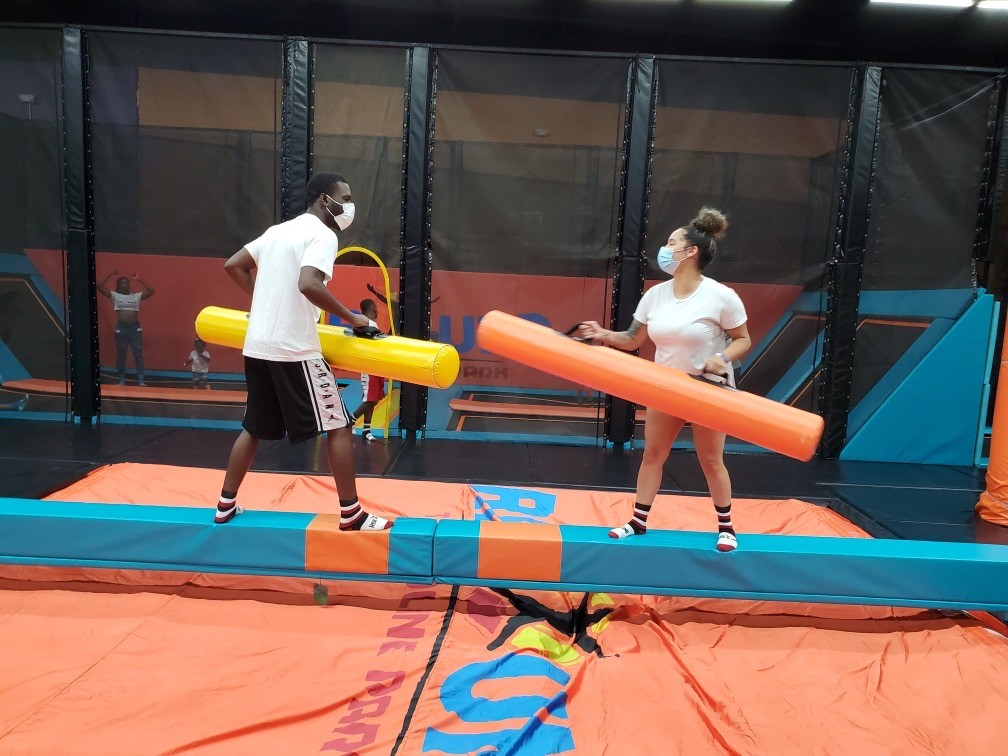
Introduction: Navigating the Global Market for trampoline park columbus
In an increasingly competitive landscape, sourcing trampoline parks in Columbus represents a unique challenge for international B2B buyers looking to tap into the booming entertainment sector. With the rise of family entertainment centers and active leisure activities, trampoline parks have emerged as lucrative investment opportunities, particularly in regions like Africa, South America, the Middle East, and Europe, including countries like Nigeria and Saudi Arabia. This comprehensive guide is designed to equip you with the insights needed to make informed purchasing decisions in this dynamic market.
We will explore the diverse types of trampoline parks, their applications in family entertainment, and the various attractions that appeal to a broad audience. Additionally, we will cover essential aspects such as supplier vetting processes, cost considerations, and innovative party and membership offerings that enhance customer experiences. By understanding these critical factors, B2B buyers can confidently navigate the complexities of the trampoline park market in Columbus, ensuring they select partners that align with their business goals and customer expectations.
Ultimately, this guide serves as a valuable resource, empowering you to identify high-quality trampoline park solutions that not only meet the demands of your target market but also foster sustainable growth and profitability in your ventures.
Understanding trampoline park columbus Types and Variations
| Type Name | Key Distinguishing Features | Primary B2B Applications | Brief Pros & Cons for Buyers |
|---|---|---|---|
| Family Entertainment Park | Diverse attractions including trampolines, obstacle courses, and dining options | Birthday parties, family events, corporate outings | Pros: Attracts families, versatile event space. Cons: Higher operational costs due to varied attractions. |
| Fitness Trampoline Park | Focus on fitness classes and active play, often with specialized equipment | Corporate wellness programs, fitness events | Pros: Appeals to health-conscious consumers, potential for memberships. Cons: Requires specialized staff and marketing. |
| Competitive Trampoline Park | Features competitive activities like dodgeball and parkour courses | Team-building events, competitive leagues | Pros: Engages competitive players, fosters community. Cons: May require more safety measures and insurance. |
| Adventure Park | Combines trampoline activities with extreme sports elements like zip lines | Corporate retreats, team-building exercises | Pros: Unique experience, attracts thrill-seekers. Cons: High setup and maintenance costs. |
| Seasonal/Pop-up Parks | Temporary setups that operate during peak seasons or events | Festivals, fairs, and holiday events | Pros: Lower investment, flexibility in operations. Cons: Limited operational lifespan, potential for inconsistent revenue. |
What Are the Characteristics of Family Entertainment Parks?
Family entertainment parks are designed to cater to a wide demographic, offering a blend of activities such as trampolining, obstacle courses, and dining facilities. These parks typically host birthday parties, family gatherings, and corporate events, making them versatile venues for various occasions. For B2B buyers, the key consideration is the park’s ability to attract families and provide a comprehensive experience, but they should also be aware of higher operational costs associated with maintaining diverse attractions.
How Do Fitness Trampoline Parks Stand Out?
Fitness trampoline parks focus on promoting physical activity through specialized classes and fitness challenges. They often feature equipment designed for workouts, making them ideal for corporate wellness programs and fitness events. Buyers should consider the growing trend towards health and wellness, as these parks can attract health-conscious consumers. However, they must also account for the need for trained staff and effective marketing strategies to maximize membership and participation.
What Makes Competitive Trampoline Parks Unique?
Competitive trampoline parks emphasize activities that foster competition, such as dodgeball and parkour courses. These parks are suitable for team-building events and competitive leagues, attracting a niche audience of thrill-seekers and sports enthusiasts. Buyers should evaluate the potential for community engagement and repeat visits, but must also consider the implications of increased safety measures and insurance costs associated with competitive activities.
Why Choose an Adventure Park?
Adventure parks combine trampoline activities with extreme sports elements, such as zip lines and climbing walls. This unique blend attracts thrill-seekers and can serve as an exciting venue for corporate retreats and team-building exercises. For B2B buyers, the appeal lies in offering a distinctive experience that stands out in the entertainment market. However, they should be prepared for the higher setup and maintenance costs that come with such attractions.
What Are the Benefits and Challenges of Seasonal/Pop-up Parks?
Seasonal or pop-up parks operate during peak times, such as festivals or holidays, providing a flexible business model with lower investment requirements. These parks can be an excellent option for buyers looking to capitalize on temporary high foot traffic. However, the limited operational lifespan and potential for inconsistent revenue streams are crucial factors to consider when evaluating this business model.
Key Industrial Applications of trampoline park columbus
| Industry/Sector | Specific Application of trampoline park columbus | Value/Benefit for the Business | Key Sourcing Considerations for this Application |
|---|---|---|---|
| Entertainment & Leisure | Hosting birthday parties and corporate events | Attracts large groups, enhancing revenue through package deals | Consider local regulations, capacity limits, and safety standards. |
| Fitness & Wellness | Offering unique fitness classes and activities | Engages clients in physical activity, promoting health benefits | Look for qualified trainers and equipment compliance. |
| Education & Youth Programs | Providing physical education programs and school trips | Enhances student engagement and physical fitness | Ensure alignment with educational goals and safety protocols. |
| Corporate Team Building | Organizing team-building exercises and retreats | Fosters teamwork and collaboration among employees | Evaluate group size accommodations and available amenities. |
| Tourism & Hospitality | Creating packages for tourists and travel groups | Increases local tourism appeal and provides unique experiences | Assess transportation logistics and partnerships with local hotels. |
How Can Trampoline Parks Enhance the Entertainment and Leisure Industry?
Trampoline parks like those in Columbus serve as premier venues for birthday parties and corporate events, drawing in large groups eager for entertainment. By offering tailored packages that include food and exclusive access, these parks create memorable experiences that enhance customer loyalty and boost revenue. For international buyers, understanding local regulations, capacity limits, and safety standards is crucial to ensure compliance and a successful operation.
What Role Do Trampoline Parks Play in Fitness and Wellness Initiatives?
Trampoline parks provide an innovative approach to fitness by incorporating jumping and aerial activities into workout routines. This attracts fitness enthusiasts looking for engaging ways to stay active while enjoying the health benefits of cardiovascular exercise. International buyers should prioritize sourcing qualified trainers and ensuring that equipment meets safety compliance standards to deliver a secure and effective fitness environment.
How Can Trampoline Parks Support Educational Institutions?
Trampoline parks offer valuable programs for schools, including physical education classes and field trips that promote physical activity among students. These experiences can significantly enhance student engagement and contribute to overall health and wellness. Buyers from educational sectors must ensure that programs align with educational goals and adhere to strict safety protocols to protect participants.
Why Are Trampoline Parks Ideal for Corporate Team Building?
Corporate organizations increasingly seek unique venues for team-building exercises, and trampoline parks provide an exhilarating environment for fostering collaboration and teamwork. Engaging in fun activities helps break down barriers and encourages communication among employees. When sourcing for such applications, businesses should evaluate group size accommodations and available amenities to ensure a seamless experience.
How Do Trampoline Parks Attract Tourists and Enhance Hospitality?
Trampoline parks can be key attractions for tourists, offering unique experiences that complement local hospitality offerings. By creating special packages for travel groups, parks can significantly boost local tourism and provide visitors with memorable activities. International buyers should assess transportation logistics and potential partnerships with local hotels to facilitate a comprehensive tourism experience.
3 Common User Pain Points for ‘trampoline park columbus’ & Their Solutions
Scenario 1: Difficulty in Planning Corporate Events at Trampoline Parks
The Problem: Corporate event planners often encounter challenges when trying to organize unique team-building activities or company celebrations at trampoline parks. They may struggle with logistics, such as securing enough space for large groups, ensuring safety protocols are in place, and accommodating diverse age groups and preferences. Additionally, there might be concerns about the overall experience, from catering options to entertainment, which can lead to significant stress in planning.
The Solution: To effectively source trampoline parks in Columbus for corporate events, buyers should first conduct thorough research on available venues, focusing on their capacity and amenities. It is essential to inquire about group packages that include reserved areas, catering services, and potential team-building activities. Establishing a direct line of communication with the park’s event coordinator can also help clarify any logistical concerns. For a seamless experience, consider scheduling a pre-event site visit to assess the layout, safety measures, and available attractions. Leveraging early booking discounts or seasonal promotions can also provide significant cost savings for larger groups.
Scenario 2: Managing Diverse Customer Needs and Safety Concerns
The Problem: B2B buyers looking to partner with trampoline parks must address the diverse needs of their clientele, which can include families with young children, groups of teenagers, and adults seeking fitness opportunities. Each demographic has unique expectations and safety concerns, making it challenging for buyers to ensure that everyone enjoys a safe and enjoyable experience. For instance, parents may worry about the safety of their children on trampolines, while adults might seek rigorous activities that align with their fitness goals.
The Solution: Buyers should prioritize trampoline parks that offer tailored programs and safety measures for different age groups and activity levels. Look for parks that provide structured sessions, such as toddler time for younger children and adult fitness classes, ensuring a range of activities that cater to everyone. It is crucial to review the park’s safety protocols, including staff training, equipment maintenance, and emergency procedures. Additionally, partnering with parks that emphasize customer education on safety rules and offer parental supervision options can enhance trust and satisfaction among diverse clientele.
Scenario 3: Uncertainty in Marketing and Promotional Strategies
The Problem: Many B2B buyers may struggle with effectively marketing trampoline park services to attract a steady flow of customers. The competitive landscape requires innovative promotional strategies that resonate with target audiences. Buyers may find it difficult to determine which marketing channels to utilize, how to leverage seasonal promotions, or how to create engaging content that highlights the unique attractions of their trampoline parks.
The Solution: To optimize marketing efforts, buyers should focus on creating a comprehensive digital marketing strategy that includes social media, email campaigns, and local partnerships. Engaging content showcasing customer testimonials, videos of park activities, and special promotions can help attract potential visitors. Utilizing search engine optimization (SEO) techniques can also enhance visibility in search results, particularly for long-tail keywords related to trampoline parks in Columbus. Additionally, buyers should consider collaborating with local businesses, schools, and community organizations to create joint promotional efforts that drive traffic and foster community goodwill. Regularly analyzing customer feedback and market trends will enable continuous improvement in marketing strategies, ensuring long-term success.
Strategic Material Selection Guide for trampoline park columbus
What Are the Key Materials for Trampoline Parks in Columbus?
When selecting materials for trampoline parks, several factors must be considered, including safety, durability, and compliance with international standards. Below, we analyze four common materials used in trampoline parks, focusing on their properties, advantages, disadvantages, and specific considerations for international B2B buyers.
What Is the Role of Steel in Trampoline Park Construction?
Key Properties: Steel is known for its high tensile strength and durability, making it an ideal choice for the framework of trampoline parks. It can withstand significant stress and is resistant to deformation under load.
Pros & Cons: The primary advantage of steel is its strength-to-weight ratio, which allows for lightweight structures that can support heavy loads. However, steel is susceptible to corrosion if not properly treated, which can lead to safety issues over time. Additionally, the cost of high-quality steel can be significant, impacting overall project budgets.

Illustrative image related to trampoline park columbus
Impact on Application: Steel is crucial for the structural integrity of trampolines and safety nets. It ensures that the equipment can handle the dynamic forces generated during use.
Considerations for International Buyers: Buyers from regions like Africa and the Middle East should ensure compliance with local building codes and standards, such as ASTM or DIN. Corrosion resistance is particularly important in humid or coastal environments, necessitating the use of galvanized or stainless steel.
How Does Polypropylene Enhance Trampoline Performance?
Key Properties: Polypropylene (PP) is a thermoplastic polymer known for its elasticity and resistance to impact. It has a high melting point and excellent fatigue resistance, making it suitable for repeated stress applications.
Pros & Cons: The main advantage of polypropylene is its lightweight nature, which reduces overall costs in shipping and installation. However, it can be less durable than other materials when exposed to UV radiation, potentially leading to degradation over time.
Impact on Application: Polypropylene is commonly used for the trampoline mats and safety pads, providing a balance of flexibility and strength.
Considerations for International Buyers: Compliance with safety standards is essential, especially in regions with stringent regulations. Buyers should also consider UV-resistant formulations to enhance longevity in sunny climates, common in parts of South America and the Middle East.
Why Is Foam Important for Safety in Trampoline Parks?
Key Properties: Foam materials, particularly closed-cell foam, are lightweight and provide excellent shock absorption. They are designed to compress under impact, reducing the risk of injury.
Pros & Cons: The primary advantage of foam is its ability to enhance safety by minimizing injury risks. However, foam can degrade over time and may require replacement, which adds to maintenance costs.
Impact on Application: Foam is typically used in safety padding around trampolines and in landing zones, ensuring a safe environment for users.
Considerations for International Buyers: Buyers must ensure that the foam meets safety standards such as ASTM F1292 for impact attenuation. Additionally, sourcing from reputable manufacturers can help ensure quality and compliance with local regulations.
How Does PVC Contribute to Durability in Trampoline Park Equipment?
Key Properties: Polyvinyl Chloride (PVC) is a durable plastic known for its resistance to moisture, chemicals, and UV light. It maintains its integrity under various environmental conditions.
Pros & Cons: PVC is highly durable and easy to clean, making it suitable for high-traffic areas in trampoline parks. However, it can be more expensive than other synthetic materials and may require specific manufacturing processes to achieve desired properties.
Impact on Application: PVC is often used for trampoline covers and safety nets, providing a robust barrier against wear and tear.
Considerations for International Buyers: Compliance with international standards for material safety and environmental impact is crucial. Buyers should also be aware of the potential for varying quality in PVC products, emphasizing the need to source from reliable suppliers.
Summary Table of Material Selection
| Material | Typical Use Case for trampoline park columbus | Key Advantage | Key Disadvantage/Limitation | Relative Cost (Low/Med/High) |
|---|---|---|---|---|
| Steel | Structural framework | High strength-to-weight ratio | Susceptible to corrosion | High |
| Polypropylene | Trampoline mats and safety pads | Lightweight and elastic | UV degradation over time | Medium |
| Foam | Safety padding and landing zones | Excellent shock absorption | Degrades over time | Medium |
| PVC | Covers and safety nets | Durable and moisture-resistant | Higher cost and manufacturing complexity | High |
This strategic material selection guide provides actionable insights for B2B buyers looking to invest in trampoline parks in Columbus, ensuring that they make informed decisions based on performance, safety, and compliance with international standards.
In-depth Look: Manufacturing Processes and Quality Assurance for trampoline park columbus
What Are the Main Stages of Manufacturing Processes for Trampoline Parks in Columbus?
The manufacturing process for trampoline parks in Columbus typically involves several critical stages: material preparation, forming, assembly, and finishing. Each stage is designed to ensure that the final products meet safety standards and provide an exhilarating experience for users.
-
Material Preparation: This initial stage involves sourcing high-quality materials that meet international safety standards. Common materials include heavy-duty steel for frames, durable fabric for trampolines, and specialized foam for safety padding. Suppliers should provide certification for materials, ensuring they are free from harmful substances and meet the necessary durability requirements.
-
Forming: The forming process includes cutting and shaping materials into specified designs. For trampoline frames, this often involves welding and bending steel components to create the desired structural integrity. Advanced techniques such as CNC machining may be employed to ensure precision and consistency in manufacturing.
-
Assembly: Once components are formed, they move to the assembly stage. This is where trampolines are constructed, with attention paid to safety features such as reinforced stitching on the jump mats and secure fastening of safety pads. This stage also includes the installation of additional attractions like foam pits or climbing walls, which require careful alignment and secure connections.
-
Finishing: The final stage involves surface treatments, including powder coating for metal parts to prevent rust and enhance aesthetic appeal. Quality assurance checks are conducted throughout this stage to ensure that all components meet the required standards before being shipped to the trampoline park.
How Is Quality Assurance Managed in Trampoline Park Manufacturing?
Quality assurance (QA) is paramount in the manufacturing of trampoline parks, given the potential risks associated with their use. Adhering to international standards, such as ISO 9001, and industry-specific certifications, like CE marking, ensures that products are manufactured to the highest quality.
-
International Standards Compliance: ISO 9001 sets the framework for an effective quality management system (QMS), focusing on customer satisfaction and continuous improvement. Compliance with these standards is critical for manufacturers targeting international markets, including buyers from Africa, South America, the Middle East, and Europe.
-
Industry-Specific Certifications: In addition to ISO standards, trampoline manufacturers should comply with specific safety regulations, such as the American Society for Testing and Materials (ASTM) standards for recreational equipment. The CE marking is particularly relevant for European markets, indicating compliance with health, safety, and environmental protection standards.
-
Quality Control Checkpoints: Implementing a robust QA process involves several checkpoints:
– Incoming Quality Control (IQC): Raw materials are inspected upon arrival to ensure they meet specifications before production begins.
– In-Process Quality Control (IPQC): Continuous monitoring during the manufacturing process ensures that all parts are being produced correctly and safely.
– Final Quality Control (FQC): A thorough inspection of the finished products verifies that all components meet the required safety and quality standards before shipment.
What Testing Methods Are Commonly Used in Trampoline Park Manufacturing?
Testing methods are crucial for ensuring that trampoline park equipment can withstand rigorous use while maintaining safety standards. Common testing methods include:
-
Mechanical Testing: This includes tensile strength tests, fatigue testing, and impact tests to evaluate the durability and performance of materials under stress. For trampolines, this means assessing how well the jump surface and frame hold up under repeated use.
-
Safety Testing: Manufacturers conduct safety tests to ensure that all components meet regulatory requirements. This includes assessing the strength of safety nets, pads, and other protective features to prevent injuries during use.
-
Load Testing: This method assesses how equipment responds to various weight loads, which is essential for ensuring the safety of users, especially in high-traffic environments like trampoline parks. Load testing helps to simulate real-world usage scenarios.
How Can B2B Buyers Verify Supplier Quality Control Processes?
B2B buyers, especially those from diverse regions, can take several steps to verify the quality control processes of trampoline park manufacturers:
-
Supplier Audits: Conducting thorough audits of potential suppliers is essential. This includes visiting manufacturing facilities to assess their quality management systems and production capabilities. Buyers should look for certifications and documentation that confirm compliance with international standards.
-
Requesting Quality Assurance Reports: Suppliers should provide detailed QA reports that outline their testing methods, results, and compliance with relevant standards. This transparency is crucial for building trust and ensuring that the products meet safety requirements.
-
Third-Party Inspections: Engaging third-party inspection services can provide an unbiased assessment of a supplier’s quality control processes. These inspections can help verify that the manufacturing processes adhere to industry standards and that the final products are safe for use.
What Are the Quality Control Nuances for International B2B Buyers?
International buyers must navigate various quality control nuances, particularly when sourcing trampoline parks from manufacturers in different regions:
-
Cultural Differences in Quality Standards: Quality expectations may vary significantly across regions. Buyers from Africa, South America, the Middle East, and Europe should familiarize themselves with local safety regulations and standards to ensure compliance with both their home country and the manufacturer’s country.
-
Documentation and Certification Requirements: Different regions may have specific documentation requirements for importing recreational equipment. Buyers should ensure that all necessary certifications, testing reports, and compliance documentation are provided by the supplier.
-
Logistical Considerations: International shipping can introduce risks that may affect product quality. Buyers should consider how products are packaged and transported, as well as the potential for damage during transit. Effective communication with suppliers about these logistics can help mitigate risks.
In summary, the manufacturing processes and quality assurance for trampoline parks in Columbus involve meticulous stages designed to ensure safety and durability. B2B buyers must engage proactively with suppliers, leveraging audits, inspections, and rigorous testing methods to verify quality and compliance, ultimately leading to successful procurement and safe, enjoyable experiences for trampoline park users.
Practical Sourcing Guide: A Step-by-Step Checklist for ‘trampoline park columbus’
To assist international B2B buyers interested in establishing or sourcing trampoline parks in Columbus, this guide outlines a practical checklist for effective procurement. This checklist aims to streamline the decision-making process by focusing on critical factors that influence successful partnerships with suppliers in the trampoline park industry.
Step 1: Identify Your Business Objectives
Before initiating the sourcing process, clearly define your business goals. Are you looking to create a family-friendly entertainment venue, a fitness-focused trampoline park, or a mixed-use facility? Understanding your objectives will guide your selection criteria, ensuring you choose suppliers that align with your vision and operational needs.
Step 2: Research Market Trends
Stay informed about current trends in the trampoline park industry, especially those relevant to your target regions, such as Africa, South America, the Middle East, and Europe. Analyze customer preferences, emerging technologies, and competitive offerings. This information will help you identify innovative features or attractions that can differentiate your park and enhance customer satisfaction.
Step 3: Evaluate Potential Suppliers
Thoroughly vet potential suppliers before making a commitment. Request detailed company profiles, case studies, and references from previous clients, particularly those in similar markets. Ensure they have experience in the trampoline park sector and can demonstrate a successful track record of installations that meet safety and quality standards.
- Key Considerations:
- Supplier reputation and experience in the trampoline park industry.
- Compliance with local safety regulations and standards.
Step 4: Assess Product Quality and Safety Standards
Quality and safety are paramount in the trampoline park industry. Inspect the materials and equipment offered by suppliers to ensure they adhere to international safety standards. Look for certifications from recognized organizations that verify the safety features of trampolines and related installations.
- Key Considerations:
- Materials used (e.g., durable, non-toxic).
- Safety features such as padding and netting.
Step 5: Review Financial Stability and Pricing Structures
Analyze the financial health of your potential suppliers. A stable supplier is less likely to face disruptions in service or product delivery. Additionally, review their pricing structures to ensure they align with your budget while providing value for money.
- Key Considerations:
- Total cost of ownership, including installation, maintenance, and warranties.
- Flexible financing options or payment plans.
Step 6: Request Demonstrations or Site Visits
Whenever possible, request demonstrations of the equipment or arrange site visits to existing trampoline parks using the supplier’s products. This firsthand experience can provide valuable insights into the performance and customer appeal of the equipment, allowing you to make a more informed decision.
Step 7: Negotiate Terms and Finalize Contracts
Once you’ve selected a supplier, enter negotiations to finalize terms that are favorable to your business. Pay attention to contract details, including delivery timelines, warranty conditions, and support services. Clear agreements can prevent misunderstandings and ensure a smooth operational partnership.
By following this checklist, B2B buyers can effectively navigate the sourcing process for trampoline parks in Columbus, ensuring that they establish successful and profitable partnerships.
Comprehensive Cost and Pricing Analysis for trampoline park columbus Sourcing
What Are the Key Cost Components for Trampoline Park Operations in Columbus?
When analyzing the cost structure for sourcing trampoline parks in Columbus, several key components must be considered. Materials include trampolines, safety gear, and other recreational equipment, which can vary in price based on quality and certification standards. Labor costs encompass wages for staff, including trainers, maintenance personnel, and administrative roles. Manufacturing overhead includes the costs associated with equipment and facility maintenance, utilities, and insurance.
In addition, tooling costs may be incurred if custom trampoline designs or features are requested. Quality control (QC) is crucial in this industry, as safety is paramount; thus, investing in regular inspections and certifications can add to the overall cost. Logistics also plays a significant role, particularly in terms of shipping materials and equipment to the site. Finally, a margin needs to be factored in for profitability, which can vary widely depending on the park’s operational strategy and market position.
How Do Price Influencers Affect Trampoline Park Sourcing?
Several factors influence the pricing of trampoline park sourcing. Volume and minimum order quantities (MOQ) can significantly affect pricing; larger orders typically attract discounts, which can be beneficial for bulk purchases. Specifications and customization requests will also impact costs; tailored solutions often come at a premium, but can enhance customer experience and satisfaction.
The choice of materials is another critical influencer—high-quality, durable materials may have a higher upfront cost but can lead to lower maintenance and replacement expenses over time. Supplier factors, including reputation, reliability, and service levels, will also affect pricing. Finally, understanding the Incoterms applicable to international shipping can help buyers mitigate additional costs related to duties, taxes, and insurance during transit.

Illustrative image related to trampoline park columbus
What Are the Best Buyer Tips for Negotiating Prices in the Trampoline Park Sector?
For B2B buyers, especially those from regions like Africa, South America, the Middle East, and Europe, there are several strategies to consider for negotiating better prices. Firstly, understanding the Total Cost of Ownership (TCO) is essential. This includes not only the initial purchase price but also ongoing operational costs such as maintenance, staff training, and insurance.
Buyers should also leverage negotiation tactics by preparing to discuss bulk purchases, long-term partnerships, or exclusive contracts that can lead to price reductions. Researching and comparing multiple suppliers is crucial to ensure competitive pricing and terms. Additionally, understanding the pricing nuances in different regions can help buyers make informed decisions—factors like currency fluctuations and local market conditions can impact overall costs.
What Should International Buyers Keep in Mind When Sourcing?
International buyers should be aware of potential challenges, including varying regulations and standards for trampoline safety and operations across different countries. It is advisable to ensure that suppliers have the necessary certifications and compliance with local safety standards.
Additionally, buyers should account for shipping and customs fees, which can vary significantly depending on the supplier’s location and the destination. Establishing a clear communication channel with suppliers about delivery timelines and logistics can prevent unexpected delays.
Disclaimer on Pricing
The prices discussed in this analysis are indicative and may vary based on the specifics of each transaction, including supplier negotiations, customization requirements, and market conditions. Buyers should conduct thorough research and obtain multiple quotes to ensure they are getting the best value for their investment in trampoline park sourcing.
Alternatives Analysis: Comparing trampoline park columbus With Other Solutions
When considering the investment in a trampoline park in Columbus, it’s essential to evaluate various alternatives that can provide similar entertainment and engagement experiences. Each option has its unique advantages and drawbacks, which can significantly influence decision-making for B2B buyers, especially in international markets.
| Comparison Aspect | Trampoline Park Columbus | Indoor Adventure Park | Inflatable Park |
|---|---|---|---|
| Performance | High engagement with diverse activities like dodgeball and parkour | Offers a variety of activities including climbing walls and obstacle courses | Provides bouncing and sliding experiences focused on inflatable structures |
| Cost | Moderate initial investment with variable operating costs | Similar investment but may require more space | Generally lower initial setup costs but can incur higher maintenance |
| Ease of Implementation | Requires significant planning, permits, and safety measures | Moderate complexity in setup with varied attraction options | Easier to set up with fewer regulations but limited scope of activities |
| Maintenance | Ongoing costs for safety inspections and equipment upkeep | Higher maintenance due to varied attractions and equipment | Lower maintenance needs but requires regular inspection of inflatables |
| Best Use Case | Ideal for family entertainment centers and birthday parties | Great for multi-age engagement with varied interests | Best for younger children and casual events |
What Are the Advantages and Disadvantages of Indoor Adventure Parks?
Indoor adventure parks, such as those similar to Big Air Columbus, offer a wide range of activities beyond trampolining, including climbing walls and obstacle courses. This diversity can attract a broader audience and keep visitors engaged for longer periods. However, the complexity of setup and maintenance can be significant, often requiring more extensive planning and higher operational costs. These parks are best suited for locations targeting families and groups looking for a variety of physical activities.
Why Consider Inflatable Parks as an Alternative?
Inflatable parks provide a fun and engaging environment primarily focused on bouncing and sliding experiences. They are generally easier to set up than trampoline parks and can be more cost-effective, making them an attractive option for businesses with limited budgets. However, they typically cater to younger children and may not offer the same level of excitement for older age groups. This limitation can affect the overall visitor demographic, making it crucial for B2B buyers to assess their target market when considering this option.

Illustrative image related to trampoline park columbus
How Should B2B Buyers Choose the Right Solution?
When selecting the best entertainment solution, B2B buyers should assess their target demographic, budget constraints, and the type of experiences they want to offer. A trampoline park may be ideal for attracting families and hosting events, while an indoor adventure park can provide a broader range of activities for diverse age groups. Inflatable parks may serve well in regions with younger populations or where space and budget are limited. Ultimately, the decision should align with the business’s strategic goals and the preferences of the local market.
Essential Technical Properties and Trade Terminology for trampoline park columbus
What Are the Key Technical Properties of Trampoline Parks in Columbus?
When considering investments in trampoline parks, understanding critical technical properties is essential. These specifications not only impact the safety and enjoyment of the park but also influence operational efficiency and long-term viability.
1. Material Grade
The material grade of trampolines is crucial for ensuring durability and safety. High-quality steel frames and heavy-duty trampoline mats, typically made from polypropylene or nylon, are standard. The grade of these materials should meet or exceed ASTM standards to withstand regular use and provide a safe experience for jumpers. B2B buyers must prioritize parks that utilize materials with high tensile strength to minimize wear and tear.
2. Spring Tension and Tolerance
Spring tension refers to the amount of force exerted by the trampoline’s springs, which affects bounce quality. A balanced tolerance in spring tension is vital to accommodate various jumpers’ weights and skills, enhancing user experience. For B2B buyers, understanding spring specifications can lead to better safety standards and more enjoyable visitor experiences, ultimately driving repeat business.
3. Jump Surface Area
The total jump surface area is a key technical property that determines how many jumpers can safely use the park simultaneously. A larger surface area allows for more attractions and activities, leading to higher customer satisfaction and increased capacity. For international buyers, knowing the jump surface area is critical for assessing potential return on investment and operational efficiency.
4. Safety Features
Safety features such as padding, netting, and impact-absorbing surfaces are essential in trampoline parks. These features help prevent injuries and provide peace of mind to both operators and customers. B2B buyers should evaluate the quality and effectiveness of safety installations, as they can significantly influence insurance costs and liability.
5. Energy Consumption and Sustainability
The energy efficiency of trampoline parks, including lighting and air conditioning systems, is increasingly important. Sustainable practices not only reduce operational costs but also appeal to environmentally conscious consumers. For B2B buyers, investing in energy-efficient systems can lead to long-term savings and enhance brand reputation.
What Are Common Trade Terms Used in the Trampoline Park Industry?
Familiarity with industry jargon can streamline negotiations and enhance communication with suppliers and partners. Here are some essential terms to know:
1. OEM (Original Equipment Manufacturer)
OEM refers to companies that produce parts or equipment that may be marketed by another manufacturer. In the trampoline park industry, B2B buyers often engage with OEMs to source high-quality trampolines and safety equipment, ensuring that they receive products that meet industry standards.
2. MOQ (Minimum Order Quantity)
MOQ is the smallest quantity of a product that a supplier is willing to sell. Understanding MOQs is vital for international buyers as it affects initial investment and inventory management. Suppliers may have different MOQs for trampoline parts and safety equipment, impacting procurement strategies.
3. RFQ (Request for Quotation)
An RFQ is a document sent to suppliers to request pricing for specific products or services. In the trampoline park industry, issuing an RFQ can help B2B buyers compare costs and terms from multiple suppliers, ensuring they get the best deal for their investments.
4. Incoterms (International Commercial Terms)
Incoterms are internationally recognized rules that define the responsibilities of buyers and sellers in international transactions. For trampoline park operators sourcing equipment globally, understanding Incoterms is crucial for clarifying shipping responsibilities, costs, and risks.
5. Lead Time
Lead time refers to the time between placing an order and receiving it. In the trampoline park industry, understanding lead times for equipment can help B2B buyers plan their openings or expansions more effectively, ensuring they meet customer demand promptly.
By grasping these technical properties and trade terms, international B2B buyers can make informed decisions that enhance their trampoline park investments in Columbus and beyond.
Navigating Market Dynamics and Sourcing Trends in the trampoline park columbus Sector
What Are the Current Market Dynamics and Key Trends in the Trampoline Park Sector?
The trampoline park sector is experiencing robust growth driven by a global shift towards experiential entertainment. Factors such as increased urbanization, a rising middle class, and a focus on family-oriented recreational activities are fueling demand. International B2B buyers from regions like Africa, South America, the Middle East, and Europe (e.g., Nigeria, Saudi Arabia) are particularly interested in capitalizing on these trends, given the growing appetite for unique leisure activities.
Emerging technologies are reshaping how trampoline parks operate. Advanced ticketing systems, mobile apps for reservations, and real-time analytics are becoming commonplace, enhancing customer experience and operational efficiency. Additionally, the integration of virtual reality (VR) and augmented reality (AR) is on the rise, offering immersive experiences that attract younger demographics. For B2B buyers, understanding these technological advancements can inform their sourcing decisions, ensuring they invest in parks that leverage modern innovations for competitive advantage.
Market dynamics are also influenced by changing consumer preferences. There is a noticeable shift towards health and wellness, with trampoline parks positioning themselves as fun alternatives to traditional fitness centers. As such, parks are increasingly offering fitness classes and health-focused events, appealing to a broader audience. For international buyers, this means sourcing equipment and materials that align with these evolving customer expectations, ensuring their investments are both relevant and profitable.

Illustrative image related to trampoline park columbus
How Is Sustainability and Ethical Sourcing Important in the Trampoline Park Sector?
Sustainability is becoming a critical consideration in the trampoline park industry. With growing awareness of environmental issues, both consumers and businesses are prioritizing eco-friendly practices. For B2B buyers, sourcing sustainable materials for trampoline construction and park facilities is not only a responsible choice but also a market differentiator.
Ethical sourcing practices are increasingly important. This encompasses ensuring that all suppliers adhere to fair labor practices and environmentally responsible manufacturing processes. Buyers should seek out suppliers with certifications that demonstrate a commitment to sustainability, such as ISO 14001 for environmental management or FSC certification for wood products. By prioritizing suppliers who engage in ethical practices, buyers can enhance their brand reputation and appeal to a conscientious customer base.
In terms of environmental impact, the use of recycled materials in trampoline manufacturing and energy-efficient systems in park operations can significantly reduce the carbon footprint. Buyers should actively inquire about the sourcing of materials, energy consumption, and waste management practices when evaluating potential partners, as these factors will become increasingly relevant in consumer purchasing decisions.
What Is the Brief Evolution and History of the Trampoline Park Sector?
The trampoline park industry has evolved significantly since its inception in the late 20th century. Initially, trampolines were primarily used for competitive sports and gymnastics. However, the concept of trampoline parks emerged in the early 2000s, transforming the recreational landscape. Parks began to pop up, featuring interconnected trampolines and various attractions, appealing to families and individuals seeking fun and fitness.
Today, trampoline parks are a multi-billion dollar industry, with facilities offering diverse attractions, from dodgeball and obstacle courses to foam pits and climbing walls. The evolution has been marked by innovation in design and technology, making these parks not only entertainment venues but also fitness centers that promote active lifestyles. This transformation presents significant opportunities for B2B buyers looking to invest in or expand their operations within the trampoline park sector, particularly as the global demand for unique and engaging leisure activities continues to rise.
Frequently Asked Questions (FAQs) for B2B Buyers of trampoline park columbus
-
How do I ensure quality when sourcing trampoline parks in Columbus?
To ensure quality, start by thoroughly vetting potential suppliers. Request references from other clients, and visit their facilities if possible. Evaluate their safety standards, certifications, and maintenance practices for equipment. Additionally, inquire about their staff training programs and customer feedback mechanisms. Establishing a checklist based on international safety regulations and industry standards will also help in assessing the quality of the trampoline parks you are considering. -
What are the most important features to look for in a trampoline park for B2B partnerships?
When considering trampoline parks for B2B partnerships, focus on attractions, safety measures, and amenities. Look for diverse attractions such as dodgeball courts, foam pits, and ninja courses that appeal to various demographics. Ensure the park has robust safety protocols, including staff training and regular equipment inspections. Also, consider facilities for events, such as party areas and catering options, which can enhance the overall customer experience and drive more business. -
What customization options are available when sourcing trampoline parks?
Many trampoline parks offer customization options tailored to corporate events or special occasions. These can include exclusive use of certain areas, customized branding opportunities, and tailored event packages that include catering and entertainment. Discuss your specific needs with the park management to explore how they can accommodate your requests, ensuring a unique experience for your clients or employees. -
What are the typical minimum order quantities (MOQ) for trampoline park services?
MOQs can vary depending on the trampoline park and the type of services or packages you are interested in. For corporate events or group bookings, parks may require a minimum number of jumpers or a specific event package. It’s essential to communicate your requirements clearly during initial discussions to understand any restrictions and negotiate accordingly, ensuring you can meet your business goals without exceeding your budget. -
What payment terms should I expect when sourcing trampoline parks?
Payment terms can differ significantly between trampoline parks. Typically, parks may require a deposit upon booking, with the remaining balance due shortly before the event. It’s advisable to discuss payment options early in negotiations, including accepted methods (credit card, bank transfer, etc.) and cancellation policies. Understanding these terms will help you manage your budget effectively and avoid any unexpected costs. -
How do I handle logistics when organizing events at a trampoline park?
Logistics planning is crucial for a successful event at a trampoline park. Coordinate with the park’s event management team for details on guest access, parking, and timing. Consider transportation arrangements for guests, especially if they are coming from international locations. Additionally, confirm details regarding setup times for any additional services or equipment you may be bringing in, ensuring that everything runs smoothly on the day of the event. -
What are the safety protocols in place at trampoline parks?
Safety is paramount in trampoline parks. Most parks adhere to strict safety protocols, including regular inspections of equipment, staff training in emergency procedures, and enforcement of safety rules for guests. Ask potential partners about their safety certifications, incident reports, and how they handle injuries. Understanding their commitment to safety will help you make informed decisions and reassure clients about the safety of their experience. -
How can I assess the market demand for trampoline parks in my region?
To assess market demand, conduct thorough market research that includes analyzing demographics, local competition, and consumer behavior. Utilize surveys, focus groups, and industry reports to gauge interest levels in trampoline parks. Networking with local businesses and community organizations can also provide insights into potential partnerships and demand trends. This data will be invaluable in making strategic decisions about entering the trampoline park market in your region.
A Look at Trampoline Park Columbus Manufacturers & Suppliers
Could not verify enough suppliers for trampoline park columbus to create a list at this time.
Strategic Sourcing Conclusion and Outlook for trampoline park columbus
In summary, the trampoline park industry in Columbus presents a wealth of opportunities for international B2B buyers, particularly those from emerging markets in Africa, South America, the Middle East, and Europe. Key takeaways from this guide highlight the importance of strategic sourcing in identifying reliable partners, understanding market dynamics, and leveraging innovative attractions to enhance customer engagement. Collaborating with established brands like Big Air and Sky Zone can offer unique advantages, including proven business models and extensive marketing support.
Investing in trampoline parks not only taps into a growing trend in family entertainment but also aligns with global wellness initiatives, promoting active lifestyles among diverse demographics. As the industry continues to evolve, forward-thinking buyers should consider how local adaptations and cultural preferences can be integrated into their offerings to maximize appeal.
Looking ahead, now is the perfect time for international buyers to explore investment opportunities in Columbus’s trampoline park sector. By strategically sourcing partnerships and aligning with local market trends, you can position your business for success in this exciting and dynamic industry. Engage with potential partners and explore how you can contribute to the thriving landscape of active entertainment.
Important Disclaimer & Terms of Use
⚠️ Important Disclaimer
The information provided in this guide, including content regarding manufacturers, technical specifications, and market analysis, is for informational and educational purposes only. It does not constitute professional procurement advice, financial advice, or legal advice.
While we have made every effort to ensure the accuracy and timeliness of the information, we are not responsible for any errors, omissions, or outdated information. Market conditions, company details, and technical standards are subject to change.
B2B buyers must conduct their own independent and thorough due diligence before making any purchasing decisions. This includes contacting suppliers directly, verifying certifications, requesting samples, and seeking professional consultation. The risk of relying on any information in this guide is borne solely by the reader.

Leave a Reply