Introduction: Navigating the Global Market for kids indoor play
In today’s fast-paced world, sourcing engaging and safe indoor play solutions for children has become a pivotal challenge for businesses targeting the family entertainment sector. As international B2B buyers navigate the competitive landscape of kids’ indoor play, understanding the diverse types of attractions—from trampoline parks to interactive play zones—becomes crucial. This comprehensive guide delves into essential aspects of the kids’ indoor play market, including applications for various demographics, strategies for supplier vetting, and insights into cost management.
By equipping businesses with in-depth knowledge about current trends, best practices, and potential pitfalls, this guide empowers decision-makers from regions such as Africa, South America, the Middle East, and Europe—countries like Vietnam and Brazil—to make informed purchasing decisions. Whether you’re looking to invest in a new indoor play facility or enhance existing offerings, our insights will help you identify high-quality suppliers and innovative products that meet the demands of modern families.
Join us as we explore this dynamic market, providing actionable insights that will not only enhance customer experiences but also drive profitability in the ever-evolving landscape of kids’ indoor play.
Understanding kids indoor play Types and Variations
| Type Name | Key Distinguishing Features | Primary B2B Applications | Brief Pros & Cons for Buyers |
|---|---|---|---|
| Indoor Playgrounds | Multi-level structures with slides, climbing walls, and soft play areas | Family entertainment centers, schools, and daycare facilities | Pros: Engaging for various age groups; promotes physical activity. Cons: Requires significant space and maintenance. |
| Trampoline Parks | Large areas filled with trampolines, foam pits, and obstacle courses | Recreational facilities, sports complexes, and event spaces | Pros: High energy and excitement; attracts larger crowds. Cons: Safety concerns and insurance costs can be higher. |
| Arcade Centers | Game zones featuring video games, ticket redemption games, and skill challenges | Amusement parks, family entertainment centers, and entertainment districts | Pros: Additional revenue through ticket sales; appeals to diverse demographics. Cons: High initial investment and ongoing maintenance required. |
| Themed Play Areas | Immersive environments based on themes (e.g., pirate ships, castles) | Shopping malls, family entertainment venues, and community centers | Pros: Unique experiences that encourage repeat visits. Cons: Themed decor can be costly to design and update. |
| Educational Play Spaces | Facilities incorporating educational elements like STEM activities and interactive learning | Schools, educational institutions, and community programs | Pros: Supports child development and learning; attracts parents looking for educational value. Cons: May require specialized staff and training. |
What Are the Key Characteristics of Indoor Playgrounds?
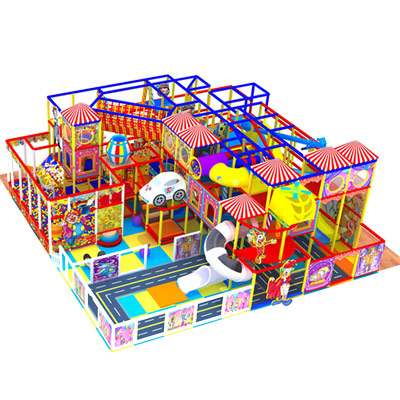
Indoor playgrounds are designed to provide a safe and stimulating environment for children, featuring multi-level structures, slides, climbing walls, and soft play areas. They are suitable for children of various ages, promoting physical activity and social interaction. For B2B buyers, considerations include space requirements, maintenance costs, and safety regulations. Indoor playgrounds can serve as major attractions for family entertainment centers, schools, and daycare facilities, making them a versatile investment.
How Do Trampoline Parks Stand Out in the Kids Indoor Play Market?
Trampoline parks offer an exhilarating experience with expansive areas filled with interconnected trampolines, foam pits, and obstacle courses. They cater to older children and teens, making them ideal for recreational facilities and event spaces that seek to draw larger crowds. B2B buyers should consider safety protocols, insurance liabilities, and potential noise issues. While trampoline parks can generate substantial foot traffic and revenue, they also entail higher operational costs and safety concerns.
What Are the Business Opportunities in Arcade Centers?
Arcade centers provide a mix of entertainment through video games, ticket redemption games, and skill challenges. They are particularly appealing to family entertainment centers and amusement parks, as they can attract diverse demographics, including families and teenagers. B2B buyers should evaluate the initial investment costs, ongoing maintenance, and the need for regular game updates. While arcade centers can enhance customer engagement and provide additional revenue streams, they require careful management to maintain profitability.
Why Are Themed Play Areas Beneficial for B2B Buyers?
Themed play areas create immersive environments that engage children’s imaginations, featuring decor and activities based on popular themes like pirate adventures or fairy tale castles. These spaces are ideal for shopping malls and family entertainment venues aiming to differentiate themselves in a competitive market. Buyers must consider the costs of designing and maintaining themed environments, as well as the potential for attracting repeat visitors. The unique experience offered can lead to increased foot traffic and customer loyalty.
What Role Do Educational Play Spaces Play in Child Development?
Educational play spaces integrate learning with play, featuring activities focused on STEM education and interactive learning opportunities. These spaces are increasingly popular among schools and community programs that prioritize child development. B2B buyers should assess the need for specialized staff, training, and curriculum integration. While educational play spaces can appeal to parents seeking developmental benefits for their children, they may require a more substantial investment in staff and resources compared to traditional play areas.
Key Industrial Applications of kids indoor play
| Industry/Sector | Specific Application of kids indoor play | Value/Benefit for the Business | Key Sourcing Considerations for this Application |
|---|---|---|---|
| Family Entertainment Centers | Indoor amusement parks with diverse attractions | Attracts families, increases foot traffic, and boosts revenue | Quality of attractions, safety certifications, and maintenance support |
| Educational Institutions | Indoor play areas for preschool and daycare facilities | Supports child development and learning through play | Compliance with educational standards, safety features, and durability |
| Retail Environments | Play areas in shopping malls or stores | Enhances customer experience, increases dwell time, and drives sales | Space optimization, design aesthetics, and ease of maintenance |
| Corporate Event Venues | Team-building activities with indoor play options | Fosters employee engagement and collaboration | Versatility of attractions, capacity, and catering options |
| Hospitality Industry | Indoor play zones in hotels and resorts | Attracts families, enhances guest satisfaction, and increases occupancy | Integration with existing facilities, safety, and entertainment options |
How Can Family Entertainment Centers Utilize Kids Indoor Play?
Family entertainment centers can leverage indoor play facilities by incorporating a variety of attractions such as trampolines, climbing walls, and arcade games. These centers aim to create a fun and engaging environment that appeals to families, thus driving foot traffic and boosting revenue. For international B2B buyers, sourcing equipment that meets safety standards and offers maintenance support is crucial, especially in regions like Africa and South America, where infrastructure may vary.
What Role Do Educational Institutions Play in Kids Indoor Play?
Educational institutions, particularly preschools and daycares, can integrate indoor play areas to support child development. These spaces allow children to engage in imaginative play, which is essential for cognitive and social skills. Buyers in this sector should focus on compliance with educational standards and the durability of play equipment, ensuring it can withstand frequent use. In regions like the Middle East and Europe, understanding local regulations regarding safety and child development can enhance purchasing decisions.
How Can Retail Environments Benefit from Kids Indoor Play?
In retail environments, including shopping malls, the addition of indoor play areas can significantly enhance the customer experience. By providing a safe space for children to play, retailers can increase dwell time and encourage parents to shop longer. For B2B buyers in South America and Europe, considerations such as space optimization and the aesthetic appeal of play areas are vital, as these factors directly influence customer engagement and satisfaction.
What Are the Benefits of Kids Indoor Play in Corporate Event Venues?
Corporate event venues can incorporate kids indoor play options to facilitate team-building activities that engage employees and their families. This approach fosters collaboration and strengthens workplace relationships. Buyers should consider the versatility of attractions and the venue’s capacity to accommodate large groups, especially in regions like Africa and the Middle East, where corporate social responsibility is increasingly valued.
How Does the Hospitality Industry Leverage Kids Indoor Play?
Hotels and resorts can enhance their appeal to families by integrating indoor play zones within their facilities. This addition not only attracts more guests but also increases overall guest satisfaction and occupancy rates. For B2B buyers in the hospitality sector, factors such as integration with existing amenities, safety protocols, and the variety of entertainment options available are crucial for making informed purchasing decisions.

Illustrative image related to kids indoor play
3 Common User Pain Points for ‘kids indoor play’ & Their Solutions
Scenario 1: Understanding Diverse Market Needs in Kids Indoor Play
The Problem: B2B buyers often grapple with the challenge of catering to diverse cultural and demographic needs when sourcing kids indoor play solutions. For instance, a buyer in Brazil may face distinct preferences compared to a buyer in Europe. Local customs, safety standards, and children’s interests vary widely, making it essential to understand the unique demands of each market. This complexity can lead to misaligned investments, resulting in indoor play solutions that do not resonate with the target audience.
The Solution: To effectively address this issue, B2B buyers should conduct thorough market research tailored to their specific region. This includes analyzing local trends, safety regulations, and customer preferences. Engaging with local stakeholders, such as schools, parents, and community leaders, can provide invaluable insights into what children in that region are looking for in indoor play experiences. Additionally, sourcing modular or customizable indoor play equipment allows for flexibility in addressing varying needs. By investing in equipment that can be adjusted or expanded according to market demands, businesses can remain agile and responsive to changing preferences.
Scenario 2: Ensuring Safety and Compliance in Kids Indoor Play Environments
The Problem: Safety is a paramount concern in kids indoor play facilities, especially for B2B buyers responsible for creating environments that comply with local regulations. The fear of accidents or injuries not only poses a risk to children but can also lead to legal repercussions and damage to a brand’s reputation. Buyers may struggle to navigate the myriad of safety standards and guidelines that differ significantly across regions.

Illustrative image related to kids indoor play
The Solution: Buyers should prioritize partnering with manufacturers and suppliers who are well-versed in local safety regulations and compliance. This includes seeking certifications from recognized bodies that validate the safety of the equipment. Additionally, conducting regular safety audits and staff training sessions can reinforce a culture of safety within the facility. Implementing a robust incident reporting and response plan is also crucial for addressing any issues that arise promptly. By establishing a proactive approach to safety, businesses can build trust with parents and caregivers, ultimately enhancing customer loyalty.
Scenario 3: Balancing Cost with Quality in Kids Indoor Play Equipment
The Problem: Many B2B buyers face the dilemma of balancing budget constraints with the need for high-quality indoor play equipment. While lower-cost options may seem attractive, they often compromise safety, durability, and the overall play experience, which can lead to higher long-term costs due to maintenance or replacement. This creates a tough decision for buyers who must deliver value while managing operational expenses.
The Solution: To navigate this challenge, buyers should conduct a total cost of ownership analysis before making purchasing decisions. This involves evaluating not just the upfront costs of equipment, but also considering factors such as expected lifespan, maintenance costs, and potential revenue generation from increased customer visits. Investing in high-quality, durable equipment may require a larger initial outlay but can lead to significant savings and higher customer satisfaction over time. Additionally, exploring financing options or partnerships with vendors can provide more flexibility in managing cash flow while still acquiring quality products. By adopting a long-term perspective on investments, buyers can ensure they are making financially sound decisions that enhance their indoor play offerings.
Strategic Material Selection Guide for kids indoor play
What Are the Key Materials for Kids Indoor Play Areas?
In the realm of kids’ indoor play, selecting the right materials is critical for ensuring safety, durability, and overall user satisfaction. Below, we analyze four common materials used in this sector: plastic, wood, metal, and foam. Each material presents unique properties, advantages, and challenges that international B2B buyers must consider.
How Does Plastic Perform in Kids Indoor Play Applications?
Plastic is a widely used material in kids’ play areas due to its versatility and safety features. Key properties include high impact resistance and lightweight characteristics, making it suitable for various structures like slides, climbing walls, and play equipment.

Illustrative image related to kids indoor play
Pros: Plastic is durable, resistant to moisture, and easy to clean, which is essential for maintaining hygiene in play areas. It is also relatively inexpensive, making it a cost-effective choice for large-scale installations.
Cons: However, plastic can be prone to fading and cracking over time, especially when exposed to UV light. Additionally, it may not support heavy loads as effectively as other materials.
Impact on Application: Plastic is compatible with a variety of media, including water and cleaning agents, but its performance can degrade in extreme temperatures.

Illustrative image related to kids indoor play
Considerations for International Buyers: Compliance with international standards like ASTM F1487 for playground equipment is crucial. Buyers should also consider the availability of recyclable plastics in their regions, as sustainability is becoming increasingly important.
What Role Does Wood Play in Indoor Play Structures?
Wood is often favored for its aesthetic appeal and structural integrity. It provides a natural look that can enhance the overall atmosphere of a play area. Key properties include excellent strength-to-weight ratios and good thermal insulation.
Pros: Wood is durable and can withstand significant wear and tear. It can be treated to resist moisture and pests, making it suitable for various climates.

Illustrative image related to kids indoor play
Cons: The main drawbacks include higher costs and the need for regular maintenance to prevent rot and splintering. Additionally, wood may not be as safe as other materials if not properly treated.
Impact on Application: Wood is compatible with various finishes and coatings, allowing for customization. However, its susceptibility to moisture can limit its use in humid environments.
Considerations for International Buyers: Buyers should ensure that the wood used complies with local regulations regarding sustainability and safety, such as the European EN 1176 standard for playground equipment.
Why Choose Metal for Kids Indoor Play Equipment?
Metal, particularly steel and aluminum, is often used in the construction of play structures due to its strength and durability. Key properties include high tensile strength and resistance to corrosion when properly coated.

Illustrative image related to kids indoor play
Pros: Metal structures can support heavy loads and are less likely to warp or break under stress. They are also resistant to pests and moisture.
Cons: However, metal can be heavy and may require complex manufacturing processes. It can also become hot to the touch in direct sunlight, posing a risk to children.
Impact on Application: Metal is ideal for outdoor applications but may require additional safety features, such as protective coatings, to ensure child safety.
Considerations for International Buyers: Compliance with standards such as ASTM A123 for hot-dip galvanized coatings is essential, especially in regions with high humidity or corrosive environments.
How Does Foam Enhance Safety in Indoor Play Areas?
Foam is increasingly used in play areas for its safety features. It is often found in soft play equipment and flooring. Key properties include shock absorption and lightweight nature.
Pros: Foam provides a safe landing surface, reducing the risk of injuries. It is also easy to clean and maintain, making it suitable for high-traffic areas.
Cons: The main limitation is that foam can wear out over time and may require replacement more frequently than other materials. It is also not suitable for heavy structures.
Impact on Application: Foam is compatible with various cleaning agents and can be easily shaped to fit specific designs.
Considerations for International Buyers: Buyers should ensure that the foam meets fire safety standards, such as those set by the International Organization for Standardization (ISO), to ensure compliance in different markets.
Summary Table of Material Selection for Kids Indoor Play
| Material | Typical Use Case for kids indoor play | Key Advantage | Key Disadvantage/Limitation | Relative Cost (Low/Med/High) |
|---|---|---|---|---|
| Plastic | Slides, climbing walls, play structures | Durable and easy to clean | Prone to fading and cracking | Low |
| Wood | Play structures, climbing frames | Aesthetic appeal and strength | Higher cost and maintenance required | Medium |
| Metal | Frameworks, climbing structures | High strength and durability | Heavy and can get hot in sunlight | High |
| Foam | Soft play areas, flooring | Excellent shock absorption | Wears out quickly and needs replacement | Medium |
This strategic material selection guide provides valuable insights for B2B buyers looking to invest in kids’ indoor play areas, ensuring they choose the right materials that align with safety, durability, and compliance standards.
In-depth Look: Manufacturing Processes and Quality Assurance for kids indoor play
What Are the Key Stages in the Manufacturing Process for Kids Indoor Play Equipment?
The manufacturing of kids indoor play equipment involves several critical stages designed to ensure safety, durability, and engagement. These stages include material preparation, forming, assembly, and finishing.
-
Material Preparation:
The first step involves selecting high-quality materials that meet safety standards. Common materials include high-density polyethylene (HDPE), foam, and steel. These materials are prepped by cutting them to specific dimensions and treating them to enhance their durability and safety, such as using non-toxic finishes. -
Forming:
This stage involves shaping the prepared materials into components for the play structures. Techniques such as injection molding for plastic parts and metal stamping for structural components are commonly used. Advanced technologies like CNC machining may also be employed to ensure precision in the components that will withstand heavy use. -
Assembly:
After forming, components are assembled into the final product. This can involve welding metal parts, joining plastic components using adhesives or fasteners, and integrating safety features such as soft edges and protective barriers. The assembly process must be conducted in a controlled environment to maintain quality and prevent contamination. -
Finishing:
The finishing process includes applying protective coatings, painting, and adding any necessary branding. This stage is crucial for ensuring the aesthetic appeal of the play equipment while also providing an additional layer of protection against wear and tear. Finishing touches may also include safety labels and instructions for use.
What Quality Control Measures Are Essential for Kids Indoor Play Equipment?
Quality control (QC) is paramount in the manufacturing of kids indoor play equipment to ensure compliance with safety standards and enhance customer satisfaction. The following are vital QC measures:
-
International Standards:
B2B buyers should look for compliance with international quality management standards such as ISO 9001, which outlines criteria for a quality management system. Additionally, industry-specific certifications such as CE marking (for European markets) indicate that the equipment meets health, safety, and environmental protection standards. -
Quality Control Checkpoints:
– Incoming Quality Control (IQC): This involves inspecting raw materials upon receipt to ensure they meet specified standards. Any non-compliance can lead to rejections, thus ensuring only quality materials are used in production.
– In-Process Quality Control (IPQC): During the manufacturing process, regular inspections are conducted to ensure that the assembly and forming processes adhere to the required specifications. This helps in identifying defects early on.
– Final Quality Control (FQC): Once the product is assembled, a thorough inspection is conducted to verify that the final product meets all safety and quality standards. This may include stress testing, safety checks, and aesthetic evaluations. -
Common Testing Methods:
Various testing methods are employed to ensure safety and durability, including:
– Load Testing: To assess the structural integrity under various weight conditions.
– Impact Testing: To evaluate how the equipment holds up against sudden forces.
– Chemical Testing: To ensure that materials used are free from harmful substances.
How Can B2B Buyers Verify Supplier Quality Control Processes?
B2B buyers must implement effective strategies to verify the quality control processes of potential suppliers. Here are some actionable steps:
-
Supplier Audits:
Conducting on-site audits allows buyers to directly assess a supplier’s manufacturing practices, quality control measures, and compliance with safety standards. This can provide insights into the supplier’s capabilities and commitment to quality. -
Reviewing Quality Control Reports:
Requesting access to quality control reports and documentation can help buyers understand the supplier’s QC processes. Look for records of IQC, IPQC, and FQC, along with any non-conformance reports that indicate how issues are managed. -
Third-Party Inspections:
Engaging third-party inspection services can provide an unbiased evaluation of a supplier’s quality control processes. These inspections can verify compliance with international standards and assess the overall quality of the products.
What Are the Specific Quality Control and Certification Nuances for International B2B Buyers?
International B2B buyers, especially from regions like Africa, South America, the Middle East, and Europe, should be aware of specific nuances regarding quality control and certifications:
-
Regional Compliance Requirements:
Different regions have varying safety standards and certification requirements. For instance, while CE marking is essential in Europe, buyers in other regions may need to ensure compliance with local safety regulations, such as ASTM standards in the United States. -
Documentation for Imports:
When importing play equipment, buyers should ensure that all necessary documentation is in place, including certificates of conformity, safety test reports, and customs paperwork. This documentation is crucial for smooth customs clearance and regulatory compliance. -
Language and Cultural Considerations:
Effective communication is vital when dealing with international suppliers. Ensure that language barriers do not hinder the understanding of quality standards and specifications. It may also be beneficial to understand cultural nuances that could impact business practices and quality expectations.
Conclusion: Ensuring Quality in Kids Indoor Play Equipment Manufacturing
For B2B buyers in the kids indoor play industry, understanding the manufacturing processes and quality assurance measures is essential for making informed purchasing decisions. By focusing on robust manufacturing stages, rigorous quality control, and thorough verification processes, buyers can ensure they source safe, durable, and engaging play equipment that meets the needs of children and parents alike. Establishing strong partnerships with reliable suppliers will ultimately lead to successful business outcomes in this competitive market.
Practical Sourcing Guide: A Step-by-Step Checklist for ‘kids indoor play’
When it comes to procuring equipment and services for kids’ indoor play areas, B2B buyers must navigate a complex landscape of options and requirements. This guide provides a structured checklist to streamline the sourcing process, ensuring that you secure quality products and services that meet the needs of your business and your customers.
Step 1: Identify Your Target Market and Needs
Understanding your target demographic is crucial. Are you catering to toddlers, school-aged children, or a mix? Tailor your offerings to the age group you intend to serve, considering their preferences for play types—be it physical activity, imaginative play, or technology-based games. This clarity will guide your procurement choices effectively.
Step 2: Define Your Space and Layout Requirements
Before sourcing, assess the physical space available for your indoor play area. Consider the total square footage and the layout, including safety regulations and flow of movement for both children and supervising adults. Proper planning can enhance the play experience and ensure compliance with local regulations.
- Safety Standards: Ensure that the layout adheres to safety standards relevant to your region, including appropriate cushioning and space between play structures.
- Accessibility: Consider how to make the space inclusive for children of all abilities.
Step 3: Research and Shortlist Potential Suppliers
Thoroughly vet potential suppliers to ensure they meet your standards for quality and reliability. Compile a list of vendors who specialize in kids’ indoor play equipment and services, focusing on those with a proven track record.
- Case Studies: Request case studies or references from existing clients, particularly those in similar regions or markets.
- Product Range: Ensure that suppliers offer a diverse range of products suitable for your intended age group and space.
Step 4: Evaluate Product Safety and Compliance
Product safety is non-negotiable in the kids’ play industry. Verify that all equipment meets international safety standards and regulations. This includes certifications from recognized bodies that ensure the materials and construction methods are child-safe.
- Documentation: Ask for documentation of safety tests and compliance certifications.
- Durability: Assess the durability of the materials used, as high-quality equipment will withstand wear and tear from active play.
Step 5: Assess Pricing and Value for Money
Compare pricing structures among shortlisted suppliers to ensure you’re getting competitive rates. However, remember that the lowest price doesn’t always equate to the best value. Look for suppliers that offer warranties and post-installation support.
- Bulk Discounts: Inquire about discounts for bulk purchases or long-term contracts to maximize your budget.
- Total Cost of Ownership: Consider installation, maintenance, and potential future upgrades as part of the total cost.
Step 6: Plan for Installation and Maintenance
Installation can significantly impact the overall performance of your play area. Choose suppliers who provide professional installation services to ensure that all equipment is set up according to safety guidelines.

Illustrative image related to kids indoor play
- Training: Ensure that staff are trained on the correct use and maintenance of equipment to extend its lifespan.
- Maintenance Plans: Discuss ongoing maintenance options with suppliers to keep your play area safe and engaging over time.
Step 7: Establish a Feedback Mechanism
Once your indoor play area is operational, establish a system for collecting feedback from parents and children. This will help you gauge the popularity of different attractions and identify areas for improvement.
- Surveys and Suggestions: Use surveys or suggestion boxes to gather insights on customer experiences.
- Continuous Improvement: Adapt your offerings based on feedback to enhance customer satisfaction and engagement.
By following this practical checklist, B2B buyers can navigate the complexities of sourcing kids’ indoor play equipment and services effectively, ensuring a successful and safe play environment that delights children and parents alike.
Comprehensive Cost and Pricing Analysis for kids indoor play Sourcing
What Are the Key Cost Components for Kids Indoor Play Facilities?
When sourcing products and services for kids indoor play facilities, understanding the cost structure is essential for accurate budgeting and pricing strategy development. The primary cost components include:
-
Materials: The quality and type of materials used in play structures, safety equipment, and furnishings can significantly affect costs. For instance, high-quality, durable materials that comply with safety standards will typically command a higher price but ensure longevity and safety.
-
Labor: This encompasses wages for skilled labor involved in the design, manufacturing, and installation of play structures. Additionally, ongoing staff costs for maintenance and operations should be factored into the overall cost analysis.
-
Manufacturing Overhead: Costs related to factory operations, such as utilities, rent, and equipment maintenance, contribute to the overall manufacturing overhead. This can vary significantly based on the location of production facilities.
-
Tooling: Custom tooling for unique play equipment can be a substantial upfront cost. Understanding the tooling requirements for specialized designs is crucial for accurate budgeting.
-
Quality Control (QC): Implementing stringent QC measures ensures that all products meet safety and quality standards. This may increase costs but is vital to mitigate risks associated with defective products.
-
Logistics: Transportation and handling costs, especially for international shipments, can vary widely based on distance, mode of transport, and logistics partners. Consideration of Incoterms is essential to determine who bears these costs.
-
Margin: The desired profit margin on products or services will influence pricing strategies. Understanding the competitive landscape will help in setting appropriate margins without sacrificing market share.
How Do Price Influencers Affect Kids Indoor Play Sourcing?
Several factors can influence pricing strategies in the kids indoor play sector:
-
Volume/MOQ: Minimum order quantities (MOQ) can significantly impact pricing. Suppliers often offer better rates for larger orders, which can be an important consideration for businesses planning to scale.
-
Specifications and Customization: Customized designs tailored to specific market needs can increase costs but may also allow for premium pricing. Understanding the balance between customization and standard offerings is crucial.
-
Materials and Quality Certifications: The choice of materials not only affects the cost but also the ability to meet local safety and quality certifications, which can vary by region. Buyers should ensure that suppliers can provide necessary documentation and certifications.
-
Supplier Factors: The reputation and reliability of suppliers can affect pricing. Established suppliers with a proven track record may charge a premium, while newer entrants might offer lower prices to gain market share.
-
Incoterms: Understanding Incoterms is vital for international buyers to clarify responsibilities related to shipping, insurance, and tariffs, ultimately affecting the total cost.
What Are the Best Buyer Tips for Negotiating Costs in Kids Indoor Play Sourcing?
For international B2B buyers, particularly those in Africa, South America, the Middle East, and Europe, strategic negotiation and cost management are essential:
-
Negotiate Terms: Always negotiate payment terms, delivery schedules, and bulk discounts. Building a long-term relationship with suppliers may also yield better pricing and service.
-
Focus on Cost-Efficiency: Analyze the total cost of ownership rather than just upfront costs. This includes maintenance, logistics, and potential downtime costs.
-
Consider Local Regulations: Familiarize yourself with local regulations regarding safety and quality standards in your region. This knowledge can be a strong negotiating point with suppliers.
-
Be Aware of Pricing Nuances: Prices can fluctuate based on regional economic conditions, currency exchange rates, and geopolitical factors. Stay informed about market trends to make well-timed purchasing decisions.
Disclaimer on Indicative Prices
The pricing discussed in this analysis is indicative and may vary based on several factors, including market conditions, supplier negotiations, and specific project requirements. Buyers should conduct thorough market research and consult with multiple suppliers to obtain the best possible pricing tailored to their needs.
Alternatives Analysis: Comparing kids indoor play With Other Solutions
Exploring Alternatives to Kids Indoor Play Solutions
In the competitive landscape of children’s entertainment, businesses must carefully evaluate various options to meet the needs of families. While kids indoor play facilities provide a vibrant environment for children to engage in physical activity and social interaction, alternative solutions also exist that can fulfill similar objectives. This section compares kids indoor play against two viable alternatives: outdoor play parks and digital play platforms, providing actionable insights for B2B buyers.
| Comparison Aspect | Kids Indoor Play | Outdoor Play Parks | Digital Play Platforms |
|---|---|---|---|
| Performance | High engagement and physical activity | Seasonal and weather-dependent | Flexible, but less physical engagement |
| Cost | Variable (entry fees, membership options) | Generally lower (free access) | Subscription-based or one-time purchase |
| Ease of Implementation | Requires dedicated space and equipment | Minimal setup; relies on natural space | Easy to set up; requires digital access |
| Maintenance | Regular cleaning and equipment upkeep | Seasonal maintenance (landscaping) | Minimal maintenance (software updates) |
| Best Use Case | Year-round entertainment, parties, and events | Community gatherings, family outings | Remote play, educational engagement |
What Are the Benefits and Drawbacks of Outdoor Play Parks?
Outdoor play parks offer an engaging environment where children can explore nature, climb, and socialize. They are often cost-effective since many parks are publicly funded and free to access. However, their reliance on weather conditions can limit usability, particularly in regions with extreme climates. Additionally, safety concerns may arise in poorly maintained parks, making it essential for B2B buyers to ensure that outdoor facilities adhere to safety standards.
How Do Digital Play Platforms Compare to Kids Indoor Play?
Digital play platforms, such as educational games and interactive apps, provide a flexible alternative for children’s entertainment. They can be accessed from home, which is particularly beneficial for families seeking convenience. However, the lack of physical engagement can lead to concerns about sedentary behavior. Moreover, while many platforms offer educational value, they may not provide the same social interaction that kids indoor play facilities foster. B2B buyers should consider the target demographic’s preferences for physical activity versus digital engagement when evaluating this option.
How Can B2B Buyers Choose the Right Solution?
Selecting the right solution for children’s entertainment requires a thorough understanding of the target market and the specific needs of families. B2B buyers should assess their local demographics, climate, and community preferences. For those aiming to create a vibrant community hub, kids indoor play facilities may offer the best mix of engagement and social interaction. Conversely, if budget constraints or space limitations are a concern, outdoor play parks or digital platforms could present viable alternatives. Ultimately, aligning the chosen solution with the expectations and preferences of families in the region will be crucial for success.
Essential Technical Properties and Trade Terminology for kids indoor play
What Are the Key Technical Properties in Kids Indoor Play Equipment?
When sourcing equipment for kids’ indoor play areas, understanding technical properties is crucial for ensuring safety, durability, and user satisfaction. Here are several critical specifications to consider:
-
Material Grade
The material used in playground equipment must be robust and safe. Common materials include high-density polyethylene (HDPE) for play structures, which offers durability and resistance to impact, and galvanized steel for frameworks, ensuring longevity and stability. Choosing the right material grade is essential to meet safety regulations and withstand the wear and tear of active play. -
Safety Standards Compliance
Equipment must adhere to local and international safety standards, such as ASTM (American Society for Testing and Materials) or EN (European Norms). Compliance ensures that the equipment is tested for potential hazards, providing peace of mind for operators and parents alike. Understanding these standards is vital for B2B buyers to minimize liability and ensure a safe environment for children. -
Weight Tolerance
Each piece of equipment comes with a specified weight tolerance, indicating the maximum load it can safely support. This specification is crucial when designing play areas, as it informs the selection of equipment suitable for various age groups and ensures that it can accommodate multiple children simultaneously without risk. -
UV Resistance
For indoor play areas with windows or other light sources, UV resistance is a key property. Materials that resist UV degradation maintain their color and structural integrity over time, which is essential for aesthetics and safety. This property is particularly important in regions with high sunlight exposure, ensuring the longevity of the equipment. -
Maintenance Requirements
Understanding the maintenance needs of play equipment is essential for long-term operation. Some materials may require regular inspections or treatments to prevent rust, fading, or wear. Clear guidelines on maintenance can help B2B buyers plan for operational costs and ensure that facilities remain safe and appealing.
What Are Common Trade Terms in the Kids Indoor Play Industry?
Familiarizing oneself with industry jargon can streamline communication and enhance negotiation processes. Below are common terms that B2B buyers should know:
-
OEM (Original Equipment Manufacturer)
An OEM refers to a company that produces parts or equipment that may be marketed by another manufacturer. Understanding this term is crucial for buyers seeking custom or branded play equipment, as it affects sourcing, pricing, and quality control. -
MOQ (Minimum Order Quantity)
MOQ indicates the smallest number of units a supplier is willing to sell. Knowing the MOQ helps buyers assess their budget and inventory needs, ensuring they can meet demand without overcommitting financially. -
RFQ (Request for Quotation)
An RFQ is a standard business process in which a buyer requests price quotes from suppliers for specific products or services. This process is essential for comparing costs and making informed purchasing decisions, especially in a competitive market. -
Incoterms (International Commercial Terms)
Incoterms are internationally recognized rules that define the responsibilities of buyers and sellers in shipping goods. Understanding these terms is vital for B2B transactions, as they clarify who is responsible for costs, risks, and responsibilities during transportation. -
Lead Time
Lead time refers to the amount of time it takes from placing an order until it is received. This term is critical for B2B buyers planning events or launches, as it impacts scheduling and inventory management. -
Warranty Period
The warranty period defines the duration for which a manufacturer guarantees their product against defects or failures. Understanding warranty terms is essential for buyers, as it affects long-term cost considerations and customer satisfaction.
By grasping these technical properties and trade terms, B2B buyers can make informed decisions when investing in kids’ indoor play equipment, ensuring both operational success and a safe, enjoyable environment for children.
Navigating Market Dynamics and Sourcing Trends in the kids indoor play Sector
What are the Global Drivers and Key Trends Shaping the Kids Indoor Play Market?
The kids indoor play sector is experiencing a significant transformation driven by several global factors. With urbanization on the rise, particularly in regions like Africa, South America, and parts of Europe, there is an increasing demand for indoor recreational spaces that can cater to families seeking safe, weather-proof entertainment options. This trend is amplified by a growing awareness of the importance of physical activity for children, leading to investments in facilities that promote active play.
Emerging technologies are also reshaping the industry. The integration of digital play elements, such as augmented reality (AR) and virtual reality (VR), is becoming a common feature in indoor play parks, enhancing the engagement level for children. Additionally, data analytics is being utilized to better understand customer preferences and optimize facility operations, including pricing strategies and attraction management. For B2B buyers, staying ahead of these technological trends can provide a competitive edge in a rapidly evolving market.
Furthermore, the rise of experiential retail is influencing the design and functionality of indoor play areas. Facilities are now being designed to offer not just play but a comprehensive experience that includes dining, event hosting, and family-friendly services. This multifaceted approach is appealing to international buyers looking to invest in diverse offerings that cater to a wide range of customer needs.
How Can Sustainability and Ethical Sourcing Impact the Kids Indoor Play Sector?
In today’s market, sustainability and ethical sourcing are not just buzzwords; they have become crucial factors in the decision-making processes of B2B buyers in the kids indoor play sector. Environmental impact considerations are paramount, as consumers increasingly prefer brands that demonstrate a commitment to sustainable practices. Indoor play facilities can significantly reduce their carbon footprint by sourcing eco-friendly materials and implementing energy-efficient systems.
Moreover, the importance of ethical supply chains cannot be overstated. Buyers are now scrutinizing the origins of materials used in play equipment and furnishings, seeking suppliers that prioritize fair labor practices and transparency. This shift is particularly relevant for international buyers who may be dealing with diverse supply chains across different regions, including Africa and South America.
Additionally, certifications for “green” materials and practices are becoming essential. Products that are certified as eco-friendly, non-toxic, and recyclable not only appeal to environmentally conscious parents but also enhance the brand image of indoor play facilities. B2B buyers can leverage these certifications as a unique selling proposition to attract a growing demographic of eco-aware consumers.
What is the Historical Context of the Kids Indoor Play Sector?
The evolution of the kids indoor play sector can be traced back to the late 20th century when the first dedicated indoor play spaces began to emerge. Initially, these facilities focused primarily on soft play structures and basic attractions. However, as consumer expectations evolved, so did the offerings. The introduction of themed play areas, interactive elements, and diverse attractions marked a significant shift towards creating immersive experiences for children.

Illustrative image related to kids indoor play
Over the years, the market has expanded to include a variety of play options, from trampoline parks to virtual reality zones. This diversification has allowed indoor play facilities to cater to a wider age range and provide more comprehensive family experiences. As the sector continues to grow, B2B buyers are encouraged to consider the historical context to better understand current trends and future opportunities in the marketplace.
Frequently Asked Questions (FAQs) for B2B Buyers of kids indoor play
-
How do I ensure the safety of kids indoor play equipment?
To ensure safety, start by sourcing equipment that meets international safety standards, such as ASTM and EN standards. Conduct thorough due diligence on suppliers, including reviewing their certifications and safety records. Regular inspections and maintenance of the equipment are essential post-installation. Additionally, consider implementing a safety training program for staff to manage the play areas effectively, ensuring all safety protocols are followed. -
What is the best type of indoor play structure for different age groups?
The best indoor play structures vary based on the target age group. For toddlers, soft play areas with padded surfaces and interactive elements are ideal. For preschoolers, multi-level climbing structures and obstacle courses that encourage physical activity and imaginative play work well. School-age children benefit from more challenging equipment, such as zip lines and trampoline areas. Always consider the developmental needs and safety of each age group when selecting equipment. -
What customization options are available for kids indoor play areas?
Customization options can include tailored themes, colors, and sizes to fit specific spaces and branding needs. Many suppliers offer bespoke designs that can incorporate local cultural elements to resonate with the community. It’s advisable to discuss your specific requirements with manufacturers, as they can often provide options for unique play features, branding, and safety measures that align with your vision. -
What are the minimum order quantities (MOQs) for kids indoor play equipment?
Minimum order quantities can vary significantly between suppliers and regions. Typically, manufacturers may require an MOQ ranging from a few units to larger bulk orders, depending on the type of equipment. It’s important to communicate your needs clearly to suppliers and negotiate MOQs that align with your business model, especially if you are a smaller startup or entering a new market. -
What payment terms should I expect when sourcing kids indoor play equipment?
Payment terms can vary based on the supplier’s policies and your negotiating power. Common terms include a deposit upfront (often 30-50%) with the balance due upon delivery or installation. Be sure to clarify any additional costs such as shipping, taxes, and customs duties. For international transactions, consider using secure payment methods like letters of credit or escrow services to mitigate risks. -
How can I vet suppliers for kids indoor play equipment?
To vet suppliers, start by researching their reputation through online reviews and industry references. Request samples of their products to assess quality firsthand. Check for certifications and compliance with safety standards. Additionally, consider visiting their manufacturing facility if possible, or ask for virtual tours. Building relationships with other B2B buyers in your region can also provide valuable insights into reliable suppliers. -
What logistics considerations should I keep in mind when importing play equipment?
Logistics considerations include understanding shipping routes, customs regulations, and import duties for your specific country. Engage with freight forwarders who specialize in international shipments to navigate these complexities. Ensure that the supplier provides all necessary documentation, such as commercial invoices and packing lists. Proper planning can help avoid delays and additional costs, ensuring timely delivery of your play equipment. -
What quality assurance measures should I implement for kids indoor play areas?
Implementing quality assurance measures involves regular inspections of the equipment before and after installation. Establish a checklist that includes safety checks, equipment durability assessments, and compliance with local regulations. Training staff to recognize wear and tear can help in timely maintenance. Consider also obtaining warranties or guarantees from suppliers to ensure accountability for product quality and performance.
Top 1 Kids Indoor Play Manufacturers & Suppliers List
1. Kids Empire – Indoor Playground & Birthday Parties

Domain: kidsempire.com
Registered: 2011 (14 years)
Introduction: Indoor Playground: 100+ locations, active play features including climbing, sliding, and bouncing. Prices: All-day access $17.90-$24.90 (children 1-17), $5 for additional adults, infants free with sibling. Birthday Parties: Packages for 10+ kids, $29.90-$49.90 per child, includes reserved seating, snacks, meals, cake, drinks, goodie bags, and a return pass for the celebrant. Field Trips: Options f…
Strategic Sourcing Conclusion and Outlook for kids indoor play
In the rapidly evolving landscape of kids’ indoor play, strategic sourcing emerges as a crucial driver of success for B2B buyers. By leveraging insights from successful indoor play parks, businesses can capitalize on trends that prioritize safety, engagement, and immersive experiences. Notable examples include diverse attractions that cater to varied age groups and interests, alongside robust membership models that enhance customer loyalty.
Investing in high-quality equipment and innovative designs is essential to create engaging environments that resonate with families. Furthermore, understanding regional preferences and cultural nuances can help tailor offerings to specific markets in Africa, South America, the Middle East, and Europe, ensuring relevance and appeal.
As you look to the future, consider the potential of forming strategic partnerships with local suppliers and manufacturers to optimize costs while ensuring quality. Embrace technology to streamline operations and enhance customer experiences, positioning your business for sustainable growth in this dynamic sector.
We encourage international buyers to act now—explore new sourcing opportunities that align with market trends and consumer demands. Together, let’s create vibrant, safe, and enjoyable indoor play spaces that foster joy and community for families worldwide.
Important Disclaimer & Terms of Use
⚠️ Important Disclaimer
The information provided in this guide, including content regarding manufacturers, technical specifications, and market analysis, is for informational and educational purposes only. It does not constitute professional procurement advice, financial advice, or legal advice.
While we have made every effort to ensure the accuracy and timeliness of the information, we are not responsible for any errors, omissions, or outdated information. Market conditions, company details, and technical standards are subject to change.

Illustrative image related to kids indoor play
B2B buyers must conduct their own independent and thorough due diligence before making any purchasing decisions. This includes contacting suppliers directly, verifying certifications, requesting samples, and seeking professional consultation. The risk of relying on any information in this guide is borne solely by the reader.

Leave a Reply