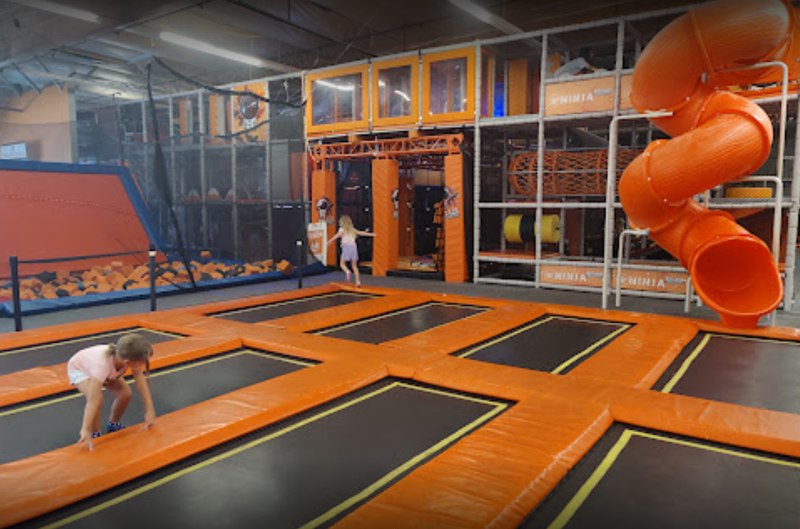
Introduction: Navigating the Global Market for trampoline park anchorage
In the competitive landscape of leisure and entertainment, sourcing a trampoline park in Anchorage presents unique challenges for international B2B buyers. As the demand for innovative recreational spaces grows, understanding the intricacies of trampoline park anchorage becomes crucial. This guide aims to equip buyers from diverse regions—Africa, South America, the Middle East, and Europe, including markets like Germany and Brazil—with the knowledge necessary to make informed purchasing decisions.
Navigating the global market for trampoline parks involves a comprehensive analysis of various types of facilities, their applications, and the latest trends in attractions and amenities. This guide delves into essential aspects such as supplier vetting processes, cost considerations, and operational best practices, ensuring that you not only identify reputable partners but also maximize your investment.
By providing actionable insights and a thorough exploration of the trampoline park landscape, this resource empowers you to confidently approach your purchasing strategy. Whether you’re looking to invest in a new facility or enhance an existing one, our guide is designed to support your journey in creating engaging, family-friendly environments that attract and retain customers in an ever-evolving market.
Understanding trampoline park anchorage Types and Variations
| Type Name | Key Distinguishing Features | Primary B2B Applications | Brief Pros & Cons for Buyers |
|---|---|---|---|
| Family Entertainment Center | Offers a wide range of attractions beyond trampolines, including arcade games, climbing walls, and toddler areas. | Ideal for family-oriented businesses and entertainment complexes. | Pros: Attracts diverse age groups; multiple revenue streams. Cons: Higher operational costs; requires extensive marketing. |
| Specialty Trampoline Park | Focused on specific activities like dodgeball, slam dunk basketball, or ninja courses. | Suitable for niche markets and competitive sports events. | Pros: Appeals to enthusiasts; potential for hosting tournaments. Cons: Limited audience; may require specialized equipment. |
| Event Venue Trampoline Park | Facilities designed for hosting parties, corporate events, and team-building activities. | Perfect for businesses looking to organize events or parties. | Pros: High demand for unique event spaces; customizable packages. Cons: Seasonal fluctuations in bookings; requires strong event management skills. |
| Fitness-Oriented Trampoline Park | Incorporates fitness classes and wellness programs alongside traditional trampoline activities. | Targets fitness centers and wellness programs. | Pros: Attracts health-conscious clientele; promotes community engagement. Cons: Requires trained staff; potential for higher liability. |
| Seasonal or Pop-Up Parks | Temporary installations that operate during peak seasons or events. | Useful for businesses testing markets or seasonal demand. | Pros: Lower initial investment; flexibility in location. Cons: Limited operational time; requires effective marketing to maximize attendance. |
What Are the Characteristics of Family Entertainment Centers?
Family Entertainment Centers (FECs) are versatile venues that combine trampolining with a variety of attractions such as arcade games, climbing walls, and dedicated areas for toddlers. This type of park is particularly suitable for businesses aiming to cater to families and mixed-age groups. B2B buyers should consider the potential for multiple revenue streams, as FECs can host parties and events, thus maximizing profitability. However, they also entail higher operational costs and require robust marketing strategies to attract a diverse audience.
How Do Specialty Trampoline Parks Stand Out?
Specialty trampoline parks focus on specific activities, such as dodgeball or ninja courses, catering to enthusiasts and competitive athletes. These parks are ideal for B2B buyers looking to create a niche market or host competitive events. The key advantage is their ability to attract a dedicated audience, which can lead to increased participation in events and tournaments. However, they may face challenges due to a limited audience and the need for specialized equipment, which can increase initial investment costs.
What Makes Event Venue Trampoline Parks a Smart Investment?
Event venue trampoline parks are designed specifically for hosting parties, corporate events, and team-building activities. They offer customizable packages that can appeal to various business clients, making them suitable for B2B applications. The high demand for unique event spaces can lead to significant revenue opportunities. However, these venues often experience seasonal fluctuations in bookings, requiring effective marketing and event management to maintain profitability throughout the year.
Why Choose Fitness-Oriented Trampoline Parks?
Fitness-oriented trampoline parks integrate fitness classes and wellness programs with traditional trampoline activities, targeting health-conscious clientele. This type of park is particularly relevant for B2B buyers looking to partner with fitness centers or wellness programs. The community engagement aspect can enhance customer loyalty and attract new visitors. However, these parks require trained staff to manage fitness programs and may face higher liability risks due to the nature of physical activities.
What Are the Benefits of Seasonal or Pop-Up Parks?
Seasonal or pop-up trampoline parks operate during peak seasons or special events, providing flexibility and lower initial investment. They are perfect for businesses testing new markets or responding to seasonal demand. B2B buyers can leverage these parks to create buzz and attract visitors in specific locations during high-traffic periods. However, the limited operational time and the need for effective marketing strategies can pose challenges in maximizing attendance and profitability.
Key Industrial Applications of trampoline park anchorage
| Industry/Sector | Specific Application of trampoline park anchorage | Value/Benefit for the Business | Key Sourcing Considerations for this Application |
|---|---|---|---|
| Family Entertainment | Hosting birthday parties and family events | Attracts families, increasing foot traffic and revenue | Location, safety standards, and equipment durability |
| Fitness and Recreation | Group fitness classes and wellness programs | Diversifies offerings, appealing to health-conscious consumers | Equipment quality, trainer qualifications, and space layout |
| Corporate Events | Team-building activities and corporate retreats | Enhances employee engagement and morale | Custom packages, availability of catering, and privacy |
| Tourism and Hospitality | Tourist attractions and local experiences | Boosts local economy by attracting visitors | Marketing partnerships, accessibility, and unique offerings |
| Education and Childcare | School outings and educational programs | Provides a fun learning environment for children | Safety compliance, group rates, and educational content |
How Can Trampoline Parks Serve the Family Entertainment Sector?
Trampoline parks, such as those in Anchorage, are ideal venues for hosting birthday parties and family events. They provide a unique and engaging environment that appeals to families looking for memorable experiences. By offering packages that include access to various attractions—like foam pits and dodgeball courts—these parks can significantly increase foot traffic and revenue. For international buyers, it’s essential to consider location, safety standards, and the durability of equipment to ensure a successful operation that meets local regulations.
What Role Do Trampoline Parks Play in Fitness and Recreation?
Incorporating trampoline parks into fitness and recreation sectors allows businesses to offer group fitness classes and wellness programs. These parks can host activities like trampoline aerobics, which are not only entertaining but also effective for physical fitness. This diversification of offerings can attract health-conscious consumers looking for innovative ways to stay active. Buyers should focus on equipment quality, trainer qualifications, and the layout of the space when sourcing trampoline park facilities to ensure a safe and enjoyable experience.
How Can Corporate Events Benefit from Trampoline Parks?
Trampoline parks can serve as excellent venues for corporate events, including team-building activities and retreats. By facilitating fun and interactive experiences, these parks enhance employee engagement and morale, fostering a positive work environment. Businesses interested in booking trampoline parks for corporate events should consider custom packages that include catering options and privacy to create a tailored experience that meets their specific needs.
How Do Trampoline Parks Contribute to Tourism and Hospitality?
As attractions, trampoline parks can significantly boost the local economy by drawing tourists and visitors. They can be marketed as part of broader tourism packages, offering unique experiences that complement local attractions. When sourcing trampoline parks for tourism, it’s important to assess marketing partnerships, accessibility for visitors, and the uniqueness of offerings to ensure they stand out in a competitive market.
What Educational Opportunities Do Trampoline Parks Offer?
Trampoline parks can also serve educational purposes, providing a fun learning environment for school outings and educational programs. This application helps schools engage students in physical activity while promoting teamwork and cooperation. Buyers in the education sector should focus on safety compliance, group rates, and the availability of educational content to create an enriching experience that aligns with school curricula.

Illustrative image related to trampoline park anchorage
3 Common User Pain Points for ‘trampoline park anchorage’ & Their Solutions
Scenario 1: Difficulty in Planning Large Group Events at Trampoline Parks
The Problem: B2B buyers often face challenges when organizing large group events, such as corporate team-building exercises or school field trips, at trampoline parks like Fly in Anchorage. Coordinating schedules, ensuring adequate space, and managing group activities can be overwhelming, especially when participants have varying ages and skill levels. Additionally, the concern of safety and liability becomes paramount when dealing with large groups in a high-energy environment like a trampoline park.
The Solution: To streamline the planning process, B2B buyers should initiate direct communication with the trampoline park management to discuss specific needs and expectations. Establishing a relationship with the park’s event coordinators can provide insights into available packages and custom options tailored for larger groups. It’s advisable to inquire about exclusive use of certain areas within the park, which can enhance the experience and provide a safer environment. Furthermore, buyers should consider booking during off-peak hours to secure more space and receive focused attention from staff. It is also critical to ensure that all participants complete liability waivers in advance, potentially using digital platforms to simplify this process.
Scenario 2: Navigating Seasonal Fluctuations in Attendance
The Problem: Many B2B buyers are concerned about seasonal fluctuations that can impact trampoline park attendance. For example, during summer months or holiday seasons, parks may experience a surge in visitors, while colder months or school sessions might see a significant drop. This unpredictability can complicate financial planning and resource allocation for businesses that rely on trampoline parks for entertainment or team-building activities.
The Solution: To mitigate the impact of seasonal changes, B2B buyers should diversify their event offerings throughout the year. Collaborating with trampoline parks to develop themed nights, special promotions, or holiday events can attract different demographics and keep attendance steady. Additionally, buyers should leverage social media marketing and local community partnerships to promote these events effectively. It’s also beneficial to analyze historical attendance data, which many parks can provide, to better predict and prepare for busy and slow periods. By planning events during peak times and offering exclusive promotions during slower months, businesses can create a balanced schedule that maximizes attendance and revenue.

Illustrative image related to trampoline park anchorage
Scenario 3: Ensuring Safety Compliance in a High-Energy Environment
The Problem: Safety is a paramount concern for B2B buyers when considering trampoline parks for events, especially given the physical nature of activities involved. Concerns about injury liability, adherence to safety regulations, and the proper training of staff can lead to hesitation in choosing a trampoline park as a venue for events. This is particularly critical in regions where safety standards may differ significantly from country to country.
The Solution: B2B buyers should conduct thorough research on the trampoline park’s safety protocols before committing to an event. This includes understanding their compliance with local health and safety regulations, staff training programs, and the measures they take to ensure a safe environment for all jumpers. It’s advisable to request documentation of safety certifications and staff training qualifications. Additionally, buyers can suggest a pre-event safety briefing to be held for all participants, which helps in setting clear expectations and reducing the likelihood of accidents. Engaging in these discussions and preparations not only helps in ensuring a safe environment but also builds trust with the trampoline park, leading to a more successful partnership.
Strategic Material Selection Guide for trampoline park anchorage
What Materials Are Best for Trampoline Park Anchorage?
In the construction and operation of trampoline parks, material selection is crucial for ensuring safety, durability, and overall performance. Below, we analyze four common materials used in trampoline park anchorage, highlighting their properties, advantages, disadvantages, and considerations for international B2B buyers.
1. Steel
Key Properties:
Steel is known for its high tensile strength and durability. It can withstand significant loads and is resistant to deformation under stress, making it ideal for structural components like frames and support beams.
Pros & Cons:
Steel’s primary advantage is its strength, which allows for the construction of robust frameworks that can support heavy trampoline systems. However, it is susceptible to corrosion if not properly treated, which can lead to maintenance challenges. The manufacturing process can be complex and costly, especially for custom designs.
Impact on Application:
Steel is compatible with various media, including high-impact activities, and is essential for ensuring the safety of users. Proper anchorage in the ground or base is necessary to prevent movement or instability.
Considerations for International Buyers:
Compliance with international standards such as ASTM (American Society for Testing and Materials) and DIN (Deutsches Institut für Normung) is essential. Buyers from regions like Europe may prefer galvanized or stainless steel to combat corrosion.
2. Foam
Key Properties:
Foam is lightweight, flexible, and provides excellent shock absorption. It is often used in foam pits and safety padding around trampolines.
Pros & Cons:
Foam’s primary advantage is its ability to absorb impact, reducing the risk of injury during jumps and falls. However, it can degrade over time, especially with exposure to moisture and UV light, leading to potential replacement costs.

Illustrative image related to trampoline park anchorage
Impact on Application:
Foam is specifically designed for high-impact environments, making it suitable for trampoline parks. Its compatibility with various activities enhances user experience and safety.
Considerations for International Buyers:
Buyers should ensure that the foam meets safety standards such as EN 71 (European safety standard for toys) and ASTM F2970 (standard for foam padding). In tropical regions, moisture resistance is a critical factor to consider.
3. PVC (Polyvinyl Chloride)
Key Properties:
PVC is a versatile plastic known for its chemical resistance, durability, and ease of maintenance. It is commonly used for trampoline surfaces and safety barriers.
Pros & Cons:
The main advantage of PVC is its resistance to wear and tear, making it suitable for high-traffic areas. However, it can become brittle in extreme temperatures, which may limit its application in regions with harsh climates.
Impact on Application:
PVC’s compatibility with various environmental conditions makes it ideal for outdoor trampoline parks. Its lightweight nature also facilitates easier installation and maintenance.

Illustrative image related to trampoline park anchorage
Considerations for International Buyers:
Compliance with local regulations regarding plastic materials is essential. Buyers in Europe may look for PVC that meets REACH regulations (Registration, Evaluation, Authorisation, and Restriction of Chemicals).
4. Rubber
Key Properties:
Rubber is known for its elasticity and durability. It is often used in flooring and padding around trampoline areas to enhance safety.
Pros & Cons:
The elasticity of rubber provides excellent shock absorption, minimizing the risk of injuries. However, high-quality rubber can be expensive, and lower-grade options may wear out quickly.
Impact on Application:
Rubber surfaces are ideal for trampoline parks as they provide grip and safety during activities. Their compatibility with various trampoline designs ensures a secure landing area.
Considerations for International Buyers:
Buyers should ensure that rubber products comply with ASTM standards for safety and performance. In regions with high humidity, moisture resistance is also a critical factor.
Summary Table
| Material | Typical Use Case for trampoline park anchorage | Key Advantage | Key Disadvantage/Limitation | Relative Cost (Low/Med/High) |
|---|---|---|---|---|
| Steel | Structural frames and support beams | High strength and durability | Susceptible to corrosion | High |
| Foam | Foam pits and safety padding | Excellent shock absorption | Degrades over time | Medium |
| PVC | Trampoline surfaces and safety barriers | Chemical resistance and easy maintenance | Can become brittle in extreme temperatures | Medium |
| Rubber | Flooring and padding | Provides grip and shock absorption | High-quality options can be expensive | High |
This comprehensive analysis provides B2B buyers with actionable insights into the materials suitable for trampoline park anchorage, ensuring informed decision-making that aligns with safety standards and regional preferences.
In-depth Look: Manufacturing Processes and Quality Assurance for trampoline park anchorage
What Are the Key Stages in the Manufacturing Process for Trampoline Parks?
The manufacturing process for trampoline parks, particularly in the context of Anchorage, involves several critical stages: material preparation, forming, assembly, and finishing. Each stage plays a vital role in ensuring that the trampolines and associated equipment meet safety and performance standards.
-
Material Preparation: The primary materials used in trampoline construction include high-quality steel for the frames, heavy-duty polypropylene for the jumping surfaces, and durable foam for safety padding. Sourcing these materials from reliable suppliers is crucial. B2B buyers should prioritize suppliers that provide certifications for material quality and safety compliance.
-
Forming: This stage involves shaping the materials into the desired components. For steel frames, processes such as cutting, bending, and welding are used to create robust structures. The trampoline beds are cut and sewn to specific dimensions to ensure optimal bounce and safety. Advanced techniques such as computer numerical control (CNC) machining can enhance precision during this phase.
-
Assembly: Once the components are formed, they are assembled into the final product. This stage often includes integrating safety features such as netting and padding. A focus on quality during assembly is paramount; any misalignment can lead to safety hazards. Utilizing skilled labor and following standardized assembly protocols can help mitigate risks.
-
Finishing: The finishing process involves applying protective coatings and surface treatments to enhance durability and aesthetics. Powder coating is commonly used for steel components to prevent rust and improve longevity. Additionally, the trampoline surfaces may undergo treatments to increase grip and reduce wear.
How Is Quality Assurance Implemented in Trampoline Manufacturing?
Quality assurance (QA) is critical in the trampoline manufacturing process to ensure safety and compliance with international standards. B2B buyers should be aware of the following QA methodologies and standards that are commonly applied.

Illustrative image related to trampoline park anchorage
-
International Standards: Compliance with international standards such as ISO 9001 is essential for manufacturers. This standard focuses on quality management systems and ensures that companies consistently provide products that meet customer and regulatory requirements. Buyers should request documentation of a supplier’s ISO certification to verify compliance.
-
Industry-Specific Certifications: Trampoline parks often require additional certifications such as the European Conformity (CE) mark and American National Standards Institute (ANSI) standards. These certifications indicate that the products meet specific safety and performance criteria. For instance, the ASTM F2970 standard is critical for trampoline parks in the U.S., ensuring that the equipment is safe for public use.
-
Quality Control Checkpoints: Implementing a systematic approach to quality control involves several checkpoints throughout the manufacturing process:
– Incoming Quality Control (IQC): This step involves inspecting raw materials upon arrival to ensure they meet specified standards before production begins.
– In-Process Quality Control (IPQC): During the manufacturing process, regular inspections are conducted to identify and rectify any defects early.
– Final Quality Control (FQC): Once the product is completed, a thorough inspection is performed to ensure that all aspects meet safety and quality standards before shipment.
What Testing Methods Are Commonly Used in Trampoline Quality Control?
Testing methods are integral to ensuring that trampoline park equipment is safe and durable. Some commonly used testing techniques include:
-
Load Testing: Trampolines are subjected to load tests to evaluate their ability to withstand weight and repeated use. This helps identify potential failure points and ensures that they can handle the expected number of users.
-
Bounce Tests: These tests assess the trampoline’s bounce performance, ensuring that it provides the intended level of responsiveness and safety for users.
-
Durability Tests: Equipment is tested for wear and tear under simulated conditions to gauge longevity. This includes exposure to environmental factors such as UV light and moisture.
-
Safety Compliance Testing: This involves ensuring that all safety features, such as padding and netting, meet regulatory standards. Compliance testing is often conducted by third-party laboratories to provide an unbiased assessment.
How Can B2B Buyers Verify Supplier Quality Control Practices?
For B2B buyers, verifying a supplier’s quality control practices is essential to ensure that the trampoline park equipment meets safety and performance standards. Here are actionable steps to consider:
-
Supplier Audits: Conducting on-site audits allows buyers to evaluate the manufacturing processes, quality control measures, and overall operational standards of potential suppliers. This firsthand observation can provide valuable insights into the supplier’s commitment to quality.
-
Requesting Quality Reports: Buyers should ask suppliers for detailed quality control reports, including metrics related to defect rates, compliance with international standards, and results from recent tests. This documentation can help assess the supplier’s reliability.
-
Third-Party Inspections: Engaging third-party inspection services can provide an independent evaluation of the supplier’s manufacturing processes and quality control measures. This is particularly important for international buyers who may not have the resources to conduct audits personally.
-
Understanding Certification Nuances: Different regions may have varying certification requirements. For example, European buyers should ensure that suppliers comply with CE marking regulations, while those in the Middle East may need to consider local safety standards. Buyers should familiarize themselves with the specific requirements relevant to their region to make informed decisions.
Conclusion
In conclusion, the manufacturing processes and quality assurance measures for trampoline parks are crucial for ensuring safety, durability, and performance. B2B buyers, particularly from Africa, South America, the Middle East, and Europe, should prioritize suppliers that adhere to international standards and demonstrate robust quality control practices. By understanding the manufacturing stages, quality assurance protocols, testing methods, and verification strategies, buyers can make informed decisions that align with their business needs and customer expectations.
Practical Sourcing Guide: A Step-by-Step Checklist for ‘trampoline park anchorage’
Introduction
This guide serves as a practical sourcing checklist for B2B buyers interested in procuring trampoline park facilities in Anchorage. By following these steps, you can ensure that your investment aligns with industry standards and meets the expectations of your target market.
Step 1: Identify Your Target Market
Understanding who your trampoline park will serve is crucial. Consider demographics such as age groups, interests, and local competition. Tailoring your offerings—like toddler sessions or teen nights—can significantly impact your park’s popularity and profitability.
Step 2: Define Your Technical Specifications
Before reaching out to suppliers, outline the specific features and equipment you require. This includes the types of trampolines, safety features, and additional attractions like foam pits or climbing walls. Clear specifications will help you communicate your needs effectively and ensure suppliers can meet your requirements.
Step 3: Research Potential Suppliers
Conduct thorough research to identify reputable suppliers who specialize in trampoline park equipment. Look for companies with a proven track record and positive customer feedback. Utilize online platforms, trade shows, and industry contacts to gather a list of potential partners.
- Key Considerations:
- Review their portfolio of past projects.
- Check for industry certifications that demonstrate compliance with safety standards.
Step 4: Evaluate Supplier Offerings
Once you have a shortlist of suppliers, compare their product offerings. Assess the quality, durability, and safety features of their equipment. It’s essential to prioritize suppliers who provide comprehensive warranties and maintenance support, as these factors can influence long-term operational success.
Step 5: Request Proposals and Quotes
Engage with selected suppliers to request detailed proposals and pricing information. Ensure that the quotes include all costs associated with the equipment, installation, and any additional services. This transparency will help you make informed financial decisions and avoid unexpected expenses.
Step 6: Verify Supplier References
Before finalizing a supplier, it’s critical to verify their references. Contact previous clients to discuss their experiences, focusing on aspects such as delivery timelines, customer service, and post-installation support. This step will provide insights into the supplier’s reliability and the quality of their products.
Step 7: Finalize Contracts and Agreements
Once you have selected a supplier, carefully review and finalize the contract. Ensure that all terms, including delivery schedules, payment terms, and warranties, are clearly outlined. Having a well-defined agreement will protect your investment and foster a positive working relationship with your supplier.
By following this checklist, you can confidently navigate the procurement process for a trampoline park in Anchorage, ensuring a successful venture that meets the demands of your target audience.
Comprehensive Cost and Pricing Analysis for trampoline park anchorage Sourcing
What Are the Key Cost Components in Sourcing for Trampoline Parks in Anchorage?
When analyzing the cost structure for trampoline parks in Anchorage, several components come into play. The primary cost elements include materials, labor, manufacturing overhead, tooling, quality control (QC), logistics, and profit margins.
Materials are a significant cost driver, encompassing the trampolines themselves, safety padding, foam pit materials, and arcade equipment. High-quality materials are essential for ensuring safety and durability, which can influence initial procurement costs.
Labor costs involve wages for staff, including trainers, maintenance personnel, and administrative roles. Given the seasonal nature of trampoline park usage, labor costs may fluctuate based on peak and off-peak seasons.
Manufacturing overhead includes expenses related to utilities, facility maintenance, and equipment depreciation. This overhead can be substantial, particularly if the park includes advanced features like climbing walls and VR experiences.
Tooling costs are relevant if custom features or specialized equipment are being sourced. For instance, unique attractions might require custom manufacturing processes, leading to increased expenses.
Quality control is crucial in the trampoline park industry, where safety is paramount. Investing in stringent QC measures can prevent costly accidents and enhance customer satisfaction, thereby influencing long-term profitability.
Logistics costs cover the transportation of materials and equipment to Anchorage. These costs can vary significantly based on the supplier’s location and the chosen shipping method, especially for international buyers.
Profit margins in the trampoline park sector typically range from 10% to 30%, depending on market conditions and operational efficiency. Understanding these margins is vital for B2B buyers to gauge the overall financial health of potential suppliers.
What Factors Influence Pricing for Trampoline Park Equipment and Supplies?
Several factors influence pricing for trampoline park equipment and supplies.
Volume and Minimum Order Quantity (MOQ) are critical, as larger orders often lead to discounts. Suppliers may offer better pricing tiers based on volume, encouraging B2B buyers to negotiate larger contracts.
Specifications and Customization can significantly affect pricing. Custom features, like themed attractions or specialized safety measures, may incur additional costs. Buyers should clearly define their requirements to avoid unexpected expenses.
Material quality and certifications also play a vital role. Higher-quality materials and safety certifications (e.g., ASTM standards) can increase upfront costs but often result in lower long-term maintenance and insurance costs.
Supplier factors include the supplier’s reputation, reliability, and the geographical location of the manufacturing facility. Suppliers with a strong track record may command higher prices but could also offer better service and support.

Illustrative image related to trampoline park anchorage
Incoterms should be carefully considered by international buyers, as they dictate the responsibilities of buyers and sellers in shipping logistics. Understanding these terms can help buyers anticipate additional costs and risks associated with international procurement.
What Are the Best Buyer Tips for Negotiating Costs in Trampoline Park Sourcing?
For international B2B buyers, particularly from regions like Africa, South America, the Middle East, and Europe, effective negotiation strategies can lead to significant cost savings.
Start by conducting thorough market research to understand prevailing prices and supplier capabilities. This knowledge will empower you during negotiations and help you identify reasonable pricing thresholds.
Consider the Total Cost of Ownership (TCO), which includes not just the initial purchase price but also maintenance, operational, and logistics costs over the equipment’s lifespan. This perspective can help justify higher upfront costs if they result in lower long-term expenses.

Illustrative image related to trampoline park anchorage
Be open to negotiation on payment terms. Suppliers may offer flexible financing options or payment plans that can help manage cash flow while making significant purchases.
Finally, establish long-term relationships with suppliers. Building rapport can lead to better pricing, priority service, and access to exclusive deals or new product lines.
Disclaimer on Indicative Prices
Prices for trampoline park equipment and supplies can vary widely based on the factors discussed above. Buyers should seek quotes from multiple suppliers and consider all cost components to ensure informed purchasing decisions.
Alternatives Analysis: Comparing trampoline park anchorage With Other Solutions
Exploring Alternative Solutions to Trampoline Parks in Anchorage
When evaluating the viability of trampoline parks like those in Anchorage, it is essential to consider alternative recreational solutions that can fulfill similar objectives. These alternatives may cater to different market segments and operational models, providing insights into their performance, cost-effectiveness, and overall value proposition.

Illustrative image related to trampoline park anchorage
| Comparison Aspect | Trampoline Park Anchorage | Indoor Rock Climbing Gym | Adventure Park |
|---|---|---|---|
| Performance | High-energy, engaging environment with varied activities (trampolines, foam pits, etc.) | Offers vertical challenges and physical engagement | Combines multiple activities (zip-lining, climbing, obstacle courses) |
| Cost | Moderate entry fees; additional costs for parties and events | Typically higher initial setup costs; variable pricing based on activity | Can be costly due to diverse attractions; potential for group discounts |
| Ease of Implementation | Requires substantial space and safety measures; existing demand | Requires specialized equipment and trained staff | Complex setup with multiple attractions; requires significant investment |
| Maintenance | Regular maintenance needed for safety and cleanliness | Ongoing upkeep of climbing structures and safety gear | High maintenance due to varied attractions and potential wear |
| Best Use Case | Ideal for family entertainment, birthday parties, and group events | Best for fitness enthusiasts and those seeking climbing challenges | Suitable for a broader audience looking for varied adventure experiences |
Indoor Rock Climbing Gym: Pros and Cons
Indoor rock climbing gyms offer an engaging alternative to trampoline parks by focusing on vertical challenges and fitness. They provide an excellent workout and cater to those who enjoy climbing and bouldering. However, the initial setup costs can be higher due to specialized equipment and safety measures. Additionally, while they attract fitness enthusiasts, they may not appeal as broadly to families looking for diverse entertainment options.
Adventure Park: Pros and Cons
Adventure parks combine multiple activities, including zip-lining, climbing, and obstacle courses, appealing to a wide demographic. They provide a unique outdoor experience, promoting physical fitness and teamwork. However, the complexity of setup and higher costs can be a barrier for some operators. Maintenance is another consideration, as the variety of attractions requires regular upkeep to ensure safety and enjoyment for all participants.
Conclusion: Choosing the Right Recreational Solution
For B2B buyers, selecting the right recreational facility depends on understanding the specific needs of their target market. If the goal is to create a family-friendly environment that promotes active engagement, a trampoline park may be ideal. However, if the focus shifts towards fitness or adventure, alternatives like rock climbing gyms or adventure parks could offer more tailored experiences. Ultimately, a thorough analysis of market demand, operational costs, and maintenance requirements will guide buyers in making informed decisions that align with their business objectives.
Essential Technical Properties and Trade Terminology for trampoline park anchorage
What are the Key Technical Properties for Trampoline Park Anchorage?
When considering the establishment or enhancement of a trampoline park, several technical properties are critical to ensure safety, durability, and customer satisfaction. Understanding these properties can help B2B buyers make informed decisions when sourcing equipment and materials.
-
Material Grade
The material grade refers to the quality and type of materials used in constructing trampolines and related equipment. Common materials include high-grade steel for frames, durable polypropylene for jumping surfaces, and high-density foam for safety padding. Selecting the right material grade is vital, as it impacts the longevity and safety of the equipment, ensuring compliance with international safety standards. -
Load Capacity
Load capacity defines the maximum weight that trampoline structures can safely support. This specification is crucial for trampoline parks, as it determines the number of jumpers per trampoline and overall park capacity. B2B buyers must ensure that the load capacity meets local safety regulations and accommodates the target demographic, including adults and children. -
Bounce Rate
Bounce rate measures the energy return from the trampoline surface, influencing user experience. A higher bounce rate indicates better performance, providing a more enjoyable experience for jumpers. Buyers should consider bounce rate when selecting trampolines, as it affects customer satisfaction and repeat business. -
Safety Tolerance
Safety tolerance refers to the design specifications that account for potential impacts and the structural integrity of trampolines. This property includes features such as reinforced stitching and safety netting. Understanding safety tolerance is essential for B2B buyers, as it ensures compliance with health and safety regulations and minimizes liability risks. -
Environmental Resistance
This property refers to the ability of materials and equipment to withstand various environmental conditions, such as humidity, temperature fluctuations, and UV exposure. Equipment designed with environmental resistance in mind will have a longer lifespan and reduced maintenance costs, making it a wise investment for trampoline park operators.
What are the Common Trade Terms in the Trampoline Park Industry?
Familiarity with industry jargon is essential for B2B buyers in the trampoline park sector. Understanding these terms can facilitate smoother negotiations and operational efficiency.
-
OEM (Original Equipment Manufacturer)
An OEM is a company that produces parts or equipment that may be marketed by another manufacturer. In the trampoline park context, buyers often source trampolines and safety equipment from OEMs to ensure quality and compatibility with existing facilities. -
MOQ (Minimum Order Quantity)
MOQ refers to the smallest number of units a supplier is willing to sell. This term is significant for B2B buyers as it impacts inventory management and cost efficiency. Understanding MOQ helps buyers plan their purchasing strategy to avoid overstocking or stockouts. -
RFQ (Request for Quotation)
An RFQ is a document sent to suppliers requesting pricing and terms for specified products or services. B2B buyers often use RFQs to obtain competitive pricing for trampoline park equipment, ensuring they secure the best deal for their investment. -
Incoterms (International Commercial Terms)
Incoterms are standardized international shipping terms that define the responsibilities of buyers and sellers in a transaction. Understanding these terms is crucial for B2B buyers involved in international procurement, as they clarify shipping costs, insurance, and risk management during transportation. -
Lead Time
Lead time refers to the time taken from placing an order to receiving the goods. For trampoline parks, understanding lead times is essential for planning new installations or expansions, as delays can affect opening dates and operational schedules. -
Warranty Period
The warranty period is the time frame during which a product is guaranteed against defects and malfunctions. Buyers should pay attention to warranty terms when purchasing trampoline equipment to ensure long-term support and protection against potential issues.
By understanding these technical properties and trade terms, B2B buyers can make informed decisions, ensuring the successful establishment and operation of trampoline parks while minimizing risks and maximizing customer satisfaction.
Navigating Market Dynamics and Sourcing Trends in the trampoline park anchorage Sector
What Are the Current Market Dynamics and Key Trends in the Trampoline Park Sector?
The trampoline park sector in Anchorage is experiencing notable growth driven by several global trends. Increasing consumer demand for interactive and engaging recreational activities is fueling the expansion of trampoline parks as popular family entertainment centers. The rise in health consciousness among consumers, especially post-pandemic, is also leading to a surge in interest in fitness-related entertainment, where trampoline parks serve as a unique solution combining fun and physical activity.
Internationally, B2B buyers from regions such as Africa, South America, the Middle East, and Europe are increasingly looking to invest in trampoline parks due to the relatively low operational costs and high ROI potential. Emerging technologies, such as advanced booking systems and interactive gaming experiences, are becoming essential components for attracting customers. Furthermore, the integration of augmented reality (AR) and virtual reality (VR) into trampoline park attractions is gaining traction, offering a competitive edge in a saturated market.
Sourcing trends indicate a shift towards more sustainable equipment and materials. Buyers are increasingly interested in suppliers that can provide eco-friendly options, such as recyclable materials for park construction and energy-efficient systems for operational efficiency. This trend aligns with the growing consumer preference for businesses that prioritize sustainability.
How Can Sustainability and Ethical Sourcing Impact the Trampoline Park Industry?
Sustainability is becoming a pivotal factor in the trampoline park industry, especially for international B2B buyers who are increasingly aware of the environmental impact of their investments. The trampoline park sector contributes to waste and resource consumption; thus, implementing sustainable practices can significantly mitigate these effects. This includes sourcing materials that are durable and recyclable, reducing the overall carbon footprint of park operations.
Ethical sourcing is equally important as it enhances brand reputation and customer loyalty. B2B buyers are now more inclined to partner with suppliers who adhere to ethical labor practices and sustainable production methods. Certifications such as ISO 14001 for environmental management systems or FSC (Forest Stewardship Council) certification for wood products can serve as critical indicators of a supplier’s commitment to sustainability.
In Anchorage, trampoline parks can capitalize on this trend by promoting their use of ‘green’ materials and practices. For instance, parks can utilize eco-friendly padding and flooring options, energy-efficient lighting, and water-saving technologies, which not only appeal to environmentally conscious consumers but also reduce operational costs in the long run.
What Is the Historical Context of Trampoline Parks in Anchorage?
The trampoline park concept emerged in the late 20th century, gaining traction as a unique form of entertainment and fitness. In Anchorage, the establishment of parks like Fly Trampoline Park has marked a significant evolution in recreational activities available to families. Initially, trampoline parks focused primarily on open jump areas but have since diversified their offerings to include attractions such as foam pits, dodgeball courts, and interactive gaming systems.

Illustrative image related to trampoline park anchorage
The closure of established parks, such as Shockwave, highlights the market’s volatility and the need for continuous innovation and adaptation to changing consumer preferences. Successful trampoline parks in Anchorage have embraced this challenge, evolving their services to include themed nights, special events, and partnerships with local fitness organizations, positioning themselves as vital community hubs for family entertainment.
This historical context provides valuable insights for B2B buyers looking to invest in trampoline parks, emphasizing the importance of adaptability and community engagement in ensuring long-term success in this dynamic market.
Frequently Asked Questions (FAQs) for B2B Buyers of trampoline park anchorage
-
How do I ensure quality when sourcing trampoline park equipment from Anchorage?
To ensure quality when sourcing trampoline park equipment, start by conducting thorough research on potential suppliers. Request samples and certifications to verify compliance with safety standards. Establish clear quality assurance processes and ask about their manufacturing practices. Consider visiting the facility if possible, or arrange for a third-party inspection. Additionally, gather reviews or testimonials from other businesses that have sourced equipment from the supplier to gauge their reliability and product quality. -
What are the key factors to consider when choosing a trampoline park supplier in Anchorage?
When selecting a trampoline park supplier, consider their experience and reputation in the industry, the range of products offered, and their compliance with safety regulations. Evaluate their customer service and support, including warranty and maintenance options. It’s also essential to discuss customization capabilities to tailor products to your specific needs. Finally, assess logistics, including shipping costs and delivery timelines, to ensure they align with your operational requirements. -
What payment terms are typical for B2B transactions in the trampoline park industry?
Payment terms can vary significantly among suppliers. Common practices include a 30% deposit upfront, with the balance due upon delivery or installation. Some suppliers may offer net 30 or net 60 terms, allowing you time to generate revenue before full payment is required. Always clarify payment methods accepted, including wire transfers or credit terms, and ensure that all terms are documented in your contract to avoid misunderstandings. -
What is the minimum order quantity (MOQ) for trampoline park equipment?
The MOQ for trampoline park equipment can vary widely based on the supplier and the type of equipment. Some suppliers may have flexible MOQs for smaller businesses or first-time buyers, while larger orders may benefit from bulk discounts. It’s advisable to communicate your specific needs and negotiate terms that work for both parties. Understanding your budget and operational capacity can help you determine the most feasible order size. -
How can I evaluate the safety standards of trampoline park equipment?
To evaluate safety standards, request documentation that proves compliance with international safety regulations, such as ASTM or EN standards. Suppliers should provide safety certifications and testing reports for their equipment. Additionally, inquire about the materials used in manufacturing, as high-quality, durable materials significantly enhance safety. Implementing a regular inspection and maintenance schedule for the equipment once it is installed can also help ensure ongoing safety for users. -
What logistics considerations should I keep in mind when importing trampoline park equipment?
When importing trampoline park equipment, consider factors such as shipping methods, customs clearance, and potential tariffs. Collaborate with a logistics provider experienced in international trade to streamline the process. Determine the most cost-effective shipping routes and timelines, and factor in any additional handling or insurance costs. Understanding the import regulations of your destination country is crucial to avoid delays and ensure compliance with local laws. -
Can trampoline park equipment be customized for different markets?
Yes, many suppliers offer customization options to cater to different markets, including specific sizes, colors, and branding elements. Discuss your requirements upfront and inquire about the design flexibility they can provide. Customization can help align the equipment with local cultural preferences and enhance the overall experience for visitors. However, be mindful that custom orders may affect lead times and pricing. -
How do I identify reliable suppliers for trampoline parks in Anchorage?
To identify reliable suppliers, start by researching industry associations and directories that list certified trampoline park equipment manufacturers. Attend trade shows or industry events to network with suppliers and see their products firsthand. Utilize online platforms for reviews and recommendations from other businesses. Building relationships with suppliers through open communication and regular follow-ups can also help ensure a trustworthy partnership.
Top 7 Trampoline Park Anchorage Manufacturers & Suppliers List
1. Fly Trampoline Park – Trampoline Adventure Complex

Domain: flytrampolinepark.com
Registered: 2017 (8 years)
Introduction: Fly Trampoline Park Anchorage offers a trampoline adventure complex with interconnected padded trampolines, foam pits, slam dunk basketball, arcade games, and special toddler time for children aged 6 and under. Key attractions include a Sports Court, Climbing Wall, Wipe Out Game, Dodgeball, Basketball, and an Interactive Game System. The park has specific hours for Open Jump and weekly events such…
2. Shockwave Parks – Indoor Trampoline Fun

Domain: shockwaveparks.com
Registered: 2015 (10 years)
Introduction: Indoor Trampoline Park located in Anchorage, over 25,000 square feet, family-friendly, offers party packages for birthdays and corporate events, features fun and durable equipment, hosts events like Cosmic Nights and Toddler Time Fridays, and has specific operating hours: TUE-THU 12p-9p, FRI 12p-10p, SAT 11a-10p, SUN 11a-8p. All jumpers must fill out a liability waiver.
3. Yelp – Best Trampoline Parks in Anchorage

Domain: yelp.com
Registered: 2003 (22 years)
Introduction: This company, Yelp – Best Trampoline Parks in Anchorage, is a notable entity in the market. For specific product details, it is recommended to visit their website directly.
4. Fly Trampoline Park – Jumping Fun

Domain: facebook.com
Registered: 1997 (28 years)
Introduction: This company, Fly Trampoline Park – Jumping Fun, is a notable entity in the market. For specific product details, it is recommended to visit their website directly.
5. Get Air – Indoor Trampoline Park

Domain: getairsports.com
Registered: 2011 (14 years)
Introduction: Get Air Trampoline Park offers indoor entertainment with locations for birthday parties, jump tickets, deals, memberships, and gift cards. Customers can find their nearest park, book parties, and join the Hoppy Hour Insiders Club for updates and promotions.
6. Fly Trampoline Park – Energetic Family Fun

Domain: anchorage.kidsoutandabout.com
Registered: 2001 (24 years)
Introduction: Fly Trampoline Park South Anchorage offers an energetic and safe environment for kids, teens, and adults to jump, play, and stay active. Key features include:
– Address: 11051 O’Malley Centre Dr, Anchorage, AK, 99515
– Phone: (907) 334-5867
– Website: https://flytrampolinepark.com/anchorage/
– Offers birthday parties for ages 4 to 12 and teens.
– Attractions include open jump areas, dodgeball cour…
7. The Alaska Club – Fly Family Memberships

Domain: thealaskaclub.com
Registered: 1998 (27 years)
Introduction: Fly Family Memberships at The Alaska Club include free daily access to Fly Trampoline Park for parents and their children (up to 17 years of age) listed on the membership. Members receive 2 hours of free access daily. Locations available in Anchorage, Wasilla, and Fairbanks. Membership allows for easy check-in at Fly Trampoline Park by scanning The Alaska Club card. Features at Fly Trampoline Park…
Strategic Sourcing Conclusion and Outlook for trampoline park anchorage
In evaluating the trampoline park landscape in Anchorage, key insights emerge for international B2B buyers. The local market, characterized by family-oriented entertainment venues like Fly Trampoline Park, highlights the growing demand for recreational activities that cater to diverse age groups. Strategic sourcing in this sector involves not only assessing facility offerings—such as open jump sessions, toddler time, and unique attractions like foam pits and ninja courses—but also understanding customer engagement strategies and pricing structures that appeal to families.
Moreover, the recent closure of competitors like Shockwave Trampoline Park underscores the importance of adaptability in business operations. Buyers should prioritize partnerships with established brands that have a proven track record and innovative offerings to ensure sustainable growth. The collaboration between local gyms and trampoline parks, such as the Alaska Club’s family membership program, represents a forward-thinking approach that can enhance customer loyalty and drive foot traffic.
As you explore opportunities in the Anchorage trampoline park market, consider how strategic sourcing can elevate your business model. Engage with local operators and assess the potential for expansion in emerging markets. The sky’s the limit—take the leap into this vibrant sector and capitalize on the growing demand for family-friendly entertainment.

Illustrative image related to trampoline park anchorage
Important Disclaimer & Terms of Use
⚠️ Important Disclaimer
The information provided in this guide, including content regarding manufacturers, technical specifications, and market analysis, is for informational and educational purposes only. It does not constitute professional procurement advice, financial advice, or legal advice.
While we have made every effort to ensure the accuracy and timeliness of the information, we are not responsible for any errors, omissions, or outdated information. Market conditions, company details, and technical standards are subject to change.
B2B buyers must conduct their own independent and thorough due diligence before making any purchasing decisions. This includes contacting suppliers directly, verifying certifications, requesting samples, and seeking professional consultation. The risk of relying on any information in this guide is borne solely by the reader.

Leave a Reply