Introduction: Navigating the Global Market for indoor play areas in chicago
In the dynamic landscape of leisure and entertainment, sourcing indoor play areas in Chicago presents a unique opportunity for international B2B buyers. As families increasingly seek safe, engaging environments for their children, the demand for diverse indoor play solutions has surged. However, navigating this market can be challenging due to varying design concepts, age-appropriate attractions, and budget considerations. This guide aims to demystify the complexities of sourcing indoor play areas, providing detailed insights into the types of facilities available, their applications, and effective supplier vetting practices.
From trampoline parks to interactive museums, Chicago boasts a wide array of indoor play options that cater to different age groups and interests. This comprehensive resource will cover key factors such as cost analysis, trends in children’s entertainment, and best practices for selecting reliable suppliers. By equipping international buyers from regions like Africa, South America, the Middle East, and Europe—including countries such as Nigeria and Brazil—with actionable insights, this guide empowers them to make informed purchasing decisions that align with their business goals.
Ultimately, understanding the indoor play area market in Chicago not only enhances your investment strategy but also positions your business to meet the evolving demands of families seeking quality recreational experiences.
Understanding indoor play areas in chicago Types and Variations
| Type Name | Key Distinguishing Features | Primary B2B Applications | Brief Pros & Cons for Buyers |
|---|---|---|---|
| Trampoline Parks | Large trampoline areas, foam pits, and obstacle courses | Franchise opportunities, event hosting | Pros: High engagement; Cons: High liability insurance costs. |
| Soft Play Areas | Multi-level structures with soft play equipment for toddlers | Family entertainment centers, daycare facilities | Pros: Safe for younger children; Cons: Limited appeal for older kids. |
| Themed Play Cafes | Interactive play zones with a café atmosphere | Unique selling proposition for cafes | Pros: Attracts parents; Cons: Higher operational costs. |
| Adventure & Climbing Centers | Climbing walls, zip lines, and adventure courses | Corporate team-building, family outings | Pros: Appeals to older children; Cons: Requires specialized staff. |
| Educational Play Spaces | Focus on learning through play, often with themed activities | Schools, educational programs, child development | Pros: Promotes cognitive development; Cons: May require more investment in staff training. |
What Are the Key Characteristics of Trampoline Parks in Chicago?
Trampoline parks are characterized by their expansive areas filled with interconnected trampolines, foam pits, and various obstacle courses. They cater to a wide age range, making them suitable for family outings and birthday parties. B2B buyers, particularly those looking to invest in franchises, should consider the high engagement levels that trampoline parks offer, which can drive foot traffic. However, potential investors should be aware of the significant liability insurance costs associated with such facilities.

Illustrative image related to indoor play areas in chicago
How Do Soft Play Areas Cater to Younger Children?
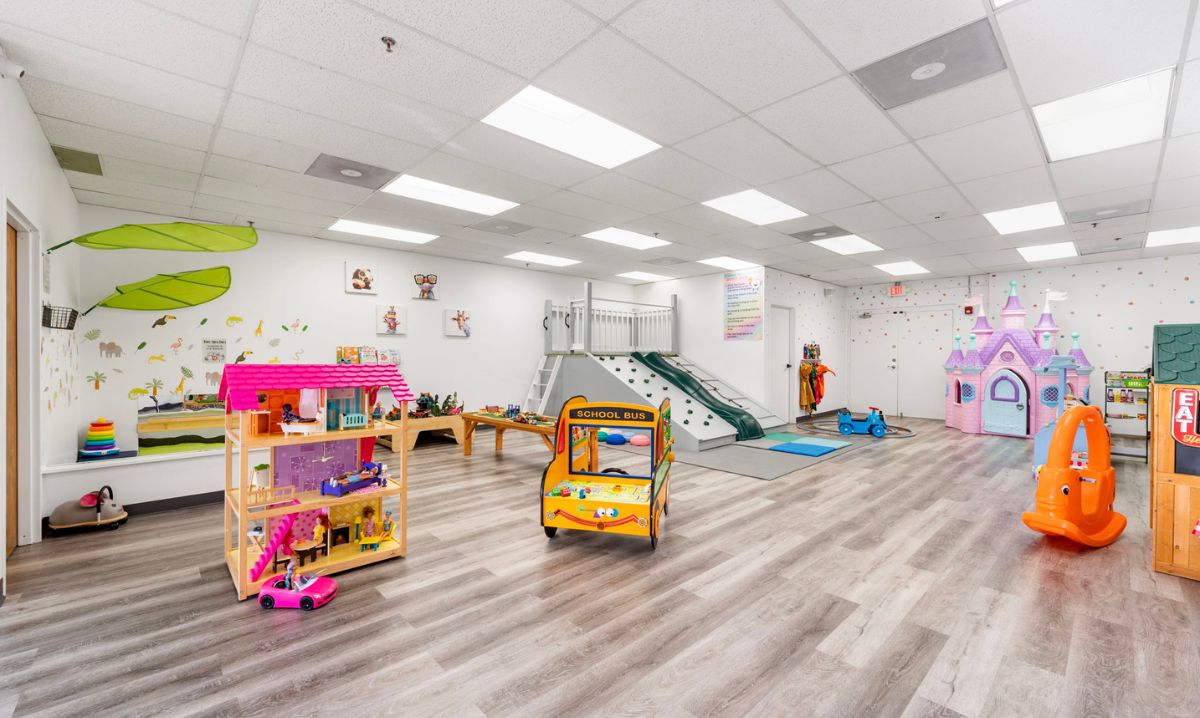
Soft play areas are designed specifically for younger children, featuring multi-level structures filled with soft, safe equipment. These areas often include ball pits, slides, and climbing structures, making them ideal for daycare centers and family entertainment venues. B2B buyers should note the appeal of soft play areas to parents seeking safe environments for their toddlers. However, the primary limitation is that these spaces may not attract older children, which could impact overall revenue.
What Makes Themed Play Cafes a Unique Offering?
Themed play cafes combine interactive play zones with a café atmosphere, creating a unique environment for families. These spaces often include themed decor and activities, enhancing the overall experience for children and parents alike. B2B applications include establishing a distinctive brand identity for cafes that can draw in customers. While themed play cafes can attract parents looking for a place to socialize, the operational costs may be higher due to the need for specialized decor and staffing.
How Do Adventure & Climbing Centers Attract Older Kids?
Adventure and climbing centers provide thrilling experiences through climbing walls, zip lines, and adventure courses. These facilities cater to older children and teens, making them ideal for corporate team-building events and family outings. B2B buyers should consider the potential for high revenue through group bookings and events. However, these centers require specialized staff and safety measures, which can increase operational complexity.
Why Are Educational Play Spaces Important for Child Development?
Educational play spaces focus on learning through interactive play, often incorporating themed activities that promote cognitive development. These spaces are suitable for schools and educational programs, making them a valuable investment for B2B buyers in the education sector. The key advantage is their ability to foster learning while entertaining children, but they may require additional investment in staff training and curriculum development to ensure effective educational outcomes.
Key Industrial Applications of indoor play areas in chicago
| Industry/Sector | Specific Application of Indoor Play Areas in Chicago | Value/Benefit for the Business | Key Sourcing Considerations for this Application |
|---|---|---|---|
| Family Entertainment Centers | Hosting birthday parties and events for children | Increased foot traffic and revenue through party bookings | Location, capacity, safety standards, and amenities |
| Early Childhood Education | Incorporating play areas into educational institutions | Enhanced learning experiences through play-based activities | Compliance with educational standards and safety regulations |
| Retail and Shopping Centers | Creating family-friendly spaces within malls and retail outlets | Increased dwell time and customer satisfaction | Design integration, accessibility, and maintenance costs |
| Hospitality and Tourism | Developing indoor play areas in hotels and resorts | Attracting families and enhancing guest experience | Space utilization, safety measures, and theme alignment |
| Health and Wellness Facilities | Integrating play areas into pediatric healthcare facilities | Promoting physical activity and mental well-being | Health regulations, safety protocols, and design suitability |
How Can Family Entertainment Centers Utilize Indoor Play Areas in Chicago?
Family entertainment centers can leverage indoor play areas in Chicago to host birthday parties and special events, providing a unique experience for children and parents alike. This application helps to increase foot traffic, resulting in higher revenue from party bookings. For international buyers, considerations should include the location of the facility, capacity to accommodate large groups, adherence to safety standards, and the availability of amenities like food service and entertainment options.

Illustrative image related to indoor play areas in chicago
What Role Do Indoor Play Areas Play in Early Childhood Education?
In the realm of early childhood education, integrating indoor play areas into educational institutions can significantly enhance learning experiences. These spaces allow for play-based learning, which is crucial for child development. Buyers from regions such as Africa and South America should focus on compliance with educational standards and safety regulations, ensuring that the play areas are designed to facilitate both fun and educational activities.
How Do Retail and Shopping Centers Benefit from Indoor Play Areas?
Retail and shopping centers can create family-friendly environments by incorporating indoor play areas, which can boost customer satisfaction and encourage longer shopping durations. This application is particularly appealing to buyers looking to enhance their retail strategy. Key sourcing considerations include the design integration of play areas into existing spaces, accessibility for families, and ongoing maintenance costs to keep the area safe and appealing.
Why Are Indoor Play Areas Important for Hospitality and Tourism?
Hotels and resorts can attract families by developing indoor play areas, which enhance the overall guest experience. This is crucial in a competitive tourism market where family amenities can be a deciding factor for travelers. For international buyers, important considerations include efficient space utilization, robust safety measures, and thematic alignment with the overall brand of the hotel or resort to ensure a cohesive guest experience.
How Can Health and Wellness Facilities Incorporate Indoor Play Areas?
Pediatric healthcare facilities can integrate indoor play areas to promote physical activity and mental well-being among young patients. These spaces provide a comforting environment that can ease anxiety during medical visits. Buyers should pay attention to health regulations, safety protocols, and the suitability of the design to ensure that the play areas meet both therapeutic needs and safety standards.
3 Common User Pain Points for ‘indoor play areas in chicago’ & Their Solutions
Scenario 1: Navigating the Diverse Offerings of Indoor Play Areas in Chicago
The Problem: B2B buyers, especially those operating in international markets, often encounter difficulties in distinguishing between the various indoor play areas in Chicago. With a plethora of options ranging from trampoline parks to educational play cafes, it can be overwhelming to identify the best fit for their specific target demographics. Misalignment can lead to poor customer experiences, resulting in lost business opportunities and negative reviews.

Illustrative image related to indoor play areas in chicago
The Solution: To effectively navigate this landscape, buyers should conduct thorough market research to understand the unique offerings of each indoor play area. This involves not just visiting websites but also engaging with local stakeholders, such as parents and educators, to gather insights on preferences and trends. Additionally, leveraging social media platforms and local parenting forums can provide valuable feedback on customer experiences. Once equipped with this information, B2B buyers can curate a selection of play areas that cater specifically to their target audience, ensuring a more personalized and engaging experience for families.
Scenario 2: Ensuring Safety and Cleanliness in Indoor Play Areas
The Problem: Safety and cleanliness are paramount concerns for B2B buyers looking to partner with indoor play areas in Chicago. With increasing scrutiny on hygiene standards, especially post-pandemic, buyers face the challenge of ensuring that the venues they choose uphold rigorous safety protocols. Failing to do so can tarnish their reputation and lead to significant liability issues.
The Solution: Buyers should prioritize conducting onsite assessments of potential indoor play areas to evaluate their safety and cleanliness measures. This includes checking for regular maintenance schedules, staff training on hygiene practices, and the availability of safety certifications. Furthermore, establishing a checklist of safety standards that align with both local regulations and international best practices can help streamline the evaluation process. By choosing to collaborate with venues that demonstrate a commitment to safety and hygiene, B2B buyers can enhance their credibility and reassure customers, ultimately fostering trust and loyalty.
Scenario 3: Managing Operational Costs While Maximizing Customer Engagement
The Problem: B2B buyers often grapple with the challenge of balancing operational costs with the need to provide engaging experiences in indoor play areas. High overhead costs can limit the ability to offer competitive pricing or invest in innovative features that attract families, leading to a decline in foot traffic and revenue.
The Solution: To address this issue, buyers should explore partnerships with indoor play areas that offer flexible pricing structures or customizable packages. For example, negotiating bulk pricing for group events or memberships can yield significant savings. Additionally, implementing seasonal promotions or loyalty programs can incentivize repeat visits without incurring substantial costs. Buyers can also consider incorporating technology, such as mobile apps for booking and payments, to streamline operations and reduce staffing needs. By focusing on operational efficiency while enhancing customer engagement through innovative pricing and promotional strategies, B2B buyers can drive profitability and sustain growth in the competitive landscape of indoor play areas.
Strategic Material Selection Guide for indoor play areas in chicago
When selecting materials for indoor play areas in Chicago, several factors must be considered, including safety, durability, and compliance with international standards. Below is an analysis of four common materials used in these environments, providing insights valuable to international B2B buyers.
What Are the Key Properties of Foam in Indoor Play Areas?
Foam is a widely used material in indoor play areas due to its excellent shock absorption capabilities. It is lightweight and can withstand significant pressure, making it ideal for play equipment and flooring. Foam typically has a temperature rating that allows it to remain comfortable in varying indoor climates, which is crucial in a city like Chicago with fluctuating weather conditions.
Pros & Cons: Foam is durable and cost-effective, but it can degrade over time, especially in high-traffic areas. Manufacturing complexity is relatively low, allowing for various shapes and sizes. However, foam can be less suitable for outdoor applications due to its susceptibility to moisture and UV damage.
Impact on Application: Foam is compatible with various media, including water and cleaning solutions, making it easy to maintain hygiene standards. For international buyers, it’s essential to ensure that the foam meets safety standards such as ASTM F963 for toy safety.
How Does Plastic Contribute to Indoor Play Areas?
Plastic is another popular choice for indoor play structures due to its versatility and resistance to corrosion. It can withstand a wide range of temperatures and is often treated to resist fading and wear, making it suitable for colorful and engaging play environments.
Pros & Cons: The durability of plastic is a significant advantage, as it can last for years with minimal maintenance. However, the initial cost can be higher compared to other materials. Manufacturing complexity varies depending on the type of plastic and the design of the play equipment.
Impact on Application: Plastic is non-porous, which means it is easy to clean and maintain, a critical factor in environments catering to children. International buyers should be aware of compliance with regulations like EN 1176 for playground equipment safety.

Illustrative image related to indoor play areas in chicago
What Role Does Metal Play in Indoor Play Areas?
Metal, particularly steel, is often used in structural components of indoor play areas due to its strength and durability. It can support heavy loads and withstand significant wear and tear, making it ideal for climbing structures and frames.
Pros & Cons: The key advantage of metal is its longevity and resistance to damage. However, it can be more expensive and may require protective coatings to prevent rust, especially in humid environments. The manufacturing process can be complex, requiring specialized equipment.
Impact on Application: Metal structures are compatible with various finishes and coatings, which can enhance safety and aesthetics. International buyers should ensure that the metal used complies with standards like ISO 9001 for quality management.
How Does Wood Enhance Indoor Play Areas?
Wood is a traditional material that adds warmth and aesthetic appeal to indoor play areas. It is also strong and can be treated for enhanced durability against wear and environmental factors.
Pros & Cons: The natural look of wood is appealing, and it is generally cost-effective. However, wood can be susceptible to splintering and requires regular maintenance to prevent degradation. The manufacturing complexity can be higher if intricate designs are involved.
Impact on Application: Wood is compatible with various finishes and can be treated to resist moisture and pests. For international buyers, it is crucial to ensure that the wood meets standards such as FSC certification for sustainable sourcing.
Summary Table of Material Selection for Indoor Play Areas
| Material | Typical Use Case for indoor play areas in chicago | Key Advantage | Key Disadvantage/Limitation | Relative Cost (Low/Med/High) |
|---|---|---|---|---|
| Foam | Flooring and soft play equipment | Excellent shock absorption | Can degrade over time | Medium |
| Plastic | Play structures and climbing walls | Durable and easy to clean | Higher initial cost | High |
| Metal | Structural components and frames | Long-lasting and strong | Requires protective coatings | High |
| Wood | Play structures and decorative elements | Aesthetic appeal | Susceptible to splintering | Medium |
This guide provides a comprehensive overview of materials used in indoor play areas in Chicago, highlighting the key properties, pros and cons, and considerations for international buyers. Understanding these factors will aid in making informed decisions that align with safety, durability, and compliance standards.
In-depth Look: Manufacturing Processes and Quality Assurance for indoor play areas in chicago
What Are the Key Stages in the Manufacturing Process for Indoor Play Areas?
The manufacturing of indoor play areas involves several distinct stages, each critical to ensuring the final product meets safety and quality standards. The main stages include material preparation, forming, assembly, and finishing.

Illustrative image related to indoor play areas in chicago
How Is Material Prepared for Indoor Play Equipment?
The process begins with material preparation, where suppliers source high-quality materials such as plastics, metals, and fabrics. Common materials include polyethylene for soft play structures, fiberglass for climbing walls, and durable metals for frames. These materials must be non-toxic, easy to clean, and resistant to wear and tear. Suppliers often provide certifications to confirm that materials meet international safety standards, which is particularly important for international buyers concerned about product safety.
What Techniques Are Used in the Forming Stage?
Forming is where raw materials are shaped into components. For plastic elements, techniques like rotational molding or blow molding are common, while metal parts may be fabricated through welding or machining. Advanced technology, such as CNC machining, allows for precision and consistency in manufacturing components. The choice of forming technique can affect both the durability and cost of the final product, making it essential for buyers to understand these processes when selecting suppliers.
How Are Components Assembled for Indoor Play Areas?
Assembly involves joining the formed components into a complete play structure. This stage often requires skilled labor and may use various fastening techniques, including screws, bolts, and adhesives. Quality assurance checks are integrated at this stage to ensure that all components fit together correctly and that safety standards are adhered to. For B2B buyers, understanding the assembly process can highlight a supplier’s commitment to safety and durability.
What Finishing Techniques Are Applied to Indoor Play Equipment?
Finishing processes enhance both the aesthetics and safety of play areas. Techniques such as powder coating for metal parts provide a durable finish that is both visually appealing and resistant to corrosion. Soft play elements are often covered with antimicrobial fabrics to ensure hygiene. Proper finishing is crucial, as it not only affects the product’s lifespan but also its compliance with safety regulations.

Illustrative image related to indoor play areas in chicago
What Quality Control Measures Are Essential for Indoor Play Area Manufacturing?
Quality control (QC) is an integral part of the manufacturing process for indoor play areas, ensuring that products meet safety and performance standards.
Which International Standards Should B2B Buyers Be Aware Of?
International standards such as ISO 9001 for quality management systems and CE marking for product safety are vital for manufacturers of indoor play areas. These certifications indicate that a company adheres to internationally recognized quality and safety practices. For buyers from Africa, South America, the Middle East, and Europe, understanding these standards can help in assessing potential suppliers and their commitment to quality.
What Are the Key QC Checkpoints in the Manufacturing Process?
Quality control is typically segmented into several checkpoints, including Incoming Quality Control (IQC), In-Process Quality Control (IPQC), and Final Quality Control (FQC).
- IQC involves inspecting raw materials upon arrival to ensure they meet specified standards.
- IPQC focuses on monitoring the manufacturing process to catch defects early, while
- FQC is the final inspection stage, where the finished product undergoes comprehensive testing before shipping.
These checkpoints help ensure that any issues are identified and rectified at various stages, minimizing the risk of defective products reaching the market.
What Common Testing Methods Are Utilized in QC?
Testing methods can vary based on the type of play equipment but commonly include mechanical testing for strength and durability, safety testing for sharp edges or pinch points, and chemical testing for harmful substances. Rigorous testing ensures that the play areas can withstand the rigors of frequent use while providing a safe environment for children.
How Can B2B Buyers Verify Supplier Quality Control Processes?
For international buyers, verifying a supplier’s QC processes is crucial for ensuring product reliability and safety.
What Steps Should B2B Buyers Take for Supplier Audits?
Conducting supplier audits can provide insights into a manufacturer’s quality control practices. This can include reviewing QC documentation, inspecting facilities, and assessing the qualifications of the QC staff. Buyers can request audit reports and certifications to validate compliance with international standards.

Illustrative image related to indoor play areas in chicago
How Important Are Third-Party Inspections for Quality Assurance?
Engaging third-party inspection services can add an extra layer of assurance. These independent organizations can conduct unbiased assessments of manufacturing processes and finished products, providing buyers with confidence in their supplier’s commitment to quality. This is especially beneficial for buyers from regions with strict import regulations, as it can help ensure compliance with local standards.
What Are the Unique QC and Certification Considerations for International Buyers?
International B2B buyers must navigate additional nuances related to quality control and certification. For instance, regulations may differ significantly between regions, affecting the certification process. Buyers should be aware of local requirements in their home countries and ensure that suppliers can meet these standards.
In conclusion, the manufacturing processes and quality assurance measures for indoor play areas in Chicago involve meticulous attention to detail and adherence to international standards. By understanding these processes, B2B buyers can make informed decisions that not only ensure the safety and enjoyment of children but also the longevity and success of their investment in indoor play areas.
Practical Sourcing Guide: A Step-by-Step Checklist for ‘indoor play areas in chicago’
Introduction
This practical sourcing guide aims to assist international B2B buyers in procuring indoor play areas in Chicago. With the growing demand for engaging and safe recreational spaces for children, understanding the sourcing process is critical. This checklist will help you navigate the complexities of selecting and securing the right indoor play area for your business needs.
Step 1: Identify Your Target Market
Understanding your target demographic is essential before selecting an indoor play area. Consider the age groups, interests, and cultural backgrounds of the children who will use the facility. This insight will guide your decisions on the types of play structures and activities to prioritize.
- Age Appropriateness: Ensure that the play area caters to a broad range of age groups, from toddlers to tweens.
- Cultural Relevance: If targeting specific communities, incorporate elements that resonate with their cultural values.
Step 2: Assess Location and Accessibility
The physical location of the indoor play area significantly influences its success. Evaluate the accessibility for families, including proximity to public transport and parking availability.

Illustrative image related to indoor play areas in chicago
- Foot Traffic: Analyze the area’s foot traffic and visibility to attract spontaneous visitors.
- Safety Considerations: Ensure the location is in a safe neighborhood to instill confidence in parents.
Step 3: Define Your Technical Specifications
Establish clear technical specifications to meet safety standards and operational needs. This includes the size of the play area, materials used, and safety features.
- Safety Compliance: Verify that all equipment meets local safety regulations and industry standards.
- Durability: Look for high-quality materials that can withstand heavy usage and reduce maintenance costs.
Step 4: Evaluate Potential Suppliers
Thoroughly vet potential suppliers to ensure they align with your business objectives and quality requirements. Request detailed company profiles and references to gauge their reliability.
- Experience and Reputation: Investigate suppliers’ histories and their experience in the indoor play area sector.
- Case Studies: Ask for case studies or testimonials from other businesses to understand their service quality.
Step 5: Review Financial Projections and Pricing
Analyze the financial implications of your investment in an indoor play area. Review pricing models from various suppliers and assess the potential return on investment.
- Cost Breakdown: Request a detailed breakdown of costs, including installation, maintenance, and operational expenses.
- Profitability Analysis: Consider potential revenue streams, such as entry fees, birthday parties, and classes.
Step 6: Plan for Marketing and Promotion
Once your indoor play area is established, develop a marketing strategy to attract customers. Utilize both online and offline channels to reach your target audience effectively.
- Digital Presence: Establish a website and social media profiles to engage with potential customers and promote events.
- Local Partnerships: Collaborate with schools, community centers, and local businesses for cross-promotion opportunities.
Step 7: Establish an Ongoing Maintenance Plan
After procurement, a robust maintenance plan is essential to ensure the safety and longevity of your indoor play area. Schedule regular inspections and upkeep to maintain a high-quality experience for visitors.
- Maintenance Schedule: Create a schedule for routine inspections and repairs to prevent accidents and equipment failure.
- Feedback Loop: Implement a system for collecting feedback from parents and children to identify areas for improvement.
By following this checklist, B2B buyers can effectively navigate the process of sourcing indoor play areas in Chicago, ensuring a successful investment that meets the needs of their target market.
Comprehensive Cost and Pricing Analysis for indoor play areas in chicago Sourcing
What Are the Key Cost Components for Indoor Play Areas in Chicago?
When sourcing indoor play areas in Chicago, understanding the cost structure is crucial for international buyers. The main cost components include materials, labor, manufacturing overhead, tooling, quality control (QC), logistics, and profit margins.
-
Materials: The choice of materials significantly impacts costs. High-quality, durable materials that comply with safety regulations will typically command higher prices. For instance, soft play equipment and climbing structures often use foam and plastic that meet safety certifications, which can influence overall pricing.
-
Labor: Labor costs can vary depending on the complexity of the installation. Skilled labor is required for setup, especially for intricate play structures and safety installations. Additionally, ongoing maintenance services must be considered in the total cost.
-
Manufacturing Overhead: This includes indirect costs associated with production, such as utilities, rent, and equipment depreciation. Manufacturers often include these overhead costs in their pricing, which can vary widely based on location and operational efficiency.
-
Tooling: Initial tooling costs for custom-designed play equipment can be significant. If specific designs or dimensions are required, these costs must be factored into the overall pricing.
-
Quality Control: Ensuring products meet safety and quality standards is essential. This involves testing and certifications, which can add to the cost but are crucial for liability and safety compliance.
-
Logistics: Shipping and logistics costs can be particularly relevant for international buyers. Factors such as distance, shipping method, and customs duties will affect the final price.
-
Margin: Suppliers typically add a profit margin to cover their risks and business expenses, which can vary based on market competition and demand.
What Influences Pricing for Indoor Play Areas in Chicago?
Several factors influence the pricing of indoor play areas, particularly for B2B buyers.
-
Volume/MOQ: Purchasing in larger quantities can lead to significant discounts. Suppliers often have minimum order quantities (MOQ) that can affect pricing structures, so negotiating for bulk purchases is advisable.
-
Specifications and Customization: Custom designs can increase costs. Buyers should consider whether they require bespoke solutions or if standard offerings will suffice. Customization may also prolong lead times.
-
Quality and Certifications: Higher quality and certified products often come with a premium price tag. Buyers should weigh the benefits of enhanced safety and durability against their budget constraints.
-
Supplier Factors: Supplier reputation, experience, and reliability can influence pricing. Established suppliers may charge more due to their proven track record and quality assurance processes.
-
Incoterms: Understanding Incoterms (International Commercial Terms) is vital for international transactions. These terms determine shipping responsibilities, risks, and costs, affecting the total cost of ownership.
How Can International Buyers Negotiate for Better Pricing?
For international buyers, particularly from regions like Africa, South America, the Middle East, and Europe, several strategies can enhance cost-efficiency and ensure favorable pricing:

Illustrative image related to indoor play areas in chicago
-
Negotiation: Engage suppliers in discussions regarding price flexibility, especially for bulk orders. Highlighting your long-term partnership potential can also encourage better pricing.
-
Total Cost of Ownership (TCO): Consider not just the purchase price but also ongoing costs such as maintenance, shipping, and installation. A higher upfront cost may result in lower TCO if the equipment is of superior quality and requires less frequent repairs.
-
Pricing Nuances: Be aware of currency fluctuations and import tariffs that could affect total costs. Establishing contracts in a stable currency can mitigate risks.
-
Market Research: Conduct thorough research on competitive pricing and available suppliers in the Chicago area. This knowledge empowers buyers during negotiations and helps identify the best value options.
Disclaimer on Pricing
The prices mentioned for various indoor play areas in Chicago are indicative and subject to change based on market conditions, specific supplier agreements, and customization requirements. It is advisable for buyers to request updated quotes and conduct thorough negotiations to ensure they achieve the best possible pricing for their specific needs.
Alternatives Analysis: Comparing indoor play areas in chicago With Other Solutions
When considering indoor play areas in Chicago, it is essential to evaluate alternative solutions that can meet similar needs for engaging children’s play and activity. Various options may appeal to B2B buyers looking to invest in spaces that cater to children’s entertainment and development. This comparison aims to highlight the strengths and weaknesses of indoor play areas in Chicago alongside alternative solutions, helping buyers make informed decisions.
| Comparison Aspect | Indoor Play Areas In Chicago | Mobile Play Units | Outdoor Play Structures |
|---|---|---|---|
| Performance | High engagement and variety of activities | Moderate engagement; limited by space and setup | High engagement; dependent on weather conditions |
| Cost | Passes start from $15 to $30; potential for high operational costs | Initial investment can be moderate; lower ongoing costs | Initial investment can be high, but low maintenance |
| Ease of Implementation | Established locations; requires leasing and setup | Quick setup; requires transport and setup logistics | Requires land acquisition and construction |
| Maintenance | Regular maintenance required for equipment | Minimal maintenance; equipment needs regular checks | High maintenance depending on materials and weather |
| Best Use Case | Ideal for year-round play; great for parties and events | Best for temporary events or parties; flexible locations | Suitable for permanent installations; promotes outdoor activity |
What are the Pros and Cons of Mobile Play Units as an Alternative?
Mobile play units offer a flexible solution for children’s entertainment, especially for events, parties, or temporary installations. These units can be transported to various locations, enabling businesses to cater to a broader audience without the overhead of a permanent location. However, their performance may be limited by the space available and the time required for setup. Additionally, while they require a lower initial investment than permanent play areas, logistics can pose challenges, especially in terms of transport and setup.
How Do Outdoor Play Structures Compare?
Outdoor play structures provide an attractive alternative for businesses looking to invest in children’s play. They encourage physical activity and social interaction while utilizing natural environments. The initial investment for outdoor play structures can be substantial, particularly when considering land acquisition and construction costs. However, once established, these structures typically incur lower maintenance costs compared to indoor facilities. The primary drawback is their dependence on weather conditions; inclement weather can limit usage, making them less versatile than indoor options.
Conclusion: How Should B2B Buyers Choose the Right Solution?
When selecting the best solution for children’s play, B2B buyers should carefully consider their target market, budget, and operational goals. Indoor play areas in Chicago offer consistent engagement and a range of activities, making them ideal for year-round use. Alternatively, mobile play units can be a cost-effective and flexible option for temporary events, while outdoor play structures can promote healthy outdoor activity in permanent settings. By weighing these factors against their specific needs, buyers can make informed decisions that align with their business objectives and community engagement goals.
Essential Technical Properties and Trade Terminology for indoor play areas in chicago
What Are the Key Technical Properties for Indoor Play Areas in Chicago?
When considering the development or purchase of indoor play areas, several technical properties are vital for ensuring safety, durability, and compliance with industry standards. Below are critical specifications to keep in mind:
1. Material Grade
Material grade refers to the quality and type of materials used in the construction of play equipment. Common materials include high-density polyethylene (HDPE) for slides and climbing structures, as well as commercial-grade foam for padding. The choice of material directly impacts safety and maintenance costs. High-grade materials typically offer better resistance to wear and tear, ensuring longevity and lower replacement costs.
2. Tolerance Levels
Tolerance levels indicate the acceptable range of variation in the dimensions of manufactured parts. For indoor play equipment, tight tolerances are crucial to prevent gaps that could pose safety risks, such as pinching hazards. Understanding tolerance levels helps B2B buyers ensure that all components fit correctly during assembly, contributing to the overall safety and functionality of the play area.
3. Impact Absorption Ratings
Impact absorption ratings measure the ability of flooring materials or safety mats to cushion falls. This property is essential for minimizing injuries when children tumble or fall during play. Buyers should look for materials with high impact absorption ratings that comply with ASTM (American Society for Testing and Materials) standards, as this ensures adequate safety for children of various age groups.
4. Load Capacity
Load capacity defines the maximum weight that equipment can safely support. This is particularly important for multi-user structures like climbing walls or trampolines. Proper load capacity ratings help prevent structural failure and injuries. B2B buyers should verify these ratings to ensure that the play area can accommodate the anticipated number of users and their varying weights.
5. Fire Resistance Rating
Fire resistance ratings indicate how well materials can withstand fire exposure. In indoor settings, where children gather, it is crucial to use materials that have a high fire resistance rating. Compliance with local building codes often requires specific fire ratings, making this property critical for legal and safety considerations.
What Are Common Trade Terms in the Indoor Play Area Industry?
Understanding industry-specific jargon can facilitate smoother transactions and negotiations for B2B buyers. Here are some common terms you should know:
1. OEM (Original Equipment Manufacturer)
An OEM produces parts or equipment that may be marketed by another manufacturer. In the context of indoor play areas, knowing whether a supplier is an OEM can impact pricing and quality assurance. OEMs often provide higher-quality components, which can be critical for safety and durability.
2. MOQ (Minimum Order Quantity)
MOQ is the smallest quantity of a product that a supplier is willing to sell. Understanding MOQ is essential for budgeting and inventory planning. It can also influence the choice of suppliers, as higher MOQs may limit options for smaller businesses looking to start or expand their play area offerings.
3. RFQ (Request for Quotation)
An RFQ is a document sent to suppliers to request pricing and terms for specific goods or services. This is a vital step in the procurement process, allowing buyers to compare costs, delivery timelines, and payment terms across multiple vendors, ensuring competitive pricing.
4. Incoterms (International Commercial Terms)
Incoterms define the responsibilities of buyers and sellers regarding shipping, insurance, and tariffs. Familiarity with these terms can help B2B buyers navigate international trade, ensuring clarity on who bears costs and risks during transportation of play equipment.
5. Compliance Standards
Compliance standards refer to the regulatory requirements that play equipment must meet to ensure safety. Familiarity with standards such as ASTM and CPSC (Consumer Product Safety Commission) is essential for buyers to ensure that the products they are purchasing are safe for children and compliant with local laws.
By understanding these technical properties and trade terms, B2B buyers in the indoor play area market can make informed decisions that prioritize safety, compliance, and long-term value.

Illustrative image related to indoor play areas in chicago
Navigating Market Dynamics and Sourcing Trends in the indoor play areas in chicago Sector
What Are the Key Market Trends Driving Indoor Play Areas in Chicago?
The indoor play area sector in Chicago is witnessing significant growth driven by several global and regional factors. One key driver is the increasing focus on child development and the importance of physical activity for children, particularly in urban settings where outdoor play can be limited due to weather and safety concerns. This has led to a surge in demand for safe, engaging environments where children can play and learn. International buyers, particularly from regions such as Africa, South America, the Middle East, and Europe, are increasingly interested in investing in indoor play solutions that cater to these needs, recognizing the potential for profitable ventures in emerging markets.
Current trends include the integration of technology into play areas, such as interactive games and educational platforms that promote STEM learning. B2B buyers are also noticing a shift towards customizable play structures that can be adapted to various themes and age groups, allowing for targeted marketing and enhanced user experiences. Moreover, the rise of experiential entertainment—where play areas are designed not just for physical activity but also for immersive experiences—presents opportunities for businesses to differentiate themselves in a competitive market.
How Is Sustainability Impacting Sourcing for Indoor Play Areas?
Sustainability has become a critical consideration in the sourcing of materials and products for indoor play areas. As global awareness of environmental issues increases, buyers are looking for suppliers who prioritize eco-friendly practices and materials. This includes the use of sustainable wood, recycled plastics, and non-toxic finishes that minimize environmental impact while ensuring the safety of children.
Ethical sourcing is also gaining traction, with buyers seeking transparency in supply chains to ensure fair labor practices. Certifications such as GREENGUARD, which ensures products are low in chemical emissions, and Forest Stewardship Council (FSC) certification for sustainably sourced wood, are becoming increasingly important. Companies that align with these values not only appeal to environmentally conscious consumers but also strengthen their market position by showcasing a commitment to corporate social responsibility.

Illustrative image related to indoor play areas in chicago
What Are the Historical Developments in Indoor Play Areas Relevant to B2B Buyers?
The evolution of indoor play areas in Chicago has been marked by significant shifts in design and purpose over the past few decades. Initially, these spaces were primarily simple playgrounds with basic equipment. However, as urbanization increased and families sought more entertainment options, the sector evolved into a multifaceted industry encompassing themed play zones, educational activities, and family-friendly amenities.
The introduction of technology, such as digital play systems and interactive environments, has further transformed these spaces. Additionally, the COVID-19 pandemic has accelerated trends towards hygiene-focused designs, with an emphasis on cleanliness and safety protocols. For B2B buyers, understanding this historical context is crucial, as it informs current consumer expectations and market opportunities, enabling them to make informed investment decisions in the ever-evolving landscape of indoor play areas.
Frequently Asked Questions (FAQs) for B2B Buyers of indoor play areas in chicago
-
How can I assess the quality of indoor play area suppliers in Chicago?
To assess the quality of indoor play area suppliers, consider visiting their facilities to observe their safety standards, equipment condition, and cleanliness. Request references from other businesses that have purchased from them, and look for reviews or testimonials online. It’s also beneficial to inquire about their compliance with safety regulations, certifications, and warranties on their products. A thorough evaluation of their customer service responsiveness and after-sales support is crucial to ensure a reliable partnership. -
What types of indoor play equipment are available for purchase in Chicago?
Chicago suppliers offer a wide range of indoor play equipment, including soft play structures, climbing walls, trampolines, interactive games, and sensory play items. Many suppliers also provide customizable options to fit specific themes or age groups, ensuring that the equipment meets the needs of your target audience. It’s advisable to engage with suppliers directly to explore their catalog and discuss tailored solutions that align with your business model. -
What are the typical minimum order quantities (MOQ) for indoor play equipment?
Minimum order quantities can vary significantly among suppliers based on the type of equipment and customization options. Generally, MOQs for standard equipment may range from 1 to 10 units, while custom designs could require higher quantities to justify production costs. Always clarify the MOQ during negotiations and consider discussing bulk order discounts or flexible payment options that can accommodate your purchasing strategy. -
How do I ensure compliance with safety standards for indoor play areas?
Ensuring compliance with safety standards involves understanding the local regulations governing indoor play areas in Chicago. Collaborate with suppliers who adhere to ASTM (American Society for Testing and Materials) standards and have certifications for their equipment. It’s also advisable to conduct regular safety audits and training for staff to maintain a safe environment for children. Partnering with a legal expert or consultant can provide additional guidance on compliance requirements. -
What payment terms are typically offered by suppliers for indoor play equipment?
Payment terms can vary, but many suppliers offer options such as upfront payment, partial deposits, or installment plans. It’s common to see terms of 30% upfront and the balance upon delivery, but this can be negotiated based on the relationship and order size. Ensure to clarify these terms before finalizing any contracts, and consider using secure payment methods that provide buyer protection. -
How can I manage logistics when importing indoor play equipment from Chicago?
Managing logistics involves coordinating with freight forwarders who specialize in international shipping. Suppliers can often recommend trusted logistics partners. Consider factors such as shipping costs, customs duties, and delivery timelines. It’s crucial to understand your country’s import regulations to avoid delays and additional fees. Keeping open communication with both the supplier and logistics provider will ensure a smoother process. -
What customization options are available for indoor play areas?
Many suppliers in Chicago offer extensive customization options, allowing you to tailor the design, colors, and themes of the play equipment to suit your brand and target market. Some may also provide bespoke solutions based on specific age ranges or developmental needs. Discuss your vision with potential suppliers to explore available customization packages and any associated costs, ensuring that the final product aligns with your business goals. -
How can I verify the reputation of indoor play area suppliers?
To verify a supplier’s reputation, conduct thorough research, including checking online reviews, industry forums, and social media feedback. Requesting case studies or examples of previous installations can provide insight into their capabilities. Networking with other businesses in the industry can yield valuable recommendations. Additionally, considering suppliers who are members of reputable trade associations may indicate a commitment to quality and professionalism.
Top 4 Indoor Play Areas In Chicago Manufacturers & Suppliers List
1. Chicago Parent – Best Indoor Playgrounds for Kids

Domain: chicagoparent.com
Registered: 1996 (29 years)
Introduction: Best Indoor Playgrounds in Chicagoland for Kids: 1. Altitude Chicago Trampoline Park – Address: 404 N. Armour St., Chicago; Cost: Passes start at $26.95; Features: trampolines, trapeze swing, foam pit, dodgeball, wipeout wheel, toddler times for ages 2-6. 2. ClimbZone Chicago – Address: 2500 W. Bradley Place, Suite M, Chicago; Cost: Passes start at $29.99; Features: unique climbing walls, high rop…
2. Attractions – Chicago Area Highlights

Domain: reddit.com
Registered: 2005 (20 years)
Introduction: Galloping Ghost Arcade in Brookfield, Exploratorium, Climb Zone in the Bradley Center, Peggy Notebaert Nature Museum, Swedish Museum, Chicago Magic Lounge, The Grove in Glenview, Wildwood in Park Ridge, River Trails in Mount Prospect.
3. Mommy Poppins – Indoor Family Fun

Domain: mommypoppins.com
Registered: 2007 (18 years)
Introduction: Indoor play spaces in Chicago, trampoline parks, indoor playgrounds for babies and toddlers, free indoor activities, indoor golf places for kids, and various indoor activities for families.
4. ClimbZone – Indoor Rock Climbing & Family Entertainment

Domain: climbzone.us
Registered: 2014 (11 years)
Introduction: ClimbZone Chicago is an indoor rock climbing and family entertainment center featuring 65 artistic climbing walls, a two-level high ropes course, a state-of-the-art laser tag arena, bumper cars, soft play for toddlers, and numerous arcade games. The climbing walls are uniquely themed with hand-painted artwork, offering a fun and challenging experience for all ages. The center aims to create a fami…
Strategic Sourcing Conclusion and Outlook for indoor play areas in chicago
The landscape of indoor play areas in Chicago offers a wealth of opportunities for international B2B buyers looking to invest in child-centric businesses. With a diverse range of venues—from trampoline parks to creative play cafes—there’s significant potential for partnerships that can enhance family entertainment options. Strategic sourcing is essential in this vibrant market, enabling buyers to identify and collaborate with local operators who understand the nuances of the Chicago consumer base.

Illustrative image related to indoor play areas in chicago
Investors should consider the various pricing structures and unique offerings, such as themed environments and educational play, which cater to different demographics. Establishing relationships with these venues not only supports local economies but also opens avenues for innovative service delivery, enhancing customer experiences.
As the demand for indoor recreational spaces continues to grow, especially in urban areas, now is the ideal time for international buyers, particularly from regions like Africa, South America, the Middle East, and Europe, to explore these opportunities. By investing in Chicago’s indoor play market, you can bring fresh concepts back to your home markets, fostering growth and sustainability. Engage with local suppliers and operators to create mutually beneficial partnerships that can lead to successful ventures in the ever-evolving landscape of family entertainment.
Important Disclaimer & Terms of Use
⚠️ Important Disclaimer
The information provided in this guide, including content regarding manufacturers, technical specifications, and market analysis, is for informational and educational purposes only. It does not constitute professional procurement advice, financial advice, or legal advice.
While we have made every effort to ensure the accuracy and timeliness of the information, we are not responsible for any errors, omissions, or outdated information. Market conditions, company details, and technical standards are subject to change.
B2B buyers must conduct their own independent and thorough due diligence before making any purchasing decisions. This includes contacting suppliers directly, verifying certifications, requesting samples, and seeking professional consultation. The risk of relying on any information in this guide is borne solely by the reader.

Leave a Reply