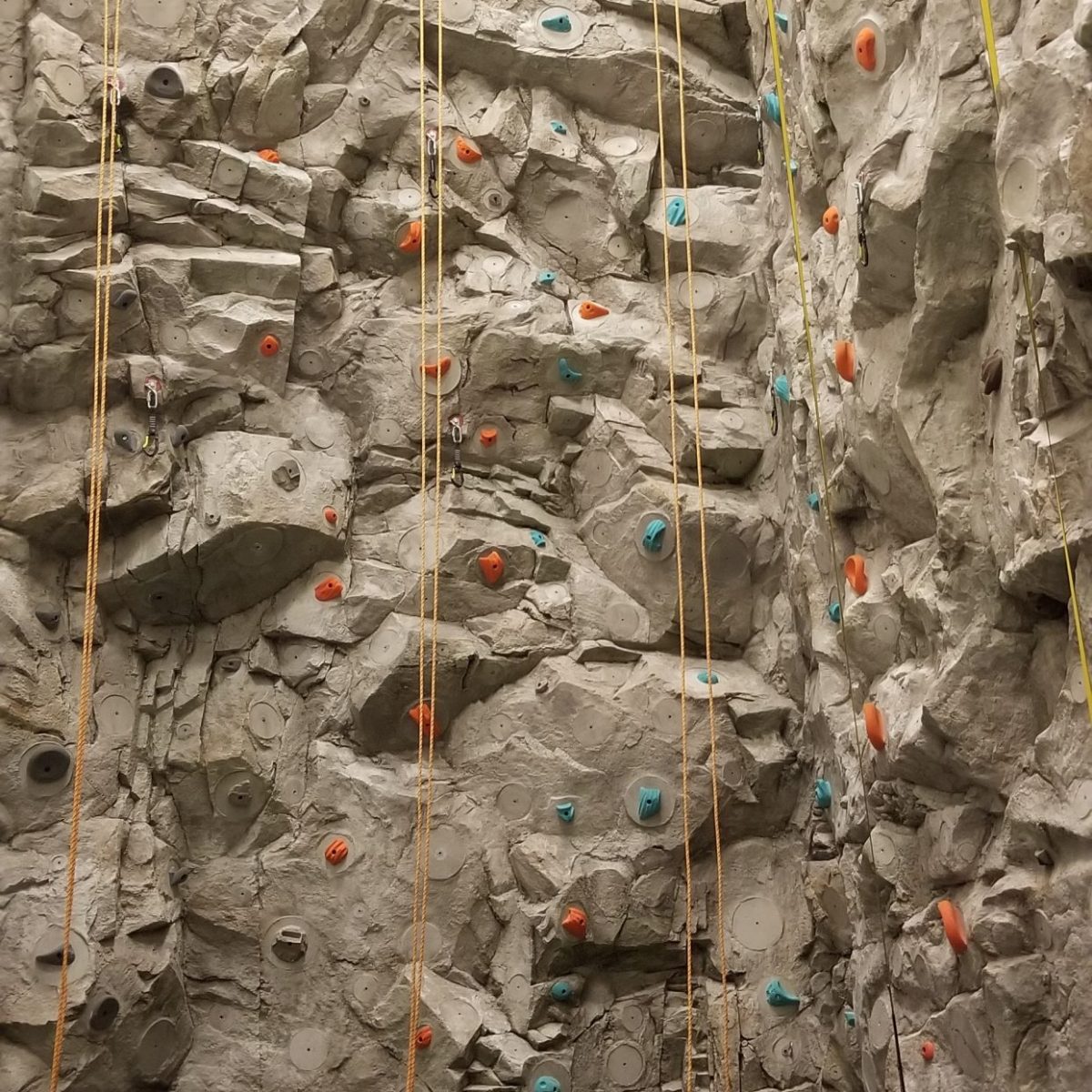
Introduction: Navigating the Global Market for inside climbing wall
Navigating the intricate landscape of the global market for indoor climbing walls presents unique challenges for international B2B buyers, particularly in regions such as Africa, South America, the Middle East, and Europe. As businesses seek to enhance recreational offerings or integrate climbing walls into educational facilities, sourcing high-quality, durable climbing walls that cater to diverse needs is paramount. This guide provides a comprehensive overview of the types of climbing walls available, their various applications, and the critical factors to consider when vetting suppliers.
From freestanding units to integrated wall systems, each type of climbing wall serves distinct purposes, whether for gyms, schools, or recreational centers. The guide also addresses essential elements such as installation requirements, safety standards, and cost considerations, enabling buyers to make informed decisions that align with their specific operational needs.
By equipping international buyers with actionable insights and strategies, this guide empowers them to navigate the complexities of sourcing indoor climbing walls effectively. It also emphasizes the importance of understanding regional market dynamics, ensuring that businesses can select solutions that not only meet safety and aesthetic standards but also resonate with their target audience’s preferences. With the right information at their disposal, B2B buyers can confidently invest in climbing walls that enhance physical activity and foster community engagement.
Understanding inside climbing wall Types and Variations
| Type Name | Key Distinguishing Features | Primary B2B Applications | Brief Pros & Cons for Buyers |
|---|---|---|---|
| Top Rope Climbing Walls | Vertical walls with anchors for ropes; typically 10-15 feet high. | Gyms, schools, recreational centers | Pros: Safe for beginners, encourages skill development. Cons: Requires more space and installation complexity. |
| Bouldering Walls | Shorter walls (up to 20 feet) with thick mats below; no ropes needed. | Fitness centers, climbing gyms, schools | Pros: Less equipment needed, fosters social interaction. Cons: Limited height can restrict advanced climbers. |
| Traverse Walls | Horizontal climbing surfaces; lower height, often used for warm-ups. | Schools, rehabilitation centers, gyms | Pros: Space-efficient, great for skill building. Cons: Less thrilling for experienced climbers. |
| Modular Climbing Panels | Customizable panels with various shapes and holds; can be rearranged. | Home gyms, schools, corporate fitness areas | Pros: Versatile and adaptable; can fit various spaces. Cons: May require frequent reconfiguration to maintain interest. |
| Kids Climbing Walls | Designed specifically for younger climbers; often features fun designs. | Preschools, daycare centers, family gyms | Pros: Engaging for children, promotes physical activity. Cons: Safety concerns and needs for adult supervision. |
What Are the Key Characteristics of Top Rope Climbing Walls?
Top rope climbing walls are characterized by their height, typically ranging from 10 to 15 feet, and the presence of an overhead anchor system for ropes. This design allows climbers to ascend safely while being secured by a belayer at the bottom. B2B buyers should consider the wall’s height and the necessary safety equipment, including harnesses and ropes, when purchasing. These walls are ideal for gyms, schools, and recreational centers, providing a safe environment for both beginners and advanced climbers to develop their skills.
How Do Bouldering Walls Differ in Functionality and Use?
Bouldering walls are shorter, usually capped at 20 feet, and designed for climbing without ropes, relying instead on thick crash pads for safety. This type of wall is particularly popular in climbing gyms and fitness centers because it requires less setup and equipment. B2B buyers should evaluate the available space and the target audience’s climbing experience when considering bouldering walls. While they promote social interaction and are suitable for a wide range of climbers, their height limitation may deter advanced users seeking more challenging experiences.
What Are the Advantages of Traverse Walls for Skill Development?
Traverse walls are unique in that they provide a horizontal climbing experience, typically at a lower height. These walls are excellent for warm-ups and skill-building sessions and can fit into smaller spaces, making them ideal for schools and rehabilitation centers. B2B buyers should look for options that allow for easy installation and maintenance. While traverse walls foster skill development and are space-efficient, they may not provide the thrill that some experienced climbers seek, which could limit their appeal in certain markets.
Why Choose Modular Climbing Panels for Versatility?
Modular climbing panels offer a customizable solution for climbing walls, allowing for various configurations and designs based on the space available. These panels can be rearranged to create different climbing experiences, making them ideal for home gyms, schools, and corporate fitness areas. B2B buyers should consider the initial investment and the potential need for frequent reconfiguration to keep users engaged. While modular panels provide versatility and adaptability, they may require additional effort to maintain user interest over time.
What Makes Kids Climbing Walls a Valuable Investment?
Kids climbing walls are specifically designed for younger climbers, featuring vibrant colors and fun shapes that encourage engagement. These walls are often used in preschools, daycare centers, and family gyms, promoting physical activity among children. When purchasing, B2B buyers must prioritize safety features and ensure adult supervision is feasible. Although these walls can effectively motivate children to be active, safety concerns and the need for constant supervision can present challenges for facilities looking to implement them.
Key Industrial Applications of inside climbing wall
| Industry/Sector | Specific Application of inside climbing wall | Value/Benefit for the Business | Key Sourcing Considerations for this Application |
|---|---|---|---|
| Education | Climbing walls in schools and universities | Enhances physical education programs, promotes fitness among students | Safety certifications, age-appropriate designs, space requirements |
| Recreation & Fitness | Indoor climbing facilities and gyms | Attracts diverse clientele, boosts membership retention | Durability, variety of climbing options, maintenance support |
| Healthcare | Rehabilitation centers using climbing walls | Aids in physical therapy and rehabilitation for patients | Safety features, customization for different patient needs |
| Corporate Wellness Programs | Team-building activities in corporate offices | Improves employee engagement and teamwork | Space adaptability, safety measures, aesthetic design |
| Family Entertainment Centers | Climbing walls in amusement parks and family centers | Offers unique attractions, increases foot traffic | Modular options, safety compliance, ease of installation |
How Are Indoor Climbing Walls Used in Educational Settings?
Indoor climbing walls are increasingly integrated into educational institutions to promote physical fitness and motor skills among students. They provide a dynamic alternative to traditional gym activities, encouraging participation from all students, including those who may not engage in typical sports. For international buyers, sourcing climbing walls that meet safety standards and accommodate various age groups is essential. Additionally, schools often require customizable wall designs that fit limited spaces while still meeting educational goals.
What Role Do Climbing Walls Play in Recreation and Fitness?
Recreational facilities and climbing gyms utilize indoor climbing walls to attract a wide audience, from novices to experienced climbers. By offering various climbing styles, such as bouldering and top-rope climbing, these facilities can cater to diverse fitness levels and preferences. For B2B buyers, considerations include the durability of materials, the variety of climbing options available, and ongoing maintenance support to ensure safety and engagement. Facilities in regions like Africa and South America may also seek cost-effective solutions that align with local economic conditions.
How Can Healthcare Facilities Benefit from Indoor Climbing Walls?
Rehabilitation centers are increasingly adopting indoor climbing walls as part of their therapeutic programs. Climbing activities can enhance physical therapy by improving strength, coordination, and confidence in patients recovering from injuries. Buyers in the healthcare sector must prioritize safety features and the ability to customize climbing walls for different therapeutic needs. Additionally, understanding the specific requirements for patient demographics and compliance with health regulations is crucial for successful integration.
Why Are Climbing Walls Valuable for Corporate Wellness Programs?
Incorporating climbing walls into corporate wellness programs can significantly enhance employee engagement and foster teamwork. These installations can serve as unique team-building activities that promote physical fitness and camaraderie among staff members. Companies must consider space adaptability and safety measures when sourcing climbing walls. Aesthetically pleasing designs can also enhance office environments, making them more inviting and supportive of a healthy lifestyle.
What Advantages Do Indoor Climbing Walls Provide for Family Entertainment Centers?
Family entertainment centers use indoor climbing walls to create unique attractions that differentiate them from competitors. Such installations can draw in families looking for engaging activities, thereby increasing foot traffic and revenue. For international buyers, sourcing modular climbing walls that comply with safety standards and are easy to install is critical. Additionally, ensuring that the climbing wall can accommodate various age groups and skill levels will enhance its appeal to a broader audience.
3 Common User Pain Points for ‘inside climbing wall’ & Their Solutions
Scenario 1: Difficulty in Ensuring Safety Compliance for Climbing Walls
The Problem: A common challenge faced by B2B buyers, particularly those in educational institutions or recreational facilities, is ensuring that indoor climbing walls meet safety standards. With increasing regulations regarding the safety of recreational equipment, organizations must navigate complex guidelines to avoid legal liabilities. Many buyers are unsure about the necessary safety features, such as proper padding, wall height, and user supervision requirements. This can lead to anxiety about whether their installations will be safe and compliant, potentially endangering users and leading to costly lawsuits.
The Solution: To address safety compliance effectively, buyers should begin by consulting with manufacturers who specialize in indoor climbing walls. They must request detailed specifications that outline safety features, including material quality, wall height, and load capacity. It’s also beneficial to collaborate with safety consultants who can conduct risk assessments of the installation site. Additionally, investing in safety mats that meet industry standards is crucial; these mats should be positioned around the climbing area to cushion falls. Regular safety inspections and user training sessions will further ensure adherence to safety protocols, fostering a secure environment for climbers.
Scenario 2: Limited Space for Installing Indoor Climbing Walls
The Problem: Many B2B buyers, especially in urban environments or smaller facilities, encounter the issue of limited space for indoor climbing walls. This constraint can deter organizations from pursuing climbing wall installations, as they fear they cannot accommodate a full-sized wall without compromising other activities or overall facility layout. The challenge is exacerbated by the need for safety zones around climbing walls, which further limits usable space.
The Solution: Buyers can overcome space limitations by exploring modular climbing wall designs that maximize vertical space while minimizing the horizontal footprint. For instance, selecting traverse walls or vertical panels can provide climbing opportunities without requiring extensive ground space. Organizations should work closely with suppliers to customize wall configurations that fit their specific dimensions and user needs. Additionally, considering multifunctional designs—such as integrating climbing walls with other recreational equipment—can help optimize the use of available space. Establishing clear guidelines for user flow and safety zones will also ensure that climbing activities do not interfere with other operational areas.
Scenario 3: High Initial Investment and Ongoing Maintenance Costs
The Problem: Another significant pain point for B2B buyers is the perceived high initial investment and ongoing maintenance costs associated with indoor climbing walls. This can be particularly daunting for small businesses, community centers, and schools that operate on tight budgets. Potential buyers may hesitate to commit to an expensive installation, fearing that the costs of maintenance and necessary upgrades will outweigh the benefits of the climbing wall.
The Solution: To mitigate financial concerns, buyers should conduct a thorough cost-benefit analysis that highlights the long-term advantages of investing in an indoor climbing wall. They can consider financing options or leasing arrangements that spread out the initial investment over time. Additionally, selecting durable materials and reliable brands with warranties can reduce long-term maintenance costs. Regular maintenance schedules, which include inspections and repairs, can prevent larger, unexpected expenses down the line. Finally, promoting the climbing wall as a unique selling proposition can increase facility usage and revenue, demonstrating its value as an investment in community engagement and health.
Strategic Material Selection Guide for inside climbing wall
When selecting materials for indoor climbing walls, several factors must be considered, including safety, durability, and cost-effectiveness. Here, we analyze four common materials used in the construction of indoor climbing walls, focusing on their properties, advantages, disadvantages, and implications for international B2B buyers.
What are the Key Properties of Plywood for Indoor Climbing Walls?
Plywood is a widely used material for indoor climbing walls due to its strength and versatility. Typically, high-grade plywood can withstand significant pressure and is available in various thicknesses, generally ranging from ¾ inch to 1 inch. It offers good dimensional stability, which is crucial for maintaining wall integrity over time. However, plywood can be susceptible to moisture, which may lead to warping if not properly sealed.
Pros: Plywood is relatively inexpensive and easy to work with, making it suitable for custom designs. It is also lightweight, which simplifies installation.
Cons: Its susceptibility to moisture can limit its longevity unless treated, and it may require regular maintenance to ensure safety.
Impact on Application: Plywood is compatible with a wide range of climbing holds and can be easily customized for different climbing routes. However, it is essential to ensure that the surface is adequately finished to prevent splinters.
Considerations for International Buyers: Compliance with local safety standards, such as ASTM in the U.S. or DIN in Europe, is crucial. Buyers should ensure that the plywood is sourced from sustainable forests to meet environmental regulations, particularly in regions like Europe and parts of South America.
How Does Fiber-Reinforced Plastic (FRP) Perform in Climbing Wall Applications?
Fiber-reinforced plastic (FRP) is another popular choice for climbing walls, known for its high strength-to-weight ratio and durability. FRP panels are resistant to corrosion, moisture, and UV light, making them ideal for environments that may experience humidity or direct sunlight.
Pros: FRP panels are highly durable and require minimal maintenance. They can be manufactured in various colors and textures, enhancing the aesthetic appeal of climbing walls.
Cons: The initial cost of FRP can be higher than that of plywood, and the manufacturing process can be more complex, requiring specialized equipment.
Impact on Application: FRP panels are suitable for both indoor and outdoor climbing walls, providing excellent grip for climbing holds. Their smooth surface can also facilitate easier cleaning and maintenance.
Considerations for International Buyers: Buyers should verify that FRP products meet international safety standards, such as JIS in Japan or ISO certifications. Additionally, understanding the local climate’s impact on material performance is essential, particularly in regions with extreme temperatures.
What are the Advantages of Using Metal for Climbing Walls?
Metal, particularly steel or aluminum, is sometimes used for climbing wall structures due to its exceptional strength and durability. Metal frameworks can support significant loads, making them ideal for large climbing facilities.
Pros: Metal is highly durable and resistant to environmental factors, providing a long lifespan. It can be prefabricated, allowing for quicker installation.
Cons: The cost of metal can be significantly higher than other materials, and it may require additional treatments to prevent rust, especially in humid environments.
Impact on Application: Metal structures can support various climbing holds and are often used in combination with other materials for wall surfaces.
Considerations for International Buyers: Compliance with structural safety standards is critical, and buyers should ensure the metal used is treated to withstand local environmental conditions. In regions like Africa and the Middle East, where humidity can be high, corrosion resistance is particularly important.
How Do Foam Panels Enhance Safety in Climbing Walls?
Foam panels are primarily used as protective surfaces around climbing walls, providing cushioning for climbers in case of falls. These panels are typically made from high-density foam covered with durable fabric.
Pros: Foam panels significantly enhance safety by reducing the risk of injury during falls. They are lightweight and easy to install, often designed to fit snugly against climbing walls.
Cons: Foam panels can wear out over time and may require replacement, adding to long-term costs.
Impact on Application: They are essential for creating a safe climbing environment, especially in facilities catering to children or novice climbers.
Considerations for International Buyers: Buyers should ensure that foam panels comply with safety standards relevant to their region. For example, they may need to meet specific fire safety standards in Europe or the U.S.
| Material | Typical Use Case for inside climbing wall | Key Advantage | Key Disadvantage/Limitation | Relative Cost (Low/Med/High) |
|---|---|---|---|---|
| Plywood | Custom climbing walls | Cost-effective and easy to work with | Susceptible to moisture | Low |
| Fiber-Reinforced Plastic (FRP) | Durable climbing surfaces | High durability and low maintenance | Higher initial cost | High |
| Metal | Structural support for climbing walls | Exceptional strength and durability | High cost and potential rust issues | High |
| Foam Panels | Safety cushioning around climbing walls | Enhances safety during falls | Requires replacement over time | Medium |
This analysis highlights the importance of selecting the right materials for indoor climbing walls, considering not only performance and safety but also compliance with international standards and local preferences.
In-depth Look: Manufacturing Processes and Quality Assurance for inside climbing wall
What Are the Main Stages of Manufacturing Indoor Climbing Walls?
The manufacturing process for indoor climbing walls involves several key stages, each critical for ensuring the final product meets safety and quality standards. The primary stages include material preparation, forming, assembly, and finishing.
-
Material Preparation: This initial stage involves selecting high-quality materials suitable for climbing walls. Common materials include plywood, engineered wood, and composite materials, which are chosen for their strength and durability. The materials undergo cutting to specified dimensions, ensuring they meet the design requirements. Additionally, safety considerations dictate that materials must comply with relevant fire and safety standards.
-
Forming: After material preparation, the next step is forming the climbing panels. This process often involves CNC (Computer Numerical Control) machining to create precise shapes and textures that enhance grip and climbing experience. Techniques such as vacuum forming or injection molding may also be employed for producing specific components like handholds or textured surfaces. The design must not only provide a visually appealing aspect but also create varied climbing challenges.
-
Assembly: Once the panels and components are formed, they are assembled into a complete climbing wall structure. This may involve attaching panels to a framework, ensuring structural integrity. Fasteners, brackets, and other hardware are selected for their strength and reliability. During assembly, it is crucial to adhere to industry standards for load-bearing and safety, especially for walls intended for public facilities like gyms and schools.
-
Finishing: The finishing stage enhances both aesthetics and functionality. This includes sanding surfaces to prevent splinters, applying protective coatings, and finishing touches such as painting or adding graphics. The coatings used must be non-toxic and compliant with international safety standards, ensuring that the climbing walls are safe for users of all ages.
How Is Quality Assurance Implemented in Climbing Wall Manufacturing?
Quality assurance (QA) is vital in the manufacturing process of indoor climbing walls to ensure safety, durability, and user satisfaction. The QA process typically adheres to both international standards like ISO 9001 and industry-specific certifications such as CE marking.
-
International Standards and Certifications: Compliance with ISO 9001 ensures a systematic approach to quality management. This certification requires manufacturers to establish quality objectives, monitor processes, and continually improve operations. In Europe, CE marking is crucial, as it indicates that the product meets EU safety, health, and environmental requirements. For climbing walls, specific certifications related to load testing and material safety are also essential.
-
Quality Control Checkpoints: The QA process integrates various checkpoints throughout the manufacturing stages:
– Incoming Quality Control (IQC): This step involves inspecting raw materials upon delivery to ensure they meet specified standards before being used in production.
– In-Process Quality Control (IPQC): During manufacturing, continuous monitoring is implemented to catch any deviations from quality standards early in the process. This includes checking dimensions, material integrity, and assembly accuracy.
– Final Quality Control (FQC): After assembly, each climbing wall undergoes a thorough inspection. This includes testing for structural integrity and compliance with safety regulations. Load testing is often conducted to ensure the wall can withstand the required weight and forces. -
Common Testing Methods: To verify the quality and safety of climbing walls, manufacturers often employ several testing methods:
– Static Load Testing: Assessing how the wall holds under a constant weight, simulating climber loads.
– Dynamic Load Testing: Evaluating the wall’s performance under sudden forces, such as a fall.
– Material Testing: Analyzing the strength and durability of materials used, including fire-resistance tests for compliance with safety standards.
How Can B2B Buyers Verify Supplier Quality Control?
For B2B buyers, particularly those from Africa, South America, the Middle East, and Europe, verifying supplier quality control is crucial for ensuring product safety and reliability. Here are actionable steps buyers can take:
-
Supplier Audits: Conducting on-site audits of potential suppliers can provide insights into their manufacturing processes and quality control measures. This allows buyers to assess compliance with international standards and certifications firsthand.
-
Requesting Quality Assurance Documentation: Buyers should request detailed documentation regarding the supplier’s quality assurance processes, including certificates of compliance, testing reports, and records of past inspections. This documentation can help verify that the supplier adheres to required standards.
-
Third-Party Inspections: Engaging third-party inspection services can provide an unbiased evaluation of the manufacturer’s quality control practices. These inspections can verify that products are being manufactured according to agreed specifications and standards.
-
Understanding QC Nuances for International Transactions: Buyers should be aware of specific quality requirements and certifications relevant to their region. For instance, products sold in Europe must meet CE marking requirements, while those in the U.S. may need to comply with ANSI (American National Standards Institute) standards. Understanding these nuances can prevent potential compliance issues.
What Are the Challenges and Considerations for International B2B Buyers?
International B2B buyers face unique challenges when sourcing climbing walls, particularly regarding quality assurance. Here are some considerations:
-
Cultural and Regulatory Differences: Different regions may have varying safety standards and regulations. Buyers must familiarize themselves with local compliance requirements to avoid legal issues.
-
Logistics and Supply Chain Management: Ensuring timely delivery and quality during transportation can be challenging, especially for large and heavy climbing wall components. Buyers should work closely with suppliers to establish reliable shipping methods and logistics plans.
-
Warranty and Support Services: Understanding the warranty offered by suppliers is crucial. Buyers should clarify the terms of warranty coverage, especially regarding defects and damage during transit. Additionally, support services for installation and maintenance should be discussed to ensure long-term satisfaction.
By understanding the manufacturing processes and quality assurance measures involved in indoor climbing walls, B2B buyers can make informed decisions that enhance safety and satisfaction for their customers.
Practical Sourcing Guide: A Step-by-Step Checklist for ‘inside climbing wall’
To successfully procure an indoor climbing wall, a structured approach can significantly streamline the process and ensure that the investment meets your facility’s needs. This guide provides a checklist to help you navigate the sourcing process effectively.
Step 1: Define Your Technical Specifications
Before engaging with suppliers, it’s essential to clarify your specific requirements. Consider factors such as the intended user demographic (e.g., children, adults), wall height, complexity of routes, and safety features. This clarity will guide you in selecting a wall that meets both safety standards and user expectations.
- User Demographics: Determine whether the wall will be used in schools, gyms, or recreational facilities.
- Safety Features: Identify safety mats and wall design (smooth vs. rock-realistic) that align with your user base.
Step 2: Research Potential Suppliers
Conduct thorough research to identify reputable suppliers specializing in indoor climbing walls. Utilize online resources, industry publications, and trade shows to compile a list of potential vendors.
- Supplier Reviews: Look for customer testimonials and case studies that demonstrate successful installations in similar environments.
- Market Position: Assess their market presence and years of experience in the industry to gauge reliability.
Step 3: Evaluate Supplier Certifications
Before finalizing a supplier, verify that they possess the necessary certifications and comply with safety regulations. This step is crucial for ensuring that the climbing wall will meet local and international safety standards.
- Certification Types: Look for certifications such as EN 12572 for climbing walls and ISO 9001 for quality management systems.
- Compliance Verification: Request documentation to confirm that the materials used in construction are non-toxic and durable.
Step 4: Request Detailed Proposals
Once you’ve shortlisted suppliers, request detailed proposals that include pricing, installation timelines, and after-sales support. A comprehensive proposal allows for informed comparisons between vendors.
- Cost Breakdown: Ensure the proposal includes all costs, such as materials, labor, and any additional features like climbing holds or safety mats.
- Installation Timeline: Clarify the expected timeline for installation and any potential disruptions to your facility’s operations.
Step 5: Assess Customization Options
Customization can enhance the climbing experience, catering to specific needs or themes. Evaluate whether suppliers offer modular designs or bespoke solutions that can accommodate varying skill levels and aesthetic preferences.
- Design Flexibility: Check if the climbing wall can be tailored in terms of color, shape, and features to align with your branding or facility design.
- Future Expansion: Consider whether the wall can be expanded or modified in the future as user needs evolve.
Step 6: Confirm Warranty and Support Services
A solid warranty and robust support services are critical for long-term satisfaction. Ensure that the supplier offers a warranty covering defects and provides maintenance support.
- Warranty Duration: Look for warranties that extend beyond typical industry standards to safeguard your investment.
- Support Availability: Inquire about the availability of technical support and whether training for staff is included in the service.
Step 7: Finalize the Purchase Agreement
Once you’ve assessed all factors, finalize the purchase agreement with the selected supplier. Ensure all terms are clear, including payment schedules, delivery expectations, and installation responsibilities.
- Contract Clarity: Review the contract for clarity on penalties for late delivery or installation issues.
- Payment Terms: Negotiate payment terms that align with your budget and cash flow considerations.
By following this checklist, B2B buyers can make informed decisions when procuring indoor climbing walls, ensuring they select a solution that meets their operational needs and enhances user experience.
Comprehensive Cost and Pricing Analysis for inside climbing wall Sourcing
What Are the Key Cost Components in Inside Climbing Wall Sourcing?
When sourcing inside climbing walls, it is crucial to understand the various cost components that contribute to the overall pricing structure. These typically include materials, labor, manufacturing overhead, tooling, quality control (QC), logistics, and the desired profit margin.
-
Materials: The cost of materials can significantly influence the total price. High-quality, durable materials like reinforced plywood or specialized climbing surfaces are often more expensive but essential for safety and longevity. Additionally, the cost may vary depending on the type of climbing wall, such as bouldering walls, top-rope walls, or customizable features.
-
Labor: Labor costs involve both the assembly of climbing walls and the installation process. Skilled labor is often required for precise assembly and ensuring safety standards are met. This is particularly relevant for international buyers who may need to account for local labor rates, which can vary widely.
-
Manufacturing Overhead: This includes costs related to factory operations, such as utilities, rent, and equipment maintenance. For international buyers, understanding the manufacturing location can help gauge overhead costs that may affect final pricing.
-
Tooling: Specific tooling is required to create climbing wall panels, which can add to the upfront costs. Suppliers with advanced technology may pass on these costs, impacting the final price.
-
Quality Control: Rigorous QC processes are essential to ensure safety and compliance with international standards. This can involve additional costs, but it is vital for maintaining product integrity, especially for buyers in regions with strict safety regulations.
-
Logistics: Shipping costs can vary based on the origin of the product and the destination. International buyers should consider Incoterms, which define the responsibilities of buyers and sellers regarding shipping, insurance, and tariffs.
-
Margin: Finally, suppliers will include a profit margin in their pricing. This margin can vary based on supplier reputation, product uniqueness, and market demand.
How Do Price Influencers Affect Inside Climbing Wall Costs?
Several factors can influence the pricing of inside climbing walls, particularly for B2B buyers from diverse regions such as Africa, South America, the Middle East, and Europe.
-
Volume/MOQ (Minimum Order Quantity): Higher volume orders often lead to lower per-unit prices due to economies of scale. Buyers should negotiate for bulk pricing to enhance cost efficiency.
-
Specifications and Customization: Custom features can significantly increase costs. Buyers should clearly define their specifications to avoid unexpected expenses.
-
Material Quality and Certifications: Walls made from higher-grade materials or those with certifications (e.g., safety certifications) tend to command higher prices. However, investing in quality can reduce long-term maintenance costs.
-
Supplier Factors: The reputation and reliability of the supplier can affect pricing. Established suppliers may charge a premium for their assurance of quality and service.
-
Incoterms: Understanding the terms of shipping and delivery can help buyers manage costs effectively. Terms like FOB (Free on Board) or CIF (Cost, Insurance, and Freight) can impact overall expenses.
What Are Effective Buyer Tips for Negotiating Inside Climbing Wall Prices?
-
Negotiation: Always engage in negotiations. Suppliers may have flexibility in pricing, especially for large orders or long-term contracts.
-
Cost-Efficiency: Evaluate the total cost of ownership (TCO), not just the purchase price. Consider maintenance, installation, and any additional safety features that may incur costs later.
-
Pricing Nuances for International Buyers: Be aware of tariffs, taxes, and currency fluctuations that can affect the final price. Establishing a clear understanding of these factors can aid in budgeting and financial planning.
-
Local Market Insights: For buyers in regions like Brazil or Germany, local preferences and regulations can influence the choice of climbing wall types and configurations. Researching these specifics can provide leverage in negotiations.
-
Request for Proposals (RFPs): Consider issuing RFPs to multiple suppliers to compare pricing, features, and service offerings comprehensively.
Disclaimer
Prices for inside climbing walls can vary widely based on the factors mentioned above. The figures presented in various sources are indicative and may not reflect actual costs for every buyer or market condition. Always conduct thorough market research and supplier assessments before making purchasing decisions.
Alternatives Analysis: Comparing inside climbing wall With Other Solutions
Exploring Alternatives to Inside Climbing Walls
In the realm of indoor physical activity solutions, inside climbing walls stand out for their ability to engage users both physically and mentally. However, businesses and institutions looking to invest in fitness infrastructure should also consider alternative options that can offer similar benefits. This analysis will compare inside climbing walls with other viable solutions such as bouldering walls and fitness climbing systems, assessing their respective strengths and weaknesses.
| Comparison Aspect | Inside Climbing Wall | Bouldering Wall | Fitness Climbing Systems |
|---|---|---|---|
| Performance | Versatile climbing experience for various skill levels | Focus on strength and technique; no harness required | Combines climbing with fitness routines for a holistic workout |
| Cost | Moderate to high investment (typically $2,000+) | Generally lower costs (starting from $1,500) | Higher initial costs due to integrated technology (starting from $5,000) |
| Ease of Implementation | Requires professional installation and safety measures | Easier installation; often modular and can fit in smaller spaces | Complex setup; may require specialized training for optimal use |
| Maintenance | Regular checks on safety features and wall integrity | Low maintenance; primarily requires occasional holds replacement | High maintenance due to technology components and software updates |
| Best Use Case | Ideal for schools, gyms, and recreational facilities | Perfect for compact spaces and casual climbers | Suitable for fitness centers seeking to diversify workout offerings |
What are the Pros and Cons of Bouldering Walls?
Bouldering walls offer a unique climbing experience that emphasizes strength and balance without the need for harnesses or ropes. This makes them ideal for casual climbers and those new to the sport. They are typically less expensive to install and maintain than traditional climbing walls, making them a cost-effective option for schools and community centers. However, their lower height limits the variety of climbing experiences and may not provide the same level of challenge for advanced climbers.
How Do Fitness Climbing Systems Compare?
Fitness climbing systems integrate climbing with technology-driven workouts, appealing to a broad range of fitness enthusiasts. These systems can offer personalized training programs and performance tracking, making them suitable for gyms aiming to attract tech-savvy clients. However, the initial investment is significantly higher, and ongoing maintenance can be demanding due to the technology involved. Additionally, the complexity of the systems may require specialized staff training to ensure effective use.
Conclusion: How Should B2B Buyers Choose the Right Solution?
When selecting the right climbing solution, B2B buyers should assess their specific needs, budget constraints, and the target audience. For educational institutions or recreational facilities aiming for versatility and engagement, inside climbing walls may be the best option. Conversely, for those with limited space or a focus on strength training, bouldering walls could provide a perfect fit. Fitness climbing systems can be an excellent choice for businesses looking to innovate and incorporate technology into their offerings. Ultimately, the decision should align with the organization’s goals, audience, and available resources to ensure a successful investment.
Essential Technical Properties and Trade Terminology for inside climbing wall
What Are the Key Technical Properties of Indoor Climbing Walls?
Indoor climbing walls have specific technical properties that ensure safety, durability, and performance. Understanding these properties is crucial for B2B buyers looking to invest in climbing walls for commercial or institutional use.
1. Material Grade
The material used in climbing walls typically includes high-grade plywood, fiberglass, or composite materials. Plywood is often treated to withstand moisture and wear, while fiberglass offers a smooth finish for rock-like surfaces. Selecting the right material grade is essential as it affects the wall’s longevity and safety. High-quality materials can endure heavy use in gyms and schools, making them a more reliable investment.
2. Load Capacity
Load capacity refers to the maximum weight the climbing wall can safely support, including climbers and equipment. This specification is vital for ensuring the safety of users, especially in environments like schools or gyms where multiple climbers may use the wall simultaneously. A wall with a higher load capacity can accommodate a broader range of activities and users, making it a versatile choice for various settings.
3. Surface Texture
The texture of the climbing wall surface is a critical factor that influences grip and climbing difficulty. Walls can be designed with different textures, from smooth to highly textured for advanced climbing challenges. Understanding the surface texture helps B2B buyers tailor the climbing experience to their target audience, whether for beginners or seasoned climbers.
4. Safety Features
Safety features include padded flooring, protective mats, and wall height regulations. These elements are crucial for minimizing the risk of injury during climbs. Incorporating safety features into the design of indoor climbing walls not only meets regulatory standards but also enhances the overall user experience, making the climbing environment safer and more appealing.
5. Modularity and Customization
Many climbing walls are designed to be modular, allowing for easy installation, reconfiguration, and expansion. This flexibility enables buyers to adapt the wall to changing needs or space constraints. Customization options, such as varied wall angles and hold placements, can also enhance the climbing experience. Understanding modularity can help buyers make informed decisions about future-proofing their investment.
What Are Common Trade Terms in the Indoor Climbing Wall Industry?
Being familiar with industry terminology is crucial for B2B buyers to navigate the purchasing process effectively.
1. OEM (Original Equipment Manufacturer)
OEM refers to companies that produce parts or equipment that may be marketed by another manufacturer. In the context of climbing walls, OEMs may supply climbing holds or wall panels that are integrated into the final product. Understanding OEM relationships can help buyers identify reliable suppliers and ensure quality in their climbing wall installations.
2. MOQ (Minimum Order Quantity)
MOQ indicates the smallest quantity of a product that a supplier is willing to sell. For climbing walls, understanding MOQ is important for budget planning and inventory management. Buyers should be aware of MOQs to avoid overcommitting to a purchase that does not align with their immediate needs.
3. RFQ (Request for Quotation)
An RFQ is a formal process where buyers request pricing and terms from suppliers for specific products. Submitting an RFQ for climbing walls allows buyers to compare different manufacturers and ensure they receive competitive pricing. This process is essential for making informed purchasing decisions.
4. Incoterms (International Commercial Terms)
Incoterms define the responsibilities of buyers and sellers in international transactions, including shipping, insurance, and tariffs. Familiarity with Incoterms is critical for B2B buyers, especially when sourcing climbing walls from international suppliers. Understanding these terms helps mitigate risks and clarifies costs associated with international shipping.
5. Lead Time
Lead time refers to the duration between placing an order and receiving the product. In the climbing wall industry, lead times can vary significantly based on the complexity of the wall and customization options. Buyers should factor in lead time when planning installations or events to ensure timely availability of equipment.
By grasping these essential technical properties and trade terms, B2B buyers can make informed decisions that enhance their climbing wall investments, ensuring safety, satisfaction, and long-term value.
Navigating Market Dynamics and Sourcing Trends in the inside climbing wall Sector
What Are the Key Trends Shaping the Inside Climbing Wall Market?
The indoor climbing wall sector is experiencing significant growth, driven by a global shift towards health and wellness, coupled with the increasing popularity of climbing as a sport. Urbanization and the rise of fitness-oriented lifestyles, particularly in regions like Africa, South America, the Middle East, and Europe, are propelling demand for indoor climbing facilities. This trend is further fueled by the integration of climbing into physical education programs, with schools and universities investing in climbing walls to promote physical fitness among students.
Emerging technologies are also influencing the market. Innovations such as modular wall systems, which allow for customizable configurations, are gaining traction among buyers looking for flexibility and adaptability in their installations. Additionally, advancements in safety features, such as integrated fall protection systems and smart climbing holds that can track performance metrics, are becoming essential selling points for international B2B buyers.
The competitive landscape is evolving, with manufacturers increasingly focused on enhancing user experience through aesthetic design and engaging climbing challenges. As the market matures, buyers are encouraged to consider not just the technical specifications of climbing walls but also the overall user engagement and training potential they offer. Establishing partnerships with suppliers who can provide both high-quality products and insights into emerging trends will be crucial for success.
How Does Sustainability Influence Sourcing Trends in the Inside Climbing Wall Sector?
Sustainability is becoming a cornerstone of sourcing strategies in the indoor climbing wall market. As awareness of environmental impact grows, buyers are increasingly seeking suppliers who prioritize eco-friendly practices and materials. This includes the use of sustainably sourced wood, recycled materials, and non-toxic finishes in wall construction.
Ethical supply chains are also gaining importance, particularly in regions where regulatory frameworks may be less stringent. B2B buyers are expected to conduct thorough due diligence on their suppliers, ensuring that labor practices meet ethical standards and that materials are sourced responsibly. Certifications such as Forest Stewardship Council (FSC) for wood products and ISO standards for manufacturing processes can provide assurance of a supplier’s commitment to sustainability.
Moreover, as the demand for environmentally friendly products rises, suppliers who adopt ‘green’ certifications can differentiate themselves in a competitive market. This not only appeals to environmentally conscious consumers but also positions buyers as responsible corporate citizens, enhancing their brand reputation and marketability.
What Is the Historical Context of the Inside Climbing Wall Market?
The history of indoor climbing walls dates back to the late 1970s and early 1980s, when the first artificial climbing structures were developed primarily for training purposes. As the sport of climbing gained popularity, particularly with the rise of competitive climbing in the 1990s, the demand for indoor climbing facilities began to grow. This evolution led to the development of diverse climbing wall designs that catered to various skill levels and age groups.
Today, the indoor climbing wall market has matured into a sophisticated industry, characterized by innovation in design, safety features, and user engagement. As climbing was included in the Olympic Games, the sport’s global visibility has surged, further driving investments in indoor climbing facilities across continents. This historical perspective is crucial for B2B buyers, as it highlights the potential for growth and the importance of aligning with reputable suppliers that have a legacy of quality and safety in the indoor climbing space.
Frequently Asked Questions (FAQs) for B2B Buyers of inside climbing wall
-
How do I choose the right indoor climbing wall for my facility?
Selecting the ideal indoor climbing wall involves assessing your target audience, available space, and specific use cases. Consider the age group and skill level of your climbers—walls designed for children may differ significantly from those for adults. Additionally, look for features like safety certifications, wall texture options (smooth vs. rock-realistic), and the availability of various climbing styles (bouldering, top-rope, etc.). Engaging with suppliers for layout and design ideas can also help you make an informed decision tailored to your facility’s needs. -
What are the benefits of installing an indoor climbing wall in educational institutions?
Indoor climbing walls promote physical fitness, improve cognitive skills, and foster social interaction among students. They cater to diverse fitness levels, making them ideal for inclusive environments. Climbing activities enhance critical thinking, problem-solving, and teamwork, aligning with modern educational goals. Moreover, they serve as a unique tool for physical education programs, encouraging lifelong fitness habits. Investing in a climbing wall can significantly boost student engagement and well-being, making it an attractive option for schools and universities. -
What customization options are available for indoor climbing walls?
Most suppliers offer a range of customization options, including panel designs, color schemes, and specific features tailored to your facility’s needs. You can choose from various climbing holds, shapes, and wall configurations, allowing you to create a unique climbing experience. Discussing your requirements with manufacturers can also lead to bespoke solutions, such as themed walls or integrated safety features. Customization not only enhances aesthetics but also improves functionality, ensuring that the climbing wall meets the specific demands of your target audience. -
What is the minimum order quantity (MOQ) for indoor climbing walls?
The MOQ for indoor climbing walls can vary significantly between suppliers. Generally, larger manufacturers may have higher MOQs due to production efficiencies, while smaller companies might accommodate lower quantities. It’s essential to communicate your project scope and budget with potential suppliers to determine if they can meet your needs. If you are working on a smaller project, consider discussing options for purchasing individual panels or sets to minimize initial investment while still achieving your desired outcome. -
What payment terms should I expect when purchasing indoor climbing walls?
Payment terms can differ by supplier, but common practices include a deposit (typically 30-50%) upon order confirmation, with the remaining balance due before shipment. Some suppliers may offer financing options or flexible payment plans for larger orders. Always clarify the terms upfront, including any potential additional fees such as shipping, installation, or customs duties for international transactions. Establishing clear payment terms helps prevent misunderstandings and ensures a smooth procurement process. -
How can I ensure quality assurance for indoor climbing walls?
To guarantee quality, select suppliers who adhere to international safety and manufacturing standards. Request documentation of certifications, test reports, and quality control processes to evaluate their reliability. Additionally, consider visiting the manufacturer’s facility or reviewing client testimonials and case studies to assess their track record. Regular communication during the production process can also help address any concerns and ensure that the final product meets your expectations. -
What logistics considerations should I be aware of when importing climbing walls?
Logistics plays a crucial role in the successful import of climbing walls. Be mindful of shipping methods, lead times, and potential customs regulations that may affect delivery timelines. Collaborating with a freight forwarder experienced in international trade can streamline the process. Ensure you understand the import duties and taxes applicable to your country, as these can significantly impact your overall cost. Planning for storage and installation upon arrival is also essential to facilitate a smooth operational launch. -
How do I vet suppliers for indoor climbing walls effectively?
Vetting suppliers involves a thorough evaluation of their experience, reputation, and product offerings. Start by researching potential suppliers online, checking reviews, and seeking recommendations from industry peers. Request references from previous clients to gauge satisfaction levels and reliability. Additionally, assess their manufacturing capabilities, adherence to safety standards, and customer service responsiveness. A well-rounded supplier should not only provide quality products but also demonstrate a commitment to supporting your business needs throughout the purchasing process.
Top 1 Inside Climbing Wall Manufacturers & Suppliers List
1. Fun & Function – Indoor Climbing Wall for Kids

Domain: funandfunction.com
Registered: 2005 (20 years)
Introduction: Indoor Climbing Wall for Kids | Fun & Function
– Item Numbers: MW7013, MW7014, MW7015
– Price Range: $1,466.00 – $2,034.00
– Age Recommendation: 3+
– Dimensions: 7’5″L x 4’W x 2’D
– Weight: 140 lbs.
– Material: Wall made from Baltic birch; Mats constructed of polyethylene foam enclosed in an 18-oz. polyester reinforced vinyl cover.
– Features: Requires just four feet of horizontal wall space; larg…
Strategic Sourcing Conclusion and Outlook for inside climbing wall
In today’s rapidly evolving market for indoor climbing walls, strategic sourcing is essential for B2B buyers seeking to enhance their facilities and offerings. By understanding the diverse range of climbing wall options—from modular panels to unique design features—buyers can tailor their purchases to meet specific needs, whether for educational institutions, fitness centers, or recreational facilities. Key takeaways include the importance of selecting products that prioritize safety, durability, and aesthetic appeal, which are vital for attracting and retaining customers.
As the demand for indoor climbing experiences grows, particularly in regions like Africa, South America, the Middle East, and Europe, the opportunity to innovate and differentiate through high-quality climbing walls is immense. Engaging with reliable suppliers who offer robust support and customization options can significantly enhance your competitive edge.
Looking ahead, the climbing wall market is poised for growth, driven by increasing interest in fitness and wellness. Now is the time to invest strategically in climbing wall solutions that not only meet current demands but also anticipate future trends. Seize this opportunity to elevate your offerings and foster a thriving climbing community.
Important Disclaimer & Terms of Use
⚠️ Important Disclaimer
The information provided in this guide, including content regarding manufacturers, technical specifications, and market analysis, is for informational and educational purposes only. It does not constitute professional procurement advice, financial advice, or legal advice.
While we have made every effort to ensure the accuracy and timeliness of the information, we are not responsible for any errors, omissions, or outdated information. Market conditions, company details, and technical standards are subject to change.
B2B buyers must conduct their own independent and thorough due diligence before making any purchasing decisions. This includes contacting suppliers directly, verifying certifications, requesting samples, and seeking professional consultation. The risk of relying on any information in this guide is borne solely by the reader.

Leave a Reply