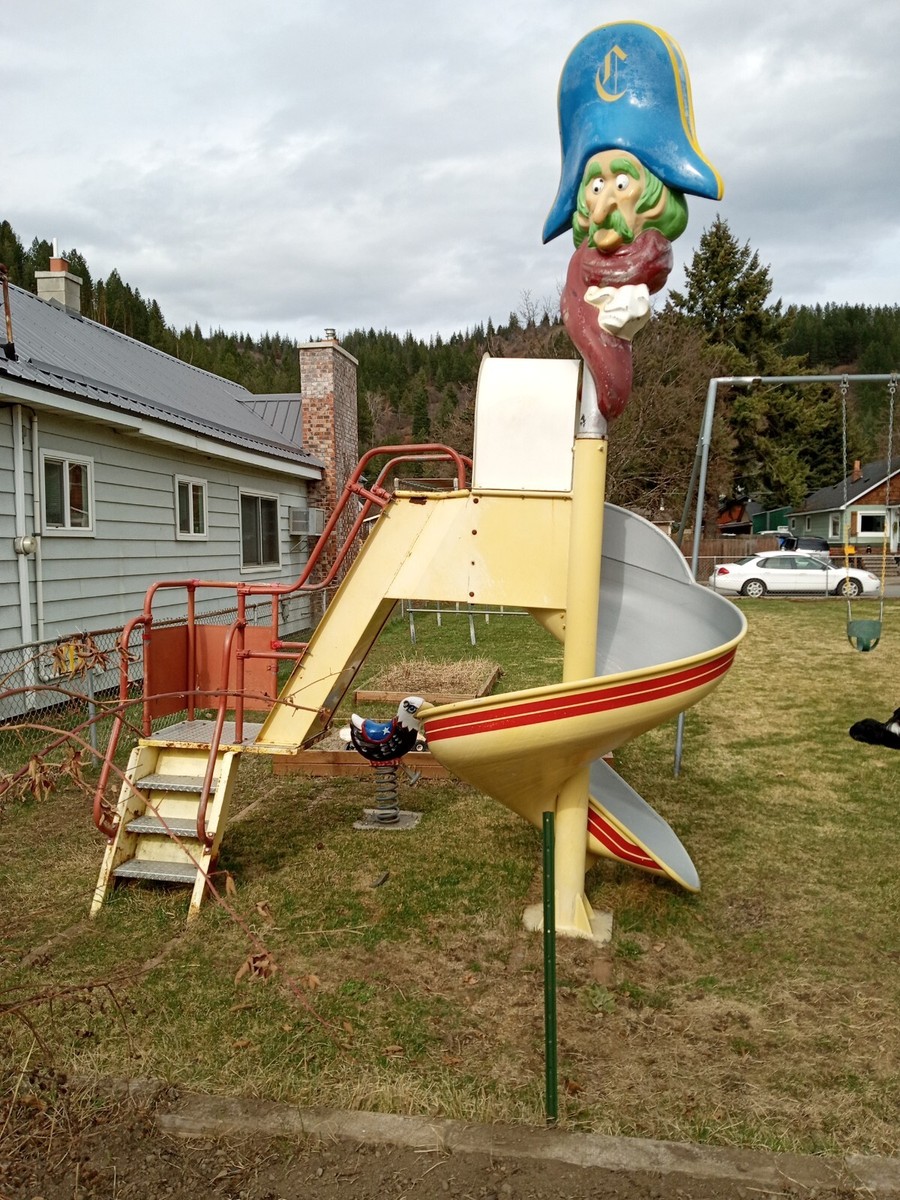
Introduction: Navigating the Global Market for mcdonalds playground equipment for sale
As the demand for engaging and safe play environments continues to rise, sourcing McDonald’s playground equipment for sale presents a unique challenge for international B2B buyers. From vibrant slides to themed play structures, the variety of options available can be overwhelming. This guide aims to demystify the global market for McDonald’s playground equipment, offering insights into the types of equipment available, their applications, and how to effectively vet suppliers to ensure quality and compliance with safety standards.
Navigating the complexities of international procurement is essential, especially for buyers from diverse regions such as Africa, South America, the Middle East, and Europe, including countries like Brazil and Vietnam. With varying regulations and cultural preferences, understanding local market dynamics is crucial for making informed purchasing decisions. This comprehensive guide not only addresses the various types of McDonald’s playground equipment but also explores cost considerations, shipping logistics, and tips for negotiating with suppliers.
By leveraging the insights provided in this guide, B2B buyers will be equipped to make strategic decisions that enhance their offerings and ensure customer satisfaction. Whether you are looking to enhance a new family entertainment center or upgrade an existing playground, this resource will serve as a valuable tool in your procurement journey.
Understanding mcdonalds playground equipment for sale Types and Variations
| Type Name | Key Distinguishing Features | Primary B2B Applications | Brief Pros & Cons for Buyers |
|---|---|---|---|
| Vintage Play Equipment | Retro designs, often featuring iconic McDonald’s characters | Collectibles, Theme Parks, Museums | Pros: Unique appeal, nostalgia; Cons: Limited availability, higher price |
| Interactive Play Structures | Engaging slides, climbing walls, and playhouses | Fast Food Chains, Family Entertainment Centers | Pros: Promotes physical activity, attracts families; Cons: Requires space and maintenance |
| Themed Character Statues | Life-sized Ronald McDonald and friends | Marketing Displays, Theme Parks | Pros: Enhances brand recognition; Cons: May not suit all environments |
| Playground Ride-Ons | Spring-mounted toys shaped like McDonald’s menu items | Schools, Parks, Play Areas | Pros: Fun for kids, space-efficient; Cons: Limited play value over time |
| Customizable Modular Systems | Interchangeable parts for tailored playground setups | Childcare Centers, Schools | Pros: Flexible design, scalable; Cons: Higher initial investment |
What Are the Characteristics of Vintage Play Equipment?
Vintage McDonald’s playground equipment features nostalgic designs that often include iconic elements from the brand’s history, such as characters like Ronald McDonald and Grimace. These items are typically sought after by collectors, theme parks, and museums looking to showcase the evolution of children’s entertainment. When considering vintage equipment, buyers should assess the condition, rarity, and authenticity, as these factors greatly influence value and desirability.
How Do Interactive Play Structures Benefit B2B Buyers?
Interactive play structures are designed to engage children through physical activity, promoting health and social interaction. These structures often include slides, climbing walls, and playhouses that draw families to fast food chains and entertainment centers. B2B buyers should consider the safety certifications, durability, and maintenance requirements when investing in these playground systems, as they directly impact customer satisfaction and operational costs.
Why Invest in Themed Character Statues?
Themed character statues, such as life-sized figures of Ronald McDonald, serve as powerful marketing tools that enhance brand visibility and recognition. These statues can be strategically placed in fast food restaurants and theme parks to attract families and create a playful atmosphere. B2B buyers must evaluate the placement and environmental compatibility of these statues to maximize their marketing impact while ensuring they fit within the overall design of the location.
What Are the Advantages of Playground Ride-Ons?
Playground ride-ons, often shaped like popular menu items, provide a fun and engaging experience for children. These spring-mounted toys are space-efficient and can be easily integrated into various play areas, including parks and schools. Buyers should consider the target age group, safety standards, and overall play value when selecting ride-ons, as these factors will influence their appeal and longevity in the market.
How Do Customizable Modular Systems Enhance Playground Offerings?
Customizable modular systems allow for tailored playground setups that can adapt to different spaces and themes. These systems are particularly beneficial for childcare centers and schools that require flexibility in their playground design. B2B buyers should assess the scalability, ease of installation, and potential for future expansion when investing in modular systems, as these features can significantly affect the long-term value and functionality of the playground.
Key Industrial Applications of mcdonalds playground equipment for sale
| Industry/Sector | Specific Application of mcdonalds playground equipment for sale | Value/Benefit for the Business | Key Sourcing Considerations for this Application |
|---|---|---|---|
| Fast Food Chains | Enhancing customer experience with themed play areas | Attracts families, increases dwell time, and boosts sales | Quality of equipment, safety standards, and brand alignment |
| Childcare Centers | Creating engaging outdoor play environments for children | Supports child development, promotes physical activity | Compliance with local safety regulations and educational value |
| Shopping Malls | Incorporating play zones to enhance foot traffic | Increases customer retention and encourages longer shopping trips | Space availability, maintenance requirements, and aesthetics |
| Community Parks and Recreation | Installing vintage playgrounds to promote community engagement | Fosters community interaction, enhances local amenities | Durability, weather resistance, and historical significance |
| Event Organizers | Setting up temporary play areas for family-oriented events | Provides entertainment for children, enhancing event appeal | Portability, ease of setup, and safety certifications |
How Can Fast Food Chains Benefit from McDonald’s Playground Equipment?
Fast food chains can leverage McDonald’s playground equipment to create inviting play areas that appeal to families. These themed environments not only enhance the dining experience but also encourage families to spend more time at the restaurant, ultimately boosting sales. For international buyers, it’s crucial to consider local safety regulations and ensure that the equipment is compliant with health standards in their respective countries.
What Role Do Childcare Centers Play in Utilizing McDonald’s Playground Equipment?
Childcare centers can integrate McDonald’s playground equipment into their outdoor spaces to foster physical activity and social interaction among children. This equipment supports developmental milestones by providing engaging and safe environments for play. Buyers from regions such as Africa or South America should focus on sourcing durable materials that can withstand varying weather conditions and ensure compliance with local safety standards.
How Can Shopping Malls Leverage McDonald’s Playground Equipment?
Shopping malls can incorporate McDonald’s playground equipment to create dedicated play zones that enhance the shopping experience. By attracting families, these areas can significantly increase foot traffic and encourage longer visits. When sourcing this equipment, mall operators should consider design aesthetics, maintenance needs, and the ability to integrate with existing mall infrastructure.
Why Are Community Parks and Recreation Facilities Investing in McDonald’s Playground Equipment?
Community parks and recreation facilities can benefit from installing vintage McDonald’s playground equipment to promote community engagement and interaction. These nostalgic installations can serve as focal points that enhance local amenities, making parks more attractive to families. Buyers should prioritize equipment that is weather-resistant and durable, ensuring long-term usability while considering the historical significance that resonates with the community.
What Are the Advantages for Event Organizers Using McDonald’s Playground Equipment?
Event organizers can set up temporary play areas featuring McDonald’s playground equipment to provide entertainment for children during family-oriented events. This not only enhances the overall experience for attendees but also helps in creating a family-friendly atmosphere. Key sourcing considerations include the equipment’s portability, ease of setup, and necessary safety certifications to ensure a secure play environment.
3 Common User Pain Points for ‘mcdonalds playground equipment for sale’ & Their Solutions
Scenario 1: Sourcing Authentic McDonald’s Playground Equipment
The Problem: B2B buyers often face the challenge of sourcing authentic McDonald’s playground equipment due to the prevalence of replicas and counterfeit products in the market. This can be especially problematic for businesses looking to maintain brand integrity and provide customers with the genuine nostalgic experience associated with McDonald’s. Buyers may struggle to verify the authenticity of sellers, leading to concerns about product quality, safety, and compliance with local regulations.

Illustrative image related to mcdonalds playground equipment for sale
The Solution: To mitigate this issue, buyers should focus on establishing relationships with reputable suppliers who have a proven track record of selling authentic McDonald’s playground equipment. Conduct thorough research, including checking reviews, asking for references, and verifying the seller’s business credentials. Additionally, consider using platforms that specialize in vintage or branded playground equipment, as they often have stricter vetting processes for their sellers. When purchasing, request certificates of authenticity and detailed product specifications to ensure that the equipment complies with safety standards and brand guidelines.
Scenario 2: Navigating International Shipping and Customs Regulations
The Problem: International buyers frequently encounter complications related to shipping and customs regulations when purchasing McDonald’s playground equipment from different countries. These complications can lead to unexpected delays, additional costs, and sometimes even the inability to receive the products altogether. Understanding the logistics involved can be overwhelming, especially for businesses unfamiliar with importing heavy or bulky items.
The Solution: To streamline the international purchasing process, buyers should work with logistics companies that specialize in international shipping and have experience with playground equipment. These companies can provide valuable insights into customs regulations specific to the destination country, helping buyers understand potential tariffs and documentation requirements. Additionally, consider purchasing from local suppliers or manufacturers to minimize shipping complexities and costs. If purchasing internationally, ensure that the seller is willing to handle shipping logistics or provide assistance in navigating the customs process to avoid complications.
Scenario 3: Ensuring Compliance with Local Safety Standards
The Problem: Another significant pain point for B2B buyers is ensuring that the McDonald’s playground equipment they purchase meets local safety standards and regulations. Different countries and regions have varying requirements regarding playground safety, which can make it challenging for buyers to select equipment that is both compliant and safe for use by children. Non-compliance can lead to legal issues, increased liability, and reputational damage.
The Solution: To address this concern, buyers should thoroughly research the safety standards applicable in their region before making a purchase. Familiarize yourself with organizations that set these standards, such as the American Society for Testing and Materials (ASTM) in the U.S. or similar regulatory bodies in other countries. When sourcing equipment, ask suppliers for documentation that proves compliance with local safety standards, including any testing certifications. Additionally, consider consulting with a safety expert or hiring a third-party inspection service to assess the equipment before installation. This proactive approach will help ensure that the playground not only meets legal requirements but also provides a safe and enjoyable environment for children.
Strategic Material Selection Guide for mcdonalds playground equipment for sale
What Are the Key Materials Used in McDonald’s Playground Equipment?
When selecting materials for McDonald’s playground equipment, several factors must be considered, including durability, safety, and compliance with international standards. Below is an analysis of four common materials used in this context.
What Are the Benefits and Limitations of Using Steel in Playground Equipment?
Steel is a popular choice for playground structures due to its high strength and durability. It can withstand significant weight and impact, making it ideal for high-traffic areas. Steel is also resistant to various weather conditions, which is crucial for outdoor playgrounds.
Pros: Steel offers exceptional durability and longevity, making it a cost-effective option over time. It can be easily fabricated into various shapes and sizes, allowing for creative playground designs.
Cons: The primary disadvantage of steel is its susceptibility to corrosion, especially in humid or coastal environments. This necessitates protective coatings, which can increase manufacturing complexity and cost.
Impact on Application: Steel is suitable for heavy-duty applications but requires regular maintenance to prevent rust. International buyers should ensure that the steel used complies with standards such as ASTM A36 or EN 10025 to guarantee quality.
Why is Plastic a Viable Option for Playground Equipment?
Plastic, particularly high-density polyethylene (HDPE), is widely used for playground equipment due to its lightweight and weather-resistant properties. It is often used for slides, climbing structures, and other components.
Pros: The primary advantage of plastic is its resistance to UV radiation and moisture, which helps maintain color and structural integrity over time. Additionally, plastic is less expensive than metal and does not require extensive maintenance.
Cons: While plastic is durable, it may not withstand heavy loads as effectively as steel. It can also become brittle in extreme temperatures, leading to potential safety concerns.
Impact on Application: Plastic is ideal for applications where weight reduction is essential, but international buyers should ensure compliance with safety standards like ASTM F1487 for playground equipment.
What Role Does Wood Play in Playground Equipment Design?
Wood is often favored for its natural aesthetic and environmental friendliness. Treated wood can be used for various playground components, including swings and climbing structures.
Pros: Wood provides a warm, inviting appearance and can blend seamlessly into natural environments. It is also biodegradable, making it a more sustainable option.
Cons: Wood is susceptible to rot, insect damage, and weathering, which can lead to higher maintenance costs. Additionally, the manufacturing process can be more complex due to the need for treatment and finishing.
Impact on Application: When using wood, international buyers should ensure compliance with standards such as EN 351 for durability and EN 1176 for safety. Proper treatment is essential to enhance longevity.
How Does Rubber Contribute to Playground Safety?
Rubber is commonly used for safety surfacing in playgrounds, providing cushioning to reduce injuries from falls. It can be found in tiles or poured-in-place forms.
Pros: Rubber surfaces are highly effective at shock absorption and are resistant to weather conditions. They also provide excellent traction, reducing the risk of slips.
Cons: The initial installation cost of rubber can be high compared to other materials. Additionally, rubber surfaces may require periodic maintenance to ensure their effectiveness.
Impact on Application: Compliance with safety standards such as ASTM F1292 is crucial for rubber surfacing. International buyers should consider local climate conditions, as extreme heat can affect rubber’s performance.
Summary Table of Material Selection for McDonald’s Playground Equipment
| Material | Typical Use Case for mcdonalds playground equipment for sale | Key Advantage | Key Disadvantage/Limitation | Relative Cost (Low/Med/High) |
|---|---|---|---|---|
| Steel | Structural components like frames and slides | High strength and durability | Susceptible to corrosion | High |
| Plastic | Slides, climbing structures | Weather-resistant and lightweight | May become brittle in extreme temperatures | Medium |
| Wood | Swings and climbing structures | Natural aesthetic and sustainable | Susceptible to rot and insect damage | Medium |
| Rubber | Safety surfacing | Excellent shock absorption | High initial installation cost | High |
This strategic material selection guide provides valuable insights for international B2B buyers looking to invest in McDonald’s playground equipment. By understanding the properties, pros and cons, and compliance considerations of each material, buyers can make informed decisions that align with their specific needs and local regulations.
In-depth Look: Manufacturing Processes and Quality Assurance for mcdonalds playground equipment for sale
What Are the Main Stages of Manufacturing McDonald’s Playground Equipment?
The manufacturing of McDonald’s playground equipment involves several critical stages, each designed to ensure that the final product meets safety and quality standards. The main stages include material preparation, forming, assembly, and finishing.
-
Material Preparation: The process begins with sourcing high-quality materials, typically metals, plastics, and composites that are durable and safe for children’s use. Suppliers are often selected based on their compliance with international safety standards. Materials undergo rigorous quality checks to ensure they are free from defects and suitable for playground applications.
-
Forming: This stage involves shaping the prepared materials into components of the playground equipment. Techniques such as injection molding for plastic parts, welding for metal frames, and cutting are commonly employed. Advanced machinery ensures precision in dimensions, crucial for safety and compatibility of different parts.
-
Assembly: Once individual components are formed, they are assembled into larger structures. This process may include bolting, welding, and securing parts together. Assembly lines are typically organized to maximize efficiency and minimize the potential for human error, with workers trained specifically in safety protocols.
-
Finishing: The final stage includes surface treatment, painting, and coating. Finishing processes not only enhance aesthetics but also improve durability against weather elements and wear. Non-toxic paints and finishes are prioritized to ensure safety for children.
How Is Quality Assurance Implemented in Manufacturing McDonald’s Playground Equipment?
Quality assurance (QA) is integral to the manufacturing process of playground equipment, ensuring that products are safe, reliable, and meet customer expectations.
-
Relevant International Standards: Compliance with international standards such as ISO 9001 is essential for ensuring a systematic approach to quality management. Additionally, industry-specific certifications like CE marking in Europe and API standards for safety are often required. These certifications indicate that the equipment meets rigorous safety and quality benchmarks.
-
Quality Control Checkpoints: Several quality control checkpoints are established throughout the manufacturing process:
– Incoming Quality Control (IQC): Materials are inspected upon arrival to ensure they meet specified requirements.
– In-Process Quality Control (IPQC): During manufacturing, continuous monitoring is conducted to identify and rectify issues in real-time.
– Final Quality Control (FQC): After assembly, final inspections ensure that the equipment complies with all safety and performance specifications before it leaves the factory. -
Common Testing Methods: Various testing methods are utilized to ensure product safety and durability. These include tensile testing for structural integrity, impact testing to simulate real-world usage, and corrosion resistance tests for metal components. Playground equipment is also subjected to age simulation tests to evaluate long-term performance.
How Can B2B Buyers Verify Supplier Quality Control?
For B2B buyers, particularly those in regions like Africa, South America, the Middle East, and Europe, verifying supplier quality control is crucial for ensuring the reliability of playground equipment.
-
Supplier Audits: Conducting regular audits of suppliers is an effective way to assess their quality control processes. Audits can include evaluations of manufacturing facilities, quality management systems, and adherence to safety standards.
-
Quality Assurance Reports: Suppliers should provide detailed QA reports, including results from IQC, IPQC, and FQC. These documents should outline any issues encountered during production and the corrective actions taken.
-
Third-Party Inspections: Engaging third-party inspection agencies can provide an unbiased assessment of the manufacturing process. These agencies can conduct independent tests and audits, ensuring that the supplier complies with international standards and local regulations.
What Are the QC and Certification Nuances for International B2B Buyers?
When engaging with suppliers of playground equipment, international B2B buyers must navigate various quality control and certification nuances:
-
Understanding Local Regulations: Each country may have specific regulations governing playground equipment safety. For example, the EN 1176 standard in Europe outlines safety requirements for playground equipment. Buyers must ensure that their suppliers are compliant with these local standards.
-
Cultural and Logistical Considerations: Different regions may have varying practices regarding quality assurance. Buyers should be aware of cultural differences in manufacturing practices and communication styles, which can impact quality control.
-
Import Regulations: International buyers must also consider import regulations and certifications required in their own countries. Ensuring that products meet these criteria is essential for avoiding delays and additional costs during customs clearance.
Conclusion: Ensuring Quality and Safety in McDonald’s Playground Equipment
Understanding the manufacturing processes and quality assurance measures associated with McDonald’s playground equipment is vital for international B2B buyers. By focusing on rigorous quality control, adhering to international standards, and verifying supplier practices, businesses can ensure they invest in safe, durable, and compliant playground equipment that meets the needs of their markets. Such diligence not only enhances customer satisfaction but also strengthens the buyer’s reputation in the competitive playground equipment market.
Practical Sourcing Guide: A Step-by-Step Checklist for ‘mcdonalds playground equipment for sale’
Introduction
This guide serves as a comprehensive checklist for international B2B buyers seeking to procure McDonald’s playground equipment. Sourcing playground equipment requires attention to detail, compliance with safety standards, and an understanding of market dynamics. By following this step-by-step checklist, buyers can ensure they make informed purchasing decisions that meet their operational and safety requirements.
Step 1: Define Your Technical Specifications
Before initiating the procurement process, it’s essential to outline your technical requirements. Specify the type of playground equipment you need, such as slides, climbing structures, or themed playsets. This clarity will help streamline your search and ensure that suppliers can meet your specific needs.
- Consider dimensions, materials, and safety features.
- Evaluate whether the equipment meets local regulations and standards.
Step 2: Research Reputable Suppliers
Identifying reliable suppliers is crucial for a successful purchase. Look for vendors with a proven track record in manufacturing or supplying playground equipment, particularly those that specialize in McDonald’s-themed products.
- Utilize platforms such as industry trade shows, online marketplaces, and B2B directories.
- Check reviews and testimonials from other buyers to gauge supplier reliability.
Step 3: Evaluate Potential Suppliers
Before making a commitment, vet potential suppliers thoroughly. Request detailed company profiles, case studies, and references from other clients in similar markets. This step helps to confirm that the supplier can deliver quality products that meet your expectations.
- Assess their manufacturing capabilities and product range.
- Ensure they have experience in international shipping and compliance with regional regulations.
Step 4: Verify Supplier Certifications
Safety and quality certifications are critical in the playground equipment industry. Verify that your shortlisted suppliers hold relevant certifications, such as ISO or EN standards for safety and manufacturing.
- Request copies of these certifications and check their validity.
- Ensure that the equipment complies with safety guidelines applicable in your region.
Step 5: Request Samples or Product Demos
Whenever possible, request samples or arrange for product demonstrations. Evaluating the equipment firsthand allows you to assess its quality, durability, and overall design.
- Look for wear and tear, safety features, and ease of installation.
- Ensure that the equipment can withstand local weather conditions and usage levels.
Step 6: Negotiate Terms and Conditions
Once you have selected a supplier, enter negotiations regarding pricing, delivery timelines, and warranty terms. Clear agreements on these points can prevent misunderstandings and ensure a smoother transaction process.
- Discuss payment terms and potential discounts for bulk orders.
- Clarify the return policy and warranty coverage on the equipment.
Step 7: Finalize Your Order and Monitor Delivery
After agreeing on terms, finalize your order and maintain communication with the supplier throughout the delivery process. Monitoring the shipment will help you ensure that the equipment arrives on time and in satisfactory condition.
- Conduct a thorough inspection upon arrival to confirm that all items meet your specifications.
- Address any discrepancies immediately with the supplier to resolve issues efficiently.
By adhering to this checklist, B2B buyers can navigate the complexities of sourcing McDonald’s playground equipment effectively, ensuring a successful purchase that meets their operational needs.
Comprehensive Cost and Pricing Analysis for mcdonalds playground equipment for sale Sourcing
What Are the Key Cost Components for McDonald’s Playground Equipment?
When sourcing McDonald’s playground equipment, understanding the cost structure is crucial for B2B buyers. The primary cost components include materials, labor, manufacturing overhead, tooling, quality control (QC), logistics, and profit margin.
-
Materials: The choice of materials significantly impacts the overall cost. High-quality, durable materials like stainless steel and UV-resistant plastics are preferred for longevity and safety, but they come at a premium. Buyers should assess the trade-off between cost and quality to ensure a worthwhile investment.
-
Labor: Labor costs vary by region and can affect production timelines. In areas with higher wage standards, the overall cost of equipment may increase. Understanding labor market dynamics in the supplier’s location can provide insights into potential pricing.
-
Manufacturing Overhead: This includes expenses related to factory operations, such as utilities, maintenance, and indirect labor. Efficient manufacturing processes can reduce overhead costs, which can be passed on to buyers.
-
Tooling: Customization of playground equipment often requires specialized tools, which adds to upfront costs. Buyers should evaluate whether the investment in tooling aligns with their long-term needs.
-
Quality Control: Ensuring safety and compliance with international standards necessitates robust QC processes. This may increase costs but is essential for preventing liabilities and ensuring customer satisfaction.
-
Logistics: Transportation and shipping costs are crucial, especially for international buyers. Factors such as distance, shipping method, and import tariffs can significantly influence overall expenses.
-
Margin: Suppliers typically apply a margin to cover their costs and profit. Understanding the market rates for similar equipment can help buyers negotiate better deals.
What Price Influencers Should Buyers Consider When Sourcing?
Several factors can influence the pricing of McDonald’s playground equipment, particularly for international buyers:
-
Volume/MOQ: Purchasing in larger quantities can lead to significant discounts. Establishing a minimum order quantity (MOQ) with suppliers can help buyers optimize their procurement costs.
-
Specifications and Customization: Custom designs tailored to specific market needs may incur additional costs. Buyers should balance the desire for customization with budget constraints.
-
Quality and Certifications: Equipment that meets international safety standards may cost more upfront but can save money in the long run by reducing liability risks and maintenance costs.
-
Supplier Factors: The supplier’s reputation, production capacity, and location can all affect pricing. Building relationships with reliable suppliers can lead to better terms and pricing flexibility.
-
Incoterms: Understanding the terms of delivery, such as FOB (Free on Board) or CIF (Cost, Insurance, and Freight), is essential for calculating total costs. These terms dictate who is responsible for shipping costs and risks, influencing the final price.
How Can Buyers Negotiate Better Pricing for McDonald’s Playground Equipment?
To maximize cost-efficiency and minimize the total cost of ownership, buyers should consider the following strategies:
-
Conduct Market Research: Understanding market prices for similar equipment can provide leverage in negotiations. Buyers should gather multiple quotes to compare costs and services.
-
Leverage Volume Discounts: Committing to larger orders can strengthen a buyer’s negotiating position. Suppliers are often willing to offer better terms for bulk purchases.
-
Evaluate Total Cost of Ownership: Consider not just the purchase price but also long-term costs, including maintenance, safety compliance, and potential liabilities. This holistic view can justify a higher initial investment in quality equipment.
-
Negotiate Payment Terms: Flexible payment terms can improve cash flow. Buyers should explore options such as staggered payments or extended payment periods.
-
Understand Local Market Dynamics: For international buyers, being aware of economic conditions, currency fluctuations, and local regulations can influence negotiations and pricing strategies.
Disclaimer on Indicative Prices
It is essential for buyers to understand that prices for McDonald’s playground equipment can vary widely based on the factors discussed. The figures observed in various listings are indicative and may not reflect the final negotiated price. Buyers should conduct thorough due diligence and negotiate terms that align with their specific needs and budget constraints.
Alternatives Analysis: Comparing mcdonalds playground equipment for sale With Other Solutions
Exploring Alternatives to McDonald’s Playground Equipment for Sale
In the competitive landscape of children’s play equipment, businesses often seek alternatives to McDonald’s playground offerings. Understanding various solutions can help B2B buyers make informed decisions that align with their unique needs, budget constraints, and operational goals.
Comparison Table
| Comparison Aspect | McDonald’s Playground Equipment For Sale | Modular Playground Systems | Custom Playground Solutions |
|---|---|---|---|
| Performance | High durability, themed designs | Versatile configurations | Tailored to specific needs |
| Cost | Premium pricing for branded items | Moderate cost, scalable | Variable; can be high |
| Ease of Implementation | Requires specialized installation | Easier to assemble | Complex, often site-specific |
| Maintenance | Needs regular upkeep due to high usage | Low maintenance options | Maintenance depends on design |
| Best Use Case | Family-friendly environments | Community parks, schools | Unique or themed venues |
Detailed Breakdown of Alternatives
Modular Playground Systems
Modular playground systems offer a flexible approach to children’s play areas. These systems are designed for easy assembly and can be expanded or reconfigured as needed. The cost is typically moderate, making them a budget-friendly option for schools and community parks. However, while they provide versatility, the performance may not match the nostalgic appeal of McDonald’s themed playgrounds. Buyers should consider their target demographic and space limitations when selecting modular systems.
Custom Playground Solutions
Custom playground solutions allow businesses to create unique play environments that cater to specific themes or needs. This option is ideal for venues looking to differentiate themselves in a competitive market, such as entertainment centers or resorts. However, the cost can be significantly higher than standard options, and the complexity of installation may require professional services. Additionally, maintenance can vary widely based on the design and materials chosen, so thorough planning is essential to ensure longevity and safety.
Conclusion: How to Choose the Right Playground Solution
When selecting the right playground solution, B2B buyers should assess their specific needs, budget, and target audience. While McDonald’s playground equipment is recognizable and offers high durability, alternatives like modular systems and custom solutions may provide better flexibility or uniqueness. Evaluating performance, cost, ease of implementation, and maintenance will guide buyers toward making a decision that not only meets their immediate requirements but also aligns with long-term operational goals. By thoroughly comparing these options, businesses can create engaging and safe play environments that foster enjoyment and repeat visits.
Essential Technical Properties and Trade Terminology for mcdonalds playground equipment for sale
What Are the Key Technical Properties of McDonald’s Playground Equipment?
Understanding the essential technical properties of McDonald’s playground equipment is crucial for B2B buyers looking to ensure quality, safety, and compliance with international standards. Here are some critical specifications to consider:
-
Material Grade
The materials used in playground equipment, such as high-density polyethylene (HDPE), stainless steel, and powder-coated metals, significantly affect durability and safety. High-grade materials resist wear and tear, corrosion, and fading, ensuring longevity and lower maintenance costs. B2B buyers should prioritize equipment made from non-toxic, weather-resistant materials suitable for various climates. -
Safety Standards Compliance
Equipment must comply with international safety standards, such as ASTM (American Society for Testing and Materials) and EN1176 (European Standard for Playground Equipment). These standards govern factors like impact attenuation, structural integrity, and accessibility. Compliance not only ensures the safety of children but also protects businesses from liability issues. -
Load Capacity and Tolerance
Load capacity refers to the maximum weight the equipment can safely support. It is vital for preventing accidents and ensuring that the equipment can withstand the intended use. Tolerance specifications indicate the allowable limits of deviation in dimensions and materials. Understanding these aspects helps buyers select equipment that meets the needs of diverse age groups and usage scenarios. -
Dimensions and Footprint
The size and layout of playground equipment determine how much space it will occupy, which is critical for planning installations in various settings, such as parks, schools, or franchises. Buyers should evaluate the dimensions to ensure compliance with local zoning regulations and safety zones. -
Color and Finish Options
Aesthetics play a significant role in playground design. The choice of colors and finishes not only enhances visual appeal but also impacts safety, as brighter colors can improve visibility. Additionally, UV-resistant finishes help maintain color integrity over time. Buyers should consider options that align with branding strategies while ensuring safety.
What Are Common Trade Terms Used in the Playground Equipment Industry?
Familiarity with industry jargon is essential for effective communication in B2B transactions. Here are some common terms you should know:
-
OEM (Original Equipment Manufacturer)
OEM refers to a company that produces parts or equipment that may be marketed by another manufacturer. For buyers, working with OEMs can ensure that they receive high-quality, reliable products that meet specific design and safety standards. -
MOQ (Minimum Order Quantity)
MOQ is the smallest amount of a product that a supplier is willing to sell. Understanding MOQ helps buyers plan their purchases efficiently, ensuring they meet the supplier’s requirements while managing inventory effectively. -
RFQ (Request for Quotation)
An RFQ is a document sent to suppliers requesting pricing and terms for specific products. It is a crucial step in the procurement process, allowing buyers to compare options and negotiate better terms, ultimately impacting cost management. -
Incoterms (International Commercial Terms)
Incoterms are a set of rules that define the responsibilities of buyers and sellers in international transactions. They clarify who is responsible for shipping, insurance, and tariffs, helping buyers understand potential costs and liabilities associated with their purchases. -
Lead Time
Lead time refers to the time it takes from placing an order to receiving the goods. For buyers, understanding lead times is essential for project planning and ensuring that playground installations meet deadlines. -
Warranty and After-Sales Support
Warranty refers to the guarantee provided by the manufacturer regarding the quality and durability of the equipment. After-sales support includes services like maintenance, repairs, and customer service. Knowing warranty terms and support options helps buyers make informed decisions about long-term investments in playground equipment.
By understanding these technical properties and trade terms, B2B buyers can make informed decisions that ensure quality, safety, and compliance in their purchases of McDonald’s playground equipment.
Navigating Market Dynamics and Sourcing Trends in the mcdonalds playground equipment for sale Sector
What Are the Current Market Dynamics and Key Trends in McDonald’s Playground Equipment for Sale?
The global market for McDonald’s playground equipment is experiencing robust growth, driven by several factors. One key driver is the increasing emphasis on creating engaging and interactive environments for children in fast-food establishments, particularly in emerging markets across Africa, South America, and parts of Europe. As consumer preferences shift towards family-friendly dining experiences, B2B buyers are prioritizing high-quality, durable playground equipment that can withstand heavy use while ensuring safety and compliance with international regulations.
Emerging technologies are also shaping the sourcing landscape. Innovations such as 3D printing and modular design are enabling manufacturers to create customizable playground equipment that meets specific spatial and aesthetic requirements. Additionally, the integration of digital elements, such as interactive play features that promote learning and engagement, is becoming a common trend. International buyers, especially from regions like Brazil and Vietnam, are keen on sourcing suppliers who can offer technologically advanced solutions that enhance the overall play experience.
Furthermore, the marketplace is evolving with the rise of online platforms that facilitate direct purchasing. This shift allows B2B buyers to access a broader range of suppliers and compare products more easily, fostering competition and driving down costs. As international buyers navigate this dynamic environment, they must remain vigilant about quality assurance and supplier reliability to ensure long-term partnerships.
How Important Are Sustainability and Ethical Sourcing for McDonald’s Playground Equipment?
Sustainability and ethical sourcing are becoming increasingly crucial in the procurement of playground equipment, including those associated with McDonald’s branding. Buyers are now more aware of the environmental impacts of their purchases and are seeking suppliers who prioritize sustainable practices. This includes using recycled materials and ensuring that production processes minimize waste and carbon footprints.
Moreover, ethical supply chains are essential for maintaining a positive brand reputation. B2B buyers are looking for manufacturers that adhere to fair labor practices and provide safe working conditions. Certifications such as FSC (Forest Stewardship Council) for wood products or ISO 14001 for environmental management systems can serve as indicators of a supplier’s commitment to sustainability.
By sourcing playground equipment that meets these ethical standards, companies not only contribute to environmental conservation but also appeal to a growing segment of consumers who prioritize sustainability in their purchasing decisions. This shift is particularly relevant for international buyers from regions with strong regulatory frameworks regarding environmental sustainability.
How Has the McDonald’s Playground Equipment Market Evolved Over Time?
The evolution of McDonald’s playground equipment reflects broader changes in consumer preferences and societal values. Initially, playgrounds were simple structures that primarily focused on physical activity. However, as understanding of child development has advanced, the design of these play areas has transformed to incorporate elements that promote cognitive, social, and emotional growth.
In the early days, playground equipment was often made from basic materials like metal and wood, but the introduction of more resilient materials has improved safety and durability. The aesthetics of playgrounds have also evolved, with vibrant colors and themed designs becoming prevalent to enhance the dining experience.
Today, the market is characterized by a blend of traditional play structures and innovative technology, such as interactive screens and augmented reality elements. This evolution not only caters to the changing needs of children but also aligns with the strategic goals of businesses like McDonald’s to create memorable dining experiences that encourage repeat visits. As the landscape continues to change, international B2B buyers must stay informed about these trends to make strategic sourcing decisions that align with their brand values and customer expectations.

Illustrative image related to mcdonalds playground equipment for sale
Frequently Asked Questions (FAQs) for B2B Buyers of mcdonalds playground equipment for sale
-
How can I ensure the quality of McDonald’s playground equipment before purchasing?
To guarantee the quality of McDonald’s playground equipment, request certifications and quality assurance documents from the supplier. Conduct thorough research on the supplier’s reputation, including reviews and testimonials from other buyers. If possible, arrange for a factory visit or request samples before committing to a bulk order. Additionally, consider third-party inspection services to verify product quality, especially for international shipments. -
What are the payment terms typically offered for McDonald’s playground equipment?
Payment terms can vary significantly between suppliers. Common options include 30% upfront payment with the balance due upon delivery, or net 30/60 days after receipt of goods. Always clarify payment methods accepted, such as bank transfers or letters of credit, and ensure the terms are documented in the purchase agreement. Negotiate terms that provide security and flexibility, particularly for larger orders. -
What is the minimum order quantity (MOQ) for McDonald’s playground equipment?
Minimum order quantities (MOQs) depend on the supplier’s policies and the specific equipment being purchased. Generally, MOQs can range from a few units to several dozen, particularly for customized or unique items. When sourcing, inquire about the MOQ upfront and assess if it aligns with your business needs. If the MOQ is too high, consider negotiating or exploring multiple suppliers for smaller orders. -
How can I verify the legitimacy of a supplier for McDonald’s playground equipment?
To verify a supplier’s legitimacy, conduct due diligence by checking their business registration details and relevant industry certifications. Utilize platforms like LinkedIn to review their professional background and connect with previous clients. Request references and follow up on them to gauge customer satisfaction. Additionally, consider using third-party services that specialize in supplier verification and risk assessment. -
What are the customization options available for McDonald’s playground equipment?
Customization options for McDonald’s playground equipment can include size adjustments, color variations, and the inclusion of specific branding elements. Many suppliers offer tailored solutions to meet client needs, such as safety features or themed designs. When discussing customization, provide clear specifications and inquire about the associated costs and lead times to ensure the final product aligns with your vision. -
How does international shipping work for McDonald’s playground equipment?
International shipping involves several steps, including selecting a freight forwarder, determining shipping methods (air vs. sea), and understanding customs regulations. Confirm the shipping terms with your supplier, such as whether they provide CIF (Cost, Insurance, and Freight) or FOB (Free on Board) pricing. Be prepared for additional costs related to import duties, taxes, and insurance, and ensure all documentation is accurate to facilitate smooth customs clearance. -
What safety standards should McDonald’s playground equipment comply with?
McDonald’s playground equipment must comply with international safety standards, such as ASTM F1487 in the U.S. and EN 1176 in Europe. These standards cover aspects like structural integrity, material safety, and age-appropriateness. Before purchasing, confirm that the equipment meets the relevant safety regulations for your region. Request documentation from the supplier to ensure compliance and consider local regulations specific to playground installations. -
What should I consider regarding maintenance and support for McDonald’s playground equipment?
When sourcing playground equipment, consider the supplier’s after-sales support, including warranty terms and availability of spare parts. Regular maintenance is crucial for safety and longevity, so inquire about maintenance guidelines and recommended service intervals. Establish a clear communication channel with the supplier for ongoing support and any necessary repairs, ensuring that you can efficiently address issues as they arise to minimize downtime.
Top 3 Mcdonalds Playground Equipment For Sale Manufacturers & Suppliers List
1. McDonald’s – Vintage Playland Statues

Domain: ebay.com
Registered: 1995 (30 years)
Introduction: Vintage McDonald’s Playland products for sale, including:
– Vintage Filet O Fish McDonalds Statue Plaque Sign Playland Statue – $699.00
– Vintage McDonalds Statue Plaque Sign Playland Statue Playground – $3,699.00
– Vintage McDonalds Statue Burger 9 Inch Playground Playland – $599.00
– MCDONALDS PLAYLAND SIGN ORIGINAL 1970’S – $390.00
– VTG McDONALD’S Poster Book Cover Colad Pat Pending 1966 Playl…
2. PicClick – Vintage McDonald’s Collectibles

Domain: picclick.com
Registered: 2003 (22 years)
Introduction: Vintage McDonald’s Playground items for sale, including various collectibles and toys. Key products include:
– Vintage McDonald’s Statue Burger (6.5 Inch) – $499.00
– Vintage 1970’s McFish Fishwich Playground Spring Ride On – $525.00
– Vintage McDonald’s Golden Arches Logo Sign Wall Art (8″x6″) – $239.00
– Fisher Price McDonald’s Restaurant Little People Playset – $228.00
– Vintage McDonald’s Play…
3. Wour – Vintage McDonald’s Playland Pieces

Domain: wour.com
Registered: 1996 (29 years)
Introduction: Vintage McDonald’s Playland pieces for sale on Facebook Marketplace in Johnstown, New York. Key items include: 1. Officer Big Mac Jail Cell – Asking price: $2,900 (two available, one in better condition). 2. Grimace teeter totter – Asking price: $1,000 (needs a paint job). 3. Various vintage seating fixtures – Entire lot available for $5,600.
Strategic Sourcing Conclusion and Outlook for mcdonalds playground equipment for sale
In conclusion, the strategic sourcing of McDonald’s playground equipment offers significant opportunities for international buyers looking to enhance their offerings in children’s entertainment spaces. The diverse range of vintage and contemporary playground equipment, available from various global marketplaces, provides flexibility in meeting local market demands and preferences. Buyers should prioritize quality, condition, and authenticity when selecting equipment to ensure compliance with safety standards and to enhance brand reputation.
Moreover, leveraging strategic sourcing can lead to cost efficiencies and improved supplier relationships, which are crucial for long-term success in this niche market. As the demand for engaging and safe play environments continues to grow, particularly in emerging markets across Africa, South America, the Middle East, and Europe, proactive sourcing strategies will be essential.
International buyers are encouraged to explore the vast potential of McDonald’s playground equipment, tapping into nostalgia and brand recognition to attract families and create memorable experiences. By making informed purchasing decisions today, businesses can position themselves as leaders in the competitive landscape of children’s entertainment. Start your journey now and transform your playground offerings into vibrant, inviting spaces that delight children and families alike.
Important Disclaimer & Terms of Use
⚠️ Important Disclaimer
The information provided in this guide, including content regarding manufacturers, technical specifications, and market analysis, is for informational and educational purposes only. It does not constitute professional procurement advice, financial advice, or legal advice.
While we have made every effort to ensure the accuracy and timeliness of the information, we are not responsible for any errors, omissions, or outdated information. Market conditions, company details, and technical standards are subject to change.
B2B buyers must conduct their own independent and thorough due diligence before making any purchasing decisions. This includes contacting suppliers directly, verifying certifications, requesting samples, and seeking professional consultation. The risk of relying on any information in this guide is borne solely by the reader.

Leave a Reply