Introduction: Navigating the Global Market for trampoline parka
In an increasingly competitive landscape, sourcing the right trampoline park equipment, specifically trampoline parkas, poses a unique challenge for international B2B buyers. As the demand for innovative indoor entertainment solutions rises, stakeholders must navigate various factors, from material quality to supplier reliability, to ensure they meet customer expectations. This comprehensive guide delves into the multifaceted world of trampoline parkas, exploring their types, applications, and essential considerations for supplier vetting and cost analysis.
Understanding the nuances of trampoline parkas is crucial for businesses looking to enhance their offerings in regions such as Africa, South America, the Middle East, and Europe, including markets like Saudi Arabia and Vietnam. This guide equips buyers with actionable insights, enabling them to make informed purchasing decisions that align with their operational needs and local market demands. By focusing on quality, safety standards, and customer preferences, B2B buyers can identify the best suppliers and products that will elevate their trampoline park experience.
As you navigate through the sections of this guide, expect to uncover valuable strategies for optimizing your procurement process, ensuring that your trampoline park stands out in a crowded marketplace. With the right knowledge, you can successfully invest in trampoline parkas that not only meet safety regulations but also enhance the overall enjoyment for your customers, driving repeat visits and boosting your bottom line.
Understanding trampoline parka Types and Variations
| Type Name | Key Distinguishing Features | Primary B2B Applications | Brief Pros & Cons for Buyers |
|---|---|---|---|
| Indoor Trampoline Park | Large, interconnected trampolines with various attractions | Family entertainment, birthday parties | Pros: High foot traffic; diverse activities. Cons: High initial investment; ongoing maintenance costs. |
| Trampoline Dodgeball Arena | Designated areas for dodgeball with trampoline flooring | Competitive events, team-building activities | Pros: Engaging for groups; promotes teamwork. Cons: Requires specific safety measures; limited audience appeal. |
| Trampoline Fitness Studio | Focus on fitness classes using trampolines | Health and wellness programs | Pros: Growing trend in fitness; attracts health-conscious clients. Cons: Niche market; requires specialized staff. |
| Mobile Trampoline Parks | Portable setups for events and festivals | Community events, corporate gatherings | Pros: Flexibility in location; lower overhead costs. Cons: Limited capacity; weather-dependent. |
| Trampoline Park Franchise | Established brand with operational support and marketing | Business expansion, brand recognition | Pros: Proven business model; brand loyalty. Cons: Franchise fees; adherence to corporate standards. |
What Are the Characteristics of Indoor Trampoline Parks?
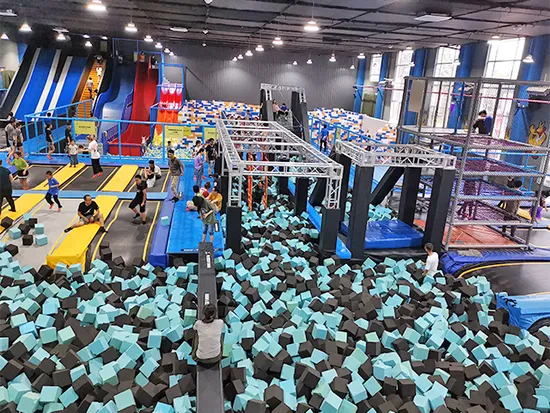
Indoor trampoline parks are expansive facilities featuring interconnected trampolines, foam pits, and various attractions such as dodgeball courts and climbing walls. They cater to a wide demographic, making them suitable for family entertainment, birthday parties, and corporate events. When considering purchasing or investing in such a park, B2B buyers should evaluate location, market demand, and potential partnerships with local schools or community organizations to maximize foot traffic and revenue.
How Do Trampoline Dodgeball Arenas Function in a B2B Context?
Trampoline dodgeball arenas are specialized sections within trampoline parks designed for competitive play. They foster teamwork and engagement, making them ideal for corporate team-building exercises and youth sports events. Buyers should consider the safety protocols and equipment required for these arenas, as well as the potential for hosting tournaments, which can attract larger crowds and increase revenue.
What Makes Trampoline Fitness Studios Attractive to B2B Buyers?
Trampoline fitness studios focus on utilizing trampolines for aerobic and strength training classes. This niche market is gaining traction, particularly among health-conscious consumers seeking unique workout experiences. B2B buyers should assess the demand for fitness offerings in their target market and consider the need for certified instructors to ensure safety and effectiveness in classes.
How Do Mobile Trampoline Parks Operate?
Mobile trampoline parks are versatile setups that can be transported to various locations for events, festivals, or corporate gatherings. This flexibility allows for lower overhead costs compared to traditional parks, making them an attractive option for B2B buyers looking to enter the trampoline entertainment market without significant upfront investment. However, considerations such as weather conditions and space limitations must be taken into account.
What Are the Advantages of Investing in a Trampoline Park Franchise?
Investing in a trampoline park franchise provides access to an established brand, operational support, and marketing resources. This can significantly reduce the risks associated with starting a new business. B2B buyers should weigh the benefits of brand recognition and customer loyalty against the franchise fees and the necessity to comply with corporate standards, which may limit operational flexibility.
Key Industrial Applications of trampoline parka
| Industry/Sector | Specific Application of trampoline parka | Value/Benefit for the Business | Key Sourcing Considerations for this Application |
|---|---|---|---|
| Entertainment Venues | Indoor trampoline parks and adventure complexes | Enhances customer experience, driving repeat visits | Safety certifications, material durability, local regulations |
| Fitness & Recreation | Health clubs and fitness centers offering trampoline workouts | Attracts diverse clientele, boosts membership sales | Compliance with health standards, equipment compatibility |
| Educational Institutions | Schools and universities incorporating trampolining in physical education | Promotes physical fitness and fun learning environments | Adaptability to different age groups, safety features |
| Event Management | Birthday parties and corporate events at trampoline parks | Unique venue for events, enhances customer satisfaction | Customization options, availability of additional services |
| Retail & Merchandise | Retailers selling trampoline-related products and apparel | Expands product range, increases sales opportunities | Quality assurance, supply chain efficiency, market trends |
How Are Trampoline Parkas Used in Entertainment Venues?
In indoor trampoline parks and adventure complexes, trampoline parkas are essential for creating a safe and enjoyable environment for guests. These parks often host various activities, from free jumping to organized games like dodgeball. The parkas not only protect users but also enhance the overall experience, encouraging repeat visits. For international buyers, especially in regions like Africa and the Middle East, sourcing trampoline parkas that meet local safety regulations and standards is crucial. Additionally, considering the durability of materials in varying climates ensures long-term use.
What Role Do Trampoline Parkas Play in Fitness & Recreation?
Health clubs and fitness centers are increasingly incorporating trampolining as a fun, high-energy workout option. Trampoline parkas are used to provide safety and comfort during these sessions, making them appealing to a broader demographic. This application can significantly boost membership sales by attracting individuals seeking innovative fitness solutions. Buyers in South America and Europe should prioritize parkas that comply with health and safety standards while also being comfortable and stylish to appeal to fitness enthusiasts.
How Are Trampoline Parkas Beneficial for Educational Institutions?
Schools and universities that incorporate trampolining into their physical education programs benefit from trampoline parkas by promoting an active lifestyle among students. These parkas ensure safety during physical activities, encouraging students to engage in exercise without fear of injury. For educational buyers, sourcing parkas that cater to different age groups and comply with local safety regulations is essential. This not only enhances the school’s reputation but also fosters a culture of health and fitness among students.
Why Are Trampoline Parkas Important for Event Management?
Trampoline parks serve as unique venues for birthday parties and corporate events, and trampoline parkas play a pivotal role in enhancing these experiences. They provide a fun and safe environment, which can lead to increased customer satisfaction and repeat bookings. Buyers in the event management sector should consider the customization options available for parkas, ensuring they align with the theme of the event. Additionally, the availability of added services, such as party planning and catering, can further enhance the appeal of trampoline parks for events.
How Can Retailers Benefit from Trampoline Parkas?
Retailers that sell trampoline-related products and apparel can expand their offerings by including trampoline parkas in their inventory. This diversification can lead to increased sales opportunities, as consumers look for quality gear to enhance their trampoline experience. For B2B buyers in Europe and other regions, ensuring quality assurance and understanding market trends are key considerations when sourcing these products. Retailers should also focus on supply chain efficiency to meet consumer demand promptly.
3 Common User Pain Points for ‘trampoline parka’ & Their Solutions
Scenario 1: Ensuring Safety and Compliance in Trampoline Parks
The Problem: B2B buyers, such as trampoline park owners, often face significant challenges in ensuring safety and compliance with local regulations. Safety is paramount in the trampoline industry, where injuries can occur without proper oversight. Buyers may struggle with sourcing trampoline parkas that meet rigorous safety standards, leading to anxiety over liability and insurance issues. The complexity of navigating different regional regulations can exacerbate the situation, particularly in diverse markets like Africa, South America, and the Middle East.
The Solution: To effectively address safety and compliance concerns, it is crucial for buyers to partner with reputable manufacturers who specialize in trampoline parkas designed to meet international safety standards. Conduct thorough research on suppliers, looking for certifications such as ASTM or EN standards, which indicate adherence to safety regulations. Additionally, buyers should implement a comprehensive safety training program for staff, focusing on proper usage and maintenance of trampoline parkas. Regular inspections and maintenance schedules should be established to ensure all equipment remains in good condition. Engaging with local regulatory bodies can also help clarify compliance requirements and foster a safer environment for jumpers.
Scenario 2: Managing Customer Experience and Satisfaction
The Problem: In a competitive market, trampoline park operators need to deliver an exceptional customer experience to retain patrons and generate positive word-of-mouth. However, B2B buyers often encounter difficulties in sourcing trampoline parkas that enhance the overall experience, especially in terms of comfort, fit, and aesthetics. Poor-quality parkas can lead to customer dissatisfaction, resulting in negative reviews and a decline in repeat business.
The Solution: To improve customer satisfaction, buyers should prioritize sourcing high-quality trampoline parkas that cater to diverse demographics, including children and adults. Opt for parkas made from breathable, lightweight materials that allow for freedom of movement while providing adequate warmth. Conduct surveys or focus groups to gather feedback from customers about desired features, such as colors, designs, and overall comfort. This feedback can guide purchasing decisions and ensure that the parkas align with customer expectations. Furthermore, consider implementing a loyalty program that rewards returning customers with discounts or exclusive offers, thereby enhancing their overall experience and fostering brand loyalty.
Scenario 3: Optimizing Operational Efficiency and Cost Management
The Problem: For trampoline park owners, managing operational costs while maintaining high service standards is a persistent challenge. B2B buyers often struggle with the financial implications of sourcing trampoline parkas, especially when it comes to bulk purchasing and inventory management. Poorly planned purchases can lead to excess inventory or stockouts, both of which can strain budgets and affect service delivery.
The Solution: To optimize operational efficiency and control costs, buyers should adopt a strategic approach to sourcing trampoline parkas. Start by conducting a thorough market analysis to understand demand trends and seasonal fluctuations. Establish relationships with multiple suppliers to compare pricing and quality, and consider negotiating bulk purchasing agreements to secure better rates. Implement inventory management software that tracks usage patterns and forecasts demand, allowing for more accurate ordering and minimizing excess stock. Additionally, consider offering a rental service for trampoline parkas, which can generate additional revenue while reducing the need for extensive inventory. By taking these steps, buyers can enhance their operational efficiency and ensure that their trampoline parks remain financially viable.
Strategic Material Selection Guide for trampoline parka
What Are the Key Materials Used in Trampoline Parkas?
When selecting materials for trampoline parkas, it’s essential to consider factors such as durability, weather resistance, and safety standards. Below are analyses of four common materials used in the production of trampoline parkas, focusing on their properties, advantages, disadvantages, and considerations for international B2B buyers.
How Does Polyester Perform as a Material for Trampoline Parkas?
Polyester is a widely used synthetic fabric known for its resilience and moisture-wicking properties. It boasts a high tensile strength, making it resistant to tearing and stretching. Polyester also has a good temperature rating, allowing it to maintain performance under various weather conditions.
Pros: Polyester is lightweight, quick-drying, and resistant to UV rays, making it suitable for outdoor trampoline parks. Its affordability and ease of manufacturing further enhance its appeal.
Cons: While durable, polyester can be less breathable than natural fibers, potentially leading to discomfort in hot climates. Additionally, it may not be as environmentally friendly as other materials.
Impact on Application: Polyester is compatible with various media, including water and sweat, making it ideal for trampoline park environments where users may experience high levels of activity.
Considerations for International Buyers: Compliance with international standards such as ASTM and EN for fabric safety is crucial. Buyers from regions like Africa and the Middle East may prioritize UV resistance due to intense sun exposure.
What Role Does Nylon Play in Trampoline Parkas?
Nylon is another synthetic material known for its exceptional strength and elasticity. It has excellent abrasion resistance and can withstand high pressure, making it suitable for active environments like trampoline parks.
Pros: Nylon is lightweight, durable, and has a high resistance to mildew and rot, which is beneficial in humid climates. Its flexibility allows for a comfortable fit and ease of movement.
Cons: Nylon can be more expensive than polyester, and its manufacturing process may be more complex. Additionally, it can absorb moisture, which may lead to discomfort if not treated properly.
Impact on Application: Nylon’s high tensile strength makes it suitable for trampoline parkas that need to endure rigorous use. However, its moisture absorption can be a drawback in wet conditions.
Considerations for International Buyers: Buyers should ensure that the nylon used meets local environmental regulations, especially in regions like Europe, where sustainability is increasingly prioritized.
Why Consider Cotton for Trampoline Parkas?
Cotton is a natural fiber known for its softness and breathability. While not as durable as synthetic materials, it provides comfort and is hypoallergenic, making it suitable for sensitive skin.
Pros: Cotton is highly breathable, making it ideal for warmer climates. It is also biodegradable, appealing to environmentally conscious buyers.
Cons: Cotton lacks the durability and weather resistance of synthetic materials. It can also absorb moisture, leading to longer drying times and potential discomfort.
Impact on Application: Cotton’s compatibility with skin makes it an excellent choice for children and individuals with sensitivities. However, its lower durability may limit its application in high-impact environments.
Considerations for International Buyers: Buyers should consider compliance with organic cotton standards, especially in markets that value sustainable practices, such as Europe and South America.
How Does Ripstop Fabric Enhance Trampoline Parkas?
Ripstop fabric, typically made from nylon or polyester, features a unique weaving technique that enhances its durability and resistance to tearing. This makes it an excellent choice for trampoline parkas that need to withstand rough use.
Pros: Ripstop fabric is lightweight yet incredibly strong, making it ideal for high-impact activities. Its tear-resistant properties ensure longevity, reducing the need for frequent replacements.
Cons: The manufacturing process can be more complex, leading to higher costs. Additionally, ripstop fabric may not provide the same level of breathability as other materials.
Impact on Application: Ripstop fabric’s durability makes it suitable for trampoline parks where equipment is subject to significant wear and tear.
Considerations for International Buyers: Compliance with international safety standards is crucial, especially in markets like Saudi Arabia and Vietnam, where regulations may vary.
Summary Table of Material Selection for Trampoline Parkas
| Material | Typical Use Case for trampoline parka | Key Advantage | Key Disadvantage/Limitation | Relative Cost (Low/Med/High) |
|---|---|---|---|---|
| Polyester | General-purpose trampoline parkas | Lightweight and UV resistant | Less breathable than natural fibers | Low |
| Nylon | High-performance trampoline parkas | High strength and abrasion resistance | More expensive and moisture-absorbing | Med |
| Cotton | Kids’ trampoline parkas | Breathable and hypoallergenic | Less durable and moisture-absorbing | Low |
| Ripstop Fabric | Heavy-duty trampoline parkas | Tear-resistant and durable | Higher manufacturing complexity | High |
By carefully considering these materials, B2B buyers can make informed decisions that align with their operational needs and market demands.
In-depth Look: Manufacturing Processes and Quality Assurance for trampoline parka
What Are the Main Stages in the Manufacturing Process of a Trampoline Parka?
The manufacturing process for trampoline parkas involves several critical stages, ensuring that the final product meets safety and performance standards. These stages include material preparation, forming, assembly, and finishing.
-
Material Preparation: The process begins with sourcing high-quality materials that are both durable and lightweight. Common materials include synthetic fabrics like nylon or polyester, which are chosen for their strength and resistance to tearing. These materials undergo quality checks to ensure they meet specified standards for durability and water resistance.
-
Forming: Once the materials are prepared, they are cut into patterns that fit the design specifications of the trampoline parka. This stage often employs automated cutting machines for precision, reducing waste and ensuring consistency across all units. Advanced techniques such as laser cutting may also be utilized for intricate designs.
-
Assembly: The cut pieces are then sewn together using industrial sewing machines. This stage requires skilled labor to ensure seams are reinforced and waterproofing techniques, such as seam sealing, are applied. The assembly process may involve adding additional features like zippers, pockets, and reflective strips to enhance usability and safety.
-
Finishing: After assembly, the parkas undergo finishing processes, which may include washing, drying, and pressing. This stage ensures that any manufacturing residues are removed and that the final product has a polished appearance. Additionally, quality checks are performed to ensure that all features function correctly and meet design specifications.
Which Key Techniques Are Used in Manufacturing Trampoline Parkas?
Manufacturers employ a variety of techniques to ensure the trampoline parkas are both functional and appealing. These techniques include:
-
Waterproofing Treatments: Many trampoline parkas undergo treatments such as DWR (Durable Water Repellent) to enhance their resistance to moisture. This is crucial for outdoor use in varying weather conditions.
-
Reinforced Stitching: To enhance durability, manufacturers often use reinforced stitching techniques at high-stress points. This ensures that the parkas withstand the rigors of active use.
-
Heat Sealing: In addition to traditional sewing, heat sealing may be used to bond fabrics together, creating a waterproof barrier that is especially important for outdoor parkas.
What International Standards Govern Quality Assurance in Trampoline Parkas?
Quality assurance in the manufacturing of trampoline parkas is governed by various international standards, which ensure that products meet safety and performance requirements. Key standards include:
-
ISO 9001: This standard outlines the requirements for a quality management system and is applicable to organizations involved in manufacturing and service provision. Compliance with ISO 9001 indicates a commitment to quality and customer satisfaction.
-
CE Marking: In Europe, products like trampoline parkas may require CE marking, which indicates conformity with health, safety, and environmental protection standards. This is particularly relevant for products intended for children or outdoor use.
-
API Standards: For manufacturers looking to export to regions with stringent safety regulations, adherence to API (American Petroleum Institute) standards may be necessary, especially if the materials involve any petrochemical components.
What Are the Key Quality Control Checkpoints During Manufacturing?
Quality control (QC) is integral to the manufacturing process, ensuring that each trampoline parka meets the required standards before reaching the market. The primary QC checkpoints include:
-
Incoming Quality Control (IQC): This step involves inspecting raw materials upon arrival. Manufacturers assess fabric quality, color consistency, and any certifications associated with the materials.
-
In-Process Quality Control (IPQC): During the manufacturing process, periodic checks are conducted to ensure that production techniques are followed correctly. This includes monitoring stitching quality and the application of waterproofing treatments.
-
Final Quality Control (FQC): After assembly, a thorough inspection of the finished products is performed. This includes checking for defects, ensuring all features function properly, and verifying that the parkas meet design specifications.
How Can B2B Buyers Verify Supplier Quality Control Practices?
For B2B buyers, particularly those operating in diverse markets such as Africa, South America, the Middle East, and Europe, verifying a supplier’s quality control practices is essential. Here are several methods to ensure supplier reliability:
-
Supplier Audits: Conducting regular audits of suppliers allows buyers to assess quality management systems, production capabilities, and adherence to international standards. This on-site evaluation provides insight into the manufacturing process and quality assurance measures.
-
Quality Reports: Requesting detailed quality reports from suppliers can offer transparency regarding their QC processes. These reports should include data from IQC, IPQC, and FQC stages.
-
Third-Party Inspections: Engaging third-party inspection agencies can provide an unbiased assessment of the manufacturing process and the quality of the final products. This is particularly useful for buyers unfamiliar with local suppliers.
What Are the QC and Certification Nuances for International B2B Buyers?
International buyers should be aware of specific nuances related to QC and certifications when sourcing trampoline parkas. These include:
-
Regional Compliance: Different regions may have unique compliance requirements. For example, products sold in the EU must meet CE marking standards, while North American markets may prioritize ASTM (American Society for Testing and Materials) standards.
-
Documentation: Buyers should ensure that suppliers can provide all necessary documentation, including test results, certifications, and compliance reports. This documentation is crucial for customs clearance and regulatory compliance.
-
Cultural Considerations: Understanding cultural differences in business practices and quality expectations can facilitate smoother negotiations and foster stronger relationships with suppliers in diverse regions.
By focusing on these aspects of manufacturing processes and quality assurance, B2B buyers can make informed decisions when sourcing trampoline parkas, ensuring they receive high-quality products that meet their operational needs and safety standards.
Practical Sourcing Guide: A Step-by-Step Checklist for ‘trampoline parka’
Introduction
This sourcing guide is designed to assist international B2B buyers in procuring trampoline park equipment effectively, particularly focusing on trampoline parkas. It outlines essential steps to ensure quality, compliance, and value in your procurement process, catering specifically to buyers from regions such as Africa, South America, the Middle East, and Europe.
1. Define Your Technical Specifications
Before initiating the sourcing process, clearly outline the technical specifications for the trampoline parka. This includes materials, dimensions, safety features, and any additional functionalities required, such as waterproofing or insulation. Defining these specifications helps streamline communication with suppliers and ensures that the products meet your operational needs.

Illustrative image related to trampoline parka
2. Conduct Market Research
Engage in comprehensive market research to identify potential suppliers and understand current market trends. Look for suppliers who specialize in trampoline park equipment and have a proven track record. This step is vital for benchmarking prices, quality, and features, allowing you to make informed decisions.
3. Evaluate Potential Suppliers
Before committing to a supplier, conduct a thorough evaluation. Request detailed company profiles, product catalogs, and references from previous clients, particularly those in similar markets. Pay attention to the supplier’s experience in the trampoline industry, and review their customer feedback to gauge reliability and service quality.
4. Verify Compliance and Certifications
Ensure that the trampoline parka adheres to relevant safety and quality standards in your target markets. Check for certifications such as ISO, CE, or local regulations that apply to play equipment. This verification is critical to mitigate risks associated with safety violations and to maintain a reputable business image.
5. Request Samples and Conduct Quality Testing
Before making a bulk purchase, request samples of the trampoline parka for quality assessment. Conduct thorough testing to evaluate durability, safety, and comfort. This step is essential to ensure that the product meets your specifications and performs well in a real-world setting, reducing the risk of costly returns or customer dissatisfaction.
6. Negotiate Terms and Conditions
Once you’ve identified a suitable supplier, engage in negotiations regarding pricing, payment terms, and delivery schedules. Aim for favorable terms that align with your budget and operational timelines. Clear agreements on these aspects can prevent misunderstandings and foster a stronger business relationship.
7. Establish a Long-term Partnership
Consider the potential for establishing a long-term partnership with your chosen supplier. This can lead to better pricing, priority service, and access to new product developments. A solid partnership can enhance your supply chain resilience and provide a competitive edge in the trampoline park industry.
By following these steps, B2B buyers can effectively navigate the sourcing process for trampoline parkas, ensuring that they obtain high-quality products that meet their business needs.
Comprehensive Cost and Pricing Analysis for trampoline parka Sourcing
What are the Key Cost Components in Sourcing a Trampoline Park?
When sourcing trampoline parks, understanding the cost structure is vital for making informed decisions. The primary cost components include:
-
Materials: This encompasses the cost of high-quality trampolines, safety padding, and additional attractions such as foam pits and climbing walls. Sourcing durable, high-performance materials is crucial to ensure safety and longevity.
-
Labor: Labor costs can vary significantly depending on the location and the complexity of the trampoline park design. Skilled technicians are often needed for installation and maintenance, which can add to the initial costs.
-
Manufacturing Overhead: This includes indirect costs such as utilities, rent, and administrative expenses associated with the production of trampoline equipment. Manufacturers with efficient overhead management can offer competitive pricing.
-
Tooling: The cost of custom molds and tools necessary for producing specific trampoline designs or features can be significant. Investing in high-quality tooling can enhance product quality and reduce long-term production costs.
-
Quality Control (QC): Implementing stringent quality control measures ensures that all products meet safety standards, which is particularly important in the trampoline industry. This may involve additional testing and certification processes.
-
Logistics: Shipping costs and distribution logistics play a crucial role, especially for international buyers. Understanding the shipping routes, customs regulations, and potential tariffs can help in budgeting accurately.
-
Margin: Finally, the profit margin set by suppliers influences the final price. Buyers should be aware of the margins typically applied in this industry to negotiate effectively.
What Factors Influence Pricing for Trampoline Parks?
Several factors can significantly influence the pricing of trampoline parks:
-
Volume/MOQ (Minimum Order Quantity): Purchasing in larger volumes often leads to reduced costs per unit. Suppliers may offer discounts for bulk orders, making it advantageous for larger operators.
-
Specifications and Customization: Custom designs and specific features can increase costs. Buyers should weigh the benefits of customization against the additional expenses involved.
-
Materials Quality and Certifications: Higher-quality materials and safety certifications can lead to higher prices but are essential for ensuring the park’s safety and compliance with local regulations.
-
Supplier Factors: The reputation and reliability of suppliers can affect pricing. Established suppliers with a track record of quality may command higher prices due to their reliability.
-
Incoterms: Understanding international commercial terms (Incoterms) is essential for determining who bears costs and risks during transportation. This can affect the overall price and cost structure.
What Tips Can Help Buyers Negotiate Better Prices?
For international B2B buyers, particularly from Africa, South America, the Middle East, and Europe, the following tips can enhance negotiation outcomes:

Illustrative image related to trampoline parka
-
Conduct Market Research: Understand the average pricing in different markets to identify fair pricing and avoid overpaying. Utilize regional insights for better negotiation leverage.
-
Consider Total Cost of Ownership (TCO): Evaluate not only the initial purchase price but also long-term costs such as maintenance, operational expenses, and potential downtime. A lower upfront cost may not always equate to better value.
-
Negotiate Terms and Conditions: Be open to negotiating payment terms, delivery schedules, and warranties. Flexibility in these areas can lead to better overall pricing.
-
Build Relationships with Suppliers: Establishing a strong relationship with suppliers can lead to favorable pricing and terms over time. Regular communication and feedback can also encourage better service.
-
Leverage Group Buying: If feasible, consider joining forces with other trampoline park operators to negotiate bulk purchasing deals, which can lead to substantial savings.
Are There Any Pricing Nuances for International Buyers?
International buyers must be aware of specific pricing nuances when sourcing trampoline parks:
-
Currency Fluctuations: Be mindful of exchange rates, as they can significantly impact the final costs. Locking in prices or negotiating in your local currency can mitigate risks.
-
Import Duties and Taxes: Research applicable tariffs and taxes in your home country. These can add significant costs to the imported trampoline equipment.
-
Cultural Considerations: Understand cultural differences in business practices and negotiation styles, which can influence pricing discussions and relationships with suppliers.
Disclaimer for Indicative Prices
Prices can vary widely based on location, supplier, and specific project requirements. The figures discussed are indicative and should be used as a general guide. Always seek detailed quotes from multiple suppliers to ensure you are getting the best value for your investment.
Alternatives Analysis: Comparing trampoline parka With Other Solutions
Exploring Alternative Solutions to Trampoline Parks
In the realm of indoor entertainment, trampoline parks have become a popular choice for families and groups seeking active fun. However, various alternatives exist that can offer similar experiences or fulfill specific needs of B2B buyers. Understanding these alternatives is essential for making informed decisions in a competitive market.
| Comparison Aspect | Trampoline Parka | Indoor Adventure Park | Inflatable Bounce House |
|---|---|---|---|
| Performance | High energy, diverse activities | Multiple attractions (climbing, slides) | Limited to bouncing; less variety |
| Cost | Moderate to high operating costs | Higher initial investment, potential for greater ROI | Lower upfront costs, but limited lifespan |
| Ease of Implementation | Requires extensive space and safety compliance | Complex setup, requires a variety of equipment | Easy to set up, minimal space needed |
| Maintenance | Regular safety checks and repairs needed | Higher maintenance due to various attractions | Requires regular cleaning and occasional repairs |
| Best Use Case | Ideal for diverse age groups and events | Great for family outings and birthday parties | Suitable for smaller events or temporary setups |
What Are the Pros and Cons of Indoor Adventure Parks?
Indoor adventure parks present a viable alternative to trampoline parks, offering a variety of attractions beyond just trampolining, such as climbing walls, obstacle courses, and slides. The primary advantage is the ability to cater to a broader audience with different interests, making it an excellent choice for family outings or corporate team-building events. However, the initial investment can be significantly higher, and the complexity of managing multiple attractions may require more resources and staff training.
How Do Inflatable Bounce Houses Compare to Trampoline Parks?
Inflatable bounce houses are a cost-effective alternative for events that require temporary setups. They are easy to transport and install, making them ideal for outdoor events, festivals, or parties. The initial investment is lower than that of a trampoline park, making them attractive for small businesses or individuals looking to enter the entertainment space. However, they offer limited engagement compared to trampoline parks and may not have the same appeal for older children or adults.
Conclusion: How to Choose the Right Solution for Your Business Needs
When selecting the most suitable entertainment solution, B2B buyers should consider their target audience, budget, and operational capacity. Trampoline parks provide a high-energy environment that appeals to a wide age range but require significant investment and maintenance. Indoor adventure parks offer diverse attractions for a more extensive audience but come with higher initial costs and complexity. In contrast, inflatable bounce houses present a budget-friendly option for smaller events, albeit with limited engagement. Evaluating these factors will help businesses align their offerings with customer preferences and operational goals, ultimately leading to a more successful venture in the indoor entertainment industry.
Essential Technical Properties and Trade Terminology for trampoline parka
What Are the Key Technical Properties of a Trampoline Parka?
When sourcing a trampoline parka for your business, understanding its technical properties is crucial for ensuring safety, durability, and compliance with industry standards. Below are some essential specifications to consider:
-
Material Grade
– The primary fabric used in trampoline parkas should be a durable, high-quality synthetic blend, often comprising polyester or nylon. These materials are preferred for their resistance to wear and tear, as well as their ability to withstand moisture and stains. A higher material grade ensures longer-lasting products, which can reduce replacement costs for businesses. -
Weight Capacity
– Each trampoline parka should have a clearly defined weight capacity, typically outlined in the product specifications. This is critical for safety compliance, ensuring that the parkas can accommodate jumpers of various sizes without risk of failure. Understanding the weight capacity helps businesses in planning their operational guidelines and ensures a safer environment for customers. -
Seam and Stitch Quality
– The stitching used in the construction of trampoline parkas must be reinforced to prevent tearing and enhance durability. Double-stitched seams are common in high-quality parkas, providing additional strength. Evaluating seam quality is essential for B2B buyers, as it directly impacts the longevity and safety of the product. -
Tolerance Levels
– Tolerance refers to the acceptable limits of variation in the dimensions of the trampoline parka. Maintaining strict tolerances during manufacturing ensures that the parkas fit correctly and perform as expected. This is particularly important for businesses that operate in high-traffic environments, where consistent product performance is necessary for customer satisfaction. -
Safety Compliance Standards
– Trampoline parkas should comply with specific safety standards relevant to the region of operation, such as ASTM or EN standards. Ensuring compliance not only enhances safety but also protects businesses from potential legal liabilities. B2B buyers should verify that the products they procure meet these regulatory requirements. -
Breathability and Comfort
– The fabric used in trampoline parkas should be breathable to enhance comfort during physical activity. Look for moisture-wicking properties that help keep jumpers dry and comfortable. This is vital for customer satisfaction and can influence repeat business, as patrons are more likely to return if they feel comfortable while using the equipment.
What Are Common Trade Terms Relevant to Trampoline Parkas?
Familiarity with industry jargon is essential for effective communication and negotiation in B2B transactions. Here are several key terms you should know:
-
OEM (Original Equipment Manufacturer)
– An OEM is a company that produces parts or equipment that may be marketed by another manufacturer. In the context of trampoline parkas, working with an OEM can ensure that you receive high-quality products tailored to your specifications. -
MOQ (Minimum Order Quantity)
– MOQ refers to the minimum number of units a supplier is willing to sell. Understanding MOQ is vital for inventory management, as it impacts your initial investment and stock levels. Negotiating favorable MOQ terms can lead to better pricing and more manageable inventory. -
RFQ (Request for Quotation)
– An RFQ is a document sent to suppliers requesting pricing and terms for specific products. Crafting a detailed RFQ for trampoline parkas will help you compare offers from multiple suppliers and ensure you make informed purchasing decisions. -
Incoterms (International Commercial Terms)
– Incoterms are a set of rules that define the responsibilities of buyers and sellers in international transactions. Familiarity with these terms can help mitigate risks associated with shipping and delivery, ensuring that all parties understand their obligations. -
Lead Time
– Lead time refers to the time taken from placing an order to receiving the goods. Understanding lead times for trampoline parkas is crucial for inventory planning, especially during peak seasons or promotional events. -
Warranty and Return Policy
– This refers to the terms under which a supplier guarantees the quality of their products and the conditions under which returns are accepted. A solid warranty and clear return policy are critical for B2B buyers, providing assurance of product quality and recourse in case of defects.
By grasping these essential properties and trade terms, B2B buyers can make informed decisions when sourcing trampoline parkas, leading to successful partnerships and enhanced customer experiences.
Navigating Market Dynamics and Sourcing Trends in the trampoline parka Sector
What Are the Key Market Trends Driving the Trampoline Park Sector?
The trampoline park sector is experiencing robust growth globally, driven by rising consumer demand for unique entertainment experiences and the increasing popularity of fitness activities. Key trends include the integration of technology in park operations, such as mobile applications for ticketing and membership management, and virtual reality experiences to enhance customer engagement. Internationally, buyers from regions like Africa, South America, the Middle East, and Europe are showing keen interest in establishing trampoline parks, recognizing the potential for high foot traffic and repeat visits, particularly among families and young adults.

Illustrative image related to trampoline parka
Emerging B2B sourcing trends highlight a shift towards customizable park designs that accommodate local preferences, cultural nuances, and safety regulations. For instance, parks in Saudi Arabia may focus on family-friendly attractions, while those in Europe might prioritize fitness-oriented options like trampoline aerobics. Moreover, the demand for specialized equipment, such as foam pits and interactive play areas, is on the rise, necessitating suppliers who can deliver high-quality, innovative solutions. This diversification of offerings enables parks to cater to broader demographics, enhancing customer satisfaction and loyalty.
How Is Sustainability Impacting the Sourcing of Trampoline Park Equipment?
Sustainability is becoming a critical factor in the sourcing strategies of trampoline park operators. As environmental concerns grow, B2B buyers are increasingly seeking suppliers who prioritize sustainable practices. The use of eco-friendly materials in park construction and equipment, such as recycled plastics and sustainably sourced wood, can significantly reduce the environmental impact of trampoline parks.
Additionally, ethical sourcing is vital for maintaining a positive brand image. Buyers are encouraged to partner with manufacturers who adhere to fair labor practices and demonstrate transparency in their supply chains. Certifications like ISO 14001 (Environmental Management) and FSC (Forest Stewardship Council) are becoming essential in evaluating potential suppliers. By prioritizing sustainability, trampoline parks not only align with consumer values but also position themselves favorably in a competitive market, attracting a conscientious clientele.
What Is the Historical Context of the Trampoline Park Sector?
The trampoline park sector began to gain traction in the early 2000s, evolving from simple recreational facilities to sophisticated entertainment complexes. This evolution was influenced by the success of early pioneers, such as Sky Zone, which introduced the concept of indoor trampoline parks as a destination for family entertainment. Over the years, the sector has diversified, incorporating various attractions like foam pits, dodgeball courts, and ninja courses, catering to a wider audience.
As the industry matured, the focus shifted towards enhancing the customer experience through technology and innovative park designs. This transformation has led to increased investment from B2B buyers looking to capitalize on the growing demand for active entertainment, particularly in emerging markets. Understanding this historical context is crucial for contemporary buyers, as it highlights the importance of innovation and adaptability in a rapidly evolving sector.
Frequently Asked Questions (FAQs) for B2B Buyers of trampoline parka
-
How do I source high-quality trampoline park equipment for my business?
To source high-quality trampoline park equipment, start by researching reputable manufacturers and suppliers with a proven track record. Look for companies that specialize in commercial-grade trampoline parks and have positive reviews from existing clients. Attend industry trade shows and exhibitions to connect with potential suppliers, and request samples or visits to their facilities for firsthand evaluation. Additionally, verify their certifications and compliance with safety standards to ensure the equipment meets international regulations. -
What is the best trampoline park equipment for family entertainment centers?
The best trampoline park equipment for family entertainment centers includes a mix of traditional trampolines, foam pits, dodgeball courts, and climbing walls. Consider options that cater to various age groups, such as toddler zones and interactive games. Additionally, look for customizable attractions that can be tailored to your target audience’s preferences. Prioritize equipment that incorporates safety features and offers a unique experience to enhance customer satisfaction and repeat visits. -
What are the key factors to consider when vetting trampoline park suppliers?
When vetting trampoline park suppliers, consider their industry experience, product quality, safety certifications, and customer service. Review their portfolio of completed projects to gauge their expertise and reliability. It’s also essential to check references and testimonials from previous clients. Additionally, inquire about their warranty policies, lead times for delivery, and support services to ensure they can meet your operational needs effectively. -
What are the minimum order quantities (MOQs) for trampoline park equipment?
Minimum order quantities (MOQs) for trampoline park equipment can vary significantly by supplier and product type. Typically, MOQs can range from a few units to several dozen, depending on the complexity and customization of the equipment. It’s crucial to discuss your specific needs with potential suppliers to determine their MOQs and see if they can accommodate smaller orders, especially for startups or smaller venues. -
What payment terms should I negotiate with trampoline park suppliers?
When negotiating payment terms with trampoline park suppliers, aim for flexible options that suit your cash flow. Common terms include a deposit upfront (typically 30-50%), followed by the balance upon delivery or installation. Explore options for extended payment plans or financing, especially if you’re placing a large order. Always ensure that the terms are clearly outlined in a contract to avoid misunderstandings later. -
How can I ensure quality assurance (QA) for trampoline park equipment?
To ensure quality assurance (QA) for trampoline park equipment, establish clear specifications and standards before placing an order. Request detailed product descriptions, safety certifications, and test results from the supplier. Implement a quality control process that includes inspections during manufacturing and before delivery. Consider third-party inspections or testing to validate the equipment’s safety and performance, ensuring it meets both local and international standards. -
What logistics considerations should I keep in mind when importing trampoline park equipment?
When importing trampoline park equipment, consider logistics aspects such as shipping methods, customs regulations, and delivery timelines. Choose a reliable freight forwarder experienced in handling large equipment shipments to navigate international trade complexities. Ensure you understand the import duties, tariffs, and documentation required to avoid delays. Additionally, plan for potential storage solutions upon arrival, as equipment may need time for assembly and installation. -
What are the trends in trampoline park attractions that I should be aware of?
Current trends in trampoline park attractions include the integration of virtual reality experiences, ninja courses, and obstacle challenges that appeal to a wider audience. Family-friendly features like toddler zones and interactive games are increasingly popular, as are themed events and seasonal attractions. Stay updated on industry developments by following trade publications and attending conferences, as innovation is key to maintaining a competitive edge in the family entertainment market.
Top 1 Trampoline Parka Manufacturers & Suppliers List
1. Altitude Trampoline Park – Indoor Attractions & Party Packages

Domain: altitudetrampolinepark.com
Registered: 2012 (13 years)
Introduction: Altitude Indoor Trampoline Park offers a variety of attractions including trampolines, air bags, dodgeball, battle beam, and digital experiences. They provide birthday party packages with all-access fun and the option to book the entire park for private events. Safety is emphasized with a video orientation and waiver signing. Programs and events may vary by location.
Strategic Sourcing Conclusion and Outlook for trampoline parka
Why is Strategic Sourcing Crucial for Trampoline Park Operators?
In the rapidly evolving landscape of the trampoline park industry, strategic sourcing emerges as a vital component for maximizing operational efficiency and enhancing customer experiences. By focusing on building strong supplier relationships and leveraging global market insights, trampoline park operators can secure high-quality equipment and innovative attractions that resonate with diverse audiences across regions such as Africa, South America, the Middle East, and Europe.
How Can B2B Buyers Enhance Their Competitive Edge?
International B2B buyers should prioritize partnerships with manufacturers who not only provide durable and safety-compliant trampoline equipment but also offer customizable solutions that cater to local market preferences. Engaging in thorough market analysis and supplier vetting will empower buyers to make informed decisions that can lead to cost savings and improved service offerings.
What Lies Ahead for the Trampoline Park Industry?
Looking forward, the trampoline park sector is poised for significant growth, driven by increasing demand for family-friendly entertainment options. As the industry continues to innovate, B2B buyers are encouraged to embrace strategic sourcing practices that align with their long-term business goals. By investing in quality and adaptability, trampoline park operators can create unforgettable experiences that attract and retain customers. Now is the time to take action—evaluate your sourcing strategies and explore new partnerships that will elevate your business to new heights.
Important Disclaimer & Terms of Use
⚠️ Important Disclaimer
The information provided in this guide, including content regarding manufacturers, technical specifications, and market analysis, is for informational and educational purposes only. It does not constitute professional procurement advice, financial advice, or legal advice.
While we have made every effort to ensure the accuracy and timeliness of the information, we are not responsible for any errors, omissions, or outdated information. Market conditions, company details, and technical standards are subject to change.
B2B buyers must conduct their own independent and thorough due diligence before making any purchasing decisions. This includes contacting suppliers directly, verifying certifications, requesting samples, and seeking professional consultation. The risk of relying on any information in this guide is borne solely by the reader.

Leave a Reply