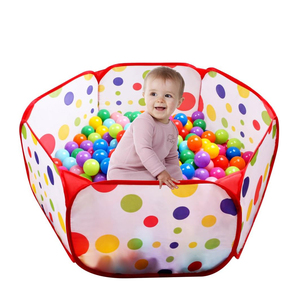
Introduction: Navigating the Global Market for wholesale ball pit balls
In the dynamic world of children’s entertainment, sourcing wholesale ball pit balls presents a unique set of challenges for B2B buyers. Whether you’re a retailer in Nigeria looking to enhance your product offerings or a distributor in Germany seeking reliable suppliers, understanding the nuances of this market is crucial. The demand for high-quality, safe, and vibrant ball pit balls continues to rise, driven by their popularity in play centers, daycare facilities, and home play areas. This guide aims to equip international buyers with the insights needed to navigate the complexities of wholesale ball pit ball procurement.
Throughout this comprehensive resource, we will explore various aspects of the market, including the different types of ball pit balls available, their applications across diverse settings, and essential factors for vetting suppliers. Additionally, we will delve into cost considerations, ensuring you can make informed purchasing decisions that align with your budget and business goals.
By addressing these key areas, this guide empowers B2B buyers from regions such as Africa, South America, the Middle East, and Europe to confidently engage with suppliers, optimize their inventory, and ultimately enhance the play experiences they offer to children. Prepare to unlock the potential of wholesale ball pit balls and elevate your business offerings with the knowledge and strategies presented in this guide.
Understanding wholesale ball pit balls Types and Variations
| Type Name | Key Distinguishing Features | Primary B2B Applications | Brief Pros & Cons for Buyers |
|---|---|---|---|
| PVC Ball Pit Balls | Durable, lightweight, available in various sizes | Amusement parks, indoor play centers | Pros: Cost-effective, wide availability. Cons: May contain chemicals if not sourced from reputable suppliers. |
| LDPE Ball Pit Balls | Soft, non-toxic, phthalate-free, and BPA-free materials | Childcare centers, educational institutions | Pros: Safe for children, environmentally friendly. Cons: Higher cost compared to PVC. |
| Crush-Proof Ball Pit Balls | Resistant to crushing, maintains shape under pressure | High-traffic venues, commercial use | Pros: Long-lasting, reduces replacement frequency. Cons: Can be heavier and more expensive. |
| Colorful Mixed Balls | Vibrant colors, various sizes, often used in themed pits | Retail stores, event rentals | Pros: Attracts children, enhances play experience. Cons: Color fading may occur over time. |
| Eco-Friendly Recycled Balls | Made from recycled materials, sustainable production | Eco-conscious businesses, party planners | Pros: Appeals to environmentally aware consumers. Cons: May have limited color options and availability. |
What Are the Key Characteristics of PVC Ball Pit Balls?
PVC (Polyvinyl Chloride) ball pit balls are among the most common types available in the wholesale market. They are known for their durability and lightweight nature, making them ideal for various applications, including amusement parks and indoor play centers. When sourcing PVC balls, B2B buyers should ensure they are purchasing from reputable suppliers to avoid products that contain harmful chemicals. The cost-effectiveness of PVC balls makes them an attractive option for businesses looking to maximize their budget while providing engaging play experiences.
Why Choose LDPE Ball Pit Balls for Childcare?
LDPE (Low-Density Polyethylene) ball pit balls are specifically designed with safety in mind. They are non-toxic, phthalate-free, and BPA-free, making them ideal for environments such as childcare centers and educational institutions. Their softer texture reduces the risk of injury, which is a primary concern for parents and educators. While LDPE balls may come at a higher price point than PVC options, the investment is justified by their safety features and appeal to health-conscious consumers.
What Are the Advantages of Crush-Proof Ball Pit Balls?
Crush-proof ball pit balls are engineered to withstand significant pressure without losing their shape, making them perfect for high-traffic environments like commercial venues. These balls are designed for longevity, reducing the frequency of replacements and maintenance costs for businesses. While they may be heavier and more expensive than standard options, their durability offers a long-term cost-saving advantage for B2B buyers who prioritize quality and performance.
How Do Colorful Mixed Balls Enhance Play Experiences?
Colorful mixed balls add a vibrant and engaging element to ball pits, making them particularly appealing for retail stores and event rentals. These balls come in various sizes and colors, often used to create themed play areas that attract children. However, buyers should be aware that while colorful balls enhance play experiences, they may fade over time, which could affect the aesthetic appeal of the play area. Careful consideration of the ball’s longevity and color retention is essential for maximizing customer satisfaction.
What Makes Eco-Friendly Recycled Balls a Sustainable Choice?
Eco-friendly recycled balls are made from sustainable materials, appealing to businesses that prioritize environmental responsibility. These balls are particularly suitable for eco-conscious companies and party planners looking to offer sustainable options. While they may have limited color choices and availability compared to traditional materials, their appeal to environmentally aware consumers can significantly enhance brand loyalty. B2B buyers should evaluate their target market’s values when considering eco-friendly options in their inventory.
Key Industrial Applications of wholesale ball pit balls
| Industry/Sector | Specific Application of wholesale ball pit balls | Value/Benefit for the Business | Key Sourcing Considerations for this Application |
|---|---|---|---|
| Childcare Facilities | Used in indoor play areas and sensory rooms for children | Enhances child engagement and promotes physical activity | Ensure compliance with safety standards and non-toxic materials |
| Entertainment Venues | Integrated into family entertainment centers and amusement parks | Attracts families and increases foot traffic and revenue | Consider durability and color variety to enhance visual appeal |
| Retail Stores | Featured in toy sections to create interactive displays | Drives sales through enhanced customer experience | Look for bulk purchasing options and seasonal color trends |
| Education Sector | Utilized in Montessori and early childhood education environments | Aids in sensory development and fine motor skills | Verify educational safety certifications and material quality |
| Event Planning | Used in themed parties and events for children | Creates engaging and memorable experiences for attendees | Source versatile color options and easy-to-clean materials |
How Are Wholesale Ball Pit Balls Used in Childcare Facilities?
In childcare facilities, wholesale ball pit balls are essential for creating safe and stimulating environments. They are often used in indoor play areas and sensory rooms, providing children with opportunities for physical activity and sensory exploration. The vibrant colors and soft textures stimulate engagement, encouraging social interaction and cooperative play among children. Buyers should prioritize sourcing balls that meet stringent safety standards, ensuring they are made from non-toxic materials to promote a safe play environment.
What Role Do Ball Pit Balls Play in Entertainment Venues?
Family entertainment centers and amusement parks often incorporate ball pits as a key attraction. These colorful and inviting play areas draw families, enhancing the overall visitor experience and increasing foot traffic. The presence of ball pit balls can significantly boost revenue, as they provide a fun and safe space for children to play while parents relax. When sourcing, businesses should focus on durability and a variety of colors to maintain visual appeal and withstand heavy usage.
How Can Retail Stores Benefit from Wholesale Ball Pit Balls?
Retail stores, particularly those focused on children’s toys, can leverage wholesale ball pit balls to create interactive displays that engage young shoppers. By incorporating ball pits into toy sections, retailers can enhance the customer experience, driving sales and encouraging parents to spend more time in-store. It’s essential for retailers to consider bulk purchasing options and stay abreast of seasonal color trends to attract customers effectively.
In What Ways Do Educational Institutions Utilize Ball Pit Balls?
In the education sector, particularly in Montessori and early childhood settings, wholesale ball pit balls serve as valuable tools for sensory development and fine motor skill enhancement. They provide tactile stimulation and encourage movement, which is crucial for young learners. Buyers in this sector must verify that the balls comply with educational safety certifications and prioritize high-quality materials to ensure a safe learning environment.
How Are Ball Pit Balls Used in Event Planning?
Event planners frequently incorporate wholesale ball pit balls into themed parties and children’s events to create engaging and memorable experiences. These vibrant balls can transform any space into a playful environment, delighting children and their parents alike. For successful sourcing, planners should focus on versatile color options and select materials that are easy to clean, ensuring the balls remain visually appealing throughout the event.
3 Common User Pain Points for ‘wholesale ball pit balls’ & Their Solutions
Scenario 1: Sourcing Quality and Safety Standards for Wholesale Ball Pit Balls
The Problem: B2B buyers, especially those in regions with strict safety regulations like Europe and North America, often struggle to ensure that the wholesale ball pit balls they source meet local safety standards. Inadequate knowledge about material specifications can lead to costly compliance issues, including returns and reputational damage. Buyers may find themselves overwhelmed by the myriad of options available, leading to decisions based more on price than on quality or safety, which can endanger children who use the products.
The Solution: To effectively source safe and high-quality ball pit balls, B2B buyers should prioritize suppliers that provide clear documentation of their products’ compliance with relevant safety standards such as CPSC and ASTM F963-23. When negotiating with suppliers, request detailed product specifications, including material safety data sheets (MSDS) and certifications that prove the balls are phthalate-free, BPA-free, and made from non-toxic materials. Establishing a partnership with manufacturers who specialize in the production of commercial-grade ball pit balls can also ensure consistency in quality. Furthermore, conducting your own product testing or requesting samples before placing large orders can mitigate risks and ensure the safety of the products you provide.
Scenario 2: Managing Inventory and Supply Chain Challenges
The Problem: Many businesses experience difficulties managing inventory levels and maintaining a reliable supply chain for ball pit balls. In regions where shipping times can vary significantly due to logistics challenges, such as in parts of Africa and South America, stockouts can disrupt business operations and affect customer satisfaction. Additionally, fluctuations in demand during peak seasons can lead to excess inventory or shortages, further complicating inventory management.
The Solution: To alleviate inventory management challenges, B2B buyers should implement a robust inventory management system that tracks stock levels in real time and forecasts demand based on historical sales data. Establishing a strong relationship with multiple suppliers can provide flexibility and security in the supply chain, allowing for quicker replenishment when demand spikes. Consider utilizing just-in-time (JIT) inventory practices to minimize holding costs while ensuring product availability. Additionally, exploring local suppliers can reduce shipping times and costs, enhancing responsiveness to changing market conditions. Regularly reviewing and adjusting your inventory strategy based on seasonal trends and market insights will help maintain optimal stock levels.
Scenario 3: Customization Needs for Diverse Market Demands
The Problem: B2B buyers often encounter challenges in catering to diverse market demands, especially when it comes to customization options for ball pit balls. Clients in different regions may have specific preferences for colors, sizes, or branding that are not readily available in wholesale offerings. This lack of customization can lead to lost sales opportunities and dissatisfaction among clients who are looking for unique or tailored products for their businesses.
The Solution: To address customization needs, B2B buyers should engage with suppliers who offer a range of customization options, including color variations, sizes, and the ability to print logos or designs on the balls. During negotiations, inquire about minimum order quantities for custom products and timelines for production. Building a close relationship with your supplier can facilitate more flexible and responsive customization processes. Additionally, conducting market research to understand your target audience’s preferences can inform your customization strategy, ensuring that your offerings resonate with local tastes. Consider creating a feedback loop with your clients to gather insights on desired features, which can help you stay ahead of trends and improve your product offerings.
Strategic Material Selection Guide for wholesale ball pit balls
When selecting materials for wholesale ball pit balls, it is essential to consider various factors that impact performance, safety, and compliance with international standards. Below are analyses of four common materials used in the production of ball pit balls, focusing on their properties, advantages, disadvantages, and specific considerations for international buyers.
What Are the Key Properties of PVC for Ball Pit Balls?
Polyvinyl Chloride (PVC) is one of the most widely used materials for ball pit balls due to its versatility and durability. PVC balls can withstand a range of temperatures, typically from -15°C to 60°C, making them suitable for both indoor and outdoor applications. They exhibit good resistance to chemicals and UV light, which helps maintain their integrity over time.
Pros: PVC is relatively inexpensive, making it a cost-effective option for bulk purchases. Its manufacturing process is well-established, leading to consistent quality and availability.
Cons: While PVC is durable, it can become brittle over time, especially when exposed to extreme temperatures. Additionally, concerns regarding the environmental impact of PVC and its potential toxicity if not properly formulated can be a drawback for some buyers.
Impact on Application: PVC balls are compatible with various play environments, but buyers must ensure that the PVC used is phthalate-free and complies with safety standards such as ASTM F963-23.
How Does LDPE Compare as a Material for Ball Pit Balls?
Low-Density Polyethylene (LDPE) is another popular choice for ball pit balls, known for its softness and flexibility. LDPE can handle temperatures ranging from -50°C to 80°C, making it suitable for diverse climates.
Pros: LDPE is lightweight and has excellent impact resistance, which enhances safety during play. It is also recyclable, appealing to environmentally conscious buyers.
Cons: LDPE is generally more expensive than PVC and may not be as durable under heavy use. Its lower density can lead to a higher rate of wear and tear in high-traffic areas.
Impact on Application: LDPE balls are ideal for environments where safety is a priority, but buyers should ensure that the material meets international safety standards to avoid liability issues.
What Advantages Does ABS Offer for Ball Pit Balls?
Acrylonitrile Butadiene Styrene (ABS) is a robust thermoplastic known for its high impact resistance and toughness. ABS can withstand temperatures from -20°C to 80°C, making it suitable for various environments.
Pros: ABS is extremely durable and resistant to physical stress, making it an excellent choice for high-use areas. It also has a smooth surface that is easy to clean, promoting hygiene.
Cons: The production cost of ABS is higher than that of PVC and LDPE, which may deter budget-conscious buyers. Additionally, ABS may not be as flexible, which could impact playability.
Impact on Application: ABS balls are particularly suitable for commercial settings where durability is crucial. Buyers should verify compliance with relevant safety standards to ensure product acceptance in their markets.
What is the Role of TPR in Ball Pit Balls?
Thermoplastic Rubber (TPR) combines the properties of rubber and plastic, offering flexibility and resilience. TPR can handle temperatures from -30°C to 90°C, making it suitable for a wide range of conditions.
Pros: TPR is non-toxic and often free from harmful chemicals, making it a safe choice for children. Its flexibility allows for a softer feel, enhancing the play experience.
Cons: TPR can be more expensive than other materials, and its production process can be more complex, leading to higher manufacturing costs.
Impact on Application: TPR balls are ideal for environments focused on safety and sensory play. Buyers should confirm that the TPR used is compliant with international safety standards, especially in regions like Europe, where regulations are stringent.
Summary Table of Material Selection for Wholesale Ball Pit Balls
| Material | Typical Use Case for wholesale ball pit balls | Key Advantage | Key Disadvantage/Limitation | Relative Cost (Low/Med/High) |
|---|---|---|---|---|
| PVC | General-purpose ball pits in indoor/outdoor settings | Cost-effective and widely available | Can become brittle over time | Low |
| LDPE | Soft play areas prioritizing safety | Lightweight, impact-resistant, recyclable | More expensive and less durable | Medium |
| ABS | High-use commercial environments | Extremely durable and easy to clean | Higher production cost | High |
| TPR | Sensory play environments for children | Non-toxic and flexible | More complex manufacturing process | High |
This guide provides a comprehensive overview of the materials used in ball pit balls, helping international B2B buyers make informed decisions based on performance, safety, and compliance with relevant standards.
In-depth Look: Manufacturing Processes and Quality Assurance for wholesale ball pit balls
What Are the Key Stages in the Manufacturing Process of Wholesale Ball Pit Balls?
The manufacturing process for wholesale ball pit balls involves several critical stages, each designed to ensure the final product meets safety and quality standards. The main stages include material preparation, forming, assembly, and finishing.
-
Material Preparation: The primary material used for ball pit balls is typically polyethylene (PE) or polyvinyl chloride (PVC), chosen for its durability and safety. During this phase, raw materials are sourced from reputable suppliers, ensuring they are free from harmful substances such as BPA and phthalates. Material testing for compliance with safety regulations is conducted to guarantee that the raw inputs meet international standards.
-
Forming: The forming stage employs techniques like blow molding or injection molding to shape the balls. Blow molding is commonly used for creating hollow balls, allowing for lightweight and crush-proof designs. In contrast, injection molding might be utilized for more complex shapes or designs. Each method requires precision to ensure uniformity in size and weight, which is critical for both safety and playability.
-
Assembly: In some cases, ball pit balls may require additional components, such as unique textures or colors. This stage involves the assembly of these components, ensuring they are securely attached and that the final product is aesthetically appealing. Quality checks are integrated into this phase to catch any defects early.
-
Finishing: The finishing stage includes surface treatment and quality checks. Balls are often polished or coated to enhance their appearance and provide additional safety features. This step may also involve the application of non-toxic paints or finishes to meet safety regulations.
How Is Quality Assurance Implemented Throughout the Manufacturing Process?
Quality assurance (QA) is integral to the manufacturing of ball pit balls, ensuring that products are safe, durable, and meet customer expectations. Key aspects of the QA process include adherence to international standards, quality checkpoints, and various testing methods.
-
International Standards Compliance: Manufacturers often comply with ISO 9001, a quality management standard that helps organizations ensure they meet customer and regulatory requirements consistently. Additionally, specific industry standards such as CE (Conformité Européenne) mark and ASTM F963-23 (for toy safety) are crucial for manufacturers targeting international markets, including Europe and the Middle East.
-
Quality Checkpoints: The quality control process typically involves several checkpoints:
– Incoming Quality Control (IQC): Raw materials are inspected upon arrival to ensure they meet specified standards.
– In-Process Quality Control (IPQC): During production, random samples are taken to monitor the manufacturing process, ensuring that any deviations are addressed immediately.
– Final Quality Control (FQC): Before packaging, each batch of ball pit balls undergoes thorough testing for defects, size consistency, and safety compliance. -
Testing Methods: Common testing methods include:
– Mechanical Testing: Assessing the balls for durability, crush resistance, and elasticity.
– Chemical Testing: Verifying that materials are free from harmful substances and comply with health and safety regulations.
– Visual Inspection: Checking for color uniformity, surface defects, and overall appearance.
How Can B2B Buyers Verify Supplier Quality Control Processes?
For international B2B buyers, particularly those from regions like Africa, South America, and Europe, verifying a supplier’s quality control processes is essential for minimizing risks and ensuring product safety.
-
Supplier Audits: Conducting audits of potential suppliers can provide insights into their manufacturing processes and quality control measures. Buyers should request access to the supplier’s quality management certifications, such as ISO 9001 or CE certification, and review their quality control protocols.
-
Quality Reports: Suppliers should provide detailed quality reports that outline their testing methods and results. These reports should include data on product testing, compliance with safety standards, and any corrective actions taken for non-conformance.
-
Third-Party Inspections: Engaging third-party inspection services can provide an unbiased assessment of the supplier’s quality control processes. This step is particularly important for buyers in regions where local regulations may differ from international standards.
-
Certifications and Compliance Documentation: Buyers should request copies of compliance documentation that demonstrate adherence to international safety standards. This documentation is vital for ensuring that the products meet the required safety and quality benchmarks.
What Nuances Should International B2B Buyers Consider in Quality Control?
When dealing with international suppliers, B2B buyers must navigate various nuances in quality control that can affect their purchasing decisions.
-
Cultural Differences: Different countries may have varying approaches to quality assurance. Understanding these cultural differences can help buyers communicate their expectations clearly and work collaboratively with suppliers to achieve desired outcomes.
-
Regulatory Variations: Compliance with local regulations can vary significantly. Buyers should familiarize themselves with the specific requirements in their region, particularly regarding toy safety and material standards. This knowledge will help them assess whether a supplier’s certifications are relevant and sufficient.
-
Logistical Considerations: The logistics of shipping and transporting ball pit balls can introduce additional quality control challenges. Buyers should consider the potential for damage during transit and ensure that suppliers use appropriate packaging materials and methods to minimize risks.
-
Long-Term Partnerships: Establishing long-term relationships with suppliers can enhance quality assurance processes. Ongoing communication and collaboration can lead to continuous improvements in manufacturing and quality control, benefiting both parties in the long run.
By understanding these manufacturing processes and quality assurance measures, B2B buyers can make informed decisions when sourcing wholesale ball pit balls, ensuring they receive high-quality products that meet safety standards and customer expectations.
Practical Sourcing Guide: A Step-by-Step Checklist for ‘wholesale ball pit balls’
To assist B2B buyers in sourcing wholesale ball pit balls effectively, this guide outlines a practical checklist. Following these steps will ensure you make informed decisions, fostering successful partnerships and securing quality products for your business.
1. Define Your Technical Specifications
Establishing clear technical specifications is the first step in sourcing ball pit balls. This includes defining material types (e.g., PVC, LDPE), sizes, colors, and safety standards. Identifying these parameters helps streamline the selection process and ensures that the products meet your market’s demands and safety regulations.
2. Research and Shortlist Suppliers
Conduct thorough research to identify potential suppliers. Look for companies with a proven track record in producing ball pit balls, ideally with testimonials or reviews from other B2B buyers. Utilize platforms like Faire or specialized toy wholesalers, and consider geographic proximity to reduce shipping costs and lead times.
3. Verify Supplier Certifications
Before proceeding with any supplier, verify their certifications and compliance with international safety standards. Key certifications to look for include CPSC, ASTM F963-23, and EN71. These certifications demonstrate that the products have been tested for safety and are suitable for children, which is crucial for building trust with your customers.
4. Request Samples for Quality Assessment
Always request samples before placing a bulk order. This allows you to evaluate the quality, durability, and overall feel of the ball pit balls. Pay attention to factors such as color consistency, texture, and any potential defects. Testing samples ensures that the products meet your quality standards and customer expectations.
5. Evaluate Pricing and Payment Terms
Compare pricing structures from different suppliers, taking into account the total cost, including shipping and potential customs duties. It’s essential to understand payment terms—such as deposits, full payment upfront, or payment upon delivery. Negotiating favorable terms can improve cash flow and reduce financial risks.
6. Understand Shipping and Delivery Options
Discuss shipping options in detail with your chosen supplier. Consider factors like delivery timelines, shipping methods (air, sea, or land), and tracking capabilities. Understanding these logistics will help you plan your inventory management and ensure that you meet customer demands promptly.
7. Establish a Communication Plan
Set up a clear communication plan with your supplier to ensure ongoing collaboration. Determine the best methods and frequency for updates on order status, potential delays, and quality issues. Effective communication is vital for maintaining a strong relationship and addressing any concerns that may arise during the procurement process.
By following this checklist, B2B buyers can navigate the complexities of sourcing wholesale ball pit balls with confidence, ensuring they select the best products for their business needs.
Comprehensive Cost and Pricing Analysis for wholesale ball pit balls Sourcing
What Are the Key Cost Components in Sourcing Wholesale Ball Pit Balls?
When sourcing wholesale ball pit balls, understanding the cost structure is essential for effective budgeting and pricing strategies. The primary cost components include:
-
Materials: The choice of material significantly impacts the overall cost. PVC is commonly used due to its durability and cost-effectiveness. However, higher-quality materials such as non-toxic LDPE or phthalate-free compounds can increase costs but may justify their price through enhanced safety and longevity.
-
Labor: Labor costs vary depending on the manufacturing location. Countries with lower labor costs can offer competitive pricing, but this must be weighed against potential quality issues. Skilled labor is often needed for quality assurance, especially when producing custom designs.
-
Manufacturing Overhead: This encompasses the indirect costs associated with production, such as utilities, rent, and equipment depreciation. Efficient production processes can help minimize overhead, leading to more competitive pricing.
-
Tooling: For custom-sized or uniquely designed ball pit balls, tooling costs can be substantial. These costs should be factored into the overall pricing strategy, especially for lower volume orders.
-
Quality Control (QC): Implementing strict QC measures is crucial, particularly for products intended for children. The costs associated with testing and compliance with safety standards (like ASTM F963-23) should be included in the overall pricing.
-
Logistics: Shipping costs can vary widely based on destination, shipping method, and order size. International buyers should consider potential tariffs and duties that could affect the total landed cost.
-
Margin: Suppliers typically mark up prices to maintain profitability. Understanding the average margins in the industry can help buyers negotiate better deals.
How Do Price Influencers Affect Wholesale Ball Pit Ball Pricing?
Several factors influence the pricing of wholesale ball pit balls:
-
Volume and Minimum Order Quantity (MOQ): Bulk purchases often lead to significant discounts. Suppliers may have a MOQ, which can affect pricing flexibility. Buyers should assess their demand to optimize order sizes.
-
Specifications and Customization: Custom designs, colors, or sizes can lead to higher costs. Clear communication with suppliers about specifications can help avoid unexpected price increases.
-
Material Quality and Certifications: Higher-quality materials and safety certifications tend to increase costs. Buyers should weigh the benefits of enhanced quality against budget constraints.
-
Supplier Factors: Supplier reputation, reliability, and financial stability can influence pricing. Established suppliers may charge more due to their experience and proven quality.
-
Incoterms: Understanding shipping terms is vital. Incoterms dictate responsibilities for shipping costs, insurance, and risks, which can significantly impact the total cost of ownership.
What Buyer Tips Can Help Negotiate Better Prices for Wholesale Ball Pit Balls?
Navigating the complexities of international B2B purchasing requires strategic negotiation techniques:
-
Research and Compare: Before engaging with suppliers, conduct thorough market research. Compare prices from multiple suppliers to understand the competitive landscape.
-
Leverage Volume Discounts: If possible, consolidate orders or collaborate with other businesses to meet MOQ requirements, thus unlocking better pricing.
-
Total Cost of Ownership (TCO): Focus on the TCO rather than just the upfront price. Consider factors like durability, safety, and potential returns on investment when evaluating options.
-
Be Aware of Pricing Nuances: International buyers should be conscious of currency fluctuations, local market conditions, and cultural differences in negotiation styles.
-
Build Relationships: Establishing a strong relationship with suppliers can lead to better pricing and terms over time. Trust and communication are key components of successful long-term partnerships.
Disclaimer on Pricing
Please note that the prices mentioned in this analysis are indicative and subject to change based on market conditions, supplier negotiations, and other variables. Always consult with suppliers for the most accurate and current pricing information.
Alternatives Analysis: Comparing wholesale ball pit balls With Other Solutions
Exploring Alternatives: Evaluating Wholesale Ball Pit Balls Against Other Solutions
In the realm of children’s play equipment, wholesale ball pit balls stand out as a popular choice for enhancing play areas. However, businesses seeking to provide engaging and safe play experiences may also consider alternative solutions. This analysis compares wholesale ball pit balls against two viable alternatives: inflatable ball pits and foam play blocks, focusing on key performance aspects important for B2B buyers.
| Comparison Aspect | Wholesale Ball Pit Balls | Inflatable Ball Pits | Foam Play Blocks |
|---|---|---|---|
| Performance | Durable and long-lasting, providing sensory stimulation for children. | Offers soft, safe environments but may require inflation and deflation. | Versatile for various configurations, encouraging imaginative play. |
| Cost | Generally low-cost per unit; bulk purchasing options available. | Higher initial investment for quality inflatables; ongoing maintenance costs. | Moderate cost; can be higher depending on design and materials. |
| Ease of Implementation | Simple to set up; requires minimal effort for installation. | Requires space for setup and may need air pumps for inflation. | Easy to arrange but can require more space for larger setups. |
| Maintenance | Low maintenance; occasional cleaning needed. | Regular checks for leaks and punctures; requires storage space. | Easy to clean; durability reduces maintenance needs. |
| Best Use Case | Ideal for indoor/outdoor play areas, daycare centers, and events. | Suitable for temporary setups like fairs or parties. | Great for permanent play areas in schools, daycare facilities, or homes. |
What Are the Pros and Cons of Inflatable Ball Pits?
Inflatable ball pits offer a unique play experience, providing a soft, cushioned environment that is easy to transport. They are particularly advantageous for temporary setups at events, fairs, or parties. However, their reliance on air makes them susceptible to punctures, which can lead to maintenance challenges. Additionally, inflating and deflating these structures can be time-consuming, requiring dedicated space for storage when not in use.
How Do Foam Play Blocks Compare in Versatility and Safety?
Foam play blocks present an excellent alternative for creating dynamic play environments. Their versatility allows for various configurations, encouraging imaginative play and physical activity. They are generally safe, soft, and durable, making them suitable for younger children. However, the cost can vary significantly based on design and quality. While they require less maintenance than inflatables, the initial investment may be higher compared to bulk ball pit balls.
Conclusion: How Should B2B Buyers Choose the Right Solution?
When selecting the right play solution, B2B buyers should consider their target audience, space availability, and budget. Wholesale ball pit balls are a cost-effective, easy-to-implement choice for businesses aiming to create engaging play areas. In contrast, inflatable ball pits may cater to temporary events, while foam play blocks can provide a more permanent, versatile solution. Each option has its merits, and the decision should align with the specific needs and objectives of the business. By carefully evaluating these alternatives, buyers can make informed choices that enhance children’s play experiences while meeting their operational requirements.
Essential Technical Properties and Trade Terminology for wholesale ball pit balls
What Are the Key Technical Properties of Wholesale Ball Pit Balls?
When purchasing wholesale ball pit balls, understanding their technical properties is crucial for ensuring product quality and safety. Here are some of the most important specifications to consider:
-
Material Composition
– Most ball pit balls are made from various types of plastics, with PVC (Polyvinyl Chloride) and LDPE (Low-Density Polyethylene) being the most common. PVC is known for its durability and affordability, while LDPE offers flexibility and is often considered safer as it is free from phthalates and BPA. Selecting the right material impacts not only the ball’s longevity but also its safety for children, making it a critical factor for B2B buyers. -
Ball Diameter and Size Tolerance
– Ball sizes typically range from 1 inch to 2.5 inches in diameter. Size tolerance refers to the allowable variance in the ball’s dimensions, usually expressed in millimeters. For example, a tolerance of ±0.5mm means the actual size can vary by this amount. Consistent sizing is essential for safety and usability, especially in settings like play centers where balls are used in large quantities. -
Impact Resistance
– This property defines how well the ball can withstand pressure and impacts without deforming or bursting. Balls designed for commercial use should have high impact resistance to ensure they maintain their shape during vigorous play. Testing for impact resistance can help buyers ensure that they are investing in products that will last longer and reduce replacement costs. -
Surface Finish
– The surface finish of ball pit balls can vary from smooth to textured. A smooth finish is often easier to clean and maintain, while a textured surface can enhance grip and playability. The choice of surface finish can affect not only aesthetics but also safety, as a non-slip texture can prevent accidents in play areas. -
Safety Standards Compliance
– Compliance with safety standards such as ASTM F963-23 and CPSC regulations is paramount. These standards ensure that the materials used are non-toxic and that the balls are manufactured to prevent hazards like choking or injury. For international buyers, verifying compliance with local safety regulations is essential to avoid legal issues and ensure customer trust.
What Are Common Trade Terms in the Wholesale Ball Pit Ball Industry?
Understanding industry jargon can significantly enhance communication and negotiation with suppliers. Here are several key terms that B2B buyers should be familiar with:
-
OEM (Original Equipment Manufacturer)
– This term refers to companies that produce components or products that are used in another company’s end product. For buyers, working with an OEM can allow for customization options, potentially leading to unique offerings in their markets. -
MOQ (Minimum Order Quantity)
– This is the smallest quantity of a product that a supplier is willing to sell. Knowing the MOQ is essential for budgeting and inventory planning, especially for smaller businesses or startups looking to minimize upfront costs. -
RFQ (Request for Quotation)
– An RFQ is a document sent to suppliers to request pricing and terms for specific quantities of products. It’s an important step in procurement, enabling buyers to compare offers and negotiate better deals. -
Incoterms (International Commercial Terms)
– These are a set of predefined international trade terms that clarify the responsibilities of buyers and sellers regarding shipping, insurance, and tariffs. Understanding Incoterms helps buyers manage logistics more effectively and avoid unexpected costs. -
Lead Time
– This refers to the time taken from placing an order to receiving it. Knowing the lead time is crucial for inventory management and planning marketing campaigns around product availability. -
Durability Testing
– This term refers to the processes used to assess how well a product can withstand wear, pressure, or damage. For ball pit balls, durability testing ensures that they will last through extensive use, thus providing better value for the investment.
By familiarizing themselves with these properties and terms, international B2B buyers can make more informed purchasing decisions, ensuring they select high-quality, safe, and durable ball pit balls for their needs.
Navigating Market Dynamics and Sourcing Trends in the wholesale ball pit balls Sector
What Are the Key Trends Shaping the Global Wholesale Ball Pit Balls Market?
The wholesale ball pit balls market is witnessing significant growth driven by several global factors. The increasing popularity of indoor play spaces, especially in urban areas, is pushing demand for high-quality ball pit balls. Additionally, the rise of experiential retail, where businesses create immersive environments for customers, is driving demand in sectors like childcare, entertainment, and event planning.
Emerging technologies are also reshaping sourcing strategies. For instance, advanced manufacturing techniques, such as blow molding and 3D printing, are being adopted to produce more durable and customizable ball pit balls. Furthermore, digital platforms are facilitating direct sourcing options for international buyers, allowing them to connect with manufacturers globally and streamline their procurement processes.
Market dynamics are particularly favorable for buyers from regions like Africa, South America, the Middle East, and Europe. For example, in Nigeria, an expanding middle class and a growing emphasis on children’s recreational activities are increasing the demand for high-quality play products. Meanwhile, European buyers are increasingly focused on safety standards and certifications, driving manufacturers to comply with stringent regulations like ASTM F963 and CPSC.
How Is Sustainability Impacting the Sourcing of Wholesale Ball Pit Balls?
Sustainability is becoming a crucial consideration in the wholesale ball pit balls sector. The environmental impact of plastic production and disposal is prompting buyers to seek suppliers who prioritize eco-friendly practices. This includes sourcing materials that are recyclable or made from recycled content, thereby reducing the carbon footprint associated with new plastic production.
Ethical sourcing is equally important, as buyers are increasingly aware of the social implications of their supply chains. Suppliers that offer transparency regarding their labor practices and environmental policies are becoming more attractive to international B2B buyers. Certifications such as Green Seal or ISO 14001 are becoming essential for suppliers aiming to demonstrate their commitment to sustainability.
Moreover, the demand for ‘green’ materials, such as phthalate-free and BPA-free plastics, is on the rise. These materials not only meet safety standards but also appeal to environmentally conscious consumers, making them a selling point for businesses in regions with strong environmental regulations, such as Germany.
What Is the Historical Context of the Wholesale Ball Pit Balls Market?
The wholesale ball pit balls market has evolved significantly over the past few decades. Initially, ball pits were primarily found in amusement parks and children’s play areas. However, the late 1990s and early 2000s saw a surge in popularity for home-based play solutions, including ball pits, as families began to invest more in indoor recreational activities.
Manufacturers have responded by innovating in materials and production techniques, moving from traditional PVC to more advanced, non-toxic options that meet modern safety standards. This evolution reflects broader trends in consumer preferences for safer and more engaging play experiences for children. Today, the market is characterized by a diverse range of products that cater to various consumer needs, from commercial-grade offerings to eco-friendly alternatives, thus providing ample opportunities for international B2B buyers to source products that align with their business goals.
Frequently Asked Questions (FAQs) for B2B Buyers of wholesale ball pit balls
-
How do I ensure the quality of wholesale ball pit balls?
To ensure the quality of wholesale ball pit balls, look for suppliers that adhere to international safety standards, such as ASTM and CPSC. Request samples to evaluate the materials used, particularly for non-toxic certifications like BPA-free and phthalate-free. Additionally, inquire about the supplier’s quality assurance processes, including testing procedures and manufacturing certifications. Establishing a relationship with a reputable supplier who provides transparent information about their product specifications will help mitigate risks associated with quality. -
What are the most important specifications to consider when sourcing ball pit balls?
When sourcing ball pit balls, consider specifications such as size, material, weight, and color. Common sizes range from 1 inch to 2.5 inches, with PVC or LDPE being popular materials due to their durability and safety. Ensure the balls are crush-proof and free from harmful chemicals. Additionally, assess whether customization options are available to meet your branding or aesthetic requirements. Understanding these specifications will enable you to select the right product for your target market. -
What is the typical minimum order quantity (MOQ) for wholesale ball pit balls?
The minimum order quantity for wholesale ball pit balls can vary significantly between suppliers, typically ranging from 500 to 5,000 units. Factors influencing MOQ include the supplier’s production capabilities, material availability, and customization requests. Before placing an order, confirm the MOQ with your chosen supplier and discuss any potential flexibility, especially if you are a new buyer or looking to test the market with a smaller initial order. -
What payment terms should I expect when purchasing ball pit balls wholesale?
Payment terms in wholesale transactions can vary, but most suppliers require a deposit (often 30-50%) upfront with the balance due before shipping. Some may offer net terms (e.g., net 30 or net 60 days) for established buyers. It’s essential to negotiate payment terms that align with your cash flow while ensuring the supplier’s confidence in fulfilling the order. Additionally, consider secure payment methods like letters of credit or escrow services for larger transactions. -
How can I vet suppliers for ball pit balls in international markets?
To vet suppliers, start by researching their business credentials, including registration and certifications. Look for reviews or testimonials from other buyers, especially those in your region. Conduct a site visit if possible, or request a virtual tour of their manufacturing facilities. Additionally, verify their compliance with international safety standards and inquire about their production capacity and lead times. Trustworthy suppliers will be transparent about their processes and willing to provide references. -
What logistics considerations should I be aware of when importing ball pit balls?
Logistics considerations include shipping methods, customs regulations, and delivery times. Determine whether you will use air freight or sea freight based on your budget and urgency. Familiarize yourself with the customs duties and import taxes applicable to ball pit balls in your country. Collaborating with a reliable freight forwarder can streamline the process and help navigate any potential challenges, ensuring timely delivery of your products. -
Can I customize ball pit balls for my brand?
Yes, many suppliers offer customization options for ball pit balls, including color variations, logos, and packaging. Customization can enhance brand visibility and appeal to your target market. When discussing customization, provide clear specifications and quantities to ensure accurate pricing and production timelines. Be prepared for potential minimum order requirements for customized products, and confirm any additional costs involved in the customization process. -
What quality assurance practices should suppliers follow for ball pit balls?
Suppliers should implement stringent quality assurance practices, including regular testing of materials and final products for compliance with safety standards. This may involve testing for durability, non-toxicity, and colorfastness. Request documentation of quality tests, including third-party certifications, to verify compliance. A reputable supplier will have established protocols for identifying defects and addressing any quality issues promptly, ensuring that you receive reliable products that meet your specifications.
Top 2 Wholesale Ball Pit Balls Manufacturers & Suppliers List
1. CMS – Commercial Grade Playpen Balls

Domain: aaabestbuy.com
Registered: 2004 (21 years)
Introduction: CMS My Balls are true commercial grade playpen balls designed for durability and long-lasting use. They are made from phthalate-free, BPA-free, PVC-free, non-toxic LDPE plastic materials that meet and exceed CPSC, ASTM F963-23 toy safety standards. The product was developed by co-founders with 26 years of experience in thermoplastic and mechanical engineering, taking over 8 years to perfect the pr…
2. Oriental Trading – Bulk Colorful Pit Balls

Domain: orientaltrading.com
Registered: 1998 (27 years)
Introduction: Bulk 100 Pc. Colorful Pit Balls | Product Number: #13645123 | Price: $32.99 | Quantity: 100 pieces per unit | Size: 2 1/2″ (63mm) | Material: Plastic | Ideal for: Ball pits, birthday parties, field day activities, school carnivals | Customer Reviews: 22 Reviews | Questions: 8 Questions | Shipping: Ships from the US in 1 Business Day | Safety: Product Testing for 30+ Years | Guarantee: 110% Lowest …
Strategic Sourcing Conclusion and Outlook for wholesale ball pit balls
In conclusion, effective strategic sourcing for wholesale ball pit balls is crucial for international buyers seeking to enhance their product offerings while ensuring quality and compliance with safety standards. By prioritizing suppliers who utilize high-grade materials, such as phthalate-free and BPA-free plastics, businesses can differentiate themselves in competitive markets across Africa, South America, the Middle East, and Europe. Additionally, understanding the diverse sizing options and pricing structures can lead to optimized inventory management and improved profit margins.
As the demand for engaging and safe play experiences continues to rise, investing in quality ball pit balls not only enhances customer satisfaction but also fosters brand loyalty. Buyers should leverage strategic sourcing practices to establish long-term relationships with reputable suppliers, ensuring a steady flow of innovative products that meet evolving consumer needs.

Illustrative image related to wholesale ball pit balls
Looking ahead, now is the time for businesses to act. By embracing strategic sourcing, international buyers can position themselves at the forefront of the market, capitalizing on growth opportunities while delivering exceptional play experiences to children worldwide. Engage with trusted suppliers today to secure your competitive edge in this vibrant industry.
Important Disclaimer & Terms of Use
⚠️ Important Disclaimer
The information provided in this guide, including content regarding manufacturers, technical specifications, and market analysis, is for informational and educational purposes only. It does not constitute professional procurement advice, financial advice, or legal advice.
While we have made every effort to ensure the accuracy and timeliness of the information, we are not responsible for any errors, omissions, or outdated information. Market conditions, company details, and technical standards are subject to change.
B2B buyers must conduct their own independent and thorough due diligence before making any purchasing decisions. This includes contacting suppliers directly, verifying certifications, requesting samples, and seeking professional consultation. The risk of relying on any information in this guide is borne solely by the reader.

Leave a Reply