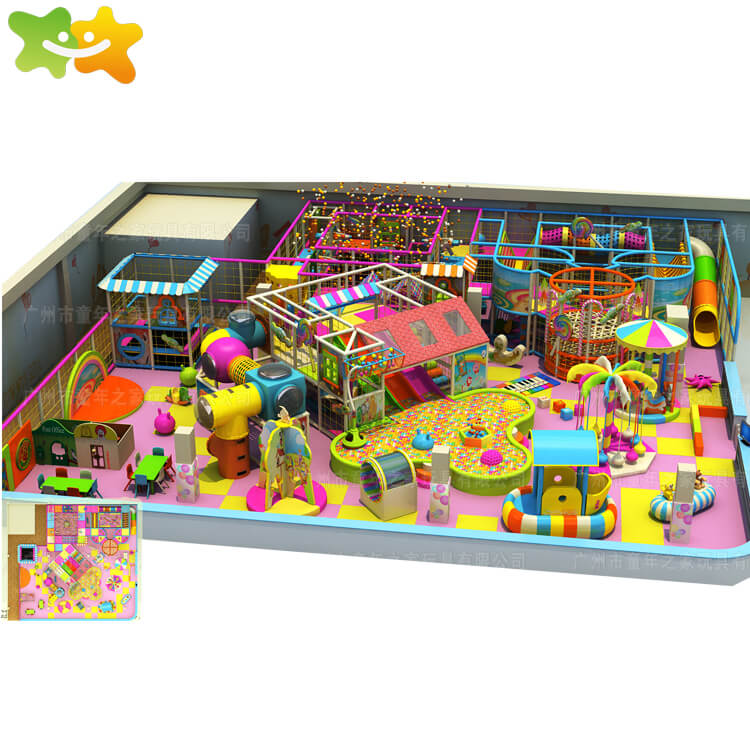
Introduction: Navigating the Global Market for indoor playground deals
In an increasingly competitive landscape, B2B buyers are often challenged with sourcing high-quality indoor playground deals that not only meet safety and design standards but also cater to the unique demands of diverse markets. With the global market for indoor playgrounds expanding rapidly, particularly in regions like Africa, South America, the Middle East, and Europe, navigating this complex landscape can be daunting. This guide aims to empower international buyers by providing a comprehensive overview of the types of indoor playground equipment available, their applications in various settings, and critical factors for supplier vetting.
Throughout this guide, you will discover a wealth of information, including insights into the latest trends in indoor playground designs, detailed comparisons of suppliers based on quality and pricing, and best practices for negotiating favorable deals. Additionally, we will explore essential considerations such as installation, maintenance, and compliance with local regulations. By equipping yourself with this knowledge, you will be better positioned to make informed purchasing decisions that align with your business goals.
As you delve into the nuances of the indoor playground market, you will gain the confidence to identify the best deals that not only enhance play experiences for children but also contribute to the success of your business in the family entertainment sector. Whether you are a startup or an established player, this guide will serve as your roadmap to success in sourcing indoor playground equipment that delights customers and stands the test of time.
Understanding indoor playground deals Types and Variations
| Type Name | Key Distinguishing Features | Primary B2B Applications | Brief Pros & Cons for Buyers |
|---|---|---|---|
| Soft Play Equipment | Foam-based structures, ball pits, and climbing areas | Daycare centers, family entertainment venues | Pros: Safe for young children; customizable themes. Cons: Requires regular maintenance; limited to younger demographics. |
| Trampoline Parks | Large trampoline areas with various configurations | Recreation centers, amusement parks | Pros: High engagement; attracts older children and teens. Cons: Higher initial investment; safety regulations can be stringent. |
| Themed Indoor Playgrounds | Unique designs based on popular themes (e.g., jungle, space) | Indoor amusement parks, malls | Pros: Enhances customer experience; can drive higher foot traffic. Cons: More complex to design; may require longer installation times. |
| Interactive Play Zones | Incorporates technology (e.g., digital games, interactive walls) | High-tech family entertainment centers | Pros: Engages tech-savvy children; offers unique play experiences. Cons: Higher operational costs; may require technical support. |
| Mini Indoor Play Areas | Smaller setups designed for limited spaces | Restaurants, small cafes, community centers | Pros: Space-efficient; lower cost of entry. Cons: Limited play options; may not attract larger crowds. |
What Are the Key Characteristics of Soft Play Equipment for B2B Buyers?
Soft play equipment is designed with safety in mind, featuring foam-based structures that minimize injury risks for young children. These setups often include ball pits, climbing areas, and slides, making them ideal for daycare centers and family entertainment venues. When considering a purchase, B2B buyers should evaluate the durability of materials, ease of installation, and potential for customization in themes and colors to match their venue’s branding.
How Do Trampoline Parks Stand Out in the Indoor Playground Market?
Trampoline parks are characterized by expansive trampoline areas, often incorporating features like dodgeball courts and foam pits. They cater primarily to older children and teenagers, making them popular in recreation centers and amusement parks. For B2B buyers, the initial investment can be substantial, and compliance with safety regulations is critical. However, the potential for high engagement and repeat visits can justify the costs.
What Makes Themed Indoor Playgrounds Attractive to B2B Buyers?
Themed indoor playgrounds offer unique designs that transport children into imaginative worlds, such as jungles or outer space. They are particularly effective in drawing foot traffic in malls and amusement parks. For businesses, investing in such playgrounds can enhance customer experience and increase dwell time. However, the complexity of design and installation can be a consideration for buyers looking to manage project timelines effectively.
Why Are Interactive Play Zones Gaining Popularity Among B2B Buyers?
Interactive play zones integrate technology, such as digital games and interactive walls, to create engaging environments for children. These setups are increasingly popular in high-tech family entertainment centers. B2B buyers should consider the operational costs associated with technology maintenance and the need for technical support. However, the unique experiences these zones offer can differentiate a venue in a competitive market.
How Do Mini Indoor Play Areas Cater to Smaller Venues?
Mini indoor play areas are compact setups that can fit into limited spaces, making them ideal for restaurants, small cafes, and community centers. They typically include basic play structures and are cost-effective for businesses looking to enhance their offerings without extensive investment. Buyers should weigh the benefits of space efficiency against the limited play options, which may not attract larger crowds.
Key Industrial Applications of indoor playground deals
| Industry/Sector | Specific Application of indoor playground deals | Value/Benefit for the Business | Key Sourcing Considerations for this Application |
|---|---|---|---|
| Family Entertainment Centers | Indoor playgrounds as a core attraction | Increases customer footfall and retention | Safety certifications, diverse play options, and space optimization |
| Educational Institutions | Play areas in schools or daycare centers | Enhances child development and learning through play | Age-appropriate equipment, durability, and ease of maintenance |
| Hospitality Industry | Play zones in hotels and resorts | Attracts families, boosting occupancy rates | Design integration with existing spaces and aesthetic appeal |
| Retail Spaces | Play areas in shopping malls or stores | Encourages longer shopping durations and increased sales | Space constraints, visibility, and safety standards |
| Healthcare Facilities | Therapeutic play areas in pediatric clinics | Supports children’s emotional and physical healing | Hygiene standards, accessibility, and specialized equipment |
How are Indoor Playground Deals Used in Family Entertainment Centers?
Family entertainment centers (FECs) leverage indoor playground deals to create engaging environments that draw families. These playgrounds serve as a primary attraction, enhancing the overall customer experience. By integrating diverse play options, such as climbing walls and ball pits, FECs can cater to various age groups, ensuring that children remain entertained for extended periods. For international buyers, especially in regions like Africa and South America, sourcing equipment that meets local safety regulations and is adaptable to varying space constraints is critical.
What Role do Indoor Playgrounds Play in Educational Institutions?
Educational institutions, such as schools and daycare centers, utilize indoor playgrounds to foster child development through play. These environments promote cognitive, social, and physical skills, crucial for early childhood education. Buyers from Europe and the Middle East should prioritize equipment that is age-appropriate, durable, and easy to maintain, ensuring that it withstands daily use while providing a safe space for children to explore. Additionally, understanding the educational value of different play components can help institutions align their purchasing decisions with developmental goals.
How Can the Hospitality Industry Benefit from Indoor Playgrounds?
In the hospitality sector, hotels and resorts incorporate indoor playgrounds to attract families, thereby increasing occupancy rates. A dedicated play area can significantly enhance the guest experience, making accommodations more appealing to parents. When sourcing playground equipment, businesses should consider design compatibility with existing aesthetics, ensuring that the playground is visually appealing and seamlessly integrated into the overall environment. International buyers must also account for local market preferences and safety standards when selecting equipment.
How Do Retail Spaces Utilize Indoor Play Areas?
Retail spaces, such as shopping malls and stores, are increasingly adopting indoor playgrounds to enhance customer engagement. These play areas encourage families to spend more time shopping, leading to increased sales. For retailers in regions like Vietnam and Brazil, it’s essential to evaluate space constraints and visibility when integrating playgrounds. Safety standards must also be a priority, as parents are more likely to patronize stores that provide safe and entertaining environments for their children.
What is the Importance of Indoor Playgrounds in Healthcare Facilities?
Healthcare facilities, particularly pediatric clinics, are recognizing the value of therapeutic play areas designed to aid in children’s emotional and physical recovery. These environments provide a comforting space for children, alleviating stress during visits. Buyers in the healthcare sector should focus on hygiene standards and accessibility when sourcing playground equipment. This ensures that the play areas are not only safe and engaging but also conducive to the unique needs of young patients and their families.
3 Common User Pain Points for ‘indoor playground deals’ & Their Solutions
Scenario 1: Navigating Quality Assurance in Indoor Playground Equipment
The Problem: A B2B buyer, such as a family entertainment center owner in Brazil, struggles with ensuring the quality and safety of indoor playground equipment. With numerous suppliers claiming to provide high-quality products, it becomes challenging to discern which manufacturers genuinely meet safety standards. This uncertainty can lead to potential safety hazards, damaging both the reputation of the business and the well-being of children who use the facilities.
The Solution: To address this issue, buyers should conduct thorough due diligence when sourcing equipment. Start by asking potential suppliers for certifications and compliance documents that validate their adherence to international safety standards, such as ASTM or EN 1176. Additionally, request samples of the materials used in their products, focusing on durability and safety features. It’s also beneficial to visit existing installations of the supplier’s products to observe their condition and gather feedback from other operators. By establishing a checklist of safety and quality parameters, buyers can confidently select suppliers who prioritize child safety and product longevity.
Scenario 2: Understanding Installation and Maintenance Challenges
The Problem: A hotel chain in the Middle East is interested in adding an indoor playground to enhance its family-friendly amenities. However, the management team faces concerns regarding the complexities of installation and ongoing maintenance of the equipment. Without a clear understanding of the installation process, there is a risk of unexpected costs and delays, not to mention the operational challenges that could arise if the playground isn’t maintained properly.
The Solution: To mitigate installation and maintenance worries, it is crucial to partner with suppliers who offer comprehensive support throughout the entire process. Buyers should look for manufacturers that provide detailed installation manuals and can offer professional installation services. Additionally, inquire about the supplier’s maintenance packages, including training staff on regular upkeep and inspections. Establishing a maintenance schedule with the supplier can ensure the playground remains safe and functional over time. This proactive approach will not only reduce operational headaches but also enhance guest satisfaction.
Scenario 3: Finding the Right Playground Design for Diverse Needs
The Problem: A community center in South Africa is tasked with creating an inclusive indoor playground that caters to children of various ages and abilities. The challenge lies in sourcing equipment that meets diverse needs, from toddlers to older children, while also being engaging and accessible for children with disabilities. The risk of selecting the wrong design could alienate specific groups and lead to underutilization of the space.
The Solution: To create an inclusive playground, buyers should collaborate with suppliers who specialize in custom designs. Engage in discussions about the specific demographic needs of the community, emphasizing the importance of versatility in play equipment. Request designs that incorporate sensory play elements, adaptive features, and age-appropriate zones to cater to children across the spectrum. Additionally, seek feedback from community stakeholders, including parents and local educators, to ensure the playground meets their expectations. By investing time in thoughtful planning and utilizing suppliers with experience in inclusive design, the community center can create a vibrant space that welcomes all children, promoting social interaction and physical activity.
Strategic Material Selection Guide for indoor playground deals
What Are the Key Materials for Indoor Playground Equipment?
When it comes to selecting materials for indoor playground equipment, several options stand out due to their unique properties and suitability for various applications. Understanding the characteristics, advantages, and limitations of these materials can significantly impact the performance and safety of playground installations, especially for international B2B buyers.
How Does Steel Perform in Indoor Playground Applications?
Steel is a prevalent choice for structural components in indoor playgrounds. Known for its high strength-to-weight ratio, steel can withstand significant loads and stresses, making it ideal for climbing structures and frames. Its temperature tolerance is considerable, allowing it to perform well in various environments.
Pros: Steel is highly durable and resistant to deformation. It can be manufactured into complex shapes, providing flexibility in design. Additionally, steel can be galvanized to enhance corrosion resistance, making it suitable for humid environments.
Cons: The primary drawback of steel is its cost, which can be higher than other materials. It also requires regular maintenance to prevent rust, especially in regions with high humidity or temperature fluctuations.
Impact on Application: Steel structures can support heavy equipment and withstand vigorous use, ensuring longevity and safety. However, buyers must consider local regulations regarding structural integrity and safety standards.
What Role Does High-Density Foam Play in Indoor Playgrounds?
High-density foam is often used in soft play equipment, such as padding for climbing walls and play areas. Its compressive strength and energy absorption properties make it an excellent choice for safety applications.
Pros: Foam is lightweight, cost-effective, and easy to install. It provides excellent cushioning, reducing the risk of injuries during play. The material is also versatile, allowing for various shapes and designs.
Cons: Foam can degrade over time, especially if exposed to moisture or heavy wear. It may require frequent replacement, which can increase long-term costs.
Impact on Application: High-density foam enhances safety in playgrounds, making it suitable for younger children. Buyers should ensure compliance with international safety standards, such as ASTM F1918 for soft play equipment.
Why Is Plastic a Popular Choice for Indoor Playground Components?
Plastic, particularly polyethylene and polypropylene, is widely used in indoor playgrounds for slides, tunnels, and other play structures. Its lightweight and durable nature make it an attractive option.
Pros: Plastic is resistant to moisture, corrosion, and UV rays, making it suitable for various environments. It is also easy to clean and maintain, which is crucial for hygiene in play areas.
Cons: While generally durable, plastic can become brittle over time, especially when exposed to extreme temperatures. It may not support as much weight as metal options, limiting its use in certain structures.
Impact on Application: Plastic components can be designed in vibrant colors and shapes, appealing to children. International buyers should verify that products meet local safety and quality standards, such as EN 1176 in Europe.
What Advantages Does Wood Offer for Indoor Playgrounds?
Wood is often used in indoor playgrounds for aesthetic appeal and structural integrity. It can be treated to enhance its durability and resistance to wear.
Pros: Wood provides a natural look that can enhance the overall ambiance of a playground. It is strong and can be crafted into various shapes and designs, allowing for creativity in playground design.
Cons: Wood requires regular maintenance to prevent rot and insect damage. It can also be more expensive than synthetic materials and may not be suitable for all climates.
Impact on Application: Wooden structures can offer a unique play experience but require adherence to safety standards regarding splintering and structural integrity. Buyers should consider the environmental impact and sourcing of wood materials.
Summary of Material Selection for Indoor Playground Deals
| Material | Typical Use Case for indoor playground deals | Key Advantage | Key Disadvantage/Limitation | Relative Cost (Low/Med/High) |
|---|---|---|---|---|
| Steel | Structural components for climbing frames | High strength and durability | Higher cost and maintenance required | High |
| High-Density Foam | Padding for soft play areas | Excellent cushioning | Degrades over time | Medium |
| Plastic | Slides and tunnels | Moisture and UV resistant | Can become brittle | Medium |
| Wood | Aesthetic structures and climbing elements | Natural appearance | Requires maintenance | Medium to High |
This strategic material selection guide provides valuable insights for international B2B buyers, helping them make informed decisions when sourcing materials for indoor playgrounds. Understanding the properties and implications of each material can lead to better product performance and compliance with local standards.
In-depth Look: Manufacturing Processes and Quality Assurance for indoor playground deals
What Are the Key Stages in the Manufacturing Process of Indoor Playgrounds?
The manufacturing process for indoor playground equipment involves several critical stages: material preparation, forming, assembly, and finishing. Each stage is essential to ensure the quality and durability of the final product.
-
Material Preparation: The first step involves sourcing high-quality materials. Common materials include steel for structural components, soft foam for safety features, and durable plastics for various play elements. Manufacturers typically use hot-dipped galvanized steel, which offers corrosion resistance and longevity. This stage also includes cutting materials to specified dimensions and preparing them for the next phase.
-
Forming: In this stage, raw materials are shaped into the required forms using techniques like welding, bending, and molding. For instance, steel components are often welded together to create frames, while plastic parts may be molded to form slides and climbing structures. Advanced machinery, such as CNC (Computer Numerical Control) machines, may be used to ensure precision in shaping components.
-
Assembly: Once all components are formed, they are assembled into the final structure. This involves fitting together various parts, such as slides, climbing walls, and safety barriers, to create a cohesive play environment. The assembly process must adhere to strict design specifications to ensure safety and functionality.
-
Finishing: The final stage includes applying protective coatings, such as powder coating or painting, to enhance aesthetics and protect against wear and tear. This stage may also involve applying safety features, such as padding on edges and surfaces, to minimize injury risks for children.
What International Standards Should B2B Buyers Look For in Indoor Playground Manufacturing?
Quality assurance in indoor playground manufacturing is vital, particularly for B2B buyers who must ensure that products meet safety and durability standards. International standards play a crucial role in this process.
-
ISO 9001: This standard focuses on quality management systems, ensuring manufacturers consistently provide products that meet customer and regulatory requirements. Compliance with ISO 9001 demonstrates a commitment to quality and continuous improvement.
-
CE Marking: For buyers in Europe, CE marking is essential. It indicates that the product meets EU safety, health, and environmental protection standards. This marking is particularly important for playground equipment, as it assures compliance with the European Directive for the safety of toys and equipment.
-
API Standards: While not specific to playgrounds, API (American Petroleum Institute) standards may be relevant for certain materials, particularly those involving synthetic components. Compliance with these standards ensures that materials are safe and reliable.
How Are Quality Control Checkpoints Integrated into the Manufacturing Process?
Quality control (QC) is integral to the manufacturing process, with various checkpoints established to ensure that products meet the required standards.
-
Incoming Quality Control (IQC): This checkpoint occurs upon receiving raw materials. Quality inspectors assess materials for defects and verify that they meet specified standards before they are used in production.
-
In-Process Quality Control (IPQC): Throughout the manufacturing process, IPQC is implemented to monitor production stages. Inspectors check dimensions, material integrity, and assembly accuracy to catch any issues early in the process.
-
Final Quality Control (FQC): Before products are shipped, FQC ensures that the finished playground equipment meets all specifications and safety standards. This stage typically includes functional testing, safety checks, and visual inspections.
What Common Testing Methods Are Used in Quality Assurance for Indoor Playgrounds?
Testing methods are critical for verifying that indoor playground equipment is safe and of high quality. Common testing methods include:
-
Load Testing: This method assesses the structural integrity of playground equipment by applying weight to ensure it can withstand expected usage without failure.
-
Impact Testing: This test evaluates the safety of surfaces and equipment by simulating falls and impacts. It ensures that padding and safety features effectively reduce injury risks.
-
Durability Testing: This involves subjecting equipment to repeated use scenarios to gauge its lifespan and resistance to wear and tear. Durability tests help identify potential failure points over time.
How Can B2B Buyers Verify Supplier Quality Control Practices?
For B2B buyers, verifying a supplier’s quality control practices is essential to ensure they receive safe and reliable products. Here are effective strategies:

Illustrative image related to indoor playground deals
-
Supplier Audits: Conducting on-site audits allows buyers to assess manufacturing processes, quality control practices, and overall compliance with international standards. These audits can reveal a supplier’s commitment to quality and safety.
-
Requesting Quality Reports: Buyers should ask suppliers for detailed QC reports, including results from testing and inspections. These documents provide transparency regarding the quality of the products being offered.
-
Third-Party Inspections: Engaging independent third-party inspectors can provide an unbiased assessment of the manufacturing process and product quality. This step is particularly important for international transactions, as it adds an extra layer of credibility.
What Are the Quality Control Nuances for International B2B Buyers?
International B2B buyers, particularly from regions like Africa, South America, the Middle East, and Europe, face unique challenges in quality control.
-
Regulatory Compliance: Buyers must be aware of the specific regulations and standards applicable in their regions. This includes understanding local safety standards that may differ from international norms.
-
Cultural and Communication Barriers: Effective communication with suppliers is crucial. Language differences and cultural nuances can lead to misunderstandings regarding quality expectations. Establishing clear lines of communication can mitigate these risks.
-
Logistics and Transportation: The transportation of playground equipment can impact its quality. Buyers should consider how equipment is packaged and transported to prevent damage during shipping.
In summary, understanding the manufacturing processes and quality assurance practices for indoor playground equipment is vital for B2B buyers. By focusing on the key stages of manufacturing, international standards, quality control checkpoints, testing methods, and verification strategies, buyers can make informed decisions and ensure they receive high-quality, safe products.
Practical Sourcing Guide: A Step-by-Step Checklist for ‘indoor playground deals’
Introduction
This guide serves as a practical checklist for B2B buyers seeking to procure indoor playground equipment. Given the diverse requirements across different regions, it is essential to follow a structured approach to ensure quality, safety, and value in your sourcing process. This checklist will help you navigate the complexities of indoor playground deals and make informed purchasing decisions.
Step 1: Define Your Technical Specifications
Begin by clearly outlining the technical requirements for your indoor playground. This includes dimensions, safety features, materials, and age-appropriate designs. Establishing these specifications upfront will help you communicate effectively with suppliers and ensure that the products meet your expectations.
- Consider safety standards: Research local regulations regarding playground safety to ensure compliance.
- Identify user demographics: Tailor your specifications based on the age group of children who will use the playground.
Step 2: Research Potential Suppliers
Conduct thorough research to identify potential suppliers who specialize in indoor playground equipment. Look for companies with a proven track record in your region or industry.
- Utilize trade shows and online directories: These platforms can provide valuable insights into various manufacturers and their offerings.
- Check online reviews and testimonials: Customer feedback can reveal the reliability and quality of suppliers.
Step 3: Evaluate Potential Suppliers
Before finalizing any deals, it’s crucial to vet suppliers thoroughly. Request detailed company profiles, case studies, and references from buyers in similar markets.
- Assess their experience: Look for suppliers with extensive experience in the indoor playground sector.
- Inquire about their certifications: Ensure that the supplier adheres to international safety standards and quality certifications.
Step 4: Request Detailed Quotations
Once you have narrowed down your list of suppliers, request detailed quotations. These should include pricing, delivery timelines, and warranty information.
- Compare quotes meticulously: Ensure that you are comparing similar products and services to get an accurate picture of costs.
- Clarify payment terms: Understanding payment schedules and conditions will help avoid any financial surprises.
Step 5: Visit Showrooms or Existing Installations
If possible, visit the supplier’s showroom or existing installations of their playground equipment. This step allows you to evaluate the quality and safety of the products firsthand.
- Inspect materials and construction: Look for durability and safety features in the equipment.
- Observe the play experience: Consider how the design engages children and encourages active play.
Step 6: Negotiate Terms and Conditions
Negotiation is a critical step in securing the best deal. Discuss pricing, delivery, installation, and after-sales support to ensure that all aspects are covered.
- Be clear about your expectations: Ensure that the supplier understands your requirements and is willing to accommodate them.
- Seek flexibility: Look for suppliers who can offer customized solutions tailored to your specific needs.
Step 7: Finalize the Purchase Agreement
Once you are satisfied with the negotiations, finalize the purchase agreement. This document should clearly outline all terms, including payment schedules, delivery timelines, and warranty conditions.
- Review all clauses carefully: Ensure that the agreement protects your interests and outlines what happens in case of disputes.
- Keep a copy of the agreement: Store it in a secure location for future reference.
By following this checklist, you can navigate the complexities of sourcing indoor playground equipment and ensure a successful procurement process that meets the needs of your business and customers.
Comprehensive Cost and Pricing Analysis for indoor playground deals Sourcing
What Are the Key Cost Components in Indoor Playground Deals?
When sourcing indoor playground equipment, understanding the cost structure is essential for B2B buyers. The main cost components include:
-
Materials: The quality and type of materials used significantly affect the overall cost. Common materials include high-density polyethylene (HDPE), metal components, and soft play materials. Ensure that the materials meet safety standards, as this can influence pricing.
-
Labor: Labor costs can vary based on the supplier’s location and the complexity of the assembly required. For instance, regions with higher labor costs may result in elevated pricing for the same equipment.
-
Manufacturing Overhead: This encompasses all indirect costs associated with production, such as utilities, rent, and administrative expenses. Suppliers often build these costs into their pricing.
-
Tooling: Custom designs may require specific tools or molds, leading to additional costs. Buyers should consider whether they need standard designs or if they require customization, which can substantially impact the final price.
-
Quality Control (QC): Rigorous quality control processes add to manufacturing costs but are crucial for ensuring safety and compliance with international standards. A supplier’s investment in QC can be a positive indicator of product reliability.
-
Logistics: Shipping and handling costs can vary widely based on the supplier’s location and the delivery destination. International buyers must factor in customs duties and import taxes, which can significantly affect total expenses.
-
Margin: Suppliers typically add a profit margin to their costs, which can vary based on market demand and competition. Understanding this margin can help buyers negotiate better pricing.
How Do Price Influencers Affect Indoor Playground Equipment Costs?
Several factors influence pricing, and being aware of these can help buyers make informed decisions:
-
Volume and Minimum Order Quantity (MOQ): Larger orders often lead to lower unit prices due to economies of scale. Buyers should assess their needs carefully and consider bulk purchasing to optimize costs.
-
Specifications and Customization: Custom designs or specific safety features can increase costs. Buyers should define their requirements clearly to avoid unexpected expenses later in the process.
-
Material Quality and Certifications: Equipment meeting international safety certifications may come at a premium. However, investing in higher-quality, certified products can yield long-term savings by reducing liability and maintenance costs.
-
Supplier Factors: Established suppliers with a good track record may charge more due to their reputation and reliability. It’s crucial to weigh the benefits of quality and service against the cost.
-
Incoterms: Understanding shipping terms can affect pricing. For instance, “FOB” (Free on Board) means the buyer is responsible for shipping costs once the goods are loaded, while “CIF” (Cost, Insurance, and Freight) includes shipping and insurance in the price.
What Buyer Tips Can Enhance Cost-Efficiency in Sourcing Indoor Playgrounds?
For international buyers, particularly from regions like Africa, South America, and the Middle East, several strategies can enhance cost-efficiency:

Illustrative image related to indoor playground deals
-
Negotiate: Always engage in negotiations. Suppliers often have flexibility in pricing, especially for larger orders or long-term partnerships.
-
Consider Total Cost of Ownership (TCO): Look beyond initial purchase prices. TCO includes maintenance, operational costs, and potential downtime, which can significantly impact overall expenses.
-
Research Pricing Nuances: Understand regional pricing trends and factors affecting costs in different markets. Currency fluctuations, local demand, and import regulations can all play a role.
-
Seek Multiple Quotes: Obtaining quotes from several suppliers allows for better comparisons and can provide leverage during negotiations.
-
Plan for Long-Term Relationships: Building a relationship with a supplier can lead to better pricing, improved service, and tailored solutions over time.
Disclaimer
Prices for indoor playground equipment can vary widely based on specifications, supplier factors, and market conditions. The figures provided are indicative and should be verified through direct supplier engagement for accurate quotes tailored to specific needs.
Alternatives Analysis: Comparing indoor playground deals With Other Solutions
Introduction: Exploring Alternatives to Indoor Playground Deals
In the competitive landscape of children’s entertainment, indoor playground deals present a popular option for businesses aiming to attract families and enhance customer experience. However, it’s crucial for B2B buyers to explore alternative solutions that can also fulfill similar objectives. This analysis compares indoor playgrounds with two viable alternatives: outdoor playground installations and interactive gaming zones, helping buyers make informed decisions based on their specific needs.
Comparison Table
| Comparison Aspect | Indoor Playground Deals | Outdoor Playground Installations | Interactive Gaming Zones |
|---|---|---|---|
| Performance | High engagement for kids | Seasonal, weather-dependent usage | Year-round engagement, diverse activities |
| Cost | Moderate to high initial investment; ongoing maintenance | Lower initial cost; less maintenance | Variable costs; potential high setup costs |
| Ease of Implementation | Requires planning and space | Simpler installation; flexible design | Complex setup; requires tech infrastructure |
| Maintenance | Regular upkeep needed | Minimal upkeep; weather-related wear | Tech maintenance required; regular updates |
| Best Use Case | Year-round, enclosed environments | Parks, schools, and community areas | Malls, entertainment centers, and arcades |
Detailed Breakdown of Alternatives
Outdoor Playground Installations
Outdoor playgrounds provide a cost-effective alternative to indoor playgrounds. They typically have lower initial costs and can be installed in various environments, from parks to schools. However, their performance can be significantly affected by weather conditions, limiting usage during rainy or cold seasons. While maintenance is generally less intensive than indoor solutions, outdoor equipment may suffer wear and tear from environmental factors. These playgrounds are best suited for areas with consistent good weather and ample outdoor space, making them an excellent choice for communities looking to promote outdoor play.
Interactive Gaming Zones
Interactive gaming zones offer a modern twist on entertainment, combining physical activity with technology. These zones can include virtual reality experiences, arcade games, and other interactive elements that appeal to children and teenagers alike. The engagement level can be high year-round, as these zones are typically located indoors and can attract a tech-savvy audience. However, setup costs can be significant, and ongoing maintenance is essential to keep the technology updated and operational. They are ideal for urban areas where families seek varied entertainment options, particularly in shopping malls or family entertainment centers.
Conclusion: How to Choose the Right Solution for Your Needs
When selecting the right solution for children’s entertainment, B2B buyers should consider several factors, including the target demographic, location, and seasonal usage patterns. Indoor playground deals are optimal for businesses looking to provide a safe, engaging environment year-round, while outdoor playgrounds may appeal to those with limited budgets and outdoor space. On the other hand, interactive gaming zones can attract a tech-oriented clientele but require higher investment and maintenance. Ultimately, understanding your specific business goals and customer preferences will guide you in choosing the most suitable option.

Illustrative image related to indoor playground deals
Essential Technical Properties and Trade Terminology for indoor playground deals
What Are the Essential Technical Properties for Indoor Playground Deals?
When evaluating indoor playground equipment, understanding the critical specifications is vital for making informed purchasing decisions. Below are key technical properties that B2B buyers should consider:
-
Material Grade
– The quality of materials used in playground equipment significantly impacts durability and safety. Common materials include high-density polyethylene (HDPE) for slides and soft play areas, and galvanized steel for structural components. For buyers, selecting high-grade materials ensures longevity and compliance with safety standards. -
Weight Capacity
– This specification indicates the maximum load an individual piece of equipment can safely support. Weight capacity is crucial for ensuring the safety of children during play. B2B buyers must ensure that the playground equipment can accommodate the target age group, as different designs cater to varying weight limits. -
Safety Standards Compliance
– Compliance with international safety standards (e.g., ASTM, EN1176) is essential. Equipment that meets these standards has undergone rigorous testing to ensure it is safe for children. Buyers should request documentation proving compliance to mitigate liability risks and enhance customer trust. -
Tolerance Levels
– Tolerance refers to the allowable deviations in dimensions and manufacturing processes. In playground equipment, maintaining precise tolerances ensures that components fit together correctly, enhancing safety and performance. Buyers should inquire about tolerance specifications to ensure product reliability. -
Installation Requirements
– Understanding the installation process, including required tools, space, and time, is critical for successful deployment. Some manufacturers may offer installation services, while others provide detailed instructions for self-installation. Buyers should clarify these details to avoid delays and additional costs. -
Maintenance Needs
– Regular maintenance is essential for ensuring safety and longevity. Buyers should inquire about the maintenance requirements of the playground equipment, including cleaning protocols and replacement parts. This helps in planning operational budgets and maintaining a safe play environment.
Which Trade Terms Should B2B Buyers Know in Indoor Playground Deals?
Familiarity with industry terminology can streamline negotiations and enhance communication between buyers and suppliers. Here are some common trade terms relevant to indoor playground deals:
-
OEM (Original Equipment Manufacturer)
– An OEM is a company that produces components that are used in another company’s end product. In the context of indoor playgrounds, buyers may choose OEM suppliers for custom designs or specific branding. Understanding OEM relationships can lead to better pricing and unique product offerings. -
MOQ (Minimum Order Quantity)
– MOQ refers to the smallest quantity of a product that a supplier is willing to sell. This term is crucial for B2B buyers as it affects inventory management and initial investment costs. Knowing the MOQ helps businesses plan their purchases according to demand and budget constraints. -
RFQ (Request for Quotation)
– An RFQ is a document sent by potential buyers to suppliers requesting pricing and terms for specific products. This process is essential for comparing offers and negotiating favorable terms. A well-crafted RFQ can lead to competitive pricing and better service agreements. -
Incoterms (International Commercial Terms)
– Incoterms define the responsibilities of buyers and sellers in international transactions, including shipping, insurance, and tariffs. Understanding these terms helps buyers navigate logistical challenges and clarify risk management in their contracts. -
Lead Time
– Lead time is the period between placing an order and receiving the product. It is critical for planning purposes, especially in projects with tight timelines. Buyers should always inquire about lead times to ensure that they can meet their operational schedules. -
Warranty
– A warranty is a guarantee from the manufacturer regarding the quality and longevity of the product. It typically covers repairs or replacements for a specified period. Buyers should carefully review warranty terms to understand coverage and ensure they are protected against defects or failures.
By grasping these technical properties and trade terms, B2B buyers can navigate the indoor playground market more effectively, ensuring they make informed decisions that align with their business goals.
Navigating Market Dynamics and Sourcing Trends in the indoor playground deals Sector
What Are the Key Trends Driving the Indoor Playground Deals Market?
The indoor playground sector is experiencing robust growth, driven by several global factors. Increasing urbanization in regions such as Africa, South America, the Middle East, and Europe is leading to a surge in demand for recreational spaces that cater to families. As urban dwellers seek safe environments for children to play, the appeal of indoor playgrounds has grown significantly. Furthermore, the rise of family-oriented entertainment venues, including indoor amusement parks and family entertainment centers, has created lucrative opportunities for B2B buyers.
Technology is also reshaping the landscape of indoor playgrounds. The integration of interactive games and virtual reality experiences is becoming a staple in modern playground designs, enhancing the play experience and attracting tech-savvy families. B2B buyers are increasingly looking for suppliers who can provide innovative equipment that not only meets safety standards but also engages children in new ways.
Emerging markets, particularly in regions like Vietnam and Brazil, present unique sourcing opportunities. These markets are witnessing an influx of international investments, leading to a growing demand for quality playground equipment. B2B buyers should keep an eye on local regulations and preferences, as cultural variations can influence the types of playgrounds that are popular in specific regions.
How Is Sustainability Impacting Sourcing Trends in Indoor Playground Deals?
Sustainability is becoming a critical consideration in the indoor playground sector. Environmental concerns are prompting B2B buyers to prioritize ethical sourcing and sustainable materials in their procurement processes. This trend is particularly relevant in markets where consumers are increasingly aware of the environmental impact of their purchases.
Buyers are advised to seek suppliers that utilize eco-friendly materials, such as recycled plastics and sustainably sourced wood. Certifications like Forest Stewardship Council (FSC) and Greenguard Gold can provide assurance that the materials used in playground equipment meet rigorous environmental standards. Additionally, suppliers that focus on reducing their carbon footprint and implementing sustainable manufacturing processes are becoming preferred partners for many businesses.
Incorporating sustainability into the sourcing strategy not only aligns with global trends but also enhances brand reputation. Businesses that demonstrate a commitment to environmental stewardship are likely to resonate better with customers, particularly in markets that value corporate social responsibility.
What Is the Historical Context Behind the Indoor Playground Sector’s Evolution?
The evolution of indoor playgrounds can be traced back to the late 20th century when the concept of providing safe, climate-controlled environments for children’s play began to gain traction. Initially, these facilities were simple structures, primarily featuring soft play areas designed to minimize injury risks. However, as consumer expectations evolved, so did the designs and offerings.
By the early 2000s, the market saw a significant shift towards more elaborate and themed indoor playgrounds, incorporating slides, climbing structures, and interactive elements. This transformation was fueled by a growing understanding of the importance of play in child development and the increasing demand for family entertainment options. Today, indoor playgrounds are not only places for physical activity but also serve as venues for social interaction and cognitive development, reflecting a broader understanding of childhood needs.
This historical context underscores the importance of innovation and adaptability in the indoor playground deals sector, essential for B2B buyers looking to stay competitive in a rapidly evolving market. As consumer preferences continue to shift, understanding these trends will be crucial for making informed sourcing decisions.
Frequently Asked Questions (FAQs) for B2B Buyers of indoor playground deals
-
1. How do I ensure the quality of indoor playground equipment?
To ensure quality, request certifications for safety standards relevant to your region, such as ASTM or EN standards. Engage in supplier vetting by asking for references from previous clients and reviewing their track record in manufacturing. Visiting the factory for a quality inspection before purchase can also be beneficial. Additionally, ask for detailed product specifications, including materials used, safety features, and warranty terms, to assess the quality comprehensively. -
2. What are the typical minimum order quantities (MOQs) for indoor playgrounds?
Minimum order quantities can vary significantly by supplier and region, but they typically range from one complete playground set to several units. For custom designs, MOQs may be higher due to the specialized production processes involved. It’s advisable to discuss your specific needs with potential suppliers to understand their MOQ policies and negotiate terms that align with your budget and business strategy. -
3. What customization options are available for indoor playground designs?
Many manufacturers offer extensive customization options, including themes, colors, and equipment types tailored to your target market. When discussing customization, provide your vision, including dimensions and safety standards you need to meet. Additionally, inquire about incorporating local cultural elements or educational components into the design to enhance appeal and engagement for children in your region. -
4. What payment terms should I expect when purchasing indoor playground equipment?
Payment terms can vary, but common practices include a deposit (often 30-50%) upon order confirmation, with the balance due prior to shipping. Some suppliers may offer financing options or letter of credit arrangements for larger orders. Always clarify payment terms upfront and ensure they are documented in the purchase agreement to avoid misunderstandings later. -
5. How do I assess the reliability of a supplier for indoor playground equipment?
To assess a supplier’s reliability, research their business history, customer reviews, and industry reputation. Request case studies or references from previous clients, especially those in your region. Additionally, verify their manufacturing capabilities and quality control processes. It’s beneficial to ask about their after-sales support and warranty services to gauge their commitment to customer satisfaction. -
6. What logistics considerations should I be aware of when importing indoor playground equipment?
When importing, consider shipping costs, lead times, and customs regulations specific to your country. Work with logistics partners experienced in handling large equipment to streamline the shipping process. It’s also wise to factor in potential delays and additional fees for customs clearance. Ensure that your supplier provides clear shipping terms and tracking capabilities to keep you informed throughout the process. -
7. How can I effectively market my indoor playground to attract customers?
Effective marketing strategies include leveraging social media platforms, local advertising, and partnerships with schools or community organizations. Highlight unique features of your playground, such as safety, educational aspects, and fun themes. Hosting promotional events or offering introductory discounts can also drive initial traffic. Utilize customer testimonials and photographs to create compelling marketing materials that showcase the playground experience. -
8. What are the common safety standards for indoor playgrounds that I should consider?
Safety standards vary by region, but globally recognized guidelines include ASTM F1487 and EN 1176. These standards cover equipment design, installation, and maintenance to ensure child safety. Familiarize yourself with the specific regulations applicable in your market and ensure your suppliers comply with these standards. Regular safety audits and maintenance checks post-installation are also crucial to uphold safety compliance.
A Look at Indoor Playground Deals Manufacturers & Suppliers
Could not verify enough suppliers for indoor playground deals to create a list at this time.
Strategic Sourcing Conclusion and Outlook for indoor playground deals
In conclusion, strategic sourcing in the indoor playground sector presents a significant opportunity for international B2B buyers. By focusing on quality, safety, and innovative designs, businesses can enhance their offerings to meet the growing demand for engaging play environments across various markets, particularly in Africa, South America, the Middle East, and Europe.
Key takeaways include the importance of partnering with reputable manufacturers who prioritize materials and design integrity, as well as understanding local market trends that influence consumer preferences. Leveraging technology and interactive play components can also attract a wider audience, ensuring a competitive edge in the marketplace.
Looking ahead, the indoor playground industry is poised for growth as more families seek safe, entertaining spaces for their children. Now is the time for international buyers to explore partnerships that align with their strategic goals. Investing in high-quality indoor playground solutions not only meets the current market demand but also sets the stage for future expansion. Engage with suppliers, assess your needs, and take proactive steps to secure your place in this evolving landscape. Together, we can create vibrant play experiences that enrich children’s lives globally.
Important Disclaimer & Terms of Use
⚠️ Important Disclaimer
The information provided in this guide, including content regarding manufacturers, technical specifications, and market analysis, is for informational and educational purposes only. It does not constitute professional procurement advice, financial advice, or legal advice.
While we have made every effort to ensure the accuracy and timeliness of the information, we are not responsible for any errors, omissions, or outdated information. Market conditions, company details, and technical standards are subject to change.
B2B buyers must conduct their own independent and thorough due diligence before making any purchasing decisions. This includes contacting suppliers directly, verifying certifications, requesting samples, and seeking professional consultation. The risk of relying on any information in this guide is borne solely by the reader.

Leave a Reply