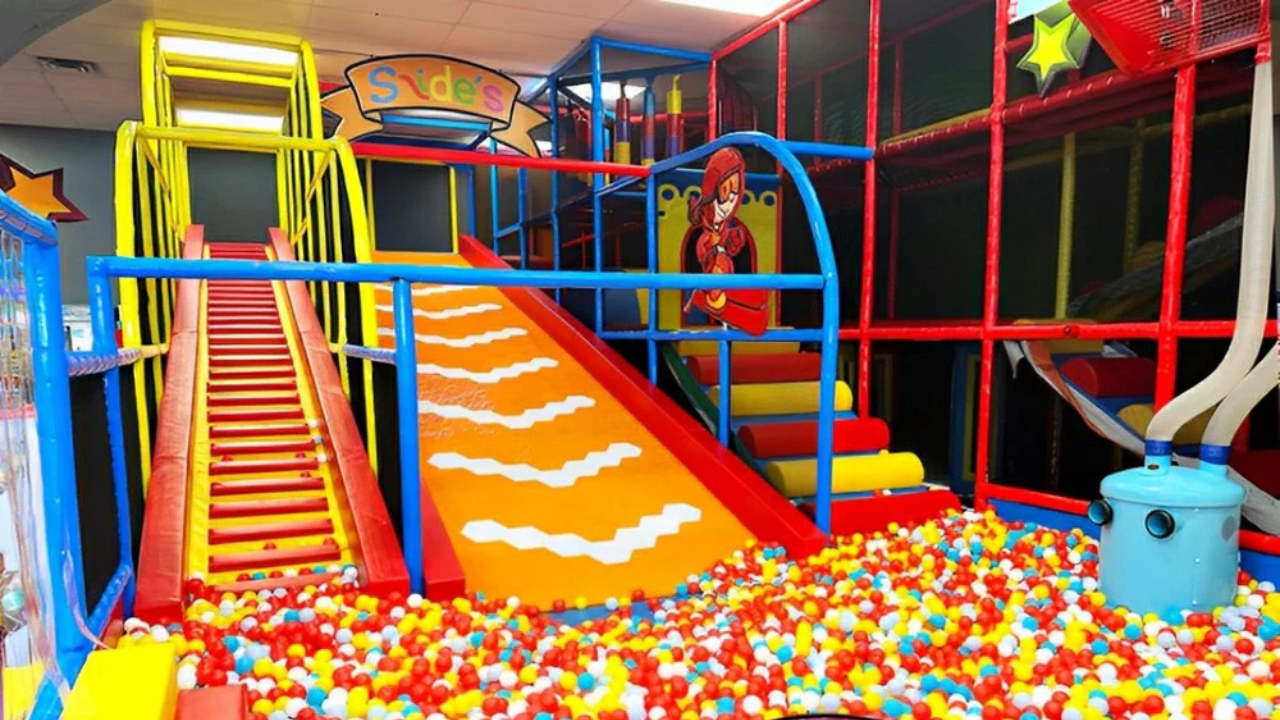
Introduction: Navigating the Global Market for columbus ohio indoor playground
In the dynamic landscape of children’s entertainment, sourcing quality indoor playgrounds in Columbus, Ohio presents unique challenges for international B2B buyers. As demand for safe and engaging play environments continues to rise, especially in regions such as Africa, South America, the Middle East, and Europe, understanding the intricacies of this market becomes essential. This comprehensive guide delves into the diverse types of indoor playgrounds available, from trampoline parks to interactive play areas, while exploring their applications in various settings, including retail spaces, family entertainment centers, and community hubs.
Buyers will benefit from insights on supplier vetting processes, ensuring that they partner with reputable manufacturers and service providers who meet international safety standards and quality benchmarks. Additionally, the guide addresses cost considerations, helping businesses strategize their budgets effectively while maximizing their return on investment. By equipping decision-makers with actionable knowledge and industry best practices, this resource empowers B2B buyers to make informed purchasing decisions. Whether you are looking to enhance your portfolio with innovative play solutions or seeking to establish a foothold in the burgeoning indoor playground sector, this guide serves as a vital tool for navigating the Columbus market and beyond.
Understanding columbus ohio indoor playground Types and Variations
| Type Name | Key Distinguishing Features | Primary B2B Applications | Brief Pros & Cons for Buyers |
|---|---|---|---|
| Trampoline Parks | Large trampoline areas, foam pits, and interactive zones | Family entertainment centers, event hosting | Pros: High engagement; Cons: Safety regulations |
| Themed Indoor Playgrounds | Unique themes (e.g., jungle, space), immersive play areas | Franchise opportunities, themed events | Pros: Attracts niche markets; Cons: Higher setup costs |
| Educational Play Areas | Focus on learning through play, STEAM activities | Schools, educational programs, community centers | Pros: Promotes learning; Cons: Limited age range |
| Soft Play Areas | Safe, padded environments for toddlers and younger kids | Daycare centers, family entertainment venues | Pros: Safety-focused; Cons: Limited for older children |
| Multi-Activity Centers | Diverse attractions (e.g., climbing walls, arcade games) | Comprehensive entertainment solutions | Pros: Broad appeal; Cons: High operational costs |
What are the Key Characteristics of Trampoline Parks in Columbus, Ohio?
Trampoline parks are characterized by expansive areas filled with interconnected trampolines, foam pits, and various interactive zones. They cater to a wide age range and provide high-energy activities that attract families and groups. For B2B buyers, investing in a trampoline park can be lucrative, as they often host birthday parties and group events. However, buyers must consider the strict safety regulations and insurance requirements associated with such facilities.
How Do Themed Indoor Playgrounds Differentiate Themselves?
Themed indoor playgrounds create immersive environments based on specific themes, such as jungles or space adventures. These playgrounds aim to provide a unique experience that engages children’s imaginations. For B2B buyers, this type of playground is ideal for franchises or themed events, but they often come with higher setup and maintenance costs due to specialized equipment and design elements.
Why Choose Educational Play Areas for B2B Opportunities?
Educational play areas focus on integrating learning with play, often featuring STEAM (Science, Technology, Engineering, Arts, Mathematics) activities. They are particularly suitable for schools, educational programs, and community centers looking to enhance learning experiences. B2B buyers should consider the demand for educational programming, though they may face limitations regarding the age range of children that can be accommodated.
What Advantages Do Soft Play Areas Offer?
Soft play areas are designed with safety as a priority, featuring padded structures that allow toddlers and younger children to explore freely. These spaces are often found in daycare centers and family entertainment venues. While they provide a safe environment for young children, B2B buyers should note that these areas may not engage older children, limiting their appeal to a broader audience.

Illustrative image related to columbus ohio indoor playground
How Do Multi-Activity Centers Provide Comprehensive Solutions?
Multi-activity centers combine various attractions, such as climbing walls, arcade games, and obstacle courses, to appeal to a diverse audience. These centers are suitable for family entertainment solutions and can cater to various events. For B2B buyers, the broad appeal of multi-activity centers can lead to higher foot traffic and revenue, but they also come with significant operational costs and management challenges.
Key Industrial Applications of columbus ohio indoor playground
| Industry/Sector | Specific Application of Columbus Ohio Indoor Playground | Value/Benefit for the Business | Key Sourcing Considerations for this Application |
|---|---|---|---|
| Family Entertainment | Establishing indoor play facilities for children | Attracts families, increasing foot traffic and revenue | Location selection, safety standards, and play equipment sourcing |
| Education & Child Development | Integrating play areas in educational institutions | Enhances learning through play, improving child engagement | Educational alignment, age-appropriate equipment, and space design |
| Event Management | Hosting birthday parties and corporate events | Provides a unique venue option, enhancing customer satisfaction | Booking flexibility, catering options, and event management services |
| Retail & Shopping Malls | Creating play zones within retail spaces | Encourages longer shopping durations and increased sales | Design compatibility, maintenance requirements, and safety regulations |
| Health & Wellness | Developing family-friendly health clubs with play areas | Promotes family fitness, attracting memberships and community engagement | Fitness equipment integration, safety compliance, and space optimization |
How Can Family Entertainment Venues Benefit from Indoor Playgrounds in Columbus, Ohio?
Family entertainment venues can leverage the popularity of indoor playgrounds to attract families looking for recreational activities. These venues can create dedicated play areas featuring safe and engaging equipment that caters to various age groups. The primary challenge for international buyers is ensuring compliance with local safety standards and regulations. Additionally, selecting a prime location is crucial for maximizing foot traffic and visibility, thereby enhancing revenue potential.
What Role Do Indoor Playgrounds Play in Educational Institutions?
Educational institutions can integrate indoor playgrounds to foster child development and enhance learning experiences. By providing a playful environment, schools and daycare centers can improve children’s engagement and creativity. Buyers must consider the educational alignment of the playground equipment, ensuring it supports developmental milestones. Furthermore, age-appropriate designs and safety features are essential to meet the needs of young learners while adhering to local guidelines.

Illustrative image related to columbus ohio indoor playground
How Can Event Management Companies Utilize Indoor Playgrounds?
Event management companies can capitalize on the unique offerings of indoor playgrounds to host memorable birthday parties and corporate events. These venues provide an exciting atmosphere that appeals to children and adults alike, enhancing customer satisfaction. Companies should focus on booking flexibility, catering options, and comprehensive event management services to ensure seamless experiences for their clients. Understanding the specific requirements of different event types is vital for successful execution.
In What Ways Can Retail Spaces Incorporate Indoor Play Areas?
Retail and shopping malls can create dedicated play zones within their premises to enhance the shopping experience for families. By offering a safe and entertaining environment, retailers can encourage families to spend more time shopping, ultimately increasing sales. Key considerations for buyers include the design compatibility of play areas with existing retail spaces and ongoing maintenance requirements to ensure safety and cleanliness.
How Are Health and Wellness Facilities Enhanced by Indoor Play Areas?
Health and wellness facilities can incorporate indoor playgrounds to create family-friendly environments that promote fitness and healthy lifestyles. By offering play areas, these facilities can attract families, thereby increasing membership and community involvement. Buyers should focus on integrating fitness equipment with play structures while ensuring compliance with health and safety regulations. Optimizing space for both fitness activities and play is crucial for maximizing facility usage.
3 Common User Pain Points for ‘columbus ohio indoor playground’ & Their Solutions
Scenario 1: Difficulty in Ensuring Safety Standards in Indoor Playgrounds
The Problem: B2B buyers, particularly those looking to invest in or partner with indoor playgrounds in Columbus, Ohio, often grapple with the challenge of ensuring that safety standards are not just met but exceeded. This is especially crucial for facilities catering to children, where the risk of injury can have severe implications for both reputation and liability. Buyers may find it daunting to navigate the myriad of safety regulations, including equipment safety, sanitation, and operational protocols, leading to uncertainty about their potential investments.

Illustrative image related to columbus ohio indoor playground
The Solution: To effectively address safety standards, B2B buyers should conduct thorough due diligence when evaluating indoor playground facilities. This involves reviewing compliance with local, state, and federal safety regulations, as well as certifications from recognized safety organizations. Engage with vendors who provide transparent documentation of safety inspections and maintenance records. Additionally, consider investing in safety training programs for staff to ensure they are well-versed in emergency protocols and equipment use. Collaborating with safety consultants can also provide an extra layer of assurance, allowing for tailored assessments and recommendations based on specific facility needs.
Scenario 2: Balancing Cost and Quality in Indoor Playground Equipment
The Problem: Many B2B buyers face the challenge of balancing cost with quality when sourcing indoor playground equipment. In a competitive market like Columbus, Ohio, where numerous facilities vie for the attention of families, buyers must ensure that their playgrounds not only attract visitors but also withstand heavy use over time. Compromising on quality to save costs can lead to frequent repairs and replacements, which ultimately erodes profitability.
The Solution: To navigate this challenge, buyers should adopt a strategic approach to procurement. Start by conducting market research to identify reputable suppliers known for high-quality, durable equipment. Request samples or visit existing installations to assess the equipment’s performance and quality firsthand. Furthermore, consider forming partnerships with manufacturers that offer warranties and comprehensive after-sales support, as this can mitigate long-term costs associated with maintenance. Establishing a budget that prioritizes essential equipment while allowing for upgrades over time can also help balance quality and affordability effectively.
Scenario 3: Attracting Diverse Customer Segments to Indoor Playgrounds
The Problem: Attracting a diverse customer base to an indoor playground in Columbus can be a significant pain point for B2B buyers. With varying interests and age groups, facilities may struggle to create an inclusive environment that appeals to families with children of all ages. Additionally, cultural differences in play preferences can lead to challenges in marketing and programming.
The Solution: To successfully attract diverse customer segments, buyers should prioritize inclusivity in their design and programming. This can be achieved by incorporating a variety of play zones that cater to different age groups and interests, such as sensory play areas for younger children and more adventurous options for older kids. Collaborating with local community organizations to host culturally themed events can also enhance visibility and engagement with various demographics. Furthermore, leveraging social media and community outreach initiatives can help establish a strong local presence, promoting the playground as a family-friendly destination that values diversity and inclusivity. Regularly gathering feedback from visitors can also provide insights into what works and what needs improvement, allowing for ongoing refinement of the customer experience.
Strategic Material Selection Guide for columbus ohio indoor playground
What Are the Key Materials for Indoor Playgrounds in Columbus, Ohio?
When selecting materials for indoor playgrounds in Columbus, Ohio, it’s essential to consider their properties, advantages, and disadvantages. This analysis focuses on four common materials: plastic, wood, metal, and rubber. Each material has unique characteristics that can significantly impact the performance and safety of playground equipment.
How Does Plastic Perform in Indoor Playground Applications?
Plastic is a widely used material for indoor playgrounds due to its versatility and durability. Key properties include excellent impact resistance and the ability to withstand various temperatures without significant degradation. Plastics such as polyethylene and polypropylene are often utilized for slides, climbing structures, and play panels.
Pros: Plastic is lightweight, making it easy to install and rearrange. It is also resistant to moisture, which helps prevent mold and mildew. Additionally, plastic can be manufactured in various colors and designs, appealing to children’s aesthetics.
Cons: While durable, plastic can become brittle over time, especially when exposed to UV light. Its initial cost can be moderate, but long-term maintenance may be necessary to ensure safety and aesthetics.
Impact on Application: Plastic components are compatible with a range of play activities, from climbing to sliding. However, they may require regular inspections to ensure they remain safe and functional.

Illustrative image related to columbus ohio indoor playground
International Considerations: Buyers from regions like Africa and South America should be aware of local regulations regarding plastic safety and environmental impact. Compliance with ASTM standards for playground equipment is crucial, as is understanding the specific preferences of local markets.
What Are the Benefits of Using Wood in Indoor Playgrounds?
Wood is a traditional material that offers a natural aesthetic and robust structural integrity. Commonly used hardwoods, such as oak and maple, provide excellent strength and durability.
Pros: Wood is highly durable and can withstand heavy use, making it suitable for various playground structures. Its natural appearance can create a warm and inviting environment for children.
Cons: Wood requires regular maintenance to prevent rot and insect damage, which can increase long-term costs. Additionally, it may not be as flexible in design compared to plastic or metal.
Impact on Application: Wood is ideal for creating climbing structures, benches, and other play features that require strength and stability. However, it may not be suitable for areas with high humidity unless treated appropriately.

Illustrative image related to columbus ohio indoor playground
International Considerations: Buyers should consider the availability of sustainable wood sources and compliance with international standards for wood treatment. For instance, European buyers may prefer wood certified by the Forest Stewardship Council (FSC).
How Does Metal Compare for Indoor Playground Structures?
Metal, particularly steel and aluminum, is another popular choice for indoor playgrounds due to its strength and durability. Steel is typically used for structural components, while aluminum is favored for lighter applications.
Pros: Metal offers superior strength and longevity, making it ideal for high-traffic areas. It is also resistant to wear and tear, providing a safe environment for children.
Cons: Metal can be susceptible to corrosion if not properly treated, particularly in humid environments. It may also require more complex manufacturing processes, leading to higher initial costs.
Impact on Application: Metal components are suitable for frames, supports, and safety railings. However, they may require additional safety measures, such as padding or coatings, to prevent injuries.
International Considerations: Compliance with local and international safety standards, such as DIN or JIS, is crucial. Buyers from the Middle East should also consider the impact of high temperatures on metal structures.
What Role Does Rubber Play in Indoor Playground Safety?
Rubber is primarily used for flooring and safety surfaces in indoor playgrounds. Its key properties include excellent shock absorption and slip resistance, making it ideal for high-impact areas.
Pros: Rubber flooring significantly reduces the risk of injuries from falls, providing a safe play environment. It is also easy to clean and maintain, making it a practical choice for busy facilities.

Illustrative image related to columbus ohio indoor playground
Cons: Rubber can be more expensive than other flooring options and may require specialized installation. Additionally, it may retain heat, making it uncomfortable in warmer climates.
Impact on Application: Rubber surfaces are essential in areas where children are likely to fall, such as under climbing structures and slides. Its compatibility with various play activities enhances overall safety.
International Considerations: Buyers should ensure that rubber products meet local safety standards and are free from harmful chemicals. Compliance with ASTM standards for playground safety surfaces is essential for international buyers.
Summary Table of Material Selection for Indoor Playgrounds
| Material | Typical Use Case for Columbus Ohio Indoor Playground | Key Advantage | Key Disadvantage/Limitation | Relative Cost (Low/Med/High) |
|---|---|---|---|---|
| Plastic | Slides, climbing structures, play panels | Lightweight and versatile | Can become brittle over time | Medium |
| Wood | Climbing structures, benches | Natural aesthetic and durability | Requires regular maintenance | Medium |
| Metal | Frames, supports, safety railings | Superior strength and longevity | Susceptible to corrosion | High |
| Rubber | Flooring and safety surfaces | Excellent shock absorption | Higher initial cost | High |
This guide provides a comprehensive overview of the materials suitable for indoor playgrounds in Columbus, Ohio, helping international B2B buyers make informed decisions based on performance, safety, and compliance.

Illustrative image related to columbus ohio indoor playground
In-depth Look: Manufacturing Processes and Quality Assurance for columbus ohio indoor playground
What Are the Key Stages in the Manufacturing Process of Indoor Playgrounds in Columbus, Ohio?
The manufacturing of indoor playgrounds in Columbus, Ohio, involves a meticulous process that ensures safety, durability, and enjoyment for children. Here are the main stages involved:
Material Preparation: What Materials Are Used?
The first stage in the manufacturing process is material preparation, which involves sourcing high-quality, child-safe materials. Common materials include:
- Plastic: Used for slides, climbing structures, and various play components. It is lightweight, durable, and resistant to wear and tear.
- Metal: Typically used for structural supports and frames. Stainless steel is preferred for its strength and corrosion resistance.
- Foam: Used for padding and safety barriers. High-density foam helps minimize injury risks.
- Textiles: Soft materials for netting or climbing structures that require flexibility and resilience.
Before manufacturing begins, materials undergo quality checks to ensure they meet safety standards, such as ASTM (American Society for Testing and Materials) guidelines.
Forming: How Are Components Shaped?
Once materials are prepared, they are shaped into components through various forming techniques:
- Injection Molding: Commonly used for creating plastic parts, such as slides and climbing walls. This process allows for complex shapes and reduces waste.
- CNC Machining: Used for precision cutting of metal components. This technique ensures that parts fit together seamlessly and meet stringent specifications.
- Thermoforming: Involves heating plastic sheets and forming them into specific shapes. This technique is often used for creating softer, curved elements of playground equipment.
These forming techniques are vital for achieving the desired aesthetics and functionality of the playground equipment.
Assembly: What Are the Assembly Practices?
After components are formed, the next step is assembly. This stage can include:
- Modular Assembly: Many indoor playgrounds are designed with modular components, allowing for easy assembly and disassembly. This is particularly advantageous for international buyers who may require customization or transportation flexibility.
- Welding and Fastening: Metal components are welded or bolted together, ensuring structural integrity. The use of high-quality fasteners is essential to withstand rigorous use.
- Safety Inspections: Each assembly phase includes safety checks to ensure that all components are securely attached and that there are no sharp edges or hazards.
Effective assembly practices ensure that the final product is robust and can withstand the dynamic activity of children.

Illustrative image related to columbus ohio indoor playground
Finishing: What Finishing Techniques Are Employed?
The final stage of the manufacturing process is finishing, which enhances both the appearance and safety of the playground equipment. This may involve:
- Painting and Coating: Non-toxic paints and coatings are applied to improve aesthetics and protect surfaces from wear. Powder coating is often used for metal parts to provide a durable finish.
- Surface Treatment: Techniques such as sanding and polishing help eliminate rough edges and ensure a smooth finish.
- Quality Assurance Markings: Equipment is often marked with safety certifications and quality assurance labels, which are essential for international buyers.
Finishing touches not only enhance the visual appeal but also contribute to the longevity and safety of the playground.
What Quality Assurance Practices Are Essential for Indoor Playground Manufacturers?
Quality assurance (QA) is critical in the manufacturing process of indoor playgrounds, ensuring that products meet international safety standards and customer expectations. Key QA practices include:

Illustrative image related to columbus ohio indoor playground
Which International Standards Should Be Followed?
Manufacturers in Columbus must adhere to various international standards, including:
- ISO 9001: This standard outlines the requirements for a quality management system (QMS). Compliance ensures that the manufacturing process consistently meets customer and regulatory requirements.
- CE Marking: For products sold in Europe, CE marking indicates compliance with health, safety, and environmental protection standards.
- ASTM F1487: This standard provides guidelines for the safety performance of playground equipment, including design, materials, and performance.
Understanding and complying with these standards is crucial for B2B buyers, especially those from regions with stringent safety regulations.
What Are the Key Quality Control Checkpoints?
Quality control (QC) checkpoints are established throughout the manufacturing process to ensure product safety and reliability. These include:
- Incoming Quality Control (IQC): This checkpoint occurs when materials arrive at the factory. All materials are inspected for compliance with specifications before they are used in production.
- In-Process Quality Control (IPQC): This involves monitoring the manufacturing process at various stages. It helps identify defects or issues early, allowing for immediate corrective actions.
- Final Quality Control (FQC): Before products are packaged and shipped, a thorough inspection ensures they meet all safety and quality standards. This may include functionality tests, safety checks, and aesthetic evaluations.
Implementing rigorous QC checkpoints minimizes risks and enhances product quality.
How Can B2B Buyers Verify Supplier Quality Control?
B2B buyers, particularly those from Africa, South America, the Middle East, and Europe, should consider the following methods to verify a supplier’s quality control processes:
- Supplier Audits: Conduct on-site audits of manufacturing facilities to assess compliance with quality standards. This provides insight into manufacturing practices and QC measures.
- Quality Reports: Request comprehensive quality reports that detail the QC processes, inspection results, and compliance with international standards.
- Third-Party Inspections: Engaging third-party inspection agencies can provide an unbiased assessment of product quality and safety compliance.
Understanding the nuances of QC and certifications is crucial for international buyers to ensure they are sourcing safe and high-quality products.

Illustrative image related to columbus ohio indoor playground
What QC/CERT Nuances Should International Buyers Be Aware Of?
International buyers must navigate various QC and certification nuances when sourcing indoor playground equipment. Key considerations include:
- Cultural Differences: Different regions may have varying expectations regarding safety and quality. Buyers should be aware of local market standards and regulations.
- Documentation Requirements: Ensure that all necessary documentation, including safety certifications and compliance reports, is available and valid for international shipping.
- Logistical Considerations: Shipping and customs regulations can impact product compliance. Familiarize yourself with the import regulations of your country to avoid potential issues.
By understanding these nuances, international buyers can make informed purchasing decisions and establish successful partnerships with manufacturers in Columbus, Ohio.
Practical Sourcing Guide: A Step-by-Step Checklist for ‘columbus ohio indoor playground’
Introduction
This practical sourcing guide is designed to assist B2B buyers in procuring indoor playground solutions in Columbus, Ohio. As the demand for engaging and safe play environments for children continues to grow, understanding the essential steps in the sourcing process is critical for making informed decisions. This checklist will help you navigate through supplier selection, product evaluation, and compliance considerations.
Step 1: Define Your Technical Specifications
Establish clear technical specifications for the indoor playground you intend to procure. This includes dimensions, types of play equipment, age appropriateness, and safety features. A well-defined specification ensures that you meet the needs of your target market and comply with local safety regulations.

Illustrative image related to columbus ohio indoor playground
- Consider the target age group: Ensure that the equipment is suitable for children within the specified age range.
- Safety features: Look for equipment with safety certifications and materials that are non-toxic and durable.
Step 2: Research Potential Suppliers
Conduct thorough research to identify potential suppliers in Columbus, Ohio, and surrounding areas. Utilize online directories, industry associations, and trade shows to gather a list of reputable manufacturers and distributors.
- Check online reviews and testimonials: This can provide insight into the supplier’s reliability and product quality.
- Evaluate their experience: Suppliers with a proven track record in the indoor playground market are more likely to meet your expectations.
Step 3: Evaluate Potential Suppliers
Before committing to a supplier, it’s crucial to vet them thoroughly. Request company profiles, product catalogs, and references from previous clients in similar sectors.
- Ask for case studies: These can illustrate how the supplier has successfully implemented projects in the past.
- Conduct site visits: If possible, visiting existing installations can provide a firsthand look at the quality and safety of the playground equipment.
Step 4: Verify Compliance with Safety Standards
Ensure that the playground equipment complies with local and national safety standards. This is essential not only for legal compliance but also for the safety of children using the playground.
- Request documentation: Suppliers should provide safety certifications and compliance documentation.
- Understand local regulations: Familiarize yourself with regulations specific to Columbus, Ohio, to avoid any legal complications.
Step 5: Assess After-Sales Support and Warranty
Inquire about the after-sales support provided by the supplier, including installation, maintenance, and warranty options. Reliable after-sales support is vital for the longevity of the playground equipment.
- Installation services: Ensure that the supplier offers professional installation services to minimize risks.
- Warranty terms: Review the warranty coverage for equipment defects and service issues to safeguard your investment.
Step 6: Compare Pricing and Payment Terms
Gather quotes from multiple suppliers and compare pricing structures alongside the quality of products offered. Consider the total cost of ownership, including installation, maintenance, and potential operational costs.

Illustrative image related to columbus ohio indoor playground
- Look for transparency: Ensure that all costs are clearly outlined to avoid hidden charges.
- Negotiate payment terms: Discuss flexible payment options that can accommodate your budget.
Step 7: Finalize the Contract
Once you’ve selected a supplier, proceed to finalize the contract. Ensure all terms, including delivery schedules, payment terms, and warranty provisions, are clearly documented.
- Review contract details: Pay attention to specifics regarding timelines and responsibilities.
- Seek legal advice if necessary: Engaging a legal professional can help clarify complex contractual terms and conditions.
By following these steps, B2B buyers can effectively navigate the procurement process for indoor playground solutions in Columbus, Ohio, ensuring a safe and enjoyable environment for children.
Comprehensive Cost and Pricing Analysis for columbus ohio indoor playground Sourcing
What Are the Key Cost Components in Sourcing Indoor Playgrounds in Columbus, Ohio?
When evaluating the cost structure of indoor playground sourcing in Columbus, Ohio, several key components come into play. The primary cost elements include materials, labor, manufacturing overhead, tooling, quality control (QC), logistics, and desired profit margin.

Illustrative image related to columbus ohio indoor playground
-
Materials: The quality and type of materials used significantly influence costs. For instance, high-density foam for safety, durable fabrics for play equipment, and sturdy plastic for slides and climbing structures are essential. Sourcing locally can reduce shipping costs but may limit material variety.
-
Labor: Labor costs vary based on the complexity of the installation and the skill level required. Skilled laborers for assembly and installation will command higher wages, impacting overall costs. Additionally, labor considerations for ongoing maintenance and staffing of the playground should be factored into the total expenditure.
-
Manufacturing Overhead: This includes indirect costs such as utilities, rent, and administrative expenses related to production. A facility’s location can influence these costs; manufacturers in urban areas may face higher overheads compared to those in suburban or rural settings.
-
Tooling: Investment in specialized tools and machinery for producing custom playground equipment can be significant. Buyers should consider whether they need standardized or customized products, as custom tooling can increase costs.
-
Quality Control: Ensuring that playground equipment meets safety standards requires a robust QC process. This can involve additional testing and certification expenses, which are vital for compliance and customer safety assurance.
-
Logistics: Shipping costs will vary based on the distance from the manufacturer to the buyer and the chosen shipping method. For international buyers, understanding Incoterms is crucial for clarifying responsibilities and costs associated with shipping.
-
Margin: Suppliers will typically add a profit margin to cover their costs and ensure profitability. This margin can vary based on competition, demand, and specific agreements between buyers and suppliers.
What Factors Influence Pricing for Indoor Playgrounds in Columbus, Ohio?
Several factors affect the pricing of indoor playgrounds, especially for international B2B buyers.
-
Volume and Minimum Order Quantity (MOQ): Larger orders may qualify for discounts, impacting unit pricing. Buyers should assess their needs carefully and negotiate MOQs that align with their budget and demand.
-
Specifications and Customization: Custom features or unique design requests can lead to increased costs. Buyers should clearly outline their specifications to avoid unexpected expenses.
-
Material Quality and Certifications: Products that meet higher safety standards or certifications (like ASTM or ISO) may carry a premium price. Buyers should weigh the importance of these certifications against their budget constraints.
-
Supplier Factors: The reputation and reliability of suppliers can affect pricing. Established suppliers may charge more due to their proven track record, while newer suppliers might offer lower prices to attract business.
-
Incoterms: Understanding the implications of Incoterms such as FOB (Free on Board) or CIF (Cost, Insurance, and Freight) is critical. These terms define the responsibilities of buyers and sellers, impacting overall costs.
What Negotiation Strategies Can B2B Buyers Employ?
For international buyers, particularly those from Africa, South America, the Middle East, and Europe, effective negotiation strategies can lead to substantial cost savings.
-
Total Cost of Ownership (TCO): Evaluate the long-term costs associated with sourcing, including maintenance, logistics, and potential downtime. Presenting a TCO analysis to suppliers can strengthen your negotiation position.
-
Build Relationships: Establishing strong relationships with suppliers can lead to better pricing and terms. Long-term partnerships often result in improved service and support.
-
Leverage Competitive Quotes: Obtaining quotes from multiple suppliers can provide leverage during negotiations. This competitive analysis can help in driving down costs.
-
Flexible Payment Terms: Negotiating favorable payment terms can enhance cash flow and reduce upfront costs. Consider options like staggered payments based on milestones.
Conclusion
Sourcing indoor playgrounds in Columbus, Ohio involves a multifaceted cost structure and various pricing influencers. By understanding these elements and employing strategic negotiation tactics, international B2B buyers can make informed decisions that align with their operational needs and budget constraints. Always remember to consider the total cost of ownership and the long-term value of the investment.
Alternatives Analysis: Comparing columbus ohio indoor playground With Other Solutions
Exploring Alternatives to Columbus Ohio Indoor Playgrounds for B2B Buyers
In the competitive landscape of children’s entertainment, indoor playgrounds in Columbus, Ohio, offer unique experiences tailored for young audiences. However, international B2B buyers may seek alternative solutions that align with their specific needs, such as budget constraints, space considerations, or target demographics. This analysis will compare Columbus Ohio indoor playgrounds with two notable alternatives: outdoor adventure parks and community-based free play areas.
Comparison Table
| Comparison Aspect | Columbus Ohio Indoor Playground | Outdoor Adventure Park | Community-Based Free Play Area |
|---|---|---|---|
| Performance | High engagement with diverse play structures and activities | Varied attractions, often including extreme sports | Limited activities, focused on basic play |
| Cost | Moderate (e.g., $25-$31 per visit) | Higher (e.g., $40+ per visit) | Free or very low cost |
| Ease of Implementation | Requires dedicated space and investment in equipment | Requires significant space and safety measures | Minimal setup, often existing public spaces |
| Maintenance | Regular upkeep of equipment and cleanliness | High maintenance for diverse attractions | Low maintenance, community-driven efforts |
| Best Use Case | Birthday parties, playdates, seasonal activities | Family outings, group events, adventure seekers | Casual play, community engagement, low-cost fun |
Detailed Breakdown of Alternatives
Outdoor Adventure Park
Outdoor adventure parks provide a more diverse range of attractions, including zip lines, climbing walls, and obstacle courses. These parks are designed for a more active experience and can cater to older children and adults, making them ideal for family outings or group events. However, the cost is typically higher than indoor playgrounds, and the need for extensive safety measures can complicate implementation. Additionally, outdoor parks depend on favorable weather conditions, which may limit their usage during certain seasons.
Community-Based Free Play Area
Community-based free play areas, often located in parks or community centers, offer a no-cost alternative to structured indoor playgrounds. They typically feature simple play equipment like swings, slides, and climbing structures. While they provide opportunities for casual play and community engagement, the variety of activities is limited compared to indoor playgrounds. These areas require minimal maintenance and can be set up quickly, making them accessible to a wider audience. However, the lack of structured activities may not attract families seeking more engaging or organized experiences for their children.
Conclusion: Choosing the Right Solution for Your Needs
When selecting the most suitable solution for children’s entertainment, B2B buyers should carefully assess their specific requirements, including budget, target audience, and space availability. Columbus Ohio indoor playgrounds offer a high level of engagement and a variety of activities, making them ideal for events and structured play. In contrast, outdoor adventure parks can cater to a broader age range but may come with higher costs and logistical challenges. Community-based free play areas present an economical option but might lack the appeal of more structured environments. By understanding the strengths and weaknesses of each option, buyers can make informed decisions that align with their business objectives and customer expectations.

Illustrative image related to columbus ohio indoor playground
Essential Technical Properties and Trade Terminology for columbus ohio indoor playground
What Are the Key Technical Properties for Indoor Playgrounds in Columbus, Ohio?
When evaluating indoor playgrounds in Columbus, Ohio, several technical properties are critical to ensure safety, durability, and customer satisfaction. Understanding these properties can help B2B buyers make informed decisions.
1. Material Grade
The choice of materials is paramount in the construction of indoor playground equipment. Common materials include high-density polyethylene (HDPE) for slides and play structures due to its strength and impact resistance. Steel is often used for frames due to its durability. Selecting appropriate material grades ensures longevity and safety, minimizing maintenance costs and enhancing user experience.
2. Tolerance Levels
Tolerance levels refer to the allowable variation in dimensions during manufacturing. In the context of indoor playgrounds, maintaining tight tolerances is essential for safety features like railings and barriers. Proper tolerances prevent gaps that could pose hazards, ensuring that equipment meets safety standards and is suitable for children of various sizes.
3. Weight Capacity
Each piece of playground equipment comes with a specified weight capacity, which is crucial for safety and operational efficiency. Understanding weight limits helps in designing playgrounds that accommodate a range of users, thus enhancing marketability. Exceeding weight capacities can lead to equipment failure, posing risks to users and liability for operators.
4. Safety Standards Compliance
Compliance with local and international safety standards, such as ASTM (American Society for Testing and Materials) and EN (European Norms), is vital. These standards outline the safety requirements for materials, design, and construction of playgrounds. Ensuring compliance not only protects children but also minimizes liability for businesses, making it a key consideration for B2B buyers.
5. Maintenance Specifications
Maintenance specifications detail the recommended procedures and frequency for inspecting and maintaining playground equipment. Regular maintenance helps in identifying wear and tear early, ensuring that the playground remains safe and appealing. Buyers should consider equipment designed for easy maintenance, as this can significantly reduce downtime and operational costs.

Illustrative image related to columbus ohio indoor playground
6. Energy Efficiency Features
Incorporating energy-efficient features, such as LED lighting or sustainable materials, can be a selling point for indoor playgrounds. Energy efficiency not only reduces operational costs but also appeals to environmentally conscious consumers. B2B buyers should evaluate suppliers based on their commitment to sustainability, which can enhance brand reputation.
What Are Common Trade Terminology and Concepts for Indoor Playgrounds?
Understanding industry jargon is crucial for effective communication between B2B buyers and suppliers. Here are some common terms relevant to the indoor playground sector:
1. OEM (Original Equipment Manufacturer)
OEM refers to companies that manufacture products based on the specifications provided by another company, often a retailer or brand. In the context of indoor playgrounds, knowing the OEM allows buyers to assess the quality and reliability of the equipment being sourced.

Illustrative image related to columbus ohio indoor playground
2. MOQ (Minimum Order Quantity)
MOQ is the smallest quantity of a product that a supplier is willing to sell. Understanding MOQ is essential for B2B buyers as it impacts inventory management and initial investment costs. Suppliers may set higher MOQs for custom equipment, affecting purchasing decisions.
3. RFQ (Request for Quotation)
An RFQ is a document that solicits price quotes from suppliers for specific products or services. B2B buyers use RFQs to compare pricing, terms, and delivery options, making it a critical step in procurement processes for indoor playground equipment.
4. Incoterms (International Commercial Terms)
Incoterms are a set of international rules that define the responsibilities of buyers and sellers in international transactions. Familiarity with Incoterms helps B2B buyers understand shipping costs, risk transfer, and delivery obligations, which are vital for importing playground equipment from overseas.
5. Warranty Period
The warranty period is the time frame during which the manufacturer is responsible for repairs or replacements due to defects. A longer warranty period can indicate higher confidence in product durability, making it an important consideration for B2B buyers evaluating suppliers.
6. Lead Time
Lead time refers to the time taken from placing an order to the delivery of the product. Understanding lead times is essential for planning inventory and ensuring that playgrounds are ready for seasonal demand. Suppliers with shorter lead times can provide a competitive advantage.

Illustrative image related to columbus ohio indoor playground
Incorporating these technical properties and understanding industry terminology will empower B2B buyers to make informed decisions in the indoor playground market in Columbus, Ohio.
Navigating Market Dynamics and Sourcing Trends in the columbus ohio indoor playground Sector
What Are the Key Trends Shaping the Columbus Ohio Indoor Playground Market?
The indoor playground sector in Columbus, Ohio, is experiencing a dynamic shift driven by several global and local trends. As urbanization continues to rise, particularly in developing regions such as Africa and South America, the demand for recreational spaces that cater to families is increasing. This is mirrored by the growing popularity of indoor play facilities that offer a safe and engaging environment for children, especially during inclement weather. B2B buyers should note that innovations in technology are enhancing customer experiences. Facilities are increasingly incorporating features such as interactive play equipment, virtual reality experiences, and mobile apps for ticket purchases and party bookings.
In addition to technological advancements, the market is seeing a focus on multi-purpose venues that combine play areas with dining and entertainment options. This trend not only increases foot traffic but also diversifies revenue streams for operators. For international buyers, understanding the local regulations and safety standards is crucial, as compliance can affect sourcing decisions and operational strategies. Partnerships with local suppliers can facilitate smoother entry into the market while ensuring adherence to these regulations.
How Can Sustainability and Ethical Sourcing Impact Your B2B Strategy in the Indoor Playground Sector?
Sustainability is becoming a cornerstone of operational strategy for indoor playground businesses. As consumers grow more environmentally conscious, the demand for sustainably sourced materials and ethical production practices is on the rise. For B2B buyers, this presents an opportunity to align with suppliers who prioritize eco-friendly materials, such as recycled plastics and sustainably sourced wood, in their playground equipment. Certifications like Forest Stewardship Council (FSC) for wood products and ISO certifications for eco-friendly manufacturing processes can serve as critical indicators of a supplier’s commitment to sustainability.

Illustrative image related to columbus ohio indoor playground
Moreover, the environmental impact of indoor playgrounds extends beyond material sourcing. Energy-efficient lighting, water conservation systems, and waste reduction initiatives are becoming essential features for new installations. Buyers should consider suppliers who offer green certifications and demonstrate a proactive approach to reducing their carbon footprint. This not only enhances brand reputation but also appeals to a growing segment of the market that values sustainability.
What Is the Historical Context of Indoor Playgrounds in Columbus, Ohio?
Indoor playgrounds have evolved significantly in Columbus, Ohio, from simple play areas to elaborate entertainment complexes that cater to children and families. Initially, these facilities were primarily focused on basic physical play structures. However, as the understanding of child development and safety standards improved, so did the complexity and variety of attractions. The introduction of themed play zones, interactive games, and party venues has transformed the landscape, making indoor playgrounds a preferred choice for parents seeking safe and engaging environments for their children.
In recent years, the emphasis has shifted towards creating multi-functional spaces that not only focus on play but also on social interaction and learning. This evolution reflects broader trends in family entertainment and leisure, highlighting the importance of creating memorable experiences that foster community engagement. For B2B buyers, recognizing this historical context can inform sourcing strategies and partnership opportunities that align with current market demands.
Frequently Asked Questions (FAQs) for B2B Buyers of columbus ohio indoor playground
-
How do I ensure the quality of indoor playground equipment from suppliers in Columbus, Ohio?
To ensure high-quality indoor playground equipment, start by conducting thorough research on potential suppliers. Look for certifications, customer reviews, and case studies that demonstrate their reliability and product standards. Request samples or visit their facilities if possible. Implement a quality assurance process that includes rigorous inspections upon delivery and regular maintenance checks. Establish clear communication with the supplier to address any quality concerns promptly. -
What are the typical payment terms for purchasing indoor playground equipment in Columbus, Ohio?
Payment terms can vary widely among suppliers, but common practices include a deposit of 30-50% upfront, with the balance due upon delivery or installation. Some suppliers may offer flexible financing options or installment plans. It’s crucial to clarify these terms upfront and ensure they are documented in a contract to avoid misunderstandings later. Additionally, consider international transaction fees and currency exchange rates if you are purchasing from overseas. -
What is the minimum order quantity (MOQ) for indoor playground equipment?
Minimum order quantities (MOQs) for indoor playground equipment can differ significantly based on the supplier and the type of products you are interested in. Generally, MOQs can range from a single unit for small items to several units for larger playground structures. When negotiating with suppliers, discuss your needs and see if they can accommodate lower quantities, especially for first-time orders or pilot projects. -
How can I customize indoor playground designs for my market?
Most suppliers in Columbus, Ohio, offer customization options for indoor playgrounds to fit specific market needs. To initiate the customization process, provide detailed requirements regarding age groups, safety standards, and local regulations. Collaborate with the supplier’s design team to create tailored solutions that reflect your brand and cater to your target audience. Be prepared to discuss themes, colors, and specific play features that resonate with your customers. -
What logistics considerations should I keep in mind when importing playground equipment?
When importing playground equipment, consider logistics factors such as shipping costs, import duties, and delivery timelines. Work with a reputable freight forwarder who can navigate customs regulations and ensure compliance with safety standards. It’s important to have a clear understanding of the delivery process, including warehousing options if needed, to avoid delays. Always factor in potential supply chain disruptions when planning your order. -
How do I vet suppliers for indoor playground equipment in Columbus, Ohio?
Vetting suppliers is critical to ensure reliability and quality. Start by checking their business credentials, such as registration and certifications relevant to safety standards. Request references from previous clients and evaluate their track record in terms of timely deliveries and product quality. Consider conducting site visits or virtual tours to assess their manufacturing capabilities. Online reviews and industry reputation can also provide valuable insights into their reliability. -
What are the safety standards for indoor playground equipment in the U.S.?
Indoor playground equipment in the U.S. must comply with safety standards set by organizations such as the American Society for Testing and Materials (ASTM) and the Consumer Product Safety Commission (CPSC). These standards cover aspects like material safety, structural integrity, and impact-absorbing surfaces. When sourcing equipment, request documentation that confirms compliance with these standards to ensure the safety of children and liability protection for your business. -
What types of indoor playground equipment are most popular in international markets?
Popular indoor playground equipment can vary by market, but generally, items like ball pits, climbing structures, slides, and interactive play stations tend to have universal appeal. In international markets, consider local preferences, cultural influences, and age demographics when selecting equipment. Engaging with local distributors or market research firms can provide insights into trending products and help tailor your offerings to meet specific market demands.
Top 7 Columbus Ohio Indoor Playground Manufacturers & Suppliers List
1. Momi Land – Indoor Playground & Party Venue

Domain: momiland.com
Registered: 2018 (7 years)
Introduction: Momi Land is an indoor playground and party venue for kids 8 and under. Facilities include large ball pits, trampolines, kitchen/vanity playrooms, multi-slides, and more.
2. Fun City Adventure Park – Trampoline Activities

Domain: funcitycolumbus.com
Registered: 2024 (1 years)
Introduction: Fun City Adventure Park offers a variety of attractions suitable for all ages, including trampoline activities. Daily ticket options include: 1.5 hours for $25, 2 hours for $28, and all day for $31. Toddler pricing (for children 42″ and under) is 1.5 hours for $18, 2 hours for $20, and all day for $22. Jump socks are required at $3.50. The facility has a weight limit of 250 lbs. Waivers must be si…
3. What Should We Do Today – Free Indoor Play Areas for Kids

Domain: whatshouldwedotodaycolumbus.com
Registered: 2016 (9 years)
Introduction: 20 Free Indoor Play Areas in Columbus, Ohio, suitable for toddlers and elementary school kids. Key locations include: 1. Blendon Woods Metro Park Nature Center – puzzles and activities for kids. 2. Westerville Community Center – indoor playground and programming for young children. 3. Grange Insurance Audubon Center – indoor play area with a cave and story times. 4. Scoops and Chutes Playground at…
4. Columbus – Toddler Friendly Indoor Play Areas

Domain: reddit.com
Registered: 2005 (20 years)
Introduction: Toddler friendly indoor play areas in Columbus include: 1. Greaters on Bethel indoor play area 2. Polaris Mall play area 3. Main library kids area on Grant Street/Grandview library 4. Barnes and Noble in Lennox Center 5. Scioto Audubon center 6. Nature centers at Highbanks, Blendon Woods, Battelle Darby Creek 7. We Rock the Spectrum 8. Momiland (3 locations) 9. Naz in Grove City (indoor play cente…
5. We Rock the Spectrum Columbus – Kids Gym & Open Play

Domain: werockthespectrumcolumbus.com
Registered: 2017 (8 years)
Introduction: We Rock the Spectrum Columbus is a kids gym that provides a safe, nurturing, and fun environment for children to foster learning, exploration, and sensory experiences. Key offerings include:
– Open Play: Full use of gym equipment and an arts & crafts section.
– Parties: Expert staff assist in planning and executing birthday parties and special events.
– Classes: Focus on safety and comfort for …
6. Kids Empire – Indoor Playground Access

Domain: kidsempire.com
Registered: 2011 (14 years)
Introduction: Indoor Playground: 100+ locations, age-appropriate structures, climbing features, soft slides for tots. Prices: All-day access $17.90-$24.90 (children 1-17), $5 for additional adults, infants free with sibling. Punchcard: 10 admissions for $159. Non-grip socks mandatory ($3 at front desk). Birthday Parties: 3-hour packages, 10 kids minimum, $29.90-$39.90 per child, includes snacks, meals, drinks, …
7. Better Together Playnasium – All-Inclusive Indoor Playground

Domain: bettertogetherplaynasium.com
Registered: 2019 (6 years)
Introduction: Better Together Playnasium is an all-inclusive indoor playground designed for children of all abilities. It features two play spaces with various play opportunities that promote gross and fine motor skill development. The facility offers open play, classes, birthday parties, day camps, and special events. The play space is sensory-friendly and accommodates children prone to over-stimulation and th…
Strategic Sourcing Conclusion and Outlook for columbus ohio indoor playground
As the indoor playground industry in Columbus, Ohio continues to evolve, strategic sourcing remains a critical component for international B2B buyers looking to invest in this sector. Key takeaways emphasize the importance of understanding local market dynamics, such as the popularity of attractions like trampolines and ball pits, which resonate well with families seeking engaging experiences for their children. Moreover, the trend of hosting birthday parties and events within these venues highlights a lucrative opportunity for suppliers of related products and services.

Illustrative image related to columbus ohio indoor playground
Investing in strategic partnerships with established indoor playground brands can provide a competitive edge. Engaging with suppliers that prioritize quality and safety will not only enhance customer satisfaction but also build brand loyalty in a crowded marketplace.
Looking ahead, the potential for growth in Columbus’s indoor playground sector is promising, particularly as more families seek safe, entertaining options year-round. International B2B buyers from regions like Africa, South America, the Middle East, and Europe should consider exploring opportunities in this vibrant market. By aligning with local operators and suppliers, you can leverage these insights to maximize your investment and tap into a flourishing industry that prioritizes fun and family engagement.
Important Disclaimer & Terms of Use
⚠️ Important Disclaimer
The information provided in this guide, including content regarding manufacturers, technical specifications, and market analysis, is for informational and educational purposes only. It does not constitute professional procurement advice, financial advice, or legal advice.
While we have made every effort to ensure the accuracy and timeliness of the information, we are not responsible for any errors, omissions, or outdated information. Market conditions, company details, and technical standards are subject to change.

Illustrative image related to columbus ohio indoor playground
B2B buyers must conduct their own independent and thorough due diligence before making any purchasing decisions. This includes contacting suppliers directly, verifying certifications, requesting samples, and seeking professional consultation. The risk of relying on any information in this guide is borne solely by the reader.

Leave a Reply