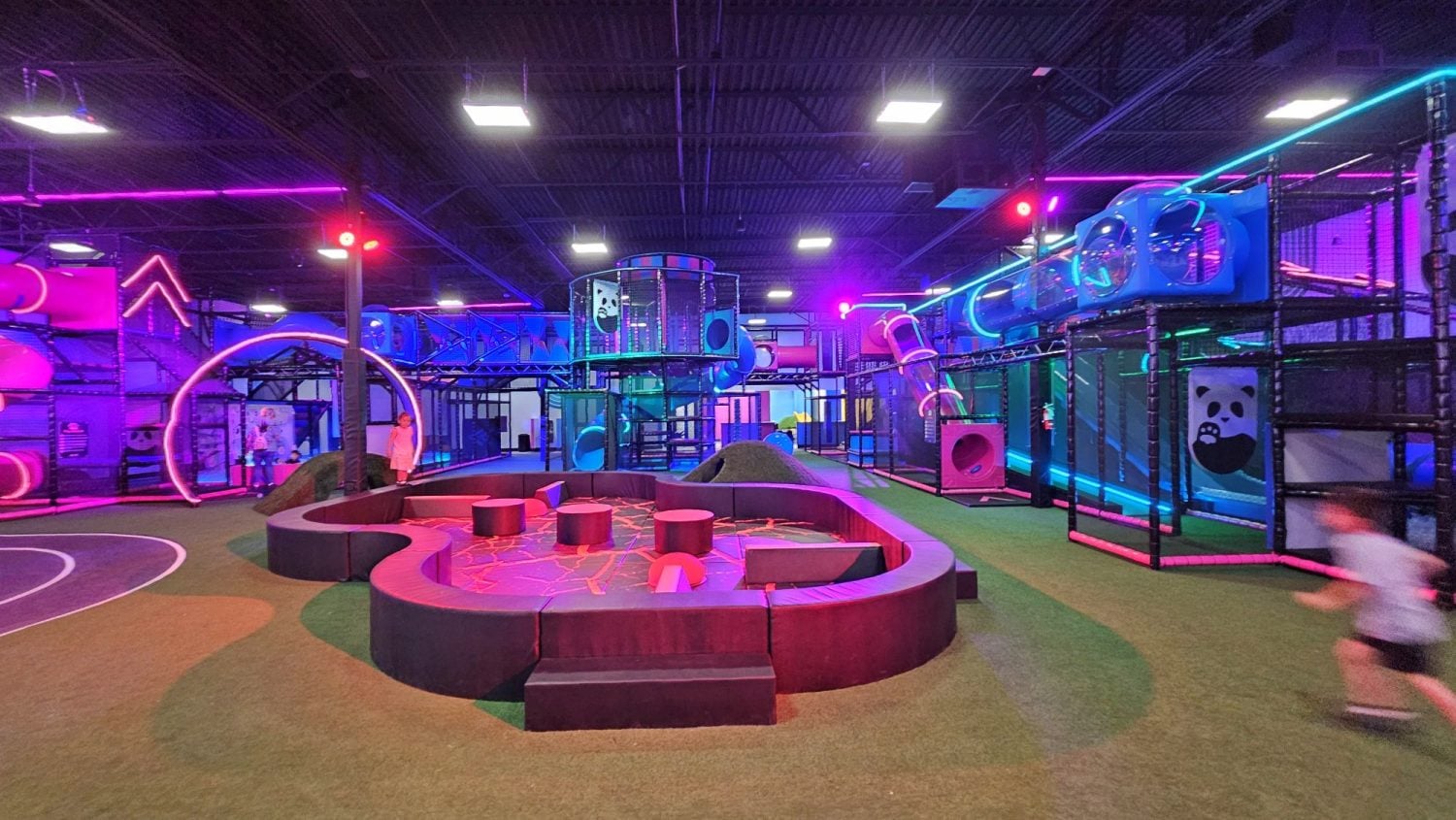
Introduction: Navigating the Global Market for mesa indoor playground
In an increasingly competitive landscape, sourcing a quality mesa indoor playground can pose significant challenges for B2B buyers. With diverse options available, identifying the right supplier that meets safety standards, caters to various age groups, and aligns with budget constraints is crucial. This guide is designed to empower international buyers from regions such as Africa, South America, the Middle East, and Europe—including markets like Vietnam and Germany—by providing a comprehensive overview of the indoor playground industry.
Within this resource, you will explore various types of indoor playgrounds, their applications in entertainment and educational settings, and critical factors for supplier vetting. We will delve into cost considerations, including initial investment and ongoing maintenance, to help you make informed purchasing decisions. Additionally, we will cover the latest trends in design and technology that enhance the play experience, ensuring that your investment remains relevant and appealing to customers.
By equipping you with actionable insights and expert recommendations, this guide aims to streamline the decision-making process, enabling you to select the best indoor playground solutions for your business needs. Prepare to navigate the global market with confidence, ensuring that your venture into the indoor playground space is both profitable and impactful.
Understanding mesa indoor playground Types and Variations
| Type Name | Key Distinguishing Features | Primary B2B Applications | Brief Pros & Cons for Buyers |
|---|---|---|---|
| Traditional Indoor Playground | Multi-level play structures, slides, ball pits, and climbing walls | Family entertainment centers, schools | Pros: Versatile; appeals to various age groups. Cons: Requires significant space and maintenance. |
| Bounce Park | Inflatable structures, trampolines, and interactive play zones | Event venues, birthday party locations | Pros: High engagement; attracts large crowds. Cons: Safety concerns; requires frequent inspections. |
| Themed Play Areas | Unique designs based on popular themes (e.g., pirates, space) | Children’s museums, educational centers | Pros: Enhanced immersive experience; strong branding potential. Cons: Higher initial investment; niche appeal. |
| Edutainment Facilities | Combination of play and educational activities | Schools, childcare centers, community centers | Pros: Promotes learning through play; attracts parents. Cons: Requires specialized staff and programming. |
| Adventure Parks | Obstacle courses, zip lines, and climbing walls | Outdoor recreation centers, resorts | Pros: Unique offerings; appeals to older children and teens. Cons: Higher operational costs; seasonal fluctuations. |
What are the Characteristics of Traditional Indoor Playgrounds?
Traditional indoor playgrounds are characterized by their multi-level structures that include slides, climbing walls, and ball pits. These playgrounds are designed to accommodate various age groups, making them suitable for family entertainment centers and schools. When considering a purchase, B2B buyers should evaluate the space requirements, maintenance costs, and safety standards. The versatility of these playgrounds often leads to high customer satisfaction, but they do require significant upkeep.
How Do Bounce Parks Stand Out in the Market?
Bounce parks are unique for their inflatable structures and trampolines, offering a dynamic play environment. They are especially popular for birthday party venues and large events, providing an energetic atmosphere that attracts diverse crowds. Buyers should consider safety regulations, staffing needs, and insurance requirements when investing in bounce parks. While they offer high engagement levels, the necessity for regular inspections and maintenance can be a drawback.
What Makes Themed Play Areas Attractive to Buyers?
Themed play areas create immersive experiences based on popular concepts, such as pirates or outer space. These playgrounds are often found in children’s museums or educational centers and enhance branding opportunities for businesses. B2B buyers should assess the initial investment required for design and construction, as well as the potential for attracting specific demographics. While they can provide a unique selling point, themed areas may also have niche appeal that limits broader market reach.
What are the Benefits of Edutainment Facilities?
Edutainment facilities combine play with educational activities, appealing to parents who prioritize learning. These spaces are commonly found in schools and childcare centers, making them valuable for enhancing educational experiences. Buyers must consider the need for specialized staff and programming that can align with educational standards. While they promote learning through play, the operational complexity can be a challenge for some businesses.
How Do Adventure Parks Cater to Older Children and Teens?
Adventure parks feature obstacle courses, zip lines, and climbing walls, making them appealing to older children and teens. These parks are often located in outdoor recreation centers and resorts, providing a unique offering that sets them apart from traditional playgrounds. B2B buyers should evaluate operational costs, safety measures, and seasonal demand fluctuations. While they can attract a dedicated audience, the higher investment and maintenance costs might deter some buyers.
Key Industrial Applications of mesa indoor playground
| Industry/Sector | Specific Application of mesa indoor playground | Value/Benefit for the Business | Key Sourcing Considerations for this Application |
|---|---|---|---|
| Family Entertainment Centers | Indoor play zones for children and families | Increases foot traffic, enhances customer satisfaction | Compliance with safety standards, design versatility |
| Schools and Educational Institutions | Recreational areas for physical education | Promotes physical activity, supports social development | Space requirements, age-appropriate design, durability |
| Hospitality and Tourism | Attractions in hotels and resorts | Adds value to guest experience, encourages longer stays | Space optimization, integration with existing facilities |
| Retail and Shopping Malls | Kid-friendly zones to enhance shopping experience | Attracts families, increases dwell time, boosts sales | Layout compatibility, safety features, maintenance needs |
| Community Centers | Multifunctional spaces for local events | Fosters community engagement, provides safe play options | Customization options, local cultural considerations |
How Can Family Entertainment Centers Benefit from Mesa Indoor Playgrounds?
Family entertainment centers can incorporate mesa indoor playgrounds as dedicated play zones for children. This application not only attracts families seeking recreational options but also enhances the overall customer experience. By providing a safe and engaging environment, these centers can increase foot traffic and customer retention. Buyers should consider compliance with local safety standards and the playground’s design versatility to cater to diverse age groups.
What Role Do Mesa Indoor Playgrounds Play in Schools and Educational Institutions?
In schools and educational institutions, mesa indoor playgrounds serve as vital recreational areas that promote physical activity among students. These playgrounds can be integrated into physical education programs, helping to support social development and teamwork skills. When sourcing, institutions must focus on space requirements, ensuring that the playground design is age-appropriate and durable enough to withstand daily use.
How Can Hospitality and Tourism Industries Leverage Mesa Indoor Playgrounds?
Hotels and resorts can enhance their offerings by adding mesa indoor playgrounds, which serve as attractions for families traveling with children. This addition not only enriches the guest experience but also encourages longer stays, as families are more likely to choose accommodations that cater to their children’s needs. Key considerations for sourcing include optimizing space and ensuring seamless integration with existing facilities to maintain aesthetic appeal.
What Advantages Do Retail and Shopping Malls Gain from Mesa Indoor Playgrounds?
Retailers and shopping malls can benefit significantly from the addition of kid-friendly zones like mesa indoor playgrounds. These areas attract families, encouraging them to spend more time shopping, which ultimately boosts sales. When considering a playground installation, businesses should evaluate layout compatibility with their existing spaces, prioritize safety features, and assess ongoing maintenance needs to ensure a positive customer experience.
How Can Community Centers Utilize Mesa Indoor Playgrounds for Local Engagement?
Community centers can use mesa indoor playgrounds to create multifunctional spaces that host local events and activities. By providing safe play options for children, these centers foster community engagement and offer families a place to gather. Buyers should focus on customization options that reflect local cultural considerations and ensure the playground meets the diverse needs of the community it serves.
3 Common User Pain Points for ‘mesa indoor playground’ & Their Solutions
Scenario 1: Navigating Safety Compliance in Indoor Playgrounds
The Problem: One of the most pressing challenges for B2B buyers of mesa indoor playgrounds is ensuring that the facilities meet local and international safety standards. Buyers from different regions, such as Africa and Europe, face varying regulations regarding play equipment, surface materials, and overall safety measures. The fear of legal repercussions, potential injuries, and damage to reputation can make the procurement process daunting.
The Solution: To effectively navigate safety compliance, B2B buyers should begin by conducting thorough research on the specific safety standards applicable in their region. For instance, in the U.S., ASTM standards are crucial, while European buyers must comply with EN standards. Partnering with reputable manufacturers who provide detailed certifications and safety documentation can also streamline this process. Additionally, buyers should consider investing in safety audits or consultations with industry experts who can offer insights on best practices. Establishing a clear communication channel with suppliers to address safety concerns and obtaining a warranty or guarantee on safety features can further mitigate risks and enhance buyer confidence.
Scenario 2: Maximizing Space Utilization in Indoor Play Areas
The Problem: B2B buyers often struggle with optimizing the limited space available for indoor playgrounds. This challenge is particularly pronounced in urban settings where real estate is at a premium. Inefficient layout can lead to overcrowding, decreased customer satisfaction, and ultimately lower revenues. Buyers need to balance the desire for diverse play options with the necessity of efficient space usage.

Illustrative image related to mesa indoor playground
The Solution: To maximize space utilization, buyers should engage in careful planning and design that considers both the variety of play structures and the flow of traffic. Utilizing modular and versatile playground equipment can allow for more dynamic configurations that adapt to varying group sizes. Additionally, incorporating multi-use areas—like climbing walls that double as seating zones—can help in making the most of the available square footage. Consulting with experienced playground designers who can create 3D layouts and simulations can provide valuable insights into effective use of space. It is also beneficial to solicit feedback from potential users about their preferences to ensure that the playground design meets the needs of children and their guardians.
Scenario 3: Understanding Customer Expectations and Trends
The Problem: B2B buyers in the indoor playground sector must contend with rapidly changing customer expectations and trends, especially as families seek more engaging and enriching experiences for their children. Buyers may struggle to keep up with what appeals to their target demographics, leading to potential misalignment between offerings and customer desires, which can hinder profitability.
The Solution: To stay ahead of market trends, buyers should invest in market research and customer feedback mechanisms. Surveys, focus groups, and social media interactions can provide real-time insights into customer preferences. Additionally, attending industry trade shows and networking events can expose buyers to innovative products and concepts that resonate with modern families. Implementing a flexible product lineup that allows for seasonal changes and special events can also enhance engagement. Collaborating with local schools and community organizations to offer themed events or educational programs can further align the playground’s offerings with customer expectations, creating a loyal customer base and enhancing revenue potential.

Illustrative image related to mesa indoor playground
Strategic Material Selection Guide for mesa indoor playground
What Are the Best Materials for Mesa Indoor Playgrounds?
Selecting the right materials for indoor playgrounds in Mesa is crucial for ensuring safety, durability, and compliance with international standards. Below, we analyze four common materials used in the construction of indoor playgrounds, focusing on their properties, advantages, disadvantages, and considerations for international buyers.
What Are the Key Properties and Considerations for Foam?
Foam is widely used in indoor playgrounds, particularly for soft play areas and protective surfaces. Key properties include excellent shock absorption and lightweight characteristics, making it safe for children. Foam can withstand a range of temperatures but may degrade under prolonged exposure to UV light.
Pros: Foam is cost-effective, easy to install, and provides a safe environment for children. It is also available in various colors and densities, allowing for customization.
Cons: While foam is durable, it can compress over time and may require replacement. It is also susceptible to moisture, which can lead to mold if not properly maintained.
International Considerations: Compliance with ASTM standards for safety is essential. Buyers in regions like Africa and South America should ensure that the foam used is free from harmful chemicals, adhering to local regulations.

Illustrative image related to mesa indoor playground
How Does Plastic Contribute to Indoor Playground Design?
Plastic, specifically high-density polyethylene (HDPE), is another popular choice for indoor playgrounds. Its properties include high impact resistance and corrosion resistance, making it suitable for various applications.
Pros: Plastic is durable, lightweight, and easy to clean, which is crucial for maintaining hygiene in play areas. It also resists fading and can withstand a wide range of temperatures.
Cons: Although generally low-maintenance, plastic can become brittle over time if exposed to extreme temperatures. Additionally, initial costs can be higher compared to other materials.
International Considerations: Buyers should ensure that the plastic complies with local and international safety standards, such as DIN or JIS. In Europe, for instance, materials must meet specific regulations regarding chemical safety.
What Role Does Metal Play in Indoor Play Structures?
Metal, particularly galvanized steel, is often used in the framework of indoor playgrounds due to its strength and durability. Key properties include high tensile strength and resistance to corrosion, which is vital for ensuring long-term structural integrity.
Pros: Metal structures can support heavy loads and are resistant to wear and tear. They also offer design flexibility, allowing for complex configurations.
Cons: Metal can be more expensive than other materials and may require additional coatings to prevent rust. Furthermore, it can conduct heat, making it uncomfortable in certain climates.
International Considerations: Compliance with ASTM and other regional standards is critical. Buyers from the Middle East and Africa should consider the impact of humidity and temperature fluctuations on metal components.
How Important Is Fabric in Indoor Playground Design?
Fabric is often used in soft play areas, climbing structures, and interactive elements. Key properties include flexibility and comfort, allowing for creative designs that engage children.
Pros: Fabrics can be vibrant and appealing, enhancing the aesthetic of the playground. They are also lightweight and can be easily replaced or repaired.
Cons: Fabrics may not be as durable as other materials and can wear out quickly, especially in high-traffic areas. They also require regular cleaning to maintain hygiene.
International Considerations: Fabrics must comply with fire safety regulations, especially in regions like Europe where standards are stringent. Buyers should also consider the environmental impact of the materials used.
Summary of Material Selection for Mesa Indoor Playgrounds
| Material | Typical Use Case for mesa indoor playground | Key Advantage | Key Disadvantage/Limitation | Relative Cost (Low/Med/High) |
|---|---|---|---|---|
| Foam | Soft play areas, protective surfaces | Excellent shock absorption | Susceptible to moisture and compression over time | Low |
| Plastic | Slides, climbing structures | Durable and easy to clean | Can become brittle over time | Med |
| Metal | Framework and structural components | High strength and durability | Higher initial costs and heat conduction | High |
| Fabric | Soft play elements, interactive areas | Aesthetic appeal and flexibility | Less durable and requires regular cleaning | Med |
This analysis provides a comprehensive overview of material options for indoor playgrounds in Mesa, aiding international B2B buyers in making informed decisions based on performance, cost, and compliance with safety standards.

Illustrative image related to mesa indoor playground
In-depth Look: Manufacturing Processes and Quality Assurance for mesa indoor playground
What Are the Key Stages in the Manufacturing Process for Mesa Indoor Playgrounds?
The manufacturing process for indoor playgrounds, especially those designed for the mesa environment, involves several critical stages to ensure durability, safety, and functionality. Understanding these stages can help B2B buyers make informed decisions when sourcing equipment for their projects.
Material Preparation: What Materials Are Used in Manufacturing Indoor Playgrounds?
The first stage in the manufacturing process is material preparation. Common materials include high-density polyethylene (HDPE), wood, metal, and safety foam. HDPE is often used for slides and climbing structures due to its strength and resistance to wear and tear. Metal components, such as frames and supports, are typically made from galvanized steel to prevent rusting and corrosion, especially in humid environments.
Safety foam is essential for soft play areas, providing cushioning to minimize injury risks. The materials must comply with safety standards, ensuring they are non-toxic and free from harmful chemicals. B2B buyers should verify the material certifications from suppliers to ensure compliance with international safety standards.
How Is Forming Conducted for Indoor Playground Components?
Once the materials are prepared, the forming process begins. This involves shaping the raw materials into the desired components using techniques such as injection molding for plastic parts, bending and welding for metal structures, and cutting for wood components.
Injection molding is particularly effective for creating intricate shapes and designs that are both durable and visually appealing. In the case of metal components, precision bending and welding techniques are employed to ensure structural integrity.
B2B buyers should inquire about the forming techniques used by suppliers, as these can significantly impact the durability and safety of the final product.
What Assembly Processes Are Used to Construct Indoor Playgrounds?
The assembly stage is crucial, as it brings together all the individual components to create a cohesive playground structure. This stage typically involves bolting, welding, and fastening components together according to detailed blueprints and safety standards.
During assembly, quality control measures should be implemented to ensure that all parts fit securely and function as intended. For instance, playground equipment must be tested for stability and safety before installation.
B2B buyers can benefit from asking suppliers about their assembly processes and the level of experience their teams have, particularly in adhering to safety standards.
What Finishing Techniques Are Applied to Indoor Playground Equipment?
The finishing stage involves applying protective coatings and aesthetic enhancements to the playground equipment. Common techniques include powder coating for metal components and UV-resistant finishes for plastic parts. These finishes not only enhance the appearance but also provide an additional layer of protection against the elements and wear.
Quality assurance during this stage is critical, as the finish must be uniform and free from defects. Buyers should ensure that the suppliers provide samples of finished products for approval before full-scale production.
How Is Quality Assurance Implemented in the Manufacturing of Indoor Playgrounds?
Quality assurance (QA) is vital in ensuring that indoor playgrounds meet both safety and durability standards. Various international and industry-specific standards guide the QA processes.
What International Standards Are Relevant for Indoor Playground Manufacturing?
Many manufacturers adhere to ISO 9001, a quality management standard that focuses on meeting customer expectations and delivering satisfaction. This standard helps ensure that manufacturers maintain high-quality processes throughout production.
In addition to ISO 9001, compliance with CE marking standards is essential for products sold in Europe, indicating that they meet EU safety, health, and environmental protection requirements. Similarly, the American Society for Testing and Materials (ASTM) provides guidelines specifically for playground equipment safety.
B2B buyers should verify that their suppliers are certified in these standards, as this certification indicates a commitment to quality and safety.
What Quality Control Checkpoints Should Be Established?
Quality control checkpoints are critical in the manufacturing process. Key stages typically include:
- Incoming Quality Control (IQC): Inspecting raw materials upon arrival to ensure they meet specified standards.
- In-Process Quality Control (IPQC): Monitoring the manufacturing process to identify defects early on. This may involve regular checks during forming and assembly.
- Final Quality Control (FQC): Conducting a thorough inspection of the finished product before it leaves the factory. This includes testing for safety, durability, and compliance with relevant standards.
B2B buyers should ask suppliers about their QC processes and the specific checkpoints they implement to ensure product quality.
What Common Testing Methods Are Used in Quality Assurance?
Common testing methods for indoor playgrounds include load testing, impact testing, and safety inspections. Load testing assesses the structural integrity of equipment under weight, while impact testing evaluates the resilience of materials against sudden forces.
Additionally, playground equipment is subjected to safety inspections to verify compliance with ASTM and EN standards. This testing is crucial for identifying potential hazards that could lead to injuries.
How Can B2B Buyers Verify Supplier Quality Control Processes?
B2B buyers have several avenues to verify the quality control processes of potential suppliers. Conducting audits is one of the most effective methods, allowing buyers to evaluate the manufacturing facilities, processes, and adherence to quality standards firsthand.
Requesting quality assurance reports and certificates from suppliers can also provide insight into their QC practices. Third-party inspections are another option, where an independent organization assesses the supplier’s compliance with industry standards.
Buyers should be vigilant about the nuances of quality certification, particularly when sourcing from international suppliers. Different regions may have varying standards and practices, and understanding these differences is crucial for ensuring product quality.
Conclusion: What Should B2B Buyers Consider When Sourcing Indoor Playgrounds?
In summary, the manufacturing processes and quality assurance practices for mesa indoor playgrounds are complex and multifaceted. B2B buyers should focus on understanding the manufacturing stages, verifying compliance with international standards, and ensuring robust quality control measures are in place. By doing so, they can make informed purchasing decisions that enhance the safety and enjoyment of indoor playgrounds for children.
Practical Sourcing Guide: A Step-by-Step Checklist for ‘mesa indoor playground’
Introduction
This guide serves as a comprehensive checklist for B2B buyers aiming to procure a Mesa indoor playground. It outlines essential steps to ensure a successful sourcing process, focusing on quality, safety, and operational efficiency. Following this guide will help you make informed decisions that align with your business goals and customer expectations.
Step 1: Define Your Business Needs
Begin by clearly outlining your specific requirements for the indoor playground. Consider factors such as the target age group, size of the facility, and desired attractions. This clarity will guide your discussions with suppliers and help you identify the most suitable options for your market.
- Target Audience: Define the age range and capacity you aim to accommodate.
- Attraction Types: Determine whether you want slides, climbing structures, or interactive play zones.
Step 2: Research Market Trends
Stay informed about the latest trends in the indoor playground industry, particularly in the regions you are targeting. Understanding what appeals to families and children in different markets can significantly influence your purchasing decisions.
- Regional Preferences: Note any specific features that may be popular in your target regions, such as themed play areas.
- Competitive Analysis: Analyze competitors to identify successful elements you can incorporate into your offering.
Step 3: Evaluate Potential Suppliers
Thoroughly vet potential suppliers to ensure they can meet your specifications and quality standards. Request detailed information, including company profiles, product catalogs, and customer testimonials.
- Supplier Experience: Look for suppliers with a proven track record in the indoor playground industry.
- References: Seek testimonials or case studies from businesses similar to yours to gauge supplier reliability.
Step 4: Verify Safety Standards and Certifications
Safety is paramount when it comes to indoor playgrounds. Ensure that any equipment you consider meets relevant safety standards, such as ASTM or EN standards, depending on your location.
- Documentation: Request safety certifications and compliance documents from suppliers.
- Material Quality: Investigate the quality of materials used in the playground structures to ensure durability and safety.
Step 5: Assess Customization Options
Consider whether the suppliers offer customization options to align with your brand and customer expectations. Customizable playgrounds can enhance the user experience and differentiate your offering in a competitive market.
- Design Flexibility: Inquire about the ability to modify designs or themes to suit your brand identity.
- Additional Features: Look for options to include unique features like interactive games or educational components.
Step 6: Analyze Pricing Structures and Financing Options
Review the pricing models provided by potential suppliers, including any financing options that may be available. Understanding the total cost of ownership, including maintenance and operational expenses, is crucial for budgeting.
- Cost Breakdown: Request detailed pricing that includes installation, shipping, and ongoing maintenance costs.
- Payment Terms: Discuss payment options, such as upfront costs versus installment plans, to find a structure that works for your budget.
Step 7: Plan for Installation and Training
Finally, ensure that the supplier provides a clear plan for the installation process and any necessary training for your staff. A smooth installation and knowledgeable staff are essential for operational success.
- Installation Timeline: Confirm the expected timeline for installation and any potential disruptions to your business.
- Staff Training: Evaluate the training programs offered to ensure your team can operate the playground safely and efficiently.
By following this checklist, you will be well-equipped to source an indoor playground that meets your business needs and exceeds customer expectations.

Illustrative image related to mesa indoor playground
Comprehensive Cost and Pricing Analysis for mesa indoor playground Sourcing
What Are the Key Cost Components in Sourcing a Mesa Indoor Playground?
When sourcing a mesa indoor playground, understanding the cost structure is crucial for B2B buyers. The primary cost components typically include materials, labor, manufacturing overhead, tooling, quality control (QC), logistics, and profit margins.
-
Materials: The choice of materials significantly impacts the overall cost. High-quality, durable materials that meet safety standards (e.g., ASTM) may come at a premium but are essential for longevity and safety. Common materials include high-density foam, PVC, and reinforced steel for structures.
-
Labor: Labor costs can vary widely based on the region and the expertise required for installation and maintenance. Skilled labor for assembly and quality checks is crucial to ensure that safety standards are met.
-
Manufacturing Overhead: This includes utilities, rent, and salaries associated with the production facility. Effective management of these overhead costs can lead to more competitive pricing.
-
Tooling: Initial tooling costs can be significant, especially for customized playground features. Buyers should consider these costs when evaluating suppliers, as they can affect the overall price.
-
Quality Control: Implementing stringent QC measures ensures that the playground meets safety regulations and customer expectations. This can add to the cost but is a necessary investment to mitigate risks associated with product failures.
-
Logistics: Shipping costs can be substantial, especially for large playground structures. Factors such as distance, mode of transport, and packaging will influence logistics costs.
-
Margin: Suppliers typically add a profit margin to cover their expenses and ensure profitability. Understanding industry standards for margins can aid in negotiations.
How Do Pricing Influencers Affect Sourcing Decisions for Indoor Playgrounds?
Several factors can influence pricing in the mesa indoor playground market. These include volume or minimum order quantities (MOQ), specifications, customization, material quality, certifications, supplier factors, and Incoterms.
-
Volume/MOQ: Bulk orders often lead to lower per-unit costs. International buyers should consider aggregating orders to meet MOQs for better pricing.
-
Specifications and Customization: Custom designs can increase costs significantly. Buyers should weigh the benefits of customization against budget constraints.
-
Material Quality and Certifications: Higher-quality materials and certifications (e.g., EN 1176 for safety) can raise costs but enhance the product’s value and safety assurance.
-
Supplier Factors: The reputation and reliability of suppliers can impact pricing. Established suppliers may offer better quality assurance but at a higher price.
-
Incoterms: Understanding Incoterms is vital for international transactions, as they define the responsibilities of buyers and sellers concerning shipping costs, insurance, and risks.
What Are Some Effective Buyer Tips for Cost-Efficiency in Sourcing?
For international B2B buyers, especially from regions like Africa, South America, the Middle East, and Europe, implementing strategic sourcing practices can lead to significant cost savings.
-
Negotiate Wisely: Leverage your position as a bulk buyer to negotiate better terms. Be prepared to discuss volume commitments and long-term partnerships to secure favorable pricing.
-
Focus on Total Cost of Ownership (TCO): Consider not just the initial purchase price but also long-term costs such as maintenance, safety upgrades, and replacement parts. A lower upfront cost may lead to higher long-term expenses.
-
Understand Pricing Nuances: Be aware of currency fluctuations, tariffs, and import duties that may impact the final cost of the playground. Staying informed about these factors can aid in budgeting and cost forecasting.
-
Request Samples: Before finalizing orders, ask for samples to evaluate material quality and construction. This can prevent costly mistakes down the line.
-
Engage Local Agents: Utilizing local agents or distributors can help navigate regional challenges, ensuring compliance with local regulations and potentially reducing logistics costs.
Conclusion
Sourcing a mesa indoor playground involves a multifaceted cost structure influenced by various factors. By understanding these components and implementing strategic sourcing practices, B2B buyers can make informed decisions that enhance both safety and cost-efficiency.

Illustrative image related to mesa indoor playground
Alternatives Analysis: Comparing mesa indoor playground With Other Solutions
Exploring Alternatives to Mesa Indoor Playground Solutions
When evaluating the best indoor playground solution for your business, it’s essential to consider alternatives that can provide similar benefits. This analysis compares the ‘Mesa Indoor Playground’ with two viable alternatives: Kids Empire and FunBox. Each option has unique features, costs, and operational considerations that may align differently with your business model and customer expectations.
| Comparison Aspect | Mesa Indoor Playground | Kids Empire | FunBox |
|---|---|---|---|
| Performance | Engaging play areas with diverse activities | Large play structures focusing on younger children | Extensive bounce zones for all ages |
| Cost | Moderate entry fees, with family packages | $17.90 per child, additional fees for adults | Ticket prices vary; add-ons for grip socks |
| Ease of Implementation | Requires significant space and setup | Established brand with multiple locations | Newer brand; requires investment in inflatable structures |
| Maintenance | Regular upkeep needed for safety and cleanliness | Standard maintenance, but socks required | High maintenance for inflatables and safety checks |
| Best Use Case | Family-oriented entertainment and birthday parties | Ideal for younger children’s events | Great for high-energy activities and parties for all ages |
What Are the Pros and Cons of Kids Empire as an Alternative?
Kids Empire offers a well-established indoor playground experience primarily catering to younger children. With a moderate entry fee of $17.90 per child and free entry for infants, it provides an economical option for families. The venue is designed for birthday parties, featuring packages that include reserved seating and meals. However, the focus on younger children might limit the appeal to older kids and adults, potentially affecting overall visitor engagement. Additionally, the requirement for grip socks can add an extra cost for families, impacting the perceived value.
How Does FunBox Compete in the Indoor Playground Market?
FunBox is a newer player in the indoor playground arena, emphasizing bounce activities across expansive play zones. Its design caters to a wide age range, making it appealing to families looking for high-energy fun. However, operational costs may be higher due to the need for inflatable structures and ongoing maintenance to ensure safety. Pricing can also vary based on peak times, which might complicate budgeting for families. The requirement for grip socks adds another layer of expense, though the engaging atmosphere and social media-friendly setup may attract more visitors.
How to Choose the Right Indoor Playground Solution for Your Business?
When deciding on the best indoor playground solution, B2B buyers should consider several factors. Assess your target demographic: if your audience includes younger children, Kids Empire might be the best fit. For businesses targeting families with older children or looking for a more dynamic play experience, FunBox could be more suitable. Additionally, evaluate your budget for both initial investment and ongoing maintenance, as well as how each option aligns with your brand identity and customer expectations. By carefully analyzing these elements, you can make an informed decision that enhances your offering and meets the needs of your clientele.
Essential Technical Properties and Trade Terminology for mesa indoor playground
What Are the Key Technical Properties of Mesa Indoor Playgrounds?
When considering the purchase or design of a mesa indoor playground, understanding its technical properties is crucial for ensuring safety, durability, and customer satisfaction. Here are several critical specifications to keep in mind:
-
Material Grade
The material used in playground structures typically includes high-density polyethylene (HDPE), aluminum, or steel. HDPE is favored for its durability and resistance to impact, while steel provides structural integrity. Selecting the right material grade is essential for safety and longevity, as it influences the playground’s ability to withstand heavy use and environmental conditions. -
Safety Standards Compliance
Compliance with ASTM (American Society for Testing and Materials) or EN (European Norm) standards is critical. These standards dictate the safety requirements for playground equipment, ensuring that the structures minimize the risk of injury. B2B buyers must verify that suppliers adhere to these standards to safeguard children and reduce liability. -
Weight Tolerance
Understanding weight tolerance is vital for ensuring that the playground can accommodate varying numbers of children and different age groups. Specifications often indicate maximum load capacities for different structures, which helps in planning for usage patterns and ensuring safety during play. -
Dimensions and Footprint
The overall dimensions of the playground—such as height, width, and total area—impact not only the design but also the space requirements and potential customer engagement. This information is crucial for B2B buyers to assess whether the playground fits within their intended location, especially in diverse markets where space availability can vary greatly. -
Maintenance Requirements
Technical specifications should also include details on maintenance needs, such as cleaning routines and replacement parts. A playground that requires less frequent maintenance can be more cost-effective in the long run, providing greater value for B2B buyers.
What Are Common Trade Terms Used in the Mesa Indoor Playground Industry?
In the B2B landscape, familiarizing yourself with industry jargon can facilitate smoother transactions and negotiations. Here are some common terms:
-
OEM (Original Equipment Manufacturer)
This term refers to companies that produce parts or equipment that may be marketed by another manufacturer. In the context of indoor playgrounds, an OEM might supply the structural components or safety features, ensuring that the final product meets specific design and safety criteria. -
MOQ (Minimum Order Quantity)
MOQ indicates the smallest order size a supplier is willing to accept. Understanding MOQ is vital for buyers to plan their inventory and budget accordingly, especially when entering new markets or expanding existing offerings. -
RFQ (Request for Quotation)
An RFQ is a document that a buyer sends to suppliers to solicit pricing information for specific products or services. In the indoor playground sector, an RFQ can help buyers compare costs, ensuring they obtain the best possible deal while meeting their quality standards. -
Incoterms (International Commercial Terms)
These are standardized trade terms that define the responsibilities of buyers and sellers in international transactions. Familiarity with Incoterms is crucial for B2B buyers to understand shipping costs, risks, and delivery obligations associated with importing playground equipment from different countries. -
Lead Time
Lead time refers to the amount of time it takes from placing an order to receiving the product. For B2B buyers in the indoor playground industry, understanding lead times is essential for inventory management and ensuring that projects meet deadlines, especially during peak seasons. -
Warranty and Service Agreement
A warranty is a guarantee provided by the manufacturer regarding the quality and lifespan of the playground equipment. Service agreements outline the terms for maintenance and repair, providing buyers with peace of mind that they are covered in case of defects or safety issues.
By understanding these technical properties and trade terms, B2B buyers can make informed decisions that align with their business objectives and enhance customer satisfaction in the growing indoor playground market.
Navigating Market Dynamics and Sourcing Trends in the mesa indoor playground Sector
What Are the Key Trends Driving the Mesa Indoor Playground Market?
The mesa indoor playground market is experiencing robust growth, driven by several global factors. The increasing urbanization in regions like Africa, South America, the Middle East, and Europe is leading to a higher demand for family entertainment options, particularly in densely populated urban centers. Parents are seeking safe, engaging environments for their children, which boosts the appeal of indoor playgrounds. Additionally, the rise of experiential retail—where shopping centers incorporate entertainment to enhance customer experience—has made indoor play areas a strategic asset for businesses looking to attract foot traffic.

Illustrative image related to mesa indoor playground
Emerging B2B technology trends are reshaping sourcing strategies in this sector. Virtual reality and augmented reality are being integrated into playground designs to enhance interactive experiences, appealing to tech-savvy families. Moreover, data analytics is being utilized to tailor marketing strategies and optimize operational efficiencies, enabling businesses to better understand customer preferences and behaviors. As international B2B buyers consider these dynamics, aligning with suppliers who embrace innovative technology will be crucial for maintaining competitiveness.
Furthermore, the COVID-19 pandemic has emphasized the need for health and safety standards, prompting playground operators to invest in advanced sanitation technologies. This shift is expected to continue, as buyers prioritize suppliers who adhere to stringent safety protocols and can provide certifications that ensure compliance with international health standards.
How Is Sustainability and Ethical Sourcing Important for Mesa Indoor Playgrounds?
Sustainability is increasingly becoming a critical consideration for B2B buyers in the mesa indoor playground sector. The environmental impact of materials used in playground construction and operation is under scrutiny, with an emphasis on minimizing carbon footprints. Buyers are now looking for suppliers who utilize sustainable materials—such as recycled plastics and responsibly sourced wood—that meet international environmental standards.
The importance of ethical supply chains cannot be overstated. With growing awareness about labor practices, buyers are inclined to partner with manufacturers who demonstrate transparency and uphold ethical labor practices. Certifications such as ISO 14001 for environmental management and Fair Trade for ethical sourcing are becoming essential benchmarks for B2B partnerships.
Moreover, eco-friendly playground designs that incorporate natural elements and promote outdoor play are gaining traction. By investing in sustainable playground solutions, businesses can appeal to environmentally conscious consumers, thus enhancing brand loyalty and market positioning.
What Is the Evolution of the Mesa Indoor Playground Market?
The mesa indoor playground sector has evolved significantly over the past few decades. Initially, indoor play areas were simple structures focused primarily on physical activity. However, as consumer preferences shifted towards holistic experiences, the industry began to diversify. The introduction of themed play zones, interactive technology, and comfortable amenities for adults transformed indoor playgrounds into multi-faceted entertainment hubs.
In recent years, the emphasis on safety and hygiene has surged, particularly in response to global health concerns. Modern playgrounds are now designed with advanced materials that are not only fun but also easy to clean and maintain. This evolution reflects a broader trend towards creating environments that prioritize both child development and family comfort, making the mesa indoor playground sector a dynamic and lucrative market for international B2B buyers.
Frequently Asked Questions (FAQs) for B2B Buyers of mesa indoor playground
-
How do I evaluate the safety standards of a mesa indoor playground supplier?
When assessing the safety standards of a mesa indoor playground supplier, ensure they comply with international safety regulations, such as ASTM or EN standards. Request documentation that verifies compliance and ask for details about their manufacturing processes. It’s also beneficial to inquire about the materials used in construction, as well as any testing certifications for the equipment. A reputable supplier will be transparent about their safety protocols and may even provide references from existing clients regarding the safety and durability of their products. -
What are the key features to look for in a mesa indoor playground?
The best features of a mesa indoor playground include a variety of play structures designed for different age groups, ensuring safety and engagement. Look for elements such as soft play areas, interactive games, and obstacle courses that promote physical activity. Additionally, adult-friendly amenities like lounge areas, clean restrooms, and food services enhance the overall experience for families. Ensure the playground has options for customization to fit specific themes or target demographics in your market. -
What is the minimum order quantity (MOQ) for mesa indoor playground equipment?
Minimum order quantities for mesa indoor playground equipment can vary significantly among suppliers. Typically, established manufacturers may require a MOQ of 5 to 10 units, depending on the complexity and customization of the equipment. However, some suppliers may offer flexibility for first-time buyers or smaller businesses. It’s advisable to communicate your specific needs and negotiate the MOQ based on your business model and projected demand. -
What payment terms should I expect when sourcing mesa indoor playground equipment?
Payment terms for mesa indoor playground equipment typically include options such as a deposit upon order confirmation, followed by the balance before shipment. Standard practice may involve a 30% to 50% deposit, with the remaining amount due 7 to 30 days prior to delivery. Always confirm the payment methods accepted, such as bank transfers, letters of credit, or credit cards. It’s crucial to establish clear terms to avoid misunderstandings and ensure a smooth transaction. -
How can I ensure the quality assurance of the playground equipment?
To ensure quality assurance, request details about the supplier’s quality control processes, including inspections at various stages of manufacturing. Ask for third-party testing results to verify safety and durability claims. Many suppliers will offer warranties or guarantees for their products, which can serve as an added layer of assurance. Regular communication and site visits (if possible) can also enhance trust in the supplier’s commitment to quality. -
What logistics considerations should I keep in mind when importing playground equipment?
Logistics for importing playground equipment involves several key considerations, including shipping methods, customs clearance, and delivery timelines. Determine whether you will use air or sea freight based on budget and urgency. Ensure that the supplier provides proper documentation for customs, including invoices and certificates of origin. It’s also beneficial to work with a freight forwarder who understands the complexities of international shipping and can assist with tracking and delivery. -
Are there customization options available for mesa indoor playground designs?
Yes, many suppliers offer customization options for mesa indoor playground designs to align with your brand identity or specific market needs. This can include color schemes, themes, and the incorporation of unique play features. Discuss your requirements with potential suppliers early in the negotiation process to understand their capabilities and any additional costs associated with customization. Visual mock-ups or CAD designs can help clarify your vision and ensure it meets safety standards. -
How do I vet potential suppliers for mesa indoor playground equipment?
Vetting potential suppliers involves researching their industry reputation, financial stability, and history of successful projects. Start by checking online reviews and testimonials from previous clients. Request samples of their work or visit existing installations if possible. Additionally, verify their certifications and compliance with international safety standards. Establishing a good rapport and clear communication will also help gauge their reliability and commitment to customer service.
Top 1 Mesa Indoor Playground Manufacturers & Suppliers List
1. Superplay – Super Pass

Domain: superplay.cool
Introduction: Superplay offers an indoor play experience designed for kids and adult comfort. Key offerings include:
1. **Super Pass** – $30/month
– Adults enter for free
– Valid Mon-Thu, excludes holidays
– 2 hours of playtime
– 1 kid pass and 1 kid grip socks
– Unlimited visits
– 10% off parties, merchandise, and food
– No commitment; can pause or cancel anytime
2. **Super Pass Plus** -…
Strategic Sourcing Conclusion and Outlook for mesa indoor playground
As the indoor playground industry continues to evolve, strategic sourcing remains a pivotal component for B2B buyers looking to capitalize on the growing demand for family-oriented entertainment. The insights gathered from leading facilities in Mesa, such as Superplay and Kids Empire, illustrate the importance of creating engaging environments that prioritize both child safety and adult comfort. By sourcing high-quality materials and innovative play structures, buyers can enhance their offerings and meet the diverse needs of their clientele.
Understanding regional market trends and consumer preferences is essential for international buyers from Africa, South America, the Middle East, and Europe. By leveraging data-driven strategies and fostering strong supplier relationships, businesses can optimize their procurement processes and drive profitability.
Looking ahead, the potential for growth in the indoor playground sector is substantial. As global consumer behavior shifts towards immersive experiences, there is a unique opportunity to differentiate offerings through exceptional customer service and tailored attractions. B2B buyers are encouraged to explore partnerships that align with their strategic goals and embrace innovation to capture the evolving market landscape. Now is the time to invest in the future of indoor play—seize the opportunity to be at the forefront of this exciting industry.
Important Disclaimer & Terms of Use
⚠️ Important Disclaimer
The information provided in this guide, including content regarding manufacturers, technical specifications, and market analysis, is for informational and educational purposes only. It does not constitute professional procurement advice, financial advice, or legal advice.
While we have made every effort to ensure the accuracy and timeliness of the information, we are not responsible for any errors, omissions, or outdated information. Market conditions, company details, and technical standards are subject to change.
B2B buyers must conduct their own independent and thorough due diligence before making any purchasing decisions. This includes contacting suppliers directly, verifying certifications, requesting samples, and seeking professional consultation. The risk of relying on any information in this guide is borne solely by the reader.

Leave a Reply