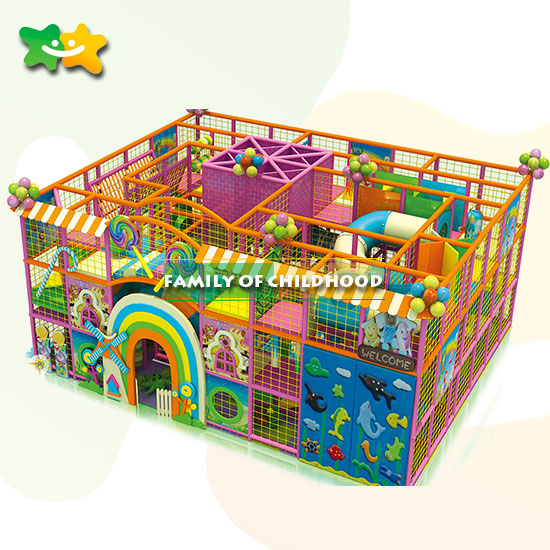
Introduction: Navigating the Global Market for indoor play house
Navigating the intricate landscape of the indoor playhouse market can be a formidable challenge for international B2B buyers, especially when sourcing durable and innovative solutions that cater to diverse cultural preferences and safety standards. As the demand for engaging indoor environments continues to rise across regions like Africa, South America, the Middle East, and Europe, understanding the various types of indoor playhouses—ranging from modular units to themed play structures—becomes essential for making informed purchasing decisions.
This comprehensive guide delves into the multifaceted aspects of indoor playhouses, including their applications in educational settings, commercial spaces, and private residences. It covers critical factors such as supplier vetting processes, cost considerations, and emerging trends in design and functionality. By equipping buyers with actionable insights and best practices, this resource not only clarifies the complexities of sourcing but also empowers stakeholders to select products that enhance child development through imaginative play.
Ultimately, this guide serves as a valuable tool for B2B buyers looking to navigate the global market effectively. It addresses specific regional needs and preferences, ensuring that businesses can confidently invest in high-quality indoor playhouses that foster creativity and safe play environments for children worldwide.
Understanding indoor play house Types and Variations
| Type Name | Key Distinguishing Features | Primary B2B Applications | Brief Pros & Cons for Buyers |
|---|---|---|---|
| Traditional Playhouses | Sturdy construction, often themed (e.g., house, castle) | Schools, daycare centers, family entertainment venues | Pros: Durable, encourages imaginative play. Cons: Can be bulky, requiring significant space. |
| Modular Indoor Play Systems | Customizable configurations with various modules | Indoor playgrounds, recreation centers | Pros: Flexible design, can adapt to space. Cons: Higher upfront investment. |
| Soft Play Structures | Foam-based, safe for younger children | Childcare facilities, malls, family entertainment centers | Pros: Safe for toddlers, promotes physical activity. Cons: Limited durability compared to hard structures. |
| Themed Adventure Playhouses | Interactive elements (e.g., slides, climbing features) | Amusement parks, educational facilities | Pros: Engaging and fun, promotes physical activity. Cons: Maintenance can be intensive. |
| Tent and Fabric Playhouses | Lightweight, portable, often easy to set up | Home use, pop-up events, temporary installations | Pros: Easy to transport and store, affordable. Cons: Less durable, may require frequent replacement. |
What Are the Key Characteristics of Traditional Playhouses?
Traditional playhouses are typically constructed from durable materials like wood or heavy-duty plastic and often feature themed designs such as cottages or castles. They are ideal for schools and daycare centers where imaginative play is encouraged. When considering a purchase, B2B buyers should evaluate the space available for installation and the potential for wear and tear, as these structures are often used extensively.
How Do Modular Indoor Play Systems Benefit Businesses?
Modular indoor play systems provide a customizable solution that can be tailored to the specific needs of a facility. These systems allow businesses to adapt the layout based on available space, making them suitable for indoor playgrounds and recreation centers. Buyers should consider the initial investment and the potential for future expansion when selecting these systems, as they can be more costly than traditional options.
Why Choose Soft Play Structures for Younger Children?
Soft play structures are designed with safety in mind, utilizing foam materials to create a safe environment for toddlers and young children. They are perfect for childcare facilities and malls where safety is a priority. B2B buyers must weigh the benefits of safety and engagement against the potential need for more frequent replacements due to wear.
What Makes Themed Adventure Playhouses Attractive for B2B Buyers?
Themed adventure playhouses incorporate interactive features such as slides and climbing walls, making them engaging for children. They are commonly found in amusement parks and educational facilities, where physical activity is encouraged. However, potential buyers should be aware of the maintenance requirements, as these structures can demand more upkeep than simpler designs.
What Are the Advantages of Tent and Fabric Playhouses?
Tent and fabric playhouses are lightweight and portable, making them ideal for temporary installations or home use. They are easy to set up and can be transported for pop-up events. While they are generally more affordable, B2B buyers should consider their shorter lifespan and the potential need for frequent replacement when assessing long-term value.
Key Industrial Applications of indoor play house
| Industry/Sector | Specific Application of Indoor Play House | Value/Benefit for the Business | Key Sourcing Considerations for this Application |
|---|---|---|---|
| Childcare Facilities | Indoor play areas for daycare centers | Enhances child engagement and development, attracting more enrollments. | Safety certifications, durability, and age-appropriate design. |
| Hospitality | Family-friendly amenities in hotels and resorts | Increases guest satisfaction and encourages repeat bookings. | Space requirements, aesthetic appeal, and ease of maintenance. |
| Retail | Interactive play zones in shopping malls | Drives foot traffic and extends customer dwell time. | Brand alignment, safety features, and innovative design elements. |
| Educational Institutions | Learning and play spaces in schools | Supports cognitive and social development, enhancing learning experiences. | Compliance with educational standards and adaptability to various curricula. |
| Community Centers | Recreational spaces in urban areas | Fosters community engagement and offers safe play options for children. | Cost-effectiveness, maintenance needs, and community needs assessment. |
How Can Indoor Play Houses Benefit Childcare Facilities?
In childcare facilities, indoor playhouses serve as dedicated play areas that stimulate children’s imagination and creativity. By incorporating these structures, daycares can enhance engagement, leading to improved developmental outcomes for children. This not only supports the facility’s educational goals but also attracts parents seeking quality care. Buyers should prioritize safety certifications, durability, and designs that cater to various age groups to ensure a safe and enjoyable environment.
What Role Do Indoor Play Houses Play in the Hospitality Sector?
In the hospitality industry, indoor playhouses can be integrated into hotels and resorts to create family-friendly environments. These play areas enhance guest satisfaction by providing children with engaging activities, allowing parents to relax. This can lead to higher occupancy rates and repeat bookings. When sourcing, businesses should consider the aesthetic appeal of the playhouse, its space requirements, and how easy it is to maintain, ensuring it aligns with the overall guest experience.
How Can Retailers Leverage Indoor Play Houses?
Retailers, particularly in shopping malls, can use indoor playhouses to create interactive play zones that attract families. These areas not only increase foot traffic but also extend the time customers spend in stores, potentially boosting sales. For effective sourcing, retailers should focus on brand alignment, safety features, and innovative design elements that enhance the shopping experience while ensuring children’s safety.
Why Are Indoor Play Houses Important in Educational Institutions?
Educational institutions can benefit from indoor playhouses by creating learning and play spaces that promote cognitive and social development. These structures provide a hands-on learning experience, making education more engaging for students. Buyers in this sector should ensure compliance with educational standards and consider how versatile the playhouse is to adapt to different curricula and learning styles, maximizing its utility in educational settings.
How Do Indoor Play Houses Enhance Community Centers?
Community centers can utilize indoor playhouses to offer recreational spaces that foster community engagement. These facilities provide safe play options for children, encouraging families to participate in community activities. When sourcing playhouses, it is essential to assess cost-effectiveness, maintenance requirements, and the specific needs of the community to ensure the playhouse meets the expectations of local families and encourages widespread use.
3 Common User Pain Points for ‘indoor play house’ & Their Solutions
Scenario 1: Sourcing Quality Indoor Playhouses that Meet Safety Standards
The Problem: B2B buyers often struggle to find indoor playhouses that comply with the varying safety regulations and standards in different regions. This is particularly challenging for international buyers from diverse markets like Africa, South America, and the Middle East, where safety certifications may differ. The consequences of sourcing non-compliant products can include legal liabilities, financial losses, and damage to reputation, making this a critical concern for businesses looking to invest in play equipment.
The Solution: To effectively source quality indoor playhouses, buyers should prioritize manufacturers that provide comprehensive documentation of safety certifications, such as ASTM or EN standards. Conduct thorough research on potential suppliers, checking their compliance records and customer feedback. Additionally, consider partnering with local representatives or distributors who understand regional regulations and can provide insights into the best products for your market. Establishing a clear communication channel with manufacturers regarding safety standards will help ensure that the products you source not only meet legal requirements but also promote child safety and well-being.
Scenario 2: Balancing Cost and Quality in Indoor Playhouses
The Problem: Many B2B buyers face the challenge of balancing cost with quality when procuring indoor playhouses. In emerging markets, budget constraints are often tight, making it tempting to opt for lower-cost options that may compromise durability and safety. This can lead to increased long-term costs due to repairs or replacements, as well as potential safety issues that could arise from substandard materials.
The Solution: To navigate this dilemma, buyers should implement a value-based procurement strategy. Start by identifying the key features and materials that are essential for quality and safety, such as non-toxic finishes and sturdy construction. Create a tiered budget that allows for investment in higher-quality playhouses without exceeding financial limits. Engage with suppliers who offer bulk purchasing discounts or financing options, enabling you to acquire superior products while managing cash flow. Additionally, consider the long-term cost implications of maintenance and replacement when evaluating products, ensuring that the initial investment aligns with the overall value delivered.
Scenario 3: Customization Options for Diverse Consumer Needs
The Problem: As markets become more competitive, B2B buyers often find that generic indoor playhouses do not meet the specific needs of their target audience. Buyers catering to various demographics—such as educational institutions, childcare centers, and family entertainment venues—may require customized solutions that incorporate unique themes, sizes, or functionality. This lack of tailored options can lead to missed opportunities and unsatisfied customers.
The Solution: To address this pain point, buyers should actively seek manufacturers that offer customizable indoor playhouses. When approaching suppliers, clearly articulate your specific requirements, including dimensions, design themes, and any additional features that enhance play value, such as interactive elements or educational components. Collaborating with manufacturers early in the design process can lead to innovative solutions tailored to your market. Moreover, consider conducting market research to understand consumer preferences better and incorporate feedback into your customization requests. This proactive approach will not only help differentiate your offerings but also foster customer loyalty by meeting their unique needs.
Strategic Material Selection Guide for indoor play house
What Are the Key Materials for Indoor Playhouses?
When selecting materials for indoor playhouses, various factors such as durability, safety, cost, and compliance with international standards must be considered. Here, we analyze four common materials: wood, plastic, metal, and fabric. Each material has distinct properties and implications for B2B buyers, particularly in diverse markets across Africa, South America, the Middle East, and Europe.

Illustrative image related to indoor play house
How Does Wood Perform as a Material for Indoor Playhouses?
Wood is a traditional choice for indoor playhouses due to its natural aesthetic and structural integrity. Key properties of wood include high strength-to-weight ratios and excellent insulation capabilities, making it suitable for various climates. However, wood can be susceptible to moisture, leading to rot and decay if not properly treated.
Pros: Wood is durable, offers a classic look, and can be easily customized. It is often favored for its sustainability when sourced from responsibly managed forests.
Cons: The cost can be higher compared to synthetic materials, and manufacturing complexity increases with the need for treatment and finishing processes. Additionally, wood may not meet fire safety standards without proper treatment.
For international buyers, compliance with standards such as ASTM E84 for fire safety and local regulations regarding sustainable sourcing is essential. In regions like Europe, buyers may prefer certified wood products that align with environmental standards.
What Advantages Does Plastic Offer for Indoor Playhouses?
Plastic is a versatile and lightweight material that is increasingly popular for indoor playhouses. It offers excellent resistance to moisture, corrosion, and UV light, making it ideal for various environments. Key properties include low thermal conductivity and high impact resistance.
Pros: Plastic is generally less expensive than wood and metal, requires minimal maintenance, and is available in a wide range of colors and designs. It can also be molded into complex shapes, enhancing creativity in playhouse design.
Cons: While durable, lower-quality plastics can become brittle over time, especially in extreme temperatures. Additionally, concerns about environmental impact and recyclability may deter some buyers.
B2B buyers should consider compliance with international safety standards such as EN 71 for toy safety, particularly in Europe. In regions like Africa and South America, the availability of recycled plastic options may appeal to environmentally conscious buyers.
How Does Metal Compare for Indoor Playhouses?
Metal, particularly steel and aluminum, is recognized for its strength and longevity. Its key properties include high tensile strength and resistance to pests and decay. Metal structures can withstand heavy use and adverse conditions.
Pros: Metal is incredibly durable and often comes with warranties that reflect its longevity. It can also be designed to meet strict safety standards, making it suitable for commercial applications.
Cons: The initial cost of metal playhouses can be high, and they may require additional insulation to ensure comfort in varying temperatures. Additionally, metal can be prone to rust if not properly coated.
For international buyers, compliance with standards such as ISO 9001 for quality management systems is critical. In the Middle East, where humidity can be a concern, selecting rust-resistant coatings is advisable.
What Role Does Fabric Play in Indoor Playhouses?
Fabric is often used in tents and soft play structures, providing a whimsical and inviting atmosphere. Key properties include flexibility, lightweight nature, and ease of cleaning.
Pros: Fabric playhouses are usually more affordable and can be easily transported or stored. They also offer a softer play environment, reducing the risk of injury.
Cons: Fabric is less durable than other materials and may require frequent replacement. Additionally, it can be susceptible to mold and fading if not properly cared for.
For B2B buyers, ensuring compliance with flammability standards such as NFPA 701 is vital, especially in commercial settings. In regions with high humidity, selecting moisture-resistant fabrics will enhance longevity.
Summary Table of Material Selection for Indoor Playhouses
| Material | Typical Use Case for Indoor Play House | Key Advantage | Key Disadvantage/Limitation | Relative Cost (Low/Med/High) |
|---|---|---|---|---|
| Wood | Traditional playhouses, custom designs | Natural aesthetic, strong | Susceptible to moisture, higher cost | High |
| Plastic | Modular playhouses, colorful designs | Lightweight, low maintenance | Can become brittle, environmental concerns | Medium |
| Metal | Commercial playhouses, high-use environments | Extremely durable, long-lasting | High initial cost, requires insulation | High |
| Fabric | Tents, soft play areas | Affordable, soft play environment | Less durable, requires frequent replacement | Low |
This guide aims to assist B2B buyers in making informed decisions regarding material selection for indoor playhouses, considering both performance and compliance with regional standards.
In-depth Look: Manufacturing Processes and Quality Assurance for indoor play house
What Are the Key Manufacturing Processes for Indoor Playhouses?
The manufacturing of indoor playhouses involves several critical stages that ensure the final product is safe, durable, and engaging for children. Understanding these processes can help B2B buyers make informed decisions when sourcing playhouses.
What Are the Main Stages in Manufacturing Indoor Playhouses?
-
Material Preparation: The first step in the manufacturing process is the selection and preparation of materials. Common materials for indoor playhouses include high-quality plastics, wood, and textiles. Each material is carefully chosen based on safety standards, durability, and aesthetic appeal. For example, wood is often treated for moisture resistance and to prevent splinters, while plastics are typically selected for their non-toxic properties.
-
Forming: This stage involves shaping the materials into the desired components. For plastic playhouses, injection molding is a prevalent technique, allowing for the creation of complex shapes with high precision. Wood components are usually cut and shaped using CNC machines or traditional woodworking tools. This stage is crucial as it dictates the structural integrity and safety of the playhouse.
-
Assembly: After forming, the components are assembled. This may be done manually or with the aid of automated systems, depending on the scale of production. Key focus areas during assembly include ensuring tight fittings to avoid gaps that could pose safety risks and the installation of any interactive features, such as doors, windows, or electronic components.
-
Finishing: The final stage involves applying finishes to enhance aesthetics and durability. This may include painting, coating, or varnishing. Safety is paramount, so finishes must be non-toxic and adhere to international safety standards. Additionally, quality checks are performed during this stage to ensure that all surfaces are smooth and free from defects.
What Quality Assurance Measures Are Commonly Used?
Quality assurance (QA) is an essential aspect of the manufacturing process for indoor playhouses, ensuring that products meet both safety standards and customer expectations.
How Do International Standards Influence Quality Assurance?
International standards, such as ISO 9001, set the foundation for effective quality management systems. Manufacturers aiming for these certifications must demonstrate consistent quality in their processes and products. In addition, specific certifications like CE marking for the European market and ASTM standards in the United States are critical for demonstrating compliance with safety regulations.
What Are the Key Quality Control Checkpoints?
-
Incoming Quality Control (IQC): This step involves inspecting raw materials upon arrival at the manufacturing facility. Key attributes assessed include material specifications, safety certifications, and potential defects.
-
In-Process Quality Control (IPQC): During the manufacturing process, IPQC involves continuous monitoring of production activities. This includes checking dimensions, tolerances, and adherence to assembly protocols. Regular audits help identify and rectify any issues in real-time.
-
Final Quality Control (FQC): Once the playhouses are assembled, FQC is conducted to evaluate the overall product. This includes a thorough inspection of safety features, structural integrity, and aesthetic quality. Testing may include stress tests, weight limits, and verification of compliance with safety standards.
How Can B2B Buyers Verify Supplier Quality Control?
For B2B buyers, especially those operating internationally, verifying the quality control measures of suppliers is crucial. Here are some effective strategies:
-
Supplier Audits: Conducting on-site audits allows buyers to evaluate the manufacturing processes, quality control systems, and overall facility conditions. This firsthand observation helps in assessing the supplier’s commitment to quality.
-
Requesting Quality Reports: Suppliers should provide regular quality assurance reports that detail inspection results, testing methodologies, and compliance with international standards. These documents are essential for transparency.
-
Third-Party Inspections: Engaging third-party inspection services can provide an unbiased evaluation of the supplier’s quality control processes. These organizations can conduct random checks and provide certifications that reassure buyers of product safety and quality.
What Testing Methods Are Commonly Used in Quality Assurance?
Various testing methods are employed to ensure that indoor playhouses meet safety and quality standards:
-
Mechanical Testing: This involves assessing the strength and durability of materials under various loads. Tests may include tensile strength, impact resistance, and fatigue testing.
-
Chemical Testing: To ensure that materials are free from harmful substances, chemical analyses are performed. This is particularly important for plastics and finishes, which must meet safety regulations concerning toxins.
-
Functional Testing: This type of testing evaluates the playhouse’s interactive features, ensuring they operate correctly and safely. This may involve simulating use scenarios to observe how the playhouse performs under typical conditions.
What Nuances Should International Buyers Consider Regarding Quality Control?
When sourcing indoor playhouses from manufacturers in different regions, B2B buyers must be aware of specific nuances:
-
Local Regulations: Each country may have different safety regulations and standards. Buyers should familiarize themselves with local laws to ensure compliance, especially when importing products.
-
Cultural Expectations: Different markets may have varying expectations regarding design, functionality, and safety features. Understanding these cultural nuances can enhance product acceptance.
-
Supply Chain Risks: Political instability, natural disasters, and economic fluctuations can impact supply chains. Buyers should consider diversifying their supplier base to mitigate these risks.
Conclusion
The manufacturing processes and quality assurance measures for indoor playhouses are vital for ensuring safety and durability. B2B buyers must be diligent in understanding these processes and verifying the quality control practices of their suppliers. By focusing on international standards, thorough testing methods, and effective verification strategies, buyers can confidently source high-quality indoor playhouses that meet the needs of their markets.
Practical Sourcing Guide: A Step-by-Step Checklist for ‘indoor play house’
This sourcing guide is designed to assist international B2B buyers in navigating the procurement process for indoor playhouses. By following this step-by-step checklist, you can ensure a successful purchase that meets your business needs and enhances your offerings.
Step 1: Define Your Target Market and Needs
Understanding your specific market is crucial before sourcing indoor playhouses. Identify the age group, preferences, and safety regulations relevant to your customers in regions like Africa, South America, the Middle East, and Europe. This will guide your selection of playhouses that not only appeal to children but also comply with local safety standards.
Step 2: Research Available Types of Indoor Playhouses
Explore the various styles and features of indoor playhouses available in the market. Consider options like multi-functional units, wooden structures, and themed designs that promote imaginative play. Pay attention to the materials used; for example, wood may appeal to eco-conscious consumers, while plastic structures might be favored for their durability and ease of maintenance.
Step 3: Evaluate Potential Suppliers
Before committing, it’s essential to conduct thorough due diligence on potential suppliers. Request detailed company profiles, product catalogs, and customer references. Assess their manufacturing capabilities, quality control processes, and experience in the industry, especially with international shipping and customs regulations.
- Look for:
- Certifications such as ISO or EN standards that demonstrate compliance with safety regulations.
- Previous projects or partnerships that align with your market needs.
Step 4: Assess Quality and Safety Standards
Quality and safety are paramount in the children’s products market. Ensure that the indoor playhouses meet international safety standards, such as ASTM or EN71. Request test reports and certifications to verify the safety of materials and construction.
- Key factors to consider:
- Non-toxic finishes and materials.
- Stability and structural integrity to withstand active play.
Step 5: Request Samples and Conduct Inspections
Once you have shortlisted suppliers, request samples of the indoor playhouses. This allows you to evaluate the product firsthand for quality, safety, and appeal. If feasible, arrange for factory visits to inspect the manufacturing processes and materials used.
Step 6: Negotiate Pricing and Terms
Engage in negotiations to secure the best pricing and payment terms. Consider factors such as bulk order discounts, shipping costs, and delivery timelines. Ensure that the terms are clear and mutually beneficial to foster a long-term partnership.
Step 7: Plan for After-Sales Support and Warranty
After securing your order, establish clear communication regarding after-sales support and warranty options. Understand the supplier’s policies on returns, replacements, and repairs. A reliable support system is essential for maintaining customer satisfaction and addressing any potential issues post-purchase.
By following this checklist, B2B buyers can streamline their sourcing process for indoor playhouses, ensuring they meet both market demands and safety standards while fostering productive supplier relationships.
Comprehensive Cost and Pricing Analysis for indoor play house Sourcing
What Are the Key Cost Components in Indoor Playhouse Manufacturing?
When considering the sourcing of indoor playhouses, it is essential to understand the various cost components that contribute to the overall pricing structure. The primary cost elements include:
-
Materials: The choice of materials directly impacts both the quality and price. Common materials include wood, plastic, and fabric. For instance, premium wood playhouses will generally command higher prices than their plastic counterparts due to durability and aesthetics.
-
Labor: Labor costs can vary significantly based on the region of production. Skilled labor is often required for assembly, especially for complex designs or custom features.
-
Manufacturing Overhead: This encompasses utilities, facility costs, and administrative expenses that are necessary to keep the manufacturing process running. Overhead costs can be higher in regions with stringent labor laws or regulations.
-
Tooling: Initial tooling costs can be substantial, particularly for custom designs. This includes the creation of molds for plastic parts or specialized equipment for woodwork.
-
Quality Control (QC): Implementing effective QC processes ensures that products meet safety standards and customer expectations, but it also adds to the overall cost structure. This is especially critical for international buyers who must comply with diverse regulatory environments.
-
Logistics: Transportation and shipping costs can significantly influence pricing, especially for international shipments. Incoterms play a crucial role in determining who bears these costs.
-
Margin: Manufacturers typically apply a margin to cover risks and profit expectations. This margin may vary based on market competition and the perceived value of the product.
How Do Price Influencers Affect Indoor Playhouse Sourcing?
Several factors influence the pricing of indoor playhouses, making it crucial for buyers to consider these when negotiating contracts:
-
Volume/MOQ (Minimum Order Quantity): Larger orders often attract discounts, making it more cost-effective for bulk buyers. Understanding the MOQ can help in planning purchases effectively.
-
Specifications and Customization: Custom designs or features can lead to increased costs. Buyers should determine if standard options meet their needs before opting for custom solutions.
-
Material Quality and Certifications: Higher-quality materials and compliance with safety certifications can drive up costs. Buyers should weigh the benefits of enhanced safety and durability against budget constraints.
-
Supplier Factors: The reputation, reliability, and financial stability of the supplier can also affect pricing. Established suppliers may charge more due to their proven track record.
-
Incoterms: Understanding the implications of Incoterms is vital. Different terms can shift responsibilities for shipping costs and risks, impacting the final price.
What Negotiation Strategies Can International Buyers Use?
For international buyers, especially from regions such as Africa, South America, the Middle East, and Europe, effective negotiation strategies can lead to more favorable pricing. Consider the following tips:
-
Research Local Markets: Understanding local market conditions and competitor pricing can provide leverage during negotiations.
-
Explore Cost-Efficiency Options: Discussing bulk orders, long-term contracts, or flexible payment terms can lead to cost savings.
-
Evaluate Total Cost of Ownership: Look beyond the purchase price; consider maintenance, shipping, and potential return on investment. A higher initial cost may result in lower long-term expenses if the playhouse is more durable.
-
Be Aware of Pricing Nuances: Currency fluctuations, local tariffs, and trade regulations can significantly affect pricing. Buyers should account for these factors when budgeting for purchases.
Conclusion and Disclaimer
In summary, understanding the comprehensive cost structure and pricing dynamics of indoor playhouses is crucial for making informed sourcing decisions. While the indicative prices may vary widely based on the factors discussed, this analysis serves as a foundational guide for international B2B buyers looking to navigate the complexities of indoor playhouse sourcing. Always conduct thorough due diligence and consult with suppliers to obtain the most accurate and relevant pricing information tailored to your specific needs.
Alternatives Analysis: Comparing indoor play house With Other Solutions
Exploring Alternatives to Indoor Play Houses for Children’s Play Areas
In the competitive landscape of children’s recreational products, indoor play houses represent a popular solution for fostering imaginative play. However, there are various alternatives that serve similar purposes. Understanding these options is crucial for B2B buyers looking to invest in effective play solutions for children. The following analysis compares indoor play houses with two viable alternatives: indoor play equipment (such as climbing frames and soft play structures) and outdoor play structures that can also be adapted for indoor use.
Comparison Table
| Comparison Aspect | Indoor Play House | Indoor Play Equipment | Outdoor Play Structures |
|---|---|---|---|
| Performance | Encourages imaginative play and role play. | Promotes physical activity and motor skills. | Offers a mix of physical activity and creative play. |
| Cost | Ranges from $139 to $400. | Prices vary; typically between $200 and $700. | Generally starts at $300 and can exceed $1,000. |
| Ease of Implementation | Relatively easy to set up; requires minimal tools. | May require assembly and adequate space. | Installation can be complex; often needs professional setup. |
| Maintenance | Low maintenance; occasional cleaning needed. | Moderate maintenance; regular checks for safety. | Higher maintenance; weatherproofing and safety checks required. |
| Best Use Case | Ideal for indoor settings, compact spaces. | Best for larger indoor areas or commercial spaces. | Suited for outdoor environments, adaptable for large indoor facilities. |
In-Depth Analysis of Alternatives
What Are the Benefits and Drawbacks of Indoor Play Equipment?
Indoor play equipment, such as climbing frames, soft play structures, and multi-functional playsets, focuses on enhancing children’s physical activity and motor skills. These structures are designed to engage children in active play, which is essential for their physical development. While they can be more expensive than traditional playhouses, the investment may be justified by the extensive engagement and physical activity they promote. However, these setups often require more space and may necessitate regular maintenance to ensure safety.
How Do Outdoor Play Structures Compare?
Outdoor play structures, which can also serve indoor purposes, offer a versatile solution that combines physical and imaginative play. These structures are typically larger and can incorporate various features like slides, swings, and climbing walls. While they are excellent for promoting active play, they require more space and can involve higher costs due to installation and maintenance needs. Moreover, outdoor structures might not be suitable for all climates, making them less effective in regions with extreme weather conditions.
Conclusion: How to Choose the Right Play Solution for Your Needs
When selecting the appropriate play solution for your target market, it is crucial to consider the specific needs of your audience, available space, and budget. Indoor play houses offer an accessible and imaginative space for children, making them ideal for smaller environments. In contrast, indoor play equipment and outdoor structures provide more extensive physical engagement but may require larger spaces and higher investment. Ultimately, a thorough analysis of the unique requirements of your clientele will guide you in choosing the most effective play solution for fostering children’s growth and development.
Essential Technical Properties and Trade Terminology for indoor play house
What Are the Key Technical Properties of Indoor Playhouses?
When selecting indoor playhouses for commercial purposes, several technical properties are critical to ensure product quality, safety, and longevity. Here are some essential specifications:

Illustrative image related to indoor play house
-
Material Grade: The choice of materials, such as high-density polyethylene (HDPE), wood, or metal, significantly affects durability and safety. HDPE is often used for its resistance to wear and tear, while treated wood offers a natural aesthetic. Understanding material grades helps buyers assess product lifespan and maintenance needs, which are crucial for maximizing return on investment.
-
Load Capacity: This specification indicates the maximum weight the playhouse can safely support, typically defined in kilograms or pounds. It’s vital for B2B buyers to consider load capacity to ensure the playhouse can accommodate the intended number of children without compromising safety.
-
Safety Standards Compliance: Indoor playhouses should meet local and international safety regulations (such as ASTM, EN71, or ISO standards). Compliance guarantees that the product has undergone rigorous testing to mitigate risks like sharp edges or toxic materials. Buyers should prioritize suppliers who can provide certifications to validate their products’ safety.
-
Age Appropriateness: Playhouses are designed for specific age groups, often categorized by recommended age ranges (e.g., 2-5 years or 6-12 years). Understanding age appropriateness ensures that the playhouse meets developmental needs and safety standards for children, which is crucial for maintaining a safe play environment.
-
Modular Design: Many modern indoor playhouses feature modular components that allow for easy assembly, disassembly, and customization. This flexibility is beneficial for businesses that may need to relocate or expand their play facilities. Buyers should evaluate how modular designs can adapt to different spaces and configurations.
-
Maintenance Requirements: Knowing the upkeep needs, such as cleaning protocols and replacement parts availability, is essential for long-term operational efficiency. Products that require minimal maintenance can significantly reduce operational costs for businesses.
What Are Common Trade Terminology and Concepts in the Indoor Playhouse Industry?
Understanding industry jargon is crucial for effective communication and decision-making in B2B transactions. Here are several common terms:
-
OEM (Original Equipment Manufacturer): This term refers to companies that produce parts or equipment that may be marketed by another manufacturer. In the context of indoor playhouses, buyers may source play structures from OEMs who specialize in producing quality components that meet specific safety standards.
-
MOQ (Minimum Order Quantity): MOQ is the smallest amount of a product that a supplier is willing to sell. For B2B buyers, understanding MOQ is critical for managing inventory costs and ensuring that they can meet demand without overcommitting financially.
-
RFQ (Request for Quotation): This is a document used by buyers to solicit price quotes from suppliers for specified products. An RFQ is essential for comparing prices and terms from various suppliers, helping businesses make informed purchasing decisions.
-
Incoterms (International Commercial Terms): These are pre-defined commercial terms published by the International Chamber of Commerce (ICC) that clarify the responsibilities of buyers and sellers in international transactions. Familiarity with Incoterms helps B2B buyers understand shipping responsibilities, risks, and costs associated with their orders.
-
Lead Time: This refers to the time it takes from placing an order until the product is delivered. Understanding lead time is vital for businesses to manage their inventory and ensure timely availability of playhouses for customers.
-
Warranty Period: This is the time frame during which the manufacturer guarantees the product against defects. A clear understanding of warranty terms helps buyers assess the quality and reliability of the indoor playhouses they are considering.
By grasping these key properties and terms, B2B buyers can navigate the indoor playhouse market more effectively, ensuring they make informed decisions that meet their business needs.
Navigating Market Dynamics and Sourcing Trends in the indoor play house Sector
What Are the Key Trends Shaping the Indoor Playhouse Market?
The indoor playhouse sector is experiencing robust growth driven by several global factors. Increased urbanization, particularly in regions like Africa and South America, has led to a demand for creative indoor spaces where children can play safely. The proliferation of small living spaces has made compact and multifunctional playhouses increasingly popular, as parents seek to maximize their available area. Furthermore, the rise of e-commerce platforms enables international B2B buyers to access a diverse range of products, enhancing market competition and innovation.
Emerging technology trends, such as augmented reality (AR) and interactive play features, are reshaping the indoor playhouse landscape. These advancements create immersive experiences that captivate children’s attention and encourage imaginative play. Additionally, there is a growing trend towards customization, where buyers can select features or designs that resonate with local cultures or themes, fostering a sense of belonging and community among children.
International B2B buyers from regions like Europe and the Middle East are particularly focused on sourcing high-quality, durable materials that comply with safety standards. This focus on quality is essential, as it not only ensures safety but also enhances brand reputation in competitive markets. Buyers should also consider sourcing from manufacturers that can provide transparency in their supply chain, allowing them to meet local regulations and consumer expectations.
How Can Sustainability and Ethical Sourcing Be Integrated Into the Indoor Playhouse Supply Chain?
Sustainability has become a critical concern in the indoor playhouse industry. As environmental awareness rises globally, B2B buyers are increasingly seeking suppliers that prioritize eco-friendly practices. The environmental impact of manufacturing processes, particularly in terms of resource consumption and waste generation, cannot be overlooked. Indoor playhouses made from sustainable materials, such as recycled plastics or responsibly sourced wood, not only reduce ecological footprints but also appeal to environmentally conscious consumers.
Ethical sourcing practices are equally important in this sector. Suppliers that adhere to fair labor practices and demonstrate social responsibility can enhance brand image and customer loyalty. Certifications such as FSC (Forest Stewardship Council) for wood products or ISO 14001 for environmental management systems can provide assurance to buyers about the sustainability credentials of their suppliers.
Incorporating ‘green’ certifications into the product offerings can also serve as a marketing advantage, as consumers are increasingly inclined to support businesses that align with their values. Buyers should actively seek out manufacturers that provide documentation on sustainability claims, ensuring that their supply chains are not only efficient but also ethically sound.
What Is the Brief Evolution of Indoor Playhouses in a B2B Context?
The indoor playhouse has evolved significantly over the decades, transitioning from simple wooden structures to complex, multifunctional designs that cater to diverse play needs. Initially, playhouses served primarily as outdoor toys, but the growing recognition of the importance of indoor play has driven innovation. In the late 20th century, the advent of safer materials and the introduction of themed designs marked a turning point, making playhouses more engaging and accessible for children of all ages.
Today, B2B buyers face a dynamic market characterized by rapid technological advancements and shifting consumer preferences. The evolution of indoor playhouses reflects broader societal changes, including urbanization and a heightened focus on children’s development. As this sector continues to grow, international buyers are presented with unique opportunities to invest in products that not only provide entertainment but also foster creativity and social skills among children.
Frequently Asked Questions (FAQs) for B2B Buyers of indoor play house
-
How do I choose the right indoor playhouse for my market needs?
Choosing the right indoor playhouse requires understanding your target demographic and market trends. Consider factors such as age range, safety standards, and durability. Analyze local preferences for design, size, and features, like interactive elements or educational components. Additionally, review competitor offerings and customer feedback to identify gaps in the market. Collaborating with manufacturers who offer customization can also ensure the product meets local demands while setting you apart from competitors. -
What are the key features to look for in a high-quality indoor playhouse?
When sourcing indoor playhouses, prioritize safety features such as non-toxic materials, rounded edges, and stable construction. Look for playhouses that stimulate imagination, such as those with interactive elements like chalkboards or pretend kitchens. Durability is also crucial, especially in high-traffic environments like schools or daycares, so choose products made from robust materials. Additionally, consider ease of assembly and maintenance requirements to ensure long-term satisfaction for your customers. -
What customization options are available for indoor playhouses?
Many manufacturers offer customization options for indoor playhouses, allowing you to tailor designs to your market’s preferences. Customization may include color choices, specific themes, or additional features like slides, climbing walls, or educational elements. Some suppliers can also incorporate branding elements, such as logos or color schemes, to enhance the product’s appeal. It’s advisable to discuss your specific needs with suppliers to explore all available options. -
What are the typical minimum order quantities (MOQs) for indoor playhouses?
Minimum order quantities (MOQs) for indoor playhouses can vary significantly based on the manufacturer and product type. Generally, MOQs may range from 10 to several hundred units. Suppliers often set MOQs to cover production costs and ensure efficiency. If you are a smaller buyer, inquire about flexible order options or samples to test market response before committing to larger quantities. -
What payment terms are common in international B2B transactions for indoor playhouses?
Payment terms in international B2B transactions typically include options like advance payment, letter of credit, or net terms (e.g., 30 or 60 days). Suppliers may require a deposit upfront, especially for customized orders, with the balance payable upon delivery. It’s crucial to establish clear payment agreements to avoid misunderstandings. Additionally, consider using secure payment methods to protect your investment, especially when dealing with new suppliers. -
How can I ensure quality assurance (QA) for indoor playhouses?
To ensure quality assurance for indoor playhouses, establish clear specifications and standards with your supplier before production. Request product samples for testing and evaluation, and consider conducting factory visits or audits to assess manufacturing processes. Additionally, inquire about the supplier’s QA protocols, such as material testing and safety certifications. Implementing a thorough inspection process upon receipt of goods can help ensure that the products meet your quality expectations. -
What are the logistics considerations when importing indoor playhouses?
Logistics considerations for importing indoor playhouses include selecting a reliable freight forwarder, understanding customs regulations, and planning for storage and distribution. Ensure that you are aware of import duties and taxes applicable in your country. It’s also essential to have a clear timeline for shipping and delivery to manage customer expectations. Additionally, consider packaging requirements to protect the playhouses during transit and facilitate easier handling upon arrival. -
What trends are influencing the indoor playhouse market globally?
Current trends influencing the indoor playhouse market include a growing emphasis on sustainability, with many buyers seeking eco-friendly materials and production methods. Additionally, the rise of remote learning has increased demand for educational play structures that promote learning through play. The integration of technology, such as interactive features or augmented reality elements, is also becoming popular. Understanding these trends can help you align your product offerings with market demands and enhance your competitive edge.
Top 1 Indoor Play House Manufacturers & Suppliers List
1. Avenlur – Magnolia 7-in-1 Playset

Domain: extremekidsworld.com
Registered: 2022 (3 years)
Introduction: {“products”:[{“name”:”Avenlur Magnolia – Real Wood 7-in-1 Playset”,”original_price”:”$499.00″,”current_price”:”$399.00″,”colors_available”:”4 colors available”},{“name”:”Avenlur Evergreen- Children’s Playhouse with Chalkboard Roof”,”original_price”:”$199.00″,”current_price”:”$149.00″},{“name”:”Avenlur Flair – Avenlur Wood Indoor Playhouse Desk with Chair”,”original_price”:”$299.00″,”current_price”…
Strategic Sourcing Conclusion and Outlook for indoor play house
As the indoor playhouse market continues to evolve, strategic sourcing emerges as a vital component for B2B buyers looking to enhance their offerings. Understanding the diverse needs of different regions—such as Africa, South America, the Middle East, and Europe—can lead to tailored solutions that resonate with local markets. The emphasis on imaginative play, safety, and durability is paramount. Buyers should consider products that not only meet these criteria but also incorporate innovative features that stimulate creativity and social interaction among children.
Investing in quality indoor playhouses not only enriches the play experience but also positions businesses to capitalize on the growing demand for engaging and educational products. The market offers a variety of options, from traditional playhouses to interactive playsets, allowing for customization based on target demographics.
Looking ahead, B2B buyers are encouraged to explore partnerships with reputable suppliers that prioritize quality and creativity. By doing so, businesses can differentiate themselves in a competitive landscape while fostering long-term relationships with customers. Embrace the opportunities within this vibrant market and act now to secure a strategic advantage.
Important Disclaimer & Terms of Use
⚠️ Important Disclaimer
The information provided in this guide, including content regarding manufacturers, technical specifications, and market analysis, is for informational and educational purposes only. It does not constitute professional procurement advice, financial advice, or legal advice.
While we have made every effort to ensure the accuracy and timeliness of the information, we are not responsible for any errors, omissions, or outdated information. Market conditions, company details, and technical standards are subject to change.
B2B buyers must conduct their own independent and thorough due diligence before making any purchasing decisions. This includes contacting suppliers directly, verifying certifications, requesting samples, and seeking professional consultation. The risk of relying on any information in this guide is borne solely by the reader.

Leave a Reply