Introduction: Navigating the Global Market for trampoline rochester
In an increasingly competitive landscape, sourcing trampoline facilities in Rochester presents unique challenges for international B2B buyers. The demand for engaging recreational spaces that cater to diverse age groups has surged, especially in regions like Africa, South America, the Middle East, and Europe. This guide is designed to streamline the process of identifying and acquiring trampoline parks, ensuring that you can make informed decisions that align with your business objectives.
Our comprehensive overview covers various trampoline park types, from traditional indoor parks to innovative outdoor adventure setups like Bounce Forest. We delve into applications that include family entertainment, fitness programs, and corporate events, highlighting how each park can serve specific market needs. Additionally, we provide insights into supplier vetting processes, enabling you to assess potential partners effectively. Cost analysis and pricing strategies will also be explored, ensuring you understand the financial implications of your investment.
By leveraging the insights in this guide, B2B buyers can navigate the global market for trampoline facilities with confidence, ensuring a robust return on investment and customer satisfaction. Whether you are looking to enter the trampoline park industry or expand your current offerings, this resource will empower you to make strategic purchasing decisions that resonate with your target audience.
Understanding trampoline rochester Types and Variations
| Type Name | Key Distinguishing Features | Primary B2B Applications | Brief Pros & Cons for Buyers |
|---|---|---|---|
| Indoor Trampoline Parks | Large facilities with interconnected trampolines, foam pits, and various activity zones. | Family entertainment centers, birthday parties, corporate events. | Pros: High foot traffic potential, diverse activity offerings. Cons: High initial investment and operational costs. |
| Aerial Adventure Parks | Incorporate netted structures for climbing and bouncing, often set in outdoor environments. | Team-building events, school outings, family gatherings. | Pros: Unique outdoor experience, appeals to a wide demographic. Cons: Weather-dependent, potential safety concerns. |
| Competitive Trampoline Facilities | Focus on sports training with specialized equipment for gymnastics and competitive events. | Sports training academies, fitness programs, competitive events. | Pros: Attracts serious athletes, potential for partnerships with sports organizations. Cons: Niche market, requires specialized knowledge. |
| Trampoline Fitness Studios | Facilities that offer fitness classes using trampolines for workouts. | Corporate wellness programs, fitness events, community health initiatives. | Pros: Growing trend in fitness, attracts health-conscious clientele. Cons: Limited audience, requires qualified instructors. |
| Portable Trampoline Rentals | Mobile trampoline setups for events and parties, allowing flexibility in location. | Festivals, corporate events, private parties. | Pros: Lower overhead costs, easy to transport and set up. Cons: Limited space and equipment, may require additional insurance. |
What Are the Characteristics of Indoor Trampoline Parks?
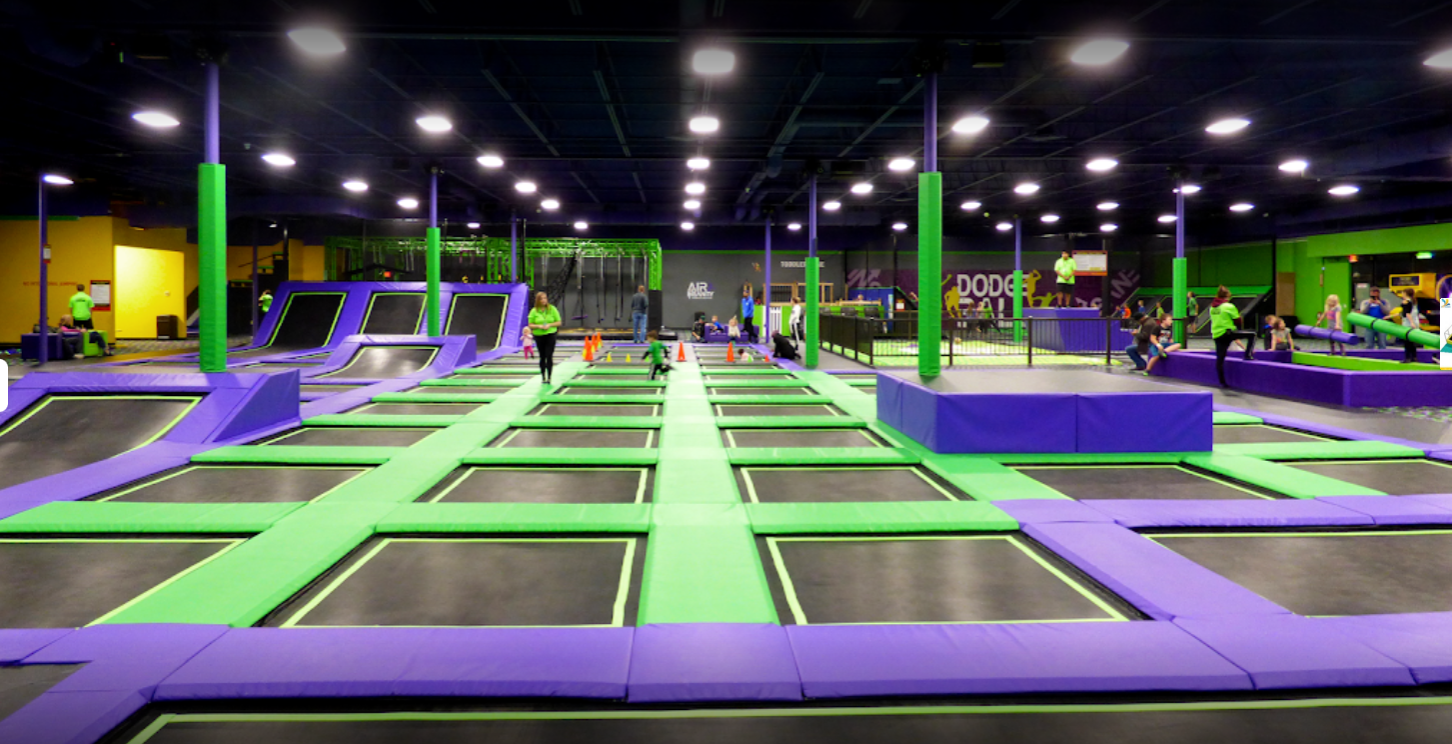
Indoor trampoline parks are expansive facilities featuring interconnected trampolines, foam pits, and various activity zones such as dodgeball courts and basketball areas. These parks cater to a wide audience, making them ideal for family entertainment centers, birthday parties, and corporate events. B2B buyers should consider the potential for high foot traffic and diverse activity offerings, which can drive revenue. However, the initial investment and ongoing operational costs can be substantial.
How Do Aerial Adventure Parks Differ from Traditional Trampoline Parks?
Aerial adventure parks combine trampolining with climbing and other outdoor activities, often set within natural environments. They are designed for team-building events, school outings, and family gatherings, providing a unique experience that appeals to various demographics. B2B buyers should weigh the benefits of attracting visitors with a distinctive outdoor experience against the challenges of weather dependency and safety concerns inherent in such settings.
What Makes Competitive Trampoline Facilities Unique?
Competitive trampoline facilities focus on sports training, offering specialized equipment tailored for gymnastics and competitive events. These venues are ideal for sports academies and fitness programs, providing a niche market that attracts serious athletes. Buyers should consider the potential for partnerships with sports organizations, although the need for specialized knowledge and expertise can be a barrier to entry.
Why Are Trampoline Fitness Studios Gaining Popularity?
Trampoline fitness studios offer unique workout classes that utilize trampolines for cardio and strength training. This trend appeals to health-conscious consumers and can be integrated into corporate wellness programs and community health initiatives. B2B buyers should note the growing demand for innovative fitness solutions but be aware of the limited audience and the necessity for qualified instructors to ensure safety and effectiveness.

Illustrative image related to trampoline rochester
What Are the Benefits of Portable Trampoline Rentals?
Portable trampoline rentals provide flexibility for events and parties, allowing for easy transport and setup. They are particularly popular at festivals, corporate gatherings, and private celebrations, offering a cost-effective alternative to fixed facilities. B2B buyers should consider the lower overhead costs associated with portable options, but they may face limitations in space and equipment availability, as well as potential insurance requirements.
Key Industrial Applications of trampoline rochester
| Industry/Sector | Specific Application of trampoline rochester | Value/Benefit for the Business | Key Sourcing Considerations for this Application |
|---|---|---|---|
| Family Entertainment Centers | Hosting birthday parties and group events | Increases foot traffic and enhances customer retention | Consider space requirements, safety standards, and local regulations |
| Health & Wellness | Fitness programs and active lifestyle initiatives | Promotes health and wellness, attracting diverse clientele | Evaluate equipment quality, trainer qualifications, and program diversity |
| Corporate Team Building | Team-building activities and corporate events | Fosters teamwork and employee engagement | Assess accessibility, capacity for large groups, and customization options |
| Schools & Educational Institutions | Field trips and physical education programs | Encourages physical activity and social interaction among students | Focus on age-appropriate activities, safety protocols, and educational benefits |
| Non-Profit Organizations | Fundraising events and community outreach programs | Builds community ties and raises funds for various causes | Look for partnership opportunities, sponsorship deals, and promotional support |
How Can Family Entertainment Centers Leverage Trampoline Rochester for Business Growth?
Family entertainment centers can utilize trampoline parks like those in Rochester to host birthday parties and group events, significantly increasing foot traffic and customer loyalty. By offering unique experiences, these centers can differentiate themselves from competitors. For international buyers, it’s crucial to consider space requirements, safety standards, and local regulations to ensure compliance and create a welcoming environment for families.
What Role Does Trampoline Rochester Play in Health and Wellness Initiatives?
In the health and wellness sector, trampoline parks serve as venues for fitness programs and active lifestyle initiatives. They attract a diverse clientele seeking fun ways to stay active, helping businesses promote overall health and wellness. Buyers must evaluate equipment quality, trainer qualifications, and the diversity of programs offered to meet the needs of health-conscious consumers and ensure a safe environment.
How Can Corporate Team Building Benefit from Trampoline Parks?
Trampoline parks provide an exciting setting for corporate team-building activities and events. Engaging in fun, physical challenges fosters teamwork and enhances employee engagement, leading to improved workplace morale. For B2B buyers, assessing accessibility, capacity for large groups, and customization options is essential to create memorable experiences that align with corporate goals.
Why Are Schools and Educational Institutions Interested in Trampoline Parks?
Schools and educational institutions can incorporate trampoline parks into their field trips and physical education programs, promoting physical activity and social interaction among students. This not only enhances students’ health but also provides a fun and engaging learning environment. Buyers should focus on age-appropriate activities, safety protocols, and the educational benefits that trampoline parks can offer to ensure a valuable experience for students.
How Can Non-Profit Organizations Utilize Trampoline Parks for Fundraising?
Non-profit organizations can leverage trampoline parks for fundraising events and community outreach programs. These venues create opportunities to build community ties and raise funds for various causes while providing a fun atmosphere for participants. When sourcing, organizations should look for partnership opportunities, sponsorship deals, and promotional support to maximize their fundraising efforts and community impact.
3 Common User Pain Points for ‘trampoline rochester’ & Their Solutions
Scenario 1: Challenges in Sourcing High-Quality Trampoline Equipment
The Problem: B2B buyers, especially those looking to establish or expand trampoline parks in regions like Africa or South America, often face difficulties in sourcing high-quality trampoline equipment. This challenge is compounded by the need to ensure safety standards that comply with local regulations while also meeting the expectations of customers who seek thrilling, yet safe, experiences. Moreover, international shipping logistics, potential customs delays, and varying quality standards can lead to significant hurdles in the procurement process.
The Solution: To effectively overcome these sourcing challenges, B2B buyers should start by conducting thorough research on reputable trampoline manufacturers that have a proven track record of quality and safety compliance. Engaging with industry trade shows or expos can provide valuable networking opportunities with manufacturers who cater to international buyers. Additionally, buyers should specify their requirements clearly, including safety certifications, material quality, and warranty terms. Establishing a clear communication channel with the manufacturer can facilitate better understanding and adherence to local regulations. Finally, consider sourcing from manufacturers that offer logistical support and assistance with shipping and customs to streamline the procurement process.
Scenario 2: Navigating Safety Compliance for Trampoline Parks
The Problem: One of the most pressing concerns for B2B buyers in the trampoline industry is ensuring safety compliance. With the inherent risks associated with trampoline activities, buyers must navigate a complex landscape of local regulations, industry standards, and customer expectations regarding safety protocols. This is particularly important for parks looking to attract families and large groups, as any incidents can significantly tarnish a brand’s reputation.
The Solution: To effectively manage safety compliance, B2B buyers should invest in comprehensive training programs for staff that emphasize safety protocols and emergency procedures. Collaborating with trampoline park industry associations can provide access to updated safety guidelines and best practices. It is also advisable to implement regular safety audits and maintenance checks on equipment to identify potential hazards before they lead to accidents. Furthermore, incorporating user-friendly safety measures, such as clear signage and automated safety features, can enhance the overall experience and reassure customers about their safety. Creating a culture of safety within the organization will not only protect customers but also enhance the brand’s reputation as a leader in safe recreational activities.
Scenario 3: Creating Engaging Experiences for Diverse Audiences
The Problem: B2B buyers aiming to attract a wide range of customers, from children to adults, often struggle with creating engaging and diverse trampoline experiences that cater to various demographics. This challenge is intensified by the need to maintain customer interest in a competitive market where novelty and unique experiences are paramount. Buyers may find it difficult to develop programs that appeal to different age groups, fitness levels, and interests.
The Solution: To create engaging experiences, B2B buyers should focus on diversifying their offerings beyond traditional trampoline activities. This can include integrating unique attractions such as obstacle courses, foam pits, and interactive games that cater to both children and adults. Collaborating with fitness instructors to offer specialized classes, like trampoline aerobics or yoga, can attract health-conscious individuals. Additionally, implementing themed events and seasonal promotions can keep the park dynamic and encourage repeat visits. Utilizing customer feedback to continuously improve and adapt offerings will ensure that the park remains relevant and appealing to a broad audience. Engaging in community outreach and partnerships can also help tailor experiences to the local culture and preferences, ultimately enhancing customer satisfaction and loyalty.
Strategic Material Selection Guide for trampoline rochester
What Are the Key Materials Used in Trampoline Construction for Rochester?
When considering trampoline construction in Rochester, several materials stand out due to their unique properties and suitability for various applications. The primary materials include steel, polypropylene, nylon, and foam. Each material presents distinct advantages and disadvantages that can influence performance, durability, and cost.
How Does Steel Perform as a Material for Trampolines?
Steel is a common choice for trampoline frames due to its high tensile strength and durability. It typically has a temperature rating that allows it to withstand various environmental conditions without significant deformation. Steel’s corrosion resistance can be enhanced through galvanization or powder coating, making it suitable for outdoor applications.
Pros: Steel offers excellent durability and resistance to deformation under load. It is relatively cost-effective compared to other metals and can be manufactured in various shapes and sizes.
Cons: While strong, steel can be heavy, increasing transportation costs. It may require additional treatments to prevent rust, especially in humid or coastal environments.
Impact on Application: Steel frames provide the necessary support for heavy use in trampoline parks. However, international buyers must consider compliance with standards such as ASTM A123 for galvanized steel, ensuring safety and quality.
What Role Does Polypropylene Play in Trampoline Construction?
Polypropylene is often used for trampoline mats due to its lightweight nature and excellent tensile strength. It has a good temperature rating, making it suitable for various climates, and is resistant to UV degradation.
Pros: Polypropylene is lightweight, cost-effective, and offers good elasticity, which is essential for trampoline performance. It is also resistant to moisture and chemicals, enhancing its longevity.

Illustrative image related to trampoline rochester
Cons: While durable, polypropylene can be less resistant to extreme temperatures compared to other materials, which may affect performance in very hot or cold climates.
Impact on Application: This material is ideal for trampoline mats, providing a good balance of performance and cost. B2B buyers should ensure compliance with safety standards like ASTM D5034 for textile testing to guarantee quality.
Why is Nylon Important for Trampoline Safety Features?
Nylon is frequently used for safety nets and straps in trampoline parks due to its high strength-to-weight ratio and excellent abrasion resistance. It can withstand significant stress and has a good temperature tolerance.
Pros: Nylon’s durability and flexibility make it suitable for safety applications. It is also resistant to UV light, which is crucial for outdoor use.
Cons: Nylon can be more expensive than polypropylene and may require special care to prevent degradation from prolonged exposure to sunlight.
Impact on Application: Nylon safety features enhance user protection, which is essential for trampoline parks. International buyers must consider compliance with relevant safety standards, such as EN 1176 for playground equipment.
How Does Foam Contribute to Trampoline Safety and Comfort?
Foam is commonly used in landing areas and safety pads to provide cushioning. It is lightweight and can absorb impact effectively, making it a crucial component in minimizing injuries.
Pros: Foam is versatile and can be manufactured in various densities to suit specific applications. It also enhances user comfort and safety.
Cons: Foam can degrade over time, especially if exposed to moisture or UV light, which may necessitate regular replacement.
Impact on Application: The use of foam in trampolines is critical for safety. B2B buyers should ensure that foam products meet international standards such as ASTM F1292 for impact attenuation.
Summary Table of Material Selection for Trampoline Rochester
| Material | Typical Use Case for trampoline rochester | Key Advantage | Key Disadvantage/Limitation | Relative Cost (Low/Med/High) |
|---|---|---|---|---|
| Steel | Frame construction | High strength and durability | Heavy and may require rust protection | Medium |
| Polypropylene | Trampoline mats | Lightweight and cost-effective | Less resistant to extreme temperatures | Low |
| Nylon | Safety nets and straps | High strength and UV resistance | More expensive and requires care | High |
| Foam | Landing areas and safety pads | Excellent impact absorption | Can degrade over time | Medium |
This guide provides essential insights into the strategic selection of materials for trampoline construction in Rochester, catering to the needs of international B2B buyers across various regions.
In-depth Look: Manufacturing Processes and Quality Assurance for trampoline rochester
What are the Key Stages in the Manufacturing Process of Trampolines in Rochester?
The manufacturing process for trampolines in Rochester comprises several critical stages, each vital to ensuring the final product meets safety and quality standards.
Material Preparation: What Materials are Used for Trampoline Manufacturing?
The first stage involves selecting high-quality materials. Typically, trampolines are constructed from durable steel frames, high-tensile polypropylene for the jumping surface, and polyethylene for the safety pads. The steel is often galvanized to prevent rust, enhancing longevity. Quality suppliers are crucial, as the choice of materials directly impacts the trampoline’s safety and performance.

Illustrative image related to trampoline rochester
How is the Forming Process Conducted for Trampolines?
Once materials are prepared, the forming process begins. This involves cutting steel tubes to specific lengths and bending them to form the trampoline’s frame. Advanced CNC machinery is often employed to ensure precision. The jumping surface is woven from polypropylene strands, which must be tightly secured to provide adequate bounce and support.
What Steps are Involved in the Assembly of Trampolines?
Following forming, the assembly stage brings together all components. This involves attaching the jumping mat to the frame using heavy-duty springs, which are engineered for resilience. Careful attention is given to the tension of these springs, as they significantly affect the trampoline’s performance. Safety pads are then installed to cover the springs and frame edges, minimizing injury risks.
What Finishing Techniques are Used to Enhance Trampoline Quality?
The finishing stage typically includes powder coating the steel frame to provide a weather-resistant surface. This not only improves aesthetics but also enhances durability against outdoor elements. Finally, trampolines undergo a comprehensive cleaning process to remove any manufacturing residues before packaging.
How is Quality Assurance Implemented in Trampoline Manufacturing?
Quality assurance is critical in trampoline manufacturing, ensuring that the final products meet international safety and performance standards.
What International Standards Are Relevant for Trampoline Manufacturing?
Compliance with international standards such as ISO 9001 is essential for manufacturers targeting B2B buyers globally. This standard outlines a framework for quality management systems, emphasizing continuous improvement and customer satisfaction. Additionally, trampolines must comply with specific industry standards, including CE marking in Europe, which indicates conformity with health, safety, and environmental protection standards.
What are the Key Quality Control Checkpoints in Trampoline Production?
Quality control (QC) checkpoints are strategically placed throughout the manufacturing process:
- Incoming Quality Control (IQC): This initial stage involves inspecting raw materials upon arrival to ensure they meet specified quality standards.
- In-Process Quality Control (IPQC): During manufacturing, periodic checks are conducted to identify any deviations from established processes or specifications.
- Final Quality Control (FQC): Before shipping, finished trampolines undergo rigorous testing, including stress tests to assess durability and bounce performance.
Which Testing Methods Are Commonly Used for Trampolines?
Common testing methods include load testing, where trampolines are subjected to maximum weight limits to ensure they can withstand user activity. Other tests evaluate the tensile strength of the jumping mat and the resilience of springs. Manufacturers often document these tests to provide proof of compliance with safety standards.
How Can B2B Buyers Verify Supplier Quality Assurance Processes?
For international B2B buyers, especially those in Africa, South America, the Middle East, and Europe, verifying a supplier’s quality assurance processes is crucial.
What Audit Practices Should B2B Buyers Employ?
Conducting regular audits of potential suppliers can provide insights into their quality control practices. Buyers should request documentation of previous audits, certifications, and compliance with industry standards. It is advisable to engage third-party inspection services to obtain an unbiased assessment of the supplier’s quality assurance processes.
How Can Buyers Access Quality Reports and Certifications?
Buyers should ask suppliers for quality reports and certifications as part of the procurement process. These documents should detail the results of quality tests and compliance with relevant standards. Suppliers who prioritize transparency will readily provide this information, fostering trust and confidence in their products.
What Are the Nuances of Quality Control for International B2B Buyers?
Understanding the nuances of quality control is essential for international buyers, as different regions may have varying standards and regulations.
How Do Regional Standards Affect Trampoline Quality?
For instance, CE certification is mandatory for products sold in the European market, ensuring they meet stringent safety requirements. In contrast, other regions might have different regulatory frameworks. Buyers must be aware of these differences to ensure compliance and avoid potential legal issues.
What Challenges Might International Buyers Face in Quality Assurance?
International buyers may encounter challenges such as language barriers, differing interpretations of quality standards, and varying levels of manufacturing capabilities. Establishing clear communication with suppliers and providing detailed specifications can mitigate these issues. Additionally, leveraging local representatives or consultants familiar with regional standards can aid in navigating these complexities.
Conclusion: Ensuring Quality in Trampoline Manufacturing for B2B Buyers
In summary, the manufacturing processes and quality assurance measures in trampoline production are complex and multifaceted. B2B buyers must conduct thorough due diligence to ensure their suppliers adhere to international standards and implement rigorous quality control practices. By understanding the manufacturing stages, quality checkpoints, and testing methods, buyers can make informed decisions and invest in safe, high-quality trampoline products for their markets.
Practical Sourcing Guide: A Step-by-Step Checklist for ‘trampoline rochester’
This guide serves as a comprehensive checklist for B2B buyers interested in sourcing trampolines and trampoline park equipment in Rochester. It outlines essential steps to ensure that your procurement process is efficient, cost-effective, and aligned with your business objectives.
Step 1: Identify Your Business Needs
Understanding the specific requirements for your trampoline park is the first step in sourcing. Determine the types of trampolines and related equipment you need, such as safety mats, foam pits, or interactive features. Consider the scale of your operation and the target demographic you aim to attract, as this will influence your purchasing decisions.

Illustrative image related to trampoline rochester
Step 2: Research Potential Suppliers
Conduct thorough research to identify suppliers who specialize in trampoline parks. Look for companies that have a proven track record in the industry, with positive reviews and testimonials. Utilize platforms like trade shows, industry publications, and online directories to compile a list of potential suppliers.
Step 3: Evaluate Supplier Capabilities
Before making a commitment, assess the capabilities of your shortlisted suppliers. Inquire about their manufacturing processes, safety standards, and quality assurance practices. A reliable supplier should be able to provide documentation on compliance with international safety standards, which is critical in ensuring customer safety and satisfaction.
- Safety Certifications: Check for certifications such as ASTM or EN standards.
- Experience in the Industry: Look for suppliers who have experience working with similar businesses.
Step 4: Request Detailed Quotations
Once you have narrowed down your list, request detailed quotations from each supplier. Ensure that the quotes include all costs, such as shipping, installation, and any additional services. Compare these quotations not just on price but also on the value offered, including warranty terms and customer support.
Step 5: Conduct Site Visits
If feasible, visit the suppliers’ facilities to see their products firsthand. This step is invaluable for assessing the quality of their trampolines and related equipment. During your visit, ask about the materials used, the durability of the products, and observe the overall production environment.
Step 6: Negotiate Terms and Conditions
Engage in negotiations to finalize the terms of your purchase. This includes payment terms, delivery schedules, and after-sales support. Establishing clear terms will help prevent misunderstandings and ensure a smooth transaction process.
- Payment Options: Discuss flexible payment terms that suit your cash flow.
- Delivery Timelines: Clarify expectations regarding delivery dates and logistics.
Step 7: Finalize the Contract
Once all terms are agreed upon, finalize the contract with your chosen supplier. Ensure that all details discussed are included in the written agreement, including specifications, delivery schedules, and warranties. A well-drafted contract protects both parties and establishes a professional foundation for your business relationship.
By following this practical checklist, you can streamline your sourcing process for trampolines in Rochester, ensuring you find the right suppliers to meet your business needs effectively.
Comprehensive Cost and Pricing Analysis for trampoline rochester Sourcing
What Are the Key Cost Components in Trampoline Park Sourcing?
When assessing the cost structure for trampoline parks in Rochester, several critical components must be analyzed. The primary cost elements include:
-
Materials: This encompasses the cost of trampolines, foam pits, safety nets, and other recreational equipment. Sourcing high-quality materials can significantly impact both safety and longevity, which are vital for customer satisfaction and liability management.
-
Labor: Labor costs include wages for staff, trainers, and maintenance personnel. Given the nature of trampoline parks, hiring skilled staff for safety oversight and customer service is essential.
-
Manufacturing Overhead: This includes utilities, rent, and other indirect costs associated with operating the facility. Efficient management of overhead can enhance overall profitability.
-
Tooling: For custom features or specific trampoline setups, tooling costs might arise. Investing in specialized equipment can differentiate a trampoline park in a competitive market.
-
Quality Control (QC): Ensuring that all equipment meets safety standards requires investments in quality control processes. This is crucial for maintaining certifications and regulatory compliance.
-
Logistics: This covers the transportation of materials and equipment to the park. Efficient logistics management can help reduce costs, especially for international buyers who need to factor in tariffs and shipping expenses.
-
Margin: The profit margin must be factored into pricing strategies. A well-calibrated margin allows for competitive pricing while ensuring business sustainability.
What Influences Pricing for Trampoline Parks?
Several factors can influence pricing strategies for trampoline parks, particularly for B2B buyers:
-
Volume and Minimum Order Quantity (MOQ): Higher order volumes typically lead to discounts, making it essential for buyers to negotiate favorable terms based on projected attendance and usage.
-
Specifications and Customization: Tailored designs or features can lead to higher costs. Buyers should assess whether customization adds sufficient value to justify additional expenses.
-
Material Quality and Certifications: High-quality materials that meet international safety standards may cost more upfront but can result in lower maintenance costs and fewer liability issues over time.
-
Supplier Factors: The reputation and reliability of suppliers affect pricing. Established suppliers may offer better guarantees and support, which could justify a higher price point.
-
Incoterms: Understanding Incoterms (International Commercial Terms) is vital for international transactions. They define the responsibilities of buyers and sellers in shipping, which can significantly impact total costs.
How Can International B2B Buyers Optimize Costs?
International buyers, particularly from regions such as Africa, South America, the Middle East, and Europe, should consider the following tips to enhance cost-efficiency:
-
Negotiation Strategies: Leverage bulk purchasing and long-term contracts to negotiate better pricing. Establishing a relationship with suppliers can also lead to more favorable terms.
-
Total Cost of Ownership (TCO): Consider not just the initial purchase price but also ongoing costs such as maintenance, operational expenses, and potential liabilities. A comprehensive TCO analysis can reveal more cost-effective options.
-
Pricing Nuances: Be aware of currency fluctuations and economic conditions in both the buyer’s and supplier’s countries. These factors can influence final costs and should be factored into budgeting.
-
Regulatory Compliance: Ensure all products meet local regulations and safety standards to avoid costly fines or rework. This is especially important when importing equipment into regions with strict compliance requirements.
Disclaimer on Indicative Prices
Prices for trampoline park equipment and services can vary significantly based on the factors discussed above. The information provided serves as a general guideline and may not reflect current market conditions or specific supplier offers. It is advisable to conduct thorough market research and obtain quotes from multiple suppliers to determine accurate pricing for your specific needs.
Alternatives Analysis: Comparing trampoline rochester With Other Solutions
Introduction to Alternative Solutions for Trampoline Parks
In the competitive landscape of entertainment and recreational facilities, trampoline parks like “Trampoline Rochester” offer a unique experience that appeals to a wide audience. However, it’s essential for B2B buyers to explore alternative solutions that provide similar entertainment value while considering aspects such as performance, cost, and ease of implementation. This analysis will compare “Trampoline Rochester” with two alternative solutions: indoor adventure parks and inflatable bounce houses.
Comparison Table
| Comparison Aspect | Trampoline Rochester | Indoor Adventure Parks | Inflatable Bounce Houses |
|---|---|---|---|
| Performance | High energy, multiple activities (trampolines, dodgeball, foam pits) | Varied activities (climbing walls, zip lines, obstacle courses) | Basic bouncing experience, limited activities |
| Cost | Moderate to high (entry fees, party packages) | High (entry fees, maintenance of diverse attractions) | Low to moderate (purchase or rental costs) |
| Ease of Implementation | Requires significant investment in space and equipment | High investment needed for setup and safety compliance | Quick setup; easy to transport and deploy |
| Maintenance | Requires regular upkeep of trampolines and safety equipment | High maintenance for diverse attractions and safety checks | Low maintenance; regular cleaning needed |
| Best Use Case | Family entertainment, birthday parties, fitness activities | Corporate events, team-building, family outings | Casual gatherings, short-term events, backyard parties |
Detailed Breakdown of Alternatives
Indoor Adventure Parks
Indoor adventure parks offer a comprehensive entertainment experience, including climbing walls, zip lines, and obstacle courses. These parks are ideal for larger corporate events or team-building activities, attracting families looking for varied experiences. However, the initial investment is significantly higher, as they require diverse equipment and safety compliance measures. Maintenance is also a concern, as the varied attractions necessitate ongoing safety checks and repairs.
Inflatable Bounce Houses
Inflatable bounce houses provide a cost-effective alternative, particularly for casual gatherings or short-term events. They are easy to set up and transport, making them ideal for backyard parties or community events. The downside is that they typically offer a more limited experience focused solely on bouncing, which may not engage older children or adults as effectively. Additionally, while the initial costs are lower, the need for regular cleaning and checks for wear and tear can add to long-term expenses.
Conclusion: Choosing the Right Solution for Your Needs
When selecting the right solution, B2B buyers should assess their target audience, budget, and desired experience. “Trampoline Rochester” excels in delivering a high-energy environment suitable for diverse activities and events, making it a solid choice for family-oriented businesses. In contrast, indoor adventure parks may cater to those seeking a multifaceted experience but require a larger investment. Alternatively, inflatable bounce houses can serve as a budget-friendly option for short-term events but may not satisfy all age groups. Ultimately, understanding the unique needs of your business will guide you in making an informed decision that aligns with your operational goals and customer expectations.
Essential Technical Properties and Trade Terminology for trampoline rochester
What Are the Key Technical Properties of Trampolines in Rochester?
When considering trampoline parks in Rochester, understanding the technical specifications is crucial for making informed purchasing decisions. Here are some critical properties to keep in mind:
-
Material Grade
Trampolines are typically constructed from high-quality steel and durable fabrics. The steel used should meet specific standards (e.g., ASTM, ISO) for strength and durability, ensuring safety and longevity. High-grade materials are essential for withstanding heavy usage, particularly in commercial settings where high foot traffic is expected. -
Weight Tolerance
Each trampoline model comes with a specified weight tolerance, which indicates the maximum weight it can safely support. For B2B buyers, knowing the weight tolerance is essential for compliance with safety regulations and to ensure that the trampoline can accommodate various users, including children and adults. -
Spring Configuration
The number, length, and gauge of springs directly influence the bounce quality and safety of the trampoline. A well-designed spring system provides optimal performance while minimizing wear and tear. Buyers should consider spring configuration as it affects user experience and the trampoline’s lifespan. -
Safety Padding
Safety padding surrounds the jumping surface to protect users from injury. This padding should be made from high-density foam and covered with UV-resistant vinyl to prevent degradation over time. Understanding the quality and specifications of safety padding is vital for ensuring user safety and reducing liability. -
Dimensions
The size of the trampoline area is a crucial factor for operational capacity. Trampolines come in various sizes, and buyers must evaluate the space available in their facility to maximize usage. Larger trampoline areas can accommodate more users, enhancing revenue potential. -
Warranty and Maintenance Specifications
A comprehensive warranty and clear maintenance guidelines are essential for long-term investment. Buyers should look for warranties that cover parts and labor, as well as maintenance schedules to ensure optimal operation and safety standards.
What Are Common Trade Terms Used in the Trampoline Industry?
Understanding industry jargon can significantly improve communication and negotiation processes. Here are some common terms relevant to trampoline business transactions:
-
OEM (Original Equipment Manufacturer)
This term refers to companies that produce parts or equipment that may be marketed by another manufacturer. For trampoline parks, working with OEMs can ensure high-quality equipment that meets industry standards, providing peace of mind in terms of safety and performance. -
MOQ (Minimum Order Quantity)
This is the smallest quantity of a product that a supplier is willing to sell. Knowing the MOQ is crucial for B2B buyers to manage inventory effectively and assess the feasibility of placing orders, especially when establishing a new trampoline park. -
RFQ (Request for Quotation)
An RFQ is a document sent to suppliers to request pricing and terms for specific products. Buyers should utilize RFQs to gather detailed quotes from multiple suppliers, enabling them to compare prices and make informed purchasing decisions. -
Incoterms (International Commercial Terms)
These are a series of pre-defined commercial terms published by the International Chamber of Commerce (ICC) related to international commercial law. Understanding Incoterms is crucial for B2B buyers involved in international transactions, as they dictate the responsibilities of buyers and sellers concerning shipping, insurance, and tariffs. -
Lead Time
This term refers to the amount of time from placing an order to receiving the product. For trampoline parks, understanding lead times helps in planning and managing customer expectations, especially for large installations or custom orders. -
Installation Guidelines
These are detailed instructions provided by manufacturers regarding the setup and assembly of trampoline equipment. Familiarity with installation guidelines is essential for ensuring safety and compliance with local regulations, as improper installation can lead to accidents and liability issues.
By understanding these properties and terms, B2B buyers can make informed decisions when selecting trampoline solutions for their parks in Rochester and beyond.
Navigating Market Dynamics and Sourcing Trends in the trampoline rochester Sector
What Are the Key Market Dynamics and Trends Influencing the Trampoline Sector in Rochester?
The trampoline sector in Rochester, NY, is experiencing significant growth, fueled by a global trend toward active leisure and wellness. This market is driven by increasing health consciousness among consumers, with trampoline parks being seen as innovative venues for fitness, entertainment, and socialization. Emerging B2B technology, such as advanced booking systems and customer relationship management (CRM) software, is enhancing operational efficiency and customer engagement, making it easier for businesses to attract and retain clients.
Internationally, B2B buyers from regions like Africa, South America, the Middle East, and Europe are showing a keen interest in trampoline parks as potential investment opportunities. The rise of e-commerce and digital marketing strategies is enabling trampoline park operators to reach wider audiences, offering attractive franchise opportunities and specialized packages for group events. Furthermore, collaborations with schools and community organizations are becoming common as trampoline parks seek to diversify their offerings and create partnerships that enhance brand visibility.
Investors are increasingly focused on parks that offer unique experiences, such as themed events and specialized fitness programs. The integration of technology, including virtual reality experiences and mobile apps for ticketing, is also a growing trend that enhances customer experience and operational efficiency. As the market continues to evolve, staying informed about these trends will be crucial for B2B buyers looking to make strategic sourcing decisions.
How Are Sustainability and Ethical Sourcing Shaping the Trampoline Industry?
Sustainability is becoming a critical focus for trampoline park operators and suppliers in Rochester. The environmental impact of manufacturing and operating trampoline parks is under scrutiny, prompting businesses to adopt more sustainable practices. This includes the use of eco-friendly materials in trampoline construction, such as recycled plastics and sustainable wood sources for equipment.
Ethical sourcing is gaining importance as B2B buyers increasingly prefer suppliers who demonstrate a commitment to social responsibility. This includes fair labor practices and transparency within the supply chain. Certifications such as ISO 14001 (Environmental Management) and Fair Trade can enhance a company’s appeal to environmentally conscious consumers and investors.
Moreover, trampoline parks are exploring green certifications for their facilities, promoting energy-efficient lighting, and implementing waste-reduction strategies. By prioritizing sustainability and ethical sourcing, trampoline businesses not only contribute positively to the environment but also build a loyal customer base that values corporate responsibility.
What Is the Historical Context Behind the Growth of the Trampoline Sector?
The trampoline industry has evolved significantly since its inception in the 1930s. Initially used for training in gymnastics and acrobatics, trampolines gained popularity as recreational equipment in the latter half of the 20th century. The establishment of indoor trampoline parks in the early 2000s marked a pivotal shift, transforming trampolines into a mainstream entertainment option.
In Rochester, the growth of trampoline parks has been driven by a combination of innovative marketing strategies and the appeal of active, family-friendly entertainment. As urban populations grew and the demand for leisure activities expanded, trampoline parks became a popular choice for birthday parties, team-building events, and fitness programs. This evolution reflects broader trends in leisure and wellness, underscoring the potential for continued growth in the sector as operators adapt to changing consumer preferences and expectations.
Frequently Asked Questions (FAQs) for B2B Buyers of trampoline rochester
-
How can I ensure the quality of trampolines sourced from Rochester?
To guarantee the quality of trampolines, it’s essential to conduct thorough research on potential suppliers. Request samples and certifications, such as safety compliance standards (e.g., ASTM, EN), to evaluate their adherence to industry regulations. Additionally, visiting the manufacturing facilities or reviewing third-party audits can provide insights into their production processes and quality control measures. Establishing a clear communication channel with the supplier regarding your quality expectations and having a robust contract with quality assurance clauses will also mitigate risks. -
What are the common payment terms when sourcing trampolines from suppliers in Rochester?
Payment terms vary by supplier but typically include options like upfront deposits (often 30-50%) and the balance due upon shipment or delivery. Some suppliers may offer extended payment terms, especially for bulk orders. It’s advisable to negotiate terms that suit your cash flow needs while ensuring the supplier remains comfortable. Additionally, consider using secure payment methods, such as letters of credit or escrow services, to protect both parties during the transaction. -
What is the minimum order quantity (MOQ) for trampolines in Rochester?
The MOQ for trampolines can differ significantly based on the supplier and the type of trampoline you are interested in. Generally, manufacturers may set an MOQ ranging from 50 to 200 units. However, many suppliers are willing to negotiate, especially for new business relationships or larger contracts. To find the best deal, inquire about potential discounts for larger orders or discuss the possibility of combining different products to meet the MOQ. -
How do I vet suppliers of trampolines in Rochester for reliability?
To vet suppliers effectively, start by researching their reputation through online reviews, industry ratings, and referrals from other businesses. Verify their business credentials, including registration and compliance with local regulations. Request references from previous clients and follow up to gauge their experience. Additionally, consider their production capacity and lead times to ensure they can meet your demands consistently. Establishing a trial order can also help assess their reliability before committing to larger purchases. -
What customization options are available for trampolines from Rochester suppliers?
Many trampoline suppliers in Rochester offer customization options, including size, color, branding, and specific features tailored to your needs. Discuss your requirements directly with the supplier and ask for their capabilities regarding design modifications. Some manufacturers may also provide unique features, such as safety enhancements or specialized materials, to cater to your target market. Ensure all customization details are documented in your agreement to avoid misunderstandings. -
What logistics considerations should I keep in mind when importing trampolines from Rochester?
When importing trampolines, consider logistics factors such as shipping methods, freight costs, and customs regulations. Depending on your location, you may opt for air freight for faster delivery or sea freight for cost efficiency. Additionally, familiarize yourself with import duties and taxes applicable to trampoline products in your country. Engaging a freight forwarder with experience in handling sporting goods can streamline the process and help navigate any complexities in customs clearance. -
How do I manage safety compliance for trampolines sourced internationally?
Safety compliance is crucial when importing trampolines. Ensure that the supplier adheres to international safety standards, such as ASTM or EN for trampolines. Request documentation proving compliance and conduct periodic inspections upon receipt of products. Additionally, consider conducting your own safety tests or hiring third-party testing services to verify that the trampolines meet your country’s safety regulations. This proactive approach can prevent liability issues and ensure the safety of end-users. -
What are the best practices for maintaining a long-term relationship with trampoline suppliers in Rochester?
To foster a successful long-term relationship with your trampoline suppliers, maintain open and transparent communication regarding expectations and feedback. Regularly engage with them to discuss market trends and potential product innovations. Establishing a partnership mindset, where both parties benefit from collaboration, can enhance trust and reliability. Additionally, timely payments and honoring contractual commitments will strengthen your relationship, making it easier to negotiate better terms in the future.
Top 2 Trampoline Rochester Manufacturers & Suppliers List
1. Nova Trampoline Park – Family Fun Activities

Domain: novarochester.com
Registered: 2022 (3 years)
Introduction: Nova Trampoline Park is located at 500 Elm Ridge Center Dr, Rochester, NY, covering a 45,000 square foot facility. The park offers a variety of activities for all ages, including trampolines, a foam pit, an arcade, a dodgeball court, a basketball court, a zip line, a climbing wall, a battle beam, a toddler court, a ninja warrior rope course, an indoor playground, and a soccer court. General hours …
2. Altitude Trampoline Park – Largest Indoor Trampoline Park

Domain: rochester.kidsoutandabout.com
Registered: 2001 (24 years)
Introduction: Altitude Trampoline Park Rochester is located at 3333 W Henrietta Rd, Rochester, NY, 14623. It is the sixth indoor trampoline park in the Altitude Trampoline Park family and the largest indoor park in the United States, covering 50,000 sq. ft. with 24,000 sq. ft. of interconnected wall-to-wall trampoline attractions. The park offers various activities including Extreme and Regular Dodgeball, Rock …
Strategic Sourcing Conclusion and Outlook for trampoline rochester
In summary, the trampoline park industry in Rochester presents a vibrant opportunity for international B2B buyers seeking to invest in recreational and entertainment ventures. The diverse offerings from parks like Altitude, Air Insanity, and Nova demonstrate a strong market demand for innovative experiences, ranging from extreme sports to family-friendly activities. Strategic sourcing in this sector not only involves identifying reliable suppliers and partners but also understanding local consumer preferences and safety regulations that enhance the overall customer experience.
Investing in trampoline parks can yield significant returns, especially as global trends lean towards health and wellness-oriented recreational activities. The rising popularity of indoor entertainment venues underscores the need for robust market analysis and strategic alliances that can facilitate successful entry into this dynamic market.
As you consider opportunities in the trampoline sector, engage with local stakeholders and conduct thorough due diligence. The future looks promising for those willing to explore the untapped potential in regions like Africa, South America, the Middle East, and Europe. Take the leap—connect with trampoline park operators and suppliers to harness this exciting market and create unforgettable experiences for customers worldwide.
Important Disclaimer & Terms of Use
⚠️ Important Disclaimer
The information provided in this guide, including content regarding manufacturers, technical specifications, and market analysis, is for informational and educational purposes only. It does not constitute professional procurement advice, financial advice, or legal advice.
While we have made every effort to ensure the accuracy and timeliness of the information, we are not responsible for any errors, omissions, or outdated information. Market conditions, company details, and technical standards are subject to change.
B2B buyers must conduct their own independent and thorough due diligence before making any purchasing decisions. This includes contacting suppliers directly, verifying certifications, requesting samples, and seeking professional consultation. The risk of relying on any information in this guide is borne solely by the reader.

Leave a Reply