Introduction: Navigating the Global Market for kidz indoor playground
In today’s competitive landscape, sourcing the right kidz indoor playground equipment poses a significant challenge for international B2B buyers. With a growing demand for safe, engaging, and educational play environments across regions like Africa, South America, the Middle East, and Europe—including emerging markets such as Vietnam and Saudi Arabia—companies must navigate a complex marketplace. This guide aims to streamline your purchasing process by offering a comprehensive overview of kidz indoor playground options, covering various types of play structures, their applications, and essential factors for supplier vetting.
As you explore the diverse offerings available, this guide will provide insights into the latest trends in indoor play, safety standards, and pricing strategies. Understanding the unique requirements of your target market is crucial for making informed decisions that align with local preferences and regulatory frameworks. Additionally, we will delve into cost considerations, ensuring you are equipped to negotiate effectively and secure the best value for your investment.
By leveraging the information presented in this guide, B2B buyers can confidently approach the kidz indoor playground market, ensuring that their selections not only meet safety and quality standards but also foster an environment that enhances children’s physical, emotional, and social development. Prepare to transform your sourcing strategy and elevate the play experience you provide to communities worldwide.
Understanding kidz indoor playground Types and Variations
| Type Name | Key Distinguishing Features | Primary B2B Applications | Brief Pros & Cons for Buyers |
|---|---|---|---|
| Soft Play Areas | Features soft surfaces, climbing structures, and ball pits. | Ideal for daycare centers, malls, and family entertainment centers. | Pros: Safe for younger children; encourages physical activity. Cons: Limited engagement for older kids. |
| Themed Adventure Zones | Incorporates imaginative themes (e.g., jungle, space) with interactive elements. | Popular in amusement parks, resorts, and large indoor complexes. | Pros: High engagement; attracts repeat visits. Cons: Higher initial investment; requires ongoing maintenance. |
| Educational Playgrounds | Focuses on learning through play, integrating educational tools. | Suitable for schools, libraries, and community centers. | Pros: Supports child development; attracts parents looking for educational activities. Cons: May require specialized staff for programs. |
| Trampoline Parks | Large areas with interconnected trampolines and foam pits. | Great for standalone facilities or as part of larger entertainment venues. | Pros: High energy and fun; appeals to older children and teens. Cons: Safety concerns; requires strict supervision and maintenance. |
| Multi-Activity Centers | Combines various play options (e.g., climbing walls, arcade games). | Versatile for family entertainment centers and large venues. | Pros: Attracts diverse age groups; maximizes space usage. Cons: Can be costly to set up; requires diverse staffing. |
What Are the Key Characteristics of Soft Play Areas?
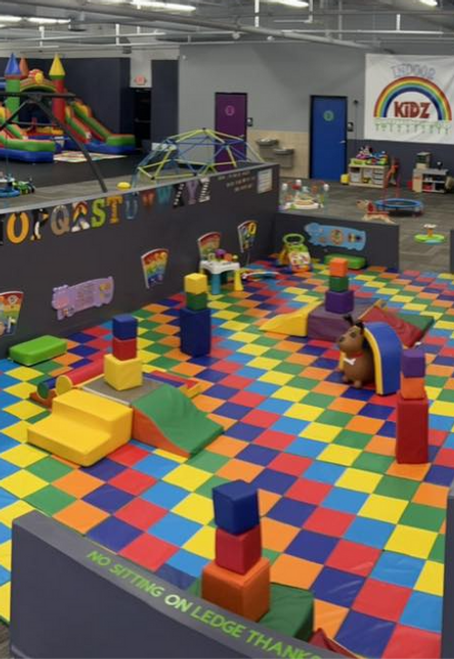
Soft play areas are designed with safety in mind, featuring padded surfaces and structures that allow children to climb, crawl, and explore without the risk of injury. These areas are particularly suitable for younger children, typically aged 0-6, making them ideal for daycare centers, shopping malls, and family entertainment venues. B2B buyers should consider the target age group and space availability when investing in soft play equipment, ensuring that the design encourages physical activity while maintaining a safe environment.
How Do Themed Adventure Zones Enhance Customer Experience?
Themed adventure zones are characterized by immersive environments that transport children into imaginative worlds, such as jungles, outer space, or pirate ships. These zones often include interactive elements that engage children’s curiosity and creativity. B2B applications include amusement parks and resorts, where attracting repeat visitors is crucial. Buyers should evaluate the cost of initial setup against potential long-term customer engagement, as well as the need for ongoing maintenance and updates to keep the theme fresh and appealing.
Why Are Educational Playgrounds Important for Development?
Educational playgrounds integrate learning tools into play structures, promoting cognitive and social development through interactive play. These playgrounds are ideal for schools, libraries, and community centers, where the focus is on providing enriching experiences. B2B buyers should assess the educational value of the equipment and consider partnerships with local educational organizations to enhance the offerings. The investment in educational playgrounds can differentiate a facility by appealing to parents who prioritize development alongside recreation.

Illustrative image related to kidz indoor playground
What Makes Trampoline Parks a Popular Choice?
Trampoline parks feature large interconnected trampolines and foam pits, offering high-energy fun that appeals to older children and teens. They are often standalone facilities but can also be integrated into larger entertainment venues. B2B buyers must consider safety regulations and the need for trained staff to supervise activities. While trampoline parks can generate significant revenue through admissions and birthday parties, the initial investment and ongoing maintenance can be substantial, necessitating careful financial planning.
How Do Multi-Activity Centers Cater to Diverse Audiences?
Multi-activity centers combine various play options, such as climbing walls, arcade games, and soft play areas, to cater to a wide range of age groups. This versatility makes them suitable for family entertainment centers and large venues where maximizing space usage is essential. B2B buyers should evaluate the potential for cross-promotions and special events to attract diverse audiences. While the initial setup may be costly, the ability to appeal to families with children of all ages can lead to increased foot traffic and revenue opportunities.
Key Industrial Applications of kidz indoor playground
| Industry/Sector | Specific Application of kidz indoor playground | Value/Benefit for the Business | Key Sourcing Considerations for this Application |
|---|---|---|---|
| Family Entertainment Centers | Integration of indoor playgrounds for open play and birthday parties | Increases foot traffic and revenue through party bookings | Safety standards, space requirements, and design flexibility |
| Educational Institutions | Use as an interactive learning space for early childhood development | Enhances learning through play, attracting more enrollments | Age-appropriate equipment, educational value, and durability |
| Hospitality and Tourism | Installation in hotels/resorts to attract families | Enhances guest experience, leading to longer stays | Space design, safety regulations, and maintenance support |
| Community Centers | Providing a safe environment for children’s activities and events | Fosters community engagement and social development | Accessibility, local partnerships, and programming options |
| Retail and Shopping Malls | Creating a child-friendly area for parents while shopping | Increases dwell time and customer satisfaction | Space configuration, safety compliance, and aesthetic appeal |
How Can Family Entertainment Centers Benefit from Kidz Indoor Playgrounds?
Family entertainment centers can leverage kidz indoor playgrounds by integrating them into their offerings. These playgrounds not only provide a safe and engaging environment for children but also serve as a significant draw for birthday parties and special events. By offering a range of activities, such as obstacle courses and creative play areas, these centers can enhance customer experience and increase revenue through party bookings. For international buyers, sourcing playground equipment must consider safety standards specific to their region, space requirements for installation, and the flexibility of design to fit various layouts.

Illustrative image related to kidz indoor playground
What Role Do Educational Institutions Play in Using Indoor Playgrounds?
Educational institutions can utilize kidz indoor playgrounds as dynamic learning spaces that promote physical, emotional, and social development among young children. These environments encourage experiential learning, helping to attract parents looking for holistic educational experiences. Buyers in this sector must prioritize age-appropriate equipment, ensuring that it aligns with educational goals while being durable enough to withstand daily use. Additionally, the educational value of the playground must be clearly communicated to parents, making it a key selling point.
How Can Hospitality and Tourism Industries Enhance Guest Experiences?
In the hospitality and tourism sectors, kidz indoor playgrounds can be installed in hotels and resorts, creating a family-friendly atmosphere that appeals to guests with children. By providing a dedicated play area, establishments can enhance the overall guest experience, often leading to longer stays and repeat visits. Buyers in this industry should focus on space design that integrates seamlessly with existing facilities, compliance with local safety regulations, and ongoing maintenance support to ensure a consistently high-quality experience.
What Benefits Do Community Centers Gain from Implementing Indoor Playgrounds?
Community centers can significantly benefit from the inclusion of kidz indoor playgrounds by providing a safe and engaging environment for children’s activities and events. This not only fosters community engagement but also promotes social development among children. For international buyers, key considerations include ensuring accessibility for all children, establishing local partnerships to support programming, and creating a versatile space that can accommodate various events and activities.
How Do Retail and Shopping Malls Leverage Kidz Indoor Playgrounds?
Retail and shopping malls can create a child-friendly area using kidz indoor playgrounds, allowing parents to shop while their children play safely. This strategy increases customer dwell time and satisfaction, potentially boosting sales for retailers. Buyers in this sector should focus on space configuration that maximizes visibility and safety compliance, as well as aesthetic appeal to enhance the overall shopping experience.

Illustrative image related to kidz indoor playground
3 Common User Pain Points for ‘kidz indoor playground’ & Their Solutions
Scenario 1: Navigating Safety Regulations in Indoor Playgrounds
The Problem:
B2B buyers often struggle with ensuring compliance with safety regulations when sourcing equipment and designing indoor playgrounds. In regions like Africa and the Middle East, where safety standards may vary significantly, understanding local regulations can be overwhelming. Buyers may fear the consequences of non-compliance, including potential lawsuits, damage to reputation, and financial loss. Additionally, navigating the complexities of equipment safety certifications can be daunting, especially when sourcing from international suppliers.
The Solution:
To effectively address this challenge, B2B buyers should first conduct thorough research on local safety regulations applicable to indoor playgrounds in their region. Engaging with local safety authorities or consultants can provide valuable insights into specific requirements. Next, when sourcing equipment, prioritize suppliers who can provide detailed safety certifications, compliance documentation, and a clear outline of their safety testing processes. Establishing a partnership with suppliers who have a proven track record of meeting international safety standards will enhance your credibility and ensure a safer environment for children. Additionally, consider implementing regular safety audits and training sessions for staff to maintain compliance and safety awareness within the facility.
Scenario 2: Balancing Quality and Cost in Equipment Procurement
The Problem:
B2B buyers often face the dilemma of balancing quality and cost when procuring equipment for kidz indoor playgrounds. In competitive markets, there is pressure to minimize expenses while also providing a high-quality experience that attracts families. This can lead to the risk of purchasing lower-quality equipment that may not withstand frequent use, resulting in increased maintenance costs and customer dissatisfaction.
The Solution:
To navigate this balancing act, buyers should focus on conducting a cost-benefit analysis when evaluating potential equipment suppliers. This analysis should include factors such as durability, warranty offerings, and customer reviews alongside initial purchase prices. Look for suppliers who provide high-quality materials that are designed for heavy use and come with extended warranties. Additionally, consider the long-term savings associated with higher-quality equipment, such as reduced maintenance costs and longer lifespans. Establishing relationships with reputable suppliers that offer a range of products at different price points can help buyers make informed decisions that align with their budget without compromising quality.
Scenario 3: Creating Engaging Experiences to Attract Families
The Problem:
In a crowded market, B2B buyers often struggle with how to differentiate their indoor playground offerings to attract families. Simply having a playground is no longer enough; buyers need to create unique experiences that engage children and provide value to parents. This challenge is particularly pertinent in regions like South America and Europe, where competition is fierce and customer expectations are high.
The Solution:
To create engaging experiences, buyers should invest in a variety of activities that appeal to different age groups and interests. Incorporating interactive play areas, themed events, and educational workshops can provide unique value. Additionally, consider collaborating with local businesses or community organizations to host special events, such as family nights or seasonal festivals, which can draw in larger crowds. Utilize social media and local advertising to promote these events and foster a community around the playground. Finally, gather feedback from families about their experiences and preferences to continuously adapt and improve the offerings, ensuring they remain relevant and appealing. Engaging with your customer base will not only enhance their experience but also build loyalty and encourage repeat visits.
Strategic Material Selection Guide for kidz indoor playground
What Materials Are Most Suitable for Kidz Indoor Playgrounds?
When selecting materials for kidz indoor playgrounds, several factors need to be considered, including safety, durability, maintenance, and compliance with international standards. Below is an analysis of four common materials used in the construction and furnishing of indoor playgrounds, focusing on their properties, advantages, disadvantages, and specific considerations for international B2B buyers.
What Are the Key Properties of Foam?
Foam is a widely used material in indoor playgrounds, particularly in soft play areas. Its key properties include excellent shock absorption, lightweight nature, and versatility in design. Foam can be produced in various densities and firmness levels, making it suitable for different applications, from soft mats to climbing structures.

Illustrative image related to kidz indoor playground
Pros: Foam is durable and can withstand significant wear and tear, making it ideal for high-traffic areas. It is also cost-effective and easy to manufacture into various shapes and sizes, allowing for creative playground designs.
Cons: Foam can be susceptible to moisture, leading to mold or mildew if not properly maintained. Additionally, its longevity may be compromised in environments with extreme temperature fluctuations.
International Considerations: Buyers in regions such as Africa and the Middle East should ensure that the foam complies with fire safety regulations and is free from harmful chemicals, adhering to standards like ASTM or EN71.
How Does Plastic Compare for Playground Equipment?
Plastic is another common material used in kidz indoor playgrounds, particularly for slides, climbing structures, and play panels. Its key properties include lightweight, corrosion resistance, and ease of cleaning.

Illustrative image related to kidz indoor playground
Pros: Plastic is highly durable and resistant to weathering, making it suitable for both indoor and outdoor applications. It is also available in various colors and designs, enhancing the visual appeal of playgrounds.
Cons: While plastic is generally durable, it can become brittle over time, especially when exposed to UV light. Additionally, the initial cost can be higher compared to other materials like wood or metal.
International Considerations: B2B buyers should verify that the plastic used meets international safety standards, such as ASTM and EN71, particularly regarding toxicity and durability in varying climates.
What Role Does Metal Play in Playground Structures?
Metal, especially steel and aluminum, is often used for the structural components of playgrounds, including frames and support beams. Its key properties include high strength, resistance to deformation, and longevity.
Pros: Metal structures are incredibly durable and can support heavy loads, making them suitable for large playgrounds. They are also resistant to pests and rot, which can be significant advantages in humid climates.
Cons: Metal can be prone to corrosion if not properly treated, especially in coastal areas. Additionally, the manufacturing process can be complex, leading to higher costs.
International Considerations: Buyers should ensure that metal components are treated for corrosion resistance and comply with international standards like ISO or ASTM, particularly in regions with high humidity or salt exposure.
Why Choose Wood for Indoor Playgrounds?
Wood is often used in playgrounds for its natural aesthetic and structural integrity. Its key properties include strength, versatility, and a warm feel that appeals to children and parents alike.
Pros: Wood is a renewable resource and can be sustainably sourced, making it an environmentally friendly choice. It also provides excellent structural support and can be crafted into various shapes and designs.
Cons: Wood requires regular maintenance to prevent decay and insect infestation. Additionally, it can be more expensive than synthetic materials, depending on the type of wood used.
International Considerations: B2B buyers should ensure that the wood is treated for safety and durability, adhering to standards such as FSC certification and local building codes to ensure compliance with safety regulations.
Summary of Material Selection for Kidz Indoor Playgrounds
| Material | Typical Use Case for kidz indoor playground | Key Advantage | Key Disadvantage/Limitation | Relative Cost (Low/Med/High) |
|---|---|---|---|---|
| Foam | Soft play areas, mats | Excellent shock absorption | Susceptible to moisture | Low |
| Plastic | Slides, climbing structures | Corrosion resistant, easy to clean | Can become brittle over time | Medium |
| Metal | Structural components | High strength and durability | Prone to corrosion if untreated | High |
| Wood | Natural play structures | Environmentally friendly, aesthetic appeal | Requires regular maintenance | Medium |
This guide provides a comprehensive overview of material selection for kidz indoor playgrounds, enabling B2B buyers to make informed decisions based on performance, safety, and compliance with international standards.
In-depth Look: Manufacturing Processes and Quality Assurance for kidz indoor playground
What Are the Main Stages of Manufacturing Kidz Indoor Playgrounds?
The manufacturing process for kidz indoor playgrounds involves several key stages, each crucial for ensuring a high-quality end product. Understanding these stages can help B2B buyers assess potential suppliers more effectively.
1. Material Preparation
The first step in manufacturing involves sourcing and preparing materials. Common materials used in indoor playgrounds include high-density polyethylene (HDPE), foam, metal frames, and safety netting. Suppliers should ensure that all materials meet international safety standards, which can vary by region. For instance, materials must be non-toxic and free from harmful chemicals, particularly in regions with stringent regulations like Europe.
2. Forming
Once materials are prepared, they undergo forming processes. This includes cutting, molding, and shaping materials into specific components. For example, HDPE can be molded into slides and climbing structures, while foam can be shaped into safety padding. Advanced techniques like rotational molding and blow molding may be employed to create complex shapes. Ensuring precision in this stage is vital, as it directly affects the safety and usability of the playground equipment.
3. Assembly
After forming, components are assembled. This stage may include welding metal frames, attaching plastic parts, and integrating safety features like padded barriers. Skilled labor is essential here; workers should be trained to follow specific assembly protocols to maintain safety standards. This is also the phase where the playground’s overall design is finalized, ensuring that it meets the intended specifications and safety guidelines.

Illustrative image related to kidz indoor playground
4. Finishing
The final manufacturing stage involves finishing processes such as painting, coating, and quality checks. Protective coatings are often applied to enhance durability and resistance to wear and tear. Aesthetic finishes may also be added to make the playground visually appealing to children and parents alike. Quality assurance checks are critical at this stage to identify any defects that could affect safety or performance.
What International Standards Are Relevant for Kidz Indoor Playground Manufacturing?
B2B buyers should be aware of various international standards that govern the manufacturing of playground equipment. Compliance with these standards not only ensures safety but also enhances marketability.
ISO 9001 Certification
ISO 9001 is a widely recognized quality management standard that applies to various industries, including manufacturing. It emphasizes a process-driven approach to quality management and continuous improvement. Suppliers with ISO 9001 certification demonstrate their commitment to quality and customer satisfaction, making them more reliable partners.
CE Marking
In Europe, CE marking is mandatory for playground equipment. This certification indicates that the product meets European safety, health, and environmental protection standards. B2B buyers in Europe should prioritize suppliers that provide CE-marked products to ensure compliance with local regulations.

Illustrative image related to kidz indoor playground
ASTM and EN Standards
In addition to ISO and CE, various industry-specific standards such as ASTM F1487 (USA) and EN 1176 (Europe) govern playground safety. These standards outline safety requirements for materials, equipment, and installation, ensuring a safe play environment for children.
What Are the Key Quality Control Checkpoints in Kidz Indoor Playground Manufacturing?
Quality control (QC) is an integral part of the manufacturing process, ensuring that products meet safety and performance standards. Key checkpoints include:
Incoming Quality Control (IQC)
IQC involves inspecting raw materials upon arrival at the manufacturing facility. This step is critical to ensure that materials meet specified quality standards before they are used in production. Buyers should inquire about suppliers’ IQC processes and the criteria used for acceptance.
In-Process Quality Control (IPQC)
During the manufacturing process, IPQC checks are conducted to monitor the quality of products at various stages. This includes inspections of formed components, assembly accuracy, and adherence to safety standards. Implementing IPQC helps identify issues early, reducing rework and ensuring consistent quality.
Final Quality Control (FQC)
FQC is the last line of defense before products are shipped. This stage involves a comprehensive inspection of the finished playground equipment. Suppliers should perform functional tests, safety checks, and visual inspections to ensure that all aspects of the product meet required standards. Documentation of FQC results can provide valuable insights for buyers.

Illustrative image related to kidz indoor playground
How Can B2B Buyers Verify Supplier Quality Control?
To ensure that suppliers maintain high-quality standards, B2B buyers should take proactive steps to verify their QC processes.
Conduct Supplier Audits
Regular audits can help assess a supplier’s manufacturing processes and quality control measures. Buyers should consider both announced and unannounced audits to get a realistic view of the supplier’s operations. During an audit, buyers can review production records, quality control documentation, and employee training programs.
Request Quality Assurance Reports
Buyers should request detailed quality assurance reports from suppliers. These reports should outline the QC measures implemented, including IQC, IPQC, and FQC processes. Such documentation can provide transparency and build trust in the supplier’s commitment to quality.
Utilize Third-Party Inspection Services
Engaging third-party inspection services can offer an unbiased evaluation of a supplier’s quality control processes. These services can conduct inspections at various stages of manufacturing and provide reports that highlight compliance with international standards.
What Are the Unique Quality Control Considerations for International B2B Buyers?
International B2B buyers face unique challenges related to quality control, especially in diverse markets like Africa, South America, the Middle East, and Europe.
Navigating Regional Regulations
Different regions have varying safety standards and regulations for playground equipment. B2B buyers must familiarize themselves with these local requirements to ensure compliance. For instance, the Middle East may have different import regulations compared to South America.
Understanding Certification Nuances
Certifications like CE marking or ISO compliance may have different implications in various markets. Buyers should verify that certifications are valid and recognized in their respective regions, as some certifications may not translate across borders.
Building Long-Term Relationships with Suppliers
Establishing strong relationships with suppliers can facilitate better communication regarding quality assurance. This is particularly important for international buyers, as ongoing collaboration can help address quality issues more effectively and ensure consistent product delivery.
Conclusion
The manufacturing processes and quality assurance measures for kidz indoor playgrounds are essential for ensuring safety and quality. By understanding the stages of manufacturing, relevant international standards, and quality control checkpoints, B2B buyers can make informed decisions when selecting suppliers. Additionally, verifying supplier QC through audits and reports can further enhance trust and reliability in the manufacturing process, ultimately leading to successful partnerships and satisfied customers.

Illustrative image related to kidz indoor playground
Practical Sourcing Guide: A Step-by-Step Checklist for ‘kidz indoor playground’
Introduction
In the competitive landscape of children’s entertainment, sourcing the right indoor playground equipment is crucial for success. This guide serves as a comprehensive checklist for B2B buyers looking to procure kidz indoor playground solutions. By following these steps, you can ensure that your investment meets safety standards, attracts customers, and fosters a fun environment for children.
Step 1: Define Your Target Market and Needs
Understanding your target demographic is essential before making any purchases. Identify the age group of children who will primarily use the playground and their specific needs, such as safety features and accessibility. This clarity will help you select equipment that aligns with your business model and audience expectations.
- Consider regional preferences: Different cultures may have varying expectations regarding play structures and safety.
- Evaluate space requirements: Assess the available space to ensure that the playground equipment fits and is usable.
Step 2: Research Suppliers and Manufacturers
Conduct thorough research to find reputable suppliers who specialize in indoor playground equipment. Look for companies that have a proven track record in the industry and offer a range of products suitable for your needs.
- Review online presence: Check their websites, social media, and customer reviews to gauge their reputation.
- Seek recommendations: Leverage industry contacts and trade shows to gather insights about reliable suppliers.
Step 3: Evaluate Potential Suppliers
Before committing to a supplier, it’s crucial to vet them thoroughly. Request company profiles, case studies, and references from buyers in a similar industry or region. This will provide insights into their reliability and the quality of their products.
- Check certifications: Ensure that suppliers comply with safety regulations relevant to your region.
- Assess customer service: Evaluate their responsiveness and willingness to assist throughout the procurement process.
Step 4: Request Detailed Proposals and Quotes
Once you have shortlisted suppliers, request detailed proposals that outline pricing, delivery timelines, and warranty information. This step is vital for comparing offers objectively and understanding the total cost of ownership.

Illustrative image related to kidz indoor playground
- Include installation services: Ensure that quotes account for setup and installation, which can be complex and require professional expertise.
- Negotiate terms: Don’t hesitate to negotiate pricing and payment terms to better fit your budget.
Step 5: Conduct Site Visits and Product Demonstrations
If possible, arrange site visits to facilities that use the equipment you’re considering. Observing the equipment in action provides invaluable insights into its functionality and durability.
- Pay attention to user experience: Look at how children interact with the equipment and note any safety concerns.
- Evaluate maintenance needs: Discuss with current users about the upkeep required for the playground equipment.
Step 6: Finalize Contracts and Terms of Service
Once you select a supplier, carefully review and finalize contracts. Ensure all terms are clear, including warranties, maintenance agreements, and return policies.
- Document everything: Keep a record of all communications and agreements for future reference.
- Consider legal review: If needed, consult with a legal expert to ensure that the contract protects your interests.
Step 7: Plan for Ongoing Support and Maintenance
Establish a plan for ongoing support and maintenance after the purchase. This ensures the playground remains safe and engaging for children over time.

Illustrative image related to kidz indoor playground
- Schedule regular inspections: Regularly check equipment for wear and tear to uphold safety standards.
- Train staff: Ensure your team is well-trained in managing and maintaining the playground equipment effectively.
By following this checklist, B2B buyers can make informed decisions that lead to successful indoor playground implementations, ultimately enhancing the customer experience and fostering children’s development.
Comprehensive Cost and Pricing Analysis for kidz indoor playground Sourcing
What Are the Key Cost Components in Sourcing a Kidz Indoor Playground?
When sourcing a kidz indoor playground, understanding the cost structure is essential for international B2B buyers. The primary cost components include materials, labor, manufacturing overhead, tooling, quality control (QC), logistics, and margin.
-
Materials: The choice of materials significantly impacts costs. High-quality, durable materials for play structures, safety mats, and equipment are crucial for ensuring safety and longevity. For instance, plastics, fabrics, and metal components vary in price based on quality and sourcing location.
-
Labor: Labor costs encompass the workforce required for assembly, installation, and ongoing maintenance. Skilled labor may command higher wages, particularly in regions with strict safety regulations. Understanding local labor markets can help in negotiating better rates.
-
Manufacturing Overhead: This includes costs related to the operation of manufacturing facilities, such as utilities, rent, and administrative expenses. Efficient manufacturing processes can help minimize these costs.
-
Tooling: Custom designs may require specialized tooling, which can increase initial costs. However, the right tooling can lead to greater efficiency and lower costs over time.
-
Quality Control: Implementing rigorous QC processes ensures that products meet safety standards, which is particularly important in the children’s play industry. Investing in quality upfront can reduce returns and warranty claims.
-
Logistics: Shipping costs, including customs duties and taxes, can vary significantly based on the origin of the materials and the destination country. Buyers should consider Incoterms to clearly define responsibilities and costs associated with logistics.
-
Margin: Suppliers will add a margin to their costs to ensure profitability. Understanding market rates and competitor pricing can help in negotiating favorable terms.
How Do Price Influencers Affect the Sourcing of Kidz Indoor Playgrounds?
Several factors influence pricing in the sourcing of kidz indoor playgrounds, including volume/MOQ (minimum order quantity), specifications/customization, materials quality, certifications, supplier factors, and Incoterms.
-
Volume/MOQ: Suppliers often offer discounts for bulk orders. Understanding your expected demand can help negotiate better pricing.
-
Specifications/Customization: Custom designs may incur additional costs. Clearly defining specifications upfront can prevent costly changes later in the process.
-
Materials and Quality/Certifications: High-quality materials and necessary safety certifications can drive up costs but are essential for compliance and customer satisfaction. Ensure that suppliers can provide certifications relevant to your target market.
-
Supplier Factors: The reputation and reliability of suppliers can influence pricing. Established suppliers may charge more due to their proven track record, while newer entrants may offer lower prices to gain market share.
-
Incoterms: Understanding the agreed Incoterms (e.g., FOB, CIF) is crucial as they define the cost responsibilities related to shipping and insurance. This knowledge can prevent unexpected expenses.
What Tips Can Help International B2B Buyers Optimize Costs in Kidz Indoor Playground Sourcing?
International buyers from regions like Africa, South America, the Middle East, and Europe should consider several strategies to optimize costs when sourcing kidz indoor playgrounds.
-
Negotiation: Engage suppliers in discussions about pricing, especially when placing large orders. Leverage competitive quotes to negotiate better terms.
-
Cost Efficiency: Evaluate total cost of ownership (TCO) rather than just initial pricing. Consider maintenance costs, durability, and potential for future expansion.
-
Understanding Pricing Nuances: Be aware of regional pricing variations. Factors such as local demand, currency fluctuations, and import tariffs can significantly affect costs.
-
Long-Term Relationships: Building strong relationships with suppliers can lead to better pricing, priority service, and favorable payment terms.
-
Local Regulations: Familiarize yourself with local safety regulations and standards, which can impact both costs and the ability to market your indoor playground effectively.
Conclusion
Sourcing a kidz indoor playground requires careful analysis of cost components, pricing influencers, and strategic negotiation. By understanding these factors, international B2B buyers can make informed decisions that balance quality, safety, and cost-effectiveness. Always remember that prices may vary based on numerous factors, and it’s prudent to seek multiple quotes to ensure competitive pricing.
Alternatives Analysis: Comparing kidz indoor playground With Other Solutions
In today’s competitive landscape of children’s entertainment, the demand for engaging and safe play environments is paramount. As international B2B buyers explore options for indoor playgrounds, understanding viable alternatives to traditional kidz indoor playgrounds can help in making informed decisions. Below, we compare the Kidz Indoor Playground with two alternative solutions: outdoor adventure parks and mobile play units, focusing on various critical aspects.
| Comparison Aspect | Kidz Indoor Playground | Outdoor Adventure Parks | Mobile Play Units |
|---|---|---|---|
| Performance | High engagement with structured play areas and activities. | Offers a variety of physical challenges and nature interaction. | Flexible play options, tailored activities, and easy setup. |
| Cost | Moderate to high initial investment with potential for membership revenues. | Generally high initial setup and maintenance costs; seasonal revenue fluctuations. | Lower initial costs; pay-per-use model reduces upfront investment. |
| Ease of Implementation | Requires significant planning and space; ongoing operational management. | Complex logistics for location, permits, and terrain suitability. | Quick setup with minimal infrastructure; can operate in various locations. |
| Maintenance | Regular maintenance needed for safety and cleanliness; staff training essential. | Seasonal maintenance can be extensive, particularly for natural features. | Low maintenance; requires basic cleaning and equipment checks. |
| Best Use Case | Ideal for urban areas with high demand for safe indoor activities year-round. | Best suited for rural or suburban areas where outdoor space is available. | Excellent for events, festivals, and temporary installations in diverse settings. |
What Are the Pros and Cons of Outdoor Adventure Parks?
Outdoor adventure parks provide an exciting alternative to indoor playgrounds, offering children opportunities for climbing, zip-lining, and nature exploration. The main advantage of these parks is their ability to utilize natural landscapes, promoting physical fitness and adventurous play. However, they can be costly to set up and maintain, often requiring extensive land and permitting. Their operational seasonality can also lead to fluctuating revenues, making them less predictable for year-round business planning.
How Do Mobile Play Units Compare to Kidz Indoor Playgrounds?
Mobile play units are an innovative solution that brings play directly to various locations. They offer flexibility in terms of setup, allowing for quick deployment at events, schools, or community centers. The cost of entry is significantly lower than establishing a permanent facility, making them an appealing option for new businesses. However, the range of activities may be limited compared to a fully equipped indoor playground, and the reliance on transportation can pose logistical challenges.
How Should B2B Buyers Choose the Right Solution?
When selecting the appropriate play solution, B2B buyers should consider factors such as target demographics, location, and budget constraints. For urban settings with a consistent demand for safe indoor play, a Kidz Indoor Playground may be the best investment. Conversely, in areas where outdoor space is abundant, or for temporary events, outdoor adventure parks or mobile play units could be more suitable. Ultimately, understanding the unique needs of the market and the operational capabilities of each solution will guide buyers in making the most advantageous decision for their business.
Essential Technical Properties and Trade Terminology for kidz indoor playground
What Are the Key Technical Properties of Kidz Indoor Playgrounds?
When considering the procurement of equipment and materials for kidz indoor playgrounds, several critical specifications must be taken into account to ensure safety, durability, and overall user experience. Below are some essential technical properties that B2B buyers should be aware of:
-
Material Grade
The material grade refers to the quality and type of materials used in playground equipment. Common materials include high-density polyethylene (HDPE), which is resistant to impact and UV rays, and galvanized steel, known for its strength and corrosion resistance. Selecting the appropriate material grade is crucial for safety and longevity, as it directly impacts maintenance costs and the overall lifespan of the equipment. -
Safety Standards Compliance
Ensuring that playground equipment complies with relevant safety standards (such as ASTM F1487 in the U.S. or EN 1176 in Europe) is vital. These standards outline the safety requirements for design, installation, and maintenance. Compliance not only protects children but also reduces liability for operators, making it an essential consideration for B2B buyers. -
Load Tolerance
Load tolerance indicates the maximum weight the equipment can safely support. This specification is particularly important for multi-user environments where several children may be using the equipment simultaneously. Understanding load tolerance helps in designing safe play areas that accommodate various age groups and sizes, ensuring a fun and secure environment. -
Impact Absorption
The ability of playground surfaces and equipment to absorb impact is critical for minimizing injury risks. Materials such as foam padding, rubber mats, or engineered wood fiber can significantly reduce the risk of injury from falls. Buyers should evaluate impact absorption ratings to ensure the safety of their installations, especially in areas designed for younger children. -
UV Resistance
Playground equipment is often exposed to sunlight, making UV resistance an important property. Materials that can withstand UV radiation help prevent fading, degradation, and loss of structural integrity over time. This property ensures that the playground maintains its aesthetic appeal and functionality, leading to higher customer satisfaction.
What Are Common Trade Terms Used in the Kidz Indoor Playground Industry?
Understanding industry-specific jargon is essential for effective communication between buyers and suppliers. Here are some common trade terms relevant to the kidz indoor playground sector:
-
OEM (Original Equipment Manufacturer)
An OEM is a company that manufactures products or components that are sold under another company’s brand name. In the context of kidz indoor playgrounds, working with OEMs can provide buyers with high-quality equipment tailored to their specific needs, often at a competitive price. -
MOQ (Minimum Order Quantity)
MOQ refers to the smallest number of units a supplier is willing to sell. This term is crucial for B2B buyers as it affects inventory costs and supply chain management. Understanding MOQs can help businesses plan their purchases and manage cash flow effectively. -
RFQ (Request for Quotation)
An RFQ is a document issued by buyers to solicit price quotes from suppliers for specific products or services. In the playground industry, an RFQ can help buyers compare costs, lead times, and service levels from various vendors, facilitating informed purchasing decisions. -
Incoterms (International Commercial Terms)
Incoterms are a set of international rules that define the responsibilities of buyers and sellers in international transactions. Familiarity with Incoterms is vital for B2B transactions, as they outline who is responsible for shipping, insurance, and tariffs, ultimately affecting total costs and delivery timelines. -
Lead Time
Lead time refers to the amount of time it takes from placing an order to receiving the goods. In the indoor playground industry, lead time can vary based on manufacturing capabilities and shipping logistics. Understanding lead times helps buyers manage project timelines and customer expectations effectively.
By familiarizing themselves with these technical properties and trade terms, B2B buyers can make informed decisions, ensuring the successful procurement and implementation of kidz indoor playgrounds that meet both safety standards and customer satisfaction.
Navigating Market Dynamics and Sourcing Trends in the kidz indoor playground Sector
What Are the Current Market Dynamics and Key Trends in the Kidz Indoor Playground Sector?
The kidz indoor playground sector is witnessing a robust transformation influenced by various global drivers. Increasing urbanization and the growing demand for safe, engaging spaces for children to play and socialize are significant factors propelling market growth. As families seek alternatives to outdoor play, particularly in densely populated regions, indoor playgrounds present a viable solution. Moreover, the rise of experiential entertainment, where parents look for venues that offer not just play but also educational and developmental experiences, is reshaping offerings in this sector.

Illustrative image related to kidz indoor playground
B2B tech trends are also emerging, with digital solutions being integrated into operations. For instance, management software for bookings, customer relationship management (CRM), and point-of-sale systems are becoming essential. Additionally, the implementation of online waivers and reservation systems enhances customer experience and operational efficiency. International buyers from Africa, South America, the Middle East, and Europe are increasingly looking for suppliers who can provide these technological solutions to streamline their operations.
Moreover, sustainability is becoming a key consideration in sourcing. As consumers become more environmentally conscious, playground suppliers are expected to adopt eco-friendly practices, including the use of sustainable materials and energy-efficient operations. This trend is particularly relevant for international B2B buyers who prioritize suppliers with a commitment to sustainability, enhancing their own brand value in local markets.
How Is Sustainability and Ethical Sourcing Impacting the Kidz Indoor Playground Sector?
Sustainability and ethical sourcing are increasingly critical in the kidz indoor playground sector. The environmental impact of manufacturing and operating indoor playgrounds cannot be understated. Materials used in playground equipment, such as plastics and synthetic fabrics, often contribute to landfill waste. Thus, there is a growing emphasis on sourcing from suppliers who offer ‘green’ certifications, such as Forest Stewardship Council (FSC) for wood products or Cradle to Cradle for materials that can be recycled indefinitely.
Furthermore, ethical supply chains are vital for ensuring that materials are sourced responsibly, minimizing harm to both people and the planet. B2B buyers are encouraged to partner with manufacturers who demonstrate transparency in their sourcing practices. This includes ensuring fair labor practices and safe working conditions for workers in the supply chain.
The integration of sustainable practices not only mitigates environmental impact but also appeals to the socially conscious consumer. As playgrounds become spaces for community engagement and family bonding, buyers who prioritize sustainability can enhance their brand reputation and customer loyalty, particularly in regions where eco-consciousness is growing.

Illustrative image related to kidz indoor playground
What Is the Brief Evolution and History of the Kidz Indoor Playground Sector?
The kidz indoor playground sector has evolved significantly over the past few decades. Initially, these facilities were simple play areas with basic equipment, primarily designed for physical activity. However, as understanding of child development has advanced, the focus has shifted towards creating environments that foster not only physical but also emotional and social development.
In the early 2000s, the concept of indoor playgrounds began to gain traction, particularly in urban areas where outdoor play space was limited. As the market matured, operators started to incorporate themed environments, interactive play elements, and educational components into their offerings. The rise of technology has further transformed the sector, with digital play experiences and online engagement becoming commonplace.
Today, the kidz indoor playground sector is characterized by a blend of entertainment, education, and social interaction, catering to the diverse needs of families. This evolution reflects broader societal trends, emphasizing the importance of play in holistic child development and the growing demand for high-quality, engaging play experiences. International B2B buyers can leverage this evolution by sourcing innovative products and services that meet the changing expectations of consumers.
Frequently Asked Questions (FAQs) for B2B Buyers of kidz indoor playground
-
How do I ensure the safety and quality of kidz indoor playground equipment?
To ensure safety and quality, conduct thorough supplier vetting by checking certifications, safety standards compliance, and previous client testimonials. Look for equipment that meets international safety guidelines, such as ASTM or EN standards. Request samples or visit existing installations to assess quality firsthand. Additionally, ensure the supplier provides a warranty and ongoing support for maintenance and replacement parts. -
What is the best indoor playground design for young children?
The best indoor playground design for children aged 0-6 includes soft play areas, age-appropriate climbing structures, and interactive learning zones. Look for designs that incorporate safety features, such as padded surfaces and enclosed spaces. Customizable themes, vibrant colors, and varied sensory experiences can enhance engagement. Collaborating with experienced designers who understand child development can lead to an ideal setup that promotes physical and cognitive growth. -
What are the minimum order quantities (MOQ) for kidz indoor playground equipment?
Minimum order quantities vary by supplier, typically ranging from a few units to complete playground setups. Discuss your project scope with potential suppliers to understand their MOQ policies. Some manufacturers may allow flexibility for smaller projects or new businesses. It’s advisable to negotiate terms that align with your business needs while ensuring that you can maintain inventory levels for your playground operations. -
What payment terms are commonly offered by suppliers of kidz indoor playgrounds?
Payment terms can vary significantly among suppliers. Many offer options such as a 30% deposit upon order confirmation, with the remaining balance due before shipment. Others may allow payment upon delivery or through financing options. Clarifying payment terms upfront is crucial, as it can affect cash flow management for your business. Always ensure that the payment methods are secure and documented to prevent disputes. -
How can I customize my kidz indoor playground equipment?
Customization options for kidz indoor playground equipment can include theme selection, color schemes, and specific play features tailored to your target demographic. Many suppliers offer modular designs that allow for easy adjustments based on space constraints or customer preferences. Engage in discussions with your supplier to explore the range of customization available, from branding elements to unique play structures that resonate with local culture. -
What logistics considerations should I be aware of when importing playground equipment?
When importing playground equipment, consider logistics factors such as shipping costs, import duties, and delivery timelines. Collaborate with a freight forwarder experienced in handling bulky items to ensure smooth transportation. Additionally, ensure compliance with local regulations regarding safety standards and import documentation. Planning for potential delays and understanding the customs clearance process can help mitigate risks during importation. -
How do I evaluate potential suppliers of kidz indoor playground equipment?
Evaluating potential suppliers involves assessing their industry experience, customer reviews, and product range. Request references from previous clients and inquire about their after-sales support. Additionally, consider visiting the supplier’s manufacturing facility if possible, to inspect production processes and quality control measures. A reliable supplier should demonstrate transparency and a commitment to customer satisfaction, aligning with your business values. -
What are the key safety standards for kidz indoor playground equipment?
Key safety standards for kidz indoor playground equipment include ASTM F1487 in the U.S. and EN 1176 in Europe, which outline requirements for design, installation, and maintenance. These standards address aspects such as fall height, material safety, and equipment stability. Ensure your supplier adheres to these standards and provides documentation proving compliance. Regular inspections and maintenance should also be part of your operational plan to ensure ongoing safety for users.
Top 5 Kidz Indoor Playground Manufacturers & Suppliers List
1. Kidz Indoor Playground – Kidz Rave Night

Domain: facebook.com
Registered: 1997 (28 years)
Introduction: This company, Kidz Indoor Playground – Kidz Rave Night, is a notable entity in the market. For specific product details, it is recommended to visit their website directly.
2. Kidz Klub – Indoor Playground & Party Packages

Domain: kidzklubus.com
Registered: 2016 (9 years)
Introduction: Indoor Playground Location: 92-23 168th St, Queens, NY 11433; Phone: 347-494-4047; Hours: Mon: 11:00AM – 8:00PM, Tue-Wed: Closed, Thur: 3PM-8PM, Fri: 12:00PM – 9:00PM, Sat: 12:00PM – 8:00PM; Last entry is 1 hour prior to closing. Party Packages: Joey Plan – $599 for 10 guests min., $60 per additional child, includes all-day play park access, 2 hours in party room, shared party host, pizza and beve…
3. Hyper Kidz Crofton – Indoor Playground

Domain: crofton.hyperkidzplay.com
Registered: 2016 (9 years)
Introduction: Hyper Kidz Crofton is a kids indoor playground located in Crofton, MD, offering a space-themed playground spanning 16,000 sq ft. It provides unlimited play for children ages 0-13, 7 days a week. Attractions include an interactive LED dance floor, giant pin screens, and multi-level play structures, promoting healthy and active social play without video games or arcade games. Party packages include:…
4. Yelp – Best Indoor Playgrounds for Kids in Queens

Domain: yelp.com
Registered: 2003 (22 years)
Introduction: This company, Yelp – Best Indoor Playgrounds for Kids in Queens, is a notable entity in the market. For specific product details, it is recommended to visit their website directly.
5. Kids Empire – Indoor Playground

Domain: kidsempire.com
Registered: 2011 (14 years)
Introduction: Indoor Playground: 100+ locations, active play features including climbing, sliding, and bouncing. Prices: All-day access $17.90-$24.90 (children 1-17), $5 for additional adults, infants free with sibling. Birthday Parties: 3-hour packages, $29.90-$39.90 per child, includes reserved seating, snacks, meals, cake, drinks, goodie bags, and a return pass for the celebrant. Field Trips: Options for gro…
Strategic Sourcing Conclusion and Outlook for kidz indoor playground
As the indoor playground industry continues to grow, strategic sourcing emerges as a critical component for international B2B buyers seeking to establish or enhance their business ventures. Key takeaways highlight the importance of investing in high-quality, safe equipment and maintaining a clean, engaging environment that promotes children’s physical, emotional, and social development. By prioritizing partnerships with reliable suppliers, businesses can ensure they offer exceptional experiences that foster customer loyalty and community engagement.
Moreover, leveraging local insights and cultural nuances can significantly enhance marketing strategies and operational effectiveness in diverse regions such as Africa, South America, the Middle East, and Europe. Buyers should consider not only the initial costs but also the long-term benefits of sourcing sustainable and innovative products that align with evolving consumer expectations.
In conclusion, the future of kidz indoor playgrounds holds immense potential for growth and innovation. International buyers are encouraged to embrace strategic sourcing as a pathway to success, fostering partnerships that prioritize quality, safety, and community value. By taking these proactive steps, you can position your business to thrive in this dynamic market landscape, setting the stage for a bright and playful future.
Important Disclaimer & Terms of Use
⚠️ Important Disclaimer
The information provided in this guide, including content regarding manufacturers, technical specifications, and market analysis, is for informational and educational purposes only. It does not constitute professional procurement advice, financial advice, or legal advice.
While we have made every effort to ensure the accuracy and timeliness of the information, we are not responsible for any errors, omissions, or outdated information. Market conditions, company details, and technical standards are subject to change.

Illustrative image related to kidz indoor playground
B2B buyers must conduct their own independent and thorough due diligence before making any purchasing decisions. This includes contacting suppliers directly, verifying certifications, requesting samples, and seeking professional consultation. The risk of relying on any information in this guide is borne solely by the reader.

Leave a Reply