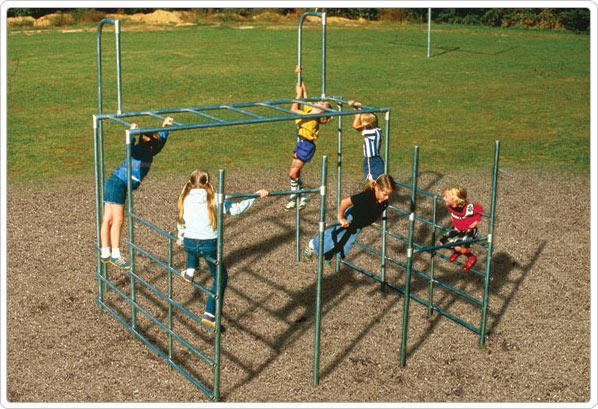
Introduction: Navigating the Global Market for jungle gym playground
In today’s competitive landscape, sourcing high-quality jungle gym playground equipment presents a significant challenge for international B2B buyers, particularly those operating in diverse markets like Africa, South America, the Middle East, and Europe. As these regions continue to prioritize outdoor play and child development, selecting the right suppliers becomes critical. This comprehensive guide aims to illuminate the complexities of the jungle gym playground market, covering various types of equipment, their applications, and essential considerations for supplier vetting and cost assessment.
From traditional wooden climbing frames to innovative commercial-grade structures, the range of options available can be overwhelming. This guide equips buyers with the knowledge needed to make informed purchasing decisions, ensuring compliance with safety standards and suitability for different environments, whether for schools, parks, or private backyards. We will delve into key factors such as material durability, customization capabilities, and delivery logistics, all of which are crucial in establishing long-lasting partnerships with reliable suppliers.
By addressing these vital elements, this guide empowers B2B buyers to navigate the global market effectively, ensuring that they invest in playground solutions that foster safe, engaging, and sustainable outdoor play experiences for children. As we explore the intricacies of this market, our aim is to facilitate strategic sourcing that aligns with your organization’s goals and regional demands.
Understanding jungle gym playground Types and Variations
| Type Name | Key Distinguishing Features | Primary B2B Applications | Brief Pros & Cons for Buyers |
|---|---|---|---|
| Wooden Climbing Frames | Made from sustainable timber, customizable designs | Residential backyards, schools, daycare centers | Pros: Eco-friendly, durable, safe for children. Cons: Higher initial investment, requires maintenance. |
| Commercial Playgrounds | Compliant with safety standards (EN 1176), robust materials | Parks, public playgrounds, restaurants, schools | Pros: Meets safety regulations, designed for high traffic. Cons: Installation can be complex, higher cost. |
| Modular Play Systems | Interchangeable components, versatile play options | Sports clubs, community centers, large private estates | Pros: Flexible design, can adapt to different spaces. Cons: Potentially higher costs for custom parts. |
| Tower Playhouses | Elevated structures with slides, climbing walls | Residential backyards, schools, childcare facilities | Pros: Encourages imaginative play, space-efficient. Cons: May require more safety measures, higher maintenance. |
| Swing Sets | Includes swings, monkey bars, and additional accessories | Parks, schools, residential areas | Pros: Popular play option, promotes physical activity. Cons: Limited play options compared to larger structures. |
What are the Key Characteristics of Wooden Climbing Frames?
Wooden climbing frames are distinguished by their use of sustainably sourced timber, ensuring both durability and environmental responsibility. These frames can be customized to fit various backyard spaces, making them ideal for residential buyers, schools, and daycare centers. When considering a purchase, B2B buyers should evaluate the frame’s safety features, warranty options, and the potential for customization to meet specific needs. While they offer a safe play environment, the initial investment can be higher compared to metal alternatives, and maintenance is required to prolong their lifespan.
How Do Commercial Playgrounds Differ from Residential Options?
Commercial playgrounds are engineered to meet stringent safety standards, such as EN 1176, making them suitable for high-traffic public spaces like parks, schools, and restaurants. These structures are built from robust materials designed to withstand extensive use, ensuring longevity and safety. B2B buyers must consider installation complexities and the overall cost when investing in these playgrounds. While they provide enhanced safety and durability, the upfront costs can be significant, making it essential to weigh the long-term benefits against initial expenditures.
What Advantages Do Modular Play Systems Offer?
Modular play systems feature interchangeable components that allow for versatile configurations, catering to various play styles and space constraints. These systems are particularly suited for sports clubs, community centers, and large private estates. B2B buyers should focus on the adaptability of the system to their specific needs and the potential for future expansion. While the flexibility of modular systems is a significant advantage, the cost of custom parts and installation may be higher than traditional playground options.
Why Choose Tower Playhouses for Play Areas?
Tower playhouses are elevated structures designed to engage children in imaginative play through slides and climbing walls. They are well-suited for both residential backyards and educational settings like schools and childcare facilities. When purchasing, B2B buyers should consider the safety measures required for elevated play and the space efficiency of these structures. Although they provide unique play opportunities, they may require more intensive safety measures and maintenance compared to ground-level options.
What are the Benefits of Including Swing Sets in Playgrounds?
Swing sets are a classic playground feature that includes swings, monkey bars, and various accessories, making them a favorite among children. They are commonly found in parks, schools, and residential areas. B2B buyers should evaluate the popularity of swing sets as a play option and their ability to promote physical activity among children. However, while they are cost-effective and easy to install, swing sets may offer limited play options compared to larger, more complex structures, which could impact overall engagement in a playground setting.
Key Industrial Applications of jungle gym playground
| Industry/Sector | Specific Application of jungle gym playground | Value/Benefit for the Business | Key Sourcing Considerations for this Application |
|---|---|---|---|
| Education | Playground installations in schools and kindergartens | Enhances physical development and social skills | Compliance with safety standards; durability; maintenance support |
| Hospitality | Outdoor play areas for family-friendly restaurants | Attracts families, increasing customer retention | Customization options; aesthetic appeal; space optimization |
| Community Development | Public parks and recreational facilities | Provides safe play areas, promoting community engagement | Sustainability; compliance with local regulations; installation support |
| Real Estate | Playgrounds in residential developments | Increases property value and appeal to families | Quality assurance; warranty; ease of installation |
| Sports and Recreation | Climbing frames and obstacle courses in sports clubs | Encourages physical fitness and group activities | Robust construction; safety certifications; design flexibility |
How are Jungle Gym Playgrounds Utilized in Education Settings?
In educational environments such as schools and kindergartens, jungle gym playgrounds serve as vital tools for enhancing children’s physical development and social interaction. These installations provide a safe space for children to engage in physical activities, which are essential for building motor skills and fostering teamwork. B2B buyers in this sector must ensure that the playground equipment complies with relevant safety standards and is constructed from durable materials that can withstand regular use. Additionally, maintenance support is crucial to keep the facilities safe and functional.
What Role Do Jungle Gyms Play in the Hospitality Sector?
In the hospitality industry, particularly within family-oriented restaurants, jungle gym playgrounds create inviting outdoor play areas that attract families. By providing a safe and engaging environment for children, these establishments enhance customer satisfaction and retention. For B2B buyers in this sector, customization options are important to align the playground’s aesthetics with the restaurant’s theme. Moreover, optimizing the play area’s space is essential, ensuring it complements the overall layout without compromising safety or accessibility.
How Do Jungle Gyms Contribute to Community Development?
Jungle gym playgrounds are integral to community development projects, particularly in public parks and recreational facilities. They provide safe and engaging play areas that foster community interaction and promote healthy lifestyles among children. B2B buyers involved in community projects should prioritize sustainability in sourcing materials, ensuring that the playground equipment is environmentally friendly. Compliance with local regulations and safety standards is also a critical consideration, as it affects the project’s viability and community acceptance.
Why are Jungle Gyms Important for Real Estate Developments?
In real estate, the inclusion of jungle gym playgrounds in residential developments significantly enhances property appeal, especially to families with young children. These playgrounds not only increase property values but also contribute to a community’s desirability. Buyers in this sector should focus on quality assurance and warranties when sourcing playground equipment to ensure longevity and reliability. Additionally, ease of installation is a key factor, as it impacts project timelines and overall development costs.
How Do Jungle Gyms Support Fitness Initiatives in Sports and Recreation?
In the sports and recreation sector, jungle gym playgrounds serve as essential components for promoting physical fitness and group activities. They provide versatile spaces for climbing, swinging, and obstacle courses, encouraging active play among various age groups. B2B buyers should consider robust construction and safety certifications when sourcing these playgrounds to ensure they can withstand heavy use. Design flexibility is also vital, allowing for the incorporation of various play elements that cater to diverse user needs and preferences.
3 Common User Pain Points for ‘jungle gym playground’ & Their Solutions
Scenario 1: Navigating Safety Compliance in Playground Equipment
The Problem:
For B2B buyers, particularly those sourcing playground equipment for public spaces like schools or parks, ensuring compliance with safety standards can be daunting. Many regions have strict regulations, such as the EN 1176 standards in Europe, that govern the design, installation, and maintenance of playground equipment. Buyers often find themselves overwhelmed by the varying compliance requirements across different countries and the potential liability issues related to safety. A misstep can lead to costly legal implications and damage to reputation, making it imperative to choose equipment that meets all necessary safety certifications.
The Solution:
To effectively navigate this challenge, B2B buyers should prioritize suppliers who are transparent about their compliance with local and international safety standards. When sourcing jungle gym playground equipment, inquire specifically about certifications and request documentation proving compliance with relevant safety guidelines like EN 1176 or ASTM standards. Consider suppliers that offer detailed product specifications, including safety features and installation guidelines. Furthermore, establishing a partnership with a manufacturer who provides ongoing support for maintenance and safety inspections can help mitigate risks. Engaging with experts or consultants in playground safety can also provide valuable insights into best practices, ensuring that the playground not only meets compliance but also serves as a safe environment for children.
Scenario 2: Customization Challenges for Diverse Client Needs
The Problem:
Buyers often face the challenge of catering to diverse client needs when selecting jungle gym playground equipment. Different regions may have varying preferences based on cultural aspects, available space, and age groups of children. This can lead to frustration when standard models do not meet specific requirements, resulting in a one-size-fits-all approach that fails to resonate with local users. Moreover, the process of customizing equipment can be complicated and time-consuming, deterring buyers from investing in tailored solutions.
The Solution:
To address customization challenges, B2B buyers should seek manufacturers that offer a robust configurator tool for jungle gym playgrounds. This tool allows buyers to design equipment that aligns with specific local preferences, incorporating elements such as swings, slides, climbing walls, or themed playhouses. Additionally, collaborating with local stakeholders—such as schools, community centers, or parent organizations—can provide insights into what features are most desirable. By utilizing 3D design software from suppliers, buyers can visualize how their custom solutions will fit into the intended space. Finally, establishing clear communication channels with manufacturers ensures that any unique requests are adequately addressed, leading to a successful implementation that delights end-users.
Scenario 3: Balancing Budget Constraints with Quality Expectations
The Problem:
Budget constraints are a common pain point for B2B buyers in both the public and private sectors when procuring jungle gym playground equipment. While there is a demand for high-quality, durable play structures, financial limitations often lead to compromises on quality or safety features. Buyers may struggle to find solutions that meet both their budget and quality expectations, risking the longevity of their investment and the safety of children using the equipment.
The Solution:
To balance budget constraints with quality expectations, buyers should consider long-term value rather than just upfront costs. Investing in playground equipment made from sustainable, high-quality materials can reduce maintenance costs and extend the lifespan of the structures. Look for suppliers that provide warranties, as this can be an indicator of the manufacturer’s confidence in their product quality. Additionally, exploring bulk purchasing options or seasonal discounts can lead to significant savings. Buyers should also conduct a total cost of ownership analysis, taking into account installation, maintenance, and potential replacement costs over time. Engaging in a dialogue with suppliers can uncover financing options or leasing arrangements that make high-quality equipment more accessible within budgetary limits.
Strategic Material Selection Guide for jungle gym playground
What Are the Key Materials Used in Jungle Gym Playground Equipment?
When selecting materials for jungle gym playground equipment, it is essential to consider various factors that influence performance, safety, durability, and compliance with international standards. Here, we analyze four common materials: wood, metal, plastic, and composite materials. Each material has unique properties, advantages, and limitations that can significantly impact the overall application in different regions.
How Does Wood Perform in Jungle Gym Playground Applications?
Wood is a traditional choice for playground equipment due to its natural aesthetic and structural integrity. Key properties include its strength-to-weight ratio and inherent resistance to bending and deformation. However, wood can be susceptible to rot and insect damage, particularly in humid climates, necessitating treatment with preservatives.
Pros: Wood is generally cost-effective, offers excellent durability when properly treated, and provides a warm, inviting look that appeals to children and parents alike. It is also relatively easy to work with, allowing for various designs.

Illustrative image related to jungle gym playground
Cons: The main limitations include susceptibility to weathering and the need for regular maintenance to prevent decay. Additionally, sourcing high-quality, sustainably harvested wood can be challenging in some regions, affecting supply chains.
For international buyers, compliance with standards such as EN 1176 (European safety standard) is crucial. Buyers in regions like Africa and South America may also need to consider local climate conditions that can affect wood performance.
What Are the Advantages of Metal in Playground Equipment?
Metal, particularly galvanized steel or aluminum, offers exceptional strength and durability. It is resistant to corrosion, making it suitable for various environmental conditions. Metal structures can withstand significant loads and impacts, which is vital for safety in playground applications.
Pros: Metal is highly durable, low-maintenance, and can be manufactured into intricate designs. It also has a long lifespan, making it a cost-effective option in the long run.
Cons: The primary drawback is the potential for heat retention in sunny climates, which can make metal surfaces uncomfortable for children. Additionally, the initial cost of metal playground equipment can be higher than wood or plastic options.
International buyers must ensure compliance with safety standards such as ASTM and DIN, particularly in Europe and the Middle East. In regions like Brazil, the availability of quality metal may vary, impacting sourcing decisions.
How Does Plastic Compare for Jungle Gym Playground Equipment?
Plastic, particularly high-density polyethylene (HDPE), is increasingly popular for playground equipment due to its lightweight and weather-resistant properties. It is available in various colors and can be molded into different shapes, enhancing aesthetic appeal.
Pros: Plastic is resistant to rot, rust, and UV damage, making it suitable for diverse climates. It is also low-maintenance and easy to clean, which is a significant advantage for public playgrounds.
Cons: While durable, plastic may not offer the same structural strength as wood or metal, making it less suitable for high-load applications. Additionally, its environmental impact can be a concern, as many plastics are not biodegradable.
International buyers should consider compliance with safety standards like ASTM F1487, especially in North America and Europe. In regions like Africa, the availability of quality plastic may vary, affecting overall project budgets.
What Role Do Composite Materials Play in Playground Equipment?
Composite materials, often a blend of wood fibers and plastic, offer a unique combination of the benefits of both materials. They are designed to resist weathering and provide a sturdy structure without the drawbacks of traditional wood or plastic.
Pros: Composites are highly durable, resistant to rot and insects, and require minimal maintenance. They can also be manufactured in various colors and textures, providing aesthetic flexibility.
Cons: The main limitation is the higher cost compared to traditional materials. Additionally, the manufacturing process can be more complex, which may lead to longer lead times for international orders.
For B2B buyers, understanding regional preferences and compliance with standards such as EN 1176 is crucial. In regions like the Middle East, where temperature extremes are common, composite materials can provide a reliable solution.
Summary Table of Material Selection for Jungle Gym Playground Equipment
| Material | Typical Use Case for jungle gym playground | Key Advantage | Key Disadvantage/Limitation | Relative Cost (Low/Med/High) |
|---|---|---|---|---|
| Wood | Climbing frames, swings | Natural aesthetic, easy to work with | Susceptible to rot and insects | Medium |
| Metal | Structural supports, climbing frames | High durability and low maintenance | Can heat up in sun | High |
| Plastic | Slides, playhouses | Weather-resistant, low maintenance | Less structural strength | Medium |
| Composite | Decking, climbing frames | Durable and resistant to weathering | Higher initial cost | High |
This comprehensive analysis provides B2B buyers with essential insights into material selection for jungle gym playground equipment, enabling informed decisions that align with regional preferences and safety standards.
In-depth Look: Manufacturing Processes and Quality Assurance for jungle gym playground
What Are the Main Stages in the Manufacturing Process of Jungle Gym Playgrounds?
Manufacturing jungle gym playgrounds involves several critical stages that ensure the final product is safe, durable, and appealing to both children and parents. The main stages include material preparation, forming, assembly, and finishing.
-
Material Preparation: The first step is selecting high-quality, sustainable materials, primarily wood sourced from PEFC-certified suppliers. This ensures not only durability but also compliance with environmental standards. Materials are inspected for defects, and appropriate treatments are applied to enhance resistance against weather and pests.
-
Forming: In this stage, raw materials are cut into specified dimensions using advanced machinery. Techniques such as CNC (Computer Numerical Control) machining allow for precise cuts and consistent quality. This process may also include shaping components for aesthetic appeal and safety, such as rounding edges to prevent injuries.
-
Assembly: After forming, components are assembled into modular structures. Skilled laborers or robotic systems ensure that parts fit together securely, following design specifications. This stage often incorporates safety features, such as sturdy ground anchors and secure connections, to enhance stability and safety.
-
Finishing: The final stage involves applying protective coatings, paints, or stains that are non-toxic and weather-resistant. This not only improves the aesthetic but also adds a layer of protection against environmental factors. Quality checks are conducted at each step to ensure compliance with safety standards.
How Is Quality Assurance Integrated into Jungle Gym Playground Manufacturing?
Quality assurance (QA) is critical in the manufacturing of jungle gym playgrounds to ensure safety and longevity. Adhering to both international and industry-specific standards is vital for B2B buyers looking for reliable suppliers.
-
International Standards: Compliance with ISO 9001 is essential for quality management systems. This certification indicates that a company consistently meets customer and regulatory requirements. Additionally, CE marking ensures that products meet European safety and environmental standards, a necessity for buyers in Europe and beyond.
-
Industry-Specific Standards: For playground equipment, compliance with EN 1176-2017 is critical. This European standard outlines safety requirements for playground equipment, ensuring that products are designed and constructed to minimize risks of injury.
What Are the Key Quality Control Checkpoints in the Manufacturing Process?
Quality control (QC) involves systematic processes at various checkpoints throughout the manufacturing cycle, ensuring that products meet established standards.
-
Incoming Quality Control (IQC): Raw materials undergo stringent inspection upon arrival. This includes verifying that materials meet specified standards for quality and sustainability.
-
In-Process Quality Control (IPQC): During manufacturing, ongoing checks are performed to monitor production processes. This includes measuring dimensions, checking for defects, and verifying that assembly procedures are followed correctly.
-
Final Quality Control (FQC): Once the playground equipment is fully assembled, a comprehensive inspection is conducted. This involves testing structural integrity, ensuring safety features function correctly, and confirming compliance with relevant standards.
What Testing Methods Are Commonly Used to Ensure Product Safety?
Several testing methods are utilized to guarantee that jungle gym playgrounds meet safety and durability standards.
-
Load Testing: This involves applying weights to the structures to ensure they can withstand the expected loads during use. This testing is crucial for swings, climbing frames, and other load-bearing components.
-
Impact Testing: To assess the safety of surfaces and components, impact testing simulates the force of a child falling or jumping on the equipment. This helps determine if the materials and design can adequately absorb shock and prevent injuries.
-
Weather Resistance Testing: Equipment is subjected to various environmental conditions, such as UV exposure, humidity, and temperature fluctuations, to evaluate its durability and longevity.
How Can B2B Buyers Verify Supplier Quality Control Practices?
For international B2B buyers, particularly from regions like Africa, South America, the Middle East, and Europe, verifying a supplier’s quality control practices is essential to ensure reliable partnerships.
-
Supplier Audits: Conducting regular audits of potential suppliers can provide insights into their manufacturing processes and quality assurance measures. This helps assess compliance with international standards and industry best practices.
-
Quality Assurance Reports: Requesting detailed QA reports can reveal how a manufacturer tracks and manages quality throughout production. These reports should include information on testing outcomes, compliance with standards, and corrective actions taken for any identified issues.
-
Third-Party Inspections: Engaging independent third-party inspectors can provide an unbiased assessment of a supplier’s manufacturing practices and quality assurance processes. This adds an extra layer of confidence in the products being sourced.
What Are the Nuances of Quality Control and Certification for International Buyers?
International buyers must be aware of the nuances in quality control and certification when sourcing jungle gym playgrounds. Regulatory requirements can vary significantly by region, making it crucial to understand local standards.
-
Regional Compliance: For buyers in Europe, compliance with CE and EN standards is mandatory. In contrast, buyers in regions like Africa and South America may have different regulatory frameworks. Understanding these variations is essential for ensuring that products are compliant and safe for use in the intended market.
-
Cultural Expectations: Different regions may have varying expectations regarding safety and durability. For instance, playground equipment in regions with harsher climates should be designed to withstand more extreme weather conditions. B2B buyers should communicate these expectations clearly to suppliers to ensure the final products meet local demands.
-
Documentation and Certification: Ensuring that all necessary documentation and certifications accompany shipments is crucial for smooth customs clearance and compliance verification. B2B buyers should establish clear guidelines with suppliers regarding the documentation required for their specific region.
In conclusion, understanding the manufacturing processes and quality assurance practices for jungle gym playgrounds is vital for B2B buyers. By focusing on the main manufacturing stages, quality control checkpoints, testing methods, and the nuances of international certification, buyers can make informed decisions that ensure they procure safe, durable, and compliant playground equipment.
Practical Sourcing Guide: A Step-by-Step Checklist for ‘jungle gym playground’
In the competitive landscape of playground equipment procurement, particularly for jungle gym playgrounds, a systematic approach is essential. This checklist serves as a practical guide for B2B buyers, ensuring that every aspect of sourcing is thoroughly considered.
Step 1: Define Your Requirements
Before initiating the procurement process, clearly outline your specific needs. This includes the type of jungle gym equipment required, the target age group of children, and the intended location of installation (e.g., schools, parks, or private properties).
– Consider factors such as the size of the playground area and the safety standards applicable in your region.
Step 2: Research Compliance Standards
Understanding and adhering to local safety regulations is crucial. Investigate the safety standards relevant to playground equipment in your target markets, such as EN 1176 in Europe or ASTM standards in the USA.
– Ensure that the suppliers you consider can provide documentation that their products comply with these standards, as this will affect liability and the safety of the children using the equipment.

Illustrative image related to jungle gym playground
Step 3: Evaluate Potential Suppliers
Before committing to a supplier, conduct a thorough evaluation. Look for established companies with a proven track record in the playground equipment industry.
– Request company profiles, case studies, and references from previous clients, especially those in similar markets or regions. This will help assess reliability and product quality.
Step 4: Assess Product Quality and Materials
Quality is paramount when it comes to playground equipment. Review the materials used in the jungle gym structures, ensuring they are durable, weather-resistant, and safe for children.
– Look for certifications such as PEFC or FSC for wood, which indicate sustainable sourcing. Additionally, inquire about warranties offered on the products, as this reflects the manufacturer’s confidence in their durability.
Step 5: Consider Customization Options
Many suppliers offer customization options for jungle gym playgrounds, allowing you to tailor the equipment to your specific needs.
– Evaluate whether the supplier provides a design configurator or consultation services to help create a playground that meets your vision. This can enhance the play experience and ensure the equipment fits perfectly into the designated space.
Step 6: Understand Delivery and Installation Logistics
Logistics can significantly impact the procurement process. Clarify delivery timelines, shipping costs, and installation services offered by the supplier.
– Ensure that the supplier can accommodate your project’s timeline, especially if there are specific deadlines for completion. Discuss installation support and whether they provide trained personnel for setup.
Step 7: Negotiate Terms and Finalize Contracts
Once you have selected a supplier, it’s time to negotiate terms. Discuss pricing, payment options, and any additional services like maintenance support.
– Ensure all agreements are documented in a formal contract, outlining responsibilities and expectations. This protects both parties and establishes a clear understanding of the engagement.
By following this checklist, B2B buyers can navigate the complexities of sourcing jungle gym playground equipment effectively, ensuring a safe and enjoyable play environment for children.
Comprehensive Cost and Pricing Analysis for jungle gym playground Sourcing
What Are the Key Cost Components in Jungle Gym Playground Sourcing?
When sourcing jungle gym playground equipment, understanding the cost structure is crucial for B2B buyers. The primary cost components include:
-
Materials: The choice of materials significantly impacts costs. High-quality, sustainable timber often used in playground equipment can be more expensive but offers durability and safety, which are critical for outdoor play structures. Suppliers may offer options from certified sources, which can also affect pricing.
-
Labor: Labor costs encompass both the manufacturing workforce and installation services. Skilled labor for assembly and installation may come at a premium, especially in regions where expertise is limited.
-
Manufacturing Overhead: This includes costs related to factory operations, such as utilities, maintenance, and equipment depreciation. Efficient manufacturing processes can help minimize these costs, making the final product more competitive.
-
Tooling: Initial tooling costs for custom designs or specialized equipment can be significant. Buyers looking for unique configurations or personalized features should factor in these costs during negotiations.
-
Quality Control (QC): Ensuring that playground equipment meets safety standards often involves rigorous quality control processes. This can add to the overall cost but is essential for compliance, particularly in markets with strict regulations.
-
Logistics: Shipping and handling costs vary based on the destination and the logistics provider. Factors like distance, shipping mode, and local tariffs can all influence this component.
-
Margin: Suppliers will typically mark up their costs to ensure a profit margin. Understanding the supplier’s pricing strategy can help buyers negotiate better deals.
How Do Price Influencers Affect Jungle Gym Playground Costs?
Several factors influence the pricing of jungle gym playground equipment, particularly for international buyers:
-
Volume and Minimum Order Quantity (MOQ): Larger orders often lead to lower per-unit costs due to economies of scale. Buyers should consider their purchasing capacity to negotiate better pricing.
-
Specifications and Customization: Customized designs or additional features can significantly increase costs. Buyers should weigh the benefits of customization against the potential price increase.
-
Material Quality and Certifications: High-quality materials and compliance with safety certifications (like EN 1176) typically come at a higher price. However, investing in certified products can lead to lower liability and maintenance costs in the long run.
-
Supplier Factors: The reputation, reliability, and experience of the supplier can affect pricing. Established suppliers may offer better warranties and support, justifying a higher price point.
-
Incoterms: Understanding shipping terms, such as FOB (Free on Board) or CIF (Cost, Insurance, and Freight), can help buyers assess total landed costs. This is crucial for budgeting and financial planning.
What Are Some Buyer Tips for Cost-Efficient Sourcing of Jungle Gym Playgrounds?
For international B2B buyers, particularly in regions like Africa, South America, the Middle East, and Europe, effective sourcing strategies are essential:
-
Negotiate Terms: Leverage volume commitments or long-term contracts to negotiate better pricing and payment terms. Establishing a good relationship with suppliers can lead to favorable deals.
-
Focus on Total Cost of Ownership (TCO): Consider not just the initial purchase price but also long-term costs, including maintenance, safety inspections, and potential liability. Investing in higher-quality equipment can reduce TCO over time.
-
Be Aware of Pricing Nuances: International buyers should be mindful of currency fluctuations, import duties, and local regulations that may affect overall costs. Understanding these nuances can help in making informed purchasing decisions.
-
Explore Multiple Suppliers: Obtaining quotes from various suppliers can provide insights into competitive pricing. This also offers a benchmark for negotiating better deals.
In conclusion, a thorough understanding of the cost components, price influencers, and effective buyer strategies is vital for sourcing jungle gym playground equipment successfully. By focusing on these aspects, B2B buyers can make informed decisions that align with their budget and quality requirements.
Alternatives Analysis: Comparing jungle gym playground With Other Solutions
Understanding Alternatives for Playground Solutions
When considering playground equipment, especially for businesses or institutions, it’s essential to evaluate various solutions that can meet the needs of children and the requirements of the space available. The ‘Jungle Gym Playground’ is a popular option, known for its engaging design and safety features. However, alternative solutions like commercial playground systems and modular play structures can also provide similar benefits. This analysis compares the Jungle Gym Playground with these alternatives to help B2B buyers make informed decisions.

Illustrative image related to jungle gym playground
| Comparison Aspect | Jungle Gym Playground | Commercial Playground Systems | Modular Play Structures |
|---|---|---|---|
| Performance | High durability; promotes active play and motor skills | Designed for heavy use; compliant with safety standards | Versatile designs; customizable for specific play needs |
| Cost | Moderate (from approx. £529) | Higher initial investment (often starting at £1,500) | Variable pricing based on configuration; often competitive |
| Ease of Implementation | Simple assembly; may require basic tools | Professional installation recommended; can be complex | Generally easy to assemble; often modular for quick setups |
| Maintenance | Low maintenance; periodic checks recommended | Requires regular inspections and maintenance due to high usage | Low to moderate maintenance; depends on materials used |
| Best Use Case | Ideal for residential backyards and smaller community spaces | Best for schools, parks, and high-traffic areas | Suitable for both temporary and permanent installations in various settings |
What Are the Benefits and Drawbacks of Commercial Playground Systems?
Commercial playground systems are designed for high-traffic areas and are built to withstand rigorous use. They typically comply with safety standards such as EN 1176, making them suitable for schools and public parks. The primary advantage is their durability and safety compliance, ensuring they can accommodate a large number of children. However, the initial investment can be significantly higher than that of a Jungle Gym Playground, and professional installation may be required, adding to the overall cost.
How Do Modular Play Structures Compare?
Modular play structures are another alternative, offering flexibility in design and installation. They can be customized to fit specific spaces and play needs, making them versatile for various environments, from schools to community centers. One of the significant benefits is the quick assembly and adaptability, allowing for easy modifications as needs change. However, the performance can vary based on the materials used, and while they are often competitively priced, the final cost can fluctuate based on the desired features.
Making the Right Choice for Your Playground Needs
When selecting the right playground solution, B2B buyers should consider the specific requirements of their project, including the target audience, budget constraints, and the intended use of the equipment. Jungle Gym Playgrounds are excellent for creating engaging play areas in residential and smaller community settings, whereas commercial playground systems are better suited for high-traffic environments requiring robust safety standards. Modular play structures provide a flexible solution that can adapt to various needs. Evaluating these factors will enable buyers to choose a playground solution that aligns with their objectives and ensures a safe, enjoyable experience for children.
Essential Technical Properties and Trade Terminology for jungle gym playground
What Are the Key Technical Properties of Jungle Gym Playgrounds?
When sourcing jungle gym playground equipment, understanding the technical specifications is crucial for ensuring safety, durability, and compliance with industry standards. Here are some of the essential properties to consider:
-
Material Grade
The material grade refers to the quality of the wood or metal used in constructing playground equipment. For wooden structures, look for PEFC or FSC certified timber, which ensures that the wood is sustainably sourced and treated for durability. Metal components should be made from galvanized steel to resist rust and corrosion. Selecting high-grade materials is vital as it directly impacts the longevity and safety of the equipment. -
Load Capacity
Load capacity indicates the maximum weight the playground equipment can safely support. This is particularly important in commercial settings where multiple children may use the equipment simultaneously. It’s crucial to choose structures with a load capacity that aligns with the expected user group to prevent accidents and ensure compliance with safety regulations. -
Safety Standards Compliance
In many regions, playground equipment must comply with specific safety standards, such as EN 1176 in Europe. Compliance ensures that the equipment has undergone rigorous testing for safety, durability, and user-friendliness. B2B buyers should verify that the suppliers provide certification for their products, as this can significantly affect insurance and liability considerations. -
Tolerance Levels
Tolerance refers to the permissible limit of variation in dimensions and weight of the materials used. For example, precise tolerances are essential in the assembly of playground equipment to ensure stability and safety. Understanding the tolerance levels helps buyers assess the quality of manufacturing processes and the expected lifespan of the equipment. -
Warranty Period
A warranty period is a manufacturer’s promise regarding the durability of their products. Look for warranties that cover both parts and labor, typically extending to 2 years for general use and up to 10 years for timber components. A robust warranty signifies the manufacturer’s confidence in their product quality and can provide peace of mind for buyers.
What Are the Common Trade Terms Used in the Jungle Gym Playground Industry?
Understanding industry-specific jargon is equally important for making informed purchasing decisions. Here are some common trade terms you may encounter:
-
OEM (Original Equipment Manufacturer)
OEM refers to companies that produce equipment that may be marketed by another manufacturer. In the jungle gym industry, an OEM may create playground structures that are branded by a different company. Understanding OEM relationships can help buyers assess the quality and reliability of the products they are considering. -
MOQ (Minimum Order Quantity)
MOQ is the smallest quantity of a product that a supplier is willing to sell. This term is critical for B2B buyers as it influences inventory management and cash flow. Knowing the MOQ can help businesses plan their purchases effectively and avoid overstocking. -
RFQ (Request for Quotation)
An RFQ is a standard business process used to invite suppliers to submit price proposals for specific products. When sourcing playground equipment, issuing an RFQ can help buyers compare prices and services from different suppliers, ensuring they get the best deal. -
Incoterms (International Commercial Terms)
Incoterms are internationally recognized rules that define the responsibilities of buyers and sellers in international transactions. Understanding these terms is vital for B2B buyers, as they clarify who is responsible for shipping, insurance, and tariffs during the transportation of playground equipment. -
Lead Time
Lead time refers to the amount of time between placing an order and receiving it. In the playground equipment industry, understanding lead times is crucial for project planning and ensuring that installations occur on schedule, especially for seasonal demands. -
GS Certification (Geprüfte Sicherheit)
GS Certification is a German safety mark that indicates compliance with safety standards for playground equipment. For international buyers, especially in Europe, checking for GS certification can provide assurance of the product’s safety and reliability.
By familiarizing yourself with these technical properties and trade terms, you can make more informed decisions when sourcing jungle gym playground equipment, ensuring that you meet safety standards while also optimizing your investment.
Navigating Market Dynamics and Sourcing Trends in the jungle gym playground Sector
What Are the Key Market Dynamics and Trends Shaping the Jungle Gym Playground Sector?
The jungle gym playground sector is experiencing notable growth driven by increasing urbanization and a growing emphasis on outdoor play for child development. In regions like Africa, South America, the Middle East, and Europe, the demand for high-quality, safe, and engaging playground equipment is on the rise. This trend is particularly strong in urban areas where green spaces are limited, pushing municipalities and private entities to invest in multifunctional playgrounds that cater to diverse age groups and abilities.
Technological advancements are also reshaping the sector. Innovations such as customizable playground equipment, where buyers can design their own jungle gym configurations online, are becoming increasingly popular. This trend not only enhances customer engagement but also allows for tailored solutions that meet specific community needs. Additionally, the integration of smart technology in playgrounds—like interactive play systems and safety monitoring—can attract more investment from local governments and private developers, particularly in regions prioritizing modern amenities.
As global supply chains evolve, international B2B buyers are focusing on sourcing products from manufacturers that can guarantee compliance with safety standards, such as the EN 1176 for commercial playgrounds in Europe. Buyers are encouraged to engage with suppliers who provide transparent information about their production processes and materials, ensuring they invest in durable and safe products.
How Is Sustainability Influencing the Jungle Gym Playground Industry?
Sustainability is becoming a central theme in the jungle gym playground sector, with increasing awareness of environmental impacts prompting buyers to seek out eco-friendly options. The use of sustainably sourced materials, such as PEFC certified wood, is gaining traction among manufacturers aiming to reduce their carbon footprint. These materials not only meet safety standards but also align with the growing demand for environmentally responsible products.
Ethical sourcing practices are crucial for B2B buyers, especially in regions like Europe and the Middle East, where regulatory frameworks increasingly favor sustainable operations. Buyers are encouraged to partner with manufacturers that prioritize ethical supply chains, ensuring fair labor practices and minimal environmental impact throughout the production process. Certifications like FSC (Forest Stewardship Council) and CE marking can serve as important indicators of a supplier’s commitment to sustainability.
Additionally, the demand for ‘green’ playground equipment is reshaping product design. Manufacturers are innovating by using recycled materials and non-toxic finishes, appealing to health-conscious consumers and municipalities focused on child safety. This trend reflects a broader societal shift towards sustainability, making it imperative for B2B buyers to consider the long-term environmental impacts of their purchases.
What Is the Historical Context of Jungle Gym Playground Development?
The evolution of jungle gym playgrounds dates back to the early 20th century when outdoor play began to be recognized for its importance in child development. Originally, playground equipment was rudimentary, often made from metal and lacking safety standards. However, as awareness of child safety and developmental psychology grew, the industry shifted towards more innovative designs that prioritize safety, durability, and engagement.
The introduction of wooden playgrounds in the late 20th century marked a significant turning point, with manufacturers opting for materials that are not only aesthetically pleasing but also safer for children. The modern jungle gym playground is characterized by its diverse offerings, including climbing frames, swing sets, and multi-functional play structures designed to promote physical activity and imaginative play. As trends continue to evolve, the sector is increasingly influenced by sustainability and technology, setting the stage for a future where eco-friendly and customizable solutions dominate the market.
In conclusion, the jungle gym playground sector presents significant opportunities for international B2B buyers. Understanding market dynamics, prioritizing sustainability, and appreciating the historical context of playground development are essential for making informed purchasing decisions that meet both current and future demands.
Frequently Asked Questions (FAQs) for B2B Buyers of jungle gym playground
-
How do I ensure the playground equipment meets safety standards?
To ensure that the playground equipment meets safety standards, verify that the supplier adheres to international regulations such as the EN 1176 for Europe or ASTM standards for the U.S. For buyers in Africa and South America, it’s essential to check local regulations as well. Request certifications from the manufacturer that confirm compliance with these standards. Additionally, consider requesting samples or visiting facilities to assess quality and safety features firsthand. -
What are the best jungle gym playground options for commercial use?
For commercial use, select equipment specifically designed for high traffic and durability, such as those compliant with EN 1176 standards. Look for playgrounds that offer a variety of features like climbing frames, swings, and safety surfacing to accommodate diverse age groups. Brands with a strong reputation and positive reviews in the commercial sector, such as Hy-Land, often provide robust solutions ideal for schools, parks, and recreational facilities. -
What customization options are available for jungle gym playgrounds?
Most manufacturers offer extensive customization options, allowing buyers to tailor equipment to specific needs. This can include selecting different modules, adding accessories like slides or climbing nets, and choosing colors or themes. Use configurators provided by suppliers to visualize the playground design. Customization ensures that the playground not only fits the space but also meets the developmental needs of children. -
What is the minimum order quantity (MOQ) for playground equipment?
The minimum order quantity (MOQ) can vary widely between manufacturers. Typically, MOQs for commercial playground equipment range from a few units to several dozen, depending on the supplier’s production capabilities and the complexity of the equipment. Always inquire directly with potential suppliers to understand their MOQ requirements and negotiate terms that align with your project needs. -
How can I vet suppliers of jungle gym playgrounds for reliability?
To vet suppliers effectively, conduct thorough research by checking their industry reputation, customer reviews, and case studies. Ask for references from previous clients and verify their experience in international shipping, especially to your region. It’s also beneficial to assess their financial stability and production capacity. Consider visiting their manufacturing facility, if feasible, to evaluate quality control processes and operational standards. -
What payment terms should I expect when sourcing playground equipment?
Payment terms can vary, but common practices include a deposit upfront (usually 30-50%) with the balance due prior to shipping or upon delivery. Some suppliers may offer financing options or letter of credit arrangements, particularly for larger orders. Always clarify payment terms in advance to avoid misunderstandings and ensure a smooth transaction process. -
What logistics considerations should I keep in mind when importing playground equipment?
When importing playground equipment, consider shipping costs, lead times, and customs regulations in your country. Ensure that your supplier can provide the necessary documentation for customs clearance, including certificates of origin and compliance. Collaborate with a freight forwarder experienced in playground equipment to manage logistics effectively and ensure timely delivery. -
How can I ensure quality assurance during the manufacturing process?
To ensure quality assurance, establish clear communication with the manufacturer regarding your quality expectations and standards. Request regular updates and progress reports during production, and consider employing third-party inspection services to conduct quality checks at various stages of manufacturing. This proactive approach helps identify potential issues early and ensures the final product meets your specifications before shipping.
Top 1 Jungle Gym Playground Manufacturers & Suppliers List
1. Jungle Gym – Wooden Climbing Frames

Domain: junglegym.com
Registered: 1998 (27 years)
Introduction: Wooden playground equipment for gardens, including:
– Wooden climbing frames (starting from £529)
– Climbing frames with slide
– Climbing frames with swing
– Climbing frames for small gardens
– Climbing frames for toddlers
– Climbing frames with bridge
– Tower playhouses
– Playhouses with slide
– Playhouses with slide and swing
– Wooden swings
– Double swing sets
– Swings with cl…
Strategic Sourcing Conclusion and Outlook for jungle gym playground
How Can Strategic Sourcing Enhance Your Jungle Gym Playground Procurement?
In the competitive landscape of playground equipment, strategic sourcing emerges as a crucial element for B2B buyers looking to invest in jungle gym playgrounds. By leveraging relationships with reputable manufacturers, such as those offering customizable and durable wooden playground solutions, buyers can ensure compliance with safety standards while maximizing value. The importance of sustainability cannot be overstated, as selecting suppliers committed to eco-friendly practices not only fulfills corporate social responsibility goals but also appeals to an increasingly environmentally-conscious market.
As you navigate the procurement process, consider the diverse range of products available—ranging from backyard climbing frames to commercial-grade playgrounds designed for public spaces. This variety allows for tailored solutions that can cater to specific market needs across regions like Africa, South America, the Middle East, and Europe.
Looking ahead, the demand for quality playground equipment is set to grow, driven by urbanization and a heightened focus on child development through active play. Now is the time to engage with reliable suppliers and explore innovative options that will enrich communities and foster healthy play environments. Make your move today to secure a competitive edge in this flourishing sector.
Important Disclaimer & Terms of Use
⚠️ Important Disclaimer
The information provided in this guide, including content regarding manufacturers, technical specifications, and market analysis, is for informational and educational purposes only. It does not constitute professional procurement advice, financial advice, or legal advice.

Illustrative image related to jungle gym playground
While we have made every effort to ensure the accuracy and timeliness of the information, we are not responsible for any errors, omissions, or outdated information. Market conditions, company details, and technical standards are subject to change.
B2B buyers must conduct their own independent and thorough due diligence before making any purchasing decisions. This includes contacting suppliers directly, verifying certifications, requesting samples, and seeking professional consultation. The risk of relying on any information in this guide is borne solely by the reader.
