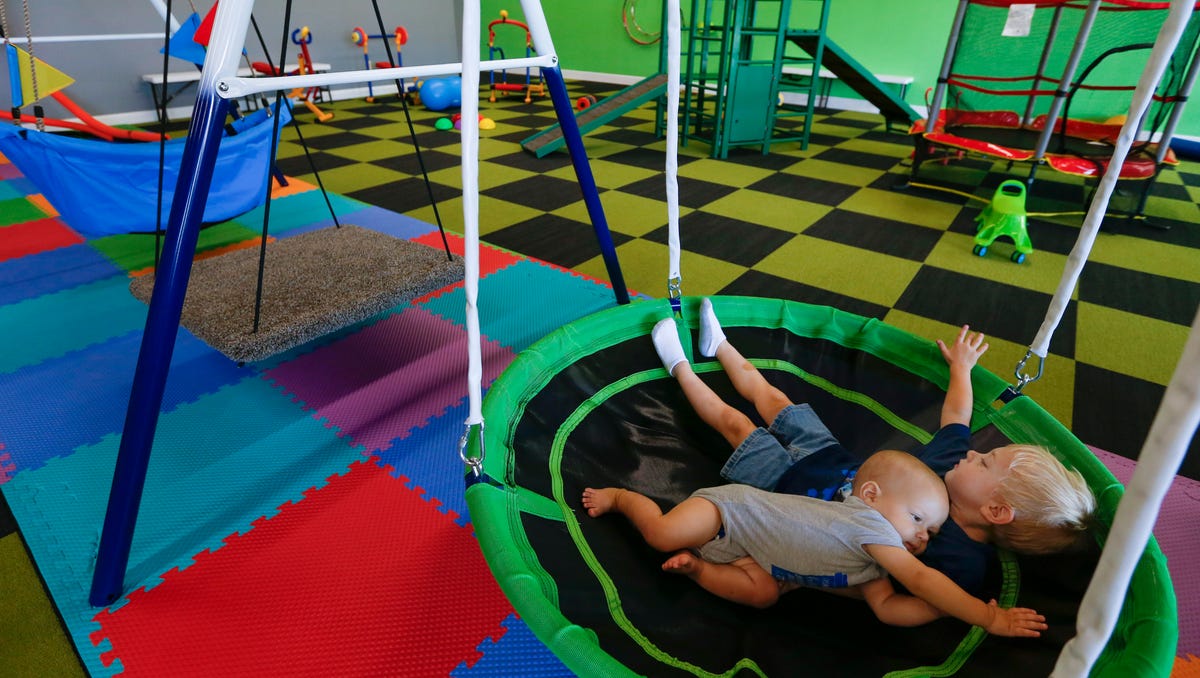
Introduction: Navigating the Global Market for jungle gym play area
In today’s competitive landscape, sourcing a jungle gym play area that meets diverse market demands can be a significant challenge for B2B buyers. Whether you’re looking to cater to educational institutions, community parks, or private facilities, understanding the nuances of various jungle gym designs, safety standards, and material quality is crucial. This guide offers a comprehensive overview of the jungle gym play area market, covering essential elements such as types of equipment, applications across different sectors, supplier vetting processes, and cost considerations.
International buyers from regions like Africa, South America, the Middle East, and Europe, including countries such as Saudi Arabia and Nigeria, will find valuable insights tailored to their unique requirements. This guide empowers you to make informed purchasing decisions by providing actionable strategies for evaluating suppliers and understanding market trends.
By delving into the specifics of jungle gym features, safety regulations, and installation processes, you will be equipped to select the right products that not only engage children but also comply with local safety standards. Our goal is to facilitate a seamless purchasing experience, ensuring that your investment in play areas contributes to the healthy development of children while meeting your business objectives.
Understanding jungle gym play area Types and Variations
| Type Name | Key Distinguishing Features | Primary B2B Applications | Brief Pros & Cons for Buyers |
|---|---|---|---|
| Indoor Jungle Gyms | Compact design, multi-functional, often modular | Schools, daycares, indoor playgrounds | Pros: Space-efficient, versatile; Cons: Limited outdoor use |
| Outdoor Jungle Gyms | Larger structures, durable materials, often include slides and climbers | Parks, recreational centers, schools | Pros: Promotes physical activity; Cons: Weather-dependent maintenance |
| Montessori Play Gyms | Focus on natural materials, educational play elements | Educational institutions, home settings | Pros: Encourages cognitive development; Cons: Higher initial investment |
| Commercial Jungle Gyms | Designed for high capacity, includes safety features and certifications | Amusement parks, family entertainment centers | Pros: High durability, compliant with safety standards; Cons: Higher cost |
| Themed Adventure Play Areas | Unique designs (pirate ships, castles), immersive play experiences | Theme parks, large-scale playgrounds | Pros: Engages imagination; Cons: Complexity in maintenance and design |
What Are the Characteristics of Indoor Jungle Gyms?
Indoor jungle gyms are designed for compact spaces, making them ideal for schools, daycares, and indoor playgrounds. Their modular nature allows for various configurations, accommodating different age groups and play styles. B2B buyers should consider the materials used, as safety and durability are paramount in indoor settings. These gyms promote physical activity in a controlled environment, but their limited outdoor capabilities can be a drawback.
How Do Outdoor Jungle Gyms Differ from Indoor Options?
Outdoor jungle gyms are typically larger and constructed from more robust materials to withstand the elements. They often feature multiple slides, climbing walls, and other interactive elements to engage children physically. These play areas are commonly found in parks and recreational centers, making them suitable for community use. B2B buyers should evaluate the safety standards and maintenance requirements, as outdoor installations require ongoing care and weatherproofing.
What Makes Montessori Play Gyms Unique?
Montessori play gyms focus on natural materials and educational play elements, fostering cognitive and physical development. They are often used in educational settings, appealing to institutions prioritizing child-centered learning. B2B buyers should assess the initial investment against the long-term benefits of fostering developmental skills. While these gyms can be more expensive, they provide a unique value proposition through their educational focus.
Why Choose Commercial Jungle Gyms for High Traffic Areas?
Commercial jungle gyms are designed to accommodate a high volume of children, featuring safety certifications and robust construction. Commonly found in amusement parks and family entertainment centers, they are built to endure heavy use. B2B buyers must consider the total cost of ownership, including installation and maintenance. While the upfront cost may be higher, the durability and compliance with safety standards justify the investment.
What Are The Benefits of Themed Adventure Play Areas?
Themed adventure play areas offer unique, immersive experiences that captivate children’s imaginations. These structures often resemble pirate ships, castles, or other fantastical designs, making them popular in theme parks and large-scale playgrounds. For B2B buyers, the engagement factor can lead to increased foot traffic and extended playtime. However, the complexity in design and maintenance may pose challenges, requiring careful planning and budget allocation.
Key Industrial Applications of jungle gym play area
| Industry/Sector | Specific Application of jungle gym play area | Value/Benefit for the Business | Key Sourcing Considerations for this Application |
|---|---|---|---|
| Education | School Playgrounds | Enhances physical development and social skills in children | Compliance with safety standards and age-appropriate designs |
| Hospitality | Hotel and Resort Play Areas | Attracts families and increases guest satisfaction | Durability, maintenance requirements, and aesthetic appeal |
| Childcare Services | Daycare and Preschool Facilities | Provides a safe environment for play and learning | Space optimization and equipment versatility |
| Community Development | Public Parks and Recreational Areas | Promotes community engagement and healthy lifestyles | Accessibility features and compliance with local regulations |
| Retail | Shopping Mall Play Zones | Encourages longer visits and boosts customer spending | Safety, space requirements, and integration with existing infrastructure |
How are Jungle Gym Play Areas Applied in Education?
In educational settings, jungle gym play areas serve as essential components of school playgrounds, promoting physical development, coordination, and social interaction among students. These installations help alleviate concerns regarding childhood obesity and sedentary lifestyles by encouraging active play. When sourcing jungle gyms for schools, buyers must ensure compliance with international safety standards, such as ASTM and CPSC guidelines. Additionally, considerations for age-appropriate designs and materials that withstand varying weather conditions are critical, particularly in regions with diverse climates like Africa and Europe.
What Role do Jungle Gyms Play in Hospitality?
In the hospitality sector, jungle gym play areas are strategically placed in hotels and resorts to attract families and enhance guest satisfaction. These installations create a family-friendly environment, encouraging extended stays and repeat visits. Buyers in this sector should focus on durability and maintenance requirements, as well as the aesthetic appeal of the play areas to align with the overall design of the property. Furthermore, ensuring that the jungle gym is equipped with safety features is vital for compliance with hospitality regulations in regions such as the Middle East and South America.
Why are Jungle Gym Play Areas Important for Childcare Services?
For daycare and preschool facilities, jungle gym play areas are crucial for creating safe environments where children can engage in play while developing essential social and physical skills. These play structures allow caregivers to facilitate learning through play, a fundamental aspect of early childhood education. When sourcing jungle gyms for childcare services, buyers need to consider space optimization and equipment versatility to accommodate various age groups and activities. Additionally, ensuring that the equipment is made from non-toxic materials is essential for safeguarding children’s health.
How do Jungle Gyms Enhance Community Development?
In community development, jungle gym play areas are often incorporated into public parks and recreational spaces to promote healthy lifestyles and community engagement. These installations serve as focal points for families, encouraging children to participate in outdoor activities while fostering social connections among residents. Buyers should focus on accessibility features to ensure that all community members, including those with disabilities, can enjoy the play area. Compliance with local regulations and standards is also critical to ensure a safe and welcoming environment for all.
What is the Value of Jungle Gym Play Areas in Retail Settings?
In retail environments, such as shopping malls, jungle gym play areas are designed to enhance the shopping experience by providing children with a safe space to play while parents shop. This strategic inclusion can lead to longer visit durations and increased customer spending. When sourcing jungle gyms for retail spaces, businesses should prioritize safety, space requirements, and the integration of play areas with existing infrastructure. This ensures that the jungle gym complements the retail environment while providing an engaging experience for families.
3 Common User Pain Points for ‘jungle gym play area’ & Their Solutions
Scenario 1: Safety Compliance and Regulation Challenges
The Problem: B2B buyers, especially those in regions like Africa and the Middle East, often face significant challenges ensuring that their jungle gym play areas comply with local safety regulations and international standards. The stakes are high; failure to meet these standards can lead to accidents, liability issues, and substantial financial losses. Buyers may struggle to understand the specific requirements for materials, design, and installation, particularly if they are unfamiliar with local codes or do not have access to reliable information.

Illustrative image related to jungle gym play area
The Solution: To navigate safety compliance effectively, B2B buyers should engage with reputable suppliers who not only provide high-quality jungle gym equipment but also possess comprehensive knowledge of local regulations. It is crucial to ask for documentation such as ASTM or CPSC certifications that verify the equipment meets safety standards. Additionally, buyers should consider conducting a risk assessment of the intended play area, which includes evaluating the design for potential hazards, ensuring proper installation, and establishing a maintenance plan. Collaborating with local safety consultants or playground specialists can further enhance compliance efforts, ensuring that all necessary guidelines are met and significantly reducing liability risks.
Scenario 2: Limited Space and Design Constraints
The Problem: Many B2B buyers, particularly in urban areas or facilities with limited space, encounter difficulties in designing an effective jungle gym play area that maximizes play value while adhering to spatial constraints. The challenge lies in selecting equipment that offers diverse play opportunities without overcrowding the available area, which can lead to a less enjoyable experience for children and a lower return on investment for the buyer.
The Solution: Buyers should focus on modular jungle gym systems that offer multiple configurations and activities within a compact footprint. For instance, selecting equipment that incorporates vertical climbing elements or multi-use structures can optimize space usage while still providing a variety of play options. Additionally, investing in designs that integrate sensory play elements can enhance engagement without requiring additional space. Working with experienced designers or playground planners can help buyers create a tailored layout that balances fun and safety while utilizing the available area efficiently. Utilizing 3D design tools can also aid in visualizing the final setup, ensuring that it meets both aesthetic and functional needs.
Scenario 3: Budget Constraints and Cost Management
The Problem: Budget limitations are a common concern for B2B buyers when investing in jungle gym play areas. Whether they are schools, childcare centers, or community parks, these buyers must balance quality and safety with financial constraints. Many buyers may find themselves overwhelmed by the variety of options available, leading to uncertainty about how to allocate their budget effectively without compromising on quality or safety.
The Solution: To address budget constraints, buyers should conduct thorough market research to identify suppliers that offer competitive pricing without sacrificing safety standards. It’s advisable to consider the long-term value of the investment; opting for durable, high-quality materials may have a higher upfront cost but can lead to significant savings in maintenance and replacement over time. Additionally, buyers can explore financing options or grants available for educational or community-based projects, which can help alleviate immediate budget pressures. Creating a phased implementation plan can also be effective; starting with essential elements and expanding over time allows buyers to manage costs while still developing a robust play area. Engaging in negotiations with suppliers for bulk purchasing or seasonal discounts can further enhance budget management.
Strategic Material Selection Guide for jungle gym play area
What Are the Key Materials Used in Jungle Gym Play Areas?
When selecting materials for jungle gym play areas, B2B buyers must consider various factors that affect performance, safety, and compliance with international standards. Below, we analyze four common materials used in the construction of jungle gyms: wood, metal, plastic, and composite materials.
How Does Wood Perform in Jungle Gym Applications?
Wood is a traditional choice for jungle gyms, particularly in outdoor settings. Its natural aesthetic appeal and strength make it suitable for various structures. Key properties include excellent load-bearing capabilities and resistance to wear. However, wood can be susceptible to rot and insect damage, particularly in humid climates, which may necessitate regular maintenance.
Pros: Wood is durable and offers a warm, natural look that appeals to many buyers. It can be treated to enhance resistance to weather and pests, making it a viable option for outdoor use.
Cons: The initial cost can be high, and ongoing maintenance is required to preserve its integrity. Additionally, wood may not comply with certain safety standards if not properly treated.

Illustrative image related to jungle gym play area
For international buyers, especially in regions like Africa and South America, sourcing sustainably harvested wood is critical, along with ensuring compliance with standards such as FSC (Forest Stewardship Council) certification.
What Are the Advantages of Metal in Jungle Gym Structures?
Metal, particularly galvanized steel, is another popular choice for jungle gyms. Its key properties include high tensile strength and excellent corrosion resistance, making it suitable for various environmental conditions. Metal structures can withstand significant wear and tear, making them ideal for high-traffic areas.
Pros: Metal is highly durable and requires minimal maintenance. It can be manufactured into complex shapes, allowing for innovative designs.
Cons: The initial cost can be substantial, and metal can become hot in direct sunlight, posing a risk to children. Additionally, it can be prone to rust if not properly coated.
International buyers must consider compliance with ASTM standards for metal components and ensure that the materials used are lead-free and safe for children.
How Do Plastics Compare in Jungle Gym Applications?
Plastic materials, particularly high-density polyethylene (HDPE), are increasingly used in jungle gyms due to their lightweight nature and resistance to weathering. Key properties include excellent UV resistance and ease of cleaning, making them suitable for both indoor and outdoor applications.
Pros: Plastics are low-maintenance and can be molded into various shapes and colors, enhancing the visual appeal. They are also resistant to corrosion and do not splinter, making them safer for children.
Cons: While generally durable, plastics can become brittle over time, especially in extreme temperatures. They may also have a shorter lifespan compared to metal or treated wood.
For buyers in regions like the Middle East, where temperatures can be extreme, selecting UV-stabilized plastics is essential to ensure longevity and compliance with local safety standards.

Illustrative image related to jungle gym play area
What Role Do Composite Materials Play in Jungle Gym Construction?
Composite materials, which combine wood fibers and plastic, are gaining popularity in jungle gym construction. They offer the aesthetic appeal of wood while providing the durability of plastic. Key properties include resistance to moisture and insects, making them suitable for various climates.
Pros: Composites are low-maintenance and do not require painting or staining. They are also resistant to warping and splitting, making them a long-lasting option.
Cons: The cost can be higher than traditional materials, and availability may vary by region. Additionally, some composites may not meet all safety standards, depending on their formulation.
For international buyers, especially in Europe, ensuring that composite materials meet EN standards for safety and performance is crucial.
Summary of Material Selection for Jungle Gym Play Areas
| Material | Typical Use Case for jungle gym play area | Key Advantage | Key Disadvantage/Limitation | Relative Cost (Low/Med/High) |
|---|---|---|---|---|
| Wood | Outdoor jungle gyms | Natural aesthetic and strength | Susceptible to rot and insects | Medium |
| Metal | High-traffic commercial playgrounds | High durability and low maintenance | Can become hot and rust without coating | High |
| Plastic | Indoor and outdoor play structures | Lightweight and easy to clean | Can become brittle in extreme temperatures | Medium |
| Composite | Eco-friendly jungle gyms | Low maintenance and moisture-resistant | Higher cost and regional availability | High |
This guide provides a comprehensive overview of material options for jungle gym play areas, aiding B2B buyers in making informed decisions that align with safety, durability, and aesthetic preferences.
In-depth Look: Manufacturing Processes and Quality Assurance for jungle gym play area
What Are the Main Stages of Manufacturing Jungle Gym Play Areas?
The manufacturing process for jungle gym play areas involves several critical stages that ensure durability, safety, and fun for children. Understanding these stages can help B2B buyers evaluate potential suppliers effectively.
1. Material Preparation: What Materials Are Used in Jungle Gym Manufacturing?
The initial phase of manufacturing involves selecting high-quality materials suitable for both indoor and outdoor play environments. Common materials include:
- Wood: Often sourced from sustainable forests, wood is treated for durability and resistance to weathering. For example, pressure-treated lumber is a popular choice for outdoor jungle gyms.
- Metal: Steel is frequently used for structural components due to its strength and longevity. Galvanized or powder-coated finishes are applied to prevent rust and corrosion.
- Plastic: Rotationally molded plastic components are utilized for slides and climbing surfaces, known for their UV resistance and vibrant colors.
After material selection, rigorous quality control checks are conducted to ensure that all materials meet safety and durability standards.
2. Forming: How Are Jungle Gym Components Shaped?
Forming processes vary depending on the materials used:
- Wood Cutting and Shaping: Advanced CNC machines are employed to cut wood into precise shapes and sizes. This method ensures accuracy and reduces waste.
- Metal Fabrication: Steel components are cut, bent, and welded using high-precision machines. Techniques such as laser cutting and robotic welding enhance the strength and integrity of the structures.
- Plastic Molding: For plastic parts, the rotational molding process creates seamless, durable components. This method is particularly effective for complex shapes, such as slides.
Each component is then subjected to quality assessments to verify that they conform to design specifications.
3. Assembly: What Does the Assembly Process Look Like?
Once components are formed, they are assembled into the final jungle gym structure. This stage often includes:
- Pre-assembly Checks: Each part undergoes inspections for defects or discrepancies before assembly. This step is crucial for maintaining overall product integrity.
- Assembly Techniques: Skilled laborers or automated systems bring together the various components using screws, bolts, and brackets, ensuring that all pieces fit securely.
- Functional Testing: After assembly, the entire structure is tested for functionality. This includes checking for stability, ensuring that slides are smooth, and validating that climbing elements are safe.
Quality assurance during assembly is essential to guarantee that the jungle gym can withstand rigorous use.
4. Finishing: How Is the Final Product Prepared for Delivery?
The finishing stage enhances both the aesthetic and protective qualities of the jungle gym. Key activities include:
- Surface Treatments: Wood may receive sealants or stains to enhance appearance and weather resistance. Metal components are often powder-coated for additional protection against the elements.
- Safety Checks: Final inspections ensure that all edges are smooth, there are no sharp points, and that the structure adheres to safety guidelines.
- Packaging: The finished jungle gym is carefully packaged for shipping, ensuring that it arrives at its destination without damage.
What Quality Assurance Standards Are Relevant for Jungle Gym Manufacturing?
Quality assurance is a crucial aspect of the jungle gym manufacturing process, ensuring that products meet international safety and quality standards.
Which International Standards Should B2B Buyers Be Aware Of?
- ISO 9001: This standard focuses on quality management systems and is applicable to any organization that aims to ensure consistent quality in its products and services.
- ASTM F1487-17: This standard outlines safety requirements for playground equipment, focusing on design, performance, and testing.
- CPSC Guidelines: The U.S. Consumer Product Safety Commission provides guidelines for playground safety, which are critical for manufacturers targeting international markets.
How Are Quality Control Checkpoints Integrated into the Manufacturing Process?
Quality control checkpoints are strategically placed throughout the manufacturing process:
- Incoming Quality Control (IQC): Materials are inspected upon arrival to ensure they meet specified standards.
- In-Process Quality Control (IPQC): Ongoing inspections during production identify any defects or inconsistencies early in the process.
- Final Quality Control (FQC): The finished product undergoes thorough testing to confirm that it meets all safety and quality standards before leaving the facility.
What Testing Methods Are Commonly Used for Jungle Gym Products?
Various testing methods are utilized to verify the safety and durability of jungle gym play areas:
- Load Testing: Structures are subjected to weight tests to ensure they can support the maximum expected load.
- Impact Testing: This assesses how well the equipment can withstand falls and impacts, particularly on surfaces where children might play.
- Weather Resistance Testing: For outdoor equipment, exposure to UV light, moisture, and temperature variations is simulated to confirm material durability.
How Can B2B Buyers Verify Supplier Quality Control Processes?
B2B buyers must conduct thorough due diligence to verify the quality control processes of potential suppliers:
- Supplier Audits: Conducting on-site audits allows buyers to assess the manufacturing facility’s adherence to quality standards and practices.
- Quality Reports: Requesting documentation of past quality audits, testing results, and certifications can provide insight into the supplier’s commitment to quality.
- Third-Party Inspections: Engaging independent inspection agencies can offer an unbiased evaluation of the manufacturing processes and product quality.
What Are the QC and Certification Nuances for International Buyers?
For international buyers, particularly from regions like Africa, South America, the Middle East, and Europe, understanding the nuances of QC and certification is vital:
- Regional Regulations: Familiarity with local regulations and safety standards is essential, as requirements may differ significantly from one country to another.
- Certification Validity: Ensure that certifications, such as CE marking in Europe or ISO standards, are recognized in the buyer’s country. This recognition may impact importation and liability.
- Cultural Considerations: Understanding cultural perceptions of safety and quality can aid in selecting suppliers that align with local expectations and standards.
In conclusion, a comprehensive understanding of the manufacturing processes and quality assurance protocols for jungle gym play areas is essential for B2B buyers. By leveraging this knowledge, buyers can make informed decisions, ensuring that the products they procure are safe, durable, and compliant with international standards.
Practical Sourcing Guide: A Step-by-Step Checklist for ‘jungle gym play area’
The following is a practical sourcing guide designed for B2B buyers looking to procure jungle gym play areas. This checklist will help you navigate the essential steps to ensure a successful purchase that meets both safety standards and customer expectations.
Step 1: Assess Your Target Market’s Needs
Understanding the demographics and specific requirements of your target market is crucial. Consider the age range of children who will use the jungle gym, as well as any cultural or regional preferences that may influence design and functionality. For instance, in regions with limited space, modular or multi-functional play structures may be more appealing.
- Key Considerations:
- Age groups (e.g., toddlers, preschoolers, or older children)
- Safety regulations and standards specific to your region
Step 2: Define Your Technical Specifications
Establishing clear technical specifications will guide your procurement process. This includes dimensions, weight capacities, and specific features such as climbing walls, slides, and sensory play components. Providing these details upfront will help suppliers tailor their offerings to your needs.
- Specifics to Include:
- Safety use zones and fall height requirements
- Material preferences (wood, metal, plastic) based on durability and maintenance considerations
Step 3: Verify Supplier Certifications
Ensuring that potential suppliers comply with relevant safety and quality standards is paramount. Look for certifications from organizations such as ASTM and CPSC, which indicate that the products meet rigorous safety guidelines. This step protects your investment and ensures the safety of children using the equipment.
- What to Check:
- Recent safety certifications and compliance documents
- Warranty coverage and terms for the materials used
Step 4: Evaluate Potential Suppliers
Conduct a thorough evaluation of potential suppliers to gauge their reliability and capability. Request company profiles, past project portfolios, and references from other buyers in your industry. This diligence will help you avoid potential pitfalls and establish a trustworthy partnership.
- Considerations for Evaluation:
- Supplier experience in your specific market
- Customer testimonials and case studies
Step 5: Request Samples and Demonstrations
Before finalizing your order, request samples or demonstrations of the jungle gym products. This allows you to assess the quality, safety features, and ease of installation firsthand. A demonstration can also provide insights into the product’s usability for both children and caregivers.
- Important Aspects to Observe:
- Stability and sturdiness of the equipment
- Ease of assembly and maintenance requirements
Step 6: Negotiate Terms and Conditions
Once you have selected a supplier, it’s time to negotiate the terms of the purchase. Discuss pricing, lead times, payment options, and delivery logistics. Clear communication at this stage helps avoid misunderstandings and ensures a smooth transaction.

Illustrative image related to jungle gym play area
- Key Negotiation Points:
- Volume discounts or bulk pricing
- Installation services and after-sales support
Step 7: Plan for Installation and Maintenance
Finally, plan for the installation and ongoing maintenance of the jungle gym play area. Ensure that the supplier offers installation services or provides detailed instructions for self-installation. Additionally, establish a maintenance schedule to keep the equipment in safe and working condition.
- Maintenance Considerations:
- Regular inspections for wear and tear
- Cleaning protocols to ensure safety and hygiene
By following this step-by-step checklist, you will be well-prepared to source a jungle gym play area that meets your operational needs and provides a safe, enjoyable experience for children.
Comprehensive Cost and Pricing Analysis for jungle gym play area Sourcing
What Are the Key Cost Components for Sourcing Jungle Gym Play Areas?
When sourcing jungle gym play areas, understanding the cost structure is essential for making informed purchasing decisions. The primary cost components include materials, labor, manufacturing overhead, tooling, quality control (QC), logistics, and profit margin.

Illustrative image related to jungle gym play area
-
Materials: The choice of materials significantly impacts pricing. High-quality, durable materials such as treated wood, UV-resistant plastics, and galvanized steel can increase costs but enhance longevity and safety. For instance, a wooden jungle gym may range from $299 to over $1,300 depending on the complexity and materials used.
-
Labor: Labor costs vary based on the region and the complexity of the jungle gym design. Custom installations or those requiring skilled craftsmanship will naturally incur higher labor costs.
-
Manufacturing Overhead: This includes costs related to factory operations, such as utilities, equipment maintenance, and facility costs. Efficient manufacturing processes can help reduce these overheads.
-
Tooling: Custom tooling for unique designs can be a significant upfront cost. If a buyer opts for customized features, it’s essential to account for these expenses in the overall budget.
-
Quality Control (QC): Ensuring that products meet safety standards (e.g., ASTM and CPSC certifications) involves additional QC costs. This is particularly crucial for playground equipment intended for commercial use, where safety compliance is non-negotiable.
-
Logistics: Shipping costs can fluctuate based on the destination, shipping method, and the size of the order. For international buyers, understanding Incoterms and potential tariffs is vital to avoid unexpected expenses.
-
Margin: Suppliers will typically include a profit margin in their pricing, which can range widely based on market conditions, competition, and perceived value.
How Do Price Influencers Affect Jungle Gym Costs?
Several factors influence the pricing of jungle gyms, impacting both the buyer’s costs and potential for negotiation.
-
Volume/MOQ: Higher order volumes often lead to lower per-unit prices. Suppliers may offer discounts for larger orders, which is advantageous for schools, parks, or playground contractors.
-
Specifications and Customization: Custom designs or specific features (like ADA compliance) can increase costs. Buyers should weigh the benefits of customization against budget constraints.
-
Quality and Certifications: Products with higher quality materials and recognized safety certifications typically come at a premium. Buyers should consider the long-term savings from investing in durable, certified products versus cheaper, lower-quality alternatives.
-
Supplier Factors: The supplier’s reputation, production capacity, and location can affect pricing. International buyers may face different challenges, such as communication barriers or differences in quality standards.
-
Incoterms: Understanding the terms of shipment is crucial for managing costs. Buyers should clarify whether prices include shipping and customs duties to avoid surprises.
What Are the Best Tips for Negotiating Jungle Gym Prices?
Negotiating effectively can lead to significant savings. Here are some practical tips:
-
Do Your Research: Understand market pricing and be prepared to present data that supports your negotiation position.
-
Leverage Total Cost of Ownership (TCO): Emphasize the long-term value and savings associated with higher-quality products. TCO includes initial costs, maintenance, and replacement expenses, which can justify a higher upfront investment.
-
Be Flexible: If the supplier cannot meet your price, consider adjusting your order size, specifications, or delivery timelines to find a mutually beneficial agreement.
-
Establish Relationships: Building a rapport with suppliers can lead to better deals and terms. Long-term partnerships often result in improved pricing and service.
-
Understand Regional Nuances: Buyers from Africa, South America, the Middle East, and Europe may face unique challenges, such as fluctuating currencies or varying import regulations. Tailoring negotiations to these local factors can enhance outcomes.
Conclusion
Navigating the complexities of jungle gym sourcing requires a keen understanding of cost components and pricing influencers. By employing effective negotiation strategies and considering the total cost of ownership, international B2B buyers can make informed decisions that align with their budget and safety standards. Always remember that indicative prices can fluctuate based on market conditions and supplier negotiations.
Alternatives Analysis: Comparing jungle gym play area With Other Solutions
Introduction to Alternative Solutions for Play Areas
In the competitive landscape of children’s play equipment, the jungle gym play area stands out as a popular choice among B2B buyers. However, various alternatives exist that serve similar purposes in promoting physical activity, creativity, and social interaction among children. Understanding these alternatives enables businesses to make informed decisions that align with their target audience’s needs and preferences.
Comparison Table
| Comparison Aspect | Jungle Gym Play Area | Indoor Play Structures | Outdoor Adventure Courses |
|---|---|---|---|
| Performance | High, encourages physical fitness and social interaction | Moderate, promotes imaginative play | Very high, combines physical challenge with adventure |
| Cost | Medium to high ($21,349 to $42,698) | Medium ($1,000 to $10,000) | High ($15,000 to $100,000+) |
| Ease of Implementation | Moderate, requires space and installation | Easy, often pre-fabricated | Challenging, requires land preparation and safety assessments |
| Maintenance | Moderate, requires regular inspections and upkeep | Low, typically requires minimal maintenance | High, ongoing upkeep needed due to outdoor elements |
| Best Use Case | Urban parks, schools, commercial playgrounds | Indoor facilities, daycare centers | Camps, schools, and adventure parks |
Detailed Breakdown of Alternatives
Indoor Play Structures
Indoor play structures are designed to facilitate imaginative play in confined spaces, often featuring slides, climbing walls, and soft play areas. They offer a safe environment for younger children to explore their creativity while engaging in physical activities. The primary advantage is their ease of installation and low maintenance requirements, making them ideal for daycare centers and indoor recreational facilities. However, they may not provide the same level of physical challenge as a jungle gym, potentially limiting the development of gross motor skills in older children.
Outdoor Adventure Courses
Outdoor adventure courses take play to the next level by incorporating elements such as zip lines, climbing walls, and obstacle courses. These setups are designed to challenge children’s physical abilities while providing an exhilarating experience. The performance aspect is very high, encouraging teamwork and resilience. However, the costs associated with installation and maintenance can be significant, often requiring specialized teams for setup. Furthermore, the complexity of these courses necessitates rigorous safety assessments, which can be a barrier for some buyers.
Conclusion: Choosing the Right Solution for Your Needs
Selecting the right play area solution hinges on understanding the specific needs of your target demographic and the intended use case. For B2B buyers focused on fostering physical fitness and social skills in a structured environment, a jungle gym play area may be the best choice. Conversely, if the goal is to create a creative and imaginative space, indoor play structures could be more suitable. For those aiming to provide an adventurous experience that promotes teamwork and resilience, outdoor adventure courses are worth considering. Ultimately, aligning the choice with budget, space availability, and maintenance capacity will guide buyers toward the optimal solution for their projects.
Essential Technical Properties and Trade Terminology for jungle gym play area
What Are the Key Technical Properties of Jungle Gym Play Areas?
When investing in jungle gym play areas, understanding the essential technical properties is crucial for ensuring safety, durability, and compliance with industry standards. Here are some critical specifications to consider:
1. Material Grade
The choice of material significantly impacts the longevity and safety of jungle gym structures. Common materials include treated wood, high-density polyethylene (HDPE), and galvanized steel. Each material has its own benefits; for instance, HDPE is UV-resistant and easy to clean, while galvanized steel provides robust structural support. Selecting the right material ensures that the play area withstands varying weather conditions and heavy usage, which is especially important for outdoor installations.
2. Safety Use Zone
The safety use zone refers to the area surrounding the jungle gym where children can play without risk of injury. For example, a typical safety use zone might be 32ft x 32ft. This specification is critical for compliance with safety standards like ASTM and CPSC, which help prevent accidents. B2B buyers must ensure that the design incorporates adequate safety zones to protect children during play.
3. Child Capacity
This specification indicates the maximum number of children that the jungle gym can accommodate safely. For instance, a structure designed for 34 children is suitable for environments like schools or parks. Understanding child capacity helps in planning the layout and ensuring that the equipment is not overcrowded, which can lead to accidents and injuries.
4. Compliance Standards
Compliance with local and international safety standards, such as ASTM F1487 and CPSC guidelines, is non-negotiable. These standards dictate the safety features and testing methods for playground equipment. B2B buyers should prioritize suppliers who provide documentation proving that their products meet these requirements, as this not only ensures safety but also enhances credibility in the marketplace.
5. Warranty and Durability
A robust warranty indicates the manufacturer’s confidence in the product’s durability. Warranties can range from 15 to 100 years, depending on the materials used. Understanding warranty terms is essential for B2B buyers, as it can significantly affect long-term maintenance costs and customer satisfaction.
What Are Common Trade Terms Used in the Jungle Gym Industry?
Familiarity with industry jargon is vital for effective communication and negotiation in the B2B landscape. Here are some common trade terms:
1. OEM (Original Equipment Manufacturer)
OEM refers to companies that produce parts and equipment that may be marketed by another manufacturer. In the context of jungle gyms, understanding whether a supplier is an OEM can impact pricing and product quality. B2B buyers should evaluate OEM relationships to ensure they are getting the best products at competitive prices.
2. MOQ (Minimum Order Quantity)
MOQ is the smallest number of units that a supplier is willing to sell. For jungle gym manufacturers, MOQs can vary widely depending on the product type and market demand. Knowing the MOQ helps B2B buyers plan their inventory and budget effectively.
3. RFQ (Request for Quotation)
An RFQ is a document sent to suppliers to obtain price estimates for specific products or services. In the jungle gym market, submitting an RFQ can lead to competitive pricing and better understanding of the available options. It’s an essential step for B2B buyers looking to make informed purchasing decisions.
4. Incoterms (International Commercial Terms)
Incoterms define the responsibilities of buyers and sellers in international trade. They clarify who is responsible for shipping, insurance, and tariffs. For B2B buyers in different regions, understanding Incoterms is crucial to avoid unexpected costs and ensure smooth transactions.
5. Lead Time
Lead time is the amount of time it takes from placing an order to the product being delivered. In the jungle gym industry, lead times can vary based on material availability and production schedules. B2B buyers should factor lead time into their project timelines to avoid delays in installation.
By understanding these technical properties and trade terms, B2B buyers can make informed decisions that ensure the safety, durability, and compliance of jungle gym play areas while navigating the complexities of international trade.
Navigating Market Dynamics and Sourcing Trends in the jungle gym play area Sector
What Are the Key Trends Shaping the Jungle Gym Play Area Market?
The jungle gym play area market is experiencing significant growth fueled by a combination of factors, including urbanization, increased investment in public parks, and rising awareness of child development through play. Emerging markets in Africa and South America are particularly noteworthy, as governments and private entities are recognizing the importance of recreational facilities for youth engagement and community building. In regions like Saudi Arabia and Nigeria, there is a marked increase in the establishment of educational and entertainment facilities, which drives demand for innovative and safe play equipment.
Technological advancements are also shaping sourcing trends in the jungle gym sector. The integration of smart technology into play structures—such as interactive screens and activity-tracking features—enhances the play experience and offers data-driven insights for operators. Additionally, the rise of e-commerce platforms is facilitating international trade, allowing B2B buyers to source equipment from a wider range of suppliers, thus fostering competitive pricing and diverse product offerings.

Illustrative image related to jungle gym play area
Sustainability is another critical trend influencing market dynamics. As consumers become more environmentally conscious, there is a growing demand for eco-friendly materials and production processes. Manufacturers are responding by incorporating sustainable practices into their operations, which is becoming a key consideration for B2B buyers.
How Important Is Sustainability and Ethical Sourcing in the Jungle Gym Sector?
Sustainability and ethical sourcing are vital components of the jungle gym play area sector. As environmental concerns grow, both consumers and businesses are prioritizing products that minimize ecological impact. This shift necessitates that B2B buyers consider the environmental footprint of the materials used in jungle gym construction.
Reputable manufacturers are increasingly using recycled or sustainably sourced materials, such as certified wood and non-toxic plastics, to meet the demand for ‘green’ certifications. Certifications such as FSC (Forest Stewardship Council) and LEED (Leadership in Energy and Environmental Design) are becoming essential benchmarks for quality and sustainability in sourcing. By choosing suppliers who adhere to these standards, buyers can ensure that their investments support ethical practices and contribute to a healthier planet.
Moreover, an emphasis on ethical supply chains is crucial not only for brand reputation but also for compliance with international regulations and standards. Ensuring that suppliers maintain fair labor practices and environmental responsibility is becoming a non-negotiable aspect of sourcing strategies for businesses aiming to build trust and loyalty among consumers.
How Has the Jungle Gym Play Area Market Evolved Over Time?
The evolution of the jungle gym play area market can be traced back to the mid-20th century, when playgrounds primarily featured simple structures made from metal and wood. The focus was largely on functionality rather than safety or aesthetics. However, as understanding of child development and safety standards progressed, manufacturers began to innovate. By the late 20th century, the introduction of soft materials and safety standards, such as ASTM and CPSC guidelines, revolutionized the design of play areas.
In recent years, the market has further evolved with the integration of technology and a strong focus on sustainability. Modern jungle gyms now offer interactive features that promote physical activity and cognitive development, while environmentally friendly materials are increasingly prioritized. This ongoing evolution reflects a broader societal shift towards healthier, more inclusive play environments, catering to the diverse needs of children and communities around the globe.
As the jungle gym sector continues to adapt, B2B buyers must remain vigilant in identifying trends that align with their strategic goals, ensuring they source high-quality, safe, and sustainable products that meet the demands of today’s market.
Frequently Asked Questions (FAQs) for B2B Buyers of jungle gym play area
-
How can I ensure the jungle gym play area meets safety standards?
To guarantee compliance with safety standards, request documentation from the supplier confirming that their products meet relevant certifications, such as ASTM and CPSC guidelines. Additionally, inquire about the materials used in the construction of the jungle gym, ensuring they are non-toxic and durable. It’s advisable to conduct a safety audit or have an independent inspector evaluate the equipment once installed to confirm it adheres to local safety regulations. -
What are the ideal materials for jungle gym play areas?
The best materials for jungle gym play areas include UV-resistant rotomolded plastic and powder-coated steel, as these materials provide durability and resistance to weather elements. Look for suppliers that use lead-free components and have warranties on their products. Additionally, wooden jungle gyms should be treated for weather resistance and safety. Always request samples or product specifications to assess material quality before making a purchase. -
What customization options are available for jungle gyms?
Many suppliers offer customization options, including size, color schemes, and additional features like slides, climbing walls, or sensory play components. When discussing your requirements, be clear about the age range and capacity of children who will use the play area. This will help suppliers recommend suitable configurations. Additionally, inquire if they can create bespoke designs tailored to your specific needs or branding. -
What is the minimum order quantity (MOQ) for purchasing jungle gyms?
The minimum order quantity can vary significantly among suppliers. Some may offer single units for smaller projects, while others might require bulk orders for competitive pricing. It’s essential to discuss your project scope with potential suppliers to understand their MOQ policies. If you’re working on a large-scale project, negotiating for a lower MOQ may also be possible, especially if you establish a long-term partnership. -
What payment terms should I expect when sourcing jungle gyms?
Payment terms can vary widely, but common practices include a deposit upon order confirmation and the balance upon delivery. Some suppliers may offer financing options or extended payment plans for larger orders. Always clarify the payment schedule, acceptable payment methods (such as wire transfer or credit terms), and any potential penalties for late payments. It’s prudent to have this documented in your purchase agreement. -
How can I vet suppliers for jungle gym play areas?
To effectively vet suppliers, conduct thorough research, including checking their reputation, customer reviews, and industry certifications. Request references from previous clients and consider visiting their production facilities if feasible. Assess their responsiveness and communication during the inquiry process, as this reflects their customer service. Utilizing platforms like Alibaba or industry trade shows can also help you identify reputable suppliers. -
What logistics considerations should I keep in mind when importing jungle gyms?
When importing jungle gyms, consider shipping methods, costs, and delivery timelines. Confirm whether the supplier handles shipping or if you need to arrange your logistics. Understand any import duties or taxes that may apply in your country, and ensure that your supplier provides all necessary shipping documents, such as bills of lading and customs declarations. Planning for potential delays in customs can also help mitigate issues. -
How do I ensure quality assurance (QA) for jungle gym products?
To ensure quality assurance, request detailed product specifications and quality certifications from your supplier. Establish a QA process that includes pre-shipment inspections, where a third-party service can evaluate the products against your requirements. It’s also beneficial to implement a warranty policy that covers defects and damages to ensure long-term satisfaction with your purchase. Regular communication with the supplier during production can help address any issues proactively.
Top 3 Jungle Gym Play Area Manufacturers & Suppliers List
1. Vuly Play – Kids Jungle Gyms

Domain: vulyplay.com
Registered: 2016 (9 years)
Introduction: Kids Jungle Gyms For Sale – Backyard Jungle Gym Sets
**Products and Prices:**
– Flare: $299
– New Ultra 2: $599
– Lift 2: $499
– New Thunder 2: $899
– Thunder Pro: $1,249
**Swing Sets:**
– Large Swing Set + Play House: $1,606
– Large Swing Set: $1,186
– Medium Swing Set: $1,157
**Monkey Bars:**
– New Small Quest 2.1: $1,443
– New Medium Quest 2.1: $1,552
– New Large Quest 2.1: $1,978
– New Larg…
2. GoPlay Systems – Indoor Playgrounds for Toddlers

Domain: goplaysystems.com
Registered: 2018 (7 years)
Introduction: Commercial indoor playgrounds for toddlers designed for children under the age of 3. Features include age-appropriate play equipment that encourages development in social skills, physical dexterity, and cognitive abilities. Customizable options available to fit specific spaces and preferences. Equipment includes colorful soft play structures with softer edges and brighter colors. Various sizes of …
3. Angel Playground – Best Indoor Jungle Gyms in NYC

Domain: angelplayground.com
Registered: 2011 (14 years)
Introduction: 10 Best Indoor Playground Kids Jungle GYM in New York City, New York, USA:
1. Jungle Adventure NYC – Address: 149-13 14th Ave, Whitestone, NY 11357, Phone: (917) 622-1279, Website: https://www.jungleadventurenyc.com/
2. Kanga’s Indoor Playcenter and Cafe, Long Island City – Address: 32-15 37th Ave, Queens, NY 11101, Phone: (718) 606-2216, Website: http://longislandcity.kangasplaycenter.com/
3. Rai…
Strategic Sourcing Conclusion and Outlook for jungle gym play area
In conclusion, the strategic sourcing of jungle gym play areas presents significant opportunities for international B2B buyers seeking to enhance recreational facilities. Understanding the diverse product offerings—from indoor wooden climbers to expansive outdoor jungle gyms—allows businesses to cater to various market segments, including schools, daycare centers, and community parks. Prioritizing safety, quality, and compliance with international standards such as ASTM and CPSC is essential in ensuring customer satisfaction and long-term durability.
Additionally, leveraging partnerships with reliable suppliers can streamline procurement processes, reduce costs, and improve supply chain efficiency. As the demand for innovative and engaging play structures continues to rise, particularly in emerging markets across Africa, South America, the Middle East, and Europe, businesses must remain agile and responsive to market trends.
Looking ahead, now is the ideal time for B2B buyers to invest in high-quality jungle gym play areas that not only promote physical activity but also foster social interaction and developmental growth for children. By making informed sourcing decisions today, businesses can position themselves as leaders in the recreational equipment industry for tomorrow. Embrace the opportunity to elevate play spaces and create environments where children thrive.
Important Disclaimer & Terms of Use
⚠️ Important Disclaimer
The information provided in this guide, including content regarding manufacturers, technical specifications, and market analysis, is for informational and educational purposes only. It does not constitute professional procurement advice, financial advice, or legal advice.
While we have made every effort to ensure the accuracy and timeliness of the information, we are not responsible for any errors, omissions, or outdated information. Market conditions, company details, and technical standards are subject to change.
B2B buyers must conduct their own independent and thorough due diligence before making any purchasing decisions. This includes contacting suppliers directly, verifying certifications, requesting samples, and seeking professional consultation. The risk of relying on any information in this guide is borne solely by the reader.
