Introduction: Navigating the Global Market for indoor rock climbing cincinnati ohio
In an era where indoor rock climbing is rapidly gaining traction as a popular recreational and fitness activity, sourcing reliable suppliers for indoor rock climbing facilities in Cincinnati, Ohio, can be a daunting task for international B2B buyers. This comprehensive guide aims to demystify the landscape of indoor rock climbing by exploring various types of climbing options available, supplier vetting processes, and potential applications for both recreational and competitive purposes.
With a focus on empowering businesses from regions such as Africa, South America, the Middle East, and Europe—including key markets like Brazil and Nigeria—this guide serves as an essential resource for making informed purchasing decisions. Buyers will discover insights into the costs associated with setting up or enhancing climbing facilities, including equipment options like bouldering walls, moon boards, and training tools. Furthermore, the guide will highlight the significance of community engagement and customer experience, which are crucial for the success of climbing gyms in this growing sector.
By equipping B2B buyers with actionable knowledge, this guide facilitates strategic partnerships and investments in the burgeoning indoor rock climbing market in Cincinnati, ultimately contributing to the expansion of this exhilarating sport across global markets.
Understanding indoor rock climbing cincinnati ohio Types and Variations
| Type Name | Key Distinguishing Features | Primary B2B Applications | Brief Pros & Cons for Buyers |
|---|---|---|---|
| Bouldering | Climbing without ropes, typically under 20 feet; focuses on strength and technique. | Gyms, fitness centers, youth programs | Pros: Low equipment cost, space-efficient. Cons: Limited height may deter some climbers. |
| Lead Climbing | Involves climbing with ropes and harnesses; climbers ascend and clip into anchors. | Adventure parks, specialized climbing gyms | Pros: Suitable for varied skill levels, promotes safety. Cons: Requires more space and equipment. |
| Top-Roping | A rope is anchored at the top of the climbing wall; climbers are belayed from below. | Schools, team-building events, recreational facilities | Pros: Ideal for beginners, enhances safety. Cons: Requires a higher wall setup and supervision. |
| Moon Board | Interactive climbing wall with customizable holds and routes; tracks performance. | Training facilities, competitive environments | Pros: Engaging for climbers, tracks progress. Cons: Higher initial investment and maintenance. |
| Kilter Board | Adjustable wall with holds that can be set at various angles; promotes dynamic climbing. | Training centers, gyms focusing on skill development | Pros: Versatile for different skill levels, encourages creativity. Cons: Requires space and is less suited for beginners. |
What are the characteristics of Bouldering in Cincinnati’s indoor climbing scene?
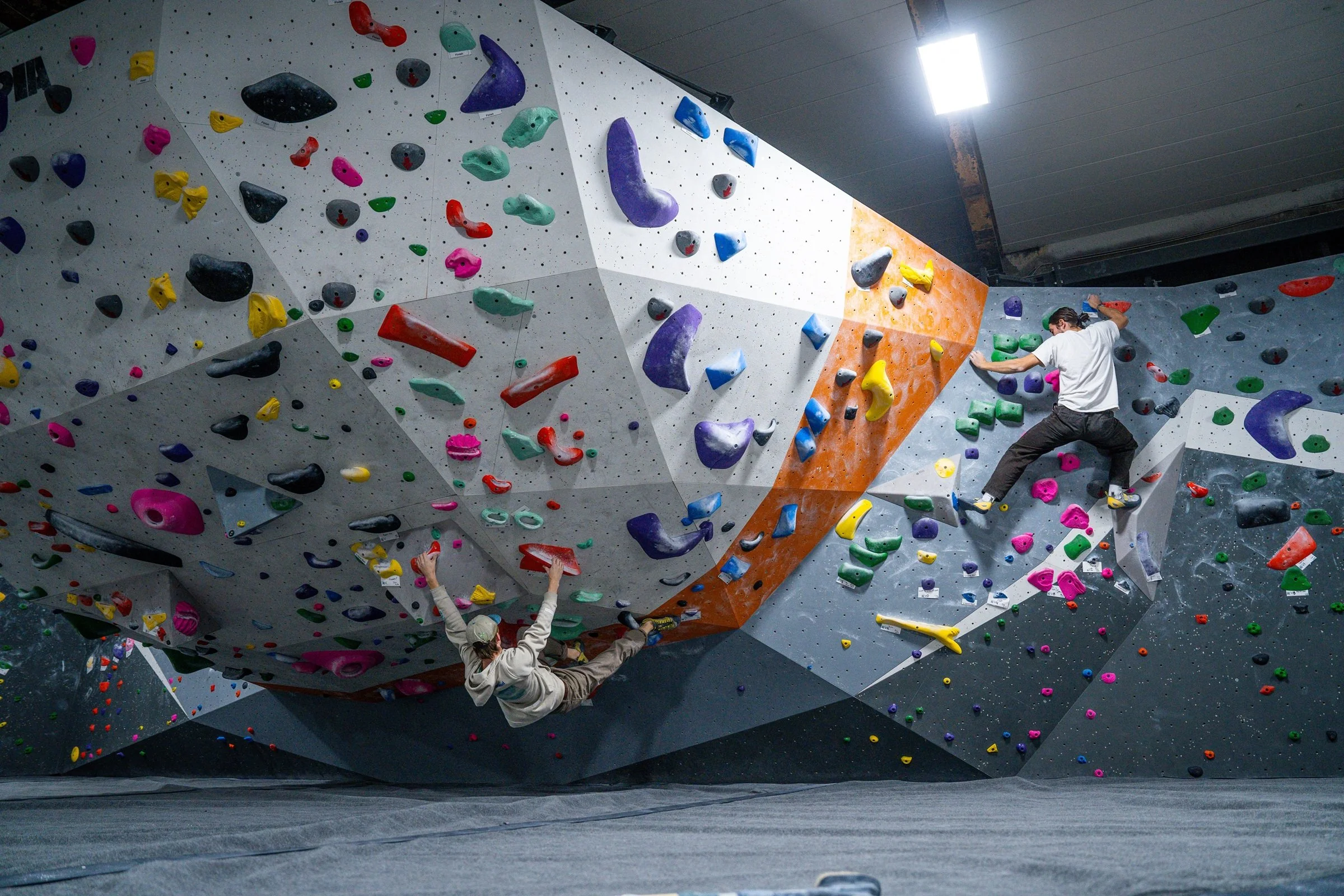
Bouldering is a popular indoor climbing type in Cincinnati, allowing climbers to ascend short walls without the use of ropes or harnesses. Typically, these climbs are under 20 feet and emphasize strength, technique, and problem-solving. This type of climbing is particularly suitable for fitness centers and gyms, as it requires less vertical space and minimal equipment, making it a cost-effective option for B2B buyers. However, the limited height may not appeal to all climbers, especially those seeking more adventurous experiences.

Illustrative image related to indoor rock climbing cincinnati ohio
How does Lead Climbing cater to diverse skill levels?
Lead climbing involves climbers ascending with ropes and harnesses, clipping into anchors as they progress. This type is found in specialized climbing gyms and adventure parks, making it an excellent fit for corporate team-building events and recreational facilities. Lead climbing supports a wide range of skill levels, enhancing safety through the use of belay systems. However, it necessitates more space and equipment, which could be a consideration for buyers looking to maximize their investment.
What makes Top-Roping a beginner-friendly option?
Top-roping is characterized by a rope that is anchored at the top of the climbing wall, providing a secure belay from below. This method is ideal for schools and recreational facilities aiming to introduce climbing to beginners. It promotes safety and confidence as climbers can focus on technique without the fear of falling. The downside is that this setup requires taller walls and careful supervision, which may increase operational costs for B2B buyers.
Why is the Moon Board a valuable tool for training?
The Moon Board is an innovative, interactive climbing wall that allows users to customize holds and routes while tracking their performance. It is particularly beneficial for training facilities and competitive environments where climbers are keen to improve their skills. The engaging nature of the Moon Board fosters a sense of community and competition among climbers. However, the initial investment and ongoing maintenance can be significant, which buyers should weigh against the potential benefits.
How does the Kilter Board enhance skill development?
The Kilter Board is an adjustable climbing wall that can be set at various angles, allowing for a dynamic climbing experience. This type is favored in training centers and gyms that emphasize skill development. The versatility of the Kilter Board makes it suitable for climbers of all skill levels, encouraging creativity and problem-solving. However, it requires adequate space and may not be the best fit for complete beginners who may need more straightforward climbing options.
Key Industrial Applications of indoor rock climbing cincinnati ohio
| Industry/Sector | Specific Application of indoor rock climbing cincinnati ohio | Value/Benefit for the Business | Key Sourcing Considerations for this Application |
|---|---|---|---|
| Fitness & Wellness | Employee team-building events at climbing facilities | Enhances teamwork and communication among employees | Proximity to urban centers for accessibility, safety protocols |
| Education & Youth Development | Youth climbing programs and camps | Fosters physical fitness and social skills in youth | Curriculum development, instructor qualifications, safety gear |
| Tourism & Recreation | Climbing tourism packages for international visitors | Attracts adventure tourists, boosting local economy | Marketing strategies, partnerships with travel agencies |
| Corporate Training & Retreats | Leadership training through climbing challenges | Develops leadership skills and resilience in employees | Customizable programs, facility capacity, and equipment rental |
| Health & Rehabilitation | Therapeutic climbing sessions for physical recovery | Supports physical rehabilitation and mental well-being | Accessibility for individuals with disabilities, trained staff |
How Can Indoor Rock Climbing Enhance Team Dynamics in the Fitness Industry?
Indoor rock climbing facilities in Cincinnati, such as Climb Cincy and Climb Time, offer unique environments for corporate team-building events. These events can enhance teamwork and communication among employees, as climbing requires collaboration, trust, and problem-solving. Businesses can benefit from improved employee morale and cohesion, which often translates to increased productivity. For international buyers, it is crucial to consider the facility’s proximity to urban centers for easy access and established safety protocols to ensure a secure climbing experience.
What Role Does Indoor Rock Climbing Play in Youth Development Programs?
Indoor climbing programs for youth are increasingly popular in Cincinnati, providing a platform for physical fitness and social interaction. Facilities like Mosaic Climbing focus on creating engaging environments that promote both mental and physical challenges. These programs can help children develop important life skills, including confidence, resilience, and teamwork. For B2B buyers from regions like Africa and South America, sourcing considerations should include the development of age-appropriate curricula, qualified instructors, and safety gear to accommodate varying skill levels.
How Can Indoor Rock Climbing Boost Local Tourism?
Cincinnati’s indoor climbing facilities present lucrative opportunities for the tourism sector by attracting adventure-seeking visitors. Climbing tourism packages can be developed to include guided climbing experiences and specialized training sessions, which not only enhance the visitor experience but also contribute to the local economy. International buyers should evaluate marketing strategies and potential partnerships with local travel agencies to effectively promote these offerings, ensuring they align with the interests of diverse tourist demographics.
In What Ways Can Indoor Rock Climbing Facilitate Corporate Training?
Corporate training programs that incorporate climbing challenges can significantly enhance leadership skills and resilience among employees. Facilities like The CRUX Sanctuary offer customized programs that cater to corporate clients, providing unique experiences that foster personal growth and team dynamics. For businesses looking to invest in such training, key sourcing considerations include the capacity of the facility to handle large groups, the availability of tailored programs, and the rental of necessary climbing equipment.

Illustrative image related to indoor rock climbing cincinnati ohio
How Does Indoor Rock Climbing Support Health and Rehabilitation Efforts?
Indoor rock climbing serves as an effective therapeutic tool for physical rehabilitation, helping individuals recover from injuries while also promoting mental well-being. Facilities in Cincinnati often provide specialized sessions led by trained staff to cater to individuals with varying abilities. International buyers should prioritize accessibility features for individuals with disabilities, as well as ensure that staff are well-trained in both climbing techniques and rehabilitation practices to maximize the benefits of this unique physical activity.
3 Common User Pain Points for ‘indoor rock climbing cincinnati ohio’ & Their Solutions
Scenario 1: Difficulty in Attracting and Retaining Clients for Indoor Climbing Facilities
The Problem: B2B buyers, such as gym owners and facility managers in the indoor rock climbing sector in Cincinnati, face the challenge of attracting and retaining clients in a highly competitive market. The influx of new climbing gyms and alternative fitness options has made it increasingly difficult to stand out. This challenge is compounded by the need to cater to a diverse clientele, from beginners to seasoned climbers, each with unique preferences and expectations.
The Solution: To effectively attract and retain clients, facilities should leverage community engagement and specialized programming. Implementing regular events such as climbing competitions, workshops, and social gatherings can create a vibrant community atmosphere that encourages repeat visits. Additionally, offering tailored programs—such as youth camps, beginner classes, and advanced training sessions—can cater to various skill levels and demographics. Investing in digital marketing strategies, including targeted social media campaigns and SEO-optimized content, will also enhance visibility and draw in potential clients. By focusing on building a strong community and promoting unique offerings, climbing facilities can differentiate themselves in the crowded Cincinnati market.
Scenario 2: Challenges with Safety and Equipment Standards
The Problem: Indoor climbing facilities must navigate the complex landscape of safety and equipment standards. B2B buyers, particularly those managing gyms, often struggle with ensuring compliance with local regulations and industry best practices. This can lead to potential liability issues and, more critically, safety risks for climbers.
The Solution: To address safety concerns, facility managers should establish comprehensive safety protocols that are regularly updated and communicated to both staff and climbers. This includes conducting routine safety inspections and staff training sessions focused on emergency procedures and proper equipment usage. Additionally, sourcing high-quality climbing equipment from reputable suppliers is essential. Facilities can benefit from establishing partnerships with manufacturers who provide not only the equipment but also training on its use and maintenance. Incorporating technology, such as automated belay systems, can further enhance safety. By prioritizing safety through proactive measures and strong supplier relationships, climbing facilities can build trust with their clientele and reduce liability risks.
Scenario 3: Limited Accessibility for Diverse Clientele
The Problem: A common pain point for B2B buyers in the indoor climbing sector is ensuring accessibility for all potential clients, including individuals with disabilities. Many climbing gyms in Cincinnati may not have the infrastructure or programs in place to accommodate climbers with varying physical abilities, which can limit their market reach and inclusivity.
The Solution: To improve accessibility, facility owners should evaluate their current layout and equipment to identify barriers for climbers with disabilities. Implementing adaptive climbing programs and specialized training for staff can create a more inclusive environment. Collaborating with local disability organizations can provide valuable insights into the needs of this demographic and help in designing programs that cater specifically to them. Additionally, promoting adaptive climbing events and showcasing success stories can enhance community awareness and encourage participation. By taking these steps, climbing facilities can not only expand their clientele but also foster a culture of inclusivity, ultimately enhancing their brand reputation in the Cincinnati area.

Illustrative image related to indoor rock climbing cincinnati ohio
Strategic Material Selection Guide for indoor rock climbing cincinnati ohio
What Are the Key Materials Used in Indoor Rock Climbing Facilities in Cincinnati, Ohio?
When selecting materials for indoor rock climbing facilities, several factors must be considered, including performance characteristics, durability, and compliance with international standards. Below, we analyze four common materials used in the construction of climbing walls and related equipment, focusing on their properties, advantages, disadvantages, and considerations for international B2B buyers.
What Are the Key Properties of Plywood in Climbing Wall Construction?
Plywood is widely used in climbing wall construction due to its strength and versatility. Key properties include high tensile strength and resistance to deformation under load, making it suitable for the dynamic forces exerted during climbing. Plywood can be treated for moisture resistance, which is essential in maintaining structural integrity in humid environments.
Pros: Plywood is relatively inexpensive, easy to manufacture, and can be cut into various shapes and sizes, allowing for creative wall designs. It is also lightweight compared to solid wood, facilitating easier installation.
Cons: While durable, plywood can be susceptible to delamination if not properly sealed, especially in environments with high humidity. Additionally, its lifespan may be shorter than that of composite materials.
Impact on Application: Plywood is compatible with various climbing holds and can be easily modified to accommodate different climbing routes.
International Considerations: Buyers should ensure that the plywood meets international standards such as ASTM D198 for structural plywood. Preferences may vary by region; for example, European buyers might prioritize sustainably sourced wood.
How Does Fiberglass Reinforced Plastic (FRP) Enhance Climbing Wall Durability?
Fiberglass Reinforced Plastic (FRP) is increasingly popular for climbing walls due to its high strength-to-weight ratio and excellent durability. FRP is resistant to corrosion, UV light, and moisture, making it ideal for indoor environments.
Pros: FRP offers exceptional longevity and low maintenance, reducing long-term operational costs. Its smooth surface allows for easy cleaning, which is beneficial for hygiene in climbing gyms.
Cons: The initial cost of FRP can be high compared to plywood, and its manufacturing process can be complex, requiring specialized equipment.

Illustrative image related to indoor rock climbing cincinnati ohio
Impact on Application: FRP can support a wide range of climbing holds and is ideal for creating intricate wall shapes.
International Considerations: Compliance with standards such as ASTM D638 for tensile properties is crucial. Buyers from regions like Africa or South America should consider local regulations regarding material sourcing and environmental impact.
What Are the Benefits of Using Steel for Climbing Hardware?
Steel is commonly used for climbing hardware, including holds, anchors, and safety equipment due to its unparalleled strength and durability. Key properties include high tensile strength and resistance to deformation under stress.
Pros: Steel is incredibly durable and can withstand significant wear and tear, making it suitable for high-traffic climbing environments. It is also recyclable, which appeals to environmentally conscious buyers.
Cons: Steel can be prone to rust if not properly treated, especially in humid conditions. Additionally, it is heavier than other materials, which can complicate installation.

Illustrative image related to indoor rock climbing cincinnati ohio
Impact on Application: Steel hardware is essential for safety systems, ensuring that climbing holds and anchors remain secure during use.
International Considerations: Compliance with standards such as EN 12275 for climbing equipment is vital. Buyers should also consider local preferences for corrosion-resistant coatings, especially in humid regions.
How Does Foam Play a Role in Climbing Gym Safety?
Foam is commonly used in crash pads and flooring in climbing gyms to provide cushioning and safety for climbers. Key properties include shock absorption and resilience, which are critical for minimizing injury risk during falls.
Pros: Foam is lightweight and easy to install, and it can be manufactured in various densities to suit different applications. It also provides excellent thermal insulation.

Illustrative image related to indoor rock climbing cincinnati ohio
Cons: Over time, foam can compress and lose its effectiveness, requiring replacement. It may also be susceptible to moisture absorption if not properly treated.
Impact on Application: Foam’s compatibility with various flooring systems enhances safety in climbing gyms.
International Considerations: Compliance with safety standards such as ASTM F1292 for impact attenuation is essential. Buyers should also consider regional preferences for foam density and composition.
Summary Table of Materials for Indoor Rock Climbing Facilities
| Material | Typical Use Case for indoor rock climbing cincinnati ohio | Key Advantage | Key Disadvantage/Limitation | Relative Cost (Low/Med/High) |
|---|---|---|---|---|
| Plywood | Climbing wall panels | Cost-effective and versatile | Susceptible to delamination | Low |
| Fiberglass Reinforced Plastic (FRP) | Climbing wall surfaces | High durability and low maintenance | Higher initial cost, complex manufacturing | High |
| Steel | Climbing hardware (holds, anchors) | Exceptional strength and durability | Prone to rust, heavier than alternatives | Medium |
| Foam | Crash pads and flooring | Excellent shock absorption | Can compress over time, moisture absorption risk | Medium |
This analysis provides valuable insights for B2B buyers in the indoor rock climbing sector, particularly those considering material selection for climbing facilities in Cincinnati, Ohio, and beyond.
In-depth Look: Manufacturing Processes and Quality Assurance for indoor rock climbing cincinnati ohio
What Are the Key Manufacturing Processes for Indoor Rock Climbing Facilities in Cincinnati, Ohio?
The manufacturing processes for indoor rock climbing facilities, particularly in Cincinnati, involve several critical stages that ensure the safety, durability, and performance of climbing walls and associated equipment. Understanding these stages can help B2B buyers evaluate potential suppliers effectively.
What Are the Main Stages of Manufacturing Indoor Rock Climbing Walls?
-
Material Preparation:
The process begins with the selection of high-quality materials, which typically include engineered wood (such as plywood), fiberglass, and polyurethane for holds. Each material is chosen for its strength, weight, and durability. The preparation phase may involve cutting and treating materials to meet specific design and safety standards. -
Forming:
This stage includes the shaping of climbing walls and holds. For climbing walls, the plywood is cut into panels that are then curved or angled to create various climbing surfaces. Techniques such as CNC machining are often employed for precision. Holds are manufactured using molds to ensure consistency in shape and texture, which are crucial for climber safety and experience. -
Assembly:
After forming, the panels and holds are assembled into a complete climbing structure. This involves securing the panels to a frame, which is often constructed from steel or aluminum for added strength. The assembly process also includes the installation of safety features, such as padding and fall zones, which are critical for user safety. -
Finishing:
The final stage involves applying finishes that enhance durability and aesthetics. This may include painting, sealing, or coating the surfaces to protect against wear and environmental factors. Finishing techniques also contribute to the overall grip and feel of the climbing holds, ensuring they meet climbers’ needs.
How Is Quality Assurance Implemented in Indoor Rock Climbing Manufacturing?
Quality assurance is a vital aspect of manufacturing indoor rock climbing facilities. It ensures that products not only meet safety standards but also provide a consistent and enjoyable climbing experience.
What Are the Relevant International Standards for Quality Assurance?
For manufacturers in Cincinnati, adherence to international standards is crucial. Some of the key standards include:
- ISO 9001: This standard outlines the requirements for a quality management system (QMS). Compliance indicates that the manufacturer is committed to consistent quality and continuous improvement.
- CE Marking: For products sold in the European market, CE marking demonstrates compliance with health, safety, and environmental protection standards.
- API Standards: For specific structural components, API (American Petroleum Institute) standards may apply, particularly concerning materials and safety certifications.
What Are the Key Quality Control Checkpoints in the Manufacturing Process?
To ensure quality, manufacturers typically implement several checkpoints throughout the production process:

Illustrative image related to indoor rock climbing cincinnati ohio
-
Incoming Quality Control (IQC):
This initial checkpoint assesses the quality of raw materials before they enter the production line. It ensures that all materials meet specified criteria and standards. -
In-Process Quality Control (IPQC):
During manufacturing, IPQC involves monitoring production processes to detect any deviations from established standards. This can include regular inspections and testing of components at various stages of assembly. -
Final Quality Control (FQC):
Once the climbing wall is assembled, FQC ensures that the final product meets all safety and quality standards. This may involve load testing, visual inspections, and functional testing of climbing holds.
How Can B2B Buyers Verify Supplier Quality Control?
For international buyers, particularly those from Africa, South America, the Middle East, and Europe, verifying a supplier’s quality control processes is essential to ensure reliability and safety.
What Methods Can Buyers Use to Verify Supplier QC?
-
Audits:
Conducting on-site audits allows buyers to assess a manufacturer’s processes, facilities, and adherence to quality standards. This firsthand evaluation can uncover potential issues and ensure compliance with international standards. -
Quality Reports:
Requesting detailed quality reports can provide insight into the manufacturer’s quality management practices. These reports should include information about testing methods, failure rates, and corrective actions taken. -
Third-Party Inspections:
Engaging third-party inspection services can offer an unbiased assessment of a supplier’s manufacturing and quality control processes. These inspections can validate compliance with industry standards and provide additional assurance to buyers.
What Are the Common Testing Methods for Indoor Rock Climbing Equipment?
Testing methods are vital for ensuring the safety and reliability of climbing walls and equipment. Common methods include:
- Load Testing: This assesses the structural integrity of climbing walls and holds, simulating real-world use to ensure they can withstand climber weight and force.
- Material Testing: Various tests, including tensile strength and impact resistance, evaluate the performance of materials used in climbing holds and wall structures.
- Durability Testing: This involves subjecting climbing holds to repeated use to assess wear and tear over time, ensuring they maintain their safety and usability.
How Do Quality Control and Certification Nuances Affect International B2B Buyers?
Understanding the nuances of quality control and certification is crucial for international buyers. Different regions may have specific requirements and standards that must be met, which can affect shipping, liability, and insurance.
- Regulatory Compliance: Buyers should be aware of local regulations in their markets, which may mandate specific certifications or testing for climbing equipment.
- Insurance Implications: Ensuring that suppliers are certified and compliant with relevant standards can mitigate risks associated with liability and insurance claims.
- Cultural and Market Considerations: Buyers from different regions may have varying expectations regarding quality and safety, necessitating clear communication with suppliers about specific requirements.
By understanding these manufacturing processes and quality assurance practices, international B2B buyers can make informed decisions when sourcing indoor rock climbing facilities and equipment from Cincinnati, Ohio. This knowledge not only helps in evaluating potential suppliers but also ensures the safety and satisfaction of end users.
Practical Sourcing Guide: A Step-by-Step Checklist for ‘indoor rock climbing cincinnati ohio’
The following guide is designed for B2B buyers looking to procure services and facilities related to indoor rock climbing in Cincinnati, Ohio. This practical checklist will help you navigate the process, ensuring you make informed decisions.
Step 1: Identify Your Target Market and Objectives
Understanding who your target audience is crucial. Are you catering to beginners, experienced climbers, or families? Define your objectives clearly—whether it’s hosting climbing competitions, offering youth programs, or providing training facilities. This clarity will guide your sourcing decisions.
Step 2: Research Local Climbing Gyms and Facilities
Compile a list of indoor climbing gyms in Cincinnati, such as Climb Cincy, Climb Time, and The CRUX Sanctuary. Look into their offerings, including bouldering, lead climbing, and training facilities. Each gym has unique features, so understanding these will help you align your objectives with the right facility.
- Key Facilities to Explore:
- Bouldering and Training Areas: Ensure the gym has adequate space and equipment for your target audience.
- Community Engagement: Evaluate how each gym fosters a community atmosphere, which can enhance your offerings.
Step 3: Evaluate Potential Suppliers
Before making commitments, it’s essential to thoroughly vet the climbing facilities. Request company profiles, testimonials, and case studies from similar businesses. This will provide insights into their reliability and quality of service.

Illustrative image related to indoor rock climbing cincinnati ohio
- What to Look For:
- Customer Reviews: Check online platforms for customer feedback to gauge satisfaction.
- Facility Safety Standards: Ensure they adhere to safety regulations and provide necessary waivers for participants.
Step 4: Assess the Range of Services Offered
Different facilities may provide varying services such as youth programming, fitness areas, and specialized training. Make a detailed list of services that align with your business goals.
- Considerations:
- Equipment Rentals: Look for gyms that offer rental services for climbing gear.
- Additional Activities: Evaluate if they provide other fitness options, like cardio equipment, which can attract a broader audience.
Step 5: Negotiate Terms and Conditions
Once you’ve narrowed down your options, initiate discussions about terms and conditions. This includes pricing structures, membership fees, and potential partnership opportunities.
- Key Negotiation Points:
- Discounts for Bulk Purchases: Inquire about discounts for group bookings or long-term partnerships.
- Event Hosting Capabilities: Discuss the possibility of hosting events or competitions, which can increase visibility for both parties.
Step 6: Verify Compliance and Certifications
Ensure that the climbing facilities are compliant with local regulations and have the necessary certifications. This step is crucial for liability and safety.
- What to Check:
- Insurance Coverage: Confirm they have adequate liability insurance.
- Staff Qualifications: Verify the qualifications and training of the staff to ensure they meet industry standards.
Step 7: Plan for Ongoing Relationship Management
After establishing a partnership, focus on maintaining a strong relationship with the climbing facility. Regular communication and feedback can enhance collaboration and lead to new opportunities.

Illustrative image related to indoor rock climbing cincinnati ohio
- Strategies for Engagement:
- Regular Check-ins: Schedule periodic meetings to discuss performance and future initiatives.
- Community Events: Consider co-hosting events to strengthen community ties and visibility.
By following this checklist, B2B buyers can effectively navigate the landscape of indoor rock climbing facilities in Cincinnati, ensuring they make well-informed decisions that align with their business goals.
Comprehensive Cost and Pricing Analysis for indoor rock climbing cincinnati ohio Sourcing
What Are the Key Cost Components in Indoor Rock Climbing Facilities in Cincinnati, Ohio?
When evaluating the cost structure of indoor rock climbing facilities in Cincinnati, several key components must be considered. These include materials, labor, manufacturing overhead, tooling, quality control (QC), logistics, and profit margins.
-
Materials: The primary materials required for climbing walls include high-quality plywood, resin, and holds made from durable materials like polyurethane or polyester. The cost of these materials can fluctuate based on quality, supplier relationships, and sourcing locations, which may affect international buyers.
-
Labor: Labor costs encompass salaries for skilled workers who install climbing walls and manage day-to-day operations. In Cincinnati, the average wage for skilled labor in construction can impact overall pricing. Additionally, hiring experienced route setters can enhance the facility’s reputation and customer satisfaction, though it may come at a premium.
-
Manufacturing Overhead: This includes utilities, rent, and other fixed costs associated with maintaining a climbing facility. The overhead can vary significantly depending on the location’s rental rates and local taxes.
-
Tooling and Equipment: Investments in climbing-specific equipment, such as harnesses, crash pads, and training devices, add to initial capital costs. Regular maintenance and upgrades to equipment can also contribute to ongoing expenses.
-
Quality Control (QC): Ensuring safety and compliance with industry standards is paramount in climbing facilities. Regular inspections and certifications may incur additional costs but are essential for maintaining operational integrity and customer trust.
-
Logistics: Shipping and installation of climbing walls, especially if sourced from overseas, can introduce complexities and additional costs, particularly for international buyers. Shipping logistics, customs duties, and import tariffs can all impact the final price.
-
Margin: Profit margins for climbing facilities typically range from 10% to 30%, depending on the business model and local competition. Facilities that offer unique experiences or premium services can often command higher margins.
How Do Price Influencers Affect Indoor Rock Climbing Facility Costs?
Several factors influence pricing, especially for international B2B buyers sourcing climbing facilities:

Illustrative image related to indoor rock climbing cincinnati ohio
-
Volume/MOQ (Minimum Order Quantity): Larger orders can lead to significant discounts, making it crucial for buyers to consider their long-term needs and growth potential.
-
Specifications and Customization: Custom features, such as themed walls or specialized training equipment, can increase costs. Buyers should clearly define their requirements to avoid unexpected expenses.
-
Material Quality and Certifications: Facilities using higher-quality materials or those that comply with specific safety certifications may charge a premium. International buyers should ensure that materials meet both local and international safety standards.
-
Supplier Factors: Relationships with suppliers, including reliability and reputation, can impact pricing. Establishing long-term partnerships can lead to better pricing and service.
-
Incoterms: Understanding Incoterms is critical for international transactions, as they define responsibilities for shipping, insurance, and tariffs. Properly negotiating these terms can lead to significant cost savings.
What Buyer Tips Should International B2B Buyers Consider?
For international B2B buyers, especially those from regions like Africa, South America, the Middle East, and Europe, navigating the cost landscape of indoor rock climbing facilities requires strategic planning:
-
Negotiation: Leverage your purchasing power by negotiating pricing and terms with suppliers. Be transparent about your needs and explore flexible payment options.
-
Cost-Efficiency: Analyze the Total Cost of Ownership (TCO), which includes not just purchase price but ongoing maintenance, logistics, and operational costs. This holistic view can lead to better financial decisions.
-
Pricing Nuances: Be aware of currency fluctuations and economic conditions in both your country and the supplier’s region, as these can impact pricing. Consider hedging strategies if dealing in foreign currencies.
-
Local Partnerships: Establishing connections with local distributors or partners can simplify logistics and reduce costs. Local knowledge can also provide insights into market trends and customer preferences.
-
Disclaimer for Indicative Prices: Keep in mind that prices can vary widely based on the factors discussed. Always seek updated quotes and be prepared for potential changes in costs based on market dynamics.
By understanding these components and influences, B2B buyers can make informed decisions when sourcing indoor rock climbing facilities in Cincinnati, Ohio.
Alternatives Analysis: Comparing indoor rock climbing cincinnati ohio With Other Solutions
Introduction to Alternative Solutions for Indoor Rock Climbing
When considering indoor rock climbing options in Cincinnati, Ohio, it is essential to evaluate various alternatives that can fulfill similar objectives. These alternatives may provide unique benefits and drawbacks, allowing businesses to choose the most appropriate solution based on their specific requirements. In this analysis, we will compare indoor rock climbing facilities in Cincinnati with two alternative solutions: outdoor rock climbing and fitness climbing simulators.
Comparison Table
| Comparison Aspect | Indoor Rock Climbing Cincinnati Ohio | Outdoor Rock Climbing | Fitness Climbing Simulators |
|---|---|---|---|
| Performance | High-quality climbing experiences with varied routes and challenges | Natural climbing with real rock formations | Simulated climbing experience with adjustable difficulty |
| Cost | Memberships or day passes typically range from $15-$25 | Costs vary; often free, but travel and gear are additional expenses | Initial equipment costs can be high; apps or memberships may also apply |
| Ease of Implementation | Easy access with multiple locations, well-structured programs | Requires travel to climbing sites, permits, and preparation | Can be set up in gyms or homes, but requires a learning curve |
| Maintenance | Regular upkeep by gym staff; equipment provided | Minimal maintenance; natural sites can require safety checks | Requires periodic updates and maintenance of equipment |
| Best Use Case | Ideal for beginners, families, and community building | Suitable for experienced climbers seeking adventure | Great for fitness enthusiasts looking for a challenging workout |
Detailed Breakdown of Alternatives
Outdoor Rock Climbing
Outdoor rock climbing offers a unique experience that combines adventure with nature. The primary advantage is the authenticity of climbing on real rock formations, which can be more exhilarating than indoor options. However, outdoor climbing can be less accessible due to location, weather conditions, and the need for specialized gear. Additionally, safety measures such as permits and local regulations must be considered, making it less straightforward than visiting an indoor facility.
Fitness Climbing Simulators
Fitness climbing simulators are increasingly popular as they provide a controlled environment for climbing practice. These machines can simulate various climbing conditions and allow users to adjust the difficulty level, making them suitable for all skill levels. However, the initial cost for high-quality simulators can be significant, and they may lack the community aspect found in traditional climbing gyms. Furthermore, while they offer a good workout, they may not replicate the full experience of climbing on natural rock.

Illustrative image related to indoor rock climbing cincinnati ohio
Conclusion: Choosing the Right Solution for Your Needs
When selecting the best climbing option for your business or organization, it is crucial to evaluate the specific needs of your target audience. Indoor rock climbing facilities in Cincinnati provide a comprehensive experience with structured programs and community engagement, making them ideal for families and beginners. In contrast, outdoor climbing may appeal to more adventurous clients, while fitness climbing simulators can cater to those focused on personal fitness and skill development. Assessing factors such as performance, cost, and ease of implementation will help B2B buyers make informed decisions that align with their goals and customer preferences.
Essential Technical Properties and Trade Terminology for indoor rock climbing cincinnati ohio
What Are the Essential Technical Properties for Indoor Rock Climbing Facilities in Cincinnati, Ohio?
When considering the establishment or enhancement of an indoor rock climbing facility, understanding the technical properties of climbing walls and equipment is paramount. Here are some critical specifications that B2B buyers should focus on:
-
Material Grade
– Definition: The quality of materials used in climbing walls, typically including plywood, polyester resin, and fiberglass.
– Importance: High-grade materials ensure durability and safety, which are essential for a climbing gym’s reputation and compliance with safety regulations. For instance, using marine-grade plywood can enhance moisture resistance, crucial in humid environments. -
Wall Tolerance
– Definition: The acceptable variations in the dimensions and angles of climbing walls.
– Importance: Precise wall construction tolerances are vital for ensuring the climbing routes are safe and challenging. Tighter tolerances mean better control over the difficulty of routes, which can attract more experienced climbers and enhance the gym’s appeal. -
Load-Bearing Capacity
– Definition: The maximum weight that climbing walls and holds can support without failure.
– Importance: Understanding load-bearing capacities is crucial for safety. This specification ensures that the climbing structures can withstand the dynamic forces exerted by climbers, preventing accidents and liability issues. -
Climbing Hold Specifications
– Definition: Dimensions, shapes, and textures of climbing holds.
– Importance: Different types of holds (e.g., jugs, crimps, slopers) cater to various climbing styles and skill levels. A diverse selection of holds can enhance the climbing experience, making the gym attractive to a broader audience. -
Surface Finish
– Definition: The texture and treatment of climbing wall surfaces.
– Importance: Proper surface finishes can influence grip and safety. A well-finished surface reduces the risk of injuries and enhances the overall climbing experience, directly impacting customer satisfaction and retention. -
Safety Features
– Definition: Includes padded flooring, safety mats, and fall protection systems.
– Importance: Investing in high-quality safety features is non-negotiable in the climbing industry. This not only complies with legal standards but also builds trust with customers, encouraging repeat visits.
What Are Common Trade Terms Used in the Indoor Rock Climbing Industry?
Understanding industry terminology is essential for effective communication and negotiation in the B2B landscape of indoor rock climbing facilities. Here are some common trade terms:
-
OEM (Original Equipment Manufacturer)
– Definition: A company that produces parts or equipment that may be marketed by another manufacturer.
– Importance: When sourcing climbing holds or wall components, knowing whether you’re dealing with OEM products can help you assess quality and compatibility with existing installations. -
MOQ (Minimum Order Quantity)
– Definition: The smallest number of units that a supplier is willing to sell.
– Importance: Understanding MOQs can significantly influence purchasing decisions, especially for bulk equipment orders. It helps in budgeting and inventory management for climbing gyms. -
RFQ (Request for Quotation)
– Definition: A document issued by a buyer to request price quotes from suppliers.
– Importance: Utilizing RFQs allows climbing gym operators to compare costs and negotiate better deals for equipment and materials, ensuring they get value for their investments. -
Incoterms (International Commercial Terms)
– Definition: A set of rules that define responsibilities of sellers and buyers in international transactions.
– Importance: Familiarity with Incoterms can help gym owners navigate shipping logistics and cost allocations when importing climbing equipment from overseas suppliers. -
Lead Time
– Definition: The time between placing an order and receiving it.
– Importance: Understanding lead times is critical for planning facility upgrades or new installations, ensuring that operations are not disrupted and customer expectations are met. -
Certification Standards
– Definition: Guidelines and regulations that climbing equipment and facilities must meet to ensure safety and performance.
– Importance: Awareness of certification standards (e.g., EN 12572 for climbing walls) is essential for compliance and liability management, ensuring that the facility operates within legal requirements.
By grasping these technical properties and trade terms, B2B buyers in the indoor rock climbing industry can make informed decisions that enhance the operational success and safety of their climbing facilities in Cincinnati, Ohio.
Navigating Market Dynamics and Sourcing Trends in the indoor rock climbing cincinnati ohio Sector
What Are the Current Market Dynamics and Key Trends in the Indoor Rock Climbing Sector in Cincinnati, Ohio?
The indoor rock climbing market in Cincinnati is experiencing significant growth, driven by a global surge in health consciousness and the rising popularity of adventure sports. This trend is particularly appealing to younger demographics, who are increasingly seeking unique recreational activities. For international B2B buyers, especially from regions like Africa, South America, the Middle East, and Europe, the Cincinnati sector presents lucrative opportunities. The region boasts a variety of climbing facilities, from bouldering gyms like Climb Cincy to comprehensive centers such as Climb Time, catering to all skill levels.
Emerging technologies in the sector include advanced climbing wall systems and automated route setting, which enhance user experience and operational efficiency. Moreover, the increasing incorporation of social media in marketing strategies allows gyms to engage with their communities and attract international visitors. B2B buyers can capitalize on these trends by sourcing innovative climbing equipment and technology that aligns with the evolving demands of climbers, both local and international.
How Are Sustainability and Ethical Sourcing Influencing the Indoor Rock Climbing Industry?
Sustainability has become a critical consideration for businesses in the indoor rock climbing sector. Environmental impacts associated with climbing equipment production, such as the use of synthetic materials, necessitate a shift towards eco-friendly alternatives. B2B buyers are increasingly prioritizing suppliers that offer sustainable products, including climbing holds made from recycled materials and energy-efficient gym facilities.
Ethical sourcing is also gaining traction, with an emphasis on transparent supply chains. Buyers are encouraged to seek partnerships with manufacturers that adhere to fair labor practices and environmentally responsible production methods. Certifications such as ISO 14001 for environmental management can serve as indicators of a company’s commitment to sustainability. By aligning with these values, businesses can not only appeal to a growing base of environmentally conscious consumers but also enhance their brand reputation on a global scale.

Illustrative image related to indoor rock climbing cincinnati ohio
What Is the Brief Evolution of the Indoor Rock Climbing Scene in Cincinnati, Ohio?
The indoor rock climbing scene in Cincinnati has evolved significantly over the past few decades. Initially emerging in the early 1990s with facilities like Climb Time, the market has expanded to include a diverse array of climbing gyms that cater to various skill levels and climbing styles. This evolution has been characterized by the introduction of innovative climbing technologies, such as automated belay systems and advanced wall materials, which enhance safety and user experience.
As the sport gained popularity, the focus shifted from merely providing climbing facilities to creating vibrant communities that engage climbers through events and competitions. This community-centric approach has not only fostered a loyal customer base but has also positioned Cincinnati as a regional hub for climbing enthusiasts, further attracting international interest and investment in the sector.
Frequently Asked Questions (FAQs) for B2B Buyers of indoor rock climbing cincinnati ohio
-
How do I assess the quality of indoor rock climbing facilities in Cincinnati?
To evaluate the quality of indoor rock climbing facilities in Cincinnati, consider several factors: the variety of climbing walls (including bouldering and lead climbing), the safety measures in place, and the qualifications of the staff. Visiting the facility, if possible, allows you to assess the condition of the equipment, cleanliness, and overall environment. Additionally, reviews from other climbers can provide insights into the community atmosphere and the gym’s commitment to safety and customer satisfaction. -
What is the best indoor rock climbing gym for corporate team-building activities in Cincinnati?
For corporate team-building activities, facilities like Climb Cincy and The CRUX Sanctuary offer tailored programs that foster teamwork and collaboration. These gyms provide a variety of climbing options and often host events that can accommodate groups of different skill levels. Engaging with the gym staff to customize the experience based on your team’s needs can enhance the overall effectiveness of the event. -
How can I verify the safety standards of indoor climbing gyms in Cincinnati?
Verifying the safety standards of climbing gyms involves checking if they comply with local regulations and industry standards. Request documentation on safety protocols, staff certifications (such as First Aid and CPR), and equipment maintenance records. You can also inquire about the gym’s incident history and how they handle emergencies. Reviews and testimonials from previous users can further highlight their commitment to safety. -
What are the typical payment terms for B2B transactions with indoor climbing gyms in Cincinnati?
Payment terms can vary widely depending on the provider. Many gyms may require upfront payments for group bookings or corporate events, while others might offer net 30 or net 60 terms for larger contracts. It’s advisable to discuss payment options during negotiations, including deposits, invoicing procedures, and any available discounts for bulk purchases or long-term agreements. -
What are the minimum order quantities (MOQ) for climbing equipment from Cincinnati suppliers?
MOQs for climbing equipment can differ based on the supplier and the type of equipment. Many suppliers are flexible, especially for first-time buyers, while others may set a minimum based on production costs. When sourcing equipment, always clarify MOQ requirements and explore potential for bundling orders to meet these thresholds. This ensures cost-effectiveness and enhances supplier relationships. -
How can I ensure the climbing equipment meets international safety standards?
To ensure climbing equipment meets international safety standards, request certifications from suppliers, such as CE (European Conformity) or UIAA (International Climbing and Mountaineering Federation) certifications. It’s also beneficial to verify that the products undergo rigorous testing and quality assurance processes. Establishing a reliable relationship with suppliers who prioritize safety can mitigate risks associated with equipment failure. -
What logistics considerations should I keep in mind when importing climbing gear from Cincinnati?
When importing climbing gear, consider shipping methods, customs duties, and import regulations specific to your country. Engage with logistics partners experienced in handling sports equipment to ensure compliance with safety and labeling requirements. Additionally, factor in lead times for production and shipping, especially if you’re sourcing large quantities or customized items. -
How do I vet suppliers for indoor climbing facilities and equipment?
Vetting suppliers involves researching their reputation, customer reviews, and industry experience. Request references from previous clients, and evaluate their responsiveness and willingness to engage in discussions about your needs. Visiting the facility or showroom can also provide valuable insights into their operational standards and product quality. Utilizing platforms like LinkedIn or industry-specific forums can help identify reputable suppliers in the Cincinnati area.
Top 1 Indoor Rock Climbing Cincinnati Ohio Manufacturers & Suppliers List
1. Climb Cincy – Bouldering Gym

Domain: climbcincy.com
Registered: 2017 (8 years)
Introduction: Climb Cincy is a bouldering-only gym located at 1708 Blue Rock Street, Cincinnati, OH 45223. The gym features various climbing options including Bouldering, Moon Board, Kilter Board, Hangboards, and Campus Boards. It offers a range of amenities such as cardio equipment, weights, warmup areas, workout benches, treadmills, exercise bikes, and ellipticals. Climbers can rent shoes, buy basic equipment…
Strategic Sourcing Conclusion and Outlook for indoor rock climbing cincinnati ohio
In summary, the indoor rock climbing market in Cincinnati, Ohio, presents a wealth of opportunities for international B2B buyers. The diverse offerings from local gyms, such as bouldering facilities and comprehensive training programs, cater to a wide range of skill levels, from beginners to seasoned climbers. Key players like Climb Cincy, Climb Time, and Mosaic Climbing emphasize community engagement and innovative climbing experiences, which are essential for attracting a loyal customer base.
Strategic sourcing in this sector not only involves identifying suppliers for climbing equipment and gym infrastructure but also understanding the local market dynamics and customer preferences. By forging partnerships with Cincinnati’s climbing gyms, international buyers can gain insights into emerging trends and best practices, enhancing their competitive edge in the global market.
Looking ahead, as the popularity of indoor rock climbing continues to grow worldwide, now is the ideal time for B2B stakeholders from regions like Africa, South America, the Middle East, and Europe to engage with Cincinnati’s climbing community. Embrace this opportunity to expand your business portfolio and capitalize on the climbing boom by connecting with local experts and exploring collaborative ventures that will drive mutual growth.
Important Disclaimer & Terms of Use
⚠️ Important Disclaimer
The information provided in this guide, including content regarding manufacturers, technical specifications, and market analysis, is for informational and educational purposes only. It does not constitute professional procurement advice, financial advice, or legal advice.
While we have made every effort to ensure the accuracy and timeliness of the information, we are not responsible for any errors, omissions, or outdated information. Market conditions, company details, and technical standards are subject to change.
B2B buyers must conduct their own independent and thorough due diligence before making any purchasing decisions. This includes contacting suppliers directly, verifying certifications, requesting samples, and seeking professional consultation. The risk of relying on any information in this guide is borne solely by the reader.
