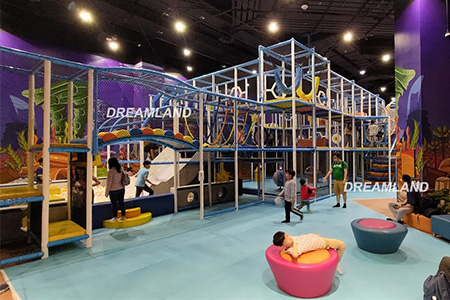
Introduction: Navigating the Global Market for indoor playground places
In an increasingly competitive landscape, sourcing the right indoor playground places is essential for businesses looking to capitalize on the growing demand for family-friendly entertainment. As urbanization rises and leisure time becomes more valuable, the challenge for B2B buyers—especially in regions like Africa, South America, the Middle East, and Europe—is identifying high-quality suppliers that align with their specific market needs. This guide aims to equip international buyers with the knowledge to navigate the multifaceted world of indoor playgrounds, covering various types, applications, supplier vetting processes, cost considerations, and innovative design trends.
From soft play areas that cater to toddlers to adrenaline-pumping climbing walls for older kids, the scope of indoor playgrounds is vast. Each type of facility serves unique demographics, making it crucial for buyers to understand their target audience’s preferences and the local market dynamics. This comprehensive resource not only highlights the best practices for sourcing but also emphasizes the importance of safety standards, customer engagement strategies, and potential partnerships.
By leveraging the insights provided in this guide, B2B buyers can make informed purchasing decisions that enhance their offerings and meet the evolving expectations of families seeking engaging play experiences. Whether you’re operating in bustling urban centers or emerging markets, this guide is your key to unlocking the potential of indoor playground places, ensuring your business remains at the forefront of the industry.
Understanding indoor playground places Types and Variations
| Type Name | Key Distinguishing Features | Primary B2B Applications | Brief Pros & Cons for Buyers |
|---|---|---|---|
| Trampoline Parks | Wall-to-wall trampolines, foam pits, and dodgeball courts | Family entertainment centers, gyms | Pros: High energy, attracts diverse age groups. Cons: High operational costs and safety regulations. |
| Soft Play Areas | Multi-level structures with soft surfaces for younger kids | Daycares, family entertainment venues | Pros: Safe for toddlers, encourages imaginative play. Cons: Limited appeal for older children. |
| Adventure Playgrounds | Climbing walls, obstacle courses, and zip lines | Theme parks, recreational facilities | Pros: Unique experiences, promotes physical fitness. Cons: Requires extensive space and investment. |
| Educational Play Spaces | Themed environments for learning through play | Schools, museums, community centers | Pros: Engaging educational content, ideal for field trips. Cons: Potentially higher costs for specialized equipment. |
| Play Cafes | Combination of play areas and food/beverage services | Cafes, family-friendly restaurants | Pros: Attracts parents, encourages longer visits. Cons: Requires effective management of food and play areas. |
What Are the Characteristics of Trampoline Parks?
Trampoline parks are designed to provide high-energy entertainment through interconnected trampolines, foam pits, and various obstacle courses. They cater to a broad age range, making them suitable for family entertainment centers and gyms. B2B buyers should consider the safety measures, maintenance costs, and the need for trained staff to manage the facility. While trampoline parks can attract large crowds and generate significant revenue, they also face stringent safety regulations and high operational costs.
How Do Soft Play Areas Appeal to Young Families?
Soft play areas are tailored for younger children, featuring multi-level structures with soft surfaces to ensure safety during play. These spaces are ideal for daycares and family entertainment venues, providing a secure environment for toddlers and preschoolers. When considering a purchase, B2B buyers should evaluate the durability of materials, ease of cleaning, and the design’s ability to stimulate imaginative play. While soft play areas offer a safe haven for little ones, they may not attract older children, limiting their overall appeal.

Illustrative image related to indoor playground places
What Makes Adventure Playgrounds a Unique Offering?
Adventure playgrounds combine physical challenges like climbing walls and zip lines with interactive elements to foster exploration and fitness. They are suitable for theme parks and recreational facilities, appealing to families seeking unique experiences. Buyers should assess the space requirements, safety protocols, and the investment needed for high-quality equipment. Although these playgrounds can provide thrilling experiences, they often necessitate significant capital investment and ongoing maintenance.
Why Invest in Educational Play Spaces?
Educational play spaces are designed to merge learning with play, featuring themed environments that promote cognitive development. These spaces are ideal for schools, museums, and community centers, making them suitable for field trips and educational programs. B2B buyers should consider the alignment of play equipment with educational goals, as well as the potential for collaborations with educational organizations. While they can be more costly due to specialized designs, the value of fostering learning through play can lead to high demand.
How Do Play Cafes Enhance Family Experiences?
Play cafes combine play areas with food and beverage services, creating a family-friendly environment that encourages parents to relax while their children play. They are increasingly popular in cafes and restaurants targeting families. Buyers should focus on the layout that balances play space with dining areas, as well as the quality of food offerings. While play cafes can enhance customer retention and satisfaction, effective management is crucial to maintain cleanliness and safety in both play and dining areas.

Illustrative image related to indoor playground places
Key Industrial Applications of indoor playground places
| Industry/Sector | Specific Application of indoor playground places | Value/Benefit for the Business | Key Sourcing Considerations for this Application |
|---|---|---|---|
| Family Entertainment Centers | Hosting children’s birthday parties and events | Attracts families, increasing foot traffic and revenue | Safety standards, age-appropriate equipment, durability |
| Education and Childcare | Enhancing learning through play in educational settings | Supports child development and engagement | Space requirements, educational value, compliance with local regulations |
| Retail and Shopping Malls | Creating a family-friendly environment to boost sales | Increases dwell time and encourages spending | Integration with existing layout, maintenance, cleanliness standards |
| Hospitality and Tourism | Offering entertainment options in hotels and resorts | Enhances guest experience and satisfaction | Space allocation, safety regulations, theme alignment |
| Health and Wellness | Providing recreational spaces in health clubs or community centers | Promotes physical activity and social interaction | Equipment safety, multi-use capabilities, accessibility |
How Are Indoor Playgrounds Used in Family Entertainment Centers?
Family entertainment centers (FECs) utilize indoor playgrounds to host children’s birthday parties and special events, creating a vibrant atmosphere that attracts families. These venues benefit from increased foot traffic and revenue, as parents are willing to spend on entertainment options that keep their children engaged. Buyers in this sector must prioritize safety standards and ensure that equipment is durable and age-appropriate to meet diverse customer needs.
What Role Do Indoor Playgrounds Play in Education and Childcare?
In educational settings, indoor playgrounds serve as vital tools for enhancing learning through play. They support child development by providing an engaging environment that fosters creativity and social skills. For B2B buyers in education and childcare, considerations include space requirements, the educational value of the equipment, and compliance with local regulations to ensure a safe and enriching experience for children.
How Do Indoor Playgrounds Enhance Retail and Shopping Malls?
Retail environments, particularly shopping malls, benefit from incorporating indoor playgrounds to create family-friendly spaces that encourage longer visits. This strategy increases dwell time and spending as parents can shop while their children play. Buyers need to consider how the playground will integrate with the existing layout, as well as maintenance and cleanliness standards to maintain a welcoming atmosphere.

Illustrative image related to indoor playground places
In What Ways Do Indoor Playgrounds Contribute to Hospitality and Tourism?
Hotels and resorts leverage indoor playgrounds as entertainment options for families, enhancing guest experiences and satisfaction. By offering a safe and engaging space for children, these facilities attract more family bookings. Buyers in the hospitality sector should focus on space allocation, adherence to safety regulations, and ensuring the playground theme aligns with the overall hotel ambiance to maximize appeal.
How Are Indoor Playgrounds Beneficial in Health and Wellness Facilities?
Indoor playgrounds in health clubs or community centers promote physical activity and social interaction among children, contributing to overall wellness. They serve as a valuable addition that encourages families to engage in healthy lifestyles together. Buyers must ensure that the equipment meets safety standards, offers multi-use capabilities, and is accessible to children of all abilities to promote inclusivity.
3 Common User Pain Points for ‘indoor playground places’ & Their Solutions
Scenario 1: High Operational Costs Impacting Profitability
The Problem: B2B buyers, particularly operators of indoor playgrounds, often grapple with high operational costs that significantly impact profitability. This includes expenses for utilities, staffing, maintenance, and insurance. In regions such as Africa and South America, where economic conditions can fluctuate, managing these costs becomes even more challenging. Many buyers find themselves in a tight spot, trying to balance quality service and affordability, which can lead to compromised customer experiences and reduced repeat business.
The Solution: To mitigate high operational costs, buyers should focus on strategic partnerships and bulk purchasing agreements. By collaborating with suppliers of playground equipment and maintenance services, buyers can secure better pricing through volume discounts. Moreover, investing in energy-efficient systems and smart technology can significantly reduce utility costs. Implementing a robust maintenance schedule can prevent costly repairs in the long run. Regularly reviewing and renegotiating service contracts can also help ensure competitive pricing, allowing for more effective budget management and improved profitability.
Scenario 2: Ensuring Safety and Compliance in Varied Markets
The Problem: Indoor playground operators face the daunting task of ensuring safety and compliance with local regulations, which can vary widely across different countries and regions. For instance, safety standards in Europe may differ significantly from those in Africa or the Middle East. This inconsistency can lead to confusion, potential legal issues, and increased liability risks. Buyers are often unsure about how to adapt their facilities to meet these diverse requirements, which can hinder expansion plans or operational continuity.

Illustrative image related to indoor playground places
The Solution: To address safety and compliance challenges, B2B buyers should prioritize thorough research on local regulations and standards. Engaging with local authorities and industry experts can provide valuable insights into specific compliance requirements. Additionally, investing in high-quality, certified equipment that meets international safety standards can help streamline the compliance process. Regular training for staff on safety protocols and emergency procedures is essential. Establishing a safety audit process can also ensure that the facility adheres to the required standards, reducing liability risks and fostering a safer environment for children.
Scenario 3: Attracting and Retaining Customers Amidst Competition
The Problem: In the highly competitive indoor playground industry, attracting and retaining customers is a significant concern for B2B buyers. With numerous options available, families often choose venues based on unique offerings and overall experiences. Buyers frequently struggle to differentiate their facilities from competitors, leading to stagnant or declining visitor numbers, especially in markets with a growing number of indoor play options.
The Solution: To stand out in a crowded market, buyers should focus on creating a unique value proposition that resonates with their target audience. This could involve offering specialized programs, such as themed events, educational workshops, or exclusive membership deals that provide added value. Utilizing digital marketing strategies, such as social media campaigns and targeted ads, can effectively reach potential customers. Additionally, gathering and acting on customer feedback can help tailor offerings to meet evolving preferences. Creating a loyalty program that rewards repeat visitors can also enhance customer retention, encouraging families to return and recommend the facility to others.

Illustrative image related to indoor playground places
Strategic Material Selection Guide for indoor playground places
What Are the Key Materials Used in Indoor Playground Construction?
When selecting materials for indoor playgrounds, several options stand out due to their performance characteristics and suitability for various applications. The most common materials include plastic, metal, wood, and foam. Each material has distinct properties, advantages, and limitations that influence their use in indoor playground environments.
How Does Plastic Perform in Indoor Playgrounds?
Plastic is a versatile material widely used in indoor playgrounds, particularly for play structures and safety surfaces. Key properties include excellent corrosion resistance, low weight, and high impact resistance. Plastics such as polyethylene and polypropylene are commonly used due to their durability and ease of maintenance.
Pros: Plastic is generally cost-effective, lightweight, and resistant to mold and mildew, making it suitable for humid environments. It can be molded into various shapes, allowing for creative designs.
Cons: However, plastic can be less durable than other materials under extreme conditions and may become brittle over time if exposed to UV light. Additionally, it may not support heavy loads as effectively as metal or wood.

Illustrative image related to indoor playground places
For international buyers, compliance with safety standards such as ASTM F963 (USA) or EN 1176 (Europe) is crucial. Understanding local regulations regarding material safety is essential, especially in regions like Africa and South America, where standards may vary.
What Role Does Metal Play in Indoor Playground Design?
Metal, particularly steel and aluminum, is frequently used for structural components and frames in indoor playgrounds. Key properties include high strength-to-weight ratios, excellent durability, and resistance to deformation under load.
Pros: Metal structures offer superior durability and can withstand heavy use, making them ideal for high-traffic areas. They are also resistant to pests and environmental factors.

Illustrative image related to indoor playground places
Cons: The main drawbacks include higher costs compared to plastic and the potential for corrosion if not treated properly. Additionally, metal components can be heavier, which may complicate installation.
International buyers should consider compliance with standards such as DIN (Germany) or JIS (Japan) for metal products. Understanding local sourcing options for metal can also impact cost and availability.
Why Is Wood a Popular Choice for Indoor Play Areas?
Wood is often chosen for its aesthetic appeal and natural feel, making it a popular choice for indoor playgrounds. Key properties include strength, versatility, and a warm appearance that appeals to both children and parents.

Illustrative image related to indoor playground places
Pros: Wood provides excellent structural integrity and can be treated to enhance durability. It is also environmentally friendly when sourced sustainably, aligning with growing trends in eco-conscious design.
Cons: However, wood requires regular maintenance to prevent rot and damage from moisture. It may also be more expensive than synthetic alternatives and can be susceptible to pests.
For international buyers, ensuring compliance with standards like EN 71 (Europe) for toy safety is essential. Buyers should also consider the availability of sustainably sourced wood in their regions, particularly in Africa and South America, where sourcing practices may vary.
How Does Foam Contribute to Safety in Indoor Playgrounds?
Foam is primarily used for safety padding in play areas, providing cushioning for falls and impacts. Key properties include lightweight, flexibility, and excellent shock absorption.

Illustrative image related to indoor playground places
Pros: Foam is highly effective at reducing injury risk, making it an essential component in playground design. It is also easy to install and can be customized to fit various shapes and sizes.
Cons: The main limitation of foam is its susceptibility to wear and tear over time, especially in high-traffic areas. It may also require regular replacement to maintain safety standards.
International buyers should ensure that foam products meet relevant safety standards, such as ASTM D3574 for physical properties. Consideration of local environmental conditions is also important, as high humidity can affect foam longevity.

Illustrative image related to indoor playground places
Summary Table of Material Selection for Indoor Playgrounds
| Material | Typical Use Case for indoor playground places | Key Advantage | Key Disadvantage/Limitation | Relative Cost (Low/Med/High) |
|---|---|---|---|---|
| Plastic | Play structures, safety surfaces | Lightweight and corrosion-resistant | Less durable under extreme conditions | Low |
| Metal | Structural components, frames | High durability and strength | Higher cost and potential for corrosion | High |
| Wood | Play structures, aesthetic elements | Natural appearance and structural integrity | Requires maintenance and can be pest-prone | Medium |
| Foam | Safety padding and cushioning | Excellent shock absorption | Susceptible to wear and tear | Medium |
This guide provides insights into material selection for indoor playgrounds, helping international B2B buyers make informed decisions based on performance, cost, and compliance with relevant standards.
In-depth Look: Manufacturing Processes and Quality Assurance for indoor playground places
What Are the Key Stages in the Manufacturing Process of Indoor Playgrounds?
The manufacturing process for indoor playgrounds involves several critical stages that ensure the final product meets safety and quality standards. These stages typically include material preparation, forming, assembly, and finishing.
-
Material Preparation: The first step involves selecting high-quality materials that can withstand the rigors of play. Common materials include high-density polyethylene (HDPE), metal components, and foam for padding. Suppliers should ensure that all materials are sourced from reputable manufacturers to guarantee durability and safety.
-
Forming: During this stage, raw materials are shaped into the required components. Techniques such as injection molding are commonly used for plastic parts, while metal components may undergo processes like laser cutting or bending. Precision is critical here to ensure that parts fit together seamlessly during assembly.
-
Assembly: Once all components are formed, they are assembled into the final playground structure. This process may involve both manual labor and automated machinery. Quality assurance is crucial at this stage to ensure that all components are securely attached and that the structure is stable and safe for children.
-
Finishing: The final stage includes applying protective coatings and finishes to enhance durability and aesthetics. This may involve painting, powder coating, or adding non-toxic sealants. The finishing process not only improves the visual appeal but also helps in safeguarding the playground from wear and tear.
How Is Quality Assurance Implemented in Indoor Playground Manufacturing?
Quality assurance (QA) is a vital part of the manufacturing process for indoor playgrounds, ensuring that products meet international safety and quality standards. Key quality assurance practices include adherence to relevant international standards, QC checkpoints, and common testing methods.
-
International Standards: Compliance with international standards such as ISO 9001 is essential for manufacturers aiming to sell their products globally. ISO 9001 provides a framework for quality management systems, helping companies ensure consistent quality in their products. Additionally, industry-specific certifications like CE marking (European Conformity) and ASTM (American Society for Testing and Materials) standards are crucial for ensuring safety and performance.
-
Quality Control Checkpoints: Implementing a structured quality control process involves several checkpoints throughout the manufacturing cycle:
– Incoming Quality Control (IQC): Inspecting raw materials upon delivery to ensure they meet specified standards.
– In-Process Quality Control (IPQC): Monitoring the manufacturing process to identify and rectify any issues in real-time.
– Final Quality Control (FQC): Conducting thorough inspections of the completed playground equipment before shipment to ensure it meets safety and quality standards. -
Common Testing Methods: Manufacturers typically utilize a variety of testing methods to ensure safety and performance, including:
– Load Testing: Evaluating the structural integrity by applying weight to components.
– Impact Testing: Assessing how materials respond to sudden force, crucial for safety in playground environments.
– Toxicity Testing: Ensuring that materials used are non-toxic and safe for children.
How Can B2B Buyers Verify Supplier Quality Control Processes?
B2B buyers must take proactive steps to verify the quality control processes of their suppliers, especially when dealing with international partners. Here are some effective strategies:

Illustrative image related to indoor playground places
-
Supplier Audits: Conducting regular audits of potential suppliers can provide insight into their manufacturing processes and quality control measures. These audits can be performed by the buyer’s team or through third-party auditing firms specializing in manufacturing compliance.
-
Quality Assurance Reports: Requesting detailed quality assurance reports from suppliers can help buyers understand how quality is monitored and maintained throughout the manufacturing process. These reports should include information on materials used, testing methods employed, and compliance with relevant standards.
-
Third-party Inspections: Engaging third-party inspection services can add an extra layer of assurance. These services can conduct independent evaluations of the manufacturing facility, quality control processes, and final products, providing an unbiased assessment of the supplier’s capabilities.
What Are the QC/Certification Nuances for International B2B Buyers?
For international B2B buyers, particularly from regions like Africa, South America, the Middle East, and Europe, understanding the nuances of quality control and certification is essential. Here are some key considerations:
-
Regional Standards: Different regions may have specific safety and quality standards for playground equipment. For example, European buyers must comply with EN 1176 standards for playground equipment safety. Familiarizing oneself with these standards is critical to avoid compliance issues.
-
Certification Process: The certification process can vary significantly from one region to another. B2B buyers should ensure that suppliers possess the necessary certifications relevant to their market. This may include CE marking in Europe or compliance with local regulations in African or South American countries.
-
Cultural Considerations: Understanding cultural attitudes toward safety and play can also impact purchasing decisions. For instance, in some regions, there may be a higher emphasis on natural materials and eco-friendly production processes, which can influence supplier selection.
Conclusion
In summary, the manufacturing processes and quality assurance measures for indoor playgrounds are critical for ensuring safety, durability, and compliance with international standards. By understanding the key stages of manufacturing, implementing robust quality control practices, and verifying supplier capabilities, B2B buyers can make informed decisions that lead to successful partnerships and safe play environments for children.
Practical Sourcing Guide: A Step-by-Step Checklist for ‘indoor playground places’
This guide serves as a comprehensive checklist for B2B buyers seeking to procure indoor playground equipment and facilities. By following these steps, you will ensure a well-informed purchasing decision that aligns with your business objectives and customer needs.

Illustrative image related to indoor playground places
Step 1: Identify Target Market and Demographics
Understanding your target audience is critical for tailoring your indoor playground offerings. Assess the age range of children you aim to attract, their interests, and local cultural preferences. For instance, a playground appealing to toddlers may differ significantly from one designed for older children or those that integrate educational themes.
Step 2: Define Your Technical Specifications
Establishing clear technical requirements is vital for ensuring safety and functionality. Consider factors such as the size of the equipment, safety standards, and the materials used. Look for features like non-toxic materials, soft play surfaces, and age-appropriate equipment to cater to your audience effectively.
Step 3: Research and Shortlist Suppliers
Conduct thorough research to identify potential suppliers that specialize in indoor playground equipment. Evaluate their portfolios, online reviews, and reputation in the industry. Shortlist suppliers who have demonstrated experience with businesses similar to yours or those with proven success in your target markets.
Step 4: Evaluate Supplier Certifications and Compliance
Safety is paramount in the indoor playground industry. Verify that suppliers possess relevant certifications, such as ASTM or EN compliance, which indicate adherence to safety standards. Additionally, inquire about insurance coverage, warranty terms, and after-sales support to ensure long-term reliability and safety.
Step 5: Request Samples and Demonstrations
Before making a purchase, it’s prudent to request samples or arrange for equipment demonstrations. This allows you to assess the quality and functionality of the products firsthand. Pay attention to the durability, ease of assembly, and maintenance requirements during the evaluation.

Illustrative image related to indoor playground places
Step 6: Analyze Pricing and Payment Terms
Collect detailed quotes from your shortlisted suppliers and compare them against your budget. Look for transparency in pricing—understand what is included, such as shipping, installation, and warranties. Consider negotiating payment terms to align with your cash flow needs, especially if you are making a significant investment.
Step 7: Finalize Contracts and Agreements
Once you have selected a supplier, ensure all terms are documented in a formal contract. This should include delivery timelines, payment schedules, and service level agreements. Having a solid contract protects both parties and sets clear expectations, reducing the risk of misunderstandings in the future.
By following this checklist, B2B buyers can effectively navigate the complexities of sourcing indoor playground equipment, ensuring a successful procurement process that meets both business goals and customer satisfaction.
Comprehensive Cost and Pricing Analysis for indoor playground places Sourcing
What Are the Key Cost Components for Indoor Playground Places?
Understanding the cost structure of indoor playground places is essential for B2B buyers looking to invest in this growing market. The primary cost components include materials, labor, manufacturing overhead, tooling, quality control, logistics, and desired profit margins.

Illustrative image related to indoor playground places
-
Materials: The choice of materials significantly influences the overall cost. High-quality, durable materials, such as reinforced plastics and non-toxic paints, are essential for safety and longevity. Buyers should consider sourcing locally to reduce costs and support regional economies.
-
Labor: Labor costs encompass not only the wages of skilled workers involved in the design and assembly of playground equipment but also training costs to ensure safety compliance. In regions with higher labor costs, consider outsourcing or automating specific manufacturing processes to maintain competitiveness.
-
Manufacturing Overhead: This includes the costs associated with factory operation, such as utilities, rent, and equipment maintenance. Efficient operations can help minimize these costs, which in turn can influence pricing strategies.
-
Tooling: The initial investment in specialized tools and machinery for production can be substantial. Buyers should evaluate whether to invest in custom tooling for specific projects or to use existing molds and equipment for more generic solutions.
-
Quality Control (QC): Ensuring that products meet safety and quality standards is critical. Implementing a robust QC process may increase upfront costs but can reduce long-term liability and enhance brand reputation.
-
Logistics: Shipping and handling costs can vary significantly based on the location of suppliers and buyers. Understanding local customs regulations and optimizing shipping routes can lead to cost savings.
-
Margin: Profit margins in the indoor playground industry can range from 10% to 30%, depending on the product complexity and market demand. Buyers should be aware of the margin expectations when negotiating prices.
What Influences Pricing for Indoor Playground Equipment?
Several factors can affect pricing strategies in the indoor playground sector, impacting the final cost to buyers.
-
Volume/MOQ: Minimum order quantities (MOQ) often dictate pricing. Higher volumes typically lead to lower per-unit costs. Buyers should consider bulk purchasing to negotiate better rates.
-
Specifications and Customization: Customized designs may incur additional costs due to the need for unique tooling or materials. Buyers should weigh the benefits of customization against their budgets and market demands.
-
Materials and Quality Certifications: The choice of materials and adherence to safety certifications can greatly influence costs. Products with certifications like ASTM or EN1176 may be priced higher but offer assurances of safety and compliance.
-
Supplier Factors: The reliability and reputation of suppliers can also affect pricing. Established suppliers may offer premium prices but provide better support, warranties, and product quality.
-
Incoterms: Understanding Incoterms is crucial for international transactions. These terms define shipping responsibilities, risks, and costs, which can significantly influence overall expenses.
What Are the Best Buyer Tips for Negotiating Indoor Playground Pricing?
B2B buyers must approach negotiations strategically to ensure cost-effectiveness while securing quality products.
-
Negotiation: Always enter negotiations with a clear understanding of your budget, desired specifications, and competitive pricing benchmarks. Leverage volume discounts and explore flexible payment terms to enhance your negotiating position.
-
Cost-Efficiency: Assess the Total Cost of Ownership (TCO), which includes not only the purchase price but also maintenance, operational, and replacement costs. This holistic view can help justify investments in higher-quality products that may be more expensive initially.
-
International Pricing Nuances: Buyers from diverse regions, such as Africa or South America, should be aware of local market conditions, currency fluctuations, and import duties that could impact pricing. Establishing relationships with local distributors can mitigate some of these challenges.
-
Disclaimer for Indicative Prices: Always treat pricing as indicative. Market conditions, raw material costs, and supplier pricing strategies can fluctuate. Regularly review contracts and agreements to ensure they align with current market rates.
By understanding these elements, B2B buyers can make informed decisions when sourcing indoor playground equipment, ensuring they achieve both quality and cost-effectiveness.
Alternatives Analysis: Comparing indoor playground places With Other Solutions
Exploring Alternatives to Indoor Playground Places
When considering indoor playground places as a solution for child entertainment and physical activity, it’s essential to evaluate viable alternatives that may also fulfill similar needs. This analysis will provide a comparative overview of indoor playgrounds against two popular alternatives: mobile play units and outdoor adventure parks. By examining these options, B2B buyers can make informed decisions based on performance, cost, ease of implementation, maintenance, and best use cases.

Illustrative image related to indoor playground places
Comparison Table
| Comparison Aspect | Indoor Playground Places | Mobile Play Units | Outdoor Adventure Parks |
|---|---|---|---|
| Performance | High engagement with structured play areas for diverse age groups. | Moderate engagement; often less variety in activities. | High engagement, leveraging natural environments and physical challenges. |
| Cost | Initial setup costs can be significant; ongoing operational costs. | Lower initial investment; rental fees may apply. | Variable costs; can be higher due to land and maintenance. |
| Ease of Implementation | Requires dedicated space and safety regulations compliance. | Quick setup and relocation; minimal space required. | Requires land, permits, and often extensive planning. |
| Maintenance | Requires regular cleaning, safety inspections, and staffing. | Minimal maintenance; mostly self-contained units. | High maintenance for facilities and natural elements. |
| Best Use Case | Ideal for urban settings, year-round use, and structured activities. | Suitable for temporary events, festivals, or locations with limited space. | Best for outdoor enthusiasts and locations with ample land, focusing on adventure. |
In-Depth Analysis of Alternatives
What Are the Pros and Cons of Mobile Play Units?
Mobile play units provide a flexible alternative to indoor playgrounds. These units can be set up quickly at various locations, making them ideal for events or temporary installations. They typically have lower initial investment costs compared to building a permanent indoor facility. However, the range of activities is often limited, which may affect the engagement level of children. Additionally, mobile units may not offer the same level of safety features as established playgrounds, requiring thorough risk assessments before deployment.
How Do Outdoor Adventure Parks Compare?
Outdoor adventure parks present a dynamic option that harnesses natural landscapes for physical activities. These parks can offer thrilling experiences such as zip lines, climbing walls, and obstacle courses, appealing to older children and families. The engagement factor can be high due to the variety of challenges available. However, outdoor parks can have significant startup and ongoing maintenance costs, particularly in ensuring safety and accessibility. They are also weather-dependent, which may limit their usability in certain climates.
How Should B2B Buyers Choose the Right Solution?
In selecting the appropriate solution for child engagement and entertainment, B2B buyers should consider several factors unique to their market and operational capabilities. Indoor playgrounds may offer the most comprehensive experience for children in urban settings, particularly in regions with harsh weather. Conversely, mobile play units provide flexibility and lower initial costs, making them suitable for event-based businesses or temporary installations. Outdoor adventure parks can cater to a niche market focused on adventure and physical challenges but require a significant investment in land and infrastructure.
Ultimately, the choice between these alternatives will depend on the target demographic, available budget, and long-term business goals. By carefully evaluating these factors, buyers can align their investment with community needs and preferences, ensuring a successful venture in child entertainment solutions.
Essential Technical Properties and Trade Terminology for indoor playground places
What Are the Key Technical Properties of Indoor Playground Equipment?
When investing in indoor playgrounds, understanding the technical properties of the equipment is crucial. Here are some essential specifications:
1. Material Grade
The material grade refers to the quality of the materials used in the construction of playground equipment. Common materials include high-density polyethylene (HDPE) for slides and climbing structures, and powder-coated steel for frames. The choice of material affects durability, safety, and maintenance requirements. High-grade materials ensure the playground can withstand heavy use, reducing long-term costs associated with repairs and replacements.
2. Tolerance
Tolerance is the acceptable range of variation in dimensions and physical properties. For example, if a slide is designed to be 10 feet long, a tolerance of ±1 inch might be acceptable. Proper tolerance ensures that equipment fits together correctly and functions safely. In a B2B context, precise tolerances can minimize the risk of accidents and enhance the longevity of the equipment.
3. Load Capacity
Load capacity is the maximum weight that playground equipment can safely support. This is particularly important for structures like climbing walls and trampolines, which need to accommodate multiple children simultaneously. Knowing the load capacity helps businesses comply with safety regulations and ensure that the playground can serve a wide age range, enhancing customer satisfaction and trust.

Illustrative image related to indoor playground places
4. Safety Standards Compliance
Indoor playgrounds must comply with various safety standards, such as ASTM (American Society for Testing and Materials) or EN1176 (European Standard for Playground Equipment). Compliance ensures that the equipment is designed and manufactured to minimize risks of injury. For B2B buyers, understanding these standards is essential for liability management and to meet local regulatory requirements.
5. Finish and Coating
The finish of playground equipment includes surface treatments that enhance aesthetics and safety. Powder coating is a popular finish that provides a durable, weather-resistant layer that minimizes scratches and fading. A well-finished product not only looks appealing but also reduces maintenance costs over time, making it a critical consideration for B2B buyers.
What Are Common Trade Terms Used in the Indoor Playground Industry?
Understanding industry jargon can help B2B buyers navigate negotiations and contracts effectively. Here are some common terms:
1. OEM (Original Equipment Manufacturer)
OEM refers to companies that produce parts or equipment that may be marketed by another manufacturer. In the context of indoor playgrounds, an OEM might supply climbing structures or safety mats. Understanding OEM relationships can help buyers assess quality and sourcing options.
2. MOQ (Minimum Order Quantity)
MOQ is the smallest quantity of a product that a supplier is willing to sell. For indoor playground equipment, MOQs can vary significantly based on the manufacturer. Knowing the MOQ helps businesses manage inventory costs and plan their purchasing strategy effectively.
3. RFQ (Request for Quotation)
An RFQ is a document used to solicit price quotes from suppliers. For B2B buyers, issuing an RFQ allows them to compare pricing and terms from different manufacturers, ensuring they get the best deal for their indoor playground investment.
4. Incoterms (International Commercial Terms)
Incoterms are a set of predefined international trade terms that clarify the responsibilities of buyers and sellers regarding shipping, insurance, and tariffs. Familiarity with Incoterms is essential for B2B buyers, especially those importing equipment from other countries, as it helps prevent misunderstandings and disputes.
5. Warranty
A warranty is a guarantee provided by the manufacturer regarding the condition of the product. Warranties for indoor playground equipment can cover defects in materials and workmanship for a specified period. Understanding warranty terms is crucial for B2B buyers to ensure they are protected against potential defects or failures.

Illustrative image related to indoor playground places
By familiarizing themselves with these properties and terms, B2B buyers can make informed decisions, ensuring they invest in safe, durable, and compliant indoor playground solutions.
Navigating Market Dynamics and Sourcing Trends in the indoor playground places Sector
What Are the Key Market Trends Driving the Indoor Playground Sector?
The indoor playground sector is experiencing significant growth globally, driven by several key factors. Firstly, urbanization and increasing disposable incomes in regions such as Africa, South America, the Middle East, and Europe are creating a demand for indoor recreational spaces that cater to families. With rising concerns about outdoor safety and unpredictable weather, parents are increasingly seeking secure, engaging environments for their children. Notably, the pandemic has accelerated this trend, as families prioritize hygiene and safety, prompting playground operators to invest in advanced cleaning technologies and design features that enhance health and safety.
Emerging B2B technology trends include the integration of digital platforms for booking, payment, and customer engagement. For instance, many playgrounds are adopting mobile apps that allow parents to reserve spots and pay online, improving operational efficiency and customer satisfaction. Additionally, the incorporation of virtual reality (VR) and augmented reality (AR) experiences is becoming popular, offering immersive play experiences that attract tech-savvy families. International buyers should also consider the growing trend of themed playgrounds that cater to specific interests, such as adventure, education, or cultural experiences, as these can differentiate their offerings in competitive markets.
How Can Sustainability and Ethical Sourcing Impact the Indoor Playground Sector?
Sustainability is increasingly becoming a cornerstone of business strategy in the indoor playground sector. Buyers are now prioritizing environmentally friendly materials and practices, as consumers are more aware of the environmental impact of their choices. The use of recycled plastics, sustainably sourced wood, and non-toxic paints is gaining traction, ensuring that playgrounds are safe for children and the planet.

Illustrative image related to indoor playground places
Moreover, ethical sourcing is essential for maintaining a positive brand image. Buyers are encouraged to partner with suppliers that adhere to fair labor practices and sustainable manufacturing processes. Certifications such as Forest Stewardship Council (FSC) for wood products and Global Organic Textile Standard (GOTS) for textiles provide assurance to B2B buyers regarding the ethical credentials of their suppliers. By committing to sustainability and ethical sourcing, companies can not only meet regulatory requirements but also appeal to eco-conscious consumers, thus enhancing their market position.
What Is the Evolution of Indoor Playgrounds and Its Relevance to B2B Buyers?
The concept of indoor playgrounds has evolved significantly since their inception. Originally designed as simple play areas, they have transformed into complex entertainment hubs featuring various activities such as climbing walls, trampolines, and interactive play zones. This evolution reflects changing consumer expectations and the increasing importance of providing diverse, engaging experiences for children.
For B2B buyers, understanding this evolution is crucial. It highlights the necessity for continual innovation and adaptation to market trends. As the demand for unique and immersive experiences grows, buyers should seek suppliers who are committed to research and development, ensuring that their playground offerings remain relevant and appealing to families. Investing in modern, adaptable designs can also enhance the long-term viability of playground businesses, making it essential for buyers to stay informed about the latest trends and technologies in the sector.
Frequently Asked Questions (FAQs) for B2B Buyers of indoor playground places
-
How do I choose the right indoor playground supplier for my business?
Choosing the right indoor playground supplier involves assessing several factors. Start by evaluating their product quality and safety standards, as these are paramount for children’s play equipment. Look for suppliers with a proven track record and positive customer reviews. Consider their design capabilities to ensure they can customize playgrounds to suit your specific needs and target audience. Additionally, inquire about their after-sales service and support, as ongoing maintenance and assistance can be crucial for your business’s success. -
What types of indoor playground equipment are most popular in international markets?
The popularity of indoor playground equipment varies by region, but certain items consistently attract attention globally. Trampolines, climbing structures, soft play areas, and interactive gaming zones are in high demand, particularly in family entertainment centers. Equipment that promotes physical activity and social interaction, such as obstacle courses and ball pits, is also favored. When sourcing equipment, consider the age group of your target market and regional preferences to ensure you meet local demand effectively. -
What are the typical minimum order quantities (MOQs) for indoor playground equipment?
Minimum order quantities (MOQs) for indoor playground equipment can vary significantly based on the supplier and the type of equipment. Generally, MOQs can range from a few units for smaller items to several dozen for larger installations. It’s essential to discuss your specific needs with potential suppliers, as many are open to negotiation, especially for first-time buyers or larger projects. Understanding your budget and projected demand can help you find a supplier with MOQs that align with your business goals. -
What customization options are available for indoor playground designs?
Customization options for indoor playground designs are extensive and can include everything from size and layout to color schemes and themes. Many suppliers offer tailored solutions to meet the specific needs of your target market, such as age-appropriate equipment and safety features. Additionally, you can incorporate branding elements into the design to enhance your business’s identity. Engaging with the supplier early in the design process will allow you to explore various options and ensure that the final product aligns with your vision. -
What payment terms should I expect when sourcing indoor playground equipment?
Payment terms for indoor playground equipment typically vary by supplier and can include options such as upfront payments, deposits, or installment plans. Common practices include a 30% deposit upon order confirmation, with the balance due before shipment. It’s essential to clarify payment terms during negotiations to ensure they align with your cash flow needs. Additionally, consider discussing options for letters of credit or trade financing, which can provide added security for both parties during international transactions. -
How can I ensure quality assurance (QA) for the equipment I purchase?
Ensuring quality assurance (QA) for indoor playground equipment involves several steps. First, request detailed specifications and compliance certifications from suppliers, confirming that their products meet international safety standards. Consider conducting factory visits or audits to observe manufacturing processes firsthand. Additionally, ask for samples or prototypes before placing a large order to evaluate the quality of materials and construction. Establishing a clear QA process with your supplier can help mitigate risks and ensure that the final products meet your expectations. -
What are the logistics considerations for importing indoor playground equipment?
When importing indoor playground equipment, several logistics considerations come into play. Start by understanding the import regulations and duties in your country, as these can affect overall costs. Collaborate with a reputable freight forwarder to navigate shipping options, ensuring timely delivery while minimizing costs. Additionally, account for potential delays in customs clearance and factor in storage solutions if necessary. Having a well-structured logistics plan will help streamline the import process and ensure your equipment arrives safely and on schedule. -
What safety standards should indoor playground equipment comply with?
Indoor playground equipment must comply with various safety standards that vary by region. In Europe, for example, EN 1176 and EN 1177 are key standards governing playground equipment safety and impact absorption surfaces. In the United States, ASTM F1487 provides guidelines for playground equipment safety. It’s crucial to work with suppliers who are knowledgeable about these standards and can provide relevant certifications. Ensuring compliance not only protects children but also enhances your business’s credibility and reduces liability risks.
Top 5 Indoor Playground Places Manufacturers & Suppliers List
1. Little Sharks Playground – Indoor Fun

Domain: yelp.com
Registered: 2003 (22 years)
Introduction: This company, Little Sharks Playground – Indoor Fun, is a notable entity in the market. For specific product details, it is recommended to visit their website directly.
2. Mommy Poppins – Family Play Spaces

Domain: mommypoppins.com
Registered: 2007 (18 years)
Introduction: 1. Fairy Tale Island – Bay Ridge, Brooklyn: 4,000 sq ft play space with a two-level train, oversized ball pit, trampolines, swings, rock-climbing wall, pretend shop with fake food and play kitchens. Reservations recommended.
2. Brooklyn Children’s Museum Totally Tots Exhibit – Crown Heights, Brooklyn: Designed for ages 0-6 with nine sections including sand and water play, musical instruments, bloc…
3. PlayinNYC – Ultimate Indoor Playground Guide

Domain: reddit.com
Registered: 2005 (20 years)
Introduction: The user aims to visit every playspace/indoor playground in NYC and has already visited over 100, with a goal of visiting over 200. They run the Instagram account ‘playinnyc’ and are creating a guide for parents on where to take their kids. The user emphasizes the need for a change of scenery due to living in an apartment and mentions the challenges of extreme weather in NYC. They are open to reco…
4. New York Family – Unique Family Experiences

Domain: newyorkfamily.com
Registered: 2000 (25 years)
Introduction: CAMP: 110 5th Ave. at 16th St, New York 10011, (917) 997-0439, family experience with unique activities, immersive Bluey experience, check website for timing and price. Fairytale Island: 7110 3rd Ave. Brooklyn, NY 11209, (718) 395-0835, features faux sandbox, giant ball pit, swings, slides, trampoline, climbing wall, kids’ shopping center, open Sun-Thurs 10 am-7 pm, Fri-Sat 10 am-8 pm, admission $…
5. HV Parent – Indoor Play Spots

Domain: hvparent.com
Registered: 2000 (25 years)
Introduction: This company, HV Parent – Indoor Play Spots, is a notable entity in the market. For specific product details, it is recommended to visit their website directly.
Strategic Sourcing Conclusion and Outlook for indoor playground places
As the indoor playground industry continues to evolve, strategic sourcing emerges as a critical factor for success. By understanding regional preferences and operational models, B2B buyers can make informed decisions that cater to local markets. The diverse offerings highlighted from various indoor playgrounds showcase the importance of adaptability—whether through unique play structures, educational programs, or integrated cafes. These elements not only enhance the customer experience but also drive revenue through increased foot traffic and repeat visits.
For international buyers, particularly in regions like Africa, South America, the Middle East, and Europe, the potential for growth in the indoor playground sector is significant. Investing in high-quality, engaging play environments tailored to cultural preferences can establish a competitive advantage.

Illustrative image related to indoor playground places
As you consider partnerships and sourcing strategies, focus on innovative designs and sustainable practices that resonate with your target audience. Embrace this opportunity to lead in a thriving market by creating spaces where children can explore, learn, and play. The future of indoor playgrounds is bright, and your strategic investments today will pave the way for tomorrow’s success.
Important Disclaimer & Terms of Use
⚠️ Important Disclaimer
The information provided in this guide, including content regarding manufacturers, technical specifications, and market analysis, is for informational and educational purposes only. It does not constitute professional procurement advice, financial advice, or legal advice.
While we have made every effort to ensure the accuracy and timeliness of the information, we are not responsible for any errors, omissions, or outdated information. Market conditions, company details, and technical standards are subject to change.
B2B buyers must conduct their own independent and thorough due diligence before making any purchasing decisions. This includes contacting suppliers directly, verifying certifications, requesting samples, and seeking professional consultation. The risk of relying on any information in this guide is borne solely by the reader.
