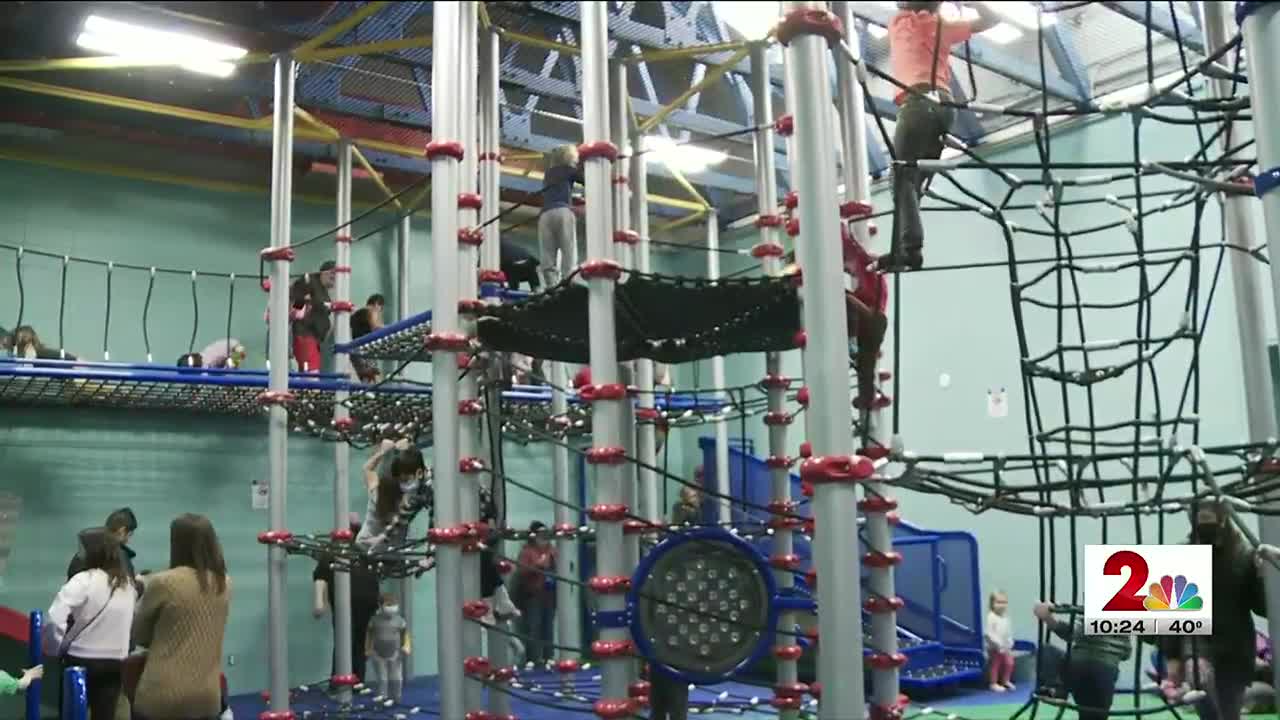
Introduction: Navigating the Global Market for indoor play anchorage
In the rapidly evolving landscape of indoor play anchorage, international B2B buyers face the critical challenge of sourcing engaging and safe environments that cater to children while meeting diverse regional demands. With the global market for indoor play facilities expanding, understanding the nuances of various offerings—from soft play areas and trampoline parks to immersive VR experiences—is essential for making informed purchasing decisions. This guide serves as a comprehensive resource, detailing different types of indoor play installations, their applications, and insights into supplier vetting processes, pricing structures, and industry trends.
As businesses in Africa, South America, the Middle East, and Europe (including key markets like Germany and Brazil) look to invest in indoor play solutions, navigating this market effectively becomes paramount. Each region presents unique cultural and operational challenges that necessitate tailored approaches to sourcing. This guide empowers decision-makers with actionable insights, enabling them to identify reputable suppliers, evaluate the quality and safety of play equipment, and understand cost implications. By leveraging this knowledge, B2B buyers can confidently enhance their offerings, creating dynamic spaces that promote child development and family engagement while ensuring compliance with local regulations and standards.
Understanding indoor play anchorage Types and Variations
| Type Name | Key Distinguishing Features | Primary B2B Applications | Brief Pros & Cons for Buyers |
|---|---|---|---|
| Soft Play Areas | Features soft structures, slides, and climbing frames | Family entertainment centers, daycares | Pros: Safe for younger children; promotes motor skills. Cons: Limited to younger age groups; maintenance can be high. |
| Trampoline Parks | Large interconnected trampolines, foam pits, and games | Recreation centers, birthday party venues | Pros: High engagement; suitable for various age groups. Cons: Requires safety measures; higher initial investment. |
| Play Cafés | Combines play areas with café services | Family-oriented businesses, community centers | Pros: Attracts parents; dual revenue streams. Cons: Space constraints; food service logistics. |
| Interactive Gaming Zones | Virtual reality and arcade games | Entertainment complexes, malls | Pros: Appeals to tech-savvy youth; high return on investment. Cons: Rapid technology changes; requires ongoing updates. |
| Themed Adventure Zones | Immersive environments with themed decor and activities | Amusement parks, large entertainment venues | Pros: Unique experiences; higher ticket prices. Cons: Expensive to create; maintenance of themed elements. |
What Are the Key Characteristics of Soft Play Areas?
Soft play areas are designed specifically for younger children, typically from infants to around six years old. These spaces feature padded structures, slides, and climbing frames that encourage physical activity while ensuring safety. B2B buyers should consider the demographic of their target audience; soft play areas are ideal for daycares, family entertainment centers, and indoor playgrounds. However, they may require regular maintenance and cleaning to uphold safety standards.
How Do Trampoline Parks Stand Out in the Indoor Play Sector?
Trampoline parks offer a unique experience with interconnected trampolines, foam pits, and various games like dodgeball and basketball. They are suitable for a broader age range, making them appealing to families and groups. B2B buyers looking to invest in trampoline parks should weigh the significant initial setup costs against the potential for high customer engagement and repeat visits. Safety regulations and staff training are essential considerations due to the nature of the activities.
What Benefits Do Play Cafés Provide for B2B Buyers?
Play cafés combine a play area for children with a café for parents, creating a family-friendly environment. This dual approach attracts more customers, as parents can enjoy refreshments while their children play. B2B buyers should focus on location and space management, as these establishments need to balance play and dining areas effectively. However, operational complexities, such as food service management and health regulations, can pose challenges.
Why Are Interactive Gaming Zones Gaining Popularity?
Interactive gaming zones incorporate virtual reality and arcade games, appealing to tech-savvy children and young adults. These zones can significantly enhance the entertainment value of indoor play facilities. For B2B buyers, investing in such technology can yield high returns, but they must also consider the rapid evolution of gaming technology, which may necessitate frequent updates and upgrades to remain competitive.
What Makes Themed Adventure Zones a Lucrative Investment?
Themed adventure zones offer immersive experiences with unique decor and activities tailored to specific themes, such as pirates or outer space. These zones can command higher ticket prices due to their novelty and engaging environments. B2B buyers should assess the initial investment required to create such themed spaces, as well as ongoing maintenance costs. However, the potential for higher customer satisfaction and repeat business can make these zones a worthwhile investment in the long run.
Key Industrial Applications of indoor play anchorage
| Industry/Sector | Specific Application of Indoor Play Anchorage | Value/Benefit for the Business | Key Sourcing Considerations for this Application |
|---|---|---|---|
| Family Entertainment Centers | Indoor play zones for children | Attracts families, increases foot traffic, and enhances customer retention | Safety standards, age-appropriate designs, and maintenance requirements |
| Cafes and Restaurants | Integrated play areas for children | Boosts customer dwell time, increases sales, and creates a family-friendly atmosphere | Space optimization, hygiene standards, and equipment durability |
| Educational Institutions | Recreational spaces for physical education | Promotes physical activity, social skills, and cognitive development | Compliance with educational regulations, safety certifications, and accessibility features |
| Event Planning and Party Venues | Customized indoor play setups for events | Provides unique experiences, increases event bookings, and enhances customer satisfaction | Flexibility in space usage, theme customization, and safety protocols |
| Health and Wellness Facilities | Play areas in wellness centers for family activities | Encourages family participation, supports community engagement, and promotes overall well-being | Equipment safety, cleanliness, and integration with wellness programs |
How is Indoor Play Anchorage Beneficial for Family Entertainment Centers?
Indoor play anchorage is crucial for family entertainment centers, providing dedicated spaces where children can engage in safe, active play. This setup not only attracts families seeking leisure activities but also increases foot traffic, leading to higher sales across other offerings. Buyers in this sector must ensure that the play equipment meets rigorous safety standards and is designed for various age groups, as well as considering the maintenance needs to keep the facilities appealing and safe.
Why Do Cafes and Restaurants Invest in Indoor Play Areas?
Cafes and restaurants are increasingly incorporating indoor play areas to create a family-friendly environment that encourages longer visits and repeat business. By providing a space where children can play, parents can enjoy their meals with peace of mind. When sourcing equipment, businesses should focus on hygiene standards and durability, ensuring that the play area complements the dining experience without compromising cleanliness or safety.
What Role Does Indoor Play Anchorage Play in Educational Institutions?
In educational institutions, indoor play anchorage serves as a vital component of physical education programs, promoting physical activity and social interaction among children. These spaces help in the development of motor skills and cognitive abilities through structured and unstructured play. Buyers in this sector must consider compliance with educational regulations, ensuring that the play structures are safe, accessible, and conducive to learning.

Illustrative image related to indoor play anchorage
How Can Event Planning and Party Venues Benefit from Indoor Play Anchorage?
Event planning and party venues can leverage indoor play anchorage by offering customized play setups for various events, such as birthday parties and corporate gatherings. This unique offering can significantly enhance the overall experience, making events more memorable and increasing booking rates. Buyers should look for flexibility in space usage and the ability to customize themes while ensuring all safety protocols are strictly followed.
Why Are Health and Wellness Facilities Incorporating Indoor Play Areas?
Health and wellness facilities are beginning to recognize the value of integrating play areas for families, fostering community engagement and encouraging physical activity among children. These spaces not only support overall well-being but also enhance the attractiveness of wellness programs. Sourcing considerations for these facilities should include the safety of play equipment, cleanliness, and how well the play areas align with the overall wellness objectives of the facility.
3 Common User Pain Points for ‘indoor play anchorage’ & Their Solutions
Scenario 1: Navigating Safety Regulations for Indoor Play Spaces
The Problem:
B2B buyers, particularly those looking to establish indoor play areas, often grapple with the complexities of safety regulations and compliance standards. This challenge is magnified in regions with stringent laws, where non-compliance can lead to significant legal repercussions, financial losses, and reputational damage. Buyers may find it difficult to decipher the varying requirements related to materials, equipment, supervision, and emergency protocols, which can lead to confusion and delays in the setup of their facilities.
The Solution:
To effectively navigate safety regulations, B2B buyers should start by consulting with local authorities to obtain the specific safety standards relevant to their region. Engaging with industry experts or safety consultants can provide insights into best practices for indoor play spaces. Buyers should also invest in high-quality equipment that meets international safety standards—prioritizing materials that are non-toxic, durable, and easy to clean. Additionally, establishing a comprehensive training program for staff on safety protocols and emergency procedures can significantly mitigate risks. Documentation of compliance efforts and regular safety audits can further enhance credibility and ensure ongoing adherence to regulations.

Illustrative image related to indoor play anchorage
Scenario 2: Creating a Unique Customer Experience in Indoor Play Facilities
The Problem:
In a competitive market, B2B buyers may struggle to differentiate their indoor play facilities from others. With numerous options available, parents and children often seek unique experiences that promote not just physical activity but also cognitive and social development. Buyers face the challenge of creating engaging environments that cater to diverse age groups and interests while maintaining profitability.
The Solution:
To create a unique customer experience, B2B buyers should consider incorporating themed play areas that resonate with local culture or current trends. This can include interactive zones, educational play structures, or sensory experiences that appeal to various age groups. Collaborating with local artists or educators to design these spaces can enhance community involvement and attract more visitors. Additionally, integrating technology—such as augmented reality features or interactive games—can offer immersive experiences that engage children in innovative ways. Lastly, promoting special events, workshops, or family days can create a vibrant community atmosphere, encouraging repeat visits and fostering customer loyalty.
Scenario 3: Managing Operational Costs in Indoor Play Facilities
The Problem:
Operational costs can quickly escalate for indoor play facilities, impacting profitability and sustainability. B2B buyers often find themselves balancing the costs of maintenance, staffing, utilities, and insurance while trying to deliver a high-quality experience. This financial pressure can lead to difficult decisions regarding pricing strategies or service offerings, potentially compromising customer satisfaction.

Illustrative image related to indoor play anchorage
The Solution:
To manage operational costs effectively, B2B buyers should conduct a thorough analysis of their expenses and identify areas for potential savings. Implementing energy-efficient systems and sustainable practices can reduce utility bills significantly. For staffing, utilizing part-time or flexible workers during peak hours can help manage payroll expenses without sacrificing service quality. Additionally, leveraging technology for booking and management systems can streamline operations, reducing administrative burdens and allowing staff to focus on customer engagement. Finally, creating strategic partnerships with local businesses for cross-promotional activities can enhance visibility and drive traffic without incurring high marketing costs, ultimately leading to increased revenue.
Strategic Material Selection Guide for indoor play anchorage
What Are the Key Properties of Common Materials Used in Indoor Play Anchorage?
When selecting materials for indoor play anchorage, it is essential to consider their properties, performance, and suitability for various applications. Here, we analyze four common materials: steel, plastic, wood, and rubber. Each material has unique characteristics that can significantly affect the design and functionality of play structures.
How Does Steel Perform in Indoor Play Anchorage Applications?
Steel is a widely used material in the construction of indoor play anchorage due to its high strength and durability. It typically boasts excellent temperature and pressure ratings, making it suitable for heavy-duty applications. Steel is also resistant to corrosion when adequately treated, which is vital in maintaining safety and longevity in play environments.
Pros include its high tensile strength, which allows for the design of complex structures that can support significant weight. However, cons involve higher manufacturing complexity and costs, particularly when considering the need for protective coatings against corrosion. International buyers should be aware of compliance with standards such as ASTM A36 for structural steel, which is crucial in ensuring safety and performance.
What Advantages and Limitations Does Plastic Offer for Indoor Play Structures?
Plastic, particularly high-density polyethylene (HDPE), is another common choice for indoor play anchorage. It is lightweight, resistant to moisture, and does not corrode, making it ideal for environments where cleanliness is paramount.

Illustrative image related to indoor play anchorage
The key advantages of plastic include its low maintenance requirements and the ability to mold it into various shapes, enhancing creative play opportunities. However, limitations include lower strength compared to metals, which may restrict its use in load-bearing applications. International buyers should consider compliance with standards such as ASTM D638 for tensile properties, ensuring the material meets safety requirements.
How Does Wood Compare as a Material for Indoor Play Anchorage?
Wood is often favored for its aesthetic appeal and natural feel in indoor play environments. It provides a warm, inviting atmosphere and is easy to work with in terms of design and construction. Wood can handle moderate loads effectively, depending on the type used.
Advantages of wood include its renewability and the ease of customization. However, it is susceptible to warping and decay if not treated properly, which can be a significant drawback in humid environments. Buyers from regions with varying climates should ensure that wood meets standards such as EN 350 for durability and resistance to biological attacks, particularly in humid areas like parts of Africa and South America.
What Role Does Rubber Play in Indoor Play Anchorage Applications?
Rubber is primarily used for flooring and safety surfaces in indoor play areas. Its excellent shock-absorption properties make it ideal for reducing injuries from falls, which is a critical consideration in play environments.
The key advantages of rubber include its durability and slip resistance, making it a safe choice for high-traffic areas. However, it can be more expensive than other flooring options, and its installation can be complex. International buyers should be aware of standards such as ASTM F1292 for impact attenuation, ensuring the material provides adequate safety for children.

Illustrative image related to indoor play anchorage
Summary of Material Selection for Indoor Play Anchorage
| Material | Typical Use Case for indoor play anchorage | Key Advantage | Key Disadvantage/Limitation | Relative Cost (Low/Med/High) |
|---|---|---|---|---|
| Steel | Structural components and frames | High strength and durability | Higher cost and manufacturing complexity | High |
| Plastic | Play structures and components | Lightweight and low maintenance | Lower strength than metals | Medium |
| Wood | Aesthetic elements and play structures | Natural look and easy customization | Susceptible to warping and decay | Medium |
| Rubber | Flooring and safety surfaces | Excellent shock absorption | Higher cost and complex installation | High |
This analysis provides B2B buyers with critical insights into material selection for indoor play anchorage, ensuring they make informed decisions that align with safety, performance, and cost considerations.
In-depth Look: Manufacturing Processes and Quality Assurance for indoor play anchorage
What Are the Main Stages in the Manufacturing Process of Indoor Play Equipment?
The manufacturing process for indoor play anchorage involves several critical stages, each designed to ensure the safety, durability, and fun of the final product. The main stages include material preparation, forming, assembly, and finishing.
-
Material Preparation:
– The first step in the manufacturing process is the selection of high-quality materials. Common materials include high-density foam, durable plastics, and metal for structural components.
– Suppliers typically conduct tests to ensure materials meet safety standards, such as non-toxicity and flame resistance. These tests are crucial for compliance with international safety regulations, particularly for play equipment aimed at children. -
Forming:
– This stage involves shaping materials into specific components of the play structure. Techniques like injection molding for plastic parts and die-cutting for foam are commonly used.
– Precision in this phase is vital; any inaccuracies can lead to structural weaknesses or safety hazards. Manufacturers often utilize computer-aided design (CAD) software to ensure high levels of accuracy. -
Assembly:
– After forming, the components are assembled. This can involve both manual labor and automated processes, depending on the complexity of the design.
– It’s essential to ensure that all joints and connections are secure, as these are critical points that bear the weight and activity of children using the play equipment. -
Finishing:
– The final stage involves applying finishes that enhance durability and aesthetics. This may include coatings that protect against wear and tear, as well as colorful designs that appeal to children.
– Quality control checks are integrated into this stage to ensure that the finished product meets all specifications and standards before it is packaged and shipped.
Which International Standards Apply to Quality Assurance in Indoor Play Equipment Manufacturing?
Quality assurance in the manufacturing of indoor play anchorage is governed by various international standards and industry-specific regulations. Understanding these is crucial for B2B buyers looking to ensure product safety and compliance.

Illustrative image related to indoor play anchorage
-
ISO 9001:
– This is a widely recognized standard that outlines requirements for a quality management system. Companies that comply with ISO 9001 demonstrate their ability to consistently provide products that meet customer and regulatory requirements. -
CE Marking:
– In Europe, the CE mark indicates that a product complies with health, safety, and environmental protection standards. For indoor play equipment, this often includes compliance with EN 1176 and EN 1177 standards, which specifically address the safety of playground equipment. -
API Standards:
– The American Petroleum Institute (API) standards may not directly relate to indoor play equipment but are indicative of rigorous industry practices. Manufacturers that follow such standards for different sectors often apply similar meticulousness to their quality assurance processes.
What Are the Key Quality Control Checkpoints in Indoor Play Equipment Manufacturing?
Quality control (QC) checkpoints are integral to the manufacturing process, ensuring that each stage meets the required safety and quality standards. The common QC checkpoints include:
-
Incoming Quality Control (IQC):
– This checkpoint occurs at the beginning of the manufacturing process, where raw materials are inspected for quality before they are used. This ensures that only materials meeting the safety and quality specifications proceed to the next stage. -
In-Process Quality Control (IPQC):
– During the manufacturing process, IPQC involves real-time monitoring of the production line. Technicians conduct regular inspections to catch any deviations from the specified standards and rectify them immediately. -
Final Quality Control (FQC):
– The final stage of QC involves a thorough inspection of the completed product. This includes checking for structural integrity, safety features, and compliance with the relevant standards before the product is packaged for shipment.
How Can B2B Buyers Verify Supplier Quality Control Processes?
For international B2B buyers, especially those from regions like Africa, South America, the Middle East, and Europe, verifying supplier quality control processes is essential to ensure compliance and safety.
-
Supplier Audits:
– Conducting on-site audits of suppliers can provide valuable insights into their manufacturing processes and quality control measures. Buyers should look for compliance with relevant international standards and certifications. -
Quality Reports:
– Requesting detailed quality reports from suppliers can help assess their QC procedures. These reports should include data on IQC, IPQC, and FQC, along with any corrective actions taken in response to quality issues. -
Third-Party Inspections:
– Engaging third-party inspection services can provide an unbiased assessment of the supplier’s quality control processes. These organizations often have expertise in specific standards and can offer certifications that reassure buyers of the product’s safety and quality.
What Are Common Testing Methods for Ensuring Indoor Play Equipment Safety?
To ensure the safety and durability of indoor play anchorage, manufacturers employ various testing methods, including:
-
Mechanical Testing:
– This includes load tests to assess the structural integrity of play equipment under different conditions. Manufacturers simulate the weight and impact of children to ensure the equipment can withstand typical use. -
Chemical Testing:
– Materials are tested for harmful substances, ensuring they comply with safety regulations. This may involve checking for lead, phthalates, or other toxic substances that could pose health risks. -
Durability Testing:
– This testing assesses how well the equipment withstands wear and tear over time. Tests may include exposure to UV light, moisture, and extreme temperatures to simulate various environments.
What Are the Quality Control Nuances for International Buyers?
International buyers must be aware of specific nuances in quality control when sourcing indoor play equipment:
-
Regional Compliance:
– Different regions have varying standards and regulations. For instance, European buyers need to ensure CE marking, while buyers from the Middle East may have specific local standards to consider. -
Language Barriers:
– Communication can be a challenge when dealing with international suppliers. It’s crucial to ensure that all quality documentation is clear and available in the buyer’s preferred language. -
Cultural Differences:
– Understanding cultural differences in business practices can facilitate smoother negotiations and foster better relationships with suppliers. This includes awareness of local practices related to quality assurance and customer service.
By understanding the manufacturing processes and quality assurance measures involved in indoor play anchorage, B2B buyers can make informed decisions that prioritize safety, compliance, and quality. This knowledge is essential for establishing successful partnerships with manufacturers and ensuring the satisfaction of end-users.

Illustrative image related to indoor play anchorage
Practical Sourcing Guide: A Step-by-Step Checklist for ‘indoor play anchorage’
This guide provides a practical checklist for B2B buyers interested in procuring indoor play equipment and facilities in Anchorage. It aims to streamline the sourcing process, ensuring that buyers make informed decisions that align with their business goals and customer expectations.
Step 1: Identify Your Target Audience
Understanding who your primary customers are is crucial. Are you catering to families, schools, or daycare centers? Each audience has unique needs; for instance, schools may require educational toys, while family-oriented venues might prioritize entertainment and engagement. Tailoring your offerings to the demographics of your target market can significantly enhance customer satisfaction and retention.
Step 2: Define Your Space and Layout Requirements
Before sourcing any equipment, assess the dimensions and layout of your indoor play space. This includes understanding the flow of foot traffic and safety regulations, such as exit routes and emergency access. A well-planned layout maximizes the use of space and ensures a safe environment for children, which is a major selling point for parents.
Step 3: Research Available Equipment Types
Familiarize yourself with the various types of indoor play equipment available. From soft play structures and trampolines to interactive VR booths and mini-golf setups, each type serves different play styles and age groups. Knowing the options helps in selecting equipment that will not only attract customers but also promote physical activity and cognitive development.
Step 4: Evaluate Potential Suppliers
Thoroughly vet suppliers to ensure they can meet your quality and safety standards. Request detailed company profiles, product catalogs, and customer testimonials. A supplier with a solid track record in your region can provide insights into market trends and help you select the best equipment for your needs.
- Key Considerations:
- Look for suppliers with certifications that comply with international safety standards.
- Assess their customer service responsiveness and after-sales support.
Step 5: Request Samples and Conduct Site Visits
Whenever possible, request samples or visit existing installations of the equipment you are considering. This allows you to assess the quality, durability, and overall appeal firsthand. Engaging with current users can provide valuable insights into the equipment’s performance and maintenance requirements.
Step 6: Understand Pricing and Financing Options
Gather detailed pricing information from multiple suppliers and explore various financing options available for your purchase. Look for transparency in pricing, including installation costs and warranties. Understanding the total cost of ownership will aid in budgeting and can impact your profit margins.
Step 7: Negotiate Terms and Finalize Contracts
Once you’ve selected a supplier, negotiate terms that protect your interests, such as delivery timelines, warranty coverage, and maintenance support. A well-defined contract can prevent misunderstandings and ensure that both parties are aligned on expectations. Pay attention to clauses related to equipment returns and service agreements, which are essential for long-term operational success.
By following this checklist, B2B buyers can make informed decisions that enhance their indoor play offerings, ensuring they meet the diverse needs of their clientele while maintaining safety and quality.
Comprehensive Cost and Pricing Analysis for indoor play anchorage Sourcing
What Are the Key Cost Components for Sourcing Indoor Play Equipment in Anchorage?
When sourcing indoor play equipment in Anchorage, understanding the cost structure is essential for B2B buyers. The primary cost components include materials, labor, manufacturing overhead, tooling, quality control (QC), logistics, and the margin.
-
Materials: The quality and type of materials used in play equipment significantly influence costs. For example, soft play structures typically require high-density foam and durable fabric, while trampoline parks need specialized, resilient materials to withstand heavy use.
-
Labor: Labor costs can vary based on local wage rates and the complexity of the assembly process. Skilled labor may be necessary for the installation of intricate play structures, which can increase costs.
-
Manufacturing Overhead: This includes costs associated with utilities, facility maintenance, and administrative expenses. Efficient manufacturing processes can help lower overhead costs, which is beneficial for pricing.
-
Tooling: Custom tooling for specialized play equipment can be a significant upfront cost. However, it is essential for producing high-quality, unique products that meet specific buyer requirements.
-
Quality Control: Ensuring that products meet safety and quality standards is critical, especially in the children’s play sector. Rigorous QC processes can add to overall costs but are crucial for maintaining reputation and compliance.
-
Logistics: Shipping and handling costs can vary widely based on the distance and method of transportation. For international buyers, understanding the implications of Incoterms is vital, as they dictate responsibility for shipping costs and risks.
-
Margin: Suppliers typically apply a margin to cover their costs and ensure profitability. This margin can vary based on competition, demand, and the unique selling propositions of the products.
How Do Price Influencers Affect Indoor Play Equipment Sourcing?
Several factors can influence the pricing of indoor play equipment, particularly for international B2B buyers.
-
Volume and Minimum Order Quantity (MOQ): Suppliers often offer discounts for bulk purchases. Understanding MOQs can help buyers negotiate better prices, especially when sourcing for larger venues or chains.
-
Specifications and Customization: Customized products often come at a premium. Buyers should weigh the benefits of tailored solutions against the additional costs incurred.
-
Material Quality and Certifications: Higher-quality materials or those with specific safety certifications can lead to increased costs. Buyers must assess the trade-off between quality and price to ensure long-term satisfaction.
-
Supplier Factors: Supplier reputation, reliability, and the ability to deliver on time can significantly impact pricing. Building relationships with reputable suppliers can lead to better terms and pricing over time.
-
Incoterms: Understanding terms like FOB (Free on Board) or CIF (Cost, Insurance, and Freight) is crucial for budgeting. These terms affect who bears the cost and risk at various stages of shipping.
What Are the Best Buyer Tips for Cost-Efficiency in Indoor Play Equipment Sourcing?
B2B buyers can adopt several strategies to enhance cost-efficiency in sourcing indoor play equipment.

Illustrative image related to indoor play anchorage
-
Negotiation: Engage in discussions with suppliers to negotiate pricing based on volume, long-term contracts, or bundled services. Suppliers may offer discounts for loyal customers or repeat orders.
-
Total Cost of Ownership (TCO): Evaluate not just the purchase price but also maintenance, operational costs, and potential downtime. A higher initial investment may lead to lower long-term costs if the equipment is more durable or requires less maintenance.
-
Pricing Nuances for International Buyers: International buyers should be aware of fluctuating exchange rates, import duties, and local taxes that can impact the final cost. Establishing clear communication with suppliers regarding these factors is essential.
-
Market Research: Conduct thorough market research to understand pricing trends and competitor offerings. This knowledge can provide leverage during negotiations and help identify the best value options.
-
Leverage Technology: Utilize online platforms and marketplaces to compare prices and offerings from various suppliers, enabling informed decision-making.
Conclusion
Understanding the comprehensive cost structure and pricing influences is paramount for B2B buyers in the indoor play equipment sector. By focusing on the key cost components, recognizing price influencers, and employing effective negotiation strategies, buyers can make informed purchasing decisions that optimize their investment. Always consider indicative prices and market conditions, as they can vary significantly across different regions and suppliers.
Alternatives Analysis: Comparing indoor play anchorage With Other Solutions
Exploring Alternatives to Indoor Play Anchorage for Engaging Children’s Activities
In the world of children’s entertainment and activity spaces, “indoor play anchorage” offers a unique environment for kids to explore, learn, and interact. However, businesses looking to invest in similar solutions should also consider alternative methods that can provide engaging experiences for children. Below, we compare “indoor play anchorage” against two viable alternatives: indoor trampoline parks and play cafes.
| Comparison Aspect | Indoor Play Anchorage | Indoor Trampoline Park | Play Cafe |
|---|---|---|---|
| Performance | High engagement through imaginative play | High-energy activities promote physical fitness | Combines play with relaxation for parents |
| Cost | Moderate initial investment; operational costs vary | Higher initial setup and maintenance costs | Moderate costs; food and drink sales can offset expenses |
| Ease of Implementation | Moderate; requires space and safety considerations | High; needs specialized equipment and safety measures | Easy; primarily involves setting up a café with play areas |
| Maintenance | Regular cleaning and safety checks needed | Frequent equipment maintenance and inspections | Routine cleaning; food service requires adherence to health standards |
| Best Use Case | Ideal for younger children (6 months – 6 years) | Suitable for a wider age range; great for parties and events | Family-friendly space for socializing and informal gatherings |
What Are the Pros and Cons of Indoor Trampoline Parks?
Indoor trampoline parks, such as Shockwave and Fly Trampoline Park, provide an exhilarating environment that encourages physical activity. The primary advantage is the high engagement level, as children can jump, bounce, and interact in a dynamic space. However, the initial investment is typically higher due to the specialized equipment and safety requirements. Maintenance can also be demanding, necessitating regular safety inspections to prevent injuries. Despite these drawbacks, trampoline parks are excellent for accommodating larger groups and hosting events.
What Are the Advantages and Disadvantages of Play Cafes?
Play cafes, exemplified by establishments like Fresh Cup, blend a relaxed café atmosphere with play areas designed for children. This model allows parents to enjoy refreshments while their kids play, promoting a communal experience. The ease of implementation is a significant benefit, as setting up a café with designated play zones requires less specialized equipment than trampoline parks. However, the revenue model heavily relies on food and beverage sales, which can be unpredictable. While play cafes cater to younger children, they may not engage older kids as effectively as other alternatives.
How Can B2B Buyers Choose the Right Solution for Their Needs?
When selecting the best option for children’s entertainment, B2B buyers must consider their target audience and specific business goals. Indoor play anchorage is ideal for businesses focused on younger children and imaginative play. In contrast, trampoline parks appeal to those looking for high-energy activities that can draw in larger crowds, while play cafes offer a more relaxed environment that encourages parent-child bonding. Evaluating factors like initial investment, maintenance requirements, and the desired customer experience will aid buyers in making informed decisions that align with their operational capabilities and market demands.
Essential Technical Properties and Trade Terminology for indoor play anchorage
What are the Key Technical Properties for Indoor Play Anchorage?
When considering indoor play anchorage systems, several technical properties are critical to ensure safety, durability, and performance. Here are some essential specifications:
-
Material Grade
The material grade refers to the quality and type of materials used in the construction of play structures. Common materials include high-density polyethylene (HDPE) for play panels and galvanized steel for structural support. The grade affects the product’s strength, resistance to wear, and overall lifespan. For B2B buyers, selecting the right material grade ensures compliance with safety standards and reduces maintenance costs over time. -
Load Tolerance
Load tolerance indicates the maximum weight that a play structure can support without risk of failure. This specification is vital for ensuring safety, especially in environments where multiple children are using the equipment simultaneously. A higher load tolerance can accommodate various activities and age groups, making it a key consideration for B2B buyers looking to maximize usage and ROI. -
Impact Absorption Rating
This rating measures the ability of play surfaces and structures to absorb shock during falls or impacts. Materials with high impact absorption properties, such as foam padding or rubber flooring, are essential for minimizing injuries. For businesses, investing in equipment with superior impact absorption can enhance safety and reduce liability concerns. -
UV Resistance
UV resistance refers to the ability of materials to withstand degradation from sunlight exposure. This property is crucial for indoor play equipment that may be exposed to natural light. High UV resistance ensures that colors remain vibrant and materials do not weaken, which is essential for maintaining aesthetic appeal and structural integrity over time. -
Fire Resistance Rating
Fire resistance ratings indicate how well materials can withstand fire exposure. In commercial spaces, having equipment that meets fire safety standards is not just a regulatory requirement but also a factor in insurance and liability considerations. Buyers should ensure that all play structures have appropriate fire resistance certifications.
What Common Terms Should B2B Buyers Understand in Indoor Play Anchorage?
Understanding industry jargon is essential for B2B buyers to navigate purchasing decisions effectively. Here are some common terms:
-
OEM (Original Equipment Manufacturer)
An OEM is a company that produces parts or equipment that may be marketed by another manufacturer. In the context of indoor play anchorage, buyers often engage with OEMs to source high-quality components that meet specific design and safety standards. -
MOQ (Minimum Order Quantity)
MOQ is the smallest quantity of a product that a supplier is willing to sell. This term is crucial for buyers to understand as it affects inventory levels and cash flow. Negotiating MOQ can lead to cost savings but may require a higher upfront investment. -
RFQ (Request for Quotation)
An RFQ is a document that solicits price quotes from suppliers for specific products or services. B2B buyers use RFQs to compare pricing, terms, and conditions, making it an essential tool for informed decision-making in the procurement process. -
Incoterms (International Commercial Terms)
Incoterms are a set of predefined international trade terms that clarify the responsibilities of buyers and sellers regarding shipping, insurance, and tariffs. Understanding Incoterms is vital for B2B transactions, especially when dealing with international suppliers, to avoid disputes and ensure smooth logistics. -
Lead Time
Lead time refers to the time it takes from placing an order to receiving the product. In the indoor play anchorage sector, shorter lead times can significantly impact project timelines and customer satisfaction. B2B buyers should consider lead times when planning their procurement strategies.
By familiarizing themselves with these technical properties and trade terms, B2B buyers can make informed decisions that enhance safety, efficiency, and profitability in their indoor play anchorage projects.

Illustrative image related to indoor play anchorage
Navigating Market Dynamics and Sourcing Trends in the indoor play anchorage Sector
What Are the Current Trends Shaping the Indoor Play Anchorage Market?
The indoor play anchorage sector is experiencing significant growth, driven by various global trends and regional preferences. As urbanization continues to rise, particularly in Africa, South America, the Middle East, and Europe, the demand for indoor recreational spaces is surging. Families are increasingly seeking safe, engaging environments for children to play, learn, and socialize, leading to a proliferation of indoor play facilities that cater to diverse age groups and interests.
Emerging B2B technology trends are also reshaping the landscape. Innovations such as virtual reality (VR) experiences, interactive gaming systems, and advanced safety features are becoming standard offerings. Facilities are leveraging data analytics to enhance customer experiences and optimize operations. For international buyers, particularly from regions like Germany and Brazil, understanding these technological advancements is crucial for making informed sourcing decisions.
Moreover, the trend towards multifunctional spaces is gaining traction. Facilities that combine play areas with cafes, party venues, and educational classes are appealing to parents looking for comprehensive experiences. This trend highlights the importance of diversifying offerings to attract a broader audience, thereby increasing revenue potential for B2B buyers investing in this sector.

Illustrative image related to indoor play anchorage
How Can B2B Buyers Prioritize Sustainability and Ethical Sourcing in Indoor Play Facilities?
Sustainability and ethical sourcing have become essential considerations for B2B buyers in the indoor play anchorage sector. The environmental impact of manufacturing processes and materials used in play equipment is under scrutiny, making it imperative for businesses to adopt eco-friendly practices. This includes sourcing materials that are non-toxic, durable, and recyclable, which not only minimizes environmental footprints but also enhances brand reputation.
Buyers should look for suppliers who prioritize ethical supply chains, ensuring fair labor practices and responsible sourcing of raw materials. Certifications such as Forest Stewardship Council (FSC) for wood products and ISO 14001 for environmental management systems can serve as indicators of a supplier’s commitment to sustainability.
Additionally, incorporating green materials into play structures and furnishings can attract environmentally conscious consumers. As the global market increasingly values sustainability, B2B buyers who align with these principles can differentiate themselves, appealing to a growing demographic that prioritizes responsible consumption.

Illustrative image related to indoor play anchorage
What Is the Historical Context of the Indoor Play Anchorage Market?
The evolution of the indoor play anchorage market can be traced back to the late 20th century when the concept of indoor recreational spaces began to gain popularity. Initially focused on simple play structures, the market has expanded significantly, influenced by changing societal norms and the increasing importance of child development.
In the early 2000s, the introduction of themed play areas and technological enhancements, such as arcade games and interactive play features, marked a turning point. This evolution continued with the integration of cafes and social spaces, transforming indoor play facilities into comprehensive family entertainment centers. Today, the sector is characterized by its adaptability and innovation, catering to the diverse needs of families across various cultures and regions, particularly in emerging markets where urbanization is driving demand for safe recreational options.
Overall, understanding these dynamics and trends is vital for B2B buyers looking to navigate the indoor play anchorage sector effectively and capitalize on its growth potential.
Frequently Asked Questions (FAQs) for B2B Buyers of indoor play anchorage
-
How do I ensure the safety and quality of indoor play equipment?
To ensure safety and quality, request certifications from manufacturers that comply with international safety standards, such as ASTM or EN standards. It’s also crucial to conduct thorough supplier vetting by checking their production processes, materials used, and previous client feedback. Consider visiting their facilities or requesting product samples to assess durability and safety features. Establishing a Quality Assurance (QA) protocol with the supplier can further ensure that products meet your specifications before shipment. -
What is the best type of indoor play equipment for young children?
For young children, specifically those aged 6 months to 6 years, soft play equipment is ideal. Look for structures that promote physical activity, such as climbing frames, slides, and interactive play areas made from safe, non-toxic materials. Multi-sensory equipment that encourages imaginative play, such as themed playhouses or role-play areas, can also be beneficial. Always prioritize equipment that is easy to clean and maintain, ensuring a hygienic environment for young users. -
What are the minimum order quantities (MOQs) when sourcing indoor play equipment?
Minimum order quantities can vary significantly between suppliers and the type of equipment. Typically, MOQs for indoor play equipment can range from 10 to 50 units, depending on customization and manufacturing capabilities. When negotiating with suppliers, clarify if the MOQ can be reduced for initial orders or if there are options for mixed orders that allow you to sample various products. This flexibility can be crucial for new businesses testing the market. -
What payment terms should I expect when sourcing internationally?
Payment terms can differ by supplier and region, but common practices include a deposit of 30-50% upfront with the balance due upon shipping or delivery. Some suppliers may offer net terms, such as net 30 or net 60 days, allowing you time to sell products before payment is due. It’s essential to discuss and agree on payment methods (e.g., wire transfer, letter of credit) and ensure they are secure and suitable for international transactions. -
How can I customize indoor play equipment to fit my brand?
Most manufacturers offer customization options, including colors, themes, and branding elements. Provide the supplier with your branding guidelines and specific requirements to ensure consistency with your brand identity. Some companies may also allow you to design unique play structures or integrate specific features that cater to your target market. Always request prototypes or detailed designs before finalizing orders to ensure the final product meets your expectations. -
What logistical challenges should I be aware of when importing indoor play equipment?
When importing indoor play equipment, consider potential logistical challenges such as customs regulations, shipping costs, and lead times. Ensure you have a thorough understanding of the import duties and taxes applicable in your country. Partnering with a reliable freight forwarder can help navigate these complexities and ensure timely delivery. Additionally, be aware of any restrictions on materials used in play equipment that may affect importation. -
How do I vet suppliers for indoor play equipment?
Vetting suppliers involves researching their reputation, production capacity, and compliance with safety standards. Start by checking online reviews, testimonials, and case studies from other B2B buyers. Request references and conduct background checks to assess their reliability. Additionally, consider visiting their manufacturing facilities if feasible. Establish clear communication channels to discuss your requirements and evaluate their responsiveness and professionalism. -
What trends should I consider when sourcing indoor play equipment?
Stay informed about current trends such as eco-friendly materials, digital integration (like augmented reality features), and inclusive designs that cater to children of all abilities. Health and safety have become paramount, so equipment that promotes hygiene, such as antimicrobial surfaces, is increasingly sought after. Additionally, look for trends in interactive play experiences that engage children physically and mentally, as these can enhance your offerings and attract more customers.
Top 1 Indoor Play Anchorage Manufacturers & Suppliers List
1. Facebook – Alaska’s Indoor Playground

Domain: facebook.com
Registered: 1997 (28 years)
Introduction: This company, Facebook – Alaska’s Indoor Playground, is a notable entity in the market. For specific product details, it is recommended to visit their website directly.
Strategic Sourcing Conclusion and Outlook for indoor play anchorage
In the rapidly evolving landscape of indoor play in Anchorage, strategic sourcing emerges as a vital approach for international B2B buyers. By understanding local market dynamics and leveraging partnerships with established facilities, such as play cafes and trampoline parks, businesses can enhance their offerings to families. These establishments not only provide entertainment but also foster community engagement and learning experiences for children.

Illustrative image related to indoor play anchorage
The emphasis on safety, imaginative play, and diverse activities positions Anchorage as a promising hub for indoor play solutions. Buyers should consider sourcing from businesses that prioritize quality and innovation, ensuring a compelling value proposition for their clientele. Furthermore, the integration of food and beverage services within play areas can significantly enhance the customer experience, presenting opportunities for cross-promotional strategies.
Looking ahead, the potential for growth in the indoor play sector is substantial. International buyers from Africa, South America, the Middle East, and Europe should seize the opportunity to collaborate with Anchorage-based businesses, tapping into a market that values creativity, safety, and fun. By establishing strategic partnerships, you can not only expand your offerings but also contribute to a thriving ecosystem that enriches family life. Engage with local businesses today to explore these exciting opportunities.
Important Disclaimer & Terms of Use
⚠️ Important Disclaimer
The information provided in this guide, including content regarding manufacturers, technical specifications, and market analysis, is for informational and educational purposes only. It does not constitute professional procurement advice, financial advice, or legal advice.
While we have made every effort to ensure the accuracy and timeliness of the information, we are not responsible for any errors, omissions, or outdated information. Market conditions, company details, and technical standards are subject to change.
B2B buyers must conduct their own independent and thorough due diligence before making any purchasing decisions. This includes contacting suppliers directly, verifying certifications, requesting samples, and seeking professional consultation. The risk of relying on any information in this guide is borne solely by the reader.
