Introduction: Navigating the Global Market for tramp park
In an increasingly competitive landscape, international B2B buyers face the challenge of sourcing innovative and engaging entertainment options, such as trampoline parks, that captivate diverse audiences. The trampoline park sector has seen a surge in popularity across regions, including Africa, South America, the Middle East, and Europe, driven by the demand for unique recreational experiences. This guide serves as a comprehensive resource, detailing various types of trampoline parks, their applications, and the essential criteria for vetting suppliers.
From understanding the operational costs to exploring the latest attractions that keep visitors coming back, this guide empowers decision-makers to make informed purchasing choices. Buyers will gain insights into key factors such as safety regulations, membership models, and seasonal trends that impact park operations. By navigating the complexities of the global trampoline park market, you can ensure your investment aligns with local preferences and market dynamics, ultimately enhancing customer satisfaction and profitability.
As we delve deeper into this guide, you will discover actionable strategies and expert recommendations tailored to your specific market needs, enabling you to harness the full potential of trampoline parks in your region. Whether you are an established operator or an aspiring entrepreneur, this resource is designed to elevate your business strategy and drive success in the booming leisure industry.
Understanding tramp park Types and Variations
| Type Name | Key Distinguishing Features | Primary B2B Applications | Brief Pros & Cons for Buyers |
|---|---|---|---|
| Indoor Trampoline Parks | Large indoor spaces with multiple trampoline zones, foam pits, and various attractions. | Family entertainment centers, franchising | Pros: High foot traffic, diverse activities. Cons: High initial investment and ongoing maintenance. |
| Adventure Parks | Combines trampolines with climbing walls, obstacle courses, and other adventure activities. | Multi-attraction venues, team-building events | Pros: Broad appeal across age groups. Cons: Complexity in operations and safety management. |
| Mobile Trampoline Parks | Portable setups that can be deployed for events, festivals, or temporary locations. | Event organizers, corporate functions | Pros: Flexibility and lower overhead costs. Cons: Limited capacity and potential for lower revenue. |
| Specialized Trampoline Parks | Focused on specific activities like dodgeball, gymnastics, or fitness classes. | Niche markets, fitness studios | Pros: Targeted audience, less competition. Cons: Smaller market size, may require specialized staff. |
| Glow-in-the-Dark Parks | Trampoline parks that utilize blacklights and neon decor for an immersive experience. | Unique entertainment venues, themed events | Pros: Attracts younger demographics, unique marketing angle. Cons: Seasonal interest may fluctuate. |
What are the Characteristics of Indoor Trampoline Parks?
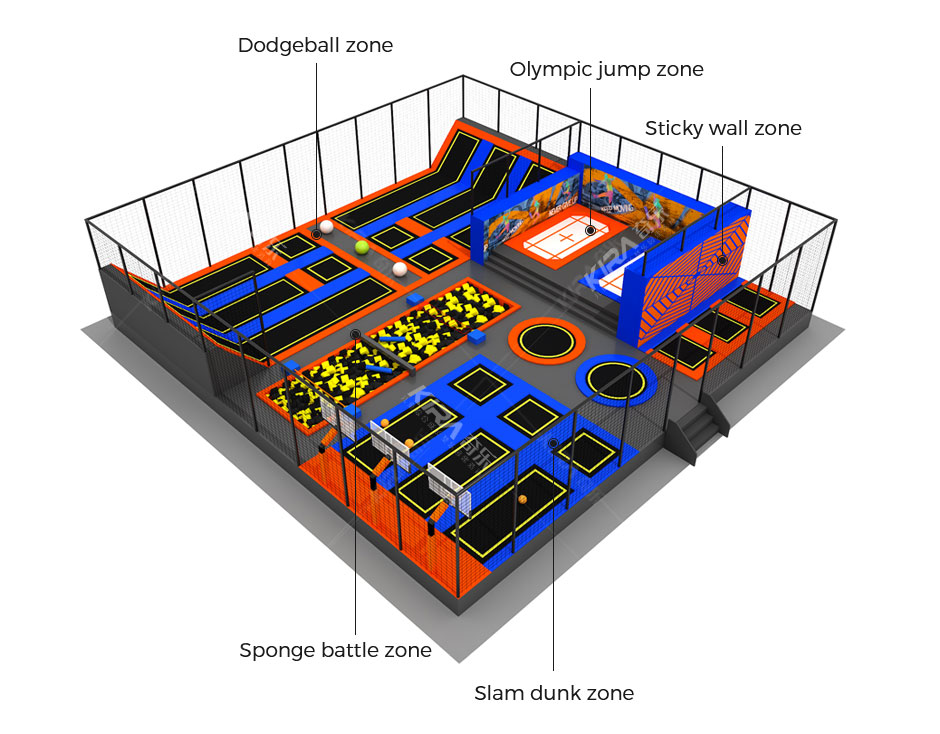
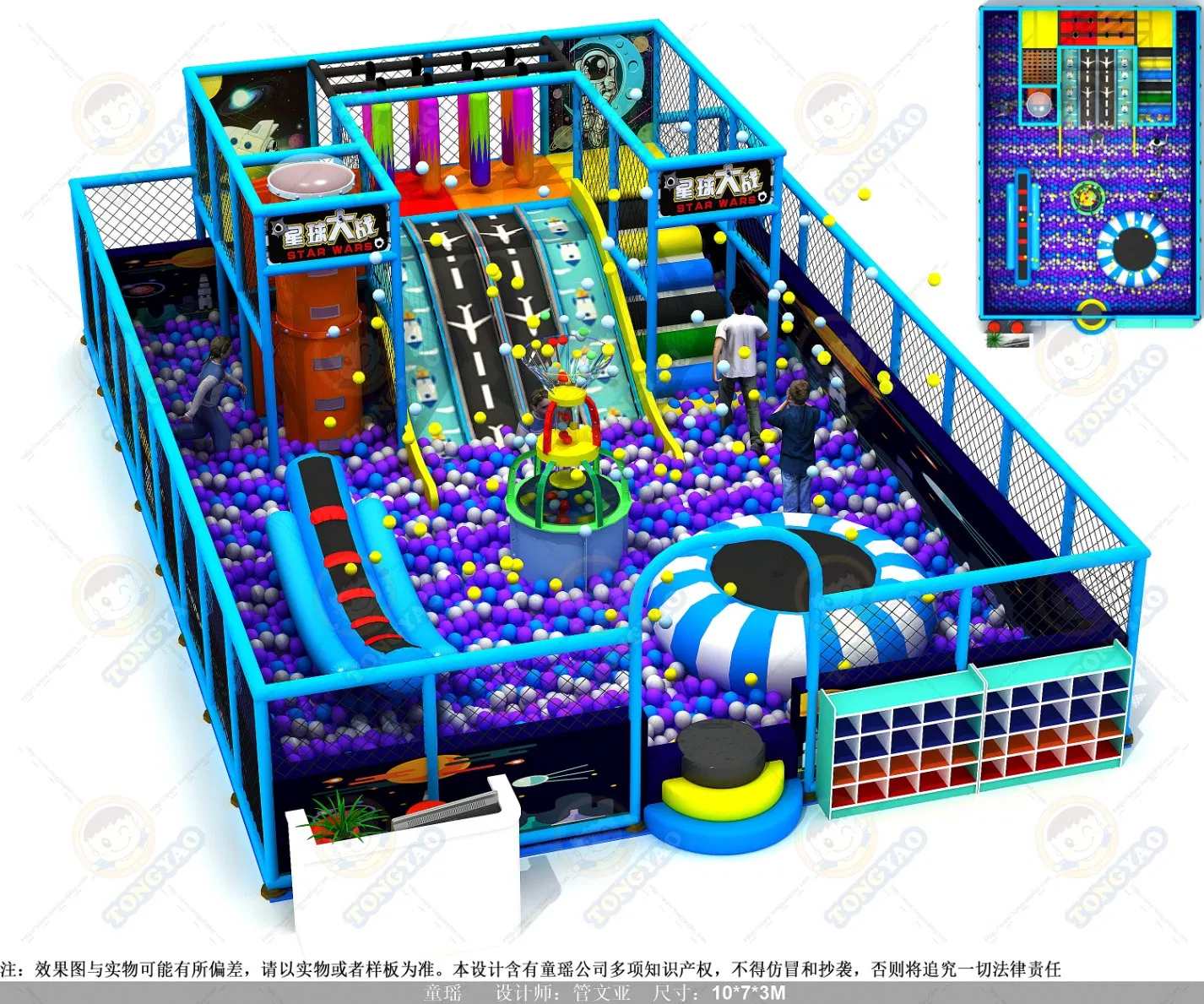
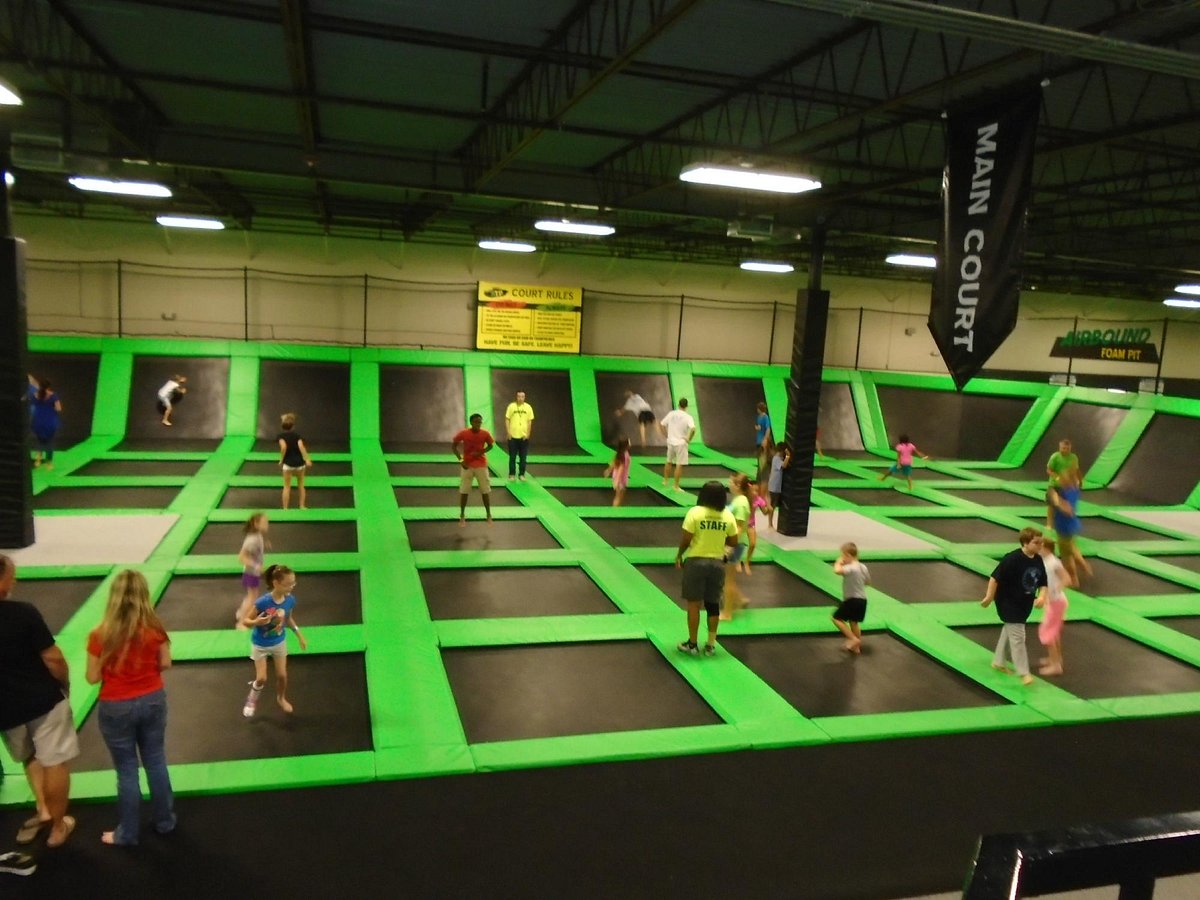
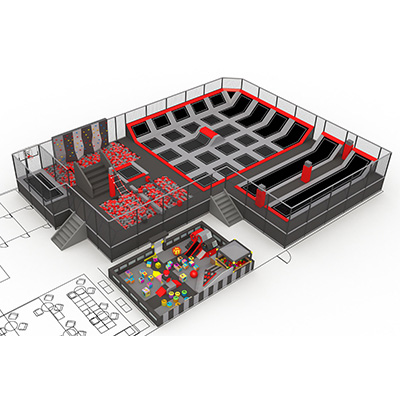
Indoor trampoline parks are expansive facilities designed to maximize fun and physical activity. They typically feature interconnected trampolines, foam pits, and various attractions such as dodgeball courts and climbing walls. These parks are ideal for family entertainment centers and can serve as franchise opportunities for B2B buyers. When considering investment, potential buyers should evaluate location, local market demand, and the initial capital required for setup and maintenance.

Illustrative image related to tramp park
How Do Adventure Parks Differ from Traditional Trampoline Parks?
Adventure parks extend beyond the trampoline experience by integrating climbing walls, obstacle courses, and other adventure-themed attractions. This diversification allows them to cater to a broader audience, making them appealing for multi-attraction venues and corporate team-building events. Buyers should assess the operational complexity and safety protocols, as managing diverse activities requires specialized training and equipment.
What Are the Benefits of Mobile Trampoline Parks?
Mobile trampoline parks offer a flexible solution for temporary events such as festivals and corporate gatherings. These setups are typically less expensive to establish compared to permanent locations, allowing businesses to capitalize on various events without high overhead costs. However, potential buyers should consider the limitations in capacity and revenue generation, as mobile parks often have to manage logistics and setup time effectively.
What Makes Specialized Trampoline Parks Unique?
Specialized trampoline parks focus on specific activities like fitness classes, gymnastics, or dodgeball. This niche approach allows them to attract targeted audiences, making them ideal for fitness studios or community centers. Buyers should evaluate market competition and the need for specialized staff or training programs to ensure successful operations within this focused segment.
How Do Glow-in-the-Dark Parks Attract Customers?
Glow-in-the-dark trampoline parks create a unique experience through the use of blacklights and neon decorations, appealing particularly to younger demographics. These parks can serve as themed entertainment venues or special event locations. However, buyers should be mindful of potential seasonal fluctuations in interest and ensure their marketing strategies effectively highlight this unique offering to maintain customer engagement year-round.
Key Industrial Applications of tramp park
| Industry/Sector | Specific Application of tramp park | Value/Benefit for the Business | Key Sourcing Considerations for this Application |
|---|---|---|---|
| Entertainment & Leisure | Indoor Trampoline Parks for Family Entertainment | Attracts families and groups, enhancing customer engagement | Safety standards, equipment durability, and maintenance requirements |
| Education & Youth Programs | Educational Programs and Physical Education Activities | Promotes physical fitness and teamwork among youth | Customizable programs, safety training, and staff certification |
| Corporate Events & Team Building | Corporate Team Building Activities and Events | Fosters team cohesion and creativity through fun experiences | Venue size, catering options, and professional facilitation |
| Health & Fitness | Fitness Classes and Wellness Programs using Trampolines | Encourages active lifestyles and boosts community engagement | Class structure, instructor qualifications, and equipment safety |
| Event Planning & Parties | Hosting Birthday Parties and Special Events | Provides unique experiences that can increase customer loyalty | Package offerings, flexibility for customization, and pricing |
How Can Trampoline Parks Enhance Family Entertainment Experiences?
Indoor trampoline parks serve as a dynamic venue for family entertainment, providing a safe and engaging environment where families can bond over physical activities. These parks typically feature a variety of attractions such as dodgeball courts, foam pits, and obstacle courses that cater to all ages. For international buyers, particularly from regions like Africa and South America, sourcing trampoline park equipment must prioritize safety certifications and equipment durability to withstand high usage rates. Furthermore, understanding local regulations regarding safety standards is crucial.
In What Ways Can Trampoline Parks Support Educational Initiatives?
Trampoline parks can play a significant role in educational and youth programs by promoting physical education and social skills. Schools and educational organizations can utilize these spaces for field trips or physical education classes, encouraging students to engage in fitness while fostering teamwork. Buyers in this sector should consider the availability of tailored educational programs and the qualifications of staff who can facilitate these activities. Safety training for participants is essential to ensure a secure environment for all.
How Do Trampoline Parks Facilitate Corporate Team Building?
Trampoline parks are increasingly being recognized as innovative venues for corporate events and team-building activities. These parks provide a unique setting where employees can participate in fun, collaborative challenges that enhance team dynamics and creativity. International B2B buyers looking to book such venues should evaluate the park’s capacity for hosting large groups, available catering options, and the expertise of facilitators in creating engaging team-building experiences.
What Role Do Trampoline Parks Play in Promoting Health and Fitness?
Incorporating trampolines into fitness classes and wellness programs offers a refreshing approach to exercise, appealing to a diverse audience seeking active lifestyles. Fitness centers and wellness organizations can collaborate with trampoline parks to host specialized classes, such as trampoline aerobics, which can attract new members and foster community engagement. Buyers should prioritize the qualifications of fitness instructors, the safety measures in place, and the variety of classes offered to ensure a comprehensive fitness experience.
How Can Trampoline Parks Enhance Event Planning and Birthday Parties?
Trampoline parks are ideal venues for hosting birthday parties and special events, providing a unique, memorable experience that can foster customer loyalty. They typically offer party packages that include jump time, food, and dedicated party hosts, making event planning straightforward for parents and organizers. When sourcing trampoline parks for events, buyers should assess the flexibility of packages, customization options, and pricing structures to meet diverse client needs effectively.
3 Common User Pain Points for ‘tramp park’ & Their Solutions
Scenario 1: Navigating Safety Regulations in Trampoline Parks
The Problem:
B2B buyers, especially those in regions with stringent safety regulations, often struggle to ensure their trampoline parks comply with local laws. This challenge is exacerbated by the rapidly evolving nature of safety standards, which can vary significantly from one country to another. For instance, a buyer in Germany may face different requirements compared to one in South America. This can lead to costly delays in opening, potential fines, or even the risk of injuries that could tarnish the brand’s reputation.
The Solution:
To navigate these complexities, B2B buyers should prioritize engaging with local regulatory bodies early in the planning process. Conducting thorough research on safety regulations specific to trampoline parks in their region is crucial. Collaborating with legal experts who specialize in recreational safety can provide valuable insights. Additionally, sourcing equipment from reputable suppliers who are compliant with international safety standards can mitigate risks. Consider implementing a robust safety training program for staff that includes regular audits and updates on compliance. This proactive approach not only ensures adherence to regulations but also fosters a culture of safety that enhances customer trust.
Scenario 2: Ensuring Diverse Attraction Offerings for All Ages
The Problem:
A common pain point for buyers is the need to create a trampoline park that appeals to a wide demographic, including children, teenagers, and adults. Many parks struggle to strike the right balance between exciting, age-appropriate attractions while also maintaining a safe environment. Buyers often fear that if they do not offer enough variety, they may miss out on attracting family groups or special events, resulting in lower foot traffic and revenue.
The Solution:
To address this challenge, buyers should conduct market research to understand the preferences of their target audience in their specific region. This can include surveys or focus groups with potential customers. Based on this data, they can invest in a diverse range of attractions, such as toddler zones, adult fitness classes, and competitive arenas like dodgeball and basketball. Additionally, integrating seasonal or themed events can keep the offerings fresh and engaging. Investing in modular equipment that can be easily adjusted or expanded can also allow for flexibility in attraction offerings, catering to the varying interests of different age groups.
Scenario 3: Managing Operational Costs and Maximizing Profitability
The Problem:
B2B buyers often face the challenge of managing operational costs while ensuring a profitable business model. High overheads, including maintenance, staffing, and insurance, can quickly eat into profits. This is particularly pressing for new parks in competitive markets, where pricing strategies must be carefully considered to attract customers without compromising financial viability.
The Solution:
To optimize operational costs, buyers should implement a comprehensive financial strategy that includes detailed budgeting and forecasting. Analyzing the operational efficiencies of existing parks can provide insights into best practices that minimize waste and maximize resource allocation. Additionally, investing in technology for ticket sales and park management can streamline operations, reduce staffing needs, and enhance customer experience. Membership programs can also be a viable strategy to ensure steady revenue streams while incentivizing repeat visits. Collaborating with local businesses for cross-promotions can further enhance visibility and attract diverse customer bases without significant marketing expenditure.

Illustrative image related to tramp park
Strategic Material Selection Guide for tramp park
What Are the Key Materials Used in Trampoline Parks?
When constructing a trampoline park, selecting the right materials is crucial for performance, safety, and longevity. Here, we analyze four common materials used in trampoline parks, focusing on their properties, advantages, disadvantages, and considerations for international B2B buyers.
What Are the Key Properties and Applications of Steel in Trampoline Parks?
Steel is a primary material used in the frames and structures of trampoline parks. Its key properties include high tensile strength, durability, and resistance to deformation under load. Steel can withstand significant pressure and impacts, making it ideal for supporting the weight of trampolines and users.
Pros: Steel is highly durable and can be manufactured to precise specifications, providing a robust structure. It is also recyclable, which can be a selling point for environmentally conscious buyers.
Cons: The main disadvantages of steel include its susceptibility to corrosion, especially in humid environments, and the higher costs associated with treatment processes to enhance its corrosion resistance. Additionally, steel structures can be heavy, which may complicate installation.
Impact on Application: Steel is compatible with various media, including high-impact usage scenarios. However, in regions with high humidity, additional protective coatings may be necessary to prevent rusting.
International Considerations: Buyers from Africa, South America, the Middle East, and Europe should be aware of local standards such as ASTM for the USA and DIN for Germany. Ensuring compliance with these standards can enhance safety and operational efficiency.
How Does Foam Material Contribute to Safety in Trampoline Parks?
Foam is widely used in trampoline parks, primarily for safety padding around trampolines and in landing zones. Its key properties include shock absorption, lightweight composition, and versatility in design.
Pros: Foam provides excellent cushioning, reducing the risk of injury during falls. It is also lightweight, making it easy to install and replace.
Cons: Foam can degrade over time due to exposure to moisture and UV light, leading to reduced effectiveness. Additionally, it may require regular replacement, increasing long-term costs.
Impact on Application: Foam is compatible with various safety requirements and can be customized to fit specific areas of the park. However, its performance can be compromised if not properly maintained.
International Considerations: Compliance with safety standards, such as those set by the International Association of Amusement Parks and Attractions (IAAPA), is crucial. Buyers should also consider local regulations regarding material safety, especially in regions with differing standards.
What Role Does PVC Play in Trampoline Park Construction?
Polyvinyl Chloride (PVC) is commonly used for trampoline mats and safety enclosures. Its key properties include flexibility, durability, and resistance to weathering.
Pros: PVC is lightweight and can be easily manufactured into various shapes and sizes. It is also resistant to moisture and UV rays, making it suitable for both indoor and outdoor trampoline parks.
Cons: PVC can be less durable than other materials, especially under extreme temperatures, which can lead to cracking or tearing. Additionally, its production raises environmental concerns, particularly regarding plastic waste.
Impact on Application: PVC is suitable for high-usage areas but may require additional support structures to enhance durability. Its compatibility with various environmental conditions makes it a versatile choice.
International Considerations: Buyers should be aware of regulations regarding PVC usage, particularly in Europe, where stricter environmental laws may apply. Compliance with standards such as REACH (Registration, Evaluation, Authorisation and Restriction of Chemicals) is essential.
How Does Wood Factor into Trampoline Park Design?
Wood is often used for aesthetic elements and structural components in trampoline parks. Its key properties include natural strength, aesthetic appeal, and ease of customization.
Pros: Wood offers a warm aesthetic and can be easily shaped and finished. It is also a renewable resource, appealing to environmentally conscious buyers.

Illustrative image related to tramp park
Cons: Wood is susceptible to moisture damage and pests, which can compromise structural integrity over time. Additionally, it may require regular maintenance, adding to long-term costs.
Impact on Application: Wood can be used effectively in non-load-bearing applications but should be treated for durability in high-moisture environments.
International Considerations: Buyers should consider local sourcing and sustainability certifications, particularly in regions focused on environmental impact. Compliance with standards such as FSC (Forest Stewardship Council) can enhance marketability.
Summary Table of Material Selection for Trampoline Parks
| Material | Typical Use Case for tramp park | Key Advantage | Key Disadvantage/Limitation | Relative Cost (Low/Med/High) |
|---|---|---|---|---|
| Steel | Structural frames and supports | High durability and strength | Susceptible to corrosion | High |
| Foam | Safety padding and landing zones | Excellent shock absorption | Degrades over time | Medium |
| PVC | Trampoline mats and enclosures | Lightweight and weather-resistant | Less durable under extreme conditions | Medium |
| Wood | Aesthetic elements and non-load-bearing structures | Customizable and renewable | Susceptible to moisture damage | Medium |
In-depth Look: Manufacturing Processes and Quality Assurance for tramp park
What Are the Main Stages in the Manufacturing Process for Trampoline Parks?
The manufacturing of trampoline parks involves several key stages to ensure that the final product meets safety and quality standards. Understanding these stages is crucial for B2B buyers seeking reliable suppliers.
Material Preparation: What Materials Are Used in Trampoline Manufacturing?
The first stage in the manufacturing process is material preparation. High-quality materials are essential for ensuring safety and durability. Common materials include:
- Steel Frames: Used for the structure and support of trampolines, typically galvanized to prevent rust.
- Jumping Surfaces: Heavy-duty fabric, often made from polypropylene or similar materials, which can withstand repeated impact.
- Safety Padding: Foam or other cushioning materials that line the edges of trampolines to prevent injuries.
- Netting and Enclosures: Used to create a safe jumping environment, often made from durable polyester.
These materials must be sourced from reputable suppliers to ensure compliance with international safety standards.
How Are Trampolines Formed and Assembled?
Once the materials are prepared, the next stage is forming and assembling. This involves several techniques:
- Cutting and Shaping: Steel frames are cut and shaped using CNC machines for precision. Fabric materials are also cut to size for the jumping surfaces.
- Welding and Joining: The steel components are welded together to form a robust frame, ensuring stability and safety.
- Sewing and Assembly: The jumping surface fabric is sewn into place, and safety padding is attached to the frame. This step often requires skilled labor to ensure proper assembly.
- Installation of Safety Features: Finally, safety netting and enclosures are installed to create a secure jumping environment.
What Quality Assurance Measures Are Implemented During Manufacturing?
Quality assurance (QA) is critical at every stage of manufacturing to ensure the safety and durability of trampoline parks. Here are the key QA measures typically implemented:

Illustrative image related to tramp park
What International Standards Should B2B Buyers Be Aware Of?
B2B buyers should ensure that their suppliers comply with relevant international standards, such as:
- ISO 9001: A standard that specifies requirements for a quality management system (QMS). Compliance indicates that the manufacturer has robust processes in place to ensure quality.
- EN 1176 and EN 1177: European standards specific to playground equipment, including trampolines, ensuring they meet safety requirements.
- CE Marking: Indicates that the trampoline conforms to EU safety, health, and environmental protection standards.
Understanding these standards can help B2B buyers make informed decisions when selecting suppliers.
What Are the Key Quality Control Checkpoints During Manufacturing?
Quality control checkpoints are critical to ensuring that the manufacturing process adheres to safety and quality standards. Common checkpoints include:
- Incoming Quality Control (IQC): Materials are inspected upon arrival to ensure they meet specifications.
- In-Process Quality Control (IPQC): Continuous monitoring during the manufacturing process to identify defects early.
- Final Quality Control (FQC): A thorough inspection of the finished product before it leaves the factory, ensuring that all safety and quality standards are met.
How Can B2B Buyers Verify Supplier Quality Control Practices?
B2B buyers should take proactive steps to verify the quality control practices of potential suppliers. Here are several methods:
What Types of Audits and Reports Should Buyers Request?
- Supplier Audits: Conducting on-site audits allows buyers to assess the manufacturing processes and quality control measures firsthand. This can include reviewing documentation, observing operations, and interviewing staff.
- Quality Control Reports: Requesting reports detailing quality control processes, including test results and compliance with international standards, can provide insight into the supplier’s commitment to quality.
Are Third-Party Inspections Necessary for Ensuring Quality?
Engaging third-party inspection services can add an additional layer of assurance. These independent entities can provide unbiased evaluations of the manufacturing process, ensuring that products meet specified quality standards. This is especially important for international transactions, where local regulations may differ.
What Testing Methods Are Commonly Used in the Trampoline Industry?
Various testing methods are employed to ensure that trampolines meet safety and durability standards. Common methods include:
- Load Testing: Assessing the trampoline’s ability to withstand weight and impact, simulating real-world usage conditions.
- Durability Testing: Subjecting materials to repeated stress to evaluate their longevity and resistance to wear.
- Safety Testing: Evaluating the effectiveness of safety features, such as padding and netting, to prevent injuries.
What Are the Quality Control Nuances for International B2B Buyers?
For B2B buyers, particularly those from Africa, South America, the Middle East, and Europe, it’s essential to understand the nuances of quality control:
- Cultural Differences: Be aware of varying standards and practices across regions. Familiarizing oneself with local regulations can help mitigate compliance risks.
- Communication Barriers: Ensure that there is a clear understanding of quality requirements and expectations. Using standardized documentation can help bridge communication gaps.
- Logistical Considerations: International shipping can complicate quality assurance. Establishing clear terms regarding inspection and acceptance criteria can prevent disputes.
Conclusion: Making Informed Decisions in the Trampoline Park Manufacturing Sector
In conclusion, understanding the manufacturing processes and quality assurance measures in the trampoline park industry is vital for B2B buyers. By familiarizing themselves with material preparation, forming, assembly, and the various quality control checkpoints, buyers can make informed decisions when selecting suppliers. Ensuring compliance with international standards and actively engaging in supplier audits and inspections will further enhance the procurement process, leading to successful partnerships in this dynamic industry.
Practical Sourcing Guide: A Step-by-Step Checklist for ‘tramp park’
Introduction
In the competitive landscape of indoor entertainment, trampoline parks are gaining immense popularity, providing exhilarating experiences for families and individuals. This sourcing guide aims to equip B2B buyers with a structured checklist to facilitate the procurement of trampoline park equipment and services. By following these steps, you can ensure that your investment aligns with your business goals and meets market demands.
Step 1: Define Your Business Model and Target Market
Understanding your business model is crucial before sourcing trampoline park equipment. Identify whether your focus will be on family entertainment, corporate events, or competitive sports. Knowing your target demographic—families, teenagers, or corporate groups—will help tailor your offerings and equipment choices to meet their specific needs.
- Market Research: Conduct surveys or focus groups to gauge interest and preferences in your target region.
- Competitor Analysis: Study existing trampoline parks to identify successful elements and potential gaps in the market.
Step 2: Determine Your Facility Requirements
Assess the space you have available and the types of attractions you want to offer. This step ensures that the trampoline park’s layout is optimized for customer flow and safety.
- Space Planning: Consider the dimensions required for various attractions like dodgeball courts, foam pits, and climbing walls.
- Safety Standards: Familiarize yourself with local regulations and safety standards that apply to trampoline parks in your area.
Step 3: Evaluate Potential Suppliers
Before committing to any supplier, thorough vetting is essential. This includes checking their reputation, experience, and quality of products.
- Request Documentation: Ask for company profiles, case studies, and references from past clients in a similar industry.
- Assess Product Quality: Look for suppliers who offer durable, high-quality materials that comply with safety regulations.
Step 4: Verify Supplier Certifications
Ensure that potential suppliers have the necessary certifications and safety compliance to operate in your region. This step is vital for minimizing legal risks and enhancing your park’s credibility.
- Industry Standards: Confirm that suppliers adhere to relevant industry standards, such as ASTM or ISO certifications.
- Insurance and Liability: Verify that the supplier has adequate liability insurance to cover potential risks associated with trampoline parks.
Step 5: Negotiate Contracts and Terms
Once you have identified potential suppliers, it’s time to negotiate contracts. Clear agreements will help prevent misunderstandings and ensure that all parties are aligned.
- Payment Terms: Discuss payment schedules, including deposits and milestone payments based on project completion stages.
- Warranty and Support: Ensure that warranties are provided for equipment, along with details on after-sales support and maintenance services.
Step 6: Plan for Marketing and Promotions
A successful trampoline park requires a strong marketing strategy to attract visitors. Developing a promotional plan during the sourcing phase will set the stage for a successful launch.

Illustrative image related to tramp park
- Targeted Advertising: Utilize social media, local events, and partnerships to reach your target audience effectively.
- Membership Programs: Consider implementing membership packages or loyalty programs to encourage repeat visits and enhance customer retention.
Step 7: Monitor and Adjust Post-Launch
After opening your trampoline park, continuous monitoring and adjustments will be necessary to maintain quality and customer satisfaction.
- Customer Feedback: Regularly solicit feedback to understand customer preferences and areas for improvement.
- Performance Metrics: Track key performance indicators (KPIs) such as visitor numbers, revenue per visitor, and customer satisfaction rates to inform future decisions.
By following this checklist, B2B buyers can strategically source trampoline park equipment and services that not only meet operational requirements but also enhance the overall customer experience.
Comprehensive Cost and Pricing Analysis for tramp park Sourcing
What Are the Key Cost Components in Tramp Park Sourcing?
Understanding the cost structure is crucial for B2B buyers in the tramp park industry. The primary components include:
-
Materials: This includes the cost of trampolines, safety padding, flooring, and various other attractions. High-quality materials often lead to increased safety and durability, which can justify a higher initial investment.
-
Labor: Labor costs encompass not only the workforce needed for manufacturing but also the staff required for park operations, maintenance, and customer service. Adequate training and retention programs can influence these costs significantly.
-
Manufacturing Overhead: This involves expenses related to facilities, utilities, equipment maintenance, and administrative costs. Efficient production methods can help in reducing overhead, leading to more competitive pricing.
-
Tooling: The cost associated with the specialized tools and equipment needed for the production of trampolines and park attractions. Investing in advanced tooling can enhance production efficiency and product quality.
-
Quality Control (QC): Ensuring safety and compliance with international standards often requires substantial investment in quality control processes. This is essential for maintaining a brand’s reputation and can affect pricing strategies.
-
Logistics: Shipping costs, import tariffs, and transportation logistics play a significant role, especially for international buyers. Understanding Incoterms is vital to avoid unexpected expenses in the supply chain.
-
Margin: Manufacturers typically add a profit margin to cover all costs and to secure a return on investment. Buyers should be aware of standard margins in the industry to gauge fair pricing.
What Factors Influence Pricing in the Tramp Park Industry?
Several factors can influence pricing, particularly for international buyers:
-
Volume/MOQ (Minimum Order Quantity): Larger orders often lead to better pricing due to economies of scale. Buyers should assess their capacity and potential market demand to negotiate favorable terms.
-
Specifications/Customization: Custom attractions or specific requirements can lead to increased costs. Buyers must clearly communicate their needs while being mindful of potential cost implications.
-
Materials and Quality Certifications: The type of materials used and the certifications for safety and quality can significantly impact pricing. Buyers should prioritize suppliers who comply with recognized standards to ensure safety.
-
Supplier Factors: The reputation and reliability of suppliers can also affect pricing. Establishing long-term relationships can lead to more favorable pricing and terms.
-
Incoterms: Different Incoterms can change the cost structure significantly. Understanding terms like FOB (Free on Board) or CIF (Cost, Insurance, and Freight) is essential for international transactions.
What Are the Best Practices for Negotiating Prices in Tramp Park Sourcing?
For B2B buyers, especially those in Africa, South America, the Middle East, and Europe, effective negotiation can lead to significant savings:
-
Research and Benchmarking: Understand the market pricing by comparing offers from multiple suppliers. This knowledge will empower buyers during negotiations.
-
Total Cost of Ownership (TCO): Consider the complete cost implications, including maintenance, operational costs, and potential downtime when evaluating suppliers. A lower initial price may not always mean a better deal in the long run.
-
Flexibility in Payment Terms: Negotiating payment terms can also lead to cost savings. Offering upfront payments might secure discounts, while extended payment plans can aid cash flow management.
-
Volume Commitment: Offering to commit to larger orders can often lead to price reductions. Buyers should consider their growth projections and negotiate accordingly.
-
Understanding Local Market Dynamics: Buyers should be aware of local market conditions and economic factors that could impact pricing. This knowledge can aid in negotiating better terms tailored to the specific market environment.
Conclusion: Navigating Pricing Nuances for International Buyers
Pricing in the tramp park industry is influenced by multiple factors, and understanding these can help international buyers make informed decisions. By focusing on cost components, price influencers, and effective negotiation strategies, businesses can optimize their sourcing processes and secure the best possible deals. Always remember to approach suppliers with clarity regarding expectations and market knowledge to foster successful partnerships.
Alternatives Analysis: Comparing tramp park With Other Solutions
Exploring Alternatives to Tramp Parks: An In-Depth Comparison
In the realm of recreational facilities, trampoline parks have emerged as a popular choice for entertainment and fitness. However, B2B buyers may find themselves considering various alternatives that can fulfill similar objectives, such as promoting physical activity and providing family-friendly entertainment. This analysis compares trampoline parks with two viable alternatives: indoor climbing gyms and adventure parks, each with unique offerings and benefits.
| Comparison Aspect | Tramp Park | Indoor Climbing Gym | Adventure Park |
|---|---|---|---|
| Performance | High energy, encourages agility and fun | Focus on strength, endurance, and skill | Diverse activities for all ages |
| Cost | Moderate to high initial investment; ticket sales | Variable; can be high due to equipment costs | Moderate; often offers all-day passes |
| Ease of Implementation | Requires substantial space and safety measures | High initial setup, ongoing training needed | Moderate; diverse attractions can complicate setup |
| Maintenance | Regular safety checks and equipment upkeep | High; climbing walls require constant inspection | Moderate; various attractions need maintenance |
| Best Use Case | Family entertainment, birthday parties | Fitness-focused groups, team-building | Group outings, family fun, seasonal events |
What are the Pros and Cons of Indoor Climbing Gyms?
Indoor climbing gyms offer a unique alternative that emphasizes physical fitness, coordination, and mental challenge. Pros include the ability to cater to a fitness-oriented clientele, making it ideal for corporate team-building activities or fitness classes. However, the initial investment in climbing walls and safety equipment can be significant, and regular maintenance is required to ensure safety standards. Additionally, climbing gyms may not attract a broader family audience compared to trampoline parks, limiting their appeal to casual visitors.
How Do Adventure Parks Compare to Tramp Parks?
Adventure parks encompass a wide range of attractions, including zip lines, obstacle courses, and climbing walls, appealing to various age groups and activity levels. The primary advantage of adventure parks is their versatility; they can accommodate larger groups and offer diverse experiences, making them suitable for events like corporate retreats or family reunions. On the downside, the complexity of managing multiple attractions can lead to higher operational costs and maintenance challenges. This may deter some B2B buyers who prefer a more straightforward, focused offering like trampoline parks.
Conclusion: How Should B2B Buyers Choose the Right Solution?
When selecting the best recreational solution, B2B buyers should consider their target audience, budget constraints, and the type of experience they wish to provide. Tramp parks excel in delivering high-energy fun and social interaction, making them ideal for family entertainment. In contrast, indoor climbing gyms are better suited for fitness-focused clientele, while adventure parks offer diverse options for larger groups. By assessing their specific needs and the competitive landscape, buyers can make an informed decision that aligns with their business objectives and market demands.
Essential Technical Properties and Trade Terminology for tramp park
What Are the Key Technical Properties of Tramp Parks That B2B Buyers Should Consider?
When investing in a trampoline park, understanding the essential technical properties is crucial for ensuring safety, durability, and performance. Here are some key specifications to evaluate:
-
Material Grade of Trampolines
The material used in trampolines, typically a high-grade steel for the frame and a specialized fabric for the jumping surface, is vital. High-quality materials ensure durability and resistance to wear and tear, which is essential for commercial use. B2B buyers should prioritize materials that meet international safety standards to minimize liability and maintenance costs. -
Load Tolerance
Load tolerance refers to the maximum weight that the trampoline can safely accommodate. This specification is critical as it impacts the park’s design and the types of activities offered. For instance, a trampoline designed for extreme sports will have a higher load tolerance than one intended for casual jumping. Understanding these limits helps in planning the attraction mix and ensuring safety for all users. -
Bounce Quality
Bounce quality is determined by the elasticity of the materials used in the trampoline. A trampoline park should have a variety of trampolines with differing bounce characteristics to cater to various activities (e.g., freestyle jumping vs. competitive sports). B2B buyers should assess bounce quality to ensure a diverse offering that enhances user experience and attracts different demographic segments. -
Safety Features
Safety is paramount in trampoline parks. Key safety features include padding on all edges, safety nets, and shock-absorbing foam pits. B2B buyers should look for manufacturers that provide comprehensive safety certifications and guidelines, as this not only protects users but also mitigates potential legal issues. -
Maintenance Requirements
Understanding the maintenance needs of trampoline equipment is crucial for long-term operational success. This includes the frequency of inspections, necessary repairs, and cleaning protocols. B2B buyers should inquire about the manufacturer’s recommendations and service plans to ensure that the park remains in optimal condition and compliant with safety standards.
What Common Trade Terminology Should B2B Buyers Know in the Trampoline Park Industry?
Familiarity with industry terminology can streamline communication and negotiations. Here are some essential terms:
-
OEM (Original Equipment Manufacturer)
An OEM refers to a company that produces parts and equipment that may be marketed by another manufacturer. In the trampoline park industry, working with reputable OEMs can ensure high-quality materials and compliance with safety standards. -
MOQ (Minimum Order Quantity)
MOQ is the smallest quantity of a product that a supplier is willing to sell. Understanding MOQ is important for B2B buyers as it affects inventory management and initial investment costs. Buyers should negotiate favorable terms that align with their projected demand. -
RFQ (Request for Quotation)
An RFQ is a standard business process in which a company solicits quotes from suppliers for specific goods or services. For trampoline parks, an RFQ can help buyers evaluate costs and services from multiple vendors, ensuring competitive pricing and quality. -
Incoterms
Incoterms are international commercial terms that define the responsibilities of buyers and sellers in the shipping of goods. Understanding these terms is essential for B2B buyers to manage shipping costs, risks, and delivery timelines effectively. -
Turnkey Solutions
A turnkey solution is a complete product or service that is ready for immediate use upon delivery. In the trampoline park context, this may refer to a fully operational park, including equipment, safety features, and training for staff. Opting for turnkey solutions can simplify the setup process and reduce time to market.
By grasping these technical properties and industry terms, B2B buyers can make informed decisions that enhance the safety, enjoyment, and profitability of their trampoline parks.
Navigating Market Dynamics and Sourcing Trends in the tramp park Sector
What Are the Current Market Dynamics and Key Trends in the Tramp Park Sector?
The tramp park sector is experiencing a notable surge in popularity across various global markets, driven by increasing demand for family entertainment and physical fitness options. This growth is supported by a rising awareness of health and wellness, particularly among younger demographics who seek engaging and active leisure activities. In regions such as Africa, South America, the Middle East, and Europe, the establishment of trampoline parks is becoming an attractive investment opportunity for international buyers, as they offer unique experiences that can differentiate them from traditional entertainment venues.
Emerging trends in B2B technology are reshaping the tramp park landscape. For instance, advanced ticketing systems and mobile applications are streamlining customer experiences, allowing for online bookings, membership management, and real-time updates on park activities. Additionally, virtual reality (VR) integrations and gamification of trampolining experiences are attracting tech-savvy consumers, enhancing engagement and retention. Sustainability is also becoming a key consideration; parks are increasingly exploring eco-friendly designs and energy-efficient equipment, which resonate with environmentally conscious consumers.
As international B2B buyers evaluate opportunities in this sector, they must consider local market dynamics, including cultural preferences and regulatory environments. For example, parks in Europe may prioritize safety regulations more stringently than those in emerging markets. Understanding these nuances will be crucial for successful market entry and long-term sustainability.
How Important Is Sustainability and Ethical Sourcing for Tramp Parks?
Sustainability and ethical sourcing are becoming paramount in the tramp park sector, reflecting a broader shift towards responsible business practices. With growing concerns about environmental impact, many trampoline parks are adopting practices that minimize their carbon footprint. This includes utilizing sustainable materials for park construction, such as recycled plastics and eco-friendly adhesives, which help reduce waste and promote a circular economy.
Moreover, ethical supply chains are vital for B2B buyers looking to establish their tramp parks. Ensuring that suppliers adhere to fair labor practices and environmentally friendly production methods not only enhances brand reputation but also meets the increasing consumer demand for transparency. Certifications such as ISO 14001 for environmental management or LEED certification for sustainable building can serve as significant differentiators in a competitive market.
By prioritizing sustainability and ethical sourcing, tramp park operators can attract a conscientious customer base, ultimately leading to increased loyalty and profitability. This trend aligns with the global shift towards corporate social responsibility, making it essential for international buyers to integrate these values into their sourcing strategies.
What Is the Brief Evolution and History of Tramp Parks?
Trampoline parks have evolved significantly since their inception in the late 20th century. Initially, trampolines were primarily used for gymnastics and competitive sports. However, the concept of recreational trampoline parks emerged in the early 2000s, driven by the desire for innovative entertainment options. The first commercial trampoline park, Sky Zone, opened in 2004 in the United States, setting the stage for a rapid expansion of similar venues worldwide.
The evolution of tramp parks has been marked by diversification in offerings, incorporating various attractions such as foam pits, dodgeball arenas, and obstacle courses, appealing to a broader audience. This transformation has not only attracted families and children but has also positioned tramp parks as popular venues for parties, corporate events, and fitness classes, creating new revenue streams and opportunities for B2B partnerships. As the sector continues to grow, international buyers are presented with a lucrative opportunity to invest in a dynamic and evolving market.
Frequently Asked Questions (FAQs) for B2B Buyers of tramp park
-
How do I choose the right trampoline park supplier for my business?
Selecting the right trampoline park supplier involves thorough research and due diligence. Look for suppliers with a proven track record in the industry, positive customer reviews, and a range of customizable options to fit your business needs. Request samples of their materials and designs to assess quality. Additionally, inquire about their experience in international trade, as this will affect shipping and compliance with local regulations. Establish clear communication channels to ensure you can discuss your requirements and expectations effectively. -
What are the key features to consider when sourcing trampoline park equipment?
When sourcing trampoline park equipment, prioritize safety features, durability, and variety. Look for trampolines that meet international safety standards, such as ASTM or EN certifications. Ensure the equipment can accommodate various activities like dodgeball, foam pits, and ninja courses to attract a diverse clientele. Additionally, consider the supplier’s ability to provide ongoing support, maintenance services, and replacement parts to keep your park operational and safe over the long term. -
What is the typical minimum order quantity (MOQ) for trampoline park equipment?
Minimum order quantities (MOQs) for trampoline park equipment can vary significantly by supplier and the type of equipment ordered. Typically, MOQs can range from a few units for smaller items to larger quantities for complete setups. It’s advisable to discuss your specific needs with potential suppliers to negotiate MOQs that align with your budget and business plan. Some suppliers may offer flexibility, especially for new businesses looking to establish themselves in the market. -
What are the payment terms commonly offered by trampoline park suppliers?
Payment terms can differ based on the supplier and your location, but common options include upfront payments, deposits with the balance due on delivery, or payment plans. Some suppliers may offer financing options or payment via letters of credit, especially for international transactions. It’s essential to clarify these terms before finalizing any agreements to avoid misunderstandings. Always ensure that the payment methods are secure and provide sufficient protection for your investment. -
How can I ensure the quality of trampoline park equipment before purchase?
To ensure quality, request detailed specifications and certifications for the equipment you’re considering. Ask for references or case studies from other clients who have purchased similar equipment. If possible, visit the supplier’s facility to inspect their manufacturing process and materials. Additionally, consider arranging for third-party quality assurance inspections, especially for large orders or when sourcing from overseas suppliers, to confirm that the equipment meets your standards. -
What logistics considerations should I be aware of when importing trampoline park equipment?
When importing trampoline park equipment, consider shipping costs, customs regulations, and potential tariffs. Work with logistics partners experienced in international trade to navigate these complexities. Ensure that all equipment is properly documented and complies with local safety standards to avoid delays at customs. Planning for adequate storage space upon arrival and coordinating installation timelines will also help streamline the process and minimize downtime. -
Are there customization options available for trampoline park equipment?
Many suppliers offer customization options to tailor trampoline park equipment to your specific needs. This can include size, color, branding, and the addition of unique features such as themed areas or specialized attractions. Discuss your vision with potential suppliers to explore the extent of their customization capabilities. Be prepared to provide design specifications or examples to ensure that the final product aligns with your business concept and marketing strategy. -
What safety measures should I implement in my trampoline park?
Implementing robust safety measures is crucial for any trampoline park. This includes installing safety padding, maintaining proper supervision during operations, and providing clear safety instructions to guests. Regular equipment inspections and maintenance checks should be scheduled to identify and address potential hazards promptly. Additionally, consider training your staff in emergency response procedures and first aid to ensure a safe environment for all visitors.
Top 2 Tramp Park Manufacturers & Suppliers List
1. Altitude Trampoline Park – Indoor Attractions & Events

Domain: altitudetrampolinepark.com
Registered: 2012 (13 years)
Introduction: Altitude Indoor Trampoline Park offers a variety of attractions including trampolines, air bags, dodgeball, battle beam, and digital experiences. They provide birthday party packages with all-access fun, and the option to book the entire park for private events such as team-building, family celebrations, and charity fundraisers. Safety is emphasized with a quick video orientation and a waiver for …
2. Orono Trampoline Park – Indoor Adventure Activities

Domain: oronotrampoline.com
Registered: 2016 (9 years)
Introduction: Orono Trampoline Park is a 40,000 square foot facility located at Six Stillwater Avenue, Orono, ME. It offers activities for all ages including trampolines, a foam pit, dodgeball, basketball, a slackline, a battle beam, a playground, a ninja course, and an arcade. The park features a rock wall, a zip-line for ages 12 and younger, and parkour for ages 13 and older. Birthday parties are available, i…
Strategic Sourcing Conclusion and Outlook for tramp park
How Can Strategic Sourcing Enhance Your Tramp Park Business?
In conclusion, strategic sourcing plays a pivotal role in the successful establishment and operation of trampoline parks, particularly for international B2B buyers from diverse regions such as Africa, South America, the Middle East, and Europe. Key takeaways include the importance of identifying reliable suppliers for high-quality equipment, prioritizing safety standards, and offering innovative attractions that cater to a broad audience. Establishing strong relationships with manufacturers and service providers can significantly enhance operational efficiency and customer satisfaction.
Moreover, the evolving landscape of the indoor entertainment industry necessitates a proactive approach to sourcing. By leveraging data analytics and market insights, businesses can optimize their supply chain, reduce costs, and ensure a competitive edge.
Looking ahead, international buyers are encouraged to explore emerging trends in the trampoline park sector, such as sustainability practices and technological advancements in attractions. Engaging with industry experts and attending global trade shows can provide valuable networking opportunities and insights. Embrace the future of fun and adventure in trampoline parks by making informed sourcing decisions that align with your business goals.
Important Disclaimer & Terms of Use
⚠️ Important Disclaimer
The information provided in this guide, including content regarding manufacturers, technical specifications, and market analysis, is for informational and educational purposes only. It does not constitute professional procurement advice, financial advice, or legal advice.
While we have made every effort to ensure the accuracy and timeliness of the information, we are not responsible for any errors, omissions, or outdated information. Market conditions, company details, and technical standards are subject to change.
B2B buyers must conduct their own independent and thorough due diligence before making any purchasing decisions. This includes contacting suppliers directly, verifying certifications, requesting samples, and seeking professional consultation. The risk of relying on any information in this guide is borne solely by the reader.