Tag: B2B Sourcing

  • A B2B Buyer’s Guide to Best Indoor Playground: Price, Quality, and Suppliers

    A B2B Buyer’s Guide to Best Indoor Playground: Price, Quality, and Suppliers

    Introduction: Navigating the Global Market for best indoor playground

    In today’s competitive landscape, international B2B buyers face the challenge of sourcing the best indoor playground solutions that align with diverse market demands. Whether you are in Vietnam, Nigeria, or anywhere in between, the quest for high-quality, engaging, and safe indoor play environments is critical for attracting and retaining families. This comprehensive guide to the best indoor playgrounds not only highlights various types and applications but also delves into essential aspects such as supplier vetting processes, cost considerations, and the latest trends in play equipment.

    By navigating the complexities of the global market, this guide empowers B2B buyers to make informed purchasing decisions tailored to their specific regional needs. From understanding the nuances of design and safety regulations to evaluating the potential for profitability and customer satisfaction, we provide the insights necessary for successful investment in indoor playgrounds. With the right tools and knowledge at your disposal, you can enhance your offerings and create captivating play experiences that resonate with children and parents alike. Join us as we explore the best indoor playground options that promise to elevate your business in the vibrant world of family entertainment.

    Table Of Contents

    Understanding best indoor playground Types and Variations

    Type Name Key Distinguishing Features Primary B2B Applications Brief Pros & Cons for Buyers
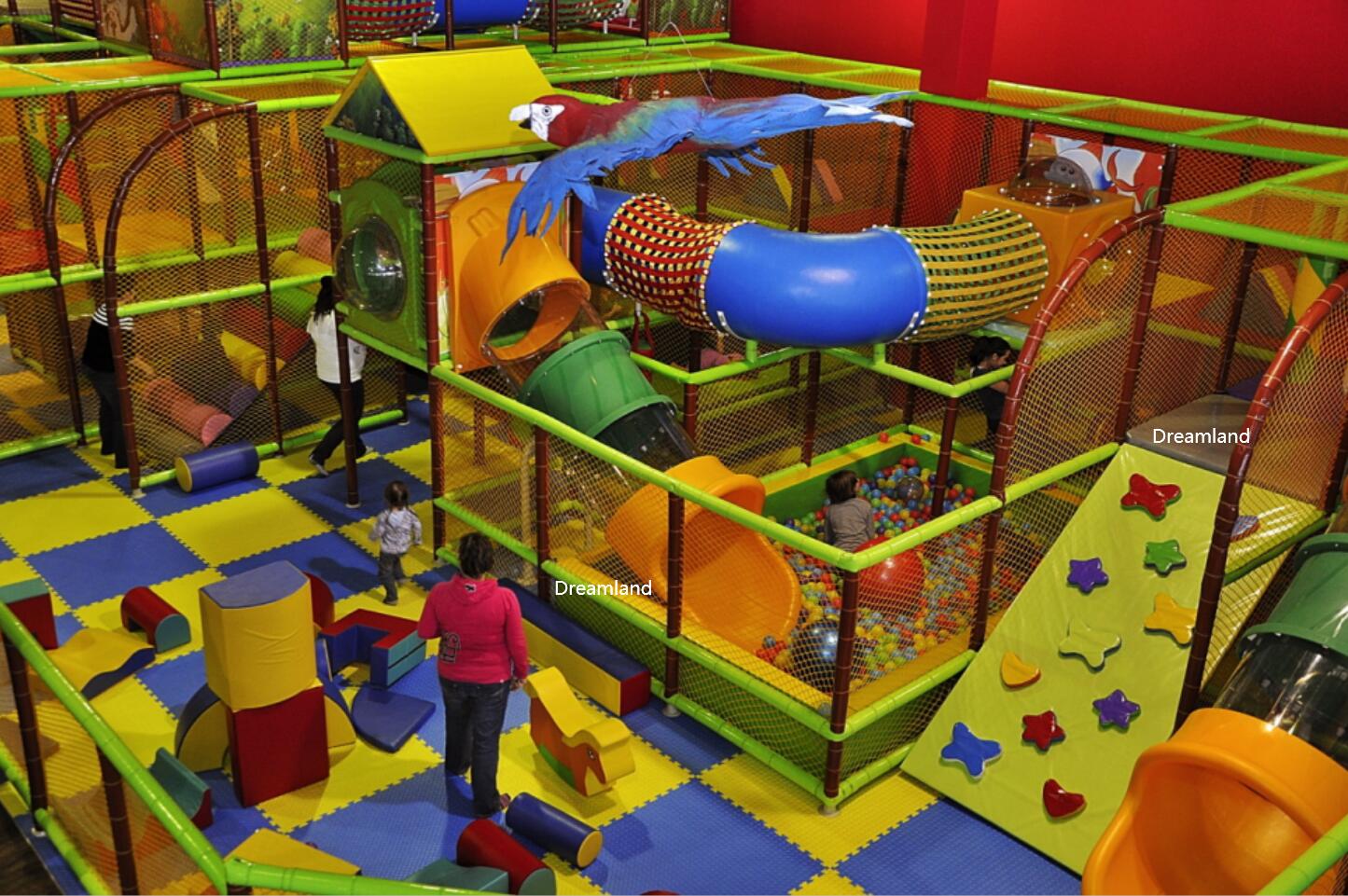
    Soft Play Areas Soft structures, ball pits, and safe climbing equipment Family entertainment centers, daycares Pros: Safe for young children, promotes social play. Cons: Limited engagement for older kids.
    Themed Adventure Playgrounds Immersive environments with specific themes (e.g., jungle) Amusement parks, educational facilities Pros: Attracts diverse age groups, encourages imaginative play. Cons: Higher initial investment for setup.
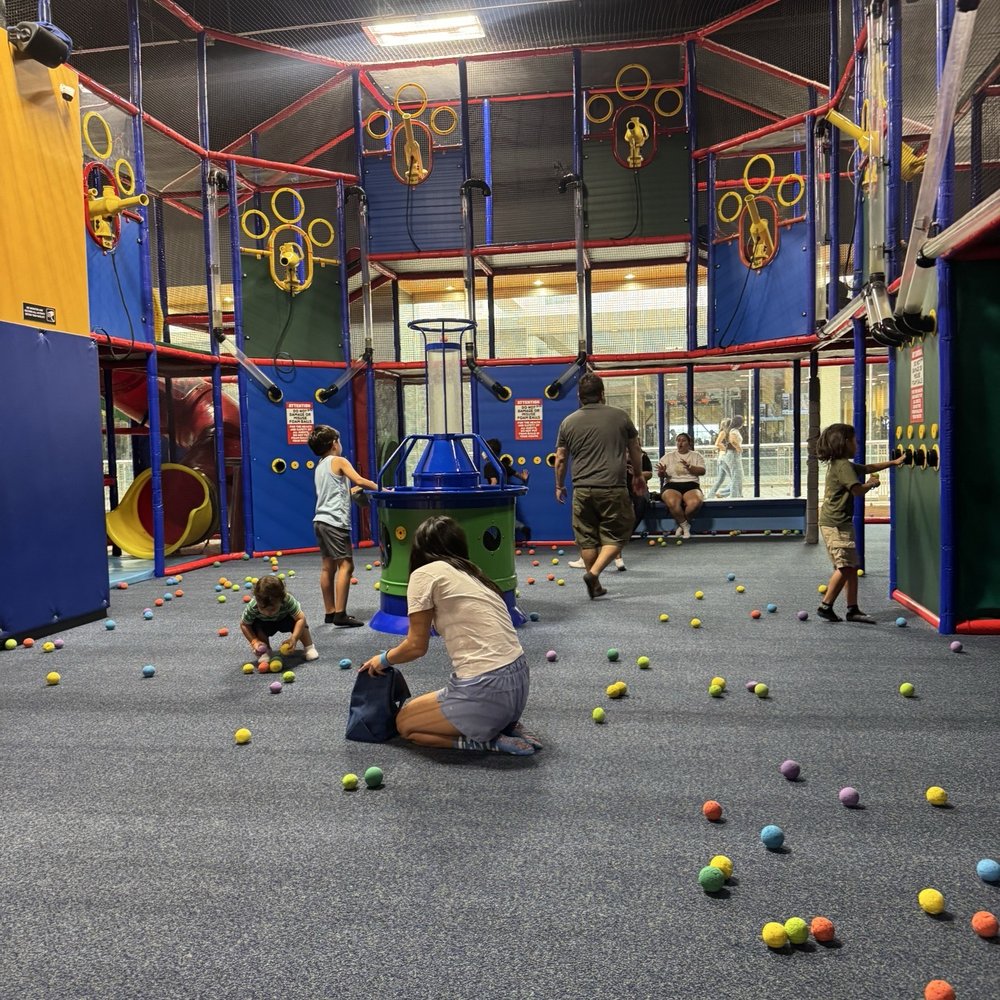
    Interactive Learning Centers Focus on educational play with hands-on exhibits Schools, museums, after-school programs Pros: Combines fun with learning, enhances cognitive skills. Cons: Requires ongoing program development.
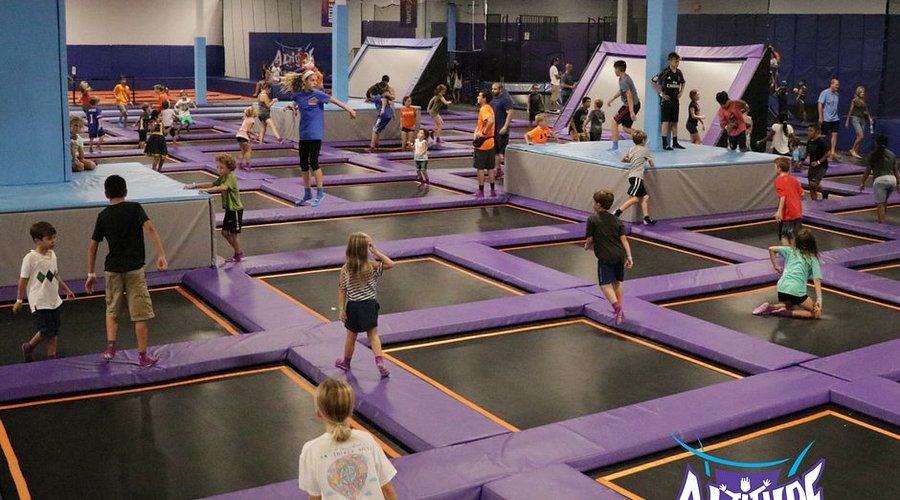
    Trampoline Parks Large trampoline areas with various jumping zones Sports facilities, fitness centers Pros: High energy and engagement, appeals to older kids and teens. Cons: Safety concerns and higher maintenance costs.
    Sensory-Friendly Play Spaces Designed for children with sensory processing issues Special needs schools, therapy centers Pros: Inclusive environment, supports various developmental needs. Cons: May require specialized staff training.

    What are the Characteristics of Soft Play Areas and Their B2B Relevance?

    Soft play areas are characterized by their safe, padded environments filled with climbing structures, ball pits, and slides designed for younger children. These spaces are ideal for family entertainment centers and daycares, as they provide a secure play zone that encourages social interaction. When considering a soft play area, B2B buyers should evaluate safety standards, space requirements, and the potential for modular designs that can adapt to different facility sizes.

    How Do Themed Adventure Playgrounds Attract Diverse Audiences?

    Themed adventure playgrounds create immersive experiences that engage children through imaginative play. With unique themes such as jungle, space, or underwater, these playgrounds can appeal to a wide range of age groups, making them suitable for amusement parks and educational facilities. B2B buyers should consider the initial investment for construction and ongoing maintenance costs, as well as the potential for increased foot traffic and repeat visits due to the engaging nature of these environments.

    What Benefits Do Interactive Learning Centers Offer for Educational Institutions?

    Interactive learning centers focus on educational play through hands-on exhibits and activities that stimulate cognitive development. These centers are well-suited for schools, museums, and after-school programs, providing a dual benefit of fun and learning. When purchasing equipment for these centers, B2B buyers should assess the educational value of the activities offered, along with the durability and safety of the installations to ensure a long-lasting investment.

    An application scenario or product detail of best indoor playground - Image 1

    Illustrative image related to best indoor playground

    Why Are Trampoline Parks Popular Among Older Kids and Teens?

    Trampoline parks feature expansive jumping areas, obstacle courses, and foam pits, catering to older children and teens seeking high-energy activities. These parks are often integrated into sports facilities and fitness centers, attracting a demographic that values active play. B2B buyers must consider the safety measures in place, as well as the potential for high maintenance costs associated with trampoline setups, to ensure a profitable venture.

    How Do Sensory-Friendly Play Spaces Support Developmental Needs?

    Sensory-friendly play spaces are designed to accommodate children with sensory processing issues, featuring calming colors, tactile experiences, and structured activities. These spaces are particularly beneficial for special needs schools and therapy centers. B2B buyers should prioritize the training of staff to effectively engage with children who have varying developmental needs, as well as the importance of creating a welcoming and inclusive environment.

    Key Industrial Applications of best indoor playground

    Industry/Sector Specific Application of best indoor playground Value/Benefit for the Business Key Sourcing Considerations for this Application
    Childcare Facilities Indoor play zones for toddlers and preschoolers Enhanced child engagement and development Safety standards, age-appropriate design, and maintenance support
    Family Entertainment Centers Interactive play areas for family outings Increased foot traffic and extended visit duration Space optimization, diverse play options, and aesthetic appeal
    Educational Institutions Play-based learning environments for early education Improved learning outcomes and student satisfaction Curriculum integration, safety compliance, and flexibility in design
    Hotels and Resorts Recreational areas for families traveling with children Enhanced guest experience and competitive differentiation Space constraints, themed designs, and integration with services
    Community Centers Multi-use indoor play spaces for local events Community engagement and support for local families Versatility of equipment, community needs assessment, and accessibility

    How Can Childcare Facilities Benefit from Indoor Playgrounds?

    Childcare facilities can greatly enhance their offerings by incorporating best indoor playgrounds designed specifically for toddlers and preschoolers. These play zones provide a safe and stimulating environment that promotes physical activity, social interaction, and cognitive development. For international buyers, particularly in regions like Africa and South America, sourcing playground equipment that meets local safety standards is crucial. Additionally, considerations for maintenance support and age-appropriate designs will ensure the playground remains a valuable asset.

    What Advantages Do Family Entertainment Centers Gain from Indoor Play Areas?

    Family entertainment centers can significantly benefit from adding interactive indoor play areas. These spaces not only attract families but also encourage longer visits, as children are engaged in active play. This can lead to increased revenue from food, beverages, and additional activities. Buyers should focus on space optimization and diverse play options to cater to various age groups, ensuring an aesthetic appeal that aligns with the overall theme of the center.

    How Do Educational Institutions Enhance Learning with Indoor Playgrounds?

    Educational institutions can leverage best indoor playgrounds to create play-based learning environments that foster creativity and exploration. Incorporating these spaces into early education curricula can lead to improved learning outcomes and heightened student satisfaction. For B2B buyers in Europe and the Middle East, it’s essential to ensure that the playground equipment complies with educational standards and safety regulations. Flexibility in design can also help tailor the playground to the specific educational goals of the institution.

    An application scenario or product detail of best indoor playground - Image 2

    Illustrative image related to best indoor playground

    Why Are Indoor Playgrounds Valuable for Hotels and Resorts?

    Hotels and resorts can enhance their guest experience by integrating recreational areas specifically designed for families traveling with children. Best indoor playgrounds provide a unique selling point that can differentiate a hotel from competitors, ultimately leading to higher occupancy rates. Buyers should consider space constraints and the need for themed designs that resonate with their brand identity. Additionally, ensuring that the playground integrates smoothly with other hotel services can maximize guest satisfaction.

    What Role Do Indoor Playgrounds Play in Community Centers?

    Community centers can use best indoor playgrounds as multi-use spaces that host various local events, fostering community engagement. These playgrounds support families by providing a safe environment for children to play while parents connect with one another. When sourcing equipment, it’s important to assess community needs and ensure that the playground is versatile enough to accommodate different activities. Accessibility features should also be prioritized to cater to all children in the community.

    3 Common User Pain Points for ‘best indoor playground’ & Their Solutions

    Scenario 1: Difficulty in Selecting Age-Appropriate Play Equipment

    The Problem: Many B2B buyers, particularly those operating in diverse markets such as Africa and South America, face the challenge of selecting indoor playground equipment that caters to a wide range of age groups. This is particularly important in regions where family units vary significantly in size and structure. Buyers often struggle with ensuring that the equipment is not only safe but also engaging for children of different ages, from toddlers to pre-teens. This concern can lead to hesitation in investment, fearing that the playground may not meet the needs of their target demographic.

    The Solution: To address this challenge, it is essential to conduct thorough market research that focuses on the local demographics and preferences. B2B buyers should source playground equipment from manufacturers that offer modular solutions, allowing for customizable layouts that can adapt to various age groups. Additionally, investing in equipment with safety features and adjustable components can enhance usability across ages. Collaborating with local child development experts can also provide insights into the types of play that are beneficial for different age groups, ensuring that the selected equipment fosters developmental skills while maintaining safety. Finally, consider setting up a pilot playground to gather feedback from parents and children, which can guide future purchases.

    An application scenario or product detail of best indoor playground - Image 3

    Illustrative image related to best indoor playground

    Scenario 2: Managing Operational Costs and Maintenance

    The Problem: One of the most significant pain points for B2B buyers in the indoor playground sector is managing ongoing operational costs, including maintenance, staffing, and utility expenses. In regions where economic conditions can be volatile, maintaining a profitable business model while ensuring high safety and cleanliness standards can be daunting. Buyers are often caught between investing in high-quality equipment and managing budget constraints, leading to potential compromises on safety and customer satisfaction.

    The Solution: To alleviate this issue, B2B buyers should prioritize partnerships with reputable suppliers who provide durable and low-maintenance equipment. Conducting a cost-benefit analysis can help identify which products offer long-term savings despite higher initial costs. Additionally, establishing a comprehensive maintenance schedule can prevent costly repairs and extend the lifespan of the equipment. Investing in staff training programs focused on operational efficiency and safety protocols will further reduce incidents and costs over time. Buyers should also explore collaborative purchasing options with other businesses in the area to reduce costs for supplies and services.

    Scenario 3: Adapting to Seasonal Demand Fluctuations

    The Problem: B2B buyers often experience fluctuations in customer demand based on seasonal changes, which can significantly impact the profitability of indoor playgrounds. For instance, in regions with harsh winters or rainy seasons, the demand for indoor play spaces may surge, while summer months may see a decrease as families prefer outdoor activities. This unpredictability can lead to overstaffing during slow periods and underperformance during peak times, creating operational inefficiencies.

    The Solution: To effectively manage these fluctuations, B2B buyers should implement flexible business strategies that allow for scalability. This could include hiring part-time staff or utilizing seasonal promotions to attract customers during off-peak times. Additionally, creating a robust marketing plan that emphasizes the benefits of indoor play during adverse weather conditions can help maintain consistent customer engagement. Offering special events, themed activities, or partnerships with local businesses can also attract diverse customer segments throughout the year. Utilizing data analytics to track customer trends and preferences will enable buyers to make informed decisions and adapt their strategies proactively, ensuring sustained profitability regardless of seasonal changes.

    An application scenario or product detail of best indoor playground - Image 4

    Illustrative image related to best indoor playground

    Strategic Material Selection Guide for best indoor playground

    What Are the Best Materials for Indoor Playgrounds?

    When selecting materials for indoor playgrounds, B2B buyers must consider various factors such as safety, durability, and compliance with international standards. Here, we analyze four common materials used in indoor playground construction: plastic, wood, metal, and foam. Each material has unique properties, advantages, and disadvantages that can significantly impact the overall design and functionality of the playground.

    How Does Plastic Perform in Indoor Playgrounds?

    Key Properties: Plastic is lightweight, corrosion-resistant, and can withstand a wide range of temperatures. It is also non-toxic and easy to clean, making it ideal for environments frequented by children.

    Pros & Cons: The durability of plastic is generally high, but it can become brittle over time if exposed to extreme temperatures. While the initial cost is low to medium, the manufacturing complexity can vary based on the type of plastic used. Additionally, plastic components can be molded into various shapes, enhancing the playground’s aesthetic appeal.

    Impact on Application: Plastic is particularly suitable for components like slides, climbing structures, and play panels due to its safety features and ease of maintenance.

    Considerations for International Buyers: Compliance with safety standards such as ASTM F1487 and EN 1176 is crucial. Buyers from regions like Africa and South America should also be aware of local regulations regarding material safety and toxicity.

    An application scenario or product detail of best indoor playground - Image 5

    Illustrative image related to best indoor playground

    What Are the Advantages of Using Wood in Indoor Playgrounds?

    Key Properties: Wood is a robust material with excellent structural integrity. It offers natural insulation properties, helping to maintain a comfortable environment.

    Pros & Cons: While wood is aesthetically pleasing and provides a warm atmosphere, it can be susceptible to moisture and pests, which may require additional treatments. The cost is typically medium to high, and manufacturing can be complex due to the need for precise cuts and finishes.

    Impact on Application: Wood is often used for structural components, such as beams and supports, as well as for play structures that encourage imaginative play.

    Considerations for International Buyers: Buyers should ensure that the wood used complies with international standards for treatment and sustainability, such as FSC certification. This is particularly important in regions like Europe, where environmental regulations are stringent.

    An application scenario or product detail of best indoor playground - Image 6

    Illustrative image related to best indoor playground

    Why Choose Metal for Indoor Playgrounds?

    Key Properties: Metal, particularly steel, is known for its high strength-to-weight ratio and resistance to wear and tear. It can withstand significant loads and is resistant to corrosion when treated properly.

    Pros & Cons: The durability of metal is exceptional, making it suitable for high-traffic areas. However, the initial cost can be high, and manufacturing can be complex, requiring specialized equipment. Additionally, metal can become hot to the touch in sunny environments, which may pose safety risks.

    Impact on Application: Metal is commonly used for frames, supports, and safety railings, providing a solid foundation for various playground elements.

    Considerations for International Buyers: Compliance with safety standards like ASTM A500 for structural steel is essential. Buyers from the Middle East and Africa should also consider the impact of humidity and temperature on metal components.

    An application scenario or product detail of best indoor playground - Image 7

    Illustrative image related to best indoor playground

    What Role Does Foam Play in Indoor Playgrounds?

    Key Properties: Foam is lightweight, soft, and provides excellent shock absorption. It is often used in areas where children may fall or bump into surfaces.

    Pros & Cons: The cost of foam is generally low to medium, and it is easy to install. However, foam can degrade over time, especially if exposed to moisture or heavy use. The manufacturing complexity is low, but the longevity may be a concern.

    Impact on Application: Foam is ideal for safety mats, soft play areas, and cushioning around equipment, making it essential for child safety.

    Considerations for International Buyers: Compliance with fire safety standards, such as EN 13501, is critical. Buyers in regions like South America should prioritize sourcing foam that meets local health and safety regulations.

    An application scenario or product detail of best indoor playground - Image 8

    Illustrative image related to best indoor playground

    Summary Table of Material Selection for Indoor Playgrounds

    Material Typical Use Case for best indoor playground Key Advantage Key Disadvantage/Limitation Relative Cost (Low/Med/High)
    Plastic Slides, climbing structures Lightweight and easy to clean Can become brittle over time Low to Medium
    Wood Structural components, play structures Aesthetic appeal and insulation Susceptible to moisture and pests Medium to High
    Metal Frames, supports, safety railings High durability and strength Can get hot; complex manufacturing High
    Foam Safety mats, soft play areas Excellent shock absorption Can degrade over time Low to Medium

    This material selection guide provides a comprehensive overview for B2B buyers looking to invest in indoor playgrounds, ensuring they make informed decisions that align with safety, durability, and compliance standards.

    In-depth Look: Manufacturing Processes and Quality Assurance for best indoor playground

    What Are the Main Stages of Manufacturing Indoor Playgrounds?

    Manufacturing high-quality indoor playground equipment involves a series of well-defined stages that ensure durability, safety, and compliance with international standards. The primary stages in the manufacturing process include material preparation, forming, assembly, and finishing.

    1. Material Preparation: This initial stage involves selecting suitable materials that meet safety and durability standards. Common materials include high-density polyethylene (HDPE), metal, and foam. Each material is evaluated for its strength, weather resistance, and non-toxicity, especially since children will interact with these surfaces. Suppliers often conduct material tests to ensure compliance with industry standards before proceeding.

    2. Forming: In this stage, materials are shaped into components through techniques such as injection molding for plastics, welding for metal parts, and cutting for wooden structures. Advanced technologies like CNC machining may be employed to achieve precise dimensions and intricate designs, ensuring components fit together seamlessly and enhance the overall aesthetic appeal.

    3. Assembly: The assembly phase involves putting together the formed components into a cohesive structure. This may include bolting, welding, or using adhesives, depending on the materials involved. Skilled technicians often oversee this process to ensure that each piece is correctly aligned and securely attached, adhering to safety specifications.

    4. Finishing: The final stage includes surface treatments like painting, coating, or applying anti-slip finishes to enhance safety and aesthetics. This process not only improves the visual appeal of the playground but also provides additional protection against wear and tear, making the equipment more durable.

    How is Quality Assurance Implemented in Indoor Playground Manufacturing?

    Quality assurance (QA) is critical in the manufacturing of indoor playgrounds, ensuring that every piece of equipment is safe, functional, and compliant with both international and local regulations. Key QA methods include adherence to international standards such as ISO 9001, CE marking, and specific industry certifications.

    1. International Standards: ISO 9001 is a widely recognized quality management system standard that helps organizations ensure they meet customer and regulatory requirements consistently. CE marking indicates conformity with health, safety, and environmental protection standards for products sold within the European Economic Area. Compliance with these standards is crucial for B2B buyers, particularly in regions such as Europe, where regulations are stringent.

    2. Industry-Specific Certifications: In addition to ISO and CE, various industry-specific certifications may apply. For example, the American Society for Testing and Materials (ASTM) provides standards for playground equipment safety. Compliance with these standards assures buyers that the equipment meets rigorous safety requirements.

    3. Quality Control Checkpoints: Manufacturers typically implement several quality control checkpoints throughout the production process:
      – Incoming Quality Control (IQC): This is the first line of defense, where raw materials are inspected upon arrival to ensure they meet specified standards.
      – In-Process Quality Control (IPQC): During manufacturing, processes are monitored to identify any deviations from quality standards immediately.
      – Final Quality Control (FQC): Once assembly is complete, a thorough inspection is conducted to ensure the final product meets all safety and quality standards before shipment.

    4. Common Testing Methods: Manufacturers employ various testing methods to ensure quality, including:
      – Mechanical Testing: Evaluating the strength and durability of materials under different loads.
      – Chemical Testing: Ensuring materials are free from harmful substances, particularly in items like foam and plastics.
      – Safety Testing: Simulating real-world use to identify potential hazards, ensuring that the playground equipment is safe for children.

    How Can B2B Buyers Verify Supplier Quality Control?

    B2B buyers must implement due diligence when selecting suppliers to ensure they adhere to quality standards. Here are several strategies to verify a supplier’s quality control measures:

    1. Supplier Audits: Conducting on-site audits of potential suppliers can provide insights into their manufacturing processes and quality assurance practices. This allows buyers to assess whether the supplier complies with relevant standards and maintains a commitment to quality.

    2. Quality Reports: Requesting detailed quality reports from suppliers can help buyers understand the effectiveness of their quality control processes. These reports should include information on testing results, certifications, and any corrective actions taken in response to quality issues.

    3. Third-Party Inspections: Engaging third-party inspection services can provide an unbiased assessment of a supplier’s quality control. These inspectors can evaluate compliance with international standards and industry-specific regulations, providing an additional layer of assurance for buyers.

    4. Certifications and Documentation: Buyers should always ask for copies of certifications and documentation from suppliers. This includes ISO certifications, CE marking, and any other relevant compliance documents. Ensuring these are up-to-date is crucial for maintaining a high standard of quality.

    What Are the Quality Control Nuances for International B2B Buyers?

    For international B2B buyers, particularly from regions like Africa, South America, the Middle East, and Europe, understanding the nuances of quality control in manufacturing is vital:

    An application scenario or product detail of best indoor playground - Image 9

    Illustrative image related to best indoor playground

    1. Cultural Differences in Quality Standards: Different regions may have varying expectations regarding quality and safety standards. Buyers must familiarize themselves with local regulations in the countries they operate, ensuring that the equipment complies with both the exporting and importing nations’ standards.

    2. Logistical Challenges: Transporting playground equipment internationally can pose risks of damage or misalignment. Buyers should inquire about the packaging and shipping practices of suppliers to minimize these risks and ensure that the equipment arrives in optimal condition.

    3. After-Sales Support and Warranty: Assessing the supplier’s after-sales support and warranty policies is essential. A robust warranty and responsive customer service can mitigate risks associated with potential defects or issues post-installation.

    4. Communication and Transparency: Establishing clear communication channels with suppliers is critical for addressing any quality concerns promptly. Transparency in production timelines, quality issues, and certifications can foster trust and ensure a smoother procurement process.

    In conclusion, the manufacturing processes and quality assurance measures for indoor playground equipment are critical for ensuring safety and durability. B2B buyers must be proactive in verifying supplier quality control practices to make informed purchasing decisions that align with their regional standards and customer expectations.

    Practical Sourcing Guide: A Step-by-Step Checklist for ‘best indoor playground’

    Introduction

    In the evolving landscape of recreational businesses, sourcing the best indoor playground equipment and facilities is essential for creating a successful venture. This guide provides B2B buyers with a step-by-step checklist to navigate the procurement process effectively, ensuring that your investment meets both quality and safety standards while appealing to your target market.

    Step 1: Define Your Target Demographics

    Understanding your audience is crucial in designing an indoor playground that caters to specific age groups and interests. Identify the age range of children you intend to serve and consider the interests of parents, as they are often the decision-makers. This will help you select equipment and themes that resonate with your customers, enhancing engagement and repeat visits.

    An application scenario or product detail of best indoor playground - Image 10

    Illustrative image related to best indoor playground

    Step 2: Research Market Trends and Innovations

    Staying informed about the latest trends in indoor play can give you a competitive edge. Investigate emerging themes, popular features, and the latest safety standards in the industry. Look for innovations such as interactive play structures or sensory-friendly designs that cater to children with different needs, ensuring your playground remains relevant and appealing.

    Step 3: Evaluate Potential Suppliers

    Before making a commitment, thoroughly vet potential suppliers. Request company profiles, case studies, and references from buyers in similar markets. Look for suppliers that specialize in indoor playgrounds and have a proven track record of delivering quality products and services. This due diligence will minimize risks and ensure reliability.

    Step 4: Assess Quality and Safety Standards

    Safety is paramount in any indoor play environment. Verify that the equipment complies with local and international safety standards, such as ASTM or EN certifications. Inspect materials for durability and non-toxicity, ensuring that the playground can withstand heavy use while providing a safe environment for children.

    Step 5: Consider Customization Options

    Customization can set your playground apart from competitors. Discuss with suppliers the possibility of tailoring equipment to reflect your brand or local culture. Custom themes, colors, and features can create a unique experience that attracts families and encourages repeat business.

    An application scenario or product detail of best indoor playground - Image 11

    Illustrative image related to best indoor playground

    Step 6: Request Samples and Demonstrations

    Before finalizing your order, request samples or live demonstrations of the equipment. This allows you to evaluate the quality and functionality firsthand. Observing how children interact with the equipment can provide insights into its appeal and usability, helping you make an informed purchasing decision.

    Step 7: Review Warranty and After-Sales Support

    A comprehensive warranty and strong after-sales support are essential for long-term satisfaction. Ensure that the supplier offers a solid warranty covering defects and damages. Additionally, inquire about maintenance services and customer support to address any issues that may arise post-installation.

    By following this checklist, B2B buyers can confidently navigate the sourcing process for the best indoor playground, ensuring a profitable and engaging investment for their target markets.

    Comprehensive Cost and Pricing Analysis for best indoor playground Sourcing

    What Are the Key Cost Components in Indoor Playground Sourcing?

    When sourcing equipment and materials for indoor playgrounds, understanding the cost structure is critical for B2B buyers. The primary components include:

    An application scenario or product detail of best indoor playground - Image 12

    Illustrative image related to best indoor playground

    • Materials: This encompasses the cost of durable, safe materials such as high-density foam, plastic, metal, and wood. The choice of materials affects both safety standards and longevity, with premium materials often translating to higher costs.

    • Labor: Labor costs can vary widely based on geographical location, skill level, and labor laws. Skilled labor is essential for installation and safety compliance, which can increase overall expenses.

    • Manufacturing Overhead: This includes costs related to utilities, rent, and administrative expenses that manufacturers incur during production. It is essential to consider these when evaluating supplier pricing.

    • Tooling: Tooling costs involve the creation of molds or special equipment necessary for producing custom playground components. Customization can lead to significant variations in cost.

    • Quality Control (QC): Ensuring that products meet safety and quality standards incurs additional costs. Buyers should verify suppliers’ QC processes to minimize risks.

    • Logistics: Shipping and handling costs can be substantial, especially for bulky playground equipment. Factors such as distance, shipping methods, and customs duties play a critical role in this component.

    • Margin: Suppliers often add a markup for profit, which varies significantly based on market conditions and competition.

    How Do Price Influencers Affect Indoor Playground Costs?

    Several factors can influence pricing in the indoor playground market:

    • Volume/MOQ (Minimum Order Quantity): Larger orders typically result in lower per-unit costs. Buyers should evaluate their capacity to stock inventory versus the potential savings from bulk purchasing.

    • Specifications and Customization: Custom designs tailored to specific themes or safety standards can increase costs. Understanding the balance between customization and budget is key.

    • Materials Quality and Certifications: Higher quality materials and certifications (e.g., ASTM, EN standards) can lead to increased costs but may be essential for safety compliance and marketability.

    • Supplier Factors: The reputation and reliability of suppliers can affect pricing. Established suppliers might charge more due to their proven track record of quality and service.

    • Incoterms: Understanding shipping terms and responsibilities can significantly impact total costs. Buyers should be clear about who is responsible for costs at various stages of the supply chain.

    What Buyer Tips Can Help Optimize Costs and Pricing?

    For B2B buyers, especially those in regions like Africa, South America, the Middle East, and Europe, the following strategies can enhance cost-efficiency:

    • Negotiation: Engaging in negotiations can yield favorable pricing. Understanding market rates and establishing a good relationship with suppliers can provide leverage.

    • Total Cost of Ownership (TCO): Consider not just the purchase price but also ongoing costs related to maintenance, warranty, and potential repairs. A lower upfront cost might lead to higher long-term expenses.

    • International Pricing Nuances: Be aware of currency fluctuations, import tariffs, and local regulations that can influence final costs. Establishing relationships with local distributors may mitigate some of these challenges.

    • Market Research: Conduct thorough research on various suppliers and their offerings. Comparing multiple quotes can help identify the best value while ensuring quality and compliance.

    Disclaimer on Indicative Prices

    Prices for indoor playground equipment can vary significantly based on the aforementioned factors. Buyers should conduct detailed inquiries and consider obtaining quotes from multiple suppliers to ensure they receive competitive pricing tailored to their specific needs.

    Alternatives Analysis: Comparing best indoor playground With Other Solutions

    Understanding Alternative Solutions to Indoor Playgrounds for B2B Buyers

    When considering investments in children’s entertainment, particularly in regions such as Africa, South America, the Middle East, and Europe, businesses must evaluate various solutions beyond traditional indoor playgrounds. This section delves into viable alternatives, comparing their performance, cost-effectiveness, ease of implementation, maintenance, and best use cases, enabling informed decision-making for B2B buyers.

    Comparison Aspect Best Indoor Playground Mobile Play Units Outdoor Adventure Parks
    Performance High engagement and physical activity for children Moderate engagement; dependent on space and set-up High engagement; combines physical activity with nature experiences
    Cost Higher initial investment for equipment and space Lower setup cost; can be rented or purchased Variable costs; may require significant land investment
    Ease of Implementation Requires space and design planning Quick setup; adaptable to various locations Longer planning and construction period; permits may be needed
    Maintenance Regular upkeep required for equipment safety Minimal maintenance; seasonal wear and tear Ongoing maintenance for natural landscapes and facilities
    Best Use Case Ideal for year-round use in urban settings Best for temporary events or areas lacking permanent facilities Suitable for regions with favorable climates, encouraging outdoor play

    What Are the Advantages and Disadvantages of Mobile Play Units?

    Mobile play units offer a flexible solution for businesses looking to provide children’s entertainment without the need for a permanent structure. These units can be set up in various locations, making them ideal for events, festivals, or temporary installations. The cost-effectiveness of mobile play units is a significant advantage, as they often require a lower initial investment compared to traditional playgrounds. However, their performance can be inconsistent, as engagement levels depend heavily on the space and the children’s interests. Additionally, while maintenance is minimal, seasonal wear and tear can affect the longevity of the equipment.

    An application scenario or product detail of best indoor playground - Image 13

    Illustrative image related to best indoor playground

    How Do Outdoor Adventure Parks Compare as an Alternative?

    Outdoor adventure parks provide a unique experience by integrating physical activity with natural environments. These parks can attract families looking for a different form of engagement, often combining climbing, zip-lining, and other activities that promote physical fitness. While they can generate high engagement, they come with a variable cost structure that may require significant land investment and ongoing maintenance to ensure safety and accessibility. The planning and construction period for outdoor parks can also be lengthy, often necessitating permits and community consultations, which may not be feasible for all B2B buyers.

    Conclusion: How Should B2B Buyers Choose the Right Solution for Their Needs?

    Choosing the right solution for children’s entertainment requires a thorough assessment of specific business needs, including budget constraints, target demographics, and location characteristics. Indoor playgrounds offer a robust, engaging environment suitable for year-round use, but they come with higher initial costs and maintenance needs. In contrast, mobile play units provide flexibility and lower costs, making them ideal for temporary solutions, while outdoor adventure parks appeal to businesses in suitable climates looking to leverage natural landscapes. By carefully evaluating these alternatives, B2B buyers can align their investments with their strategic goals and customer expectations.

    Essential Technical Properties and Trade Terminology for best indoor playground

    What Are the Key Technical Properties Essential for Indoor Playgrounds?

    When considering the construction and design of an indoor playground, several technical properties are critical for ensuring safety, durability, and user satisfaction. Below are essential specifications to keep in mind:

    1. Material Grade

    The material grade refers to the quality and type of materials used in the playground’s construction. Common materials include high-density polyethylene (HDPE) for structures and safety mats made from ethylene-vinyl acetate (EVA). Choosing high-grade materials ensures longevity and safety, minimizing the risk of wear and tear, which is vital for maintaining a safe environment for children.

    2. Load Capacity

    Load capacity indicates the maximum weight that equipment can safely support. This specification is critical for ensuring that the playground can accommodate the expected number of users without compromising safety. It’s essential to consider not only the children’s weight but also the potential for multiple users on structures like slides and climbing walls.

    3. Fall Height

    Fall height is the maximum height from which a child could fall while using the equipment. It is crucial to assess this specification to determine the appropriate safety surfacing, such as foam mats or rubber tiles. Compliance with local safety standards regarding fall heights helps prevent injuries and ensures that the playground meets regulatory requirements.

    4. Tolerance Levels

    Tolerance levels refer to the permissible variations in dimensions and specifications during manufacturing. For indoor playground equipment, precise tolerances ensure that components fit together correctly, enhancing safety and functionality. Poor tolerances can lead to equipment malfunctions or safety hazards, making this a critical specification for B2B buyers.

    5. UV Resistance

    UV resistance is the ability of materials to withstand degradation from ultraviolet light exposure. This property is especially important for indoor playgrounds that may use materials exposed to natural light. Ensuring UV resistance helps maintain the aesthetic appeal and structural integrity of the playground over time.

    An application scenario or product detail of best indoor playground - Image 15

    Illustrative image related to best indoor playground

    What Trade Terms Should B2B Buyers Understand in the Indoor Playground Industry?

    Familiarity with industry terminology is crucial for navigating the procurement process effectively. Here are common terms that B2B buyers should be aware of:

    1. OEM (Original Equipment Manufacturer)

    An OEM is a company that produces parts or equipment that may be marketed by another manufacturer. Understanding OEM relationships can help buyers identify reliable sources for high-quality components, ensuring the playground meets safety and performance standards.

    2. MOQ (Minimum Order Quantity)

    MOQ refers to the smallest quantity of a product that a supplier is willing to sell. This term is significant for B2B buyers as it affects inventory management and cost efficiency. Knowing the MOQ helps businesses plan their purchases and avoid excess stock.

    3. RFQ (Request for Quotation)

    An RFQ is a document sent to suppliers requesting pricing information for specific products or services. B2B buyers utilize RFQs to compare costs and services from different suppliers, enabling informed decision-making regarding purchasing.

    4. Incoterms (International Commercial Terms)

    Incoterms are a set of rules that define responsibilities between buyers and sellers in international trade. Understanding these terms, such as FOB (Free on Board) and CIF (Cost, Insurance, and Freight), is essential for B2B buyers to clarify shipping responsibilities and costs, thus avoiding disputes.

    An application scenario or product detail of best indoor playground - Image 16

    Illustrative image related to best indoor playground

    5. Lead Time

    Lead time is the period between placing an order and receiving the product. This term is vital for planning and scheduling projects. B2B buyers must consider lead times when making procurement decisions to ensure timely delivery and project completion.

    6. Safety Standards

    Safety standards refer to regulations and guidelines that govern the design and operation of playground equipment. Familiarity with local and international safety standards, such as ASTM and EN standards, is crucial for ensuring compliance and safeguarding children’s welfare.

    Understanding these technical properties and trade terms can empower B2B buyers to make informed decisions when sourcing and purchasing equipment for indoor playgrounds, ultimately enhancing safety and user experience.

    What Are the Key Market Dynamics and Trends Impacting the Indoor Playground Sector?

    The indoor playground sector is experiencing significant growth, driven by a convergence of factors across global markets. Key drivers include urbanization, which has led to increased demand for recreational spaces in densely populated areas, and a growing awareness of child development, emphasizing the importance of play in early childhood. Additionally, the rise of family-oriented leisure activities, particularly in regions like Africa, South America, and the Middle East, is reshaping market dynamics. International B2B buyers are increasingly looking for innovative, engaging, and safe play solutions that cater to diverse age groups and abilities.

    An application scenario or product detail of best indoor playground - Image 17

    Illustrative image related to best indoor playground

    Emerging B2B technology trends are also influencing sourcing strategies. The integration of digital solutions, such as augmented reality (AR) and virtual reality (VR), is enhancing the play experience, making indoor playgrounds more interactive and appealing. Moreover, data analytics is being utilized to understand consumer preferences and optimize operational efficiency. As a result, businesses are seeking suppliers that offer not only high-quality equipment but also technological advancements that can provide a competitive edge.

    Furthermore, the global pandemic has shifted consumer priorities, with a heightened focus on health and safety standards in recreational spaces. This shift is prompting B2B buyers to prioritize suppliers that can guarantee compliance with stringent safety regulations and provide hygienic solutions. Overall, understanding these market dynamics and sourcing trends is crucial for international buyers looking to invest in the best indoor playground options.

    How Can Sustainability and Ethical Sourcing Enhance the Indoor Playground Experience?

    Sustainability and ethical sourcing are increasingly paramount in the indoor playground sector, reflecting broader global concerns about environmental impact and social responsibility. The production and installation of playground equipment can have significant environmental consequences, from resource extraction to waste generation. Therefore, B2B buyers are encouraged to seek out suppliers who prioritize sustainable practices, such as using recycled materials and minimizing energy consumption in manufacturing processes.

    Incorporating green certifications into sourcing strategies not only enhances brand reputation but also aligns with consumer preferences for eco-friendly products. Certifications such as Forest Stewardship Council (FSC) for wood products or Global Organic Textile Standard (GOTS) for fabrics can serve as benchmarks for sustainability. Additionally, ethical sourcing practices that ensure fair labor conditions and support local economies are increasingly important. Buyers who prioritize these factors can differentiate their offerings in a competitive market while contributing to a more sustainable future.

    By aligning sourcing strategies with sustainability goals, businesses can create indoor playgrounds that are not only fun and engaging but also environmentally friendly and socially responsible. This approach resonates particularly well with modern consumers, who are more inclined to support brands that demonstrate a commitment to ethical practices.

    An application scenario or product detail of best indoor playground - Image 18

    Illustrative image related to best indoor playground

    What Has Been the Evolution of the Indoor Playground Sector?

    The evolution of the indoor playground sector reflects changing societal values and the growing recognition of the importance of play in child development. Initially, indoor play spaces were simple structures with basic equipment, primarily catering to the needs of young children. However, as research highlighted the benefits of active play for cognitive and social development, the industry began to innovate.

    Over the last two decades, advancements in design and technology have transformed indoor playgrounds into immersive environments that encourage creative play. The introduction of themed play areas, interactive elements, and safety features has become standard, catering to a broader demographic that includes children of all ages and abilities. This evolution has not only expanded the market but also increased the complexity of sourcing strategies, as buyers must navigate a landscape rich with diverse options and technologies.

    As the sector continues to grow, it remains essential for B2B buyers to stay informed about emerging trends, sustainability practices, and consumer preferences to make strategic sourcing decisions that align with both market demands and ethical considerations.

    An application scenario or product detail of best indoor playground - Image 19

    Illustrative image related to best indoor playground

    Frequently Asked Questions (FAQs) for B2B Buyers of best indoor playground

    1. How do I choose the right indoor playground equipment for my market?
      When selecting indoor playground equipment, consider the age range of your target demographic, safety standards, and the specific interests of children in your market. Research local trends and preferences to tailor your offerings. Collaborate with suppliers who provide customizable solutions that align with cultural and regional preferences. Additionally, ensure that the equipment meets international safety certifications to enhance trust and compliance in your targeted regions.

    2. What are the most popular features in indoor playgrounds?
      Popular features in indoor playgrounds include soft play areas, climbing structures, ball pits, and interactive games. Incorporating sensory play elements can also attract a wider audience, particularly among children with special needs. Consider integrating themed areas that reflect local culture or interests to enhance engagement. Additionally, features like cafes or parent lounges can provide added value, making the playground a preferred destination for families.

    3. What are the minimum order quantities (MOQs) for indoor playground equipment?
      Minimum order quantities can vary significantly by supplier and the type of equipment. Some manufacturers may have MOQs ranging from a few units to several dozen. It’s essential to discuss your specific needs with potential suppliers early in the negotiation process to ensure they can accommodate your volume and budget. Many suppliers offer flexibility for first-time buyers or bulk orders, which can be advantageous for establishing a long-term relationship.

    4. How do I vet suppliers for indoor playground equipment?
      To vet suppliers, start by reviewing their product range and previous client testimonials. Request references from other businesses that have purchased similar equipment. Verify their compliance with international safety standards and certifications, which can be crucial for ensuring quality. Additionally, consider visiting their manufacturing facility if possible, or request a virtual tour, to assess their production processes and quality control measures.

    5. What payment terms should I expect when sourcing from international suppliers?
      Payment terms can vary widely among suppliers, but common options include upfront payment, 30% deposit with the balance upon delivery, or net 30/60 days after receipt. It’s crucial to clarify these terms before finalizing your order to avoid misunderstandings. Consider using secure payment methods, such as letters of credit or escrow services, to protect your investment, especially when dealing with international transactions.

    6. How can I ensure quality assurance (QA) in my indoor playground equipment?
      Implementing a robust quality assurance process involves setting clear specifications and standards with your supplier. Request samples before committing to a full order to assess material quality and safety features. Establish an inspection protocol during production and before shipment, including third-party inspections if necessary. Regular communication with your supplier throughout the production process can also help address any potential issues early.

    7. What logistics considerations should I keep in mind for importing playground equipment?
      Logistics for importing playground equipment include selecting reliable shipping partners, understanding customs regulations, and planning for potential delays. Ensure that you have all necessary documentation, such as import permits and safety certifications, ready for customs clearance. It’s also important to factor in shipping costs, insurance, and storage solutions upon arrival. Partnering with a logistics expert can streamline this process and help mitigate risks.

    8. How can I customize indoor playground designs for different cultural contexts?
      Customizing indoor playground designs requires understanding the cultural preferences and play styles of children in your target market. Engage with local stakeholders, such as parents and educators, to gather insights on desired themes and features. Collaborate with designers who specialize in culturally relevant play environments, ensuring that the equipment is not only safe but also appealing and educational. Incorporating local art, storytelling elements, and community involvement can enhance the playground’s relevance and success.

    Top 2 Best Indoor Playground Manufacturers & Suppliers List

    1. Metro Family Magazine – Indoor Play Spaces

    Metro Family Magazine - Indoor Play Spaces

    Domain: metrofamilymagazine.com

    Registered: 2002 (23 years)

    Introduction: 1. Mon Ami Play Studio: Montessori-inspired indoor playground with blocks, kitchen toys, jungle gyms, and textured walls. Intimate space for parents to see their children.
    2. We Rock the Spectrum Kid’s Gym: Inclusive play space with equipment for children of varying abilities, including a zipline and low swings. Locations in Edmond, Norman, and Yukon.
    3. Into Space Indoor Playground: Space-theme…

    2. Treehouse Indoor Play – Indoor Playgrounds for Kids

    Treehouse Indoor Play - Indoor Playgrounds for Kids

    Domain: treehouseindoorplay.com

    Registered: 2024 (1 years)

    Introduction: Indoor playgrounds located in Fort Lauderdale (8,000 sq ft) and Pompano Beach (13,000 sq ft) designed for children ages 6 months to 8 years. Features include multiple play zones, a two-story playground with tunnels, climbing walls, slides, a ninja warrior course, a zipline, and a dedicated baby jungle area. Offers all-day play passes ($14.99 for ages 6-23 months, $22.99 for ages 2+), sibling disco…

    Strategic Sourcing Conclusion and Outlook for best indoor playground

    In summary, the indoor playground sector presents significant opportunities for international B2B buyers, particularly in regions such as Africa, South America, the Middle East, and Europe. The diverse offerings from various indoor play areas—from imaginative play spaces to educational programs—highlight the growing demand for safe, engaging environments for children. By strategically sourcing high-quality equipment and innovative concepts, businesses can enhance their service offerings and meet the evolving expectations of families seeking recreational activities.

    Strategic sourcing is essential for maximizing value, ensuring compliance with safety standards, and fostering long-term partnerships with suppliers. As consumer preferences shift towards unique and enriching experiences for children, there is an urgent need for businesses to adapt and innovate.

    Looking ahead, international buyers should proactively explore partnerships with leading indoor playground providers. By investing in state-of-the-art facilities and unique attractions, businesses can position themselves at the forefront of this expanding market. Engage with suppliers who prioritize sustainability and creativity to cater to the diverse needs of families across different cultures. Embrace this opportunity to elevate your business and contribute to the growth of indoor recreational spaces worldwide.

    Important Disclaimer & Terms of Use

    ⚠️ Important Disclaimer

    The information provided in this guide, including content regarding manufacturers, technical specifications, and market analysis, is for informational and educational purposes only. It does not constitute professional procurement advice, financial advice, or legal advice.

    While we have made every effort to ensure the accuracy and timeliness of the information, we are not responsible for any errors, omissions, or outdated information. Market conditions, company details, and technical standards are subject to change.

    An application scenario or product detail of best indoor playground - Image 20

    Illustrative image related to best indoor playground

    B2B buyers must conduct their own independent and thorough due diligence before making any purchasing decisions. This includes contacting suppliers directly, verifying certifications, requesting samples, and seeking professional consultation. The risk of relying on any information in this guide is borne solely by the reader.

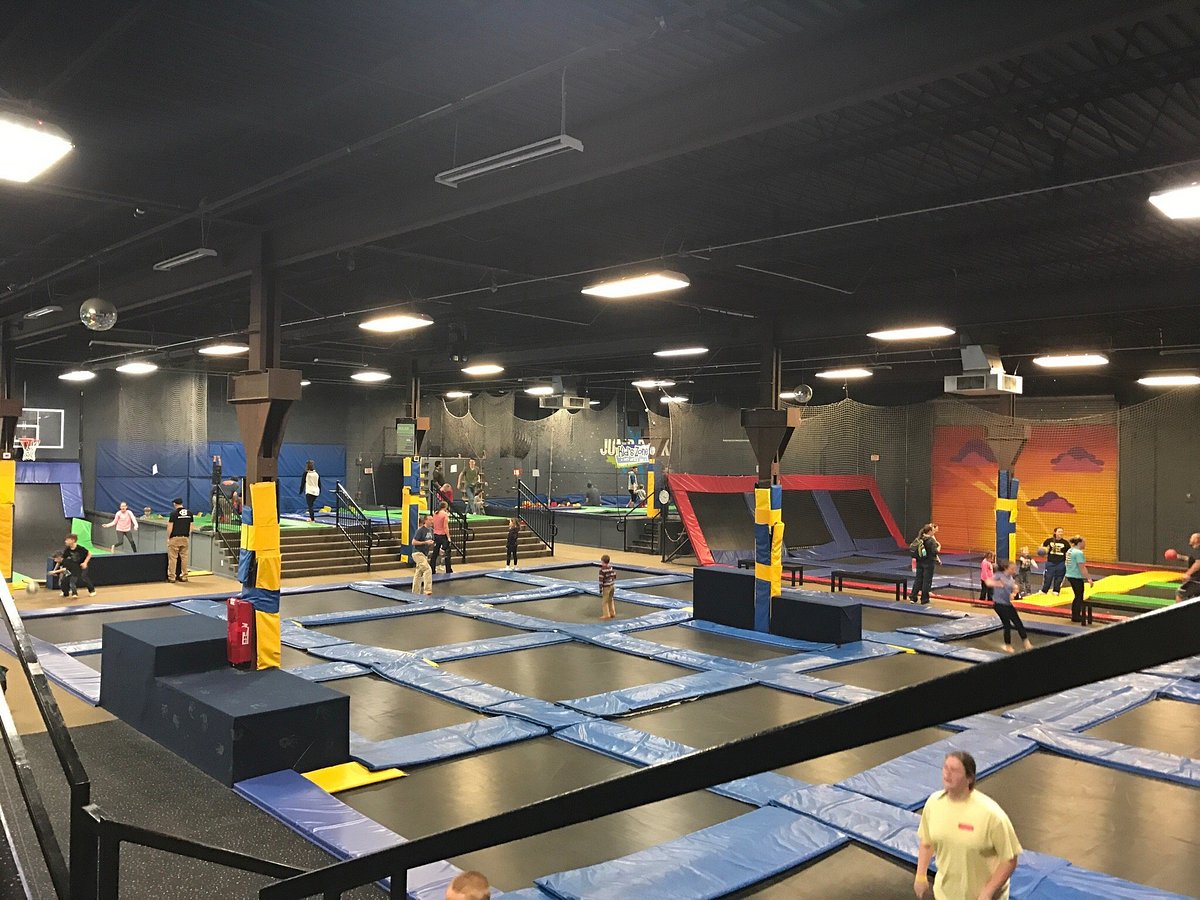
  • Trampoline Park Chattanooga Explained: From A to Z for B2B Buyers

    Trampoline Park Chattanooga Explained: From A to Z for B2B Buyers

    Introduction: Navigating the Global Market for trampoline park chattanooga

    As the demand for recreational activities continues to soar globally, sourcing the right trampoline park in Chattanooga becomes a pivotal decision for international B2B buyers. This guide is designed to navigate the complexities of the trampoline park market, focusing on the diverse offerings available in Chattanooga. From understanding the various types of trampoline parks and their applications to assessing the nuances of supplier vetting and cost structures, this comprehensive resource equips buyers with the knowledge needed to make informed decisions.

    In an era where family entertainment is increasingly prioritized, trampoline parks present a lucrative investment opportunity, especially in regions like Africa, South America, the Middle East, and Europe, including markets such as Germany and Saudi Arabia. By exploring the unique features of parks like Sky Zone and Urban Air, potential buyers can identify key differentiators that align with their business goals. This guide provides actionable insights into market trends, potential partnership opportunities, and best practices for maximizing ROI.

    Whether you are looking to expand your existing entertainment portfolio or venture into a new market, understanding the dynamics of trampoline parks in Chattanooga will empower you to make strategic purchasing decisions. Equip yourself with the tools to navigate this vibrant sector and capitalize on the booming demand for active leisure experiences.

    Table Of Contents

    Understanding trampoline park chattanooga Types and Variations

    Type Name Key Distinguishing Features Primary B2B Applications Brief Pros & Cons for Buyers
    Standard Trampoline Park A variety of trampolines, foam pits, and basic attractions. Family entertainment centers, birthday parties. Pros: Broad appeal, easy to manage. Cons: High competition, may require significant marketing.
    Adventure Trampoline Park Includes additional attractions like climbing walls and obstacle courses. Corporate team-building events, schools, youth groups. Pros: Attracts diverse clientele, higher ticket prices. Cons: Higher operational costs.
    Ninja Warrior Course Park Features a course designed for agility and strength challenges. Fitness events, sports training, youth programs. Pros: Appeals to fitness enthusiasts, unique offering. Cons: Maintenance can be costly, requires trained staff.
    Indoor Adventure Park Combines trampolines with various adventure activities (zip lines, go-karts). Group events, corporate outings, family reunions. Pros: Multi-attraction appeal, increases dwell time. Cons: Complex logistics, higher initial investment.
    Specialty Themed Parks Focused on a specific theme (e.g., superheroes, space). Themed events, marketing promotions, school trips. Pros: Creates a unique brand identity, strong marketing potential. Cons: Niche market, potential for limited appeal.

    What are the Key Characteristics of a Standard Trampoline Park?

    Standard trampoline parks are designed to offer a variety of jumping experiences, including open jump areas, foam pits, and basic trampoline layouts. These parks are suitable for families and individuals looking for recreational activities. B2B buyers, such as family entertainment centers or birthday party planners, can benefit from the broad appeal of these parks, which cater to various age groups. However, the competitive nature of the market may necessitate robust marketing strategies to attract customers.

    An application scenario or product detail of trampoline park chattanooga - Image 1

    Illustrative image related to trampoline park chattanooga

    How Does an Adventure Trampoline Park Differ from Standard Options?

    Adventure trampoline parks elevate the experience by integrating additional attractions such as climbing walls and obstacle courses. This makes them suitable for corporate team-building events and youth group activities, as they encourage collaboration and physical fitness. B2B buyers should consider the potential for higher ticket prices and diverse clientele, but they must also be aware of the increased operational costs associated with maintaining these attractions.

    What Makes a Ninja Warrior Course Park Unique?

    Ninja Warrior course parks focus on agility and strength challenges, appealing to fitness enthusiasts and those seeking a competitive edge. These parks are particularly well-suited for fitness events and sports training programs. B2B buyers should note the unique offering this type of park provides, which can attract a dedicated audience. However, the maintenance costs and the need for trained staff to oversee activities can be significant considerations.

    Why Choose an Indoor Adventure Park for Group Events?

    Indoor adventure parks combine trampolines with various attractions like zip lines and go-karts, making them ideal for group events, corporate outings, and family reunions. Their multi-attraction approach increases customer dwell time and satisfaction. B2B buyers should recognize the appeal of these parks for larger gatherings, but they must also account for complex logistics and the higher initial investment required to set up such facilities.

    What Are the Benefits of Specialty Themed Parks?

    Specialty themed parks focus on a specific concept, such as superheroes or outer space, creating a unique brand identity that can be leveraged for marketing promotions and themed events. These parks can attract school trips and special interest groups, providing B2B buyers with a niche market opportunity. However, the potential for limited appeal may restrict customer bases, necessitating targeted marketing efforts to ensure profitability.

    Key Industrial Applications of trampoline park chattanooga

    Industry/Sector Specific Application of trampoline park chattanooga Value/Benefit for the Business Key Sourcing Considerations for this Application
    Entertainment & Leisure Family entertainment centers hosting trampoline parks Attracts families and groups, boosting foot traffic and revenue Location, safety standards, attraction diversity
    Sports & Fitness Training facilities for athletes Provides unique training environments for agility and coordination Equipment quality, space design, safety protocols
    Event Planning & Catering Venue for corporate events and parties Offers a unique setting for team-building and celebrations Package deals, catering options, accessibility for large groups
    Education & Youth Programs Schools and youth organizations for physical activities Encourages physical fitness and social interaction among youth Program structure, instructor qualifications, safety measures
    Tourism & Hospitality Tourist attractions featuring trampoline experiences Enhances local tourism appeal and attracts international visitors Marketing strategies, partnerships with local hotels, seasonal promotions

    How Can Trampoline Parks Enhance Family Entertainment Centers?

    Trampoline parks like those in Chattanooga serve as vital attractions for family entertainment centers. They provide a unique blend of fun and exercise, drawing families and groups looking for recreational activities. The presence of diverse attractions—such as foam zones, dodgeball courts, and climbing walls—ensures that visitors of all ages can find something enjoyable. For B2B buyers, especially those from regions like Africa and South America, understanding local safety regulations and the importance of a well-structured layout can significantly impact the success of such ventures.

    An application scenario or product detail of trampoline park chattanooga - Image 2

    Illustrative image related to trampoline park chattanooga

    What Role Do Trampoline Parks Play in Athlete Training?

    In the realm of sports and fitness, trampoline parks offer exceptional training environments for athletes. The unique bouncing dynamics help improve agility, coordination, and overall fitness levels. Facilities can be tailored to cater to professional athletes or fitness enthusiasts, providing specialized areas for strength training and conditioning. Buyers in Europe and the Middle East should consider the technical specifications of the equipment and the necessity for certified trainers to ensure safety and effectiveness during training sessions.

    How Can Trampoline Parks Serve Corporate Events?

    Trampoline parks are increasingly being used as venues for corporate events and parties. They offer a fun and engaging atmosphere that encourages team-building and enhances employee morale. Businesses can benefit from tailored event packages that include catering, exclusive access to attractions, and team-building activities. For international B2B buyers, especially from regions like Germany and Saudi Arabia, it’s crucial to assess the park’s capacity to handle large groups and the availability of customizable options to meet corporate needs.

    Why Are Trampoline Parks Important for Youth Programs?

    Trampoline parks play a significant role in educational settings and youth organizations by promoting physical activity and social engagement. They provide a safe environment for children to learn about fitness and teamwork while enjoying recreational activities. For buyers in the education sector, particularly in developing regions, it is essential to evaluate the park’s safety protocols, program structure, and the qualifications of instructors to ensure a positive experience for youth participants.

    An application scenario or product detail of trampoline park chattanooga - Image 3

    Illustrative image related to trampoline park chattanooga

    How Can Trampoline Parks Attract Tourists?

    Tourism and hospitality sectors can leverage trampoline parks to enhance their offerings and attract international visitors. By integrating trampoline experiences into local tourism packages, parks can become key attractions that differentiate a destination. Buyers in this sector should focus on collaborative marketing strategies, partnerships with local hotels, and seasonal promotions to maximize visibility and appeal to a diverse audience, particularly from regions with a growing interest in adventure tourism.

    3 Common User Pain Points for ‘trampoline park chattanooga’ & Their Solutions

    Scenario 1: Managing Group Events Efficiently

    The Problem: B2B buyers, particularly event planners and corporate team-building coordinators, often face the challenge of organizing large group events at trampoline parks. Coordinating logistics, ensuring adequate space, and catering to varying age groups can create significant stress. There is also the risk of overbooking or underestimating capacity, which can lead to dissatisfied clients and negative experiences.

    The Solution: To effectively manage group events at trampoline parks in Chattanooga, buyers should leverage the parks’ dedicated event planning services. Both Sky Zone and Urban Air offer tailored packages for large groups, complete with dedicated party hosts and private areas. Buyers should inquire about the specifics of these packages, such as capacity limits, age restrictions, and available attractions. It is advisable to visit the facility beforehand to assess the layout and amenities. Additionally, pre-booking through their online platforms can secure the best rates and ensure smooth check-in processes on the day of the event. Using these resources can transform a complex event into a streamlined experience, fostering positive client relationships.

    Scenario 2: Ensuring Safety and Compliance in Activities

    The Problem: Safety is a paramount concern for B2B buyers looking to host events or activities at trampoline parks. With the physical nature of trampoline activities, there is always a risk of injury, which can lead to legal liabilities and reputational damage. Buyers must ensure that the trampoline park adheres to safety regulations and provides a secure environment for all participants.

    The Solution: To mitigate safety concerns, buyers should conduct thorough research on the trampoline park’s safety protocols. This includes reviewing their maintenance records, staff training certifications, and emergency response procedures. Additionally, establishing a direct line of communication with park management can help clarify safety measures and obtain information on their insurance policies. It is also beneficial to request detailed guidelines on participant safety, such as age and weight restrictions, required equipment (like specialized socks), and the presence of trained staff during activities. By prioritizing these discussions, B2B buyers can confidently ensure that their events are not only fun but also safe for all attendees.

    Scenario 3: Maximizing Value Through Package Customization

    The Problem: International B2B buyers often seek maximum value for their investment when planning events or outings at trampoline parks. However, they may find that standard packages do not fully meet their needs, leading to wasted resources or unsatisfactory experiences. Tailoring offerings to suit specific group sizes, interests, and budgets can be challenging without proper guidance.

    The Solution: To maximize value, B2B buyers should engage in direct discussions with the trampoline park’s sales team to explore customizable package options. Many parks, including those in Chattanooga, offer flexibility in their event packages, allowing buyers to mix and match services such as catering, entertainment, and exclusive access to certain attractions. Buyers should clearly communicate their objectives and budget constraints to ensure that the park can propose options that align with their goals. Furthermore, considering off-peak times for events can lead to additional discounts and benefits. By taking a proactive approach to package customization, buyers can create tailored experiences that enhance customer satisfaction while optimizing their investment.

    Strategic Material Selection Guide for trampoline park chattanooga

    When selecting materials for trampoline parks, particularly in the context of Chattanooga, it is essential to consider various factors such as durability, safety, compliance with international standards, and cost-effectiveness. Below, we analyze four common materials used in trampoline parks, highlighting their properties, advantages, disadvantages, and specific considerations for international B2B buyers.

    What Are the Key Properties of Steel in Trampoline Parks?

    Steel is a primary material used in the construction of trampoline frames and support structures. Its key properties include high tensile strength and excellent durability, making it suitable for withstanding the dynamic loads experienced during use. Steel also has a high corrosion resistance when treated with appropriate coatings, ensuring longevity in various environmental conditions.

    Pros and Cons:
    The advantages of steel include its strength-to-weight ratio and ability to be fabricated into complex shapes, which is crucial for creating safe and fun trampoline designs. However, its higher initial cost and susceptibility to rust if not properly treated can be drawbacks. Additionally, the manufacturing complexity can increase project timelines.

    Impact on Application:
    Steel’s ability to handle significant stress makes it ideal for trampoline parks, where safety is paramount. However, buyers must consider the specific grades of steel that meet safety standards, such as ASTM A36 or A992.

    International Considerations:
    For buyers in Africa, South America, the Middle East, and Europe, compliance with local building codes and international standards (e.g., ASTM, DIN) is critical. Countries like Germany and Saudi Arabia have stringent regulations regarding material quality and safety.

    How Does PVC Contribute to Trampoline Park Safety?

    Polyvinyl Chloride (PVC) is commonly used for trampoline mats and safety pads. Its key properties include flexibility, resistance to UV light, and good abrasion resistance, which are essential for maintaining performance and safety in high-traffic areas.

    Pros and Cons:
    PVC is relatively low in cost and easy to manufacture, allowing for customization in design and color. However, it may not be as durable as other materials like polyester when exposed to extreme temperatures or heavy use, leading to potential wear and tear over time.

    Impact on Application:
    The use of PVC in trampoline parks enhances user safety by providing cushioning and protection against injuries. It is essential for international buyers to ensure that the PVC used meets safety standards and is free from harmful chemicals.

    International Considerations:
    Buyers should look for PVC materials that comply with international safety standards, such as REACH in Europe and similar regulations in other regions, to ensure safety and environmental compliance.

    What Role Does Foam Play in Trampoline Park Design?

    Foam is often used in landing zones and safety pits to reduce the risk of injury. Its key properties include shock absorption, lightweight nature, and versatility in design.

    Pros and Cons:
    The primary advantage of foam is its ability to absorb impact effectively, enhancing user safety. However, the cost can vary significantly depending on the density and quality of the foam, and lower-quality options may degrade quickly, requiring frequent replacements.

    Impact on Application:
    Foam’s shock-absorbing properties make it vital for landing areas, ensuring that users can safely enjoy high jumps and flips. The choice of foam density must align with safety standards to provide adequate protection.

    International Considerations:
    International buyers must ensure that the foam used complies with fire safety standards, particularly in regions like the Middle East, where regulations may be more stringent.

    Why Is Rubber a Preferred Material for Trampoline Park Flooring?

    Rubber is frequently used for flooring in trampoline parks due to its excellent grip, durability, and shock-absorbing properties. Its key properties include resistance to wear and tear, as well as moisture resistance.

    Pros and Cons:
    Rubber flooring is durable and provides excellent traction, reducing the risk of slips and falls. However, the initial installation cost can be high, and it may require specialized installation techniques.

    Impact on Application:
    Rubber flooring enhances safety and comfort for users, making it a preferred choice in trampoline parks. It is vital to select rubber that meets safety and performance standards.

    International Considerations:
    Buyers should ensure that rubber flooring complies with international safety standards and is suitable for the climate in which it will be installed, particularly in regions with extreme temperatures.

    Summary Table of Material Selection for Trampoline Parks

    Material Typical Use Case for trampoline park chattanooga Key Advantage Key Disadvantage/Limitation Relative Cost (Low/Med/High)
    Steel Frame and support structures High strength and durability Higher initial cost and rust susceptibility High
    PVC Trampoline mats and safety pads Cost-effective and customizable Less durable under extreme conditions Low
    Foam Landing zones and safety pits Excellent shock absorption Variable cost and potential degradation Medium
    Rubber Flooring Durable and slip-resistant High installation cost Medium

    This strategic material selection guide provides valuable insights for B2B buyers considering trampoline park investments in Chattanooga and beyond, ensuring compliance with safety standards and optimizing the user experience.

    In-depth Look: Manufacturing Processes and Quality Assurance for trampoline park chattanooga

    What Are the Key Stages in the Manufacturing Process for Trampoline Parks?

    The manufacturing of trampoline parks involves several critical stages that ensure both safety and functionality. The primary stages include material preparation, forming, assembly, and finishing.

    Material Preparation: What Materials Are Used?

    The first step in the manufacturing process is material preparation. High-quality materials such as heavy-duty steel for frames, industrial-grade jumping mats, and high-tensile strength mesh for safety enclosures are essential. Steel is often treated to resist corrosion, while the jumping mats are typically made from a durable fabric such as polypropylene or polyethylene, designed to withstand repeated impact and wear.

    Forming: How Are Trampolines Shaped and Structured?

    In the forming stage, the prepared materials are shaped into their final forms. This involves cutting steel into specific lengths and bending it to create the framework of the trampolines. Computer Numerical Control (CNC) machines are commonly used for precision cutting and bending, ensuring that each component meets design specifications accurately. The jumping mats are cut to size and sewn together using specialized stitching techniques that enhance durability and prevent tearing.

    Assembly: What Techniques Ensure Safety and Functionality?

    The assembly stage involves combining all the manufactured components into a cohesive trampoline system. Key techniques include welding the steel frames, attaching the jumping mats securely, and installing safety enclosures. Quality assurance is paramount during assembly; components are checked for fit and alignment to ensure stability and safety. Trampoline parks often employ modular designs, allowing for flexibility in layout and ease of assembly.

    Finishing: What Additional Treatments Are Applied?

    Finishing processes may include powder coating or galvanizing the steel structures to prevent rust and enhance aesthetic appeal. Additionally, safety features such as padding on frames and foam pits are added to minimize injury risks. The final inspection is conducted to ensure that all elements meet safety and aesthetic standards before the trampoline park is delivered.

    How Is Quality Assurance Implemented in Trampoline Park Manufacturing?

    Quality assurance (QA) is vital in the manufacturing of trampoline parks to ensure safety and compliance with international standards. Various QA protocols are implemented throughout the manufacturing process, including adherence to ISO 9001 and specific industry standards such as CE marking for European markets.

    What International Standards Are Relevant for Trampoline Parks?

    ISO 9001 is a widely recognized standard that ensures quality management systems are in place to enhance customer satisfaction and product quality. Compliance with CE marking signifies that the products meet European safety, health, and environmental requirements. For B2B buyers from regions like Africa, South America, and the Middle East, understanding these standards is crucial when evaluating suppliers.

    What Are the Key Quality Control Checkpoints in Manufacturing?

    Quality control (QC) checkpoints are established at various stages of the manufacturing process:

    • Incoming Quality Control (IQC): This involves inspecting raw materials and components upon arrival at the manufacturing facility to ensure they meet specified standards.
    • In-Process Quality Control (IPQC): This checkpoint occurs during the manufacturing process, where various tests are conducted to verify that components are being manufactured to the correct specifications.
    • Final Quality Control (FQC): The final inspection is conducted before the product is shipped. This includes functional testing, visual inspections, and safety assessments.

    What Common Testing Methods Are Used?

    Common testing methods for trampoline parks include tensile strength tests for materials, impact tests for jumping surfaces, and stability tests for assembled structures. These tests help ensure that the trampoline systems can withstand the intended use while maintaining safety standards.

    An application scenario or product detail of trampoline park chattanooga - Image 11

    Illustrative image related to trampoline park chattanooga

    How Can B2B Buyers Verify Supplier Quality Control?

    For international B2B buyers, verifying supplier quality control is crucial to ensure product reliability and compliance with safety standards. Here are several strategies:

    What Auditing Procedures Should Buyers Consider?

    Conducting audits of potential suppliers is a fundamental step. This involves reviewing their manufacturing processes, quality control measures, and adherence to international standards. Buyers should request documentation of past audits, certifications, and quality control reports.

    How Can Buyers Access Quality Control Reports?

    Buyers should insist on receiving detailed quality control reports, including test results and inspection findings. These documents should outline the methods used, results obtained, and any corrective actions taken. Transparency in reporting is key to building trust.

    What Role Do Third-Party Inspections Play?

    Engaging third-party inspection services can provide an unbiased assessment of the manufacturing processes and quality control measures in place. These inspectors can verify compliance with international standards and provide additional assurance of product quality.

    An application scenario or product detail of trampoline park chattanooga - Image 12

    Illustrative image related to trampoline park chattanooga

    What Are the Nuances of Quality Control for International B2B Buyers?

    Understanding the nuances of quality control is essential for B2B buyers, especially those from diverse regions such as Africa, South America, the Middle East, and Europe.

    How Do Regional Regulations Impact Quality Standards?

    Different regions may have specific regulations governing safety and quality for trampoline parks. For instance, European standards may differ from those in the Middle East or Africa. Buyers should familiarize themselves with local regulations and ensure that suppliers comply with relevant requirements.

    What Should Buyers Look for in Supplier Certifications?

    When evaluating potential suppliers, buyers should look for certifications that demonstrate adherence to international quality standards. Certifications such as ISO 9001, CE marking, and any local safety certifications can provide additional assurance of quality and safety.

    In conclusion, a comprehensive understanding of the manufacturing processes and quality assurance measures for trampoline parks is essential for B2B buyers. By focusing on the manufacturing stages, quality control checkpoints, and verification methods, buyers can make informed decisions and ensure they select reliable suppliers that meet their needs.

    Practical Sourcing Guide: A Step-by-Step Checklist for ‘trampoline park chattanooga’

    This guide is designed to assist international B2B buyers in effectively sourcing trampoline park facilities and services in Chattanooga. By following this step-by-step checklist, you will ensure that your procurement process is thorough, efficient, and tailored to your specific needs.

    Step 1: Define Your Business Objectives

    Before initiating the sourcing process, clearly outline your business goals. Are you looking to establish a new trampoline park, expand an existing facility, or partner with local operators? Identifying your objectives helps narrow down potential suppliers and ensures you select partners that align with your vision.

    Step 2: Research Local Market Trends

    Understanding local market dynamics is crucial for making informed decisions. Investigate trends in the Chattanooga area related to entertainment, family activities, and recreational spending. Look for insights into customer preferences, peak seasons, and competitor offerings to tailor your approach and optimize your investment.

    Step 3: Evaluate Potential Suppliers

    Before committing to any supplier, it’s essential to conduct a comprehensive evaluation. Request detailed company profiles, including case studies and testimonials from clients in similar industries. Focus on the following:
    – Experience: Look for suppliers with a proven track record in the trampoline park sector.
    – Reputation: Seek reviews and feedback from previous clients to gauge reliability and service quality.

    Step 4: Assess Safety Standards and Compliance

    Safety is paramount in the trampoline park industry. Ensure that potential suppliers adhere to local and international safety standards. Verify their compliance with:
    – Regulatory Requirements: Confirm that they meet all local safety regulations and industry guidelines.
    – Insurance Coverage: Suppliers should have adequate liability insurance to protect against potential accidents.

    Step 5: Compare Facility Features and Attractions

    Different trampoline parks offer varying attractions and features that can influence customer experience. Create a checklist of desired amenities, such as:
    – Variety of Attractions: Look for parks that offer diverse activities (e.g., dodgeball, foam pits, obstacle courses) to attract a wider audience.
    – Innovative Technologies: Consider suppliers that incorporate modern technology for enhanced safety and engagement, such as automated check-in systems or advanced jumping equipment.

    Step 6: Request Proposals and Quotes

    Once you have narrowed down your options, request detailed proposals from your shortlisted suppliers. Ensure that each proposal includes:
    – Cost Breakdown: Look for transparency in pricing, including setup, maintenance, and operational costs.
    – Timeline: Understand the expected timeline for project completion or service delivery to align with your business schedule.

    Step 7: Conduct Site Visits

    Before making a final decision, conduct on-site visits to the trampoline parks you are considering. Observe the facilities, staff interactions, and overall customer experience. This firsthand insight can reveal aspects not captured in proposals and help you assess the operational standards of each supplier.

    By following this checklist, you will be better positioned to select the right partners for your trampoline park venture in Chattanooga, ensuring a successful and profitable operation.

    Comprehensive Cost and Pricing Analysis for trampoline park chattanooga Sourcing

    What Are the Key Cost Components in Sourcing for Trampoline Parks in Chattanooga?

    When assessing the cost structure for trampoline parks in Chattanooga, several critical components must be evaluated:

    1. Materials: The primary materials used in trampoline parks include high-quality trampoline mats, safety pads, and wall padding. Sourcing durable and compliant materials is crucial to ensure safety and longevity. Prices can vary significantly based on the quality and certification standards of the materials.

    2. Labor: Labor costs encompass the wages of staff responsible for park operations, maintenance, and customer service. In regions with higher living costs, such as Europe and the Middle East, labor rates may be elevated. Adequate staffing is essential to maintain safety and enhance the customer experience.

    3. Manufacturing Overhead: This includes costs related to the facility, utilities, equipment maintenance, and administrative expenses. Efficient management of overhead can significantly impact the overall cost structure.

    4. Tooling: Investment in specialized equipment for trampoline installation and maintenance is necessary. This initial capital expense can be substantial but is vital for ensuring quality and safety standards.

    5. Quality Control (QC): Regular inspections and compliance with safety regulations require a dedicated QC budget. This aspect is critical for maintaining operational safety and customer trust.

    6. Logistics: Transportation of materials and equipment from suppliers to the trampoline park involves significant logistics costs. International shipping can add complexity and expense, especially for buyers from Africa and South America.

    7. Margin: Finally, businesses must incorporate a profit margin into their pricing structure. This margin will vary based on market competition, brand positioning, and operational efficiencies.

    How Do Price Influencers Affect Sourcing Costs for Trampoline Parks?

    Several factors can influence pricing in the trampoline park sector:

    • Volume/MOQ (Minimum Order Quantity): Larger orders often lead to reduced per-unit costs. Buyers should assess their expected usage to negotiate better terms with suppliers.

    • Specifications and Customization: Custom designs or unique safety features may increase costs. Buyers should determine if standard options meet their needs or if customized solutions are essential.

    • Material Quality and Certifications: Higher quality materials often come with a premium price. However, investing in certified materials can reduce long-term operational risks and enhance customer satisfaction.

    • Supplier Factors: Supplier reliability, reputation, and location can impact pricing. Engaging with suppliers who have a proven track record can lead to better terms and services.

    • Incoterms: Understanding Incoterms is crucial for international buyers. These terms dictate the responsibilities of buyers and sellers in shipping arrangements and can significantly affect total costs.

    What Are the Best Buyer Tips for Cost-Efficiency in Trampoline Park Sourcing?

    1. Negotiate for Better Terms: Always negotiate pricing, especially for bulk orders. Suppliers may be willing to offer discounts or more favorable payment terms based on order volume.

    2. Evaluate Total Cost of Ownership (TCO): Consider not just the upfront costs but also the long-term expenses associated with maintenance, operational efficiency, and safety compliance. This comprehensive view can lead to better purchasing decisions.

    3. Understand Pricing Nuances for International Buyers: International buyers must account for currency fluctuations, import tariffs, and shipping logistics. Building relationships with local suppliers can mitigate some of these risks.

    4. Research Local Market Conditions: For buyers from regions such as Africa, South America, the Middle East, and Europe, understanding local market dynamics can provide leverage in negotiations and help identify cost-saving opportunities.

    5. Stay Informed on Industry Trends: Keeping abreast of emerging trends in trampoline design and safety can inform purchasing decisions and lead to better long-term investments.

    Disclaimer

    Prices and costs mentioned herein are indicative and may vary based on specific circumstances, market conditions, and supplier negotiations. It is advisable for potential buyers to conduct thorough research and obtain multiple quotes to ensure competitive pricing.

    Alternatives Analysis: Comparing trampoline park chattanooga With Other Solutions

    Exploring Viable Alternatives to Trampoline Park Chattanooga

    In the competitive landscape of recreational entertainment, trampoline parks like Trampoline Park Chattanooga offer unique experiences that appeal to families and groups. However, potential investors and operators should consider various alternatives that can fulfill similar goals of fun and engagement while potentially offering distinct advantages. Below is a comparison of Trampoline Park Chattanooga with two viable alternatives: Indoor Adventure Parks and Outdoor Adventure Parks.

    Comparison Aspect Trampoline Park Chattanooga Indoor Adventure Park Outdoor Adventure Park
    Performance High – Focused on trampolining and jumping activities with diverse attractions Medium – Offers a variety of activities, including climbing and obstacle courses High – Utilizes natural terrain for activities like ziplining and rock climbing
    Cost Moderate – Variable pricing for admission and party packages Moderate to High – Pricing varies based on activities and packages Variable – Typically lower for entry, but additional costs for equipment rentals
    Ease of Implementation Easy – Established brand with proven operational models Moderate – Requires diverse equipment and safety measures Challenging – Requires management of natural resources and safety protocols
    Maintenance Moderate – Regular upkeep of trampolines and facilities High – Ongoing maintenance for a variety of equipment and attractions High – Seasonal maintenance and weather-related challenges
    Best Use Case Family entertainment, birthday parties, and group events Youth engagement, team-building activities, and birthday parties Adventure seekers, corporate retreats, and outdoor enthusiasts

    In-Depth Analysis of Alternatives

    Indoor Adventure Park

    Indoor adventure parks provide a multi-faceted experience that typically includes climbing walls, obstacle courses, and sometimes even trampolines. The advantage of this model lies in its versatility; it attracts a diverse audience seeking various activities under one roof. However, the complexity of maintaining multiple types of equipment can lead to higher operational costs and logistical challenges. This model is best suited for markets with varied weather conditions, as it offers year-round fun.

    Outdoor Adventure Park

    Outdoor adventure parks capitalize on natural landscapes to offer activities like ziplining, rock climbing, and hiking. This solution can be less costly to operate in terms of facility overhead; however, it often requires significant investment in safety gear and staff training. The immersive experience of nature appeals to a different demographic, particularly those looking for adrenaline-pumping activities. The main drawback is the seasonal nature of outdoor activities, which may limit revenue during off-peak seasons.

    Conclusion: How to Choose the Right Solution for Your Needs

    When evaluating the best recreational investment, B2B buyers must consider their target audience, location, and operational capabilities. Trampoline Park Chattanooga excels in providing a controlled, high-energy environment suitable for families and events, while indoor and outdoor adventure parks cater to broader interests and age groups. Each alternative has distinct advantages and challenges; thus, understanding the local market dynamics and customer preferences will ultimately guide the decision-making process. Buyers should weigh the operational complexity, cost implications, and potential revenue streams to select the best solution that aligns with their strategic goals.

    Essential Technical Properties and Trade Terminology for trampoline park chattanooga

    What Are the Essential Technical Properties for a Trampoline Park in Chattanooga?

    When considering the establishment of a trampoline park in Chattanooga, several critical technical properties must be understood. These properties not only ensure the safety and enjoyment of visitors but also play a significant role in operational efficiency and compliance with industry standards.

    1. Material Grade

    The materials used in trampoline manufacturing, such as high-quality steel for frames and durable polypropylene for mats, are crucial. The grade of these materials determines their strength, elasticity, and longevity, impacting both safety and maintenance costs. For B2B buyers, selecting suppliers that provide materials adhering to international safety standards (like ASTM or EN) is vital to ensure customer safety and minimize liability risks.

    2. Weight Tolerance

    Understanding the weight tolerance of trampolines is essential for safety and operational planning. This specification indicates the maximum load that each trampoline can safely support. Proper weight tolerance ensures that the trampoline park can accommodate a diverse clientele, including children and adults of varying sizes. B2B buyers should verify that suppliers provide clear specifications and testing data to ensure compliance with safety regulations.

    3. Bounce Quality

    The bounce quality is determined by the spring design and tension, affecting the overall jumping experience. Trampolines with high bounce quality deliver a better user experience, leading to increased customer satisfaction and repeat business. For B2B buyers, it is crucial to assess how the bounce quality can influence customer retention and the park’s overall reputation.

    4. Safety Padding

    Safety padding is typically made from high-density foam covered with durable vinyl, designed to protect users from injuries. The thickness and quality of the padding directly impact safety levels within the park. B2B buyers must ensure that suppliers meet rigorous safety standards and provide adequate warranties on their padding products to mitigate potential liability.

    5. Surface Area

    The surface area of trampolines affects the number of jumpers that can use them simultaneously, which is vital for operational efficiency. A larger surface area allows for more guests and can lead to increased revenue potential. Buyers should analyze park layout and design to maximize the use of available space while ensuring safety and comfort.

    What Trade Terminology Should B2B Buyers Understand in the Trampoline Park Industry?

    Familiarity with industry jargon is essential for B2B buyers to navigate the trampoline park landscape effectively. Here are some common terms that play a critical role in business transactions.

    1. OEM (Original Equipment Manufacturer)

    OEM refers to companies that produce parts or equipment that may be marketed by another manufacturer. In the trampoline park industry, understanding which manufacturers are OEM can help buyers evaluate product quality and reliability, ensuring they source from reputable suppliers.

    2. MOQ (Minimum Order Quantity)

    MOQ is the smallest amount of a product a supplier is willing to sell. Knowing the MOQ is crucial for B2B buyers to manage inventory effectively and ensure they do not over-commit financially. It allows for better planning and budgeting when launching or expanding a trampoline park.

    3. RFQ (Request for Quotation)

    An RFQ is a document sent to suppliers requesting pricing information for specific products or services. This term is vital for buyers looking to compare costs and negotiate terms before making purchasing decisions, helping them secure the best deals.

    4. Incoterms (International Commercial Terms)

    Incoterms are international rules that define the responsibilities of sellers and buyers in international transactions. Understanding these terms helps B2B buyers clarify shipping, costs, and risk management, ensuring smoother operations when sourcing equipment from overseas.

    An application scenario or product detail of trampoline park chattanooga - Image 19

    Illustrative image related to trampoline park chattanooga

    5. Lead Time

    Lead time refers to the time taken from placing an order to receiving the product. For trampoline park operators, understanding lead times is essential for planning park openings and ensuring that equipment is available when needed, thus avoiding potential revenue loss.

    By grasping these essential properties and trade terminologies, B2B buyers can make informed decisions when investing in a trampoline park in Chattanooga, ensuring a successful and compliant operation.

    What Are the Key Trends Shaping the Trampoline Park Market in Chattanooga?

    The trampoline park sector in Chattanooga is experiencing dynamic growth, driven by global trends in health, wellness, and leisure activities. International B2B buyers, particularly from Africa, South America, the Middle East, and Europe, are increasingly recognizing the potential of trampoline parks as entertainment hubs that cater to families, schools, and corporate events. This trend is supported by rising disposable incomes and a growing emphasis on experiential entertainment, which encourages investment in leisure facilities.

    Emerging technologies in customer experience and operational efficiency are reshaping the market landscape. Innovations such as advanced booking systems, virtual reality attractions, and mobile apps for customer engagement are becoming essential for trampoline parks to stay competitive. Additionally, the use of data analytics allows park operators to optimize marketing strategies and improve customer satisfaction through tailored offerings. For international buyers, understanding these technological advancements can offer significant advantages in sourcing and collaboration.

    Furthermore, the shift towards mixed-use developments that combine entertainment with dining and retail experiences is a notable trend. This integrated approach not only maximizes foot traffic but also enhances the overall customer experience, making trampoline parks an attractive option for real estate investments in urban areas.

    How Is Sustainability Influencing Sourcing Decisions for Trampoline Parks?

    Sustainability is increasingly becoming a focal point for trampoline parks, including those in Chattanooga. The environmental impact of construction and operations is a significant consideration for international B2B buyers looking to invest in this sector. Sustainable practices, such as using eco-friendly materials in park construction and energy-efficient systems for lighting and heating, are not just a trend but a necessity in today’s market.

    Ethical sourcing is also paramount. Buyers are seeking suppliers who can demonstrate a commitment to sustainable practices, such as sourcing materials from certified green suppliers. Certifications like LEED (Leadership in Energy and Environmental Design) and ISO 14001 (Environmental Management Systems) can enhance the credibility of sourcing decisions. Furthermore, adopting sustainable practices helps trampoline parks appeal to environmentally conscious consumers, thereby enhancing their marketability and customer loyalty.

    Investors and operators should consider integrating sustainability into their business models, not only to meet regulatory requirements but also to align with the growing consumer demand for responsible business practices. This approach can lead to cost savings in the long run, particularly through energy efficiency and waste reduction.

    What Is the Historical Context of Trampoline Parks in Chattanooga?

    The evolution of trampoline parks in Chattanooga reflects broader trends in the entertainment and leisure industry. Initially, trampoline facilities were primarily focused on individual recreational use. However, over the past decade, the sector has transformed into a multifaceted entertainment experience that appeals to diverse demographics, from children to adults.

    The introduction of competitive elements, such as trampoline dodgeball and obstacle courses, has broadened the appeal of these parks, making them suitable for group events like birthday parties and corporate team-building activities. As the market continues to evolve, trampoline parks are likely to integrate more advanced technologies and sustainable practices, further enhancing their attractiveness to international B2B buyers.

    An application scenario or product detail of trampoline park chattanooga - Image 21

    Illustrative image related to trampoline park chattanooga

    This historical context is crucial for understanding the current market dynamics and sourcing trends, as it highlights the adaptability of trampoline parks to meet changing consumer preferences and operational challenges.

    Frequently Asked Questions (FAQs) for B2B Buyers of trampoline park chattanooga

    • 1. How can I assess the quality of trampoline park equipment before purchasing?
      To evaluate the quality of trampoline park equipment, request detailed specifications and certifications from suppliers. Look for compliance with international safety standards, such as ASTM or EN certifications. Arrange for product samples or visit existing installations to observe the equipment’s performance firsthand. Additionally, inquire about warranties and maintenance support to ensure long-term reliability. Establishing a relationship with reputable suppliers can also provide insights into their quality control processes and customer satisfaction.

    • 2. What are the typical minimum order quantities (MOQ) for trampoline park equipment?
      Minimum order quantities can vary significantly depending on the supplier and the specific equipment. Generally, larger suppliers may require a MOQ of several units for commercial-grade trampolines, while smaller manufacturers might have more flexible terms. It’s essential to communicate your needs clearly and negotiate with potential suppliers. Additionally, consider factors like shipping costs and lead times when determining the feasibility of meeting MOQ requirements, especially for international orders.

    • 3. What payment terms should I expect when sourcing trampoline park equipment internationally?
      Payment terms can differ widely among suppliers, but common practices include a deposit upfront (typically 30-50%) with the balance due upon delivery or prior to shipping. Some suppliers may offer payment through letters of credit or escrow services for added security. When negotiating terms, factor in currency exchange rates, transaction fees, and the supplier’s payment preferences. Establishing clear terms in a formal contract can help mitigate risks associated with international transactions.

    • 4. How can I ensure timely logistics and shipping for my trampoline park equipment?
      To ensure timely logistics and shipping, collaborate closely with your supplier and a reliable freight forwarder. Confirm lead times and shipping schedules in advance, and consider using express shipping options for critical deliveries. It’s advisable to track shipments and maintain open communication with all parties involved. Additionally, familiarize yourself with import regulations and customs procedures in your destination country to avoid delays. Planning ahead and being proactive can significantly enhance your logistics efficiency.

    • 5. What customization options are available for trampoline park equipment?
      Many suppliers offer customization options, including size, color, branding, and specific features tailored to your target market. Discuss your unique requirements with potential manufacturers to explore available options. Customization can enhance your trampoline park’s appeal and differentiate it from competitors. Be sure to obtain detailed drawings or prototypes to ensure the final product meets your expectations. Keep in mind that custom orders may have longer lead times and higher costs.

    • 6. How can I vet suppliers for trampoline park equipment?
      Vetting suppliers involves several steps: researching their reputation, checking reviews, and requesting references from past clients. Verify their certifications and industry experience to ensure they meet safety and quality standards. Conducting site visits, if feasible, can provide valuable insights into their operations. Additionally, consider using third-party inspection services to assess product quality before shipment. Establishing a strong relationship with trustworthy suppliers can significantly impact the success of your trampoline park project.

    • 7. What are the key safety standards for trampoline parks, and how can I ensure compliance?
      Key safety standards for trampoline parks include ASTM F2970 and EN 1176, which outline equipment safety and performance requirements. To ensure compliance, work closely with your equipment suppliers to confirm that their products meet these standards. Regular safety audits and staff training on operational protocols can further enhance safety measures. Documenting safety procedures and maintaining an ongoing relationship with local safety authorities can help ensure your park adheres to regulations and minimizes risks.

    • 8. What are the potential challenges when importing trampoline park equipment, and how can I mitigate them?
      Challenges when importing trampoline park equipment may include customs delays, unexpected tariffs, and quality assurance issues. To mitigate these risks, conduct thorough research on import regulations and select suppliers with a track record of successful international shipping. Consider using a customs broker to navigate complex regulations and ensure compliance. Establishing clear communication with your suppliers regarding quality checks and logistics can also help address potential challenges before they escalate.

    Top 1 Trampoline Park Chattanooga Manufacturers & Suppliers List

    1. Sky Zone – Trampoline Park Activities

    Sky Zone - Trampoline Park Activities

    Domain: skyzone.com

    Registered: 2005 (20 years)

    Introduction: Sky Zone Trampoline Park in Chattanooga offers various activities including jumping, soaring, and unforgettable parties. Key offerings include:

    1. **Tickets**: General admission options for jumping and playing.
    2. **Memberships**: Exclusive discounts and access to member-only events, allowing unlimited jump time.
    3. **Birthday Parties**: Hassle-free planning with packages that include private are…

    Strategic Sourcing Conclusion and Outlook for trampoline park chattanooga

    The trampoline park industry in Chattanooga is ripe with opportunities for international B2B buyers, particularly those from Africa, South America, the Middle East, and Europe. The diverse offerings from established brands like Sky Zone and Urban Air highlight a growing trend towards immersive and multifaceted entertainment experiences. Buyers should focus on strategic sourcing to leverage partnerships that provide not only high-quality equipment and attractions but also innovative programming that enhances customer engagement.

    Investing in trampoline parks aligns with the global shift towards family-friendly entertainment venues, making it a lucrative opportunity for stakeholders. By sourcing from reputable suppliers and understanding local market dynamics, businesses can create unique value propositions that cater to varied demographics.

    As we look to the future, the demand for engaging recreational spaces will continue to grow. B2B buyers are encouraged to explore potential collaborations and investment opportunities within the Chattanooga trampoline park sector. By capitalizing on these trends, businesses can establish themselves as leaders in the evolving entertainment landscape. Take action now to secure your place in this thriving market.

    Important Disclaimer & Terms of Use

    ⚠️ Important Disclaimer

    The information provided in this guide, including content regarding manufacturers, technical specifications, and market analysis, is for informational and educational purposes only. It does not constitute professional procurement advice, financial advice, or legal advice.

    While we have made every effort to ensure the accuracy and timeliness of the information, we are not responsible for any errors, omissions, or outdated information. Market conditions, company details, and technical standards are subject to change.

    B2B buyers must conduct their own independent and thorough due diligence before making any purchasing decisions. This includes contacting suppliers directly, verifying certifications, requesting samples, and seeking professional consultation. The risk of relying on any information in this guide is borne solely by the reader.

  • Everything You Need to Know About Commercial Soft Play Equipment Sourcing in 2025

    Everything You Need to Know About Commercial Soft Play Equipment Sourcing in 2025

    Introduction: Navigating the Global Market for commercial soft play equipment

    In the competitive landscape of commercial soft play equipment, international B2B buyers face the critical challenge of sourcing high-quality products that meet safety standards, appeal to diverse markets, and align with budget constraints. With an increasing demand for engaging play solutions in regions like Africa, South America, the Middle East, and Europe, understanding the nuances of this market is essential. This comprehensive guide dives into the various types of soft play equipment, their applications across different environments, and the essential considerations for vetting suppliers.

    From indoor playgrounds designed for daycare facilities to outdoor play structures that enhance community parks, the possibilities are vast. Buyers will gain insights into cost analysis, supplier reliability, and market trends to make informed purchasing decisions. With the right knowledge, businesses can not only enhance their offerings but also attract families and drive revenue growth.

    This guide serves as an invaluable resource for B2B buyers, equipping them with the tools needed to navigate the complexities of the commercial soft play equipment market. By addressing critical factors such as safety, durability, and design customization, it empowers decision-makers to invest wisely in play solutions that foster creativity and engagement in children, ultimately setting their businesses apart in a crowded marketplace.

    Table Of Contents

    Understanding commercial soft play equipment Types and Variations

    Type Name Key Distinguishing Features Primary B2B Applications Brief Pros & Cons for Buyers
    Indoor Play Structures Soft materials, modular designs, and safety features Daycare centers, family entertainment centers Pros: Safe for children, customizable. Cons: Requires regular maintenance, limited outdoor use.
    Outdoor Play Equipment Durable materials, weather-resistant, larger scale Parks, schools, community centers Pros: Long-lasting, promotes outdoor activity. Cons: Higher installation costs, space requirements.
    Aquatic Play Equipment Water-based features, interactive elements Water parks, resorts, hotels Pros: Engaging for children, unique attraction. Cons: Higher safety regulations, maintenance complexity.
    Themed Play Areas Customized designs based on themes (e.g., jungle) Zoos, museums, amusement parks Pros: Enhances visitor experience, attracts families. Cons: Higher initial investment, design time.
    Sensory Play Equipment Multi-sensory features for children with special needs Special education facilities, therapeutic environments Pros: Inclusive, supports developmental skills. Cons: May require specialized knowledge for setup.

    What Are the Key Characteristics of Indoor Play Structures?

    Indoor play structures are designed with safety as a priority, utilizing soft materials and modular designs that can be easily customized. They are ideal for environments like daycare centers and family entertainment venues, where space is often limited. When considering purchasing, B2B buyers should focus on the adaptability of the structure to fit their specific space and the safety certifications of the materials used. Regular maintenance and cleaning protocols should also be evaluated to ensure longevity.

    An application scenario or product detail of commercial soft play equipment - Image 1

    Illustrative image related to commercial soft play equipment

    How Do Outdoor Play Equipment Options Differ?

    Outdoor play equipment is built to withstand various weather conditions, featuring durable materials that can handle heavy use. These installations are often larger and are suitable for parks, schools, and community centers. B2B buyers should consider the total cost of ownership, which includes installation, maintenance, and potential safety upgrades. Additionally, the layout and design should encourage physical activity and social interaction among children.

    What Makes Aquatic Play Equipment Unique?

    Aquatic play equipment introduces a dynamic element to play spaces with water features like slides and splash pads. They are particularly popular in water parks, resorts, and hotels, providing a unique attraction that can boost foot traffic. Buyers should be aware of the regulatory requirements associated with water safety and maintenance, as well as the higher costs involved in installation and upkeep. The investment can lead to increased customer satisfaction and repeat visits.

    Why Invest in Themed Play Areas?

    Themed play areas offer customized designs that create immersive environments, such as jungles or underwater worlds. These installations are particularly effective in zoos, museums, and amusement parks, where they enhance the overall visitor experience. B2B buyers need to consider the design and construction timelines, as well as the potential return on investment in terms of increased foot traffic and customer engagement. The initial costs can be higher, but the attraction factor often justifies the expense.

    An application scenario or product detail of commercial soft play equipment - Image 2

    Illustrative image related to commercial soft play equipment

    How Does Sensory Play Equipment Support Inclusivity?

    Sensory play equipment is specifically designed to engage children with varying abilities, featuring multi-sensory elements that promote exploration and learning. These installations are ideal for special education facilities and therapeutic environments. When purchasing, B2B buyers should assess the equipment’s adaptability to different age groups and developmental needs, as well as the expertise required for installation. This type of equipment not only supports inclusivity but also fosters essential developmental skills in children.

    Key Industrial Applications of commercial soft play equipment

    Industry/Sector Specific Application of commercial soft play equipment Value/Benefit for the Business Key Sourcing Considerations for this Application
    Daycare Facilities Indoor play areas designed for toddlers and preschoolers Enhances child development through play, attracting more enrollments Safety certifications, age-appropriate design, maintenance support
    Family Entertainment Centers Themed play areas that engage families during visits Increases foot traffic and dwell time, boosting overall revenue Customization options, durability, and aesthetic appeal
    Healthcare Facilities Play areas in waiting rooms or treatment spaces Reduces anxiety for children, improves patient satisfaction Hygiene standards, accessibility features, safety design
    Retail Environments Play zones in shopping malls or stores Encourages longer visits and higher spending by families Space utilization, integration with store design, safety
    Community Parks Outdoor play structures that serve local families Fosters community engagement and promotes physical activity Weather resistance, maintenance requirements, safety standards

    How Can Daycare Facilities Benefit from Commercial Soft Play Equipment?

    In daycare facilities, commercial soft play equipment is utilized to create engaging indoor play areas that stimulate the developmental needs of toddlers and preschoolers. These play spaces foster critical thinking, socialization, and physical activity, making them attractive to parents looking for quality childcare. Buyers should prioritize safety certifications and age-appropriate design to ensure a secure environment. Additionally, ongoing maintenance support is essential to keep equipment in optimal condition, especially in regions with varying climates like Africa and South America.

    What Role Does Soft Play Equipment Play in Family Entertainment Centers?

    Family entertainment centers often feature themed play areas that captivate children and encourage family participation. These installations not only provide entertainment but also enhance the overall experience, leading to increased foot traffic and extended dwell times. For international buyers, customization options are crucial to align with local culture and branding. Durability is another key consideration, as equipment must withstand high usage rates while maintaining aesthetic appeal to attract families.

    How Does Soft Play Equipment Enhance Healthcare Facilities?

    In healthcare settings, soft play equipment is strategically placed in waiting rooms and treatment areas to create a calming atmosphere for children. This approach helps alleviate anxiety, making visits more pleasant for young patients and their families. When sourcing for healthcare applications, hygiene standards must be prioritized, alongside features that promote accessibility for all children. Safety design is paramount, especially in facilities where children may be more vulnerable.

    An application scenario or product detail of commercial soft play equipment - Image 3

    Illustrative image related to commercial soft play equipment

    Why Are Retail Environments Investing in Play Zones?

    Retail environments are increasingly incorporating play zones to transform shopping experiences for families. By providing engaging play areas, stores can encourage longer visits, ultimately leading to higher spending. Key sourcing considerations include effective space utilization and seamless integration with store design to ensure safety and accessibility. In regions with competitive retail markets, such as Brazil and Nigeria, these installations can differentiate businesses and attract more customers.

    How Do Community Parks Leverage Soft Play Equipment?

    Community parks utilize commercial soft play equipment to create vibrant outdoor play structures that serve as focal points for local families. These installations promote physical activity and community engagement, making parks more appealing to residents. Buyers must consider weather resistance and maintenance requirements, especially in areas prone to extreme weather conditions. Adhering to safety standards is also critical to ensure that play spaces remain welcoming and secure for children.

    3 Common User Pain Points for ‘commercial soft play equipment’ & Their Solutions

    Scenario 1: Navigating Safety Regulations and Compliance

    The Problem:
    B2B buyers often face the daunting task of ensuring that their commercial soft play equipment meets local safety regulations and compliance standards. This challenge can be particularly stressful for buyers in regions with varying standards, such as Africa and South America, where regulations may not be as clearly defined. The fear of liability due to non-compliance can prevent businesses from fully investing in soft play solutions, leading to hesitation in purchasing decisions.

    The Solution:
    To navigate safety regulations effectively, buyers should begin by thoroughly researching the specific safety standards applicable to their region. Engaging with local regulatory bodies can provide clarity on the requirements for commercial play equipment. Additionally, it is vital to partner with suppliers who prioritize safety and compliance in their manufacturing processes. Look for certifications from recognized organizations, such as ASTM (American Society for Testing and Materials) or EN (European Norm), which can serve as a benchmark for quality and safety. Buyers should also consider conducting regular safety audits post-installation to ensure ongoing compliance and to identify potential hazards early. Establishing a strong relationship with suppliers who offer warranties and maintenance support can further safeguard against compliance issues.

    Scenario 2: Customization Challenges for Unique Spaces

    The Problem:
    Many businesses struggle with the limitations of pre-designed commercial soft play equipment that does not fit their unique space requirements. For instance, a family entertainment center in a tight urban environment may find it difficult to implement large, standard play structures that do not align with their spatial constraints or thematic vision. This can lead to frustration and a loss of potential revenue as customers seek more engaging and suitably designed play areas.

    The Solution:
    To overcome customization challenges, buyers should prioritize suppliers that offer bespoke design services. Start by clearly outlining your space’s dimensions, intended age group, and desired themes. Collaborating with a design team that specializes in creating tailored soft play solutions can transform a challenging space into a vibrant play area. Utilize 3D modeling tools provided by suppliers to visualize the proposed equipment in your space before making a purchase. This proactive approach not only ensures that the play equipment fits perfectly but also enhances the overall customer experience. Furthermore, consider modular designs that can be adjusted as your needs evolve, allowing for flexibility in future expansions or renovations.

    Scenario 3: Ensuring Longevity and Durability of Equipment

    The Problem:
    Investing in commercial soft play equipment is a significant financial commitment, and many B2B buyers are concerned about the durability and longevity of their purchase. In regions with harsher climates, such as the Middle East, outdoor equipment can suffer from wear and tear due to extreme heat or heavy rainfall, leading to costly repairs or replacements. This concern can deter businesses from investing in outdoor play solutions altogether.

    The Solution:
    To ensure the longevity of soft play equipment, buyers should focus on sourcing high-quality, durable materials specifically designed for the intended environment. Look for suppliers who utilize UV-resistant fabrics, rust-proof metals, and non-toxic, easy-to-clean surfaces. Request detailed information on the equipment’s life expectancy and maintenance requirements, and consider purchasing extended warranties that cover wear and tear. It’s also beneficial to establish a regular maintenance schedule to address minor issues before they escalate into major problems. Training staff on proper usage and care of the equipment can further prolong its lifespan. By investing in durable solutions and proactive maintenance, businesses can protect their investment and ensure a safe, enjoyable play experience for children.

    An application scenario or product detail of commercial soft play equipment - Image 5

    Illustrative image related to commercial soft play equipment

    Strategic Material Selection Guide for commercial soft play equipment

    When selecting materials for commercial soft play equipment, it is crucial to consider various factors that can impact performance, safety, and overall user experience. Below is an analysis of four common materials used in the industry, highlighting their properties, advantages, disadvantages, and considerations for international buyers.

    What Are the Key Properties of Foam in Commercial Soft Play Equipment?

    Foam is a popular choice for soft play equipment due to its lightweight nature and cushioning properties. High-density foam is often used to provide support while maintaining a soft surface for safety. It typically has a temperature rating suitable for indoor environments and can withstand moderate pressure without losing its shape. Foam is also resistant to moisture, making it suitable for various climates.

    Pros: Foam is durable, lightweight, and cost-effective, making it an excellent choice for large installations. Its cushioning properties enhance safety for children during play.

    Cons: However, foam can be prone to wear and tear over time, especially in high-traffic areas. Its manufacturing process can also be complex, requiring specific techniques to ensure durability and safety compliance.

    Impact on Application: Foam is compatible with various media, including fabric coverings and coatings that enhance its durability and aesthetic appeal.

    Considerations for International Buyers: Buyers from regions like Africa and South America should ensure that the foam meets local safety standards, such as ASTM or EN standards, to guarantee compliance with safety regulations.

    How Does PVC Vinyl Perform in Soft Play Equipment?

    Polyvinyl Chloride (PVC) vinyl is frequently used for covering soft play structures due to its durability and ease of cleaning. PVC is resistant to UV light, moisture, and abrasion, making it suitable for both indoor and outdoor applications. It also has a good temperature rating, which helps maintain its integrity in various climates.

    An application scenario or product detail of commercial soft play equipment - Image 7

    Illustrative image related to commercial soft play equipment

    Pros: The primary advantage of PVC is its durability and low maintenance requirements. It is available in various colors and textures, allowing for customization.

    Cons: On the downside, PVC can be less environmentally friendly due to its production process. Additionally, it may become slippery when wet, which can pose safety risks.

    Impact on Application: PVC is compatible with various cleaning agents, making it easy to maintain hygiene in play environments.

    An application scenario or product detail of commercial soft play equipment - Image 8

    Illustrative image related to commercial soft play equipment

    Considerations for International Buyers: Buyers in the Middle East and Europe should be aware of the European Union’s REACH regulations concerning chemical safety when sourcing PVC products.

    What Role Does Steel Play in Soft Play Structures?

    Steel is often used as a structural component in soft play equipment, providing strength and stability. It has excellent corrosion resistance, particularly when treated with protective coatings. Steel can withstand high pressure and is suitable for outdoor applications, where it may be exposed to varying weather conditions.

    Pros: The main advantage of steel is its strength and longevity, making it ideal for high-traffic areas. Its robustness ensures that the play equipment can withstand rigorous use.

    An application scenario or product detail of commercial soft play equipment - Image 9

    Illustrative image related to commercial soft play equipment

    Cons: However, steel can be heavier and more expensive than other materials. It may also require additional safety measures, such as padding or coverings, to prevent injuries.

    Impact on Application: Steel structures can support heavier loads and more complex designs, allowing for innovative play solutions.

    Considerations for International Buyers: Buyers should ensure that the steel used complies with local standards, such as ISO or ASTM, to ensure safety and quality.

    How Does Wood Compare as a Material for Soft Play Equipment?

    Wood is a traditional material used in soft play equipment, offering a natural aesthetic and durability. Treated wood can resist moisture and pests, making it suitable for outdoor use. It has a good temperature rating, ensuring comfort for users.

    Pros: Wood is environmentally friendly and can be locally sourced, reducing transportation costs. Its natural appearance can enhance the aesthetic of play areas.

    An application scenario or product detail of commercial soft play equipment - Image 10

    Illustrative image related to commercial soft play equipment

    Cons: However, wood may require more maintenance than synthetic materials, as it can warp or splinter over time. It is also generally more expensive than foam or PVC.

    Impact on Application: Wood is compatible with various finishes and coatings, allowing for customization and protection against the elements.

    Considerations for International Buyers: Buyers in regions with high humidity, like parts of Africa and South America, should ensure that the wood is treated to prevent decay and comply with local regulations.

    Summary Table of Material Selection for Commercial Soft Play Equipment

    Material Typical Use Case for commercial soft play equipment Key Advantage Key Disadvantage/Limitation Relative Cost (Low/Med/High)
    Foam Padding and soft surfaces in play structures Lightweight and safe Prone to wear over time Medium
    PVC Vinyl Covering for soft play equipment Durable and easy to clean Less environmentally friendly Medium
    Steel Structural components for stability Strong and long-lasting Heavier and more expensive High
    Wood Natural aesthetic in play areas Environmentally friendly Requires more maintenance Medium

    This guide provides a comprehensive overview of the materials commonly used in commercial soft play equipment, helping international B2B buyers make informed decisions based on performance, safety, and compliance with local standards.

    In-depth Look: Manufacturing Processes and Quality Assurance for commercial soft play equipment

    What Are the Key Manufacturing Processes for Commercial Soft Play Equipment?

    Manufacturing commercial soft play equipment involves several critical stages, each designed to ensure that the final product meets safety, durability, and aesthetic standards. The main stages in the manufacturing process typically include material preparation, forming, assembly, and finishing.

    How Is Material Prepared for Soft Play Equipment Manufacturing?

    The first step in the manufacturing process is material preparation. Manufacturers select high-quality, non-toxic materials such as expanded polyethylene (EPE), foam, and vinyl, which are essential for safety and durability. The chosen materials must comply with international safety standards to ensure that they are suitable for children. During this stage, materials are cut and shaped to specific dimensions, ensuring that they meet design requirements.

    An application scenario or product detail of commercial soft play equipment - Image 12

    Illustrative image related to commercial soft play equipment

    What Techniques Are Used in Forming Soft Play Equipment?

    Once materials are prepared, the next stage involves forming the components of the soft play equipment. Techniques such as die-cutting and CNC machining are commonly employed to create precise shapes and sizes. For inflatable components, heat sealing is often used to join materials, ensuring that they are airtight and safe for play. These techniques enable manufacturers to create a variety of structures, from simple shapes to complex themed designs that stimulate children’s imaginations.

    How Does Assembly Work in the Manufacturing of Soft Play Equipment?

    After forming, the assembly process begins. This stage involves stitching, gluing, or fastening the individual components together to create the final product. It is crucial that assembly is performed by skilled technicians who understand the importance of safety and durability in play equipment. Each piece is inspected during assembly to ensure it meets the design specifications and safety standards before moving on to the finishing stage.

    What Finishing Techniques Are Applied to Soft Play Equipment?

    The finishing stage includes adding any final touches, such as applying protective coatings, printing graphics, or adding safety features like rounded edges. This not only enhances the aesthetic appeal of the equipment but also provides an additional layer of safety. Manufacturers often use UV-resistant materials to prevent fading and wear from sunlight exposure, ensuring that the equipment remains vibrant and attractive over time.

    What Quality Assurance Processes Are Essential for Commercial Soft Play Equipment?

    Quality assurance (QA) is a critical component of the manufacturing process for commercial soft play equipment. Implementing rigorous QA processes ensures that the final products are safe, durable, and compliant with international standards.

    Which International Standards Should B2B Buyers Be Aware Of?

    For international B2B buyers, understanding relevant quality standards is essential. ISO 9001 is a widely recognized quality management standard that outlines requirements for organizations to ensure consistent quality in their products and services. Additionally, compliance with safety standards such as CE marking in Europe and ASTM F2373 in the United States is crucial for soft play equipment. These certifications indicate that the products meet stringent safety criteria.

    An application scenario or product detail of commercial soft play equipment - Image 13

    Illustrative image related to commercial soft play equipment

    What Are the Key Quality Control Checkpoints During Manufacturing?

    Quality control (QC) checkpoints are integrated throughout the manufacturing process. Key checkpoints include:

    • Incoming Quality Control (IQC): This initial inspection verifies that raw materials meet specified quality standards before production begins.
    • In-Process Quality Control (IPQC): During manufacturing, ongoing inspections are conducted to ensure that components are being produced correctly and meet design specifications.
    • Final Quality Control (FQC): Once the equipment is fully assembled, a comprehensive inspection is performed to ensure that it meets all safety and quality standards before shipment.

    How Can B2B Buyers Verify Supplier Quality Assurance?

    B2B buyers can verify a supplier’s quality assurance processes through several methods:

    1. Supplier Audits: Conducting on-site audits can provide insight into a manufacturer’s production processes and quality control measures. This is particularly important for international buyers to ensure compliance with regional regulations.

    2. Quality Assurance Reports: Requesting detailed QA reports can help buyers understand the testing and inspection processes a manufacturer follows.

    3. Third-Party Inspections: Engaging third-party inspection services can provide an unbiased evaluation of the equipment’s compliance with safety standards. This is especially beneficial for buyers in regions like Africa and South America, where local regulations may differ from international standards.

    What Testing Methods Are Commonly Used for Soft Play Equipment?

    Testing methods for commercial soft play equipment vary depending on the materials used and the intended use of the equipment. Common testing methods include:

    • Drop Tests: To assess impact resistance, equipment is subjected to drop tests, simulating real-world use to ensure it can withstand falls and impacts without compromising safety.

    • Tensile Strength Tests: These tests evaluate the strength of materials to ensure they can handle the stress of active play without tearing or breaking.

    • Chemical Testing: To ensure that materials are free from harmful chemicals, manufacturers often conduct tests for phthalates, lead, and other toxic substances.

    How Do Quality Assurance Nuances Affect International B2B Buyers?

    International B2B buyers, particularly from regions like Africa, South America, and the Middle East, may face unique challenges regarding quality assurance. It’s essential to understand local regulations and how they align with international standards. For instance, while a product may meet European safety standards, it may need additional certifications to be compliant with local laws in other regions.

    Furthermore, cultural differences in safety perceptions and expectations can influence purchasing decisions. Buyers should engage in clear communication with suppliers about quality standards and safety expectations to ensure that the products meet local market needs.

    An application scenario or product detail of commercial soft play equipment - Image 14

    Illustrative image related to commercial soft play equipment

    Conclusion

    Understanding the manufacturing processes and quality assurance measures for commercial soft play equipment is essential for B2B buyers. By being informed about material preparation, forming, assembly, finishing techniques, and quality control measures, buyers can make educated decisions. Additionally, verifying supplier quality through audits, reports, and third-party inspections is crucial in ensuring that the equipment meets both international standards and local regulations. This knowledge empowers buyers to select reliable partners, ensuring safe and engaging play experiences for children worldwide.

    Practical Sourcing Guide: A Step-by-Step Checklist for ‘commercial soft play equipment’

    When sourcing commercial soft play equipment, it’s essential to follow a structured approach to ensure that you make informed decisions that align with your business goals. This checklist serves as a practical guide for B2B buyers looking to procure high-quality soft play solutions that meet safety standards and enhance the play experience for children.

    Step 1: Define Your Requirements

    Begin by outlining the specific needs of your facility. Consider the age range of children, the available space, and the intended use of the equipment. This clarity will guide your selection process and help you communicate effectively with suppliers.

    • Age Appropriateness: Ensure the equipment is suitable for the developmental stages of the children you aim to serve.
    • Space Constraints: Measure your available area to determine what size and type of equipment can be accommodated.

    Step 2: Conduct Market Research

    Investigate the current market landscape for commercial soft play equipment. Familiarize yourself with various suppliers, product offerings, and industry trends.

    • Supplier Reviews: Look for feedback from other businesses that have purchased similar equipment.
    • Latest Innovations: Stay informed about emerging technologies and designs that could enhance play experiences.

    Step 3: Evaluate Potential Suppliers

    Before making a commitment, thoroughly vet potential suppliers. Request detailed company profiles, case studies, and references from clients in similar sectors or regions.

    • Safety Standards Compliance: Ensure suppliers adhere to international safety regulations and standards for children’s play equipment.
    • Warranty and Support: Inquire about warranties and after-sales support to safeguard your investment.

    Step 4: Request Quotes and Proposals

    Gather quotes from multiple suppliers to compare pricing, features, and service offerings. This step is crucial for understanding the market rate and ensuring you receive competitive pricing.

    • Breakdown of Costs: Ensure each quote includes a detailed breakdown of costs, including shipping, installation, and any additional fees.
    • Customization Options: Ask about the possibility of customizing equipment to better fit your specific needs.

    Step 5: Inspect Product Quality

    Whenever possible, request samples or visit showrooms to inspect the quality of the equipment. This firsthand experience is invaluable for assessing durability and safety features.

    An application scenario or product detail of commercial soft play equipment - Image 16

    Illustrative image related to commercial soft play equipment

    • Material Evaluation: Check for high-quality materials that can withstand wear and tear, especially in high-traffic environments.
    • Safety Features: Look for features like rounded edges, non-toxic materials, and easy-to-clean surfaces.

    Step 6: Understand the Installation Process

    Clarify the installation process with your chosen supplier. A smooth installation is vital for ensuring the safety and functionality of the play equipment.

    • Installation Timeline: Discuss expected timelines to align with your project schedule.
    • Professional Installation: Confirm whether the supplier provides professional installation services or if you need to hire third-party contractors.

    Step 7: Plan for Maintenance and Upkeep

    Establish a maintenance plan to ensure the longevity of your soft play equipment. Regular maintenance is crucial for safety and functionality.

    • Routine Inspections: Schedule regular inspections to identify any wear or damage.
    • Supplier Support: Ensure you have access to replacement parts and maintenance support from your supplier.

    By following these steps, you can streamline your procurement process for commercial soft play equipment, ensuring that your investment is sound and beneficial for your business and the children you serve.

    Comprehensive Cost and Pricing Analysis for commercial soft play equipment Sourcing

    What Are the Key Cost Components in Sourcing Commercial Soft Play Equipment?

    When sourcing commercial soft play equipment, understanding the cost structure is essential for making informed purchasing decisions. The primary cost components include:

    1. Materials: The choice of materials directly impacts both the quality and cost of soft play equipment. High-quality, durable materials such as commercial-grade foam, fabric, and safety-certified plastics can increase initial costs but result in better longevity and safety.

    2. Labor: Labor costs encompass the wages paid to skilled workers involved in manufacturing and installation. In regions with higher labor costs, such as Europe, these expenses can significantly influence overall pricing.

    3. Manufacturing Overhead: This includes the costs associated with running production facilities, such as utilities, equipment maintenance, and general administrative expenses. Efficient manufacturing processes can help mitigate these costs.

    4. Tooling: Initial investments in tooling and molds for custom designs can be substantial. However, these costs can be spread over larger production runs, making them more manageable in the long term.

    5. Quality Control (QC): Ensuring safety and compliance with relevant standards necessitates thorough quality control processes, which add to the overall cost. Investing in QC can prevent future liabilities.

    6. Logistics: Shipping and handling costs vary greatly depending on the destination, shipping method, and weight of the equipment. International buyers should consider these costs as they can significantly affect the final price.

    7. Margin: Suppliers typically include a profit margin in their pricing. Understanding the market rates can help buyers negotiate better terms.

    How Do Price Influencers Affect the Cost of Commercial Soft Play Equipment?

    Several factors influence the pricing of commercial soft play equipment:

    • Volume and Minimum Order Quantity (MOQ): Purchasing in bulk can lead to reduced per-unit costs. Suppliers often offer discounts for larger orders, making it advantageous for buyers who can commit to higher volumes.

    • Specifications and Customization: Custom designs tailored to specific needs can increase costs. Buyers should balance their desire for unique features with budget constraints.

    • Materials and Quality Certifications: Higher-quality materials and certifications (e.g., safety standards) can elevate costs but are crucial for ensuring safety and compliance, particularly in environments like daycare centers.

    • Supplier Factors: Established suppliers with strong reputations may charge higher prices due to their proven track record of quality and service. However, this may also mean better reliability and support.

    • Incoterms: Understanding the terms of delivery (e.g., FOB, CIF) can impact overall costs. Different Incoterms define who is responsible for shipping, insurance, and tariffs, influencing the total landed cost.

    What Tips Can Help Buyers Optimize Costs When Sourcing Soft Play Equipment?

    B2B buyers looking to optimize their sourcing process should consider the following strategies:

    • Negotiation: Engage suppliers in discussions about pricing, especially if you are a repeat customer or can offer bulk orders. Building a relationship can lead to better terms and discounts.

    • Cost-Efficiency: Evaluate the total cost of ownership (TCO), which includes initial costs, maintenance, and potential replacement costs over time. Sometimes, a higher upfront investment in quality can lead to lower long-term costs.

    • Pricing Nuances for International Buyers: Buyers from regions such as Africa, South America, the Middle East, and Europe should factor in currency exchange rates, import duties, and local taxes when calculating the final cost. Understanding the local market dynamics can also provide leverage during negotiations.

    Disclaimer on Indicative Prices

    Pricing for commercial soft play equipment can vary widely based on the aforementioned factors. Therefore, it is essential to obtain quotes from multiple suppliers and conduct thorough market research to ensure competitive pricing. Always request detailed breakdowns of costs to understand what you are paying for and to identify areas for potential savings.

    Alternatives Analysis: Comparing commercial soft play equipment With Other Solutions

    In the ever-evolving landscape of children’s entertainment and play solutions, businesses must evaluate various options to meet their specific needs. Commercial soft play equipment is a popular choice, but several alternatives can also effectively engage children and enhance the customer experience. Below, we compare commercial soft play equipment against two viable alternatives: interactive digital play solutions and outdoor playground structures.

    Comparison Aspect Commercial Soft Play Equipment Interactive Digital Play Solutions Outdoor Playground Structures
    Performance High engagement and safety; encourages physical activity and social interaction. Offers immersive experiences; can attract tech-savvy children but may lack physical activity. Durable and promotes outdoor play; encourages physical fitness and social skills.
    Cost Moderate to high initial investment; ongoing maintenance costs. Variable costs depending on technology; potential for high initial setup costs. Generally lower initial costs; minimal ongoing maintenance.
    Ease of Implementation Requires space planning and safety compliance; installation can be complex. Easy to set up in existing spaces; requires reliable tech infrastructure. Straightforward installation; often requires less specialized labor.
    Maintenance Regular cleaning and safety checks needed; equipment longevity depends on usage. Software updates and occasional hardware repairs; generally low physical maintenance. Minimal maintenance; regular inspections needed for safety but less frequent than soft play.
    Best Use Case Ideal for indoor settings, daycare centers, and family entertainment venues. Suited for tech-oriented environments like arcades or modern family entertainment centers. Best for community parks, schools, and outdoor recreational areas.

    What Are the Pros and Cons of Interactive Digital Play Solutions?

    Interactive digital play solutions, such as augmented reality games and touchscreen installations, provide a unique approach to children’s entertainment. The primary advantage is their ability to engage children through technology, offering experiences that can be updated regularly. However, these solutions may not promote physical activity as effectively as commercial soft play equipment. Additionally, they often require robust technological infrastructure and may incur higher initial costs for setup and maintenance.

    An application scenario or product detail of commercial soft play equipment - Image 18

    Illustrative image related to commercial soft play equipment

    How Do Outdoor Playground Structures Compare?

    Outdoor playground structures are a traditional yet effective alternative to commercial soft play equipment. They encourage physical activity, social interaction, and imaginative play in natural settings. These structures are generally more cost-effective and require less maintenance than soft play equipment. However, they are subject to weather conditions, and their use can be limited in colder climates or during inclement weather. Moreover, safety measures must be in place to prevent injuries, which can complicate installation and ongoing management.

    How Can B2B Buyers Choose the Right Solution for Their Needs?

    When selecting the right play solution for your business, consider the specific goals and target audience. If your primary objective is to create an engaging indoor play environment that promotes social interaction and physical activity, commercial soft play equipment may be the best fit. Conversely, if you aim to attract a tech-savvy demographic, interactive digital play solutions could be more appealing. For businesses focused on outdoor activities and community engagement, investing in outdoor playground structures might be the most effective choice. Ultimately, thorough research and understanding of your audience’s preferences will guide you in making an informed decision that aligns with your business objectives.

    Essential Technical Properties and Trade Terminology for commercial soft play equipment

    What Are the Key Technical Properties of Commercial Soft Play Equipment?

    Understanding the technical specifications of commercial soft play equipment is crucial for B2B buyers. These properties not only affect the quality and safety of the equipment but also influence operational costs and customer satisfaction.

    1. Material Grade

    The material grade refers to the type and quality of materials used in the construction of soft play equipment. Common materials include high-density foam, reinforced plastics, and commercial-grade fabrics. High-quality materials ensure durability, safety, and easy maintenance. For B2B buyers, selecting the right material grade is essential to minimize long-term replacement costs and ensure compliance with safety standards.

    2. Tolerance Levels

    Tolerance levels indicate the allowable deviation from specified dimensions during the manufacturing process. For example, a tolerance of ±0.5 inches on a component ensures that it fits precisely with other parts. Understanding these specifications helps buyers assess the quality and precision of the equipment, which is vital for safety and user experience. Inaccurate tolerances can lead to assembly issues and potential hazards.

    An application scenario or product detail of commercial soft play equipment - Image 19

    Illustrative image related to commercial soft play equipment

    3. Safety Ratings

    Safety ratings are certifications that indicate the equipment meets specific safety standards, such as ASTM or EN standards. These ratings assure buyers that the equipment has undergone rigorous testing for safety and durability. In a B2B context, safety ratings are crucial for liability management and customer trust. Buyers should always verify these certifications when considering equipment for commercial use.

    4. Weight Capacity

    The weight capacity specifies the maximum load that the equipment can safely support. This is particularly important for soft play areas that cater to various age groups. Knowing the weight capacity helps buyers design play areas that are safe and suitable for their target audience, ensuring compliance with local regulations and minimizing the risk of accidents.

    5. Installation Specifications

    Installation specifications provide guidelines on how the equipment should be assembled and installed. This includes information on required tools, surface preparation, and installation time. For B2B buyers, understanding these specifications is essential for budgeting and project planning. Proper installation ensures the equipment functions correctly and remains safe for users.

    What Are Common Trade Terms in the Commercial Soft Play Industry?

    Familiarity with industry jargon can streamline the purchasing process and improve communication between buyers and suppliers.

    1. OEM (Original Equipment Manufacturer)

    OEM refers to a company that produces parts or equipment that may be marketed by another company. In the context of soft play equipment, understanding OEM relationships can help buyers identify quality manufacturers and gauge the reliability of the products offered.

    2. MOQ (Minimum Order Quantity)

    MOQ is the smallest number of units that a supplier is willing to sell. Knowing the MOQ helps buyers determine the feasibility of placing an order based on their budget and inventory needs. This is especially important for businesses looking to manage cash flow effectively.

    3. RFQ (Request for Quotation)

    An RFQ is a document sent to suppliers to request pricing information for specific products or services. It is an essential step in the procurement process, allowing buyers to compare costs and make informed decisions. Including detailed specifications in the RFQ can lead to more accurate quotations.

    An application scenario or product detail of commercial soft play equipment - Image 21

    Illustrative image related to commercial soft play equipment

    4. Incoterms (International Commercial Terms)

    Incoterms are standardized trade terms that define the responsibilities of buyers and sellers in international transactions. Understanding these terms is crucial for B2B buyers to clarify shipping responsibilities, costs, and risk management during the importation of soft play equipment.

    5. Warranty Period

    The warranty period is the timeframe during which a manufacturer guarantees the quality and performance of their equipment. A robust warranty can provide buyers with peace of mind and protect against defects or failures. Understanding warranty terms is vital for assessing long-term investment risks.

    By familiarizing themselves with these technical properties and trade terminology, B2B buyers can make informed decisions when investing in commercial soft play equipment, ensuring they select high-quality, safe, and cost-effective solutions for their businesses.

    What are the Key Market Dynamics and Trends in the Commercial Soft Play Equipment Sector?

    The global commercial soft play equipment market is experiencing dynamic shifts driven by increasing demand for family-oriented entertainment spaces. As urbanization accelerates in regions like Africa and South America, there’s a growing need for recreational facilities that cater to families. In Europe and the Middle East, the trend leans towards innovative, themed play environments that enhance customer engagement and experience. Emerging technologies, such as augmented reality (AR) and interactive play features, are becoming integral to new installations, allowing businesses to offer unique, immersive experiences that attract repeat visits.

    Additionally, the rise of health-conscious parents is prompting the integration of fitness elements into play equipment. This shift is particularly notable in markets like Brazil and Nigeria, where outdoor and community play spaces are being designed not just for entertainment but also for physical activity. B2B buyers should consider these trends when sourcing equipment, focusing on suppliers who can provide flexible, customizable solutions that align with local preferences and cultural contexts. The increasing adoption of digital platforms for sourcing and project management is also noteworthy, streamlining the procurement process for international buyers and enabling better project visibility.

    How Can Sustainability and Ethical Sourcing Impact Your Business in the Commercial Soft Play Equipment Sector?

    Sustainability has become a critical factor in the commercial soft play equipment sector, particularly as consumers increasingly favor brands that demonstrate environmental responsibility. The environmental impact of manufacturing processes and materials used in play equipment is under scrutiny, prompting buyers to seek suppliers who prioritize sustainable practices. This includes the use of recycled materials, eco-friendly manufacturing processes, and products that comply with green certifications.

    Ethical sourcing is equally vital; buyers should ensure that their suppliers maintain fair labor practices and transparency in their supply chains. This focus not only enhances brand reputation but also aligns with the values of a growing segment of eco-conscious consumers, particularly in regions like Europe where sustainability is often a purchasing criterion. By opting for suppliers committed to these principles, B2B buyers can contribute to a more sustainable future while also differentiating their offerings in a competitive marketplace.

    How Has the Commercial Soft Play Equipment Sector Evolved Over Time?

    The commercial soft play equipment sector has evolved significantly over the past few decades. Initially dominated by simple, static play structures, the market has transitioned towards more dynamic and engaging environments that cater to a wide range of ages and interests. Innovations in design, materials, and safety standards have led to the creation of modular and customizable play systems that can be tailored to specific themes and spaces.

    In the early 2000s, the introduction of safety regulations and standards significantly influenced product development, leading to safer and more durable equipment. Today, the emphasis is on creating holistic play experiences that blend physical, social, and cognitive development, reflecting a deeper understanding of the role of play in child development. This evolution presents an opportunity for B2B buyers to invest in cutting-edge solutions that not only meet safety requirements but also enrich the play experience for children and families alike.

    Frequently Asked Questions (FAQs) for B2B Buyers of commercial soft play equipment

    • 1. How do I choose the right commercial soft play equipment for my facility?
      Selecting the appropriate commercial soft play equipment involves understanding your target audience and the space available. Assess the age range of children who will use the equipment, as this will influence safety features and design. Consider the layout of your facility to ensure the equipment fits and allows for safe movement. Additionally, look for customizable options that align with your branding and theme, which can help enhance the overall experience for families visiting your facility.

    • 2. What are the key safety standards for commercial soft play equipment?
      Safety standards for commercial soft play equipment vary by region but typically include compliance with local regulations and guidelines from organizations such as ASTM and EN. Ensure that the equipment is made from non-toxic materials, has rounded edges, and includes safety features like proper padding and flooring. Additionally, regular maintenance checks are essential to identify wear and tear, ensuring the equipment remains safe for use. Collaborating with manufacturers who prioritize safety in their designs is also crucial.

    • 3. What customization options are available for commercial soft play equipment?
      Many manufacturers offer extensive customization options, including themed designs, color schemes, and equipment configurations. You can tailor the equipment to fit your brand identity or specific customer demographics, such as incorporating educational elements for daycare facilities. Discuss your vision with potential suppliers to explore how they can accommodate your requirements and the associated costs. Customization can enhance customer engagement and create a unique play experience that sets your facility apart.

    • 4. What are the minimum order quantities (MOQ) for soft play equipment?
      Minimum order quantities can vary significantly between suppliers and depend on the type of equipment being purchased. Some manufacturers may have MOQs as low as one unit for smaller installations, while others may require larger orders for cost-effective production. When sourcing, inquire about the MOQ to ensure it aligns with your budget and needs. Understanding this upfront can help you plan your purchasing strategy and manage your cash flow effectively.

    • 5. How can I verify the credibility of a soft play equipment supplier?
      Verifying the credibility of a supplier involves conducting thorough research. Look for online reviews, client testimonials, and case studies showcasing their previous projects. Check if they have relevant certifications and compliance with safety standards. Engaging in direct communication with the supplier can also provide insights into their customer service and responsiveness. Additionally, consider visiting their facilities or attending trade shows to gauge their capabilities and establish a personal connection.

    • 6. What payment terms should I expect when purchasing soft play equipment internationally?
      Payment terms for international purchases can vary widely based on supplier policies and the nature of the transaction. Common arrangements include payment in full upfront, a deposit followed by final payment upon delivery, or letters of credit for larger orders. It’s advisable to negotiate terms that suit your cash flow and risk tolerance. Ensure that you understand all costs involved, including shipping, customs duties, and potential taxes, to avoid unexpected financial burdens.

    • 7. What are the logistics considerations for importing soft play equipment?
      When importing soft play equipment, logistics play a crucial role in ensuring timely delivery and minimizing costs. Key considerations include selecting reliable shipping partners, understanding customs regulations in your country, and preparing proper documentation for import. Factor in shipping timelines and potential delays due to customs clearance. Additionally, inquire whether the supplier offers logistics support or can recommend freight forwarders experienced in handling such imports.

    • 8. How do I ensure quality assurance for the soft play equipment I purchase?
      Quality assurance can be ensured by partnering with reputable manufacturers who have established quality control processes. Request information on their manufacturing practices, including materials used and safety testing protocols. Many suppliers offer warranties or guarantees on their products, which can provide additional peace of mind. Regular inspections during production and upon delivery can help catch any issues early, ensuring that the equipment meets your expectations and safety standards.

    Top 3 Commercial Soft Play Equipment Manufacturers & Suppliers List

    1. Children’s Factory – Educational Toys & Play Equipment

    Children's Factory - Educational Toys & Play Equipment

    Domain: littlepeoplescove.com

    Registered: 2004 (21 years)

    Introduction: Children’s Factory is a renowned brand specializing in high-quality educational products for children, including innovative and engaging toys, soft seating furniture, and soft play equipment. Their products promote sensory development, creativity, and imagination, making them ideal for early childhood learning settings. The Turtle Hollow Soft Play Yard is designed for infants and toddlers, featuri…

    2. Soft Play Kingdom – Key Products

    Soft Play Kingdom - Key Products

    Domain: softplaykingdom.com

    Registered: 2021 (4 years)

    Introduction: Soft play products including ball pits, play mats, bouncy castles, bumper cars, and commercial items. Key offerings include: 3ft EVA Double-Sided Play Mats ($493.00 – $1,055.00), Round Ride-On Carousel (Non-Motorized) ($1,883.00), Animal Ride-On Carousel (Motorized) ($2,139.00), Fence Panels ($320.00 – $726.00), Soft Play Cubes (11in Blocks) ($172.00 – $299.00), Mini Turret Bounce House with Slide…

    3. CedarWorks – Commercial Indoor Playsets

    CedarWorks - Commercial Indoor Playsets

    Domain: commercial.cedarworks.com

    Registered: 1996 (29 years)

    Introduction: Commercial indoor playsets designed for children ages 2 and over. Customizable modular playsets to fit various spaces. Made from locally sourced White Ash and Baltic Birch for strength and aesthetics. Finished with ultra-low VOC water-based stains for safety and environmental friendliness. All products meet or exceed ADA, ASTM, and CPSC safety standards. Options include 2 play deck sizes, 4 play d…

    Strategic Sourcing Conclusion and Outlook for commercial soft play equipment

    As the commercial soft play equipment market continues to evolve, strategic sourcing emerges as a critical component for success in diverse regions, including Africa, South America, the Middle East, and Europe. By leveraging innovative designs, safety standards, and customization options, international B2B buyers can create engaging play environments that not only attract families but also enhance brand loyalty and community engagement.

    An application scenario or product detail of commercial soft play equipment - Image 23

    Illustrative image related to commercial soft play equipment

    Investing in quality soft play equipment not only boosts customer satisfaction but also fosters an inclusive atmosphere that caters to all children, thereby expanding your market reach. Collaborating with reputable suppliers who prioritize safety, durability, and aesthetic appeal is essential for ensuring long-term success in this competitive landscape.

    Looking ahead, the demand for unique and interactive play solutions will only increase. Buyers are encouraged to explore partnerships with experienced manufacturers who can deliver tailored solutions that align with their business objectives. Embrace the power of play to transform your space into a destination that captivates families, drives foot traffic, and ultimately enhances profitability. Take the next step in revolutionizing your play offerings and position your business as a leader in the commercial soft play equipment sector.

    Important Disclaimer & Terms of Use

    ⚠️ Important Disclaimer

    The information provided in this guide, including content regarding manufacturers, technical specifications, and market analysis, is for informational and educational purposes only. It does not constitute professional procurement advice, financial advice, or legal advice.

    An application scenario or product detail of commercial soft play equipment - Image 24

    Illustrative image related to commercial soft play equipment

    While we have made every effort to ensure the accuracy and timeliness of the information, we are not responsible for any errors, omissions, or outdated information. Market conditions, company details, and technical standards are subject to change.

    B2B buyers must conduct their own independent and thorough due diligence before making any purchasing decisions. This includes contacting suppliers directly, verifying certifications, requesting samples, and seeking professional consultation. The risk of relying on any information in this guide is borne solely by the reader.

  • Choosing Your Water Park Billings Heights: Key Specs to Compare in 2025

    Choosing Your Water Park Billings Heights: Key Specs to Compare in 2025

    Introduction: Navigating the Global Market for water park billings heights

    In the rapidly evolving landscape of global leisure and entertainment, navigating the market for water park billings heights presents both opportunities and challenges for international B2B buyers. As demand for unique and engaging recreational experiences rises, sourcing high-quality water park solutions that cater to diverse demographics has become paramount. This comprehensive guide delves into various aspects of water park offerings, including the types of attractions available, their applications in family entertainment, and strategies for supplier vetting to ensure quality and safety.

    International buyers from regions such as Africa, South America, the Middle East, and Europe—countries like Nigeria and Germany—will find actionable insights tailored to their specific market needs. By exploring cost structures, seasonal operations, and innovative designs, this guide empowers businesses to make informed purchasing decisions that align with their operational goals and customer expectations.

    With an emphasis on both outdoor and indoor water park options, this resource provides a thorough understanding of market trends, consumer preferences, and essential considerations for successful investment. By leveraging this guide, B2B buyers can effectively navigate the complexities of the water park industry, ensuring they not only meet but exceed the expectations of their clientele in a competitive marketplace.

    Table Of Contents

    Understanding water park billings heights Types and Variations

    Type Name Key Distinguishing Features Primary B2B Applications Brief Pros & Cons for Buyers
    Outdoor Water Parks Extensive open-air facilities, multiple water attractions Family entertainment centers, tourism development Pros: High capacity, seasonal engagement. Cons: Weather dependency, higher operational costs.
    Indoor Water Parks Climate-controlled environments, year-round operation Hotel partnerships, corporate events Pros: Consistent attendance, ideal for all seasons. Cons: Space limitations, higher initial investment.
    Community Pool Facilities Local access, smaller scale with basic amenities Municipal partnerships, community engagement Pros: Lower investment, community-focused. Cons: Limited attractions, seasonal operation.
    Specialty Water Attractions Unique features (e.g., wave pools, lazy rivers) Niche market targeting, event hosting Pros: Attract specific demographics, high engagement. Cons: Potentially higher maintenance costs.
    Water Sports Facilities Focus on surfing, diving, and other water sports Sports tourism, training programs Pros: Attracts niche audiences, potential for events. Cons: Requires specialized equipment and maintenance.

    What are the Characteristics of Outdoor Water Parks?

    Outdoor water parks are expansive facilities that cater to families and tourists, featuring a variety of attractions such as slides, wave pools, and lazy rivers. They typically operate seasonally, relying on sunny weather to draw visitors. For B2B buyers, these parks represent significant opportunities for partnerships with local businesses, tourism boards, and event organizers, as they can host large groups and special events. However, buyers should consider the higher operational costs associated with maintenance and staffing during peak seasons.

    How Do Indoor Water Parks Differ from Outdoor Options?

    Indoor water parks offer a climate-controlled environment, enabling year-round operation regardless of external weather conditions. This makes them ideal for hotels and resorts looking to enhance guest experiences. They often feature unique attractions such as wave pools and interactive play areas, appealing to families and corporate clients alike. B2B buyers should weigh the higher initial investment against the potential for consistent revenue generation throughout the year.

    What Benefits Do Community Pool Facilities Provide?

    Community pool facilities are smaller-scale water attractions that serve local populations. They typically offer basic amenities such as swimming lanes and shallow play areas for children. These facilities are often funded by municipalities and are essential for community engagement and health initiatives. For B2B buyers, partnerships with local governments can lead to sustainable investment opportunities, although the limited attractions may restrict revenue potential.

    What Makes Specialty Water Attractions Unique?

    Specialty water attractions focus on unique experiences, such as surf simulators or interactive water play zones. These facilities cater to niche markets, attracting visitors looking for specific activities. They can be integrated into larger water parks or stand-alone attractions. B2B buyers should consider the potential for high engagement and event hosting, but they must also account for the higher maintenance costs associated with specialized equipment.

    How Are Water Sports Facilities Structured?

    Water sports facilities are designed primarily for activities like surfing, diving, and other water sports, catering to enthusiasts and competitive athletes. They often host events and training programs, making them attractive to sports tourism. For B2B buyers, investing in these facilities can open doors to partnerships with sports organizations and sponsors. However, the specialized nature of these attractions requires significant investment in equipment and maintenance.

    Key Industrial Applications of water park billings heights

    Industry/Sector Specific Application of Water Park Billings Heights Value/Benefit for the Business Key Sourcing Considerations for this Application
    Tourism and Hospitality Family Vacation Packages Attracts families seeking recreational activities, enhancing customer satisfaction and loyalty. Seasonal pricing, family-friendly amenities, and partnerships with local hotels.
    Event Management Corporate Retreats and Team Building Events Provides unique venues for corporate events, fostering team bonding in a relaxed environment. Facilities for group bookings, catering options, and customizable event packages.
    Education and Training Swimming Lessons and Safety Courses Promotes community engagement while generating revenue through educational programs. Qualified instructors, safety certifications, and tailored programs for different age groups.
    Health and Wellness Fitness and Wellness Retreats Encourages physical activity and wellness, positioning the park as a holistic health destination. Facilities for fitness classes, wellness programs, and partnerships with health professionals.
    Local Government Community Recreation Initiatives Supports local initiatives to enhance public health and community well-being. Compliance with local regulations, accessibility features, and community engagement strategies.

    How Can Water Parks Enhance Tourism and Hospitality in Billings Heights?

    Water parks like those in Billings Heights serve as pivotal attractions for the tourism and hospitality industry. By offering family vacation packages that include access to water parks, hotels can draw in families looking for fun, recreational activities. This not only increases hotel occupancy rates but also boosts local dining and shopping revenues. For international buyers, understanding seasonal pricing and the importance of family-friendly amenities is crucial for attracting diverse clientele from regions like Africa and Europe.

    What Role Do Water Parks Play in Event Management?

    In the realm of event management, water parks provide unique venues for corporate retreats and team-building events. These settings allow companies to foster team bonding in a fun and relaxed environment, which can enhance employee morale and productivity. Buyers looking to organize such events should consider the availability of facilities for group bookings, customizable event packages, and catering options that can accommodate various dietary needs.

    How Can Water Parks Contribute to Education and Training?

    Water parks also play a significant role in education and training, offering swimming lessons and safety courses for children and adults alike. This not only promotes community engagement but also generates additional revenue streams. Buyers in this sector should prioritize sourcing qualified instructors and ensuring that programs are tailored to different age groups and skill levels, as well as meeting safety certifications.

    An application scenario or product detail of water park billings heights - Image 3

    Illustrative image related to water park billings heights

    Why Are Health and Wellness Retreats Important for Water Parks?

    Health and wellness are increasingly becoming a focus for water parks, which can host fitness and wellness retreats. These initiatives encourage physical activity and position the park as a holistic health destination. For international buyers, key considerations include the availability of facilities for fitness classes and wellness programs, as well as potential partnerships with health professionals to enhance offerings.

    How Can Local Governments Collaborate with Water Parks for Community Benefits?

    Local governments can leverage water parks for community recreation initiatives, enhancing public health and overall community well-being. Collaborating with water parks can provide residents with accessible recreational opportunities. Buyers from government sectors should ensure compliance with local regulations, prioritize accessibility features, and develop strategies for community engagement to maximize the benefits of such partnerships.

    3 Common User Pain Points for ‘water park billings heights’ & Their Solutions

    Scenario 1: Navigating Seasonal Operations for Water Parks

    The Problem: B2B buyers, particularly those involved in purchasing or managing water parks in Billings Heights, often grapple with the seasonal nature of these facilities. Water parks typically operate during specific months, which can lead to fluctuating revenue streams and staffing challenges. For instance, a park might only be open from June to August, making it essential for operators to maximize attendance during peak months while managing costs during off-peak times. This seasonality can complicate budgeting and financial forecasting, leaving buyers uncertain about how to maintain profitability throughout the year.

    The Solution: To address this pain point, water park operators should consider diversifying their offerings to attract visitors year-round. This could involve developing partnerships with local businesses to create joint promotions or hosting seasonal events that draw in crowds during the off-peak season. For example, organizing winter-themed events or family-friendly activities during the holidays can keep the park relevant and engaging. Additionally, implementing a robust marketing strategy focused on social media and local community engagement can help maintain interest and attendance even when the park is closed. Buyers should also explore flexible staffing models, such as hiring seasonal staff who can transition into other roles within the organization or partnering with local staffing agencies to ensure they have the right personnel when the park opens.

    Scenario 2: Ensuring Safety Compliance and Guest Satisfaction

    The Problem: Safety regulations in water parks are stringent, particularly regarding rides, pool maintenance, and guest supervision. B2B buyers in this sector face the challenge of ensuring compliance with local and national safety standards while also providing an enjoyable experience for guests. Failing to meet these regulations not only risks the safety of patrons but can also lead to significant financial penalties and damage to the park’s reputation. This dual pressure can create anxiety around operational decisions, especially during peak seasons when guest satisfaction is paramount.

    An application scenario or product detail of water park billings heights - Image 4

    Illustrative image related to water park billings heights

    The Solution: To mitigate this issue, buyers should invest in comprehensive training programs for their staff focused on safety protocols and emergency response. Regular safety drills can help ensure that all employees are well-prepared for any situation, thereby enhancing guest confidence in the facility’s safety measures. Additionally, implementing an ongoing maintenance schedule for rides and pools can help identify potential issues before they become critical. It’s beneficial to use technology such as maintenance management software to track inspections and repairs systematically. Engaging with guests through feedback forms and surveys can also provide insights into their experiences, allowing for continuous improvement in safety measures while ensuring that guests feel valued and heard.

    Scenario 3: Managing Customer Expectations and Experience

    The Problem: In a competitive environment like Billings Heights, water parks must constantly strive to meet and exceed customer expectations. B2B buyers often face challenges in maintaining high levels of customer satisfaction, especially when dealing with varying demographics and preferences. Negative guest experiences can result in poor reviews and decreased repeat business, making it vital for parks to deliver exceptional experiences consistently. However, with the diverse needs of families, thrill-seekers, and casual visitors, curating a universally enjoyable experience can be daunting.

    The Solution: To effectively manage and enhance customer expectations, it’s crucial to leverage data analytics. By analyzing visitor demographics, peak times, and feedback, water parks can tailor their offerings to better meet customer needs. Implementing loyalty programs that reward repeat visits can also encourage customer retention. Additionally, engaging with customers through social media can create a community feel, allowing parks to promote special events, new attractions, and seasonal offerings. Moreover, investing in staff training focused on customer service can empower employees to resolve issues quickly and effectively, thus improving overall guest satisfaction. By prioritizing customer engagement and feedback, parks can foster loyalty and enhance the guest experience, ultimately leading to higher revenue and positive word-of-mouth referrals.

    Strategic Material Selection Guide for water park billings heights

    What Materials Are Most Suitable for Water Parks in Billings Heights?

    When selecting materials for water parks, particularly in Billings Heights, it is essential to consider factors such as durability, safety, and environmental resistance. Below, we analyze four common materials used in the construction and operation of water parks, focusing on their properties, advantages, disadvantages, and specific considerations for international B2B buyers.

    An application scenario or product detail of water park billings heights - Image 5

    Illustrative image related to water park billings heights

    1. Fiberglass Reinforced Plastic (FRP)

    Key Properties: FRP is known for its high strength-to-weight ratio, excellent corrosion resistance, and ability to withstand a wide range of temperatures. It typically has a temperature rating of up to 120°F (49°C) and can handle moderate pressure.

    Pros & Cons: The durability of FRP makes it ideal for water slides and pool linings. It is lightweight, which reduces transportation costs, but the initial manufacturing costs can be high. Additionally, while FRP is easy to mold into various shapes, it may require specialized labor for installation.

    Impact on Application: FRP is compatible with chlorinated water, making it suitable for water parks that use chemical treatments. Its smooth surface minimizes algae growth, enhancing safety and maintenance.

    International Considerations: Buyers from regions like Africa and the Middle East should ensure compliance with local regulations regarding chemical resistance and safety standards. FRP products often meet ASTM standards, which can facilitate international transactions.

    2. Stainless Steel

    Key Properties: Stainless steel exhibits exceptional corrosion resistance, particularly against chlorinated water, and can withstand high temperatures. It is available in various grades, with 304 and 316 being the most common for aquatic environments.

    Pros & Cons: Stainless steel is incredibly durable and requires minimal maintenance, making it a long-term investment. However, it is heavier than other materials, which can increase shipping costs. The initial investment is also higher than alternatives like PVC.

    An application scenario or product detail of water park billings heights - Image 7

    Illustrative image related to water park billings heights

    Impact on Application: Stainless steel is ideal for water slides, railings, and other structural components due to its strength and aesthetic appeal. Its resistance to corrosion ensures longevity in harsh aquatic environments.

    International Considerations: Compliance with DIN standards in Europe and JIS in Japan is crucial for stainless steel products. Buyers should verify that the steel grade meets local requirements, especially in regions with high humidity or saline conditions.

    3. Polyvinyl Chloride (PVC)

    Key Properties: PVC is a versatile plastic known for its chemical resistance and flexibility. It can handle temperatures up to 140°F (60°C) and is resistant to a variety of chemicals, making it suitable for water park applications.

    Pros & Cons: PVC is cost-effective and easy to install, making it a popular choice for water pipes, liners, and smaller attractions. However, it may not be as durable as FRP or stainless steel, leading to potential replacement costs over time.

    Impact on Application: PVC is commonly used for plumbing and water circulation systems. Its lightweight nature allows for easy handling, but it may require regular inspections to ensure integrity.

    An application scenario or product detail of water park billings heights - Image 8

    Illustrative image related to water park billings heights

    International Considerations: Buyers should check for compliance with ASTM and ISO standards, particularly regarding material safety and environmental impact. In regions like South America, where regulations may vary, understanding local compliance is essential.

    4. Concrete

    Key Properties: Concrete is a robust material with excellent compressive strength and durability. It can withstand extreme conditions, including high pressure and temperature variations.

    Pros & Cons: The longevity of concrete makes it suitable for large structures like pool decks and foundations. However, it is heavy and requires significant labor for installation, potentially increasing costs. Maintenance can also be more intensive compared to other materials.

    Impact on Application: Concrete is often used for pool shells and walkways. Its ability to be textured or colored enhances aesthetic appeal, but it can be slippery when wet, necessitating additional treatments for safety.

    International Considerations: Compliance with local building codes and standards is critical. Buyers should consider the environmental impact of concrete production, particularly in regions with strict sustainability regulations.

    Summary Table

    Material Typical Use Case for water park billings heights Key Advantage Key Disadvantage/Limitation Relative Cost (Low/Med/High)
    Fiberglass Reinforced Plastic (FRP) Water slides, pool linings High strength-to-weight ratio High initial manufacturing cost Medium
    Stainless Steel Structural components, railings Exceptional durability and corrosion resistance High weight increases shipping costs High
    Polyvinyl Chloride (PVC) Plumbing, water circulation systems Cost-effective and easy to install Less durable than alternatives Low
    Concrete Pool shells, walkways Long-lasting and robust Heavy and labor-intensive installation Medium

    This strategic material selection guide provides essential insights for international B2B buyers looking to invest in water park facilities in Billings Heights. Understanding the properties, advantages, and limitations of each material can facilitate informed decision-making and compliance with regional standards.

    In-depth Look: Manufacturing Processes and Quality Assurance for water park billings heights

    What Are the Main Stages of Manufacturing Processes for Water Park Equipment?

    The manufacturing process for water park equipment, such as slides, pools, and play structures, encompasses several key stages. Understanding these stages is crucial for B2B buyers seeking to ensure quality and safety in their investments.

    Material Preparation: What Materials Are Used and How Are They Processed?

    The first stage in the manufacturing process involves selecting high-quality materials. Common materials include fiberglass, stainless steel, and high-density polyethylene (HDPE). These materials are chosen for their durability, resistance to corrosion, and ability to withstand the harsh outdoor elements typical of water parks.

    An application scenario or product detail of water park billings heights - Image 10

    Illustrative image related to water park billings heights

    Once the materials are selected, they undergo a series of preparatory steps. This includes cutting, shaping, and treating the materials to enhance their performance characteristics. For example, fiberglass is often layered and treated with UV-resistant coatings to prolong its life.

    How Are Water Park Components Formed and Assembled?

    The forming stage typically involves advanced techniques such as rotomolding, blow molding, and vacuum forming. Rotomolding is especially popular for creating large, hollow structures like water slides and play areas, ensuring consistent wall thickness and structural integrity.

    After forming, the assembly stage begins. This involves bringing together various components, such as slides, pools, and interactive water features. Each piece is carefully fitted and secured, often using stainless steel fasteners or specialized adhesives. Quality assurance is critical during this phase, as any misalignment can lead to safety issues down the line.

    An application scenario or product detail of water park billings heights - Image 11

    Illustrative image related to water park billings heights

    What Finishing Techniques Are Commonly Used in Water Park Manufacturing?

    Finishing processes often include surface treatments, painting, and the application of anti-slip coatings. These treatments not only enhance the aesthetic appeal of the equipment but also improve safety. For instance, anti-slip coatings are vital for areas where water can create hazardous conditions.

    What Quality Assurance Standards Should B2B Buyers Consider?

    For international B2B buyers, understanding the relevant quality assurance standards is essential in ensuring that their investments meet safety and performance expectations.

    Which International Standards Are Most Relevant for Water Park Equipment?

    ISO 9001 is a widely recognized international standard for quality management systems. Adhering to this standard indicates that the manufacturer has processes in place to consistently provide products that meet customer and regulatory requirements.

    In addition to ISO standards, specific certifications such as CE marking (European Conformity) and API (American Petroleum Institute) standards can also be critical. CE marking ensures that the products meet European safety, health, and environmental protection standards, making it particularly relevant for buyers in Europe.

    What Are the Key Quality Control Checkpoints in Manufacturing?

    Quality control (QC) is a multi-faceted process that includes several checkpoints throughout the manufacturing stages:

    • Incoming Quality Control (IQC): This initial checkpoint involves inspecting raw materials before they enter the production process. Ensuring that materials meet specified standards can prevent downstream issues.

    • In-Process Quality Control (IPQC): During manufacturing, continuous monitoring is performed to verify that processes are being followed correctly. This may include regular inspections and tests to identify any deviations from quality standards.

    • Final Quality Control (FQC): Once the product is completed, a thorough inspection is conducted. This may involve functional testing, safety checks, and aesthetic evaluations to ensure that the finished product meets all specifications.

    How Can B2B Buyers Verify Supplier Quality Control Practices?

    For B2B buyers, verifying a supplier’s quality control practices is crucial to mitigating risks. Here are several methods to ensure that suppliers maintain high standards:

    What Are the Best Practices for Supplier Audits and Inspections?

    Conducting regular audits of potential suppliers can provide valuable insights into their quality assurance processes. These audits should assess not only the manufacturing capabilities but also the supplier’s adherence to international standards.

    Additionally, third-party inspections can serve as an impartial verification of the supplier’s quality control processes. Engaging a certified inspection agency can help ensure that the equipment meets all necessary safety and performance standards.

    How Can B2B Buyers Access Quality Control Reports?

    B2B buyers should request detailed quality control reports from suppliers. These reports should outline the QC processes in place, any testing methods used, and the results of previous inspections. Transparency in reporting can help buyers make informed decisions.

    What Are the Nuances of Quality Control for International Buyers?

    When sourcing water park equipment from international suppliers, B2B buyers must be aware of specific nuances that may affect their purchasing decisions.

    How Do Different Regions Approach Quality Standards?

    Quality standards can vary significantly between regions. For example, while CE marking is crucial for European buyers, other regions may have different certifications that are equally important. Buyers from Africa and South America, for instance, may need to consider local regulations that govern safety and environmental impact.

    What Are the Challenges of Ensuring Quality Across Borders?

    Communication barriers and differing regulatory environments can pose challenges for international buyers. It is essential to establish clear lines of communication with suppliers and to understand the regulatory landscape in both the buyer’s and supplier’s countries.

    Conclusion: Why Is Understanding Manufacturing and QC Processes Vital for B2B Buyers?

    For B2B buyers in Africa, South America, the Middle East, and Europe, understanding the manufacturing processes and quality assurance standards for water park equipment is critical. This knowledge not only helps ensure the safety and reliability of the products but also fosters better supplier relationships and reduces risks associated with international procurement. By focusing on these elements, buyers can confidently invest in water park projects that meet their operational and safety expectations.

    Practical Sourcing Guide: A Step-by-Step Checklist for ‘water park billings heights’

    Introduction

    This practical sourcing guide is designed for international B2B buyers looking to procure water park facilities and services in Billings Heights. The checklist will help you navigate the complexities of sourcing, ensuring you find the right partners and products to create a successful water park experience that meets customer expectations while adhering to local regulations and safety standards.

    1. Identify Your Project Scope and Requirements

    Before initiating the sourcing process, clearly define the scope of your water park project. Consider the type of attractions you want to include, such as slides, wave pools, or lazy rivers, and the target demographic you wish to attract.

    • Actionable Insight: Outline your budget and timeline to ensure you stay within financial constraints while meeting project deadlines.

    2. Research Potential Suppliers and Vendors

    Conduct thorough research to identify potential suppliers for water park equipment and services. Look for established companies with a proven track record in the industry.

    An application scenario or product detail of water park billings heights - Image 16

    Illustrative image related to water park billings heights

    • Actionable Insight: Utilize online databases, trade shows, and industry publications to gather a list of suppliers. Focus on those with experience in international projects, especially in the regions you are targeting.

    3. Evaluate Supplier Credentials and Experience

    Before making any commitments, vet suppliers to ensure they have the necessary certifications and experience. This step is crucial for compliance with safety regulations and quality standards.

    • Actionable Insight: Request documentation such as ISO certifications, safety records, and case studies of previous installations. Assess their experience in similar markets, particularly in Africa, South America, the Middle East, and Europe.

    4. Request Detailed Proposals and Quotations

    Once you have shortlisted potential suppliers, request detailed proposals and quotations. This will allow you to compare offerings comprehensively and assess their alignment with your project requirements.

    • Actionable Insight: Ensure that proposals include timelines, payment terms, and warranty information. Look for flexibility in terms of custom solutions tailored to your specific needs.

    5. Conduct Site Visits and Inspections

    If possible, conduct site visits to existing installations of your shortlisted suppliers. This allows you to see their work firsthand and evaluate the quality of materials and construction.

    • Actionable Insight: Engage with current clients during your visit to gather insights on supplier reliability, service quality, and post-installation support.

    6. Negotiate Contracts and Terms

    After selecting a supplier, engage in negotiations to finalize contracts. This is a critical step to ensure that all parties agree on deliverables, timelines, and costs.

    • Actionable Insight: Pay close attention to clauses related to delays, penalties, and service guarantees. Make sure the contract covers all aspects of the project, including maintenance and support.

    7. Plan for Ongoing Maintenance and Support

    Once your water park is operational, establish a plan for ongoing maintenance and support. This ensures that your facilities remain safe and enjoyable for visitors.

    An application scenario or product detail of water park billings heights - Image 17

    Illustrative image related to water park billings heights

    • Actionable Insight: Discuss maintenance agreements with your supplier, including the frequency of inspections and availability of replacement parts. Consider training staff on proper maintenance procedures to extend the life of your attractions.

    By following these steps, B2B buyers can effectively navigate the procurement process for water parks in Billings Heights, ensuring a successful and sustainable investment.

    Comprehensive Cost and Pricing Analysis for water park billings heights Sourcing

    What Are the Key Cost Components in Water Park Sourcing?

    When analyzing the cost structure of water park sourcing in Billings Heights, several key components come into play.

    1. Materials: The quality and type of materials used in constructing water slides, pools, and other attractions significantly influence costs. High-grade waterproof materials and safety features are essential for compliance with regulations and ensuring longevity, which can increase initial expenses but reduce long-term maintenance costs.

    2. Labor: Labor costs encompass both skilled and unskilled workers involved in construction, maintenance, and operation. This includes engineers, safety inspectors, and general maintenance staff. Labor rates can vary widely depending on the region, so it’s crucial to consider local wage standards when budgeting.

    3. Manufacturing Overhead: This includes indirect costs associated with production, such as utilities, rent, and administrative expenses. Effective management of overhead can lead to more competitive pricing.

    4. Tooling: The creation of molds and tools for custom attractions can represent a significant upfront investment. While this cost can be amortized over a larger production run, it is a critical factor for one-off or bespoke installations.

    5. Quality Control (QC): Ensuring that all components meet safety and operational standards incurs costs in testing and certification. This is particularly relevant for international buyers who may face additional certification requirements in their home countries.

    6. Logistics: Transportation of materials and completed attractions to the site is another significant cost. Factors such as distance, shipping methods, and potential customs duties can impact the overall budget.

    7. Margin: Finally, suppliers will add a margin to cover their risks and profit, which can vary based on market conditions and competition.

    How Do Price Influencers Impact Water Park Sourcing?

    Several factors can influence the pricing of water park components:

    1. Volume/MOQ: Bulk purchasing typically yields lower prices. Understanding minimum order quantities (MOQs) can help buyers negotiate better terms, especially when planning to source multiple installations.

    2. Specifications and Customization: Customized attractions that meet specific local or cultural requirements may incur additional costs. Buyers should clearly outline their needs to avoid unexpected expenses.

    3. Material Quality and Certifications: Higher quality materials not only ensure safety but can also influence insurance premiums and long-term maintenance costs. Buyers should consider the Total Cost of Ownership (TCO) rather than just upfront costs.

    4. Supplier Factors: The reputation and reliability of suppliers can also impact pricing. Established companies with proven track records may charge more, but they often provide better support and warranties.

    5. Incoterms: Understanding shipping terms is crucial for international buyers. Different Incoterms can affect who bears the costs and risks at various points in the shipping process, impacting the total price.

    What Buyer Tips Can Help in Negotiating Water Park Costs?

    For international B2B buyers, particularly those from regions like Africa, South America, the Middle East, and Europe, negotiating effectively can lead to significant cost savings:

    1. Leverage Relationships: Building strong relationships with suppliers can lead to better pricing and terms. Regular communication and trust can facilitate negotiations.

    2. Seek Multiple Quotes: Obtaining multiple quotes allows buyers to understand the market rate and negotiate more effectively. It also helps identify suppliers who may offer better value or unique features.

    3. Consider TCO: Focus on the Total Cost of Ownership rather than just initial purchase prices. This includes maintenance, operational costs, and potential downtime, which can significantly affect profitability over time.

    4. Understand Local Regulations: Familiarize yourself with local regulations that may impact costs, such as safety standards or environmental considerations. This knowledge can provide leverage in negotiations.

    5. Be Flexible with Specifications: If budget constraints are tight, being open to alternative materials or designs may lead to cost reductions without compromising safety or functionality.

    Disclaimer on Pricing

    The prices mentioned in this analysis are indicative and can vary based on market conditions, supplier negotiations, and specific project requirements. It is advisable to conduct thorough market research and consult with multiple suppliers to obtain accurate pricing tailored to your specific needs.

    Alternatives Analysis: Comparing water park billings heights With Other Solutions

    Introduction: Understanding Alternatives in Water Park Solutions

    When evaluating options for water park attractions, particularly in regions like Africa, South America, the Middle East, and Europe, it is essential to consider various alternatives that can deliver similar experiences and benefits as the “Water Park Billings Heights.” This section provides a comparative analysis of different water park solutions, highlighting performance, cost, ease of implementation, maintenance, and best use cases to guide international B2B buyers in making informed decisions.

    An application scenario or product detail of water park billings heights - Image 18

    Illustrative image related to water park billings heights

    Comparison Table

    Comparison Aspect Water Park Billings Heights Alternative 1: Indoor Water Park Alternative 2: Mobile Water Park
    Performance High capacity for visitors Year-round operation, diverse attractions Flexible setup, can reach various locations
    Cost Moderate initial investment Higher upfront costs for infrastructure Lower initial costs, variable operational costs
    Ease of Implementation Requires significant planning and land Complex construction and regulatory approvals Quick setup, minimal land requirements
    Maintenance Seasonal maintenance, staffing needs Year-round maintenance, higher costs Low maintenance, staff flexibility
    Best Use Case Permanent location, family-focused fun Urban areas needing year-round entertainment Temporary events, festivals, or rural areas

    Detailed Breakdown of Alternatives

    Alternative 1: Indoor Water Park

    Indoor water parks offer a robust alternative to traditional outdoor facilities like Water Park Billings Heights. They are designed to operate year-round, providing a consistent experience regardless of weather conditions. The diverse attractions, such as wave pools and water slides, cater to a wide demographic, from families to thrill-seekers. However, the initial investment for construction and ongoing maintenance can be significantly higher. Moreover, these facilities require complex planning and regulatory compliance, which can delay project timelines.

    Alternative 2: Mobile Water Park

    Mobile water parks represent a flexible and cost-effective solution for regions with fluctuating demand or limited infrastructure. These parks can be set up quickly for events, festivals, or in underserved rural areas, allowing businesses to reach a broader audience without the overhead of permanent facilities. The lower initial costs and reduced maintenance requirements make mobile parks attractive for seasonal operations. However, their temporary nature may limit customer loyalty and brand recognition, and they may not provide the extensive attractions that larger, permanent facilities offer.

    Conclusion: How to Choose the Right Water Park Solution

    For B2B buyers considering investments in water park solutions, understanding the specific needs of their target markets is crucial. Factors such as location, target demographics, and financial capacity should influence the decision. Buyers looking for a stable, long-term investment may find the Water Park Billings Heights or an indoor water park more suitable. In contrast, those seeking flexibility and lower initial costs may benefit from mobile water parks. By aligning their choice with market demands and operational capabilities, buyers can ensure they invest in a solution that delivers both fun and profitability.

    Essential Technical Properties and Trade Terminology for water park billings heights

    What Are the Key Technical Properties of Water Park Facilities in Billings Heights?

    When considering investments in water park facilities like those in Billings Heights, understanding the technical properties is essential for ensuring safety, durability, and operational efficiency. Here are several critical specifications relevant to the industry:

    An application scenario or product detail of water park billings heights - Image 19

    Illustrative image related to water park billings heights

    1. Material Grade
      The materials used in constructing water parks, such as stainless steel for slides and fiberglass for pools, must meet specific industry standards. For instance, stainless steel should ideally conform to ASTM A240 for corrosion resistance, ensuring longevity and safety. Selecting the right material grade is crucial for minimizing maintenance costs and ensuring user safety, particularly in regions with diverse climates.

    2. Tolerance Levels
      Tolerances refer to the permissible limits of variation in dimensions for components like slides and pools. For example, a tolerance of ±1/16 inch in slide construction is typical to ensure smooth operation and safety. Understanding these tolerances is vital for manufacturers and contractors to avoid costly rework and ensure that installations meet regulatory standards.

    3. Load Capacity
      Each water attraction must have a defined load capacity, which indicates the maximum weight it can safely support. For instance, a wave pool may be designed to accommodate up to 1,000 people at a time. This specification is crucial for operational planning and safety regulations, especially when catering to large groups or events.

    4. Flow Rate
      The flow rate, measured in gallons per minute (GPM), is critical for attractions like lazy rivers and wave pools. A typical flow rate for a wave pool might be around 500 GPM. Ensuring the correct flow rate impacts user experience and safety, influencing water quality and circulation.

    5. Chemical Resistance
      Water parks utilize various chemicals for sanitation, requiring materials that can withstand these substances without degradation. For example, pool surfaces may need to be resistant to chlorine and other disinfectants. Understanding chemical resistance properties is essential for selecting materials that will not only perform well but also reduce long-term maintenance costs.

    What Are Common Trade Terms Used in Water Park Projects?

    Navigating the procurement and operational processes in the water park industry requires familiarity with specific trade terms. Here are some essential terms to know:

    1. OEM (Original Equipment Manufacturer)
      This term refers to companies that produce parts or equipment that may be marketed by another manufacturer. In the context of water parks, OEMs might supply specialized components like water slides or filtration systems. Understanding OEM relationships can help buyers ensure they are sourcing quality products that meet industry standards.

    2. MOQ (Minimum Order Quantity)
      MOQ represents the smallest amount of a product that a supplier is willing to sell. For water park components, MOQs can vary significantly, impacting budget considerations and inventory management. Knowing the MOQ is essential for effective procurement planning and negotiating favorable terms.

    3. RFQ (Request for Quotation)
      An RFQ is a document sent to suppliers requesting pricing information for specific products or services. For water park projects, an RFQ can help buyers gather competitive bids from multiple suppliers, ensuring they obtain the best value for their investment.

    4. Incoterms (International Commercial Terms)
      These are a set of predefined commercial terms published by the International Chamber of Commerce (ICC) that define the responsibilities of buyers and sellers in international transactions. Understanding Incoterms like FOB (Free On Board) or CIF (Cost, Insurance, and Freight) is critical for managing logistics and shipping costs in global procurement.

    5. Turnkey Project
      A turnkey project refers to a construction or development project where the contractor completes all aspects and hands over the finished facility to the owner. In the water park industry, opting for a turnkey solution can simplify management for international buyers, as it consolidates responsibilities and streamlines the project timeline.

    By familiarizing yourself with these technical properties and trade terms, you can navigate the complexities of water park investments in Billings Heights more effectively, ensuring safety, compliance, and profitability in your business endeavors.

    What Are the Key Market Drivers for Water Parks in Billings Heights?

    The water park sector in Billings Heights is influenced by several global drivers, particularly as international B2B buyers seek investment opportunities in leisure and entertainment. A rising middle class in regions such as Africa and South America is driving increased demand for recreational facilities. Additionally, the growing popularity of family-oriented entertainment is prompting investments in water parks that cater to diverse age groups. Key trends include the integration of advanced technologies such as virtual reality attractions and mobile ticketing solutions, enhancing the visitor experience and operational efficiency.

    Moreover, sustainability has emerged as a crucial factor for B2B buyers. Water parks are increasingly adopting eco-friendly technologies, such as water recycling systems and energy-efficient heating methods, to minimize operational costs and environmental impact. International buyers should also be aware of the rising trend of themed water parks that create immersive experiences, appealing to tourists and local families alike. This dynamic environment presents significant opportunities for those looking to invest in or source products and services in the Billings Heights water park market.

    How Are Sustainability and Ethical Sourcing Shaping the Water Park Sector?

    Sustainability is no longer just a trend; it is now a fundamental component of the business strategy for water parks in Billings Heights. The environmental impact of water usage and energy consumption is prompting operators to prioritize sustainable practices. B2B buyers should focus on sourcing materials and equipment that are certified for sustainability, such as eco-friendly water filtration systems and energy-efficient pumps. These innovations not only reduce the ecological footprint but also lower operational costs in the long run.

    An application scenario or product detail of water park billings heights - Image 20

    Illustrative image related to water park billings heights

    The importance of ethical supply chains is gaining traction in the water park industry. Buyers are increasingly scrutinizing their suppliers for adherence to social responsibility practices, such as fair labor conditions and responsible sourcing of materials. Certifications like LEED (Leadership in Energy and Environmental Design) or similar green certifications are becoming essential benchmarks for evaluating potential partners. By prioritizing suppliers who demonstrate a commitment to sustainability and ethical practices, B2B buyers can enhance their corporate social responsibility profile while also meeting the growing consumer demand for environmentally friendly leisure options.

    What Is the Historical Context of Water Parks in Billings Heights?

    The evolution of water parks in Billings Heights reflects broader trends in leisure and tourism. Initially, water parks were simple community pools that offered limited attractions. Over the decades, they have transformed into expansive facilities featuring diverse water rides, wave pools, and family-friendly amenities. This transformation aligns with the global trend of experiential leisure, where the focus has shifted from mere relaxation to providing engaging and memorable experiences.

    The development of notable establishments like the Oasis and The Reef has further positioned Billings Heights as a key destination for water-based recreation. These facilities not only cater to locals but also attract tourists from various regions, contributing to the local economy. As the market continues to evolve, water parks will likely incorporate more advanced technologies and sustainable practices, ensuring their relevance in an increasingly competitive landscape.

    Conclusion

    Navigating the market dynamics and sourcing trends in the water park sector in Billings Heights offers significant opportunities for international B2B buyers. By staying attuned to sustainability, ethical sourcing, and technological advancements, businesses can position themselves favorably in a vibrant and growing industry.

    An application scenario or product detail of water park billings heights - Image 21

    Illustrative image related to water park billings heights

    Frequently Asked Questions (FAQs) for B2B Buyers of water park billings heights

    1. How do I evaluate water park suppliers in Billings Heights?
      To effectively evaluate water park suppliers, consider their experience, reputation, and the range of services they offer. Check for reviews and testimonials from previous clients, particularly those with international projects. Request detailed information about their facilities, including safety standards, maintenance practices, and customer service. Additionally, assess their capacity for customization and scalability based on your specific needs, such as event hosting or group discounts. Engaging in direct communication and site visits can also provide invaluable insights into their operations.

    2. What is the best way to negotiate pricing for water park services?
      Negotiating pricing involves understanding the market rates and the value of the services provided. Research typical admission fees, group discounts, and seasonal promotions offered by water parks in Billings Heights. Prepare to discuss your specific requirements and expected volume to leverage better rates. It’s beneficial to inquire about package deals for bulk purchases or long-term partnerships. Establishing a good rapport with the supplier can also pave the way for favorable terms, including payment flexibility and discounts for early bookings.

    3. What types of customization options are available for water park services?
      Customization options can vary widely among water parks. Many facilities offer tailored packages for group events, including birthday parties, corporate outings, and family reunions. You can often customize food and beverage selections, seating arrangements, and activity schedules. Additionally, inquire about branding opportunities, such as signage or promotional materials for your events. Discuss your specific needs with the supplier to explore all available options that can enhance the guest experience.

    4. What are the minimum order quantities (MOQ) for group bookings at water parks?
      Minimum order quantities for group bookings can differ based on the water park’s policies. Typically, parks may require a minimum number of attendees to qualify for group rates or private event bookings. For instance, some parks may set a MOQ of 15-20 participants for discounted rates. It’s advisable to directly contact the park to clarify their specific requirements and to explore flexibility in case your group size fluctuates.

    5. What payment terms should I expect when booking water park services?
      Payment terms can vary by supplier, but most require a deposit to secure your booking, with the balance due before or on the day of the event. Common payment methods include credit cards, bank transfers, or checks. Some suppliers may offer installment options for larger bookings. Always clarify the cancellation policy and any potential fees associated with changes to your reservation, ensuring you have a clear understanding of the financial commitments involved.

    6. How can I ensure quality assurance for water park services?
      To ensure quality assurance, inquire about the park’s safety protocols, maintenance routines, and staff training programs. Request documentation on health and safety certifications and any inspections conducted by local authorities. Additionally, consider seeking out third-party reviews or testimonials that highlight the experiences of previous clients. Establishing ongoing communication with the supplier can also facilitate prompt resolution of any issues that may arise during your event.

    7. What logistics should I consider when planning an event at a water park?
      Logistical considerations include transportation arrangements, event timing, and guest accommodations. Evaluate access routes and parking availability for your attendees. It’s essential to align your event schedule with the park’s operating hours and peak times. If guests are traveling from afar, consider nearby hotels or lodging options for overnight stays. Additionally, discuss catering options and any special requirements with the water park to ensure a seamless experience.

    8. How can international buyers effectively communicate with water park suppliers?
      Effective communication with suppliers is crucial, especially for international buyers. Utilize clear and concise language to outline your requirements and expectations. Consider using professional translation services if language barriers exist. Leverage digital communication tools, such as video calls and emails, to facilitate discussions. Establish a point of contact who can provide timely responses and ensure that all agreements are documented in writing to avoid misunderstandings.

    Top 2 Water Park Billings Heights Manufacturers & Suppliers List

    1. Water Park – Family Fun

    Water Park - Family Fun

    Domain: tripadvisor.com

    Registered: 1999 (26 years)

    Introduction: This company, Water Park – Family Fun, is a notable entity in the market. For specific product details, it is recommended to visit their website directly.

    2. Visit MT – Water Parks in Montana

    Visit MT - Water Parks in Montana

    Domain: visitmt.com

    Registered: 1998 (27 years)

    Introduction: Woodland Water Park, 45 N Woodland Park Road, Kalispell, MT 59901; Splash Montana, 3001 Bancroft, Missoula, MT 59801; The Oasis, 543 Aronson Avenue, Billings, MT 59105; Big Sky Waterpark, 7211 Highway 2 East, Columbia Falls, MT 59912; Riverside Recreation, 412 2nd Street West, Polson, MT 59860; Veteran’s Park, 2609 13th St W, Billings, MT 59102; Pioneer Park, 301 Parkhill Dr, Billings, MT 59101; W…

    Strategic Sourcing Conclusion and Outlook for water park billings heights

    In summary, strategic sourcing for water parks in Billings Heights presents unique opportunities for international B2B buyers. With facilities like the Oasis and The Reef, there is a clear demand for innovative water attractions that cater to diverse audiences. The focus on family-friendly experiences, seasonal passes, and group activities highlights the potential for revenue generation through targeted offerings.

    For buyers from Africa, South America, the Middle East, and Europe, the insights gleaned from this guide can inform decisions on investment, partnerships, and best practices in facility management. Emphasizing safety, accessibility, and engaging amenities will be crucial in attracting and retaining visitors, particularly in markets with growing leisure sectors.

    As you consider your strategic sourcing initiatives, leverage the insights from Billings Heights to explore partnerships that enhance your portfolio. The water park industry is poised for growth, and aligning with reputable operators can yield significant returns. Engage with local stakeholders, assess market demands, and consider the evolving trends in leisure and entertainment to capitalize on this promising sector. Your next successful venture could be just a partnership away.

    Important Disclaimer & Terms of Use

    ⚠️ Important Disclaimer

    The information provided in this guide, including content regarding manufacturers, technical specifications, and market analysis, is for informational and educational purposes only. It does not constitute professional procurement advice, financial advice, or legal advice.

    While we have made every effort to ensure the accuracy and timeliness of the information, we are not responsible for any errors, omissions, or outdated information. Market conditions, company details, and technical standards are subject to change.

    B2B buyers must conduct their own independent and thorough due diligence before making any purchasing decisions. This includes contacting suppliers directly, verifying certifications, requesting samples, and seeking professional consultation. The risk of relying on any information in this guide is borne solely by the reader.

  • Trampoline Park Tampa Florida Explained: From A to Z for B2B Buyers

    Trampoline Park Tampa Florida Explained: From A to Z for B2B Buyers

    Introduction: Navigating the Global Market for trampoline park tampa florida

    In an increasingly competitive landscape, sourcing trampoline parks in Tampa, Florida, presents unique challenges for international B2B buyers seeking to tap into the booming leisure and entertainment sector. As the demand for family-friendly attractions rises globally, understanding the diverse offerings of trampoline parks is crucial for making informed purchasing decisions. This comprehensive guide delves into various types of trampoline parks available in Tampa, including those that offer extensive adventure zones and specialized group packages, catering to a wide range of customer needs.

    Throughout this guide, we will explore essential aspects such as supplier vetting processes, cost considerations, and potential applications for trampoline parks in different markets. By providing actionable insights and data-driven recommendations, this resource empowers international buyers from regions like Africa, South America, the Middle East, and Europe—countries like Brazil and Vietnam—to navigate the complexities of establishing successful partnerships.

    In a market that thrives on innovation and customer experience, understanding the intricacies of trampoline parks in Tampa can enhance your business strategy and ensure a solid return on investment. Equip yourself with the knowledge to select the right trampoline park supplier and create memorable experiences that resonate with your clientele.

    Table Of Contents

    Understanding trampoline park tampa florida Types and Variations

    Type Name Key Distinguishing Features Primary B2B Applications Brief Pros & Cons for Buyers
    Traditional Trampoline Parks Large open areas with interconnected trampolines, foam pits, and dodgeball courts. Family entertainment centers, group events, birthday parties. Pros: Broad appeal, diverse activities. Cons: High competition, operational costs.
    Adventure Parks Incorporates trampolines with additional attractions like climbing walls, obstacle courses, and zip lines. Corporate events, team-building activities, schools. Pros: Unique offerings, potential for higher revenue. Cons: Complex setup, higher initial investment.
    Glow-in-the-Dark Trampoline Parks Special lighting effects, music, and themed events creating a vibrant atmosphere. Night events, youth gatherings, special promotions. Pros: Attracts younger demographics, unique experience. Cons: Seasonal demand fluctuations, higher operational costs.
    Membership-Based Parks Offers memberships for unlimited access, often with exclusive member events. Long-term partnerships with schools, organizations, and families. Pros: Steady revenue, customer loyalty. Cons: Requires ongoing engagement and service quality.
    Mobile Trampoline Parks Portable setups that can be transported to various locations for events and festivals. Outdoor events, corporate functions, festivals. Pros: Flexibility in location, lower overhead costs. Cons: Limited capacity, weather dependency.

    What Are the Characteristics of Traditional Trampoline Parks?

    Traditional trampoline parks feature large, open spaces filled with interconnected trampolines, foam pits, and various activity zones such as dodgeball courts and basketball hoops. These parks cater to a wide audience, making them suitable for family entertainment centers, birthday parties, and group events. When considering investment, B2B buyers should evaluate the location’s foot traffic, competition, and potential for partnership with local schools and organizations to drive consistent attendance.

    How Do Adventure Parks Differ from Standard Trampoline Parks?

    Adventure parks extend beyond standard trampoline offerings by incorporating additional attractions such as climbing walls, obstacle courses, and zip lines. This variety enhances the visitor experience and appeals to a broader demographic, including corporate events and team-building activities. B2B buyers should consider the higher initial investment and operational complexity, but the potential for increased revenue through diverse activities can make it a worthwhile venture.

    What Makes Glow-in-the-Dark Trampoline Parks Unique?

    Glow-in-the-dark trampoline parks create an electrifying atmosphere with special lighting, music, and themed events. These parks primarily attract younger audiences looking for unique entertainment experiences, making them ideal for night events and youth gatherings. For B2B buyers, understanding the seasonal demand and marketing strategies to maintain interest during off-peak times is crucial for success.

    Why Choose Membership-Based Trampoline Parks?

    Membership-based trampoline parks offer customers unlimited access for a monthly fee, fostering customer loyalty and providing steady revenue streams. These parks often host exclusive member events, enhancing engagement. B2B buyers should focus on long-term partnerships with schools and organizations to maximize membership sales, while also ensuring high-quality service to retain customers.

    What Are the Benefits and Challenges of Mobile Trampoline Parks?

    Mobile trampoline parks provide flexibility by allowing operators to set up at various locations for events and festivals. This business model has lower overhead costs compared to fixed-location parks but may face challenges such as limited capacity and dependency on favorable weather conditions. B2B buyers should assess the demand for mobile entertainment in their target markets and consider logistics, including transportation and setup times, when exploring this option.

    Key Industrial Applications of trampoline park tampa florida

    Industry/Sector Specific Application of trampoline park tampa florida Value/Benefit for the Business Key Sourcing Considerations for this Application
    Entertainment & Recreation Corporate team-building events Enhances employee morale and collaboration Venue capacity, safety protocols, and catering options
    Education & Youth Programs School field trips and extracurricular activities Promotes physical fitness and social interaction among students Group discounts, educational programming, and safety measures
    Event Planning & Hospitality Birthday parties and private events Provides a unique and engaging experience for guests Customizable packages, availability of private areas, and pricing
    Sports & Fitness Training sessions for gymnastics and parkour enthusiasts Offers a safe environment for skill development Equipment quality, coaching staff expertise, and safety standards
    Charity & Fundraising Hosting charity events and community fundraisers Attracts community support and raises funds for various causes Event planning support, promotional opportunities, and pricing

    How Can Trampoline Parks Serve the Entertainment & Recreation Industry?

    Trampoline parks in Tampa, Florida, are increasingly utilized for corporate team-building events, offering a dynamic environment that fosters teamwork and camaraderie. Businesses can organize group activities such as dodgeball tournaments or obstacle courses, which not only boost morale but also enhance collaboration among employees. For international buyers, understanding local safety regulations and ensuring adequate venue capacity are crucial for successful event execution.

    What Role Do Trampoline Parks Play in Education & Youth Programs?

    Schools and educational institutions often arrange field trips to trampoline parks as part of their physical education curriculum. These outings promote physical activity while allowing students to socialize and build teamwork skills outside the classroom. For B2B buyers, factors such as group pricing, educational programming availability, and adherence to safety protocols are essential when planning such trips, especially for institutions in regions with varying safety standards.

    An application scenario or product detail of trampoline park tampa florida - Image 2

    Illustrative image related to trampoline park tampa florida

    How Do Trampoline Parks Cater to Event Planning & Hospitality?

    Trampoline parks serve as ideal venues for birthday parties and private events, providing customizable packages that include everything from food to dedicated party hosts. This unique offering enhances guest experiences and can be a significant draw for event planners looking to differentiate their services. Buyers should consider the availability of private areas, package flexibility, and overall pricing when sourcing trampoline park services for events.

    In What Ways Can Trampoline Parks Support Sports & Fitness Training?

    Trampoline parks also cater to athletes, particularly those involved in gymnastics and parkour, by providing specialized training sessions in a controlled environment. These facilities offer essential equipment and coaching that help athletes develop their skills safely. International buyers should focus on the quality of equipment, the expertise of coaching staff, and compliance with safety standards when selecting a trampoline park for training purposes.

    How Can Trampoline Parks Assist in Charity & Fundraising Events?

    Trampoline parks frequently host charity events, providing a fun and engaging platform to raise funds for various causes. This not only attracts community involvement but also enhances the park’s reputation as a socially responsible business. For B2B buyers looking to organize such events, it is important to evaluate the park’s event planning support, promotional opportunities, and pricing structures to maximize fundraising potential.

    3 Common User Pain Points for ‘trampoline park tampa florida’ & Their Solutions

    Scenario 1: Managing Group Events Effectively

    The Problem: Organizing large group events at trampoline parks can be a logistical nightmare for B2B buyers. Corporate event planners or team-building coordinators often face challenges such as securing adequate space, managing reservations, and ensuring that all participants have a seamless experience. Without careful planning, events can become overcrowded, leading to safety concerns and dissatisfaction among attendees. Additionally, the diverse needs of participants, such as age groups and activity preferences, complicate matters further.

    The Solution: To effectively manage group events at trampoline parks in Tampa, it’s essential to partner with facilities that offer comprehensive event planning services. Look for trampoline parks that provide customizable packages tailored to various group sizes and ages. For example, parks like Altitude and Sky Zone offer options to rent the entire facility, which not only guarantees exclusive access but also allows for tailored activities like dodgeball tournaments or foam pit competitions. It’s crucial to communicate your group’s specific needs during the booking process, such as dietary restrictions for catering or special accommodations for younger children. Additionally, utilizing online booking systems can streamline the reservation process, allowing for easy adjustments as group sizes change.

    Scenario 2: Ensuring Safety and Compliance

    The Problem: Safety is a paramount concern for B2B buyers when organizing events at trampoline parks. With a variety of attractions and activities, the risk of injuries increases, especially for larger groups. Buyers need assurance that the trampoline park follows stringent safety protocols and complies with local regulations. Concerns about liability and the safety of participants can lead to hesitance in choosing a venue.

    The Solution: When evaluating trampoline parks in Tampa, prioritize those that emphasize safety in their operations. Request information on safety measures such as staff training, equipment maintenance, and emergency procedures. Parks like Urban Air Adventure & Trampoline Park often provide safety orientation videos and have trained staff on-site to monitor activities. Additionally, inquire about the park’s insurance policies and waivers required from participants. Establishing a clear understanding of these protocols can help alleviate concerns and build trust with clients or participants. It may also be beneficial to conduct a site visit prior to booking to observe safety practices firsthand.

    Scenario 3: Maximizing Value for Corporate Events

    The Problem: B2B buyers often struggle to justify the costs associated with hosting events at trampoline parks. With tight budgets and the need for a strong return on investment (ROI), decision-makers must ensure that the chosen venue provides sufficient value in terms of entertainment and engagement. This can be particularly challenging when comparing trampoline parks to other event venues.

    The Solution: To maximize value for corporate events, consider trampoline parks that offer all-inclusive packages. Look for parks that provide not only access to trampoline activities but also additional amenities like catering, party supplies, and dedicated event hosts. For instance, many parks in Tampa, such as Sky Zone, offer customizable party packages that include food, drinks, and even promotional materials for your event. Additionally, leverage promotional deals, such as discounts for weekday bookings or large group reservations, to further enhance value. By analyzing the full scope of offerings and potential savings, B2B buyers can present a compelling case for selecting a trampoline park as an engaging and cost-effective venue for corporate gatherings.

    An application scenario or product detail of trampoline park tampa florida - Image 4

    Illustrative image related to trampoline park tampa florida

    Strategic Material Selection Guide for trampoline park tampa florida

    What Materials are Commonly Used in Trampoline Parks in Tampa, Florida?

    When establishing a trampoline park in Tampa, Florida, selecting the right materials is crucial for ensuring safety, durability, and overall guest experience. Here, we analyze four common materials used in trampoline park construction and equipment, focusing on their properties, advantages, disadvantages, and considerations for international B2B buyers.

    What is the Role of Steel in Trampoline Park Structures?

    Steel is a primary material used in the framework and support structures of trampoline parks. Its key properties include high tensile strength and excellent load-bearing capabilities, making it suitable for withstanding the dynamic forces exerted during jumping. Steel is also resistant to deformation under pressure, ensuring long-term structural integrity.

    Pros and Cons: The durability of steel is a significant advantage, as it can endure heavy use without compromising safety. However, it is susceptible to corrosion if not properly treated, which can be a concern in humid climates like Florida. The cost of steel is moderate, but the manufacturing complexity can increase due to the need for protective coatings and specialized fabrication techniques.

    Impact on Application: Steel’s compatibility with various media is excellent, as it can support trampolines, foam pits, and other attractions effectively.

    An application scenario or product detail of trampoline park tampa florida - Image 5

    Illustrative image related to trampoline park tampa florida

    International Considerations: Buyers from regions like Africa and South America should ensure compliance with local building codes and standards such as ASTM or DIN. The availability of treated steel may vary, so sourcing from reputable suppliers is essential.

    How Does PVC Contribute to Trampoline Safety and Comfort?

    Polyvinyl chloride (PVC) is commonly used in trampoline mats and safety padding. Its properties include flexibility, UV resistance, and water repellency, which are essential for maintaining performance in outdoor or semi-outdoor environments.

    Pros and Cons: PVC is relatively inexpensive and easy to manufacture, making it a popular choice for trampoline surfaces. However, it may not be as durable as other materials and can degrade over time with exposure to harsh sunlight or chemicals.

    Impact on Application: PVC’s water-resistant nature makes it suitable for areas prone to spills or moisture, ensuring a safer environment for users.

    International Considerations: B2B buyers should verify that the PVC used meets safety standards relevant to their region, such as JIS in Japan or EN in Europe. Additionally, they should consider the environmental impact of PVC and seek suppliers that adhere to sustainable practices.

    What Advantages Does Foam Offer in Trampoline Parks?

    Foam is often used in landing areas, such as foam pits, due to its shock-absorbing properties. It provides a safe landing surface for jumpers, reducing the risk of injury.

    Pros and Cons: Foam is lightweight and easy to install, making it a cost-effective solution for safety. However, it can compress over time and may require replacement, increasing long-term costs.

    Impact on Application: The compatibility of foam with various user activities is high, as it effectively absorbs impact from jumps and falls.

    An application scenario or product detail of trampoline park tampa florida - Image 7

    Illustrative image related to trampoline park tampa florida

    International Considerations: Buyers should ensure that the foam meets fire safety standards relevant to their country, as regulations can vary widely. Additionally, sourcing foam that is free from harmful chemicals is crucial for health and safety compliance.

    How Does Rubber Enhance Trampoline Performance?

    Rubber is often used in the construction of trampoline springs and mats. Its key properties include elasticity and resilience, which are essential for providing the necessary bounce.

    Pros and Cons: Rubber’s elasticity allows for a superior jumping experience, as it can return to its original shape quickly. However, high-quality rubber can be costly, and its manufacturing process may be complex due to the need for specific formulations.

    Impact on Application: Rubber’s compatibility with various trampoline designs enhances performance, making it a preferred choice for high-energy activities.

    An application scenario or product detail of trampoline park tampa florida - Image 8

    Illustrative image related to trampoline park tampa florida

    International Considerations: B2B buyers should ensure that the rubber used complies with international standards for safety and durability, such as ASTM D2000. Additionally, sourcing from reputable manufacturers can help ensure the quality and longevity of the product.

    Summary Table of Strategic Material Selection

    Material Typical Use Case for trampoline park tampa florida Key Advantage Key Disadvantage/Limitation Relative Cost (Low/Med/High)
    Steel Framework and support structures High tensile strength and durability Susceptible to corrosion if untreated Medium
    PVC Trampoline mats and safety padding Flexible and UV resistant Can degrade over time with exposure Low
    Foam Landing areas (foam pits) Shock-absorbing properties Compresses over time, may require replacement Medium
    Rubber Trampoline springs and mats Excellent elasticity for bounce High-quality rubber can be costly High

    This material selection guide provides valuable insights for B2B buyers looking to establish or enhance trampoline parks in Tampa, Florida, ensuring safety, performance, and compliance with international standards.

    In-depth Look: Manufacturing Processes and Quality Assurance for trampoline park tampa florida

    What Are the Main Stages of the Manufacturing Process for Trampoline Parks in Tampa, Florida?

    The manufacturing process for trampoline parks, particularly in Tampa, Florida, involves several key stages that ensure the final product meets the high standards of safety, durability, and performance demanded by both operators and customers. These stages include material preparation, forming, assembly, and finishing.

    Material Preparation: What Materials Are Used in Trampoline Manufacturing?

    The primary materials used in trampoline manufacturing include high-tensile steel for frames, durable fabric for jumping surfaces, and foam for safety padding. The steel must be sourced from reputable suppliers to ensure it meets the necessary strength and flexibility requirements. Fabric is often treated to be UV-resistant and durable against wear and tear, while foam padding is designed to absorb impact effectively. Buyers should inquire about the sourcing of these materials and any certifications they hold, such as compliance with international safety standards.

    How Is the Forming Process Conducted for Trampoline Components?

    During the forming stage, raw materials are shaped into the required components. This includes cutting steel into frame sections, sewing fabric into jumping mats, and molding foam into safety pads. Advanced techniques such as laser cutting and CNC machining are commonly used to ensure precision in the manufacturing process. It’s crucial for B2B buyers to understand the technology used in forming as it directly impacts the quality and safety of the final product.

    What Happens During the Assembly Stage of Trampoline Parks?

    The assembly phase involves bringing together all the manufactured components to create the trampoline systems. This includes welding steel frames, attaching jumping mats, and installing safety padding. Quality control measures should be in place during this phase to ensure each component fits securely and meets safety regulations. Buyers can assess the assembly process by requesting documentation that outlines the assembly procedures and safety checks performed.

    Why Is Finishing Important in Trampoline Manufacturing?

    Finishing processes, such as powder coating or galvanizing, are crucial for enhancing the longevity and aesthetics of trampoline components. These processes protect against rust, corrosion, and wear, ensuring the trampoline park remains visually appealing and safe for users. B2B buyers should inquire about the types of finishing treatments applied and their compliance with relevant safety standards.

    An application scenario or product detail of trampoline park tampa florida - Image 10

    Illustrative image related to trampoline park tampa florida

    What Quality Control Standards Are Relevant for Trampoline Manufacturing?

    Quality control (QC) is paramount in trampoline manufacturing, particularly given the safety implications of these products. Key international standards such as ISO 9001 ensure that manufacturers maintain a consistent quality management system. Additionally, industry-specific certifications like CE marking (for European markets) and ASTM (American Society for Testing and Materials) standards are critical indicators of product safety and compliance.

    How Are Quality Control Checkpoints Implemented in Trampoline Manufacturing?

    Quality control checkpoints are integrated throughout the manufacturing process, typically categorized into three stages: Incoming Quality Control (IQC), In-Process Quality Control (IPQC), and Final Quality Control (FQC).

    1. Incoming Quality Control (IQC): This step involves inspecting raw materials upon arrival to ensure they meet specified standards. B2B buyers should verify that suppliers conduct thorough IQC and maintain records of inspections.

    2. In-Process Quality Control (IPQC): During manufacturing, ongoing inspections are crucial. This may include monitoring dimensions, material properties, and assembly quality. Buyers can request reports or audits that demonstrate the IPQC measures taken by manufacturers.

    3. Final Quality Control (FQC): Once production is complete, the final products undergo rigorous testing to ensure they meet safety and performance standards. This may involve stress testing, safety checks, and visual inspections. Manufacturers should provide documentation that outlines their FQC processes and any certifications achieved.

    What Common Testing Methods Are Used to Ensure Safety and Performance?

    Testing methods in trampoline manufacturing may include:

    • Load Testing: Evaluating the trampoline’s ability to withstand weight and impact.
    • Dynamic Testing: Assessing how the trampoline performs under real-world conditions.
    • Material Testing: Analyzing the tensile strength and durability of materials used.

    B2B buyers should inquire about the specific tests conducted and request copies of test results or certifications from accredited laboratories.

    An application scenario or product detail of trampoline park tampa florida - Image 11

    Illustrative image related to trampoline park tampa florida

    How Can B2B Buyers Verify Supplier Quality Control?

    For international buyers, particularly from regions like Africa, South America, the Middle East, and Europe, verifying a supplier’s quality control processes is crucial. Here are actionable steps:

    1. Request Audits: Ask for recent quality audits conducted by third-party agencies. These audits provide an unbiased view of the supplier’s quality management practices.

    2. Review Quality Assurance Reports: Suppliers should be able to furnish detailed reports on their quality assurance processes, including IQC, IPQC, and FQC results.

    3. Third-Party Inspections: Engage third-party inspection services to conduct on-site checks before finalizing orders. This can help ensure that the manufacturing processes align with the promised standards.

    What Are the Quality Control and Certification Nuances for International Buyers?

    International buyers need to be aware of the specific certifications required in their regions. For example, CE marking is essential for products sold in Europe, while ASTM compliance is vital in the U.S. Understanding these nuances can aid in selecting the right supplier. Additionally, cultural differences in quality expectations can affect partnerships; thus, clear communication regarding quality standards is essential.

    By focusing on these manufacturing and quality assurance processes, B2B buyers can make informed decisions when selecting trampoline park suppliers in Tampa, Florida, ensuring they align with their safety, quality, and performance expectations.

    Practical Sourcing Guide: A Step-by-Step Checklist for ‘trampoline park tampa florida’

    Introduction

    Navigating the procurement process for trampoline parks in Tampa, Florida, can be complex, especially for international B2B buyers. This practical sourcing guide provides a step-by-step checklist designed to help you identify, evaluate, and engage with potential suppliers effectively. By following these steps, you can ensure that you select a trampoline park that meets your operational needs and customer expectations.

    1. Identify Your Business Objectives

    Before initiating the sourcing process, clarify your business objectives. Are you looking to establish a new trampoline park, expand an existing facility, or invest in a franchise? Understanding your goals will help you communicate your needs effectively to potential suppliers, ensuring that they align with your vision.

    • Define the scale of operations: Consider the size of the park and the target audience.
    • Determine the range of attractions: Think about which activities will attract customers, such as dodgeball, foam pits, or climbing walls.

    2. Research Local Regulations and Safety Standards

    Understanding local regulations and safety standards is crucial in the trampoline park industry. This step will help ensure compliance and minimize liability risks.

    • Investigate state and local laws: Familiarize yourself with zoning laws, safety codes, and health regulations.
    • Review safety requirements: Ensure that the suppliers adhere to industry standards for equipment safety and park operations.

    3. Evaluate Potential Suppliers

    Before committing, it’s crucial to vet suppliers thoroughly. Request company profiles, case studies, and references from buyers in a similar industry or region. Don’t just rely on their website.

    • Assess their experience: Look for suppliers with a proven track record in the trampoline park sector.
    • Check for certifications: Ensure that suppliers are certified by relevant industry organizations to guarantee quality and safety.

    4. Request Proposals and Pricing Information

    Once you have a shortlist of suppliers, request detailed proposals and pricing information. This will help you compare offerings and identify the best value for your investment.

    • Ask for itemized quotes: Ensure that the quotes include all costs, such as equipment, installation, and ongoing maintenance.
    • Review package options: Consider whether suppliers offer scalable solutions that can grow with your business.

    5. Visit Existing Facilities

    If possible, visit existing trampoline parks operated by your potential suppliers. This hands-on approach will provide valuable insights into their operations and customer experience.

    • Observe safety measures: Pay attention to how the parks enforce safety protocols and maintain equipment.
    • Evaluate customer engagement: Note how staff interact with guests and the overall atmosphere of the park.

    6. Negotiate Terms and Conditions

    Once you have selected a supplier, it’s time to negotiate the terms and conditions of your agreement. This step is essential to ensure a mutually beneficial partnership.

    • Discuss payment terms: Clarify payment schedules, deposit requirements, and financing options.
    • Review warranty and support services: Ensure that you understand the terms of equipment warranties and the availability of ongoing support.

    7. Finalize Contracts and Begin Implementation

    After negotiations, finalize contracts and begin the implementation process. Ensure that all terms are clearly documented to avoid misunderstandings.

    An application scenario or product detail of trampoline park tampa florida - Image 14

    Illustrative image related to trampoline park tampa florida

    • Confirm timelines: Establish a clear timeline for equipment delivery, installation, and park opening.
    • Plan for marketing: Collaborate with your supplier on strategies to promote your new trampoline park to attract customers effectively.

    By following this checklist, B2B buyers can navigate the sourcing process for trampoline parks in Tampa, Florida, with confidence, ensuring they make informed decisions that align with their business objectives.

    Comprehensive Cost and Pricing Analysis for trampoline park tampa florida Sourcing

    What Are the Key Cost Components for Establishing a Trampoline Park in Tampa, Florida?

    When evaluating the costs involved in establishing a trampoline park in Tampa, several key components must be considered. These include:

    1. Materials: The primary materials for trampoline parks include high-quality trampolines, safety equipment (like foam pits and padding), flooring, and structural materials for walls and frames. The selection of durable, certified materials will influence initial costs significantly.

    2. Labor: Labor costs encompass hiring skilled workers for construction, maintenance, and park operations. This includes trainers for safety, event coordinators, and customer service staff. Labor expenses can vary based on local wage standards and the expertise required.

    3. Manufacturing Overhead: This includes costs associated with utilities, equipment maintenance, and facility management. Efficient overhead management can optimize overall operational costs.

    4. Tooling and Equipment: Investing in specialized equipment for park maintenance and safety checks is crucial. This includes tools for regular inspections and repairs, which are essential for maintaining high safety standards.

    5. Quality Control (QC): Ongoing QC processes ensure that all equipment meets safety regulations and performance standards. Allocating a budget for regular inspections and certifications is vital, as non-compliance can lead to costly liabilities.

    6. Logistics: Transportation and installation of materials and equipment can incur significant costs, especially if sourcing from international suppliers. Efficient logistics management can reduce these costs and ensure timely project completion.

    7. Margin: Establishing a healthy profit margin is essential for sustainability. This margin should account for all operational costs and expected growth.

    How Do Price Influencers Affect the Cost of Sourcing for Trampoline Parks?

    Several factors influence pricing when sourcing materials and equipment for trampoline parks:

    1. Volume and Minimum Order Quantity (MOQ): Discounts may be available for bulk purchases. Understanding the MOQ for various suppliers can help in negotiating better prices.

    2. Specifications and Customization: Customized features, such as branded trampolines or specialized safety equipment, can increase costs. Buyers should weigh the benefits of customization against their budget constraints.

    3. Material Quality and Certifications: Higher quality materials that meet international safety standards may come at a premium. However, investing in certified materials can reduce long-term liabilities and enhance the park’s reputation.

    4. Supplier Factors: Supplier reliability, reputation, and location impact pricing. Establishing relationships with reputable suppliers can lead to better pricing and more favorable terms.

    5. Incoterms: Understanding Incoterms is critical for international transactions. These terms dictate who is responsible for shipping, insurance, and tariffs, which can significantly affect the total cost.

    What Are the Best Tips for International B2B Buyers Sourcing Trampoline Park Equipment?

    For international B2B buyers, especially those from regions such as Africa, South America, the Middle East, and Europe, consider the following strategies:

    1. Negotiation: Always negotiate pricing and terms with suppliers. Many are willing to adjust prices based on order size or long-term partnership potential.

    2. Cost-Efficiency: Focus on the Total Cost of Ownership (TCO), which includes not only the purchase price but also maintenance, operation, and potential downtime costs. A cheaper upfront cost may not always be the most cost-effective in the long run.

    3. Pricing Nuances: Be aware of local market conditions that may affect pricing, such as import tariffs or currency fluctuations. Understanding these factors can help in making informed purchasing decisions.

    4. Supplier Due Diligence: Conduct thorough research on suppliers, including reviews, certifications, and previous projects. This ensures that you partner with reliable companies that align with your quality and safety standards.

    5. Local Regulations: Familiarize yourself with local safety regulations and compliance requirements for trampoline parks in Tampa. This knowledge can guide your sourcing decisions and help avoid costly compliance issues.

    Disclaimer on Indicative Prices

    Prices for trampoline park equipment and materials can vary widely based on the factors mentioned above. It is advisable to obtain quotes from multiple suppliers and consider all associated costs when budgeting for your trampoline park project in Tampa, Florida.

    An application scenario or product detail of trampoline park tampa florida - Image 15

    Illustrative image related to trampoline park tampa florida

    Alternatives Analysis: Comparing trampoline park tampa florida With Other Solutions

    Exploring Alternative Solutions to Trampoline Parks in Tampa, Florida

    In the realm of recreational activities, trampoline parks like those in Tampa, Florida, have gained popularity for their ability to provide active entertainment. However, businesses considering investment in this sector should explore alternative options that can offer similar experiences or cater to different market needs. This analysis compares trampoline parks with other viable entertainment solutions, helping B2B buyers identify the best fit for their requirements.

    Comparison Aspect Trampoline Park Tampa Florida Indoor Adventure Park Outdoor Adventure Activities
    Performance High-energy, diverse activities Variety of attractions Natural settings, physical challenge
    Cost Moderate to high entry fees Variable pricing, often lower Generally lower costs, but travel expenses may apply
    Ease of Implementation Requires significant setup and staff Less complex, often less staffing required Seasonal and weather-dependent
    Maintenance Regular maintenance of equipment Similar maintenance needs Variable, depending on location and setup
    Best Use Case Family entertainment, parties Group outings, team-building Outdoor events, adventure seekers

    What Are the Benefits and Drawbacks of Indoor Adventure Parks as Alternatives?

    Indoor adventure parks, such as Urban Air, offer a range of activities including climbing walls, obstacle courses, and trampoline areas. They provide a comprehensive entertainment experience in a controlled environment, making them suitable for all ages. Pros include diverse attractions that can appeal to a wider demographic, often at a lower cost than trampoline parks. However, they may require similar maintenance and staffing levels, which can pose challenges for operational efficiency.

    How Do Outdoor Adventure Activities Compare?

    Outdoor adventure activities encompass a variety of experiences, such as zip-lining, rock climbing, and obstacle courses in natural settings. These activities often attract thrill-seekers looking for physical challenges in a scenic environment. Pros include lower operational costs due to reduced facility overhead and the natural appeal of outdoor settings. However, they are highly dependent on weather conditions, which can limit accessibility and participation. Additionally, the implementation of safety measures can be more complex in outdoor environments.

    Conclusion: Which Solution Should B2B Buyers Consider?

    When evaluating alternatives to trampoline parks in Tampa, Florida, B2B buyers should consider their target audience, desired experience, and operational capabilities. Trampoline parks offer vibrant, high-energy environments perfect for family gatherings and parties. In contrast, indoor adventure parks provide diverse attractions that can cater to various groups, while outdoor activities appeal to those seeking adventure in nature. By aligning the chosen solution with business goals and customer preferences, buyers can effectively navigate the competitive landscape of recreational entertainment.

    Essential Technical Properties and Trade Terminology for trampoline park tampa florida

    What Are the Key Technical Properties Relevant to Trampoline Parks in Tampa, Florida?

    When considering a trampoline park, several technical properties are crucial for ensuring safety, durability, and overall guest satisfaction. Understanding these properties can aid B2B buyers in making informed decisions.

    1. Material Grade of Trampoline Fabric
      The fabric used for trampolines typically ranges from polypropylene to nylon, with varying material grades. High-grade materials are essential for durability and safety, as they can withstand high tensile forces and repeated impacts. B2B buyers must consider material grade to ensure the longevity and safety of trampoline installations, especially in high-traffic environments.

    2. Foam Pit Density and Composition
      Foam pits are a staple in trampoline parks, providing a safe landing area for jumps and stunts. The density and composition of the foam blocks are critical; higher density foam offers better impact absorption, reducing injury risk. For B2B buyers, understanding foam specifications helps in selecting the best products for customer safety and satisfaction.

    3. Tolerance Levels for Trampoline Frames
      Tolerance refers to the allowable deviation in dimensions during manufacturing. In trampoline parks, maintaining precise tolerances for frame components is vital for structural integrity and safety. B2B purchasers should focus on suppliers that adhere to strict tolerance levels to ensure that all parts fit together securely, preventing accidents.

    4. Weight Capacity Ratings
      Each trampoline within a park is rated for specific weight limits, usually indicated in pounds or kilograms. These ratings are determined based on the materials and design of the trampoline. For B2B buyers, understanding weight capacity ratings is essential for compliance with safety standards and to accommodate a diverse customer base.

    5. Spring Tension Specifications
      The tension of the springs used in trampolines affects bounce height and performance. High-quality springs can offer a better jumping experience while ensuring safety. B2B buyers should evaluate the specifications of spring tension to meet the performance expectations of their target audience.

    Which Trade Terms Are Essential for Understanding the Trampoline Park Industry?

    Familiarity with industry jargon can significantly enhance communication and negotiation processes in the trampoline park business.

    1. OEM (Original Equipment Manufacturer)
      This term refers to companies that produce parts and equipment that may be marketed by another manufacturer. In the trampoline park industry, B2B buyers often work with OEMs to source high-quality, branded trampoline components, ensuring reliability and safety.

    2. MOQ (Minimum Order Quantity)
      MOQ indicates the minimum number of units that a supplier is willing to sell. Understanding MOQ is crucial for B2B buyers, as it helps in budgeting and inventory planning, particularly when scaling up operations or launching a new park.

    3. RFQ (Request for Quotation)
      An RFQ is a document sent to suppliers to request pricing and terms for specific products or services. B2B buyers should utilize RFQs to compare costs and ensure they receive the best value for equipment and materials needed for trampoline parks.

    4. Incoterms (International Commercial Terms)
      These are internationally recognized rules that define the responsibilities of buyers and sellers in international transactions. Knowledge of Incoterms is vital for B2B buyers, especially when importing trampoline park equipment, as they dictate shipping costs, insurance responsibilities, and the transfer of risk.

    5. Lead Time
      Lead time refers to the time taken from placing an order to receiving the goods. Understanding lead times is essential for B2B buyers to effectively plan the opening of new trampoline parks or expansions, ensuring that equipment arrives in a timely manner.

    By grasping these essential technical properties and trade terminology, B2B buyers can make more informed decisions that align with safety standards, operational efficiency, and customer satisfaction within the trampoline park sector.

    What Are the Key Market Dynamics and Trends in the Trampoline Park Sector in Tampa, Florida?

    The trampoline park industry in Tampa, Florida, is experiencing a notable surge, driven by a global inclination towards experiential entertainment and active lifestyles. Increasing disposable incomes in emerging markets, particularly in Africa, South America, and parts of Europe, are enabling international buyers to invest in recreational facilities. This trend is further bolstered by the growing popularity of family-oriented leisure activities that promote physical fitness and social interaction.

    Technological advancements are reshaping the operational landscape of trampoline parks. The integration of digital ticketing systems, virtual reality experiences, and mobile apps for customer engagement are becoming industry standards. Such innovations enhance user experience and streamline operations, making them attractive to B2B buyers looking for efficient solutions. Moreover, the trend towards personalized experiences, such as customized party packages and loyalty programs, is gaining traction, enabling parks to cultivate repeat business.

    Emerging markets are particularly influenced by the adaptability of trampoline parks to local cultures and preferences. This includes offering diverse attractions that cater to various age groups and interests, which can vary significantly across regions. For international B2B buyers, understanding these dynamics is crucial for successfully entering or expanding in the Tampa market.

    How Is Sustainability Shaping the Sourcing Landscape for Trampoline Parks in Tampa?

    Sustainability is increasingly becoming a focal point for trampoline parks in Tampa, with a growing emphasis on minimizing environmental impact. This shift is driven by consumer demand for responsible entertainment options and regulatory pressures advocating for eco-friendly practices.

    International buyers should prioritize ethical sourcing and supply chain transparency when investing in trampoline park infrastructure. This involves selecting suppliers who utilize sustainable materials and practices, such as recycled rubber for trampoline surfaces and energy-efficient lighting systems. Additionally, obtaining certifications like LEED (Leadership in Energy and Environmental Design) can enhance a park’s reputation and appeal to environmentally-conscious consumers.

    The importance of ethical sourcing extends beyond materials to include labor practices. Ensuring that suppliers adhere to fair labor practices fosters a positive brand image and aligns with the values of a growing segment of socially-conscious consumers. As the market evolves, trampoline parks that integrate sustainability into their business models will not only attract more visitors but also foster loyalty among environmentally-aware clientele.

    What Is the Historical Context of the Trampoline Park Industry in Tampa?

    The trampoline park industry has evolved significantly since its inception in the early 2000s. Initially, trampoline facilities were primarily focused on recreational bouncing, but the introduction of diverse attractions—such as foam pits, dodgeball arenas, and ninja warrior courses—transformed the landscape into multifaceted entertainment hubs.

    In Tampa, the growth of trampoline parks has been fueled by the city’s vibrant tourism and family-oriented culture, making it an attractive destination for B2B buyers. As these parks have expanded their offerings to include birthday parties and corporate events, they have solidified their positions as vital components of the local entertainment ecosystem. This evolution presents ample opportunities for international investors looking to tap into a growing market with a proven track record of success.

    Overall, understanding the dynamics of this sector, particularly in terms of market trends and sustainability, is essential for B2B buyers aiming to make informed investment decisions in the trampoline park industry in Tampa, Florida.

    An application scenario or product detail of trampoline park tampa florida - Image 19

    Illustrative image related to trampoline park tampa florida

    Frequently Asked Questions (FAQs) for B2B Buyers of trampoline park tampa florida

    • 1. How do I find reliable trampoline park suppliers in Tampa, Florida?
      To find reliable trampoline park suppliers in Tampa, Florida, start by researching local businesses and franchises specializing in trampoline parks. Utilize online platforms such as LinkedIn to connect with industry professionals and attend trade shows or exhibitions related to recreational facilities. Request references and review their portfolios to gauge their experience. It’s also beneficial to visit existing parks to assess the quality of their equipment and safety standards firsthand. Establishing a good rapport with suppliers can lead to better negotiation terms and insights into the local market.

    • 2. What types of trampoline park equipment are available for import?
      When sourcing trampoline park equipment for import, you can expect a range of options including trampolines, foam pits, dodgeball arenas, climbing walls, and safety gear. Many suppliers offer customizable packages to suit your specific needs, allowing for variations in size, color, and design. Ensure that the equipment complies with international safety standards and regulations to avoid any legal issues. Discussing your requirements with the supplier can help you understand the potential for customization and the benefits of each type of equipment for your intended market.

    • 3. What is the typical minimum order quantity (MOQ) for trampoline park equipment?
      The minimum order quantity (MOQ) for trampoline park equipment can vary significantly based on the supplier and the specific items being ordered. Generally, MOQs can range from a single piece of equipment to several units, depending on the manufacturer’s production capabilities. For large-scale projects, suppliers may offer more favorable terms as the order size increases. It’s advisable to communicate directly with suppliers to negotiate MOQs that align with your budget and operational plans.

    • 4. What payment terms should I expect when sourcing trampoline park equipment?
      Payment terms for sourcing trampoline park equipment can vary widely among suppliers. Common arrangements include a deposit (usually 30-50%) upon order confirmation, with the balance due prior to shipment or upon delivery. Some suppliers may offer financing options or installment plans for larger orders. It is crucial to clarify payment terms upfront and ensure they are documented in a contract to protect both parties. Additionally, consider using secure payment methods that offer buyer protection to mitigate risks.

    • 5. How can I ensure the quality of trampoline park equipment during international shipping?
      To ensure the quality of trampoline park equipment during international shipping, select suppliers who provide detailed quality assurance (QA) processes. Request certifications and inspection reports for the equipment before shipment. Consider using a third-party inspection service to conduct quality checks at the manufacturing site. Proper packaging is also essential to prevent damage during transit. Additionally, familiarize yourself with customs regulations to avoid delays that could impact the condition of the equipment upon arrival.

    • 6. What are the logistics considerations for importing trampoline park equipment?
      When importing trampoline park equipment, logistics considerations include selecting a reliable freight forwarder who understands the complexities of international shipping. Assess shipping options such as air freight for speed or sea freight for cost-effectiveness. Be aware of customs duties, tariffs, and any necessary import permits or licenses. Timing is also crucial; plan for potential delays and ensure that your supply chain can accommodate fluctuations. Establishing a clear communication channel with your supplier and freight forwarder can enhance efficiency.

    • 7. Are there specific safety standards for trampoline parks that I need to comply with?
      Yes, trampoline parks must comply with specific safety standards, which can vary by region. In the United States, the ASTM (American Society for Testing and Materials) provides guidelines for trampoline park safety, covering aspects such as equipment design, maintenance, and operational practices. Internationally, similar standards exist, so it’s essential to research the regulations applicable in your target market. Ensuring compliance not only enhances guest safety but also protects your business from liability issues.

    • 8. What are effective marketing strategies for promoting a trampoline park in my region?
      Effective marketing strategies for promoting a trampoline park include leveraging social media platforms to showcase your attractions and special events. Collaborate with local influencers and community organizations to increase visibility. Offering promotions, such as discounted group packages or themed nights, can attract families and corporate events. Additionally, engaging in community outreach, such as sponsoring local events or school activities, can build brand recognition and establish your park as a community hub for fun and adventure.

    Top 5 Trampoline Park Tampa Florida Manufacturers & Suppliers List

    1. Altitude Trampoline Park – Trampoline Attractions & Events

    Altitude Trampoline Park - Trampoline Attractions & Events

    Domain: altitudetrampolinepark.com

    Registered: 2012 (13 years)

    Introduction: Altitude Trampoline Park offers a variety of attractions including trampolines, air bags, dodgeball, battle beam, and digital experiences. They provide birthday party packages with all-access fun, options to book the entire park for private events, and programs that vary by location. Safety is emphasized with a quick video orientation and a waiver to be signed. The park also offers franchising opp…

    2. Sky Zone – Trampoline Park & Activities

    Sky Zone - Trampoline Park & Activities

    Domain: skyzone.com

    Registered: 2005 (20 years)

    Introduction: Sky Zone Tampa offers a variety of activities and services including trampoline jumping, birthday party packages, memberships, group events, and special programs. Key attractions include Speed Zone, iWall, Freestyle Jump, SkySlam, Ultimate Dodgeball, Foam Zone, Boulder Balls, Sky Tower, FreeClimb, Ninja Warrior Course, and Parkour Blox. Memberships provide exclusive discounts and access to member-…

    3. Yelp – Best Trampoline Parks in Tampa

    Yelp - Best Trampoline Parks in Tampa

    Domain: yelp.com

    Registered: 2003 (22 years)

    Introduction: This company, Yelp – Best Trampoline Parks in Tampa, is a notable entity in the market. For specific product details, it is recommended to visit their website directly.

    4. ELEV8 Fun – Indoor Adventure Park

    ELEV8 Fun - Indoor Adventure Park

    Domain: elev8fun.com

    Registered: 2020 (5 years)

    Introduction: ELEV8 Fun Tampa is an indoor adventure park located at 7902 Citrus Park Town Center Mall, Tampa, FL 33625. The park offers a variety of activities including Go-Karts, Arcade games, Bowling, Laser Tag, Ropes Course, Mini-Golf, X-Cube, XD Dark Ride, Axe Throwing, and Billiards. It is open seven days a week with the following hours: Mon-Thurs 12PM-10PM, Fri 12PM-2AM, Sat 10AM-2AM, and Sun 10AM-10PM. …

    5. Trampoline Parks – Top Locations in Tampa

    Trampoline Parks - Top Locations in Tampa

    Domain: m.yelp.com

    Registered: 2003 (22 years)

    Introduction: This company, Trampoline Parks – Top Locations in Tampa, is a notable entity in the market. For specific product details, it is recommended to visit their website directly.

    Strategic Sourcing Conclusion and Outlook for trampoline park tampa florida

    In the rapidly evolving landscape of recreational entertainment, trampoline parks in Tampa, Florida present significant opportunities for international B2B buyers. The diverse offerings at venues like Altitude Trampoline Park, Sky Zone, and Urban Air Adventure Park highlight the potential for strategic sourcing of unique attractions, party packages, and membership models that cater to various demographics, including families and corporate groups.

    Leveraging strategic sourcing not only ensures access to high-quality products and services but also facilitates collaboration with established brands that have proven track records in safety and customer satisfaction. This is particularly crucial for buyers from regions such as Africa, South America, the Middle East, and Europe, where the demand for innovative leisure activities is on the rise.

    As you consider entering the trampoline park market, think about how local partnerships and tailored offerings can enhance your value proposition. By investing in Tampa’s vibrant trampoline park sector, you position your business to meet the growing global appetite for fun, engaging experiences.

    Embark on this thrilling journey today and explore the potential of trampoline parks as a lucrative addition to your portfolio.

    Important Disclaimer & Terms of Use

    ⚠️ Important Disclaimer

    The information provided in this guide, including content regarding manufacturers, technical specifications, and market analysis, is for informational and educational purposes only. It does not constitute professional procurement advice, financial advice, or legal advice.

    An application scenario or product detail of trampoline park tampa florida - Image 20

    Illustrative image related to trampoline park tampa florida

    While we have made every effort to ensure the accuracy and timeliness of the information, we are not responsible for any errors, omissions, or outdated information. Market conditions, company details, and technical standards are subject to change.

    B2B buyers must conduct their own independent and thorough due diligence before making any purchasing decisions. This includes contacting suppliers directly, verifying certifications, requesting samples, and seeking professional consultation. The risk of relying on any information in this guide is borne solely by the reader.

  • How to Source Indoor Places For Kids Effectively: A 2025 Checklist

    How to Source Indoor Places For Kids Effectively: A 2025 Checklist

    Introduction: Navigating the Global Market for indoor places for kids

    In today’s dynamic marketplace, sourcing engaging indoor places for kids presents unique challenges for international B2B buyers. As businesses seek to enhance their offerings in family-oriented environments, understanding the diverse range of indoor play spaces is crucial. This comprehensive guide delves into the various types of facilities available, from interactive museums and climbing gyms to themed cafes and educational centers. It addresses key applications for these spaces, including entertainment, education, and socialization, ensuring that buyers can cater to their target demographics effectively.

    Navigating supplier vetting, understanding cost structures, and identifying trends across regions such as Africa, South America, the Middle East, and Europe will empower businesses to make informed purchasing decisions. This guide not only highlights the best practices for evaluating potential suppliers but also provides insights into the latest innovations in the indoor play sector. By equipping B2B buyers with the knowledge they need to select the right indoor spaces for kids, we aim to foster environments that prioritize safety, engagement, and developmental benefits. Ultimately, this resource serves as a strategic tool to enhance your business offerings, ensuring that you meet the evolving needs of families in your market.

    Table Of Contents

    Understanding indoor places for kids Types and Variations

    Type Name Key Distinguishing Features Primary B2B Applications Brief Pros & Cons for Buyers
    Indoor Playgrounds Large play structures, soft play areas, interactive zones Equipment purchasing, facility design Pros: High engagement, versatile use; Cons: High maintenance costs.
    Educational Museums Interactive exhibits, workshops, themed experiences Educational programs, exhibit design Pros: Enhances learning, attracts school groups; Cons: Requires specialized staff.
    Family Entertainment Centers Arcade games, mini-golf, bowling, food options Multi-activity space development, franchising Pros: Diverse revenue streams; Cons: High initial investment.
    Indoor Sports Facilities Courts, fields, climbing walls, fitness areas Equipment supply, facility management Pros: Promotes physical activity, year-round usage; Cons: Space-intensive.
    Arts and Crafts Studios Crafting stations, workshops, creative spaces Supplies procurement, class programming Pros: Encourages creativity, community engagement; Cons: Requires skilled instructors.

    What are Indoor Playgrounds and Their B2B Significance?

    Indoor playgrounds are designed with large play structures, soft play areas, and interactive zones that cater to children of various ages. They are suitable for family entertainment centers, schools, and community centers. For B2B buyers, the focus lies in sourcing durable equipment that complies with safety regulations, along with facility design that maximizes space efficiency. While they provide high engagement levels and versatile use, maintenance costs can be significant, necessitating a strategic approach to budgeting.

    How Do Educational Museums Function as Indoor Spaces for Kids?

    Educational museums offer interactive exhibits and themed experiences that engage children while promoting learning. They are particularly suitable for schools and educational institutions seeking field trip venues. B2B applications include developing educational programs and designing exhibits that align with curriculum standards. While they enhance learning and attract school groups, the need for specialized staff to manage activities can increase operational complexities and costs.

    What Makes Family Entertainment Centers a Popular Choice?

    Family entertainment centers (FECs) combine various attractions such as arcade games, mini-golf, bowling, and food options under one roof. They appeal to a broad demographic, making them ideal for B2B ventures focused on multi-activity space development or franchising. The diverse revenue streams from different activities can significantly boost profitability; however, the high initial investment and operational costs require careful financial planning.

    Why are Indoor Sports Facilities Important for Child Development?

    Indoor sports facilities include courts, fields, climbing walls, and fitness areas, providing year-round opportunities for physical activity. They are suitable for sports clubs, schools, and community organizations. B2B buyers must consider equipment supply and facility management to ensure a safe and engaging environment. While they promote physical activity and community involvement, these facilities can be space-intensive and require significant investment in infrastructure.

    How Do Arts and Crafts Studios Foster Creativity?

    Arts and crafts studios focus on providing crafting stations and workshops that encourage creativity among children. They are ideal for community centers, after-school programs, and recreational facilities. B2B applications involve procuring supplies and developing class programming that caters to various age groups. While they foster community engagement and creativity, the need for skilled instructors can add to operational costs, making it essential to plan accordingly.

    Key Industrial Applications of indoor places for kids

    Industry/Sector Specific Application of indoor places for kids Value/Benefit for the Business Key Sourcing Considerations for this Application
    Education Indoor learning centers and activity spaces Enhances child engagement and learning through play Safety standards, educational curriculum integration
    Entertainment & Leisure Indoor amusement parks and family entertainment centers Attracts families, boosting foot traffic and revenue Licensing agreements, variety of attractions, safety measures
    Retail Kid-friendly shopping environments and play areas Increases dwell time and enhances customer experience Space design, safety compliance, interactive features
    Healthcare Pediatric therapy and rehabilitation spaces Provides therapeutic environments conducive to healing Accessibility, specialized equipment, trained staff
    Hospitality Family-oriented hotels with indoor play facilities Differentiates offerings, attracting family clientele Space utilization, safety protocols, child-friendly amenities

    How Are Indoor Places for Kids Used in Education?

    Indoor learning centers and activity spaces are vital for educational institutions aiming to create engaging learning environments. These facilities provide a safe and stimulating atmosphere where children can explore, learn, and develop social skills through interactive play. For international buyers, especially from regions like Africa and South America, it is crucial to ensure that these spaces comply with local safety standards and incorporate culturally relevant educational content. Buyers should also consider the integration of technology and sustainable materials to enhance the learning experience.

    An application scenario or product detail of indoor places for kids - Image 2

    Illustrative image related to indoor places for kids

    What Role Do Indoor Amusement Parks Play in Entertainment & Leisure?

    Indoor amusement parks and family entertainment centers serve as essential venues for leisure activities, especially in urban areas where outdoor play may be limited. These spaces attract families, providing a variety of attractions that cater to different age groups. For businesses, the key is to create an environment that maximizes foot traffic and encourages repeat visits. International buyers must focus on licensing agreements for attractions, ensuring a diverse range of activities, and implementing stringent safety measures to protect visitors.

    How Can Retail Environments Benefit from Indoor Play Areas?

    Incorporating kid-friendly play areas within retail spaces transforms shopping experiences for families. These areas not only entertain children but also increase the time parents spend in stores, leading to higher sales. For B2B buyers in the retail sector, designing these spaces requires careful consideration of safety compliance and the integration of interactive features that engage children. The layout should facilitate easy supervision by parents while also enhancing the overall shopping experience.

    Why Are Indoor Spaces Important for Pediatric Healthcare?

    Pediatric therapy and rehabilitation spaces designed for children are crucial for promoting healing and recovery. These indoor environments must be tailored to meet the specific needs of young patients, providing therapeutic activities that foster both physical and emotional well-being. For healthcare providers, key sourcing considerations include ensuring accessibility, incorporating specialized equipment, and employing trained staff who understand child psychology. International buyers should also focus on cultural sensitivity in design and activities to cater to diverse patient backgrounds.

    How Do Family-Oriented Hotels Leverage Indoor Play Facilities?

    Family-oriented hotels with indoor play facilities create a unique selling proposition that attracts family clientele. These spaces not only entertain children but also allow parents to relax, knowing their children are engaged in a safe environment. For hospitality businesses, effective space utilization and adherence to safety protocols are paramount. International buyers should consider the variety of child-friendly amenities offered and how they can enhance the overall guest experience, potentially influencing booking decisions.

    3 Common User Pain Points for ‘indoor places for kids’ & Their Solutions

    Scenario 1: Navigating Safety Concerns in Indoor Play Areas

    The Problem: B2B buyers managing indoor places for kids often grapple with safety concerns. With the increasing focus on child safety, buyers need to ensure that their facilities meet stringent safety regulations. This includes having age-appropriate equipment, adequate supervision, and emergency protocols. Many buyers may feel overwhelmed by the multitude of safety standards and the potential liability risks associated with non-compliance. They worry that any oversight could lead to accidents, lawsuits, or damage to their reputation.

    The Solution: To effectively address safety concerns, buyers should prioritize sourcing equipment and furnishings from reputable manufacturers that adhere to international safety standards. Conduct thorough research on suppliers, looking for those with certifications from recognized safety organizations, such as ASTM International or EN standards in Europe. Implement a comprehensive safety training program for staff, ensuring they are well-versed in emergency procedures and supervision strategies. Regular safety audits and maintenance checks of play structures and equipment can further mitigate risks. Additionally, creating an open line of communication with parents about safety measures can enhance trust and transparency.

    Scenario 2: Creating Engaging Experiences Amidst Competition

    The Problem: With a surge in the number of indoor entertainment facilities for kids, B2B buyers face intense competition. It can be challenging to differentiate their offerings and attract families consistently. Buyers often struggle with how to create unique, engaging experiences that not only entertain children but also entice parents to choose their venue over others. The pressure to innovate while managing costs can lead to indecision or missed opportunities.

    The Solution: To stand out in a crowded market, buyers should focus on developing themed events and interactive experiences that cater to various age groups. Collaborating with local businesses, such as educational institutions or artists, can result in unique programming, like STEM workshops or art classes, that draw in families looking for more than just play. Additionally, leveraging technology by integrating augmented reality games or interactive digital screens can enhance the experience. Investing in high-quality marketing strategies that highlight these unique offerings on social media platforms and community boards can attract attention and build a loyal customer base.

    Scenario 3: Managing Operational Costs in Indoor Facilities

    The Problem: Operating an indoor place for kids can be financially demanding, with rising costs for utilities, maintenance, and staffing. B2B buyers often find it challenging to manage these expenses while still providing a high-quality experience for children and families. The constant balancing act between maintaining profitability and investing in upgrades or new attractions can lead to stress and uncertainty.

    An application scenario or product detail of indoor places for kids - Image 4

    Illustrative image related to indoor places for kids

    The Solution: To manage operational costs effectively, buyers should adopt a strategic approach to budgeting and resource allocation. Implementing energy-efficient systems can significantly reduce utility costs; for example, LED lighting and programmable thermostats can lower energy consumption. Additionally, consider offering flexible membership plans that encourage repeat visits while providing a stable revenue stream. Conducting regular market analyses to understand pricing trends and customer preferences can also help buyers adjust their offerings to maximize profitability. Finally, fostering partnerships with local schools or community organizations for special events can increase foot traffic without incurring substantial marketing costs.

    Strategic Material Selection Guide for indoor places for kids

    What Are the Key Materials for Indoor Places for Kids?

    Selecting the right materials for indoor spaces designed for children is critical for ensuring safety, durability, and functionality. Here, we analyze four common materials used in such environments: wood, plastic, rubber, and metal. Each material has unique properties, advantages, and disadvantages that can impact the overall design and usability of indoor play areas.

    How Does Wood Perform in Indoor Play Areas for Kids?

    Wood is a traditional choice for indoor environments, particularly in play structures, furniture, and flooring. Its key properties include natural aesthetics, strength, and versatility in design. Wood can withstand significant pressure, making it suitable for heavy-use areas. However, it may require treatment to resist moisture and pests, which can be a concern in humid regions.

    Pros: Wood is durable and can be refinished, making it a long-lasting option. It is also biodegradable, aligning with eco-friendly practices.
    Cons: The initial cost can be high, and it may require ongoing maintenance to prevent warping or decay. Additionally, wood can be susceptible to scratches and dents, which may affect its appearance over time.

    For international buyers, compliance with standards such as ASTM for safety and durability is essential, particularly in regions with strict regulations like Europe. Buyers should also consider local wood sourcing to ensure sustainability and avoid import tariffs.

    What Are the Benefits of Using Plastic in Indoor Spaces for Children?

    Plastic is widely used in indoor play areas due to its lightweight nature and resistance to moisture and chemicals. Key properties include high corrosion resistance and ease of cleaning, making it ideal for environments where hygiene is a priority.

    Pros: Plastic is cost-effective and available in various colors and designs, appealing to children. It is also resistant to fading and can withstand heavy impacts without breaking.
    Cons: While durable, plastic can become brittle over time, especially in extreme temperatures, and may not have the same aesthetic appeal as wood. Additionally, some plastics may not be recyclable, raising environmental concerns.

    International buyers should be aware of compliance with safety standards like JIS in Japan or DIN in Germany, which govern the use of plastics in children’s products. Understanding local preferences for material types can also guide purchasing decisions.

    An application scenario or product detail of indoor places for kids - Image 6

    Illustrative image related to indoor places for kids

    Why Choose Rubber for Indoor Play Areas?

    Rubber is increasingly popular for flooring and play equipment due to its shock-absorbent properties. It provides excellent traction and is resistant to wear and tear, making it suitable for high-traffic areas.

    Pros: Rubber is highly durable and can withstand various environmental conditions, making it ideal for both indoor and outdoor use. It is also easy to maintain and clean.
    Cons: The initial cost of rubber products can be higher than other materials, and installation can be complex. Additionally, rubber may emit odors when new, which could be a concern in enclosed spaces.

    For B2B buyers, understanding local regulations regarding material emissions and safety standards is crucial, especially in regions like the Middle East, where air quality regulations may be stringent.

    What Role Does Metal Play in Indoor Play Equipment?

    Metal, particularly steel and aluminum, is often used in the structural components of indoor play areas. Its key properties include high strength, durability, and resistance to corrosion when treated properly.

    Pros: Metal structures can support significant weight and are less likely to be damaged compared to wood or plastic. They also offer a modern aesthetic that can appeal to contemporary design sensibilities.
    Cons: Metal can be cold to the touch and may require additional safety features to prevent injuries. It is also heavier, which can complicate installation and transportation.

    International buyers should consider compliance with ASTM standards for metal products, particularly regarding safety and structural integrity. Additionally, understanding local market trends can help in selecting the right metal finishes and designs that resonate with customers.

    Summary Table of Material Selection for Indoor Places for Kids

    Material Typical Use Case for Indoor Places for Kids Key Advantage Key Disadvantage/Limitation Relative Cost (Low/Med/High)
    Wood Furniture, flooring, play structures Durable and aesthetically pleasing Requires maintenance and can warp Medium
    Plastic Play equipment, furniture Lightweight and easy to clean Can become brittle over time Low
    Rubber Flooring, play mats Shock absorbent and durable Higher initial cost and complex installation Medium
    Metal Structural components, climbing frames High strength and modern aesthetic Can be cold and requires safety features High

    This analysis provides a comprehensive overview of materials for indoor play areas designed for children, helping B2B buyers make informed decisions based on performance, cost, and regional compliance.

    In-depth Look: Manufacturing Processes and Quality Assurance for indoor places for kids

    What Are the Main Manufacturing Processes for Indoor Places for Kids?

    The manufacturing of indoor places for kids, such as playgrounds, activity centers, and educational facilities, involves several key stages: material preparation, forming, assembly, and finishing. Each stage is critical for ensuring that the final product meets safety, durability, and aesthetic standards suitable for children.

    How Is Material Prepared in the Manufacturing Process?

    Material preparation is the first step in the manufacturing process. It involves sourcing high-quality, non-toxic materials that are safe for children. Common materials include high-density polyethylene (HDPE) for play structures, treated wood, and soft foam for safety. Suppliers must ensure that all materials comply with international safety standards such as ASTM F1487 and EN 1176.

    An application scenario or product detail of indoor places for kids - Image 8

    Illustrative image related to indoor places for kids

    During this stage, materials undergo rigorous testing to assess their durability and safety. B2B buyers should verify that suppliers have certificates proving compliance with safety regulations, particularly for materials that will be in direct contact with children.

    What Techniques Are Used for Forming Indoor Play Structures?

    Forming is where the raw materials are shaped into components of indoor play spaces. Techniques such as injection molding, extrusion, and CNC machining are commonly employed. Injection molding is particularly useful for creating complex shapes and ensuring uniformity in play structures made from plastic.

    For wooden structures, techniques may include cutting, sanding, and treating wood to resist decay and insects. Buyers should inquire about the forming techniques used by suppliers, as the choice of method can impact both safety and longevity. For example, components that are precision-cut and assembled will often have fewer weak points and enhance safety.

    How Are Components Assembled for Indoor Play Areas?

    Assembly is a critical phase where all formed components come together to create the final product. This process often involves multiple teams, including carpenters, engineers, and quality control specialists, to ensure that everything fits correctly and functions as intended.

    Quality assurance during assembly is vital. B2B buyers should look for suppliers that implement assembly best practices, such as using child-safe fasteners and ensuring that there are no sharp edges or pinch points. It is advisable for buyers to request detailed assembly documentation, including schematics and safety checklists, to understand how the assembly process adheres to safety standards.

    What Finishing Techniques Are Commonly Applied?

    Finishing involves applying protective coatings, paints, or decals to enhance the aesthetic appeal and durability of the play structures. Non-toxic, water-based paints are preferred to ensure safety. The finishing process may also include the installation of safety features such as padding, barriers, and signage to guide children during play.

    B2B buyers should ensure that suppliers use finishes that comply with both local and international safety regulations. Inquire about the drying and curing times of finishes, as well as any certifications that demonstrate compliance with safety standards.

    How Is Quality Assurance Implemented in the Manufacturing of Indoor Play Areas?

    Quality assurance (QA) is an essential aspect of manufacturing indoor places for kids. It ensures that products not only meet safety standards but also perform reliably over time. Implementing a robust QA process involves adhering to international standards and establishing internal checkpoints.

    Which International Standards Should Buyers Be Aware Of?

    International standards such as ISO 9001 are crucial for ensuring consistent quality management systems. Additionally, specific industry certifications, such as CE marking in Europe and API standards in certain manufacturing contexts, signal compliance with safety and quality benchmarks.

    Buyers from regions like Africa, South America, the Middle East, and Europe should prioritize suppliers that maintain these certifications. This ensures that the products are vetted for safety and quality across different markets.

    An application scenario or product detail of indoor places for kids - Image 10

    Illustrative image related to indoor places for kids

    What Are the Key Quality Control Checkpoints in Manufacturing?

    Quality control checkpoints include Incoming Quality Control (IQC), In-Process Quality Control (IPQC), and Final Quality Control (FQC).

    1. Incoming Quality Control (IQC): This checkpoint focuses on the quality of raw materials before they enter the manufacturing process. Suppliers should conduct rigorous inspections and testing of materials to ensure compliance with safety standards.

    2. In-Process Quality Control (IPQC): During manufacturing, ongoing inspections are vital to catch defects early. This may involve monitoring machinery, evaluating worker performance, and ensuring that assembly processes meet specifications.

    3. Final Quality Control (FQC): This is the last line of defense before products are shipped. Comprehensive testing is conducted to ensure that all components function correctly and safely. This can include load testing, safety inspections, and aesthetic evaluations.

    B2B buyers should request documentation detailing these QA checkpoints to understand how suppliers maintain product quality.

    What Testing Methods Are Commonly Used in Quality Control?

    Common testing methods include mechanical testing, chemical analysis, and environmental testing. Mechanical testing assesses the strength and durability of materials under various conditions, while chemical analysis ensures that materials are free from harmful substances. Environmental testing checks how products perform in different climate conditions, which is especially relevant for outdoor and semi-outdoor play areas.

    An application scenario or product detail of indoor places for kids - Image 11

    Illustrative image related to indoor places for kids

    Buyers should look for suppliers that provide detailed reports on these tests, including methodologies used and results obtained. This transparency is crucial for making informed purchasing decisions.

    How Can B2B Buyers Verify Supplier Quality Control Measures?

    Verifying a supplier’s quality control measures is essential for ensuring that the products meet safety and performance standards.

    What Are the Best Practices for Conducting Supplier Audits?

    Conducting supplier audits is one of the most effective ways to assess quality control. Buyers should establish a regular audit schedule and include criteria such as compliance with safety standards, manufacturing processes, and past performance.

    During audits, buyers should request access to quality control documentation, including test results, certifications, and process flowcharts. Engaging third-party inspection services can also provide an unbiased assessment of supplier quality.

    How Can Buyers Utilize Reports and Third-Party Inspections?

    Reports detailing a supplier’s quality management system, including audit results and corrective actions taken, can help buyers gauge reliability. Third-party inspections add an extra layer of assurance, as these organizations can independently evaluate compliance with safety standards and manufacturing processes.

    An application scenario or product detail of indoor places for kids - Image 12

    Illustrative image related to indoor places for kids

    Buyers should establish relationships with reputable third-party inspection agencies and consider including inspection clauses in contracts to ensure ongoing compliance.

    What Nuances Should International Buyers Consider Regarding Quality Control?

    International buyers, especially from regions like Africa, South America, the Middle East, and Europe, must navigate various regulatory frameworks. Understanding local safety standards and how they compare to international norms is crucial.

    Additionally, logistical considerations, such as shipping and customs regulations, can impact product delivery and compliance. Buyers should work with suppliers who are experienced in international trade to ensure that all products meet the necessary legal and safety requirements upon arrival.

    By taking these steps, B2B buyers can ensure that the indoor places for kids they invest in are not only enjoyable but also safe, durable, and compliant with the highest quality standards.

    Practical Sourcing Guide: A Step-by-Step Checklist for ‘indoor places for kids’

    Introduction

    In the competitive landscape of children’s entertainment and education, identifying and procuring suitable indoor places for kids is essential for businesses aiming to attract families. This guide provides a practical checklist to help B2B buyers efficiently source indoor facilities that cater to children’s needs, ensuring a safe, engaging, and enriching environment.

    Step 1: Identify Target Demographics

    Understanding your target audience is crucial. Identify the age range, interests, and needs of the children who will use the facility. This information helps tailor your offerings, ensuring they align with what families in your region value.
    – Consider regional preferences: Different cultures may prioritize various types of activities (e.g., educational vs. recreational).
    – Survey potential clients: Gather insights from parents, schools, and community organizations to refine your approach.

    Step 2: Define Your Space Requirements

    Clearly outline the size and type of indoor space you need. This includes considerations for activities, safety regulations, and comfort.
    – Activity zones: Designate areas for physical activities, arts and crafts, and quiet zones.
    – Accessibility: Ensure the space is compliant with local regulations regarding accessibility for children with disabilities.

    An application scenario or product detail of indoor places for kids - Image 14

    Illustrative image related to indoor places for kids

    Step 3: Evaluate Potential Suppliers

    Before committing, it’s crucial to vet suppliers thoroughly. Request company profiles, case studies, and references from buyers in a similar industry or region. Don’t just rely on their website.
    – Check for experience: Look for suppliers with a proven track record in designing and managing indoor play spaces for kids.
    – Request site visits: If possible, visit existing facilities to evaluate their offerings and management practices firsthand.

    Step 4: Assess Safety Standards and Compliance

    Safety is paramount in any indoor space for children. Ensure that all potential suppliers adhere to local and international safety standards.
    – Inspect certifications: Verify that the supplier holds necessary safety certifications and complies with regulations related to children’s facilities.
    – Review safety policies: Understand their emergency procedures, staff training, and maintenance protocols.

    Step 5: Consider Thematic and Educational Value

    Select suppliers that offer unique themes or educational components in their spaces. This can enhance the appeal of the facility and provide added value for parents.
    – Interactive elements: Look for suppliers who incorporate interactive exhibits or educational activities that promote learning through play.
    – Seasonal events: Suppliers that offer seasonal or themed events can attract repeat visitors and keep the experience fresh.

    Step 6: Negotiate Terms and Conditions

    Once you’ve shortlisted potential suppliers, engage in discussions to negotiate terms that are mutually beneficial. This includes pricing, timelines, and service agreements.
    – Flexible contracts: Seek contracts that allow for adjustments as needs evolve or as you gather feedback from users.
    – Incentives for long-term partnerships: Consider discussing loyalty discounts or promotional partnerships that can benefit both parties.

    Step 7: Plan for Marketing and Promotion

    A well-planned marketing strategy is essential to attract visitors to your indoor space. Work with suppliers who can assist in promotional activities.
    – Collaborative marketing efforts: Leverage social media, local events, and community partnerships to raise awareness.
    – Offer trial sessions: Consider providing free or discounted introductory sessions to entice families to visit your facility.

    An application scenario or product detail of indoor places for kids - Image 15

    Illustrative image related to indoor places for kids

    By following this checklist, B2B buyers can effectively source and establish indoor places for kids that not only meet safety and quality standards but also enrich the children’s experience.

    Comprehensive Cost and Pricing Analysis for indoor places for kids Sourcing

    What Are the Key Cost Components in Sourcing Indoor Places for Kids?

    When sourcing for indoor places for kids, understanding the cost structure is essential for B2B buyers. The primary cost components include materials, labor, manufacturing overhead, tooling, quality control, logistics, and profit margin.

    • Materials: This includes the cost of safe, durable equipment like play structures, safety mats, and interactive installations. High-quality materials are crucial for child safety and longevity of the equipment.

    • Labor: Skilled labor is necessary for both installation and ongoing maintenance. This might also include training staff to ensure safety and compliance with regulations.

    • Manufacturing Overhead: This encompasses indirect costs associated with production, such as utilities and facility maintenance, which can vary based on location and operational scale.

    • Tooling: Specialized tools may be required for unique installations or custom equipment, influencing the overall cost.

    • Quality Control: Regular inspections and certifications ensure compliance with safety standards, adding to the overall expense but crucial for minimizing liability.

    • Logistics: Shipping costs can vary significantly depending on distance, mode of transport, and customs regulations, particularly for international buyers.

    • Margin: Suppliers will typically include a profit margin that reflects their operational costs and market conditions.

    How Do Price Influencers Affect B2B Buying Decisions?

    Several factors can influence pricing in the indoor kids’ entertainment sector, impacting how B2B buyers negotiate and strategize their purchasing decisions.

    • Volume/MOQ: Larger orders can lead to discounts due to economies of scale. Understanding minimum order quantities (MOQ) is vital for negotiating better prices.

    • Specifications/Customization: Customized solutions may incur higher costs due to the complexity of design and additional resources needed for production. Buyers should clarify their needs upfront to avoid unexpected charges.

    • Materials: The choice of materials impacts both price and safety. Buyers should consider the trade-offs between cost and the durability or safety certifications of materials used.

    • Quality/Certifications: Equipment that meets stringent safety standards often comes at a premium. Buyers should weigh the long-term benefits of investing in certified products against initial costs.

    • Supplier Factors: The supplier’s reputation, reliability, and location can significantly affect pricing. Established suppliers may charge more but offer better service and product quality.

    • Incoterms: Understanding international shipping terms can help buyers minimize costs associated with freight and customs duties.

    What Buyer Tips Can Help Optimize Sourcing Costs?

    For international B2B buyers, particularly from regions like Africa, South America, the Middle East, and Europe, several strategies can help optimize sourcing costs.

    • Negotiation: Engaging in thorough negotiations can lead to better pricing. Be prepared to discuss volume, payment terms, and delivery schedules.

    • Cost Efficiency: Conduct a comprehensive analysis of the Total Cost of Ownership (TCO) rather than focusing solely on initial purchase price. Consider factors like maintenance, durability, and potential replacement costs.

    • Pricing Nuances: Be aware of regional pricing differences and currency fluctuations that can affect the total cost. Understanding local market conditions can provide leverage during negotiations.

    • Supplier Relationships: Building long-term relationships with suppliers can lead to better pricing and service over time. Loyalty can often yield discounts or priority treatment.

    Disclaimer on Indicative Prices

    While this analysis provides a framework for understanding costs and pricing in the indoor kids’ entertainment market, actual prices may vary based on specific project requirements, supplier agreements, and market conditions. Always consult with suppliers for the most accurate and current pricing information tailored to your needs.

    Alternatives Analysis: Comparing indoor places for kids With Other Solutions

    Understanding Alternatives for Indoor Play Solutions

    When considering options for children’s indoor activities, it is essential to evaluate various solutions that can fulfill similar needs. This analysis will compare traditional indoor places for kids, such as play centers and museums, with alternative solutions like virtual reality (VR) experiences and at-home interactive kits. Each option has unique attributes that can cater to different business models and customer preferences.

    Comparison Table

    Comparison Aspect Indoor Places For Kids Virtual Reality Experiences At-Home Interactive Kits
    Performance High engagement with physical activities and social interaction High engagement through immersive experiences Moderate engagement; dependent on the child’s interest and creativity
    Cost Moderate to high (facility rental, staffing) High initial investment (equipment and software) Low to moderate (affordable kits available)
    Ease of Implementation Requires location setup, staffing, and ongoing management Requires technology setup and maintenance Easy to implement; requires minimal setup
    Maintenance High (facility upkeep, staffing, safety compliance) Moderate (tech upkeep and software updates) Low (generally requires minimal oversight)
    Best Use Case Ideal for social gatherings and structured activities Suitable for tech-savvy families or educational purposes Best for home use, especially for families seeking convenience

    Detailed Breakdown of Alternatives

    Virtual Reality Experiences
    Virtual reality offers an innovative approach to indoor play, providing children with immersive environments where they can explore, learn, and play. The primary advantage of VR is its ability to transport kids to different worlds without leaving the room. However, the initial investment in VR equipment can be substantial, and ongoing software updates may add to the cost. Additionally, VR experiences can sometimes lack the physical interaction that children gain from traditional play spaces, making it less ideal for socialization.

    At-Home Interactive Kits
    At-home interactive kits present a flexible option for families looking to engage their children in creative and educational activities. These kits often include art supplies, science experiments, or DIY projects that can be completed independently or with minimal supervision. The primary benefit is their affordability and ease of use, making them accessible to a wide range of consumers. However, the engagement level can vary significantly depending on the child’s interest and the quality of the kit. While they provide a convenient solution, they may not replicate the dynamic environment of a dedicated indoor play space.

    Conclusion: Choosing the Right Indoor Activity Solution

    When deciding on the best solution for children’s indoor activities, B2B buyers must consider their target market’s preferences, budget constraints, and operational capabilities. Indoor places for kids are ideal for businesses aiming to create vibrant, interactive environments that foster social engagement. In contrast, virtual reality experiences might appeal to tech-focused markets, while at-home interactive kits cater to families seeking convenience and affordability. Each solution has its strengths and weaknesses, and understanding these can help buyers align their offerings with customer needs, ensuring a successful business strategy.

    An application scenario or product detail of indoor places for kids - Image 17

    Illustrative image related to indoor places for kids

    Essential Technical Properties and Trade Terminology for indoor places for kids

    What Are the Key Technical Properties for Indoor Places for Kids?

    When sourcing materials and products for indoor spaces designed for children, several critical technical properties must be considered to ensure safety, durability, and compliance with industry standards. Here are some essential specifications:

    1. Material Grade
      The material grade refers to the quality and type of materials used in construction and furnishings. Common materials include high-density polyethylene (HDPE) for play structures and non-toxic paints for walls. Choosing the right grade ensures that products meet safety regulations and provide longevity, which is crucial for high-traffic areas frequented by children.

    2. Tensile Strength
      This property measures the maximum amount of tensile (pulling) stress a material can withstand before failure. For example, tensile strength is critical for climbing walls or play equipment. Ensuring adequate tensile strength prevents accidents and guarantees that installations are safe for children of various ages and sizes.

    3. Impact Resistance
      Impact resistance indicates how well a material can withstand sudden force or shock without breaking. This is particularly important for flooring materials in play areas, as they need to absorb impacts from falls. Selecting materials with high impact resistance helps reduce injuries and enhances the safety of indoor play environments.

    4. Fire Rating
      Fire rating refers to the classification of materials based on their ability to resist fire and the duration of that resistance. For indoor spaces for kids, materials should meet specific fire safety standards to minimize risks. Understanding fire ratings helps B2B buyers ensure compliance with local building codes and increases the safety of the environment.

    5. Chemical Resistance
      This property assesses a material’s ability to withstand various chemicals without degrading. In indoor places for kids, surfaces may be exposed to cleaning agents and spills. Choosing chemically resistant materials prolongs the life of the installations and maintains a safe environment for children.

    Which Trade Terms Are Commonly Used in the Indoor Play Industry?

    Understanding trade terminology is essential for effective communication and negotiation in the B2B environment. Here are some common terms relevant to the indoor places for kids sector:

    1. OEM (Original Equipment Manufacturer)
      OEM refers to companies that produce parts or equipment that may be marketed by another manufacturer. In the context of indoor play spaces, an OEM might create playground equipment that is branded and sold by a larger company. Understanding OEM relationships can help buyers identify reliable suppliers and negotiate better pricing.

    2. MOQ (Minimum Order Quantity)
      MOQ is the smallest quantity of a product that a supplier is willing to sell. It is critical for buyers to understand MOQs to manage inventory levels effectively and ensure they are not overcommitting to purchases. Negotiating lower MOQs can also benefit smaller businesses looking to enter the indoor play market.

    3. RFQ (Request for Quotation)
      An RFQ is a document sent to suppliers requesting a quote for specific products or services. In the indoor play industry, using an RFQ can help buyers compare pricing and terms across different suppliers, ensuring they receive the best value for their investments.

    4. Incoterms (International Commercial Terms)
      Incoterms are a series of pre-defined commercial terms published by the International Chamber of Commerce (ICC) that clarify the responsibilities of sellers and buyers in international transactions. Familiarity with Incoterms, such as FOB (Free on Board) or CIF (Cost, Insurance, and Freight), is crucial for B2B buyers to understand shipping costs and risk management when importing equipment from abroad.

    5. Lead Time
      Lead time refers to the amount of time it takes from placing an order to receiving the goods. In the indoor play industry, understanding lead times is essential for project planning and ensuring timely completion of installations, especially for seasonal or event-driven projects.

    By grasping these technical properties and trade terms, B2B buyers can make informed decisions when sourcing materials and equipment for indoor places designed for children, ensuring safety, compliance, and overall satisfaction.

    An application scenario or product detail of indoor places for kids - Image 18

    Illustrative image related to indoor places for kids

    What Are the Current Market Dynamics and Key Trends in Indoor Places for Kids?

    The global indoor places for kids sector is witnessing robust growth, driven by an increasing demand for safe and engaging environments for children. Families are increasingly seeking alternatives to outdoor activities, particularly in regions with adverse weather conditions, making indoor play spaces essential. Key trends include the rise of experiential learning environments, where entertainment and education intersect. For B2B buyers, this means sourcing products and services that facilitate interactive learning experiences, such as STEM-focused play areas and creative workshops.

    Emerging technologies are also reshaping this sector. Virtual reality (VR) and augmented reality (AR) are being integrated into indoor play facilities, providing immersive experiences that captivate children’s imaginations. Additionally, the use of app-based solutions for managing bookings and customer engagement is becoming prevalent, particularly in urban centers across Africa, South America, the Middle East, and Europe.

    International B2B buyers should be aware of the varying preferences and spending capacities in different regions. For example, in markets like Vietnam and Brazil, affordability is a critical factor, prompting suppliers to offer versatile, budget-friendly solutions without compromising on quality or safety.

    How Is Sustainability and Ethical Sourcing Impacting the Indoor Places for Kids Sector?

    Sustainability has become a pivotal concern for B2B buyers in the indoor places for kids market. As environmental awareness grows, the demand for eco-friendly materials and sustainable practices is on the rise. Indoor play areas constructed from recycled materials or sustainably sourced wood not only appeal to environmentally conscious consumers but also enhance brand reputation.

    Ethical sourcing is crucial, as it aligns with the values of modern families who prioritize the well-being of their children and the planet. B2B buyers should consider suppliers that adhere to stringent ethical standards, ensuring fair labor practices and the responsible sourcing of materials. Certifications such as Forest Stewardship Council (FSC) for wood products and ISO 14001 for environmental management can provide assurance of a supplier’s commitment to sustainability.

    An application scenario or product detail of indoor places for kids - Image 19

    Illustrative image related to indoor places for kids

    Moreover, integrating sustainability into the indoor play experience—such as using energy-efficient lighting and water-saving fixtures—can further attract eco-conscious consumers.

    What Is the Evolution of Indoor Places for Kids and Its Significance for B2B Buyers?

    The concept of indoor places for kids has evolved significantly over the past few decades. Initially, simple play areas with basic equipment dominated the market. However, as societal norms shifted towards recognizing the importance of play in child development, the industry began to expand. Today, indoor facilities encompass a variety of themes, from science and technology-focused play centers to adventure parks that incorporate physical challenges and imaginative play.

    This evolution reflects a broader understanding of children’s needs and preferences, making it essential for B2B buyers to stay attuned to market shifts. Understanding the historical context allows suppliers to anticipate future trends and align their offerings with the expectations of modern consumers, ensuring competitiveness in a dynamic marketplace.

    Frequently Asked Questions (FAQs) for B2B Buyers of indoor places for kids

    • 1. How do I ensure the indoor play equipment meets safety standards?
      To ensure that the indoor play equipment meets safety standards, it is crucial to request certifications from suppliers that comply with international safety regulations such as ASTM, EN1176, or ISO standards. Conduct a thorough supplier vetting process to assess their manufacturing practices and quality assurance protocols. Additionally, consider visiting the manufacturing site if possible, or request third-party inspections to validate compliance. Always prioritize suppliers who demonstrate a commitment to safety and quality, as this will protect your business and enhance customer trust.

    • 2. What is the best type of indoor play space for children of different ages?
      The best type of indoor play space depends on the age group you are targeting. For toddlers, soft play areas with padded surfaces, sensory activities, and interactive installations are ideal. For preschoolers, equipment that encourages imaginative play, such as themed playhouses and climbing structures, is recommended. For older children, consider incorporating more challenging elements like obstacle courses and arcade games. Tailoring your play space to age-specific needs not only enhances the customer experience but also maximizes engagement and safety.

    • 3. How can I evaluate potential suppliers of indoor play equipment?
      Evaluating potential suppliers begins with assessing their reputation in the industry. Look for reviews and testimonials from other businesses, and consider their experience in the market. Request product samples to inspect quality firsthand and ask for references from previous clients. Additionally, inquire about their manufacturing capabilities, lead times, and after-sales support. A reliable supplier should be transparent about their processes and willing to address any concerns you may have, ensuring a partnership that aligns with your business goals.

    • 4. What are the typical minimum order quantities (MOQs) for indoor play equipment?
      Minimum order quantities (MOQs) for indoor play equipment can vary significantly based on the supplier and the type of equipment. Generally, MOQs range from a few units for smaller items to dozens for larger installations. It’s essential to communicate your specific needs to suppliers and negotiate MOQs that suit your business model. Many suppliers may offer flexibility for first-time buyers or bulk orders, so it’s advisable to inquire about their policies and explore options that can accommodate your budget and inventory requirements.

    • 5. What payment terms should I negotiate with suppliers for indoor play equipment?
      When negotiating payment terms with suppliers, aim for terms that balance cash flow and risk management. Common practices include a deposit upfront (typically 30-50%) with the balance due before shipment or upon delivery. Consider negotiating extended payment terms if you require time to sell the inventory. Additionally, explore options for letters of credit or escrow services to protect your investment. Establishing clear payment terms can enhance trust and ensure a smooth transaction process, especially in international trade.

    • 6. How can I ensure timely delivery of indoor play equipment?
      To ensure timely delivery of indoor play equipment, start by selecting suppliers with a proven track record of on-time shipping. Discuss lead times upfront and confirm their ability to meet your deadlines. Implement a logistics plan that includes tracking shipments and anticipating potential delays. If sourcing internationally, factor in customs clearance times and possible disruptions. Building a strong relationship with your supplier can facilitate better communication and responsiveness regarding delivery schedules.

    • 7. What customization options are available for indoor play spaces?
      Many suppliers offer customization options for indoor play spaces to cater to specific themes, colors, and age groups. You can request tailored designs that align with your brand or local culture, ensuring the space is engaging and appealing to your target market. Discuss your vision with suppliers and provide them with detailed specifications. Custom features might include branding elements, unique play structures, or specialized safety measures. Be prepared to discuss additional costs and lead times associated with customization.

    • 8. How do I handle quality assurance for imported indoor play equipment?
      Handling quality assurance for imported indoor play equipment requires a proactive approach. First, establish quality standards based on international regulations and your own specifications. Request samples for testing before placing bulk orders. Engage third-party inspection services to verify product quality and compliance with safety standards during production and before shipment. Additionally, ensure that suppliers provide warranties and after-sales support, allowing you to address any issues that may arise post-delivery effectively.

    Top 7 Indoor Places For Kids Manufacturers & Suppliers List

    1. What Do We Do All Day – Indoor Activities for Kids

    What Do We Do All Day - Indoor Activities for Kids

    Domain: whatdowedoallday.com

    Registered: 2012 (13 years)

    Introduction: This company, What Do We Do All Day – Indoor Activities for Kids, is a notable entity in the market. For specific product details, it is recommended to visit their website directly.

    2. Travel Portland – Indoor Activities for Kids

    Travel Portland - Indoor Activities for Kids

    Domain: travelportland.com

    Registered: 1999 (26 years)

    Introduction: Indoor Activities for Kids in Portland include:
    1. **Story Times**: Locations like Sunrise Books, Green Bean Books, Powell’s City of Books, and Multnomah County Library offer engaging story times for toddlers and preschoolers.
    2. **Indoor Playgrounds**: PlayDate PDX features a three-story indoor playground, while the Children’s Gym offers gymnastics equipment for kids under 13.
    3. **Monkey King Pl…

    3. Facebook – Aerospace & Science Museum

    Facebook - Aerospace & Science Museum

    Domain: facebook.com

    Registered: 1997 (28 years)

    Introduction: This company, Facebook – Aerospace & Science Museum, is a notable entity in the market. For specific product details, it is recommended to visit their website directly.

    4. Children’s Museum Houston – Family Fun Activities

    Children’s Museum Houston - Family Fun Activities

    Domain: reddit.com

    Registered: 2005 (20 years)

    Introduction: Children’s Museum Houston: Three floors of air-conditioned fun, free admission Thursdays from 5pm-8pm, free passes with FLIPKit completion.

    Public Library: Free story times and activities.

    Indoor Play Areas: Main Street Indoor Park, Promise Land, Second City, play areas at malls like Galleria and Memorial City.

    Houston Zoo: Air-conditioned exhibits, Galapagos exhibit with free admission on t…

    5. Cleveland Kids – Top Activities and Party Spots

    Cleveland Kids - Top Activities and Party Spots

    Domain: clewithkids.com

    Registered: 2020 (5 years)

    Introduction: 1. 10 Best Indoor Places to Hang Out on a Rainy Day in Cleveland with Kids – Includes ten favorite spots, five of which are free.
    2. 10 Things to do in Cleveland for Spring Break 2025 – A list of ten activities for kids during spring break.
    3. Where to Have a Kids’ Birthday Party in Cleveland | 40+ Venues (2025) – A guide covering over 40 venues for kids’ birthday parties, including indoor play ce…

    6. Housewives of Frederick County – 20+ Indoor Activities for Kids

    Housewives of Frederick County - 20+ Indoor Activities for Kids

    Domain: housewivesoffrederickcounty.com

    Registered: 2012 (13 years)

    Introduction: 20+ Indoor Activities for Kids in Frederick MD, curated for different age groups. Activities include: 1. Me Land Indoor Playground – Indoor play space for toddlers to burn off energy. 2. I Made This! Pottery Studio – Creative pottery studio for families. 3. Hot Fired Arts – You-make-it art studio for hands-on art creation. 4. Chuck E. Cheese – Family entertainment center with games and activities….

    7. Discovery Place Science – Hands-On Learning Experience

    Discovery Place Science - Hands-On Learning Experience

    Domain: charlottemama.com

    Registered: 2023 (2 years)

    Introduction: [{‘name’: ‘Discovery Place Science’, ‘location’: ‘301 N Tryon St, Charlotte, NC 28202’, ‘admission’: ‘$19 for adults (ages 13-64), $15 for children (ages 2-12), $17 for seniors (ages 65+), free for children under 2’, ‘description’: ‘Hands-on exhibits and educational programs, aquarium with jellyfish, tree frog displays, tropical rainforest enclosure, toddler section with water table, IMAX theater….

    Strategic Sourcing Conclusion and Outlook for indoor places for kids

    In the evolving landscape of indoor places for kids, strategic sourcing emerges as a pivotal component for international B2B buyers. By identifying reliable suppliers and innovative service providers, businesses can enhance their offerings and meet the diverse demands of families seeking engaging indoor experiences. Key takeaways include the importance of leveraging local partnerships to maximize cultural relevance and accessibility, particularly in regions such as Africa, South America, the Middle East, and Europe.

    Investing in high-quality indoor play environments not only fosters children’s development but also positions your business to capitalize on the growing trend of experiential entertainment. The insights gathered indicate a strong consumer preference for multifaceted spaces that integrate fun, education, and safety.

    An application scenario or product detail of indoor places for kids - Image 20

    Illustrative image related to indoor places for kids

    As we look toward the future, the potential for growth in this sector is substantial. International buyers are encouraged to explore emerging trends, invest in innovative solutions, and forge strategic alliances. By doing so, you will not only enhance your competitive edge but also contribute to creating enriching environments for children globally. Engage today in strategic sourcing to unlock these opportunities and drive your business forward.

    Important Disclaimer & Terms of Use

    ⚠️ Important Disclaimer

    The information provided in this guide, including content regarding manufacturers, technical specifications, and market analysis, is for informational and educational purposes only. It does not constitute professional procurement advice, financial advice, or legal advice.

    While we have made every effort to ensure the accuracy and timeliness of the information, we are not responsible for any errors, omissions, or outdated information. Market conditions, company details, and technical standards are subject to change.

    B2B buyers must conduct their own independent and thorough due diligence before making any purchasing decisions. This includes contacting suppliers directly, verifying certifications, requesting samples, and seeking professional consultation. The risk of relying on any information in this guide is borne solely by the reader.

  • A Deep Dive into Indoor Play Near Solution

    A Deep Dive into Indoor Play Near Solution

    Introduction: Navigating the Global Market for indoor play near

    In today’s competitive landscape, sourcing innovative and engaging indoor play solutions is crucial for businesses looking to tap into the burgeoning market of children’s entertainment. As B2B buyers from regions like Africa, South America, the Middle East, and Europe explore options for indoor play near their communities, they face the challenge of identifying high-quality suppliers that meet safety, design, and entertainment standards. This comprehensive guide serves as an essential resource for navigating the diverse landscape of indoor play facilities, including various types of play structures, thematic designs, and age-appropriate attractions.

    Throughout this guide, we delve into the multifaceted aspects of the indoor play sector, covering crucial topics such as supplier vetting processes, cost considerations, and the latest trends in play design. By equipping buyers with actionable insights and detailed evaluations, we empower them to make informed purchasing decisions that align with their business goals and customer expectations. Whether you’re seeking to enhance a family entertainment center, a daycare facility, or a community recreation space, understanding the nuances of indoor play solutions will position your business for success in a dynamic global market.

    As you navigate this guide, expect to uncover best practices and strategic insights that will not only streamline your sourcing process but also elevate the play experiences you offer to families and children in your region.

    Table Of Contents

    Understanding indoor play near Types and Variations

    Type Name Key Distinguishing Features Primary B2B Applications Brief Pros & Cons for Buyers
    Indoor Playgrounds Large open spaces, climbing structures, and thematic zones Family entertainment centers, franchises Pros: High engagement; Cons: High initial investment
    Trampoline Parks Wall-to-wall trampolines, foam pits, and aerial activities Health and fitness centers, entertainment venues Pros: Active play; Cons: Safety concerns
    Soft Play Areas Soft structures designed for younger children Daycares, children’s museums, family cafes Pros: Safety for toddlers; Cons: Limited lifespan
    Interactive Play Zones Tech-integrated play areas with digital interaction Educational facilities, tech-focused venues Pros: Engaging learning; Cons: High tech costs
    Themed Play Experiences Unique themes and immersive environments Event planning, birthday parties, and resorts Pros: Memorable experiences; Cons: Seasonal demand

    What are the Characteristics of Indoor Playgrounds and Their B2B Suitability?

    Indoor playgrounds are expansive areas filled with climbing structures, slides, and thematic zones that cater to a wide age range. They are particularly suitable for family entertainment centers and franchise opportunities, providing a versatile space for both open play and organized events. B2B buyers should consider location, safety standards, and the capacity of the playground to accommodate large groups, which can enhance profitability and customer satisfaction.

    An application scenario or product detail of indoor play near - Image 1

    Illustrative image related to indoor play near

    How Do Trampoline Parks Differ in Their Offerings?

    Trampoline parks feature wall-to-wall trampolines, foam pits, and various aerial activities designed for active play. These venues appeal to health and fitness centers as well as entertainment venues looking to attract a younger demographic. When considering a trampoline park investment, B2B buyers should assess safety regulations, maintenance requirements, and potential liability issues, as these factors can significantly impact operations.

    What Makes Soft Play Areas Ideal for Younger Children?

    Soft play areas are tailored for younger children, incorporating soft structures that ensure safety during play. These spaces are commonly found in daycares, children’s museums, and family cafes. B2B buyers should focus on the durability and maintenance of equipment, as well as the design’s ability to encourage imaginative play without compromising safety. The investment in soft play areas can yield high returns by attracting families with young children.

    Why Are Interactive Play Zones Gaining Popularity?

    Interactive play zones combine physical activity with technology, offering children engaging, tech-integrated experiences. These spaces are often utilized in educational facilities and tech-focused venues to enhance learning through play. B2B buyers should weigh the costs of technology integration against potential engagement levels and educational benefits. Investing in interactive play zones can provide a competitive edge in a market increasingly focused on STEM education.

    What Should Buyers Consider When Investing in Themed Play Experiences?

    Themed play experiences create immersive environments that enhance children’s playtime through unique narratives and designs. These venues are ideal for event planning, birthday parties, and resorts looking to offer memorable experiences. B2B buyers should evaluate the potential for seasonal demand and the longevity of themes, as well as the initial investment required to create and maintain these specialized environments. The right theme can significantly influence customer attraction and retention.

    Key Industrial Applications of indoor play near

    Industry/Sector Specific Application of Indoor Play Near Value/Benefit for the Business Key Sourcing Considerations for this Application
    Family Entertainment Centers Indoor playgrounds for children and families Attracts families, increases foot traffic and sales Safety standards, space requirements, and age-appropriate design
    Educational Institutions Indoor play areas for early childhood education Enhances learning through play, promotes social skills Compliance with educational standards, durability, and maintenance
    Hospitality and Tourism Indoor play facilities in hotels and resorts Offers additional attractions, enhances guest experience Space optimization, safety regulations, and thematic design
    Retail Environments Play areas in shopping malls or stores Increases dwell time, boosts sales conversions Integration with existing layouts, safety features, and supervision options
    Event Planning Services Venue for birthday parties and group events Provides a unique offering, increases booking potential Customizable packages, catering options, and safety compliance

    How Can Family Entertainment Centers Leverage Indoor Play Near for Business Growth?

    Family entertainment centers (FECs) can significantly benefit from incorporating indoor play areas. These spaces serve as a primary attraction for families, enhancing overall visitation rates and encouraging longer stays. By providing a safe and engaging environment for children, FECs can increase foot traffic, leading to higher sales in food, beverages, and merchandise. International buyers should consider safety standards, space requirements, and age-appropriate designs when sourcing indoor play equipment to ensure compliance with local regulations and customer expectations.

    Why Are Educational Institutions Investing in Indoor Play Areas?

    Educational institutions are increasingly recognizing the value of indoor play areas as a vital component of early childhood education. These spaces not only facilitate learning through play but also promote social interaction and emotional development among children. For international buyers, it is crucial to ensure that the play equipment meets educational standards, is durable enough for daily use, and is easy to maintain. This investment can greatly enhance the learning environment and attract parents seeking quality educational options for their children.

    How Do Hospitality and Tourism Businesses Benefit from Indoor Play Facilities?

    Hotels and resorts that include indoor play facilities can create a competitive edge by offering families an attractive option for entertainment. This amenity enhances the guest experience, encouraging longer stays and repeat visits. Buyers in this sector should focus on space optimization, compliance with safety regulations, and the ability to create themed designs that align with the hotel’s branding. These considerations can help in designing an appealing environment that keeps families engaged and satisfied.

    What Role Do Retail Environments Play in the Adoption of Indoor Play Areas?

    Retail environments, particularly shopping malls, can leverage indoor play areas to increase customer dwell time and drive sales conversions. By providing a safe and entertaining space for children, retailers can attract families, allowing parents to shop longer while their kids play. When sourcing play equipment, it is essential to consider how it integrates with existing layouts, the necessary safety features, and options for supervision to ensure a positive experience for both children and parents.

    How Can Event Planning Services Enhance Offerings with Indoor Play Facilities?

    Event planning services can enhance their offerings by utilizing indoor play facilities for birthday parties and group events. This unique venue option can increase booking potential and appeal to families looking for comprehensive party packages. Buyers should focus on customizable options, catering services, and strict adherence to safety compliance to ensure a successful and enjoyable experience for all attendees. This strategy can differentiate their services in a competitive market.

    An application scenario or product detail of indoor play near - Image 3

    Illustrative image related to indoor play near

    3 Common User Pain Points for ‘indoor play near’ & Their Solutions

    Scenario 1: Navigating Safety Regulations for Indoor Play Areas

    The Problem: B2B buyers, particularly those looking to establish indoor play facilities in regions like Africa and the Middle East, face significant challenges in navigating local safety regulations. Each country or region may have different standards for equipment, supervision, and hygiene practices. For instance, a buyer in Nigeria might be unsure about the specific safety measures required to operate a children’s play area, leading to potential legal issues or delays in opening.

    The Solution: To overcome this hurdle, B2B buyers should conduct thorough research on local regulations regarding indoor play facilities. Engaging with local consultants who specialize in safety compliance can provide valuable insights into the requirements. Additionally, partnering with manufacturers that prioritize safety in their designs and can provide certifications will ensure that the equipment meets necessary standards. It’s advisable to create a compliance checklist based on local laws to guide the installation and operation process, ensuring peace of mind for both the operators and the families who will use the facility.

    Scenario 2: Addressing Diverse Age Groups and Interests

    The Problem: Many indoor play facilities struggle to cater to a wide range of age groups and interests, which can lead to dissatisfaction among parents and children alike. For instance, a facility in South America might find that while toddlers enjoy soft play areas, older children are seeking more challenging activities like climbing walls or obstacle courses. This disconnect can result in reduced patronage and negative reviews.

    The Solution: B2B buyers should consider creating a segmented play area designed to cater to different age groups and interests. Investing in versatile equipment that can be adjusted for difficulty levels will appeal to a broader audience. Additionally, incorporating thematic areas—such as an interactive zone for toddlers and a more adventurous section for older kids—can enhance the overall experience. Conducting surveys or focus groups with local families prior to opening can provide insights into desired features, ensuring the facility is tailored to the community’s needs.

    Scenario 3: Enhancing Visibility and Marketing Efforts

    The Problem: A common challenge for indoor play facility owners is effectively marketing their offerings to attract customers. Buyers may find it particularly difficult to stand out in a competitive market, especially in regions where digital marketing is not fully leveraged. For instance, a facility in Europe might have excellent amenities but struggle to communicate these benefits to potential customers.

    An application scenario or product detail of indoor play near - Image 4

    Illustrative image related to indoor play near

    The Solution: Developing a comprehensive marketing strategy that leverages both online and offline channels is crucial. B2B buyers should invest in a user-friendly website that showcases the facility’s features, safety measures, and special events. Utilizing social media platforms for targeted advertising can also help reach local families. Additionally, forming partnerships with schools and community organizations to offer group discounts or field trips can enhance visibility. Hosting open-house events or community days can create buzz and encourage word-of-mouth referrals, driving traffic to the facility. By creating a strong online presence and engaging with the local community, indoor play facilities can significantly improve their customer reach and retention.

    Strategic Material Selection Guide for indoor play near

    What Are the Key Materials for Indoor Play Areas?

    When selecting materials for indoor play areas, it is essential to consider their properties, advantages, and limitations. The following analysis focuses on four common materials used in the construction of indoor playgrounds: foam, plastic, metal, and wood. Each material has distinct characteristics that can influence the design, safety, and overall experience of the play environment.

    How Does Foam Contribute to Safety and Comfort in Indoor Play?

    Foam is widely utilized in indoor play areas due to its excellent shock-absorption capabilities. This material is lightweight, making it easy to handle and install. Foam is also available in various densities and thicknesses, allowing for customization based on specific safety requirements. However, foam can be susceptible to wear and tear, particularly in high-traffic areas, and may require regular replacement to maintain safety standards.

    From a B2B perspective, foam must meet safety regulations such as ASTM F963 in the U.S. or EN 1176 in Europe. International buyers should also consider the material’s fire resistance and compliance with local regulations. The cost of foam can vary significantly based on density and quality, making it essential to balance budget constraints with safety needs.

    What Role Does Plastic Play in Versatility and Maintenance?

    Plastic is another popular choice for indoor play structures, known for its durability and ease of maintenance. It is resistant to moisture, corrosion, and fading, making it suitable for various climates. Additionally, plastic can be molded into various shapes and colors, enhancing the aesthetic appeal of play areas. However, lower-quality plastics may become brittle over time, especially when exposed to UV light.

    An application scenario or product detail of indoor play near - Image 5

    Illustrative image related to indoor play near

    For international buyers, it is crucial to ensure that the plastic materials comply with standards such as ASTM D4236 for safety and environmental impact. Buyers from Africa and South America may also prioritize locally sourced plastics to reduce import costs and support regional economies. The relative cost of plastic materials is generally moderate, depending on the type and quality.

    How Does Metal Provide Strength and Longevity in Play Structures?

    Metal, particularly steel and aluminum, is often used in the framework of indoor play structures due to its strength and longevity. Metal components can withstand significant weight and stress, making them ideal for high-traffic areas. However, metal can be prone to corrosion if not properly treated, necessitating protective coatings or finishes.

    International buyers should be aware of compliance with standards such as EN 10025 for structural steel and ASTM A123 for hot-dip galvanizing. In regions with high humidity or salt exposure, additional corrosion resistance measures may be necessary. While metal can be more expensive than other materials, its durability often justifies the initial investment.

    Why Is Wood a Popular Choice for Aesthetic and Natural Appeal?

    Wood is frequently chosen for its aesthetic qualities and natural feel, which can create a warm and inviting atmosphere in indoor play areas. It is strong and can be treated to enhance durability and resistance to wear. However, wood requires regular maintenance to prevent issues such as splintering or warping, especially in humid environments.

    An application scenario or product detail of indoor play near - Image 6

    Illustrative image related to indoor play near

    Buyers should consider compliance with sustainability standards, such as FSC certification, to ensure responsible sourcing. In markets like Europe, where environmental consciousness is high, sustainably sourced wood can be a significant selling point. The cost of wood can vary widely based on species and treatment, but it is generally considered a medium to high-cost material.

    Summary Table of Material Selection for Indoor Play Areas

    Material Typical Use Case for indoor play near Key Advantage Key Disadvantage/Limitation Relative Cost (Low/Med/High)
    Foam Padding for play structures and safety mats Excellent shock absorption Susceptible to wear and tear Medium
    Plastic Climbing structures and play equipment Durable and easy to maintain Can become brittle over time Medium
    Metal Framework for structures and supports High strength and longevity Prone to corrosion without treatment High
    Wood Decorative elements and play structures Aesthetic appeal and natural feel Requires regular maintenance Medium to High

    By understanding the properties and implications of these materials, B2B buyers can make informed decisions that align with their operational needs and market demands.

    In-depth Look: Manufacturing Processes and Quality Assurance for indoor play near

    What Are the Main Stages of the Manufacturing Process for Indoor Play Equipment?

    The manufacturing of indoor play equipment encompasses several critical stages, each essential for producing safe, engaging, and durable products. The main stages include material preparation, forming, assembly, and finishing.

    1. Material Preparation: This initial stage involves selecting high-quality raw materials such as plastic, metal, and foam. Manufacturers often opt for materials that are non-toxic and meet safety standards, ensuring that they can withstand rigorous use while providing a safe environment for children. Thorough inspection of incoming materials is essential to ensure compliance with international safety standards.

    2. Forming: In this stage, raw materials are shaped into components through processes such as injection molding, blow molding, or CNC machining. For instance, plastic parts for climbing structures are typically produced using injection molding, allowing for intricate designs that enhance play value. Quality checks during forming ensure that dimensions and tolerances meet specifications.

    3. Assembly: Once components are formed, they are assembled into larger structures. This process may involve mechanical fastening, welding, or adhesive bonding. During assembly, manufacturers conduct quality inspections to verify that all parts fit correctly and function as intended. This is crucial, as any discrepancies can lead to safety hazards.

    4. Finishing: The final stage includes surface treatments, painting, or applying protective coatings. This not only enhances aesthetic appeal but also adds durability against wear and tear. Quality control at this stage often includes testing for color consistency and the durability of finishes against scratches and UV exposure.

    How is Quality Assurance Implemented in Indoor Play Equipment Manufacturing?

    Quality assurance (QA) is a pivotal aspect of the manufacturing process, ensuring that products meet safety and quality standards throughout their lifecycle.

    1. International Standards: Manufacturers must adhere to international quality standards, such as ISO 9001, which outlines a framework for quality management systems. Compliance with these standards demonstrates a commitment to consistent quality and customer satisfaction. Additionally, industry-specific certifications, such as CE marking for safety in Europe and ASTM standards in the U.S., are crucial for compliance.

    2. Quality Control Checkpoints: Effective quality control involves multiple checkpoints throughout the manufacturing process:
      – Incoming Quality Control (IQC): This involves inspecting raw materials upon receipt to ensure they meet specified requirements.
      – In-Process Quality Control (IPQC): During manufacturing, ongoing inspections are conducted to identify defects early. This could involve measuring dimensions or testing mechanical properties.
      – Final Quality Control (FQC): Before products are shipped, a thorough inspection is performed to ensure that finished products meet all specifications and safety standards.

    3. Common Testing Methods: Various testing methods are employed to verify the safety and durability of indoor play equipment. These include:
      – Load Testing: To ensure structures can withstand the weight of children.
      – Impact Testing: To assess how well materials can absorb shocks and prevent injury.
      – Chemical Testing: To check for harmful substances in materials.

    How Can B2B Buyers Verify Supplier Quality Control Processes?

    For B2B buyers, especially those in diverse markets like Africa, South America, the Middle East, and Europe, verifying the quality control processes of suppliers is crucial for making informed purchasing decisions.

    An application scenario or product detail of indoor play near - Image 7

    Illustrative image related to indoor play near

    1. Supplier Audits: Conducting audits of potential suppliers can provide insights into their manufacturing processes and quality assurance practices. This may include reviewing documentation, inspecting facilities, and assessing compliance with relevant standards.

    2. Quality Reports: Requesting detailed quality reports from suppliers can help verify their adherence to quality standards. These reports should include data from IQC, IPQC, and FQC stages, along with any corrective actions taken for defects.

    3. Third-Party Inspections: Engaging third-party inspection services can provide an unbiased evaluation of a supplier’s quality control processes. These services can conduct random sampling and testing of products to ensure compliance with international standards.

    What Are the Nuances of Quality Control and Certification for International B2B Buyers?

    International B2B buyers must navigate various nuances in quality control and certification, particularly when sourcing from different regions.

    1. Regional Standards Variability: Quality standards can vary significantly by region. For instance, while CE marking is essential in Europe, buyers in Africa may need to consider local regulations that affect safety and quality. Understanding these differences is critical for compliance and market acceptance.

    2. Cultural Considerations: Different regions may have varying approaches to quality assurance. For example, in some cultures, verbal agreements may hold significant weight, whereas, in others, formal contracts are paramount. B2B buyers should be aware of these cultural differences to foster effective partnerships.

    3. Logistical Challenges: International shipping and customs regulations can impact the timely delivery of products. Buyers should ensure that suppliers have robust logistics plans that include proper documentation and adherence to shipping standards to avoid delays or penalties.

    In conclusion, understanding the manufacturing processes and quality assurance measures for indoor play equipment is vital for B2B buyers seeking reliable suppliers. By focusing on the stages of manufacturing, implementing rigorous quality control, and verifying supplier practices, businesses can ensure they invest in safe, high-quality products that meet global standards.

    Practical Sourcing Guide: A Step-by-Step Checklist for ‘indoor play near’

    Introduction

    This practical sourcing guide is designed to assist B2B buyers in procuring indoor play facilities, ensuring that you select the best options for your business needs. Indoor play areas provide vital services for families and children, making it essential to find reliable, high-quality suppliers that align with your objectives. By following this checklist, you will streamline the procurement process, enabling you to make informed decisions that benefit your organization.

    Step 1: Identify Your Target Market

    Understanding your target demographic is crucial for selecting the right indoor play facility. Consider the age range, preferences, and socio-economic factors of the children and families you aim to serve. Tailoring your offerings to meet local needs can significantly enhance customer satisfaction and loyalty.

    An application scenario or product detail of indoor play near - Image 8

    Illustrative image related to indoor play near

    • Research local trends: Analyze popular activities and themes in your area.
    • Engage with the community: Conduct surveys or focus groups to gather insights directly from potential customers.

    Step 2: Define Your Space Requirements

    Establish clear criteria regarding the size and layout of the indoor play area. This involves determining how much space is necessary for play equipment, safety zones, and additional amenities like food service or party rooms. A well-planned layout can optimize the customer experience and operational efficiency.

    • Consider age-appropriate zones: Different age groups require distinct play areas for safety and engagement.
    • Plan for flow and accessibility: Ensure that the design allows for smooth movement and is compliant with safety regulations.

    Step 3: Evaluate Potential Suppliers

    Before committing to a supplier, it’s essential to conduct a thorough evaluation. Review company profiles, request case studies, and seek references from other buyers in your industry or region. This diligence helps ensure that you partner with a reputable supplier capable of meeting your requirements.

    • Assess experience and expertise: Look for suppliers with a proven track record in delivering indoor play solutions.
    • Check for customer reviews: Analyze feedback from other clients to gauge satisfaction levels and service reliability.

    Step 4: Request Proposals and Conduct Site Visits

    Solicit detailed proposals from shortlisted suppliers, outlining their offerings, pricing, and timelines. Follow this by conducting site visits to their existing installations. Observing their setups firsthand allows you to assess the quality of their products and their operational standards.

    • Compare offerings: Look for unique features that differentiate suppliers from one another.
    • Inspect safety measures: Ensure that the facilities adhere to safety regulations and best practices.

    Step 5: Negotiate Terms and Conditions

    Once you have selected a preferred supplier, enter negotiations to finalize the terms and conditions of the contract. This step is crucial for clarifying pricing, delivery schedules, warranties, and support services. A well-negotiated contract protects your interests and sets clear expectations for both parties.

    • Discuss payment options: Consider flexible payment terms that can ease cash flow.
    • Clarify maintenance and support: Ensure that ongoing support and maintenance are included in the agreement.

    Step 6: Plan for Marketing and Launch

    After securing your indoor play facility, develop a marketing strategy to promote the new offering. Utilize both online and offline channels to reach your target audience effectively. A well-planned launch can generate excitement and draw in your initial customer base.

    • Leverage social media: Engage with local communities and families through platforms where they are active.
    • Host a grand opening event: Create buzz by organizing an event that invites families to experience the play area firsthand.

    Step 7: Monitor Performance and Gather Feedback

    After launching, continuously monitor the performance of your indoor play facility. Gather feedback from customers to identify areas for improvement. This ongoing evaluation is vital for maintaining high satisfaction levels and adapting to changing preferences.

    • Utilize surveys and suggestion boxes: Encourage customers to share their experiences and suggestions.
    • Analyze usage patterns: Track peak times and popular attractions to optimize operations and marketing efforts.

    By following these steps, B2B buyers can effectively navigate the procurement process for indoor play facilities, ensuring a successful and sustainable investment.

    Comprehensive Cost and Pricing Analysis for indoor play near Sourcing

    What Are the Key Cost Components in Indoor Play Facilities?

    When examining the cost structure for indoor play facilities, several critical components come into play. Materials represent a significant portion of expenses, including durable play equipment, safety flooring, and construction materials. Labor costs are also substantial, encompassing the wages of staff for maintenance, supervision, and customer service. Manufacturing overhead includes utilities, rent, and insurance, all of which contribute to the operational expenses of the facility. Additionally, tooling costs may be incurred for custom equipment, while quality control (QC) expenses ensure safety and adherence to regulatory standards.

    Logistics is another factor, particularly for international buyers. Shipping costs for large equipment can be considerable, influenced by distance, mode of transport, and destination port fees. Finally, the desired margin for profit will vary based on market positioning and competition, impacting final pricing.

    How Do Price Influencers Impact Indoor Play Facility Costs?

    Several price influencers can significantly affect the costs associated with indoor play facilities. Volume and Minimum Order Quantity (MOQ) play a crucial role; larger orders may attract bulk pricing discounts. Customization options also impact pricing; bespoke designs or specialized equipment often come at a premium compared to standard models. The choice of materials—whether opting for high-quality, certified components or more economical options—will also influence overall costs.

    An application scenario or product detail of indoor play near - Image 10

    Illustrative image related to indoor play near

    Quality certifications are essential in certain markets, particularly in Europe, where compliance with safety regulations can add to costs but is necessary for market access. Additionally, supplier factors, such as reliability and production capacity, can affect lead times and pricing structures. Understanding Incoterms is vital for international transactions, as they dictate shipping responsibilities and costs, further influencing the total expense.

    What Tips Can Help Buyers Negotiate Better Pricing?

    For international B2B buyers, particularly those from Africa, South America, the Middle East, and Europe, effective negotiation strategies can lead to significant cost savings. One approach is to focus on cost efficiency by evaluating the Total Cost of Ownership (TCO), which considers not just the purchase price but also maintenance, logistics, and potential downtime costs. Buyers should be prepared to leverage their purchasing power by negotiating volume discounts or favorable payment terms, particularly for larger orders.

    Understanding pricing nuances is crucial; different regions may have varying pricing standards based on local economic conditions. Buyers should also conduct thorough market research to benchmark prices against competitors. Building long-term relationships with suppliers can lead to better pricing and service terms, fostering collaboration that benefits both parties.

    Why Is It Important to Include a Disclaimer for Indicative Prices?

    Given the variability in pricing influenced by factors such as market demand, currency fluctuations, and changing material costs, including a disclaimer for indicative prices is prudent. This transparency ensures that buyers understand that the quoted prices are not fixed and may change based on specific project requirements and market conditions. By setting these expectations, suppliers can build trust and foster clearer communication with potential clients, ultimately leading to a more successful business relationship.

    An application scenario or product detail of indoor play near - Image 11

    Illustrative image related to indoor play near

    Understanding these elements of cost and pricing in the indoor play industry will empower B2B buyers to make informed decisions, negotiate effectively, and ultimately achieve a better return on investment in their facilities.

    Alternatives Analysis: Comparing indoor play near With Other Solutions

    Introduction to Alternatives for Indoor Play Solutions

    When considering indoor play options, B2B buyers must evaluate various alternatives that meet the needs of children while maximizing business potential. While “indoor play near” offers a unique environment for active engagement and social interaction, several other solutions can provide similar benefits. This analysis compares “indoor play near” with two viable alternatives: outdoor play facilities and structured educational programs, focusing on key aspects such as performance, cost, ease of implementation, maintenance, and best use cases.

    Comparison Aspect Indoor Play Near Outdoor Play Facilities Structured Educational Programs
    Performance High engagement, safe play Weather-dependent, diverse activities Focused learning, skill development
    Cost Moderate to high setup costs Variable, often lower long-term Typically high due to staffing and materials
    Ease of Implementation Requires space and equipment Easier to set up in existing outdoor spaces Complex setup and curriculum design
    Maintenance Regular cleaning and safety checks Seasonal maintenance, fewer checks Continuous staff training and resource updates
    Best Use Case Year-round play, safe environment Seasonal activities, community gatherings Educational enrichment, skill-building

    Detailed Breakdown of Alternatives

    What Are the Benefits and Drawbacks of Outdoor Play Facilities?

    Outdoor play facilities provide a natural environment where children can engage in physical activities, fostering creativity and social interaction. Their performance is often high, particularly when weather permits, as they offer diverse options like climbing structures, sports fields, and open spaces. The cost of setting up outdoor facilities can be lower in the long term since they require less infrastructure than indoor play spaces. However, these facilities are heavily reliant on favorable weather conditions, which can limit their usability and overall performance. Additionally, maintenance is generally seasonal, but safety checks are less frequent compared to indoor environments, which can raise liability concerns.

    An application scenario or product detail of indoor play near - Image 12

    Illustrative image related to indoor play near

    How Do Structured Educational Programs Compare?

    Structured educational programs focus on developing specific skills through guided activities and learning experiences. These programs often perform well in educational settings, promoting cognitive and social development among children. However, they typically incur higher costs due to staffing needs and material requirements. Implementation can be complex, necessitating detailed curriculum planning and ongoing training for educators. Maintenance includes regular updates to educational materials and staff training, which can be resource-intensive. These programs are best suited for environments aiming to enhance learning outcomes rather than purely recreational play.

    Conclusion: How Should B2B Buyers Choose the Right Solution?

    Selecting the right indoor play solution requires careful consideration of specific business goals, target demographics, and available resources. Buyers should assess whether their primary focus is on recreational engagement, educational enrichment, or a combination of both. If the goal is to create a vibrant, year-round play environment, “indoor play near” presents a compelling option. Conversely, if the aim is to leverage natural settings for community-based activities, outdoor facilities may be more suitable. Structured educational programs can be ideal for businesses seeking to blend play with learning, although they come with higher operational complexities. Ultimately, the choice should align with the overall vision and operational capabilities of the business, ensuring that it meets the needs of both children and their caregivers effectively.

    Essential Technical Properties and Trade Terminology for indoor play near

    What Are the Key Technical Properties of Indoor Play Areas?

    When considering the establishment or enhancement of indoor play facilities, understanding critical technical properties is essential for B2B decision-makers. Here are some key specifications to keep in mind:

    An application scenario or product detail of indoor play near - Image 13

    Illustrative image related to indoor play near

    1. Material Grade
      – Definition: The classification of materials based on their properties, such as strength, durability, and safety standards.
      – Importance: High-quality materials ensure that play equipment can withstand heavy use, resist wear and tear, and maintain safety standards. This is crucial for reducing liability and ensuring customer satisfaction.

    2. Load Capacity
      – Definition: The maximum weight that a piece of equipment can safely support.
      – Importance: Knowing the load capacity is vital for compliance with safety regulations and for planning the design of play structures. It helps in determining how many children can safely use the equipment at one time, which directly impacts revenue potential.

    3. Safety Standards Compliance
      – Definition: Adherence to local and international safety regulations, such as ASTM (American Society for Testing and Materials) or EN (European Norms).
      – Importance: Compliance ensures that the equipment is safe for children, thereby minimizing risks of injury. This not only protects children but also shields businesses from potential lawsuits and enhances brand reputation.

    4. Tolerance Levels
      – Definition: The permissible limit or limits of variation in a physical dimension or measured value.
      – Importance: Tolerance levels are critical in the manufacturing of play equipment to ensure that parts fit together correctly. This affects the durability and safety of the structures, which are key selling points in B2B negotiations.

    5. Surface Finish
      – Definition: The texture and treatment applied to the surface of play equipment, such as non-slip coatings or smooth finishes.
      – Importance: A proper surface finish enhances safety and aesthetics, making the play area more appealing to customers. It can also influence maintenance costs, as certain finishes may require more upkeep than others.

    What Are Common Trade Terms in the Indoor Play Industry?

    Understanding industry jargon is essential for effective communication and negotiation within the indoor play sector. Here are some common terms:

    1. OEM (Original Equipment Manufacturer)
      – Definition: A company that produces parts or equipment that may be marketed by another manufacturer.
      – Importance: Knowing whether a supplier is an OEM can help buyers gauge the quality and reliability of the equipment being offered. OEMs often have stricter quality controls and may provide better warranties.

    2. MOQ (Minimum Order Quantity)
      – Definition: The smallest quantity of a product that a supplier is willing to sell.
      – Importance: Understanding MOQ is crucial for budget planning and inventory management. It can affect purchasing decisions, especially for smaller businesses that may not have the capacity to store large quantities of equipment.

    3. RFQ (Request for Quotation)
      – Definition: A document sent to suppliers to solicit pricing and terms for specific products or services.
      – Importance: An RFQ allows businesses to compare offers from different suppliers, helping them make informed purchasing decisions. It is a vital step in the procurement process.

    4. Incoterms (International Commercial Terms)
      – Definition: A set of predefined international rules published by the International Chamber of Commerce (ICC) that clarify the responsibilities of buyers and sellers.
      – Importance: Familiarity with Incoterms is essential for B2B transactions, especially in international trade. They determine who pays for shipping, insurance, and tariffs, thus impacting overall costs.

    5. Lead Time
      – Definition: The amount of time that passes from the initiation of a process until its completion.
      – Importance: Understanding lead times helps businesses plan their operations and manage customer expectations. Delays can affect inventory levels and sales, making it a critical factor in decision-making.

    By grasping these essential technical properties and industry terms, B2B buyers can navigate the indoor play market more effectively, leading to better purchasing decisions and improved business outcomes.

    What Are the Key Market Dynamics and Trends Affecting Indoor Play Near Sourcing?

    The indoor play sector is experiencing notable growth, driven by an increasing demand for family-oriented entertainment and a shift toward safe, controlled environments for children’s activities. This trend is particularly pronounced in emerging markets in Africa, South America, and the Middle East, where urbanization and rising disposable incomes are creating new opportunities for indoor play facilities. International B2B buyers should note that technology integration, such as mobile booking systems, contactless payments, and interactive play equipment, is becoming essential for attracting customers and enhancing the overall experience.

    Moreover, the emergence of themed play environments, catering to various age groups and interests, is a significant trend. Facilities like Hyper Kidz and Ocean’s Playhouse exemplify how immersive themes can create unique selling propositions in competitive markets. The demand for multi-functional spaces that can host events, parties, and group activities is also on the rise, encouraging facility owners to diversify their offerings and adapt to local cultural preferences.

    An application scenario or product detail of indoor play near - Image 14

    Illustrative image related to indoor play near

    How Is Sustainability Shaping B2B Sourcing in Indoor Play?

    Sustainability is increasingly influencing purchasing decisions in the indoor play sector. B2B buyers are becoming more aware of the environmental impact of their choices, leading to a demand for products made from sustainable materials and ethical manufacturing processes. This shift is particularly relevant for businesses looking to establish a positive brand image and meet consumer expectations for environmental responsibility.

    Buyers should prioritize suppliers who offer green certifications and eco-friendly materials, such as recycled plastics and sustainably sourced wood. Additionally, incorporating energy-efficient lighting and HVAC systems into indoor play facilities not only reduces operational costs but also appeals to environmentally conscious consumers. As sustainability becomes a focal point, businesses that can demonstrate their commitment to ethical sourcing and environmentally friendly practices will likely gain a competitive edge.

    What Is the Evolution of the Indoor Play Sector?

    The indoor play industry has evolved significantly over the past few decades. Initially dominated by simple play structures and soft play areas, the sector has transformed into a multifaceted entertainment space that incorporates technology, themed environments, and diverse activities. Early facilities primarily focused on physical play, but contemporary trends emphasize cognitive development and social interaction, aligning with growing awareness of childhood development needs.

    An application scenario or product detail of indoor play near - Image 15

    Illustrative image related to indoor play near

    This evolution has been fueled by advancements in safety standards and materials, as well as a deeper understanding of the importance of play in child development. As a result, indoor play facilities are now designed not just for entertainment but also as environments that foster learning and social skills. This transformation presents a wealth of opportunities for B2B buyers to invest in innovative solutions that cater to the evolving expectations of families and children.

    Frequently Asked Questions (FAQs) for B2B Buyers of indoor play near

    • 1. How do I identify reputable suppliers for indoor play equipment?
      To identify reputable suppliers, start by researching their business history, client testimonials, and certifications. Utilize platforms like Alibaba or Global Sources, which feature verified suppliers and ratings from previous buyers. Additionally, request samples to assess quality and arrange virtual meetings to discuss terms. Networking through industry trade shows or forums can also help establish connections with trusted manufacturers. Always ensure they adhere to international safety standards, particularly if you are importing to regions with specific regulations.

    • 2. What are the common customization options available for indoor play structures?
      Many suppliers offer customization options for indoor play structures, including size, color, theme, and specific features like slides, climbing walls, or interactive elements. Discuss your target audience’s preferences and any local cultural considerations that may influence design. Be sure to inquire about the lead time for custom orders and whether there are additional costs involved. Collaborating closely with the supplier during the design phase can help ensure the final product aligns with your vision and market needs.

    • 3. What minimum order quantities (MOQs) should I expect when sourcing indoor play equipment?
      Minimum order quantities can vary significantly based on the supplier, the type of equipment, and the level of customization. Typically, MOQs range from a few units for standard items to larger quantities for custom designs. It’s advisable to communicate your needs upfront and negotiate the MOQ with potential suppliers. Some manufacturers may be willing to lower the MOQ for first-time buyers or offer bulk discounts, so don’t hesitate to explore these options to make your investment more manageable.

    • 4. What payment terms are standard for international B2B transactions in the indoor play industry?
      Standard payment terms often include a deposit (usually 30-50%) upon order confirmation, with the balance due before shipping. However, terms can vary, so it’s crucial to clarify these details with your supplier. Consider using secure payment methods like letters of credit, which offer protection against fraud. Additionally, negotiate favorable terms that align with your cash flow, especially for larger orders or ongoing partnerships. Always ensure that payment terms are documented in the contract to avoid misunderstandings.

    • 5. How can I ensure quality assurance (QA) for imported indoor play equipment?
      To ensure quality assurance, request detailed specifications and compliance certifications from your supplier that meet international safety standards. Consider hiring a third-party inspection service to conduct quality checks before shipment. This can include verifying materials, construction, and safety features. Establish clear quality expectations in your contract and maintain open communication with the supplier throughout the production process. Setting up a quality audit plan can also help identify potential issues before they escalate.

    • 6. What logistics considerations should I be aware of when importing indoor play equipment?
      When importing indoor play equipment, consider shipping methods, costs, and lead times. Factor in customs duties and taxes applicable in your country, as these can significantly affect your total costs. Choose a reliable freight forwarder familiar with your region’s regulations to ensure smooth customs clearance. Additionally, confirm the packaging and handling procedures with your supplier to minimize damage during transit. Planning for potential delays in shipping can help you manage customer expectations effectively.

    • 7. What safety standards should indoor play equipment meet for international markets?
      Safety standards for indoor play equipment can vary by region but generally include guidelines set by organizations such as ASTM International, EN (European Norm), and ISO. Ensure that the supplier provides documentation proving compliance with these standards, especially if you’re targeting specific markets. It’s also beneficial to familiarize yourself with local regulations governing play equipment safety in your target countries, as this can help mitigate liability risks and enhance customer trust.

    • 8. How do I evaluate the competitiveness of indoor play equipment suppliers?
      To evaluate the competitiveness of suppliers, compare pricing, quality, and service offerings. Analyze their product range and customization capabilities, as well as their responsiveness to inquiries. Request references and case studies from similar clients to gauge satisfaction levels. Additionally, consider their production capacity and lead times, which can affect your ability to meet market demands. Conducting a SWOT analysis (Strengths, Weaknesses, Opportunities, Threats) can also provide insight into how a supplier stands against their competitors.

    Top 4 Indoor Play Near Manufacturers & Suppliers List

    1. Yelp – Best Kids Indoor Play Areas in Richmond, KY

    Yelp - Best Kids Indoor Play Areas in Richmond, KY

    Domain: yelp.com

    Registered: 2003 (22 years)

    Introduction: This company, Yelp – Best Kids Indoor Play Areas in Richmond, KY, is a notable entity in the market. For specific product details, it is recommended to visit their website directly.

    2. Hyper Kidz – Indoor Playground

    Hyper Kidz - Indoor Playground

    Domain: alexandria.hyperkidzplay.com

    Registered: 2016 (9 years)

    Introduction: Hyper Kidz is an indoor playground located in Alexandria, VA, offering a 17,000 sq ft themed playground designed for children ages 0-13. The facility features attractions such as an interactive LED dance floor, giant pin screens, and multi-level play structures, promoting healthy and active social play without video games or arcade games. Hyper Kidz provides unlimited play 7 days a week and offers…

    3. SweetPlay – Indoor Playground Activities

    SweetPlay - Indoor Playground Activities

    Domain: gwv.sweetplay.fun

    Registered: 2024 (1 years)

    Introduction: SweetPlay is an indoor playground located in Greenwood Village, Colorado, offering a variety of activities for children. Key features include:
    – Huge soft play structures with four levels reaching 16 feet high, designed for both kids and parents to enjoy.
    – Obstacle courses for developing spatial awareness, agility, and balance.
    – A dedicated toddler area called “Little Land” with a ball pit playg…

    4. Bizzy Bee – Indoor Play Center

    Bizzy Bee - Indoor Play Center

    Domain: bizzybeeplay.com

    Registered: 2019 (6 years)

    Introduction: Bizzy Bee Indoor Play Center is a 12,000 square foot indoor playground located at 7671 Northwoods Blvd. Suite A, North Charleston, South Carolina 29406. The center is open Monday to Thursday from 9:30 am to 6:00 pm, Friday from 8:00 am to 7:00 pm, Saturday from 8:00 am to 6:00 pm, and Sunday from 1 pm to 6 pm. They offer party packages, gift cards, and a focus on creating an environment for childr…

    Strategic Sourcing Conclusion and Outlook for indoor play near

    In the rapidly evolving landscape of indoor play facilities, strategic sourcing has emerged as a critical component for international B2B buyers aiming to capitalize on this lucrative market. By understanding the diverse offerings—from expansive playscapes like Mt Playmore to themed environments such as Hyper Kidz—buyers can identify unique selling propositions that resonate with their target demographics. Emphasizing safety, cleanliness, and a focus on developmental play is essential, as these factors significantly influence consumer choice.

    Investing in quality partnerships and suppliers can enhance operational efficiency and customer satisfaction, leading to increased revenue streams. Additionally, as global trends shift towards health-conscious and socially interactive play environments, there lies a significant opportunity for buyers to innovate and adapt their offerings to meet these evolving demands.

    Looking ahead, the potential for growth in regions like Africa, South America, the Middle East, and Europe is vast. By leveraging strategic sourcing, buyers can not only enhance their competitive edge but also contribute to the development of enriching play experiences for children worldwide. Now is the time to explore partnerships that align with these trends and invest in the future of indoor play.

    An application scenario or product detail of indoor play near - Image 16

    Illustrative image related to indoor play near

    Important Disclaimer & Terms of Use

    ⚠️ Important Disclaimer

    The information provided in this guide, including content regarding manufacturers, technical specifications, and market analysis, is for informational and educational purposes only. It does not constitute professional procurement advice, financial advice, or legal advice.

    While we have made every effort to ensure the accuracy and timeliness of the information, we are not responsible for any errors, omissions, or outdated information. Market conditions, company details, and technical standards are subject to change.

    B2B buyers must conduct their own independent and thorough due diligence before making any purchasing decisions. This includes contacting suppliers directly, verifying certifications, requesting samples, and seeking professional consultation. The risk of relying on any information in this guide is borne solely by the reader.

    An application scenario or product detail of indoor play near - Image 17

    Illustrative image related to indoor play near

  • How to Source Indoor Playground Salem Oregon Effectively: A 2025 Checklist

    How to Source Indoor Playground Salem Oregon Effectively: A 2025 Checklist

    Introduction: Navigating the Global Market for indoor playground salem oregon

    In the dynamic landscape of the indoor playground industry, sourcing high-quality facilities in Salem, Oregon can be a daunting challenge for international B2B buyers. With the increasing demand for safe, engaging, and versatile play spaces, understanding the nuances of the local market is crucial. This guide provides a comprehensive overview of the indoor playground sector in Salem, covering various types of playgrounds, their applications, and essential factors to consider when selecting suppliers. From traditional soft play areas to high-energy adventure parks, each option presents unique opportunities for investment and development.

    As businesses from Africa, South America, the Middle East, and Europe seek to expand their offerings or enter new markets, this guide serves as a valuable resource. It outlines effective strategies for vetting suppliers, understanding cost structures, and evaluating the latest trends in indoor playground design and safety standards. By empowering B2B buyers with actionable insights, this guide enables informed purchasing decisions that align with both market demands and customer expectations.

    Navigating the complexities of the indoor playground market in Salem, Oregon, is not merely about acquiring equipment; it’s about fostering an environment where children can thrive and families can connect. Whether you are looking to create an entertainment hub or enhance existing facilities, this guide will equip you with the knowledge needed to make sound investments in this flourishing industry.

    Table Of Contents

    Understanding indoor playground salem oregon Types and Variations

    Type Name Key Distinguishing Features Primary B2B Applications Brief Pros & Cons for Buyers
    Soft Play Structures Indoor, padded environments for safe play; suitable for toddlers Daycare centers, family entertainment centers Pros: Safe for younger children, encourages imaginative play. Cons: Limited to younger age groups.
    Adventure Parks Multi-zone facilities with various activities and obstacle courses Recreational facilities, event venues Pros: Appeals to a wide age range, diverse activities. Cons: Higher initial investment and maintenance costs.
    Trampoline Parks Dedicated areas for trampolining; often includes foam pits Fitness centers, amusement parks Pros: High energy and excitement, attracts older kids. Cons: Safety concerns, requires more supervision.
    Themed Play Zones Unique themes (e.g., superheroes, nature) enhance play experience Themed entertainment venues, birthday party locations Pros: Engaging for children, can drive repeat visits. Cons: May require frequent updates to themes.
    Educational Play Areas Focus on learning through play; often includes interactive elements Schools, educational institutions Pros: Supports child development, aligns with educational goals. Cons: May not appeal to all children.

    What Are the Key Characteristics of Soft Play Structures?

    Soft play structures are designed to provide a safe and engaging environment for young children, typically aged 0-5 years. These areas are characterized by padded surfaces and soft obstacles that minimize injury risks while promoting physical activity and imaginative play. B2B buyers targeting daycare centers or family entertainment venues will find these structures suitable, as they cater to the developmental needs of toddlers. When purchasing, consider factors such as space requirements, safety certifications, and the potential for customization to align with specific themes or educational goals.

    How Do Adventure Parks Cater to a Broader Audience?

    Adventure parks offer multi-zone facilities that include various activities such as climbing walls, obstacle courses, and interactive games. They cater to a diverse age range, making them ideal for family entertainment centers and event venues. When considering these parks for investment, B2B buyers should evaluate the facility layout, maintenance needs, and potential for hosting special events. The initial investment might be higher, but the potential for attracting a wider audience can lead to significant revenue generation.

    An application scenario or product detail of indoor playground salem oregon - Image 1

    Illustrative image related to indoor playground salem oregon

    What Makes Trampoline Parks Attractive to B2B Buyers?

    Trampoline parks are designed for high-energy play, featuring dedicated areas for jumping, foam pits, and sometimes even dodgeball courts. They appeal primarily to older children and teenagers, making them ideal for fitness centers and amusement parks. While trampoline parks can attract a large customer base, B2B buyers must consider safety regulations, insurance costs, and the need for trained staff to monitor activities. The excitement generated by trampoline parks can lead to high foot traffic, but ensuring a safe environment is crucial for long-term success.

    Why Are Themed Play Zones Beneficial for Businesses?

    Themed play zones create a unique and immersive experience for children, often based on popular culture or imaginative concepts. These areas can drive repeat visits and enhance customer loyalty, making them an attractive option for themed entertainment venues and birthday party locations. When investing in themed play zones, B2B buyers should consider the cost of maintenance and the need for periodic updates to keep the theme fresh. Engaging designs can significantly enhance the overall customer experience, leading to increased revenue potential.

    How Do Educational Play Areas Support Developmental Goals?

    Educational play areas focus on integrating learning with play, providing interactive elements that promote cognitive and physical development. These spaces are ideal for schools and educational institutions looking to enhance their curriculum through play-based learning. B2B buyers should assess the educational value of the equipment and its alignment with developmental standards. While these areas may not appeal to every child, they offer significant benefits for institutions emphasizing holistic child development and can enhance educational outcomes.

    An application scenario or product detail of indoor playground salem oregon - Image 2

    Illustrative image related to indoor playground salem oregon

    Key Industrial Applications of indoor playground salem oregon

    Industry/Sector Specific Application of indoor playground salem oregon Value/Benefit for the Business Key Sourcing Considerations for this Application
    Family Entertainment Centers Incorporating indoor playgrounds as a main attraction Attracts families, increasing foot traffic and revenue Safety certifications, age-appropriate design, local regulations
    Childcare Facilities Utilizing indoor playgrounds for physical activity Enhances child development, providing structured play Space optimization, maintenance requirements, safety features
    Hospitality and Tourism Including indoor playgrounds in hotels or resorts Differentiates offerings, appeals to families traveling Design aesthetics, integration with existing facilities, safety standards
    Event Planning and Catering Hosting birthday parties and special events Generates additional revenue streams Customization options, party packages, food and beverage services
    Retail Spaces Creating play areas to enhance shopping experience Increases dwell time, boosts sales in surrounding stores Space requirements, accessibility, safety measures

    How Are Indoor Playgrounds Used in Family Entertainment Centers?

    Family entertainment centers (FECs) often integrate indoor playgrounds as a central attraction. This setup draws families looking for recreational activities, thereby increasing foot traffic and overall revenue. FEC operators must consider safety certifications for equipment, age-appropriate designs to cater to various age groups, and compliance with local regulations to ensure a safe and enjoyable experience for children. For international buyers, understanding local safety standards and preferences in play structure design is crucial.

    What Role Do Indoor Playgrounds Play in Childcare Facilities?

    Childcare facilities utilize indoor playgrounds to promote physical activity among children. These play areas support child development by providing structured and safe environments for social interaction and physical exercise. Buyers from sectors such as education and childcare should focus on space optimization, maintenance requirements, and safety features to meet the specific needs of young children. Ensuring that the playground equipment is suitable for various developmental stages is essential for compliance and enhancing the educational experience.

    How Can Hospitality and Tourism Benefit from Indoor Playgrounds?

    Hotels and resorts can significantly enhance their family-friendly offerings by including indoor playgrounds. This feature not only differentiates their services but also attracts families traveling with children, leading to increased bookings and customer satisfaction. When sourcing playground equipment, hospitality businesses should consider design aesthetics that complement their brand, the feasibility of integrating these facilities with existing amenities, and adherence to safety standards to ensure a secure environment for young guests.

    In What Ways Can Indoor Playgrounds Be Used for Event Planning and Catering?

    Indoor playgrounds are ideal venues for hosting birthday parties and special events, providing a unique experience that can generate additional revenue streams for businesses in the event planning sector. To maximize this opportunity, planners should focus on customization options for party packages, including food and beverage services that cater to both children and adults. Understanding the logistical aspects of managing events in a playground setting, such as safety protocols and space management, is vital for success in this application.

    How Do Retail Spaces Benefit from Indoor Play Areas?

    Retail spaces can enhance the shopping experience by incorporating indoor playgrounds, which encourage families to spend more time in the store. This increased dwell time often translates into higher sales for adjacent retail outlets. When considering the integration of play areas, retailers must address space requirements, accessibility for all children, and safety measures to create an inviting environment. Additionally, understanding demographic preferences in different regions can help tailor the play area to maximize customer engagement.

    An application scenario or product detail of indoor playground salem oregon - Image 3

    Illustrative image related to indoor playground salem oregon

    3 Common User Pain Points for ‘indoor playground salem oregon’ & Their Solutions

    Scenario 1: Understanding the Local Market Dynamics

    The Problem: B2B buyers looking to invest in indoor playgrounds in Salem, Oregon, often face the challenge of understanding the local market dynamics. The region may have specific consumer preferences, seasonal trends, and competitive pricing models that vary significantly from other locations. This can lead to poor investment decisions if buyers misjudge the demand for certain types of play equipment or experiences.

    The Solution: To effectively navigate the local market, B2B buyers should conduct thorough market research that includes competitor analysis and customer surveys. Engaging with local business networks and attending community events can provide insights into what families in Salem prioritize in an indoor playground. Additionally, leveraging data analytics tools to assess foot traffic and demographic trends can guide buyers in selecting the right mix of equipment and services that align with local interests. Furthermore, establishing partnerships with local suppliers can enhance the value proposition by offering community-focused services and products, thus ensuring a competitive edge.

    Scenario 2: Ensuring Safety and Compliance with Regulations

    The Problem: Safety concerns are paramount in the indoor playground industry, particularly for B2B buyers who must comply with stringent health and safety regulations. In Salem, Oregon, playgrounds are subject to specific codes and standards that can be overwhelming to navigate. Buyers may struggle with ensuring their facilities meet these regulations, which can lead to costly fines or, worse, potential injuries.

    The Solution: To mitigate safety risks, B2B buyers should prioritize sourcing equipment from reputable manufacturers that comply with ASTM (American Society for Testing and Materials) and CPSC (Consumer Product Safety Commission) standards. It is advisable to consult with safety experts or legal advisors familiar with local regulations to ensure compliance. Implementing a regular maintenance schedule and staff training programs on safety protocols will also enhance operational safety. Additionally, creating an open line of communication with regulatory bodies can aid buyers in staying updated on any changes in safety regulations, ensuring that their facilities are always compliant and safe for children.

    Scenario 3: Marketing and Attracting the Right Audience

    The Problem: Attracting families to an indoor playground can be a significant hurdle for B2B buyers. Many potential investors underestimate the importance of a robust marketing strategy tailored to the local community. Without effective marketing, even the best-designed playgrounds can struggle to attract customers, leading to poor return on investment.

    The Solution: To effectively market an indoor playground in Salem, buyers should develop a multifaceted marketing strategy that includes digital marketing, community engagement, and partnerships. Utilizing social media platforms to showcase unique playground features and customer testimonials can enhance visibility and engagement. Furthermore, collaborating with local schools, daycare centers, and community organizations can help in reaching target demographics effectively. Hosting special events or promotions, particularly during school holidays or weekends, can also drive traffic. Investing in a user-friendly website with online booking capabilities and clear information about offerings will further streamline the customer experience and attract more families to the playground.

    Strategic Material Selection Guide for indoor playground salem oregon

    What Are the Key Materials for Indoor Playgrounds in Salem, Oregon?

    When selecting materials for indoor playgrounds in Salem, Oregon, several factors come into play, including safety, durability, and compliance with international standards. Below, we analyze four common materials used in indoor playgrounds, focusing on their properties, advantages, disadvantages, and specific considerations for international buyers.

    1. High-Density Polyethylene (HDPE)

    Key Properties: HDPE is known for its excellent impact resistance and low moisture absorption. It can withstand temperatures ranging from -40°F to 120°F and is resistant to chemicals and UV radiation.

    Pros & Cons: The durability of HDPE makes it a popular choice for playground equipment. It is lightweight, making it easy to handle and install. However, while it is cost-effective, the manufacturing process can be complex, which may lead to higher initial costs for large-scale projects.

    Impact on Application: HDPE is suitable for various applications, including slides and climbing structures, as it can endure heavy use without significant wear.

    Considerations for International Buyers: Buyers from regions like Africa and the Middle East should ensure that the HDPE used complies with ASTM standards for safety and environmental impact. Additionally, sourcing from reputable manufacturers is crucial to ensure quality.

    2. Foam Padding

    Key Properties: Foam padding offers excellent shock absorption and is lightweight, making it easy to install. It is available in various densities, allowing for customization based on the specific needs of the playground.

    Pros & Cons: The main advantage of foam padding is its ability to reduce the risk of injury during play. However, it may require regular maintenance and replacement, leading to higher long-term costs. Additionally, foam can be susceptible to wear and tear from moisture and UV exposure.

    Impact on Application: Foam padding is often used in areas where children are likely to fall, such as under climbing structures or slides, providing a safe landing surface.

    Considerations for International Buyers: Compliance with international safety standards, such as EN 1176 in Europe, is essential. Buyers should also consider the local climate, as foam may degrade faster in humid or sunny environments.

    3. Steel

    Key Properties: Steel is renowned for its strength and durability. It can withstand high stress and is resistant to corrosion when properly treated. Its temperature rating is typically between -40°F and 300°F.

    Pros & Cons: The primary advantage of steel is its longevity and structural integrity, making it suitable for large structures like climbing frames. However, steel is heavier and can be more expensive than other materials, which may increase shipping and installation costs.

    An application scenario or product detail of indoor playground salem oregon - Image 7

    Illustrative image related to indoor playground salem oregon

    Impact on Application: Steel is ideal for supporting structures and frameworks in playgrounds, providing stability and safety.

    Considerations for International Buyers: Buyers should ensure that the steel meets local and international standards for safety and corrosion resistance. In regions with high humidity, like parts of Africa, opting for galvanized steel can enhance longevity.

    4. Synthetic Turf

    Key Properties: Synthetic turf mimics the look and feel of natural grass while offering excellent drainage and durability. It is UV-resistant and can withstand various weather conditions.

    An application scenario or product detail of indoor playground salem oregon - Image 8

    Illustrative image related to indoor playground salem oregon

    Pros & Cons: The key advantage of synthetic turf is its low maintenance requirements compared to natural grass. However, it can be more expensive upfront and may require specific installation techniques to ensure proper drainage.

    Impact on Application: Synthetic turf is commonly used in play areas where a natural look is desired, providing a soft surface for children to play on.

    Considerations for International Buyers: Compliance with environmental standards is crucial, especially in regions with strict regulations. Buyers should also consider the availability of installation services in their region.

    Summary Table of Material Selection

    Material Typical Use Case for indoor playground salem oregon Key Advantage Key Disadvantage/Limitation Relative Cost (Low/Med/High)
    High-Density Polyethylene (HDPE) Slides, climbing structures Excellent durability Complex manufacturing process Medium
    Foam Padding Under climbing structures, slides Shock absorption Requires regular maintenance Medium
    Steel Support structures, frameworks High strength and durability Heavier and more expensive High
    Synthetic Turf Play areas for natural feel Low maintenance Higher upfront cost High

    This strategic material selection guide provides essential insights for international B2B buyers looking to invest in indoor playgrounds in Salem, Oregon. By understanding the properties, advantages, and limitations of each material, buyers can make informed decisions that align with their operational needs and compliance requirements.

    In-depth Look: Manufacturing Processes and Quality Assurance for indoor playground salem oregon

    What Are the Main Stages of Manufacturing Indoor Playgrounds in Salem, Oregon?

    The manufacturing process of indoor playgrounds involves several critical stages that ensure the final product meets safety, durability, and aesthetic standards. The main stages include material preparation, forming, assembly, and finishing.

    1. Material Preparation: This initial stage involves sourcing high-quality materials, such as plastics, metals, and fabrics. Manufacturers often select materials based on their safety ratings, durability, and ease of maintenance. For indoor playgrounds, materials must be non-toxic, impact-resistant, and capable of withstanding high levels of wear and tear. Suppliers often conduct thorough inspections and testing of raw materials to ensure compliance with international safety standards.

    2. Forming: Once materials are prepared, they undergo various forming processes. This may include injection molding for plastic components, metal fabrication for structural elements, and sewing for fabric parts. Advanced technologies such as CNC machining and 3D printing are increasingly being utilized to create complex designs that enhance the play experience while maintaining safety.

    3. Assembly: After forming, the components are assembled into the final playground structure. This stage requires skilled labor to ensure that all parts fit together seamlessly and securely. Manufacturers often use modular designs, which allow for easier assembly and disassembly, catering to both permanent installations and temporary setups. Quality checks are typically performed at this stage to ensure that assembly meets specified tolerances.

    4. Finishing: The final stage of manufacturing involves applying finishing touches, such as painting, coating, or adding safety features. Finishing not only enhances the visual appeal of the playground but also contributes to its safety. Non-slip coatings and rounded edges are common features that help prevent injuries during play.

    How Is Quality Assurance Implemented in Indoor Playground Manufacturing?

    Quality assurance (QA) is vital in the indoor playground manufacturing process to ensure products meet the highest safety and performance standards. Various international and industry-specific standards guide these QA efforts.

    1. Relevant International Standards: Manufacturers often adhere to ISO 9001, which outlines requirements for a quality management system. Compliance with this standard demonstrates a commitment to continuous improvement and customer satisfaction. Additionally, playgrounds may need to meet specific safety standards such as ASTM F1487 (Standard Consumer Safety Performance Specification for Playground Equipment for Public Use) and EN 1176 (European Standard for Playground Equipment).

    2. Industry-Specific Certifications: Certifications like CE marking in Europe indicate that products meet EU safety, health, and environmental protection standards. For B2B buyers, understanding these certifications can help assess the safety and quality of products sourced from different regions.

    3. Quality Control Checkpoints: Effective quality control is implemented through several checkpoints:
      – Incoming Quality Control (IQC): This initial checkpoint verifies the quality of raw materials upon arrival at the manufacturing facility. Suppliers must provide documentation demonstrating compliance with safety standards.
      – In-Process Quality Control (IPQC): During manufacturing, ongoing inspections ensure that processes remain within specified limits. This may include monitoring assembly techniques and checking dimensions of critical components.
      – Final Quality Control (FQC): After assembly, the finished product undergoes a thorough inspection to ensure it meets all specifications and safety standards before shipment.

    What Testing Methods Are Commonly Used for Indoor Playground Safety?

    Testing methods play a crucial role in assessing the safety and durability of indoor playground equipment. Common testing protocols include:

    1. Impact Testing: This method evaluates how well playground components can withstand impacts, simulating the forces experienced during use. It helps identify weak points that could lead to failures or injuries.

    2. Tensile Testing: This assesses the strength of materials used in the playground structure. By applying tension until failure, manufacturers can determine the maximum load that materials can withstand.

    3. Fatigue Testing: This method involves subjecting playground components to repeated stress cycles to assess their long-term durability. It helps ensure that materials can endure the rigors of daily use without failure.

    4. Chemical Testing: Ensures that materials used are free from harmful substances, particularly in products designed for children. This testing verifies compliance with safety regulations and standards.

    How Can B2B Buyers Verify Supplier Quality Control Processes?

    For B2B buyers, especially those sourcing from international suppliers, verifying the quality control processes of manufacturers is crucial. Here are some actionable steps to ensure quality:

    An application scenario or product detail of indoor playground salem oregon - Image 10

    Illustrative image related to indoor playground salem oregon

    1. Conduct Supplier Audits: Regular audits allow buyers to assess the manufacturing facility’s adherence to quality standards. This can include reviewing documentation, inspecting production processes, and evaluating the overall management system.

    2. Request Quality Reports: Suppliers should provide comprehensive quality control reports that detail testing results, certifications, and compliance with relevant standards. This documentation can help buyers make informed purchasing decisions.

    3. Engage Third-Party Inspectors: Utilizing third-party inspection services can provide an unbiased evaluation of the supplier’s quality processes. These inspectors can assess compliance with international standards and identify any areas of concern.

    What Are the Quality Control Nuances for International B2B Buyers?

    International B2B buyers must navigate several nuances when it comes to quality control in the indoor playground manufacturing sector:

    1. Cultural Differences: Understanding cultural attitudes towards quality and safety can impact supplier relationships. In some regions, there may be less emphasis on stringent quality controls, which may require buyers to be more proactive in ensuring compliance.

    2. Regulatory Compliance: Different countries have varying regulations regarding children’s products. Buyers must familiarize themselves with the specific requirements in their target markets to avoid compliance issues.

    3. Supply Chain Transparency: Establishing a transparent supply chain is crucial for maintaining quality. Buyers should inquire about the sourcing of materials and the supplier’s manufacturing practices to ensure that all components meet necessary standards.

    4. Communication: Effective communication with suppliers is essential for maintaining quality control. Buyers should establish clear expectations regarding quality standards, timelines, and reporting mechanisms.

    By understanding these manufacturing processes and quality assurance practices, B2B buyers can make informed decisions when sourcing indoor playgrounds from Salem, Oregon, and ensure that they meet the highest safety and quality standards for their markets.

    Practical Sourcing Guide: A Step-by-Step Checklist for ‘indoor playground salem oregon’

    Introduction

    This guide serves as a practical checklist for B2B buyers interested in procuring indoor playground equipment and services in Salem, Oregon. By following these steps, international buyers can ensure they make informed decisions that align with their business objectives and customer needs.

    Step 1: Identify Your Target Market and Audience

    Understanding your target demographic is essential for selecting the right indoor playground features. Consider factors such as age range, interests, and cultural preferences of children and their parents. For instance, facilities catering to families in Nigeria may require different features than those appealing to European audiences.

    Step 2: Define Your Technical Specifications

    Before reaching out to suppliers, clearly define what you need in terms of equipment and design. This includes dimensions, safety standards, and play features. Specific requirements, such as soft play areas or obstacle courses, will help suppliers provide tailored solutions that meet your unique requirements.

    Step 3: Research and Evaluate Potential Suppliers

    Take the time to thoroughly vet potential suppliers. Look for companies with a proven track record in the indoor playground industry, particularly those who have supplied similar projects in your target regions. Request case studies, client testimonials, and references to gauge their reliability and quality of service.

    • Key Considerations:
    • Supplier experience in international shipping and installation.
    • Reviews from previous clients, especially in your target market.

    Step 4: Verify Compliance with Safety Standards

    Safety is a paramount concern in indoor playgrounds. Ensure that the suppliers you consider comply with local and international safety regulations. This includes certifications for materials used, equipment design, and installation practices.

    • Important Regulations:
    • ASTM and EN standards for playground equipment.
    • Local safety codes specific to Oregon or your target market.

    Step 5: Assess Product Quality and Warranty Options

    Evaluate the quality of the products offered by potential suppliers. Request samples or visit existing installations if possible. Additionally, inquire about warranty options and after-sales support, which are crucial for long-term maintenance and customer satisfaction.

    • Considerations:
    • Material durability and maintenance requirements.
    • Length and coverage of warranty services.

    Step 6: Understand Pricing Models and Payment Terms

    Discuss pricing models with suppliers, including bulk purchase discounts, payment terms, and financing options. Understanding the total cost of ownership, including shipping and installation fees, will help you budget effectively.

    • Financial Aspects:
    • Upfront costs versus ongoing maintenance expenses.
    • Potential for cost-saving through local partnerships.

    Step 7: Plan for Installation and Ongoing Support

    Once you select a supplier, work closely with them to plan the installation process. Ensure they provide a detailed timeline and support during setup. Additionally, discuss ongoing support for maintenance and troubleshooting to ensure smooth operations.

    By following these steps, B2B buyers can navigate the complex process of sourcing indoor playgrounds in Salem, Oregon, ensuring they choose the best options for their business needs while maximizing customer satisfaction.

    Comprehensive Cost and Pricing Analysis for indoor playground salem oregon Sourcing

    What Are the Key Cost Components in Indoor Playground Sourcing in Salem, Oregon?

    When sourcing indoor playground equipment in Salem, Oregon, understanding the cost structure is vital for international B2B buyers. The primary cost components include materials, labor, manufacturing overhead, tooling, quality control (QC), logistics, and profit margins.

    1. Materials: The choice of materials significantly affects the cost. High-quality, durable materials such as reinforced plastics and treated woods are essential for safety and longevity, especially in high-traffic environments. Sourcing locally may reduce shipping costs but could be more expensive than importing specialized materials.

    2. Labor: Labor costs can vary based on the complexity of the equipment being manufactured. Skilled labor is often required for assembly and installation, particularly for custom or intricate designs. The local labor market conditions in Salem will also influence these costs.

    3. Manufacturing Overhead: This encompasses all operational costs not directly tied to production, such as utilities, rent, and administrative expenses. Efficient overhead management can lead to more competitive pricing.

    4. Tooling: Custom tooling may be necessary for unique designs, which adds to the initial investment. Buyers should consider whether standardized products could reduce tooling costs.

    5. Quality Control (QC): Ensuring safety standards through rigorous QC processes is non-negotiable in the playground industry. This includes material testing and adherence to safety regulations, which can add to overall costs but are essential for liability mitigation.

    6. Logistics: Shipping costs depend on the size and weight of the equipment, as well as the distance from the manufacturer to the end destination. Buyers should evaluate different shipping options, including incoterms, to determine the most cost-effective logistics strategy.

    7. Margin: Manufacturers typically add a profit margin to the cost of production. Understanding the expected margin can help buyers negotiate better pricing.

    What Factors Influence Pricing for Indoor Playgrounds?

    Several factors play a critical role in determining the pricing of indoor playground equipment:

    1. Volume and Minimum Order Quantity (MOQ): Larger orders can lead to significant discounts. Buyers should assess their needs and negotiate terms based on potential future orders.

    2. Specifications and Customization: Custom designs or specific safety features can increase costs. Buyers should weigh the benefits of customization against their budget constraints.

    3. Materials and Quality Certifications: High-quality materials and certifications (like ASTM or EN standards) can influence pricing. Buyers should prioritize quality to ensure safety and durability, especially in diverse markets like Africa and the Middle East.

    4. Supplier Factors: The supplier’s reputation, reliability, and location can affect costs. Established suppliers may offer better quality assurance but could charge a premium.

    5. Incoterms: Understanding incoterms is crucial for international buyers to avoid unexpected costs. Terms like FOB (Free on Board) or CIF (Cost, Insurance, and Freight) can significantly impact total costs.

    How Can Buyers Optimize Costs When Sourcing Indoor Playgrounds?

    1. Negotiation Strategies: Develop strong negotiation skills to secure better pricing and terms. Consider leveraging volume commitments or longer-term contracts to gain favorable conditions.

    2. Focus on Total Cost of Ownership (TCO): Evaluate the complete cost of ownership, which includes maintenance, potential repairs, and operational costs over the product’s lifecycle. This perspective can lead to better long-term decisions.

    3. Pricing Nuances for International Buyers: Buyers from regions such as Africa and South America should be aware of import duties, taxes, and currency fluctuations that could affect the overall cost. Building strong relationships with suppliers can also lead to more favorable terms.

    4. Regular Market Research: Stay informed about market trends, pricing changes, and new suppliers entering the market. This knowledge can provide leverage during negotiations and help identify the best sourcing options.

    Disclaimer

    The prices and cost structures mentioned are indicative and can vary based on market conditions, supplier negotiations, and specific buyer requirements. Always conduct thorough research and consult with industry experts to obtain accurate pricing for your specific needs.

    Alternatives Analysis: Comparing indoor playground salem oregon With Other Solutions

    Introduction: Exploring Alternatives to Indoor Playgrounds in Salem, Oregon

    When considering options for children’s entertainment and engagement, the ‘Indoor Playground Salem, Oregon’ presents a popular choice, particularly for families looking for a safe and fun environment. However, various alternatives exist that may cater to different needs and preferences, particularly for B2B buyers seeking to invest in family-oriented recreational facilities. This section explores viable alternative solutions, comparing them across several key aspects.

    Comparison Table

    Comparison Aspect Indoor Playground Salem Oregon Adventure Park Gymnastics Center
    Performance High engagement, diverse activities Multi-zone activities, including games and events Focused on gymnastics and fitness, limited play options
    Cost Moderate admission fees; additional for food Higher initial investment; variable operating costs Lower entry fees, but potential for additional class costs
    Ease of Implementation Established venue with existing infrastructure Requires significant setup; need for skilled staff Easier to implement if facilities are already in place
    Maintenance Regular cleaning and safety checks required Higher maintenance due to varied activities Lower maintenance if equipment is updated regularly
    Best Use Case Family entertainment, birthday parties Group events, family outings Fitness-focused activities, gymnastics training

    Detailed Breakdown of Alternatives

    Adventure Park

    Adventure parks, such as Athletic Edge Adventure Park, offer a multifaceted approach to family entertainment, featuring various zones for different activities, including obstacle courses, arcade games, and cafes. The primary advantage of adventure parks is their ability to provide diverse experiences under one roof, appealing to a wide age range. However, the initial investment for setup can be substantial, and ongoing maintenance costs may be higher due to the variety of equipment and facilities. Adventure parks are ideal for B2B buyers looking to attract large groups and host events, as they cater to different interests and encourage longer visits.

    Gymnastics Center

    Gymnastics centers, like the Salem Gymnastics Center, focus primarily on physical fitness through gymnastics and related activities. These facilities typically have lower entry fees compared to indoor playgrounds and can attract a dedicated clientele interested in fitness and skill development. The maintenance costs are generally lower, as the equipment can be easier to manage with regular updates. However, the range of play options is limited, making it less suitable for casual family outings. Gymnastics centers may be the best choice for B2B buyers focused on fitness-oriented programs and classes rather than general play.

    Conclusion: Choosing the Right Solution for Your Needs

    For international B2B buyers exploring options for children’s entertainment, the choice between an indoor playground and its alternatives hinges on various factors, including target demographic, budget, and desired engagement level. While the Indoor Playground Salem, Oregon, excels in providing a fun, family-friendly atmosphere, adventure parks offer a broader range of activities that can cater to larger groups and events. Conversely, gymnastics centers provide a more focused, fitness-oriented experience. Ultimately, understanding the specific needs of your target audience and aligning them with the strengths of each alternative will guide you in making the most informed investment decision.

    Essential Technical Properties and Trade Terminology for indoor playground salem oregon

    What Are the Essential Technical Properties for Indoor Playgrounds in Salem, Oregon?

    When considering the procurement of indoor playground equipment, it is crucial for B2B buyers to understand several key technical properties that ensure safety, durability, and compliance with industry standards. Here are some essential specifications:

    1. Material Grade
      Indoor playgrounds typically utilize high-quality materials such as high-density polyethylene (HDPE), thermoplastic rubber, and steel. These materials are chosen for their strength, weather resistance, and safety features. For instance, HDPE is non-toxic and resistant to impact, making it ideal for play structures. Understanding material grade helps buyers assess longevity and safety compliance.

    2. Load Capacity
      Load capacity refers to the maximum weight that equipment can safely support. This specification is critical for ensuring that the playground can accommodate multiple children of varying sizes without risk of failure. Equipment should ideally meet ASTM (American Society for Testing and Materials) standards to guarantee safety during use, which is especially important in family-friendly environments.

    3. Safety Tolerance
      Safety tolerance encompasses the design parameters that minimize risks of injury. This includes the height of slides, spacing of climbing structures, and the softness of landing areas. For example, playgrounds designed for children aged 3-12 should have a maximum fall height of 6 feet to comply with safety guidelines. Understanding these tolerances helps buyers select age-appropriate equipment that meets legal and safety standards.

    4. Surface Material
      The type of surface material used in play areas significantly impacts safety and maintenance. Options include soft foam, rubber tiles, or synthetic turf, each providing different levels of cushioning and durability. Buyers should consider the maintenance requirements and longevity of these surfaces to ensure a safe environment for children.

    5. Installation Requirements
      Each playground setup comes with specific installation guidelines, including space requirements and foundational needs. Understanding these can help buyers plan their layouts and ensure compliance with local regulations. Proper installation is crucial for safety and longevity, making it essential for B2B transactions.

    6. Warranty and Maintenance Plans
      A warranty is a critical consideration in the purchase of playground equipment. It reflects the manufacturer’s confidence in their product and provides buyers with peace of mind regarding potential defects. Additionally, understanding the maintenance plan associated with the equipment can help businesses prepare for long-term upkeep costs.

    What Are Common Trade Terms in the Indoor Playground Industry?

    In the B2B indoor playground sector, familiarizing oneself with industry jargon can streamline communication and enhance understanding. Here are some common terms:

    An application scenario or product detail of indoor playground salem oregon - Image 15

    Illustrative image related to indoor playground salem oregon

    1. OEM (Original Equipment Manufacturer)
      An OEM refers to a company that produces parts or equipment that may be marketed by another manufacturer. In the indoor playground industry, buyers often engage with OEMs to source customized playground equipment designed to their specifications.

    2. MOQ (Minimum Order Quantity)
      MOQ is the smallest quantity of a product that a supplier is willing to sell. Understanding MOQ is essential for buyers to ensure they meet supplier requirements while managing inventory costs effectively.

    3. RFQ (Request for Quotation)
      An RFQ is a document that buyers use to solicit price quotes from suppliers for specific products or services. This is an essential step in the procurement process, allowing buyers to compare pricing and terms before making a purchasing decision.

    4. Incoterms (International Commercial Terms)
      Incoterms are a set of internationally recognized rules that define the responsibilities of buyers and sellers in international transactions. Familiarity with these terms helps B2B buyers understand shipping responsibilities, risk transfer, and cost allocation.

    5. Lead Time
      Lead time refers to the amount of time from placing an order to its delivery. Understanding lead times is crucial for planning project timelines and ensuring that playground installations occur as scheduled.

    6. Compliance Standards
      These are regulations set by local, national, or international bodies that ensure safety and quality in playground equipment. Knowledge of compliance standards is vital for B2B buyers to ensure that the equipment meets legal and safety requirements.

    By understanding these technical properties and trade terms, B2B buyers can make informed decisions when sourcing indoor playground equipment in Salem, Oregon, ensuring a safe and engaging environment for children.

    What Are the Current Trends Shaping the Indoor Playground Market in Salem, Oregon?

    The indoor playground sector in Salem, Oregon, is witnessing a notable shift driven by several global market dynamics. As parents increasingly seek safe, engaging, and entertaining environments for their children, the demand for indoor play facilities is on the rise. This trend is particularly pronounced in regions with unpredictable weather, where indoor facilities provide a year-round solution for family entertainment. Key trends include the integration of technology, such as interactive play equipment and digital engagement tools, which enhance the play experience and attract tech-savvy families.

    Internationally, B2B buyers from regions like Africa, South America, the Middle East, and Europe are exploring partnerships with Salem-based suppliers. This interest is fueled by the growing middle class in these regions, alongside an increasing focus on health and wellness for children. Additionally, the trend towards experiential entertainment is reshaping how indoor playgrounds are designed, with many facilities incorporating café areas, event spaces, and themed experiences to cater to both children and accompanying adults.

    Emerging B2B technologies are also influencing sourcing trends, particularly in areas such as inventory management and customer engagement. Platforms that offer real-time data analytics help businesses optimize operations, reduce costs, and enhance customer satisfaction. For international buyers, understanding these dynamics is crucial for making informed sourcing decisions that align with market demands.

    How Are Sustainability and Ethical Sourcing Practices Impacting the Indoor Playground Sector?

    Sustainability is becoming a critical consideration in the indoor playground sector, especially for international buyers who prioritize environmentally responsible practices. The environmental impact of materials used in playground construction and maintenance is under scrutiny, leading to a demand for eco-friendly options. Suppliers in Salem are increasingly adopting sustainable materials, such as recycled plastics and non-toxic finishes, to create safe play environments that minimize their ecological footprint.

    Ethical sourcing is equally important, as buyers seek assurance that their suppliers adhere to fair labor practices and responsible sourcing protocols. Certifications such as Forest Stewardship Council (FSC) for wood products and various eco-labels for non-toxic materials are becoming essential criteria for procurement decisions. For businesses aiming to enter the indoor playground market, establishing a transparent supply chain that emphasizes sustainability and ethical standards can significantly enhance their competitive edge.

    Additionally, the focus on sustainability extends to operational practices, with many facilities implementing energy-efficient systems and waste reduction strategies. By aligning with these trends, B2B buyers can not only meet growing consumer expectations but also contribute positively to their communities and the environment.

    What Is the Evolution of the Indoor Playground Sector in Salem, Oregon?

    The indoor playground sector in Salem has evolved significantly over the past few decades, transitioning from simple play areas to multifaceted entertainment venues. Initially characterized by basic structures, the facilities have expanded to include diverse offerings such as obstacle courses, themed environments, and integrated dining options. This evolution reflects broader trends in consumer preferences, where families seek comprehensive experiences that combine play, social interaction, and relaxation.

    The early 2000s marked the beginning of this transformation, driven by a rise in awareness regarding child development and the importance of active play. Today, indoor playgrounds in Salem are designed not only to entertain but also to promote physical activity and social skills among children. This historical context is vital for B2B buyers looking to invest in or partner with local businesses, as it highlights the potential for innovation and growth within the sector. Understanding this evolution can inform strategic decisions that align with current market demands and future opportunities.

    Frequently Asked Questions (FAQs) for B2B Buyers of indoor playground salem oregon

    1. How can I ensure the safety of indoor playground equipment for children?
      To ensure safety, work with manufacturers who comply with international safety standards, such as ASTM or EN standards. Request documentation on safety testing for materials and designs. Additionally, consider asking for customer reviews and case studies that highlight safety records. Regular maintenance and inspections should also be a part of your operational plan to ensure the equipment remains safe over time.

    2. What are the key features to look for in an indoor playground for children aged 3-12?
      When sourcing an indoor playground, look for age-appropriate equipment that promotes physical activity, creativity, and social interaction. Key features should include soft play areas, climbing structures, slides, and interactive games. Ensure the design accommodates various age groups while maintaining safety protocols. Additionally, consider the flexibility of the space for hosting events like birthday parties, which can enhance profitability.

    3. What is the typical lead time for ordering indoor playground equipment?
      Lead times can vary based on the manufacturer and the complexity of the design. Generally, you can expect a lead time of 6 to 12 weeks for standard equipment. Custom designs may take longer due to additional engineering and manufacturing processes. Always confirm lead times during negotiations and factor in potential shipping delays, especially when importing to regions such as Africa or South America.

    4. What are the minimum order quantities (MOQ) for indoor playground equipment?
      MOQs can differ significantly between suppliers. Some manufacturers may have an MOQ of 1-5 units for standard equipment, while custom designs could require larger orders. It’s crucial to communicate your needs upfront and negotiate terms that align with your business model. This is particularly important for international buyers to ensure that shipping costs remain manageable.

    5. How should I vet suppliers for indoor playground equipment?
      Begin by researching potential suppliers through trade directories and industry forums. Request references and case studies to assess their reputation and reliability. It’s advisable to visit manufacturing facilities if possible or conduct virtual inspections. Additionally, ensure that the supplier has proper certifications, quality assurance processes, and can accommodate your specific needs regarding design and customization.

    6. What payment terms are typically available for international orders of playground equipment?
      Payment terms can vary, but common options include a deposit upon order confirmation, with the balance due before shipping. Some suppliers may accept letters of credit or escrow services for larger transactions to provide security for both parties. Always clarify payment methods and terms upfront to avoid misunderstandings, especially when dealing with international transactions.

    7. What logistics considerations should I keep in mind when importing playground equipment?
      Logistics are crucial for importing playground equipment. Consider the size and weight of the equipment, as this will affect shipping costs. Research customs regulations in your country to ensure compliance and avoid delays. Partnering with a logistics provider familiar with international shipping can streamline the process. Additionally, factor in lead times for shipping, customs clearance, and local delivery.

    8. How can I customize an indoor playground to fit my target market’s needs?
      Customization can involve both design and functionality. Engage with local market research to understand the preferences of children and parents in your target demographic. Consider incorporating culturally relevant themes, colors, and activities. Collaborate with suppliers who offer flexibility in design, and be prepared to provide feedback throughout the development process to ensure the final product meets your market’s expectations.

    Top 5 Indoor Playground Salem Oregon Manufacturers & Suppliers List

    1. Yelp – Best Kids Indoor Play Areas

    Yelp - Best Kids Indoor Play Areas

    Domain: yelp.com

    Registered: 2003 (22 years)

    Introduction: This company, Yelp – Best Kids Indoor Play Areas, is a notable entity in the market. For specific product details, it is recommended to visit their website directly.

    2. Awesome – Indoor Playground in Salem, Oregon

    Awesome - Indoor Playground in Salem, Oregon

    Domain: facebook.com

    Registered: 1997 (28 years)

    Introduction: This company, Awesome – Indoor Playground in Salem, Oregon, is a notable entity in the market. For specific product details, it is recommended to visit their website directly.

    3. Reddit – Indoor Playground Options

    Reddit - Indoor Playground Options

    Domain: reddit.com

    Registered: 2005 (20 years)

    Introduction: 1. Indoor Playground Awesome – Cost: $15
    2. Athletic Edge Adventure Park – Fun indoor activities for kids.
    3. Salem Gymnastics Center – $6 indoor playground on Friday and Saturday mornings.
    4. Gilbert House Museum – Offers membership for access to other science centers.
    5. Broadway McDonald’s in North Salem – Has a play place for kids.
    6. Kroc Center – Indoor aquatic fun with a toddler time setup….

    4. My Salem Gymnastics Center – Indoor Playground for Kids

    My Salem Gymnastics Center - Indoor Playground for Kids

    Domain: mysalemgymnasticscenter.com

    Registered: 2009 (16 years)

    Introduction: Indoor playground for children featuring various play structures and activities. Safe and engaging environment for kids to explore and play.

    5. Awesome Indoor Playground – Indoor Fun for Kids

    Awesome Indoor Playground - Indoor Fun for Kids

    Domain: angelplayground.com

    Registered: 2011 (14 years)

    Introduction: 1. Awesome Indoor Playground Salem – Address: 3890 Center St NE, Salem, OR 97301, Phone: (503) 339-7054, Online: https://www.awesomeindoorplaygroundsalem.com/
    2. Ocean Plays Indoor Playground – Address: 1001 SE Tualatin Valley Hwy A24, Hillsboro, OR 97123, Phone: (503) 608-9066, Online: https://oceanplays.com/
    3. LEKA Playland – Address: 7405 SW Tech Center Dr Suite A120, Tigard, OR 97223, Phone: …

    Strategic Sourcing Conclusion and Outlook for indoor playground salem oregon

    The indoor playground market in Salem, Oregon, presents a wealth of opportunities for strategic sourcing, particularly for international buyers. Key players such as Awesome Indoor Playground and Athletic Edge Adventure Park offer diverse facilities that cater to various age groups, enhancing customer experience through a mix of play zones, food offerings, and event hosting capabilities. The emphasis on safety, quality, and community support within these venues underscores the importance of aligning with reputable brands that prioritize family engagement and well-being.

    An application scenario or product detail of indoor playground salem oregon - Image 17

    Illustrative image related to indoor playground salem oregon

    For B2B buyers from Africa, South America, the Middle East, and Europe, investing in indoor playgrounds can yield significant returns by tapping into the growing demand for family-friendly entertainment options. Strategic sourcing not only allows for the procurement of high-quality play equipment but also fosters partnerships that can enhance service offerings and customer satisfaction.

    As you consider expanding your portfolio, leverage the insights gained from the Salem indoor playground landscape. Explore collaborations with local businesses and consider innovative approaches to meet the needs of diverse demographics. Seize this opportunity to drive growth in your markets by investing in the future of family entertainment.

    Important Disclaimer & Terms of Use

    ⚠️ Important Disclaimer

    The information provided in this guide, including content regarding manufacturers, technical specifications, and market analysis, is for informational and educational purposes only. It does not constitute professional procurement advice, financial advice, or legal advice.

    While we have made every effort to ensure the accuracy and timeliness of the information, we are not responsible for any errors, omissions, or outdated information. Market conditions, company details, and technical standards are subject to change.

    B2B buyers must conduct their own independent and thorough due diligence before making any purchasing decisions. This includes contacting suppliers directly, verifying certifications, requesting samples, and seeking professional consultation. The risk of relying on any information in this guide is borne solely by the reader.

  • Top 5 Trampoline Park Edmond Ok Suppliers (And How to Choose)

    Top 5 Trampoline Park Edmond Ok Suppliers (And How to Choose)

    Introduction: Navigating the Global Market for trampoline park edmond ok

    As the global market for recreational facilities continues to expand, sourcing trampoline parks in Edmond, OK, presents unique challenges for international B2B buyers. The growing demand for engaging family entertainment options has made trampoline parks a lucrative investment, yet navigating the complexities of supplier selection, cost analysis, and operational logistics can be daunting. This guide aims to simplify that process, providing a comprehensive overview of the trampoline park industry in Edmond, including various types of attractions, membership models, and potential applications for diverse markets.

    In this guide, you will find valuable insights into how to effectively vet suppliers, assess the total cost of ownership, and understand the specific market dynamics in regions such as Africa, South America, the Middle East, and Europe, including countries like Saudi Arabia and Brazil. By addressing common concerns such as safety standards, customer engagement strategies, and seasonal trends, this resource empowers B2B buyers to make informed purchasing decisions.

    Our goal is to equip you with the knowledge necessary to identify the right trampoline park solutions that align with your business objectives and market needs. With a focus on actionable insights and best practices, this guide is designed to facilitate your journey in tapping into the vibrant leisure and entertainment sector.

    Table Of Contents

    Understanding trampoline park edmond ok Types and Variations

    Type Name Key Distinguishing Features Primary B2B Applications Brief Pros & Cons for Buyers
    Recreational Trampoline Parks Focus on open jump areas, foam pits, and various attractions like dodgeball and basketball courts. Family entertainment centers, community engagement. Pros: High foot traffic, diverse activities attract families. Cons: Seasonal fluctuations in attendance.
    Membership-Based Parks Offer unlimited access for a monthly fee, often with exclusive events and discounts. Membership sales, recurring revenue models. Pros: Stable income stream, fosters customer loyalty. Cons: Requires effective marketing to maintain membership levels.
    Event and Party Venues Specialize in hosting birthday parties, corporate events, and group outings. Corporate team-building, party planning services. Pros: High-margin revenue from event bookings. Cons: Dependence on event scheduling can lead to variable income.
    Fitness-Oriented Trampoline Parks Focus on fitness classes, such as trampoline aerobics and boot camps. Health and wellness programs, corporate wellness initiatives. Pros: Appeals to health-conscious demographics, potential for partnerships with local gyms. Cons: Niche market may limit broader appeal.
    Adventure Parks Incorporate climbing walls, zip lines, and obstacle courses alongside trampolines. Family entertainment, tourism attractions. Pros: Unique offerings enhance visitor experience, can attract diverse age groups. Cons: Higher initial investment and maintenance costs.

    What are the Characteristics of Recreational Trampoline Parks?

    Recreational trampoline parks are designed primarily for fun and entertainment, featuring open jump areas, foam pits, and various attractions such as dodgeball and basketball courts. These parks cater to families and individuals looking for leisure activities. For B2B buyers, this type of park presents opportunities in community engagement and partnerships with local schools and organizations for group outings. However, potential buyers should consider the seasonal nature of attendance, which can impact profitability.

    How Do Membership-Based Parks Operate?

    Membership-based trampoline parks provide unlimited access to customers for a monthly fee, often accompanied by exclusive events and discounts. This model fosters customer loyalty and creates a stable income stream, making it an attractive option for B2B buyers focused on recurring revenue. The key to success lies in effective marketing strategies to attract and retain members, as well as providing a compelling value proposition that justifies the membership cost.

    What Makes Event and Party Venues Unique?

    Event and party venues within trampoline parks specialize in hosting birthday parties, corporate events, and group outings. They offer tailored packages that include jump time, food, and exclusive use of facilities. For B2B buyers, this type of park can be an appealing investment due to the high-margin revenue generated from event bookings. However, reliance on event scheduling may lead to variable income, necessitating strategic planning to optimize booking rates.

    What Are Fitness-Oriented Trampoline Parks?

    Fitness-oriented trampoline parks focus on health and wellness, offering classes such as trampoline aerobics and boot camps. This niche appeals to health-conscious demographics and can open avenues for partnerships with local gyms and wellness programs. For B2B buyers, entering this market can be lucrative, but it requires a strong marketing strategy to attract participants and establish a reputation within the fitness community.

    How Do Adventure Parks Stand Out?

    Adventure parks integrate trampoline features with climbing walls, zip lines, and obstacle courses, creating a comprehensive entertainment experience. This unique offering can attract a wide range of visitors, enhancing the overall visitor experience and increasing dwell time. For B2B buyers, investing in adventure parks can be advantageous due to their ability to draw in diverse age groups, though they typically require a higher initial investment and ongoing maintenance costs.

    An application scenario or product detail of trampoline park edmond ok - Image 2

    Illustrative image related to trampoline park edmond ok

    Key Industrial Applications of trampoline park edmond ok

    Industry/Sector Specific Application of trampoline park edmond ok Value/Benefit for the Business Key Sourcing Considerations for this Application
    Entertainment Hosting birthday parties and corporate events Increased customer engagement and revenue generation Venue capacity, catering options, and safety compliance
    Health & Fitness Offering fitness classes and wellness programs Promotes physical health and community involvement Qualified instructors, equipment safety, and insurance
    Education School field trips and physical education programs Enhances student engagement and physical activity Group discounts, educational programming, and safety protocols
    Tourism & Hospitality Collaborating with hotels for guest packages Provides unique experiences to attract tourists Package deals, marketing collaborations, and transport options
    Corporate Team Building Organizing team-building activities for businesses Fosters teamwork and boosts employee morale Customizable programs, group rates, and facilitation services

    How Can Trampoline Parks Serve the Entertainment Industry?

    Trampoline parks like the one in Edmond, OK, are ideal venues for birthday parties and corporate events. They offer a unique and engaging environment that attracts families and groups, leading to increased customer footfall and revenue. Businesses can benefit from tailored packages that include food, drink, and exclusive use of park areas. For international buyers, understanding local regulations around event hosting and safety compliance is crucial, as well as ensuring the venue can accommodate large groups comfortably.

    What Role Do Trampoline Parks Play in Health & Fitness?

    Trampoline parks are increasingly being utilized for fitness classes and wellness programs, appealing to health-conscious consumers. These parks can host activities such as aerial yoga or cardio jump sessions, creating a fun atmosphere that encourages regular participation. For B2B buyers, sourcing qualified instructors and ensuring equipment meets safety standards are essential considerations. Additionally, parks must be equipped to handle varying fitness levels and provide a supportive environment for all participants.

    How Can Educational Institutions Benefit from Trampoline Parks?

    Trampoline parks provide an exciting option for school field trips and physical education programs, promoting physical activity in a fun way. They can serve as venues for organized sports and recreational activities that enhance student engagement. B2B buyers from educational sectors should look for group discounts and tailored programming that aligns with educational goals. It’s also important to verify safety protocols and ensure that staff are trained to manage large groups of children effectively.

    How Do Trampoline Parks Enhance the Tourism & Hospitality Sector?

    Trampoline parks can collaborate with hotels and travel agencies to create attractive guest packages that include park access. This partnership provides tourists with unique experiences, setting hotels apart from competitors. B2B buyers in the tourism sector should consider package deals that include transportation and promotional materials. Understanding the local market and tourist demographics will also help in crafting compelling offers that resonate with potential visitors.

    What Benefits Do Trampoline Parks Offer for Corporate Team Building?

    Trampoline parks are increasingly popular venues for corporate team-building activities, providing a dynamic environment for employees to bond. Activities designed to foster teamwork and boost morale can lead to enhanced productivity back at the office. Businesses seeking these services should prioritize customizable programs that cater to specific team goals and ensure safety protocols are in place. Additionally, group rates and comprehensive facilitation services can enhance the overall experience for corporate clients.

    3 Common User Pain Points for ‘trampoline park edmond ok’ & Their Solutions

    Scenario 1: Difficulty in Engaging Families with Children of Varied Ages

    The Problem:
    B2B buyers, particularly those in the entertainment and recreation sectors, often struggle to create an inclusive environment that appeals to families with children of different ages. In a trampoline park, ensuring that toddlers can safely enjoy themselves while also providing enough excitement for teenagers can be a significant challenge. This demographic diversity means that offerings must be both engaging and safe, which can deter potential customers if not adequately addressed.

    The Solution:
    To effectively cater to this diverse audience, trampoline parks in Edmond, OK, should implement designated zones and activities tailored to different age groups. For example, creating a “Toddler Zone” with soft play equipment and lower trampoline heights can provide a safe space for younger children. Simultaneously, more challenging attractions like high-dive trampolines or extreme dodgeball courts should be available for older kids and teenagers. B2B buyers should also consider integrating family packages that offer group discounts, ensuring that families feel incentivized to visit together. By focusing on a segmented approach to attraction offerings, trampoline parks can enhance customer satisfaction and encourage repeat visits.

    Scenario 2: Managing Peak Times and Customer Flow

    The Problem:
    Another common pain point for B2B buyers in the trampoline park industry is managing visitor flow during peak times, such as weekends or school holidays. Long wait times can lead to frustrated customers and lost revenue opportunities. With limited time slots for jump sessions, effectively managing how many guests are allowed in at once becomes critical for both customer experience and operational efficiency.

    The Solution:
    Implementing an advanced online booking system that allows customers to reserve specific jump times can significantly alleviate this issue. This system should offer real-time availability updates, allowing families to choose their preferred time slots in advance. Additionally, providing exclusive membership options with reserved jump times can further optimize customer flow. B2B buyers should consider investing in a user-friendly mobile app that allows for easy booking and notifications about wait times. This proactive approach not only improves customer satisfaction but also maximizes park capacity and revenue during busy periods.

    Scenario 3: Ensuring Safety and Compliance in a High-Energy Environment

    The Problem:
    Safety concerns are paramount in high-energy environments like trampoline parks. B2B buyers must navigate the complexities of compliance with local regulations while also ensuring that guests feel secure during their visits. The challenge lies in managing safety protocols, training staff, and maintaining equipment without compromising the fun atmosphere that attracts customers.

    The Solution:
    To address safety concerns effectively, trampoline parks should invest in comprehensive training programs for staff that cover emergency response, equipment maintenance, and customer safety protocols. Regular safety drills and audits should be conducted to ensure compliance with local regulations. Additionally, implementing a robust system for reporting and addressing safety incidents can enhance trust among customers. B2B buyers should also explore partnerships with safety equipment suppliers to ensure that all attractions meet the highest safety standards. By prioritizing safety through rigorous training and equipment maintenance, trampoline parks can create a more secure environment that enhances their reputation and encourages repeat business.

    Strategic Material Selection Guide for trampoline park edmond ok

    What Are the Key Materials Used in Trampoline Parks?

    When selecting materials for trampoline parks, particularly in Edmond, OK, several factors come into play, including safety, durability, and compliance with international standards. Here, we analyze four common materials used in trampoline parks, focusing on their properties, advantages, disadvantages, and considerations for international buyers.

    What Are the Key Properties of Steel in Trampoline Park Construction?

    Steel is a primary material used in the framework of trampoline parks due to its high strength-to-weight ratio. It typically exhibits excellent tensile strength, making it suitable for supporting large loads and withstanding dynamic forces generated during jumps. Steel also offers good corrosion resistance when properly treated, which is crucial for maintaining structural integrity over time.

    Pros and Cons: The durability of steel is a significant advantage, as it can last for many years with minimal maintenance. However, the cost of high-quality steel can be substantial, and its manufacturing complexity may increase due to the need for precise fabrication and welding.

    Impact on Application: Steel’s compatibility with various media, including foam and padding, makes it ideal for trampoline park applications. It can also be designed to meet specific safety standards, such as ASTM A500 for structural steel.

    Considerations for International Buyers: Buyers from regions like Africa, South America, and the Middle East should ensure compliance with local building codes and standards. For instance, understanding the ASTM standards can aid in selecting the right steel grades that meet safety requirements.

    How Does Foam Contribute to Safety in Trampoline Parks?

    Foam is another critical material, primarily used in landing zones and safety pits. Its properties include excellent shock absorption and energy dissipation, which are essential for reducing the risk of injuries during jumps.

    Pros and Cons: Foam is lightweight and can be easily molded into various shapes, enhancing design flexibility. However, lower-quality foam may degrade over time, losing its shock-absorbing capabilities, which can pose safety risks.

    Impact on Application: The compatibility of foam with various trampoline surfaces is crucial for ensuring a seamless user experience. It must meet safety standards to ensure it can effectively absorb impacts.

    Considerations for International Buyers: Buyers should look for foam that complies with international safety standards, such as the EN 1176 standard in Europe. Additionally, sourcing from local manufacturers can reduce shipping costs and ensure compliance with regional regulations.

    What Role Does PVC Play in Trampoline Park Design?

    Polyvinyl Chloride (PVC) is often used for trampoline covers and safety pads. It is known for its durability and resistance to wear and tear, making it suitable for high-traffic areas.

    Pros and Cons: PVC is relatively inexpensive and can be produced in various colors and textures, allowing for aesthetic customization. However, it may not be as environmentally friendly as other materials, and its performance can degrade under extreme temperatures.

    Impact on Application: PVC’s compatibility with other materials, such as foam and steel, makes it a versatile choice for trampoline parks. It can be treated to enhance UV resistance, which is particularly important in sunny regions.

    Considerations for International Buyers: Buyers should be aware of regulations regarding PVC use in their countries, especially in the EU, where there are strict guidelines on the use of certain chemicals in plastics.

    How Does Wood Factor Into Trampoline Park Design?

    Wood is sometimes used for structural elements, such as flooring or decorative features. It offers a warm aesthetic and can be treated for durability.

    Pros and Cons: The natural look of wood can enhance the overall ambiance of a trampoline park, making it appealing to families. However, wood can be susceptible to moisture and pests, requiring regular maintenance.

    Impact on Application: Wood’s compatibility with other materials can create a cohesive design, but it must be treated to meet safety and durability standards.

    Considerations for International Buyers: Buyers should ensure that the wood used complies with local regulations regarding sustainability and sourcing, particularly in regions where deforestation is a concern.

    An application scenario or product detail of trampoline park edmond ok - Image 9

    Illustrative image related to trampoline park edmond ok

    Summary Table of Material Selection for Trampoline Parks

    Material Typical Use Case for trampoline park edmond ok Key Advantage Key Disadvantage/Limitation Relative Cost (Low/Med/High)
    Steel Structural framework and supports High strength and durability High cost and manufacturing complexity High
    Foam Landing zones and safety pits Excellent shock absorption Potential degradation over time Medium
    PVC Covers and safety pads Cost-effective and customizable Environmental concerns Low
    Wood Flooring and decorative elements Aesthetic appeal Susceptible to moisture and pests Medium

    This comprehensive analysis of materials offers B2B buyers valuable insights into the selection process for trampoline parks, ensuring safety, durability, and compliance with international standards.

    In-depth Look: Manufacturing Processes and Quality Assurance for trampoline park edmond ok

    What Are the Key Manufacturing Processes for Trampoline Parks in Edmond, OK?

    The manufacturing of trampoline parks involves several key processes that ensure safety, durability, and functionality. The main stages include material preparation, forming, assembly, and finishing.

    How Is Material Prepared for Trampoline Park Manufacturing?

    Material preparation is critical in creating trampoline park components. High-quality materials such as steel, foam, and specialized fabrics are sourced from reputable suppliers. Steel is typically used for the frame, while high-density foam is employed for safety padding. The materials undergo rigorous testing to ensure they meet safety standards before they are cut and shaped for production.

    What Forming Techniques Are Commonly Used in Trampoline Manufacturing?

    Forming techniques vary based on the trampoline components being manufactured. For frames, techniques like laser cutting and CNC bending are commonly utilized to achieve precise shapes and dimensions. The trampoline beds, made from durable and elastic materials, are often woven using advanced textile techniques that enhance their elasticity and strength. These processes ensure that the trampolines can withstand repeated use and heavy impacts.

    How Is Assembly Conducted in Trampoline Park Production?

    The assembly stage is where individual components come together to form complete trampoline systems. This process typically involves welding the steel frames, attaching the trampoline beds, and integrating safety features like padding and netting. Skilled technicians carry out the assembly under strict guidelines to maintain quality and safety standards. Each trampoline must pass a pre-assembly inspection to confirm that all parts are free from defects.

    What Finishing Techniques Are Applied to Trampoline Park Components?

    Finishing techniques play a significant role in the overall quality and aesthetics of trampoline parks. Components often undergo powder coating to provide a durable, weather-resistant finish that enhances both appearance and longevity. Additionally, safety mats and padding may receive antimicrobial treatments to reduce the risk of contamination and ensure a clean environment for users.

    What Quality Assurance Measures Are Essential for Trampoline Park Manufacturing?

    Quality assurance (QA) is a vital aspect of trampoline park manufacturing, ensuring that all products meet international and industry-specific standards. Implementing a robust QA system is crucial for B2B buyers looking for reliable suppliers.

    Which International Standards Should Be Considered for Quality Assurance?

    For trampoline parks, adhering to international standards such as ISO 9001 is essential. This standard outlines requirements for a quality management system, ensuring that manufacturers consistently produce products that meet customer and regulatory requirements. Additionally, compliance with CE marking signifies that products meet European health and safety standards, which is particularly relevant for buyers from Europe.

    What Industry-Specific Standards Should Be Followed?

    In the trampoline industry, it is vital to comply with specific safety standards, such as those set by the American Society for Testing and Materials (ASTM) and the International Association of Amusement Parks and Attractions (IAAPA). These standards cover aspects such as structural integrity, user safety, and operational guidelines, helping to mitigate risks associated with trampoline use.

    What Are the Key Quality Control Checkpoints in Trampoline Manufacturing?

    Quality control (QC) is typically divided into several checkpoints during the manufacturing process:

    • Incoming Quality Control (IQC): This stage involves inspecting raw materials and components upon arrival at the manufacturing facility to ensure they meet specified standards.

    • In-Process Quality Control (IPQC): During assembly, ongoing checks are conducted to monitor the quality of workmanship and adherence to safety protocols.

    • Final Quality Control (FQC): Once the trampolines are assembled, a comprehensive inspection is performed. This includes stress testing to ensure that the trampolines can withstand expected loads and usage conditions.

    What Testing Methods Are Commonly Used in Trampoline Quality Assurance?

    Several testing methods are employed to verify the safety and durability of trampoline parks. Common techniques include:

    • Load Testing: Assessing the trampoline’s ability to support weight and absorb impact.

    • Durability Testing: Subjecting trampolines to repetitive use simulations to evaluate wear and tear over time.

    • Material Testing: Analyzing the strength and elasticity of materials used in trampoline beds and frames.

    These methods provide valuable data that can be used to improve manufacturing processes and ensure compliance with safety regulations.

    How Can B2B Buyers Verify Supplier Quality Control Practices?

    B2B buyers should take proactive steps to verify the quality control practices of potential suppliers. Here are some effective strategies:

    • Conduct Audits: Regular audits of manufacturing facilities can help assess compliance with quality standards and regulations. Buyers should request access to audit reports that detail the supplier’s adherence to QA protocols.

    • Request Documentation: Suppliers should provide documentation of their quality management systems, including certifications, testing procedures, and inspection records. This information is crucial for understanding the supplier’s commitment to quality.

    • Engage Third-Party Inspectors: Utilizing third-party inspection services can provide an unbiased evaluation of a supplier’s manufacturing processes and quality control measures. This step is particularly important for international buyers who may not have direct access to the supplier’s facilities.

    What Are the QC and Certification Nuances for International Buyers?

    International B2B buyers must navigate various nuances related to quality control and certification. Understanding regional regulations and standards is crucial, as they can vary significantly between markets. For instance, buyers from the Middle East and Africa may require compliance with different safety standards compared to those in Europe or South America.

    Additionally, buyers should be aware of any import/export regulations that may affect the certification of trampoline components. Engaging with local representatives or consultants can aid in navigating these complexities and ensuring that all products meet necessary compliance requirements.

    By focusing on these manufacturing processes and quality assurance practices, B2B buyers can make informed decisions when sourcing trampoline park equipment and components, ensuring they select reliable suppliers that prioritize safety and quality.

    Practical Sourcing Guide: A Step-by-Step Checklist for ‘trampoline park edmond ok’

    To assist international B2B buyers in successfully procuring trampoline park services in Edmond, Oklahoma, this guide outlines essential steps for a streamlined sourcing process. By following this checklist, you will ensure that your investment is well-informed and strategically advantageous.

    Step 1: Identify Your Business Needs

    Understanding your specific requirements is the foundation of a successful procurement strategy. Assess the type of trampoline park services you need—whether for recreational use, events, or franchise opportunities. Consider factors such as target demographics, expected foot traffic, and budget constraints to tailor your search effectively.

    Step 2: Research Potential Suppliers

    Thorough research is vital to uncover reputable trampoline parks in Edmond. Use online platforms, trade shows, and industry contacts to create a list of potential suppliers. Look for parks that not only offer a variety of attractions but also have established a solid reputation within the community and among previous clients.

    An application scenario or product detail of trampoline park edmond ok - Image 14

    Illustrative image related to trampoline park edmond ok

    Step 3: Evaluate Supplier Offerings

    Once you have a shortlist, delve into what each trampoline park offers. Review their range of activities, membership options, and pricing structures. It’s important to ensure they provide a diverse selection of attractions that appeal to your target audience, such as dodgeball courts, foam pits, and specialized kids’ areas.

    Step 4: Check for Compliance and Safety Standards

    Safety is paramount in the trampoline park industry. Verify that potential suppliers comply with local regulations and industry safety standards. Request documentation on safety certifications, staff training programs, and maintenance schedules to ensure that the park operates within safe parameters.

    Step 5: Request References and Testimonials

    Before making a decision, ask for references from past clients or partners who have utilized the trampoline park’s services. Testimonials can provide insight into the quality of service, customer satisfaction, and overall experience. This step helps mitigate risks by allowing you to gauge the park’s reliability and professionalism.

    Step 6: Negotiate Terms and Conditions

    Once you have identified a suitable supplier, engage in negotiations regarding pricing, contract terms, and any additional services. Ensure that all expectations, including service delivery and potential discounts for bulk bookings, are clearly articulated. This step is crucial for establishing a mutually beneficial partnership.

    Step 7: Conduct a Site Visit

    If feasible, schedule a visit to the trampoline park to assess its facilities firsthand. This allows you to evaluate the park’s environment, cleanliness, and overall appeal. A site visit can provide clarity on operational aspects that may not be evident through online research or discussions alone.

    By following this checklist, international B2B buyers can make informed decisions when sourcing trampoline park services in Edmond, Oklahoma. Each step is designed to ensure that your procurement process is thorough, reducing potential risks and maximizing value.

    Comprehensive Cost and Pricing Analysis for trampoline park edmond ok Sourcing

    What are the Key Cost Components for Establishing a Trampoline Park in Edmond, OK?

    When considering the establishment of a trampoline park in Edmond, OK, understanding the cost structure is crucial for international B2B buyers. The primary cost components include materials, labor, manufacturing overhead, tooling, quality control (QC), logistics, and profit margins.

    1. Materials: The primary materials for trampoline parks include high-quality trampoline mats, safety padding, foam blocks, and specialized flooring. Sourcing these materials from reputable suppliers ensures compliance with safety standards, which is essential for attracting customers and ensuring liability coverage.

    2. Labor: Labor costs encompass the hiring of trained staff, including instructors, safety monitors, and administrative personnel. In Edmond, the labor market may offer competitive wages, but specialized training for safety and customer service is critical and can add to initial costs.

    3. Manufacturing Overhead: This includes the costs associated with facility maintenance, utilities, and equipment depreciation. It’s important to factor in ongoing maintenance of trampolines and safety equipment to avoid operational downtime.

    4. Tooling: Tooling costs relate to the equipment needed to install and maintain trampoline systems. Investment in quality tooling can enhance the longevity and safety of the park’s attractions.

    5. Quality Control (QC): Regular inspections and certifications of equipment are vital. Compliance with local regulations and safety standards can incur additional QC costs but is necessary to mitigate risks.

    6. Logistics: Importing trampoline components or materials may involve significant logistics costs, especially for international buyers. This includes shipping fees, customs duties, and potential storage fees.

    7. Margin: Profit margins in the trampoline park industry typically range from 10% to 20%, depending on operational efficiency and market demand. Understanding your pricing strategy is essential for maintaining a healthy margin.

    How Do Price Influencers Affect B2B Sourcing for Trampoline Parks?

    Several price influencers can significantly impact the total cost of establishing a trampoline park:

    1. Volume/MOQ (Minimum Order Quantity): Suppliers often provide discounts based on the quantity ordered. For international buyers, negotiating bulk orders can lead to significant cost savings.

    2. Specifications/Customization: Customized equipment or designs can increase costs. Buyers should balance the need for unique features against budget constraints.

    3. Materials: The choice of materials influences both price and safety. Opting for higher-quality, certified materials may increase upfront costs but can reduce long-term liabilities and maintenance expenses.

    4. Quality/Certifications: Equipment that meets international safety standards may have a higher purchase price but can save costs related to accidents or legal issues.

    5. Supplier Factors: Supplier reliability and reputation can influence pricing. Establishing relationships with trustworthy suppliers can lead to better pricing and service.

    6. Incoterms: Understanding shipping terms (like FOB, CIF, etc.) is essential for managing logistics costs effectively. This can affect the final pricing and delivery timelines.

    What Buyer Tips Can Enhance Cost-Efficiency for International B2B Buyers?

    For international buyers, particularly from Africa, South America, the Middle East, and Europe, here are essential tips to enhance cost-efficiency:

    An application scenario or product detail of trampoline park edmond ok - Image 16

    Illustrative image related to trampoline park edmond ok

    1. Negotiation: Always negotiate pricing and terms with suppliers. Leverage the potential for bulk purchases to secure discounts.

    2. Total Cost of Ownership (TCO): Consider not just the initial purchase price but also ongoing costs such as maintenance, operational expenses, and potential repair costs. A lower initial price may not always translate to lower overall costs.

    3. Pricing Nuances: Be aware of regional pricing strategies and economic conditions that might affect supplier pricing. Local market dynamics in Edmond may differ significantly from those in your home country.

    4. Long-term Relationships: Building long-term relationships with suppliers can lead to better pricing, priority service, and access to exclusive deals.

    5. Research and Due Diligence: Conduct thorough research on suppliers and their products. Understanding the market landscape will empower buyers to make informed decisions that align with their budget and operational needs.

    Disclaimer

    Prices and cost estimates are indicative and can fluctuate based on market conditions, supplier changes, and specific buyer requirements. Always conduct a detailed analysis tailored to your unique circumstances before finalizing any agreements.

    Alternatives Analysis: Comparing trampoline park edmond ok With Other Solutions

    Introduction to Alternatives in Trampoline Entertainment Solutions

    When exploring entertainment options like trampoline parks, businesses must consider various alternatives that can fulfill similar recreational needs. Whether it’s for family fun, corporate events, or youth engagement, understanding the comparative benefits and drawbacks of different solutions can help B2B buyers make informed decisions. This analysis compares ‘Trampoline Park Edmond OK’ with alternative entertainment options, focusing on performance, cost, ease of implementation, maintenance, and best use cases.

    Comparison Table

    Comparison Aspect Trampoline Park Edmond OK Alternative 1: Indoor Rock Climbing Gym Alternative 2: Family Entertainment Center
    Performance High-energy, multi-attraction experience Focused on climbing with physical fitness benefits Variety of activities including arcade, mini-golf, and more
    Cost Memberships from $18.99/month Average entry fee around $15-20 Pricing varies widely, often around $25-30 per person for all-day access
    Ease of Implementation Requires dedicated space and safety measures Easier to set up; fewer safety regulations Moderate complexity; requires diverse setups for various activities
    Maintenance Regular upkeep of trampolines and safety gear Less frequent maintenance; mainly climbing walls Requires regular maintenance of arcade and physical attractions
    Best Use Case Ideal for active families and group events Suitable for fitness enthusiasts and team-building Great for diverse age groups seeking various entertainment options

    Detailed Breakdown of Alternatives

    Indoor Rock Climbing Gym
    Indoor rock climbing gyms offer a unique fitness-oriented alternative to trampoline parks. They provide an engaging environment for individuals and groups to build strength and improve coordination. The main advantages include lower operational costs and simplified safety regulations compared to trampoline parks. However, the experience may not appeal to everyone, particularly those looking for a high-energy, dynamic environment. Additionally, the climbing focus might limit the diversity of activities available for different age groups.

    Family Entertainment Center (FEC)
    Family entertainment centers combine multiple attractions, such as arcades, mini-golf, and laser tag, making them an appealing choice for businesses targeting diverse demographics. FECs can create a vibrant atmosphere that encourages social interaction and family bonding. While they typically offer a wider range of entertainment options, the cost per visit can be higher, and managing multiple activities can complicate operations. Furthermore, the varying age appropriateness of activities may not cater to all family members simultaneously.

    Conclusion: Choosing the Right Solution for Your Needs

    When selecting an entertainment solution, B2B buyers should assess their specific goals and target audience. Trampoline parks like ‘Trampoline Park Edmond OK’ provide an active and engaging experience perfect for families and groups seeking high-energy fun. In contrast, indoor rock climbing gyms may attract fitness-focused customers, while family entertainment centers offer a broader range of options suitable for various age groups. By evaluating performance, cost, ease of implementation, and maintenance needs, businesses can determine which solution aligns best with their operational capabilities and customer expectations, ultimately driving satisfaction and loyalty.

    Essential Technical Properties and Trade Terminology for trampoline park edmond ok

    What Are the Key Technical Properties of Trampoline Parks in Edmond, OK?

    When considering the establishment or enhancement of a trampoline park in Edmond, OK, understanding essential technical properties is crucial for B2B stakeholders. Here are several critical specifications that are paramount in this industry:

    1. Material Grade of Trampoline Fabric
      The material grade of trampoline fabric is vital for durability and safety. High-quality materials such as polypropylene or nylon are preferred for their strength and resistance to wear. These materials should meet safety standards to ensure they can withstand repeated use, providing a safe environment for jumpers. B2B buyers must prioritize sourcing from reputable manufacturers who can guarantee these material specifications.

    2. Spring Tension and Tolerance Levels
      The spring tension in trampolines directly affects the bounce experience. Manufacturers often specify the spring’s tension level and its tolerance, which indicates how much weight the springs can support without deforming. Understanding these parameters is crucial for park owners to ensure that their equipment can accommodate varying weights and jumping styles, thereby optimizing customer satisfaction and safety.

    3. Safety Padding Thickness
      Safety padding is a critical feature that reduces the risk of injury during jumps. The thickness and density of the padding material must meet regulatory safety standards. B2B decision-makers should seek suppliers who provide padding that is not only thick enough to absorb impact but also durable against environmental factors and frequent use.

    4. Load Capacity
      Each trampoline has a specific load capacity that dictates how many jumpers can safely use it at any given time. Knowing the load capacity helps park owners manage visitor flow and ensures compliance with safety regulations. This property also influences the park’s operational efficiency and potential revenue, as higher capacities can accommodate more guests.

    5. Surface Finish Quality
      The surface finish of trampoline components, including the jumping mat and safety pads, impacts both performance and safety. A high-quality finish reduces friction and enhances jumping experience while also improving durability. B2B buyers must consider suppliers who adhere to strict quality control processes to ensure a safe and enjoyable environment.

    What Are Common Trade Terms Used in the Trampoline Park Industry?

    Understanding industry jargon is essential for effective communication and negotiation among B2B partners. Here are several common terms relevant to trampoline parks:

    1. OEM (Original Equipment Manufacturer)
      An OEM is a company that produces parts or equipment that may be marketed by another company. In the trampoline park industry, partnering with OEMs ensures that parks receive high-quality components tailored for their specific needs, such as springs and mats.

    2. MOQ (Minimum Order Quantity)
      MOQ refers to the smallest quantity of a product that a supplier is willing to sell. For trampoline parks, knowing the MOQ helps in budgeting and inventory management. Buyers should negotiate MOQs that align with their operational needs without overcommitting resources.

    3. RFQ (Request for Quotation)
      An RFQ is a document that a buyer sends to suppliers to request pricing information for specific products or services. In the trampoline park context, submitting an RFQ for equipment or maintenance services allows buyers to compare prices and make informed purchasing decisions.

    4. Incoterms (International Commercial Terms)
      Incoterms are internationally recognized rules that define the responsibilities of buyers and sellers in international transactions. Understanding these terms is crucial for trampoline park operators importing equipment, as they dictate who is responsible for shipping costs, insurance, and risk.

    5. Warranty Period
      The warranty period refers to the duration during which a manufacturer guarantees their products against defects. For trampoline parks, understanding warranty terms is vital for long-term maintenance planning and cost management.

    6. Lead Time
      Lead time is the amount of time it takes from placing an order until the product is delivered. In the trampoline park industry, understanding lead times for equipment can significantly impact project timelines and operational readiness.

    By familiarizing themselves with these technical properties and trade terms, B2B buyers can make more informed decisions, ensuring they select the right suppliers and equipment for trampoline parks in Edmond, OK.

    What are the Global Drivers and Key Trends in the Trampoline Park Sector?

    The trampoline park industry is experiencing significant growth globally, driven by increasing consumer demand for recreational activities that promote physical fitness and social interaction. Notably, regions such as Africa, South America, the Middle East, and Europe are witnessing a burgeoning interest in family-oriented entertainment venues. In Edmond, OK, trampoline parks like Sky Zone and Surge are capitalizing on this trend by offering diverse membership options and unique attractions that cater to various age groups and preferences.

    Current B2B tech trends influencing the trampoline park sector include the integration of advanced booking systems and customer relationship management (CRM) tools to enhance user experience. These systems allow parks to manage reservations efficiently, thereby optimizing operational capacity, especially during peak hours. Additionally, the use of data analytics is becoming prevalent, enabling parks to track customer preferences and adapt their offerings accordingly. For international buyers, understanding these dynamics can provide insights into investment opportunities within the trampoline park sector.

    Emerging trends also highlight the importance of experiential offerings. Parks are diversifying their attractions to include features such as virtual reality experiences, obstacle courses, and themed events, which can significantly enhance customer engagement. This shift towards creating multi-faceted recreational environments presents a lucrative opportunity for B2B buyers looking to invest in equipment and technology that meet evolving consumer expectations.

    How is Sustainability Addressed in the Trampoline Park Industry?

    Sustainability is becoming increasingly crucial in the trampoline park sector, with a growing emphasis on minimizing environmental impact and fostering ethical supply chains. For international B2B buyers, understanding how trampoline parks in Edmond, OK, and beyond are addressing these concerns can inform procurement decisions and enhance brand reputation.

    One significant area of focus is the sourcing of materials used in trampoline construction and park infrastructure. Many parks are now prioritizing eco-friendly materials, such as recycled rubber and sustainable wood, to reduce their carbon footprint. Additionally, implementing energy-efficient systems, such as LED lighting and solar panels, is becoming standard practice to lower operational costs while promoting environmental stewardship.

    Moreover, certifications such as LEED (Leadership in Energy and Environmental Design) are gaining traction within the industry. Parks that obtain such certifications can leverage them as a marketing tool, appealing to environmentally conscious consumers and businesses. For B2B buyers, aligning with suppliers who prioritize sustainability can enhance the overall value proposition of their offerings, making them more attractive in a competitive marketplace.

    What is the Evolution of the Trampoline Park Industry?

    The trampoline park industry has evolved significantly over the past few decades, transitioning from niche recreational spaces to mainstream entertainment venues. The first modern trampoline parks emerged in the early 2000s, primarily in the United States, where they quickly gained popularity for their unique blend of fitness and fun.

    As consumer interest grew, so did the variety of attractions offered within trampoline parks. What began as simple bounce areas has expanded to include features like foam pits, dodgeball courts, and climbing walls. This evolution reflects a broader trend in the entertainment sector towards immersive and interactive experiences. For B2B buyers, understanding this historical context is essential for recognizing how customer demands shape product offerings and investment opportunities in the trampoline park landscape.

    In summary, the trampoline park sector in Edmond, OK, and globally is poised for continued growth, driven by consumer demand for innovative recreational experiences. By focusing on sustainability and adapting to market dynamics, international B2B buyers can navigate this evolving landscape effectively.

    Frequently Asked Questions (FAQs) for B2B Buyers of trampoline park edmond ok

    1. How do I ensure the quality of trampoline park equipment before purchasing?
      To ensure quality when sourcing trampoline park equipment, consider conducting a thorough supplier vetting process. Request certifications that demonstrate compliance with international safety standards, such as ASTM or EN standards. Additionally, ask for references from other businesses that have purchased similar equipment. If possible, arrange for a factory visit to inspect the manufacturing process and quality control measures in place. Utilizing third-party inspection services can also provide an objective assessment of the products before committing to a purchase.

    2. What are the best payment terms for purchasing trampoline park equipment internationally?
      The best payment terms often depend on the relationship with the supplier and the transaction size. Common terms include a letter of credit for large orders, which provides security for both parties. Alternatively, a 30% deposit with the balance due upon shipment can also be effective. Ensure that all payment terms are documented in a formal contract, specifying conditions such as delivery timelines and penalties for delays. Always consult with financial advisors to mitigate risks associated with currency fluctuations and international transactions.

    3. What is the minimum order quantity (MOQ) for trampoline park equipment suppliers?
      Minimum order quantities (MOQ) can vary widely among suppliers, often depending on the type of equipment and the manufacturer’s policies. Typically, MOQs for trampoline park equipment can range from a few units to several dozen. It’s advisable to communicate directly with potential suppliers to determine their MOQ and negotiate terms that suit your purchasing needs. If you are a smaller buyer, some suppliers may offer flexibility or allow consolidation of orders to meet MOQ requirements.

    4. How can I customize trampoline park attractions to fit my market?
      Many manufacturers offer customization options for trampoline park attractions, allowing you to tailor the design, colors, and features to appeal to your specific market. Start by discussing your vision with potential suppliers and inquire about their customization capabilities. It’s essential to provide detailed specifications and consider local preferences and safety regulations in your target market. Additionally, collaborate with your supplier throughout the design process to ensure that the final product aligns with your brand identity and customer expectations.

    5. What logistics considerations should I keep in mind when importing trampoline park equipment?
      When importing trampoline park equipment, logistics play a crucial role in ensuring timely and cost-effective delivery. Consider factors such as shipping methods (air vs. sea), customs regulations, and import duties specific to your destination country. Working with a logistics partner experienced in international shipping can help navigate these complexities. Additionally, establish clear communication with your supplier regarding shipping timelines and packaging to minimize the risk of damage during transit.

    6. How do I evaluate potential suppliers for trampoline park equipment?
      Evaluating potential suppliers involves assessing their reputation, experience, and product offerings. Begin by researching online reviews and testimonials from other B2B buyers. Request detailed product catalogs and inquire about their manufacturing processes, quality control practices, and compliance with safety standards. It’s also beneficial to ask for samples or visit their facilities if feasible. Establishing a good line of communication and understanding their customer service approach can also indicate their reliability as a long-term partner.

    7. What safety standards should trampoline park equipment comply with?
      Trampoline park equipment must comply with specific safety standards to ensure the well-being of users. Common standards include ASTM F2970 for indoor trampoline parks and EN 1176 for playground equipment in Europe. When sourcing equipment, always request documentation that verifies compliance with these standards. Additionally, consider implementing regular safety inspections and maintenance protocols to uphold safety throughout the lifespan of your trampoline park.

    8. What are the common challenges faced when sourcing trampoline park equipment internationally?
      Common challenges in international sourcing of trampoline park equipment include language barriers, cultural differences, and varying regulations. Time zone differences can complicate communication and lead to delays. Additionally, navigating customs clearance and understanding local import regulations can pose hurdles. To mitigate these challenges, consider partnering with local agents or consultants familiar with the region. Establishing clear contracts and maintaining open lines of communication with suppliers can also help address potential issues proactively.

    Top 5 Trampoline Park Edmond Ok Manufacturers & Suppliers List

    1. Sky Zone – Trampoline Park Attractions

    Sky Zone - Trampoline Park Attractions

    Domain: skyzone.com

    Registered: 2005 (20 years)

    Introduction: Sky Zone Trampoline Park in Edmond, OK offers a variety of attractions including Freestyle Jump, SkySlam, Ultimate Dodgeball, Drop Zone, Ultimate Volleyball, and a Toddler Zone. They provide options for jump tickets, memberships, and birthday parties. Memberships allow for unlimited jump time and exclusive discounts. Party packages are available for birthdays and special occasions. General admissi…

    2. Yelp – Best Trampoline Parks in Edmond

    Yelp - Best Trampoline Parks in Edmond

    Domain: yelp.com

    Registered: 2003 (22 years)

    Introduction: This company, Yelp – Best Trampoline Parks in Edmond, is a notable entity in the market. For specific product details, it is recommended to visit their website directly.

    3. Surge Fun – Trampoline Park Activities

    Surge Fun - Trampoline Park Activities

    Domain: surgefun.com

    Registered: 2019 (6 years)

    Introduction: Surge Trampoline Park Oklahoma City offers a variety of activities including arcade games, dodgeball, basketball, climbing, high dive, high ropes course, jousting, trapeze, soft play, zip line, and ninja course. The park is open for jump time and birthday parties, with online reservations available. Guests are advised to arrive 15 minutes before their scheduled jump time. The park is also hiring f…

    4. Get Air – Indoor Trampoline Park Activities

    Get Air - Indoor Trampoline Park Activities

    Domain: getairsports.com

    Registered: 2011 (14 years)

    Introduction: Get Air Oklahoma City is an indoor trampoline park offering a variety of activities including wall-to-wall trampolines, foam pits, dodgeball, slamball, and ninja obstacles. Key features include a Kiddie Court for kids under 46 inches, trampoline dodgeball, and a foam pit for jumping into. The park is suitable for group events such as birthday parties, team sports, corporate gatherings, and family …

    5. Facebook – Trampoline Park

    Facebook - Trampoline Park

    Domain: facebook.com

    Registered: 1997 (28 years)

    Introduction: This company, Facebook – Trampoline Park, is a notable entity in the market. For specific product details, it is recommended to visit their website directly.

    Strategic Sourcing Conclusion and Outlook for trampoline park edmond ok

    In the competitive landscape of trampoline parks, strategic sourcing emerges as a vital approach for maximizing operational efficiency and enhancing customer experience in Edmond, OK. By leveraging local suppliers for equipment, maintenance, and food services, trampoline parks can reduce costs while ensuring high-quality offerings. Additionally, adopting membership models, such as those seen in Sky Zone, can foster customer loyalty and generate consistent revenue streams.

    For international B2B buyers from regions like Africa, South America, the Middle East, and Europe, the trampoline park sector in Edmond represents a unique investment opportunity. The combination of innovative attractions, flexible membership options, and a diverse range of activities caters to a wide demographic, ensuring sustained interest and growth potential.

    As the global leisure industry continues to evolve, now is the time to engage with local trampoline parks in Edmond. Establish partnerships that not only meet the demands of an active community but also align with emerging trends in entertainment and recreation. By prioritizing strategic sourcing, international buyers can position themselves advantageously in this thriving market, paving the way for future success.

    Important Disclaimer & Terms of Use

    ⚠️ Important Disclaimer

    The information provided in this guide, including content regarding manufacturers, technical specifications, and market analysis, is for informational and educational purposes only. It does not constitute professional procurement advice, financial advice, or legal advice.

    While we have made every effort to ensure the accuracy and timeliness of the information, we are not responsible for any errors, omissions, or outdated information. Market conditions, company details, and technical standards are subject to change.

    B2B buyers must conduct their own independent and thorough due diligence before making any purchasing decisions. This includes contacting suppliers directly, verifying certifications, requesting samples, and seeking professional consultation. The risk of relying on any information in this guide is borne solely by the reader.

  • Indoor Playground Equipment For Home: The Ultimate B2B Sourcing Guide for Global Buyer

    Indoor Playground Equipment For Home: The Ultimate B2B Sourcing Guide for Global Buyer

    Introduction: Navigating the Global Market for indoor playground equipment for home

    In an increasingly competitive landscape, sourcing indoor playground equipment for home presents a unique challenge for international B2B buyers. With a growing demand for safe, engaging, and versatile play solutions for children, stakeholders across Africa, South America, the Middle East, and Europe must navigate a myriad of options, from climbing structures to sensory playsets. This guide is designed to simplify that journey by providing a comprehensive overview of the indoor playground market, covering essential topics such as types of equipment, various applications, supplier vetting processes, and cost considerations.

    By delving into the diverse range of products available, from modular climbing gyms to interactive obstacle courses, this guide empowers buyers to make informed purchasing decisions tailored to their regional markets and customer preferences. It addresses the critical aspects of evaluating suppliers, ensuring quality and safety standards, and understanding logistical challenges unique to different continents.

    As you explore the insights and strategies outlined within this guide, you will be equipped with the knowledge necessary to select the best indoor playground equipment that not only meets regulatory requirements but also enhances the play experience for children. Embrace the opportunity to elevate your offerings and cater to the growing market for home-based play solutions, ensuring a competitive edge in your business endeavors.

    Table Of Contents

    Understanding indoor playground equipment for home Types and Variations

    Type Name Key Distinguishing Features Primary B2B Applications Brief Pros & Cons for Buyers
    Indoor Jungle Gyms Multi-level climbing structures with slides and nets Family entertainment centers, daycare centers Pros: Engages children in active play; versatile. Cons: Requires larger space; higher initial investment.
    Obstacle Courses Series of physical challenges promoting agility and strength Schools, fitness centers, indoor play spaces Pros: Encourages physical fitness; customizable. Cons: Maintenance can be intensive; safety concerns.
    Climbing Sets Compact structures for climbing, often with multiple uses Residential homes, small play areas Pros: Space-efficient; promotes motor skills. Cons: Limited in complexity compared to larger setups.
    Ball Pits Enclosed areas filled with soft balls for sensory play Play cafes, therapy centers Pros: Safe for toddlers; fosters imaginative play. Cons: Cleaning and hygiene can be challenging.
    Montessori Play Equipment Educational playsets that encourage independent play Educational institutions, home environments Pros: Supports developmental learning; durable. Cons: May require supervision; can be costly.

    What Are the Key Characteristics of Indoor Jungle Gyms for Home Use?

    Indoor jungle gyms are expansive play structures that combine climbing elements, slides, and nets to create a multi-faceted play environment. They are particularly suitable for family entertainment centers and daycare facilities where active play is essential. B2B buyers should consider space requirements, as these structures can be sizable and may necessitate significant installation areas. Additionally, the initial investment can be higher due to the complexity and materials used, but they offer extensive play value that can attract more visitors.

    An application scenario or product detail of indoor playground equipment for home - Image 1

    Illustrative image related to indoor playground equipment for home

    How Do Obstacle Courses Enhance Indoor Play Experiences?

    Obstacle courses feature a series of challenges designed to improve agility, balance, and strength. They are commonly found in schools, fitness centers, and indoor play spaces. For B2B buyers, customization options are a significant advantage, allowing for tailored setups that can cater to various age groups and skill levels. However, potential buyers must also consider the maintenance needs and safety regulations associated with such equipment, as they can be intensive to manage.

    Why Are Climbing Sets Popular Among B2B Buyers?

    Climbing sets are compact structures that provide climbing opportunities while often serving multiple functions, such as slides or play areas. These sets are ideal for residential homes and smaller play areas, making them a practical choice for B2B buyers with limited space. They promote physical activity and motor skills in children. However, while they are space-efficient, they may not offer the same level of complexity as larger jungle gyms or obstacle courses, which could limit their appeal in more extensive play environments.

    What Benefits Do Ball Pits Offer in Indoor Play Settings?

    Ball pits are enclosed spaces filled with soft plastic balls, providing a safe environment for toddlers and young children to engage in sensory play. They are popular in play cafes and therapy centers, where safety and imaginative play are priorities. B2B buyers should be aware of the hygiene challenges associated with ball pits, as regular cleaning is essential to maintain a safe play environment. Despite these considerations, their ability to foster imaginative play makes them a valuable addition to many indoor play settings.

    How Does Montessori Play Equipment Support Child Development?

    Montessori play equipment emphasizes educational play, encouraging children to explore and learn through independent activities. This type of equipment is frequently used in educational institutions and home environments, appealing to B2B buyers focused on developmental benefits. While Montessori equipment is durable and supports various learning styles, it may require adult supervision during play and can come at a higher cost compared to traditional play equipment. Nonetheless, its long-term benefits for child development make it a worthy investment.

    Key Industrial Applications of indoor playground equipment for home

    Industry/Sector Specific Application of Indoor Playground Equipment for Home Value/Benefit for the Business Key Sourcing Considerations for this Application
    Childcare Facilities Creating safe indoor play areas for children Enhances child development and provides a safe environment Compliance with safety standards, durability, and ease of cleaning
    Real Estate Development Incorporating play equipment in residential projects Attracts families, increases property value, and enhances community appeal Space requirements, aesthetic design, and modular options
    Retail Spaces Setting up interactive play zones in family-oriented stores Increases foot traffic, encourages longer customer stays Versatility, safety features, and branding opportunities
    Hospitality Industry Installing play areas in hotels and resorts Provides family-friendly amenities, enhancing guest experience Space optimization, maintenance considerations, and safety certifications
    Event Planning Services Offering rental of indoor playground equipment for events Provides entertainment options, enhances event appeal Transport logistics, setup requirements, and variety of equipment available

    How Can Indoor Playground Equipment Benefit Childcare Facilities?

    In childcare facilities, indoor playground equipment is essential for creating engaging and safe play environments that promote child development. These facilities often face challenges in providing physical activities that are safe and stimulating. By investing in equipment designed for indoor use, such as climbing structures and ball pits, childcare providers can enhance motor skills and social interaction among children. International buyers should prioritize compliance with local safety standards and ensure that the materials used are durable and easy to maintain, considering the high usage rates in these settings.

    An application scenario or product detail of indoor playground equipment for home - Image 2

    Illustrative image related to indoor playground equipment for home

    What Role Does Indoor Playground Equipment Play in Real Estate Development?

    In the real estate sector, incorporating indoor playground equipment into residential developments can significantly enhance property value and appeal to families. Developers can create community-centric spaces that encourage social interaction and promote a family-friendly atmosphere. This approach not only attracts potential buyers but also fosters a sense of community among residents. For international buyers, understanding local market trends and preferences is crucial, as well as ensuring that the playground designs are aesthetically pleasing and fit within the overall architectural vision of the development.

    How Can Retail Spaces Leverage Indoor Playground Equipment?

    Retail spaces, particularly those targeting families, can utilize indoor playground equipment to create interactive zones that draw in customers and encourage longer visits. These play areas can serve as a unique selling proposition, enhancing the overall shopping experience for families. Retailers should consider the versatility of the equipment, ensuring it can be easily adapted to fit various store layouts. Additionally, safety features and branding opportunities are critical for creating an inviting atmosphere that resonates with their target audience.

    Why is Indoor Playground Equipment Important for the Hospitality Industry?

    In the hospitality industry, hotels and resorts can significantly benefit from installing indoor playground equipment, providing families with engaging amenities that enhance their stay. This equipment serves as an attractive feature for guests, particularly those traveling with children, and can lead to increased customer satisfaction and loyalty. For hospitality buyers, considerations should include space optimization, maintenance needs, and ensuring that the equipment meets safety certifications to provide peace of mind for guests.

    An application scenario or product detail of indoor playground equipment for home - Image 3

    Illustrative image related to indoor playground equipment for home

    How Can Event Planning Services Utilize Indoor Playground Equipment?

    Event planning services can offer rental options for indoor playground equipment, providing entertainment solutions for family-oriented events such as birthday parties or community gatherings. This application not only enhances the event’s appeal but also addresses the challenge of keeping children engaged and entertained. When sourcing equipment for rental purposes, planners should focus on transport logistics, setup requirements, and the variety of equipment available to cater to different age groups and event themes.

    3 Common User Pain Points for ‘indoor playground equipment for home’ & Their Solutions

    Scenario 1: Sourcing Quality Indoor Playground Equipment That Meets Safety Standards

    The Problem: B2B buyers often struggle with finding indoor playground equipment that meets rigorous safety standards while also being attractive and functional for homes. In regions like Africa and South America, where regulatory frameworks may not be as robust, buyers might face the dilemma of sourcing equipment that is both compliant with international safety guidelines and culturally appropriate for their target market. Additionally, the lack of established local suppliers can lead to challenges in ensuring quality and reliability, which are paramount in children’s products.

    The Solution: To effectively source high-quality indoor playground equipment, B2B buyers should prioritize working with reputable manufacturers who provide certification for safety standards such as ASTM, EN1176, or ISO. It’s beneficial to conduct thorough research on suppliers, including checking for customer reviews and testimonials. Buyers can also attend international trade shows and exhibitions to interact directly with manufacturers, allowing them to gauge product quality and craftsmanship firsthand. Furthermore, leveraging technology, such as virtual reality tools, can help visualize how different equipment fits in a home setting, ensuring both safety and aesthetic appeal.

    Scenario 2: Addressing Space Limitations in Urban Homes

    The Problem: Urbanization has led to smaller living spaces, particularly in cities across Europe and the Middle East. B2B buyers often encounter the challenge of providing indoor playground solutions that fit within limited square footage without compromising on playability and safety. The inability to find versatile equipment that can easily adapt to small environments can deter potential customers looking for home playground solutions.

    The Solution: Buyers should consider sourcing modular and multifunctional playground equipment that can be customized to fit various space constraints. Products such as foldable climbing walls, compact obstacle courses, and multi-use furniture that integrates play elements can be effective solutions. It’s also advisable to collaborate with designers who specialize in space optimization for children’s environments, ensuring that the equipment not only fits but enhances the living area. Additionally, offering virtual consultations for customers can help them visualize how different setups can work within their specific spaces.

    An application scenario or product detail of indoor playground equipment for home - Image 4

    Illustrative image related to indoor playground equipment for home

    Scenario 3: Meeting Diverse Customer Preferences and Educational Needs

    The Problem: The indoor playground market is evolving, with customers increasingly seeking equipment that caters to diverse educational and developmental needs. In regions like Nigeria and Vietnam, buyers face the challenge of providing products that not only entertain children but also promote skills like coordination, creativity, and social interaction. This growing demand complicates inventory management and requires a deeper understanding of child development principles.

    The Solution: B2B buyers should expand their product lines to include equipment that integrates educational play features, such as climbing structures that promote gross motor skills or sensory play elements that engage children’s curiosity. Collaborating with child development experts to curate a selection of products that align with developmental milestones can enhance the credibility of offerings. Additionally, providing training resources for retailers on the educational benefits of different equipment can empower them to better market these products to parents. Finally, implementing a feedback loop with end-users can help continuously refine product offerings based on real-world usage and preferences.

    Strategic Material Selection Guide for indoor playground equipment for home

    What Are the Key Materials for Indoor Playground Equipment for Home?

    When selecting materials for indoor playground equipment, various factors such as durability, safety, and compliance with international standards must be considered. Here, we analyze four common materials used in the manufacturing of indoor playground equipment, focusing on their properties, pros and cons, and specific considerations for international B2B buyers.

    How Does Wood Perform as a Material for Indoor Playground Equipment?

    Wood is a classic choice for indoor playground equipment due to its natural aesthetic and structural integrity. Key properties include excellent strength-to-weight ratio and inherent thermal insulation, making it comfortable for children to play on. However, wood can be susceptible to moisture and pests, which may compromise its longevity.

    An application scenario or product detail of indoor playground equipment for home - Image 5

    Illustrative image related to indoor playground equipment for home

    Pros: Wood is durable, offers a warm appearance, and can be easily customized. It is also biodegradable, making it an environmentally friendly option.

    Cons: The initial cost can be high, and maintenance is required to prevent rot and splintering. Manufacturing complexity can also increase due to the need for finishing and treatment processes.

    For international buyers, compliance with standards such as ASTM for wood products is crucial. In regions like Africa and South America, the availability of sustainable wood sources may also impact procurement.

    What Role Does Plastic Play in Indoor Playground Equipment?

    Plastic is widely used in indoor playground equipment due to its lightweight nature and versatility. Key properties include high resistance to corrosion and ease of cleaning, making it suitable for environments where hygiene is a priority.

    An application scenario or product detail of indoor playground equipment for home - Image 6

    Illustrative image related to indoor playground equipment for home

    Pros: Plastic is cost-effective, available in various colors and designs, and resistant to moisture and UV light.

    Cons: While durable, plastic can become brittle over time, especially when exposed to extreme temperatures. It may also not provide the same aesthetic appeal as natural materials.

    International buyers should consider compliance with safety standards such as EN 71 (European Standard for toy safety) and ASTM F963 (Standard Consumer Safety Specification for Toy Safety). In regions like the Middle East, where high temperatures are common, selecting UV-stabilized plastics is advisable.

    Why Choose Metal for Indoor Playground Equipment?

    Metal, particularly steel and aluminum, is favored for its strength and durability. Key properties include high tensile strength and resistance to impact, making it ideal for equipment that requires structural integrity.

    An application scenario or product detail of indoor playground equipment for home - Image 7

    Illustrative image related to indoor playground equipment for home

    Pros: Metal is highly durable and can withstand heavy usage. It also offers a modern look and can be easily recycled at the end of its life cycle.

    Cons: Metal can be more expensive than wood and plastic, and it may require protective coatings to prevent corrosion. Additionally, it can conduct heat and cold, potentially making surfaces uncomfortable for children.

    For international B2B buyers, compliance with standards like ASTM A123 (for zinc coatings) is essential. Buyers from Europe should also consider regulations regarding heavy metals in coatings.

    What About Foam as a Material for Indoor Playground Equipment?

    Foam is increasingly popular for indoor playground equipment, especially in soft play areas. Key properties include lightweight construction and excellent shock absorption, making it ideal for safety.

    An application scenario or product detail of indoor playground equipment for home - Image 8

    Illustrative image related to indoor playground equipment for home

    Pros: Foam is soft, reducing the risk of injury, and is available in various colors and shapes. It is also relatively inexpensive and easy to install.

    Cons: Foam can degrade over time, especially with exposure to moisture and heavy use. It may also require regular cleaning to maintain hygiene.

    International buyers should ensure compliance with safety standards such as ASTM F1918 (Standard Guide for Soft Play Equipment). In regions like Africa, sourcing high-quality foam that meets these standards may be challenging.

    Summary Table of Material Selection for Indoor Playground Equipment

    Material Typical Use Case for indoor playground equipment for home Key Advantage Key Disadvantage/Limitation Relative Cost (Low/Med/High)
    Wood Climbing structures, playhouses Natural aesthetic, customizable Susceptible to moisture and pests Medium
    Plastic Slides, ball pits Lightweight, easy to clean Can become brittle over time Low
    Metal Frames, climbing bars High durability, modern look Higher cost, may require protective coatings High
    Foam Soft play areas, mats Excellent shock absorption, soft Degrades over time, requires cleaning Low

    This material selection guide provides valuable insights for B2B buyers looking to invest in indoor playground equipment, ensuring that they make informed decisions based on performance, safety, and compliance with international standards.

    In-depth Look: Manufacturing Processes and Quality Assurance for indoor playground equipment for home

    What Are the Main Stages in the Manufacturing Process of Indoor Playground Equipment?

    The manufacturing process of indoor playground equipment typically involves several key stages: material preparation, forming, assembly, and finishing. Each stage plays a crucial role in ensuring the final product meets safety, durability, and aesthetic standards.

    An application scenario or product detail of indoor playground equipment for home - Image 9

    Illustrative image related to indoor playground equipment for home

    Material Preparation: Sourcing Quality Components

    The first step in manufacturing involves sourcing high-quality materials. Common materials include wood, plastic, and metal, all of which must comply with safety regulations. Suppliers must provide certifications that verify the materials are free from harmful substances, particularly for products aimed at children. B2B buyers should inquire about the origin of these materials, ensuring they come from reputable sources that adhere to international safety and environmental standards.

    How is Indoor Playground Equipment Formed?

    Once materials are sourced, the next step is forming, which involves cutting, molding, and shaping components to the desired specifications. Advanced techniques such as CNC machining for wood and injection molding for plastics are commonly employed. These methods ensure precision and consistency in product dimensions, which is critical for safety and functionality. It is advisable for buyers to understand the technology used in the manufacturing process, as this can affect the overall quality of the equipment.

    What Does the Assembly Process Entail?

    The assembly stage involves putting together the various components to create the final product. This stage often requires skilled labor, as precision is essential for ensuring structural integrity. Manufacturers typically implement jigs and fixtures to aid in the assembly process, enhancing accuracy and efficiency. B2B buyers should assess the assembly techniques used and the expertise of the workforce, as these factors can significantly influence product quality.

    What Finishing Techniques Are Commonly Used?

    Finishing is the final stage in the manufacturing process, where products are painted, varnished, or treated to enhance durability and aesthetics. Finishing not only improves the appearance but also adds protective coatings that can resist wear and tear. Buyers should be aware of the types of finishes used, as certain coatings may be more suitable for specific environments, such as humid or high-traffic areas.

    How is Quality Assurance Implemented in Indoor Playground Equipment Manufacturing?

    Quality assurance (QA) is a critical aspect of the manufacturing process that ensures products meet established standards for safety and performance. Various international and industry-specific standards guide manufacturers in implementing effective QA processes.

    What International Standards Should B2B Buyers Be Aware Of?

    ISO 9001 is a widely recognized international standard that outlines the requirements for a quality management system. Compliance with ISO 9001 indicates that a manufacturer has established processes to ensure consistent quality in their products. Additionally, certifications like CE mark (for products sold in Europe) and API (for products in the oil and gas sector) are essential indicators of compliance with safety standards. B2B buyers should prioritize suppliers that hold these certifications, as they reflect a commitment to quality.

    What Are the Key Quality Control Checkpoints?

    Quality control (QC) involves several checkpoints throughout the manufacturing process:

    • Incoming Quality Control (IQC): This initial checkpoint assesses the quality of raw materials before they are used in production. Ensuring that materials meet specifications can prevent defects in the final product.

    • In-Process Quality Control (IPQC): During manufacturing, IPQC involves monitoring processes to identify and rectify issues as they arise. Regular inspections can help maintain quality throughout production.

    • Final Quality Control (FQC): This final checkpoint assesses the finished product before it leaves the factory. It includes functional testing, safety inspections, and aesthetic evaluations to ensure the product meets all standards.

    B2B buyers should ask suppliers about their QC processes and how they document results at each checkpoint.

    What Common Testing Methods Are Used for Quality Assurance?

    Various testing methods are employed to verify the safety and performance of indoor playground equipment. These may include:

    • Mechanical Testing: Evaluates the strength and durability of materials under stress.
    • Safety Testing: Assesses compliance with safety standards, such as impact resistance and sharp edges.
    • Chemical Testing: Checks for harmful substances in materials, especially for products intended for children.

    Understanding these testing methods can help buyers gauge the reliability of the equipment.

    How Can B2B Buyers Verify Supplier Quality Control Practices?

    To ensure that potential suppliers adhere to high-quality standards, B2B buyers can take several proactive steps:

    An application scenario or product detail of indoor playground equipment for home - Image 11

    Illustrative image related to indoor playground equipment for home

    What Are Effective Methods for Conducting Supplier Audits?

    Conducting supplier audits is a crucial method for verifying quality control practices. Buyers should develop a checklist that includes aspects of the manufacturing process, material sourcing, and compliance with international standards. Regular audits can help identify potential issues before they impact product quality.

    What Documentation Should Buyers Request from Suppliers?

    Buyers should request documentation that outlines the manufacturer’s quality management processes. This includes quality assurance reports, inspection records, and test results. Reviewing these documents can provide insights into the manufacturer’s commitment to quality.

    How Can Third-Party Inspections Enhance Quality Assurance?

    Engaging third-party inspection services can further validate a supplier’s quality claims. These independent organizations can conduct audits and inspections, providing an unbiased assessment of the manufacturing processes and product quality. This is particularly beneficial for international buyers who may not have the capability to conduct on-site inspections.

    What Are the Quality Control Nuances for International Buyers?

    B2B buyers from regions like Africa, South America, the Middle East, and Europe should be aware of regional differences in quality standards and regulations. Familiarizing themselves with local compliance requirements can help mitigate risks associated with non-compliance. Additionally, understanding shipping and import regulations is crucial to ensure that products meet safety and quality standards upon arrival.

    In conclusion, understanding the manufacturing processes and quality assurance measures for indoor playground equipment is essential for B2B buyers. By focusing on material quality, manufacturing techniques, and rigorous quality control, buyers can make informed decisions that ensure the safety and satisfaction of their customers.

    An application scenario or product detail of indoor playground equipment for home - Image 12

    Illustrative image related to indoor playground equipment for home

    Practical Sourcing Guide: A Step-by-Step Checklist for ‘indoor playground equipment for home’

    Introduction

    This guide serves as a practical checklist for B2B buyers looking to procure indoor playground equipment for home use. With the growing demand for safe and engaging play environments, especially in regions like Africa, South America, the Middle East, and Europe, it is vital to approach the sourcing process methodically. This checklist will help you ensure that your investment meets safety standards, fulfills customer needs, and aligns with market trends.

    Step 1: Define Your Target Market

    Understanding your target market is essential for successful procurement. Identify the demographic you aim to serve, including age groups and preferences. This knowledge will guide your selection of equipment that resonates with your buyers, ensuring that you stock items that meet their specific needs and preferences.

    • Consider regional preferences: Different cultures may have varying preferences for play equipment.
    • Assess buyer behavior: Analyze how families in your target market utilize indoor playgrounds.

    Step 2: Establish Safety Standards

    Safety should be a top priority when selecting indoor playground equipment. Familiarize yourself with local and international safety standards, such as ASTM or EN standards, which provide guidelines for manufacturing and materials used.

    An application scenario or product detail of indoor playground equipment for home - Image 13

    Illustrative image related to indoor playground equipment for home

    • Request documentation: Ensure suppliers can provide safety certifications and compliance documentation.
    • Evaluate materials: Look for non-toxic, durable materials that can withstand heavy use.

    Step 3: Research Supplier Reputation

    Choosing a reliable supplier can significantly impact your procurement success. Conduct thorough research on potential suppliers, including their history, customer reviews, and case studies.

    • Verify references: Ask for references from other businesses in your industry to gauge supplier reliability.
    • Check online reviews: Look for feedback on platforms like Trustpilot or industry-specific forums.

    Step 4: Evaluate Product Range and Customization Options

    A diverse product range can help you cater to various customer preferences. Assess whether suppliers offer a broad selection of indoor playground equipment, including climbing structures, sensory play items, and multifunctional toys.

    • Inquire about customization: Suppliers who offer customization options can help you tailor products to your market’s needs.
    • Consider complementary products: Look for suppliers that provide a range of related accessories, such as safety mats and storage solutions.

    Step 5: Negotiate Pricing and Payment Terms

    Once you have identified potential suppliers, negotiate pricing and payment terms. Competitive pricing is crucial, but it shouldn’t come at the expense of quality or service.

    • Request quotes: Gather quotes from multiple suppliers to compare pricing and terms.
    • Discuss payment flexibility: Explore options for payment terms that align with your cash flow.

    Step 6: Plan for Logistics and Delivery

    Logistics can impact the timely delivery of your equipment. Discuss shipping options, timelines, and costs with your suppliers to ensure a smooth procurement process.

    An application scenario or product detail of indoor playground equipment for home - Image 14

    Illustrative image related to indoor playground equipment for home

    • Evaluate delivery methods: Consider freight options that balance cost and speed.
    • Clarify responsibilities: Understand who is responsible for customs clearance and any associated fees.

    Step 7: Implement Post-Purchase Support and Warranty

    After procurement, ensure that your supplier offers robust post-purchase support and warranty options. This step is essential for building long-term relationships and ensuring customer satisfaction.

    • Assess warranty terms: Review warranty coverage for equipment to understand what is included.
    • Establish a support plan: Ensure that your supplier provides customer service support for troubleshooting and maintenance.

    By following this checklist, B2B buyers can streamline their procurement process and make informed decisions when sourcing indoor playground equipment for home use.

    Comprehensive Cost and Pricing Analysis for indoor playground equipment for home Sourcing

    What Are the Key Cost Components for Indoor Playground Equipment?

    When sourcing indoor playground equipment for home use, understanding the cost structure is essential for B2B buyers. The primary cost components include materials, labor, manufacturing overhead, tooling, quality control (QC), logistics, and profit margin.

    1. Materials: The choice of materials significantly influences the overall cost. High-quality, durable materials such as hardwood, non-toxic plastics, and safety-compliant fabrics may come at a premium but ensure longevity and safety, which are critical for children’s products.

    2. Labor: Labor costs vary by region and can be influenced by local wage standards and skill levels. For countries in Africa, South America, and the Middle East, labor costs may be lower compared to Europe, but this could also affect the quality of craftsmanship.

    3. Manufacturing Overhead: This includes costs associated with utilities, rent, and administrative expenses. Efficient manufacturing processes can help reduce overhead, allowing for competitive pricing.

    4. Tooling: Initial setup costs for molds and tools can be significant, especially for customized equipment. Buyers should inquire about tooling fees when considering bespoke designs.

    5. Quality Control (QC): Implementing rigorous QC measures is essential to meet safety standards. This can increase upfront costs but is crucial for minimizing returns and ensuring customer satisfaction.

    6. Logistics: Shipping costs can vary widely based on the supplier’s location and the buyer’s destination. International shipping, especially to regions like Africa and South America, may incur additional fees and longer lead times.

    7. Margin: Suppliers typically include a profit margin in their pricing, which can vary based on the competitive landscape and perceived value of the product.

    What Factors Influence Pricing in Indoor Playground Equipment Sourcing?

    Several factors can influence the pricing of indoor playground equipment. Understanding these can help buyers negotiate better deals.

    1. Volume/MOQ (Minimum Order Quantity): Larger orders often lead to lower per-unit costs. Buyers should assess their needs and consider bulk purchasing to leverage better pricing.

    2. Specifications and Customization: Customized equipment may incur additional costs for design and production. Buyers should weigh the benefits of customization against potential price increases.

    3. Materials and Quality Certifications: Equipment made from certified materials (e.g., ISO, ASTM) may be priced higher but can offer peace of mind regarding safety and durability. Buyers should consider the long-term benefits of investing in high-quality products.

    4. Supplier Factors: Established suppliers with a track record of reliability and quality may charge higher prices. However, their reputation can also translate into reduced risk for buyers.

    5. Incoterms: Understanding shipping terms is crucial. Terms like FOB (Free on Board) or CIF (Cost, Insurance, and Freight) can affect the total landed cost of the equipment.

    What Are the Best Practices for Negotiating Prices for Indoor Playground Equipment?

    B2B buyers can implement several strategies to ensure cost efficiency when sourcing indoor playground equipment:

    1. Conduct Market Research: Familiarize yourself with prevailing market prices and trends. This knowledge empowers buyers during negotiations.

    2. Evaluate Total Cost of Ownership (TCO): Consider not just the purchase price but also shipping, installation, maintenance, and potential replacement costs. A lower upfront price may not always translate to savings in the long run.

    3. Build Long-Term Relationships: Establishing a good rapport with suppliers can lead to better pricing and terms. Frequent buyers may receive loyalty discounts or priority service.

    4. Be Aware of Pricing Nuances: International buyers should account for currency fluctuations, tariffs, and import duties that could affect total costs.

    5. Request Transparent Pricing: Suppliers should be willing to break down their pricing structure, allowing buyers to identify areas for negotiation.

    Conclusion

    Understanding the comprehensive cost and pricing structure for indoor playground equipment is vital for B2B buyers, especially in diverse markets across Africa, South America, the Middle East, and Europe. By grasping the various cost components and price influencers, buyers can make informed decisions, negotiate effectively, and ultimately select products that meet their needs while ensuring value for money. Always remember that indicative prices can fluctuate based on market conditions, so continuous monitoring is essential.

    Alternatives Analysis: Comparing indoor playground equipment for home With Other Solutions

    Exploring Alternatives to Indoor Playground Equipment for Home

    When considering solutions for children’s indoor play, it’s essential to evaluate various alternatives to traditional indoor playground equipment. While such equipment provides a dedicated space for physical activity and imaginative play, other options may offer unique benefits or address specific needs. This analysis compares indoor playground equipment against two viable alternatives: multi-purpose furniture and outdoor play equipment.

    Comparison Aspect Indoor Playground Equipment For Home Multi-Purpose Furniture Outdoor Play Equipment
    Performance High engagement, promotes physical activity and creativity Moderate, depends on usage High, encourages outdoor activity and exploration
    Cost Moderate to high ($200 – $3,500) Low to moderate ($100 – $1,500) Moderate to high ($200 – $2,500)
    Ease of Implementation Requires space and setup Easy to integrate into existing home decor Requires outdoor space and safety considerations
    Maintenance Regular cleaning, wear and tear Minimal maintenance needed Regular maintenance required to ensure safety
    Best Use Case Ideal for dedicated play areas in homes Versatile for small spaces, adaptable for various uses Best for homes with outdoor space, promotes active play

    What Are the Pros and Cons of Multi-Purpose Furniture as an Alternative?

    Multi-purpose furniture, such as convertible play tables or storage solutions that double as play areas, offers a space-efficient alternative to traditional indoor playgrounds. The primary advantage of this option is its versatility, allowing for easy integration into existing spaces without requiring a dedicated play area. Additionally, it is often more affordable than large playground equipment. However, the performance in terms of physical activity and engagement may be limited, as these solutions are generally not designed for high-energy play. They can also lack the imaginative play scenarios that dedicated playgrounds foster.

    An application scenario or product detail of indoor playground equipment for home - Image 16

    Illustrative image related to indoor playground equipment for home

    How Does Outdoor Play Equipment Compare?

    Outdoor play equipment, including swings, slides, and climbing structures, serves as another alternative that encourages physical activity and exploration. This option typically offers high performance in promoting active play and can take advantage of natural surroundings. The key benefits include fresh air and outdoor space, which can be especially appealing in regions with favorable climates. However, outdoor equipment requires a safe, well-maintained environment and can be subject to weather-related wear and tear. Additionally, the initial investment can be substantial, and it may not be suitable for all homes, particularly those without access to outdoor areas.

    Conclusion: How Should B2B Buyers Decide on the Right Solution?

    When selecting the right solution for indoor play, B2B buyers must carefully consider the specific needs of their target audience. Indoor playground equipment offers a focused, engaging environment for children, making it ideal for businesses looking to provide a dedicated play area. Alternatively, multi-purpose furniture may appeal to cost-sensitive markets or smaller spaces, while outdoor play equipment can leverage natural play environments. Ultimately, understanding the local market, available space, budget, and the intended use case will guide buyers in making informed decisions that meet both business objectives and the needs of children and their families.

    Essential Technical Properties and Trade Terminology for indoor playground equipment for home

    What Are the Key Technical Properties of Indoor Playground Equipment for Home?

    Understanding the technical specifications of indoor playground equipment is crucial for B2B buyers aiming to invest wisely. Here are several key properties to consider:

    1. Material Grade

    The material grade refers to the quality and type of materials used in the construction of playground equipment. Common materials include high-density polyethylene (HDPE), wood, and metal. Each material has its own durability, weight-bearing capacity, and safety features. For B2B buyers, selecting the right material is vital to ensure longevity, safety, and compliance with regional safety standards.

    2. Safety Standards Compliance

    Safety standards compliance indicates whether the equipment meets specific safety regulations, such as ASTM or EN standards. This includes aspects like impact absorption and the absence of sharp edges. For international buyers, ensuring compliance with local safety regulations not only protects children but also minimizes liability risks for businesses.

    An application scenario or product detail of indoor playground equipment for home - Image 17

    Illustrative image related to indoor playground equipment for home

    3. Weight Capacity

    Weight capacity is the maximum load the equipment can safely support. This specification is critical for determining the number of children that can use the equipment simultaneously. For B2B buyers, understanding weight limits helps in selecting appropriate equipment for various age groups, thus enhancing safety and user experience.

    4. Tolerance Levels

    Tolerance levels specify the allowable deviations in the manufacturing process. For instance, a tolerance of ±5mm means that a component can be slightly larger or smaller than the specified dimensions. This is important for ensuring that parts fit together correctly, enhancing the overall safety and functionality of the equipment.

    5. Dimensions and Footprint

    The dimensions and footprint of indoor playground equipment dictate how much space it will occupy. This is especially significant for home installations where space may be limited. Buyers should consider the area available in a home setting to ensure that the equipment fits without compromising safety or accessibility.

    6. Assembly Requirements

    Assembly requirements detail how much effort and skill are needed to set up the equipment. Some products come pre-assembled, while others may require tools and technical know-how. For B2B buyers, understanding assembly needs is essential for planning logistics, installation timelines, and potential additional costs.

    What Are Common Trade Terms in the Indoor Playground Equipment Industry?

    Familiarity with industry jargon can greatly enhance communication and negotiation between buyers and suppliers. Here are some essential terms:

    1. OEM (Original Equipment Manufacturer)

    An OEM is a company that produces parts or equipment that may be marketed by another manufacturer. In the context of indoor playground equipment, buyers may work directly with OEMs to customize products to meet specific needs. This can lead to unique offerings in competitive markets.

    2. MOQ (Minimum Order Quantity)

    MOQ refers to the smallest number of units that a supplier is willing to sell. Understanding the MOQ is crucial for budgeting and inventory planning. B2B buyers should ensure that the MOQ aligns with their purchasing capabilities and market demand.

    3. RFQ (Request for Quotation)

    An RFQ is a document sent to suppliers requesting pricing and terms for specific products. For buyers, issuing an RFQ is an essential step in the procurement process, allowing for comparison of costs and terms from different suppliers, thereby enhancing decision-making.

    4. Incoterms (International Commercial Terms)

    Incoterms are a set of rules that define the responsibilities of buyers and sellers in international transactions. They clarify who is responsible for shipping, insurance, and tariffs. Understanding Incoterms is vital for B2B buyers to avoid unexpected costs and ensure smooth logistics.

    An application scenario or product detail of indoor playground equipment for home - Image 19

    Illustrative image related to indoor playground equipment for home

    5. Lead Time

    Lead time refers to the time it takes from placing an order to receiving the product. This is an important consideration for B2B buyers as it affects inventory management and project timelines. Knowing the lead time helps in planning for demand fluctuations and seasonal sales.

    6. Warranty and After-Sales Support

    A warranty is a guarantee provided by the manufacturer regarding the quality and longevity of the product. After-sales support includes services offered post-purchase, such as installation assistance or repair services. For buyers, understanding warranty terms and the level of after-sales support can significantly influence purchasing decisions and long-term satisfaction.

    By grasping these technical properties and trade terms, B2B buyers can make informed decisions when sourcing indoor playground equipment for home use, ensuring safety, compliance, and satisfaction.

    What Are the Key Trends Shaping the Indoor Playground Equipment Market for Homes?

    The indoor playground equipment market for homes is experiencing significant transformation driven by various global factors. One major driver is the increasing awareness of the importance of physical activity for children’s development, prompting parents to invest in high-quality play equipment. Additionally, the rise of urban living, particularly in regions like Africa and South America, has led to a demand for space-efficient and multifunctional playground solutions. This trend is further supported by technological advancements, such as augmented reality (AR) features in play equipment that engage children and enhance the play experience.

    Emerging B2B sourcing trends include the growing reliance on e-commerce platforms and digital marketplaces, which facilitate easier access to international suppliers. Buyers are increasingly seeking suppliers who can offer a diverse range of products, from climbing sets to obstacle courses, all while ensuring competitive pricing and efficient logistics. Moreover, there is a noticeable shift towards customization, where B2B buyers are looking for manufacturers that can provide tailored solutions to meet specific market needs, particularly in diverse regions like Nigeria and Vietnam.

    How Is Sustainability Impacting Sourcing Decisions in Indoor Playground Equipment?

    Sustainability is becoming a pivotal consideration in the indoor playground equipment sector. With heightened awareness of environmental issues, B2B buyers are prioritizing suppliers who demonstrate a commitment to sustainable practices. This includes sourcing materials that are eco-friendly, such as recycled plastics and sustainably sourced woods, which not only reduce environmental impact but also appeal to the growing consumer base concerned about sustainability.

    Moreover, ethical supply chains are gaining traction. International buyers are increasingly aware of the social implications of their sourcing decisions, such as fair labor practices and community impact. Certifications like Forest Stewardship Council (FSC) for wood products and Global Organic Textile Standard (GOTS) for textiles are becoming essential for suppliers looking to establish credibility in the market. By focusing on sustainability, B2B buyers can not only mitigate risks associated with compliance but also enhance their brand reputation among environmentally conscious consumers.

    What Is the Historical Context of Indoor Playground Equipment Development?

    The indoor playground equipment sector has evolved significantly over the past few decades. Initially, play equipment was primarily designed for commercial spaces like schools and daycare centers. However, as the importance of indoor play for child development became widely recognized, manufacturers began developing products specifically for home use.

    An application scenario or product detail of indoor playground equipment for home - Image 21

    Illustrative image related to indoor playground equipment for home

    In the early 2000s, the introduction of modular and customizable equipment allowed families to adapt playgrounds to their available space, leading to an increase in home installations. As technology advanced, manufacturers integrated safety features and materials that promote longevity and ease of maintenance. Today, the focus has shifted toward creating engaging, educational, and physically stimulating environments within homes, reflecting broader trends in child development and family engagement. This evolution underscores the industry’s responsiveness to changing consumer needs and market dynamics, providing B2B buyers with a rich landscape of opportunities.

    Frequently Asked Questions (FAQs) for B2B Buyers of indoor playground equipment for home

    1. How do I solve safety compliance issues when sourcing indoor playground equipment?
      To ensure safety compliance, familiarize yourself with the regulations and standards specific to your country or region, such as EN 1176 in Europe or ASTM F1487 in the United States. Request certification documents from suppliers that demonstrate their products meet these standards. Additionally, consider conducting your own safety audits or assessments once the equipment is delivered. Collaborating with a local safety consultant can also provide insights into any additional requirements specific to your market, ensuring that the equipment is safe for children.

    2. What is the best type of indoor playground equipment for home use?
      The best indoor playground equipment for home use typically includes multi-functional structures that maximize space while providing varied play experiences. Options like modular climbing sets, obstacle courses, and wall-mounted gyms are popular as they cater to different age groups and promote physical activity. Look for equipment that offers safety features, such as padded edges and non-toxic materials, and consider the age and energy levels of the children who will be using it. Additionally, equipment that can be customized or expanded as children grow can be a wise investment.

    3. How can I vet suppliers of indoor playground equipment?
      To vet suppliers effectively, start by researching their reputation and customer reviews online. Request references from previous buyers, particularly those within your region, to gauge their experiences. Verify the supplier’s certifications and compliance with international safety standards. Additionally, consider visiting their manufacturing facility if possible, or request product samples to assess quality firsthand. Establishing clear communication regarding your expectations and requirements will also help ensure that the supplier can meet your needs.

    4. What are the typical minimum order quantities (MOQs) for indoor playground equipment?
      Minimum order quantities can vary widely depending on the supplier and the type of equipment being ordered. Generally, MOQs for indoor playground equipment can range from a few units for smaller items to several dozen for larger installations. It’s crucial to discuss your needs with potential suppliers to negotiate MOQs that align with your business model. Some suppliers may offer flexibility, especially for first-time buyers or larger contracts, so don’t hesitate to inquire about options that could accommodate your budget.

    5. What payment terms should I expect when sourcing indoor playground equipment internationally?
      Payment terms can differ by supplier and region, but common practices include a deposit (usually 30-50%) upon order confirmation, with the balance due before shipment or upon delivery. Some suppliers may offer credit terms for established businesses. It’s advisable to use secure payment methods such as letters of credit or escrow services to mitigate risks. Always ensure that the payment terms are clearly outlined in the contract to avoid any misunderstandings later in the transaction process.

    6. How can I customize indoor playground equipment for my market?
      Many suppliers offer customization options to cater to specific market needs. Start by discussing your requirements with the supplier, including dimensions, colors, and features that reflect local preferences or safety standards. Providing examples or design concepts can help suppliers understand your vision. Be aware that customization may impact lead times and costs, so it’s essential to have clear communication about your expectations and timelines to ensure a successful outcome.

    7. What logistics considerations should I keep in mind when importing playground equipment?
      When importing indoor playground equipment, consider factors such as shipping methods, customs clearance, and delivery times. Work with logistics providers experienced in handling large, bulky items to ensure proper handling and timely delivery. Additionally, familiarize yourself with import tariffs and regulations in your country, which can impact overall costs. It’s also prudent to have contingency plans in place for potential delays or issues during transit.

    8. How can I ensure quality assurance for indoor playground equipment?
      To ensure quality assurance, establish a comprehensive inspection process that includes pre-production samples, in-process inspections, and final quality checks before shipment. Collaborate with your supplier to define quality standards and testing protocols. Consider hiring third-party inspection services, especially for large orders, to provide an unbiased assessment of the equipment’s quality and safety features. Documenting these processes will help maintain transparency and accountability throughout the sourcing journey.

    Top 3 Indoor Playground Equipment For Home Manufacturers & Suppliers List

    1. Extreme Kids World – Key Play Equipment

    Extreme Kids World - Key Play Equipment

    Domain: extremekidsworld.com

    Registered: 2022 (3 years)

    Introduction: 1. GermBlock 500 GermBLOCK Ball Pit Balls – Price: $270.00, Available in 14 colors.
    2. Wesco Alfresco Indoor Play Obstacle Course for Kids – Price: from $1,159.00.
    3. Avenlur Grove – Indoor Jungle Gym – Original Price: $699.00, Current Price: $599.00, Available in 3 colors.
    4. Avenlur Walnut – 9-in-1 Swedish Ladder Wall Gym Set – Original Price: $679.00, Current Price: $619.00.
    5. Avenlur Sensory …

    2. Avenlur – Wooden Indoor Playgrounds

    Avenlur - Wooden Indoor Playgrounds

    Domain: avenlur.com

    Registered: 2020 (5 years)

    Introduction: Wooden Indoor Playgrounds & Jungle Gyms for Kids, Montessori Indoor Climbers, Free Shipping Across USA & Canada, Various product categories including Indoor Playsets, Indoor Slides, Indoor Playhouses, Outdoor Playsets, Classroom Furniture, and Wooden Furniture.

    3. Fun and Function – Soft Play Equipment

    Fun and Function - Soft Play Equipment

    Domain: funandfunction.com

    Registered: 2005 (20 years)

    Introduction: Soft Play Equipment for Indoor Sensory Play includes a variety of infant foam climbers and soft play tunnels. Designed to provide a safe environment for young children to explore, climb, and play, these pieces are visually pleasing with vibrant rainbows and various color combinations. They are ideal for developing motor skills and supporting imaginative play, making them great additions for a safe…

    Strategic Sourcing Conclusion and Outlook for indoor playground equipment for home

    How Can Strategic Sourcing Enhance Your Indoor Playground Equipment Offerings?

    In summary, strategic sourcing plays a crucial role in optimizing procurement processes for indoor playground equipment targeted at home use. By focusing on quality, safety, and innovative designs, B2B buyers can meet the growing demand from families seeking engaging and safe indoor play solutions. Engaging with reliable suppliers and manufacturers ensures not only competitive pricing but also access to the latest trends and technology, which is vital for market differentiation.

    As international markets expand, especially in regions such as Africa, South America, the Middle East, and Europe, the opportunity to cater to diverse customer needs is significant. Buyers are encouraged to leverage strategic partnerships to enhance their product portfolios, ensuring they remain at the forefront of industry developments.

    Looking ahead, the indoor playground equipment market is poised for growth, driven by an increasing focus on health, wellness, and child development. Now is the time to invest in high-quality, versatile products that appeal to a broad audience. Take action today by exploring new supplier relationships and innovative offerings that will position your business for success in this dynamic market.

    An application scenario or product detail of indoor playground equipment for home - Image 22

    Illustrative image related to indoor playground equipment for home

    Important Disclaimer & Terms of Use

    ⚠️ Important Disclaimer

    The information provided in this guide, including content regarding manufacturers, technical specifications, and market analysis, is for informational and educational purposes only. It does not constitute professional procurement advice, financial advice, or legal advice.

    While we have made every effort to ensure the accuracy and timeliness of the information, we are not responsible for any errors, omissions, or outdated information. Market conditions, company details, and technical standards are subject to change.

    B2B buyers must conduct their own independent and thorough due diligence before making any purchasing decisions. This includes contacting suppliers directly, verifying certifications, requesting samples, and seeking professional consultation. The risk of relying on any information in this guide is borne solely by the reader.

    An application scenario or product detail of indoor playground equipment for home - Image 23

    Illustrative image related to indoor playground equipment for home