Author: wenzhou dream garden amusement equipment co.,ltd

  • Metal Sliding Board Explained: From A to Z for B2B Buyers

    Metal Sliding Board Explained: From A to Z for B2B Buyers

    Introduction: Navigating the Global Market for metal sliding board

    In an increasingly competitive landscape, sourcing high-quality metal sliding boards for playgrounds poses a significant challenge for international B2B buyers. With a diverse range of options available, from stainless steel slides to custom designs, understanding the nuances of each type is crucial for making informed decisions. This comprehensive guide delves into the various types of metal sliding boards, their applications, and essential considerations for supplier vetting, ensuring that buyers can navigate the complexities of the market with confidence.

    For businesses operating in Africa, South America, the Middle East, and Europe, the importance of selecting durable, vandalism-resistant, and safe playground equipment cannot be overstated. This guide empowers stakeholders by providing actionable insights into cost structures, compliance with international safety standards, and customization options that cater to regional preferences.

    Moreover, it highlights the significance of sourcing from reputable manufacturers, ensuring that the metal sliding boards not only meet safety regulations but also enhance the play experience for children. By leveraging the information contained within this guide, B2B buyers can streamline their purchasing process, minimize risks, and ultimately invest in playground solutions that foster creativity and physical development among young users.

    Table Of Contents

    Understanding metal sliding board Types and Variations

    Type Name Key Distinguishing Features Primary B2B Applications Brief Pros & Cons for Buyers
    Stainless Steel Slide Durable, vandal-resistant, available with or without handles Public playgrounds, schools, parks Pros: Long-lasting, safe; Cons: Higher initial cost compared to plastic slides.
    Wide Stainless Steel Slide Extra width for increased capacity and safety Large playgrounds, community centers Pros: Suitable for more children; Cons: Requires more space for installation.
    Spiral Tube Slide Curved design adds excitement, available in various heights Theme parks, adventure playgrounds Pros: Unique play experience; Cons: More complex installation and maintenance.
    Straight Tube Slide Simple design, easy to install, available in multiple lengths Schools, residential complexes Pros: Cost-effective, versatile; Cons: Limited play dynamics compared to other types.
    Inclusive Playground Slide Designed for accessibility, often lower height for wheelchair users Inclusive parks, special needs facilities Pros: Promotes inclusivity; Cons: May not meet all aesthetic preferences.

    What Are the Characteristics of Stainless Steel Slides?

    Stainless steel slides are a staple in playground equipment, known for their exceptional durability and resistance to vandalism. Typically constructed from 2mm thick stainless steel, these slides can withstand heavy use in public settings. They are available in various configurations, including options with handles for added safety. When considering a purchase, B2B buyers should evaluate the intended location and expected foot traffic, as these factors will influence the slide’s longevity and performance.

    How Do Wide Stainless Steel Slides Enhance Playgrounds?

    Wide stainless steel slides offer an expanded surface area, accommodating multiple users simultaneously. This design feature makes them ideal for high-traffic areas such as community parks and large playgrounds, where children often play together. Buyers should consider the available space and safety requirements when selecting this type of slide, as they may require more extensive installation areas compared to standard slides. The investment in a wider slide can promote social play and reduce waiting times during peak usage.

    What Makes Spiral Tube Slides Unique?

    Spiral tube slides provide a thrilling experience for children, featuring a curved design that adds an element of adventure. These slides are often taller than traditional slides and can be integrated into themed playgrounds or adventure parks. For B2B buyers, considerations include the complexity of installation and maintenance, as well as ensuring compliance with safety standards. The unique play dynamics of spiral slides can attract more visitors, enhancing the overall appeal of a playground.

    Why Choose Straight Tube Slides for Cost-Effectiveness?

    Straight tube slides are characterized by their straightforward design and versatility, making them a popular choice for various settings, including schools and residential complexes. They are typically easier to install and maintain compared to more complex slide designs. Buyers looking for budget-friendly options should consider straight tube slides, as they provide a good balance of safety, fun, and cost. However, it is essential to assess the play dynamics they offer, as they may not provide the same excitement as more elaborate slides.

    An application scenario or product detail of metal sliding board - Image 2

    Illustrative image related to metal sliding board

    How Do Inclusive Playground Slides Promote Accessibility?

    Inclusive playground slides are specifically designed to cater to children of all abilities, often featuring lower heights and wider openings for wheelchair access. These slides are essential for promoting inclusivity in community parks and special needs facilities. B2B buyers should prioritize safety standards and accessibility features when selecting these slides, as they serve a crucial role in creating welcoming environments for all children. While they may not always align with traditional playground aesthetics, their value in fostering inclusivity is significant.

    Key Industrial Applications of metal sliding board

    Industry/Sector Specific Application of metal sliding board Value/Benefit for the Business Key Sourcing Considerations for this Application
    Public Playground Installation in community parks and recreational areas Enhances children’s play experience and promotes physical activity Compliance with safety standards (e.g., EN1176), durability against vandalism
    Educational Institutions Use in school playgrounds and educational facilities Fosters social interaction and physical development among students Customization options for various age groups, ease of maintenance
    Fitness and Sports Facilities Incorporation in outdoor fitness areas Encourages active lifestyles and can be a unique attraction Resistance to weather conditions, aesthetic appeal for branding
    Theme Parks and Amusement Parks Integration into play zones within parks Provides entertainment and draws visitors, enhancing overall experience High durability requirements, compliance with safety regulations
    Residential Developments Inclusion in private community playgrounds Increases property value and appeal to families Cost-effectiveness, adaptability to space and design requirements

    How is Metal Sliding Board Used in Public Playgrounds?

    In public playgrounds, metal sliding boards are essential for creating engaging play environments. Their robust construction allows for extensive use by children of various ages, promoting physical activity and social interaction. These slides are designed to withstand vandalism and harsh weather conditions, making them ideal for outdoor settings. Buyers should ensure compliance with safety standards like EN1176 and consider features such as height and accessibility to accommodate different age groups.

    What Role Does Metal Sliding Board Play in Educational Institutions?

    Educational institutions utilize metal sliding boards in playgrounds to support children’s physical and social development. These slides not only provide a fun outlet but also encourage teamwork and cooperation among students. When sourcing, schools should prioritize customization options to cater to different age ranges and ensure ease of maintenance. Additionally, selecting products that meet safety regulations is crucial to safeguarding children’s well-being during playtime.

    How Can Metal Sliding Board Enhance Fitness and Sports Facilities?

    In fitness and sports facilities, metal sliding boards can serve as unique outdoor fitness equipment, encouraging active lifestyles among users. These installations can attract families and children, enhancing the facility’s appeal. When sourcing these products, businesses should focus on durability to withstand outdoor elements and ensure aesthetic compatibility with the facility’s branding. Moreover, considering the slide’s integration into existing fitness programs can maximize its usage.

    An application scenario or product detail of metal sliding board - Image 3

    Illustrative image related to metal sliding board

    What Benefits Does Metal Sliding Board Offer to Theme Parks?

    Theme parks and amusement parks benefit significantly from the inclusion of metal sliding boards in their play zones. These slides provide entertainment, helping to enhance the overall visitor experience and encouraging repeat visits. For B2B buyers in this sector, durability is paramount, as the slides must endure heavy traffic and weather exposure. Compliance with stringent safety regulations is also essential to mitigate liability and ensure guest safety.

    Why Should Residential Developments Consider Metal Sliding Board?

    In residential developments, incorporating metal sliding boards in community playgrounds can significantly increase property value and attractiveness to families. These installations foster a sense of community by providing shared recreational spaces. Buyers should focus on cost-effectiveness without compromising quality, ensuring that the slides can withstand heavy use. Additionally, adaptability to various design and space requirements can enhance the appeal of residential projects.

    3 Common User Pain Points for ‘metal sliding board’ & Their Solutions

    Scenario 1: Durability Concerns for High-Traffic Areas

    The Problem: B2B buyers often face challenges related to the durability of metal sliding boards, especially in high-traffic public playgrounds. With children using the equipment continuously, the wear and tear can lead to increased maintenance costs and safety concerns. If the slides are not robust enough, they can become damaged or unsafe, which can lead to liability issues for the buyers, particularly in regions where regulatory compliance is strict.

    The Solution: When sourcing metal sliding boards, it is essential to choose products made from high-quality materials, such as 2mm thick stainless steel, which is known for its resilience against both physical damage and vandalism. Buyers should verify that the slides comply with international safety standards, such as EN1176, which ensures that the equipment is safe for use and can withstand heavy loads. Additionally, investing in slides designed for modularity allows for easy replacement of parts, ensuring that maintenance is straightforward and cost-effective. Regular inspections and a proactive maintenance schedule can further mitigate durability concerns, allowing buyers to maintain safe and functional playgrounds.

    Scenario 2: Safety and Compliance Challenges

    The Problem: Another significant pain point for B2B buyers is ensuring that metal sliding boards meet safety regulations and standards. Many regions have specific compliance requirements, and failure to adhere to these can lead to fines or forced removal of the playground equipment. This concern is heightened in diverse markets like Africa and South America, where safety regulations may differ from those in Europe or North America.

    The Solution: To address safety and compliance issues, buyers should conduct thorough research on the regulatory landscape of the regions they operate in. Engaging with manufacturers who provide comprehensive documentation and certifications for their products is crucial. This documentation should include compliance with relevant safety standards, such as ASTM F1487 or CAN/CSA-Z614. Additionally, opting for manufacturers who offer customization options can ensure that the equipment can be tailored to meet specific safety requirements. Continuous training for staff on safety protocols and regular audits of the equipment can further enhance compliance and ensure a safe play environment.

    Scenario 3: Aesthetic Integration and Customization Options

    The Problem: Many buyers struggle with integrating metal sliding boards into existing playground designs that may vary widely in aesthetics and themes. This can be especially true in regions with cultural or environmental considerations that dictate design choices. A lack of aesthetic appeal can deter usage and impact the overall experience of children and caregivers in the playground.

    The Solution: To effectively integrate metal sliding boards into diverse playground environments, buyers should seek manufacturers that offer a variety of design options and customization capabilities. This can include different colors, finishes, and styles that can blend seamlessly with the playground’s theme. Additionally, engaging with playground designers early in the planning process can help ensure that the chosen sliding boards complement the overall design. Consideration of local cultural elements and playground themes can lead to a more inviting space that encourages play and interaction. Collaborating with suppliers who understand local preferences can also enhance the appeal and functionality of the playground equipment, ensuring it meets both aesthetic and practical needs.

    Strategic Material Selection Guide for metal sliding board

    What Are the Key Materials Used for Metal Sliding Boards?

    When selecting materials for metal sliding boards, it is essential to consider various factors such as durability, safety, cost, and compliance with international standards. Below, we analyze four common materials used in the manufacturing of metal sliding boards: stainless steel, aluminum, carbon steel, and galvanized steel. Each material has unique properties that can significantly influence the performance and suitability of the final product.

    How Does Stainless Steel Compare for Metal Sliding Boards?

    Stainless steel is a popular choice for metal sliding boards due to its excellent corrosion resistance and durability. It typically has a high tensile strength, making it suitable for high-traffic environments like public playgrounds. Stainless steel slides can withstand harsh weather conditions and are less prone to vandalism compared to other materials.

    Pros: The primary advantages include longevity, aesthetic appeal, and safety, as stainless steel slides can be designed to meet stringent safety standards like ASTM and EN1176. They are also easy to clean and maintain.

    Cons: However, stainless steel can be more expensive than other materials, which may be a concern for budget-conscious buyers. Additionally, the manufacturing process can be complex, requiring specialized equipment.

    What Role Does Aluminum Play in Metal Sliding Board Manufacturing?

    Aluminum is another viable option for metal sliding boards, known for its lightweight properties and resistance to corrosion. It is often used in environments where ease of installation and transport is crucial.

    Pros: The key advantages of aluminum include its lower cost compared to stainless steel and its ability to be easily shaped and fabricated. It is also resistant to rust, making it suitable for humid climates.

    Cons: However, aluminum is generally less durable than stainless steel and may not withstand heavy use as effectively. It can also be prone to denting and scratching, which may affect its aesthetic over time.

    How Does Carbon Steel Measure Up for Metal Sliding Boards?

    Carbon steel is a strong material that can be used for metal sliding boards, particularly in applications where cost is a significant factor. It offers good strength and durability.

    Pros: The primary benefits of carbon steel include its affordability and high strength-to-weight ratio. It is suitable for environments where the risk of corrosion is low.

    Cons: On the downside, carbon steel is susceptible to rust and corrosion unless properly coated or treated. This makes it less ideal for outdoor applications without protective measures, which can increase maintenance costs.

    What Are the Benefits of Galvanized Steel for Metal Sliding Boards?

    Galvanized steel is carbon steel that has been coated with a layer of zinc to enhance its corrosion resistance. This makes it a suitable choice for outdoor applications.

    Pros: The key advantages of galvanized steel include its affordability and improved durability compared to untreated carbon steel. The zinc coating provides a protective barrier against moisture and environmental damage.

    Cons: However, galvanized steel may not have the same aesthetic appeal as stainless steel or aluminum, and the coating can wear off over time, exposing the underlying steel to rust.

    Summary Table of Material Selection for Metal Sliding Boards

    Material Typical Use Case for metal sliding board Key Advantage Key Disadvantage/Limitation Relative Cost (Low/Med/High)
    Stainless Steel Public playgrounds, high-traffic areas Excellent durability and safety Higher cost and complex manufacturing High
    Aluminum Residential playgrounds, portable slides Lightweight and easy to install Less durable and prone to dents Medium
    Carbon Steel Budget-friendly installations Affordable and strong Susceptible to rust without treatment Low
    Galvanized Steel Outdoor playgrounds, moderate use Corrosion-resistant and cost-effective Aesthetic appeal may be lacking Medium

    By understanding the properties, advantages, and limitations of these materials, international B2B buyers can make informed decisions that align with their specific needs and regulatory requirements. Whether prioritizing durability, cost, or aesthetic appeal, selecting the right material is crucial for the success of metal sliding boards in diverse markets.

    An application scenario or product detail of metal sliding board - Image 8

    Illustrative image related to metal sliding board

    In-depth Look: Manufacturing Processes and Quality Assurance for metal sliding board

    What Are the Main Stages of Manufacturing Metal Sliding Boards?

    The manufacturing process for metal sliding boards involves several critical stages, each designed to ensure a high-quality, durable product that meets safety standards.

    1. Material Preparation

    The first step in the manufacturing process is selecting the right materials. Most metal sliding boards are made from stainless steel due to its corrosion resistance, strength, and durability. Sheets of stainless steel, typically 2mm thick, are procured and inspected for quality. This stage may also involve cutting the steel into specific dimensions required for various slide designs. Ensuring the material meets industry specifications is crucial, as this forms the foundation for the entire manufacturing process.

    2. Forming

    Once the materials are prepared, the next stage is forming. This involves shaping the metal sheets into the desired slide configurations. Techniques such as bending, stamping, and welding are commonly employed. For instance, forming a slide with a smooth, ergonomic surface often requires precision bending machines that can create the necessary curves without compromising the integrity of the steel. This stage is pivotal for ensuring that the slides provide a safe and enjoyable experience for users.

    3. Assembly

    After forming, the components of the slide are assembled. This includes attaching handles, mounting brackets, and any additional safety features such as guardrails or supports. Quality assembly techniques are essential to ensure that all parts fit together securely and function as intended. For instance, using high-quality fasteners and ensuring proper alignment can significantly enhance the slide’s durability and safety.

    4. Finishing

    The final stage of manufacturing is finishing. This typically involves polishing the metal to remove any sharp edges and enhance aesthetic appeal. Additionally, protective coatings may be applied to prevent rust and improve longevity. Some manufacturers may also perform additional processes like powder coating for color and customization. This stage not only improves the slide’s appearance but also contributes to its overall lifespan.

    An application scenario or product detail of metal sliding board - Image 9

    Illustrative image related to metal sliding board

    What Quality Control Measures Are Essential in Metal Sliding Board Production?

    Quality control (QC) is a critical aspect of the manufacturing process, especially for products intended for public use like metal sliding boards. Ensuring that these products meet international safety standards is paramount.

    Relevant International Standards for Metal Sliding Boards

    B2B buyers should be aware of several key standards that govern the manufacturing of metal sliding boards. The ISO 9001 standard focuses on quality management systems, ensuring that manufacturers adhere to consistent quality practices. Additionally, compliance with EN 1176 is crucial for playground equipment in Europe, as it outlines safety requirements for playgrounds, including slides.

    For buyers in specific regions, such as the Middle East or South America, familiarity with local regulations and standards is essential. This may include certifications from local health and safety organizations or compliance with ASTM standards in the United States.

    Key QC Checkpoints: How Are They Implemented?

    Quality control is typically implemented at several checkpoints throughout the manufacturing process:

    1. Incoming Quality Control (IQC): This initial checkpoint involves inspecting raw materials upon receipt. Manufacturers should verify that materials meet specified standards and are free from defects.

    2. In-Process Quality Control (IPQC): During manufacturing, periodic inspections are conducted to ensure processes are followed correctly. This may include checking dimensions, weld integrity, and the quality of finishes.

    3. Final Quality Control (FQC): After assembly and finishing, a comprehensive inspection is performed. This includes functional testing of the slides to ensure they meet safety and performance standards before they are shipped.

    What Testing Methods Are Commonly Used for Metal Sliding Boards?

    Testing methods play a vital role in ensuring the safety and quality of metal sliding boards. Common testing methods include:

    • Load Testing: This involves applying weight to the slide to ensure it can withstand the expected load during use. It helps in verifying the structural integrity of the product.

    • Impact Testing: Conducted to assess how the slide performs under sudden impacts, simulating real-world usage conditions.

    • Corrosion Resistance Testing: This is particularly important for outdoor equipment. Samples may be subjected to salt spray tests to simulate environmental conditions and evaluate their resistance to corrosion.

    How Can B2B Buyers Verify Supplier Quality Control Processes?

    For international B2B buyers, verifying a supplier’s quality control processes is essential to ensure product reliability. Here are several ways to do this:

    • Supplier Audits: Conducting on-site audits allows buyers to assess the manufacturing processes, quality control measures, and overall compliance with international standards.

    • Quality Reports: Requesting detailed quality reports can provide insights into the supplier’s testing methods, results, and adherence to standards.

    • Third-Party Inspections: Engaging third-party inspection services can offer an unbiased evaluation of the supplier’s quality control measures and product reliability.

    What Are the Nuances of Quality Control for International B2B Buyers?

    When dealing with international suppliers, particularly from regions like Africa, South America, the Middle East, and Europe, there are several nuances to consider:

    • Cultural Differences: Understanding local business practices and communication styles can help facilitate smoother interactions and negotiations.

    • Regulatory Compliance: Familiarity with the regulatory landscape in the supplier’s country is essential. Different regions may have unique safety standards and compliance requirements that must be met.

    • Lead Times and Logistics: International shipping can introduce delays. Buyers should clarify lead times and logistics arrangements to avoid disruptions in supply.

    By understanding these manufacturing processes and quality assurance practices, B2B buyers can make informed decisions when sourcing metal sliding boards. Prioritizing quality and compliance not only ensures product safety but also enhances customer satisfaction and brand reputation in the competitive marketplace.

    Practical Sourcing Guide: A Step-by-Step Checklist for ‘metal sliding board’

    To assist B2B buyers in sourcing metal sliding boards effectively, this guide provides a structured checklist to streamline the procurement process. This checklist is designed to ensure that you select a product that meets safety standards, fits your project requirements, and is sourced from a reliable supplier.

    Step 1: Define Your Technical Specifications

    Establishing precise technical specifications is the first step in your procurement process. Consider factors such as the size, height, and weight capacity of the metal sliding board. It’s also essential to decide on the type of metal (e.g., stainless steel) and any specific design features, such as safety handles or anti-slip surfaces, to ensure the slide meets your needs and complies with local regulations.

    An application scenario or product detail of metal sliding board - Image 12

    Illustrative image related to metal sliding board

    Step 2: Research Safety Standards

    Understanding the relevant safety standards is crucial in the procurement of playground equipment. Most countries adhere to specific regulations, such as ASTM F1487 in the U.S. or EN 1176 in Europe, which dictate manufacturing and safety requirements. Ensure that the products you consider are compliant with these standards to guarantee the safety of children using the equipment.

    Step 3: Evaluate Potential Suppliers

    Before making a purchase, thoroughly evaluate potential suppliers to ensure they meet your quality and reliability expectations. Request company profiles, case studies, and references from other clients in your region or industry. Look for suppliers with a proven track record of providing durable and vandalism-resistant products, as well as excellent customer service.

    Step 4: Inquire About Customization Options

    Customization can be a significant factor in meeting your specific project needs. Discuss with suppliers the possibility of tailoring the metal sliding board’s height, design, and additional features to fit your playground’s layout and user demographics. Custom solutions can enhance the functionality and appeal of your playground equipment.

    Step 5: Assess Warranty and Support Services

    Review the warranty offered by the supplier on their metal sliding boards, as this reflects the manufacturer’s confidence in their product. A robust warranty can protect your investment against defects and premature wear. Additionally, inquire about after-sales support, including availability of replacement parts and maintenance services, to ensure long-term usability.

    Step 6: Compare Pricing and Total Cost of Ownership

    When evaluating offers, consider not only the initial purchase price but also the total cost of ownership. This includes installation costs, shipping fees, and potential maintenance expenses over the product’s lifespan. Request detailed quotes from multiple suppliers to make a well-informed decision that fits your budget.

    Step 7: Finalize Your Purchase and Review Contracts

    Once you’ve selected a supplier, carefully review the purchase agreement and any associated contracts. Pay attention to delivery timelines, payment terms, and any contingencies related to installation and maintenance. Clear contracts help mitigate risks and ensure that both parties are aligned on expectations.

    By following this checklist, you can streamline the process of sourcing metal sliding boards, ensuring that you select high-quality, safe, and suitable products for your playground projects.

    Comprehensive Cost and Pricing Analysis for metal sliding board Sourcing

    What Are the Key Cost Components in Metal Sliding Board Sourcing?

    When sourcing metal sliding boards, understanding the cost structure is crucial for international B2B buyers. The primary components include materials, labor, manufacturing overhead, tooling, quality control (QC), logistics, and supplier margin.

    An application scenario or product detail of metal sliding board - Image 14

    Illustrative image related to metal sliding board

    1. Materials: The choice of material significantly influences costs. Stainless steel, for instance, is a popular option due to its durability and resistance to vandalism, but it typically comes at a higher price compared to plastic alternatives. Buyers should consider sourcing materials that meet specific quality certifications, as this can impact overall pricing.

    2. Labor: Labor costs can vary widely depending on the region. For instance, countries with higher wage standards will typically see increased manufacturing costs. Furthermore, skilled labor is required for the assembly of metal slides, which adds to the labor expenses.

    3. Manufacturing Overhead: This encompasses all indirect costs related to the production process, including utilities, rent, and equipment maintenance. Efficient manufacturing processes can help reduce these costs and, consequently, the final price of the sliding boards.

    4. Tooling: If customization is required, tooling costs can become a significant factor. Custom molds or equipment may be necessary, leading to higher initial expenses. Buyers should evaluate whether standard models suffice or if tailored solutions are essential for their projects.

    5. Quality Control (QC): Ensuring safety and compliance with international standards (like EN1176) incurs additional QC costs. Investing in rigorous testing and certification processes can prevent future liabilities, making it a worthwhile expense.

    6. Logistics: Transportation and shipping costs can vary based on the origin and destination of the products. International buyers should consider Incoterms that define responsibilities for shipping, handling, and insurance, as these can affect overall costs significantly.

    7. Margin: Suppliers typically add a margin to cover their overhead and profit. This margin can vary based on the supplier’s reputation, market demand, and the complexity of the order.

    How Do Price Influencers Impact Metal Sliding Board Costs?

    Several factors influence the pricing of metal sliding boards, particularly for international buyers:

    1. Volume/MOQ (Minimum Order Quantity): Bulk orders often lead to discounts, making it essential for buyers to negotiate terms that benefit their purchasing power. Suppliers are generally more willing to lower prices for larger orders.

    2. Specifications and Customization: Custom designs, additional features (like handles or varying heights), and specific material requirements can increase costs. Buyers should balance the need for customization with budget constraints.

    3. Material Quality and Certifications: Higher-quality materials and compliance with safety certifications typically command higher prices. However, they also promise longer lifespans and reduced maintenance costs, influencing the Total Cost of Ownership (TCO).

    4. Supplier Factors: The supplier’s location, reputation, and production capabilities can affect pricing. Buyers should assess potential suppliers based on their reliability and past performance in delivering high-quality products.

    5. Incoterms: Understanding and negotiating Incoterms can lead to cost savings in logistics. Different terms can shift responsibilities and risks, impacting the overall cost structure.

    What Tips Can Buyers Use to Ensure Cost-Efficiency in Sourcing?

    To maximize cost-efficiency in sourcing metal sliding boards, buyers should consider the following strategies:

    1. Negotiate Terms: Engage in discussions regarding pricing, MOQ, and payment terms. Establishing a strong relationship with suppliers can lead to better deals.

    2. Evaluate Total Cost of Ownership: Consider not just the purchase price but also maintenance, potential repairs, and replacement costs over the product’s lifecycle. Investing in high-quality slides may lead to lower long-term costs.

    3. Research and Compare Suppliers: Take the time to research multiple suppliers, comparing prices, quality, and delivery times. This diligence can uncover better deals and ensure competitive pricing.

    4. Stay Informed About Market Trends: Keeping an eye on the market can help buyers anticipate price changes based on material availability, demand fluctuations, and economic conditions.

    5. Consider Regional Suppliers: For buyers in Africa, South America, the Middle East, and Europe, sourcing from local suppliers can minimize logistics costs and lead to faster delivery times.

    Disclaimer on Indicative Prices

    It’s important to note that prices for metal sliding boards can vary widely based on the factors discussed above. Buyers are encouraged to obtain quotes directly from manufacturers and suppliers to get the most accurate and relevant pricing for their specific needs.

    Alternatives Analysis: Comparing metal sliding board With Other Solutions

    In the realm of playground equipment, the metal sliding board, particularly those made of stainless steel, stands out for its durability and safety. However, buyers often face a dilemma when considering alternatives that may meet their specific needs. This section provides a comparative analysis of the metal sliding board against other viable solutions, helping B2B buyers make informed decisions.

    Comparison Aspect Metal Sliding Board Plastic Slide Composite Slide
    Performance High durability, withstands heavy use, vandal-resistant Good for light use, less durable Moderately durable, weather-resistant
    Cost Higher initial investment Lower initial cost Mid-range cost
    Ease of Implementation Requires professional installation Easier to install, lighter weight Requires some assembly, moderate complexity
    Maintenance Low maintenance, easy to clean Higher maintenance due to fading and cracking Low maintenance, but check for wear
    Best Use Case Public playgrounds, high traffic areas Private residences, small play areas Community parks, mixed-use areas

    What are the Pros and Cons of Plastic Slides Compared to Metal Sliding Boards?

    Plastic slides are often the go-to choice for residential playgrounds, primarily due to their lower cost and ease of installation. They are lightweight and can be set up quickly, making them suitable for smaller play areas. However, plastic slides are less durable and can suffer from fading and cracking over time, particularly in harsh weather conditions. They may not withstand the heavy use seen in public playgrounds, making them less ideal for high-traffic environments.

    An application scenario or product detail of metal sliding board - Image 15

    Illustrative image related to metal sliding board

    How Do Composite Slides Compare with Metal Sliding Boards?

    Composite slides offer a balance between durability and cost, making them a suitable alternative for community parks and mixed-use areas. They are designed to withstand various weather conditions and are often made from materials that resist fading. However, while they are more durable than plastic, they generally do not match the longevity and vandal-resistant properties of metal sliding boards. Composite slides require moderate assembly and may not provide the same high-performance play experience as metal options.

    How Can B2B Buyers Choose the Right Solution for Their Needs?

    When selecting the best playground equipment, B2B buyers should consider several factors, including the intended use case, budget constraints, and maintenance capabilities. For high-traffic public spaces, metal sliding boards offer unparalleled durability and safety, making them the superior choice despite a higher upfront cost. In contrast, for smaller, private installations, plastic slides may suffice. Composite slides serve as a middle-ground option, balancing performance and cost, suitable for various environments. Ultimately, the right choice hinges on the specific requirements of the playground and the expected volume of use.

    Essential Technical Properties and Trade Terminology for metal sliding board

    What Are the Key Technical Properties of Metal Sliding Boards?

    When sourcing metal sliding boards for playgrounds or recreational areas, understanding the essential technical properties is crucial for making informed purchasing decisions. Here are some critical specifications to consider:

    1. Material Grade
      The most common materials for metal sliding boards are stainless steel and aluminum. Stainless steel, especially grades like 304 and 316, is favored for its durability, resistance to corrosion, and ability to withstand vandalism. The choice of material directly impacts the slide’s lifespan and maintenance requirements, making it a vital consideration for B2B buyers.

    2. Thickness of Material
      The thickness of the metal used in the slide construction, typically measured in millimeters, is crucial for safety and durability. For instance, a thickness of 2mm is common for stainless steel slides. A thicker material offers better resistance to bending and impact, ensuring the slide remains safe for heavy usage over time.

    3. Height and Fall Height
      The height of the slide platform and its corresponding fall height are critical specifications that influence safety standards. Most playground equipment must adhere to safety regulations like EN1176, which stipulates maximum fall heights to minimize injury risks. Understanding these parameters helps buyers select slides suitable for specific age groups and usage environments.

    4. Load Capacity
      Each slide comes with a defined load capacity, indicating the maximum weight it can safely accommodate. This specification is essential for ensuring the slide can handle multiple users simultaneously without compromising safety. Buyers should evaluate the load capacity based on the intended user demographic to prevent accidents.

    5. Safety Compliance Standards
      Compliance with established safety standards (e.g., ASTM F1487, EN1176) is non-negotiable for playground equipment. These standards ensure that the slide meets rigorous safety requirements, which is particularly important for public installations. Ensuring compliance protects both the manufacturer and the end-users from liability.

    What Common Trade Terms Should B2B Buyers Know?

    Familiarity with industry jargon is essential for effective communication and negotiation in the B2B space. Here are some common terms related to metal sliding boards:

    1. OEM (Original Equipment Manufacturer)
      An OEM refers to a company that produces parts or equipment that may be marketed by another manufacturer. Understanding OEM relationships can help buyers identify trusted suppliers who adhere to industry standards and quality requirements.

    2. MOQ (Minimum Order Quantity)
      MOQ is the smallest amount of product a supplier is willing to sell. This term is vital for budgeting and inventory planning, as it can influence the overall purchasing strategy, especially for smaller businesses or projects with limited budgets.

    3. RFQ (Request for Quotation)
      An RFQ is a document that businesses send to suppliers to request price quotes for specific products or services. This is a critical step in the procurement process, allowing buyers to compare costs and negotiate terms effectively.

    4. Incoterms (International Commercial Terms)
      Incoterms are a set of international rules that define the responsibilities of sellers and buyers in international transactions. Familiarity with terms like FOB (Free On Board) or CIF (Cost, Insurance, and Freight) is essential for understanding shipping costs and risk management.

    5. Lead Time
      Lead time refers to the amount of time it takes from placing an order to receiving the product. Understanding lead times is crucial for project planning, especially in environments where timing is critical, such as public playground installations.

    6. Aftermarket Support
      This term encompasses services provided after the sale, such as maintenance, repairs, or replacement parts. Buyers should inquire about the availability of aftermarket support to ensure the longevity and safety of the metal sliding boards over time.

    By grasping these technical properties and trade terminologies, B2B buyers can make more informed decisions, ensuring they choose the right metal sliding boards for their projects while fostering successful supplier relationships.

    What Are the Current Market Dynamics and Key Trends in the Metal Sliding Board Sector?

    The global market for metal sliding boards, particularly stainless steel slides, is experiencing robust growth driven by several factors. The increasing demand for durable and safe playground equipment in public spaces, especially in developing regions such as Africa and South America, is a significant market driver. These regions are prioritizing investments in public infrastructure, including playgrounds, as part of broader urban development initiatives. Additionally, the rising awareness of children’s physical health and the importance of outdoor play is prompting municipalities to seek high-quality, long-lasting playground solutions.

    Emerging B2B technology trends are reshaping the sourcing landscape. The integration of digital platforms and e-commerce solutions is enhancing the procurement process, allowing international buyers to easily compare products, prices, and suppliers. Furthermore, advancements in manufacturing technologies, such as automated production lines and 3D printing, are enabling suppliers to offer customized solutions tailored to specific regional needs. For instance, slides with varied height specifications cater to different age groups and safety standards, which are crucial in international markets.

    International buyers from regions like the Middle East and Europe are increasingly inclined towards suppliers who can demonstrate compliance with global safety standards (e.g., EN 1176) and offer detailed product specifications. This trend highlights the importance of transparency in product sourcing, as buyers are more likely to partner with manufacturers who prioritize quality and safety in their offerings.

    How Are Sustainability and Ethical Sourcing Influencing the Metal Sliding Board Market?

    Sustainability is becoming a critical consideration for B2B buyers in the metal sliding board sector. The environmental impact of manufacturing processes and the lifecycle of playground equipment are under scrutiny as organizations strive to reduce their carbon footprint. Buyers are increasingly seeking suppliers that utilize recycled or environmentally friendly materials, such as stainless steel, which is both durable and recyclable. This preference aligns with global sustainability goals and reflects a growing consumer demand for eco-friendly products.

    Ethical sourcing practices are equally important, with buyers looking for manufacturers that ensure fair labor practices and responsible sourcing of raw materials. Certifications such as ISO 14001 (Environmental Management) and ISO 26000 (Social Responsibility) can significantly enhance a supplier’s credibility. By prioritizing suppliers with these certifications, international buyers can ensure that their procurement practices align with corporate social responsibility (CSR) objectives.

    Moreover, the trend towards sustainability is also fostering innovation in product design. Manufacturers are exploring ways to minimize waste during production and develop playground equipment that not only meets safety standards but also encourages environmental awareness among children. This dual focus on safety and sustainability presents a unique selling proposition for suppliers in the metal sliding board market.

    How Has the Metal Sliding Board Sector Evolved Over Time?

    The evolution of the metal sliding board sector can be traced back to its origins in traditional playground equipment. Initially, slides were primarily made of wood or plastic, which offered limited durability and safety. As urbanization increased and the demand for public playgrounds grew, manufacturers began to experiment with metal materials, particularly stainless steel, known for its strength and resistance to vandalism.

    Over the past few decades, advancements in manufacturing techniques and a deeper understanding of child safety have significantly transformed the design and functionality of metal sliding boards. Modern designs incorporate features such as varying heights, ergonomic shapes, and safety handles, catering to a broader age range and enhancing user experience. Today, the focus is not just on functionality but also on aesthetics and integration within playground designs, ensuring that metal sliding boards contribute to the overall appeal of public spaces. This evolution reflects a commitment to providing safe, engaging, and durable playground solutions for children worldwide.

    Frequently Asked Questions (FAQs) for B2B Buyers of metal sliding board

    1. How do I ensure the quality of metal sliding boards before purchase?
      To ensure the quality of metal sliding boards, request samples or detailed product specifications from suppliers. Look for certifications that comply with international safety standards, such as EN1176 or ASTM F1487. Additionally, vet suppliers by checking their manufacturing processes, material specifications, and customer reviews. Conducting a factory visit or utilizing third-party inspection services can also help verify the quality of the products before committing to a purchase.

    2. What is the best material for metal sliding boards in public playgrounds?
      Stainless steel is the best material for metal sliding boards intended for public playgrounds due to its exceptional durability, resistance to vandalism, and ease of maintenance. Unlike plastic, stainless steel can withstand heavy usage and adverse weather conditions, ensuring a longer lifespan. Additionally, it provides a sleek, modern aesthetic that can enhance the playground’s overall design while ensuring safety through its smooth surface.

    3. What customization options are available for metal sliding boards?
      Many manufacturers offer customization options for metal sliding boards, including variations in height, width, and design features. Buyers can specify the thickness of the metal, the type of finish, and additional safety features such as handles or protective barriers. Discuss your specific requirements with potential suppliers to determine their ability to accommodate custom projects, ensuring that the slides meet the unique needs of your playground.

    4. What are the minimum order quantities (MOQs) for metal sliding boards?
      Minimum order quantities for metal sliding boards can vary significantly between suppliers. Generally, MOQs may range from a few units to several dozen, depending on the manufacturer’s production capabilities and inventory levels. It’s essential to inquire about MOQs during initial discussions with suppliers to ensure they align with your project needs and budget constraints.

    5. What payment terms are typically offered by suppliers of metal sliding boards?
      Payment terms can vary widely among suppliers, but common practices include a percentage deposit upfront (typically 30-50%) with the balance due upon delivery or before installation. Some suppliers may offer flexible payment options, such as letters of credit or installment payments, especially for larger orders. Always clarify payment terms in advance to avoid misunderstandings and ensure a smooth transaction process.

    6. How can I vet suppliers for metal sliding boards in international trade?
      To vet suppliers, conduct thorough research by checking their business credentials, industry experience, and customer testimonials. Utilize platforms like Alibaba or Global Sources, which often include ratings and reviews. Request references from previous clients and review their product quality certifications. If possible, arrange a factory visit or use third-party audit services to assess their production capabilities and compliance with safety standards.

    7. What logistics considerations should I keep in mind when sourcing metal sliding boards?
      When sourcing metal sliding boards, consider shipping options, customs duties, and potential delays. Work with suppliers who have experience in international shipping to ensure they can handle logistics efficiently. Additionally, discuss packaging methods to protect the products during transit and inquire about delivery timelines. Understanding local regulations regarding playground equipment can also help avoid compliance issues upon arrival.

    8. How do I handle warranty and after-sales service for metal sliding boards?
      Inquire about warranty terms and after-sales service before finalizing your purchase. Reputable suppliers should offer warranties that cover manufacturing defects and provide replacement parts if needed. Confirm the availability of after-sales support for maintenance, repairs, and any necessary replacements. Establishing a clear communication channel with the supplier can facilitate timely assistance should any issues arise post-purchase.

    Top 6 Metal Sliding Board Manufacturers & Suppliers List

    1. Inclusive Playgrounds – Stainless Steel Slide

    Inclusive Playgrounds - Stainless Steel Slide

    Domain: inclusiveplaygrounds.net

    Registered: 2019 (6 years)

    Introduction: {“name”: “Stainless Steel Slide”, “type”: “Single Straight Slide”, “material”: “16-gauge stainless steel”, “features”: {“static_charge”: “Does not emit static charge”, “safety”: “Integrated slide hood with sit-down hand bar, ProShield®-finished steel hood and slide supports”, “mounting_options”: [“Direct bury”, “Surface mount”], “deck_heights”: [32, 72]}, “age_range”: [2, 5, 5, 12], “developmental…

    2. PlayWorld – Stainless Steel Slide

    PlayWorld - Stainless Steel Slide

    Domain: playworld.com

    Registered: 1997 (28 years)

    Introduction: Product Name: Stainless Steel Slide \nProduct #: ZZCH2907 \nAges: 2-12 \nSize: 3′ 5” × 9′ 5” × 9′ 5” \nCapacity: 2 \nWeight: 172 lb \nFall Height: 6′ 0″ \nCompatible Deck Height: 72″ \nPost Centers: 48″ available \nCompliance: ASTM F1487, CAN/CSA-Z614, EN1176 \nPrices: Approximate, in U.S. dollars, excluding freight, custom fees, surfacing, or installation.

    3. PlayEquip – Metal Playground Slides

    PlayEquip - Metal Playground Slides

    Domain: playequip.com

    Registered: 2016 (9 years)

    Introduction: PlayEquip supplies and installs metal playground slides for various outdoor areas including nurseries, schools, parks, and playgrounds. They offer a diverse range of slides from simple platform slides to bespoke stainless steel tube slides. The price range for metal playground slides is £1,250.00 to £1,785.00, while metal tube slides are priced at £7,625.00. Wide playground slides range from £2,27…

    4. Columbia Cascade – Custom Stainless Steel Embankment Slides

    Columbia Cascade - Custom Stainless Steel Embankment Slides

    Domain: playground.columbia-cascade.com

    Registered: 2002 (23 years)

    Introduction: Product Name: Columbia Cascade Custom Stainless Steel Embankment Slides

    1. Embankment “S” Curved Slide Chute
    – Model: 1641-S-EMB
    – Material: Stainless Steel
    – Features: 6″ (15cm) Tall Rails
    – Length: Up to 53′ (16.8m)
    – Entry Platforms: Various options available (PipeLine, TimberForm, RePlay)

    2. Embankment Super-Wide Slide Chute
    – Model: 1643-SW-M-EMB
    – Material: Stainless S…

    5. Gametime – Playground Slides

    Gametime - Playground Slides

    Domain: gametime.com

    Registered: 1994 (31 years)

    Introduction: Playground Slides: Various types including tall, straight slides, spiral slides, double looping slides, and tube slides. Tube slides include over and under models, quick turn and fast options. Metal slides are made from steel, suitable for children with cochlear implants and for areas with high vandalism concerns.

    6. PlayLSI – Stainless Steel Slide

    PlayLSI - Stainless Steel Slide

    Domain: playlsi.com

    Registered: 1997 (28 years)

    Introduction: {‘product_name’: ‘Stainless Steel Slide’, ‘model_number’: ‘190854’, ‘age_range’: ‘2 to 5 years’, ‘play_system’: ‘PlayShaper®’, ‘dimensions’: ‘ASTM Max Fall Height: Equals deck height’, ‘features’: [‘Attaches to 32″ to 48″ deck heights’, ’16-gauge stainless steel bedway with 6″ sidewalls’, ‘Durable rotationally molded polyethylene slide hood with built-in crossbar’, ‘ProShield®-finished, galvanized…

    Strategic Sourcing Conclusion and Outlook for metal sliding board

    In today’s competitive marketplace, the strategic sourcing of metal sliding boards represents a pivotal opportunity for international B2B buyers. The durability and vandalism resistance of stainless steel slides make them an ideal choice for public playgrounds, especially in regions experiencing high foot traffic. Their ability to withstand the test of time not only ensures safety but also reduces long-term maintenance costs, aligning with the financial goals of organizations across Africa, South America, the Middle East, and Europe.

    Investing in high-quality metal slides can significantly enhance the play experience, fostering creativity and physical development among children. By selecting manufacturers who comply with international safety standards, buyers can ensure the safety and longevity of playground equipment. Furthermore, the availability of customizable options allows for tailored solutions that meet specific market demands.

    As the playground equipment sector evolves, now is the time for B2B buyers to engage with reputable suppliers and explore innovative designs that cater to diverse demographics. Embrace this opportunity to enhance public spaces and contribute to the well-being of communities. Act now to secure your competitive edge and create engaging play environments that inspire joy and imagination.

    Important Disclaimer & Terms of Use

    ⚠️ Important Disclaimer

    The information provided in this guide, including content regarding manufacturers, technical specifications, and market analysis, is for informational and educational purposes only. It does not constitute professional procurement advice, financial advice, or legal advice.

    While we have made every effort to ensure the accuracy and timeliness of the information, we are not responsible for any errors, omissions, or outdated information. Market conditions, company details, and technical standards are subject to change.

    B2B buyers must conduct their own independent and thorough due diligence before making any purchasing decisions. This includes contacting suppliers directly, verifying certifications, requesting samples, and seeking professional consultation. The risk of relying on any information in this guide is borne solely by the reader.

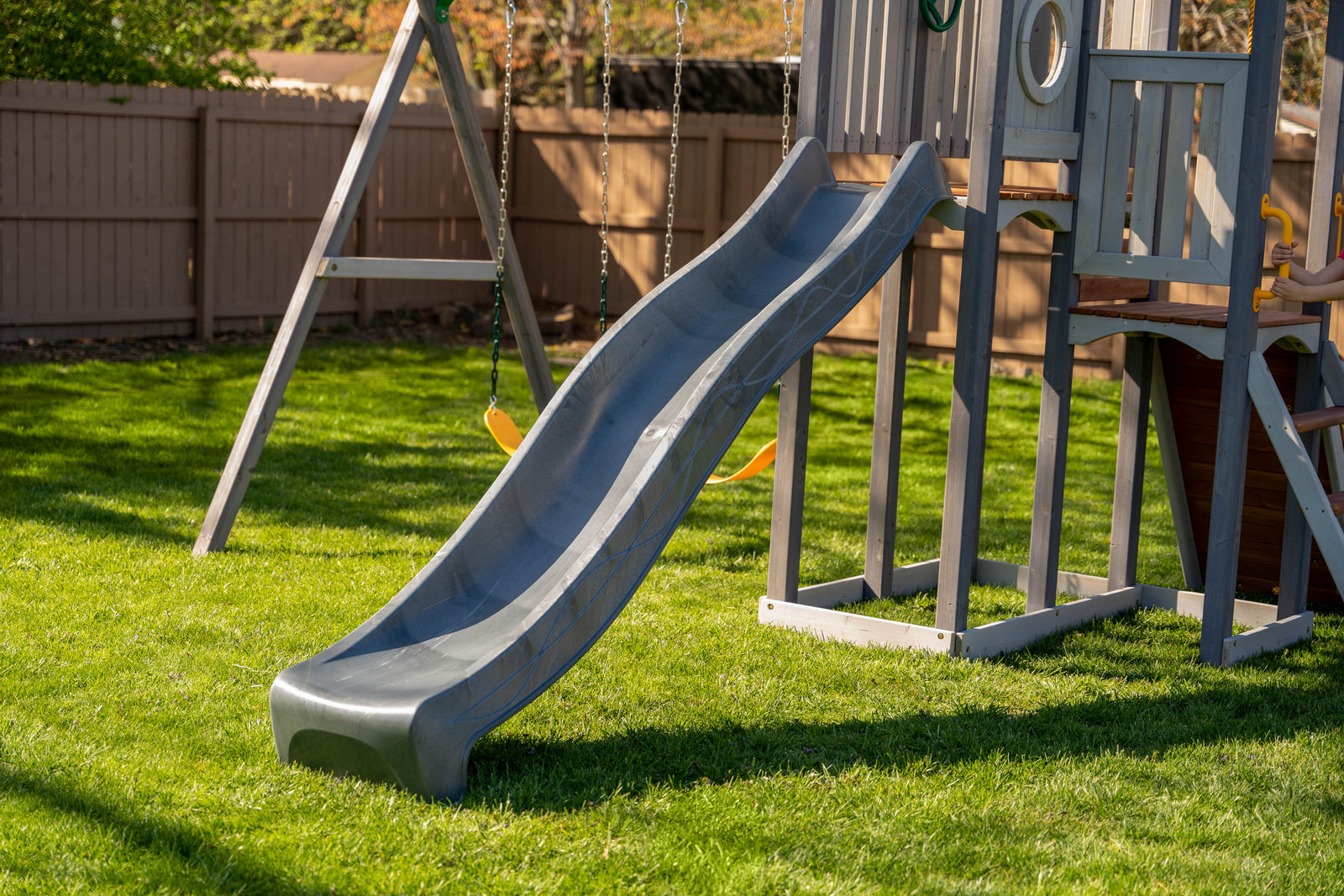
  • Unlocking Value: A Strategic Analysis of the Backyard Slide Market

    Unlocking Value: A Strategic Analysis of the Backyard Slide Market

    Introduction: Navigating the Global Market for backyard slide

    In the competitive landscape of the global market for backyard slides, sourcing the right products can present significant challenges for international B2B buyers. With a plethora of options available, including various designs, materials, and safety features, making an informed purchasing decision is crucial. This comprehensive guide addresses key considerations for selecting backyard slides, encompassing types such as tube slides, spiral slides, and freestanding models, alongside their applications in residential and commercial settings. Additionally, we delve into supplier vetting processes, pricing structures, and safety regulations that must be adhered to in different regions.

    For businesses operating in diverse markets across Africa, South America, the Middle East, and Europe, understanding the nuances of local preferences and regulations can further complicate the buying process. This guide empowers B2B buyers by providing actionable insights and strategies to navigate these complexities effectively. By the end of this resource, you will be equipped with the knowledge needed to make confident decisions, ensuring that your investments in backyard slides not only meet quality standards but also align with customer expectations and market demands. Whether you’re looking to enhance a playground, school, or community space, this guide serves as your roadmap to successful sourcing in the backyard slide market.

    Table Of Contents

    Understanding backyard slide Types and Variations

    Type Name Key Distinguishing Features Primary B2B Applications Brief Pros & Cons for Buyers
    Wave Slide Gently sloping surface with wave-like curves Residential playgrounds, schools Pros: Safe for younger children; visually appealing. Cons: May not provide high-speed thrills.
    Tube Slide Enclosed design for a smooth, fast ride Commercial parks, amusement centers Pros: Enhances safety; promotes excitement. Cons: Requires more space; potential for overheating.
    Spiral Slide Twisted design allowing for a fun, dizzying descent Large playgrounds, water parks Pros: Unique experience; space-efficient. Cons: Higher installation complexity; may require more maintenance.
    Scoop Slide Wide, scooped surface for a more thrilling descent School yards, community centers Pros: Offers higher speed; fun for various ages. Cons: May require additional safety features.
    Double Slide Two slides side by side for simultaneous use Playgrounds, family entertainment venues Pros: Encourages social play; maximizes space. Cons: Higher cost; requires more installation space.

    What Are the Key Characteristics of Wave Slides for B2B Buyers?

    Wave slides are characterized by their gently undulating surface, designed to provide a safe and enjoyable experience for younger children. They are commonly used in residential playgrounds and schools, making them a popular choice among B2B buyers focused on family-friendly environments. When considering a wave slide, buyers should evaluate safety features, material durability, and ease of installation. These slides are visually appealing and can enhance the aesthetic of a playground, but they may not offer the high-speed thrills that some older children seek.

    How Do Tube Slides Stand Out in Commercial Applications?

    Tube slides are distinct for their enclosed design, which allows for a smooth and fast descent. They are often found in commercial parks and amusement centers, catering to a wide audience from children to adults. B2B buyers should consider the slide’s length, diameter, and materials to ensure safety and longevity. While tube slides enhance the thrill factor, they require more space and can become hot in direct sunlight, necessitating careful placement in outdoor settings.

    Why Are Spiral Slides Ideal for Large Playgrounds?

    Spiral slides feature a unique twisted design that provides a fun and dizzying descent, making them an exciting addition to large playgrounds and water parks. Their space-efficient design allows for vertical installations, which can save ground space while maximizing play value. For B2B buyers, the complexity of installation and potential maintenance needs should be factored into purchasing decisions. While spiral slides can offer a unique experience, they also require careful planning to ensure safety and accessibility.

    What Makes Scoop Slides a Thrilling Option for Various Ages?

    Scoop slides are designed with a wide, scooped surface that allows for a thrilling descent, making them suitable for children of various ages. They are often used in school yards and community centers where fun and excitement are priorities. When purchasing scoop slides, B2B buyers should consider the age range of users and the necessary safety features. While these slides can provide higher speeds, they may necessitate additional safety measures to ensure a secure play environment.

    An application scenario or product detail of backyard slide - Image 1

    Illustrative image related to backyard slide

    How Can Double Slides Enhance Playgrounds for B2B Buyers?

    Double slides are designed to accommodate two users at once, encouraging social interaction and play. They are ideal for playgrounds and family entertainment venues where space and engagement are critical. Buyers should evaluate the overall footprint of the installation, as well as the slide’s materials and safety features. While double slides can foster a fun and interactive play environment, they come with a higher cost and require more space than single slides, making careful planning essential for effective use.

    Key Industrial Applications of backyard slide

    Industry/Sector Specific Application of backyard slide Value/Benefit for the Business Key Sourcing Considerations for this Application
    Educational Institutions Playground installations in schools Enhances student engagement and physical activity Safety standards compliance, durability, and cost
    Hospitality Family-friendly amenities in resorts and hotels Attracts families, increasing occupancy and revenue Weather resistance, aesthetic design, and maintenance
    Community Parks Recreational facilities in public parks Promotes community engagement and healthy lifestyles Space requirements, safety certifications, and accessibility
    Childcare Facilities Outdoor play areas for daycare centers Supports child development and social interaction Age-appropriate designs, safety features, and warranty options
    Real Estate Development Amenities in residential complexes Increases property value and appeal to families Customization options, installation support, and material quality

    How Are Backyard Slides Used in Educational Institutions?

    In educational institutions, backyard slides are integral to playground installations, enhancing children’s engagement and promoting physical activity. These slides not only provide entertainment but also encourage social interaction among students during recess. For international buyers, especially in regions like Africa and South America, sourcing slides that meet local safety standards is crucial. Additionally, schools may prefer durable materials that withstand diverse weather conditions, ensuring long-term use and safety for children.

    What Role Do Backyard Slides Play in Hospitality Settings?

    In the hospitality industry, particularly in resorts and family-oriented hotels, backyard slides serve as key attractions for families. By incorporating slides into outdoor amenities, hotels can create engaging experiences that entice families to choose their establishments over competitors. For buyers in the Middle East and Europe, factors such as weather resistance and aesthetic appeal are critical. Ensuring that slides align with the resort’s theme while providing safety and comfort will significantly enhance guest satisfaction and drive revenue.

    An application scenario or product detail of backyard slide - Image 2

    Illustrative image related to backyard slide

    How Do Community Parks Benefit from Backyard Slides?

    Community parks utilize backyard slides to create recreational facilities that foster community engagement and promote healthy lifestyles. By offering accessible play equipment, parks encourage families to spend time outdoors, enhancing community well-being. Buyers in Europe and Africa should consider the size and layout of the park, ensuring the slides are compliant with safety regulations and accessible to all children, including those with disabilities. Additionally, the durability of materials is vital to withstand heavy usage and various weather conditions.

    Why Are Backyard Slides Important for Childcare Facilities?

    Backyard slides are essential in childcare facilities as they support child development through active play and social interaction. These slides create safe outdoor environments where children can explore and develop motor skills. For international buyers, particularly in regions like South America, selecting age-appropriate designs and ensuring safety features are paramount. Additionally, childcare centers often require warranty options and maintenance support to ensure the longevity and safety of the equipment.

    How Do Backyard Slides Enhance Real Estate Developments?

    In real estate development, backyard slides are a valuable amenity that enhances property appeal, particularly for family-oriented developments. Including playground equipment like slides can significantly increase property value and attract potential buyers. For developers in Africa and Europe, customization options that reflect local cultural aesthetics, along with high-quality materials that ensure safety and durability, are critical factors in sourcing decisions. Additionally, providing installation support can streamline the process, ensuring timely project completion.

    3 Common User Pain Points for ‘backyard slide’ & Their Solutions

    Scenario 1: Sourcing Quality Materials for Durability and Safety

    The Problem: B2B buyers, particularly those in the playground equipment sector, often face challenges in sourcing high-quality materials for backyard slides. Given the diverse climate conditions across regions like Africa and South America, the risk of equipment deterioration due to extreme weather can be a significant concern. Additionally, ensuring compliance with local safety standards and regulations can complicate the procurement process, leading to potential liability issues.

    An application scenario or product detail of backyard slide - Image 3

    Illustrative image related to backyard slide

    The Solution: To overcome this challenge, buyers should prioritize sourcing slides made from UV-resistant, high-density polyethylene or similar materials that withstand temperature fluctuations and harsh weather. Conduct thorough research on suppliers, looking for those that provide certification for safety standards in the target market. Establish partnerships with manufacturers who specialize in durable outdoor play equipment, and consider requesting samples or references to assess material quality firsthand. It is also beneficial to engage in discussions with suppliers about their testing procedures to ensure compliance with local regulations. By adopting a proactive approach in sourcing, buyers can mitigate risks associated with durability and safety.

    Scenario 2: Addressing Installation Challenges for Optimal Performance

    The Problem: Many B2B buyers struggle with the installation of backyard slides, particularly when it comes to ensuring proper alignment, stability, and safety. Inadequate installation can lead to safety hazards, affecting user experience and increasing the risk of accidents. This is especially critical in commercial settings such as schools and parks where liability concerns are heightened.

    The Solution: To tackle installation challenges effectively, buyers should invest in comprehensive installation guides provided by manufacturers. It’s advisable to engage professional installers who have experience with playground equipment to ensure safety and compliance. Additionally, offering training sessions for in-house maintenance teams can empower them with the skills needed to install and troubleshoot slides correctly. Consider leveraging technology such as augmented reality (AR) applications to visualize the installation process, which can help in understanding the layout and ensuring correct placement. By prioritizing proper installation, buyers can enhance the longevity and safety of the playground equipment.

    An application scenario or product detail of backyard slide - Image 4

    Illustrative image related to backyard slide

    Scenario 3: Meeting Diverse Consumer Preferences in Design

    The Problem: B2B buyers often encounter difficulties in catering to diverse consumer preferences when selecting designs for backyard slides. Different markets may have varying tastes, from simple straight slides to elaborate multi-functional structures. This can lead to challenges in inventory management and fulfilling customer expectations, particularly in regions with distinct cultural preferences.

    The Solution: To address this issue, buyers should adopt a flexible inventory strategy that allows for customization and variety in slide designs. Collaborate with manufacturers who offer a range of slide styles, including tube slides, wave slides, and spiral options, to meet the preferences of different consumer segments. Conduct market research to gain insights into local preferences and trends, which can guide purchasing decisions. Furthermore, consider incorporating modular designs that allow for easy upgrades or expansions based on customer feedback. By fostering a deeper understanding of consumer needs and maintaining a diverse product offering, buyers can enhance customer satisfaction and drive sales growth.

    Strategic Material Selection Guide for backyard slide

    What Are the Key Materials Used in Backyard Slides?

    When selecting materials for backyard slides, it is essential to consider their properties, advantages, disadvantages, and suitability for various applications. The following analysis explores four common materials used in the manufacture of backyard slides: plastic, metal, wood, and composite materials.

    How Does Plastic Perform in Backyard Slides?

    Plastic is one of the most popular materials for backyard slides, particularly high-density polyethylene (HDPE). It is known for its excellent weather resistance and low maintenance requirements. HDPE can withstand a wide range of temperatures, making it suitable for various climates, from hot and humid regions in Africa to cooler areas in Europe.

    Pros: Plastic slides are lightweight, easy to install, and available in various colors and designs. They are resistant to corrosion and do not splinter, making them safe for children.

    An application scenario or product detail of backyard slide - Image 5

    Illustrative image related to backyard slide

    Cons: While durable, plastic can become brittle over time, especially under extreme temperature fluctuations. Additionally, lower-quality plastics may fade or discolor with prolonged exposure to UV rays.

    Impact on Application: Plastic slides are compatible with various playground designs and can be manufactured in various shapes, such as wave and tube slides.

    Considerations for International Buyers: Compliance with safety standards like ASTM F1487 is crucial. Buyers should also consider the availability of high-quality plastic in their regions to ensure durability.

    What Advantages Do Metal Slides Offer?

    Metal slides, typically made from stainless steel or aluminum, are known for their strength and longevity. Stainless steel slides are particularly resistant to corrosion, making them ideal for humid or coastal environments.

    An application scenario or product detail of backyard slide - Image 6

    Illustrative image related to backyard slide

    Pros: Metal slides are incredibly durable and can support heavier weights, making them suitable for both children and adults. They also provide a smooth sliding surface, enhancing the user experience.

    Cons: Metal slides can become hot in direct sunlight, posing a risk of burns. They are also heavier and more challenging to install than plastic options.

    Impact on Application: Metal slides are often used in commercial playgrounds due to their robustness and ability to withstand heavy use.

    An application scenario or product detail of backyard slide - Image 7

    Illustrative image related to backyard slide

    Considerations for International Buyers: Compliance with local safety standards, such as EN 1176 in Europe, is essential. Additionally, buyers should consider the cost of shipping heavier metal components.

    How Do Wood Slides Compare?

    Wood slides are less common but can provide a natural aesthetic that appeals to many buyers. Typically made from treated lumber, these slides can blend seamlessly into outdoor environments.

    Pros: Wood slides are sturdy and can be customized to fit various designs. They also offer a unique look that can enhance the overall playground aesthetic.

    Cons: Wood requires regular maintenance to prevent rot and splintering. It is also susceptible to weather damage, which can limit its lifespan.

    An application scenario or product detail of backyard slide - Image 8

    Illustrative image related to backyard slide

    Impact on Application: Wooden slides are often used in natural playgrounds or eco-friendly designs but may not be suitable for high-traffic areas.

    Considerations for International Buyers: Buyers should ensure that the wood is treated to resist pests and decay and comply with standards such as FSC certification for sustainable sourcing.

    What Role Do Composite Materials Play in Slide Construction?

    Composite materials, which combine wood fibers and plastic, offer a balance between the aesthetics of wood and the durability of plastic. They are engineered to withstand various environmental conditions.

    Pros: Composite slides are resistant to fading, splintering, and moisture, making them low-maintenance and durable. They also provide a more natural appearance than pure plastic.

    An application scenario or product detail of backyard slide - Image 9

    Illustrative image related to backyard slide

    Cons: Composite materials can be more expensive than traditional wood or plastic. Additionally, their manufacturing process can be complex, impacting production timelines.

    Impact on Application: Composite slides are versatile and can be designed in various shapes and sizes, making them suitable for both residential and commercial applications.

    Considerations for International Buyers: Compliance with safety standards and ensuring the availability of high-quality composite materials are vital for ensuring product longevity.

    An application scenario or product detail of backyard slide - Image 10

    Illustrative image related to backyard slide

    Summary Table of Material Selection for Backyard Slides

    Material Typical Use Case for backyard slide Key Advantage Key Disadvantage/Limitation Relative Cost (Low/Med/High)
    Plastic Residential and commercial slides Lightweight, weather-resistant Can become brittle over time Low
    Metal Commercial playgrounds Extremely durable, smooth surface Can get hot in sunlight High
    Wood Natural playgrounds Aesthetic appeal, customizable Requires regular maintenance Medium
    Composite Versatile residential and commercial Low maintenance, durable Higher cost, complex manufacturing High

    This guide serves as a comprehensive overview for international B2B buyers looking to make informed decisions about material selection for backyard slides, ensuring compliance and suitability for their specific market needs.

    In-depth Look: Manufacturing Processes and Quality Assurance for backyard slide

    What Are the Key Stages in the Manufacturing Process of Backyard Slides?

    The manufacturing of backyard slides involves several critical stages, each designed to ensure quality, safety, and durability. Understanding these stages can help B2B buyers make informed decisions when sourcing products.

    Material Preparation: What Materials Are Commonly Used in Slide Production?

    The first step in the manufacturing process is material preparation. Backyard slides are typically made from high-density polyethylene (HDPE), a durable and weather-resistant plastic. Other materials may include metal components for structural integrity and safety features. The selection of materials is crucial; they must be non-toxic, UV-resistant, and capable of withstanding various weather conditions.

    Once the materials are chosen, they undergo processes such as cutting and shaping to meet design specifications. This can involve the use of CNC machines for precision cutting and shaping, ensuring that all components fit together seamlessly.

    Forming: How Are Slides Shaped and Molded?

    The forming stage is where the actual shape of the slide is created. This is commonly achieved through rotational molding or blow molding techniques. In rotational molding, powdered plastic is heated and rotated in a mold, allowing the material to coat the interior and form a solid piece. Blow molding, on the other hand, involves inflating heated plastic within a mold to create hollow shapes, which is particularly useful for tube slides.

    These forming techniques ensure that the slides are not only visually appealing but also possess the structural strength needed for safety. The manufacturing process may also include adding textures or patterns to enhance grip and aesthetics.

    Assembly: What Are the Key Components Assembled in Backyard Slides?

    After forming, the various components of the slide, such as the body, supports, and safety features, are assembled. This stage may involve welding or bolting metal components together and ensuring that all parts are securely fastened. Quality control during assembly is vital, as any loose components can compromise the safety and longevity of the slide.

    Additionally, during assembly, manufacturers may integrate safety features such as guardrails, non-slip surfaces, and rounded edges to minimize the risk of injury. This focus on safety is particularly important for backyard slides intended for children.

    Finishing: What Finishing Techniques Are Used for Quality?

    The final stage of manufacturing involves finishing processes that enhance both the appearance and durability of the slides. This may include applying protective coatings to prevent UV damage, scratches, and fading. Some manufacturers also use powder coating for metal components to provide an extra layer of protection against rust and corrosion.

    Finishing touches can also involve quality checks to ensure that the surface is smooth, free from defects, and visually appealing. These steps are essential for meeting consumer expectations and regulatory standards.

    How Is Quality Assurance Implemented in Backyard Slide Manufacturing?

    Quality assurance (QA) is integral to the manufacturing process, ensuring that the final product meets both safety standards and customer expectations.

    What International Standards Should B2B Buyers Be Aware Of?

    For backyard slides, compliance with international standards is crucial. ISO 9001 is a widely recognized quality management standard that focuses on consistent quality and customer satisfaction. Additionally, industry-specific certifications such as CE marking (for Europe) and ASTM standards (for North America) indicate that the products have been tested for safety and performance.

    B2B buyers in international markets should also be aware of local regulations that may affect product standards. For example, slides intended for public use may require additional certifications to ensure they meet safety codes.

    What Are the Key Quality Control Checkpoints in the Manufacturing Process?

    Quality control checkpoints are established throughout the manufacturing process to ensure product integrity. These checkpoints include:

    • Incoming Quality Control (IQC): This initial stage involves inspecting raw materials upon arrival to ensure they meet specifications.
    • In-Process Quality Control (IPQC): During the manufacturing process, regular inspections are conducted to monitor the production stages, ensuring that any defects are caught early.
    • Final Quality Control (FQC): Before shipping, a thorough inspection is performed on the finished product, checking for structural integrity, surface quality, and compliance with safety standards.

    By implementing these checkpoints, manufacturers can minimize defects and ensure that only high-quality products reach the market.

    How Can B2B Buyers Verify Supplier Quality Control?

    For B2B buyers, verifying a supplier’s quality control processes is essential to mitigate risks associated with purchasing backyard slides.

    What Methods Can Buyers Use to Audit Suppliers?

    Buyers can conduct on-site audits to assess a supplier’s manufacturing processes and quality assurance protocols. This allows buyers to observe the production environment, review documentation related to quality standards, and evaluate the supplier’s commitment to compliance.

    An application scenario or product detail of backyard slide - Image 14

    Illustrative image related to backyard slide

    Additionally, requesting quality control reports and certifications can provide insights into the supplier’s reliability. Third-party inspections by accredited organizations can also serve as an independent verification of quality standards.

    What Nuances Should International Buyers Consider Regarding Quality Certification?

    International buyers, particularly from regions like Africa, South America, and the Middle East, should be aware of the nuances associated with quality certification. Different countries may have varying requirements for safety and performance standards. Understanding these local regulations is vital for compliance and can influence purchasing decisions.

    Moreover, language barriers and differences in regulatory practices may pose challenges. Therefore, partnering with suppliers who are experienced in international trade and familiar with the specific requirements of different markets can facilitate smoother transactions and ensure compliance with local laws.

    An application scenario or product detail of backyard slide - Image 15

    Illustrative image related to backyard slide

    Conclusion: Why Is Understanding Manufacturing and Quality Assurance Important for B2B Buyers?

    In summary, a comprehensive understanding of the manufacturing processes and quality assurance protocols for backyard slides is essential for B2B buyers. By being informed about the stages of production, relevant standards, and effective verification methods, buyers can make educated decisions that prioritize safety, compliance, and customer satisfaction. This knowledge not only helps in selecting the right suppliers but also enhances the overall purchasing strategy in the competitive international market.

    Practical Sourcing Guide: A Step-by-Step Checklist for ‘backyard slide’

    In the competitive landscape of playground equipment, sourcing the right backyard slide is essential for ensuring safety, durability, and customer satisfaction. This guide provides a structured checklist to help B2B buyers navigate the procurement process effectively.

    Step 1: Define Your Technical Specifications

    Before initiating the sourcing process, outline the technical requirements for the backyard slide. Consider factors such as the slide type (e.g., tube, spiral, wave), material (plastic, metal), and dimensions suitable for your target market. This clarity will streamline the procurement process and ensure that the final product meets safety and usability standards.

    Step 2: Research Market Trends

    Understanding the current trends in playground equipment can significantly influence your purchasing decisions. Investigate popular slide designs and materials that appeal to your target demographics. Look for insights on emerging safety features and eco-friendly materials that could enhance your product offering and attract environmentally conscious customers.

    Step 3: Evaluate Potential Suppliers

    Thoroughly vet suppliers to ensure they can meet your specifications and quality standards. Request comprehensive company profiles, product catalogs, and case studies from similar clients. Pay attention to reviews and testimonials, as these can provide insights into the supplier’s reliability and customer service.

    • Check for certifications: Ensure suppliers adhere to international safety standards, such as ASTM or EN standards, which can affect product credibility.
    • Evaluate manufacturing capabilities: Confirm that the supplier has the capacity to meet your order volume and delivery timelines.

    Step 4: Request Samples

    Before finalizing a supplier, request samples of their backyard slides. This allows you to assess the quality, durability, and design firsthand. Evaluate the samples for safety features, stability, and ease of installation.

    • Conduct safety tests: If possible, perform stress tests to ensure the slides can withstand heavy use.
    • Inspect for defects: Look for any manufacturing defects or inconsistencies that could impact the product’s performance.

    Step 5: Negotiate Terms and Pricing

    Engage in negotiations to establish favorable terms that benefit both parties. Discuss pricing structures, payment terms, and delivery schedules. Transparency at this stage can foster a strong partnership and help avoid potential disputes later on.

    • Explore bulk pricing options: Many suppliers offer discounts for larger orders, which can significantly impact your overall costs.
    • Clarify warranty terms: Ensure you understand the warranty coverage for the slides, including what it includes and the duration.

    Step 6: Finalize the Order and Logistics

    Once you’ve selected a supplier, confirm the order details, including quantities, specifications, and delivery timelines. Coordinate logistics to ensure timely delivery, especially if you are catering to a specific project or season.

    • Track shipping progress: Maintain communication with the supplier to monitor the shipment and address any potential delays.
    • Prepare for installation: Ensure you have the necessary resources and personnel ready for the installation process upon delivery.

    Step 7: Post-Purchase Evaluation

    After the slides have been delivered and installed, conduct a thorough evaluation of the supplier’s performance and the product quality. Gather feedback from customers or users to assess satisfaction levels. This information can be invaluable for future sourcing decisions and supplier relationships.

    By following this checklist, B2B buyers can ensure a well-informed, efficient, and successful procurement process for backyard slides, ultimately enhancing their product offerings and customer satisfaction.

    An application scenario or product detail of backyard slide - Image 17

    Illustrative image related to backyard slide

    Comprehensive Cost and Pricing Analysis for backyard slide Sourcing

    What Are the Key Cost Components in Backyard Slide Manufacturing?

    When sourcing backyard slides for commercial or large-scale applications, understanding the cost structure is vital. The primary cost components include:

    1. Materials: The choice of materials significantly impacts pricing. Common materials include high-density polyethylene (HDPE) for durability, fiberglass for smoother finishes, and metal for structural integrity. Each material varies in cost, affecting the overall price point.

    2. Labor: Labor costs encompass both direct and indirect labor involved in manufacturing. Skilled labor for assembly and finishing touches can increase costs, particularly in regions with higher wage standards.

    3. Manufacturing Overhead: This includes expenses related to factory operations, such as utilities, equipment depreciation, and indirect labor. Efficient production processes can help mitigate these costs.

    4. Tooling: The initial investment in molds and tooling for slide production can be substantial. Custom designs may require additional tooling, which needs to be factored into the overall pricing.

    5. Quality Control (QC): Implementing strict QC measures ensures that each slide meets safety and durability standards, which can add to the cost but is necessary for maintaining compliance and customer trust.

    6. Logistics: Transportation costs can vary widely based on distance and method. International buyers must also consider import duties and tariffs.

    7. Margin: Suppliers typically add a markup to cover their costs and generate profit. Understanding industry standard margins can help buyers negotiate better deals.

    What Influences Pricing for Backyard Slides in B2B Transactions?

    Several factors can influence the pricing of backyard slides:

    1. Volume and Minimum Order Quantity (MOQ): Bulk orders often lead to reduced per-unit costs. Buyers should negotiate terms based on their purchasing capacity.

    2. Specifications and Customization: Custom designs or specific size requirements can increase costs. Standardized products usually offer better pricing.

    3. Material Selection: Higher-quality materials may lead to increased durability but also higher upfront costs. Buyers should weigh the long-term benefits against initial investments.

    4. Quality Certifications: Products that meet recognized safety standards may carry a premium price. However, these certifications can be crucial for compliance in certain markets.

    5. Supplier Factors: The supplier’s reputation, production capabilities, and geographical location can affect pricing. Established suppliers may offer better reliability but at a higher cost.

    6. Incoterms: Understanding the shipping terms, such as FOB (Free On Board) or CIF (Cost, Insurance, and Freight), is essential as they define the responsibilities for costs and risks during shipping.

    How Can Buyers Negotiate Effectively for Backyard Slides?

    For international B2B buyers, particularly from Africa, South America, the Middle East, and Europe, negotiation strategies can enhance cost-efficiency:

    1. Research and Benchmarking: Understand the market rates for different types of slides. This knowledge will empower buyers during negotiations.

    2. Leverage Volume Discounts: If planning to make bulk purchases, communicate this to suppliers upfront to negotiate better pricing.

    3. Consider Total Cost of Ownership (TCO): Evaluate not just the purchase price but also long-term costs, such as maintenance and durability, when assessing value.

    4. Be Flexible with Specifications: If possible, opt for standard models instead of custom designs to take advantage of better pricing.

    5. Build Long-term Relationships: Establishing a good rapport with suppliers can lead to more favorable terms and pricing in the future.

    What Pricing Nuances Should International Buyers Be Aware Of?

    International buyers must navigate unique pricing nuances:

    1. Currency Fluctuations: Be mindful of exchange rates that can affect pricing over time. Consider locking in prices when favorable.

    2. Import Regulations: Understanding local import regulations can help avoid unexpected costs and delays.

    3. Cultural Considerations: Different regions may have varying expectations regarding negotiation styles and pricing transparency.

    4. Shipping Logistics: Take into account potential delays and additional costs related to international shipping, including customs clearance.

    Conclusion

    Understanding the cost structure and pricing influencers for backyard slides is crucial for international B2B buyers. By leveraging negotiation strategies and being aware of pricing nuances, buyers can secure favorable terms while ensuring they source high-quality products that meet their needs. Always remember to conduct due diligence and keep an eye on market trends to make informed purchasing decisions.

    Alternatives Analysis: Comparing backyard slide With Other Solutions

    Introduction to Alternatives for Backyard Slides

    When considering playground equipment for residential or commercial use, the backyard slide is a popular choice due to its fun factor and relatively simple installation. However, there are alternative solutions that can provide similar entertainment value or enhance play experiences in different ways. This section evaluates the backyard slide against other viable alternatives, including climbing structures and inflatable water slides, to help B2B buyers make informed decisions.

    Comparison Aspect Backyard Slide Climbing Structure Inflatable Water Slide
    Performance Engaging for children, promotes physical activity Encourages climbing and coordination Offers thrilling water play, ideal for hot climates
    Cost Moderate ($200 – $700) Variable ($300 – $2,000) Higher initial investment ($500 – $3,500)
    Ease of Implementation Simple installation, requires minimal tools Moderate complexity, may require professional assembly Requires flat, stable surface and water source, setup can be cumbersome
    Maintenance Low maintenance, occasional cleaning Moderate maintenance, check for wear and tear High maintenance, needs regular cleaning and checks for leaks
    Best Use Case Ideal for small backyards or residential use Great for schools, parks, or larger backyards Perfect for summer events or communal spaces

    Detailed Breakdown of Alternatives

    How Does a Climbing Structure Compare to a Backyard Slide?

    Climbing structures provide a multi-dimensional play experience, fostering physical development through climbing, balancing, and coordination. These structures can vary significantly in cost, depending on their size and complexity. While they may require more maintenance due to the wear on climbing holds and safety features, their versatility makes them suitable for various settings, from schools to parks. The installation can be more complex than a simple slide, which may necessitate professional assembly, especially for larger models.

    What Benefits Does an Inflatable Water Slide Offer Over a Backyard Slide?

    Inflatable water slides are designed for high-energy, water-based fun, making them particularly appealing in hot climates or during summer events. They can provide a thrilling experience that a traditional slide cannot match. However, they come with a higher cost and require more extensive setup, including access to a water source and a flat, stable surface. Maintenance is also a concern, as they need regular cleaning and checks for leaks, which can complicate their use for permanent installations.

    Conclusion: How to Choose the Right Solution for Your Needs

    Choosing the right playground equipment hinges on various factors such as budget, space, intended use, and maintenance capabilities. For buyers focused on simplicity and space efficiency, a backyard slide remains a solid choice. However, those looking to provide a more diverse play experience may find climbing structures or inflatable water slides more suitable, depending on their specific requirements. Evaluating these alternatives in relation to your target audience’s preferences and the intended environment will lead to a more satisfying investment in playground solutions.

    Essential Technical Properties and Trade Terminology for backyard slide

    What Are the Key Technical Properties of Backyard Slides?

    When sourcing backyard slides for commercial or large-scale residential use, understanding the essential technical properties is critical. These specifications not only influence safety and durability but also affect the overall value proposition for your investment.

    An application scenario or product detail of backyard slide - Image 19

    Illustrative image related to backyard slide

    1. Material Composition: What Should You Look For?

    The most common materials for backyard slides are high-density polyethylene (HDPE), fiberglass, and metal. HDPE is favored for its UV resistance and durability, making it suitable for outdoor use. Fiberglass offers a smooth surface and greater design flexibility but is generally more expensive. Metal slides, often made from stainless steel or aluminum, provide robustness and longevity but can heat up in direct sunlight. Evaluating material composition is essential to ensure the slide can withstand local weather conditions and usage frequency.

    2. Weight Capacity: Why Is It Important?

    Weight capacity is a crucial specification that indicates how much load the slide can safely support. Typically, commercial-grade slides have higher weight capacities, ranging from 200 to 500 pounds, while residential slides may support less. Understanding the weight capacity helps in ensuring safety and compliance with local regulations, which is especially vital in commercial settings like schools or parks.

    3. Dimensions and Deck Height: How Do They Affect Usability?

    The dimensions of the slide, including its length, width, and deck height, determine the slide’s usability for different age groups. Standard residential slides often range from 4 to 10 feet in height, while commercial options may go higher. Choosing the right deck height is essential for ensuring that the slide meets safety standards and is appropriate for the intended user demographic.

    4. Tolerance Levels: What Are They and Why Do They Matter?

    Tolerance levels refer to the acceptable range of dimensional variations in the manufacturing process. For slides, this can include the curvature and width of the slide. Tight tolerances are crucial for safety, ensuring that parts fit correctly and operate smoothly. Poor tolerances can lead to misalignment, increasing the risk of accidents.

    5. Surface Finish: How Does It Impact Safety and Durability?

    The surface finish of the slide can affect both safety and maintenance. A smooth finish reduces friction, allowing for a more enjoyable ride. However, it must also be treated to resist scratches and weathering. Additionally, some manufacturers offer anti-slip coatings for safety, especially for slides used in commercial environments. Understanding surface finish options can help in selecting a slide that balances enjoyment and safety.

    What Trade Terminology Should You Know When Purchasing Slides?

    Familiarity with industry terminology can streamline your procurement process and enhance communication with suppliers.

    1. OEM (Original Equipment Manufacturer): What Does It Mean?

    OEM refers to companies that produce components that are later sold under another company’s brand name. When sourcing slides, knowing if the manufacturer is an OEM can assure you of quality standards and compatibility with other equipment.

    2. MOQ (Minimum Order Quantity): Why Is It Relevant?

    MOQ is the minimum number of units a supplier is willing to sell in one order. Understanding MOQ can help you gauge whether a supplier can meet your needs without overcommitting your budget or storage space.

    3. RFQ (Request for Quotation): How Do You Use It?

    An RFQ is a document sent to suppliers requesting price quotes for specific products. Crafting a detailed RFQ can help you compare offers effectively and ensure that all suppliers provide consistent information, aiding in informed decision-making.

    4. Incoterms: What Are They and Why Do They Matter?

    Incoterms (International Commercial Terms) are a set of predefined rules that clarify the responsibilities of buyers and sellers in international transactions. Familiarity with these terms can help you understand shipping costs, insurance, and risk management related to your slide purchases.

    5. Compliance Standards: What Should You Look For?

    Compliance standards, such as ASTM or EN standards for playground equipment, ensure that the slides meet safety and performance criteria. Ensuring that your slide complies with relevant standards is essential for liability protection and user safety, particularly in commercial environments.

    By grasping these technical properties and trade terms, B2B buyers can make informed decisions when procuring backyard slides, ensuring a balance of quality, safety, and compliance.

    An application scenario or product detail of backyard slide - Image 22

    Illustrative image related to backyard slide

    What Are the Current Market Dynamics and Key Trends in the Backyard Slide Sector?

    The global backyard slide market is experiencing a transformative phase, driven by increasing urbanization and the growing demand for outdoor recreational spaces. Particularly in regions like Africa, South America, the Middle East, and Europe, there is a rising trend towards developing safe and engaging playgrounds for children. International buyers are increasingly focused on sourcing high-quality, durable slides that can withstand diverse weather conditions and provide long-term value.

    Emerging technologies, such as advanced materials and manufacturing techniques, are reshaping the sourcing landscape. For instance, manufacturers are leveraging rotational molding and injection molding processes to create slides that are not only visually appealing but also robust and safe. Additionally, the integration of interactive elements and smart technology into slide designs is becoming popular, enhancing user engagement and experience. B2B buyers should look for suppliers who are adopting these innovations, as they often indicate a commitment to quality and safety standards.

    Moreover, the current market dynamics emphasize the importance of customization. Buyers are increasingly seeking tailored solutions that cater to specific needs, such as size, color, and design, which can enhance the appeal of playgrounds in local markets. This trend is particularly relevant for buyers in diverse regions, where cultural preferences and environmental considerations play a significant role in purchasing decisions.

    An application scenario or product detail of backyard slide - Image 23

    Illustrative image related to backyard slide

    How Can Sustainability and Ethical Sourcing Impact B2B Relationships in the Backyard Slide Sector?

    Sustainability is becoming a critical factor in the backyard slide sector, influencing both purchasing decisions and supplier relationships. B2B buyers are increasingly aware of the environmental impact of their sourcing choices, prompting a shift towards eco-friendly materials and manufacturing practices. For instance, slides made from recycled plastics or sustainably sourced wood not only reduce waste but also appeal to environmentally conscious consumers.

    Ethical supply chains are equally important. Buyers are encouraged to partner with manufacturers who prioritize fair labor practices and transparency in their sourcing processes. Certifications such as FSC (Forest Stewardship Council) for wood products and ISO 14001 for environmental management systems can serve as indicators of a supplier’s commitment to sustainability and ethical practices. By prioritizing these factors, international buyers can enhance their brand reputation, meet regulatory requirements, and align with the growing consumer demand for responsible products.

    Furthermore, incorporating sustainability into procurement strategies can lead to cost savings in the long run. Eco-friendly materials often result in lower lifecycle costs due to their durability and reduced maintenance needs. This not only contributes to a positive environmental impact but also enhances the overall value proposition for B2B buyers.

    An application scenario or product detail of backyard slide - Image 24

    Illustrative image related to backyard slide

    How Has the Backyard Slide Sector Evolved Over Time?

    The backyard slide sector has undergone significant evolution over the decades, transitioning from simple, metal structures to today’s versatile, safe, and colorful plastic designs. Initially, slides were primarily functional, focusing on durability and safety; however, consumer preferences have shifted towards aesthetics and interactive features.

    In the 1980s and 1990s, the introduction of high-density polyethylene (HDPE) revolutionized the market, offering a safer alternative to metal, which could become dangerously hot or cold. The 2000s saw a surge in the popularity of themed slides, such as those resembling animals or castles, driven by the demand for imaginative play spaces.

    Today, as technology continues to advance, the backyard slide sector is likely to embrace even more innovative designs and materials, making it essential for B2B buyers to stay informed about trends and developments in the industry. Understanding the historical context can help buyers appreciate the evolution of product offerings and anticipate future changes that may impact their sourcing strategies.

    Frequently Asked Questions (FAQs) for B2B Buyers of backyard slide

    • 1. How do I choose the right backyard slide for my market?
      Choosing the right backyard slide involves understanding your target market’s preferences and safety standards. Research popular slide types (e.g., tube, wave, spiral) and materials (plastic, metal) that cater to children’s safety and durability. Consider local regulations regarding playground equipment to ensure compliance. Additionally, assess the aesthetic appeal and functionality based on the demographic trends in your region. Engaging with potential customers for feedback on design and features can also provide valuable insights.

    • 2. What are the key safety standards for backyard slides?
      Safety standards for backyard slides vary by region but generally include guidelines on height, material safety, and structural integrity. In many countries, slides must be made from non-toxic, durable materials that can withstand weather conditions. Look for compliance with international safety standards, such as ASTM F1487 in the U.S. or EN 1176 in Europe. Ensure that your suppliers can provide certification and testing data to validate their products meet these standards, which can enhance your credibility in the market.

    • 3. What customization options are available for backyard slides?
      Customization options for backyard slides often include color choices, size variations, and additional features like integrated climbing walls or tunnels. Many manufacturers allow you to tailor designs to fit specific themes or branding needs, which can be appealing for schools or parks. It’s advisable to discuss your customization requirements with suppliers early in the sourcing process to understand the feasibility, lead times, and potential costs involved.

    • 4. What is the minimum order quantity (MOQ) for backyard slides?
      The minimum order quantity (MOQ) for backyard slides can vary significantly between suppliers. Typically, MOQs are set to ensure cost-effectiveness in production and shipping. For larger manufacturers, MOQs may range from 50 to 100 units, while smaller suppliers might be more flexible. When sourcing, inquire about MOQs and discuss your purchasing capabilities to negotiate terms that align with your business model.

    • 5. How do I vet suppliers for backyard slides?
      Vetting suppliers for backyard slides involves assessing their reputation, production capabilities, and compliance with safety standards. Request references and samples to evaluate product quality. Additionally, check for certifications like ISO 9001, which indicates a commitment to quality management. Conducting background checks and site visits, if feasible, can provide deeper insights into their operations. Online reviews and industry forums can also be valuable resources for gathering feedback about potential partners.

    • 6. What payment terms should I expect when sourcing backyard slides?
      Payment terms for sourcing backyard slides can vary widely depending on the supplier and your relationship with them. Common terms include a 30% deposit upfront with the balance due before shipment. Some suppliers may offer net 30 or net 60 days for established relationships. Discussing flexible payment options upfront can help manage cash flow, especially when dealing with international transactions. Always ensure payment methods are secure and documented to protect against fraud.

    • 7. How can I ensure quality assurance for backyard slides?
      To ensure quality assurance for backyard slides, establish clear specifications and standards with your supplier before production begins. Request regular updates and samples during the manufacturing process to verify compliance with safety and quality standards. Implement a quality control checklist that includes inspections for material integrity, structural safety, and finishing details. Consider hiring third-party inspection services to conduct final checks before shipment, especially for international orders.

    • 8. What logistics considerations should I be aware of when importing backyard slides?
      When importing backyard slides, logistics considerations include shipping methods, customs regulations, and potential tariffs. Choose a reliable freight forwarder experienced in handling playground equipment to navigate international shipping complexities. Ensure all documentation, such as invoices and certificates of conformity, is in order to facilitate smooth customs clearance. Additionally, factor in lead times for production and shipping to meet your market demands effectively, as delays can impact sales and customer satisfaction.

    Top 2 Backyard Slide Manufacturers & Suppliers List

    1. Gorilla Playsets – Alpine Wave Slide

    Gorilla Playsets - Alpine Wave Slide

    Domain: gorillaplaysets.com

    Registered: 2001 (24 years)

    Introduction: Alpine Wave Slide (for 4′ Decks) – $219.00, Colors: Green, Grey; Alpine Wave Slide (for 5′ Decks) – $359.00, Colors: Blue, Green, Yellow; Olympus Slide – $249.00, Colors: Blue, Green, Yellow; Cool Wave Slide – $239.00, Colors: Green, Blue, Yellow; Side Winder Slide – $319.00, Colors: Yellow, Green; Summit Slide – $189.00, Colors: Green, Blue; Super Speedwave Slide – $439.00, Colors: Green, Yellow,…

    2. Swingset Mall – Playground Slides

    Swingset Mall - Playground Slides

    Domain: swingsetmall.com

    Registered: 2005 (20 years)

    Introduction: Playground slides available in various styles including sectional slides, spiral slides, and slide accessories. Suitable for backyard and public playgrounds. Fast shipping on most orders within 1-2 days. Free shipping on orders over $149. Family-owned business since 1989 with a commitment to safety and quality. 30-day money-back guarantee.

    Strategic Sourcing Conclusion and Outlook for backyard slide

    Why Is Strategic Sourcing Essential for Backyard Slides?

    In the competitive landscape of backyard slides, strategic sourcing is vital for ensuring quality, safety, and cost-effectiveness. By carefully selecting suppliers who prioritize durable materials and innovative designs, B2B buyers can enhance their product offerings while meeting diverse consumer demands. Key considerations should include product variety, pricing structures, and the reputation of manufacturers, particularly those providing tailored solutions for specific markets in Africa, South America, the Middle East, and Europe.

    How Can International Buyers Leverage Global Trends?

    As the demand for engaging outdoor play equipment continues to rise, international buyers are uniquely positioned to capitalize on emerging trends in playground design and functionality. By sourcing playground slides that incorporate modern safety features and eco-friendly materials, businesses can not only enhance customer satisfaction but also promote sustainability—a growing concern among consumers worldwide.

    What Steps Should You Take Next?

    To stay ahead in this dynamic market, prioritize establishing strong relationships with reliable suppliers and investing in innovative products. Now is the time to explore new partnerships and adapt to evolving market needs. By taking decisive action, you can create memorable experiences for families and communities, ensuring your place as a leading provider in the backyard slide sector. Embrace the future of outdoor play and unlock new opportunities today!

    Important Disclaimer & Terms of Use

    ⚠️ Important Disclaimer

    The information provided in this guide, including content regarding manufacturers, technical specifications, and market analysis, is for informational and educational purposes only. It does not constitute professional procurement advice, financial advice, or legal advice.

    While we have made every effort to ensure the accuracy and timeliness of the information, we are not responsible for any errors, omissions, or outdated information. Market conditions, company details, and technical standards are subject to change.

    B2B buyers must conduct their own independent and thorough due diligence before making any purchasing decisions. This includes contacting suppliers directly, verifying certifications, requesting samples, and seeking professional consultation. The risk of relying on any information in this guide is borne solely by the reader.

  • How to Source Trampoline Oark Effectively: A 2025 Checklist

    How to Source Trampoline Oark Effectively: A 2025 Checklist

    Introduction: Navigating the Global Market for trampoline oark

    In the dynamic landscape of leisure and entertainment, sourcing the right trampoline park solutions can be a daunting challenge for international B2B buyers. The trampoline park industry is rapidly evolving, presenting opportunities for investors and operators seeking to engage customers with innovative experiences. This guide aims to provide comprehensive insights into the global market for trampoline parks, covering various types of parks, applications, supplier vetting processes, and cost considerations.

    With a focus on key regions such as Africa, South America, the Middle East, and Europe, including countries like Vietnam and Nigeria, this resource empowers decision-makers to navigate the complexities of purchasing trampoline park equipment and services. From understanding the latest trends in park attractions to evaluating safety standards and maintenance needs, this guide equips buyers with the knowledge necessary for informed decision-making.

    By delving into supplier evaluations and offering actionable insights into cost structures, we ensure that businesses can maximize their investment and enhance the customer experience. Whether you are looking to establish a new trampoline park or expand an existing operation, this guide serves as your essential resource for making strategic and impactful purchasing decisions in the trampoline park industry.

    Table Of Contents

    Understanding trampoline oark Types and Variations

    Type Name Key Distinguishing Features Primary B2B Applications Brief Pros & Cons for Buyers
    Indoor Trampoline Park Large indoor space with multiple trampoline attractions Family entertainment centers, event venues Pros: Year-round operation; Cons: High initial investment
    Adventure Park Combines trampolines with obstacle courses and other attractions Multi-activity entertainment venues Pros: Diverse offerings; Cons: Requires extensive maintenance
    Glow-in-the-Dark Park Neon lighting and music create a unique nighttime experience Nighttime entertainment and events Pros: Attracts younger audience; Cons: Seasonal appeal
    Fitness Trampoline Park Focuses on fitness classes and wellness programs Corporate wellness programs, fitness studios Pros: Growing health trend; Cons: Niche market appeal
    Mobile Trampoline Park Portable setup for events and festivals Corporate events, festivals, and parties Pros: Flexibility and low overhead; Cons: Limited capacity

    What Are the Characteristics of Indoor Trampoline Parks?

    Indoor trampoline parks are expansive facilities designed for year-round fun. They feature a variety of attractions such as freestyle jump areas, dodgeball courts, and foam pits. These parks are ideal for family entertainment centers and can host events like birthday parties and corporate gatherings. When considering a purchase, B2B buyers should evaluate the space requirements, safety regulations, and the potential for diverse revenue streams through memberships and events.

    How Do Adventure Parks Differ from Traditional Trampoline Parks?

    Adventure parks elevate the trampoline experience by integrating additional attractions such as climbing walls, zip lines, and obstacle courses. This variation appeals to a broader audience, making it suitable for multi-activity entertainment venues. B2B buyers should assess the market demand for such diverse offerings and the associated operational complexities, including maintenance and staffing needs, which can be higher than standard trampoline parks.

    What Makes Glow-in-the-Dark Parks Unique?

    Glow-in-the-dark parks create a vibrant atmosphere with neon lights and energetic music, transforming the trampoline experience into a visually engaging event, particularly appealing to younger audiences. These parks are perfect for nighttime entertainment and themed events. Buyers should consider the seasonal nature of this offering and the marketing strategies needed to attract visitors during peak hours.

    An application scenario or product detail of trampoline oark - Image 1

    Illustrative image related to trampoline oark

    Why Invest in Fitness Trampoline Parks?

    Fitness trampoline parks focus on health and wellness, offering classes that incorporate trampolining into workout regimes. This concept aligns with the growing trend of fitness and wellness, making it an attractive option for corporate wellness programs and fitness studios. B2B buyers should consider the potential for partnerships with local health organizations and the investment in specialized staff and equipment to deliver effective fitness programs.

    How Do Mobile Trampoline Parks Operate?

    Mobile trampoline parks provide a flexible option for events, festivals, and private parties. They are designed for easy setup and transportation, making them ideal for companies looking to offer unique entertainment options without the long-term commitment of a physical location. Buyers must evaluate logistical considerations, including transportation costs and the ability to scale operations based on demand while ensuring safety and compliance with local regulations.

    Key Industrial Applications of trampoline oark

    Industry/Sector Specific Application of trampoline oark Value/Benefit for the Business Key Sourcing Considerations for this Application
    Entertainment & Leisure Indoor trampoline parks for family entertainment Attracts diverse demographics, enhancing revenue through admissions and events Safety certifications, maintenance plans, and equipment warranties
    Sports & Fitness Trampoline-based fitness classes and training facilities Promotes health and wellness, tapping into the growing fitness market Equipment quality, instructor training, and safety protocols
    Education & Child Development Trampoline parks as educational and developmental tools Supports physical activity and social skills in children Compliance with educational standards and child safety regulations
    Corporate Events & Team Building Hosting corporate events and team-building activities Enhances employee engagement and teamwork through unique experiences Customizable packages, availability of facilities, and catering options
    Tourism & Hospitality Integration of trampoline parks in resorts and hotels Increases guest satisfaction and attracts more visitors Location suitability, partnership opportunities, and operational support

    How Are Trampoline Parks Used in the Entertainment & Leisure Industry?

    Trampoline parks serve as vibrant venues for family entertainment, offering a variety of attractions like dodgeball, foam pits, and obstacle courses. These parks can attract a wide range of customers, from families seeking fun outings to teenagers looking for unique experiences. For international B2B buyers, particularly in regions like Africa and South America, considerations should include safety certifications and maintenance plans to ensure a secure environment for all visitors. Additionally, understanding local market preferences can help tailor attractions to meet specific cultural demands.

    What Role Do Trampoline Parks Play in Sports & Fitness?

    In the sports and fitness sector, trampoline parks are increasingly being utilized for fitness classes and training sessions. They provide a fun and engaging way to promote physical activity, appealing to fitness enthusiasts and those looking to improve their health. For buyers in regions like the Middle East and Europe, sourcing high-quality trampolines and ensuring instructor training is crucial. Safety protocols must also be prioritized to minimize the risk of injuries during high-energy activities.

    How Can Trampoline Parks Support Education & Child Development?

    Trampoline parks can act as innovative educational tools, fostering physical activity and social interaction among children. They can be integrated into school programs or used for extracurricular activities, enhancing children’s physical literacy and teamwork skills. For B2B buyers in education, compliance with child safety regulations and educational standards is essential. Additionally, parks should offer structured programs that align with developmental goals to effectively engage schools and parents.

    In What Ways Can Trampoline Parks Enhance Corporate Events & Team Building?

    Trampoline parks are increasingly popular venues for corporate events and team-building activities, providing a unique setting that encourages collaboration and camaraderie among employees. This application is particularly appealing to businesses looking to enhance employee engagement and morale. Buyers should consider customizable event packages, availability of facilities, and catering options to meet the specific needs of corporate clients, ensuring a memorable experience that aligns with company culture.

    How Do Trampoline Parks Fit into the Tourism & Hospitality Sector?

    Integrating trampoline parks into resorts and hotels can significantly enhance guest experiences, making properties more attractive to families and adventure seekers. This can lead to increased guest satisfaction and longer stays. For international B2B buyers in tourism, location suitability and partnership opportunities with local attractions are key considerations. Additionally, operational support from trampoline park providers can facilitate seamless integration into existing hospitality offerings, ensuring a smooth experience for guests.

    An application scenario or product detail of trampoline oark - Image 3

    Illustrative image related to trampoline oark

    3 Common User Pain Points for ‘trampoline oark’ & Their Solutions

    Scenario 1: Managing Safety Compliance in Trampoline Parks

    The Problem: One of the most pressing concerns for B2B buyers in the trampoline park industry is ensuring safety compliance. As regulations vary widely across regions, especially in markets like Africa and South America, buyers must navigate complex safety standards that can impact their operations. This challenge is compounded by the need for regular inspections and adherence to strict safety protocols, which can be overwhelming for new park owners. Failure to comply can result in costly fines, insurance issues, and even park closures.

    The Solution: To effectively manage safety compliance, buyers should invest in comprehensive safety training programs for their staff, tailored to local regulations. Partnering with established trampoline park franchises can also provide invaluable resources and guidelines for maintaining compliance. Buyers should prioritize sourcing high-quality equipment that meets or exceeds international safety standards. Implementing a rigorous maintenance schedule, including daily inspections and regular equipment upgrades, will help ensure the park remains safe and compliant. Additionally, utilizing digital management tools to track safety compliance, incidents, and staff training records can streamline operations and provide peace of mind.

    Scenario 2: Attracting and Retaining Customers in Competitive Markets

    The Problem: In many regions, the trampoline park market is becoming increasingly saturated, making it difficult for new entrants to attract and retain customers. B2B buyers often find themselves competing with established parks that have a loyal customer base, and they struggle with marketing their unique offerings effectively. Seasonal fluctuations can also lead to inconsistent revenue streams, making it challenging to maintain profitability throughout the year.

    The Solution: To stand out in a crowded market, buyers should focus on creating a unique value proposition that resonates with their target audience. This could include offering specialized programs like fitness classes, toddler jump sessions, or unique events such as themed nights. Developing partnerships with local schools and businesses for group events or corporate team-building activities can also drive traffic. Additionally, leveraging social media and digital marketing strategies, such as targeted ads and engaging content, can enhance visibility and attract potential customers. Implementing a loyalty program can further incentivize repeat visits, helping to stabilize revenue during off-peak times.

    Scenario 3: Managing Operational Costs and Efficiency

    The Problem: Many B2B buyers in the trampoline park industry face the challenge of managing operational costs while ensuring a high-quality customer experience. The expenses associated with staff salaries, maintenance, utilities, and insurance can quickly accumulate, particularly for parks that are just starting. This financial pressure can lead to difficult decisions regarding staffing levels, marketing budgets, and the quality of amenities offered to customers.

    An application scenario or product detail of trampoline oark - Image 4

    Illustrative image related to trampoline oark

    The Solution: To optimize operational efficiency and reduce costs, buyers should conduct a thorough analysis of their operational expenses. Investing in energy-efficient systems, such as LED lighting and energy management tools, can significantly cut utility costs. Additionally, implementing a robust scheduling system for staff can help manage labor costs effectively, ensuring that adequate staffing levels are maintained without overstaffing. Exploring partnerships with local suppliers for concessions and merchandise can also help reduce costs and boost profit margins. Regularly reviewing financial performance metrics will enable buyers to identify areas for improvement and make informed decisions to enhance profitability while maintaining service quality.

    Strategic Material Selection Guide for trampoline oark

    What Are the Key Materials Used in Trampoline Park Construction?

    When selecting materials for trampoline parks, it is crucial to consider factors such as durability, safety, and cost-effectiveness. Here, we analyze four common materials used in trampoline park construction: steel, fabric, foam, and wood. Each material has unique properties that influence its suitability for various applications within the park.

    How Does Steel Contribute to Trampoline Park Structures?

    Steel is a primary material used in the framework of trampoline parks due to its high strength and durability. It typically has a high tensile strength, allowing it to withstand significant loads and impacts. Steel is also resistant to corrosion when treated properly, making it suitable for both indoor and outdoor applications.

    Pros: Steel’s durability ensures a long lifespan, reducing maintenance costs. Additionally, it can be fabricated into various shapes, allowing for creative park designs.

    An application scenario or product detail of trampoline oark - Image 5

    Illustrative image related to trampoline oark

    Cons: The initial cost of steel can be high, and it may require additional treatments to prevent rust, particularly in humid environments.

    For international buyers, compliance with standards such as ASTM A500 for structural steel is essential. Buyers in regions with high humidity, like parts of Africa and South America, should prioritize galvanized or stainless steel to prevent corrosion.

    What Role Does Fabric Play in Trampoline Safety?

    The fabric used in trampoline parks, typically a high-strength polypropylene or nylon, is essential for the jumping surfaces. These materials are designed to withstand repeated stress and provide a safe jumping experience.

    Pros: Fabric is lightweight, flexible, and can be produced in various colors and designs, enhancing the aesthetic appeal of the park. It also offers good elasticity, contributing to the trampoline’s performance.

    Cons: While durable, fabric can wear out over time and may require replacement. It is also sensitive to UV exposure, which can degrade its properties if not adequately protected.

    An application scenario or product detail of trampoline oark - Image 6

    Illustrative image related to trampoline oark

    International buyers should ensure that the fabric meets safety standards such as ASTM F381, which outlines performance requirements for trampoline jumping surfaces. In regions with high UV exposure, such as the Middle East, UV-resistant fabrics are advisable.

    How Does Foam Enhance Safety in Trampoline Parks?

    Foam is commonly used in landing zones and safety areas within trampoline parks. It is available in various densities and sizes, providing cushioning to absorb impact.

    Pros: Foam is excellent for enhancing safety, significantly reducing the risk of injury during falls. It is also lightweight and can be easily customized to fit specific park designs.

    Cons: Over time, foam can compress and lose its effectiveness, necessitating regular replacement. Additionally, lower-quality foam may not meet safety standards, leading to potential liability issues.

    B2B buyers should consider foam that complies with safety standards such as ASTM F1292 for impact attenuation. In regions like Europe, where safety regulations are stringent, sourcing high-quality foam is critical.

    What Is the Importance of Wood in Trampoline Park Construction?

    Wood is often used for flooring and structural elements in trampoline parks. It provides a natural aesthetic and can be engineered for strength and stability.

    Pros: Wood is versatile and can be sourced sustainably, appealing to environmentally conscious buyers. It also offers good shock absorption, enhancing the overall safety of the park.

    Cons: Wood requires regular maintenance to prevent warping and decay, especially in humid climates. It is also less durable than metal options, which may lead to higher long-term costs.

    International buyers should look for wood that meets standards such as JIS A 5908 in Japan or EN 350 in Europe. In regions like Africa, where wood may be more readily available, ensuring proper treatment against pests and moisture is essential.

    Summary Table of Material Selection for Trampoline Parks

    Material Typical Use Case for trampoline oark Key Advantage Key Disadvantage/Limitation Relative Cost (Low/Med/High)
    Steel Structural framework High strength and durability High initial cost and rust potential High
    Fabric Jumping surfaces Lightweight and flexible Can wear out and UV sensitive Medium
    Foam Landing zones Excellent impact absorption Compresses over time, requires replacement Medium
    Wood Flooring and structural elements Versatile and sustainable Requires maintenance and less durable Medium

    By understanding the properties, advantages, and limitations of these materials, international B2B buyers can make informed decisions that align with their specific needs and regulatory requirements in their regions.

    In-depth Look: Manufacturing Processes and Quality Assurance for trampoline oark

    What Are the Key Stages in the Manufacturing Process of Trampoline Parks?

    Manufacturing trampoline parks involves a series of intricate stages designed to ensure high quality and safety. The main stages include material preparation, forming, assembly, and finishing.

    1. Material Preparation: This initial stage involves sourcing high-quality materials, such as heavy-duty steel for frames, reinforced polypropylene for the trampoline beds, and foam for landing zones. Suppliers must ensure that materials meet industry standards for safety and durability. B2B buyers should prioritize suppliers who provide material certification, indicating compliance with international safety standards.

    2. Forming: During this phase, the raw materials are shaped into the necessary components. Steel frames are cut, welded, and coated to prevent rust and wear. The trampoline beds are produced by weaving high-tensile strength fabrics that can withstand repeated stress. Advanced techniques such as laser cutting and computer numerical control (CNC) machining are often employed to enhance precision. Buyers should look for manufacturers that utilize modern technology to ensure consistent quality in forming.

    3. Assembly: Following forming, the various components are assembled. This process includes securing the trampoline beds to the frames and ensuring that all safety features, such as padding and netting, are correctly installed. Quality checks during assembly are crucial to identify any defects early in the production process. B2B buyers should inquire about the assembly protocols used by suppliers to ensure they meet safety regulations.

    4. Finishing: The final stage involves applying protective coatings and conducting thorough cleaning procedures. Protective coatings help to extend the lifespan of the equipment and enhance safety. Manufacturers often implement additional quality checks during this stage to ensure that the final product meets aesthetic and functional standards.

    How is Quality Assurance Implemented in Trampoline Park Manufacturing?

    Quality assurance is critical in trampoline park manufacturing, as it directly impacts user safety and satisfaction. Compliance with international standards such as ISO 9001 and industry-specific certifications like CE and API is essential.

    1. Relevant International Standards: ISO 9001 focuses on quality management systems, ensuring that manufacturers maintain consistent quality throughout the production process. CE marking indicates that products meet EU safety, health, and environmental protection standards. B2B buyers should confirm that suppliers hold these certifications, as they reflect a commitment to quality.

    2. Quality Control Checkpoints: Effective quality control (QC) involves multiple checkpoints throughout the manufacturing process, including:
      – Incoming Quality Control (IQC): Inspection of raw materials upon arrival to ensure they meet specified standards.
      – In-Process Quality Control (IPQC): Ongoing checks during the manufacturing stages to detect and rectify issues immediately.
      – Final Quality Control (FQC): Comprehensive inspection of the finished product to ensure it meets all safety and quality requirements before shipment.

    3. Common Testing Methods: Various testing methods are employed to assess the safety and durability of trampoline park equipment. These include:
      – Load Testing: Ensures the trampoline can handle the specified weight limits.
      – Impact Testing: Evaluates the safety of foam padding and landing zones.
      – Durability Testing: Simulates prolonged use to ensure materials withstand wear and tear.

    How Can B2B Buyers Verify Supplier Quality Control?

    B2B buyers should take proactive steps to verify the quality control measures of their suppliers. This includes conducting audits, reviewing QC reports, and engaging third-party inspectors.

    1. Audits: Buyers should consider performing on-site audits of potential suppliers. This allows them to assess manufacturing practices, safety protocols, and adherence to quality standards firsthand. A thorough audit can uncover potential issues before a partnership is established.

    2. QC Reports: Suppliers should provide detailed QC reports that outline the testing methods used, results, and any corrective actions taken. This transparency allows buyers to gauge the reliability of the supplier’s quality assurance processes.

    3. Third-Party Inspections: Engaging third-party inspection services can provide an unbiased assessment of the supplier’s quality control practices. These inspections often focus on compliance with international standards and can help mitigate risks associated with sourcing from abroad.

    What Are the Quality Control Nuances for International B2B Buyers?

    International buyers must navigate specific challenges when sourcing trampoline park equipment from different regions, particularly in Africa, South America, the Middle East, and Europe.

    1. Regulatory Compliance: Each region may have different safety and quality regulations. Buyers should familiarize themselves with local requirements to ensure that imported products comply with national laws. This is particularly relevant in regions with less stringent regulations, where safety could be compromised.

    2. Cultural and Logistical Considerations: B2B buyers should also consider cultural differences that may affect communication and expectations regarding quality. Language barriers can lead to misunderstandings, so clear documentation and regular updates are essential.

    3. Supply Chain Transparency: In regions with less established supply chains, buyers should prioritize suppliers who provide transparent information about their sourcing and manufacturing processes. This transparency can help build trust and ensure product quality.

    4. Post-Sale Support: Finally, buyers should inquire about the supplier’s post-sale support and warranty policies. This can be particularly important in regions where access to replacement parts and service may be limited.

    By understanding these manufacturing processes and quality assurance measures, B2B buyers can make informed decisions when selecting suppliers for trampoline park equipment, ensuring safety and satisfaction for their customers.

    Practical Sourcing Guide: A Step-by-Step Checklist for ‘trampoline oark’

    This guide provides a comprehensive checklist for B2B buyers looking to procure trampoline parks. It highlights essential steps that will ensure a successful sourcing process, from initial planning to finalizing supplier agreements.

    Step 1: Identify Your Target Market and Audience

    Understanding your target market is crucial for tailoring your trampoline park offerings. Research demographics, local interests, and competitive landscapes in your desired regions, such as Africa, South America, the Middle East, and Europe. This insight will help you design attractions and services that resonate with local preferences.

    Step 2: Define Your Technical Specifications

    Establish clear technical specifications for your trampoline park, including safety standards, equipment types, and layout designs. This step is vital to ensure compliance with local regulations and industry standards. Consider aspects such as:
    – Safety Features: Look for features like padded walls and foam pits to minimize injury risks.
    – Diverse Attractions: Decide on the variety of activities, such as dodgeball, obstacle courses, and toddler zones, to cater to different age groups.

    Step 3: Evaluate Potential Suppliers

    Before committing, it’s crucial to vet suppliers thoroughly. Request company profiles, case studies, and references from buyers in a similar industry or region. Focus on these aspects:
    – Experience: Choose suppliers with a proven track record in building and maintaining trampoline parks.
    – Product Range: Ensure they offer a variety of attractions and equipment that meet your specifications.

    Step 4: Request Detailed Proposals

    Ask shortlisted suppliers to submit detailed proposals that outline costs, timelines, and equipment specifications. A comprehensive proposal helps you compare offerings effectively and understand the value each supplier brings. Look for:
    – Cost Breakdown: Ensure transparency in pricing, including installation and maintenance costs.
    – Timeline: Assess the proposed timeline for project completion to align with your business objectives.

    Step 5: Conduct Site Visits

    If possible, visit existing trampoline parks built by the suppliers you are considering. This firsthand experience allows you to evaluate the quality of their work and the overall customer experience. Pay attention to:
    – Safety Practices: Observe safety measures in action and how staff manage guest interactions.
    – Customer Engagement: Gauge visitor satisfaction and engagement levels during your visit.

    Step 6: Verify Supplier Certifications and Compliance

    Ensure that your selected supplier holds the necessary certifications and complies with local safety regulations. This step is non-negotiable for protecting your investment and ensuring the safety of your guests. Check for:
    – Industry Certifications: Look for certifications from recognized organizations that validate the supplier’s commitment to safety and quality.
    – Insurance Coverage: Confirm that suppliers have adequate liability insurance to cover potential risks.

    Step 7: Negotiate Terms and Finalize Agreements

    Once you’ve selected a supplier, it’s time to negotiate terms and finalize contracts. Ensure that all expectations are clearly outlined in the agreement, including payment schedules, warranties, and service levels. Important points to discuss include:
    – Payment Terms: Establish clear payment milestones based on project phases.
    – After-Sales Support: Ensure the supplier provides ongoing support and maintenance services post-installation.

    By following this checklist, B2B buyers can navigate the complexities of sourcing trampoline parks effectively, ensuring a successful and profitable venture.

    An application scenario or product detail of trampoline oark - Image 13

    Illustrative image related to trampoline oark

    Comprehensive Cost and Pricing Analysis for trampoline oark Sourcing

    What Are the Key Cost Components for Sourcing Trampoline Parks?

    When sourcing trampoline parks, understanding the cost structure is vital. The primary cost components include materials, labor, manufacturing overhead, tooling, quality control (QC), logistics, and profit margins.

    • Materials: The quality and type of materials used in trampoline construction significantly impact costs. High-quality springs, durable jumping surfaces, and safety features like foam pits and padding can increase expenses but are essential for safety and longevity.

    • Labor: Labor costs encompass the wages for skilled workers involved in manufacturing, installation, and maintenance. Regions with higher labor costs may see increased pricing, which can be a crucial consideration for international buyers.

    • Manufacturing Overhead: This includes indirect costs related to the production process, such as utilities, rent for manufacturing facilities, and administrative expenses. Efficient production processes can help reduce these costs.

    • Tooling: Initial investment in specialized tools for manufacturing trampolines can be substantial. This upfront cost is often amortized over large production volumes, affecting pricing strategies.

    • Quality Control (QC): Ensuring that products meet safety and performance standards is essential, particularly in the trampoline industry. QC processes involve additional costs but are critical to maintaining brand reputation and customer satisfaction.

    • Logistics: Transportation and shipping costs are significant, especially for international buyers. These costs can fluctuate based on distance, shipping method, and local tariffs.

    • Margin: Suppliers typically include a profit margin in their pricing, which can vary based on market conditions and competition.

    How Do Price Influencers Affect Trampoline Park Sourcing?

    Several factors influence the pricing of trampoline parks, including volume or minimum order quantity (MOQ), specifications and customization, materials used, quality certifications, supplier factors, and Incoterms.

    • Volume/MOQ: Ordering in bulk often leads to lower per-unit costs. Buyers should consider their capacity to absorb larger shipments to negotiate better pricing.

    • Specifications/Customization: Custom designs or specific features can increase costs. Buyers should weigh the benefits of customization against their budget constraints.

    • Materials: The choice of materials directly impacts both cost and safety. Higher-quality materials may come with a premium price but can reduce maintenance costs over time.

    • Quality/Certifications: Suppliers with recognized quality certifications may charge more due to their commitment to safety and performance standards. This is particularly important in regions with strict regulatory requirements.

    • Supplier Factors: The reputation, reliability, and location of suppliers can influence pricing. Established suppliers may command higher prices due to their track record of quality and service.

    • Incoterms: Understanding Incoterms is essential for international transactions. They define the responsibilities of buyers and sellers regarding shipping, insurance, and tariffs, which can significantly affect the total cost.

    What Buyer Tips Can Enhance Cost Efficiency in Trampoline Park Sourcing?

    B2B buyers can implement several strategies to enhance cost efficiency and navigate the complexities of sourcing trampoline parks.

    • Negotiation: Effective negotiation can yield better terms and pricing. Buyers should be prepared to discuss volume discounts and long-term partnerships.

    • Total Cost of Ownership (TCO): Evaluate the total cost of ownership rather than just the upfront price. Consider factors like maintenance, warranty, and potential downtime when assessing suppliers.

    • Pricing Nuances for International Buyers: Buyers from Africa, South America, the Middle East, and Europe should be aware of fluctuating currency exchange rates, import duties, and local market conditions that can affect pricing.

    • Research and Due Diligence: Conduct thorough research on potential suppliers, including reviewing their history, customer feedback, and safety records. This can help avoid costly mistakes and ensure compliance with local regulations.

    Disclaimer on Indicative Prices

    Please note that the prices mentioned in this analysis are indicative and can vary based on numerous factors such as market conditions, specific project requirements, and supplier negotiations. Always consult with suppliers for precise quotations tailored to your unique needs.

    An application scenario or product detail of trampoline oark - Image 14

    Illustrative image related to trampoline oark

    Alternatives Analysis: Comparing trampoline oark With Other Solutions

    Exploring Alternatives to Trampoline Parks for Active Entertainment Solutions

    In the competitive landscape of recreational facilities, trampoline parks have emerged as a popular choice for families and youth seeking active entertainment. However, B2B buyers may also consider alternative solutions that can provide similar engagement and excitement. This section evaluates trampoline parks against two viable alternatives: indoor adventure parks and outdoor adventure courses. The comparison focuses on performance, cost, ease of implementation, maintenance, and best use cases.

    Comparison Aspect Trampoline Park Indoor Adventure Park Outdoor Adventure Course
    Performance High-energy activities Diverse attractions Physical challenges
    Cost Moderate to high Moderate Variable, often lower
    Ease of Implementation Requires significant space Easier to scale Site-specific, location-dependent
    Maintenance Regular maintenance needed Moderate maintenance High due to weather exposure
    Best Use Case Birthday parties, events Family entertainment Team-building, corporate retreats

    What are the Pros and Cons of Indoor Adventure Parks Compared to Trampoline Parks?

    Indoor adventure parks, such as Urban Air and Altitude, offer a broader range of attractions beyond trampolines, including climbing walls, obstacle courses, and slides. This variety can appeal to a wider audience, making them suitable for family outings and group events. The cost to operate such parks can be moderate, and they may require less space compared to traditional trampoline parks, making them easier to implement in urban settings. However, they may still necessitate regular maintenance to ensure safety and functionality, and their initial setup costs can be high depending on the types of attractions included.

    How Do Outdoor Adventure Courses Measure Up Against Trampoline Parks?

    Outdoor adventure courses provide a different experience altogether, focusing on physical challenges like zip lines, rope courses, and climbing elements. These facilities tend to have lower operational costs since they often leverage natural landscapes and require less overhead. Additionally, outdoor courses can attract a demographic interested in nature-based activities, making them ideal for corporate retreats and team-building events. However, the maintenance can be more intensive due to weather exposure, and they are location-dependent, which can limit accessibility. Furthermore, the seasonal nature of outdoor activities can affect profitability.

    How Can B2B Buyers Choose the Right Entertainment Solution?

    When considering which solution to invest in, B2B buyers should evaluate their target market’s preferences and local demographic trends. Trampoline parks excel in high-energy environments suitable for youth and events, while indoor adventure parks provide diverse attractions that can cater to families and larger groups. In contrast, outdoor adventure courses appeal to those seeking physical challenges in natural settings. Ultimately, the decision should align with business goals, budget constraints, and the desired visitor experience. By thoroughly assessing these factors, buyers can make informed choices that maximize engagement and profitability in their entertainment offerings.

    Essential Technical Properties and Trade Terminology for trampoline oark

    What Are the Key Technical Properties Relevant to Trampoline Parks?

    In the trampoline park industry, understanding the technical specifications of the equipment and materials used is crucial for ensuring safety, durability, and overall guest satisfaction. Here are some essential properties to consider:

    1. Material Grade

    Trampolines are typically constructed from high-quality steel and specialized fabrics. The steel used should conform to ASTM (American Society for Testing and Materials) standards to ensure strength and durability. For the jumping surfaces, materials like heavy-duty polypropylene or nylon are preferred due to their elasticity and resistance to wear and tear. B2B buyers must prioritize material grade to guarantee the longevity and safety of the equipment.

    2. Weight Tolerance

    Each trampoline has a specified weight limit that must be adhered to for safety purposes. This tolerance is crucial for determining how many users can safely jump at once without risking structural failure. Buyers should evaluate the weight tolerance specifications to accommodate various user demographics, ensuring that the park can cater to families and groups of different sizes.

    3. Impact Absorption

    Trampoline parks often incorporate foam pits and air bags to enhance safety by absorbing impact during jumps. The materials used in these features should meet specific density and compression standards to effectively reduce the risk of injury. Understanding the impact absorption properties helps park operators maintain a safe environment and comply with local regulations.

    An application scenario or product detail of trampoline oark - Image 16

    Illustrative image related to trampoline oark

    4. Bounce Factor

    The bounce factor is determined by the tension and elasticity of the trampoline springs and fabric. A trampoline’s design should provide a consistent bounce that enhances user experience while ensuring safety. Buyers should inquire about the bounce factor specifications when selecting equipment to ensure it aligns with the intended use and target audience.

    What Are the Common Trade Terms in the Trampoline Park Industry?

    Familiarity with industry jargon is essential for effective communication and negotiation with suppliers and manufacturers. Here are some key terms:

    1. OEM (Original Equipment Manufacturer)

    An OEM is a company that produces parts and equipment that may be marketed by another manufacturer. In the trampoline park context, an OEM might supply trampoline components that meet specific design and safety standards. Understanding OEM relationships helps buyers ensure they are sourcing quality materials that comply with industry regulations.

    An application scenario or product detail of trampoline oark - Image 17

    Illustrative image related to trampoline oark

    2. MOQ (Minimum Order Quantity)

    MOQ refers to the smallest number of units a supplier is willing to sell. For trampoline park equipment, MOQs can vary significantly based on the type of equipment and the supplier. Knowing the MOQ is vital for budgeting and inventory management, particularly for new parks or expansions.

    3. RFQ (Request for Quotation)

    An RFQ is a document sent to suppliers requesting pricing and availability for specific products. In the trampoline park industry, an RFQ can help buyers compare costs and terms from different manufacturers, facilitating informed purchasing decisions. Crafting a clear RFQ is essential for obtaining accurate quotes that reflect the buyer’s specifications.

    4. Incoterms (International Commercial Terms)

    Incoterms are standardized international shipping terms that define the responsibilities of buyers and sellers in transactions. For trampoline park equipment, understanding Incoterms is critical for clarifying who bears the costs and risks during shipping. Familiarity with these terms can help buyers negotiate better deals and avoid unexpected costs.

    An application scenario or product detail of trampoline oark - Image 18

    Illustrative image related to trampoline oark

    5. Lead Time

    Lead time refers to the time it takes for an order to be fulfilled from the moment it is placed until it is delivered. For trampoline parks, understanding lead time is crucial for planning openings and promotional events. Buyers should inquire about lead times when placing orders to ensure timely delivery of equipment.

    By grasping these technical properties and trade terms, B2B buyers in the trampoline park industry can make informed decisions that enhance safety, customer satisfaction, and operational efficiency.

    What Are the Key Drivers and Trends Shaping the Trampoline Park Market?

    The trampoline park sector is experiencing significant growth, driven by a surge in demand for indoor recreational activities and family entertainment. Key global drivers include increasing disposable incomes, urbanization, and a growing focus on health and fitness. In regions like Africa, South America, the Middle East, and Europe, trampoline parks are emerging as popular venues for social gatherings, birthday parties, and corporate events, reflecting a shift towards experiential leisure activities.

    Emerging B2B technology trends, such as advanced booking systems and membership management software, are enhancing operational efficiency and customer engagement. Automation and data analytics are becoming crucial for park operators, allowing them to track visitor patterns, optimize staffing, and personalize marketing efforts. Additionally, the integration of virtual reality and augmented reality experiences is gaining traction, offering unique attractions that differentiate parks in competitive markets.

    International B2B buyers must navigate diverse market dynamics, including regional regulations and cultural preferences. For instance, while some regions may prioritize safety and compliance due to stricter regulations, others might seek innovative attractions to attract younger audiences. Understanding these nuances is essential for successful sourcing and market entry strategies.

    How Are Sustainability and Ethical Sourcing Impacting the Trampoline Park Sector?

    Sustainability is becoming increasingly vital in the trampoline park industry, driven by consumer demand for environmentally responsible practices. The environmental impact of manufacturing and operating trampoline parks—including energy consumption and waste generation—necessitates a focus on sustainable practices. B2B buyers should prioritize suppliers who adopt eco-friendly materials, such as recycled plastics and sustainably sourced wood, in their trampoline structures and equipment.

    Ethical sourcing is equally important, as it reflects a commitment to social responsibility. Buyers should seek manufacturers that adhere to fair labor practices and provide transparency in their supply chains. Certifications such as ISO 14001 (Environmental Management) and Fair Trade can serve as indicators of a supplier’s commitment to sustainability and ethics. By prioritizing ‘green’ certifications and materials, B2B buyers can enhance their brand reputation while contributing to a more sustainable industry.

    An application scenario or product detail of trampoline oark - Image 20

    Illustrative image related to trampoline oark

    What Is the Evolution of the Trampoline Park Sector?

    The trampoline park industry has evolved significantly since its inception in the late 20th century. Initially popularized in the United States, trampoline parks began as simple facilities offering a few trampolines for recreational use. Over the years, the concept expanded, incorporating diverse attractions such as foam pits, dodgeball courts, and climbing walls, transforming trampoline parks into multi-faceted entertainment venues.

    The growth of franchising has played a crucial role in this evolution, enabling rapid expansion and brand recognition across international markets. As consumer preferences shifted towards active and immersive entertainment experiences, trampoline parks adapted by incorporating technology and diversifying their offerings. Today, they serve as vibrant community hubs that cater to families, schools, and corporate events, reinforcing their position in the global entertainment landscape.

    Frequently Asked Questions (FAQs) for B2B Buyers of trampoline oark

    1. How do I ensure quality when sourcing trampoline park equipment?
      To ensure quality when sourcing trampoline park equipment, conduct thorough research on potential suppliers. Look for manufacturers with ISO certifications and positive customer reviews. Request samples to evaluate the materials and safety features. Additionally, consider visiting the factory or requesting third-party inspections to verify quality standards. Establish clear quality assurance protocols and maintain open communication with suppliers to address any concerns that may arise during production.

    2. What are the key features to consider when selecting trampoline park equipment?
      When selecting trampoline park equipment, prioritize safety, durability, and variety. Look for trampolines with safety padding, shock-absorbent surfaces, and compliance with international safety standards. Consider the range of attractions offered, such as foam pits, dodgeball courts, and climbing walls, to ensure a diverse experience for customers. Additionally, evaluate the equipment’s maintenance requirements and warranty options to ensure long-term viability.

    3. What is the best way to vet suppliers for trampoline park equipment?
      To effectively vet suppliers for trampoline park equipment, start by checking their credentials and industry experience. Request references from previous clients and review their portfolio of completed projects. Engage in direct communication to assess their responsiveness and willingness to provide detailed information. It may also be beneficial to conduct on-site visits to their facilities or attend trade shows to observe their products firsthand.

    4. What is the minimum order quantity (MOQ) for trampoline park equipment?
      Minimum order quantities (MOQs) for trampoline park equipment can vary significantly among manufacturers. Typically, MOQs can range from a few units to larger quantities, depending on the product and supplier. It’s essential to discuss your specific needs with potential suppliers to negotiate favorable terms. Some manufacturers may offer flexibility for first-time buyers or bulk orders, so be sure to explore all options.

    5. What payment terms should I expect when sourcing trampoline park equipment?
      Payment terms for trampoline park equipment can vary by supplier but often include options such as a deposit upfront, followed by the balance upon delivery. Some suppliers may offer net payment terms, allowing you to pay within a specified period after receipt of goods. It’s crucial to clarify these terms before finalizing contracts and to consider using secure payment methods to protect your investment.

    6. How do I handle logistics and shipping for trampoline park equipment?
      When managing logistics and shipping for trampoline park equipment, work closely with your supplier to determine the most efficient shipping methods. Consider factors such as lead times, customs regulations, and potential tariffs when planning your shipment. It’s advisable to partner with a reputable freight forwarder who understands the specifics of transporting large and bulky items. Ensure that all necessary documentation is prepared in advance to facilitate smooth customs clearance.

    7. What are the common challenges faced in international trade for trampoline park equipment?
      Common challenges in international trade for trampoline park equipment include navigating customs regulations, dealing with language barriers, and ensuring product compliance with local safety standards. Currency fluctuations can also impact pricing and profit margins. To mitigate these risks, establish strong relationships with your suppliers and logistics partners, and stay informed about the regulatory landscape in your target markets.

    8. How can I customize trampoline park equipment to meet my specific needs?
      Customizing trampoline park equipment is often possible through direct discussions with manufacturers. Clearly outline your requirements, including specific dimensions, colors, and features. Many suppliers offer design services to create unique attractions that align with your brand identity and customer preferences. Be prepared to share your vision and collaborate closely during the design and production process to ensure the final product meets your expectations.

    Top 5 Trampoline Oark Manufacturers & Suppliers List

    1. Yelp – Best Trampoline Parks in New York

    Yelp - Best Trampoline Parks in New York

    Domain: yelp.com

    Registered: 2003 (22 years)

    Introduction: This company, Yelp – Best Trampoline Parks in New York, is a notable entity in the market. For specific product details, it is recommended to visit their website directly.

    2. Sky Zone – Trampoline Park Experience

    Sky Zone - Trampoline Park Experience

    Domain: skyzone.com

    Registered: 2005 (20 years)

    Introduction: Sky Zone Yonkers offers a trampoline park experience with various attractions including iWall, Zip Line, Freestyle Jump, SkySlam, Ultimate Dodgeball, Trapeze & Swing, and Ninja Warrior Course. They provide birthday party packages that include private party areas, invitations, supplies, and a party host. Memberships are available for unlimited jump time and exclusive discounts. Group events can be …

    3. Urban Zone – Indoor Adventure Park

    Urban Zone - Indoor Adventure Park

    Domain: urbanzonenyc.com

    Registered: 2025 (0 years)

    Introduction: Urban Zone is Staten Island’s ultimate indoor adventure park featuring trampolines, go-karts, ninja zones, and more. It offers weather-proof indoor adventures suitable for all ages, with safe and supervised play areas. The park is ideal for hassle-free birthday parties, providing setup and cleanup services. Key attractions include go-kart racing, a ninja obstacle course, trampoline performance zon…

    4. Area 53 NYC – Adventure Park Activities

    Area 53 NYC - Adventure Park Activities

    Domain: area53nyc.com

    Registered: 2018 (7 years)

    Introduction: Area 53 NYC Adventure Park offers a variety of activities including a ropes course, rock climbing, zip lines, slides, a ball pit, battle beams, an arcade, and skating. Ticket options include Lite Tickets starting at $24 and Full Park Access starting at $42, with a 3-hour time slot for activities. Birthday party packages are available, starting at $29.90 per player for Lite Park Access, and go up t…

    5. Ferox Athletics – Ninja Warrior Experience

    Ferox Athletics - Ninja Warrior Experience

    Domain: feroxathletics.com

    Registered: 2022 (3 years)

    Introduction: This company, Ferox Athletics – Ninja Warrior Experience, is a notable entity in the market. For specific product details, it is recommended to visit their website directly.

    Strategic Sourcing Conclusion and Outlook for trampoline oark

    In the evolving landscape of trampoline parks, strategic sourcing emerges as a pivotal element for international B2B buyers aiming to capitalize on this booming industry. Key takeaways highlight the importance of selecting suppliers who not only provide high-quality equipment but also align with safety and operational standards prevalent in diverse markets. Understanding local preferences and regulatory requirements is crucial for establishing a successful trampoline park, particularly in regions such as Africa, South America, the Middle East, and Europe.

    Investing in robust partnerships with manufacturers and service providers can enhance operational efficiency and customer satisfaction. As trends shift towards experiential offerings, consider integrating unique attractions and memberships that appeal to your target demographic. This approach will not only diversify revenue streams but also foster customer loyalty.

    Looking ahead, the trampoline park sector presents significant growth opportunities. By leveraging strategic sourcing, international B2B buyers can position themselves effectively to tap into emerging markets and consumer trends. Embrace this chance to innovate and expand your portfolio—connect with suppliers today to elevate your trampoline park experience and ensure your business remains at the forefront of this dynamic industry.

    Important Disclaimer & Terms of Use

    ⚠️ Important Disclaimer

    The information provided in this guide, including content regarding manufacturers, technical specifications, and market analysis, is for informational and educational purposes only. It does not constitute professional procurement advice, financial advice, or legal advice.

    While we have made every effort to ensure the accuracy and timeliness of the information, we are not responsible for any errors, omissions, or outdated information. Market conditions, company details, and technical standards are subject to change.

    B2B buyers must conduct their own independent and thorough due diligence before making any purchasing decisions. This includes contacting suppliers directly, verifying certifications, requesting samples, and seeking professional consultation. The risk of relying on any information in this guide is borne solely by the reader.

  • Cheap Trampoline Parks Near Me Explained: From A to Z for B2B Buyers

    Cheap Trampoline Parks Near Me Explained: From A to Z for B2B Buyers

    Introduction: Navigating the Global Market for cheap trampoline parks near me

    In an increasingly competitive entertainment landscape, sourcing affordable trampoline parks in your vicinity can be a daunting task for B2B buyers. The challenge lies not only in identifying parks that offer budget-friendly options but also in evaluating their suitability for different markets, including those in Africa, South America, the Middle East, and Europe, such as Nigeria and Germany. This guide serves as a comprehensive resource, designed to navigate the complexities of the trampoline park industry.

    We delve into various types of trampoline parks, their applications, and the nuances of supplier vetting to ensure that you can make informed purchasing decisions. From understanding the cost structures associated with setting up or partnering with trampoline parks to exploring innovative features and attractions that appeal to diverse demographics, this guide aims to empower you with the knowledge necessary for successful investments.

    By addressing key considerations and providing actionable insights, we ensure that international B2B buyers can confidently navigate the global market for cheap trampoline parks. Whether you are seeking to enhance community engagement, boost family entertainment options, or diversify your portfolio, our guide equips you with the tools to make strategic decisions that align with your business objectives.

    Table Of Contents

    Understanding cheap trampoline parks near me Types and Variations

    Type Name Key Distinguishing Features Primary B2B Applications Brief Pros & Cons for Buyers
    Standard Trampoline Parks Large open jump areas, basic trampoline setups Family entertainment centers, schools Pros: Affordable, wide appeal; Cons: Limited unique attractions.
    Adventure Parks Incorporates trampolines with other activities like climbing walls, obstacle courses Team-building events, corporate outings Pros: Diverse offerings attract varied groups; Cons: Higher operational costs.
    Glow-in-the-Dark Parks Special lighting effects, music, and themed events Birthday parties, youth events Pros: Unique experience, draws younger crowds; Cons: Seasonal popularity may fluctuate.
    Membership-Based Parks Subscription models for unlimited access and perks Long-term partnerships, schools Pros: Recurring revenue, customer loyalty; Cons: Initial investment can be high.
    Community-focused Parks Programs for local engagement, charity events, and family days Local businesses, community centers Pros: Builds community ties, positive brand image; Cons: May require more marketing efforts.

    What Are the Characteristics of Standard Trampoline Parks?

    Standard trampoline parks typically feature expansive open jump areas filled with interconnected trampolines. They are designed for general entertainment, catering to families and individuals looking for recreational activities. B2B buyers, such as family entertainment centers and schools, can leverage these parks for events or group outings. While they offer affordability and broad appeal, their primary limitation lies in the lack of specialized attractions, which may not differentiate them in a competitive market.

    How Do Adventure Parks Differ from Traditional Trampoline Parks?

    Adventure parks expand upon the traditional trampoline park concept by integrating various attractions like climbing walls, obstacle courses, and zip lines. This diversification allows for a more comprehensive experience, appealing to a wider audience, including corporate groups for team-building events. B2B buyers should consider the higher operational costs associated with maintaining multiple attractions, but the potential for increased customer engagement and satisfaction can justify the investment.

    What Makes Glow-in-the-Dark Parks Unique?

    Glow-in-the-dark trampoline parks provide a vibrant atmosphere with blacklight effects, energetic music, and themed events, creating a unique experience, especially for younger audiences. These parks are ideal for birthday parties and youth events, making them attractive to B2B buyers in the event planning sector. However, their appeal may fluctuate seasonally, and their operational costs can be higher due to the need for special lighting and event management.

    Why Choose Membership-Based Trampoline Parks?

    Membership-based trampoline parks offer a subscription model that grants customers unlimited access to facilities and additional perks. This approach fosters customer loyalty and ensures a steady stream of revenue, making it an attractive option for B2B partnerships, especially with schools and organizations seeking long-term engagement. However, the initial investment in marketing and infrastructure can be significant, which is a critical consideration for potential buyers.

    How Do Community-Focused Parks Benefit Local Engagement?

    Community-focused trampoline parks prioritize local engagement by hosting programs, charity events, and family days. This approach not only builds community ties but also enhances the brand image of the park. B2B buyers, including local businesses and community centers, can benefit from partnerships that promote shared values and local involvement. However, these parks may require more marketing efforts to sustain engagement and attract visitors consistently.

    Key Industrial Applications of cheap trampoline parks near me

    Industry/Sector Specific Application of cheap trampoline parks near me Value/Benefit for the Business Key Sourcing Considerations for this Application
    Entertainment & Leisure Hosting group events and birthday parties Increased foot traffic and revenue through events Proximity to target demographics, diverse attraction offerings
    Fitness & Wellness Group fitness classes and wellness events Attracts health-conscious customers and creates community Equipment safety standards, certified trainers for classes
    Education & Development School field trips and educational programs Enhances student engagement and physical activity Safety protocols, educational program integration
    Corporate Events Team-building activities and corporate retreats Boosts employee morale and fosters teamwork Customizable packages, catering options, and space for large groups
    Tourism & Hospitality Family packages for tourists and vacationers Increases local tourism appeal and family-friendly offerings Marketing partnerships with hotels, transportation logistics

    How Are Cheap Trampoline Parks Used in the Entertainment & Leisure Sector?

    Cheap trampoline parks serve as dynamic venues for group events and birthday parties, providing an exhilarating experience for attendees. They attract families and groups, leading to increased foot traffic and revenue. For international buyers, understanding local preferences and cultural nuances is crucial when sourcing trampoline park services. Additionally, facilities must offer diverse attractions to cater to various age groups, ensuring a memorable experience for all.

    What Role Do Cheap Trampoline Parks Play in Fitness & Wellness?

    In the fitness and wellness industry, trampoline parks can host group fitness classes, such as trampoline aerobics or yoga sessions. This innovative approach attracts health-conscious individuals seeking engaging workout alternatives. For buyers in regions like Africa and South America, sourcing trampoline parks that adhere to equipment safety standards and offer certified trainers is essential to ensure a safe and effective fitness experience for participants.

    How Can Cheap Trampoline Parks Enhance Educational Experiences?

    Schools can utilize trampoline parks for field trips and educational programs that promote physical activity and teamwork among students. These experiences enhance student engagement and provide a fun way to learn about physics through jumping and movement. Buyers from Europe and the Middle East should consider trampoline parks that have established safety protocols and can integrate educational content into their programs to meet curriculum standards.

    Why Are Cheap Trampoline Parks Ideal for Corporate Events?

    Corporate entities often seek unique venues for team-building activities and retreats. Cheap trampoline parks provide an unconventional environment that fosters teamwork and boosts employee morale through fun and engaging activities. When sourcing these services, businesses should look for customizable packages that include catering options and ample space for large groups, ensuring a seamless experience for all participants.

    How Do Cheap Trampoline Parks Appeal to Tourism & Hospitality?

    For the tourism and hospitality sector, trampoline parks can offer family packages that enhance the appeal of local attractions. These parks serve as excellent destinations for tourists seeking family-friendly activities, contributing to increased local tourism. Buyers should focus on establishing marketing partnerships with hotels and understanding transportation logistics to create attractive packages that cater to vacationers, especially in regions with high tourist traffic.

    3 Common User Pain Points for ‘cheap trampoline parks near me’ & Their Solutions

    Scenario 1: Difficulty in Finding Affordable Yet Quality Trampoline Parks

    The Problem: Many B2B buyers, especially those looking to organize events or outings for groups such as schools, corporate teams, or community organizations, struggle to find trampoline parks that balance affordability with quality. With numerous options available, distinguishing which parks provide a safe and enjoyable experience without compromising on fun can be daunting. Additionally, the fear of negative feedback from participants can add to the pressure of making the right choice.

    An application scenario or product detail of cheap trampoline parks near me - Image 3

    Illustrative image related to cheap trampoline parks near me

    The Solution: To navigate this challenge effectively, B2B buyers should conduct thorough market research by utilizing online platforms that aggregate reviews and ratings of trampoline parks. Websites like TripAdvisor, Google Reviews, and local community forums can provide insights into customer experiences. Moreover, reaching out to other organizations that have previously hosted events at trampoline parks can yield valuable recommendations. When narrowing down options, consider parks that offer flexible pricing packages and transparent information about safety measures and facilities. Requesting a site visit can also help ensure that the chosen park meets the quality standards expected by your group.

    Scenario 2: Challenges in Booking and Reservation Processes

    The Problem: B2B buyers often face hurdles when trying to book trampoline parks, such as complex reservation systems, hidden fees, or inadequate customer service. These issues can lead to miscommunication about group sizes, required deposits, or available time slots, resulting in frustration and potential financial loss. Additionally, the absence of a straightforward booking process can deter organizations from considering trampoline parks for their events.

    The Solution: To mitigate booking challenges, B2B buyers should prioritize trampoline parks that offer user-friendly online reservation systems. Look for parks that provide clear information regarding their booking process, including group size limits, deposit requirements, and cancellation policies. Establishing direct communication with the park’s event coordinator can also facilitate a smoother reservation experience. Inquire about special group rates or packages that may not be advertised online. Additionally, consider using platforms that specialize in group bookings, as they often have established relationships with venues and can streamline the process.

    Scenario 3: Managing Safety and Health Concerns

    The Problem: In the wake of heightened health and safety concerns, B2B buyers are increasingly anxious about the safety protocols in place at trampoline parks. This concern is particularly relevant for organizations hosting events for children or larger groups, where the risk of accidents or the spread of illness can be significant. Buyers may find it challenging to assess whether a trampoline park is adhering to recommended safety guidelines, which can influence their decision-making process.

    An application scenario or product detail of cheap trampoline parks near me - Image 4

    Illustrative image related to cheap trampoline parks near me

    The Solution: To address safety concerns, B2B buyers should look for trampoline parks that are transparent about their health and safety policies. This includes regular cleaning procedures, staff training in safety protocols, and the presence of safety equipment such as padding and supervision. Before making a reservation, it is advisable to visit the park’s website for detailed information on their safety measures. Directly contacting the management to ask specific questions about their protocols can also provide peace of mind. Additionally, consider parks that have received certifications or endorsements from recognized safety organizations, as this can further assure buyers of the park’s commitment to safety.

    Strategic Material Selection Guide for cheap trampoline parks near me

    What Materials Are Commonly Used in Cheap Trampoline Parks?

    When selecting materials for trampoline parks, particularly those focused on affordability, several options stand out due to their performance, cost-effectiveness, and suitability for various applications. Below, we analyze four common materials used in trampoline park construction and equipment.

    1. Steel

    Key Properties: Steel is known for its high tensile strength and durability. It can withstand significant loads and impacts, making it ideal for the structural framework of trampoline parks. Additionally, it has good corrosion resistance, especially when galvanized.

    An application scenario or product detail of cheap trampoline parks near me - Image 5

    Illustrative image related to cheap trampoline parks near me

    Pros & Cons: The primary advantage of steel is its strength, allowing for larger and more complex structures. However, it can be relatively expensive compared to other materials. Manufacturing complexity can also increase if custom shapes or sizes are needed.

    Impact on Application: Steel is crucial for the main support structures of trampolines and safety enclosures. Its strength ensures that the trampolines can handle the dynamic forces exerted by jumpers.

    Considerations for International Buyers: Compliance with international standards such as ASTM for material quality is essential. Buyers from regions like Nigeria and Germany should ensure that the steel meets local building codes and safety regulations.

    2. Polypropylene

    Key Properties: Polypropylene is a thermoplastic polymer known for its excellent impact resistance and flexibility. It performs well in a wide temperature range and is resistant to many chemicals.

    Pros & Cons: The lightweight nature of polypropylene makes it easy to handle and install, reducing labor costs. However, it may not be as durable as metals under extreme conditions, leading to potential wear over time.

    Impact on Application: This material is often used for trampoline mats and safety pads due to its ability to absorb impacts effectively. Its flexibility allows for a safe jumping experience.

    Considerations for International Buyers: Buyers should be aware of the specific grades of polypropylene that meet safety standards in their region. Compliance with local regulations regarding plastic materials is also important.

    3. Foam

    Key Properties: Foam materials, particularly EVA (Ethylene Vinyl Acetate) foam, are known for their excellent shock absorption and cushioning properties. They are lightweight and can be produced in various densities.

    An application scenario or product detail of cheap trampoline parks near me - Image 7

    Illustrative image related to cheap trampoline parks near me

    Pros & Cons: Foam is cost-effective and provides excellent safety features, making it suitable for padding around trampolines. However, it may degrade over time, especially in outdoor environments, requiring more frequent replacements.

    Impact on Application: Foam is primarily used in safety zones and padding around trampolines to minimize injury risks. Its cushioning effect enhances user safety during jumps and falls.

    Considerations for International Buyers: It’s crucial to source foam that complies with fire safety regulations, especially in regions with strict building codes. Buyers should also consider the environmental impact of foam disposal.

    4. PVC

    Key Properties: PVC (Polyvinyl Chloride) is a versatile plastic known for its durability and resistance to environmental factors. It is also flame retardant, making it a safe choice for indoor environments.

    An application scenario or product detail of cheap trampoline parks near me - Image 8

    Illustrative image related to cheap trampoline parks near me

    Pros & Cons: PVC is relatively inexpensive and easy to manufacture, allowing for a variety of designs. However, it can become brittle over time if exposed to UV light, which may limit its outdoor applications.

    Impact on Application: PVC is commonly used for safety barriers and protective coverings in trampoline parks. Its durability ensures that it can withstand frequent use without significant wear.

    Considerations for International Buyers: Compliance with international safety standards is essential, particularly regarding the presence of harmful chemicals in PVC. Buyers should verify that the PVC products meet local regulations in their respective countries.

    An application scenario or product detail of cheap trampoline parks near me - Image 9

    Illustrative image related to cheap trampoline parks near me

    Summary Table of Material Selection

    Material Typical Use Case for cheap trampoline parks near me Key Advantage Key Disadvantage/Limitation Relative Cost (Low/Med/High)
    Steel Structural framework for trampolines and enclosures High strength and durability Higher cost and manufacturing complexity High
    Polypropylene Trampoline mats and safety pads Lightweight and flexible Less durable than metals Medium
    Foam Safety padding and zones around trampolines Excellent shock absorption Degrades over time Low
    PVC Safety barriers and protective coverings Cost-effective and durable Can become brittle with UV exposure Medium

    This analysis provides a comprehensive overview of materials suitable for trampoline parks, aiding B2B buyers in making informed decisions that align with their operational needs and compliance requirements.

    In-depth Look: Manufacturing Processes and Quality Assurance for cheap trampoline parks near me

    What Are the Main Stages in the Manufacturing Process of Trampoline Parks?

    The manufacturing process for trampoline parks involves several critical stages, ensuring that the equipment is safe, durable, and compliant with international standards. Below are the main stages of production:

    Material Preparation

    The first step in manufacturing trampoline parks is material preparation. High-quality materials are essential for safety and longevity. Steel frames, for instance, are often sourced from suppliers who provide galvanized or powder-coated options to prevent rust and corrosion. The trampoline mats typically consist of heavy-duty polypropylene, which offers resilience against wear and tear.

    During this phase, materials are inspected for defects and compliance with quality standards. This initial quality check is crucial, as it sets the foundation for the entire production process.

    Forming Techniques

    Once materials are prepared, the next stage involves forming them into the required shapes. For trampoline frames, this might include bending and welding steel components. Advanced techniques such as laser cutting and CNC machining are commonly employed for precision and efficiency.

    The trampoline mats are cut to size and sewn to ensure that they can withstand the forces exerted during use. This stage is vital, as any inconsistencies in dimensions can lead to safety hazards.

    Assembly Process

    After forming, the assembly process begins. This involves combining various components, including the frame, springs, and mats. Each trampoline is assembled according to strict specifications, and skilled technicians often perform this work to ensure that safety standards are met.

    Assembly lines are typically organized to maximize efficiency while allowing for thorough inspection at each stage. This systematic approach helps identify potential issues early in the process, reducing the likelihood of defects in the final product.

    Finishing Touches

    The final stage involves finishing processes such as painting, coating, and quality inspections. Trampoline parks are often finished with non-toxic, weather-resistant coatings to enhance durability and aesthetic appeal.

    Quality checks during this phase include visual inspections and functional tests to ensure that all components work correctly. This thorough approach helps guarantee that the trampoline park meets both safety and performance standards before delivery.

    How Is Quality Assurance Implemented in Trampoline Park Manufacturing?

    Quality assurance (QA) is critical throughout the manufacturing process, particularly for trampoline parks, which must meet stringent safety standards. Here’s how QA is typically implemented:

    What International Standards Apply to Trampoline Park Manufacturing?

    Manufacturers of trampoline parks must comply with several international standards, including ISO 9001, which focuses on quality management systems. In addition to ISO standards, trampoline parks often require compliance with industry-specific regulations such as CE marking in Europe, indicating that the products meet safety, health, and environmental protection standards.

    An application scenario or product detail of cheap trampoline parks near me - Image 12

    Illustrative image related to cheap trampoline parks near me

    For B2B buyers in regions like Africa, South America, the Middle East, and Europe, understanding these standards is crucial. They not only ensure product safety but also facilitate smoother international transactions.

    What Are the Key Quality Control Checkpoints in Manufacturing?

    Quality control (QC) checkpoints are integral to maintaining high standards throughout the manufacturing process. Key checkpoints include:

    • Incoming Quality Control (IQC): This involves inspecting raw materials upon arrival. Suppliers should provide documentation of compliance with standards, which can be verified by B2B buyers.

    • In-Process Quality Control (IPQC): During production, various tests are conducted to ensure that components meet specifications. This might include checking the strength of welds or the elasticity of trampoline mats.

    • Final Quality Control (FQC): Before products are shipped, a final inspection ensures that all items meet quality and safety standards. Functional tests are often performed to confirm that trampolines operate as intended.

    What Common Testing Methods Are Used to Ensure Safety?

    Several testing methods are employed to ensure that trampoline parks are safe for use. These include:

    An application scenario or product detail of cheap trampoline parks near me - Image 13

    Illustrative image related to cheap trampoline parks near me

    • Load Testing: Evaluates how much weight the trampoline can safely support. This is vital for ensuring that the park can accommodate multiple jumpers without risk.

    • Impact Testing: Measures how the trampoline absorbs impact during use. This is crucial for preventing injuries.

    • Durability Testing: Simulates prolonged use to ensure that materials and assembly can withstand regular wear and tear.

    How Can B2B Buyers Verify Supplier Quality Control Processes?

    For B2B buyers, particularly those in international markets, verifying a supplier’s quality control processes is essential. Here are ways to ensure that suppliers meet necessary standards:

    What Should Buyers Look for in Supplier Audits and Reports?

    Buyers should request detailed audits and reports from potential suppliers. These documents should outline the supplier’s quality management systems, adherence to international standards, and any certifications they hold. A transparent supplier will be open to sharing this information.

    How Important Are Third-Party Inspections in Quality Assurance?

    Engaging third-party inspectors can provide an unbiased assessment of a supplier’s quality control processes. These inspections can be particularly valuable for B2B buyers from regions with varying standards, ensuring that the trampoline parks meet the necessary safety regulations before purchase.

    What Are the Nuances of Quality Control for International Buyers?

    International B2B buyers must be aware of specific nuances related to quality control. Different regions may have varying safety standards, and understanding these differences is crucial for compliance.

    For example, trampoline parks in Europe must comply with EN 1176 standards, which govern playground equipment. In contrast, buyers from Africa or South America may encounter different regulatory environments. Familiarizing oneself with these standards can help buyers avoid potential legal issues and ensure that they are offering safe, compliant products to their customers.

    By understanding the manufacturing processes and quality assurance measures in trampoline park production, international B2B buyers can make informed decisions, ensuring they procure safe, high-quality equipment that meets both local and international standards.

    Practical Sourcing Guide: A Step-by-Step Checklist for ‘cheap trampoline parks near me’

    In the competitive landscape of family entertainment, sourcing affordable trampoline parks can significantly enhance your business offerings. This checklist is designed to guide B2B buyers through the essential steps to identify and procure trampoline parks that meet budgetary constraints while ensuring quality and safety.

    Step 1: Identify Your Target Market

    Understanding your target demographic is crucial. Are you catering to families, schools, or corporate clients? Knowing your audience will inform your choice of trampoline parks, ensuring they offer suitable attractions and amenities that resonate with your clientele’s preferences.

    • Family Focus: Look for parks with attractions appealing to children and parents alike.
    • Corporate Events: Consider parks that provide facilities for team-building activities or corporate outings.

    Step 2: Research Local Options

    Start your search by exploring trampoline parks in your vicinity. Utilize online platforms, local business directories, and social media to gather a list of potential venues.

    • Community Engagement: Engage with local community forums or groups to gather insights on popular trampoline parks.
    • Online Reviews: Pay attention to customer reviews and ratings on platforms like Google and Yelp to gauge the reputation of the parks.

    Step 3: Evaluate Safety Standards

    Safety should be a top priority when selecting a trampoline park. Verify that the parks adhere to local safety regulations and have robust operational protocols.

    • Safety Certifications: Request documentation of safety certifications and compliance with industry standards.
    • Maintenance Practices: Inquire about the park’s maintenance practices and safety training for staff to ensure a secure environment.

    Step 4: Assess Pricing Models

    Different trampoline parks offer various pricing structures, such as pay-per-jump, membership models, or group packages. Compare these options to find the most cost-effective solution.

    • Membership Benefits: Consider parks that offer memberships with exclusive discounts and benefits for frequent visitors.
    • Group Rates: Look for parks that provide attractive rates for large groups or events, which can be beneficial for corporate clients.

    Step 5: Inspect Facilities and Attractions

    Visit the trampoline parks to evaluate their facilities and attractions firsthand. This will give you a clear idea of the park’s layout, cleanliness, and overall atmosphere.

    • Diverse Attractions: Ensure the park has a range of activities beyond traditional trampolining, such as foam pits, dodgeball courts, and climbing walls.
    • Family-Friendly Areas: Look for designated areas for younger children to ensure a family-friendly environment.

    Step 6: Review Operational Flexibility

    Examine the operational flexibility of the parks. Are they open during peak hours, and do they accommodate special events?

    • Event Hosting: Check if the park can host birthday parties, corporate events, or school trips, which can enhance your business offerings.
    • Seasonal Promotions: Inquire about seasonal promotions or special events that can attract more visitors during holidays or school breaks.

    Step 7: Negotiate Contracts and Terms

    Once you have identified suitable trampoline parks, enter negotiations regarding contracts and terms of service.

    • Clear Terms: Ensure all terms are clearly defined, including pricing, duration of agreements, and cancellation policies.
    • Long-Term Partnerships: Consider establishing long-term partnerships for better rates and exclusive offerings.

    By following these steps, B2B buyers can effectively source affordable trampoline parks that align with their business needs while ensuring a fun and safe experience for their customers.

    Comprehensive Cost and Pricing Analysis for cheap trampoline parks near me Sourcing

    What Are the Key Cost Components for Sourcing Trampoline Parks?

    When evaluating the cost structure of trampoline parks, several key components must be considered. Materials represent a significant portion of the overall expenses, including the trampolines, safety equipment, and various attractions like foam pits and climbing walls. The quality of materials directly impacts safety, customer satisfaction, and maintenance costs.

    Labor costs encompass salaries for trainers, maintenance staff, and customer service personnel. In regions like Africa and South America, labor costs may vary considerably, influencing overall pricing strategies. Manufacturing overhead includes expenses related to utilities, facility maintenance, and administrative costs, which are critical for ensuring smooth operations.

    Additionally, tooling costs for specialized equipment can add to the initial investment. Quality Control (QC) measures are essential to maintain safety standards and customer satisfaction, which can incur further costs. Finally, logistics must be factored in, especially when sourcing materials internationally, which can involve customs, shipping fees, and tariffs.

    How Do Pricing Influencers Affect Trampoline Park Costs?

    Understanding the price influencers is crucial for international B2B buyers. The volume of purchase or Minimum Order Quantity (MOQ) can significantly affect pricing, as bulk orders often lead to discounts. Customization of trampoline park features can also alter costs; for instance, bespoke attractions or branding elements typically require higher investment.

    Material quality is another critical factor. Parks that prioritize safety and durability often choose certified materials, which can be more expensive but are essential for compliance with international safety standards. Supplier factors such as reputation, reliability, and location can also influence pricing, as suppliers in developed markets may have higher costs than those in emerging economies.

    Additionally, understanding Incoterms is vital for international transactions. They dictate the responsibilities of buyers and sellers regarding shipping costs, insurance, and risk, directly impacting the final cost of goods.

    An application scenario or product detail of cheap trampoline parks near me - Image 18

    Illustrative image related to cheap trampoline parks near me

    What Are the Essential Tips for Negotiating Trampoline Park Pricing?

    For B2B buyers, especially those from diverse regions like Nigeria, Germany, and the Middle East, effective negotiation strategies can lead to substantial savings. One critical approach is to conduct thorough market research to understand prevailing prices and establish a baseline for negotiation. This knowledge empowers buyers to challenge inflated prices or unreasonable terms.

    Buyers should also focus on cost-efficiency by evaluating the Total Cost of Ownership (TCO). This includes not only the upfront costs but also ongoing maintenance, operational expenses, and potential downtime costs. By assessing the TCO, buyers can make informed decisions that prioritize long-term value over initial savings.

    Furthermore, understanding pricing nuances specific to international markets can provide additional leverage. For example, buyers from Africa may encounter different financing options or payment terms compared to their European counterparts, which can influence the overall pricing structure.

    What Are the Considerations for International B2B Buyers?

    When sourcing trampoline parks, international buyers must be aware of local regulations and market conditions. For instance, safety standards vary by region, which may affect the types of materials and designs that are permissible. Additionally, cultural preferences may influence the choice of attractions and activities offered within a trampoline park, necessitating customization to meet local tastes.

    Finally, it’s crucial to include a disclaimer for indicative prices in communications with potential suppliers. Pricing can fluctuate based on various factors such as economic conditions, currency exchange rates, and seasonal demand, making it essential for buyers to remain flexible and adaptable in their sourcing strategies.

    In conclusion, a comprehensive understanding of cost components, pricing influencers, and negotiation strategies will empower B2B buyers to make informed decisions when sourcing trampoline parks, ultimately leading to a successful and profitable investment.

    Alternatives Analysis: Comparing cheap trampoline parks near me With Other Solutions

    Exploring Alternatives to Cheap Trampoline Parks Near Me

    When considering recreational options for family entertainment or corporate events, “cheap trampoline parks near me” is a popular choice. However, there are alternative solutions worth exploring that can provide similar benefits in terms of fun, fitness, and social interaction. This analysis will compare trampoline parks with two viable alternatives: indoor climbing gyms and inflatable bounce houses.

    Comparison Table

    Comparison Aspect Cheap Trampoline Parks Near Me Indoor Climbing Gyms Inflatable Bounce Houses
    Performance High energy, diverse activities Physical fitness, skill-building Simple fun, limited activities
    Cost Moderate, varies by location Moderate to high, membership options Low to moderate, rental options available
    Ease of Implementation Easy to access, minimal setup Requires training for safety Quick setup, portable options available
    Maintenance Regular upkeep needed High maintenance, safety inspections Moderate, depending on usage
    Best Use Case Family outings, parties Fitness enthusiasts, team building Kids’ parties, casual gatherings

    Detailed Breakdown of Alternatives

    Indoor Climbing Gyms

    Indoor climbing gyms offer a unique alternative that combines physical fitness with adventure. These facilities typically feature a range of climbing walls that cater to different skill levels, promoting strength, agility, and problem-solving. Pros include the emphasis on fitness and the potential for team-building activities, making them suitable for corporate events. However, cons involve higher costs, particularly for membership and equipment rental, and the need for safety training, which may deter some potential users.

    Inflatable Bounce Houses

    Inflatable bounce houses are another cost-effective option, especially popular for children’s parties and casual gatherings. They provide a fun and safe environment for younger audiences to enjoy physical activity. Pros of bounce houses include lower costs and easy setup, making them ideal for temporary events. Additionally, they can be rented for specific occasions, eliminating the need for ongoing maintenance. The downside is that they offer limited activities compared to trampoline parks and may not appeal to older children or adults seeking more challenging physical engagement.

    Conclusion: Choosing the Right Solution for Your Needs

    When evaluating options for recreational activities, B2B buyers must consider their target audience, budget, and the type of experience they wish to provide. Cheap trampoline parks deliver a high-energy environment suitable for various events, but alternatives like indoor climbing gyms and inflatable bounce houses can also meet specific needs effectively. By weighing the performance, cost, ease of implementation, maintenance, and best use cases of each option, buyers can make informed decisions that align with their organizational goals and customer expectations. Ultimately, the best choice will depend on the unique preferences and requirements of the audience being served.

    Essential Technical Properties and Trade Terminology for cheap trampoline parks near me

    What Are the Key Technical Properties of Trampoline Parks?

    When evaluating trampoline parks, particularly for B2B transactions, understanding the technical properties of the equipment and infrastructure is crucial. Here are several essential specifications:

    1. Material Grade of Trampoline Fabric
      The quality of the fabric used in trampolines is paramount for safety and durability. High-grade materials, often made from polypropylene or nylon, provide excellent elasticity and resistance to wear and tear. For B2B buyers, investing in high-quality materials ensures longevity and reduces the frequency of replacements, thereby lowering operational costs.

    2. Weight Tolerance and Load Capacity
      Each trampoline has a specified weight tolerance, which indicates the maximum load it can safely support. This is critical for ensuring the safety of users, as exceeding this limit can lead to accidents. For trampoline park operators, understanding weight capacities allows for better management of customer flow and attraction use, ensuring a safe environment.

    3. Safety Padding and Barrier Specifications
      Safety padding around trampolines is designed to absorb impact and prevent injuries. The thickness and material of the padding are essential properties that influence safety ratings. B2B buyers should prioritize parks that adhere to industry safety standards, as this can mitigate liability risks and enhance customer trust.

    4. Surface Texture and Grip
      The texture of the trampoline surface affects jump performance and safety. A surface with adequate grip reduces the risk of slipping, which is particularly important in high-traffic areas. For B2B buyers, selecting trampoline parks with superior surface textures can lead to enhanced user experience and satisfaction.

    5. Inflation and Pressure Maintenance
      For inflatable attractions within trampoline parks, maintaining proper air pressure is critical. This ensures that the equipment remains safe and functional. B2B purchasers should look for parks that utilize high-quality inflation systems to guarantee consistent performance and safety during operations.

    Which Trade Terminology Should B2B Buyers Know?

    Understanding the common jargon in the trampoline park industry can significantly enhance communication and negotiation processes. Here are several essential terms:

    1. OEM (Original Equipment Manufacturer)
      An OEM is a company that produces parts or equipment that may be marketed by another manufacturer. In the trampoline park context, this could refer to the manufacturers of trampoline frames, mats, and safety equipment. Knowing your OEMs allows buyers to assess quality and reliability in sourcing.

    2. MOQ (Minimum Order Quantity)
      MOQ refers to the smallest quantity of a product that a supplier is willing to sell. This is particularly relevant for B2B buyers who are looking to purchase equipment or supplies in bulk. Understanding MOQs helps businesses manage inventory and budget effectively.

    3. RFQ (Request for Quotation)
      An RFQ is a document that a buyer sends to suppliers to request pricing and other details for specific products or services. In the trampoline park industry, issuing an RFQ can help buyers compare options and negotiate better deals, ensuring they get the best value for their investments.

    4. Incoterms (International Commercial Terms)
      Incoterms are a set of international rules that define the responsibilities of sellers and buyers in international transactions. For trampoline park operators sourcing equipment globally, understanding Incoterms is crucial for clarifying shipping responsibilities, costs, and risk management.

    5. Warranty and Service Agreements
      These terms refer to the guarantees provided by manufacturers regarding the performance and durability of their products, along with the service commitments for maintenance and repairs. Knowing the specifics of warranty terms helps B2B buyers make informed decisions and plan for long-term operational costs.

    By understanding these technical properties and trade terminologies, B2B buyers can make informed decisions when sourcing trampoline parks and their equipment, ultimately enhancing their business operations and customer satisfaction.

    An application scenario or product detail of cheap trampoline parks near me - Image 21

    Illustrative image related to cheap trampoline parks near me

    What Are the Current Market Dynamics and Key Trends Influencing Cheap Trampoline Parks?

    The trampoline park industry is experiencing dynamic growth, driven by a surge in demand for affordable, family-friendly entertainment options across the globe. Key drivers include the increasing focus on health and fitness, as trampoline parks offer a fun way to engage in physical activity. Additionally, the rise of social media has amplified the visibility of such venues, enticing families and groups to seek out unique experiences. As the market expands, international B2B buyers, particularly from regions like Africa, South America, the Middle East, and Europe, are identifying opportunities to invest in or partner with local trampoline parks.

    Emerging technology trends are reshaping the industry, with innovations in ticketing systems, membership management, and customer relationship management (CRM) tools becoming vital for operational efficiency. Automated booking systems and mobile applications enhance customer engagement, allowing for seamless ticket purchases and event reservations. Moreover, data analytics tools are increasingly being utilized to understand customer preferences and optimize park offerings, providing valuable insights for B2B buyers looking to tailor their services.

    Sourcing trends are also evolving, with a focus on cost-effective solutions that maintain quality. This includes seeking suppliers for trampoline materials, safety equipment, and park attractions that can provide competitive pricing without compromising safety standards. As parks expand in locations like Nigeria or Germany, understanding local regulations and sourcing requirements becomes essential for international buyers to navigate successfully.

    How Is Sustainability and Ethical Sourcing Impacting the Cheap Trampoline Park Sector?

    As environmental concerns continue to rise, sustainability is becoming a crucial aspect of the trampoline park industry. International B2B buyers are increasingly prioritizing suppliers and partners who demonstrate a commitment to sustainable practices. This includes sourcing materials that minimize environmental impact, such as recyclable trampolines and energy-efficient lighting systems.

    Ethical supply chains are also gaining importance, with buyers seeking vendors who adhere to fair labor practices and responsible sourcing methods. Certifications such as ISO 14001 for environmental management and other green certifications can enhance a trampoline park’s appeal to eco-conscious consumers and investors alike.

    Incorporating sustainable practices not only aligns with global trends but can also reduce operational costs in the long run. For example, parks that invest in renewable energy sources can lower their energy bills while enhancing their brand image. As a result, B2B buyers should consider sustainability as a key criterion when sourcing materials and partners in the trampoline park industry.

    An application scenario or product detail of cheap trampoline parks near me - Image 23

    Illustrative image related to cheap trampoline parks near me

    What Is the Brief Evolution and History of the Trampoline Park Industry?

    The trampoline park industry has evolved significantly since its inception in the late 20th century. Initially, trampolines were primarily used for gymnastics and recreational purposes. However, the concept of trampoline parks emerged in the early 2000s in the United States, creating a new niche within the entertainment sector.

    As the popularity of trampoline parks grew, operators began to diversify their offerings to include a variety of attractions such as foam pits, dodgeball courts, and climbing walls, transforming these venues into comprehensive entertainment hubs. This evolution has paved the way for international expansion, with trampoline parks now found in diverse markets across Africa, South America, the Middle East, and Europe.

    Today, the industry continues to innovate, with a focus on enhancing customer experiences through technology and unique attractions, making it an attractive investment opportunity for B2B buyers looking to capitalize on the growing demand for affordable recreational activities.

    Frequently Asked Questions (FAQs) for B2B Buyers of cheap trampoline parks near me

    1. How do I choose the right trampoline park supplier for my business needs?
      Selecting the right trampoline park supplier requires a comprehensive evaluation of their offerings, including quality, safety standards, and pricing. Start by assessing their product range and whether they can meet the specific needs of your target market. Look for suppliers with a proven track record and positive customer reviews. It’s also crucial to inquire about their compliance with international safety regulations, as this will impact both your reputation and operational safety. Establishing a good communication channel will ensure that you can address any concerns promptly.

    2. What is the best way to negotiate pricing with trampoline park suppliers?
      To negotiate effectively with trampoline park suppliers, research comparable products and their market prices. Prepare to discuss your budget constraints and desired features openly. Highlight the potential for a long-term partnership, which may incentivize suppliers to offer better pricing or terms. Consider discussing bulk order discounts, payment terms, and after-sales support. Building rapport with suppliers can also lead to better negotiations, as they may be more willing to accommodate a partner they trust.

    3. What are the common minimum order quantities (MOQs) for trampoline parks?
      Minimum order quantities (MOQs) for trampoline parks can vary significantly depending on the supplier and the type of equipment. Generally, MOQs for large items like trampolines can range from 5 to 20 units. Smaller accessories or equipment may have lower MOQs. When negotiating with suppliers, clarify their MOQ policies and see if they can accommodate smaller orders, especially if you are a new business. Some suppliers may offer flexibility based on your potential for growth or future orders.

    4. How can I ensure quality assurance when sourcing trampoline parks?
      To ensure quality assurance when sourcing trampoline parks, request detailed specifications and certifications from potential suppliers. Conduct factory audits or request third-party inspections to verify compliance with safety standards. It’s beneficial to start with a small test order to evaluate the product quality before committing to larger purchases. Establishing clear quality benchmarks and having a quality control plan in place can help mitigate risks and ensure you receive the best products for your business.

    5. What payment terms should I expect when dealing with trampoline park suppliers?
      Payment terms can vary widely among trampoline park suppliers. Standard practices may include a deposit upfront (usually 30-50% of the total order) with the balance due upon delivery. Some suppliers may offer net payment terms, allowing you to pay within 30-90 days after delivery. It’s important to discuss and agree on payment terms upfront to avoid misunderstandings. Additionally, consider the payment methods accepted by suppliers, as international transactions may involve wire transfers, letters of credit, or escrow services for security.

    6. What logistics considerations should I keep in mind when importing trampoline parks?
      When importing trampoline parks, logistics considerations are crucial. Ensure you have a reliable freight forwarder who understands the complexities of international shipping, including customs clearance, tariffs, and insurance. Evaluate shipping costs and delivery timelines to ensure they align with your business needs. Additionally, consider warehousing options upon arrival, as well as local regulations regarding safety standards and compliance for imported recreational equipment. Planning these logistics will help you avoid unexpected delays and costs.

    7. How can I customize trampoline park equipment to fit my brand?
      Customizing trampoline park equipment can enhance brand identity and customer experience. Engage with your supplier early in the design process to discuss customization options such as colors, branding, and specific features. Many suppliers offer modular designs that can be tailored to fit unique layouts or themes. Ensure that any customization complies with safety regulations and does not compromise the integrity of the equipment. Document all specifications and agreements to prevent any misunderstandings during production.

    8. What are the safety standards I should verify with trampoline park suppliers?
      When sourcing trampoline parks, verifying safety standards is paramount. Ensure that the supplier complies with international safety regulations, such as ASTM or EN standards, which govern the design and manufacturing of playground equipment. Request documentation proving that their products have passed safety tests. Additionally, inquire about the materials used, as they should be durable and non-toxic. Regular maintenance and safety inspections should also be part of your agreement with the supplier to ensure ongoing compliance and safety for your patrons.

    Top 3 Cheap Trampoline Parks Near Me Manufacturers & Suppliers List

    1. Sky Zone – Trampoline Park Attractions

    Sky Zone - Trampoline Park Attractions

    Domain: skyzone.com

    Registered: 2005 (20 years)

    Introduction: Sky Zone Trampoline Park offers a variety of activities and attractions including Freestyle Jump, SkySlam, Ultimate Dodgeball, Foam Zone, SkyHoops, SkyJoust, SkyLadder, SkyLine Family Slide, Drop Zone, Warped Wall, FreeClimb, Warrior Course, Zip Line, Challenge Zone, Toddler Zone, and Air Court. They provide options for memberships that allow unlimited jump time, exclusive discounts, and access to…

    2. Elevate Trampoline Park – Indoor Adventure Activities

    Elevate Trampoline Park - Indoor Adventure Activities

    Domain: elevatetrampolinepark.com

    Registered: 2016 (9 years)

    Introduction: Elevate Trampoline Park in Rio Rancho, New Mexico offers a 30,000-square-foot indoor activity center with various attractions including wall-to-wall trampolines, basketball, ninja courses, jousting, dodgeball, wall bounce, a toddler area, rock climbing, and a foam pit. Pricing includes: $10/person for 90 minutes of jump time on Family Night (Monday 5:00 pm – 8:00 pm), $10 for 2 hours of jump time …

    3. Yelp – Best Trampoline Parks

    Yelp - Best Trampoline Parks

    Domain: yelp.com

    Registered: 2003 (22 years)

    Introduction: This company, Yelp – Best Trampoline Parks, is a notable entity in the market. For specific product details, it is recommended to visit their website directly.

    Strategic Sourcing Conclusion and Outlook for cheap trampoline parks near me

    As the global demand for affordable family entertainment continues to rise, trampoline parks present an attractive investment opportunity for B2B buyers. Strategic sourcing in this sector allows businesses to tap into diverse revenue streams, from jump tickets to birthday party packages and membership programs. Establishing partnerships with established brands like Sky Zone, Big Air, and Urban Air can enhance offerings, leveraging their proven business models and marketing strategies.

    To succeed, it is crucial for international buyers, particularly from regions such as Africa, South America, the Middle East, and Europe, to conduct thorough market analysis and identify local consumer preferences. By aligning with local trends and cultural values, trampoline parks can create unique experiences that resonate with their target audiences.

    Looking ahead, the potential for growth in the trampoline park industry is significant. As more families seek active and engaging entertainment options, the opportunity for new entrants to capture market share is ripe. We encourage international buyers to explore partnerships, invest in innovative attractions, and focus on customer engagement strategies to maximize their success in this dynamic market. Embrace the future of fun and start planning your strategic sourcing initiatives today!

    Important Disclaimer & Terms of Use

    ⚠️ Important Disclaimer

    The information provided in this guide, including content regarding manufacturers, technical specifications, and market analysis, is for informational and educational purposes only. It does not constitute professional procurement advice, financial advice, or legal advice.

    While we have made every effort to ensure the accuracy and timeliness of the information, we are not responsible for any errors, omissions, or outdated information. Market conditions, company details, and technical standards are subject to change.

    B2B buyers must conduct their own independent and thorough due diligence before making any purchasing decisions. This includes contacting suppliers directly, verifying certifications, requesting samples, and seeking professional consultation. The risk of relying on any information in this guide is borne solely by the reader.

  • Indoor Family Fun Park: The Ultimate 2025 B2B Sourcing Guide

    Indoor Family Fun Park: The Ultimate 2025 B2B Sourcing Guide

    Introduction: Navigating the Global Market for indoor family fun park

    As international B2B buyers explore the opportunities within the indoor family fun park sector, a pivotal challenge arises: how to effectively source and implement engaging entertainment solutions that cater to diverse demographics. The indoor family fun park market is rapidly expanding, offering a variety of attractions ranging from trampoline zones to immersive adventure experiences. This guide serves as a comprehensive resource, delving into the various types of indoor parks, their applications, and the critical factors to consider when vetting suppliers.

    With a focus on empowering decision-makers from regions such as Africa, South America, the Middle East, and Europe—including countries like Vietnam and Nigeria—this guide provides actionable insights that enhance purchasing strategies. Key areas covered include cost analysis, market trends, and best practices for operational efficiency. By leveraging this information, buyers can make informed choices that align with their business objectives and customer preferences, ensuring a successful entry or expansion into the indoor family fun park arena.

    Navigating this dynamic market requires a clear understanding of the available options and the ability to evaluate potential partnerships effectively. Our guide not only highlights the latest innovations but also emphasizes the importance of safety, cleanliness, and customer satisfaction—crucial components in attracting and retaining a loyal clientele.

    Table Of Contents

    Understanding indoor family fun park Types and Variations

    Type Name Key Distinguishing Features Primary B2B Applications Brief Pros & Cons for Buyers
    Trampoline Parks Extensive trampoline areas, foam pits, and dodgeball courts. Family entertainment centers, birthday parties. Pros: High engagement, diverse activities. Cons: High maintenance costs.
    Adventure Parks Combination of obstacle courses, climbing walls, and slides. Team-building events, school outings. Pros: Unique experiences, versatile layout. Cons: Requires more space and investment.
    Indoor Playgrounds Soft play areas, ball pits, and interactive games for toddlers. Childcare centers, family restaurants. Pros: Safe for young children, low injury risk. Cons: Limited appeal for older kids.
    Virtual Reality Arenas Immersive VR experiences with interactive gaming. Corporate events, tech showcases. Pros: Innovative appeal, high engagement. Cons: High initial investment, tech maintenance.
    Edutainment Centers Combines fun and learning with interactive exhibits. Schools, educational institutions. Pros: Educational value, diverse audience. Cons: May require specialized staff.

    What are the Characteristics and Suitability of Trampoline Parks?

    Trampoline parks are characterized by vast areas filled with interconnected trampolines, foam pits, and various activity zones such as dodgeball courts. They cater to a wide age range, making them ideal for family outings, birthday parties, and special events. B2B buyers should consider location, safety standards, and the range of attractions when investing in trampoline parks. The combination of physical activity and entertainment can drive repeat visits, but maintenance and safety compliance can be costly.

    How Do Adventure Parks Differ from Other Indoor Fun Parks?

    Adventure parks feature a mix of climbing walls, obstacle courses, and slides designed to challenge visitors. These parks appeal to older children and adults seeking physical challenges, making them suitable for team-building events and school outings. B2B buyers should assess the layout and variety of attractions to ensure they meet the target demographic’s needs. While they offer unique experiences that can draw crowds, the initial investment and space requirements are significant considerations.

    Why Are Indoor Playgrounds Ideal for Young Children?

    Indoor playgrounds are designed with younger children in mind, featuring soft play areas, ball pits, and interactive games that prioritize safety. They are commonly found in childcare centers and family restaurants, providing a safe environment for toddlers. B2B buyers should focus on the safety features and age-appropriate attractions when considering these facilities. Although they have a limited appeal for older kids, their low injury risk and engaging design make them an attractive option for family-oriented businesses.

    What Makes Virtual Reality Arenas a Unique Offering?

    Virtual reality arenas provide immersive experiences that engage visitors through interactive gaming and simulations. They are particularly appealing for corporate events and tech showcases, where businesses seek innovative ways to attract attention. B2B buyers must consider the initial investment and ongoing technology maintenance when investing in VR arenas. While they can captivate a tech-savvy audience, the need for specialized equipment and staff can complicate operations.

    How Do Edutainment Centers Combine Fun and Learning?

    Edutainment centers merge entertainment with educational experiences, featuring interactive exhibits that stimulate learning while engaging visitors. These centers are suitable for schools and educational institutions looking to provide enriching experiences. B2B buyers should evaluate the educational value and engagement level of the exhibits when considering this type of facility. Although they can attract a diverse audience, the requirement for specialized staff and educational content may pose challenges.

    Key Industrial Applications of indoor family fun park

    Industry/Sector Specific Application of Indoor Family Fun Park Value/Benefit for the Business Key Sourcing Considerations for this Application
    Hospitality & Tourism Family entertainment centers within resorts Attracts families, boosts visitor retention Location suitability, safety standards, attraction diversity
    Education & Child Development Educational field trips and group activities Enhances experiential learning opportunities Age-appropriate attractions, educational programs, safety protocols
    Event Management Venue for corporate events and team building Fosters teamwork and employee engagement Capacity, catering options, customization of activities
    Retail & Shopping Malls Integrated entertainment zones Increases foot traffic and dwell time Cost of integration, maintenance, and operational synergy
    Health & Wellness Fitness and wellness programs for families Promotes healthy lifestyle and family bonding Equipment quality, staff training, safety measures

    How Do Indoor Family Fun Parks Enhance Hospitality and Tourism?

    Indoor family fun parks serve as a significant attraction for hospitality and tourism sectors, particularly in family-oriented resorts and hotels. By integrating adventure parks into their offerings, these establishments can enhance guest experiences, leading to higher occupancy rates and longer stays. For international buyers, understanding local regulations, safety standards, and the diversity of attractions available is crucial. Ensuring that the park can cater to various age groups and interests is also essential to maximize visitor engagement.

    What Role Do Indoor Family Fun Parks Play in Education and Child Development?

    Indoor family fun parks can be utilized for educational field trips, providing children with hands-on experiences that promote learning through play. These parks often feature programs designed to enhance teamwork, problem-solving, and physical activity. International buyers from educational institutions must consider the suitability of attractions for different age groups, as well as the availability of educational programming that aligns with curriculum goals. Safety measures and staff training are also vital to ensure a secure and enriching environment for children.

    How Can Event Management Companies Benefit from Indoor Family Fun Parks?

    Event management companies can leverage indoor family fun parks as unique venues for corporate events and team-building activities. The engaging environment fosters teamwork and collaboration among employees, enhancing company culture. Buyers in this sector should assess the park’s capacity, available amenities, and the ability to customize activities to suit corporate needs. Understanding catering options and logistical support is also essential for a seamless event experience.

    In What Ways Do Indoor Family Fun Parks Increase Retail and Shopping Mall Traffic?

    Integrating indoor family fun parks within retail and shopping malls can significantly boost foot traffic and dwell time. These entertainment zones attract families, encouraging them to shop and dine in the vicinity. For B2B buyers, evaluating the cost of integration and ongoing maintenance is critical. Additionally, understanding how the park aligns with the mall’s overall branding and customer experience strategy will help ensure a successful partnership.

    How Do Indoor Family Fun Parks Promote Health and Wellness?

    Indoor family fun parks can serve as hubs for fitness and wellness programs, encouraging families to engage in healthy activities together. By offering various physical challenges and wellness-focused events, these parks promote a healthy lifestyle. Buyers interested in this application should focus on the quality of fitness equipment, staff training, and the implementation of safety measures to ensure a positive experience for families. Understanding community health trends can also guide the development of tailored wellness programs.

    3 Common User Pain Points for ‘indoor family fun park’ & Their Solutions

    Scenario 1: Managing Operational Costs in Indoor Family Fun Parks

    The Problem: As B2B buyers look to invest in indoor family fun parks, one of the most significant challenges they face is managing operational costs effectively. High overhead expenses can arise from staffing, utilities, maintenance of equipment, and safety compliance, which can severely impact profitability. In emerging markets such as Africa and South America, where budget constraints are often tighter, these costs can be a deal-breaker for potential investors. The inability to balance quality service and cost efficiency can lead to subpar customer experiences, ultimately affecting repeat business and brand reputation.

    The Solution: To mitigate these operational costs, buyers should focus on implementing energy-efficient technologies and processes. For instance, investing in LED lighting, energy-efficient HVAC systems, and automated systems for managing utilities can significantly reduce energy expenses. Additionally, employing a flexible staffing model that utilizes part-time workers during peak hours and technology for scheduling can optimize labor costs. Buyers should also explore partnerships with local suppliers to reduce logistics costs and negotiate bulk purchasing agreements to save on equipment and supplies. Regularly reviewing operational processes for inefficiencies can lead to further cost savings and improved service delivery.

    Scenario 2: Ensuring Safety and Compliance in Attractions

    The Problem: Safety is paramount in indoor family fun parks, particularly as families seek assurance that their children are in a secure environment. B2B buyers often grapple with the complexities of safety regulations and compliance standards, which can vary greatly across regions. In markets like the Middle East, where regulations may be stringent, ensuring that all attractions meet safety requirements can be a daunting task. Failure to comply not only jeopardizes guest safety but can also result in significant legal ramifications and damage to the brand’s reputation.

    An application scenario or product detail of indoor family fun park - Image 3

    Illustrative image related to indoor family fun park

    The Solution: To effectively manage safety and compliance, B2B buyers should prioritize the integration of safety protocols from the onset of park development. This includes sourcing equipment that meets international safety standards and conducting thorough risk assessments of all attractions. Regular training for staff on safety procedures and emergency response is essential. Additionally, establishing a routine inspection schedule can help identify potential hazards before they escalate. Collaborating with local safety consultants to stay updated on regulations can ensure ongoing compliance, while transparent communication with customers about safety measures can enhance their trust and confidence in the park.

    Scenario 3: Attracting and Retaining Customers in Competitive Markets

    The Problem: In an increasingly crowded market for indoor family fun parks, attracting and retaining customers poses a significant challenge for B2B buyers. With various entertainment options available, including outdoor activities and digital gaming, families are more selective about where to spend their leisure time and money. Buyers often find it challenging to differentiate their offerings and create a compelling value proposition that resonates with target demographics, particularly in diverse regions such as Europe and Africa.

    The Solution: To stand out in a competitive landscape, B2B buyers should focus on creating unique experiences that cater to local preferences and cultural contexts. This could include themed events, seasonal promotions, and collaborations with local businesses to enhance offerings. Implementing a customer loyalty program can also encourage repeat visits by providing incentives such as discounts, exclusive access to new attractions, or special events for members. Leveraging social media and influencer partnerships can help amplify marketing efforts, making the park more visible to potential customers. Finally, actively seeking customer feedback through surveys can provide valuable insights for continuous improvement and innovation in service offerings.

    Strategic Material Selection Guide for indoor family fun park

    What Are the Most Common Materials Used in Indoor Family Fun Parks?

    When designing an indoor family fun park, the selection of materials is crucial for ensuring safety, durability, and an enjoyable experience for visitors. Here, we analyze four common materials used in these facilities: rubber, metal, wood, and plastic. Each material has unique properties, advantages, and limitations that can significantly impact the park’s overall functionality and appeal.

    How Does Rubber Contribute to Safety and Performance?

    Rubber is widely used in flooring and cushioning applications within indoor family fun parks. Its key properties include excellent shock absorption, slip resistance, and sound dampening, making it ideal for high-traffic areas where children play.

    Pros: Rubber flooring is durable and can withstand heavy foot traffic, making it suitable for various attractions such as trampoline areas and play structures. It is also relatively easy to maintain and clean.

    Cons: The initial cost of rubber flooring can be high, and installation may require specialized labor. Additionally, rubber can degrade over time if exposed to certain chemicals or harsh cleaning agents.

    Impact on Application: Rubber’s shock-absorbing qualities help reduce the risk of injuries, making it an essential material for safety in play areas.

    Considerations for International Buyers: Compliance with local safety standards, such as ASTM in the U.S. or EN standards in Europe, is crucial. Buyers should also consider the availability of rubber products in their region, as sourcing can vary significantly.

    What Role Does Metal Play in Structural Integrity?

    Metal, particularly steel and aluminum, is commonly used for structural components, including frames for climbing walls and support structures for various attractions.

    Pros: Metals offer high strength-to-weight ratios, ensuring stability and safety. They are also resistant to corrosion when treated properly, making them suitable for humid environments.

    Cons: While metal is durable, it can be prone to rust if not adequately protected, especially in regions with high moisture levels. Additionally, metal components can be more expensive and require specialized welding and fabrication skills.

    Impact on Application: Metal structures can support heavy loads and withstand significant stress, making them ideal for high-adrenaline attractions like zip lines or climbing walls.

    Considerations for International Buyers: Buyers should ensure that metal components meet local building codes and standards, such as DIN in Europe or JIS in Japan. Import tariffs and material availability can also affect costs.

    Why Is Wood Still a Preferred Choice for Aesthetic Appeal?

    Wood is often used in decorative elements, furniture, and some play structures due to its natural aesthetic and warmth.

    Pros: Wood is versatile and can be easily shaped and finished to match the park’s theme. It also provides a unique tactile experience that can enhance visitor engagement.

    Cons: Wood is susceptible to wear and tear, especially in high-moisture environments, and may require regular maintenance or treatment to prevent rot and insect damage.

    Impact on Application: While wood can add significant visual appeal, its longevity in high-traffic areas must be carefully considered.

    Considerations for International Buyers: Buyers should look for sustainably sourced wood that complies with international standards, such as FSC certification. Local climate conditions can also impact the choice of wood species.

    How Does Plastic Enhance Flexibility and Functionality?

    Plastic materials, including polyethylene and PVC, are frequently used in slides, play structures, and safety barriers.

    Pros: Plastics are lightweight, resistant to corrosion, and can be molded into various shapes, making them ideal for colorful and engaging attractions. They are also easy to clean and maintain.

    Cons: While durable, plastics can become brittle over time, especially when exposed to UV light. They may also have lower load-bearing capabilities compared to metals.

    Impact on Application: The flexibility of plastic allows for innovative designs in play equipment, contributing to a diverse range of attractions that appeal to children of all ages.

    Considerations for International Buyers: Compliance with safety standards for plastics, such as those set by ASTM or EN, is essential. Buyers should also consider the environmental impact of plastic use and look for recyclable options.

    Summary Table of Material Selection

    Material Typical Use Case for indoor family fun park Key Advantage Key Disadvantage/Limitation Relative Cost (Low/Med/High)
    Rubber Flooring and cushioning Excellent shock absorption High initial cost and specialized installation Medium
    Metal Structural components for attractions High strength-to-weight ratio Prone to rust without protection High
    Wood Decorative elements and furniture Natural aesthetic appeal Susceptible to wear and requires maintenance Medium
    Plastic Slides and play structures Lightweight and versatile Can become brittle over time Low

    This strategic material selection guide provides essential insights for B2B buyers in the indoor family fun park industry, helping them make informed decisions that align with safety, performance, and aesthetic goals.

    In-depth Look: Manufacturing Processes and Quality Assurance for indoor family fun park

    What Are the Key Stages in the Manufacturing Process of Indoor Family Fun Parks?

    The manufacturing of indoor family fun parks involves a series of well-defined stages that ensure the creation of safe, durable, and entertaining facilities. The primary stages include material preparation, forming, assembly, and finishing. Each stage plays a critical role in the overall quality and safety of the final product.

    How Is Material Prepared for Indoor Family Fun Park Equipment?

    Material preparation begins with sourcing high-quality materials that meet safety standards. Common materials include high-density foam, durable fabrics, galvanized steel, and various plastics. Suppliers often conduct tests to ensure that materials comply with industry standards, focusing on aspects such as durability, flexibility, and safety. For example, foam materials must be fire-retardant and non-toxic. This initial stage is crucial as it lays the foundation for the quality of the final attractions.

    What Techniques Are Used in Forming Equipment for Indoor Fun Parks?

    The forming process typically employs advanced techniques such as CNC machining, injection molding, and bending. CNC machining is particularly useful for creating intricate designs in metal components, ensuring precise dimensions and shapes. Injection molding allows for the mass production of complex plastic parts, such as slides and climbing holds, which can be tailored to various designs and safety requirements. Bending techniques are often used for steel frameworks, providing structural integrity to attractions like trampoline frames and climbing walls.

    How Is Equipment Assembled for Indoor Family Fun Parks?

    Once individual components are formed, the assembly process begins. This stage involves skilled labor and the use of specialized tools to ensure that all parts fit together seamlessly. Safety features, such as padding and protective barriers, are integrated during assembly. Quality control checkpoints are established throughout this process, where technicians inspect the assembly for compliance with design specifications and safety standards.

    What Finishing Techniques Are Commonly Applied to Indoor Fun Park Equipment?

    Finishing techniques enhance both the aesthetics and durability of the attractions. Common practices include powder coating for metal parts, which provides a robust, scratch-resistant surface and helps prevent corrosion. Fabrics used in soft play areas and inflatables are often treated to resist UV damage and fading. Additionally, non-slip surfaces are applied where necessary to ensure guest safety. The finishing process is essential not only for visual appeal but also for maintaining the longevity of the equipment.

    An application scenario or product detail of indoor family fun park - Image 10

    Illustrative image related to indoor family fun park

    How Does Quality Assurance Work in the Indoor Family Fun Park Manufacturing Process?

    Quality assurance (QA) is a critical aspect of manufacturing indoor family fun parks, ensuring that all equipment meets international safety standards and regulatory requirements. This process typically involves several key elements, including adherence to international standards like ISO 9001 and industry-specific certifications such as CE and ASTM.

    What International Standards Should B2B Buyers Be Aware Of?

    ISO 9001 is a widely recognized standard for quality management systems, focusing on customer satisfaction and continuous improvement. Adhering to this standard helps manufacturers implement effective processes and ensure consistent quality. Additionally, certifications such as CE mark indicate compliance with European safety standards, while ASTM standards are critical for testing materials and equipment in the United States. B2B buyers should verify that suppliers hold these certifications to ensure that they are investing in safe and reliable products.

    What Are the Quality Control Checkpoints in the Manufacturing Process?

    Quality control checkpoints are strategically placed throughout the manufacturing process. These typically include:

    • Incoming Quality Control (IQC): This step involves inspecting raw materials upon delivery to ensure they meet specified standards.

    • In-Process Quality Control (IPQC): During assembly, components are regularly inspected to ensure they fit correctly and function as intended.

    • Final Quality Control (FQC): After assembly, the entire product undergoes rigorous testing, including stress tests and safety evaluations, to ensure it meets all regulatory and safety standards before being shipped to clients.

    These checkpoints help identify issues early in the manufacturing process, reducing the risk of costly recalls or safety incidents later.

    How Can B2B Buyers Verify Supplier Quality Control Measures?

    B2B buyers can take several steps to ensure that their suppliers maintain robust quality control measures.

    What Audits and Reports Should Buyers Request?

    Buyers should request detailed quality assurance reports that outline the supplier’s QA processes, including results from audits and inspections. It is advisable to conduct on-site audits to observe the manufacturing processes firsthand. This not only helps in assessing the supplier’s compliance with international standards but also provides insights into their operational capabilities.

    Are Third-Party Inspections Recommended?

    Engaging third-party inspection services can offer an additional layer of assurance. These independent organizations assess the manufacturing process and products against established standards, providing unbiased evaluations. This is particularly important for B2B buyers operating in regions where local regulations may vary or where they are unfamiliar with the manufacturing landscape.

    What Are the Quality Control and Certification Nuances for International Buyers?

    B2B buyers from diverse regions, such as Africa, South America, the Middle East, and Europe, should be aware of the specific regulatory requirements and certifications relevant to their markets. Different regions may have varying safety standards and compliance requirements, which can affect the types of certifications needed for imported equipment.

    An application scenario or product detail of indoor family fun park - Image 12

    Illustrative image related to indoor family fun park

    How Can Buyers Navigate International Regulations?

    To navigate these regulations, buyers should conduct thorough research on the safety standards applicable in their target markets. Collaborating with local regulatory bodies or industry associations can provide valuable insights into compliance requirements. Additionally, establishing strong communication channels with suppliers can help ensure that all necessary documentation, such as compliance certificates and safety test reports, is readily available.

    By understanding the manufacturing processes and quality assurance protocols, B2B buyers can make informed decisions when investing in indoor family fun parks, ensuring they provide safe and enjoyable experiences for their customers.

    Practical Sourcing Guide: A Step-by-Step Checklist for ‘indoor family fun park’

    This guide is designed to assist B2B buyers in effectively sourcing and procuring equipment and services for an indoor family fun park. With the increasing demand for entertainment venues that cater to families, it’s essential to have a structured approach to ensure that you select the right partners and products for your park’s success.

    An application scenario or product detail of indoor family fun park - Image 13

    Illustrative image related to indoor family fun park

    Step 1: Define Your Business Model and Concept

    Before diving into procurement, clearly define the business model for your indoor family fun park. Consider the target demographic, the types of attractions (trampolines, climbing walls, arcade games), and the overall experience you want to deliver. This clarity will guide your sourcing decisions and help you select suppliers that align with your vision.

    Step 2: Research Market Trends and Customer Preferences

    Understanding current market trends is crucial for successful sourcing. Analyze competitors and gather insights on what attractions and services are popular in your target regions. Pay attention to customer feedback on existing parks to identify gaps and opportunities in the market, ensuring your offerings are appealing and relevant.

    Step 3: Evaluate Potential Suppliers

    Thoroughly vet suppliers before making commitments. Request detailed company profiles, product catalogs, and case studies from similar businesses. Look for testimonials and references, especially from buyers in your region or industry, to gauge reliability and service quality. A strong supplier partnership can significantly impact your park’s success.

    Step 4: Assess Safety Standards and Compliance

    Safety is paramount in any family entertainment venue. Ensure that potential suppliers adhere to the highest safety standards and local regulations. Verify certifications, safety protocols, and maintenance practices for equipment. This not only protects your customers but also builds trust and credibility for your brand.

    Step 5: Negotiate Contracts and Terms

    Once you have shortlisted suppliers, focus on negotiating favorable terms. Discuss pricing, delivery timelines, warranty conditions, and after-sales support. Clear communication and written agreements will help prevent misunderstandings and ensure a smooth procurement process.

    Step 6: Plan for Ongoing Maintenance and Support

    Consider the long-term maintenance needs of your park’s equipment. Choose suppliers that offer comprehensive support services, including maintenance training, spare parts availability, and customer service. An effective maintenance plan will minimize downtime and enhance customer satisfaction.

    Step 7: Monitor Performance and Customer Feedback Post-Launch

    After launching your indoor family fun park, continuously monitor equipment performance and gather customer feedback. This data will inform future procurement decisions and help you make necessary adjustments to improve the guest experience. Engaging with customers can lead to insights that drive innovation and growth for your business.

    By following this structured checklist, B2B buyers can navigate the complexities of sourcing for an indoor family fun park, ensuring that they make informed decisions that contribute to a thriving entertainment venue.

    Comprehensive Cost and Pricing Analysis for indoor family fun park Sourcing

    What Are the Key Cost Components for Indoor Family Fun Parks?

    When sourcing for an indoor family fun park, understanding the cost structure is vital. The primary components include:

    • Materials: This encompasses all the physical components necessary for attractions, such as trampolines, slides, climbing walls, and safety equipment. The quality and durability of materials can significantly influence overall costs.

    • Labor: Labor costs involve wages for staff, which can vary based on location and the level of expertise required. This includes not only operational staff but also maintenance and safety personnel.

    • Manufacturing Overhead: This includes indirect costs associated with production, such as utilities, rent for manufacturing spaces, and equipment depreciation. Efficient management of overhead can lead to reduced pricing for end-users.

    • Tooling: Specialized tools and equipment necessary for the construction and maintenance of attractions are a significant investment. The amortization of these costs over multiple projects can provide some relief.

    • Quality Control (QC): Ensuring safety and compliance with regulations is paramount. QC processes can add to costs, but they are essential for maintaining high standards and avoiding liabilities.

    • Logistics: Transportation and installation of park equipment can be a hidden cost. International shipping, customs duties, and local distribution logistics must be carefully evaluated.

    • Margin: The profit margin varies widely among suppliers. Buyers should be aware of average margins in the industry to negotiate effectively.

    How Do Price Influencers Impact Sourcing for Indoor Family Fun Parks?

    Several factors can influence pricing when sourcing equipment for indoor family fun parks:

    • Volume/MOQ: Minimum order quantities (MOQ) can affect pricing. Larger orders typically yield discounts, so strategic planning around anticipated customer traffic can optimize costs.

    • Specifications/Customization: Custom designs or specific requirements can increase costs. Buyers should balance customization with cost-effectiveness, ensuring that the unique features will enhance the customer experience.

    • Materials: The choice of materials directly impacts pricing. High-quality, durable materials may incur higher upfront costs but can save money in the long term through reduced maintenance and replacement needs.

    • Quality/Certifications: Products that meet international safety standards or have certifications may carry a premium. However, these certifications can be crucial for market acceptance and consumer trust.

    • Supplier Factors: The reputation and reliability of suppliers can influence pricing. Established suppliers with a track record may charge more but often provide better quality assurance and support.

    • Incoterms: Understanding international commercial terms is essential. These terms dictate who bears the risk and costs during transit, which can significantly impact the total landed cost of equipment.

    What Are the Best Negotiation Tips for B2B Buyers in the Indoor Family Fun Park Sector?

    Effective negotiation can yield significant savings for B2B buyers:

    • Research and Compare: Understand the market landscape and compare offerings from different suppliers. This knowledge empowers buyers during negotiations.

    • Focus on Total Cost of Ownership (TCO): Emphasize the long-term value rather than just upfront costs. Discuss how quality materials and safety features can reduce maintenance and operational costs over time.

    • Leverage Volume Discounts: If planning to expand or open multiple locations, use projected growth to negotiate better pricing based on larger order volumes.

    • Be Clear About Expectations: Clearly define specifications, timelines, and quality expectations upfront to minimize misunderstandings and ensure compliance.

    • Consider Payment Terms: Negotiate favorable payment terms that align with cash flow needs, such as extended payment periods or discounts for upfront payments.

    • Cultural Sensitivity in Negotiations: For international buyers, understanding cultural nuances in negotiation practices can lead to better relationships and outcomes.

    Conclusion

    Sourcing for an indoor family fun park involves a complex interplay of cost components and pricing influences. By understanding these dynamics and employing strategic negotiation tactics, B2B buyers from diverse regions can secure advantageous deals while ensuring quality and safety in their offerings. Always remember that indicative prices can vary significantly based on the factors discussed, so thorough market research and supplier engagement are crucial for successful procurement.

    An application scenario or product detail of indoor family fun park - Image 15

    Illustrative image related to indoor family fun park

    Alternatives Analysis: Comparing indoor family fun park With Other Solutions

    Exploring Alternatives to Indoor Family Fun Parks

    When considering entertainment solutions for families, indoor family fun parks present a unique blend of excitement, safety, and engagement. However, various alternatives exist that may better suit different markets or operational preferences. Understanding these alternatives is crucial for B2B buyers aiming to invest in family entertainment venues that align with their business goals and target demographics.

    Comparison Table

    Comparison Aspect Indoor Family Fun Park Alternative 1: Outdoor Adventure Park Alternative 2: Arcade and Entertainment Center
    Performance High engagement with diverse activities Seasonal, dependent on weather Year-round appeal, varied gaming experiences
    Cost Moderate to high initial investment Higher ongoing maintenance costs Lower setup costs but variable income
    Ease of Implementation Requires significant space and equipment Moderate; needs land and permits Easier setup with less space required
    Maintenance Regular upkeep of equipment and safety standards High due to outdoor elements Minimal; primarily software and hardware updates
    Best Use Case Year-round family entertainment Nature-based activities for adventurous families Casual entertainment for all ages

    What Are the Pros and Cons of Outdoor Adventure Parks?

    Outdoor adventure parks offer a thrilling experience with activities like zip-lining, climbing walls, and obstacle courses. The primary advantage is the strong connection to nature, which appeals to families looking for outdoor recreation. However, their performance is heavily influenced by seasonal changes and weather conditions, which can limit accessibility and visitor numbers during inclement weather. Additionally, the higher ongoing maintenance costs associated with outdoor equipment and natural elements can be a concern for operators.

    How Do Arcade and Entertainment Centers Compare?

    Arcade and entertainment centers provide a different kind of engagement, focusing on digital gaming experiences. They typically require a lower initial investment and can be established in smaller spaces compared to indoor family fun parks. These centers can attract a diverse audience, including teenagers and adults, looking for casual entertainment. However, the reliance on electronic games can sometimes result in lower engagement levels compared to the physical activities offered by indoor parks. Additionally, income can be variable, depending on the popularity of games and promotions.

    An application scenario or product detail of indoor family fun park - Image 16

    Illustrative image related to indoor family fun park

    How Can B2B Buyers Make the Right Choice?

    Choosing the right entertainment solution requires a thorough understanding of the target market, budget constraints, and operational capabilities. Indoor family fun parks are ideal for businesses aiming for year-round engagement and a wide range of activities. In contrast, outdoor adventure parks may appeal to those looking for an experiential, nature-centric offering but must consider weather impacts. Meanwhile, arcade and entertainment centers can be a cost-effective option for engaging a tech-savvy audience in a more compact space.

    Ultimately, B2B buyers should evaluate their specific goals, local market demands, and operational resources to select the entertainment solution that aligns best with their vision and customer expectations.

    Essential Technical Properties and Trade Terminology for indoor family fun park

    What Are the Key Technical Properties of Indoor Family Fun Parks?

    When it comes to establishing an indoor family fun park, understanding the essential technical properties is crucial for ensuring safety, durability, and customer satisfaction. Here are several critical specifications that B2B buyers should consider:

    1. Material Grade
      The choice of materials—such as steel, plastic, and foam—directly impacts the safety and longevity of attractions. High-grade materials, particularly those that meet international safety standards (like ASTM or EN), are essential to minimize wear and tear, ensuring that equipment can withstand heavy use. B2B buyers should prioritize suppliers who provide certifications for material grades to ensure compliance with safety regulations.

    2. Load Tolerance
      Each attraction must be designed to handle specific weight limits, commonly referred to as load tolerance. This specification is vital for ensuring the safety of all users, especially in high-energy environments like trampoline parks. Knowing the load tolerance helps in planning attractions that can accommodate various age groups and sizes, thus maximizing visitor capacity and enjoyment.

    3. Impact Absorption
      Impact-absorbing materials are critical in areas where falls or jumps occur, such as foam pits or padded surfaces. The effectiveness of these materials is measured by their ability to reduce injury risk during accidents. B2B buyers should look for products that have been tested for their shock absorption capabilities, ensuring a safer experience for guests.

    4. Fire Resistance
      Fire safety is a paramount concern in any public venue. Materials used in indoor parks must comply with fire safety standards to minimize risks. B2B buyers should inquire about the fire ratings of materials and ensure that the park design incorporates appropriate fire safety measures, such as sprinkler systems and emergency exits.

    5. Durability and Maintenance Requirements
      The long-term viability of park attractions depends on their durability and the maintenance required to keep them in good condition. Low-maintenance materials can reduce operational costs and downtime, making them an attractive option for B2B buyers. Understanding the expected lifespan and maintenance needs of various attractions is crucial for making informed purchasing decisions.

    What Are Common Trade Terms Used in the Indoor Family Fun Park Industry?

    In the B2B environment of indoor family fun parks, familiarity with industry jargon can facilitate smoother negotiations and transactions. Here are some common terms:

    1. OEM (Original Equipment Manufacturer)
      This term refers to companies that produce parts or equipment that may be marketed by another manufacturer. In the context of indoor parks, working with OEMs can ensure that you receive high-quality, customized equipment tailored to your specific needs.

    2. MOQ (Minimum Order Quantity)
      MOQ indicates the smallest amount of a product that a supplier is willing to sell. Understanding MOQs is crucial for B2B buyers to manage inventory costs effectively and to negotiate better terms with suppliers, ensuring that they can stock enough equipment without overcommitting financially.

    3. RFQ (Request for Quotation)
      An RFQ is a formal process where a buyer requests pricing from suppliers for specific products or services. It’s an essential step in procurement, allowing buyers to compare costs and services from different vendors, helping them make informed purchasing decisions.

    4. Incoterms (International Commercial Terms)
      Incoterms are a set of rules that define the responsibilities of buyers and sellers in international transactions. Familiarity with these terms is vital for B2B buyers to understand shipping logistics, cost responsibilities, and risk management associated with transporting goods across borders.

    5. Turnkey Solution
      This term refers to a complete product or service that is ready for immediate use. In the context of indoor family fun parks, a turnkey solution may include everything from design and construction to equipment installation and training. B2B buyers should consider turnkey solutions for a more streamlined and efficient setup process.

    By grasping these essential technical properties and trade terminologies, B2B buyers can navigate the indoor family fun park industry more effectively, ensuring that they make well-informed decisions that enhance both safety and customer satisfaction.

    An application scenario or product detail of indoor family fun park - Image 17

    Illustrative image related to indoor family fun park

    What Are the Current Market Dynamics and Key Trends in the Indoor Family Fun Park Sector?

    The indoor family fun park sector is experiencing substantial growth driven by several global trends. Increasing urbanization in regions such as Africa, South America, and the Middle East leads to a growing demand for indoor recreational spaces. These parks offer a safe and engaging environment for families, particularly in densely populated cities where outdoor space is limited. Moreover, the rise of experience-driven consumerism, where families seek unique and memorable experiences over material goods, has propelled the popularity of indoor entertainment venues.

    Technological advancements are also reshaping the landscape of this sector. The integration of augmented reality (AR) and virtual reality (VR) experiences into park attractions is becoming a vital differentiator for businesses. Parks are increasingly utilizing mobile applications for ticket purchases, event bookings, and loyalty programs, enhancing customer engagement and streamlining operations. This digital transformation not only optimizes the visitor experience but also provides valuable data insights for operators to refine their offerings.

    Furthermore, sustainability is emerging as a pivotal concern among international buyers. Eco-conscious consumers are prioritizing parks that adopt sustainable practices, from energy-efficient lighting to eco-friendly materials in park construction. Consequently, suppliers that can provide innovative, sustainable solutions are likely to capture a larger share of the market.

    An application scenario or product detail of indoor family fun park - Image 18

    Illustrative image related to indoor family fun park

    How Can Sustainability and Ethical Sourcing Impact B2B Relationships in the Indoor Family Fun Park Sector?

    Sustainability and ethical sourcing are becoming increasingly important considerations for B2B buyers in the indoor family fun park sector. The environmental impact of sourcing materials and equipment for these parks is significant, as traditional practices can lead to increased carbon footprints and waste. Buyers are now more inclined to partner with suppliers who demonstrate a commitment to sustainability through the use of recycled materials, energy-efficient technologies, and waste reduction strategies.

    Moreover, the importance of ethical supply chains cannot be overstated. B2B buyers are assessing suppliers not only on the quality of their products but also on their labor practices and environmental policies. Companies that obtain ‘green’ certifications, such as LEED or ISO 14001, can enhance their credibility and appeal to conscious consumers. This trend is particularly relevant for international buyers from regions like Africa and South America, where ethical considerations are becoming a competitive differentiator in the market.

    As sustainability becomes a core value for consumers, indoor family fun parks that prioritize eco-friendly practices and transparent sourcing will likely foster stronger relationships with suppliers, attract more visitors, and achieve long-term success.

    What Is the Evolution of the Indoor Family Fun Park Industry?

    The indoor family fun park industry has evolved significantly over the past few decades, transitioning from simple arcade-style venues to complex entertainment hubs. Initially, the concept was centered around basic attractions like bowling alleys and arcade games. However, the 1990s saw the introduction of trampoline parks, which revolutionized the indoor fun park experience by offering active entertainment that appeals to a wide age range.

    As consumer preferences shifted towards more immersive and engaging experiences, parks began incorporating a variety of attractions, including climbing walls, obstacle courses, and VR experiences. This evolution reflects a broader trend in the entertainment industry, where experiential offerings are becoming more popular than traditional amusement park rides. Today, indoor family fun parks are not just venues for play; they are also sought-after spaces for birthday parties, corporate events, and family outings, showcasing their versatility and market potential.

    In summary, the indoor family fun park sector is on a trajectory of growth driven by technology, sustainability, and changing consumer preferences, offering ample opportunities for B2B buyers looking to invest in this dynamic market.

    Frequently Asked Questions (FAQs) for B2B Buyers of indoor family fun park

    1. How do I evaluate the safety standards of an indoor family fun park supplier?
      When sourcing an indoor family fun park supplier, prioritize their safety standards. Request documentation related to safety certifications, compliance with local regulations, and any industry standards they adhere to. Conduct on-site inspections if possible, focusing on equipment maintenance records, staff training protocols, and customer safety feedback. Additionally, inquire about their cleaning procedures and emergency response plans to ensure a safe environment for guests.

    2. What is the best type of attraction for engaging families in an indoor family fun park?
      To attract families, consider a diverse range of attractions that cater to various age groups and interests. Popular options include trampoline zones, obstacle courses, climbing walls, and interactive gaming areas. It’s essential to have attractions that encourage family participation, such as team-based activities and toddler-friendly zones. Customizing your offerings based on market research can help identify the most appealing attractions for your target audience.

    3. How can I ensure quality assurance for indoor family fun park equipment?
      Quality assurance is critical when sourcing equipment for an indoor family fun park. Request samples and conduct thorough inspections of all equipment before purchasing. Verify that suppliers have quality management certifications, such as ISO, and inquire about their manufacturing processes. Establish a clear set of quality standards and conduct regular audits of the equipment once it’s installed to ensure ongoing safety and performance.

    4. What are the typical minimum order quantities (MOQ) for indoor fun park equipment?
      Minimum order quantities for indoor fun park equipment can vary significantly based on the supplier and the type of equipment. Generally, larger suppliers may offer lower MOQs, while specialized equipment could have higher MOQs due to production costs. It’s advisable to discuss your specific needs with suppliers to negotiate flexible MOQs that align with your business plans, especially if you are entering a new market.

    5. What payment terms should I expect when sourcing from international suppliers?
      Payment terms can differ widely between suppliers, especially when dealing internationally. Common terms include upfront deposits (usually 30-50%), with the balance due upon delivery or installation. It’s important to negotiate terms that accommodate your cash flow and ensure a secure transaction. Consider using letters of credit or escrow services to protect your investment and establish trust with your supplier.

    6. How do I assess the logistical capabilities of my indoor family fun park supplier?
      Assessing the logistical capabilities of a supplier involves understanding their shipping methods, delivery timelines, and capacity to handle customs clearance. Request detailed information on their logistics partners and past shipping experiences, particularly in your region. Additionally, inquire about their ability to provide local support for installation and maintenance, as this can be crucial for timely operations in your indoor family fun park.

    7. What are the key factors for customizing attractions in my indoor family fun park?
      When customizing attractions, consider the preferences and demographics of your target market. Conduct surveys or focus groups to gather insights into what potential customers desire. Additionally, assess the available space and budget constraints, and prioritize attractions that offer versatility and can be adapted over time. Collaborating with suppliers who specialize in customization can help create unique and engaging experiences tailored to your audience.

    8. How can I ensure compliance with local regulations when establishing an indoor family fun park?
      Ensuring compliance with local regulations requires thorough research and potentially consulting with legal experts in your region. Identify the specific permits and licenses required for operating an indoor family fun park, including safety standards, building codes, and health regulations. Maintain open communication with local authorities during the planning and development phases, and consider joining local business associations for support and guidance on compliance issues.

    Top 5 Indoor Family Fun Park Manufacturers & Suppliers List

    1. Elev8 Fun – Indoor Adventure Park

    Elev8 Fun - Indoor Adventure Park

    Domain: elev8fun.com

    Registered: 2020 (5 years)

    Introduction: Elev8 Fun is an indoor adventure park offering a variety of activities including go-karts, arcade games, bowling, laser tag, ropes course, mini-golf, X-Cube, XD dark ride, axe throwing, and billiards. Locations include Tampa, Orlando, Jensen Beach, Miami (coming soon), and Jacksonville (coming soon). Operating hours vary by location, with Tampa open Mon 12PM-10PM, Fri 12PM-2AM, Sat 10AM-2AM, and S…

    2. Funtastic Depot – Inflatable Concept Park Shows

    Funtastic Depot - Inflatable Concept Park Shows

    Domain: funtasticdepot.com

    Registered: 2019 (6 years)

    Introduction: Funtastic Depot offers a unique indoor family entertainment experience featuring an Inflatable Concept Park, live music shows with lights and FXs, and various attractions. Key offerings include:

    1. **Inflatable Concept Park Shows** – Starting at $29.95, these shows provide exciting live music experiences for the whole family.
    2. **All-Included Park Pass** – Starting at $24.95, this pass grants …

    3. WonderWorks Orlando – Edu-Tainment Attractions

    WonderWorks Orlando - Edu-Tainment Attractions

    Domain: wonderworksonline.com

    Registered: 1998 (27 years)

    Introduction: WonderWorks Orlando is an amusement park for the mind located on International Drive, featuring 28,000 square feet of “edu-tainment” with over 100 hands-on exhibits. Key attractions include the 4D XD Motion Theater, Glow-In-The-Dark Ropes Course, and Laser-Tag arena. The venue also hosts the Outta Control Magic Dinner Show, which includes unlimited pizza, salad, beer, wine, and soda. Visitors can …

    4. Yelp – Amusement Parks

    Yelp - Amusement Parks

    Domain: yelp.com

    Registered: 2003 (22 years)

    Introduction: This company, Yelp – Amusement Parks, is a notable entity in the market. For specific product details, it is recommended to visit their website directly.

    5. Fun Spot America – Thrilling Rides and Attractions

    Fun Spot America - Thrilling Rides and Attractions

    Domain: fun-spot.com

    Registered: 1998 (27 years)

    Introduction: Fun Spot America offers a variety of attractions and rides in Orlando and Kissimmee, including:
    – Liberty Swing: A 90-foot tall swing ride with traditional and horizontal seating options.
    – White Lightning: Orlando’s only wooden roller coaster, reaching speeds of up to 48 mph.
    – Freedom Flyer: A family-friendly steel suspended inverted coaster.
    – Mine Blower: A coaster featuring an 80-foot drop an…

    Strategic Sourcing Conclusion and Outlook for indoor family fun park

    The indoor family fun park industry is positioned for substantial growth, driven by an increasing demand for safe, engaging, and diverse entertainment options. Strategic sourcing plays a crucial role in this sector, enabling businesses to optimize their supply chain, enhance operational efficiency, and deliver exceptional experiences to customers. By partnering with reputable suppliers for attractions, safety equipment, and maintenance services, park operators can ensure high-quality offerings that meet the evolving expectations of families seeking memorable outings.

    Investing in membership programs, birthday party packages, and tailored attractions can create additional revenue streams while fostering customer loyalty. As trends shift towards experiential entertainment, parks must innovate to remain competitive and appealing to families across various demographics.

    Looking ahead, international B2B buyers from regions such as Africa, South America, the Middle East, and Europe should seize the opportunity to explore partnerships in this burgeoning market. By leveraging strategic sourcing practices, businesses can not only enhance their service offerings but also contribute to the growth of family entertainment in their respective regions. Embrace the future of indoor family fun parks and take the next step towards creating unparalleled experiences for families worldwide.

    Important Disclaimer & Terms of Use

    ⚠️ Important Disclaimer

    The information provided in this guide, including content regarding manufacturers, technical specifications, and market analysis, is for informational and educational purposes only. It does not constitute professional procurement advice, financial advice, or legal advice.

    While we have made every effort to ensure the accuracy and timeliness of the information, we are not responsible for any errors, omissions, or outdated information. Market conditions, company details, and technical standards are subject to change.

    B2B buyers must conduct their own independent and thorough due diligence before making any purchasing decisions. This includes contacting suppliers directly, verifying certifications, requesting samples, and seeking professional consultation. The risk of relying on any information in this guide is borne solely by the reader.

  • How to Source Trampoline Room Near Me Effectively: A 2025 Checklist

    How to Source Trampoline Room Near Me Effectively: A 2025 Checklist

    Introduction: Navigating the Global Market for trampoline room near me

    In today’s competitive landscape, sourcing high-quality trampoline rooms near me can present significant challenges for international B2B buyers. As the demand for indoor entertainment experiences surges across regions like Africa, South America, the Middle East, and Europe, businesses must navigate an array of options and complexities. This comprehensive guide is designed to illuminate the various types of trampoline parks available, their applications, and essential supplier vetting processes, enabling informed purchasing decisions.

    By exploring the diverse offerings—from family entertainment centers to specialized trampoline parks—buyers will gain insights into market trends and consumer preferences. Additionally, we will delve into cost considerations and potential ROI, ensuring that your investment aligns with your strategic goals. This guide empowers you to identify reputable suppliers and innovative solutions that cater to your unique market needs, fostering sustainable growth in your operations.

    Whether you’re operating in rapidly developing markets like Vietnam or established economies such as Saudi Arabia, understanding the trampoline room landscape will equip you with the necessary tools to make strategic choices. With actionable insights at your fingertips, you can elevate your business offerings and meet the evolving demands of your clientele.

    Table Of Contents

    Understanding trampoline room near me Types and Variations

    Type Name Key Distinguishing Features Primary B2B Applications Brief Pros & Cons for Buyers
    Traditional Trampoline Park Large open areas filled with interconnected trampolines; various zones for different activities. Family entertainment centers, schools, corporate events. Pros: High foot traffic, diverse activities. Cons: High initial investment and operational costs.
    Trampoline Fitness Studio Focus on fitness classes like trampoline aerobics and strength training; often smaller and more intimate. Gyms, wellness centers, corporate wellness programs. Pros: Growing fitness trend, lower overhead. Cons: Limited audience compared to larger parks.
    Adventure Trampoline Park Includes additional attractions such as obstacle courses, climbing walls, and slides. Team-building events, birthday parties, corporate retreats. Pros: Unique offerings attract diverse clientele. Cons: Higher maintenance costs due to varied equipment.
    Trampoline Rental Services Equipment rental for events, parties, or temporary setups; flexibility in size and scope. Event planners, schools, community centers. Pros: Lower capital expenditure, scalable. Cons: Logistics and maintenance can be challenging.
    Glow-in-the-Dark Trampoline Park Special lighting and music create a unique atmosphere; often targeted at teens and young adults. Nightlife events, birthday parties, youth groups. Pros: Unique experience, high demand for themed events. Cons: Requires investment in lighting and sound systems.

    What Are the Characteristics of a Traditional Trampoline Park?

    Traditional trampoline parks are expansive facilities featuring interconnected trampolines that allow for a variety of activities such as freestyle jumping, dodgeball, and foam pit dives. They are suitable for family entertainment, schools, and corporate events looking to provide a fun, engaging experience. For B2B buyers, the key consideration is the high initial investment and operational costs, balanced by the potential for high foot traffic and diverse revenue streams.

    How Do Trampoline Fitness Studios Differ?

    Trampoline fitness studios focus on health and wellness, offering specialized classes like trampoline aerobics and strength training. These studios typically have a smaller footprint compared to traditional parks and cater to a niche market interested in fitness. B2B buyers in the fitness industry should consider the growing trend towards unique fitness experiences, although they may face limitations in audience size compared to larger facilities.

    What Makes an Adventure Trampoline Park Unique?

    Adventure trampoline parks are distinguished by their additional attractions, such as obstacle courses and climbing walls. This variety makes them ideal for team-building events, birthday parties, and corporate retreats. For B2B buyers, the appeal lies in the unique offerings that attract a diverse clientele, though they should be aware of the higher maintenance costs associated with managing varied equipment.

    An application scenario or product detail of trampoline room near me - Image 1

    Illustrative image related to trampoline room near me

    What Are the Advantages of Trampoline Rental Services?

    Trampoline rental services provide flexibility for events and temporary setups, making them an attractive option for event planners and community centers. This model allows for lower capital expenditure and scalability, making it easier to adapt to different event sizes. However, logistics and maintenance can pose challenges, and B2B buyers need to ensure they have the necessary infrastructure to manage rentals effectively.

    How Do Glow-in-the-Dark Trampoline Parks Appeal to Consumers?

    Glow-in-the-dark trampoline parks offer a unique experience with special lighting and music, targeting teens and young adults for nightlife events and themed birthday parties. This innovative approach can create a high-demand environment, but B2B buyers must consider the investment required for lighting and sound systems to ensure a captivating atmosphere.

    Key Industrial Applications of trampoline room near me

    Industry/Sector Specific Application of trampoline room near me Value/Benefit for the Business Key Sourcing Considerations for this Application
    Entertainment & Leisure Hosting birthday parties and special events Increases customer retention and boosts revenue through party packages Quality of facilities, safety standards, and capacity management
    Fitness & Wellness Group fitness classes and wellness programs Provides a unique way to engage clients in physical activity, enhancing customer loyalty Equipment quality, instructor training, and safety protocols
    Education & Childcare School field trips and extracurricular activities Encourages physical activity and social interaction among children, fostering development Accessibility, safety measures, and educational programming
    Corporate Team Building Team-building exercises and corporate events Enhances employee morale and teamwork, leading to improved productivity Customization of programs, group size capacity, and safety compliance
    Tourism & Hospitality Tourist attractions and family entertainment venues Attracts visitors looking for unique experiences, boosting local economy Location, marketing partnerships, and seasonal promotions

    How Can Trampoline Rooms Enhance the Entertainment & Leisure Sector?

    Trampoline rooms serve as versatile venues for hosting birthday parties and special events, catering to families seeking memorable experiences. By offering tailored party packages, businesses can attract a steady stream of customers, enhancing brand loyalty and increasing revenue. For international buyers, ensuring compliance with local safety regulations and maintaining high-quality facilities are critical for success in this sector.

    An application scenario or product detail of trampoline room near me - Image 2

    Illustrative image related to trampoline room near me

    What Role Do Trampoline Rooms Play in Fitness & Wellness Initiatives?

    In the fitness industry, trampoline rooms are increasingly utilized for group fitness classes and wellness programs. These environments provide a fun and engaging way for clients to participate in physical activities, which can significantly enhance customer loyalty. Buyers should prioritize sourcing high-quality trampoline equipment and ensuring that instructors are adequately trained in safety protocols to create a secure and enjoyable experience for participants.

    Why Are Trampoline Rooms Important for Education & Childcare?

    Trampoline rooms offer educational institutions a unique venue for school field trips and extracurricular activities, promoting physical activity and social interaction among children. This setting not only fosters developmental skills but also provides a fun alternative to traditional educational environments. International buyers in this sector must consider accessibility, safety measures, and the availability of educational programming to meet the needs of diverse student populations.

    How Can Trampoline Rooms Be Utilized for Corporate Team Building?

    Corporate team-building events can greatly benefit from the unique offerings of trampoline rooms. These venues provide an exciting atmosphere for team-building exercises that enhance employee morale and promote teamwork. When sourcing trampoline facilities, businesses should focus on the customization of programs to fit their specific team dynamics, as well as ensuring compliance with safety standards to protect participants.

    What Are the Benefits of Trampoline Rooms in Tourism & Hospitality?

    In the tourism and hospitality sectors, trampoline rooms can serve as attractive tourist attractions and family entertainment venues. By offering unique experiences, these facilities can draw visitors and contribute positively to the local economy. For international buyers, key considerations include strategic location, potential marketing partnerships, and seasonal promotions to maximize visitor engagement throughout the year.

    An application scenario or product detail of trampoline room near me - Image 3

    Illustrative image related to trampoline room near me

    3 Common User Pain Points for ‘trampoline room near me’ & Their Solutions

    Scenario 1: Difficulty in Finding Suitable Trampoline Venues for Corporate Events

    The Problem: B2B buyers often struggle to identify trampoline parks or adventure rooms that can accommodate corporate events, such as team-building activities or client engagement sessions. Many trampoline facilities may not advertise their corporate packages or may lack essential amenities like meeting rooms, catering services, or capacity for large groups. This oversight can lead to wasted time and resources in planning an event that ultimately may not meet the company’s needs or expectations.

    The Solution: To address this challenge, B2B buyers should conduct comprehensive research on trampoline parks that specifically cater to corporate clients. Start by directly contacting potential venues to inquire about their corporate packages, available amenities, and customization options. Use social media and professional networks to gather reviews and recommendations from other businesses that have hosted similar events. Additionally, consider visiting a few parks in person to assess their layout, safety measures, and overall vibe. This proactive approach ensures that the selected venue aligns with the company’s culture and event goals, allowing for a memorable and impactful experience.

    Scenario 2: Safety Concerns for Children and Adults in Trampoline Parks

    The Problem: Safety is a paramount concern for B2B buyers, especially when planning events involving children or large groups. Many trampoline parks may not adequately communicate their safety protocols, leading to apprehension among parents or corporate clients about potential injuries. Buyers fear that without clear guidelines and visible safety measures, the reputation of their organization could suffer if an incident occurs during the event.

    The Solution: To mitigate safety concerns, B2B buyers should prioritize trampoline parks that emphasize safety in their operations. Look for venues that provide comprehensive safety training for staff, maintain high standards for equipment inspection, and implement strict safety rules for guests. Inquire about the park’s insurance coverage and emergency response plans to ensure that they are prepared for any incidents. Buyers should also consider organizing pre-event safety briefings or workshops to educate participants about proper trampoline etiquette and safety measures. This approach not only enhances the safety of the event but also builds trust with clients and parents, demonstrating a commitment to well-being.

    Scenario 3: Limited Awareness of Available Activities and Attractions

    The Problem: B2B buyers often find it challenging to understand the full range of activities and attractions that trampoline parks offer, which can impact their decision-making. Many facilities may promote only their trampoline areas, neglecting to showcase additional features like obstacle courses, foam pits, or climbing walls. This lack of information can lead to missed opportunities for creating engaging and dynamic events that cater to diverse interests and age groups.

    The Solution: To maximize the potential of a trampoline park, B2B buyers should thoroughly explore all available attractions when evaluating venues. Request detailed brochures or virtual tours that highlight each area of the facility, including unique features and activities. This enables buyers to tailor their events based on the interests of their guests, providing a more inclusive experience. Furthermore, consider scheduling a consultation with the park’s event coordinator to discuss specific needs and preferences, allowing for a customized event plan that incorporates various attractions. By leveraging the full spectrum of activities, buyers can enhance engagement and satisfaction for all participants, making the event a memorable success.

    Strategic Material Selection Guide for trampoline room near me

    What Are the Key Materials for Building a Trampoline Room?

    When selecting materials for a trampoline room, various factors must be considered, including performance, durability, and compliance with international standards. Below, we analyze four common materials used in trampoline room construction, focusing on their properties, advantages, disadvantages, and considerations for international B2B buyers.

    How Does Steel Perform in Trampoline Room Applications?

    Key Properties: Steel is known for its high tensile strength and durability. It can withstand significant stress and is resistant to deformation under load. It typically has a temperature rating of up to 300°C (572°F) and offers good corrosion resistance when galvanized.

    An application scenario or product detail of trampoline room near me - Image 5

    Illustrative image related to trampoline room near me

    Pros & Cons: The primary advantage of steel is its strength and longevity, making it ideal for supporting trampoline frames and structures. However, it can be heavy, which may complicate installation and increase transportation costs. Additionally, steel requires protective coatings to prevent rust, especially in humid environments.

    Impact on Application: Steel is compatible with various media, including high-impact activities typical in trampoline parks. Its structural integrity ensures safety during high-energy activities.

    Considerations for International Buyers: Buyers in regions like Africa and the Middle East should ensure compliance with local building codes and standards, such as ASTM or DIN. The availability of galvanized steel can vary, impacting procurement strategies.

    An application scenario or product detail of trampoline room near me - Image 6

    Illustrative image related to trampoline room near me

    What Role Does Foam Play in Trampoline Room Safety?

    Key Properties: Foam used in trampoline rooms typically has a density of 30-60 kg/m³ and is designed to absorb impact. It is lightweight, flexible, and can maintain its shape under repeated stress.

    Pros & Cons: The primary advantage of foam is its ability to enhance safety by absorbing shocks and reducing injuries. However, lower-quality foam may degrade over time, losing its protective properties. It can also be more expensive than other cushioning materials.

    Impact on Application: Foam is crucial in areas where users may fall, such as landing zones and around trampolines. It provides a safe environment for users of all ages.

    Considerations for International Buyers: Compliance with safety standards is critical, especially in Europe, where regulations are stringent. Buyers should look for foams that meet specific fire safety standards, as these can vary significantly by region.

    Why Is PVC Important in Trampoline Room Construction?

    Key Properties: Polyvinyl chloride (PVC) is a versatile plastic known for its chemical resistance and durability. It can withstand temperatures ranging from -15°C to 60°C (5°F to 140°F) and is resistant to moisture and UV light.

    Pros & Cons: PVC is lightweight, easy to install, and cost-effective, making it a popular choice for trampoline enclosures and safety pads. However, it can become brittle over time when exposed to extreme temperatures, potentially leading to cracking.

    Impact on Application: PVC is often used in safety enclosures and padding around trampolines, providing a protective barrier. Its chemical resistance makes it suitable for various environments.

    Considerations for International Buyers: Buyers must ensure that PVC products comply with local environmental regulations, particularly in Europe, where there are stringent restrictions on certain chemicals.

    An application scenario or product detail of trampoline room near me - Image 8

    Illustrative image related to trampoline room near me

    How Does Rubber Contribute to Trampoline Room Design?

    Key Properties: Rubber is known for its excellent elasticity and shock-absorbing properties. It can withstand a wide range of temperatures and provides good traction, making it ideal for flooring.

    Pros & Cons: The key advantage of rubber is its durability and ability to absorb impact, reducing the risk of injuries. However, high-quality rubber can be more expensive than other flooring options, and installation can be complex.

    Impact on Application: Rubber flooring is ideal for areas where users will frequently land or jump, as it provides excellent grip and cushioning.

    Considerations for International Buyers: Buyers should consider the sourcing of rubber materials, as natural rubber may be subject to supply chain fluctuations. Compliance with international safety and environmental standards is also crucial.

    Summary of Material Selection for Trampoline Rooms

    Material Typical Use Case for trampoline room near me Key Advantage Key Disadvantage/Limitation Relative Cost (Low/Med/High)
    Steel Structural support for trampoline frames High tensile strength and durability Heavy, requires protective coatings High
    Foam Shock absorption in landing zones Enhances safety by absorbing impact Can degrade over time Medium
    PVC Safety enclosures and padding Lightweight and cost-effective Can become brittle in extreme temperatures Medium
    Rubber Flooring for trampoline areas Excellent elasticity and shock absorption Higher cost and complex installation High

    This guide provides a comprehensive overview of material considerations for trampoline rooms, ensuring that international B2B buyers can make informed decisions based on performance, safety, and compliance requirements.

    An application scenario or product detail of trampoline room near me - Image 9

    Illustrative image related to trampoline room near me

    In-depth Look: Manufacturing Processes and Quality Assurance for trampoline room near me

    What Are the Key Stages in the Manufacturing Process for Trampoline Rooms?

    The manufacturing of trampoline rooms involves several critical stages that ensure both safety and performance. These stages typically include material preparation, forming, assembly, and finishing.

    Material Preparation

    Initially, high-quality materials are sourced, primarily industrial-grade steel for frames, reinforced fabrics for mats, and durable foam for safety features. The choice of materials is paramount; they must meet international safety standards, particularly for indoor recreational facilities. Suppliers often provide material certifications to ensure compliance with standards such as ASTM and ISO.

    What Techniques Are Used in the Forming Process?

    The forming stage involves cutting, bending, and shaping the materials into the desired components. Advanced manufacturing techniques such as laser cutting and CNC machining are often employed to achieve precision. For example, the steel frame components are cut and shaped to ensure they can support the weight and dynamic forces exerted during use. This stage may also include the treatment of materials to resist corrosion and wear, enhancing the longevity of the trampoline room.

    How Is Assembly Conducted for Trampoline Rooms?

    During the assembly phase, components are brought together using robust fastening methods, including welding and bolting. This ensures that the trampoline room can withstand rigorous use. Each assembly line may follow a standardized process to maintain consistency and quality. Teams often utilize jigs and fixtures to guarantee that each part is correctly aligned, which is crucial for safety.

    What Are the Finishing Steps Involved in Trampoline Room Manufacturing?

    The finishing stage typically includes applying protective coatings to the metal parts and ensuring that all mats and safety equipment are securely attached. This may involve installing padding around the frames and ensuring that the trampoline surface is free of defects. Final inspections are conducted to ensure that all safety features meet regulatory standards.

    An application scenario or product detail of trampoline room near me - Image 10

    Illustrative image related to trampoline room near me

    What International Quality Standards Should B2B Buyers Be Aware Of?

    For B2B buyers, understanding the relevant international quality standards is crucial. The ISO 9001 certification is a benchmark for quality management systems, ensuring that manufacturers meet customer and regulatory requirements consistently. Additionally, compliance with CE marking in Europe indicates that products meet safety, health, and environmental protection standards.

    What Industry-Specific Standards Are Relevant for Trampoline Rooms?

    Trampoline rooms also need to adhere to industry-specific standards, such as ASTM F2970 for trampoline parks, which outlines safety requirements and testing methods. Buyers should verify that suppliers are compliant with these standards, as they provide guidelines on construction, safety measures, and operational protocols.

    What Are the Quality Control Checkpoints in the Manufacturing Process?

    Quality control (QC) is integral to the manufacturing of trampoline rooms. The QC process typically includes three main checkpoints:

    1. Incoming Quality Control (IQC): This stage involves inspecting raw materials as they arrive at the manufacturing facility. The objective is to ensure that materials meet specified standards before production begins.

    2. In-Process Quality Control (IPQC): As components are being manufactured, inspections are performed at various stages to detect any defects early. This proactive approach minimizes the risk of producing substandard products.

    3. Final Quality Control (FQC): Once the trampoline room is fully assembled, a comprehensive inspection is conducted to ensure that all components function correctly and meet safety standards. This includes load testing and safety feature checks.

    How Can B2B Buyers Verify Supplier Quality Control?

    To ensure that suppliers adhere to rigorous quality control processes, B2B buyers can take several steps:

    • Conduct Audits: Schedule regular audits of suppliers’ facilities to assess their manufacturing processes and quality assurance systems. This provides firsthand insight into their operations and commitment to quality.

    • Request Quality Reports: Suppliers should provide detailed quality control reports that outline their testing procedures, results, and compliance with relevant standards.

    • Third-Party Inspections: Engaging independent third-party inspection agencies can offer an unbiased evaluation of the supplier’s quality control practices. These inspections can verify compliance with international standards and ensure that the products meet the required specifications.

    What Are the Common Testing Methods for Trampoline Rooms?

    Common testing methods for trampoline rooms include:

    • Load Testing: This involves applying weight to the trampoline surface to ensure it can withstand the maximum expected load.

    • Durability Testing: Materials are subjected to various stresses, including abrasion and impact tests, to assess their longevity.

    • Safety Compliance Testing: Specific tests are conducted to ensure that safety features meet established standards, including the effectiveness of padding and the integrity of the frame.

    What Nuances Should International B2B Buyers Consider?

    When sourcing trampoline rooms from international suppliers, buyers should be aware of specific nuances, especially in regions like Africa, South America, the Middle East, and Europe.

    • Regulatory Compliance: Different countries may have varying safety regulations. Buyers should ensure that suppliers are knowledgeable about local regulations and can provide products that comply with them.

    • Cultural Considerations: Understanding cultural preferences can influence design and safety features. For instance, regions with higher humidity may require additional corrosion-resistant treatments.

    • Logistics and Lead Times: International shipping can introduce delays. Buyers should consider logistics capabilities when evaluating suppliers, including their ability to meet deadlines and manage customs processes.

    By understanding these manufacturing processes and quality assurance measures, B2B buyers can make informed decisions when sourcing trampoline rooms, ensuring that they invest in safe, high-quality products that meet international standards.

    An application scenario or product detail of trampoline room near me - Image 12

    Illustrative image related to trampoline room near me

    Practical Sourcing Guide: A Step-by-Step Checklist for ‘trampoline room near me’

    Introduction

    This practical sourcing guide is designed to assist B2B buyers in procuring trampoline rooms, specifically those looking for facilities or partners labeled as “trampoline room near me.” This checklist will help you navigate the key steps in identifying, evaluating, and selecting the right trampoline park or supplier to meet your business needs, ensuring a successful partnership that enhances your offerings.

    Step 1: Identify Your Target Audience

    Understanding who will use the trampoline room is critical for making informed decisions. Determine the demographics of your potential customers, such as age groups, interests, and preferences. This insight will guide your choice of features and amenities that will attract and retain users.

    • Considerations:
    • Family-oriented features for children.
    • Fitness options for adults.
    • Special programs for schools or corporate events.

    Step 2: Assess Location and Accessibility

    Evaluate the geographical area where the trampoline room will be located. Accessibility is key; ensure that the site is easy to reach by public transportation and has ample parking facilities. This will significantly influence customer footfall.

    • Key Factors:
    • Proximity to residential neighborhoods, schools, or shopping centers.
    • Traffic patterns and peak hours.
    • Safety and visibility of the location.

    Step 3: Define Your Technical Specifications

    Establish clear technical requirements for the trampoline room, including size, layout, and safety features. This ensures that the facility meets industry standards and provides a safe environment for users.

    An application scenario or product detail of trampoline room near me - Image 13

    Illustrative image related to trampoline room near me

    • Specifications to Include:
    • Size of the jumping area and additional attractions (e.g., foam pits, dodgeball courts).
    • Safety measures such as padding, netting, and proper supervision.
    • Compliance with local regulations and safety codes.

    Step 4: Evaluate Potential Suppliers

    Before committing to a supplier or partner, conduct thorough evaluations. Request detailed company profiles, project portfolios, and references from similar businesses. Assess their experience and reputation in the industry.

    • Evaluation Checklist:
    • Review case studies that demonstrate successful installations.
    • Check for certifications and adherence to safety standards.
    • Gather feedback from previous clients to gauge satisfaction.

    Step 5: Understand Cost Structures

    Review the pricing models of potential suppliers, including initial costs, maintenance fees, and operational expenses. A clear understanding of the financial implications will help in budgeting and forecasting ROI.

    • Cost Considerations:
    • Upfront investment versus long-term operational costs.
    • Membership or ticketing options that can influence revenue.
    • Discounts for bulk purchases or long-term contracts.

    Step 6: Negotiate Terms and Conditions

    Once you have identified a suitable supplier, engage in negotiations to establish clear terms and conditions. This includes delivery timelines, payment schedules, and warranties for equipment.

    • Negotiation Points:
    • Service level agreements (SLAs) to ensure accountability.
    • Flexibility in terms of upgrades and expansions.
    • Exit clauses for contract termination.

    Step 7: Plan for Marketing and Launch

    Develop a marketing strategy to promote the trampoline room once operational. Utilize both digital and traditional marketing channels to reach your target audience effectively.

    An application scenario or product detail of trampoline room near me - Image 14

    Illustrative image related to trampoline room near me

    • Marketing Strategies:
    • Social media campaigns to create buzz before the launch.
    • Collaborations with local schools or organizations for promotions.
    • Special opening events to attract initial visitors.

    By following this checklist, B2B buyers can ensure a systematic approach to sourcing trampoline rooms, ultimately leading to a successful venture that meets market demands and operational standards.

    Comprehensive Cost and Pricing Analysis for trampoline room near me Sourcing

    What Are the Key Cost Components in Sourcing a Trampoline Room?

    When sourcing a trampoline room, understanding the cost structure is crucial for effective budgeting and price negotiation. Key cost components typically include materials, labor, manufacturing overhead, tooling, quality control (QC), logistics, and profit margins.

    1. Materials: The primary materials for trampoline rooms include high-quality steel for frames, durable fabrics for jumping surfaces, and specialized padding. The cost of these materials can vary significantly based on quality and sourcing location. For example, sourcing from regions with lower production costs may reduce material expenses but could compromise quality.

    2. Labor: Labor costs can differ based on geographic location and skill level required for installation and maintenance. In regions like Africa or South America, labor may be less expensive, but it’s essential to consider the skill level and training required to ensure safety and compliance with industry standards.

    3. Manufacturing Overhead: This includes costs associated with running manufacturing facilities, such as utilities, rent, and administrative expenses. Understanding the overhead costs of potential suppliers can influence your total cost of ownership.

    4. Tooling: Custom tooling may be necessary for specific designs or features within the trampoline room. This can incur additional costs that should be factored into your overall budget.

    5. Quality Control (QC): Ensuring safety and compliance through rigorous quality control measures is vital. Investing in QC can prevent costly recalls and liability issues, making it a necessary expense in the sourcing process.

    6. Logistics: Transportation and shipping costs can vary widely depending on distance, mode of transport, and import/export regulations. International buyers should consider tariffs and customs duties that may apply when importing trampoline components.

    7. Margin: Supplier margins can vary based on market conditions and competition. Understanding the average margins in the industry can provide insight into fair pricing and help in negotiation.

    What Influences Pricing for Trampoline Rooms?

    Several factors influence pricing when sourcing trampoline rooms:

    • Volume and Minimum Order Quantity (MOQ): Larger orders often attract bulk discounts, reducing per-unit costs. Buyers should assess their expected usage to negotiate favorable terms.

    • Specifications and Customization: Customized trampoline designs can lead to higher costs due to the need for specialized materials and tooling. Buyers should weigh the benefits of customization against potential price increases.

    • Materials and Certifications: Higher-quality materials and safety certifications (such as ASTM or ISO) can increase costs but also enhance safety and marketability. International buyers should prioritize suppliers that meet local regulations.

    • Supplier Factors: The reputation and reliability of suppliers can impact pricing. Established suppliers may charge a premium, but they often provide better quality assurance and customer service.

    • Incoterms: Understanding Incoterms (International Commercial Terms) is essential for determining who bears the cost and risk at various stages of shipping. Choosing the right Incoterm can lead to cost savings and reduced liability.

    How Can Buyers Negotiate for Better Pricing?

    To achieve cost-efficiency, B2B buyers should focus on several strategies:

    • Negotiation: Leverage volume commitments and long-term contracts to negotiate better pricing. Establishing a strong relationship with suppliers can also lead to more favorable terms.

    • Total Cost of Ownership (TCO): Assess all costs associated with sourcing, including shipping, installation, and maintenance, to understand the true financial impact of a purchase. This holistic view can guide more informed decision-making.

    • International Pricing Nuances: Buyers from Africa, South America, the Middle East, and Europe should be aware of regional market conditions and economic factors that may influence pricing. Currency fluctuations and local demand can affect supplier pricing strategies.

    Conclusion

    Navigating the costs and pricing of trampoline room sourcing requires a comprehensive understanding of various components and market dynamics. By focusing on key cost factors and utilizing effective negotiation strategies, international B2B buyers can secure favorable terms while ensuring high-quality products that meet safety standards. While indicative prices can provide a baseline, it is crucial to consider all aspects of the total cost of ownership in your procurement strategy.

    Alternatives Analysis: Comparing trampoline room near me With Other Solutions

    When evaluating options for recreational spaces, particularly in the context of providing entertainment and physical activity for diverse populations, it’s essential to consider various alternatives to a trampoline room. This analysis will compare ‘trampoline room near me’ with other viable solutions, such as indoor climbing gyms and virtual reality (VR) gaming centers. Each alternative presents unique benefits and challenges that can influence a B2B buyer’s decision.

    Comparison Aspect Trampoline Room Near Me Indoor Climbing Gym Virtual Reality Gaming Center
    Performance High physical activity; promotes fitness and fun Excellent for strength and endurance; social interaction Immersive experience; promotes cognitive engagement
    Cost Moderate to high entry fees; additional costs for memberships Typically higher setup and operational costs; competitive pricing Variable costs based on technology; often higher per session
    Ease of Implementation Relatively easy to set up; requires safety measures Requires significant space and specialized equipment Requires advanced technology and skilled staff for maintenance
    Maintenance Regular safety inspections and surface repairs Ongoing upkeep of climbing walls and safety gear Continuous software updates and hardware maintenance
    Best Use Case Family entertainment, fitness classes, and parties Team-building activities, fitness, and adventure seekers Gaming enthusiasts, corporate events, and training simulations

    What are the Pros and Cons of Indoor Climbing Gyms as an Alternative?

    Indoor climbing gyms offer a unique alternative to trampoline rooms, focusing on strength building and endurance. They often feature various climbing walls that cater to different skill levels, making them accessible for a broad audience. The social aspect of climbing can enhance community engagement, while also promoting physical fitness. However, the initial investment for setting up a climbing gym can be considerably higher due to the specialized equipment required. Additionally, ongoing maintenance and safety checks are critical, which can increase operational costs.

    How Does a Virtual Reality Gaming Center Compare?

    Virtual reality gaming centers provide an immersive entertainment experience that appeals to tech-savvy audiences. They can cater to various demographics, offering experiences from gaming to educational simulations. This flexibility can attract a diverse clientele, making it an appealing option for B2B buyers. However, the costs associated with VR technology can be high, both in terms of initial investment and ongoing maintenance. Furthermore, the need for skilled personnel to manage the technology can complicate implementation compared to more straightforward solutions like trampoline rooms.

    Conclusion: How Can B2B Buyers Choose the Right Solution?

    When choosing the right recreational solution, B2B buyers must consider their target audience, budget constraints, and operational capabilities. A trampoline room near me is ideal for those looking to create a vibrant, active space that encourages physical fitness through fun. In contrast, indoor climbing gyms and virtual reality centers might better serve businesses targeting fitness enthusiasts or tech-oriented clientele. Ultimately, understanding the unique benefits and limitations of each option will empower buyers to make informed decisions that align with their business goals and community needs.

    Essential Technical Properties and Trade Terminology for trampoline room near me

    What Are the Key Technical Properties of Trampoline Rooms?

    When considering the establishment or enhancement of a trampoline room, several technical properties are critical to ensuring safety, performance, and customer satisfaction. Below are essential specifications that B2B buyers should evaluate:

    1. Material Grade

    The choice of materials is paramount in trampoline construction. High-grade materials such as reinforced steel for frames and durable, weather-resistant fabric for jumping surfaces are essential. The grade of material impacts the longevity, safety, and overall performance of the trampoline. A higher material grade often translates to increased safety and reduced maintenance costs, making it a wise investment for trampoline park operators.

    2. Weight Tolerance

    Understanding the weight tolerance of trampolines is crucial for safety and compliance with industry standards. This specification indicates the maximum weight the trampoline can support without compromising structural integrity. For B2B buyers, ensuring that trampolines have appropriate weight tolerances can prevent accidents and liabilities, making it a non-negotiable factor in procurement.

    3. Spring Specifications

    The quality and specifications of the springs used in trampolines affect bounce height and overall performance. Springs should be made from high-carbon steel and designed to withstand significant tension and repeated use. For trampoline room operators, selecting springs with optimal specifications ensures a superior jumping experience and minimizes wear and tear over time.

    4. Safety Padding Thickness

    Safety padding covers the frame and springs to protect users from injury. The thickness of this padding is a critical safety feature. A thicker padding provides better protection but may impact the aesthetic appeal and space usage of the trampoline room. B2B buyers must balance safety with design considerations, ensuring that padding meets or exceeds safety regulations.

    5. Surface Texture and Grip

    The surface texture of the trampoline mat influences user experience and safety. A high-friction surface can help prevent slipping, especially in high-traffic areas. Understanding the texture and grip characteristics is vital for B2B buyers to ensure that the trampolines cater to a diverse audience, including children and adults.

    What Are Common Trade Terms in the Trampoline Room Industry?

    Familiarity with industry terminology can facilitate smoother transactions and better communication between suppliers and buyers. Here are several key terms relevant to trampoline room procurement:

    1. OEM (Original Equipment Manufacturer)

    OEM refers to companies that produce parts or equipment that may be marketed by another manufacturer. In the trampoline industry, working with OEMs can ensure that operators receive high-quality components that meet specific performance and safety standards.

    2. MOQ (Minimum Order Quantity)

    MOQ is the smallest quantity of a product that a supplier is willing to sell. Understanding the MOQ is essential for B2B buyers to manage inventory effectively and ensure they are not overcommitting resources. This term is particularly relevant when sourcing specialized trampoline equipment or materials.

    3. RFQ (Request for Quotation)

    An RFQ is a document used to solicit price quotes from suppliers for specific products or services. In the context of trampoline rooms, issuing an RFQ can help buyers compare prices, specifications, and delivery timelines from multiple suppliers, enabling informed decision-making.

    4. Incoterms (International Commercial Terms)

    Incoterms are internationally recognized rules that define the responsibilities of sellers and buyers in international transactions. Understanding these terms can help B2B buyers clarify shipping, insurance, and delivery responsibilities, thereby minimizing disputes and enhancing supply chain efficiency.

    An application scenario or product detail of trampoline room near me - Image 19

    Illustrative image related to trampoline room near me

    5. Lead Time

    Lead time refers to the amount of time it takes from placing an order to receiving the product. In the trampoline industry, understanding lead times is crucial for planning park openings or expansions. B2B buyers should factor in lead times when making procurement decisions to ensure timely availability of equipment.

    6. Compliance Standards

    Compliance standards refer to regulations that ensure products meet safety, quality, and environmental requirements. For trampoline rooms, adhering to compliance standards is vital for legal operation and customer safety. B2B buyers must ensure that their suppliers meet relevant industry certifications to mitigate risks.

    By understanding these technical properties and trade terms, B2B buyers can make informed decisions that enhance their trampoline room offerings, ensuring safety, quality, and customer satisfaction.

    What Are the Key Market Dynamics Influencing the Trampoline Room Sector?

    The trampoline room sector has witnessed significant evolution driven by a blend of global trends and regional consumer preferences. As indoor entertainment continues to gain traction, the demand for trampoline parks is surging, particularly in emerging markets across Africa, South America, the Middle East, and Europe. Factors such as urbanization, increasing disposable income, and a growing emphasis on family-friendly leisure activities are propelling this growth. Additionally, the rise of experiential entertainment—where consumers seek memorable activities rather than traditional outings—has positioned trampoline parks as a preferred destination for families and groups.

    Technological advancements are also reshaping this sector. The integration of virtual reality (VR) experiences, mobile app-based booking systems, and interactive attractions are becoming essential for staying competitive. B2B buyers should focus on sourcing suppliers who offer these innovative technologies, as they can enhance customer engagement and operational efficiency. Moreover, the trend of memberships and loyalty programs is increasingly adopted, encouraging repeat visits and fostering customer loyalty.

    How Are Sustainability and Ethical Sourcing Changing the Trampoline Room Landscape?

    Sustainability is no longer just a buzzword; it has become a crucial aspect of business strategy in the trampoline room sector. With growing awareness of environmental issues, B2B buyers are increasingly prioritizing suppliers that adhere to sustainable practices. This includes using eco-friendly materials for trampolines and safety equipment, as well as energy-efficient designs for facilities.

    The importance of ethical supply chains cannot be overstated. Buyers should seek partners who demonstrate a commitment to fair labor practices and responsible sourcing of materials. Certifications such as ISO 14001 (Environmental Management) and FSC (Forest Stewardship Council) for wood products can serve as indicators of a supplier’s commitment to sustainability. By prioritizing such suppliers, companies can mitigate risks associated with environmental compliance and enhance their brand reputation in a market that values corporate responsibility.

    How Has the Trampoline Room Sector Evolved Over Time?

    The trampoline room sector has its roots in the mid-20th century when trampolines were primarily used for gymnastics and competitive sports. Over the years, the concept transitioned into recreational spaces, with the first commercial trampoline parks emerging in the early 2000s. These facilities began to diversify their offerings, incorporating additional attractions such as foam pits, dodgeball courts, and climbing walls to cater to a broader audience.

    This evolution reflects a shift in consumer preferences towards multifunctional entertainment venues that provide varied experiences under one roof. As the sector continues to grow, B2B buyers must stay informed about the latest trends and innovations to capitalize on emerging opportunities in this dynamic market. Understanding the historical context can aid in making strategic sourcing decisions that align with current consumer demands and future growth potential.

    Frequently Asked Questions (FAQs) for B2B Buyers of trampoline room near me

    1. How do I solve the challenge of finding reliable trampoline room suppliers near me?
      To effectively find reliable trampoline room suppliers, start by conducting thorough online research and utilizing B2B marketplaces like Alibaba or Global Sources. Attend trade shows and exhibitions focused on leisure and entertainment to meet suppliers in person. Additionally, leverage local business directories and industry-specific associations to gather reviews and ratings. Always request references and conduct background checks to ensure the supplier’s credibility and reliability.

    2. What is the best type of trampoline room design for a family entertainment center?
      The ideal trampoline room design for a family entertainment center should incorporate a variety of attractions to cater to different age groups and preferences. Include features like a freestyle jump area, foam pits, dodgeball courts, and climbing walls. Ensure safety measures are in place, such as soft landing zones and padded walls. Collaborating with experienced designers who specialize in recreational facilities can help optimize the layout for both fun and safety.

    3. What factors should I consider when vetting trampoline room suppliers?
      When vetting suppliers, evaluate their experience in the industry, product quality, and safety certifications. Request samples of their products to assess durability and performance. Inquire about their manufacturing processes and compliance with international safety standards. Additionally, consider their capacity to handle your order volume, lead times, and customer service responsiveness. A thorough vetting process ensures a trustworthy partnership and reduces risks.

    4. What are common payment terms in international trade for trampoline room equipment?
      Payment terms in international trade can vary but typically include options like letter of credit, telegraphic transfer (T/T), or payment upon delivery. It’s essential to negotiate terms that protect both parties, considering factors such as order size and supplier reliability. Many suppliers may offer a deposit upfront (usually 30-50%) with the balance due before shipment. Understanding the terms will help manage cash flow and reduce financial risks.

    5. What is the minimum order quantity (MOQ) for trampoline room equipment?
      The minimum order quantity (MOQ) for trampoline room equipment can vary significantly by supplier and product type. Generally, MOQs for larger equipment, like trampolines, range from 10 to 50 units, while smaller accessories may have lower MOQs. Always inquire about flexibility with MOQs, especially if you’re testing a new market or product line. Suppliers may be willing to negotiate on MOQs for first-time buyers or strategic partnerships.

    6. How can I ensure quality assurance (QA) for trampoline room installations?
      To ensure quality assurance for trampoline room installations, establish clear specifications and standards in your contract with the supplier. Schedule regular inspections during the manufacturing process and consider hiring third-party QA inspectors to evaluate compliance with safety standards. Upon installation, conduct a thorough safety audit, including testing equipment and verifying that safety measures are implemented. Document everything to maintain accountability.

    7. What logistics considerations should I keep in mind when sourcing trampoline equipment internationally?
      When sourcing trampoline equipment internationally, logistics play a crucial role in ensuring timely delivery. Consider shipping options, including air freight for faster delivery or sea freight for cost efficiency. Assess customs regulations in your country to avoid delays and additional costs. Partner with a reliable logistics provider who understands the intricacies of international shipping, including insurance and tracking, to streamline the process.

    8. How do I customize trampoline room features to meet local market demands?
      To customize trampoline room features for local market demands, conduct market research to understand the preferences and trends of your target audience. Engage with local stakeholders, including potential customers and entertainment industry experts, to gather insights. Consider incorporating culturally relevant themes, seasonal activities, and special events to enhance engagement. Working closely with a design team that has experience in local markets will help tailor your offerings effectively.

    Top 3 Trampoline Room Near Me Manufacturers & Suppliers List

    1. Urban Zone – Indoor Adventure Park

    Urban Zone - Indoor Adventure Park

    Domain: urbanzonenyc.com

    Registered: 2025 (0 years)

    Introduction: Urban Zone is Staten Island’s ultimate indoor adventure park featuring trampolines, go-karts, ninja zones, and more. It offers weather-proof indoor adventures for all ages in a safe and supervised environment. The park is ideal for hassle-free parties with setup and cleanup included. Key attractions include go-kart racing, a ninja obstacle course, trampoline performance zone, arcade games, parkour…

    2. Timeout.com – Action-Packed Attractions

    Timeout.com - Action-Packed Attractions

    Domain: timeout.com

    Registered: 1998 (27 years)

    Introduction: 1. STREB Lab for Action Mechanics: A unique facility combining aerobics, gymnastics, and circus stunts, offering summer camps and birthday parties.
    2. Sky Zone Indoor Trampoline Park: Features freestyle jumps, Foam Zone, trampoline dodgeball, and Toddler Time for ages 5 and under.
    3. Billy Beez: Offers slides, ball arenas, and trampolines at select locations, ideal for younger children.
    4. Laun…

    3. Area 53 NYC – Adventure Park Activities

    Area 53 NYC - Adventure Park Activities

    Domain: area53nyc.com

    Registered: 2018 (7 years)

    Introduction: Adventure Park in New York City – Area 53 NYC offers various activities including a Ropes Course, Rock Climbing, Zip Line, Slides, Ball Pit, Battle Beam, Arcade, Skating, Clip ‘N Climb, Ninja Foam Pit, Jungle Gym, and Toddler Zone. Ticket pricing starts at $24 for Lite Tickets and $42 for Full Park Access, with a 3-hour time slot for activities. Birthday party packages include Lite, Basic, Deluxe,…

    Strategic Sourcing Conclusion and Outlook for trampoline room near me

    In the evolving landscape of indoor entertainment, trampoline rooms present a lucrative opportunity for international B2B buyers, particularly those from Africa, South America, the Middle East, and Europe. The strategic sourcing of trampoline park facilities involves understanding market trends, consumer preferences, and operational efficiencies. Establishing partnerships with reputable suppliers and leveraging membership models can enhance customer loyalty and maximize revenue potential.

    Moreover, the diverse attractions offered by trampoline parks—ranging from freestyle jumping to obstacle courses—cater to a wide demographic, ensuring a steady flow of visitors. Buyers should consider the importance of safety protocols and cleanliness, as these factors are increasingly vital in attracting families and ensuring repeat business.

    Looking ahead, the growth of the trampoline park industry is poised to continue, driven by an increasing demand for unique recreational experiences. As the market expands, buyers are encouraged to explore innovative concepts and partnerships that align with local cultures and preferences. Embrace this opportunity to invest in the future of entertainment, and position your business at the forefront of this dynamic sector.

    Important Disclaimer & Terms of Use

    ⚠️ Important Disclaimer

    The information provided in this guide, including content regarding manufacturers, technical specifications, and market analysis, is for informational and educational purposes only. It does not constitute professional procurement advice, financial advice, or legal advice.

    While we have made every effort to ensure the accuracy and timeliness of the information, we are not responsible for any errors, omissions, or outdated information. Market conditions, company details, and technical standards are subject to change.

    B2B buyers must conduct their own independent and thorough due diligence before making any purchasing decisions. This includes contacting suppliers directly, verifying certifications, requesting samples, and seeking professional consultation. The risk of relying on any information in this guide is borne solely by the reader.

  • Unlocking Value: A Strategic Analysis of the Best Trampoline Park Near Me Market

    Unlocking Value: A Strategic Analysis of the Best Trampoline Park Near Me Market

    Introduction: Navigating the Global Market for best trampoline park near me

    In the ever-evolving landscape of family entertainment, sourcing the best trampoline park near me has become a pivotal challenge for international B2B buyers. As the demand for engaging recreational spaces grows, stakeholders must navigate a complex market filled with diverse offerings, varying quality, and unique consumer preferences. This guide delves deep into the nuances of trampoline parks, covering everything from the types of attractions available—such as ninja zones, climbing walls, and virtual reality experiences—to the applications that cater to birthdays, corporate events, and community gatherings.

    Moreover, we will assist buyers in vetting suppliers, ensuring they meet safety standards and operational excellence, while also providing insights into cost structures and potential return on investment. By equipping B2B buyers from Africa, South America, the Middle East, and Europe—including countries like Germany and Vietnam—with comprehensive knowledge, this guide empowers informed purchasing decisions.

    Navigating the global market for trampoline parks is not just about finding a fun venue; it’s about fostering memorable experiences that resonate with families and communities. With this guide, you will be well-prepared to identify the best options that align with your business goals and consumer expectations, ultimately driving success in your endeavors.

    Table Of Contents

    Understanding best trampoline park near me Types and Variations

    Type Name Key Distinguishing Features Primary B2B Applications Brief Pros & Cons for Buyers
    Indoor Trampoline Parks Large interconnected trampolines, foam pits, and dodgeball areas Family entertainment centers, schools, event planners Pros: Year-round accessibility, diverse attractions. Cons: Higher operational costs due to maintenance.
    Adventure Parks Combines trampolines with obstacle courses, climbing walls, and arcade games Event organizers, corporate team-building, youth programs Pros: Multi-attraction appeal, suitable for various age groups. Cons: Requires more space and investment.
    Specialty Trampoline Venues Focused on specific activities like competitive trampoline sports or fitness classes Sports organizations, fitness centers, schools Pros: Niche market appeal, specialized training opportunities. Cons: Limited audience reach compared to general parks.
    Mobile Trampoline Parks Portable trampoline setups for events, parties, or festivals Event planners, corporate events, community fairs Pros: Flexibility in location, lower overhead costs. Cons: Limited capacity and amenities compared to fixed parks.
    Trampoline Fitness Centers Focused on fitness classes incorporating trampolines, such as rebounding and cardio Health clubs, corporate wellness programs Pros: Growing health trend, targeted demographic. Cons: Requires specialized instructors and equipment.

    What Are the Key Characteristics of Indoor Trampoline Parks?

    Indoor trampoline parks are often characterized by their expansive spaces filled with interconnected trampolines, foam pits, and areas designated for dodgeball or basketball. They cater to a broad demographic, making them suitable for family outings, birthday parties, and community events. For B2B buyers, these parks are ideal for schools and event planners looking for venues that provide year-round entertainment options, though they may come with higher operational costs due to maintenance and staffing requirements.

    How Do Adventure Parks Differ from Traditional Trampoline Parks?

    Adventure parks integrate trampolines with a variety of attractions, such as climbing walls, ninja courses, and arcade games. This type of park appeals to a diverse audience, including families, teens, and corporate groups seeking team-building experiences. B2B applications include event organizers and corporate team-building facilitators. While they offer a multi-faceted experience, the need for larger spaces and greater investment can be a drawback for potential buyers.

    What Are Specialty Trampoline Venues and Their Market Appeal?

    Specialty trampoline venues focus on specific activities, such as competitive trampoline sports or fitness classes. These venues can attract niche markets, such as sports organizations or fitness enthusiasts. B2B buyers should consider the potential for specialized training and community engagement, but they must also be aware that these venues may have a limited audience compared to more general trampoline parks.

    An application scenario or product detail of best trampoline park near me - Image 1

    Illustrative image related to best trampoline park near me

    What Advantages Do Mobile Trampoline Parks Offer?

    Mobile trampoline parks provide flexibility by offering portable setups that can be deployed for events, parties, or festivals. This model is particularly appealing to event planners and corporate organizers looking for unique attractions without the commitment of a permanent facility. While they boast lower overhead costs and adaptability, mobile parks may face limitations in capacity and available amenities compared to fixed-location parks.

    How Are Trampoline Fitness Centers Capitalizing on Health Trends?

    Trampoline fitness centers focus on health and wellness, offering classes that incorporate trampolines for rebounding and cardio workouts. With the growing trend towards fitness, these centers attract health-conscious consumers and corporate wellness programs. B2B buyers should consider the specialized nature of these venues, which may require certified instructors and unique equipment, potentially impacting startup costs and ongoing operations.

    Key Industrial Applications of best trampoline park near me

    Industry/Sector Specific Application of best trampoline park near me Value/Benefit for the Business Key Sourcing Considerations for this Application
    Family Entertainment Indoor family recreation centers Attracts families seeking engaging activities Safety standards, location accessibility, and amenities
    Event Planning Birthday and corporate event venues Provides unique and memorable experiences Party packages, capacity, and customization options
    Health & Wellness Fitness and wellness programs Promotes physical activity in a fun environment Equipment quality, safety protocols, and staff training
    Tourism & Hospitality Tourist attractions Enhances local tourism offerings Marketing partnerships, seasonal promotions, and packages
    Education School and community group outings Facilitates team-building and physical education Group pricing, educational programs, and supervision

    How Can Family Entertainment Centers Leverage Trampoline Parks for Success?

    Trampoline parks serve as vibrant indoor family recreation centers that attract families looking for engaging activities, especially in areas with unpredictable weather. These parks provide safe, supervised environments where families can bond over active play. For B2B buyers from regions like Africa and the Middle East, understanding local safety standards and the importance of amenities such as cafes and rest areas can significantly enhance the appeal of such parks.

    What Benefits Do Event Planners Gain from Incorporating Trampoline Parks?

    Event planners can capitalize on trampoline parks as unique venues for birthday parties and corporate events. These parks offer tailored packages that include setup, activities, and cleanup, making them hassle-free options for busy planners. Buyers need to consider aspects like capacity, available facilities, and customization options to ensure that events meet client expectations. This is particularly relevant in markets like South America, where innovative event spaces are increasingly sought after.

    An application scenario or product detail of best trampoline park near me - Image 2

    Illustrative image related to best trampoline park near me

    How Do Trampoline Parks Promote Health and Wellness?

    Health and wellness programs can benefit from trampoline parks by using them as venues to promote physical activity in a fun and engaging way. Parks provide a unique atmosphere for fitness classes, team-building exercises, and wellness events. For international buyers, sourcing high-quality equipment and ensuring adherence to safety protocols is crucial. This not only enhances the participant experience but also builds trust in the facility.

    In What Ways Can Tourism and Hospitality Businesses Collaborate with Trampoline Parks?

    Tourism and hospitality businesses can enhance their offerings by partnering with trampoline parks to create attractive packages for tourists. These parks can serve as significant attractions that add value to local tourism initiatives. For B2B buyers in Europe or Vietnam, understanding the local tourism landscape and developing seasonal promotions can help in effectively marketing these partnerships to tourists.

    How Do Educational Institutions Benefit from Trampoline Parks?

    Educational institutions can utilize trampoline parks for school outings, promoting physical education and team-building activities among students. Parks often provide special group pricing and educational programs tailored to school needs. For B2B buyers, focusing on supervision quality and safety measures is essential to ensure a successful outing, particularly in regions where educational experiences are increasingly prioritized.

    3 Common User Pain Points for ‘best trampoline park near me’ & Their Solutions

    Scenario 1: Finding a Safe and Engaging Environment for Kids

    The Problem: B2B buyers, particularly those in the family entertainment sector, often struggle to identify trampoline parks that prioritize safety while providing engaging experiences for children. Concerns about inadequate supervision, lack of cleanliness, and insufficient safety measures can deter buyers from committing to a specific venue for events or outings. For international buyers, the challenge is compounded by varying safety standards across countries, making it difficult to evaluate which parks genuinely uphold high safety protocols.

    The Solution: When sourcing trampoline parks, prioritize those that clearly communicate their safety standards and procedures. Look for parks that provide detailed information about their supervision policies, including staff-to-child ratios and training certifications. Additionally, verify that the parks are regularly inspected and comply with local safety regulations. Engage in conversations with park management about their cleaning protocols and emergency response plans. Consider visiting the parks beforehand to assess the environment personally. This due diligence will help ensure a safe, enjoyable experience for children while enhancing your credibility with clients and customers who expect high standards.

    An application scenario or product detail of best trampoline park near me - Image 3

    Illustrative image related to best trampoline park near me

    Scenario 2: Navigating Party Planning and Group Bookings

    The Problem: Organizing group events or birthday parties at trampoline parks can be a logistical nightmare. B2B buyers often encounter difficulties with reservation systems, unclear pricing structures, and limited availability for large groups. The potential for miscommunication regarding party packages can lead to frustration and negative experiences for clients, impacting repeat business.

    The Solution: To streamline the process of planning group events, seek trampoline parks that offer transparent booking systems and comprehensive packages tailored for large groups. Assess the parks’ online platforms for ease of navigation—look for features like real-time availability, clear pricing breakdowns, and customizable party options. Establish a direct line of communication with the park’s event coordinator to clarify details about food, activities, and any additional services. This proactive approach can help avoid misunderstandings and ensure that all aspects of the event meet client expectations. Additionally, consider establishing a partnership with a trampoline park to negotiate exclusive deals or tailored packages for your clients, which can enhance your service offering.

    Scenario 3: Ensuring Accessibility for Diverse Customer Needs

    The Problem: International B2B buyers often face the challenge of finding trampoline parks that cater to a wide range of customer needs, including accessibility for individuals with disabilities and sensory-sensitive environments. The lack of inclusive options can alienate potential clients and limit the appeal of a venue for group outings or family events.

    The Solution: When evaluating trampoline parks, look for those that provide detailed information on their accessibility features, such as wheelchair ramps, sensory-friendly sessions, and dedicated areas for toddlers and young children. Engage with park operators to understand their commitment to inclusivity and any specialized programs they may offer for guests with sensory sensitivities or disabilities. Additionally, consider conducting surveys or feedback sessions with your target audience to identify specific needs and preferences. By partnering with trampoline parks that prioritize accessibility, you can ensure a more inclusive experience for all clients, enhancing your reputation in the family entertainment sector and attracting a broader customer base.

    Strategic Material Selection Guide for best trampoline park near me

    When selecting materials for a trampoline park, it is crucial to consider the performance characteristics, durability, and safety compliance of the materials used. Here, we analyze four common materials relevant to trampoline park construction and equipment, focusing on their properties, advantages, disadvantages, and considerations for international B2B buyers.

    What Are the Key Properties of Steel in Trampoline Parks?

    Steel is a primary material used in the framework and support structures of trampoline parks. Its high tensile strength and durability make it ideal for withstanding the dynamic loads exerted during trampoline use. Steel typically has a temperature rating of up to 300°C and excellent corrosion resistance when treated, making it suitable for both indoor and outdoor environments.

    Pros and Cons:
    – Pros: High strength-to-weight ratio, long lifespan, and excellent structural integrity.
    – Cons: Higher initial cost compared to other materials, potential for rust if not properly coated, and requires specialized manufacturing processes.

    An application scenario or product detail of best trampoline park near me - Image 5

    Illustrative image related to best trampoline park near me

    Impact on Application:
    Steel’s robustness ensures safety in high-impact areas, while its corrosion resistance is vital for maintaining structural integrity in humid environments.

    International Considerations:
    B2B buyers should ensure compliance with international standards such as ASTM A500 for structural steel and consider local regulations regarding metal treatment and safety.

    Why Is Foam Important for Trampoline Safety?

    Foam is extensively used in the padding and safety features of trampolines. It provides cushioning to prevent injuries during falls and impacts. High-density foam can withstand significant pressure while retaining its shape, making it ideal for use in high-traffic areas.

    Pros and Cons:
    – Pros: Excellent shock absorption, lightweight, and customizable in various shapes and sizes.
    – Cons: Limited lifespan due to wear and tear, potential for degradation over time, and may require regular replacement.

    Impact on Application:
    Foam enhances user safety by minimizing injury risks, making it essential in areas where users may fall or collide.

    An application scenario or product detail of best trampoline park near me - Image 6

    Illustrative image related to best trampoline park near me

    International Considerations:
    Buyers should look for compliance with safety standards like ASTM F2970 for impact-absorbing materials and consider regional preferences for foam density and composition.

    What Role Does PVC Play in Trampoline Park Equipment?

    Polyvinyl Chloride (PVC) is commonly used for the outer covering of trampolines and safety pads. It is known for its durability, UV resistance, and ability to withstand various environmental conditions. PVC can handle temperatures from -10°C to 60°C, making it suitable for diverse climates.

    Pros and Cons:
    – Pros: Excellent weather resistance, easy to clean, and cost-effective.
    – Cons: Less environmentally friendly, potential for brittleness over time, and may require additional treatments to enhance fire resistance.

    Impact on Application:
    PVC’s weather resistance ensures longevity in outdoor settings, while its ease of maintenance is beneficial for operational efficiency.

    International Considerations:
    B2B buyers should ensure that PVC products comply with local environmental regulations and safety standards, such as EN 71 for toys, which may apply to trampoline park equipment.

    An application scenario or product detail of best trampoline park near me - Image 7

    Illustrative image related to best trampoline park near me

    How Does Wood Contribute to Trampoline Park Design?

    Wood is often used in the construction of platforms, frames, and decorative elements within trampoline parks. It offers aesthetic appeal and can be treated for durability. However, wood must be sourced responsibly to ensure sustainability.

    Pros and Cons:
    – Pros: Natural aesthetic, good strength, and can be treated for weather resistance.
    – Cons: Susceptible to rot and pests if not properly treated, may warp over time, and requires regular maintenance.

    Impact on Application:
    Wood enhances the overall design and ambiance of the park while providing structural support in certain areas.

    International Considerations:
    Buyers should consider sourcing wood from certified sustainable forests and ensure compliance with local building codes and regulations.

    An application scenario or product detail of best trampoline park near me - Image 8

    Illustrative image related to best trampoline park near me

    Summary Table of Material Selection for Trampoline Parks

    Material Typical Use Case for best trampoline park near me Key Advantage Key Disadvantage/Limitation Relative Cost (Low/Med/High)
    Steel Framework and support structures High strength-to-weight ratio Higher initial cost and rust potential High
    Foam Padding and safety features Excellent shock absorption Limited lifespan and wear over time Medium
    PVC Outer covering and safety pads Weather resistance and easy to clean Environmental concerns and brittleness Medium
    Wood Platforms and decorative elements Natural aesthetic and good strength Susceptible to rot and requires maintenance Medium

    This guide provides essential insights for B2B buyers looking to invest in trampoline parks, highlighting the importance of material selection in ensuring safety, durability, and compliance with international standards.

    In-depth Look: Manufacturing Processes and Quality Assurance for best trampoline park near me

    What Are the Key Manufacturing Processes for Trampoline Parks?

    Understanding the manufacturing processes involved in creating the best trampoline parks is crucial for B2B buyers. The production of trampolines and related equipment typically involves several main stages: material preparation, forming, assembly, and finishing.

    How is Material Prepared for Trampoline Manufacturing?

    The manufacturing process begins with the careful selection and preparation of materials. High-quality steel is commonly used for trampoline frames due to its strength and durability. This steel is often sourced from reputable suppliers who meet international standards. The preparation stage involves cutting the steel into specific lengths and shapes required for the frame. Additionally, safety materials such as foam padding and heavy-duty jumping mats are chosen based on their resilience and compliance with safety standards.

    What Forming Techniques Are Used in Trampoline Manufacturing?

    Once the materials are prepared, the next step is forming. This involves bending, welding, and shaping the steel into the desired configurations. Automated machinery is often employed to enhance precision and consistency in the manufacturing process. For trampoline mats, techniques such as weaving and stitching are utilized to ensure they can withstand repeated impacts without tearing.

    An application scenario or product detail of best trampoline park near me - Image 9

    Illustrative image related to best trampoline park near me

    How is Assembly Conducted for Trampoline Equipment?

    Following the forming stage, the components are assembled. This process typically involves attaching the frame parts, securing the jumping mats, and integrating safety features such as padding and netting. Quality assurance is critical during assembly, where technicians conduct visual inspections to ensure that all components fit correctly and securely.

    What Are the Finishing Processes for Trampoline Parks?

    Finishing processes are vital for the longevity and aesthetic appeal of trampoline equipment. This stage may include powder coating the metal frames to prevent rust and enhance durability. Additionally, the surfaces of the mats may be treated with weather-resistant coatings. Final inspections are conducted to ensure that all finishes meet quality standards before the equipment is packaged for shipment.

    What Quality Assurance Practices Are Essential for Trampoline Manufacturing?

    Quality assurance (QA) is paramount in the manufacturing of trampoline parks, ensuring safety and durability. Compliance with international standards such as ISO 9001 is essential for manufacturers aiming to operate in global markets.

    How Do International Standards Like ISO 9001 Apply to Trampoline Manufacturing?

    ISO 9001 is a widely recognized quality management standard that focuses on meeting customer expectations and delivering satisfaction. For trampoline manufacturers, adherence to this standard signifies a commitment to quality processes, continuous improvement, and customer feedback. B2B buyers should look for suppliers that hold ISO 9001 certification as it ensures a systematic approach to quality management.

    What Industry-Specific Quality Standards Should Buyers Consider?

    In addition to general quality standards, trampoline manufacturers often comply with industry-specific certifications such as CE marking in Europe and ASTM standards in the United States. These certifications indicate that the products meet safety and performance criteria. Buyers should inquire about these certifications during their supplier selection process to ensure compliance with local regulations.

    What Are the Key Quality Control Checkpoints in Trampoline Manufacturing?

    Quality control (QC) checkpoints are critical in the trampoline manufacturing process. These typically include:

    • Incoming Quality Control (IQC): Inspection of raw materials upon arrival at the manufacturing facility. This ensures that all components meet the required specifications before production begins.

    • In-Process Quality Control (IPQC): Regular inspections during the manufacturing process to catch defects early. This includes monitoring assembly and welding processes to ensure compliance with safety standards.

    • Final Quality Control (FQC): Comprehensive testing of the finished product before it leaves the factory. This may involve load testing the trampolines and ensuring that all safety features are intact.

    How Can B2B Buyers Verify Supplier Quality Control Practices?

    For international B2B buyers, verifying a supplier’s quality control practices is essential for mitigating risk. Here are some effective methods:

    • Audits: Conducting on-site audits provides insight into the manufacturer’s processes and adherence to quality standards. Buyers should assess the facilities, equipment, and procedures used in production.

    • Quality Reports: Requesting detailed quality reports and test results can help buyers understand the consistency and reliability of the products. These documents should outline the results of IQC, IPQC, and FQC processes.

    • Third-Party Inspections: Engaging third-party inspection services can provide an unbiased evaluation of the manufacturer’s quality control systems. This is particularly important for buyers from regions like Africa and South America, where local regulations may vary.

    What Quality Control Nuances Should International Buyers Be Aware Of?

    International buyers should be aware of specific nuances related to quality control in different regions. For example, European standards may differ significantly from those in the Middle East or South America. Understanding these differences is crucial for compliance and ensuring product safety.

    Buyers should also consider the logistical aspects of importing trampoline equipment, including shipping regulations and customs requirements, which can affect the overall quality assurance process. Engaging with local experts or consultants can provide valuable insights into navigating these complexities.

    An application scenario or product detail of best trampoline park near me - Image 11

    Illustrative image related to best trampoline park near me

    Conclusion: Ensuring Quality in Trampoline Park Manufacturing

    In summary, the manufacturing processes and quality assurance practices for trampoline parks are intricate and crucial for ensuring safety and durability. B2B buyers must conduct thorough due diligence when selecting suppliers, focusing on manufacturing processes, adherence to international standards, and robust quality control mechanisms. By prioritizing these factors, buyers can secure high-quality trampoline equipment that meets the demands of their markets.

    Practical Sourcing Guide: A Step-by-Step Checklist for ‘best trampoline park near me’

    Introduction

    This guide serves as a practical sourcing checklist for B2B buyers seeking the best trampoline parks in their vicinity. Whether you are a corporate event planner, a family entertainment center owner, or a community organizer, understanding how to evaluate and select the right trampoline park is crucial for delivering memorable experiences. This checklist outlines actionable steps to help you make informed decisions.

    Step 1: Identify Your Target Audience

    Understanding who will be using the trampoline park is essential. Are you catering to families, corporate teams, or schools? Knowing your audience will help you select a park that meets their specific needs and preferences, such as age-appropriate attractions and safety protocols.

    • Consider demographics: Look at age groups, interests, and group sizes.
    • Assess user needs: Identify if you need facilities for parties, events, or recreational visits.

    Step 2: Research Local Options

    Conduct thorough research to identify trampoline parks in your area. Utilize online resources, local directories, and social media to compile a list of potential venues.

    • Check reviews and ratings: Websites like Google Reviews, TripAdvisor, or Yelp can provide insights into customer satisfaction.
    • Explore social media: Look for parks that actively engage with their community and showcase their offerings.

    Step 3: Evaluate Facility Features

    Once you have a list of potential parks, evaluate their features. Look for unique attractions that can enhance the experience for your audience, such as ninja courses, climbing walls, or special event areas.

    • Prioritize safety: Ensure the park adheres to safety standards and has trained staff.
    • Consider variety: A diverse range of activities can appeal to different age groups and interests.

    Step 4: Inquire About Pricing and Packages

    Understanding the pricing structure is vital for budget management. Contact parks to gather information on ticket prices, group rates, and party packages.

    • Compare value: Look for parks that offer comprehensive packages, including food and drink, setup, and cleanup services.
    • Ask about discounts: Inquire if they provide special rates for large groups or recurring bookings.

    Step 5: Verify Health and Safety Protocols

    In the current climate, health and safety protocols are paramount. Ensure the trampoline park follows stringent cleaning and safety measures to protect guests.

    • Check for certifications: Look for parks that have safety certifications and compliance with local health regulations.
    • Understand their policies: Familiarize yourself with their protocols for managing crowds and emergencies.

    Step 6: Request References and Testimonials

    Before finalizing your choice, ask for references or testimonials from previous clients. This step is crucial to gauge the park’s reliability and service quality.

    • Seek feedback: Contact past clients to understand their experiences and satisfaction levels.
    • Review case studies: Some parks may have documented successful events or partnerships that can provide insights into their capabilities.

    Step 7: Plan a Site Visit

    If possible, conduct a site visit to assess the trampoline park firsthand. This allows you to evaluate the facility’s condition, staff professionalism, and overall atmosphere.

    • Observe operations: Take note of how staff interact with guests and manage activities.
    • Check amenities: Ensure that the park has adequate facilities, such as restrooms, seating areas, and food services, to accommodate your group.

    By following these steps, you can confidently select the best trampoline park that meets your needs and delivers an exceptional experience for your audience.

    An application scenario or product detail of best trampoline park near me - Image 13

    Illustrative image related to best trampoline park near me

    Comprehensive Cost and Pricing Analysis for best trampoline park near me Sourcing

    What Are the Key Cost Components for Sourcing Trampoline Parks?

    Understanding the cost structure of trampoline parks is crucial for international B2B buyers seeking to invest in or partner with these entertainment venues. The primary cost components include materials, labor, manufacturing overhead, tooling, quality control (QC), logistics, and profit margins.

    1. Materials: The primary materials for trampoline parks include high-quality trampoline fabric, safety padding, and durable flooring. Additionally, attractions such as climbing walls and obstacle courses require specialized materials that meet safety standards. Sourcing these materials from reputable suppliers can significantly influence costs.

    2. Labor: Labor costs encompass the wages for staff, including maintenance, safety supervisors, and customer service personnel. A well-trained workforce ensures not only compliance with safety regulations but also enhances customer experience, which is vital for repeat business.

    3. Manufacturing Overhead and Tooling: Manufacturing overhead includes indirect costs related to the production of trampoline equipment, such as utilities and administrative expenses. Tooling costs pertain to the equipment and machinery used in the manufacturing process, which can vary based on the complexity of the designs.

    4. Quality Control (QC): Implementing rigorous quality control measures is essential to ensure safety and durability. This includes regular inspections of equipment and facilities, which can incur additional costs but are critical for maintaining brand reputation.

    5. Logistics: The logistics of transporting materials and equipment play a significant role in overall costs. This includes shipping fees, customs duties, and storage fees, which can vary widely depending on the origin and destination of the products.

    6. Margin: Profit margins in the trampoline park industry can vary based on location, competition, and operational efficiency. Understanding the average margins can help buyers assess the financial viability of potential partnerships.

    How Do Price Influencers Affect Trampoline Park Costs?

    Several factors influence pricing in the trampoline park sector, making it essential for buyers to understand these nuances.

    1. Volume and Minimum Order Quantity (MOQ): Larger orders often result in lower unit prices due to economies of scale. Buyers should negotiate MOQs to maximize their cost-efficiency.

    2. Specifications and Customization: Custom-designed attractions or specific safety certifications can increase costs. Buyers should clearly communicate their specifications to suppliers to receive accurate quotes.

    3. Material Quality and Certifications: The choice of materials and their associated certifications can significantly affect costs. Higher-quality materials may have a higher upfront cost but can lead to lower maintenance and replacement costs over time.

    4. Supplier Factors: Supplier reputation, reliability, and location can influence pricing. Establishing long-term relationships with trusted suppliers can lead to more favorable terms and pricing.

    5. Incoterms: Understanding International Commercial Terms (Incoterms) is crucial for international transactions. These terms define the responsibilities of buyers and sellers, impacting shipping costs and risk management.

    What Buyer Tips Can Enhance Cost-Efficiency in Trampoline Park Sourcing?

    For international B2B buyers, particularly those from Africa, South America, the Middle East, and Europe, several strategies can enhance cost-efficiency:

    1. Negotiation: Engage in open discussions with suppliers to negotiate better terms, especially for large orders. Highlighting long-term partnership potential can also lead to favorable pricing.

    2. Total Cost of Ownership (TCO): Consider not just the initial purchase price but the total cost of ownership, including maintenance, operational costs, and potential revenue generation. This holistic view can guide more informed purchasing decisions.

    3. Pricing Nuances: Be aware of regional pricing differences. Factors such as local demand, currency fluctuations, and import duties can affect pricing. Conduct thorough market research to understand these dynamics.

    4. Quality vs. Cost: Prioritize quality over cost to ensure safety and customer satisfaction. Investing in higher-quality materials and equipment can lead to lower long-term costs associated with repairs and replacements.

    5. Local Partnerships: Explore partnerships with local suppliers or manufacturers to reduce shipping costs and improve logistics efficiency. Local relationships can also provide valuable insights into market trends and customer preferences.

    Disclaimer

    The prices discussed in this analysis are indicative and can vary based on specific circumstances, including location, supplier negotiations, and market conditions. Buyers are encouraged to conduct thorough research and engage in direct discussions with potential suppliers to obtain accurate pricing information.

    An application scenario or product detail of best trampoline park near me - Image 14

    Illustrative image related to best trampoline park near me

    Alternatives Analysis: Comparing best trampoline park near me With Other Solutions

    When evaluating recreational facilities, businesses often seek alternatives that meet their operational goals while providing engaging experiences for customers. The ‘best trampoline park near me’ concept is popular for its ability to deliver high-energy fun and promote physical activity. However, there are other viable solutions that can achieve similar objectives. Below, we explore these alternatives in detail to help B2B buyers make informed decisions.

    Comparison Aspect Best Trampoline Park Near Me Adventure Park Indoor Sports Complex
    Performance High engagement; diverse attractions Multi-activity engagement; family-friendly Sport-specific training; competitive play
    Cost Moderate to high (entry fees, party packages) Variable (attraction-based pricing) Generally lower (team memberships, hourly rental)
    Ease of Implementation Requires significant investment in space and equipment Flexible; can be adapted to existing spaces Often utilizes existing infrastructure; easier setup
    Maintenance Regular upkeep of trampolines and safety equipment Varies by activity type; can be resource-intensive Lower maintenance for courts and fields
    Best Use Case Birthday parties, family outings, corporate events Family entertainment, group outings Team training, leagues, competitive events

    What Are the Advantages and Disadvantages of an Adventure Park Compared to a Trampoline Park?

    Adventure parks offer a variety of attractions, including zip lines, climbing walls, and obstacle courses. This diversity can enhance engagement, attracting a broader audience. However, they may require higher operational costs due to the maintenance of multiple attractions and safety protocols. Additionally, adventure parks can be space-intensive and may not be suitable for all locations, particularly in urban areas.

    How Does an Indoor Sports Complex Compare to a Trampoline Park?

    Indoor sports complexes focus primarily on sports activities, such as basketball, soccer, and volleyball. They often have lower operational costs and can utilize existing infrastructure, making them easier to implement. However, they may not offer the same level of engagement as trampoline parks, particularly for younger audiences seeking fun, interactive experiences. The focus on competitive sports may also alienate families looking for recreational activities.

    Which Solution is Best for B2B Buyers?

    Choosing the right solution depends on the specific needs of your business. If your target market includes families looking for fun, an adventure park or trampoline park may be ideal. Conversely, if you cater to sports enthusiasts, an indoor sports complex could be more appropriate. Consider factors such as location, target demographic, and budget to determine which alternative aligns best with your business objectives. By evaluating these aspects, B2B buyers can select a solution that not only meets their operational requirements but also enhances customer satisfaction and engagement.

    Essential Technical Properties and Trade Terminology for best trampoline park near me

    What Are the Key Technical Properties for a High-Quality Trampoline Park?

    When considering the best trampoline parks for investment or partnership, understanding critical technical properties is essential. These specifications not only ensure safety and performance but also enhance customer satisfaction and operational efficiency.

    1. Material Grade

    The materials used in trampoline construction are paramount. High-grade steel is often employed for frames due to its strength and durability. The fabric for the jumping surface must be a heavy-duty polypropylene or nylon, which is designed to withstand repeated impacts without tearing. Using superior materials can significantly reduce maintenance costs and improve the longevity of the equipment, making it a crucial consideration for B2B buyers.

    An application scenario or product detail of best trampoline park near me - Image 16

    Illustrative image related to best trampoline park near me

    2. Safety Tolerance Levels

    Trampoline parks must adhere to specific safety standards, which dictate the tolerance levels for various components. This includes the bounce height and the maximum weight capacity per trampoline. Understanding these tolerances helps ensure compliance with local regulations and can be a selling point for customers prioritizing safety. It also aids in avoiding potential liabilities associated with injuries.

    3. Impact Absorption Systems

    Modern trampoline parks often incorporate advanced impact absorption systems, such as foam pits or safety mats, to mitigate the risk of injury. These systems are designed to absorb shock and provide a soft landing area. When sourcing equipment, B2B buyers should evaluate the effectiveness of these systems to enhance customer experience and safety.

    4. Maintenance Requirements

    Equipment maintenance is crucial for operational efficiency and safety. Understanding the maintenance requirements—such as frequency of inspections, cleaning protocols, and replacement parts—can inform purchasing decisions. Regular maintenance not only extends the life of the equipment but also ensures a consistently safe environment for patrons.

    5. Weight Capacity Ratings

    Each trampoline and attraction within the park should have clearly defined weight capacity ratings. This specification is vital for both safety and customer satisfaction, as exceeding these limits can lead to equipment failure and injuries. B2B buyers should ensure that these ratings meet or exceed industry standards to protect their investment.

    An application scenario or product detail of best trampoline park near me - Image 17

    Illustrative image related to best trampoline park near me

    6. User Experience Features

    Beyond safety and durability, features that enhance user experience—such as interactive elements, varying bounce levels, and themed zones—are increasingly important. These features can differentiate a trampoline park in a competitive market. Understanding the latest trends in user experience can guide purchasing decisions that align with consumer expectations.

    What Trade Terminology Should B2B Buyers Know When Selecting a Trampoline Park?

    Familiarity with industry jargon is essential for effective communication and negotiation in the trampoline park sector. Here are some key terms that every B2B buyer should know:

    1. OEM (Original Equipment Manufacturer)

    OEM refers to companies that produce parts or equipment that may be marketed by another manufacturer. Understanding OEM relationships can help buyers ensure they are sourcing high-quality equipment directly from reputable manufacturers, which can influence reliability and warranty conditions.

    2. MOQ (Minimum Order Quantity)

    MOQ indicates the smallest number of units a supplier is willing to sell. This term is crucial for B2B buyers as it directly affects inventory management and initial investment costs. Knowing the MOQ can help businesses budget effectively and plan their procurement strategies.

    3. RFQ (Request for Quotation)

    An RFQ is a formal document sent to suppliers to request pricing for specific products or services. For B2B buyers, submitting an RFQ can lead to competitive pricing and better deals. It’s a standard practice in procurement that ensures transparency and fairness in vendor selection.

    4. Incoterms (International Commercial Terms)

    Incoterms are a set of predefined commercial terms published by the International Chamber of Commerce. They clarify the responsibilities of buyers and sellers regarding shipping, insurance, and tariffs. Understanding Incoterms is vital for B2B transactions, especially in international trade, as they help mitigate risks and clarify logistical responsibilities.

    5. Lead Time

    Lead time refers to the period from placing an order to the delivery of the goods. In the trampoline park business, understanding lead times is crucial for planning openings and marketing campaigns. It ensures that equipment arrives on schedule, allowing for timely launches and operations.

    6. Warranty and Service Agreements

    These agreements outline the terms under which repairs, replacements, and services are provided for equipment. Knowing the details of warranty coverage is essential for long-term operational planning and budgeting, as it can significantly impact maintenance costs over time.

    By grasping these technical properties and trade terms, B2B buyers can make informed decisions when selecting the best trampoline parks to enhance their offerings and ensure a safe, enjoyable experience for their customers.

    An application scenario or product detail of best trampoline park near me - Image 19

    Illustrative image related to best trampoline park near me

    What Are the Current Market Dynamics and Key Trends in the Trampoline Park Sector?

    The trampoline park industry is witnessing robust growth driven by the increasing demand for family entertainment and fitness activities. As urbanization accelerates globally, particularly in regions like Africa, South America, the Middle East, and Europe, trampoline parks are emerging as popular destinations for leisure and social interaction. Notably, the rise of experiential entertainment—where consumers seek unique and memorable experiences—has propelled the expansion of trampoline parks, appealing to families, young adults, and corporate groups alike.

    Emerging trends in technology are also reshaping the trampoline park landscape. Integration of augmented reality and virtual reality experiences, such as immersive gaming and interactive obstacle courses, are becoming prevalent. These innovations not only enhance customer engagement but also provide B2B opportunities for suppliers specializing in high-tech equipment and software solutions tailored for entertainment venues. Additionally, the emphasis on safety and cleanliness, especially in a post-pandemic world, is driving parks to invest in advanced safety protocols and maintenance technologies, which presents avenues for suppliers of hygiene products and safety gear.

    International buyers are increasingly seeking partnerships with trampoline park operators that can provide comprehensive solutions, including operational support, training, and marketing strategies. This trend is particularly pronounced in developing markets, where local entrepreneurs are eager to establish competitive attractions that can draw in families and groups.

    How Are Sustainability and Ethical Sourcing Impacting the Trampoline Park Industry?

    As environmental concerns continue to rise, sustainability has become a critical factor for B2B buyers in the trampoline park sector. The environmental impact of manufacturing and operating trampoline parks is gaining scrutiny, prompting stakeholders to seek eco-friendly materials and practices. For instance, sourcing trampolines made from recycled materials or those that are designed to be energy-efficient can significantly reduce the carbon footprint of these facilities.

    Ethical sourcing is also becoming a pivotal consideration. Buyers are increasingly interested in suppliers that adhere to ethical labor practices and promote fair trade. This focus on social responsibility can enhance brand reputation and customer loyalty, particularly among environmentally conscious consumers. Certification programs for sustainable materials, such as those recognized in the green building industry, can provide a competitive edge for trampoline parks by showcasing their commitment to sustainability.

    An application scenario or product detail of best trampoline park near me - Image 20

    Illustrative image related to best trampoline park near me

    Moreover, the integration of green technologies, such as solar panels and energy-efficient lighting, is not only beneficial for the environment but can also lead to cost savings in operational expenses. B2B buyers should prioritize partnerships with suppliers that demonstrate a commitment to sustainability, as this can foster long-term success and align with the values of modern consumers.

    What Is the Evolution of the Trampoline Park Industry and Its Relevance to B2B Buyers?

    The trampoline park industry has evolved significantly over the past few decades, transforming from niche recreational facilities to mainstream entertainment hubs. The first commercial trampoline parks emerged in the early 2000s, primarily in the United States, as a response to the growing demand for indoor recreational activities. This evolution has been marked by an increasing focus on multi-attraction parks that combine trampolines with other activities such as climbing walls, obstacle courses, and arcade games, appealing to a broader audience.

    This growth trajectory presents substantial B2B opportunities, especially for suppliers of specialized equipment and technology. As trampoline parks continue to diversify their offerings, international buyers can leverage this evolution by investing in high-quality, innovative products that enhance customer experience and operational efficiency. Understanding the historical context of trampoline parks can inform strategic sourcing decisions and highlight the importance of adaptability in this dynamic market.

    Frequently Asked Questions (FAQs) for B2B Buyers of best trampoline park near me

    1. How do I evaluate the best trampoline park suppliers for my business?
      To evaluate trampoline park suppliers, start by assessing their experience in the industry, customer reviews, and the variety of attractions they offer. Ensure they adhere to international safety standards and have a solid track record of reliability. Request case studies or references from previous clients to gauge their operational efficiency. Additionally, consider their ability to provide customization options that align with your market’s preferences, as this can significantly enhance your offerings and customer satisfaction.

    2. What is the best trampoline park layout for maximizing visitor engagement?
      The best trampoline park layout combines a variety of attractions to cater to different age groups and interests. This includes separate zones for toddlers, active trampoline courts, ninja obstacle courses, and relaxation areas. Ensuring clear pathways and visibility throughout the park can enhance safety and customer experience. Consider integrating interactive elements like climbing walls or virtual reality zones to create an engaging atmosphere that encourages repeat visits and longer stays.

    3. How can I ensure compliance with safety regulations when sourcing trampoline parks?
      To ensure compliance with safety regulations, work with suppliers who provide detailed safety certifications and documentation. Familiarize yourself with local regulations regarding amusement parks and trampoline facilities, as these can vary significantly by region. Conduct regular audits and inspections of your trampoline park to identify and mitigate potential hazards. Additionally, prioritize suppliers who offer training programs for staff on safety protocols and emergency procedures.

    4. What customization options should I consider when sourcing trampoline park equipment?
      Customization options can significantly impact customer satisfaction and brand differentiation. Consider offering themed zones, specialized equipment for different age groups, and branded attractions that align with your marketing strategy. Additionally, inquire about bespoke color schemes, signage, and safety features that reflect your brand identity. Collaborate with suppliers who are flexible and open to tailoring their offerings to meet your specific needs and market demands.

    5. What is the minimum order quantity (MOQ) for trampoline park equipment?
      The minimum order quantity (MOQ) for trampoline park equipment varies by supplier and type of equipment. Generally, larger orders may be required for significant installations, while smaller orders could be accommodated for replacement parts or specific attractions. It’s essential to discuss your requirements upfront with potential suppliers to negotiate MOQs that align with your budget and operational plans. Always factor in shipping and handling costs when considering the overall investment.

    6. What payment terms are typically offered by trampoline park suppliers?
      Payment terms can vary widely among trampoline park suppliers, often depending on the order size and relationship with the buyer. Common terms may include a deposit upon order confirmation, followed by the balance due upon delivery or installation. Some suppliers might offer financing options or installment plans to ease cash flow. Always clarify payment terms upfront, including any penalties for late payments or discounts for early settlements, to ensure smooth transactions.

    7. How do I assess the quality assurance (QA) processes of trampoline park suppliers?
      To assess the quality assurance processes of trampoline park suppliers, request information on their QA protocols and certifications. A reliable supplier should have a documented QA process that includes regular inspections, testing of materials, and adherence to safety standards. Inquire about their procedures for handling defects or issues post-installation. Additionally, seek testimonials from other buyers regarding the durability and performance of the equipment supplied.

    8. What logistical considerations should I keep in mind when sourcing trampoline parks internationally?
      When sourcing trampoline parks internationally, consider logistics such as shipping times, customs regulations, and import duties. Work with suppliers who have experience in international shipping to ensure compliance with local laws. It’s crucial to establish clear communication regarding delivery timelines and potential delays. Additionally, factor in the costs of installation and setup, as these can significantly influence your overall budget and operational timeline.

    Top 4 Best Trampoline Park Near Me Manufacturers & Suppliers List

    1. Yelp – Best Trampoline Parks in Passaic, NJ

    Yelp - Best Trampoline Parks in Passaic, NJ

    Domain: yelp.com

    Registered: 2003 (22 years)

    Introduction: This company, Yelp – Best Trampoline Parks in Passaic, NJ, is a notable entity in the market. For specific product details, it is recommended to visit their website directly.

    2. Altitude Trampoline Park – Unlimited Weekday Jump Pass

    Altitude Trampoline Park - Unlimited Weekday Jump Pass

    Domain: jumpaltitude.com

    Registered: 2017 (8 years)

    Introduction: Best Trampoline Park in New Jersey – Altitude Trampoline Park Woodbridge, NJ. Operating Hours: Mon – Thurs 10 am – 9 pm, Fri 10 am – 10 pm, Sat 10 am – 10 pm, Sun 11 am – 8 pm. Unlimited Weekday Jump Pass: $55/month, Mon – Thurs 10am – 9pm. Homeschool Special: $19 for 2 hours per child (Mon – Fri: 1PM – 3PM), $5 for guardian. Toddler Time: $15 per child (age 2 – 6), $5 for guardian (Mon – Fri: 10A…

    3. Reddit – Adult Trampoline Parks in NYC

    Reddit - Adult Trampoline Parks in NYC

    Domain: reddit.com

    Registered: 2005 (20 years)

    Introduction: Trampoline parks for adults in NYC include Gotham Gymnastics and Brooklyn Zoo NY. Recommendations suggest visiting during the day when kids are in school to avoid crowds, and some places offer daytime deals not valid on school holidays. STREB offers adult classes related to trampoline activities. Bounce Valley Cottage is also mentioned as a trampoline park option.

    4. ClubAir – Indoor Trampoline Park

    ClubAir - Indoor Trampoline Park

    Domain: clubair.fun

    Registered: 2019 (6 years)

    Introduction: ClubAir is a state-of-the-art indoor trampoline park located at 150 Mt Bethel Rd Building 1, Warren, NJ 07059. It features 13 different activities including interactive attractions, augmented reality, obstacle courses, sensory-friendly jumps, volleyball, and traverse rock climbing walls. The facility is known for its friendly and attentive staff, making it a great venue for children’s birthday par…

    Strategic Sourcing Conclusion and Outlook for best trampoline park near me

    In the ever-evolving landscape of entertainment, trampoline parks offer a unique blend of fun, fitness, and community engagement that appeals to diverse demographics. For international B2B buyers, particularly those from Africa, South America, the Middle East, and Europe, strategic sourcing of trampoline park services and products is essential for maximizing profitability and enhancing customer experiences. Key takeaways include the importance of selecting parks that prioritize safety, diverse attractions, and exceptional customer service, which are pivotal in attracting repeat business and fostering positive brand reputation.

    An application scenario or product detail of best trampoline park near me - Image 21

    Illustrative image related to best trampoline park near me

    Moreover, leveraging partnerships with trampoline parks that provide comprehensive event packages can streamline operations, making them an attractive option for businesses looking to host corporate events or family gatherings. As the demand for indoor entertainment continues to rise, aligning with innovative and customer-centric trampoline parks will be crucial.

    Looking ahead, international buyers are encouraged to explore potential collaborations that not only enhance their service offerings but also adapt to local market preferences. By embracing these strategic sourcing opportunities, businesses can position themselves as leaders in the dynamic entertainment sector, driving growth and customer satisfaction in their respective regions.

    Important Disclaimer & Terms of Use

    ⚠️ Important Disclaimer

    The information provided in this guide, including content regarding manufacturers, technical specifications, and market analysis, is for informational and educational purposes only. It does not constitute professional procurement advice, financial advice, or legal advice.

    While we have made every effort to ensure the accuracy and timeliness of the information, we are not responsible for any errors, omissions, or outdated information. Market conditions, company details, and technical standards are subject to change.

    B2B buyers must conduct their own independent and thorough due diligence before making any purchasing decisions. This includes contacting suppliers directly, verifying certifications, requesting samples, and seeking professional consultation. The risk of relying on any information in this guide is borne solely by the reader.

  • Las Vegas Trampoline Park Explained: From A to Z for B2B Buyers

    Las Vegas Trampoline Park Explained: From A to Z for B2B Buyers

    Introduction: Navigating the Global Market for las vegas trampoline park

    The booming landscape of entertainment options in Las Vegas presents a unique challenge for international B2B buyers looking to invest in trampoline parks. Sourcing a Las Vegas trampoline park that meets diverse customer expectations while ensuring operational efficiency can be daunting. With a plethora of options available, understanding the different types of trampoline parks, their applications, and supplier vetting processes is essential for making informed decisions.

    This comprehensive guide delves into the various facets of the trampoline park industry, including the types of attractions, innovative membership models, and party packages that cater to families and groups. Additionally, we will explore cost considerations, best practices for supplier selection, and the importance of maintaining safety and cleanliness standards.

    By equipping international buyers from regions such as Africa, South America, the Middle East, and Europe—including key markets like Brazil and Saudi Arabia—with actionable insights, this guide aims to empower them in navigating the complexities of the trampoline park market. Understanding these elements will not only enhance the purchasing experience but also ensure that buyers can offer compelling and competitive entertainment options in their respective markets.

    Table Of Contents

    Understanding las vegas trampoline park Types and Variations

    Type Name Key Distinguishing Features Primary B2B Applications Brief Pros & Cons for Buyers
    Family Entertainment Parks Large areas for diverse activities, including trampolines, laser tag, and obstacle courses. Ideal for family entertainment centers, group events, and birthday parties. Pros: High foot traffic, diverse offerings. Cons: Higher initial investment.
    Specialty Trampoline Parks Focused primarily on trampolining with unique features like foam pits and competitive sports. Suitable for specialized sports training and competitive events. Pros: Niche market appeal. Cons: Limited audience.
    Themed Trampoline Parks Incorporate themes (e.g., GLOW nights) and interactive experiences, often with unique decor. Great for attracting younger demographics and special events. Pros: Unique customer experience. Cons: Higher operational complexity.
    Fitness-Oriented Parks Emphasize fitness classes and activities, combining trampolining with exercise programs. Target health clubs and corporate wellness programs. Pros: Growing fitness trend. Cons: Requires specialized staff.
    Community-Centric Parks Focus on local engagement with community events, school partnerships, and outreach programs. Effective for local government partnerships and community initiatives. Pros: Strong community ties. Cons: Potentially lower revenue during off-peak times.

    What Are the Key Characteristics of Family Entertainment Parks?

    Family entertainment parks in Las Vegas offer a wide range of activities beyond trampolining, such as laser tag, arcade games, and climbing walls. These parks cater to families looking for a comprehensive day out, making them ideal for birthday parties and group events. B2B buyers should consider the potential for high foot traffic and diverse revenue streams, but also be aware of the higher initial investment and operational costs involved.

    How Do Specialty Trampoline Parks Differ from Other Types?

    Specialty trampoline parks are primarily focused on trampolining and often feature unique elements like foam pits, dodgeball courts, and competitive sports areas. These parks attract a specific audience interested in sports and fitness, making them suitable for specialized training and events. B2B buyers should weigh the niche market appeal against the potential limitations in audience size, as these parks may not attract families seeking a broader entertainment experience.

    What Makes Themed Trampoline Parks Attractive?

    Themed trampoline parks enhance the customer experience by incorporating unique decor and interactive elements, such as GLOW nights with blacklight effects. These parks are particularly appealing to younger demographics and can host special events, making them a popular choice for parties and celebrations. B2B buyers should consider the unique customer experience offered, while also recognizing the higher operational complexity and costs associated with maintaining a themed environment.

    Why Are Fitness-Oriented Parks Gaining Popularity?

    Fitness-oriented trampoline parks focus on incorporating exercise programs, classes, and fitness challenges into their offerings. They cater to the growing trend of health and wellness, making them appealing to health clubs and corporate wellness initiatives. B2B buyers should evaluate the increasing demand for fitness solutions but must also factor in the need for specialized staff and training programs to effectively run these facilities.

    How Do Community-Centric Parks Engage Local Audiences?

    Community-centric trampoline parks prioritize local engagement through partnerships with schools, community events, and outreach programs. These parks are effective in building strong relationships within the community, which can lead to consistent patronage. B2B buyers should appreciate the value of community ties, although they should also be mindful of the potential for lower revenue during off-peak times when community engagement activities may fluctuate.

    Key Industrial Applications of las vegas trampoline park

    Industry/Sector Specific Application of las vegas trampoline park Value/Benefit for the Business Key Sourcing Considerations for this Application
    Family Entertainment Birthday Party Packages Increases customer retention through memorable experiences Quality of service, safety standards, and customization options
    Corporate Events Team Building Activities Enhances teamwork and collaboration among employees Group discounts, catering options, and event customization
    Sports Training Fitness and Agility Programs Improves physical fitness and agility for athletes Equipment quality, safety measures, and trained staff
    Tourism and Hospitality Attraction for Tourists Adds unique entertainment options to attract visitors Location, accessibility, and partnerships with local hotels
    Educational Institutions School Field Trips Provides engaging learning experiences outside the classroom Safety protocols, educational programs, and group rates

    How Can Family Entertainment Venues Leverage Trampoline Parks for Birthday Parties?

    Trampoline parks like those in Las Vegas offer comprehensive birthday party packages that include private areas, dedicated hosts, and various activities. This application enhances customer loyalty by creating memorable experiences for families. For international buyers, it’s essential to consider the quality of service and safety standards to ensure a positive experience for all attendees, as well as customization options that cater to diverse cultural preferences.

    What Benefits Do Corporate Events Gain from Using Trampoline Parks for Team Building?

    Trampoline parks serve as dynamic venues for corporate team-building activities, promoting collaboration and camaraderie among employees. The physical engagement helps break down barriers, fostering a more cohesive work environment. Companies looking to book such events should focus on group discounts, catering options, and the ability to customize activities that align with their corporate culture, especially when dealing with international teams.

    How Are Trampoline Parks Beneficial for Sports Training?

    Trampoline parks are increasingly recognized for their role in enhancing fitness and agility among athletes. Facilities can offer specialized programs aimed at improving physical conditioning through fun and engaging workouts. For international B2B buyers in the sports sector, considerations such as equipment quality, safety measures, and the availability of trained staff are crucial to ensure effective training sessions.

    Why Should Tourism and Hospitality Industries Collaborate with Trampoline Parks?

    Trampoline parks can significantly boost the attractiveness of tourist destinations by providing unique entertainment options. They create memorable experiences that can be a significant draw for families and groups visiting Las Vegas. When sourcing partnerships, tourism businesses should evaluate the park’s location, accessibility, and potential for collaboration with local hotels to create package deals that enhance the visitor experience.

    How Can Educational Institutions Benefit from Organizing School Field Trips to Trampoline Parks?

    Trampoline parks offer an engaging alternative for school field trips, providing students with interactive and physical learning experiences outside the classroom. This approach can stimulate interest in physical fitness and teamwork. Buyers from educational institutions should prioritize safety protocols, the availability of educational programs, and group rates to ensure a smooth and enriching experience for students.

    3 Common User Pain Points for ‘las vegas trampoline park’ & Their Solutions

    Scenario 1: Managing Capacity During Peak Times

    The Problem: As a B2B buyer looking to organize large group events or corporate outings at a Las Vegas trampoline park, one of the primary challenges is managing capacity during peak periods. High demand can lead to overcrowding, causing dissatisfaction among participants and potential safety issues. This situation not only affects the experience of the attendees but also reflects poorly on the business arranging the event.

    The Solution: To effectively manage capacity, it is crucial to engage directly with the trampoline park’s management well in advance of your event. Communicate your expected number of attendees, the desired date, and any specific requirements you may have. Inquire about exclusive bookings or private event packages, which often include dedicated time slots and customized experiences. Additionally, consider scheduling events during off-peak hours, such as weekday afternoons, to ensure a more controlled environment. By leveraging the park’s capacity management strategies, you can provide a smoother and more enjoyable experience for your guests.

    Scenario 2: Ensuring Safety and Cleanliness Standards

    The Problem: For international B2B buyers, particularly those from regions with stringent safety regulations, ensuring that the trampoline park adheres to high safety and cleanliness standards can be a significant concern. The fear of accidents, injuries, or unsanitary conditions can deter businesses from booking events, as they prioritize the well-being of their participants.

    The Solution: Before finalizing any bookings, conduct thorough research on the trampoline park’s safety protocols and cleanliness practices. Request to review their safety certifications, employee training programs, and cleaning schedules. Establish a dialogue with the management to discuss your safety expectations, and ask if they can provide safety briefings for your group. Many parks offer customizable safety orientations that can help ease concerns. Additionally, consider requesting special arrangements, such as increased supervision or designated staff to assist during your event, to enhance safety and comfort for all participants.

    Scenario 3: Customizing Events for Diverse Groups

    The Problem: When organizing events for diverse groups—such as corporate team-building activities, family outings, or children’s birthday parties—B2B buyers may face challenges in customizing the experience to meet varied interests and age groups. A one-size-fits-all approach may not satisfy all attendees, leading to frustration and a lack of engagement.

    The Solution: To create a tailored experience, first, identify the demographics and preferences of your attendees. Engage with the trampoline park to explore their range of offerings, such as themed events, specialized activities (like dodgeball or obstacle courses), and age-appropriate zones. Many parks provide customizable packages that allow you to mix and match activities, catering to different interests. Additionally, consider incorporating catering options or party add-ons, like decorations or entertainment, to enhance the overall experience. By collaborating closely with the park and leveraging their expertise in event customization, you can create a memorable experience that resonates with all participants.

    Strategic Material Selection Guide for las vegas trampoline park

    What Materials Are Commonly Used in Las Vegas Trampoline Parks?

    When selecting materials for trampoline parks, especially in a vibrant market like Las Vegas, it’s crucial to consider various factors including safety, durability, and compliance with international standards. Here, we analyze four common materials used in trampoline parks, focusing on their properties, advantages, disadvantages, and considerations for international buyers.

    How Do Steel Frames Benefit Trampoline Parks?

    Key Properties: Steel frames are known for their high tensile strength and durability, making them ideal for supporting the weight and dynamic loads of trampolines. They can withstand significant pressure and are resistant to deformation under stress.

    Pros & Cons: The primary advantage of steel is its strength and longevity, ensuring safety and reliability in high-traffic environments. However, steel can be susceptible to corrosion if not properly treated, which may require additional maintenance costs. The manufacturing complexity is moderate, as it requires specialized welding and assembly techniques.

    Impact on Application: Steel frames are crucial for the structural integrity of trampolines, especially when accommodating various activities such as dodgeball or gymnastics.

    International Considerations: Buyers from regions like Africa and the Middle East should ensure compliance with local building codes and standards such as ASTM or DIN. Corrosion-resistant coatings are particularly important in humid environments.

    What Role Does High-Performance Fabric Play in Trampoline Surfaces?

    Key Properties: High-performance fabrics, often made from nylon or polyester, are designed to be lightweight yet strong, with a high resistance to wear and tear. They typically have a UV resistance rating, which is essential for outdoor installations.

    Pros & Cons: The main advantage of these fabrics is their flexibility and ability to absorb shock, enhancing user safety. However, they may have a higher initial cost compared to standard materials and can degrade over time if exposed to harsh environmental conditions without proper care.

    Impact on Application: These fabrics are essential for trampoline surfaces, providing a safe jumping experience while also contributing to the overall aesthetic of the park.

    International Considerations: Buyers should look for fabrics that meet international safety standards, particularly those that are flame-retardant. This is especially relevant in regions like Europe, where safety regulations are stringent.

    Why Is Foam Padding Essential for Trampoline Parks?

    Key Properties: Foam padding is typically made from high-density polyurethane or similar materials, providing excellent shock absorption and impact resistance. It often comes in various densities to suit different applications.

    Pros & Cons: The key advantage of foam padding is its ability to reduce the risk of injury during falls, making it a critical safety feature. However, it can be more costly to replace than other materials, and its performance can degrade over time, especially in high-usage areas.

    Impact on Application: Foam padding is used extensively around trampoline edges and landing zones to enhance safety.

    International Considerations: Compliance with safety standards such as ASTM F2970 is essential for foam materials. Buyers from South America and Africa should also consider local climate effects on foam durability.

    How Do Safety Nets Enhance Trampoline Park Safety?

    Key Properties: Safety nets are typically made from high-strength polyethylene or nylon, designed to withstand significant tension and impact. They are often UV-treated to prevent degradation from sunlight.

    Pros & Cons: The primary advantage of safety nets is their ability to contain jumpers within a designated area, significantly reducing the risk of falls. However, they may require regular maintenance and inspection to ensure integrity, which can add to operational costs.

    Impact on Application: Safety nets are essential for enclosing trampoline areas, particularly in parks that cater to younger audiences.

    International Considerations: Buyers should ensure that nets meet international safety standards, such as those set by ASTM or ISO. This is particularly important in regions like Europe, where regulations may be stricter.

    Summary Table of Material Selection for Las Vegas Trampoline Parks

    Material Typical Use Case for las vegas trampoline park Key Advantage Key Disadvantage/Limitation Relative Cost (Low/Med/High)
    Steel Structural frames for trampolines High strength and durability Susceptible to corrosion without treatment High
    High-Performance Fabric Trampoline surfaces Shock absorption and lightweight Higher initial cost, potential UV degradation Medium
    Foam Padding Safety around trampoline edges Reduces injury risk Costly to replace, performance degradation Medium
    Safety Nets Enclosure for trampoline areas Prevents falls and enhances safety Requires regular maintenance Medium

    This guide provides a comprehensive overview of the materials used in trampoline parks, aiding international B2B buyers in making informed decisions tailored to their regional needs and compliance requirements.

    In-depth Look: Manufacturing Processes and Quality Assurance for las vegas trampoline park

    What Are the Key Stages in the Manufacturing Process of Trampoline Parks?

    The manufacturing process for trampoline parks like those in Las Vegas involves several critical stages that ensure both safety and fun. The main stages include material preparation, forming, assembly, and finishing.

    1. Material Preparation: This initial stage involves sourcing high-quality materials such as steel for frames, high-tensile fabric for trampoline surfaces, and safety padding. Manufacturers often choose materials based on durability, elasticity, and safety standards. It is crucial to select suppliers that adhere to international material safety standards to ensure the long-term reliability of the equipment.

    2. Forming: In this stage, the prepared materials are shaped into their final forms. For example, steel frames are cut, bent, and welded into the necessary configurations to create the trampoline structure. Advanced techniques such as laser cutting and CNC machining are often employed to ensure precision and consistency. This step is vital for maintaining the structural integrity of the trampolines, which must withstand significant forces during use.

    3. Assembly: Once the individual components are formed, they are assembled into complete trampoline systems. This includes attaching springs, safety pads, and netting. Workers must follow strict assembly guidelines to ensure that every part is securely fastened and aligned. This stage is often monitored closely to prevent errors that could lead to safety issues.

    4. Finishing: The final stage involves applying any necessary coatings, such as powder coating for metal parts to enhance durability and aesthetic appeal. This stage may also include quality checks to ensure that all elements meet the specified safety standards. Proper finishing not only contributes to the product’s longevity but also enhances its visual appeal for consumers.

    How Is Quality Assurance Implemented in Trampoline Park Manufacturing?

    Quality assurance (QA) is a crucial component in the manufacturing of trampoline parks, ensuring that all products meet international safety and quality standards.

    1. What International Standards Are Relevant for Trampoline Park Equipment?
      Manufacturers typically adhere to international standards such as ISO 9001, which outlines requirements for quality management systems. Compliance with these standards demonstrates a commitment to quality and customer satisfaction. Additionally, equipment may need to meet specific industry standards such as the European CE mark or ASTM standards in the U.S., ensuring that products are safe for public use.

    2. What Are the Key Quality Control Checkpoints?
      Quality control (QC) checkpoints are strategically placed throughout the manufacturing process. These include:

    • Incoming Quality Control (IQC): This involves inspecting raw materials upon arrival to ensure they meet specified standards before manufacturing begins.
    • In-Process Quality Control (IPQC): During manufacturing, periodic checks are conducted to ensure that components are being produced according to specifications.
    • Final Quality Control (FQC): Once the trampoline park equipment is fully assembled, a final inspection is performed to verify that all safety features are intact and that the product meets all regulatory standards.
    1. What Common Testing Methods Are Used in Quality Assurance?
      Common testing methods include tensile strength testing for materials, load testing for trampolines, and safety feature inspections. Manufacturers often use both destructive and non-destructive testing methods to assess the integrity of the products. For example, load testing involves applying weight to the trampoline to ensure it can withstand typical use without failure.

    How Can B2B Buyers Verify Supplier Quality Assurance Practices?

    For international B2B buyers, particularly from regions such as Africa, South America, the Middle East, and Europe, verifying a supplier’s quality assurance practices is vital for ensuring safety and compliance.

    1. What Types of Audits Can Buyers Conduct?
      Conducting audits is one of the most effective ways to verify a supplier’s quality control practices. Buyers should look for suppliers who are open to audits and willing to provide documentation of their quality management systems. These audits can be scheduled as part of regular supplier evaluations or conducted as needed based on previous performance.

    2. How Can Buyers Access Quality Assurance Reports?
      Buyers should request quality assurance reports and certifications from suppliers. These documents should detail compliance with relevant standards and any testing that has been performed. A reputable supplier will maintain transparency and provide these reports upon request.

    3. What Role Do Third-Party Inspections Play in Quality Assurance?
      Engaging third-party inspection services can provide an added layer of assurance for B2B buyers. These independent entities can conduct inspections and testing to verify that products meet specified standards before they are shipped. This is particularly important for international buyers who may face challenges in assessing quality from a distance.

    Are There Specific Quality Control Nuances for International Buyers?

    Yes, there are several nuances that international buyers should consider when evaluating trampoline park suppliers.

    1. Understanding Local Regulations: Different countries have varying safety regulations and standards. For example, a product certified in Europe may not automatically meet the standards required in South America or Africa. Buyers should familiarize themselves with local regulations to ensure compliance.

    2. Logistical Considerations: Quality assurance does not stop at manufacturing. International shipping and handling can affect product integrity. Buyers should discuss packaging and transportation methods with suppliers to ensure that products remain in optimal condition during transit.

    3. Cultural Sensitivity and Communication: Establishing clear communication channels is essential, especially when dealing with suppliers across different continents. Buyers should ensure that there is a mutual understanding of quality expectations and that suppliers are equipped to meet those standards.

    In conclusion, the manufacturing processes and quality assurance practices for trampoline parks in Las Vegas are designed to ensure safety, durability, and customer satisfaction. B2B buyers must conduct thorough due diligence to verify these practices, ensuring that they are partnering with reliable suppliers who can meet international standards and deliver high-quality products.

    Practical Sourcing Guide: A Step-by-Step Checklist for ‘las vegas trampoline park’

    To assist B2B buyers looking to procure trampoline park services or facilities in Las Vegas, this practical sourcing guide provides a structured checklist. It aims to streamline the decision-making process, ensuring that buyers make informed choices that align with their business objectives.

    Step 1: Identify Your Business Objectives

    Establish clear goals for your trampoline park venture. Are you targeting family entertainment, corporate events, or youth sports? Understanding your objectives will guide your decisions regarding park design, target audience, and service offerings. This clarity will also help in communicating your needs to potential suppliers.

    Step 2: Assess Market Demand and Trends

    Conduct thorough market research to gauge interest in trampoline parks within your target demographics. Look for insights into customer preferences, peak usage times, and popular activities. Utilize industry reports and surveys to identify trends such as themed events or membership models that could enhance your park’s appeal.

    Step 3: Define Your Technical Specifications

    Outline the specific features and amenities you want in your trampoline park. Consider aspects like:
    – Variety of Attractions: Ensure a mix of trampolines, obstacle courses, and interactive games to cater to diverse age groups.
    – Safety Standards: Verify compliance with local safety regulations and standards, including equipment quality and staff training.
    These specifications will help you communicate effectively with suppliers and ensure they meet your operational needs.

    Step 4: Evaluate Potential Suppliers

    Before making commitments, it’s essential to vet potential suppliers thoroughly. Request detailed company profiles, case studies, and references from other clients in similar markets. Look for:
    – Experience: Suppliers with a proven track record in the trampoline park sector.
    – Reputation: Online reviews and testimonials that reflect their reliability and quality of service.
    This step mitigates risks and ensures you’re partnering with reputable entities.

    Step 5: Request Proposals and Compare Offerings

    Once you have shortlisted potential suppliers, solicit detailed proposals. These should outline their services, pricing, and delivery timelines. Compare offerings based on:
    – Value for Money: Consider both upfront costs and long-term benefits, such as maintenance and support services.
    – Customization Options: Look for suppliers willing to tailor their offerings to your specific needs.
    This comparison will help you identify the best fit for your business requirements.

    Step 6: Conduct Site Visits and Inspections

    If feasible, visit existing trampoline parks operated by potential suppliers. Observe the quality of facilities, maintenance practices, and customer engagement. Pay attention to:
    – Cleanliness and Safety: Ensure that the parks are well-maintained and adhere to safety protocols.
    – Staff Interaction: Evaluate staff professionalism and their ability to engage with customers.
    These visits provide invaluable insights that can’t be gleaned from proposals alone.

    Step 7: Finalize Contracts and Terms

    Once you’ve selected a supplier, negotiate contract terms carefully. Ensure clarity on deliverables, timelines, and payment structures. Look for:
    – Service Level Agreements (SLAs): Clearly define expectations regarding support and maintenance.
    – Termination Clauses: Understand the conditions under which you can exit the agreement if necessary.
    Finalizing these terms will protect your interests and ensure a smooth partnership moving forward.

    By following this checklist, B2B buyers can make well-informed decisions while procuring trampoline park services in Las Vegas, ultimately leading to successful and profitable ventures.

    Comprehensive Cost and Pricing Analysis for las vegas trampoline park Sourcing

    What Are the Key Cost Components in Las Vegas Trampoline Park Sourcing?

    When sourcing trampoline parks in Las Vegas, understanding the cost structure is vital for international B2B buyers. The primary cost components include:

    • Materials: This encompasses trampolines, safety pads, foam pits, and other equipment. High-quality materials are essential for safety and longevity, impacting initial costs.

    • Labor: Personnel costs include salaries for maintenance staff, safety instructors, and customer service representatives. Efficient staffing models can help manage these costs effectively.

    • Manufacturing Overhead: This includes utilities, rent for facilities, and depreciation of equipment. For parks with extensive attractions, overhead can be significant.

    • Tooling: The initial investment in specialized equipment for installation and maintenance of trampolines and other attractions can be considerable.

    • Quality Control (QC): Ensuring safety and compliance with industry standards incurs costs related to inspections, certifications, and regular maintenance checks.

    • Logistics: Transporting equipment to the park and managing inventory requires careful planning and can affect overall costs.

    • Margin: Typical margins in the trampoline park industry can vary, but they often range from 10-30%, depending on the park’s location and offerings.

    How Do Price Influencers Affect Trampoline Park Sourcing?

    Several factors influence pricing in trampoline park sourcing:

    • Volume/MOQ: Bulk purchasing can lead to discounts. Establishing a relationship with suppliers can yield better pricing, especially for high-volume orders.

    • Specifications/Customization: Custom designs or specific safety features can increase costs. Buyers should weigh the benefits of customization against budget constraints.

    • Materials: The choice of materials directly impacts both initial costs and long-term maintenance expenses. Investing in high-quality materials can reduce the total cost of ownership.

    • Quality/Certifications: Compliance with safety regulations and obtaining necessary certifications can add to initial costs but are essential for operational legality and customer trust.

    • Supplier Factors: The reputation and reliability of suppliers can influence pricing. Established suppliers may offer higher prices but come with quality assurance.

    • Incoterms: Understanding Incoterms is crucial for international buyers. Terms like FOB (Free on Board) or CIF (Cost, Insurance, and Freight) affect shipping costs and responsibilities.

    What Buyer Tips Can Help Negotiate Better Prices for Trampoline Parks?

    B2B buyers looking to source trampoline parks can benefit from several strategic approaches:

    • Negotiation: Always negotiate pricing based on market research and competitor analysis. Presenting alternative quotes can leverage better terms.

    • Cost Efficiency: Evaluate the total cost of ownership rather than just initial prices. Consider maintenance, operational costs, and potential revenue generation when making purchasing decisions.

    • Pricing Nuances for International Buyers: Be aware of additional costs such as tariffs, taxes, and shipping fees when importing equipment. These can significantly affect the overall budget.

    • Building Relationships: Establishing a long-term relationship with suppliers can lead to favorable terms and priority service, particularly important for ongoing maintenance and support.

    • Understand Local Market Dynamics: Buyers from regions like Africa, South America, the Middle East, and Europe should be aware of regional market conditions that can affect pricing, such as currency fluctuations and local demand trends.

    Conclusion

    Sourcing trampoline parks in Las Vegas involves a complex interplay of costs and pricing factors. By understanding these dynamics, international B2B buyers can make informed decisions that align with their financial objectives and operational needs. Always consider the total cost of ownership and leverage negotiation strategies to optimize your investment.

    Alternatives Analysis: Comparing las vegas trampoline park With Other Solutions

    In today’s competitive landscape, businesses seeking to invest in entertainment solutions must consider various alternatives to traditional offerings like the Las Vegas trampoline park. Each option has unique attributes that cater to different market needs and customer preferences. By evaluating alternatives, B2B buyers can make informed decisions that align with their strategic objectives and customer engagement goals.

    Comparison Table

    Comparison Aspect Las Vegas Trampoline Park Ninja Kidz Action Parks Flip N Out Xtreme
    Performance High energy, diverse activities including trampoline sports and obstacle courses Engaging, interactive experiences with unique challenges Wide range of activities, including dodgeball and laser tag
    Cost Mid-range pricing for entry and party packages Competitive pricing with monthly memberships available Affordable packages with options for larger groups
    Ease of Implementation Established brand with proven success; requires staff training Newer market entrant, but offers a unique branding advantage Established operation with two locations, making it easy to access
    Maintenance Regular upkeep needed for safety and cleanliness High standards for cleanliness and safety; ongoing staff training Extensive facilities require maintenance, but emphasis on cleanliness is a plus
    Best Use Case Family entertainment, birthday parties, corporate events Birthday parties, family outings, and youth engagement Group events, birthday parties, and team-building activities

    Detailed Breakdown of Alternatives

    Ninja Kidz Action Parks
    Ninja Kidz Action Parks offer a distinctive blend of adventure and excitement, featuring unique activities like obstacle courses designed to challenge participants of all ages. The park is built around the engaging brand of Ninja Kidz TV, which attracts a loyal following. Pros include a strong marketing advantage and a focus on cleanliness and safety. However, as a newer player in the market, it may lack the established reputation that long-standing trampoline parks possess.

    Flip N Out Xtreme
    With its large facilities and diverse attractions, Flip N Out Xtreme stands out as a versatile entertainment option. It provides various activities beyond trampolining, such as laser tag and obstacle courses, making it suitable for various events, from birthday parties to corporate gatherings. The affordability of its packages is a significant draw for budget-conscious buyers. However, the expansive nature of the facilities may require more extensive maintenance and staffing, which could impact operational costs.

    Conclusion

    When considering which entertainment solution to pursue, B2B buyers should weigh their specific needs against the offerings of the Las Vegas trampoline park and its alternatives. Factors such as performance, cost, ease of implementation, and maintenance requirements should guide the decision-making process. By analyzing these aspects, businesses can select the most fitting option that not only appeals to their target demographic but also aligns with their overall strategic goals.

    Essential Technical Properties and Trade Terminology for las vegas trampoline park

    What Are the Essential Technical Properties of a Las Vegas Trampoline Park?

    When investing in a trampoline park, understanding the technical specifications is crucial for ensuring safety, durability, and customer satisfaction. Here are several key properties to consider:

    1. Material Grade

    The quality of materials used in trampoline construction is paramount. Most trampoline parks use high-grade steel frames and heavy-duty jumping mats made from polypropylene or similar materials. High-grade steel ensures structural integrity and resistance to wear, while durable jumping mats provide excellent bounce and longevity. B2B buyers should prioritize suppliers who adhere to international safety standards for materials, as this directly impacts the park’s operational lifespan and safety.

    2. Tolerance Levels

    Tolerance refers to the allowable variation in dimensions during manufacturing. For trampoline components, such as frames and springs, precise tolerances ensure that parts fit together correctly, maintaining the trampoline’s performance and safety. A tolerance of ±1mm in critical areas can prevent malfunctions or safety hazards. B2B buyers must verify that manufacturers maintain strict tolerance levels to ensure the reliability of their trampoline systems.

    3. Safety Standards Compliance

    Compliance with safety standards, such as ASTM (American Society for Testing and Materials) and EN (European Norms), is essential. These standards dictate the design, construction, and testing of trampoline parks to ensure they meet safety regulations. B2B buyers should seek suppliers who provide documentation proving compliance, as this minimizes liability and enhances customer trust.

    4. Load Capacity

    Load capacity refers to the maximum weight the trampolines can safely support. Typically, commercial trampolines have a load capacity ranging from 250 to 500 pounds per individual jumper. Understanding load capacity is crucial for parks to operate within safe limits, especially when planning for large group events. Suppliers should provide clear specifications on load capacities to help buyers design their parks effectively.

    5. Bounce Performance

    Bounce performance is influenced by the type and number of springs used, as well as the mat tension. High-performance trampolines often utilize a combination of heavy-duty springs and specially designed mats that enhance bounce. B2B buyers should consider the bounce performance specifications to ensure an engaging experience for customers, ultimately influencing repeat business and customer satisfaction.

    What Are Common Trade Terms Relevant to the Trampoline Park Industry?

    Understanding industry terminology is vital for effective communication and negotiation in the trampoline park sector. Here are some essential terms:

    1. OEM (Original Equipment Manufacturer)

    An OEM produces parts and equipment that are used in the manufacturing of final products. In the trampoline park industry, this could involve companies that manufacture trampoline frames, safety mats, or other components that are sold to park operators. B2B buyers should identify reliable OEMs to ensure consistent quality and supply.

    2. MOQ (Minimum Order Quantity)

    MOQ refers to the smallest quantity of a product that a supplier is willing to sell. For trampoline parks, this can impact budgeting and inventory management. Understanding MOQ helps B2B buyers plan their purchases effectively and negotiate better terms with suppliers, especially when launching new parks.

    3. RFQ (Request for Quotation)

    An RFQ is a document issued by buyers to solicit price proposals from suppliers. In the trampoline park context, an RFQ can cover various equipment and installation services. This process allows buyers to compare pricing, terms, and conditions from different suppliers, ensuring they make informed purchasing decisions.

    4. Incoterms

    Incoterms (International Commercial Terms) define the responsibilities of buyers and sellers in international trade. They specify who pays for shipping, insurance, and tariffs during the transit of goods. Understanding Incoterms is crucial for B2B buyers sourcing trampoline equipment from overseas, as it affects total landed costs and risk management.

    5. Turnkey Solutions

    Turnkey solutions refer to complete packages that include design, installation, and operational setup of trampoline parks. These solutions simplify the purchasing process for B2B buyers by providing everything needed to start operations from one supplier. Buyers should consider turnkey options to minimize complexity and streamline their park launch.

    An application scenario or product detail of las vegas trampoline park - Image 17

    Illustrative image related to las vegas trampoline park

    By grasping these technical properties and industry terms, B2B buyers can make well-informed decisions when investing in trampoline parks, enhancing safety and operational efficiency while maximizing customer satisfaction.

    What Are the Key Trends Shaping the Las Vegas Trampoline Park Market?

    The Las Vegas trampoline park sector is experiencing significant growth driven by several global factors. The rise in demand for unique family entertainment experiences, especially in tourist-heavy locations like Las Vegas, has led to an increase in the establishment of trampoline parks. Additionally, the growing awareness of health and fitness is prompting families and individuals to seek active leisure options, positioning trampoline parks as viable alternatives to traditional entertainment venues.

    Current B2B technology trends include the integration of advanced booking systems and membership management platforms, which streamline operations and enhance customer experiences. Parks are also utilizing social media and digital marketing strategies to reach international audiences, particularly in emerging markets across Africa, South America, and the Middle East. For B2B buyers, the focus is on sourcing equipment and technology that not only enhance safety but also improve operational efficiency. Manufacturers are increasingly providing smart features, such as real-time monitoring of jump areas and customer engagement tools, which cater to the evolving needs of park operators.

    Moreover, international buyers should consider the varying regulatory landscapes in different regions. For instance, compliance with safety standards and local health regulations is crucial when sourcing equipment. Understanding these market dynamics will enable B2B buyers to make informed decisions that align with their target markets, ensuring a competitive edge.

    How Can Sustainability and Ethical Sourcing Be Integrated into the Las Vegas Trampoline Park Sector?

    Sustainability is becoming a paramount consideration for B2B buyers in the trampoline park industry. The environmental impact of manufacturing and operating trampoline parks calls for a shift towards more sustainable practices. This includes sourcing materials that have a lower carbon footprint and utilizing energy-efficient systems to minimize operational waste.

    Ethical sourcing is also critical, as consumers increasingly prefer businesses that demonstrate a commitment to social responsibility. Buyers should look for suppliers who prioritize transparency in their supply chains, ensuring that materials are sourced responsibly and that labor practices adhere to ethical standards. Certifications such as ISO 14001 for environmental management systems can provide assurances of a supplier’s commitment to sustainability.

    In the context of trampoline parks, this could mean sourcing trampolines made from recycled materials or partnering with vendors who practice waste reduction techniques during manufacturing. Additionally, integrating renewable energy sources, such as solar panels, can significantly reduce the environmental impact of park operations. B2B buyers should prioritize suppliers who offer green certifications or are actively working towards sustainability initiatives, as this aligns with the growing consumer demand for environmentally friendly entertainment options.

    What Is the Evolution of the Las Vegas Trampoline Park Sector and Its Relevance to B2B Buyers?

    The trampoline park sector in Las Vegas has evolved significantly over the past two decades. Initially, trampoline parks were simple recreational spaces, but they have transformed into multifaceted entertainment hubs that offer a variety of attractions, including obstacle courses, laser tag, and themed events. This evolution has been driven by consumer demand for diverse and immersive experiences.

    For B2B buyers, understanding this evolution is crucial as it highlights the importance of innovation and customer engagement in the industry. Buyers should seek to partner with brands that not only provide high-quality equipment but also offer insights into the latest trends and technologies shaping the market. The rise of franchise models, such as those seen with Sky Zone and Ninja Kidz, also presents opportunities for international buyers to invest in a proven business model that aligns with current consumer preferences.

    By recognizing the sector’s trajectory, B2B buyers can better position themselves within this competitive landscape, ensuring they meet the demands of an ever-evolving market.

    Frequently Asked Questions (FAQs) for B2B Buyers of las vegas trampoline park

    • 1. How can I ensure the trampoline park meets safety standards?
      To guarantee that a trampoline park meets safety standards, request documentation of compliance with local and international safety regulations. Look for certifications from recognized safety organizations and inquire about regular safety audits. Additionally, ask about the training provided to staff regarding safety protocols and emergency procedures. Visiting the facility in person can also provide insight into their safety practices, including equipment maintenance and cleanliness.

    • 2. What types of attractions should I consider for my trampoline park?
      The best attractions for a trampoline park include a variety of options to cater to different age groups and preferences. Popular choices are freestyle jumping areas, dodgeball courts, foam pits, and obstacle courses. Additionally, consider unique offerings like rock climbing walls, zip lines, and themed events such as glow-in-the-dark nights to enhance the guest experience. Diversifying attractions can also help attract repeat visitors and increase revenue.

    • 3. What is the minimum order quantity (MOQ) for trampoline park equipment?
      The MOQ for trampoline park equipment varies by supplier and type of equipment. Generally, you can expect MOQs for large installations such as trampolines, foam pits, and safety padding to start at several units. For specialized items, like laser tag systems or arcade machines, suppliers may have different MOQs. It’s advisable to discuss your specific needs with suppliers to negotiate MOQs that align with your business plan.

    • 4. What payment terms should I expect when sourcing trampoline park equipment?
      Payment terms can differ significantly between suppliers, but common practices include a deposit (often 30-50%) upon order confirmation, with the balance due before delivery or installation. Some suppliers may offer financing options or payment plans, especially for larger orders. Always clarify payment terms in the contract and consider using escrow services for larger transactions to protect both parties.

    • 5. How can I vet potential suppliers for trampoline park equipment?
      To vet suppliers, start by checking their reputation in the industry through online reviews and testimonials. Request references from previous clients, and verify their experience in supplying trampoline parks. Additionally, assess their financial stability and production capabilities by reviewing their facilities and certifications. Conducting site visits and engaging in direct communication can also provide valuable insights into their reliability and service quality.

    • 6. What logistics should I consider when importing trampoline park equipment?
      When importing trampoline park equipment, consider shipping methods, customs regulations, and potential tariffs that may apply. Partnering with a logistics provider experienced in international trade can streamline the process. Ensure that your supplier provides accurate documentation for customs clearance, and factor in lead times for manufacturing and shipping when planning your park’s launch. Insurance for the shipment is also advisable to mitigate risks during transit.

    • 7. How can I customize attractions to fit my target market?
      Customization can be achieved by understanding the preferences and demographics of your target market. Conduct market research to identify popular activities and trends in the regions you’re targeting. Work closely with your equipment suppliers to design attractions that cater to local tastes, such as themed areas or specific sports. Additionally, consider seasonal events or partnerships with local organizations to create unique experiences that resonate with your audience.

    • 8. What quality assurance practices should I implement for trampoline park operations?
      Implementing robust quality assurance practices involves regular maintenance checks on equipment, staff training on safety protocols, and customer feedback systems. Schedule routine inspections of all attractions and ensure that staff are trained to identify and address potential safety hazards. Encourage customer feedback to continuously improve services and experiences. Establish a clear process for addressing complaints and suggestions to foster a safe and enjoyable environment for all visitors.

    Top 3 Las Vegas Trampoline Park Manufacturers & Suppliers List

    1. Sky Zone – Active Entertainment Attractions

    Sky Zone - Active Entertainment Attractions

    Domain: skyzone.com

    Registered: 2005 (20 years)

    Introduction: Sky Zone Las Vegas offers a unique active entertainment experience with various attractions including Freestyle Jump, SkyJoust, Drop Zone, Rock Wall (Sky Climb), and a Zip Line. They provide options for birthday parties with packages that include private areas, invitations, supplies, and a party host. Memberships are available for frequent visitors, offering exclusive discounts and access to membe…

    2. Yelp – Best Trampoline Parks in Las Vegas

    Yelp - Best Trampoline Parks in Las Vegas

    Domain: yelp.com

    Registered: 2003 (22 years)

    Introduction: This company, Yelp – Best Trampoline Parks in Las Vegas, is a notable entity in the market. For specific product details, it is recommended to visit their website directly.

    3. SkyZone – Trampoline Park Membership Options

    SkyZone - Trampoline Park Membership Options

    Domain: reddit.com

    Registered: 2005 (20 years)

    Introduction: SkyZone: Popular trampoline park, membership options available but may not be cost-effective for infrequent visitors. FLIPnOUT Extreme: Another trampoline park option mentioned. The Big Bounce America: Seasonal event featuring the world’s largest bounce houses, $35 for 3 hours of access per child, no charge for adults spectating.

    Strategic Sourcing Conclusion and Outlook for las vegas trampoline park

    In summary, the Las Vegas trampoline park sector presents a compelling opportunity for international B2B buyers looking to invest in the active entertainment landscape. With a diverse array of attractions—from traditional trampolines to innovative features like ninja courses and laser tag—these parks cater to various demographics, ensuring a steady flow of visitors. Strategic sourcing is crucial in this environment, allowing buyers to identify and partner with leading brands that emphasize quality, safety, and customer experience.

    Investors should prioritize parks that offer comprehensive membership programs, unique event packages, and robust marketing strategies, as these elements are essential in driving customer loyalty and repeat business. As the demand for immersive, family-friendly entertainment continues to rise globally, particularly in regions like Africa, South America, the Middle East, and Europe, the potential for growth is significant.

    Looking ahead, now is the time to engage with established trampoline park brands in Las Vegas. By leveraging strategic sourcing, you can position your business to capitalize on this thriving industry and create unforgettable experiences for your customers. Embrace the adventure, and take the leap into this dynamic market!

    Important Disclaimer & Terms of Use

    ⚠️ Important Disclaimer

    The information provided in this guide, including content regarding manufacturers, technical specifications, and market analysis, is for informational and educational purposes only. It does not constitute professional procurement advice, financial advice, or legal advice.

    While we have made every effort to ensure the accuracy and timeliness of the information, we are not responsible for any errors, omissions, or outdated information. Market conditions, company details, and technical standards are subject to change.

    B2B buyers must conduct their own independent and thorough due diligence before making any purchasing decisions. This includes contacting suppliers directly, verifying certifications, requesting samples, and seeking professional consultation. The risk of relying on any information in this guide is borne solely by the reader.

  • How to Source Trampoline Park Tulsa Effectively: A 2025 Checklist

    How to Source Trampoline Park Tulsa Effectively: A 2025 Checklist

    Introduction: Navigating the Global Market for trampoline park tulsa

    In the dynamic landscape of the global entertainment industry, sourcing trampoline parks in Tulsa presents a unique challenge for international B2B buyers. The growing demand for interactive leisure experiences has led to an increase in trampoline park establishments, but navigating this market requires a keen understanding of the various offerings and operational considerations. This guide aims to provide a comprehensive overview of the trampoline park sector in Tulsa, covering everything from types of attractions and their applications to supplier vetting processes and cost structures.

    International buyers from regions such as Africa, South America, the Middle East, and Europe, including countries like Vietnam and Germany, will find valuable insights tailored to their specific needs. The guide not only highlights the diverse range of trampoline park features, such as unique attractions and party packages, but also emphasizes the importance of safety standards and customer experience. By equipping buyers with knowledge on evaluating suppliers and understanding local market trends, this resource empowers informed purchasing decisions.

    As the trampoline park industry continues to evolve, this guide serves as an essential tool for B2B buyers seeking to capitalize on the lucrative opportunities within the Tulsa market, ensuring they make strategic investments that align with their business objectives.

    Table Of Contents

    Understanding trampoline park tulsa Types and Variations

    Type Name Key Distinguishing Features Primary B2B Applications Brief Pros & Cons for Buyers
    Traditional Trampoline Park Standard trampolines, foam pits, and dodgeball arenas Family entertainment centers, birthday parties Pros: Established model, diverse attractions. Cons: High competition, seasonal traffic.
    Adventure Park Combination of trampolines with obstacle courses and climbing walls Corporate team-building, school field trips Pros: Unique offerings, attracts diverse demographics. Cons: Higher initial investment, complex logistics.
    Fitness Trampoline Facility Focus on fitness classes and programs using trampolines Wellness centers, corporate wellness programs Pros: Growing health trend, recurring memberships. Cons: Requires specialized staff, niche market appeal.
    Mobile Trampoline Park Portable trampoline setups for events and festivals Event planners, corporate events Pros: Flexibility, lower overhead costs. Cons: Limited attraction capacity, weather-dependent.
    Trampoline Gym Training facilities for acrobatics, gymnastics, and parkour Sports academies, athletic training programs Pros: Specialized training, high demand from athletes. Cons: Niche market, requires specialized equipment.

    What Are the Characteristics of a Traditional Trampoline Park?

    Traditional trampoline parks are characterized by a variety of interconnected trampolines, foam pits, and often dodgeball arenas. These parks cater to families and groups looking for a fun day out, making them ideal for birthday parties and group events. B2B buyers should consider the competitive landscape and seasonal traffic patterns when investing in this model, as the market can be saturated with similar offerings.

    How Does an Adventure Park Differ from Other Trampoline Parks?

    Adventure parks combine traditional trampoline elements with additional attractions like obstacle courses and climbing walls. This variation appeals to a broader audience, including corporate groups and schools seeking unique team-building activities. B2B buyers should evaluate the initial investment required for diverse attractions and the potential for increased foot traffic and revenue from varied demographics.

    Why Are Fitness Trampoline Facilities Gaining Popularity?

    Fitness trampoline facilities focus on health and wellness, offering trampoline-based fitness classes. This growing trend aligns with the increasing emphasis on health and fitness in corporate environments. B2B buyers should consider the potential for recurring memberships and partnerships with wellness programs, but they must also be prepared for the need for specialized staff and marketing to a niche audience.

    What Advantages Do Mobile Trampoline Parks Offer?

    Mobile trampoline parks provide portable setups that can be deployed for events, festivals, or corporate gatherings. This flexibility allows for a lower initial investment and reduced overhead costs compared to fixed locations. However, B2B buyers must account for limitations in capacity and the weather-dependent nature of outdoor events when considering this option.

    How Do Trampoline Gyms Serve a Niche Market?

    Trampoline gyms are designed for training in acrobatics, gymnastics, and parkour, catering primarily to athletes and serious enthusiasts. These facilities require specialized equipment and training programs, making them suitable for sports academies and athletic training programs. While the demand can be high among athletes, B2B buyers should be aware of the niche market and the investment needed to maintain high-quality training environments.

    Key Industrial Applications of trampoline park tulsa

    Industry/Sector Specific Application of trampoline park tulsa Value/Benefit for the Business Key Sourcing Considerations for this Application
    Entertainment & Leisure Hosting birthday parties and group events Attracts families and groups, enhancing customer loyalty and revenue streams Venue capacity, safety standards, and catering options
    Fitness & Wellness Offering fitness classes and wellness programs Promotes health and fitness, appealing to a broader demographic Qualified instructors, equipment quality, and insurance coverage
    Corporate Events Organizing team-building activities Strengthens team cohesion and employee morale Customizable packages, group discounts, and scheduling flexibility
    Education & Youth Programs Facilitating school field trips and educational workshops Engages students in physical activity and teamwork Educational value, safety measures, and transportation options
    Tourism & Hospitality Collaborating with local hotels for guest packages Enhances the guest experience, promoting local attractions Partnership agreements, promotional strategies, and transportation logistics

    How Can Trampoline Parks Enhance the Entertainment & Leisure Sector?

    Trampoline parks in Tulsa serve as prime venues for hosting birthday parties and group events, making them attractive to families and organizations. By providing tailored packages that include exclusive use of facilities, catering options, and entertainment, trampoline parks can significantly boost customer loyalty and revenue. For international B2B buyers, understanding local regulations regarding safety and capacity is crucial to ensure compliance and maximize profitability.

    What Role Do Trampoline Parks Play in Fitness & Wellness Initiatives?

    Trampoline parks also cater to the fitness and wellness industry by offering unique fitness classes that promote physical activity in an engaging environment. These classes can attract a diverse demographic, including families, young adults, and fitness enthusiasts. Buyers from international markets should consider the qualifications of instructors and the quality of equipment to ensure a safe and effective experience for participants.

    How Can Corporate Events Benefit from Trampoline Parks?

    For corporate clients, trampoline parks provide an innovative setting for team-building activities. Such experiences can enhance team cohesion and employee morale, contributing to a more productive workplace. When sourcing for corporate events, businesses should look for customizable packages that allow for group discounts and flexible scheduling to accommodate various corporate needs.

    Why Are Trampoline Parks Ideal for Educational & Youth Programs?

    Trampoline parks also play a vital role in education by facilitating school field trips and workshops focused on physical activity and teamwork. These programs engage students in a fun and safe environment, promoting health and fitness. For buyers in the education sector, it’s essential to evaluate the educational value offered by trampoline parks, alongside safety measures and transportation options for student groups.

    How Can Trampoline Parks Collaborate with the Tourism & Hospitality Sector?

    Finally, trampoline parks can collaborate with local hotels to create attractive guest packages that enhance the overall visitor experience. By offering special rates or exclusive access to park facilities, hotels can provide added value to their guests, promoting local attractions. International buyers should consider the logistics of transportation and partnership agreements to effectively implement these collaborative strategies.

    3 Common User Pain Points for ‘trampoline park tulsa’ & Their Solutions

    Scenario 1: Navigating Group Event Bookings for Large Parties

    The Problem: B2B buyers, such as event planners or corporate coordinators, often face challenges when organizing large group events at trampoline parks like those in Tulsa. The complexity of booking a significant number of jump tickets, coordinating schedules, managing waivers, and ensuring a seamless experience for attendees can be overwhelming. Additionally, these buyers may struggle with understanding the pricing structures and available packages, which can lead to unexpected costs and logistical headaches.

    The Solution: To simplify the booking process for large groups, B2B buyers should engage directly with trampoline parks to explore customized event packages. It’s advisable to have a clear understanding of the group size and the specific needs of attendees, such as age restrictions or special accommodations. Many trampoline parks in Tulsa offer tailored packages that include reserved areas, party hosts, and exclusive group rates. Buyers should request a comprehensive list of all available options and negotiate terms that suit their budget. Utilizing a dedicated event coordinator from the trampoline park can also streamline the planning process, ensuring that all aspects, from waivers to food arrangements, are handled efficiently.

    Scenario 2: Ensuring Safety and Compliance Standards

    The Problem: Safety is a paramount concern for B2B buyers, especially those organizing events for children or high-energy activities. They often worry about compliance with safety regulations and the potential for injuries during trampoline activities. This concern is heightened in international contexts where standards may vary, and buyers want to ensure they are not only providing fun but also a safe environment for participants.

    The Solution: B2B buyers should prioritize trampoline parks that demonstrate a strong commitment to safety through certifications and transparent operational procedures. Before finalizing any partnership, buyers should inquire about the park’s safety protocols, including staff training, equipment maintenance, and emergency response plans. It’s also beneficial to request documentation that outlines safety measures, such as the design of the trampolines and the presence of trained personnel on-site. Establishing a dialogue about safety can foster trust and ensure that the trampoline park aligns with the buyer’s expectations for risk management.

    Scenario 3: Maximizing Marketing Potential for Corporate Events

    The Problem: B2B buyers often seek unique venues that can enhance their brand image during corporate events or team-building activities. However, they may find it challenging to market trampoline park events effectively, as traditional marketing approaches may not resonate with their target audience. Additionally, they might struggle to understand how to leverage the trampoline park’s brand in their promotional materials.

    The Solution: To maximize the marketing potential of events at trampoline parks in Tulsa, buyers should collaborate with park management to create engaging promotional content that highlights the fun and unique aspects of the venue. This can include professional photography, social media campaigns, and co-branded materials that emphasize the partnership. Buyers should also consider hosting exclusive events that allow influencers or media representatives to experience the park firsthand, generating buzz and excitement. Additionally, developing tailored packages that incorporate branding opportunities, such as personalized jump socks or banners, can enhance the visibility of the corporate brand while ensuring a memorable experience for participants. Engaging the trampoline park’s marketing team can provide valuable insights into effective strategies that resonate with potential attendees.

    Strategic Material Selection Guide for trampoline park tulsa

    What Are the Key Materials Used in Trampoline Parks?

    When considering the construction and operation of trampoline parks in Tulsa, several materials are essential for ensuring safety, durability, and performance. Below is an analysis of four common materials used in trampoline parks, focusing on their properties, advantages, disadvantages, and considerations for international B2B buyers.

    1. Steel

    Key Properties:
    Steel is known for its high tensile strength and durability, making it an ideal choice for trampoline frames and support structures. It can withstand significant loads and impacts, with a temperature rating that can handle extreme conditions, depending on the alloy used.

    Pros & Cons:
    The primary advantage of steel is its robustness and longevity, which translates into lower maintenance costs over time. However, steel is susceptible to corrosion, especially in humid or wet environments, necessitating protective coatings. The manufacturing complexity is moderate, requiring specialized welding and fabrication techniques.

    Impact on Application:
    Steel’s strength allows for the construction of large, open spaces, essential for trampoline parks. However, it must be treated to prevent rust, particularly in regions with high moisture levels.

    Considerations for International Buyers:
    International buyers should ensure compliance with local standards such as ASTM for structural steel. Countries like Germany have stringent regulations regarding material safety and environmental impact, which must be considered during procurement.

    2. Polypropylene

    Key Properties:
    Polypropylene is a lightweight, flexible plastic known for its excellent impact resistance and fatigue endurance. It can operate effectively in a wide range of temperatures, making it suitable for various climates.

    Pros & Cons:
    The main advantage of polypropylene is its low cost and ease of manufacturing, which allows for rapid production of trampoline mats. However, it may not be as durable as other materials under extreme conditions, leading to a shorter lifespan.

    Impact on Application:
    Polypropylene is commonly used for trampoline surfaces due to its ability to absorb shocks and provide a good bounce. Its compatibility with various media makes it versatile for different trampoline designs.

    An application scenario or product detail of trampoline park tulsa - Image 7

    Illustrative image related to trampoline park tulsa

    Considerations for International Buyers:
    Buyers should consider compliance with safety standards such as EN 71 (European toy safety) when sourcing polypropylene materials. In regions like South America, local regulations may also dictate specific material requirements.

    3. Foam

    Key Properties:
    Foam used in trampoline parks is typically high-density polyurethane, providing excellent shock absorption and safety features. It performs well under pressure and can maintain its shape over time.

    Pros & Cons:
    Foam offers significant safety advantages, reducing the risk of injury during falls. However, it can be more expensive than other materials and may require specialized manufacturing processes to ensure quality and safety.

    Impact on Application:
    Foam is primarily used in landing zones and safety pits, enhancing user experience by providing a soft landing surface. Its compatibility with various trampoline designs makes it a popular choice.

    Considerations for International Buyers:
    International buyers should be aware of varying safety standards, such as the Australian/New Zealand standard AS/NZS 4422 for playground surfacing. Compliance with these standards is crucial to ensure safety and liability coverage.

    4. PVC (Polyvinyl Chloride)

    Key Properties:
    PVC is a versatile plastic known for its chemical resistance and durability. It can withstand various environmental conditions and has good tensile strength, making it suitable for trampoline enclosures and safety nets.

    Pros & Cons:
    The key advantage of PVC is its weather resistance and low maintenance requirements. However, it can become brittle over time when exposed to UV light, which may limit its lifespan in outdoor applications.

    An application scenario or product detail of trampoline park tulsa - Image 9

    Illustrative image related to trampoline park tulsa

    Impact on Application:
    PVC is often used for safety nets and padding around trampolines, providing an extra layer of protection. Its compatibility with various designs makes it a preferred choice for safety features.

    Considerations for International Buyers:
    Buyers should ensure that the PVC materials meet local regulations regarding chemical safety and environmental impact. In Europe, compliance with REACH regulations is essential for materials used in consumer products.

    Summary Table

    Material Typical Use Case for trampoline park tulsa Key Advantage Key Disadvantage/Limitation Relative Cost (Low/Med/High)
    Steel Frames and support structures High strength and durability Susceptible to corrosion Medium
    Polypropylene Trampoline surfaces Cost-effective and lightweight Less durable under extreme conditions Low
    Foam Landing zones and safety pits Excellent shock absorption Higher cost and manufacturing complexity High
    PVC Safety nets and padding Weather resistant Can become brittle with UV exposure Medium

    This guide provides a comprehensive overview of the materials essential for trampoline parks, helping international B2B buyers make informed decisions while considering local compliance and safety standards.

    In-depth Look: Manufacturing Processes and Quality Assurance for trampoline park tulsa

    What Are the Key Stages in the Manufacturing Process of Trampoline Parks in Tulsa?

    The manufacturing process for trampoline parks involves several critical stages that ensure safety, durability, and an engaging experience for users. These stages include material preparation, forming, assembly, and finishing.

    1. Material Preparation: The initial stage involves selecting high-quality materials, primarily steel for the frames, heavy-duty fabric for the jumping surfaces, and foam for safety features. Materials are sourced from certified suppliers to ensure they meet international standards. Quality checks are performed on raw materials to verify their compliance with safety and performance specifications.

    2. Forming: The forming stage includes the cutting, bending, and shaping of steel components to create the structural frame of the trampoline. Advanced machinery, such as CNC machines, is used to achieve precision in the dimensions and angles required for structural integrity. This stage may also involve the production of trampoline mats, which are typically made from a blend of polypropylene and other durable materials to enhance elasticity and resilience.

    3. Assembly: During assembly, the formed components are welded or bolted together to create the trampoline framework. This stage also includes the installation of safety features like padding, foam pits, and netting. Workers conduct on-site checks to ensure that all components fit correctly and meet design specifications, which is crucial for overall safety and performance.

    4. Finishing: The final stage of the manufacturing process involves applying protective coatings and finishes to the trampoline components. This may include powder coating for steel parts to prevent rusting and wear, as well as the addition of branding elements. Quality assurance tests are conducted at this stage to ensure that the finishes meet aesthetic and durability standards.

    How is Quality Assurance Implemented in Trampoline Park Manufacturing?

    Quality assurance (QA) in trampoline park manufacturing is paramount, as it directly affects safety and user experience. The QA process typically aligns with international standards such as ISO 9001 and industry-specific certifications like CE marking.

    1. International Standards: Compliance with ISO 9001 ensures that manufacturers maintain a quality management system that consistently meets customer and regulatory requirements. CE marking indicates that products meet EU safety, health, and environmental protection standards, which is particularly relevant for international buyers in Europe.

    2. Industry-Specific Certifications: For trampoline parks, additional certifications may include ASTM (American Society for Testing and Materials) standards, which provide guidelines for safety and performance. These certifications help in assuring B2B buyers that the products have undergone rigorous testing and are safe for use.

    What Are the Key Quality Control Checkpoints in Trampoline Manufacturing?

    Quality control (QC) checkpoints are integrated at various stages of the manufacturing process to ensure that every component meets the required specifications.

    1. Incoming Quality Control (IQC): This is the first checkpoint where raw materials are inspected upon arrival. Suppliers provide documentation that details material specifications, and any discrepancies are addressed before production begins.

    2. In-Process Quality Control (IPQC): During the forming and assembly stages, IPQC involves regular inspections of the components. This includes checking welds, alignment, and the integrity of assembled parts. Employees are trained to detect defects early, minimizing the risk of producing faulty products.

    3. Final Quality Control (FQC): After the finishing stage, FQC is conducted to ensure that the final product meets all quality standards. This includes functional tests, safety checks, and compliance with aesthetic specifications. Only products that pass FQC are approved for shipment.

    What Testing Methods Are Commonly Used in Trampoline Park Quality Assurance?

    Several testing methods are employed to verify the safety and performance of trampolines before they are installed in parks.

    1. Load Testing: This involves applying weight to trampolines to ensure they can withstand the maximum expected load without failure. Load testing simulates real-world usage and helps identify potential weaknesses in the structure.

    2. Durability Testing: Trampolines undergo repetitive usage simulations to assess how they hold up over time. This testing is crucial to ensure that the materials used can endure frequent jumping without degrading.

    3. Safety Testing: This includes evaluating the effectiveness of safety features such as padding and netting. Tests are conducted to ensure that these features minimize the risk of injury during use.

    How Can B2B Buyers Verify Supplier Quality Control Practices?

    For international buyers, particularly those from regions like Africa, South America, the Middle East, and Europe, verifying supplier quality control practices is essential.

    1. Supplier Audits: Conducting regular audits of suppliers can provide insights into their manufacturing processes and quality control measures. Buyers can request documentation of quality certifications, inspection reports, and testing results.

    2. Quality Reports: Suppliers should provide detailed quality reports that outline the results of IQC, IPQC, and FQC. These reports should be transparent and cover any issues identified during the manufacturing process and how they were addressed.

    3. Third-Party Inspections: Engaging independent third-party inspection services can provide an unbiased assessment of a supplier’s quality control practices. This is especially important for buyers who may not have the capacity to conduct on-site audits.

    What Are the QC and Certification Nuances for International B2B Buyers?

    Understanding the nuances of QC and certification is vital for international buyers navigating the trampoline park manufacturing landscape.

    1. Regulatory Compliance: Different regions have varying regulatory requirements. For instance, European buyers must ensure compliance with EN 1176 standards for playground equipment, while buyers in the U.S. may refer to ASTM standards. Buyers should familiarize themselves with local regulations that impact product safety and quality.

    2. Language Barriers: Communication with suppliers may be hindered by language differences. Buyers should seek suppliers who can provide documentation and support in their preferred language to ensure clarity on quality standards.

    3. Cultural Differences in Quality Expectations: Quality perceptions can vary by region. B2B buyers should engage in thorough discussions with suppliers to align expectations and ensure that quality standards meet their specific requirements.

    By understanding these manufacturing processes and quality assurance practices, B2B buyers can make informed decisions when sourcing trampoline parks in Tulsa, ensuring they receive safe, durable, and engaging products that meet international standards.

    Practical Sourcing Guide: A Step-by-Step Checklist for ‘trampoline park tulsa’

    To successfully source trampoline parks in Tulsa, particularly for international B2B buyers, it’s essential to follow a structured approach. This checklist will guide you through the necessary steps to ensure you find the right park that meets your operational and entertainment needs.

    Step 1: Identify Your Business Goals

    Understanding your specific objectives is paramount. Are you looking to establish a partnership for corporate events, group discounts, or perhaps for a franchise opportunity? Clearly defining your goals will help narrow down your options and make your sourcing more efficient.

    An application scenario or product detail of trampoline park tulsa - Image 12

    Illustrative image related to trampoline park tulsa

    • Specify event types: Determine if you need the park for birthday parties, corporate events, or group outings.
    • Consider location benefits: Identify how proximity to your target audience in Tulsa can enhance your business offerings.

    Step 2: Research Potential Parks

    Conduct thorough research on trampoline parks in Tulsa, focusing on their offerings, reputation, and customer reviews. This foundational step is crucial to understanding the competitive landscape.

    • Utilize online resources: Websites like Sky Zone and Urban Air provide insights into attractions, pricing, and customer experiences.
    • Check social media: Platforms can offer real-time feedback and promotional activities that might align with your business goals.

    Step 3: Evaluate Facility Features

    Assess the features and amenities of each trampoline park. This includes the types of attractions, safety measures, and overall capacity to accommodate your needs.

    • List key attractions: Look for unique offerings such as foam pits, dodgeball arenas, or ninja warrior courses.
    • Safety protocols: Ensure the park complies with local safety regulations and has adequate insurance coverage.

    Step 4: Request Detailed Proposals

    Once you have shortlisted potential parks, request detailed proposals. This should include pricing, package deals, and any special promotions they may offer.

    • Compare costs: Look for group discounts or membership deals that can provide long-term savings.
    • Inquire about flexibility: Ensure that the parks can accommodate changes in your booking or service requirements.

    Step 5: Verify Licenses and Insurance

    Before finalizing any agreements, confirm that the trampoline parks have the necessary licenses and insurance. This protects your business from potential liabilities.

    • Check certifications: Ensure they meet safety standards set by local authorities.
    • Request insurance documentation: This will provide peace of mind regarding liability coverage.

    Step 6: Negotiate Terms and Conditions

    Engage in negotiations to ensure you get the best possible terms. This is crucial for establishing a mutually beneficial relationship.

    • Discuss payment terms: Clarify payment schedules, deposit requirements, and cancellation policies.
    • Negotiate exclusivity: If applicable, discuss terms that could grant your business exclusive access or benefits.

    Step 7: Establish a Communication Plan

    Finally, set up a clear communication plan with the trampoline park. This ensures ongoing collaboration and helps address any issues that may arise.

    • Designate points of contact: Identify key individuals from both sides for efficient communication.
    • Schedule regular check-ins: Establish a schedule for updates, feedback, and coordination of events.

    By following these steps, international B2B buyers can effectively navigate the sourcing process for trampoline parks in Tulsa, ensuring a successful partnership that meets their business needs.

    Comprehensive Cost and Pricing Analysis for trampoline park tulsa Sourcing

    What Are the Key Cost Components for Sourcing a Trampoline Park in Tulsa?

    When considering the establishment of a trampoline park in Tulsa, it is essential to analyze the cost components that contribute to the overall investment. These include materials, labor, manufacturing overhead, tooling, quality control (QC), logistics, and profit margin.

    1. Materials: The primary costs arise from trampoline manufacturing, safety equipment, and additional attractions like foam pits and climbing walls. Quality materials are crucial for safety and durability, influencing both initial costs and long-term operational expenses.

    2. Labor: Labor costs encompass hiring skilled workers for park management, maintenance, and customer service. In addition to wages, benefits and training programs must be factored in to ensure staff are well-prepared for their roles.

    3. Manufacturing Overhead: This includes costs associated with production facilities, utilities, and administrative expenses. Efficient manufacturing processes can significantly reduce overhead costs and enhance profitability.

    4. Tooling: Investment in specialized tools and machinery for trampoline assembly and park setup should not be overlooked. These costs can vary widely based on the scale of operations and the complexity of designs.

    5. Quality Control: Implementing a robust quality control system is vital to maintain safety standards and customer satisfaction. This entails routine inspections and compliance with industry regulations, which can add to operational costs.

    6. Logistics: The logistics of transporting materials and equipment to the park site are crucial. Costs can fluctuate based on distance, shipping methods, and the volume of goods being transported.

    7. Margin: A reasonable profit margin must be established to ensure sustainability. Typically, this ranges from 10% to 30%, depending on market conditions and competition.

    How Do Price Influencers Affect Trampoline Park Sourcing?

    Several factors can influence pricing when sourcing equipment and services for a trampoline park. Understanding these can help buyers make informed decisions.

    1. Volume/MOQ: Larger orders often lead to bulk discounts. Establishing a minimum order quantity (MOQ) with suppliers can leverage cost savings.

    2. Specifications and Customization: Custom designs or specific safety certifications may increase costs. Buyers should evaluate the need for customization against budget constraints.

    3. Materials: The choice of materials directly affects pricing. High-quality, certified materials may incur higher upfront costs but can lead to lower maintenance and replacement costs over time.

    4. Quality and Certifications: Compliance with safety regulations and certifications can increase initial costs but is essential for liability protection and customer trust.

    5. Supplier Factors: Supplier reputation, reliability, and service quality can impact pricing. Engaging with reputable suppliers can mitigate risks associated with delays and quality issues.

    6. Incoterms: Understanding Incoterms is critical for international transactions. They define the responsibilities of buyers and sellers in shipping, impacting overall costs and risk management.

    What Are the Best Buyer Tips for Negotiating Costs and Pricing Nuances?

    For international B2B buyers, particularly from regions like Africa, South America, the Middle East, and Europe, several strategies can enhance negotiation outcomes.

    1. Negotiation: Establish clear objectives and be prepared to negotiate on price, delivery terms, and payment conditions. Building a relationship with suppliers can facilitate better deals.

    2. Cost-Efficiency: Analyze the total cost of ownership (TCO) instead of just the purchase price. Consider maintenance, operational expenses, and potential downtime when evaluating costs.

    3. Pricing Nuances: Be aware of currency fluctuations and import tariffs that may affect pricing. Understanding local market conditions can also provide leverage during negotiations.

    4. Supplier Relationships: Building long-term relationships with suppliers can lead to better pricing and service. Loyalty can yield preferential treatment in future transactions.

    5. Research and Due Diligence: Conduct thorough research on potential suppliers, comparing quality, pricing, and service levels. This knowledge empowers buyers during negotiations.

    Disclaimer for Indicative Prices

    It is important to note that the prices discussed are indicative and can vary based on market conditions, supplier negotiations, and specific project requirements. Prospective buyers should conduct their own market research and consult with multiple suppliers to obtain accurate quotes tailored to their needs.

    Alternatives Analysis: Comparing trampoline park tulsa With Other Solutions

    Understanding Alternatives in Active Entertainment Solutions

    When considering investments in active entertainment venues, it’s essential to evaluate various options available in the market. Trampoline parks like “Trampoline Park Tulsa” offer unique experiences, but alternatives may provide similar or enhanced value depending on specific business needs. Below, we compare “Trampoline Park Tulsa” against other viable solutions: indoor adventure parks and outdoor recreational facilities.

    An application scenario or product detail of trampoline park tulsa - Image 15

    Illustrative image related to trampoline park tulsa

    Comparison Aspect Trampoline Park Tulsa Urban Air Adventure Park Outdoor Recreational Facilities
    Performance High energy, diverse activities Extensive attractions including zip lines and climbing walls Varies; typically offers basic recreational options
    Cost Moderate entry fees with additional costs for socks and events Competitive pricing with all-inclusive options Generally lower operational costs; free to low entry fees
    Ease of Implementation Requires significant setup and safety measures Similar needs, but often easier due to established franchises Lower setup; often utilizes existing outdoor spaces
    Maintenance Regular upkeep of trampolines and safety equipment Higher maintenance due to diverse attractions Minimal maintenance for natural environments; can be seasonal
    Best Use Case Ideal for family entertainment and birthday parties Great for group events, diverse age ranges, and adventure seekers Suitable for community events, fitness activities, and outdoor gatherings

    What Are the Benefits and Drawbacks of Urban Air Adventure Park?

    Urban Air Adventure Park represents a strong alternative to “Trampoline Park Tulsa.” It combines trampoline activities with additional attractions such as zip lines, climbing walls, and obstacle courses, providing a more comprehensive adventure experience. This multi-faceted approach can cater to a wider demographic, attracting not just families but also individuals seeking adrenaline-pumping activities.

    Pros:
    – Diverse attractions appeal to various age groups.
    – All-inclusive pricing can enhance customer satisfaction.
    – Established brand recognition and franchise support.

    Cons:
    – Higher initial investment and maintenance costs.
    – Requires more complex safety protocols for diverse activities.

    How Do Outdoor Recreational Facilities Compare?

    Outdoor recreational facilities offer a fundamentally different approach to active entertainment. These venues typically utilize natural landscapes for activities like hiking, biking, or sports, and often require minimal infrastructure compared to indoor parks.

    Pros:
    – Lower operational and maintenance costs.
    – Natural settings can enhance customer experience and promote health benefits.
    – Flexible use for community events and seasonal activities.

    Cons:
    – Limited control over weather conditions can impact attendance.
    – Typically less thrilling compared to trampoline parks, potentially limiting appeal to adventure-seekers.
    – May require more marketing efforts to draw crowds.

    How to Choose the Right Solution for Your Needs

    When selecting the best active entertainment solution, B2B buyers should consider their target audience, budget constraints, and long-term operational plans. A trampoline park may be ideal for businesses focusing on high-energy, family-oriented experiences, while an adventure park could attract thrill-seekers seeking variety. Conversely, outdoor facilities can be excellent for communities looking to promote fitness and outdoor activities at lower costs. Understanding these nuances will help in making an informed decision tailored to specific market demands.

    An application scenario or product detail of trampoline park tulsa - Image 17

    Illustrative image related to trampoline park tulsa

    Essential Technical Properties and Trade Terminology for trampoline park tulsa

    What Are the Key Technical Properties for Trampoline Parks in Tulsa?

    When considering trampoline parks, especially for international B2B buyers, understanding essential technical properties is crucial for ensuring safety, durability, and customer satisfaction. Here are several critical specifications to consider:

    1. Material Grade for Trampoline Fabric

    The fabric used in trampolines typically consists of high-tenacity polypropylene or nylon, which offers high tensile strength and resistance to wear. The material grade is vital as it determines the trampoline’s ability to withstand repeated use and impacts. A higher-grade material results in lower maintenance costs and longer operational lifespan, which is especially important for parks targeting high foot traffic.

    2. Safety Tolerance Levels

    Safety tolerances define the maximum allowable stress or deformation that trampoline components can withstand without failure. This includes factors such as tensile strength, which must meet industry standards to ensure user safety. It is crucial for B2B buyers to understand these tolerances as they directly impact liability and insurance costs. Compliance with safety regulations not only protects users but also enhances the park’s reputation.

    3. Load Capacity

    The load capacity indicates the maximum weight the trampoline can safely support during use. This specification is essential for designing attractions that cater to various age groups and sizes. Understanding load capacity helps park owners optimize their offerings and ensure that facilities can accommodate large groups or events without compromising safety.

    4. Frame Construction Specifications

    Trampoline frames are typically made from galvanized steel to prevent rust and increase durability. Specifications such as tube diameter and wall thickness play a significant role in the frame’s structural integrity. A robust frame construction is necessary for supporting various attractions and ensuring long-term reliability, which is a key consideration for B2B buyers looking to invest in trampoline parks.

    5. Spring Quality and Design

    The quality and design of springs used in trampolines affect bounce performance and safety. High-quality, rust-resistant springs that are uniformly manufactured help maintain consistent bounce characteristics. Understanding the spring specifications can assist park operators in selecting equipment that provides the best user experience and minimizes potential injuries.

    What Are Common Trade Terms Used in the Trampoline Park Industry?

    Understanding industry jargon is essential for effective communication and negotiation in B2B transactions. Here are some common trade terms that buyers should be familiar with:

    1. OEM (Original Equipment Manufacturer)

    OEM refers to companies that produce components or equipment that are marketed under another company’s brand. In the trampoline park industry, knowing the OEMs can help buyers ensure they are sourcing quality products that meet their specific needs.

    2. MOQ (Minimum Order Quantity)

    MOQ indicates the minimum number of units a supplier requires for an order. Understanding MOQ is critical for B2B buyers to manage inventory and cash flow effectively. It can also impact pricing and negotiation strategies.

    3. RFQ (Request for Quotation)

    An RFQ is a formal process where buyers request pricing and terms from suppliers. This term is particularly important in B2B transactions as it allows buyers to compare offers and negotiate better deals, ensuring they receive the best value for their investment.

    4. Incoterms (International Commercial Terms)

    Incoterms are a set of predefined commercial terms used in international trade. They clarify the responsibilities of buyers and sellers regarding shipping, insurance, and tariffs. Familiarity with Incoterms is vital for international buyers to avoid unexpected costs and ensure smooth logistics.

    5. Warranty and After-Sales Support

    While not a traditional trade term, understanding warranty terms and after-sales support is crucial for B2B buyers. These elements can significantly affect operational continuity and customer satisfaction. Buyers should seek suppliers that offer comprehensive warranties and reliable support services.

    By grasping these technical properties and trade terms, international B2B buyers can make informed decisions when investing in trampoline parks in Tulsa. This knowledge not only enhances procurement strategies but also contributes to the long-term success of their ventures.

    What Are the Current Market Dynamics and Key Trends in the Trampoline Park Sector?

    The trampoline park sector is experiencing significant growth globally, driven by an increasing focus on health, fitness, and family entertainment. As urban populations grow, so does the demand for indoor recreational facilities that offer unique experiences. International B2B buyers from regions like Africa, South America, the Middle East, and Europe should note that trampoline parks in Tulsa, such as Sky Zone and Urban Air, are leveraging technological advancements to enhance customer engagement. For instance, the integration of mobile apps for booking, promotions, and real-time updates has become standard practice.

    Emerging trends such as virtual reality experiences, obstacle courses, and themed events are reshaping consumer expectations. Buyers should be aware that trampoline parks are diversifying their offerings to include activities beyond jumping, appealing to a broader audience. Additionally, the rise of membership programs and group discounts indicates a shift towards fostering community engagement and loyalty. This trend provides opportunities for B2B partnerships, as parks seek suppliers for exclusive merchandise or unique attractions that can enhance customer experiences.

    How Are Sustainability and Ethical Sourcing Becoming Important in the Trampoline Park Sector?

    Sustainability and ethical sourcing are increasingly pivotal in the trampoline park industry. The environmental impact of manufacturing and maintaining trampoline equipment is a crucial consideration for international buyers. Sourcing materials that are durable yet environmentally friendly is becoming a priority. For example, parks are now exploring options for eco-friendly trampoline mats and safety pads that reduce waste and energy consumption.

    Moreover, the importance of ethical supply chains cannot be overstated. B2B buyers should ensure that their suppliers adhere to fair labor practices and sustainable production methods. Certifications such as ISO 14001 (Environmental Management) can signal a commitment to sustainability, which is becoming a key factor in consumer decision-making. By prioritizing partnerships with suppliers who uphold these standards, trampoline parks can enhance their brand reputation and attract environmentally conscious customers.

    How Has the Trampoline Park Sector Evolved Over Time?

    The trampoline park sector has evolved significantly since its inception in the early 2000s. Initially focused on basic trampoline offerings, the industry has expanded to include a variety of attractions and experiences. This evolution has been fueled by consumer demand for diverse, engaging entertainment options.

    As trampoline parks began incorporating elements like foam pits, ninja courses, and virtual reality zones, they transformed into comprehensive adventure parks. This diversification has opened new avenues for B2B partnerships, as operators seek innovative suppliers for unique attractions and services. The growth trajectory of trampoline parks underscores the importance of adaptability and innovation in meeting changing consumer preferences, making it a vibrant sector for international buyers to explore.

    Conclusion

    The trampoline park sector in Tulsa exemplifies a dynamic landscape shaped by market trends, sustainability initiatives, and evolving consumer expectations. For international B2B buyers, understanding these dynamics is crucial for making informed sourcing decisions and fostering successful partnerships in this burgeoning industry.

    An application scenario or product detail of trampoline park tulsa - Image 22

    Illustrative image related to trampoline park tulsa

    Frequently Asked Questions (FAQs) for B2B Buyers of trampoline park tulsa

    1. How do I verify the credibility of trampoline park suppliers in Tulsa?
      To verify the credibility of trampoline park suppliers in Tulsa, conduct thorough due diligence. Start by checking their business registration and licenses to ensure they are legally compliant. Look for reviews and testimonials from previous clients, and consider visiting their facilities if possible. Engaging with local business associations or industry groups can provide further insights into their reputation. Additionally, request references from other B2B clients to gauge their reliability and quality of service.

    2. What is the best trampoline park equipment for a new facility?
      The best trampoline park equipment for a new facility includes a mix of standard and innovative attractions. Essential items are freestyle jump areas, foam pits, dodgeball courts, and climbing walls, which cater to a wide audience. Consider incorporating unique features like ninja warrior courses or virtual reality zones to differentiate your park. It’s also vital to invest in high-quality safety equipment and padding to ensure the safety of all guests, which is paramount in this industry.

    3. What are the typical minimum order quantities (MOQs) for trampoline park equipment?
      Minimum order quantities for trampoline park equipment can vary significantly based on the supplier and the type of equipment. Generally, MOQs can range from a few units for smaller items like safety socks to larger quantities for major installations like trampolines or climbing walls. It’s essential to discuss your specific needs with suppliers to understand their MOQs and explore options for bulk purchasing, which may offer cost advantages.

    4. What payment terms should I expect when sourcing trampoline park equipment?
      When sourcing trampoline park equipment, payment terms can vary widely between suppliers. Common arrangements include a deposit (usually 30-50%) upon order confirmation, with the balance due before shipment or upon delivery. Some suppliers may offer financing options or extended payment plans for larger orders. Always negotiate terms that suit your cash flow and ensure they are clearly outlined in the contract to avoid any misunderstandings.

    5. How do I ensure quality assurance for trampoline park equipment?
      To ensure quality assurance for trampoline park equipment, request certifications and compliance documentation from your suppliers. Reputable manufacturers often adhere to international safety standards, such as ASTM or EN certifications. Conducting factory visits or third-party inspections can provide additional assurance of quality. Implementing a clear quality control process upon receipt of goods, including thorough inspections and testing, will help maintain safety and operational standards in your park.

    6. What are the logistics considerations for importing trampoline park equipment?
      When importing trampoline park equipment, logistics considerations include shipping methods, customs regulations, and delivery timelines. Choose a reliable freight forwarder experienced in handling large, bulky items. Understand the import duties and taxes applicable in your country and ensure all necessary documentation is in order to avoid delays. Additionally, plan for the equipment’s installation and setup upon arrival, coordinating with suppliers for any support needed during this phase.

    7. How can I customize trampoline park attractions to suit my target market?
      Customizing trampoline park attractions to suit your target market involves researching local preferences and demographics. Engage potential customers through surveys or focus groups to identify popular activities and features. Collaborate with suppliers to develop unique attractions that cater to your audience, such as themed areas or age-specific zones. Flexibility in design and layout can also enhance visitor experiences, encouraging repeat business and positive word-of-mouth.

    8. What are the benefits of establishing a partnership with a trampoline park franchise?
      Establishing a partnership with a trampoline park franchise offers several benefits, including access to proven business models, marketing support, and established brand recognition. Franchises often provide training and operational guidance, which can help streamline your startup process. Additionally, they may have established supplier relationships, potentially reducing equipment costs and ensuring quality. A franchise can also enhance your credibility in the market, attracting more customers from the outset.

    Top 2 Trampoline Park Tulsa Manufacturers & Suppliers List

    1. Sky Zone – Tickets, Memberships, Birthday Parties

    Sky Zone - Tickets, Memberships, Birthday Parties

    Domain: skyzone.com

    Registered: 2005 (20 years)

    Introduction: Sky Zone Tulsa offers a variety of products and services including:
    1. **Tickets** – General admission options for jumping and playing.
    2. **Memberships** – Options for unlimited jump time, exclusive discounts, and access to member-only events.
    3. **Birthday Parties** – Packages that include private party areas, invitations, supplies, and a party host.
    4. **Group Events** – Discounts for large…

    2. Airtopia – Indoor Trampoline Park

    Airtopia - Indoor Trampoline Park

    Domain: airtopiapark.com

    Registered: 2021 (4 years)

    Introduction: Airtopia is an indoor trampoline park and adventure destination located in Tulsa, Oklahoma, offering a variety of attractions for all ages. Key features include: 1. Trampoline Park – interconnected trampolines and foam pits for bouncing and flipping. 2. Softplay – a multi-level area with tunnels, slides, and climbing structures for younger children. 3. High Ropes Course – an elevated obstacle chal…

    Strategic Sourcing Conclusion and Outlook for trampoline park tulsa

    As the trampoline park industry in Tulsa continues to flourish, international B2B buyers should take note of the diverse opportunities for investment and collaboration. Key takeaways include the importance of offering unique attractions, such as those seen at Sky Zone and Urban Air, which cater to various age groups and preferences. Strategic sourcing is vital for establishing partnerships with suppliers that can provide high-quality equipment and innovative technology, enhancing the overall customer experience.

    Furthermore, the competitive pricing models and membership programs observed in Tulsa present a scalable approach for international operators looking to enter or expand within the trampoline park market. These insights are instrumental in creating a compelling value proposition that appeals to families and groups alike.

    Looking ahead, the potential for growth in emerging markets across Africa, South America, the Middle East, and Europe is significant. By leveraging the successful strategies of Tulsa’s trampoline parks and tailoring them to local preferences, B2B buyers can create engaging environments that foster community engagement and drive revenue. Now is the time to explore these opportunities and establish strategic partnerships that will elevate your business in the active entertainment sector.

    Important Disclaimer & Terms of Use

    ⚠️ Important Disclaimer

    The information provided in this guide, including content regarding manufacturers, technical specifications, and market analysis, is for informational and educational purposes only. It does not constitute professional procurement advice, financial advice, or legal advice.

    While we have made every effort to ensure the accuracy and timeliness of the information, we are not responsible for any errors, omissions, or outdated information. Market conditions, company details, and technical standards are subject to change.

    B2B buyers must conduct their own independent and thorough due diligence before making any purchasing decisions. This includes contacting suppliers directly, verifying certifications, requesting samples, and seeking professional consultation. The risk of relying on any information in this guide is borne solely by the reader.

  • Everything You Need to Know About Trampoline Prices Sourcing in 2025

    Everything You Need to Know About Trampoline Prices Sourcing in 2025

    Introduction: Navigating the Global Market for trampoline prices

    In the competitive landscape of international trade, sourcing high-quality trampolines at competitive prices can present a significant challenge for B2B buyers. The global market for trampoline prices is influenced by various factors, including material quality, safety features, and regional demand fluctuations. This guide aims to navigate the complexities of trampoline pricing by providing a comprehensive analysis of different types of trampolines, their applications in various sectors such as recreational, commercial, and educational environments, and insights into effective supplier vetting processes.

    Buyers from Africa, South America, the Middle East, and Europe—including emerging markets like Vietnam and established ones like Saudi Arabia—will benefit from our detailed breakdown of cost structures, potential financing options, and the latest trends shaping the trampoline industry. By equipping B2B buyers with the knowledge to assess product quality against pricing and supplier credibility, this guide empowers informed purchasing decisions.

    As we explore the nuances of trampoline pricing, you will gain actionable insights that can enhance your procurement strategies, ensuring that your investment not only meets your budgetary requirements but also aligns with safety standards and customer expectations. Prepare to dive into the world of trampolines, where safety, quality, and value converge to create a thriving business opportunity.

    Table Of Contents

    Understanding trampoline prices Types and Variations

    Type Name Key Distinguishing Features Primary B2B Applications Brief Pros & Cons for Buyers
    Round Trampolines Circular shape, popular for recreational use Schools, gyms, parks Pros: Space-efficient, easy to use. Cons: Limited jumping area compared to other shapes.
    Rectangular Trampolines Longer shape, ideal for gymnastic training Sports academies, training facilities Pros: Greater bounce and space for tricks. Cons: Requires more area and can be pricier.
    Square Trampolines Equal sides, optimized for multiple jumpers Recreational centers, family parks Pros: Maximizes jumping area, suitable for various activities. Cons: Less common, potentially higher costs.
    Mini Trampolines Smaller size, portable, often used for fitness Fitness studios, rehabilitation centers Pros: Compact and easy to store. Cons: Limited weight capacity and jumping space.
    Safety Trampolines Enhanced safety features like nets and padding Childcare centers, family entertainment Pros: Reduces injury risk, appealing to parents. Cons: Can be more expensive due to added features.

    What Are the Key Characteristics of Round Trampolines?

    Round trampolines are the most common type, designed primarily for recreational jumping. Their circular shape helps to direct jumpers toward the center, enhancing safety for casual users. Ideal for schools, community parks, and home backyards, they are generally less expensive and easier to set up. However, their limited surface area can restrict performance for advanced users, making them less suitable for professional training or gymnastics.

    How Do Rectangular Trampolines Differ in Functionality?

    Rectangular trampolines are favored for gymnastics and training due to their longer shape, which allows for greater bounce and a larger jumping area. These trampolines are perfect for sports academies and training facilities where advanced skills are practiced. While they provide a superior jumping experience, they also require more space and can be costlier than round models. B2B buyers should consider the available space and the intended use when investing in rectangular trampolines.

    What Makes Square Trampolines a Unique Option?

    Square trampolines offer a balance between the traditional round and rectangular designs, providing equal jumping space on all sides. This makes them versatile for various activities, from casual jumping to more structured training. They are suitable for recreational centers and family parks, but their market presence is less robust, which may lead to higher costs and limited availability. Buyers should evaluate the specific needs of their facility and the types of activities planned.

    Why Choose Mini Trampolines for Fitness Applications?

    Mini trampolines are compact and portable, making them ideal for fitness studios and rehabilitation centers. They cater to users looking for low-impact exercise options and are easily stored when not in use. However, their smaller size limits the weight capacity and jumping area, which may not suit all users. B2B buyers should weigh the benefits of portability against the potential limitations in performance for a broader audience.

    How Do Safety Trampolines Enhance User Experience?

    Safety trampolines incorporate features such as nets, padding, and robust construction to minimize injury risks, making them a popular choice for childcare centers and family entertainment venues. While these trampolines provide peace of mind for parents and facility managers, they often come at a premium price due to the added safety features. B2B buyers need to consider the target demographic and the importance of safety when deciding on their trampoline investments.

    Key Industrial Applications of trampoline prices

    Industry/Sector Specific Application of trampoline prices Value/Benefit for the Business Key Sourcing Considerations for this Application
    Recreation & Leisure Commercial trampoline parks Attracts families, boosts foot traffic, and revenue Quality, safety certifications, bulk pricing, and warranty
    Sports & Fitness Gymnastics training facilities Enhances training efficiency and athlete performance Durability, size options, safety features, and service support
    Education & Childcare Schools and daycare centers Promotes physical activity and mental well-being Safety standards, educational value, and budget constraints
    Event Management Event rental companies Offers unique entertainment options for events Versatility, transportability, and rental pricing
    Health & Wellness Rehabilitation centers Aids in physical therapy and recovery Quality assurance, safety features, and professional guidance

    How Are Trampoline Prices Applied in the Recreation and Leisure Industry?

    Trampoline parks are increasingly popular in many regions, providing a unique recreational space for families and individuals. The pricing of trampolines in bulk is crucial for park operators, as it directly impacts their initial investment and profit margins. High-quality trampolines ensure safety, which is paramount in attracting customers and minimizing liability issues. B2B buyers in this sector must consider safety certifications, warranties, and the overall durability of the trampolines to ensure long-term profitability.

    What Role Do Trampoline Prices Play in Sports and Fitness Training?

    In gymnastics training facilities, trampolines serve as essential equipment for enhancing athletes’ skills and performance. The price of these trampolines varies based on their specifications, such as size and safety features. B2B buyers need to focus on durability and the trampoline’s ability to withstand rigorous use, as well as any additional training aids that may be necessary. International buyers from regions like the Middle East and Europe should also ensure that suppliers comply with regional safety standards.

    How Are Trampoline Prices Relevant to Educational Institutions?

    Schools and daycare centers increasingly incorporate trampolines into their physical education programs to encourage active play and fitness among children. The pricing of these trampolines must align with budget constraints while ensuring safety and durability. B2B buyers in this sector should prioritize suppliers that offer trampolines meeting strict safety standards and can provide educational resources to support their use in a learning environment.

    In What Ways Do Trampoline Prices Influence Event Management Companies?

    Event rental companies can leverage trampolines as a distinctive entertainment option, making events more memorable. The cost of trampolines affects rental pricing strategies, influencing overall profitability. Buyers in this industry should consider the transportability and versatility of trampolines, as well as the potential for bulk discounts when sourcing from manufacturers. Ensuring that the trampolines are easy to set up and dismantle is also critical for efficient operations.

    An application scenario or product detail of trampoline prices - Image 3

    Illustrative image related to trampoline prices

    How Are Trampoline Prices Integrated into Health and Wellness Programs?

    Rehabilitation centers utilize trampolines for physical therapy, as they provide low-impact exercise options that aid recovery. The pricing of trampolines in this context must reflect their quality and safety features, as they are essential for patient well-being. B2B buyers in this sector should seek suppliers that offer trampolines specifically designed for therapeutic use, as well as guidance on their proper application in rehabilitation programs.

    3 Common User Pain Points for ‘trampoline prices’ & Their Solutions

    Scenario 1: Navigating Price Variability Across Regions

    The Problem: B2B buyers often face significant price variability when sourcing trampolines across different international markets. For instance, a trampoline priced at $1,500 in Europe might be substantially higher in South America due to import taxes, shipping fees, or fluctuating exchange rates. This inconsistency can lead to confusion and frustration when trying to establish a competitive pricing strategy, especially for businesses looking to sell trampolines in multiple regions.

    The Solution: To mitigate price variability challenges, B2B buyers should conduct thorough market research to understand the pricing landscape in each target region. Utilizing tools like currency converters and import calculators can help buyers estimate total landed costs, including taxes and shipping. Additionally, establishing relationships with local suppliers can provide insights into regional pricing trends and potential discounts for bulk purchases. By leveraging this information, businesses can better align their pricing strategies to remain competitive while ensuring profitability across different markets.

    Scenario 2: Balancing Quality and Cost in Trampoline Selection

    The Problem: Many buyers struggle to balance the quality of trampolines with their costs. A common dilemma is whether to invest in higher-priced, premium-quality trampolines that offer enhanced safety features or to opt for lower-cost alternatives that may compromise on quality. This is particularly crucial for businesses in the amusement and recreation sectors, where safety and customer satisfaction are paramount.

    The Solution: To address this issue, B2B buyers should implement a value-based purchasing strategy. This involves assessing the total cost of ownership, which includes not only the initial purchase price but also long-term factors such as durability, safety features, warranty options, and maintenance costs. Buyers can utilize product comparison tools and customer reviews to evaluate the performance and safety ratings of various trampoline models. Additionally, negotiating with manufacturers for bulk discounts or financing options can help offset higher upfront costs, making it easier to invest in quality trampolines that will provide long-term benefits.

    An application scenario or product detail of trampoline prices - Image 4

    Illustrative image related to trampoline prices

    Scenario 3: Understanding Hidden Costs Associated with Trampoline Purchases

    The Problem: Buyers often overlook hidden costs associated with trampoline purchases, such as shipping, installation, and maintenance. These additional expenses can significantly impact the total investment, leading to budget overruns and unexpected financial strain. For businesses looking to maintain tight margins, these hidden costs can derail profitability.

    The Solution: To counteract the issue of hidden costs, B2B buyers should adopt a comprehensive budgeting approach when planning their trampoline purchases. This includes obtaining detailed quotes from suppliers that itemize all costs involved—from the base price of the trampoline to shipping fees, installation charges, and any additional accessories. Buyers should also inquire about warranties and service agreements that could cover maintenance or repairs, reducing long-term costs. By proactively identifying and budgeting for these potential expenses, businesses can make more informed purchasing decisions and protect their bottom line.

    Strategic Material Selection Guide for trampoline prices

    When selecting materials for trampoline construction, understanding their properties and implications for performance is crucial for international B2B buyers. This section analyzes four common materials used in trampoline manufacturing: steel, polypropylene, PVC, and fiberglass. Each material presents unique advantages and challenges that can significantly impact pricing, safety, and durability.

    What are the Key Properties of Steel in Trampoline Construction?

    Steel is the most common material used for trampoline frames due to its strength and durability. It typically has a high tensile strength, allowing it to withstand significant pressure and weight. Steel frames can be galvanized or coated to enhance corrosion resistance, making them suitable for various climates. However, the manufacturing complexity is higher due to the need for welding and finishing processes.

    An application scenario or product detail of trampoline prices - Image 5

    Illustrative image related to trampoline prices

    Pros: Steel frames are highly durable and can support heavier weights, making them ideal for larger trampolines. They also tend to have a longer lifespan compared to other materials.

    Cons: The primary drawback is susceptibility to rust if not properly treated, especially in humid or coastal environments. This can lead to increased maintenance costs over time.

    How Does Polypropylene Impact Trampoline Performance?

    Polypropylene is commonly used for trampoline mats due to its excellent elasticity and resistance to UV degradation. This synthetic material can endure various weather conditions without losing its structural integrity. Polypropylene mats are lightweight, making them easier to handle during installation.

    Pros: The elasticity of polypropylene allows for better bounce and energy return, enhancing the user experience. Additionally, it is relatively cost-effective compared to other materials.

    Cons: While durable, polypropylene may not withstand extreme temperatures as well as other materials, potentially leading to wear in very hot or cold climates.

    What Role Does PVC Play in Trampoline Safety and Durability?

    PVC (polyvinyl chloride) is often used for safety pads and protective coverings on trampolines. It offers good resistance to moisture and UV light, which is essential for outdoor use. PVC is flexible and can be easily molded into various shapes, providing a snug fit around the trampoline’s edges.

    Pros: The primary advantage of PVC is its ability to enhance safety by cushioning the edges of the trampoline, reducing the risk of injury. It is also relatively inexpensive to produce.

    Cons: PVC can degrade over time when exposed to harsh environmental conditions, leading to cracks or tears. This may necessitate frequent replacements, impacting long-term costs.

    How Does Fiberglass Compare in Terms of Trampoline Applications?

    Fiberglass is less common but is increasingly being used for trampoline frames due to its lightweight and high strength-to-weight ratio. It is resistant to corrosion and does not rust, making it ideal for humid environments. Fiberglass can also be molded into various shapes, allowing for innovative trampoline designs.

    An application scenario or product detail of trampoline prices - Image 7

    Illustrative image related to trampoline prices

    Pros: The lightweight nature of fiberglass makes it easier to transport and install. Its resistance to environmental degradation ensures longevity.

    Cons: The primary limitation is the higher cost of fiberglass compared to steel and polypropylene. Additionally, it may not provide the same level of structural support for larger trampolines.

    Summary Table of Material Selection for Trampoline Prices

    Material Typical Use Case for trampoline prices Key Advantage Key Disadvantage/Limitation Relative Cost (Low/Med/High)
    Steel Frame construction High durability and strength Susceptible to rust if untreated High
    Polypropylene Trampoline mat Excellent elasticity and bounce Limited performance in extreme temperatures Medium
    PVC Safety pads and protective coverings Enhances safety with cushioning Degrades over time in harsh conditions Low
    Fiberglass Innovative frame designs Lightweight and corrosion-resistant Higher cost and less structural support High

    This guide provides B2B buyers with critical insights into material selection for trampoline pricing, emphasizing the importance of understanding each material’s properties, advantages, and limitations. By considering these factors, businesses can make informed decisions that align with their operational needs and market demands.

    In-depth Look: Manufacturing Processes and Quality Assurance for trampoline prices

    What Are the Main Stages of Trampoline Manufacturing?

    The manufacturing process of trampolines involves several critical stages that ensure the final product meets safety and quality standards. These stages include material preparation, forming, assembly, and finishing.

    1. Material Preparation: The first step involves sourcing high-quality materials such as galvanized steel for the frame, UV-resistant polypropylene for the jumping mat, and high-strength polyester for the safety net. Manufacturers often conduct a thorough inspection of raw materials to ensure compliance with international standards.

    2. Forming: In this stage, the raw materials are shaped into the required components. The steel frames are cut, bent, and welded using techniques such as laser cutting and robotic welding to ensure precision and structural integrity. The trampoline mats are woven and treated to enhance durability and resistance to wear and tear.

    3. Assembly: Once the individual components are formed, they are assembled into the final product. This process often includes attaching the jumping mat to the frame, installing safety nets, and ensuring all components fit snugly to minimize risks during use. Automated assembly lines may be utilized to increase efficiency and consistency.

    4. Finishing: The final stage includes applying protective coatings to the metal parts to prevent rust and corrosion. This may involve powder coating or galvanization. Additionally, trampolines are thoroughly cleaned and packaged for shipment, ensuring they arrive in optimal condition.

    What Are the Key Techniques Used in Trampoline Manufacturing?

    Manufacturers employ several advanced techniques to ensure trampolines are both safe and durable.

    • Robotic Welding: This technique provides precision in joining parts, resulting in stronger seams and reduced risk of failure.
    • Heat Treatment: Steel components are often heat-treated to enhance their strength and elasticity, which is crucial for withstanding repeated impacts.
    • Quality Coatings: Applying UV-resistant and weatherproof coatings prolongs the life of trampolines, making them suitable for various climates, particularly in regions like Africa and South America.
    • Automated Testing Equipment: Manufacturers may utilize advanced testing machines to simulate jumping stresses and ensure the trampoline can handle the specified weight limits.

    How Is Quality Assurance Implemented in Trampoline Manufacturing?

    Quality assurance is a fundamental aspect of trampoline production, ensuring that products meet safety and performance standards.

    An application scenario or product detail of trampoline prices - Image 8

    Illustrative image related to trampoline prices

    1. International Standards: Compliance with international standards such as ISO 9001 ensures that manufacturers maintain a quality management system. Additionally, certifications like CE mark (Conformité Européenne) and API (American Petroleum Institute) standards may be relevant for specific components.

    2. Quality Control Checkpoints: Quality control (QC) checkpoints are established throughout the manufacturing process:
      – Incoming Quality Control (IQC): Raw materials are inspected upon arrival to confirm they meet specified standards.
      – In-Process Quality Control (IPQC): Regular inspections occur during the manufacturing process to detect and rectify any deviations from quality standards.
      – Final Quality Control (FQC): The finished trampolines undergo thorough testing for safety and performance before packaging.

    3. Testing Methods: Common testing methods include:
      – Static Load Testing: Evaluates how much weight the trampoline can support without failure.
      – Dynamic Load Testing: Simulates jumping to assess how the trampoline performs under repeated stress.
      – Safety Net Integrity Testing: Checks the strength and durability of the safety net to prevent accidents.

    How Can B2B Buyers Verify Supplier Quality Control?

    For international B2B buyers, particularly those in Africa, South America, the Middle East, and Europe, verifying a supplier’s quality control practices is vital for ensuring product safety and reliability.

    1. Supplier Audits: Conducting audits of potential suppliers can provide insight into their manufacturing processes and quality control measures. This includes reviewing their compliance with international standards and examining their facilities.

    2. Quality Reports: Requesting detailed quality reports and documentation from suppliers can help buyers assess the effectiveness of their quality control processes. This may include records of past inspections, certifications, and test results.

    3. Third-Party Inspections: Engaging third-party inspection services can offer an unbiased assessment of the manufacturer’s quality control practices. These inspections can occur at various stages of production, ensuring adherence to safety and quality standards.

    4. Certification Verification: Buyers should verify the authenticity of any certifications provided by suppliers. This may involve checking with the certifying body or reviewing documentation that proves compliance with relevant standards.

    What Are the Quality Control Nuances for International B2B Buyers?

    International buyers should be aware of several nuances when it comes to quality control in trampoline manufacturing:

    • Regulatory Compliance: Different countries may have specific regulations regarding trampoline safety and manufacturing. It is crucial for buyers to understand these regulations to ensure compliance and avoid legal issues.

    • Cultural Considerations: Business practices and expectations regarding quality may vary across regions. Buyers should adapt their quality control expectations to align with local practices while maintaining high standards.

    • Logistics and Shipping: Quality control doesn’t end at the manufacturing facility. Buyers should consider how trampolines will be packaged and transported to prevent damage during shipping. This includes using appropriate materials and ensuring that the products are securely packed.

    • Post-Sale Support: Establishing a reliable post-sale support system is essential for addressing any quality issues that may arise after delivery. Buyers should ensure that suppliers offer warranty services and support for replacement parts.

    Conclusion

    Understanding the manufacturing processes and quality assurance measures in trampoline production is essential for international B2B buyers. By focusing on the main stages of manufacturing, key techniques employed, and robust quality control measures, buyers can make informed decisions that align with their safety and performance expectations. Verifying supplier quality control practices further solidifies the partnership, ensuring that the trampolines meet the high standards required in today’s competitive market.

    Practical Sourcing Guide: A Step-by-Step Checklist for ‘trampoline prices’

    To assist B2B buyers in navigating the procurement process for trampolines, this practical sourcing guide provides a step-by-step checklist focused on understanding trampoline prices. This guide will help you make informed decisions, ensuring you secure the best value for your investment.

    Step 1: Define Your Technical Specifications

    Begin by determining the specific requirements for the trampolines you intend to purchase. Consider factors such as size, shape, weight capacity, and safety features. Clearly defined specifications will help you filter suppliers and products effectively, ensuring that you meet the needs of your target market.

    An application scenario or product detail of trampoline prices - Image 9

    Illustrative image related to trampoline prices

    • Size and Shape: Assess the available space and intended use. Round trampolines are typically for recreational use, while rectangular models suit gymnastic training.
    • Safety Features: Look for trampolines with advanced safety designs, such as springless models or those with reinforced nets.

    Step 2: Research Market Prices

    Conduct thorough market research to establish a baseline for trampoline prices. Understanding the price range for various models will empower you to negotiate effectively and identify competitive offers.

    • Price Range Insights: Trampoline prices can range from $30 to over $5,000. Familiarize yourself with what constitutes a fair price for the quality and features you require.
    • Promotions and Discounts: Keep an eye out for seasonal sales or bulk purchase discounts that could significantly lower your costs.

    Step 3: Evaluate Potential Suppliers

    Before committing to a supplier, it’s crucial to conduct a thorough evaluation. Look for established companies with a proven track record in the trampoline market.

    • Supplier Reputation: Research their history, customer reviews, and industry ratings. Reliable suppliers will have testimonials from other businesses that validate their claims.
    • Certifications and Compliance: Ensure that suppliers adhere to safety standards and regulations relevant to your region, which can affect liability and warranty claims.

    Step 4: Request Samples and Specifications

    Request product samples or detailed specifications to assess quality firsthand. This step is vital for ensuring that the trampolines meet your standards before making a bulk purchase.

    • Quality Assessment: Examine the materials used and the overall construction of the trampoline. Pay attention to safety features and durability.
    • Documentation: Ask for technical sheets that outline product specifications, warranties, and safety certifications.

    Step 5: Negotiate Terms and Conditions

    Once you have identified a preferred supplier, enter into negotiations regarding pricing, payment terms, and delivery schedules. Clear agreements can prevent misunderstandings and protect your investment.

    An application scenario or product detail of trampoline prices - Image 10

    Illustrative image related to trampoline prices

    • Payment Flexibility: Inquire about financing options or payment plans that can ease the financial burden.
    • Delivery and Installation: Confirm shipping costs and whether the supplier offers installation services, which can save time and ensure proper setup.

    Step 6: Establish Ongoing Communication

    Maintain open lines of communication with your supplier post-purchase. This relationship is essential for addressing any issues that may arise and for future procurement needs.

    • Feedback Loop: Regularly provide feedback about the products and service to foster a better partnership.
    • Future Orders: Keep the supplier informed about your future requirements, as they may offer better deals for repeat customers.

    By following these steps, B2B buyers can navigate the complexities of trampoline pricing and procurement effectively, ensuring they make informed decisions that benefit their business.

    Comprehensive Cost and Pricing Analysis for trampoline prices Sourcing

    What are the Key Cost Components in Trampoline Manufacturing?

    When sourcing trampolines, understanding the cost structure is essential for making informed purchasing decisions. The primary cost components include materials, labor, manufacturing overhead, tooling, quality control (QC), logistics, and profit margin.

    • Materials: The choice of materials significantly impacts pricing. High-quality steel frames, UV-resistant mats, and safety nets can increase costs but improve durability and safety. Sourcing raw materials locally versus internationally can also affect costs due to fluctuations in market prices and availability.

    • Labor: Labor costs vary by region and can be influenced by local wage rates and the availability of skilled workers. In countries with higher labor costs, manufacturers may pass these expenses onto buyers.

    • Manufacturing Overhead: This includes costs related to factory operations, utilities, and equipment maintenance. Efficient manufacturing processes can help minimize these costs.

    • Tooling: Initial tooling costs for producing specific trampoline shapes or sizes can be substantial. Custom designs may require specialized tooling, which can increase the overall price.

    • Quality Control (QC): Implementing rigorous QC measures ensures that products meet safety standards, which is particularly crucial for trampolines. While it may add to costs, it helps prevent costly returns and enhances customer satisfaction.

    • Logistics: Shipping costs can vary widely depending on the Incoterms used (e.g., FOB, CIF) and the distance from the supplier to the buyer’s location. International shipping may involve tariffs, insurance, and customs clearance fees, which can add to the final cost.

    • Margin: Suppliers typically apply a markup on their costs to achieve profitability. This margin can vary based on market demand, competition, and the supplier’s positioning in the marketplace.

    How Do Price Influencers Affect Trampoline Costs?

    Several factors influence trampoline pricing, especially for international buyers in regions such as Africa, South America, the Middle East, and Europe.

    An application scenario or product detail of trampoline prices - Image 11

    Illustrative image related to trampoline prices

    • Volume/MOQ: Purchasing in bulk often leads to significant discounts. Suppliers may have minimum order quantities (MOQs), and meeting these can result in lower unit prices.

    • Specifications and Customization: Custom features such as unique sizes, shapes, colors, and additional safety elements can increase costs. Buyers should assess whether these specifications align with their target market needs.

    • Quality and Certifications: Trampolines that meet international safety standards (e.g., EN71, ASTM) may carry higher price tags due to the costs associated with achieving and maintaining these certifications.

    • Supplier Factors: The reputation and reliability of the supplier can influence pricing. Established brands may charge premium prices due to perceived quality and trustworthiness.

    • Incoterms: Understanding Incoterms is crucial for international transactions. Different terms can shift the responsibility of shipping costs and risks, impacting the overall pricing structure.

    What Tips Can Help Buyers Navigate Trampoline Pricing?

    To optimize costs and ensure a successful sourcing experience, buyers should consider the following strategies:

    • Negotiation: Engage in discussions with suppliers to explore pricing flexibility. Highlighting potential long-term partnerships or bulk purchasing can incentivize better pricing.

    • Cost-Efficiency: Evaluate the Total Cost of Ownership (TCO), which includes initial purchase price, maintenance, and potential replacement costs over the trampoline’s lifespan. A cheaper upfront cost may lead to higher long-term expenses if quality is compromised.

    • International Pricing Nuances: Be aware of currency fluctuations, import duties, and local regulations that can affect pricing. Establishing strong relationships with local distributors can also facilitate smoother transactions and better pricing.

    • Market Research: Conduct thorough market research to compare prices and features across different suppliers. This helps in understanding competitive pricing and identifying the best value.

    Conclusion: Understanding Trampoline Prices

    Navigating the cost and pricing landscape of trampolines requires careful consideration of various components and influencing factors. By leveraging insights into cost structures, price influencers, and negotiation strategies, B2B buyers can make informed decisions that align with their business objectives while ensuring quality and safety for end-users.

    Disclaimer: Prices mentioned are indicative and may vary based on supplier, location, and market conditions. Always request formal quotes to ensure accuracy.

    Alternatives Analysis: Comparing trampoline prices With Other Solutions

    Understanding Alternatives to Trampoline Prices

    In the competitive landscape of recreational products, it’s essential for B2B buyers to explore various options that can deliver similar benefits to trampolines, particularly in terms of performance, cost-effectiveness, and user experience. This section provides a comparative analysis of trampoline prices against alternative recreational solutions, allowing decision-makers to assess the best fit for their business needs.

    Comparison Table

    Comparison Aspect Trampoline Prices Inflatable Bounce Houses Gymnastics Air Tracks
    Performance Excellent for jumping and exercise; promotes physical activity and coordination. Good for group activities; less suitable for intense workouts. Ideal for gymnastics and tumbling; provides a safe landing surface.
    Cost Ranges from $799 to $3,999 depending on size and features. Typically between $200 and $2,500 based on size and material quality. Priced around $199 to $3,000, depending on size and thickness.
    Ease of Implementation Requires space and installation; may need professional setup for larger models. Easy to set up and take down; usually inflatable and portable. Requires flat surface; some models may need a pump for inflation.
    Maintenance Moderate; regular checks for wear and tear needed. Low; occasional cleaning and checking for punctures required. Low; generally durable but needs storage care to avoid damage.
    Best Use Case Great for families, gyms, and recreational centers focusing on long-term physical activity. Perfect for parties, events, and casual play; accommodates larger groups. Best suited for gymnastics training, fitness classes, or specialized sports activities.

    Detailed Breakdown of Alternatives

    Inflatable Bounce Houses

    Inflatable bounce houses offer a unique alternative to trampolines, particularly for events and parties. They are generally less expensive, with prices ranging from $200 to $2,500. Their setup is user-friendly, allowing for quick inflation and deflation, making them ideal for temporary use. However, they are less versatile for physical exercise compared to trampolines and may not support rigorous workouts. Their durability can also be a concern, as punctures can occur with rough use.

    Gymnastics Air Tracks

    Gymnastics air tracks present another viable alternative, especially for specialized sports training. Prices for these tracks range from $199 to $3,000, depending on size and thickness. They are designed to provide a safe landing surface for gymnastic practices, making them excellent for athletes. However, they are best used in controlled environments, as they require a flat surface and can be cumbersome to transport. While their maintenance needs are low, their cost can approach that of high-quality trampolines.

    Conclusion: How to Choose the Right Recreational Solution

    For B2B buyers evaluating trampoline prices against other solutions, the decision ultimately hinges on the specific needs of their target audience. Trampolines excel in promoting physical fitness and long-term engagement, making them suitable for family-focused businesses or fitness centers. Conversely, inflatable bounce houses may appeal to event planners looking for entertainment solutions, while gymnastics air tracks cater specifically to athletic training environments. By carefully considering performance, cost, and intended use, buyers can make informed decisions that align with their strategic goals.

    Essential Technical Properties and Trade Terminology for trampoline prices

    What Are the Key Technical Properties Impacting Trampoline Prices?

    Understanding the technical specifications of trampolines is vital for B2B buyers, particularly when negotiating prices and ensuring product quality. Below are some critical properties to consider:

    1. Material Grade

    The material used in trampoline construction significantly influences both safety and durability. Common materials include galvanized steel for frames, which offers rust resistance, and high-quality polypropylene for the jump mat, which withstands UV exposure and heavy use. B2B buyers should prioritize trampolines made from materials that comply with international safety standards to minimize liability and enhance customer satisfaction.

    An application scenario or product detail of trampoline prices - Image 14

    Illustrative image related to trampoline prices

    2. Weight Capacity

    Weight capacity is a crucial specification that determines how many users can safely jump on a trampoline at one time. Most trampolines list a maximum weight limit, often ranging from 150 kg to over 500 kg. B2B buyers must assess the intended market—families, gyms, or commercial facilities—and choose trampolines that meet or exceed weight requirements to avoid potential injuries and legal issues.

    3. Tolerance Levels

    Tolerance levels refer to the permissible variations in dimensions and material strength. For example, a trampoline’s frame may have a tolerance of ±5 mm, impacting its structural integrity. Buyers should seek manufacturers who provide clear tolerance specifications, as tighter tolerances often indicate higher-quality manufacturing processes, which can justify a higher price point.

    4. Safety Features

    Safety features include elements like protective nets, padded edges, and springless designs that reduce injury risk. Trampolines with advanced safety features may come at a premium but can be crucial for attracting safety-conscious buyers. Understanding these features helps B2B buyers differentiate products and negotiate effectively based on safety compliance.

    5. Warranty Period

    The warranty period indicates the manufacturer’s confidence in the product’s durability. A longer warranty, typically ranging from 5 to 10 years, often correlates with higher-quality materials and construction. B2B buyers should consider the warranty as part of the total cost of ownership, as it reflects long-term value and reliability.

    What Are Common Trade Terminology and Jargon in the Trampoline Industry?

    Familiarizing yourself with industry terminology is essential for effective communication and negotiation in the trampoline market. Here are some common terms:

    An application scenario or product detail of trampoline prices - Image 15

    Illustrative image related to trampoline prices

    1. OEM (Original Equipment Manufacturer)

    OEM refers to companies that produce parts or equipment that may be marketed by another manufacturer. In the trampoline industry, understanding OEM relationships can help B2B buyers identify the quality of components used in the product, which can significantly impact pricing and performance.

    2. MOQ (Minimum Order Quantity)

    MOQ is the smallest number of units a supplier is willing to sell. This term is critical for B2B buyers to understand, as it affects order placement and inventory management. Knowing the MOQ helps buyers plan their purchasing strategy and negotiate better terms.

    3. RFQ (Request for Quotation)

    An RFQ is a document sent to suppliers requesting pricing and terms for specific products. For trampoline buyers, issuing an RFQ can streamline the procurement process by eliciting competitive bids from multiple manufacturers, allowing for more informed purchasing decisions.

    4. Incoterms (International Commercial Terms)

    Incoterms define the responsibilities of buyers and sellers regarding shipping and delivery. Understanding these terms helps B2B buyers manage risks and costs associated with international shipping, such as who is responsible for insurance, duties, and freight charges.

    5. SKU (Stock Keeping Unit)

    An SKU is a unique identifier for each product variant, enabling efficient inventory tracking. In the trampoline industry, SKUs are essential for managing various models, sizes, and features. B2B buyers should be aware of SKUs to streamline order processing and inventory management.

    An application scenario or product detail of trampoline prices - Image 16

    Illustrative image related to trampoline prices

    By grasping these technical properties and trade terms, B2B buyers can make informed decisions that lead to successful purchasing strategies and ultimately enhance profitability in the trampoline market.

    What Are the Current Market Dynamics and Key Trends Impacting Trampoline Prices?

    The trampoline market is experiencing significant growth driven by increased consumer awareness regarding physical fitness and outdoor recreation. In regions such as Africa, South America, the Middle East, and Europe, there is a rising demand for high-quality trampolines, particularly those that prioritize safety and durability. Global trends indicate a shift towards premium products, with prices ranging from $800 to upwards of $5,000 for high-end models. Factors influencing trampoline pricing include material quality, safety features, brand reputation, and seasonal promotions.

    Emerging technologies in sourcing and manufacturing, such as automated production lines and smart logistics, are optimizing supply chains and reducing operational costs. For international B2B buyers, this translates to competitive pricing and improved product availability. Additionally, e-commerce platforms have made it easier for buyers to compare prices and features, facilitating informed purchasing decisions. In markets like Vietnam and Saudi Arabia, partnerships with local distributors and retailers are becoming crucial for navigating regional preferences and regulatory requirements.

    How Is Sustainability and Ethical Sourcing Shaping Trampoline Prices?

    Sustainability is increasingly becoming a key factor in the trampoline industry, influencing both sourcing strategies and pricing structures. Manufacturers are now focusing on reducing their environmental impact by using recyclable materials and sustainable production processes. For B2B buyers, sourcing trampolines that come with certifications for eco-friendliness, such as recycled materials or low VOC (Volatile Organic Compound) emissions, can enhance brand reputation and meet consumer demand for sustainable products.

    Moreover, ethical sourcing practices are gaining traction, with an emphasis on fair labor conditions and responsible supply chain management. Buyers looking to align their procurement strategies with ethical standards can leverage certifications that ensure suppliers adhere to social responsibility norms. While these sustainable practices may initially drive up production costs, the long-term benefits include customer loyalty and reduced regulatory risks, ultimately justifying the price premium.

    An application scenario or product detail of trampoline prices - Image 17

    Illustrative image related to trampoline prices

    What Is the Historical Context of Trampoline Prices and Market Evolution?

    The trampoline has evolved significantly since its inception in the early 20th century, transitioning from a recreational tool for gymnasts to a mainstream outdoor entertainment product. Initially, trampolines were constructed from simple materials, making them less durable and more prone to accidents, which subsequently affected pricing and market perception. The introduction of safety features, such as nets and padding, has revolutionized the industry, leading to higher price points but significantly improved safety records.

    As the market matured, manufacturers began to emphasize quality and safety, resulting in a segmented pricing structure that caters to various consumer needs, from budget-friendly models to premium, high-tech options. This evolution not only reflects advancements in materials and manufacturing processes but also a growing recognition of the trampoline’s value as a family entertainment and fitness product. The ongoing focus on innovation and quality assurance continues to shape the pricing landscape, ensuring that B2B buyers have access to a diverse range of options tailored to different market demands.

    Frequently Asked Questions (FAQs) for B2B Buyers of trampoline prices

    1. How do I determine the right trampoline size for my business needs?
      Choosing the right trampoline size depends on various factors including the available space, the target demographic, and the intended use. For commercial applications, such as recreational facilities or gyms, larger trampolines (13-14 ft or more) are typically preferred to accommodate multiple users and enhance safety. Consider the age group of your customers; larger models are more suitable for growing children and can handle higher weight limits. Always assess your outdoor or indoor area to ensure compliance with safety regulations and optimal usage.

    2. What are the key safety features to look for in trampolines for resale?
      When sourcing trampolines for resale, prioritize safety features such as springless designs, robust enclosure nets, and padded edges. High-quality trampolines often include reinforced frames and mats that minimize injury risks. Look for models with certifications from recognized safety organizations, as these can enhance your brand’s reputation. Additionally, trampolines that offer warranties of 10 years or more often indicate durability and reliability, which are essential for long-term investments in the B2B market.

    3. What is the average price range for commercial-grade trampolines?
      The price of commercial-grade trampolines can vary significantly based on size, quality, and features. Generally, you can expect to pay between $1,000 and $5,000 for high-quality models. Premium trampolines with advanced safety features and warranties may cost more but can provide better long-term value. It’s advisable to compare quotes from multiple suppliers to find competitive pricing while ensuring that quality and safety standards are met.

    4. How can I assess the reliability of trampoline suppliers?
      To assess the reliability of trampoline suppliers, conduct thorough research on their market reputation, customer reviews, and business history. Request references from other B2B clients and check for any certifications or safety compliance. Additionally, consider visiting their production facilities if possible, or arrange virtual meetings to discuss their manufacturing processes. Look for suppliers that offer transparent communication and comprehensive after-sales support to ensure a dependable partnership.

    5. What are the typical minimum order quantities (MOQ) for trampolines?
      Minimum order quantities (MOQ) for trampolines can vary widely among manufacturers. Typically, MOQs may range from 10 to 50 units, depending on the supplier and the type of trampoline. It’s essential to discuss your specific needs with potential suppliers to negotiate favorable terms, especially if you’re testing the market with a smaller initial order. Some suppliers may be flexible with MOQs for long-term partnerships or larger orders in the future.

    6. What payment terms should I expect when purchasing trampolines internationally?
      Payment terms for international trampoline purchases can vary, but common practices include letters of credit, wire transfers, and payment upon delivery. Some suppliers may offer financing options or payment plans to facilitate large orders. Ensure that you clarify the payment structure, including any upfront deposits and final payment conditions, before finalizing the deal. Understanding the currency exchange rates and potential transaction fees is also crucial for budgeting effectively.

    7. How do I ensure quality assurance for trampolines sourced from overseas?
      To ensure quality assurance for trampolines sourced from overseas, implement a robust inspection process. This can include pre-shipment inspections, where third-party quality control companies assess the products against your specifications. Establish clear quality standards and expectations with your suppliers and require certifications for materials and manufacturing processes. Regular communication and feedback can help maintain quality throughout the production cycle.

    8. What logistics considerations should I keep in mind when importing trampolines?
      When importing trampolines, consider logistics factors such as shipping methods, customs regulations, and delivery timelines. Choose a reliable freight forwarder experienced in handling bulky items like trampolines to navigate shipping efficiently. Be aware of import duties and taxes applicable in your region, which can impact overall costs. Additionally, ensure that your supplier provides adequate packaging to prevent damage during transit and that you have a clear plan for warehousing and distribution upon arrival.

    Top 3 Trampoline Prices Manufacturers & Suppliers List

    1. Springfree – Jumbo Square Trampoline

    Springfree - Jumbo Square Trampoline

    Domain: springfreetrampoline.com

    Registered: 2002 (23 years)

    Introduction: [{‘name’: ‘Jumbo Square Trampoline’, ‘size’: ’13 ft x 13 ft’, ‘price’: ‘$2499’, ‘financing’: ‘0% APR’}, {‘name’: ‘Large Oval Trampoline’, ‘size’: ‘8 ft x 13 ft’, ‘price’: ‘$1849’, ‘financing’: ‘0% APR’}, {‘name’: ‘Large Square Trampoline’, ‘size’: ’11 ft x 11 ft’, ‘price’: ‘$1999’, ‘financing’: ‘0% APR’}, {‘name’: ‘Medium Oval Trampoline’, ‘size’: ‘8 ft x 11 ft’, ‘price’: ‘$1649’, ‘financing’: ‘0%…

    2. ACON – 16 HD Rectangular Trampoline

    ACON - 16 HD Rectangular Trampoline

    Domain: us.acon24.com

    Registered: 2014 (11 years)

    Introduction: Trampoline Sale – Save Big on Top-Rated Trampolines & Accessories. Save up to $548 on select trampolines with safety nets. Bounce now, pay later — up to 12 months interest-free with ShopPay. Free shipping to lower 48 states. Popular products include: ACON 16 HD Rectangular Trampoline with Net and Ladder ($2,499.00, save $299.00), ACON 13 HD PRO Rectangular Trampoline with Net and Ladder ($2,999.00…

    3. Fisher-Price – Kids Trampolines

    Fisher-Price - Kids Trampolines

    Domain: target.com

    Registered: 1997 (28 years)

    Introduction: Fisher-Price trampolines are designed for kids, providing hours of bouncing fun and helping them stay active. They are available in various shapes and sizes, with options for enclosures, handlebars, and safety pads. These trampolines are suitable for outdoor spaces like gardens and patios, featuring durable construction that is kid-friendly. Some models are heavy-duty, UV-resistant, and rust-resis…

    Strategic Sourcing Conclusion and Outlook for trampoline prices

    In conclusion, the landscape of trampoline pricing offers significant opportunities for international B2B buyers. By strategically sourcing high-quality trampolines that prioritize safety and durability, businesses can ensure they meet the growing demand for recreational products in diverse markets. Understanding the price spectrum—from budget-friendly options to premium models—enables buyers to align their purchases with market expectations and consumer preferences.

    Moreover, leveraging seasonal promotions and financing options can enhance purchasing power and improve cash flow management. As the trampoline industry continues to innovate, with features like springless designs and customizable options, buyers are encouraged to stay informed about the latest trends and technologies.

    As you navigate this dynamic market, consider forming partnerships with reputable suppliers who can provide not only competitive pricing but also reliable support and service. By doing so, you position your business to thrive in a competitive landscape and cater to the evolving needs of customers across Africa, South America, the Middle East, and Europe. Embrace this opportunity to elevate your product offerings and drive growth in the recreational sector.

    Important Disclaimer & Terms of Use

    ⚠️ Important Disclaimer

    The information provided in this guide, including content regarding manufacturers, technical specifications, and market analysis, is for informational and educational purposes only. It does not constitute professional procurement advice, financial advice, or legal advice.

    While we have made every effort to ensure the accuracy and timeliness of the information, we are not responsible for any errors, omissions, or outdated information. Market conditions, company details, and technical standards are subject to change.

    B2B buyers must conduct their own independent and thorough due diligence before making any purchasing decisions. This includes contacting suppliers directly, verifying certifications, requesting samples, and seeking professional consultation. The risk of relying on any information in this guide is borne solely by the reader.